
Hidden History
Hidden History
0
Hidden History explores the untold side of famous events and forgotten moments, revealing stories that were often suppressed or overlooked. Episodes cover lost civilizations, mysterious inventions, unsung heroes, and dark conspiracies. Each installment aims to uncover truths that time has buried. The show is available for free on multiple podcast platforms.
Эпизоды
-
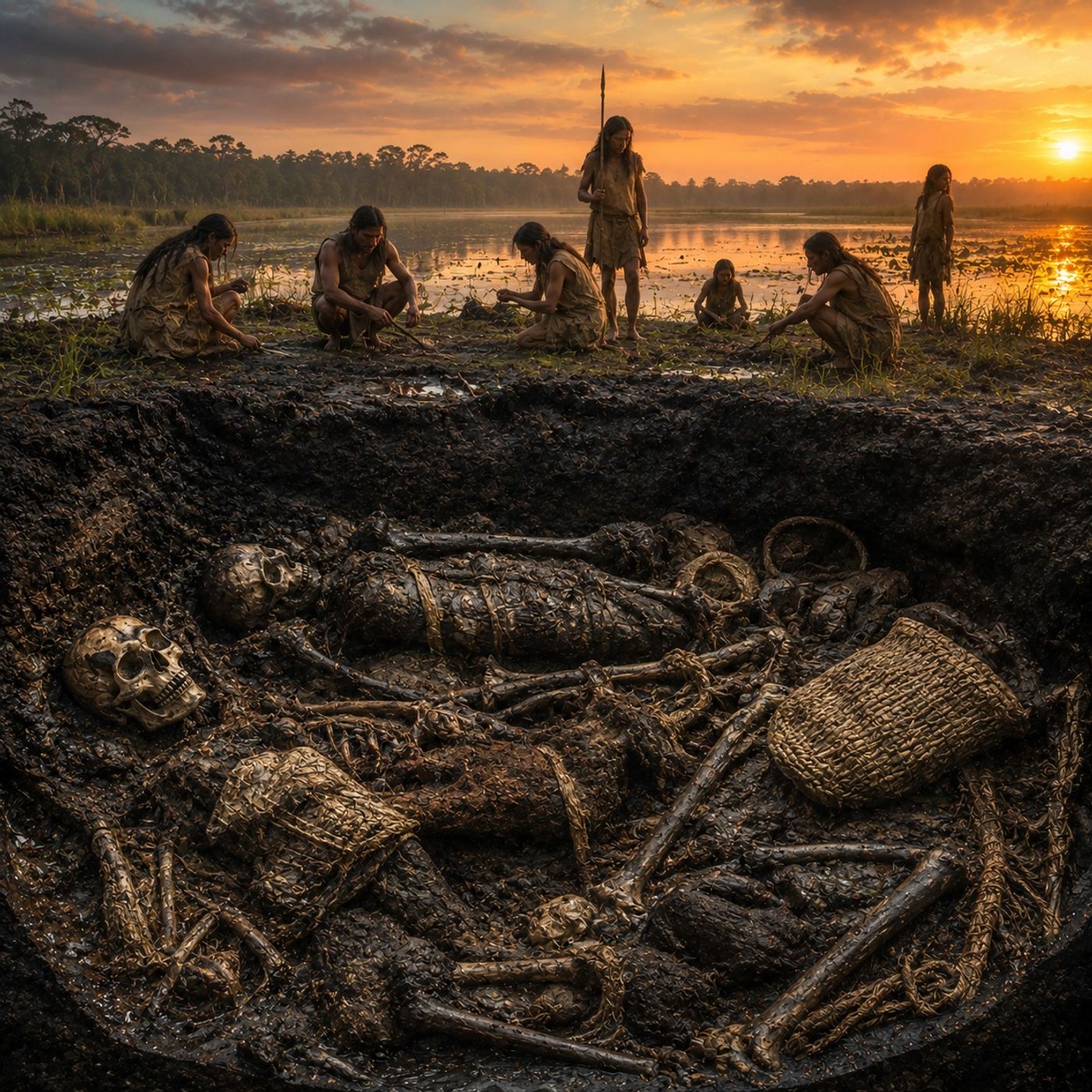 The Windover Bog: Secrets of the 8,000-Year-Old Brain 21.09.2026 23минThe Windover bog in Florida has revealed one of the most extraordinary archaeological windows into prehistoric North America. More than 160 individuals were discovered remarkably preserved in an oxygen-free peat environment, dating back roughly 7,000 to 8,000 years. Some remains were so well preserved that researchers recovered intact human brains, ancient DNA, and remarkably old textiles.Scientific analysis has revealed that these early hunter-gatherers were far more sophisticated than the traditional image of Stone Age societies suggests. They developed complex burial practices, cared for injured and disabled members of their community, and demonstrated a level of social organization and emotional connection that challenges assumptions about prehistoric life.Most of the evidence points toward a relatively peaceful community, but the discovery of a decapitated individual provides a grim reminder that violence was not completely absent. The case offers rare evidence of interpersonal conflict among people living thousands of years ago.The discoveries at Windover ultimately provide an intimate glimpse into a forgotten community—showing that prehistoric people were not simply primitive survivors, but individuals capable of compassion, technological innovation, social responsibility, ritual, and deeply meaningful relationships with their dead.You can listen and download our episodes for free on more than 10 different platforms:https://linktr.ee/Hidden_History
 -
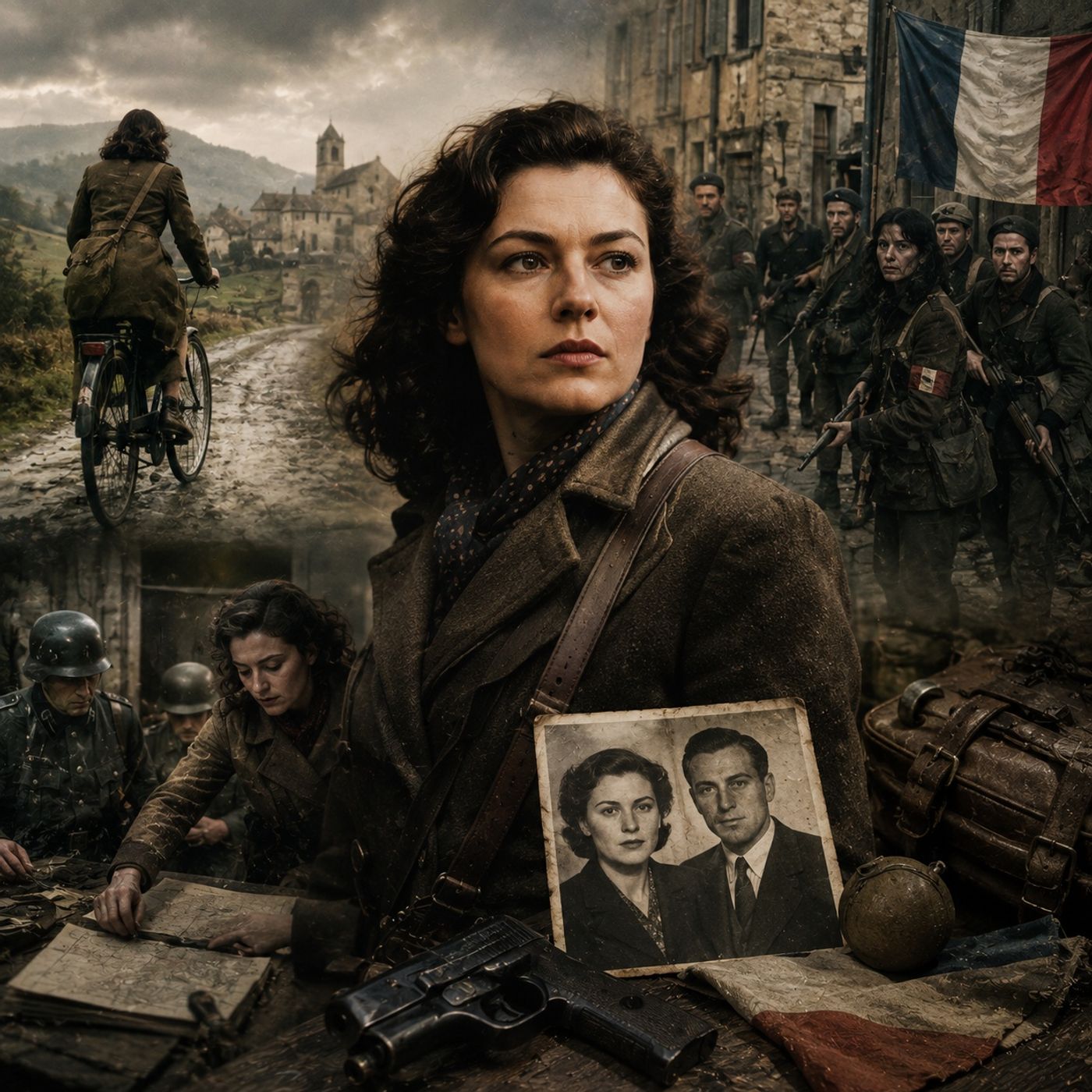 The White Mouse: Nancy Wake and the French Resistance 20.09.2026 20минNancy Wake was one of the most remarkable resistance fighters of World War II, transforming from a journalist and socialite in France into a fearless operative hunted by the Gestapo. Known by the codename “The White Mouse,” she worked with the French Resistance before receiving specialized training in sabotage, weapons, and guerrilla warfare from the British.Wake repeatedly demonstrated extraordinary courage under extreme danger. In one of her most remarkable escapes, she traveled hundreds of kilometers by bicycle through enemy-controlled territory to deliver a vital message and reconnect with Allied forces. Later, she returned to France and helped organize and lead thousands of Maquis fighters, coordinating guerrilla attacks and disrupting German operations during the liberation.Behind her legendary courage was profound personal loss. Her husband, Henri Fiocca, was captured, tortured, and executed by the Nazis, a tragedy that became one of the darkest chapters of her life.Despite the enormous risks, Wake continued fighting until the liberation of France. Fierce, outspoken, unconventional, and completely unwilling to surrender, she became one of the most formidable figures of the French Resistance—a woman whose courage helped turn resistance into armed rebellion against Nazi occupation.You can listen and download our episodes for free on more than 10 different platforms:https://linktr.ee/Hidden_History
 -
 The Architectural Mystery of the Château de Chambord 19.09.2026 24минThe Château de Chambord stands as one of the most extraordinary architectural achievements of the French Renaissance, born from the ambitious vision of King Francis I. Built as a monumental hunting residence, the castle combined French Gothic traditions with revolutionary Renaissance ideas, creating a structure whose complexity continues to fascinate architects and engineers.At the heart of Chambord is its famous double helix staircase, allowing two people to ascend and descend without ever meeting. The castle's remarkable symmetry and intricate design have also fueled long-standing speculation about the influence of Leonardo da Vinci, whose ideas are believed to have shaped parts of the project.Building such a massive structure was an enormous undertaking. Workers had to construct it on difficult marshy terrain, transport vast quantities of materials, and overcome engineering challenges on an unprecedented scale. The project consumed enormous financial resources and took decades to develop.Centuries later, Chambord gained another unexpected role during World War II, when its remote location helped protect priceless works of art from destruction and looting. Today, the castle faces a different threat: the deterioration of its delicate tuffeau limestone, requiring modern scientists and conservators to develop new methods to preserve the monument.Chambord remains far more than a magnificent castle. It is a remarkable combination of ambition, engineering, art, and mystery—a Renaissance masterpiece whose secrets continue to challenge those trying to understand how such an extraordinary building was conceived and constructed.You can listen and download our episodes for free on more than 10 different platforms:https://linktr.ee/Hidden_History
 -
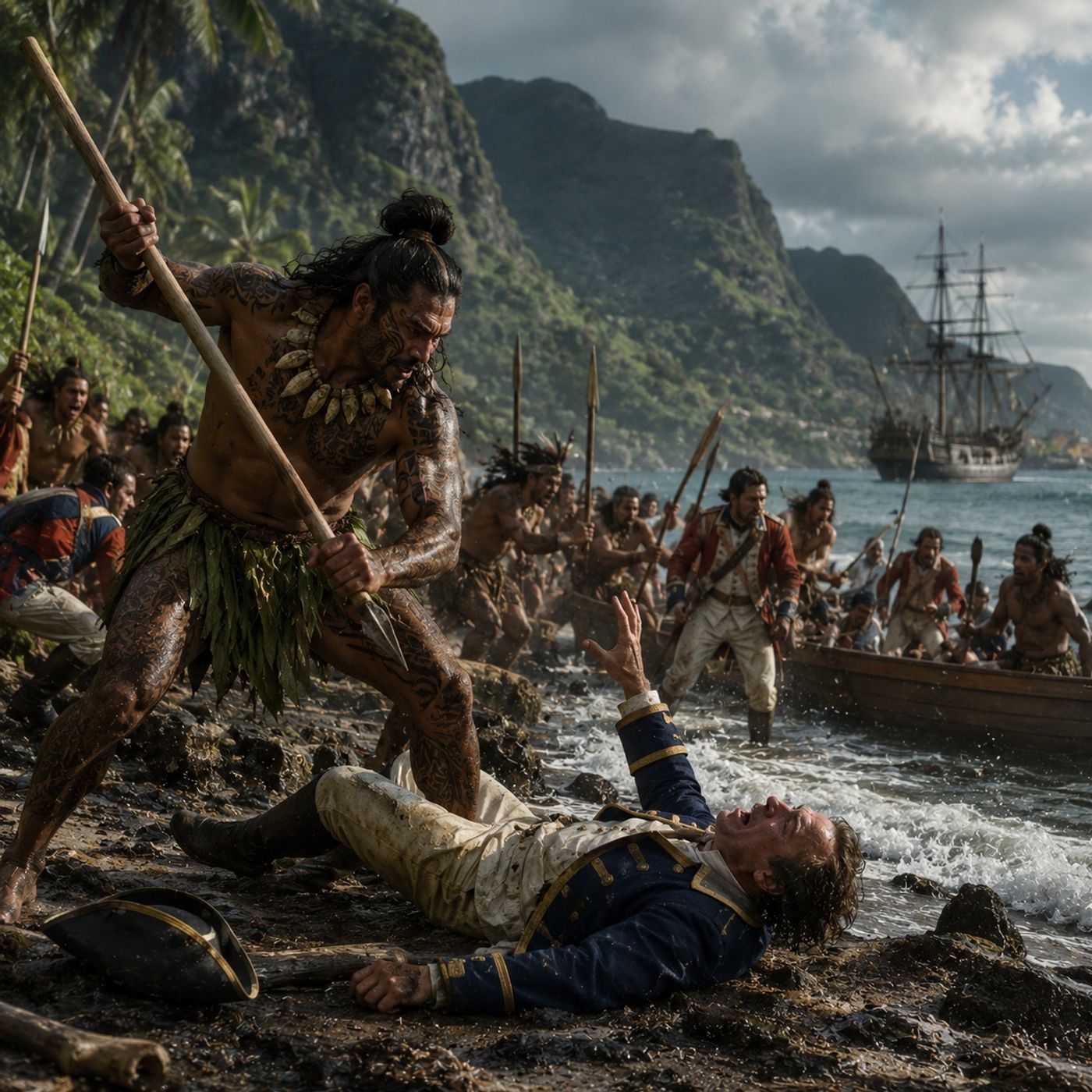 The Bone Breakers: Koa Warriors and the Fall of Cook 18.09.2026 25минThe Koa warriors of Hawaii were a highly skilled warrior class whose martial traditions played a crucial role in the turbulent history of the islands during the 18th century. Their story reached a dramatic turning point when Captain James Cook arrived in Hawaii and was initially welcomed under the belief that he was connected to the god Lono.As cultural misunderstandings and tensions grew, the relationship between Cook's expedition and the Hawaiians deteriorated. Strategic maneuvering and provocative actions helped push the situation toward a violent confrontation at Kealakekua Bay. The Koa warriors used specialized weapons, close-quarters combat techniques, and their deep knowledge of the local environment to overwhelm the British forces.At the center of the wider struggle was Kamehameha, an ambitious and highly capable leader who understood the importance of military power and strategic alliances. The conflict and the weapons acquired from foreign visitors contributed to the changing balance of power among the Hawaiian islands.Cook was ultimately killed during the confrontation, marking one of the most dramatic encounters between European explorers and the indigenous Hawaiian warrior tradition. In the years that followed, Kamehameha used military strength and political strategy to unite the Hawaiian islands under his rule.The story captures the final era of Hawaii's traditional warrior culture—a world shaped by martial skill, spiritual power, rivalry, and warfare that would eventually give way to a more unified kingdom and a changing society.You can listen and download our episodes for free on more than 10 different platforms:https://linktr.ee/Hidden_History
 -
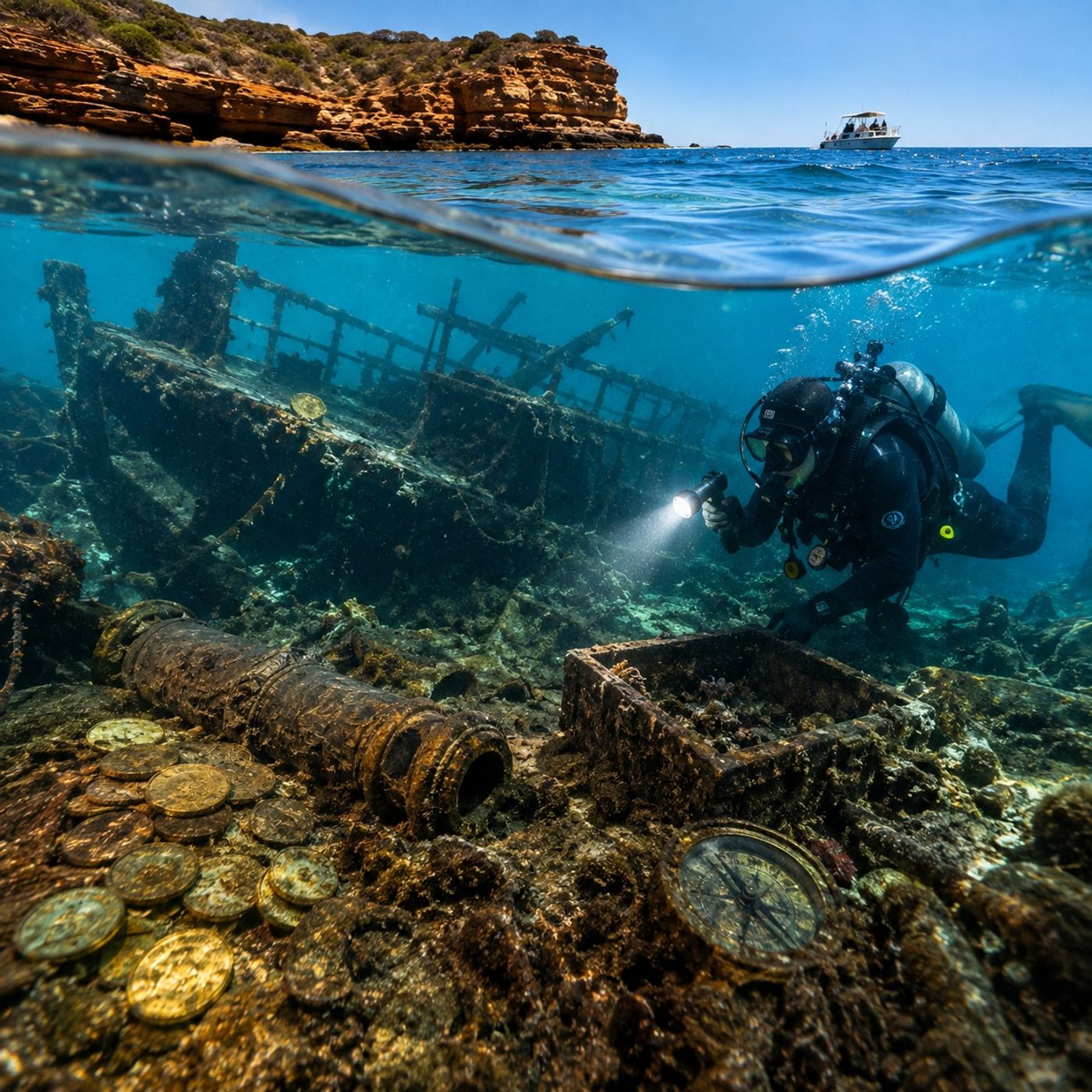 Sunken Fortunes: Searching for Australia’s Lost Treasure Ships 17.09.2026 25минAustralia's coastline is a vast underwater graveyard, hiding thousands of shipwrecks and centuries of lost history beneath its waters. From the earliest Dutch and English voyages to ships carrying valuable cargo, countless vessels disappeared along the treacherous coast, leaving behind scattered artifacts and unanswered mysteries.Divers continue to explore these underwater sites in search of legendary wrecks and lost treasures. Their discoveries range from cannons and navigational equipment to Spanish silver coins and other remnants of long-forgotten voyages. Some wrecks, such as the Batavia and the Pandora, reveal stories far darker than simple maritime accidents, exposing mutinies, violence, and desperate struggles for survival.Yet the search for treasure is rarely as spectacular as legend suggests. Many artifacts have been heavily corroded, buried beneath sediment, or covered by coral, while some famous treasures were recovered decades ago. Others may remain hidden, their exact locations still unknown.The story also extends beyond European shipwrecks. Aboriginal rock art and local traditions preserve another layer of history, documenting the encounters and cultural impact created by centuries of maritime exploration.Together, these discoveries reveal Australia's coastline as a vast underwater archive—one where every wreck can contain a story, but where uncovering the secrets of the past requires patience, technology, and sometimes a little luck.You can listen and download our episodes for free on more than 10 different platforms:https://linktr.ee/Hidden_History
 -
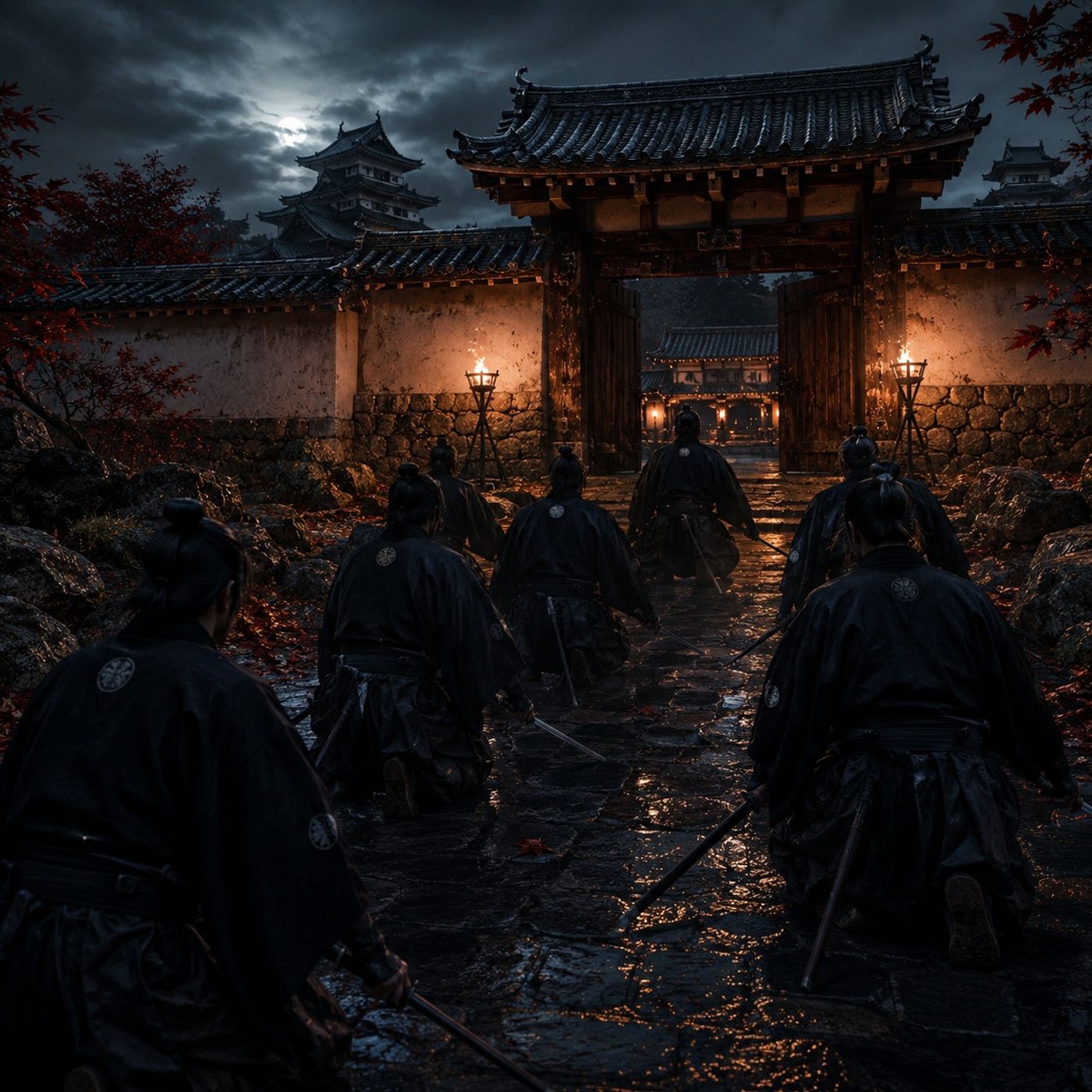 The Bloody Revenge of 47 Ronin 16.09.2026 23минThe legendary story of the 47 Ronin is one of the most famous tales of loyalty, revenge, and honor in Japanese history. After their master, Lord Asano, was forced to take his own life, his followers were left without a lord and became ronin. Rather than accepting their master's death, they devoted themselves to a carefully planned mission of vengeance against Lord Kira.Led by Oishi Yoshio, the ronin spent years deliberately disguising their intentions. They scattered, lived ordinary lives, and allowed Kira to believe that they had abandoned any desire for revenge. Behind this deception, however, they were patiently preparing for their final strike.When the moment came, the warriors launched a coordinated nighttime assault on Kira's fortified residence. Using traditional weapons, discipline, and carefully planned tactics, they overcame the defenders and finally confronted their enemy.Their victory came at an enormous personal cost. After completing their mission, the surviving ronin were ordered to commit seppuku, accepting death rather than abandoning the principles that had guided them.The story transformed the 47 Ronin from displaced warriors into enduring symbols of loyalty and sacrifice. Their legend captures the ideal of the bushido spirit—a warrior's absolute devotion to duty, honor, and the willingness to face death rather than betray his principles.You can listen and download our episodes for free on more than 10 different platforms:https://linktr.ee/Hidden_History
 -
 The 102 Minute Timeline of 9/11 15.09.2026 24минSeptember 11, 2001, unfolds through a tense reconstruction of the terrorist attacks that changed the world forever. As air traffic controllers struggle to understand the sudden disappearance and hijacking of multiple aircraft, American Airlines Flight 11 and United Airlines Flight 175 are diverted toward New York City.The episode captures the desperate communications from the aircraft, including the crucial information provided by flight attendant Betty Ong, before the attacks on the World Trade Center and the Pentagon. It also follows the chaotic military response and the courageous passengers aboard United Airlines Flight 93 who fought back against the hijackers.From the first signs of danger to the final moments of Flight 93 and the nation's stunned response, the story reveals the confusion, bravery, communication failures, and devastating human loss surrounding one of the most consequential days in modern history.You can listen and download our episodes for free on more than 10 different platforms:https://linktr.ee/Hidden_History
 -
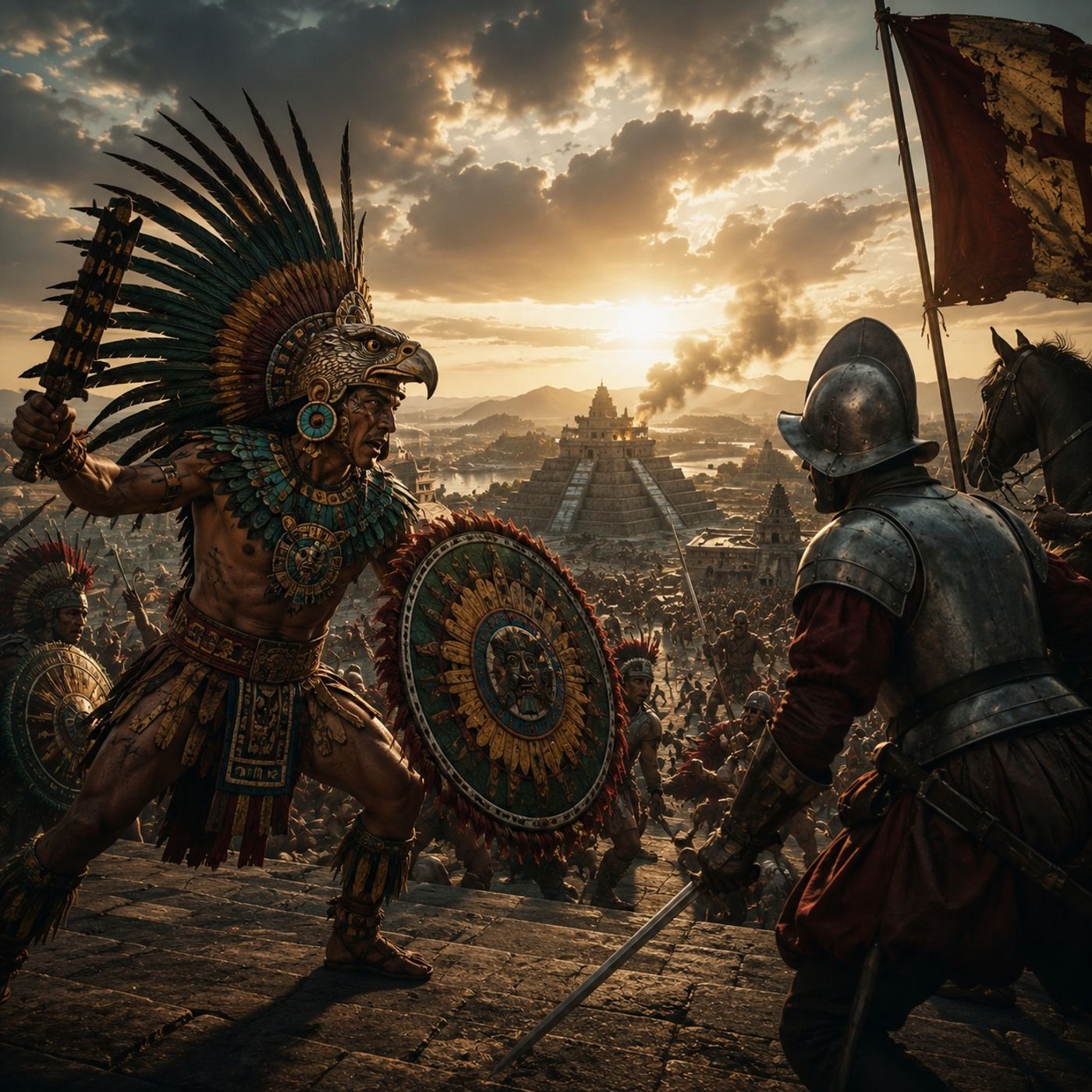 The Night of Tears: Eagle Warriors and the Spanish Clash 15.09.2026 23минThe Aztec Eagle Warriors were among the most elite fighters of the Aztec Empire, shaped from an early age through rigorous military training and a culture that placed enormous value on courage, discipline, and battlefield achievement. Armed with devastating obsidian-edged weapons, they were trained not only to kill but also to incapacitate and capture opponents for ritual sacrifice.Their military culture was put to the ultimate test during the Spanish invasion. One of the most dramatic moments came during La Noche Triste, when Aztec forces launched a powerful counterattack against Hernán Cortés and his men, inflicting a major defeat on the Spanish and forcing them to retreat.But the Aztecs' battlefield victory could not stop the catastrophe that followed. The Spanish returned with larger forces and new alliances, while devastating European diseases swept through the indigenous population, killing enormous numbers of people and severely weakening the empire's ability to resist.The fall of the Aztec Empire was therefore far more complicated than the defeat of an unprepared civilization. The Eagle Warriors and the armies they served were highly organized, experienced, and capable of defeating the Spanish in direct combat. Their story is ultimately one of extraordinary military resistance followed by a devastating collapse caused by a combination of warfare, disease, political upheaval, and overwhelming historical forces.You can listen and download our episodes for free on more than 10 different platforms:https://linktr.ee/Hidden_History
 -
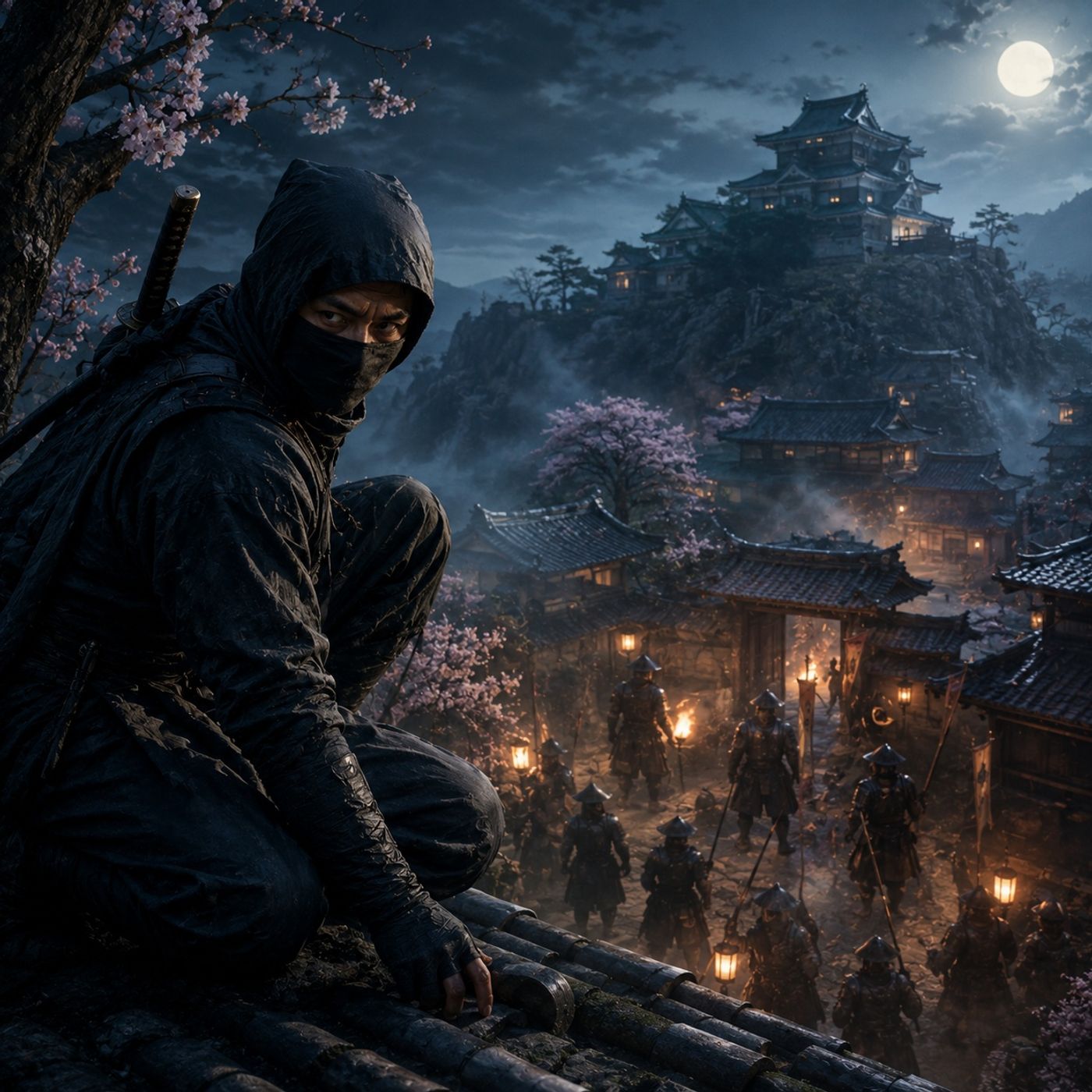 How Iga Ninja Outlasted the Samurai 14.09.2026 28минThe Iga ninja, or Shinobi, were among the most skilled practitioners of unconventional warfare in feudal Japan. Operating from the mountainous region of Iga, they developed expertise in espionage, infiltration, sabotage, reconnaissance, and psychological warfare—methods that many traditional samurai considered dishonorable but which could be decisive on the battlefield.Rather than confronting enemies through conventional combat, the Shinobi relied on stealth, deception, speed, and an intimate knowledge of their surroundings. Their ability to gather intelligence and strike unexpectedly made them valuable to powerful warlords seeking advantages that conventional armies could not provide.One of the most famous figures associated with this world was Hattori Hanzo, whose skills and knowledge helped Tokugawa Ieyasu during a turbulent period of Japanese history. But the Iga warriors also faced an existential threat when Oda Nobunaga launched a devastating campaign against their homeland. Despite enormous losses, the Shinobi tradition survived.Their eventual integration into the military structure of the emerging shogunate transformed their role from independent mountain warriors into trusted specialists and protectors. Their story demonstrates how techniques once viewed as dishonorable became essential tools of warfare—and how the principles of speed, surprise, intelligence, and adaptation foreshadowed many of the methods associated with modern special forces.You can listen and download our episodes for free on more than 10 different platforms:https://linktr.ee/Hidden_History
 -
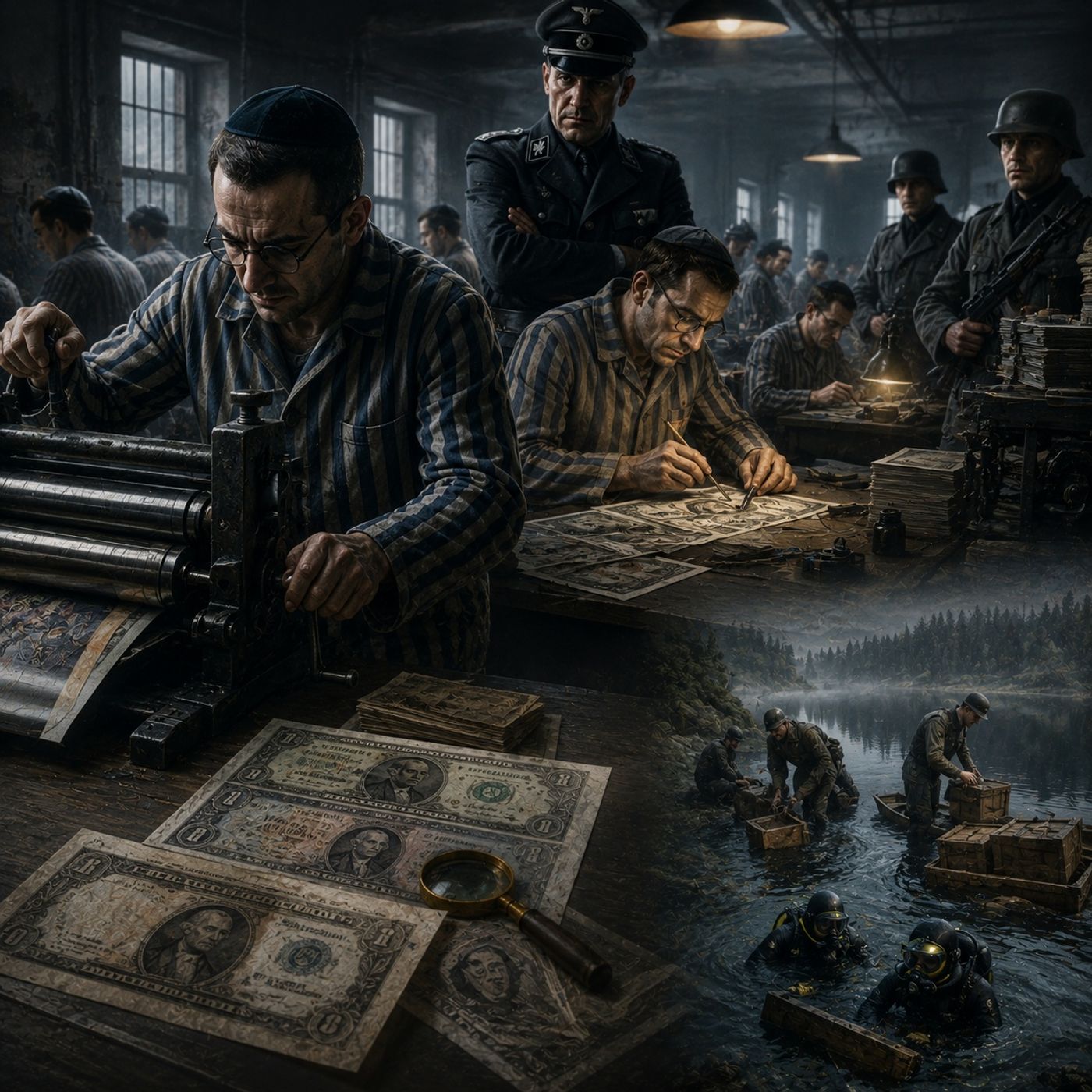 Nazi Prisoners Who Forged the British Pound 13.09.2026 27минOperation Bernhard was one of the most extraordinary and disturbing counterfeiting operations of World War II. The Nazi regime developed the scheme with the intention of flooding Britain with high-quality forged banknotes, destabilizing its economy and creating financial chaos.To produce the counterfeit currency, the SS selected Jewish prisoners with specialized skills and transferred them from concentration camps to Sachsenhausen. Forced to work under horrific conditions and under constant threat of execution, these prisoners used their knowledge of printing, engraving, and design to manufacture millions of forged notes.The operation eventually evolved beyond its original economic objective. The counterfeit money became a valuable source of funding for Nazi intelligence operations, purchasing supplies on the black market, and supporting covert activities. For the prisoners, however, the work was ultimately a desperate struggle for survival. Their specialized abilities gave them a temporary protection from immediate extermination, but they remained trapped inside the machinery of the Holocaust.Among the prisoners were individuals whose personal stories reveal the human dimension behind the operation. Their technical talents, which had been exploited by their captors, unexpectedly helped keep them alive until the collapse of Nazi Germany and the liberation of the camps.After the war, the mystery surrounding the operation continued, with large quantities of counterfeit currency and related materials eventually being discovered in Lake Toplitz. Operation Bernhard remains a chilling example of how Nazi Germany combined sophisticated technology and criminal ingenuity with the systematic persecution of human beings—and how the very skills prisoners were forced to use ultimately became part of their fight to survive.You can listen and download our episodes for free on more than 10 different platforms:https://linktr.ee/Hidden_History
 -
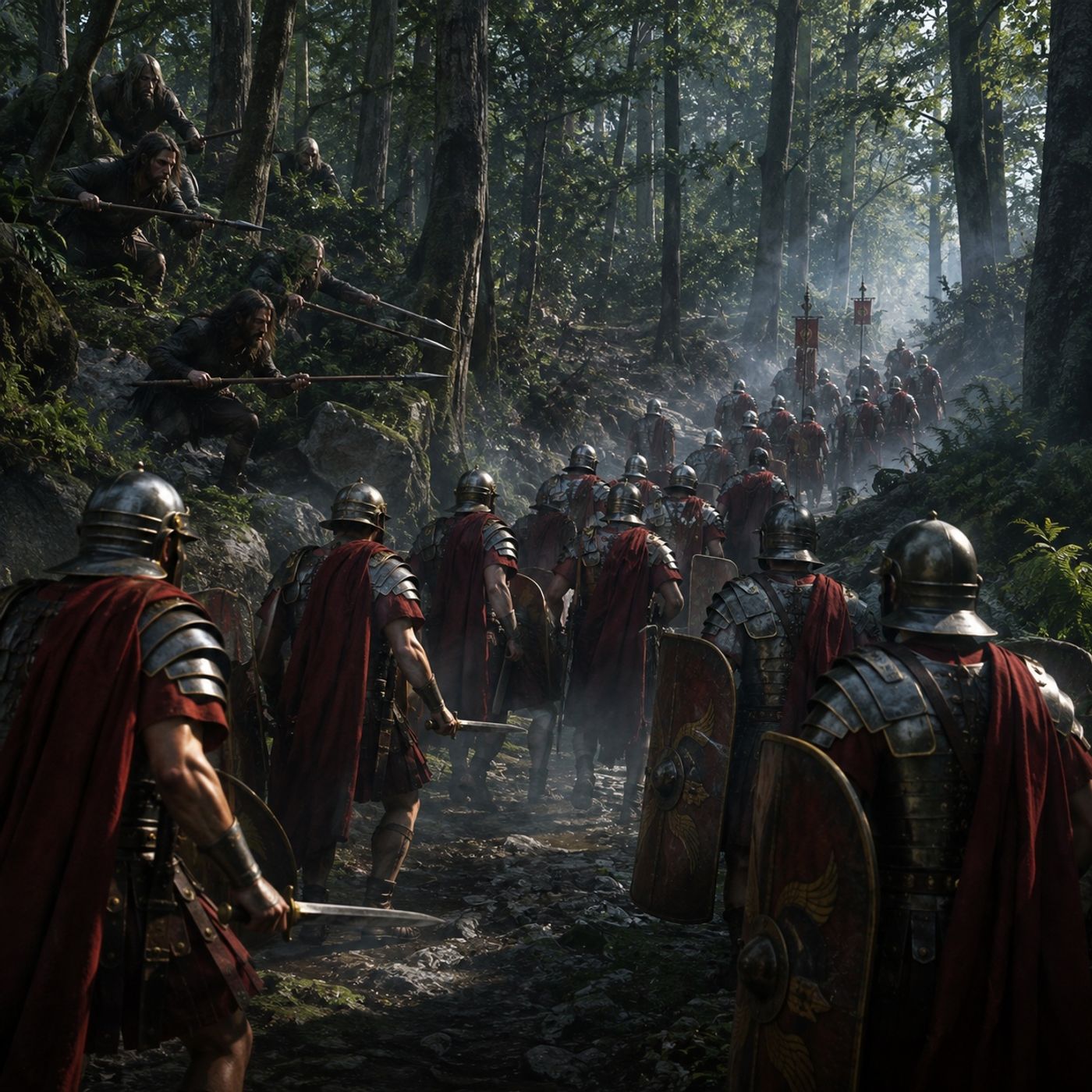 How Arminius Destroyed Three Roman Legions 12.09.2026 18минThe Battle of the Teutoburg Forest was one of the most devastating defeats suffered by the Roman Empire, when three Roman legions were drawn into a carefully prepared ambush deep in unfamiliar Germanic territory.At the center of the Germanic resistance was Arminius, a highly capable leader who understood Roman military methods from personal experience. He used the warriors’ knowledge of the landscape, combined with stealth, camouflage, night fighting, and psychological warfare, to turn the environment itself into a weapon.The Romans found themselves trapped in difficult terrain as Germanic fighters attacked from concealed positions, using javelins, slings, and close-combat weapons before disappearing into the forest. The disciplined Roman formations struggled to respond effectively against an enemy who refused to fight on conventional terms.The destruction of the three legions sent shockwaves through Rome. Emperor Augustus was devastated by the loss, and the defeat effectively ended Rome’s ambitions to permanently expand its control deep into Germania.The battle became a powerful example of how strategic planning, local knowledge, and asymmetric warfare could overcome one of the most sophisticated military forces of the ancient world. For Rome, Teutoburg Forest was a catastrophic loss; for the Germanic tribes, it became a defining victory that changed the course of European history.You can listen and download our episodes for free on more than 10 different platforms:https://linktr.ee/Hidden_History
 -
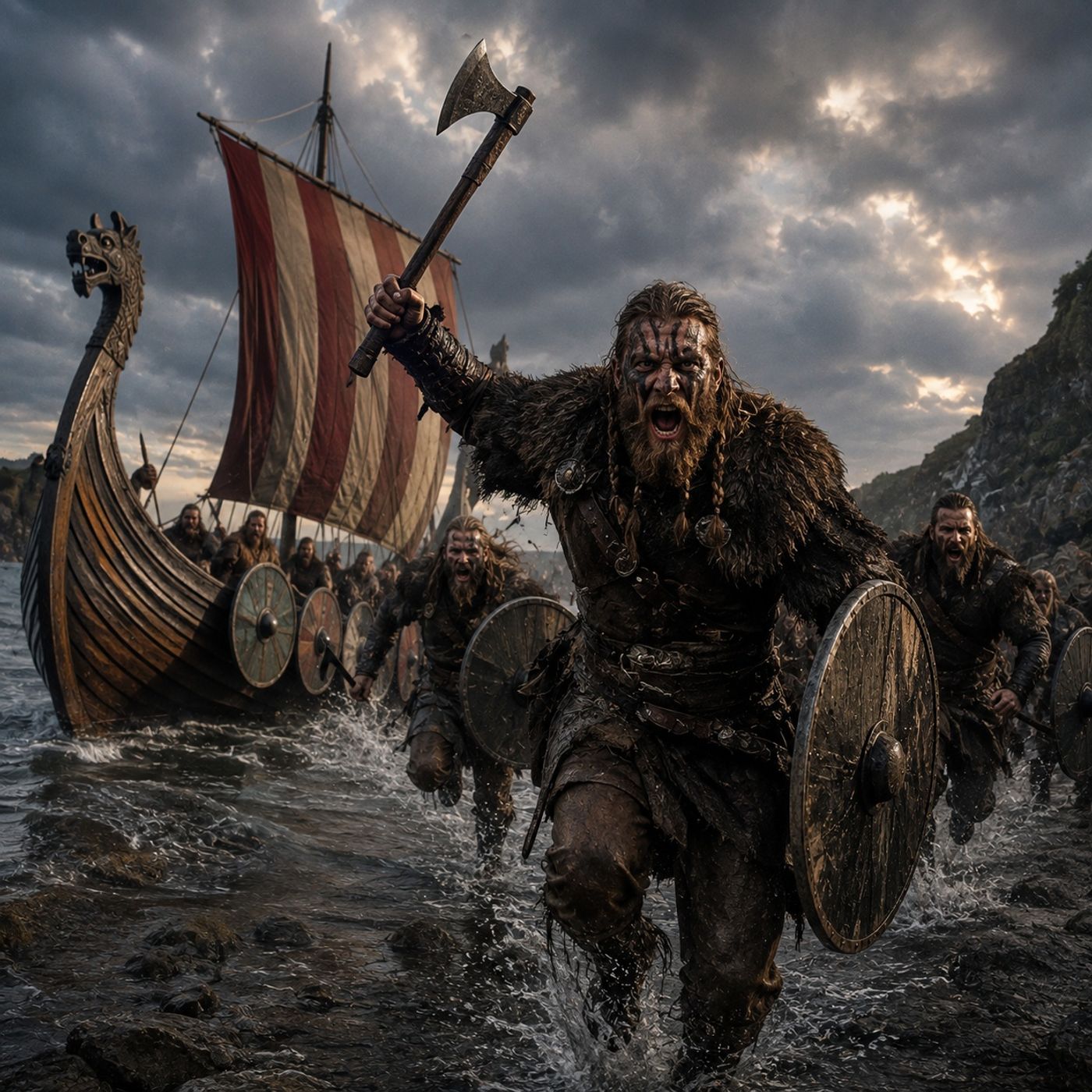 Iron and Amanita: The Rise of the Viking Berserker 11.09.2026 24минViking Berserkers were among the most feared warriors of the Norse world, surrounded by stories of extraordinary strength, violence, and seemingly uncontrollable battle fury. These elite fighters were said to enter powerful trances before combat, adopting the behavior and symbolism of wild animals while preparing themselves for battle. Some theories suggest that altered states may have been connected to ritual practices or psychoactive substances, although the exact nature of the Berserker trance remains uncertain.Their reputation was supported by the wider military power of the Viking world. Advanced longships allowed Norse warriors to strike coastal settlements with remarkable speed, turning raids such as the infamous attack on Lindisfarne into symbols of an expanding warrior culture.Religion played a central role in their identity. Devotion to Odin and the belief in an honorable death in battle gave warriors a powerful motivation to fight without fear, with Valhalla representing the ultimate reward for those who died as warriors.As Christianity spread throughout Scandinavia and the Viking Age gradually came to an end, the world that produced the Berserkers disappeared. Their historical reality became increasingly mixed with legend, transforming these terrifying warriors into larger-than-life figures that continue to appear in folklore, literature, games, television, and modern popular culture.You can listen and download our episodes for free on more than 10 different platforms:https://linktr.ee/Hidden_History
 -
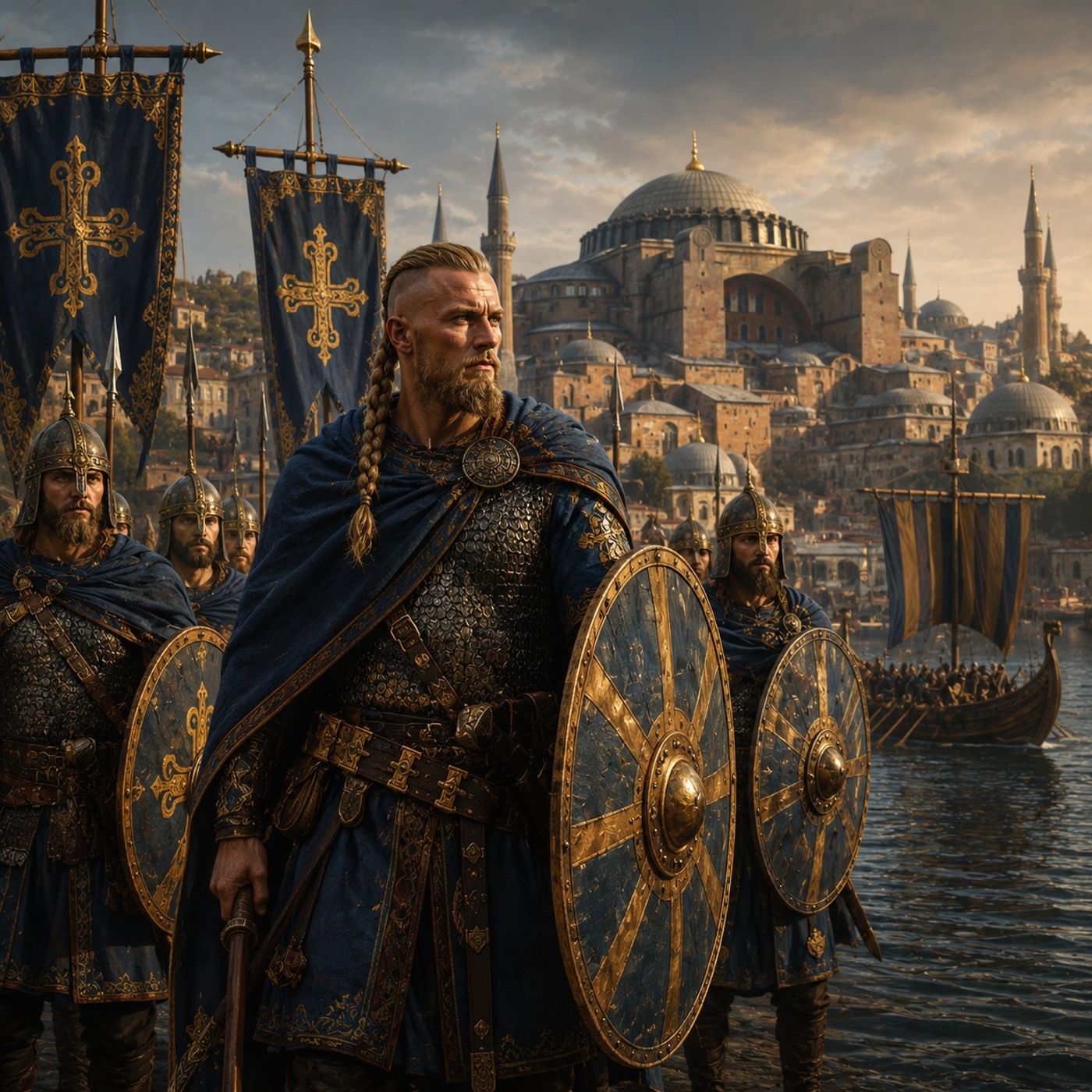 The Varangian Guard: Harald Hardrada and the Empire’s Elite Warriors 10.09.2026 22минThe Varangian Guard was one of the most formidable military units of the Byzantine Empire, formed largely from Viking warriors who traveled east in search of wealth, adventure, and opportunity. Rather than remaining independent raiders, these Norsemen became highly disciplined soldiers who served as the personal bodyguards and elite shock troops of Byzantine emperors.Their reputation was built on extraordinary physical strength, battlefield ferocity, and, above all, loyalty. Far from simply relying on brute force, many Varangians developed sophisticated military skills and adapted to the complex warfare of the Byzantine world.Among the most famous was Harald Hardrada, who served in the Guard before becoming one of the most ambitious rulers and warriors of his age. His campaigns demonstrated a combination of boldness, deception, and tactical creativity, including unconventional methods used to overcome fortified enemies.Life in Constantinople also transformed these Vikings culturally. They accumulated enormous wealth, encountered a sophisticated imperial society, and became famous for their distinctive traditions, lavish lifestyles, and legendary appetite for drinking and celebration.The story of the Varangian Guard is ultimately one of transformation: Viking warriors who once raided across northern seas found a new path to power in the Byzantine Empire. In exchange for their swords and loyalty, they gained wealth, prestige, and access to one of the most powerful courts in the medieval world—creating a unique legacy that combined Viking ferocity with Byzantine military sophistication.You can listen and download our episodes for free on more than 10 different platforms:https://linktr.ee/Hidden_History
 -
 Debt of the Devil: The First Holocaust Reparations 09.09.2026 20минAfter the Holocaust, the newly established State of Israel faced enormous economic challenges while thousands of Jewish survivors were living in severe poverty. At the same time, Germany was struggling to confront the consequences of the genocide committed under the Nazi regime. Against this painful background, an unprecedented idea emerged: negotiating financial compensation between the victims and the nation responsible for their persecution.Prime Minister David Ben-Gurion and West German Chancellor Konrad Adenauer pursued the negotiations despite fierce opposition. Many Jews considered any payment from Germany to be “blood money” and believed that accepting compensation was morally unacceptable. On the German side, there was also resistance to the idea that the country should bear collective responsibility for the crimes of the Nazi era.Despite the anger and controversy, the negotiations eventually produced the 1952 Luxembourg Agreement. It established a historic framework for West Germany to provide compensation for Jewish suffering and property losses, while separate mechanisms helped individual survivors receive restitution.The payments could never compensate for murdered families, destroyed communities, or the unimaginable suffering of the Holocaust. But they provided crucial economic support to the young Israeli state and helped thousands of survivors rebuild their lives with greater security and dignity.The agreement therefore became more than a financial settlement. It represented an extraordinary moment of postwar accountability, forcing former enemies to confront the material consequences of genocide and establishing an important precedent for reparations in international relations.You can listen and download our episodes for free on more than 10 different platforms:https://linktr.ee/Hidden_History
 -
 The Stateless Refugee Who Mapped Capitalism 08.09.2026 21минKarl Marx remains one of the most influential and controversial thinkers in modern history, and his ideas continue to provoke debate in a world still struggling with economic inequality. His analysis of capitalism, class conflict, wealth concentration, and economic crises has gained renewed attention, particularly after the global financial crisis of 2008.The legacy of Marx is interpreted very differently around the world. In China, he remains an important ideological figure, while in Europe and elsewhere, activists and former financial professionals continue to debate whether his criticism of capitalism offers useful insights into today's economic system.But Marx's legacy is also inseparable from the political movements that claimed to act in his name. The text examines the major differences between Marx's original philosophical ideas and the authoritarian and often violent systems later established by figures such as Lenin and Stalin. This raises a fundamental question: can Marx's vision of a more cooperative and solidarity-based society be separated from the historical regimes that emerged under communist rule?Ultimately, the story is not simply about whether Marx was right or wrong. It is about why his ideas have survived for generations—and whether his questions about wealth, power, inequality, and the structure of society still have something important to tell us about the world today.You can listen and download our episodes for free on more than 10 different platforms:https://linktr.ee/Hidden_History
 -
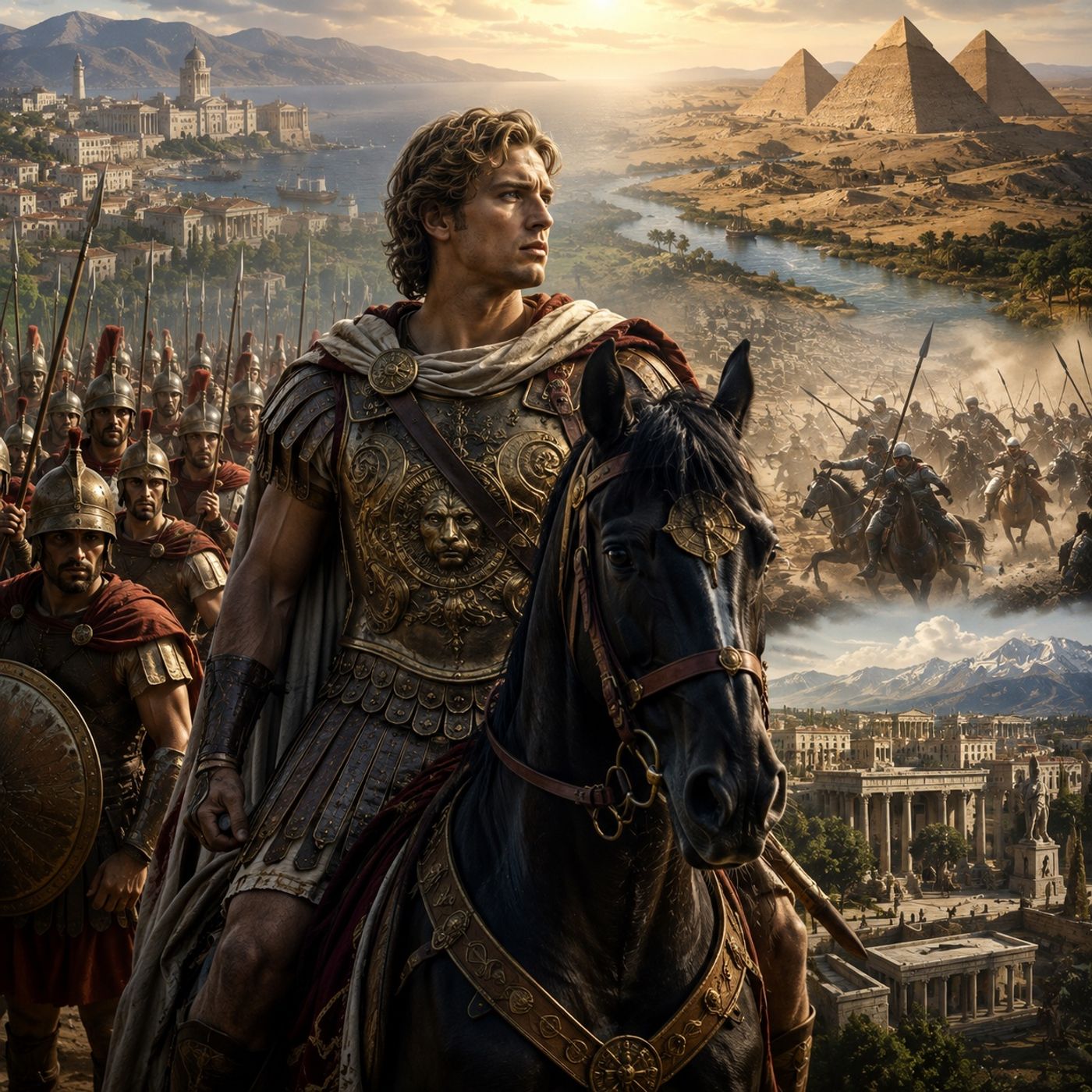 The Fatal Ambition of Alexander the Great 07.09.2026 21минAlexander the Great rose to power with an extraordinary combination of ambition, military talent, and an almost relentless desire for conquest. Born the son of King Philip II of Macedonia, he inherited a highly organized army and a long-standing rivalry between the Greek world and the Persian Empire. But Alexander would take that legacy far beyond anything his father had achieved.Over roughly twelve years of campaigning, Alexander defeated armies across Asia and built one of the largest empires the ancient world had ever seen. His victory at Gaugamela demonstrated his remarkable strategic ability, particularly his mastery of cavalry and his talent for exploiting weaknesses in much larger enemy forces.Yet Alexander was more than a battlefield commander. Educated by Aristotle, deeply inspired by the legendary Achilles, and convinced of his own extraordinary destiny, he increasingly presented himself as a figure of almost divine status. Along his conquests, he founded cities such as Alexandria, creating centers where Greek language, ideas, and culture could spread across the territories he conquered.His personality was filled with contradictions. He could display extraordinary generosity and loyalty toward his followers, yet also respond to resistance with extreme brutality. His ambition ultimately pushed him deep into India, far beyond the original limits of his campaign.Alexander died unexpectedly at a young age, and his enormous empire quickly fractured among his generals. Yet his conquests had permanently transformed the ancient world, spreading Hellenistic culture from Egypt and the Mediterranean to Central Asia and India. His legacy remains that of a brilliant, ambitious, and deeply complicated conqueror whose achievements reshaped history long after his death.You can listen and download our episodes for free on more than 10 different platforms:https://linktr.ee/Hidden_History
 -
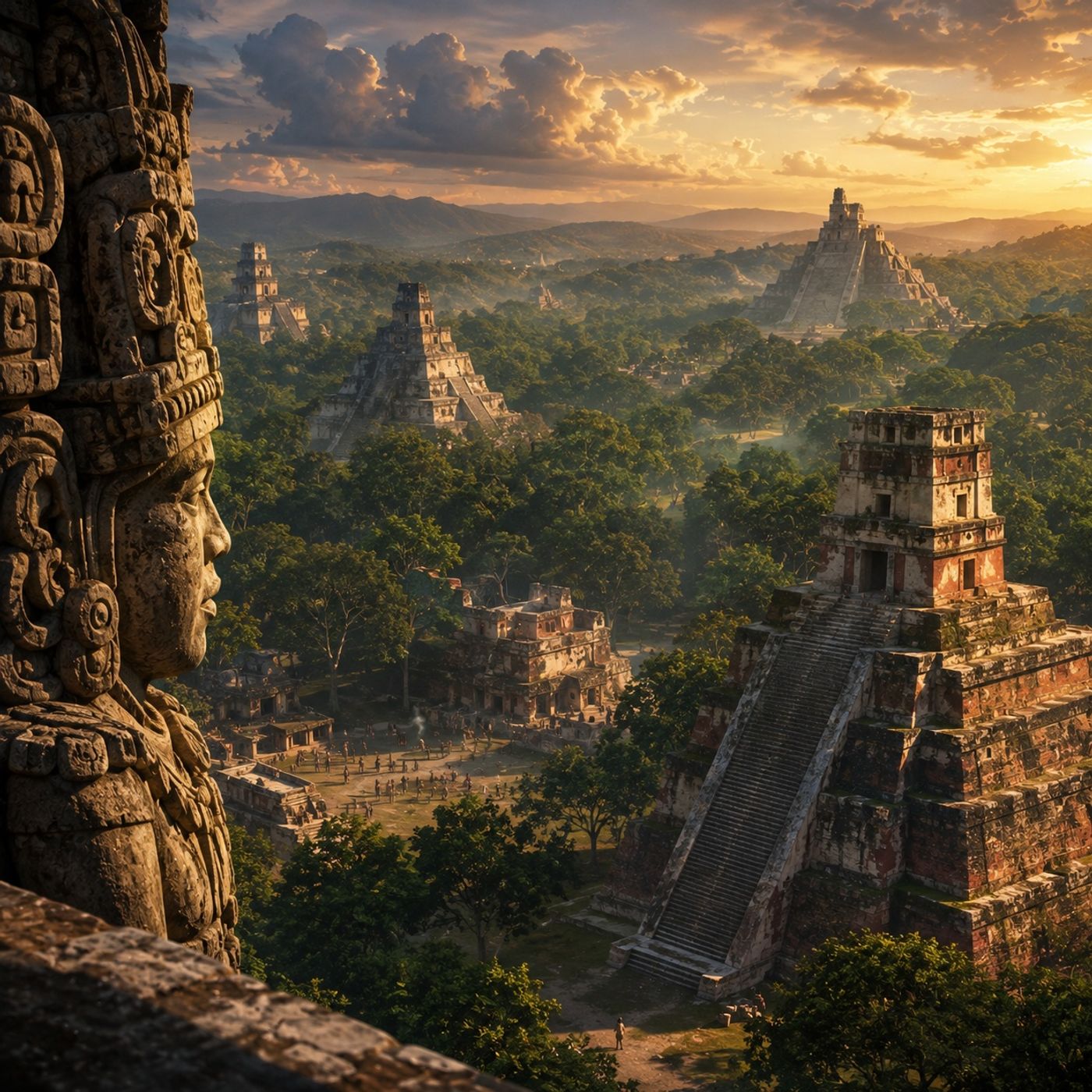 How Mesoamerican Cities Engineered Their Own Downfall 06.09.2026 25минChichén Itzá, Tikal, and Teotihuacán stood among the greatest cities of ancient Mesoamerica, transforming the landscape with monumental architecture, advanced astronomy, sophisticated water systems, and powerful religious institutions. Their enormous temples and urban centers were not simply places to live—they were carefully designed displays of political and divine authority.These civilizations were also deeply connected. Extensive trade networks, military campaigns, and shared religious traditions allowed ideas, technologies, and cultural practices to spread across vast distances. Modern archaeological technology, particularly LiDAR, has revealed that these cities were far larger and more densely populated than previously believed, with sprawling urban landscapes that could rival major cities of the ancient world.Yet even these powerful civilizations eventually faced devastating challenges. Prolonged droughts, environmental pressure, resource depletion, and growing internal unrest weakened their societies and contributed to their decline.Their cities were abandoned, but their civilizations did not simply disappear. Their traditions, knowledge, and cultural legacy survived through later societies, including the Aztecs and the descendants of the Maya. Today, their monumental ruins offer a glimpse into a sophisticated civilization that shaped Mesoamerica for thousands of years.You can listen and download our episodes for free on more than 10 different platforms:https://linktr.ee/Hidden_History
 -
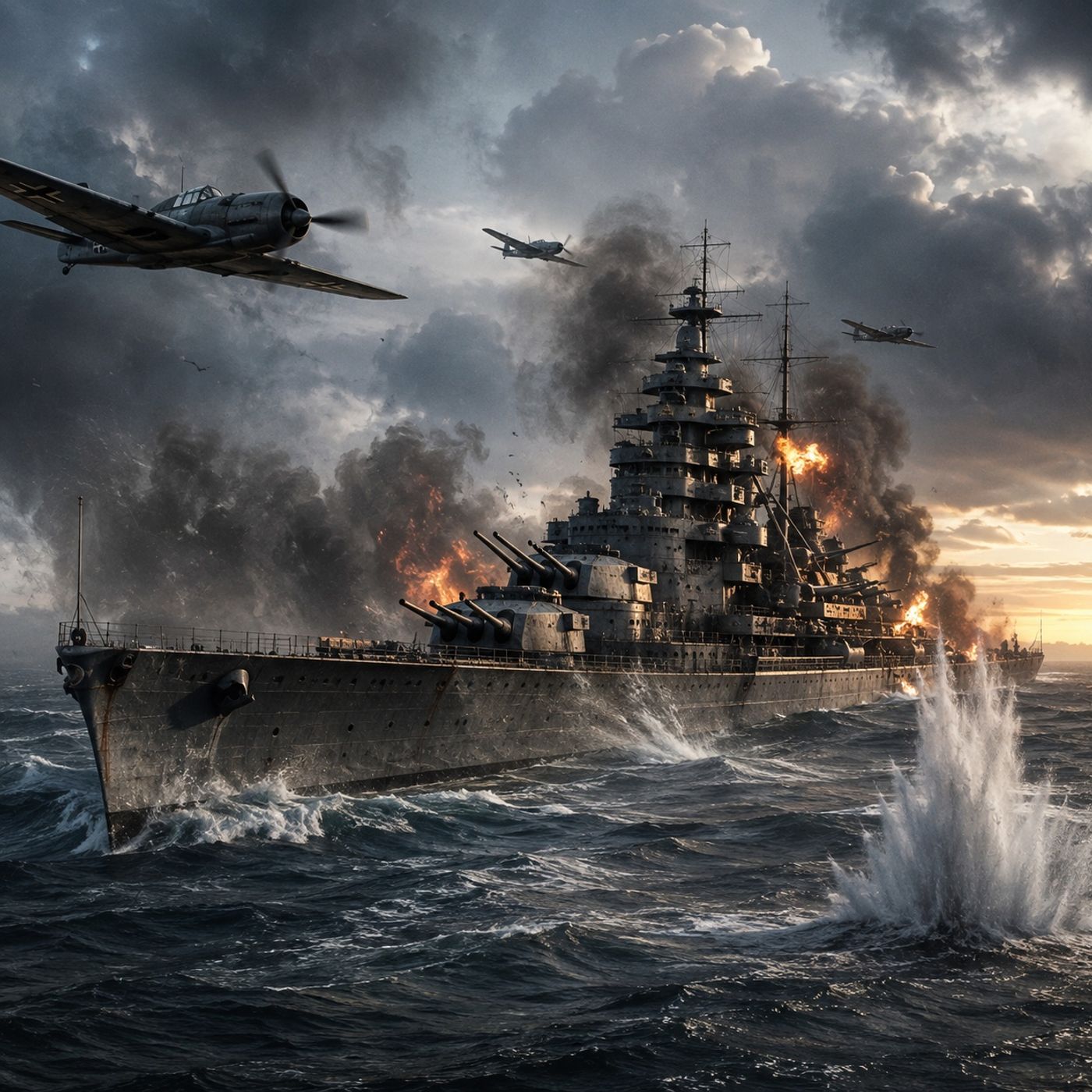 The Nine Day Hunt for the Bismarck 05.09.2026 25минThe Bismarck was one of the most feared battleships of World War II, and its first major operation in 1941 quickly became one of the most dramatic naval pursuits in history. Designed to threaten vital British supply lines, the massive German battleship demonstrated its destructive power by engaging the British fleet and sinking the legendary HMS Hood in a devastating confrontation.The loss of the Hood triggered an enormous British hunt for the Bismarck. Warships, aircraft, and radar were brought together in a relentless effort to locate and stop the German battleship before it could escape into the Atlantic. After being tracked down, the Bismarck was crippled by an aerial torpedo attack that severely limited its ability to maneuver.With its escape effectively blocked, British forces closed in for the final battle. The damaged battleship was subjected to a prolonged and brutal bombardment before eventually sinking beneath the Atlantic.The destruction of the Bismarck became more than the dramatic end of a legendary warship. It symbolized a changing era in naval warfare, as the dominance of heavily armored battleships increasingly gave way to the growing power of aircraft carriers and naval aviation.You can listen and download our episodes for free on more than 10 different platforms:https://linktr.ee/Hidden_History
 -
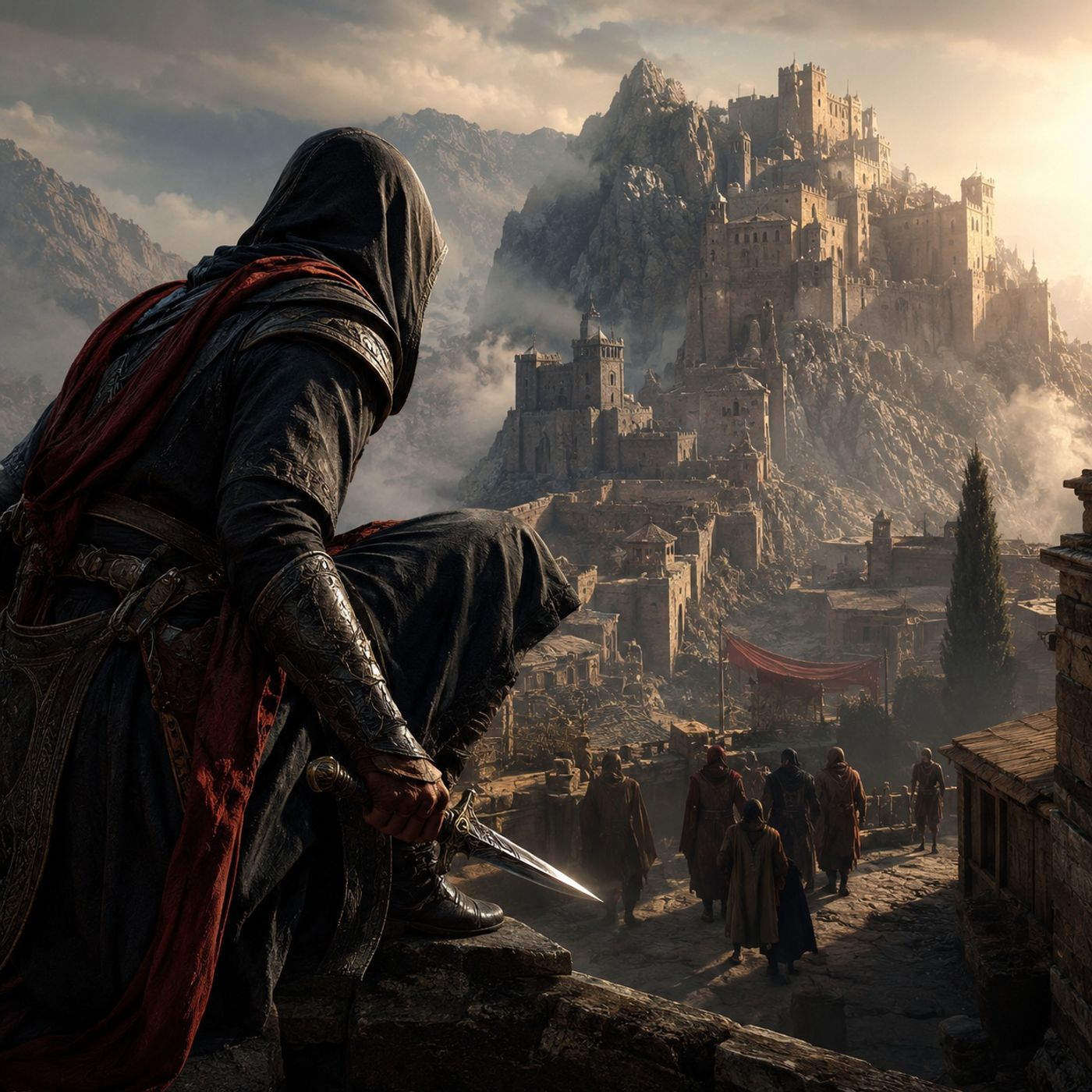 The Blade and the Ghost: Origins of the Assassins 04.09.2026 28минThe Ismaili Assassins emerged from a persecuted Shiite minority surrounded by powerful enemies, forcing them to develop an unconventional way of surviving. From mountain fortresses such as Alamut, they built a network that relied not on massive armies, but on intelligence, patience, secrecy, and carefully planned strikes.Rather than fighting large battles, their warriors specialized in infiltrating enemy territories, adopting disguises, gathering information, and sometimes spending months or even years getting close to their targets. Their preferred weapon was the dagger, allowing them to carry out precise attacks against influential political and military figures while creating enormous psychological pressure far beyond the physical damage they caused.High-profile figures such as Nizam al-Mulk and Conrad of Montferrat became targets, demonstrating their strategy of disrupting powerful hierarchies by eliminating key individuals. Their reputation grew as stories of their infiltrations and fearless devotion spread throughout the medieval world.Ultimately, the Assassins survived not through overwhelming military strength, but through strategic intimidation, intelligence, and asymmetric warfare. Their ability to challenge far more powerful enemies transformed a marginalized community into one of the most feared and legendary forces of the medieval Middle East.You can listen and download our episodes for free on more than 10 different platforms:https://linktr.ee/Hidden_History
 -
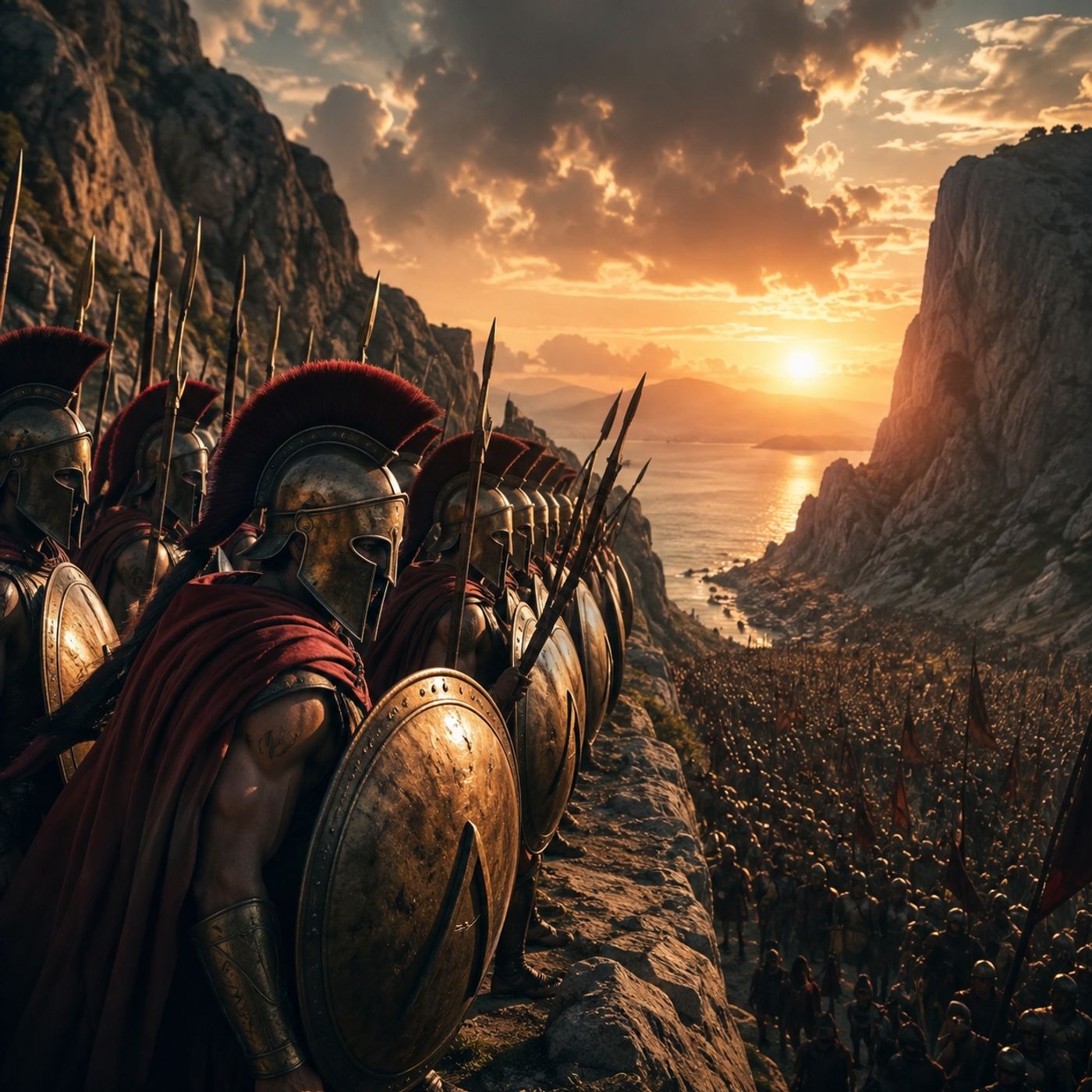 How Sparta turned children into weapons 03.09.2026 23минThe legendary stand at Thermopylae begins with the brutal training that shaped Spartan warriors from childhood. Raised under a relentless military system, they were conditioned to endure pain, survive with limited resources, move with discipline, and fight without fear. This harsh upbringing transformed them into some of the most formidable soldiers of the ancient world.When the enormous Persian army invaded Greece, a small force of Spartans and their allies took position at the narrow pass of Thermopylae. Their greatest advantage was not numbers, but discipline and the devastating efficiency of the phalanx. In the confined battlefield, the heavily armed warriors could repeatedly withstand attacks from a vastly larger force.Behind the famous warriors was an even darker side of Spartan warfare. Elite units such as the Crypteia were trained for stealth, intimidation, and covert operations, reflecting a military culture built around absolute obedience and ruthless efficiency.Eventually, the Persians discovered a route around the pass and surrounded the defenders. Knowing that defeat was inevitable, the Spartans refused to surrender and fought to the death. Their sacrifice delayed the Persian advance and bought valuable time for the Greek states to prepare their defenses.Thermopylae became more than a military defeat. It became a lasting symbol of Spartan discipline, courage, sacrifice, and a warrior code in which dying in battle was considered preferable to retreating from an enemy.You can listen and download our episodes for free on more than 10 different platforms:https://linktr.ee/Hidden_History
Похожие подкасты


Популярен в
Этот подкаст также попадал в подкаст-чарты этих стран.
