
The Conversation
BBC World Service
0
Two women from different parts of the world, united by a common passion, experience or expertise, share the stories of their lives.
Epizódy
-
 Women bringing science to social media 14.09.2026 26minWhile the proportion of girls studying science subjects beyond high school is going up, physics, maths and engineering are still dominated by men. Ella Al-Shamahi talks to two women from Sweden and the UK who are using social media platforms to try and encourage greater equality in STEM subjects.Eleonora Svanberg is a half-Swedish and half-Persian mathematical physics PhD student at the University of Oxford. With over half a million followers on social media platforms, @eleonorasvanberg discusses topics related to science, education and equality. Her first book in 2024 was about mathematical confidence, mainly aimed at young girls.Dr Clara Nellist is a particle physicist and science communicator. She’s from the UK and has studied in France, Germany and the Netherlands. Clara’s work has focused on pixel detectors, the properties of the Higgs boson and the top quark, the heaviest known particle. She’s now working on the ATLAS experiment at CERN she’s has over a quarter of a million followers on social media where she posts videos @particleclara.Produced by Jane Thurlow(Image: (L) Eleonora Svanberg, credit Laura Smith. (R) Clara Nellist, credit Clara Nellist.)
 -
 What is a joyful life? 07.09.2026 26minDatshiane Navanayagam talks to two women from Sweden and the United States about what they've learned about treasuring moments of joy.Kate Bowler is an historian, podcaster and author. She wrote Joyful Anyway after a stage IV bowel cancer diagnosis. Kate says joy isn't something that can be sold by influencers or found in daily journaling. It comes in both the surprising and the expected moments life brings us - and it's perfectly possible to be unhappy and filled with joy at the same time.Marit Kapla is a Swedish author and journalist. For two of her books she's listened to hundreds of people talk about their lives. Her prize-winning Osebol is based upon interviews with almost all the residents of her home village. Love in Swedish consists of interviews with people all over Sweden about love. Marit says finding joy in one’s life can be difficult and complicated, and the people she's spoken to have many different approaches.Produced by Jane Thurlow(Image: (L) Marit Kapla, credit Ola Kjelbye. (R) Kate Bowler, credit Michaella Jelin.)
 -
 Fertility in your 40s 31.08.2026 26minWhy does it become much harder for older women to become pregnant? And how does fertility treatment differ from one country to the next? Ella Al-Shamahi finds out what women need to understand about their bodies.Ella speaks to Sarah Allison who underwent fertility treatment in India, Spain and Greece. Sarah is now a fertility advocate and writes under the name Solo Fertility 40s.She also talks to Dr Alison Campbell, a clinical embryologist and chief scientific officer of the Care Fertility Group, and a fellow of the Royal College of Pathologists. Presenter: Ella Al-Shamahi Producer: Hannah Sander(Image: (L) Sarah Allison, courtesy Sarah Allison. (R) Alison Campbell, courtesy Alison Campbell.)
 -
 The manosphere and its impact on women 24.08.2026 26minDatshiane Navanayagam discusses the impact of toxic masculinity in South Africa and South Korea. The United Nations has raised concern about online communities promoting misogynistic and anti-feminist views saying they’re a serious threat to gender equality. Kutlwano Mokgwathi is a doctoral researcher from Botswana, studying at the University of the Western Cape in Cape Town, South Africa - a country with some of the world's highest levels of gender-based violence. Her work is examining the emergence of the “Africana Manosphere” – with a focus on South Africa and Botswana.Seungsook Moon is Professor of Sociology at Vassar College in New York State. She grew up in Seoul, and her research includes gender and social change in South Korea. In particular, she focuses on the remaking of masculinities shaped by neoliberal transformation of economy, politics, and culture locally and globally. South Korea ranked the highest out of 30 countries for how citizens perceive tension between men and women, according to a study by King’s College London. But what is driving the country’s gender-divide and how is misogyny taking shape online?Produced by Elena Angelides(Image: (L) Kutlwano Mokgwathi, courtesy Kutlwano Mokgwathi. (R) Seungsook Moon, courtesy Seungsook Moon.)
 -
 Women saving seeds for the future 17.08.2026 26minDatshiane Navanayagam talks to two women from Uganda and the UK working at seed banks to secure the future of the world's plant life.Gloria Otieno is a scientist and genetic policy specialist with Alliance Biodiversity CIAT working to create and support seed banks in Kenya, Uganda and Tanzania. She grew up on a farm in Uganda and witnessed her community lose access to the finger millet they used for ceremonial occasions and only got it back through a gene bank. She says it brought home to her the importance of preserving a diversity of crops. Charlotte Lusty is head of seed collections at the Millennium Seed Bank at Kew in the UK, the world’s biggest wild seed bank. The underground vaults store millions of seeds from across the globe. With an estimated 45 per cent of flowering plants globally threatened with extinction, it’s an important insurance policy for the future.(Image: (L) Charlotte Lusty, credit Sebastian Kettley. (R) Gloria Otieno, credit Sustlives.))
 -
 Women helping earthquake survivors 10.08.2026 26minWhen devastation strikes around the world there are groups of experienced, dedicated teams that will fly in to support local people in saving lives. Others support people in the long, slow task of dealing with the aftermath and impact on health, homes and livelihoods. Datshiane Navanayagam talks to women from Venezuela and the UK about their roles in disaster response.Claudia González grew up in La Guaira, Venezuela which has recently been hit by two earthquakes. She works for World Vision Venezuela and was at a United Nations meeting when the disaster struck. On returning to Caracas she learned many of her school friends and their families had died in collapsed buildings. Since then she's been working round the clock to support her team working with UN agencies to coordinate the emergency response.Lori Demontigny is a registered nurse with Doctors Without Borders (MSF) providing care in crisis zones. Lori was working in Myanmar when it was hit by its worst earthquake for over a hundred years in March 2025. It's thought over five thousand people were killed. She's now project coordinator for MSF in Bangladesh. Produced by Jane Thurlow
 -
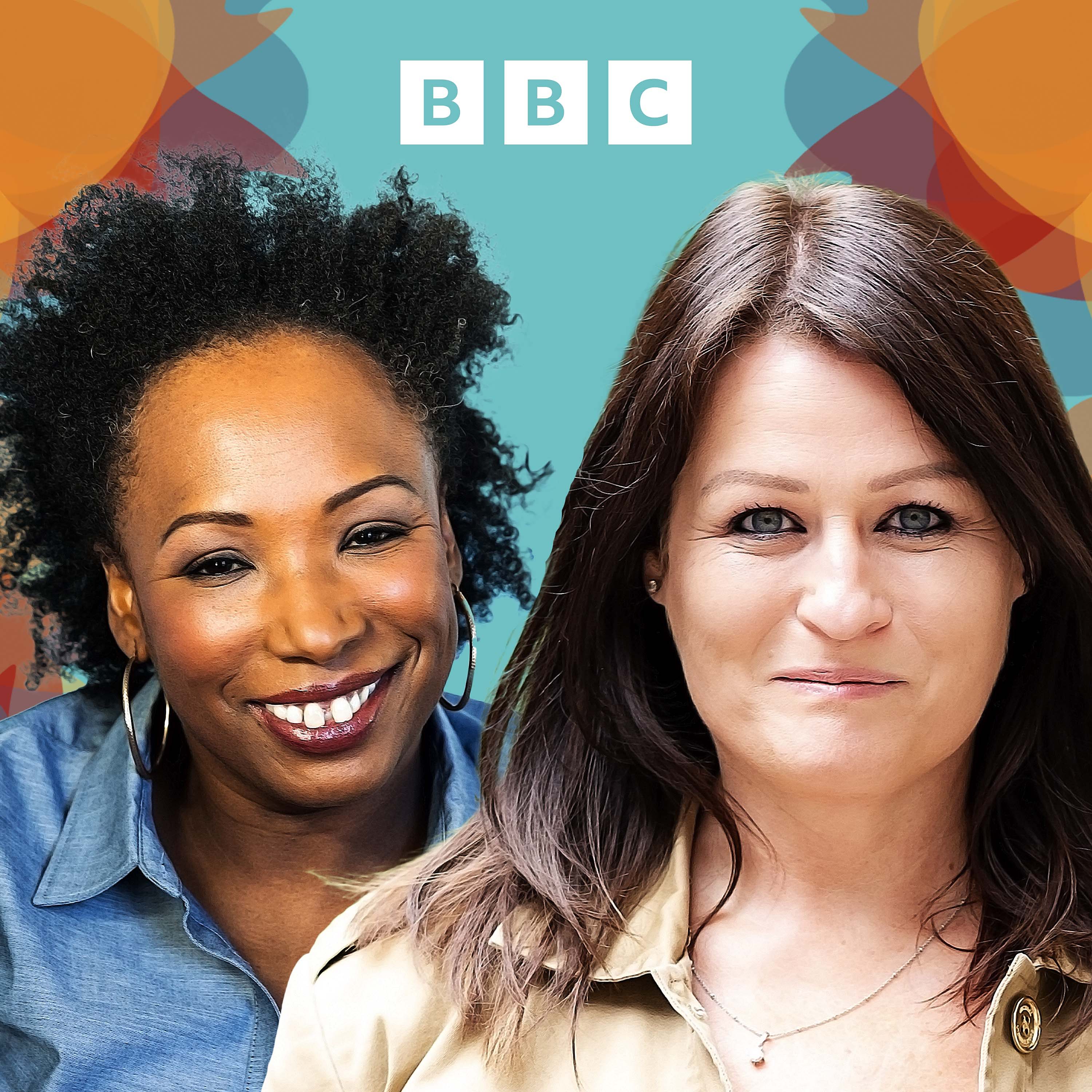 Kickstarting girls' careers in construction 03.08.2026 26minThe trades and construction sectors are crying out for new talent, yet many school leavers have no idea that this industry could offer a meaningful and lucrative career path.Datshiane Navanayagam speaks to two women on a mission to get more young people, especially girls interested in jobs like electrician, carpenter and bricklayer. They also discuss the importance of having female role-models in the industry.Judaline Cassidy is a plumber who honed her craft in her native Trinidad and Tobago before moving to New York where she set up Tools and Tiaras: an organisation that introduces girls and young women to trade skills.Renee Preston is from the UK and founded Construction for Women to help tackle the industry’s growing skills shortage. She’s a passionate advocate for policy change that gives young people greater access to construction sites and hands-on industry experience.Producer: Hannah Dean(Image: (L) Judaline Cassidy, courtesy Judaline Cassidy. (R) Renee Preston, credit Emma Boyle.)
 -
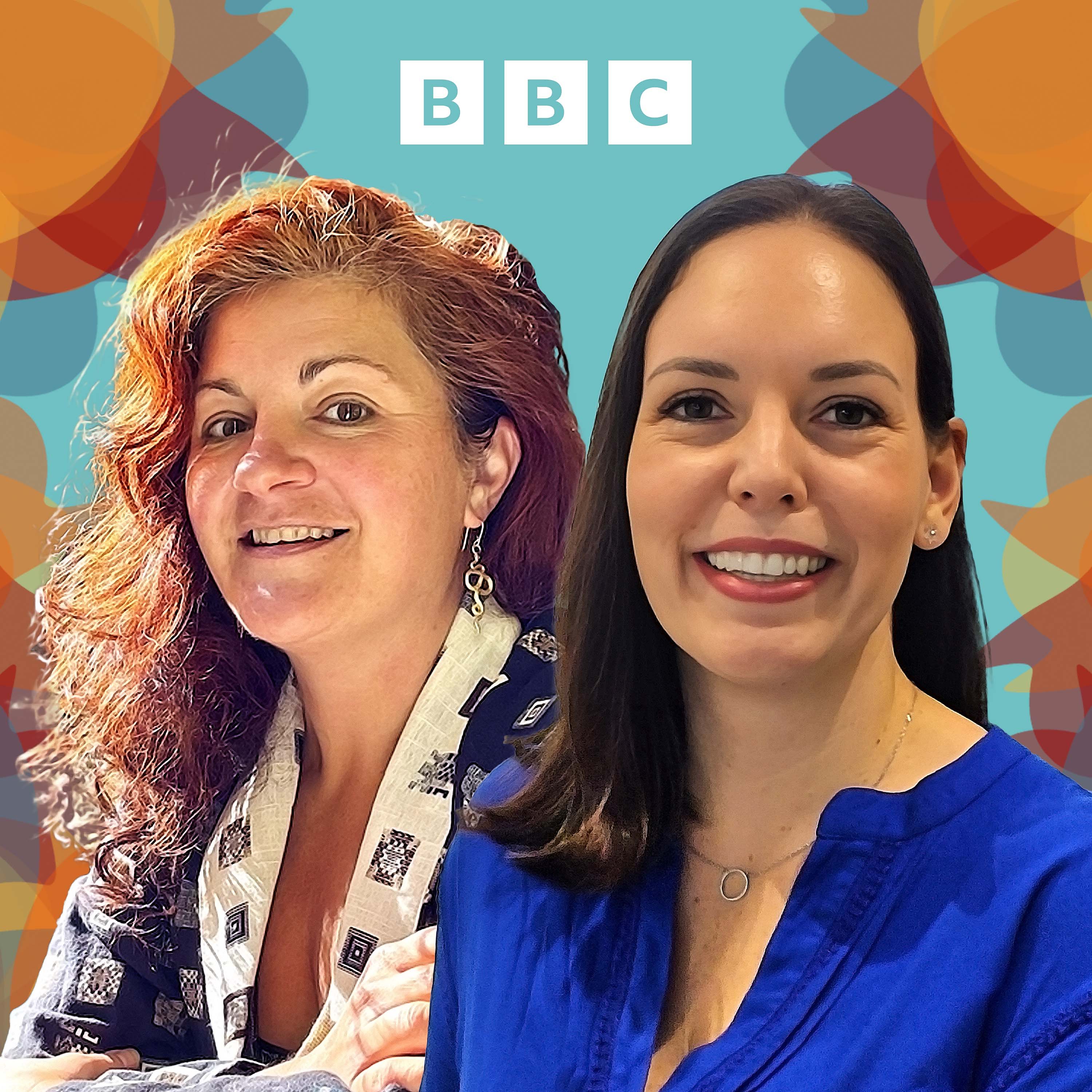 Are women the stronger sex? 27.07.2026 26minThe weaker sex? The fairer sex? The female body has often been viewed as less strong and less powerful than that of men. Datshiane Navanayagam meets two female scientists who are challenging that assumption. They reveal the ways in which women’s bodies actually come out on top.Starre Vartan is an Australian science journalist, based in America. In her book The Stronger Sex she explores the different areas where women have the physical edge over men, from endurance events to immune response.Marlo Möller is Professor of Molecular Biology and Human Genetics at Stellenbosch University in South Africa. Her research explores why women appear to be better at fighting off and surviving diseases like tuberculosis.Produced by Hannah Sander(Image: (L) Starre Vartan, credit Starre Vartan. (R) Marlo Möller, credit Annecke Vermeulen.)
 -
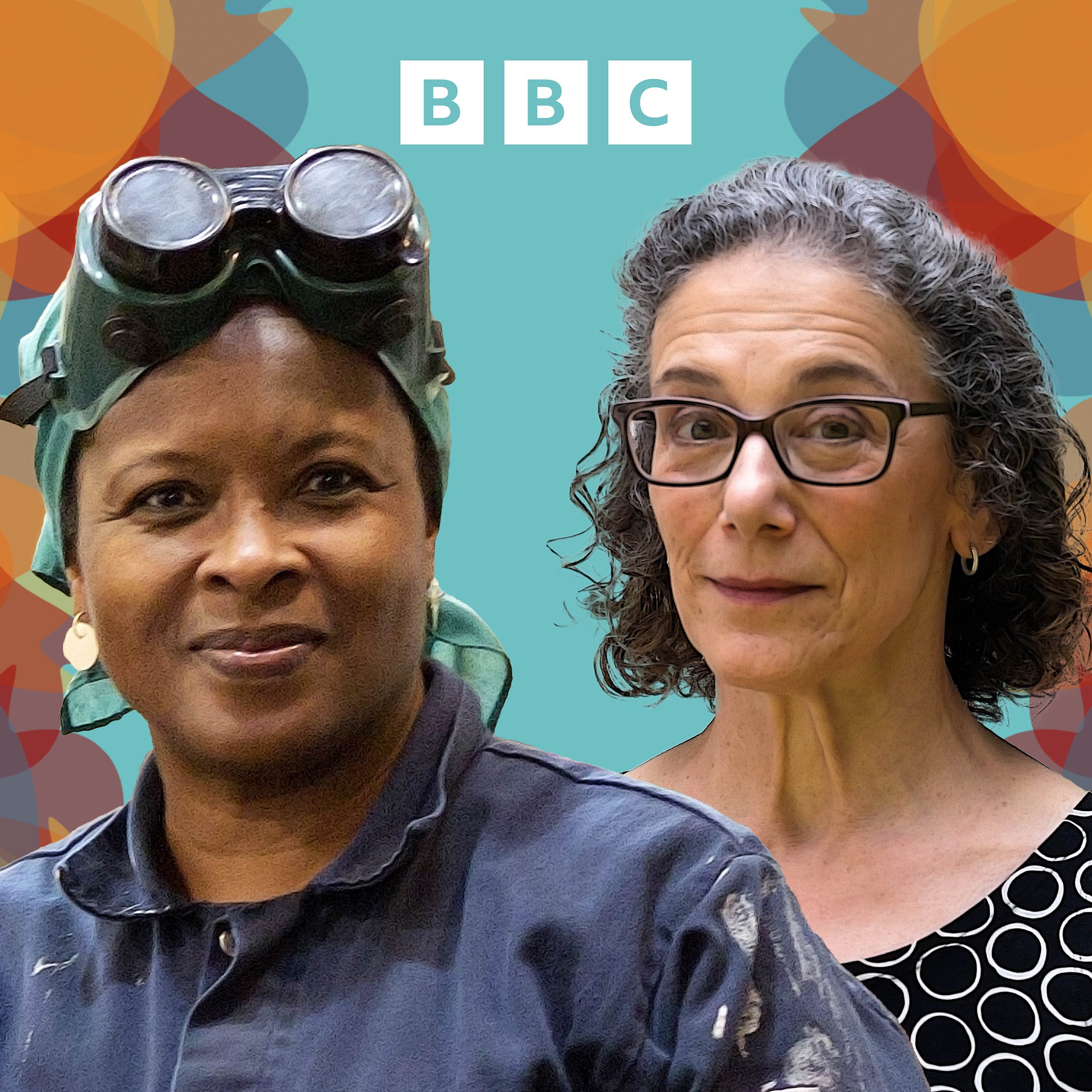 Giving stature to women 20.07.2026 26minStatues in parks and city centres are meant to celebrate history and inspire for the future. But it's thought that in nearly every country in the world, women only make up 2-3% of the public statues. Datshiane Navanayagam talks to sculptors from the US and Nigeria who are working to redress the balance.Meredith Bergmann is an American sculptor creating giant bronzes of significant female public figures for parks and historical sites around the United States. Her “Women’s Rights Monument” was unveiled in 2020 for the 100th anniversary of the 19th Amendment, which granted women the right to vote. It was the first statue of a woman, joining 22 statues of historical men in Central Park in New York. Sokari Douglas Camp makes steel sculptures that vary in size from 30cm to 5m tall. Influenced by her Nigerian heritage, her latest exhibition, Fashion and Fortune, explores clothing, commerce and emblems of wealth using elaborate headdresses and the incorporation of coins to highlight both oppression and creativity.Produced by Jane Thurlow(Image: (L) Sokari Douglas Camp, credit Jonathan Greet. (R) Meredith Bergmann, credit Michael Bergmann.)
 -
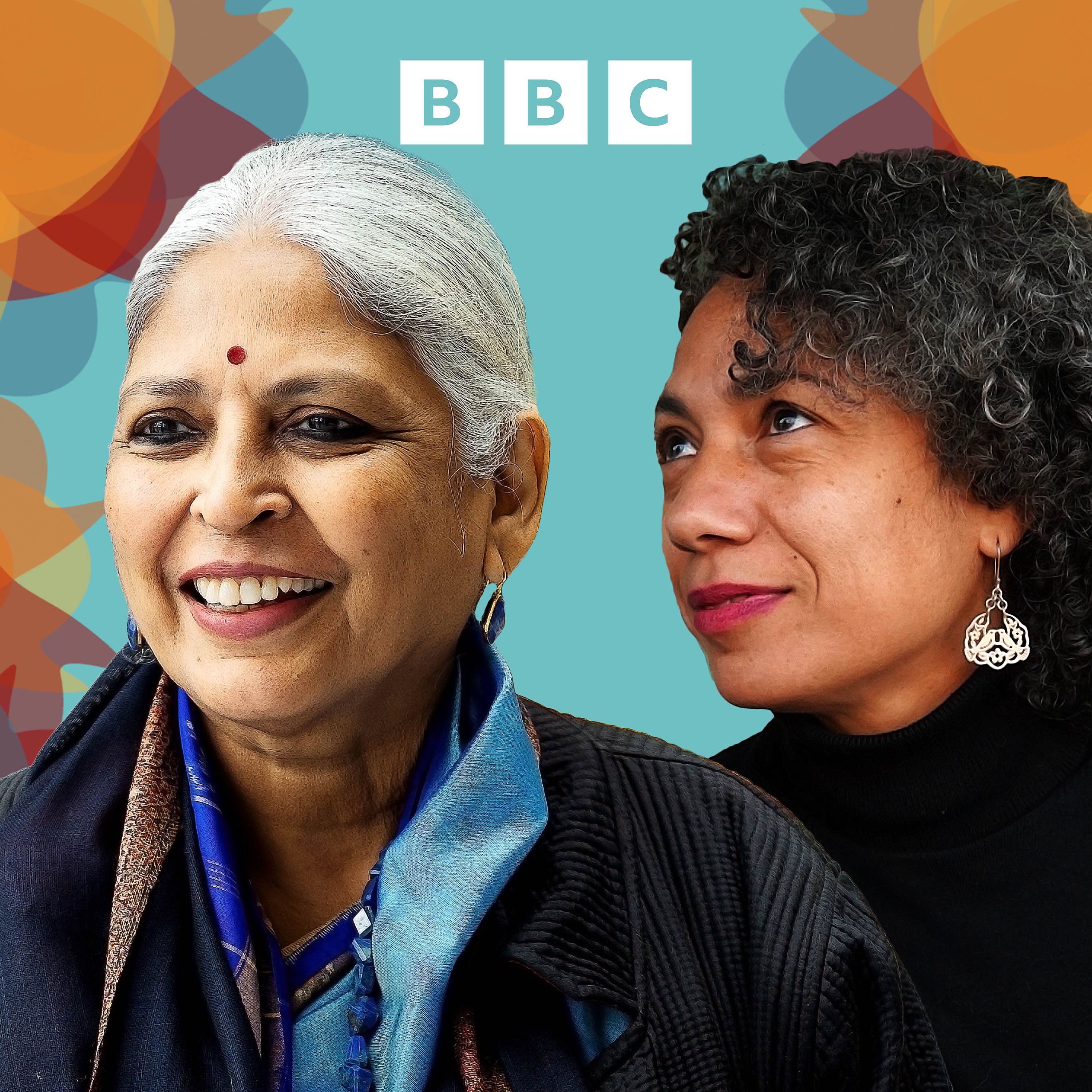 Female film-makers join forces 13.07.2026 26minThe film industry is massively dominated by men. But women-only film festivals are shaking things up, celebrating the female directors, producers, cinematographers and editors behind the camera. Datshiane Navanayagam meets two women who run female film festivals.Bina Paul in India is the director of the Asian Women's Film Festival in New Delhi. As a film editor with decades of experience, she recently saw one of her films celebrated at the Cannes film festival in France.Amal Ramsis in Egypt founded and runs the Between Women Filmmakers’ Caravan (BWFC), which showcases films directed by women from the Arab world and Latin America. She is also a documentary filmmaker.Producer: Hannah Sander(Image: (L) Bina Paul, courtesy Bina Paul. (R) Amal Ramsis, credit Rania Zahra.)
 -
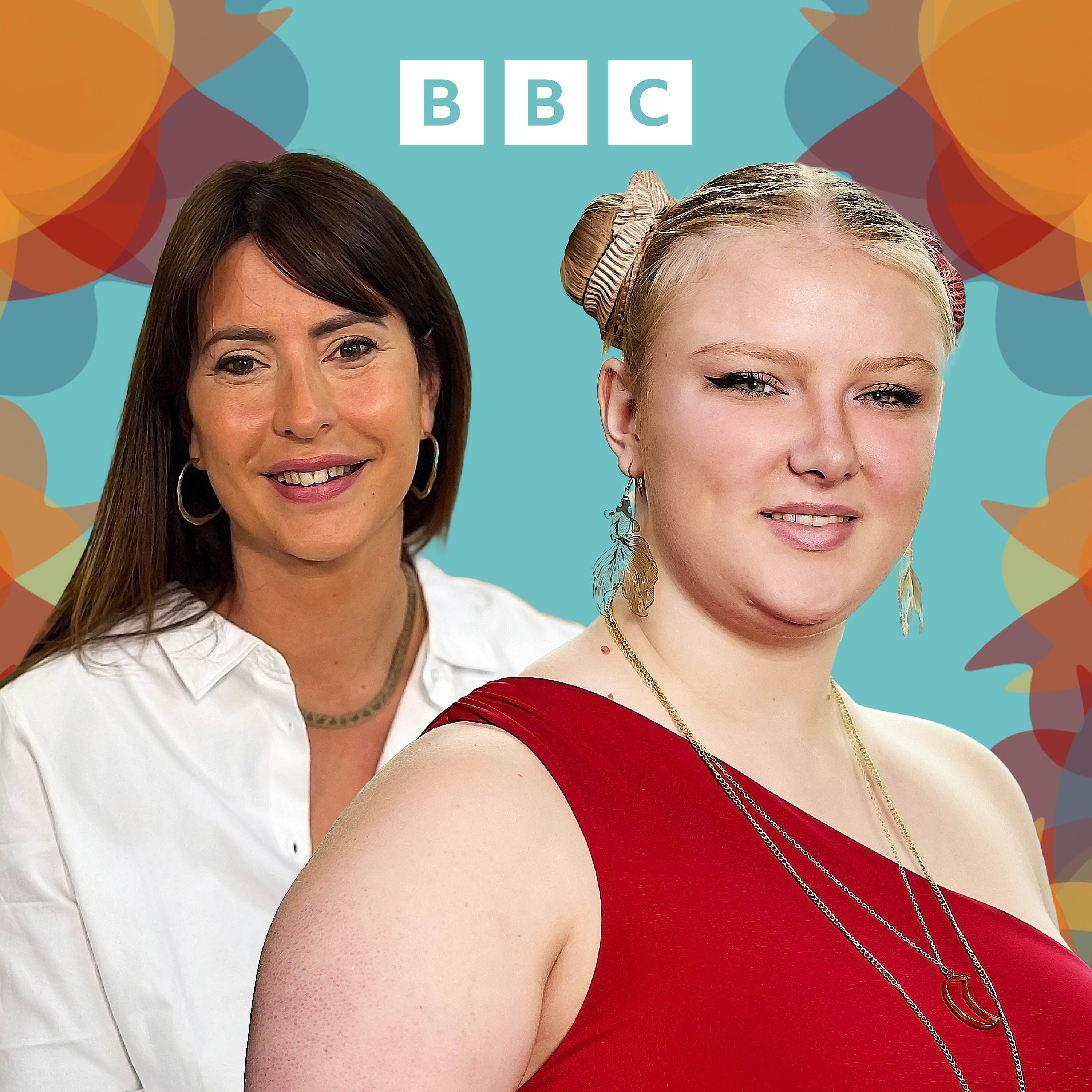 Women and the stigma of Tourette’s 06.07.2026 26minTourette syndrome is a motor disorder that begins in childhood or adolescence. Characterized by movement tics and at least one vocal tic, it's often portrayed as unrestrained swearing. However, coprolalia only affects ten percent of people with Tourette’s. Datshiane Navanayagam talks to women from Argentina and the UK about their mission to talk about this widely misunderstood condition.Lauren Wyatt says the most difficult part of having Tourette's is the public perception and reaction. Lauren says she experiences harassment almost every time she goes out with people mimicking tics, threatening her, or sometimes even throwing things. She's part of a campaign by Tourette's Action in the UK – #NoChoice – which is highlighting Tourette’s as a medical condition. Lauren says she lives in constant pain due to her tics which are out of her control and have damaged her body beyond repair.Belén Prieto is an Argentinian psychologist currently living and working in Spain. She has Tourette's and is a volunteer with TTAG (Tics and Tourette's Across the Globe), an umbrella organisation for Tourette's Syndrome, raising awareness and supporting those with the condition.Produced by Jane Thurlow(Image: (L) Belén Prieto, credit Miguel Pereda. (R) Lauren Wyatt, credit National Diversity Awards.)
 -
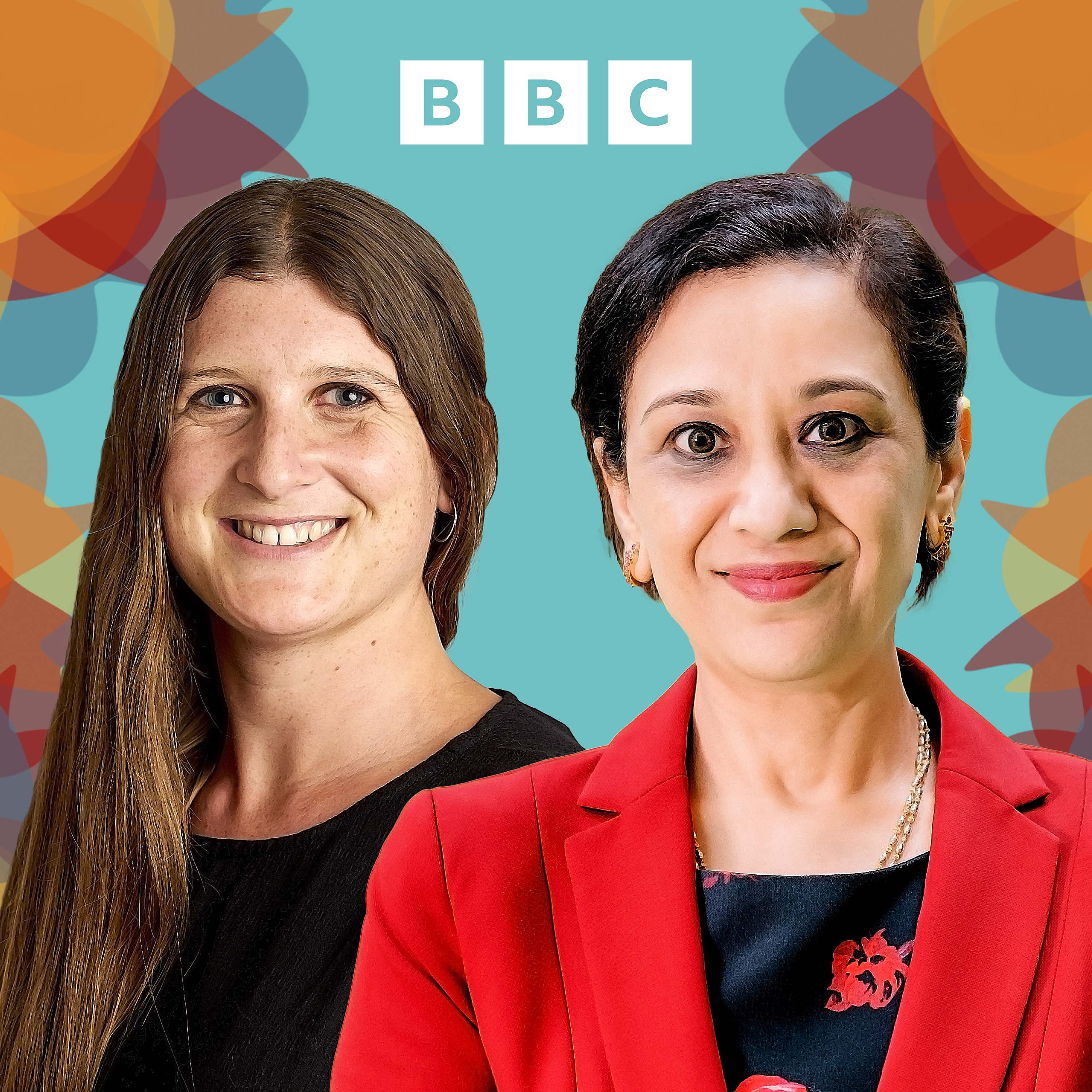 Play to learn 29.06.2026 26minThere has been a marked increase in enrolment in early childhood education globally, but access and approaches differ hugely around the world. What impact does quality early years education have on children’s future outcomes and why is ‘playing’ so pivotal in helping them prepare for school?Professor Nirmala Rao researches ways of measuring the impacts of early childhood development and education particularly within the Asia-Pacific context, at the University of Hong Kong. She believes that it is essential to push research to the forefront to inform social policy relevant to children and their families. Jessica Blom is the Deputy Director of The Centre for Early Childhood Development in South Africa - a national resource which provides training, support and advice in the field of early childhood development with the aim of improving the education and care of the country’s youngest citizens from disadvantaged communities.Produced by Hannah Dean(Image: (L) Jessica Blom, credit Barry Christianson. (R) Prof. Nirmala Rao, WAL-PHOTO courtesy of Faculty of Education, HKU.)
 -
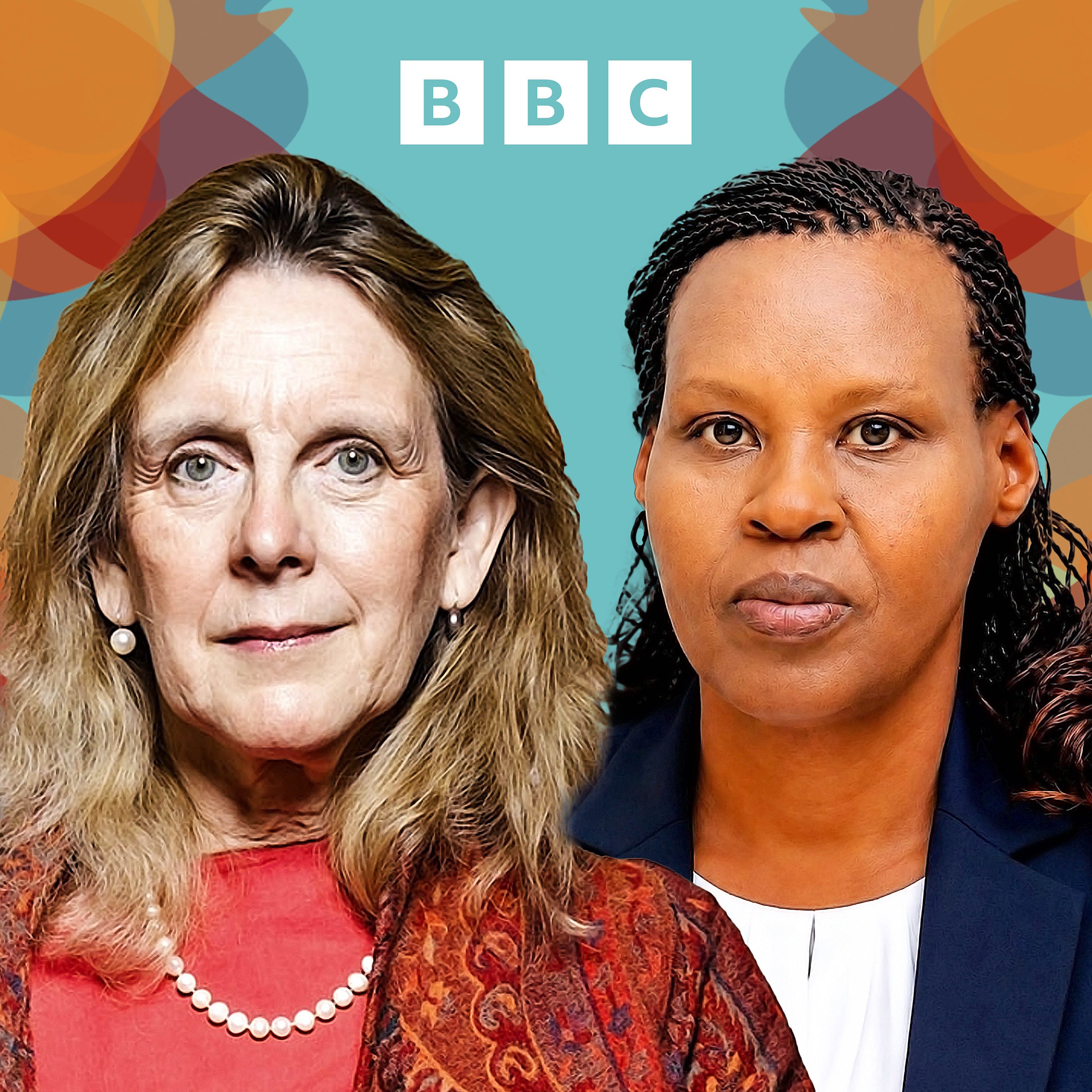 Helping women deal with trauma 22.06.2026 26minTraumatic events can leave an enduring psychological impact. Datshiane Navanayagam talks to two psychologists about how they help women heal from trauma.Jane Abatoni Gatete heads the Rwanda Organization of Trauma Counsellors (ARCT- Ruhuka). She has over 25 years of expertise and practical experience in mental health support. As well as working as a psychiatrist in individual and group settings she has trained hundreds of others to support a nation recovering from the trauma of war and genocide.Dr Adshead is one of Britain’s leading forensic psychiatrists with 30 years’ experience working in some of London's first trauma clinics and Broadmoor prison. She says that traumatic events, experiences that change your identity, can happen not only acutely and suddenly but take place slowly over time. While many people will recover naturally, some have long-term impacts that require treatment. Her latest book is called Unspeakable: Stories of Survival and Transformation After Trauma.Produced by Jane Thurlow(Image: (L) Gwen Adshead, credit Richard Ansett BBC. (R) Jane Abatoni Gatete, courtesy Jane Abatoni Gatete.)
 -
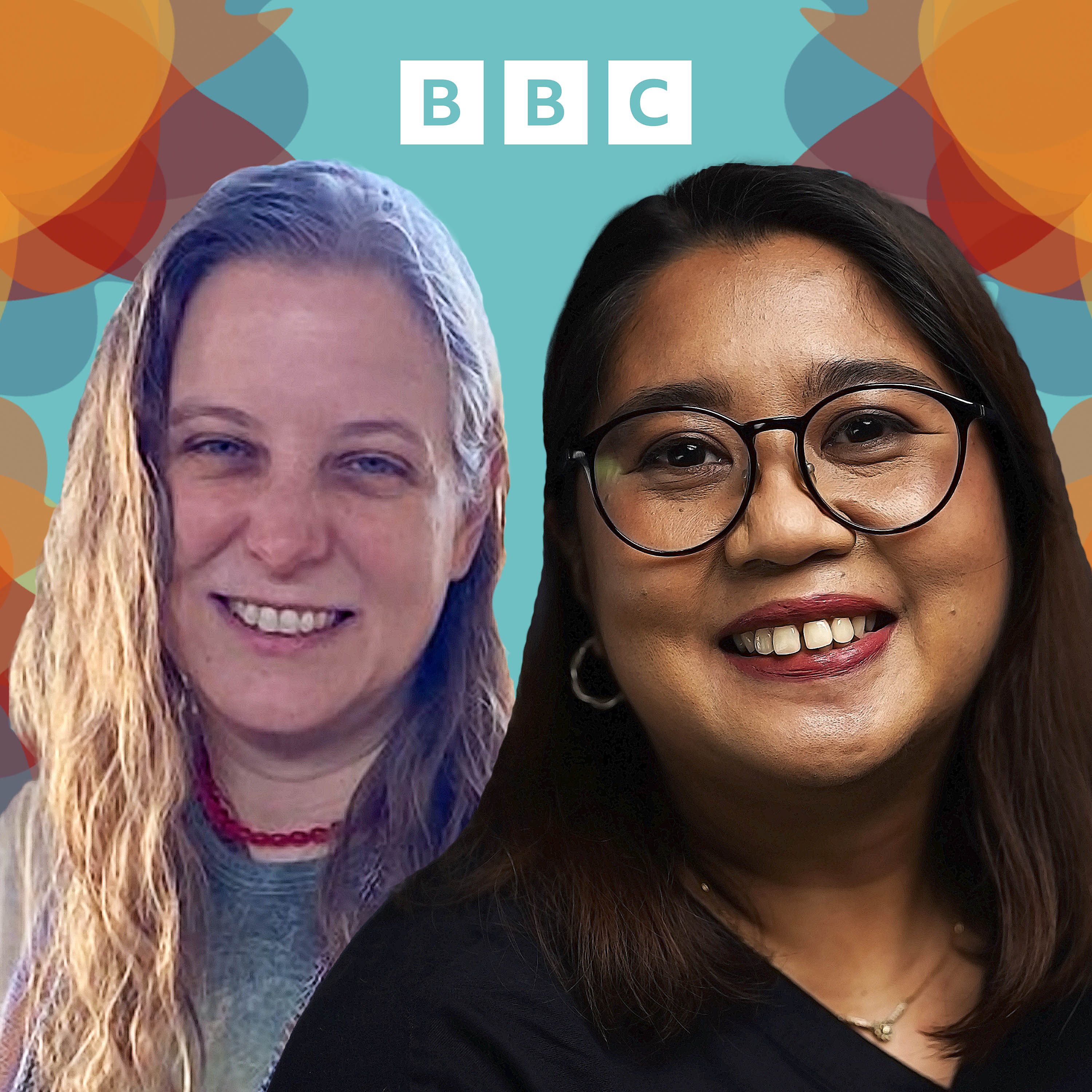 Fan fiction: a writer's playground 15.06.2026 26minHave you ever finished a book or television series and wished you could stay longer in that world? Fan fiction is a thriving art form, with millions of women writing and sharing their tributes to favourite stories, by taking famous characters and placing them in new situations. Datshiane Navanayagam meets women who take part and study this world. Dawn Walls-Thumma in the USA is a middle-grade teacher by day, and by night runs the Silmarillion Writers Guild, a community for fan fiction set in Tolkien's universe. This has led her to become a published Tolkien expert. Kristine Michelle Santos in the Philippines is an associate professor of Japanese and researches Boys Love, the biggest genre of fanfiction in Japan and South-East Asia, and now a multi-billion yen industry.Producer: Hannah Sander(Image: (L) Dawn Wells-Thumma, courtesy Holly Lillis. (R) Kristine Michelle Santos, credit Aaron Vicencio)
 -
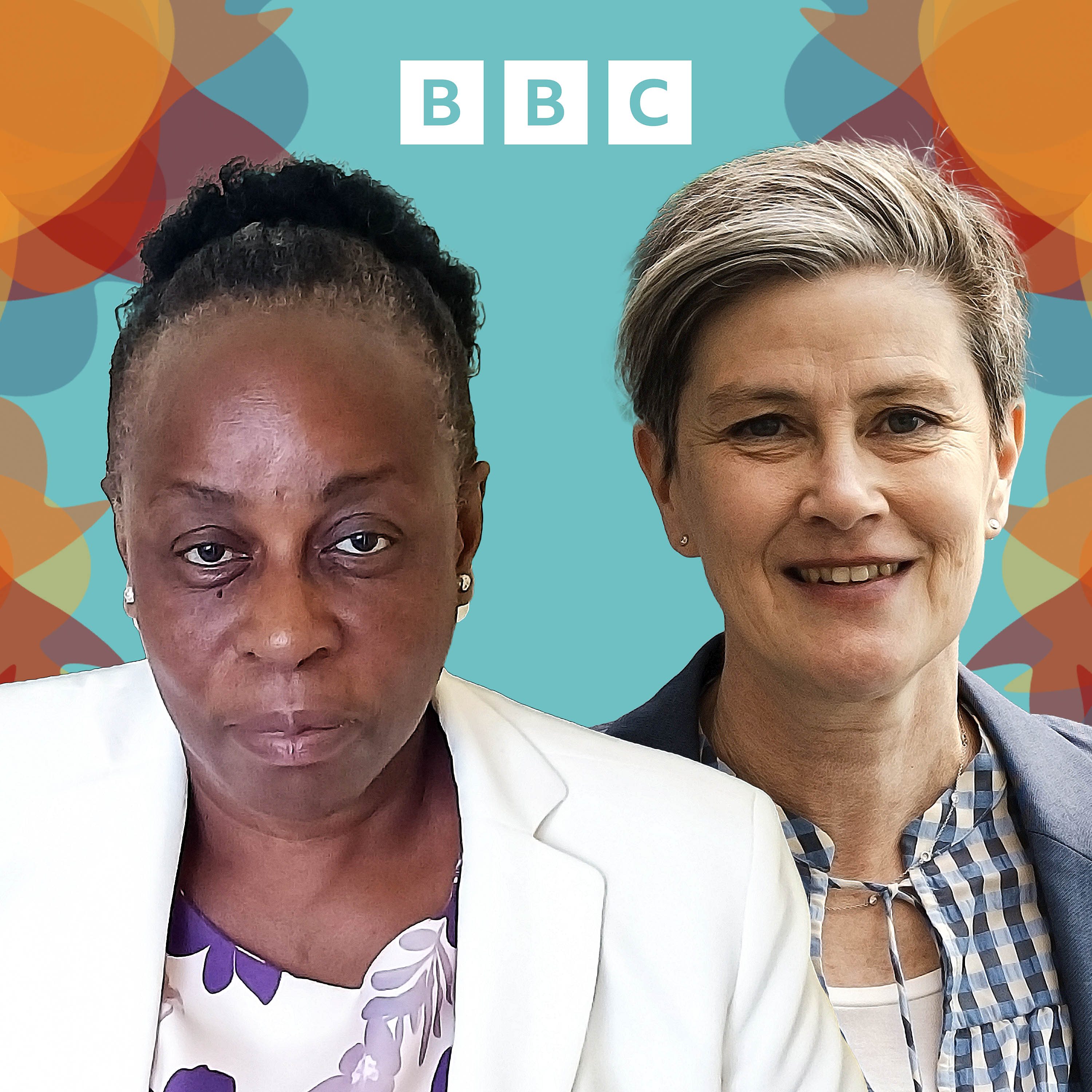 The impact of epilepsy 08.06.2026 26minEpilepsy is a brain condition that causes repeated episodes of sudden, brief changes in the brain's electrical activity causing seizures or convulsions. It's thought 50-million people have the condition, which can't be cured. The right treatment can alleviate symptoms but diagnosis and treatment is limited in many countries.Consultant neurologist Sofia Eriksson is from Sweden and works in the UK at University College London Hospital where she used to be the hospital’s clinical lead for epilepsy. She's president elect of the British Association of Neurologists. Sofia says it’s important more people talk openly about the condition to help stop people who have it feeling so isolated.Betty Barbara Nsachilwa had her first seizure when she was 13 years old. It took 18 months to find the right medication that has kept her seizures under control since. She says she's been lucky to have the support of her family and colleagues but says many others in Zambia face discrimination and stigma. Betty Barbara co-founded the Epilepsy Association of Zambia in 2001 to increase awareness and education about the condition and support others living with epilepsy.(Image: (L) Betty Barbara Nsachilwa, courtesy Betty Barbara Nsachilwa. (R) Sofia Eriksson, credit Hannah Lovell.)
 -
The challenges for women in palliative care 01.06.2026 26minConfronting the death of a loved one – or the end of our own life – can be frightening and overwhelming. And yet it is something that will happen to all of us. So how can we open up conversations about the way we want to die? Is it possible to avoid pain and suffering? And who are the people who will care for us in our final moments?Datshiane Navanayagam talks to two women who work in palliative care.Dr Tania Pastrana is from Colombia and is now based in Germany where she works for the International Association for Hospice & Palliative Care (IAHPC). And Dr Catherine Millington-Sanders is a general practitioner, and national lead in palliative care for the Royal College of GPs.Producer: Hannah Sander
-
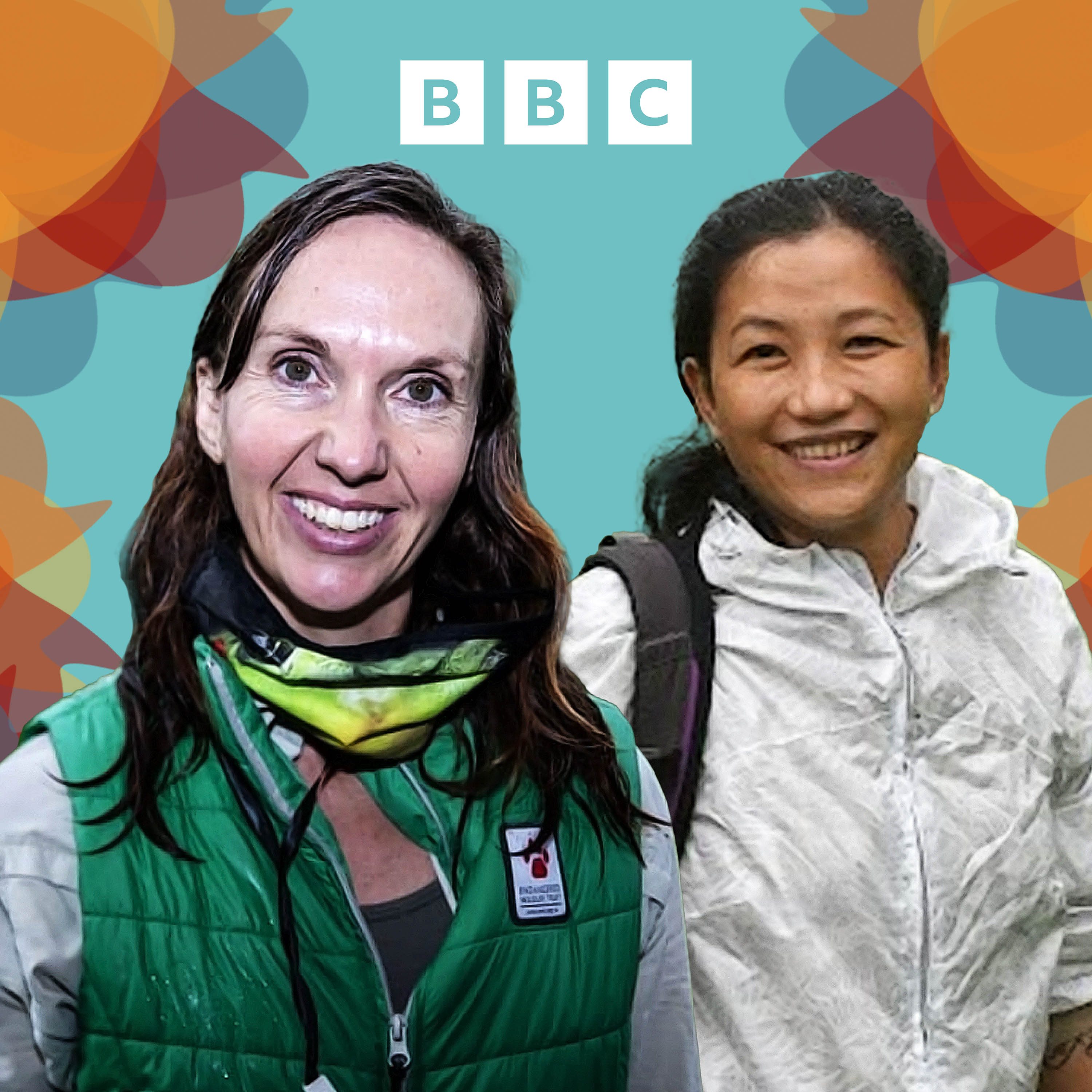 Women saving amphibians from extinction 25.05.2026 26minDatshiane Navanayagam talks to Whitley Fund for Nature winners from India and South Africa who are protecting endangered frogs and salamanders.Dr Barkha Subba is leading the first grassroots protection for the Himalayan Salamander in Darjeeling. The scientific adviser at local NGO, Federation of Societies for Environmental Protection (FOSEP), Barkha is working to restore habitat, remove invasive species and screen for deadly diseases, as well as engage local people in awareness programmes promoting sustainable land use and eco-friendly tourism.Environmentalist Jeanne Tarrant works on protecting frogs and their habitat in South Africa. Almost two-thirds of the country’s 135 frog species are found nowhere else. She uses frogs as flagships for habitat protection, contributing to the broader conservation of freshwater and grassland areas that serve as important watersheds and carbon sinks.Produced by Jane Thurlow(Image: (L) Jeanne Tarrant, credit SABC. (R) Barkha Subba, credit Whitley Fund for Nature.)
 -
 Catfishing and its consequences 18.05.2026 26minOnline romance fraud and 'catfishing' – when someone pretends to be someone they’re not - is a problem across the globe. It causes financial and emotional devastation, yet many people refuse to take it seriously. Datshiane Navanayagam speaks to two women from the UK and Sweden who have spent years rebuilding their lives after being targeted by men they met on dating sites.Pernilla Sjöholm is from Sweden. She was conned by the infamous Simon Leviev, the so-called "Tinder Swindler" and allegedly scammed out of the equivalent of $65,000. Pernilla is now an international speaker on AI, cybersecurity and fraud prevention. She also co-founded IDfier, working on digital identity verification, and is the author of Swindled Never After. Anna Rowe is pushing for greater support for romance fraud victims after her own experience of being conned. In 2015 she fell in love with a man who she had met online. After 14 months she discovered that the man she was in a relationship with, ‘Antony Ray’ was using a fake identity and leading a double life which left Anna feeling emotionally and sexually violated. Anna is now dedicated to helping victims of all types of romance fraud and catfishing through her platforms LoveSaid and Catch the Catfish.(Image: (L) Anna Rowe, credit Nina Rangoy. (R) Pernilla Sjöholm, credit Daniel Diamond.)Produced by Jane Thurlow and Hannah Dean
 -
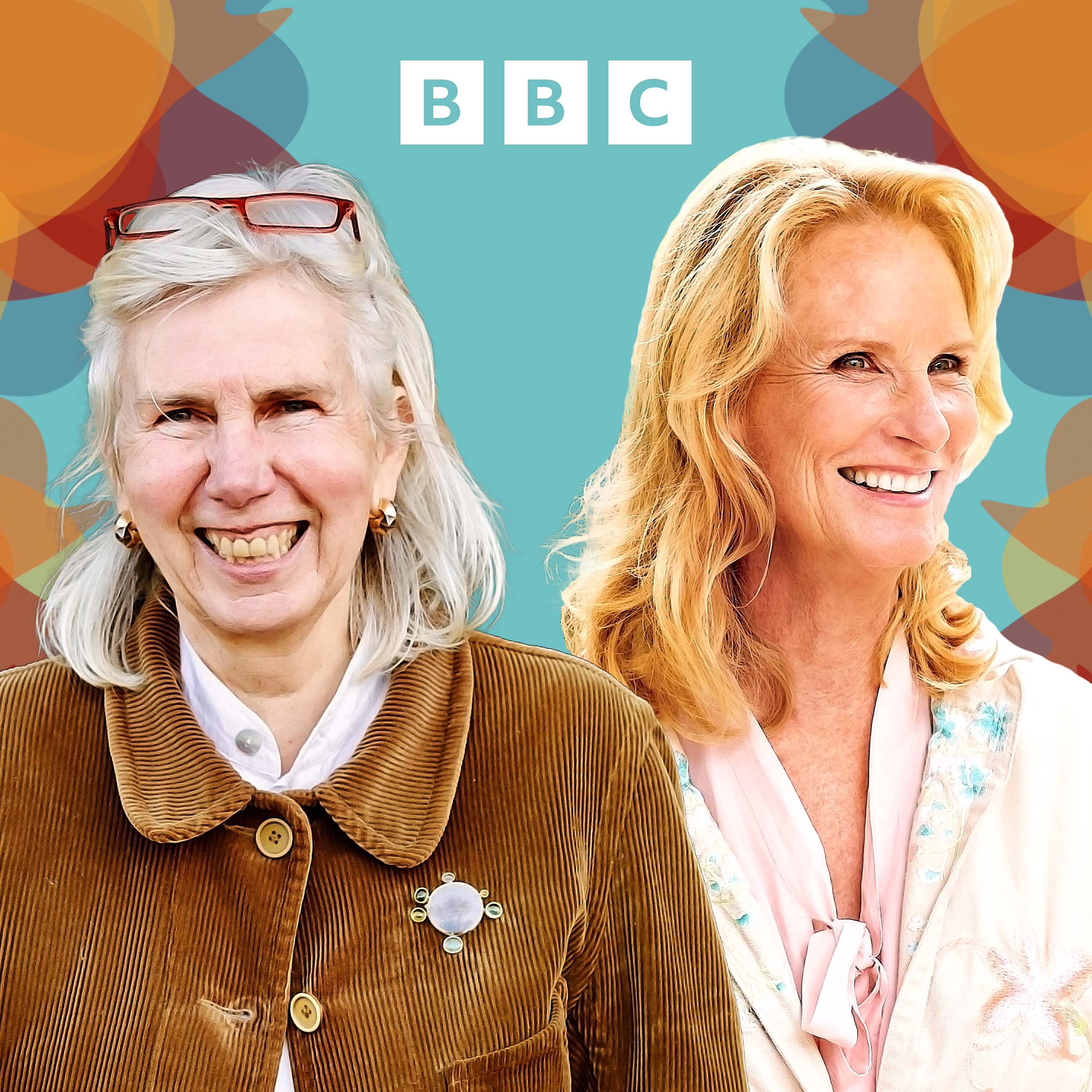 Falling in love with flowers 10.05.2026 26minDatshiane Navanayagam meets the women behind leading nurseries and flower farms in Germany and America. From a vase of cut roses to the perennials that brighten our gardens, these women cultivate beauty from bare earth.Danielle Dall’Armi transformed a derelict lemon and avocado farm in California into a rose farm with an international reputation. A self-taught horticulturalist, she now has 25,000 rose plants and supplies high-end customers.Anja Maubach runs the nursery founded by her great-grandfather, renowned botanist Georg Abends, specialising in perennials. She is also an expert on the great female horticulturalists of the past, such as Gertrude Jekyll and Vita Sackville-West.Producer: Hannah Sander(Image: (L) Anja Maubach, credit Daniel Welschenbach. (R) Danielle Dall'Armi, credit Victoria Pearson.)
 -
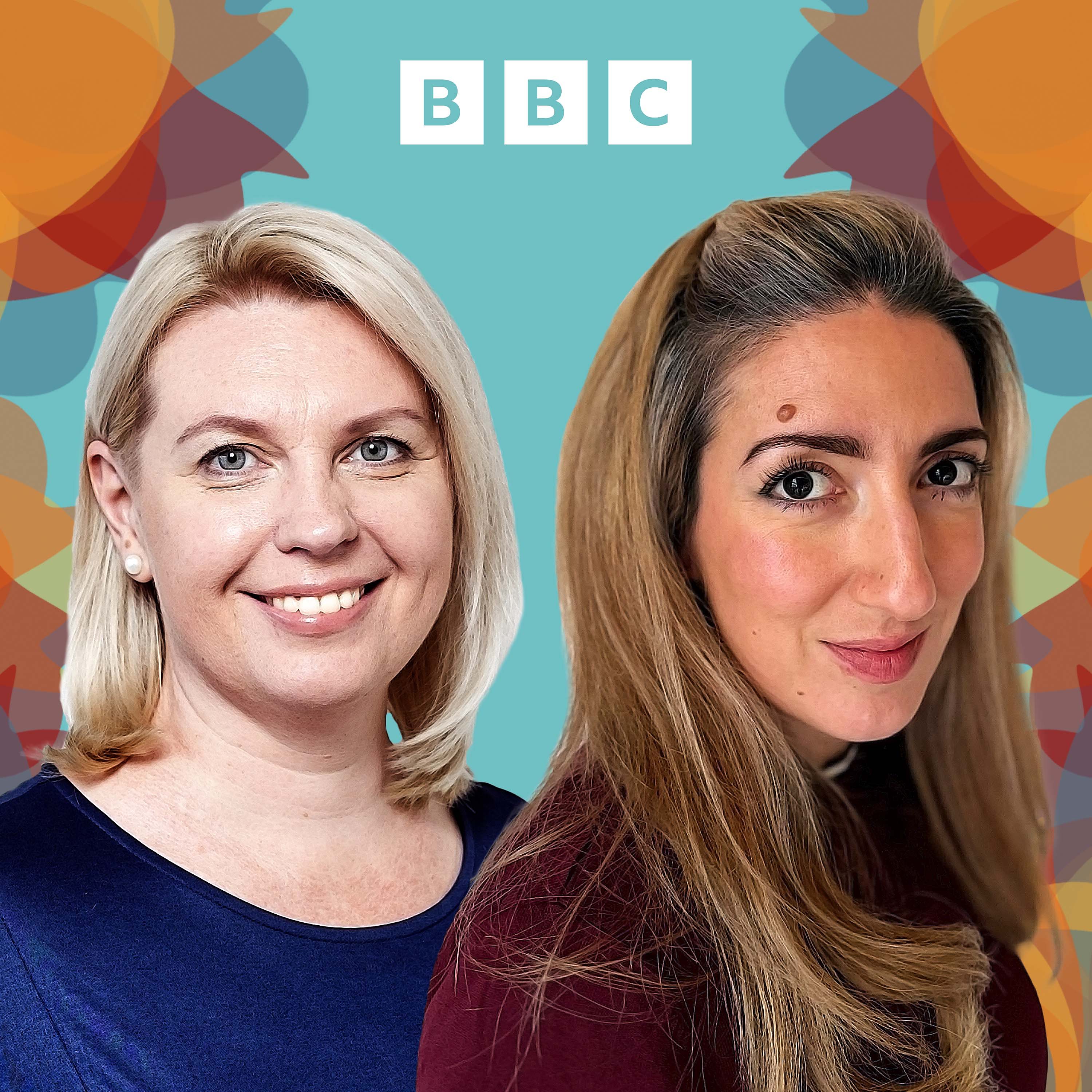 Resolving conflict in relationships 04.05.2026 26minDivorce and separation are often a time of upset and distress. Ella Al-Shamahi talks to women in Latvia and the UK whose work as mediators is about trying to find calm and co-operation in conflict.Evija Kļave is a certified mediator and sociologist. She’s also an associate professor teaching mediation at masters level at Turiba University (a business school) and sits of the Commission of Certification and Attestation of Mediators which regulates mediators in Latvia as well as running her own private practice.Romina Kamran is an accredited family and children mediator in the UK and member of the Family Mediation Council. She also heads the National Family Mediation training academy. Her own experience of divorce negotiations was tough, and she works to make decisions around separation ones that both parties can be comfortable with. She says mediation is not about being what one person might consider fair; it's about coming to a resolution that meets the needs of the whole family.Produced by Jane Thurlow(Image: (L) Evija Kļave, courtesy Turiba University. (R) Romina Kamran, credit Romina Kamran.)
Rádiová stanica

Podobné podcasty


Obľúbený v
Tento podcast sa objavuje aj v rebríčkoch podcastov týchto krajín.


