
Institute for Government
Institute for Government
0
The Institute for Government is a leading think tank focused on improving the effectiveness of UK government. It provides commentary, analysis, and events to promote better governance. The podcast covers topics related to public policy, government operations, and political reform.
Epizódy
-
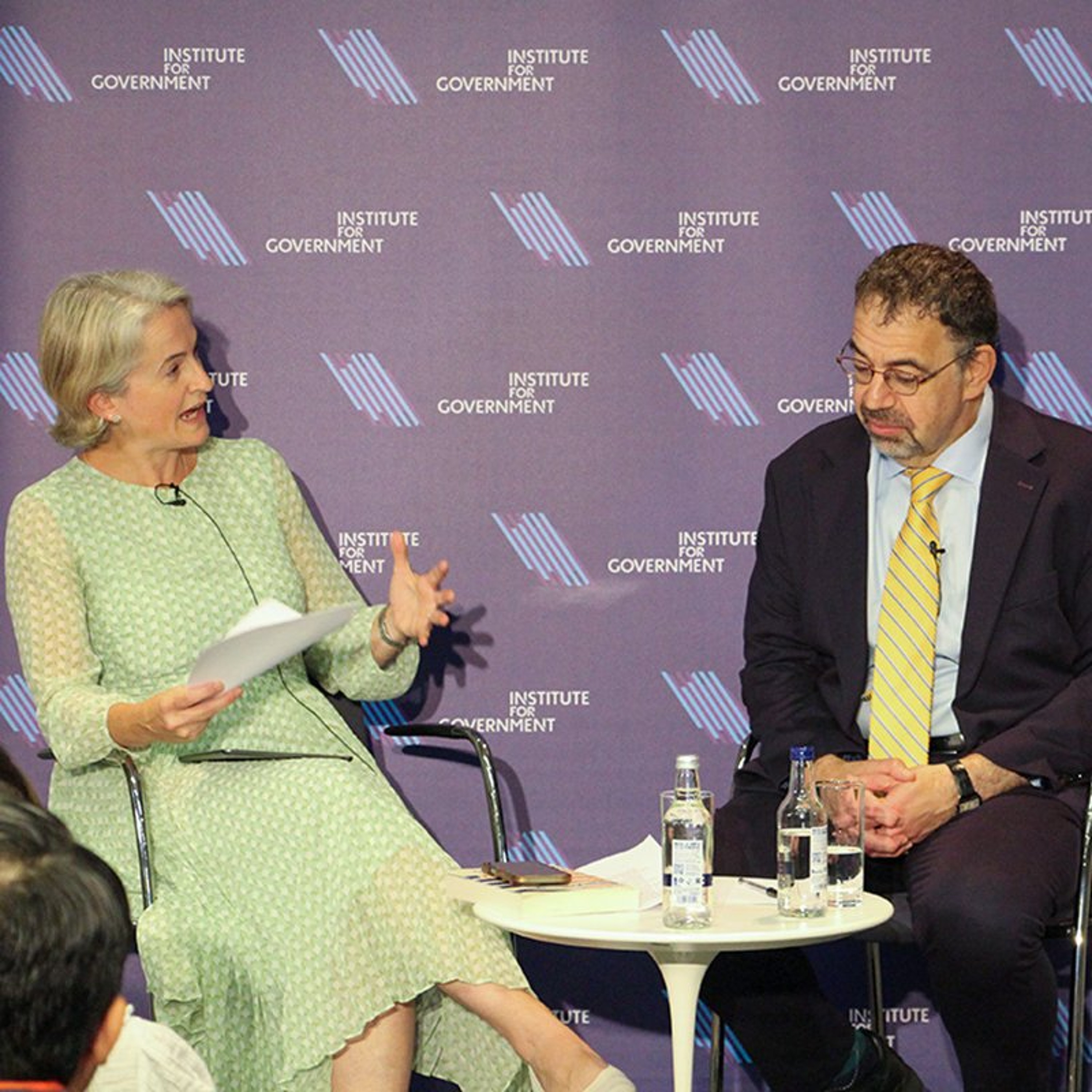 What happened to liberal democracy? 16.09.2026 59minThe Institute for Government was pleased to welcome Daron Acemoglu, the Nobel Prize-winning co-author of Why Nations Fail, to discuss his new book: What Happened to Liberal Democracy? Remaking a Politics of Shared Prosperity. In his latest book, Daron Acemoglu, a Nobel Prize winner in economics, documents the rise and, some would argue, fall of liberal democracy, recounting how liberal democratic institutions plunged themselves into crisis over the last several decades. Looking at rapid advances in technology, shifts in regulatory environments, global political history, and economics, Acemoglu lays out the challenges to these institutions and sets out a new way forward, which he calls working-class liberalism: a philosophy that prioritizes shared prosperity, empowers communities, and accommodates a range of views – essential if liberal democracy is to survive in the 21st century. Daron Acemoglu was in conversation with Dr Hannah White, CEO of the Institute for Government, before taking part in an audience Q&A, followed by a book signing. Daron Acemoglu is a professor at MIT and Faculty Co-Director of MIT’s Shaping the Future of Work Initiative in Boston. Why Nations Fail (2012) has sold over one million copies globally.
 -
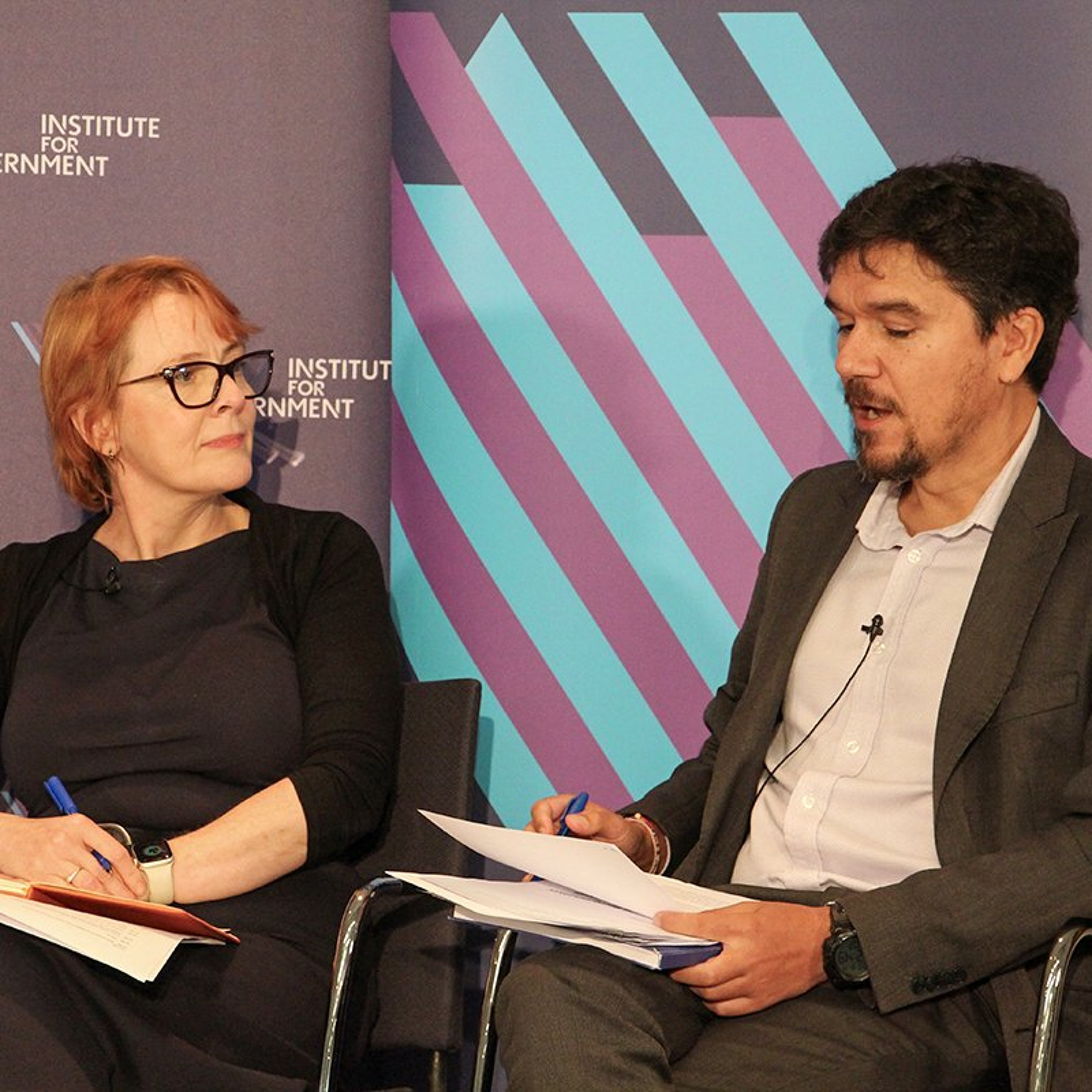 The government's local government reorganisation strategy: What went wrong and what comes next? 15.09.2026 58minAngela Rayner, the Secretary of State for Housing, Communities and Local Government, has put plans to restructure local government on hold. So what went wrong and what happens next? The government’s ambitious local government reorganisation (LGR) programme, which affects around 41% of the population, aims to replace all county and district councils with a single tier of unitary local government. This would make it the largest LGR wave since 46 unitary authorities (UAs) were established between 1995 and 1997. Angela Rayner has now launched a full review of her predecessor’s decisions on future council boundaries, following new legal advice and in the face of a wave of judicial challenges. Rayner said she wanted to be satisfied the right process is in place and to test whether LGR proposals meet the priorities of the new prime minister. So how did this situation come about? What are the implications for trust between central government and local government? And how do these decisions affect broader ambitions for the government to rewire the state and deliver good growth in every postcode? As local leaders and the sector process the government’s decision, the IfG assembled an expert panel to respond to these developments, featuring: Amanda Askham, Partner, Consulting at Grant Thornton UK LLP Dr Matthew Fright, Associate Director at the Institute for Government Heather Jameson, Editor of The MJ Akash Paun, Director at the Institute for Government This event was chaired by Dr Catherine Haddon, Senior Fellow at the Institute for Government. [A previously advertised event considering 'How should central government support local authorities going through LGR?' has been postponed and will be rescheduled in the near future.] We would like to thank Grant Thornton UK LLP for kindly supporting this event.
 -
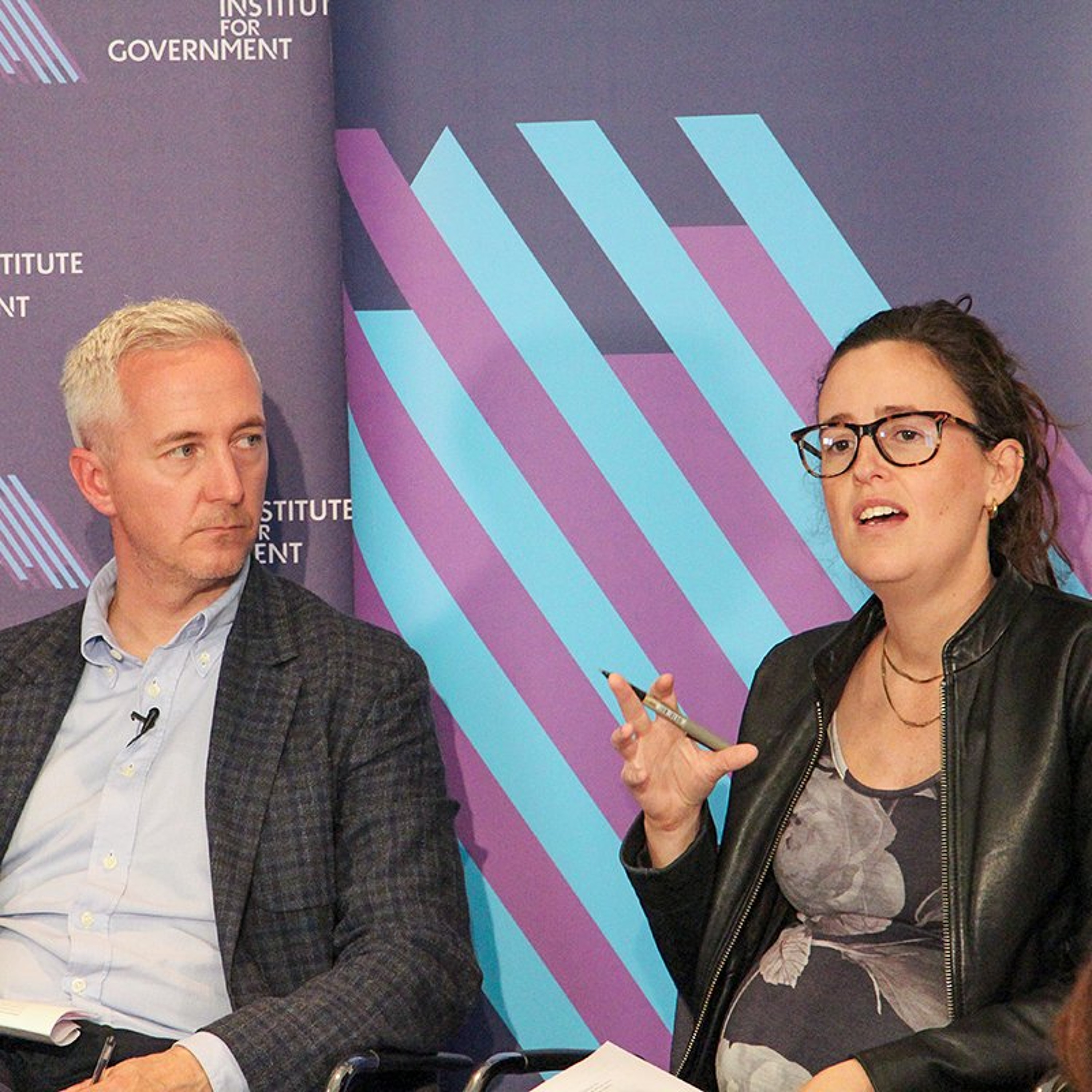 How can government help deliver a globally competitive AI infrastructure for the UK? 10.09.2026 1h 5minThe government believes access to sufficient AI infrastructure and compute capacity will be critical for the UK’s economic growth, productivity and global competitiveness – but the UK is in a global race for investment, talent and consequential technological breakthroughs. So how can ministers and civil servants deliver the government’s ambitions? Last June, the government announced over £1bn of investment in the UK’s compute capacity, while the government’s Compute Roadmap outlines its strategic approach to building world-class compute infrastructure in the UK. But will this infrastructure translate into the growth and productivity gains that the government has forecast? How can government attract private sector investment? How can the Cabinet Office, DBIST, DCMS, HMT, DESNZ and No 10 best cooperate to drive the whole of the state in support of the strategy? And what are the key challenges for new prime minister Andy Burnham in realising the government’s AI infrastructure goals? To discuss all this and more, the IfG brought together an expert panel, including: Emily Darlington MP, Member of the Science, Innovation and Technology Select Committee Matt Davies, Economic and Social Policy Lead at Ada Lovelace Institute Matthew Harris, Senior Vice President and Managing Director at HPE Mary Jones, Director for AI Adoption and Preparedness at the Department for Science, Innovation and Technology The event was chaired by Heloise Dunlop, Researcher at the Institute for Government. We would like to thank Hewlett Packard Enterprise (HPE) for kindly supporting this event.
 -
 Andy Burnham, Manchester and No.10 North: How can the prime minister make his devolution agenda succeed? 10.09.2026 1h 1minThe first days and weeks of Andy Burnham's premiership have seen the prime minister promise to accelerate the devolution agenda, with the launch of Number 10 North demonstrating his commitment to take power away from London. But what can the prime minister do to make his devolution agenda succeed? How will No.10 North work constructively with the new Office for the Prime Minister and Cabinet and other Whitehall departments? What does devolution mean for the government's public service agenda? And how will the rest of the country benefit from Burnham's plan to send more power from London to Manchester? The event brought together an expert panel, including: Thomas Pope, Chief Economist at the Institute for Government Luke Raikes, Deputy General Secretary at the Fabian Society Jennifer Williams, Northern Correspondent at the Financial Times The event was chaired by Dr Hannah White, CEO of the Institute for Government.
 -
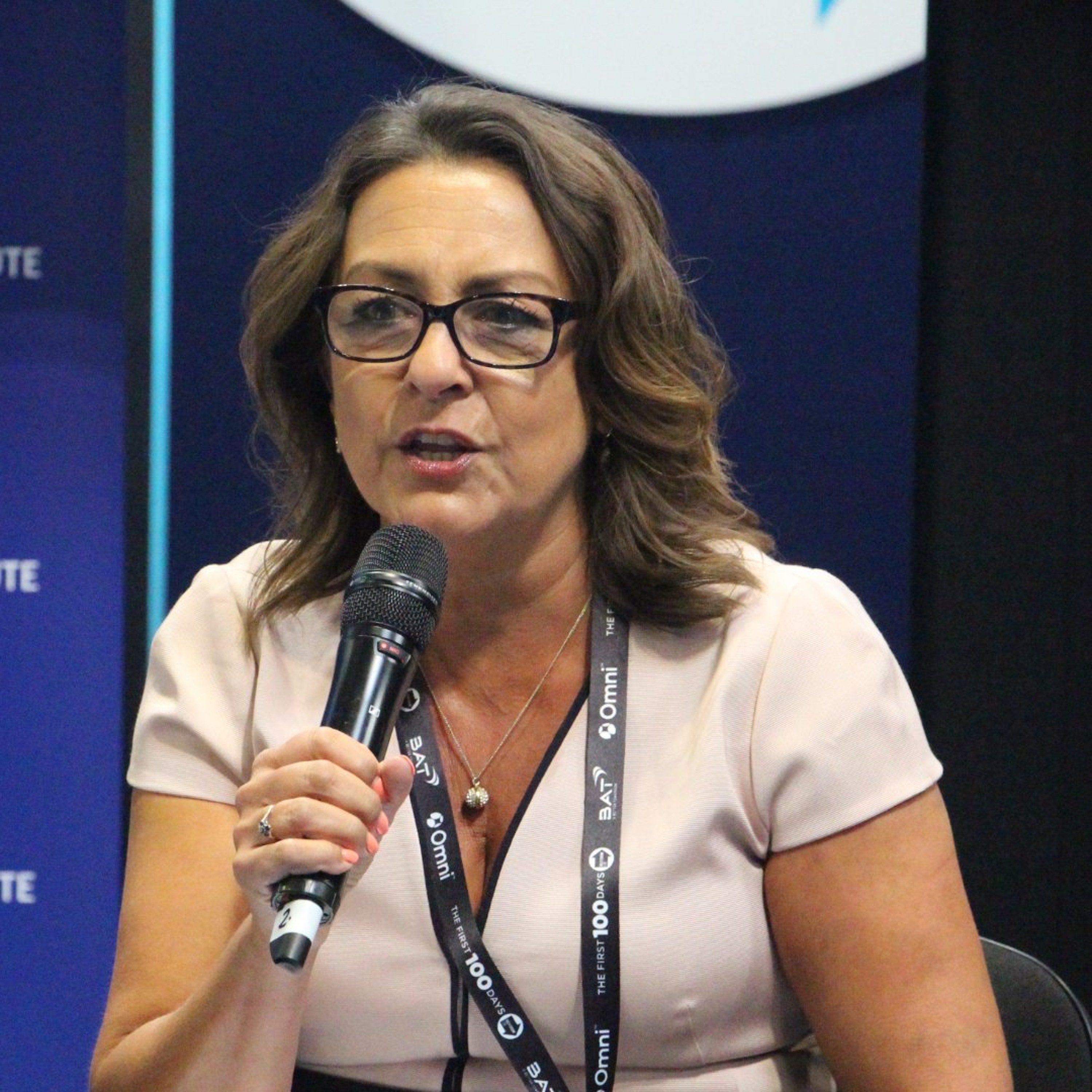 What is the Reform UK vision for devolution and local government in England? 08.09.2026 1hSpeakers: Cllr Stephen Atkinson, Leader of Lancashire County Council and Leader of the Local Government Association's Reform UK Group Justin Galliford, Chief Executive Officer at Norse Group Cllr Linden Kemkaran, Leader of Kent County Council Akash Paun, Programme Director (Devolution) at the Institute for Government Cllr Daniel Sutherland, Leader of Calderdale Council This event was chaired by Dr Hannah White, CEO of the Institute for Government. This event was in partnership with Norse Group. This event was part of the Institute for Government's programme of party conference events at the Reform UK Party Conference.
 -
 In conversation with Danny Kruger MP 04.09.2026 1h 2minAlex Thomas, Executive Director at the Institute for Government, was joined by Danny Kruger MP, head of Reform UK’s unit for preparing the party for government. This event was part of the Institute for Government's programme of party conference events at the Reform UK Party Conference.
 -
 Book launch: The Brexit Effect, 2016–2026 31.07.2026 1h 3minThe Brexit Effect, edited by Sir Anthony Seldon, is a collection of over 30 essays on the impact of the referendum on whether the UK should stay in or leave the European Union. To discuss the book, the Institute for Government brought together some of its contributors to consider the continuing impact of that decision on the way the UK is governed and its place in the world. Sir Anthony Seldon, editor of The Brexit Effect, made opening remarks. That was followed by an expert panel, including: Helen MacNamara CB, author of the chapter on Brexit and civil service impartiality and former Deputy Cabinet Secretary Rt Hon David Miliband, author of the chapter on Britain’s economic standing and future relations with the EU and former Foreign Secretary 2007-10 Jill Rutter, Senior Fellow at the Institute for Government and co-author of the chapter on Brexit and the quality of UK governance (with Alex Thomas) Marina Wheeler KC, author of the chapter on engaging with Europe as a sovereign nation This event was chaired by Alex Thomas, Executive Director for Impact, at the Institute for Government.
 -
 IfG DevoLab #6: How can mayors support a just climate transition? 16.07.2026 1h 36minWe were at the Institute for Government for the sixth event in the IfG DevoLab series, held in partnership with the JUST Centre, at which speakers from three regions with devolved powers set out how mayors and strategic authorities can use their powers, funding and influence to support a just climate transition. The three case studies presented at IfG DevoLab #6 were: ‘The Local Net Zero Accelerator programme in the West Midlands’ by Barbara Leach, Programme Manager at West Midlands Combined Authority ‘Devolution and local power for communities in the North West of England’, by James Johnson, Head of Regional Programme at the North West Net Zero Hub ‘Place-based climate action in Yorkshire and the Humber - the Climate Commission model’, by Rosa Foster, Director at Yorkshire and Humber Climate Commission These speakers were joined by Professor Matthew Paterson, Deputy Director at the JUST Centre, for a broader discussion of the benefits of devolution and mayoral leadership for this agenda, how places are developing new ways of governing and new forms of participation to ensure that the climate transition is just, joined-up and reflects local needs, and what might be achieved by further devolution. This event was chaired by Akash Paun, Programme Director at the Institute for Government. The IfG DevoLab is dedicated to exploring the innovations enabled by devolution, learning from the results, and sharing the lessons so that places can take better decisions about how to use devolved powers and budgets. Insights from this discussion will inform a published policy briefing containing the three case studies and a synthesis of key lessons. We would like to thank the Centre for Joined-Up Sustainability Transformations (JUST) for kindly supporting this event.
 -
 Creating a regulatory system that attracts investment 16.07.2026 1h 9minThis event was part of the IfG's half-day conference, Regulation in a changing world: How to meet the needs of the future? Panellists discussed how the design of a regulatory system can best build investor confidence and encourage good long-term outcomes. Rt Hon George Eustice, former Secretary of State for Environment, Food and Rural Affairs (2020–22) Mark McAllister, Chair of Ofgem Stefanie Voelz, Senior Credit Officer at Moody’s This session was chaired by Giles Wilkes, Senior Fellow at the Institute for Government.
 -
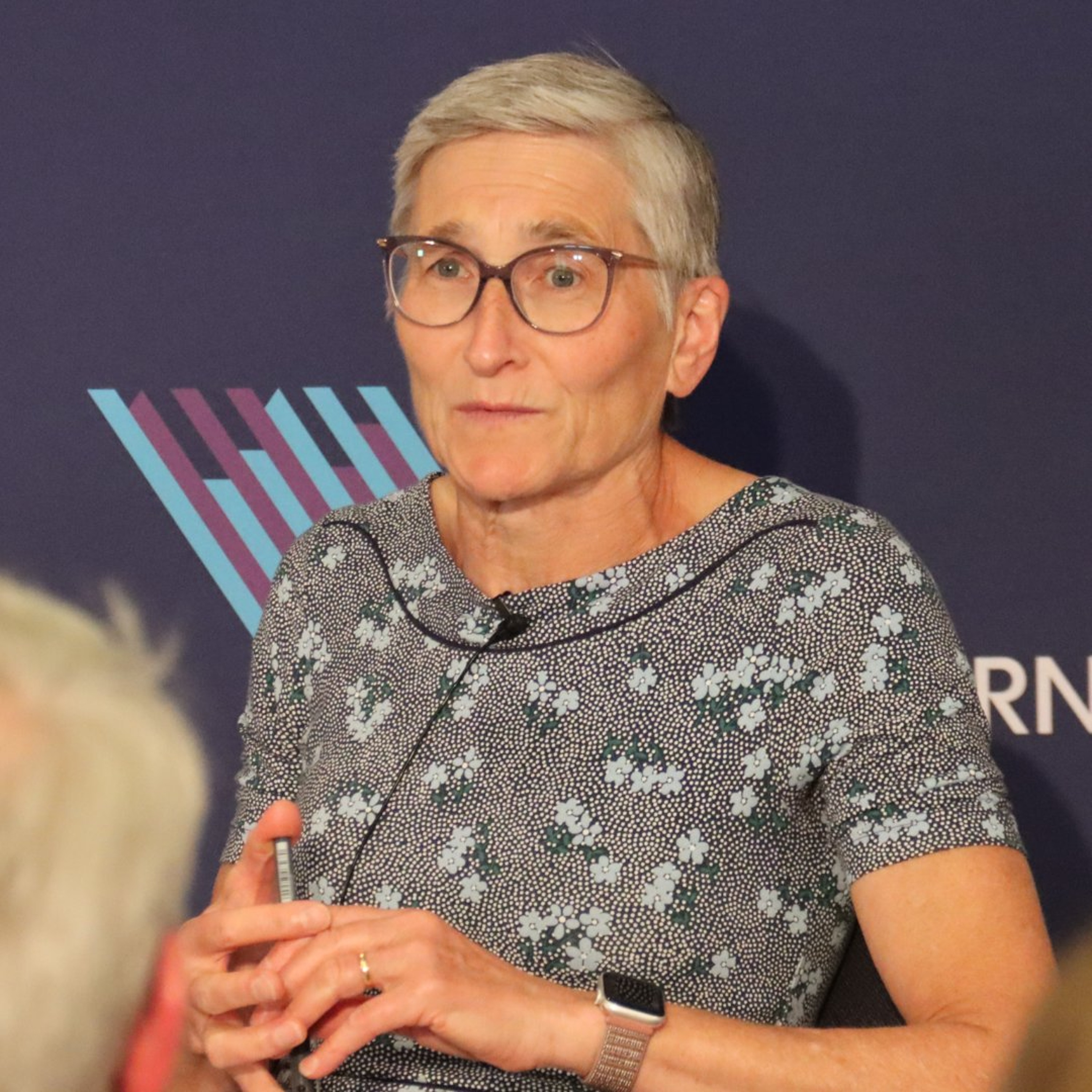 Delivering government policy through regulation 16.07.2026 1h 4minThis event was part of the IfG's half-day conference, Regulation in a changing world: How to meet the needs of the future? An expert panel explored the purpose of regulation, and particularly its relationship to government policy. How can strategic direction from government, regulatory independence and consistency across sectors be balanced in a period of rapid change? Caleb Deeks, Director General for Competition, Markets and Regulatory Reform at the Department for Business and Trade Lord Michael Gove, Editor of The Spectator and former Secretary of State for Environment, Food and Rural Affairs (2017–19) Dame Clare Moriarty DCB, Chief Executive at Citizens’ Advice Natalie Prosser, Chief Executive Officer at the Office for Environmental Protection This session was chaired by Dr Matthew Gill, Programme Director at the Institute for Government.
 -
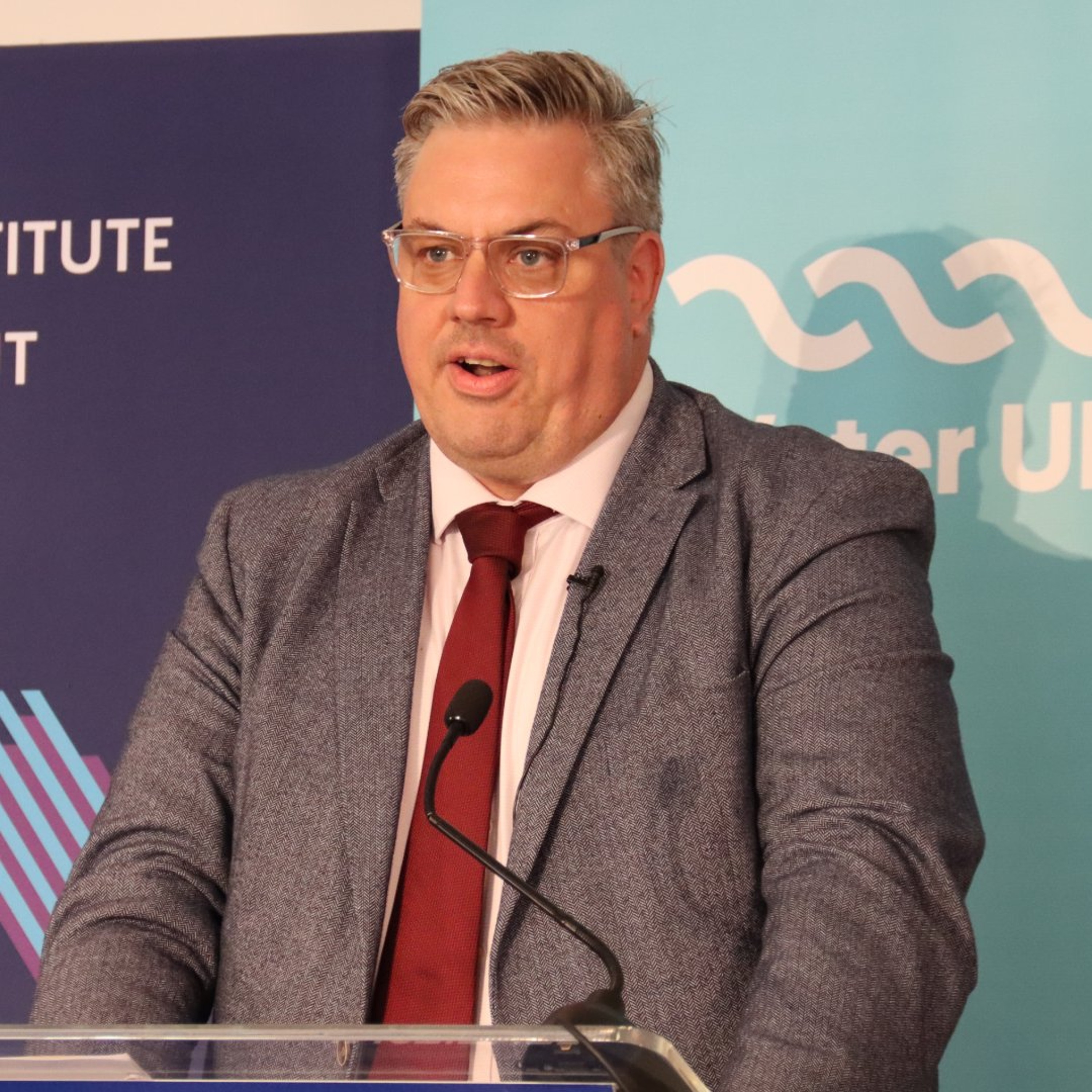 Welcome and keynote speech by Blair McDougall MP, Minister for Small Business and Economic Transformation 16.07.2026 51minThis event was part of the IfG's half-day conference, Regulation in a changing world: How to meet the needs of the future? Welcome Opening remarks from Dr Hannah White OBE, Director and CEO of the Institute for Government. The minister delivered a keynote speech, and was then in conversation with Jill Rutter, Senior Fellow at the Institute for Government and David Henderson, Chief Executive Officer of Water UK.
 -
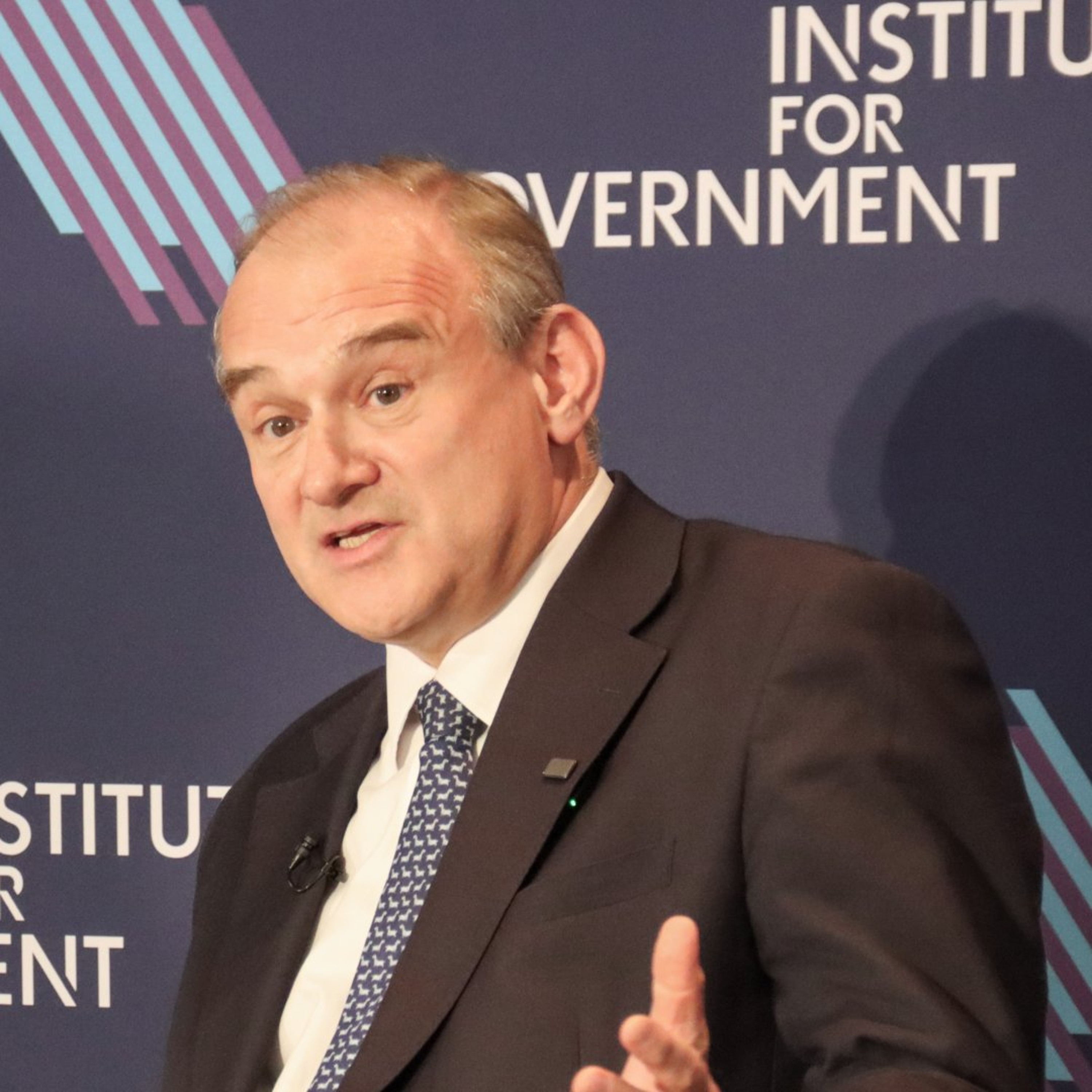 In conversation with Sir Ed Davey MP, Leader of the Liberal Democrats 15.07.2026 1h 4minThe IfG was pleased to welcome Sir Ed Davey MP, Leader of the Liberal Democrats, to set out his priorities for political and constitutional reform. In March, Ed Davey set out proposals for a “new Magna Carta” – a written constitution to safeguard fundamental British rights and freedoms. He expanded on those plans and talk about how the Liberal Democrats are continuing their campaign to secure proportional representation in the age of multi-party politics. And with Andy Burnham’s announcement of Number 10 North pushing devolution up the political agenda, Davey set out his approach to empowering councils and communities. Sir Ed Davey was in conversation with Dr Hannah White, CEO of the Institute for Government, and took part in an audience Q&A.
 -
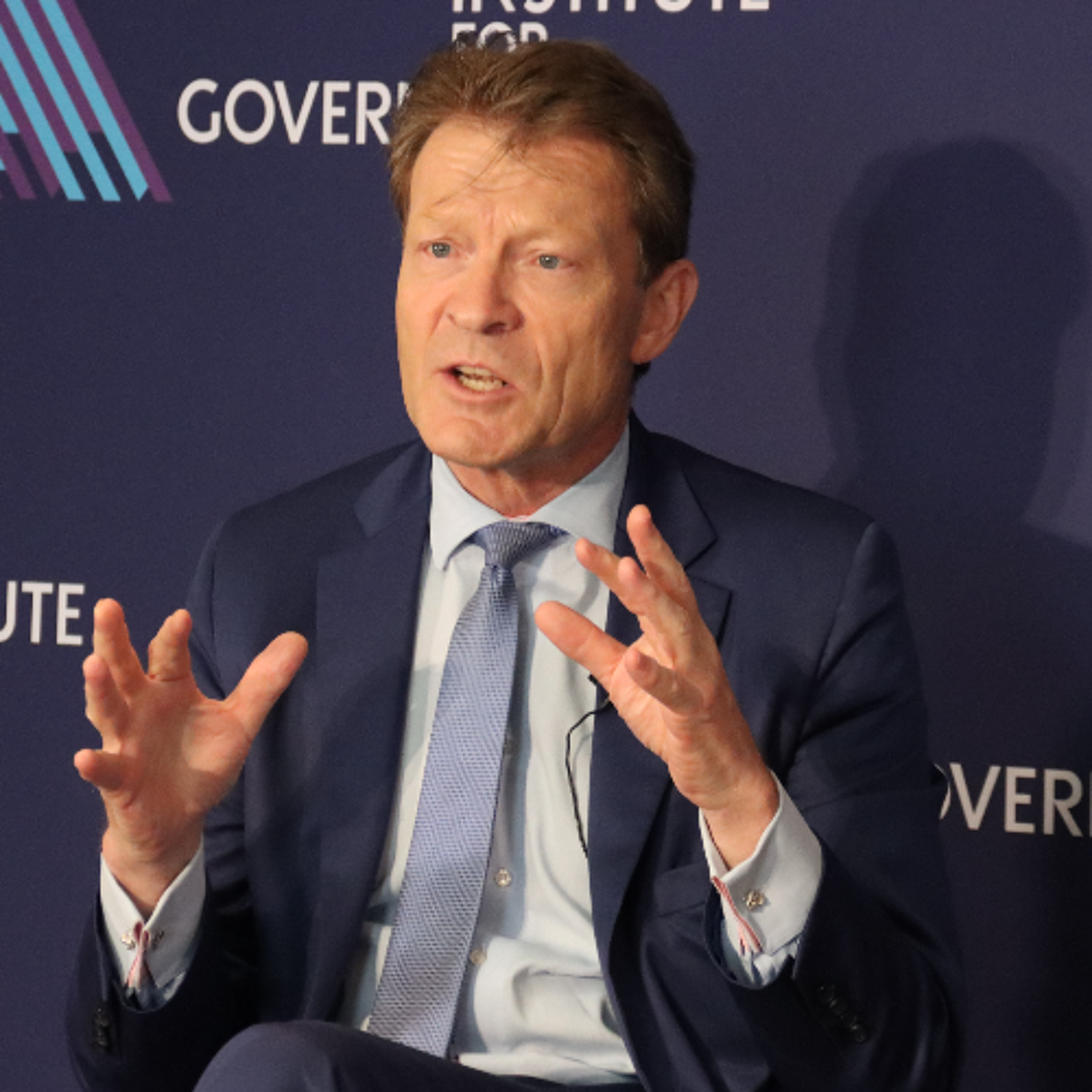 In conversation with Richard Tice MP, Deputy Leader of Reform UK 07.07.2026 46minFollowing the May 2026 local and devolved UK elections, Reform UK is running over 20 local authorities, has two regional mayors, and is the second-largest party in the Welsh parliament. But how would a Reform UK government in Westminster approach complex challenges like rewiring the state, boosting public service productivity, and growing the British economy? On 7 July, the IfG welcomed Richard Tice MP, Reform UK’s Deputy Leader and the party’s business, trade and energy spokesman, to discuss Reform UK’s vision for government. What has the party learned from its experiences in local government across England? How would it approach relations between Westminster and devolved governments? And what policies would Reform UK prioritise if it wins the next general election – and what possible trade-offs would it face in government? Richard Tice was in conversation with Dr Hannah White, CEO of the Institute for Government.
 -
 IfG DevoLab #5: How can mayors and local leaders create a shared vision for regional growth? 03.07.2026 1h 28minThe IfG DevoLab is dedicated to exploring the innovations enabled by devolution, learning from the results, and sharing the lessons so that places can take better decisions about how to use devolved powers and budgets. We were in Sheffield for the fifth DevoLab event, where three speakers set out how mayors and local leaders can build and sustain a shared vision for growth across their regions. The three case studies presented at IfG DevoLab #5 were: ‘Developing a shared vision for growth in South Yorkshire’, by Kate Josephs CB, Chief Executive of Sheffield City Council ‘Corridors of Growth in a Polycentric City Region’, by Tony Reeves, Chief Executive of Wakefield Council ‘Delivering an inclusive growth strategy in the East Midlands’, by Damien Dacey, Executive Director of Strategy and Inclusive Growth at the East Midlands County Combined Authority The three speakers were joined by Pete Gladwell, Group Managing Director, Public Investment at L&G, for a broader discussion on how mayors can work effectively with partners across their region, build consensus around shared priorities, and sustain ambition as political contexts shift. This event was chaired by Dr Hannah White, Director and CEO of the Institute for Government. Insights from this discussion will inform a published policy briefing containing the three case studies and a synthesis of key lessons. The Institute for Government would like to thank L&G for its support for this event and for its wider support of the IfG DevoLab series.
 -
 Integrating diplomacy and development: How does the Foreign Office set itself up for success? 02.07.2026 1h 7minFive years on from the merger of the Foreign Office and the Department for International Development, this is a pivotal moment for the Foreign, Commonwealth and Development Office (FCDO). The government is managing the reduction in the international aid budget, the department is undergoing a major restructuring, and its permanent secretary was sacked by the prime minister. With fewer resources, evolving security threats and diplomatic challenges, the government should be seizing this moment to integrate diplomacy and development. Recent research from the HALO Trust and the Eleanor Crook Foundation has shown how modern conflict is increasingly interconnected with challenges such as food security and malnutrition – and that unless these and other pressures are addressed in a genuinely joined‑up way, the UK risks operating in siloes. But how joined up is diplomacy and development, and can the department both retain its leadership role in international development and protect the UK’s national interest? How should the Foreign Office approach these challenges when staff numbers are falling and its budget is shrinking? What principles should guide the merged department through this time of change? And what is the government’s overall approach to UK foreign policy and development and how is it seeking to achieve it aims? Drawing on the IfG’s existing and ongoing research and commentary on the FCDO and its predecessors, and a series of previous successful events on similar themes, this event explored these questions and more with an expert panel featuring: Major General James Cowan CBE DSO, Chief Executive Officer of the HALO Trust Stefan Dercon, Professor of Economic Policy at the Blavatnik School of Government Ben Judah, Writer, and Visiting Fellow at Chatham House Dame Emily Thornberry MP, Chair of the Foreign Affairs Select Committee This event was chaired by Hannah Keenan, Associate Director at the Institute for Government and there were opening remarks from Gemma Tumelty, Director of UK Advocacy at the Eleanor Crook Foundation. We would like to thank the HALO Trust and the Eleanor Crook Foundation for kindly supporting this event.
 -
 The NHS 10-year plan one year on: Is the government shifting the health service towards prevention? 01.07.2026 1h 4minThe worthy aims of the NHS’s prevention shift include reducing childhood obesity, cutting the prevalence of smoking, and tackling harmful alcohol consumption. But previous Institute for Government work shows that shifting to prevention is incredibly difficult, with successive governments’ actions rarely meeting lofty rhetoric. So, one year on from the launch of the 10-year health plan, how much progress has the government made on its prevention goal? This event brought together a panel of experts to discuss the following questions: What has the government done to shift the NHS towards prevention since July 2025? How is the government assessing its own progress on this shift? What would demonstrate success in its eyes by the next election? Where has it made the most progress? Where has progress been slower? What does the NHS bill mean for the prospects of future progress? What are proving to be the particular stumbling blocks to implementation within the department, central government and local systems? What could the government do to push this agenda ahead faster? To explore these questions and more, this event brought together a panel featuring: Dr Zubir Ahmed MP, former Parliamentary Under-Secretary of State for Health Innovation and Safety Dr Jennifer Dixon DBE, Chief Executive of the Health Foundation Ravi Gurumurthy, Group Chief Executive Officer at Nesta Ian Walker, Executive Director of Policy, Information and Communications at Cancer Research UK The event was chaired by Stuart Hoddinott, Associate Director at the Institute for Government. We would like to thank Nesta for kindly supporting this event.
 -
Andy Burnham: What to expect from the next prime minister? 30.06.2026 38minAndy Burnham will surely become prime minister in a matter of weeks. But what kind of government would he lead and how can he prepare for the biggest job in British politics? As Burnham sets out his policy priorities, and with much speculation about the key appointments he will make to his top team, this webinar brought together leading IfG experts to explore the challenges awaiting the next prime minister – and the skills and he experience he will need for job. How can Burnham best use the time available to prepare for succeeding Keir Starmer as prime minister? What are the decisions that need to be taken before a transition of power? What do we know so far about the choices he could make on personnel and policies? And how will Burnham’s experiences of Mayor of Greater Manchester equip him for the job of prime minister? Sam Freedman, Senior Fellow at the Institute for Government Dr Catherine Haddon, Senior Fellow at the Institute for Government Akash Paun, Programme Director at the Institute for Government This event was chaired by Dr Hannah White, CEO of the Institute for Government.
-
 A keynote speech by Dan Tomlinson MP, Exchequer Secretary to the Treasury 29.06.2026 56minThe Institute for Government was pleased to welcome Dan Tomlinson MP, Exchequer Secretary to the Treasury, to share his experiences as the sole departmental minister for His Majesty’s Revenue and Customs – and set out his vision for transforming the department. What will the shift to “digital by default” mean for HMRC’s performance, culture and operating model? How can digital transformation improve customer service? And what have the minister’s 10 months in the role taught him about the way HMRC works and how it can be reformed? Following his keynote speech, Dan Tomlinson was in conversation with IfG Chief Economist Thomas Pope and took part in an audience Q&A.
 -
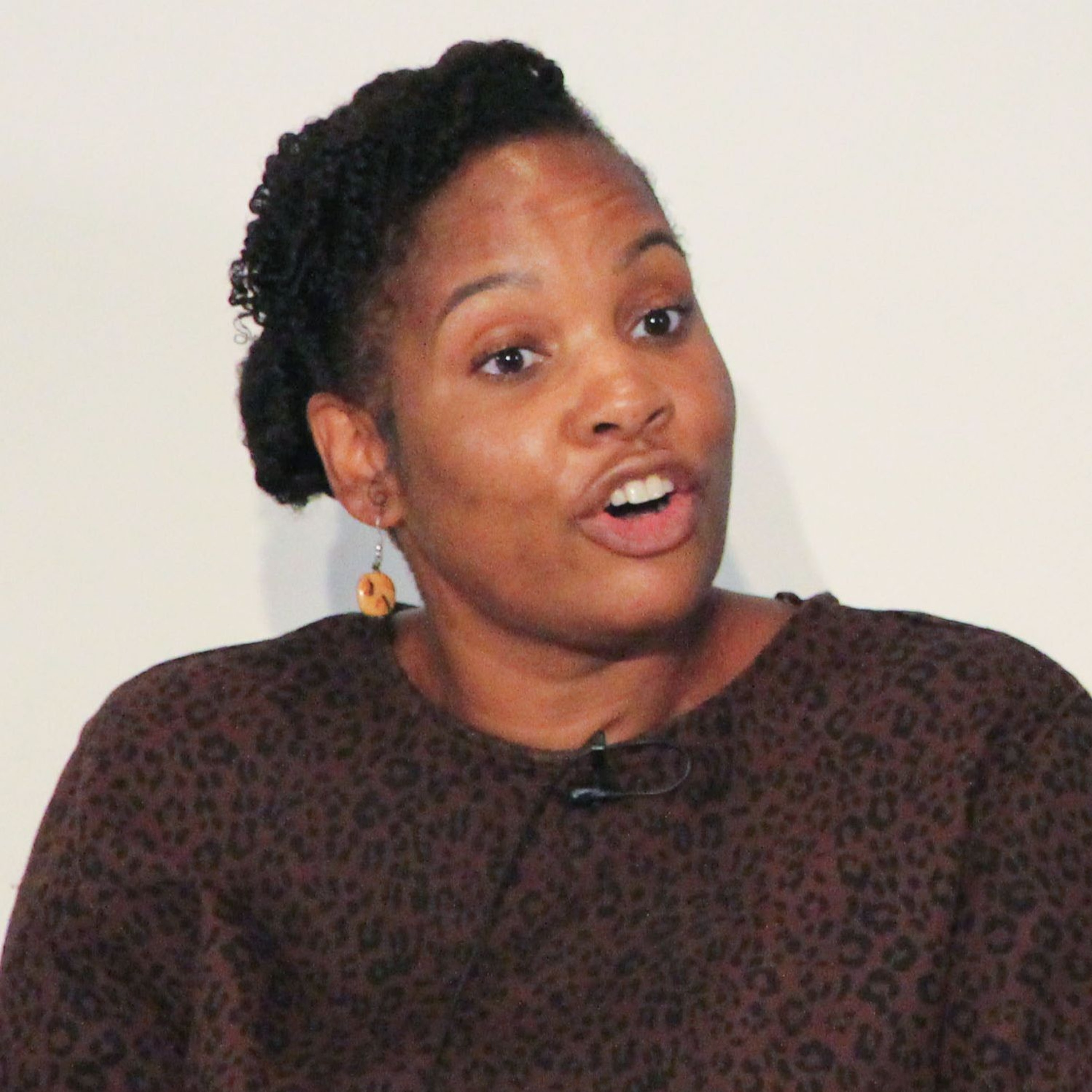 How can government close the early years attainment gap for boys from low-income families? 18.06.2026 57minBoys from families living on low-incomes have been ‘left behind’ in early years policy making for decades. Nearly three in five boys from low-income families are not reaching a good level of development by the end of reception year, with long-term effects on their later educational attainment, job prospects, health and wellbeing. Two reports from the Institute for Government (IfG) – supported by Impact on Urban Health – set out how the government can ensure this group is not left behind in the implementation of its early years policy agenda over the next 12 months. Why have successive governments overlooked the needs of boys from low-income families? Where are promising models and practices already making a difference? What practical lessons do they offer central government as it works towards its target of 75% of five-year-olds being ‘school ready’ by 2028? To explore these questions and more, this event brought together a panel featuring: Claire Ainsley, Director of the Project on Center-Left Renewal and Senior Fellow at the Institute for Government Candice James BEM, Director of the Loughborough Community Centre Miriam Loxham, Senior Principal, Early Years and Family Help at the Greater Manchester Combined Authority Alistair Strathern MP, Member of Parliament for Hitchin and Co-chair of the Labour Group for Men and Boys Shaina Sangha, Researcher at the Institute for Government, started the event with a presentation of key findings from the reports. The event was chaired by Sophie Metcalfe, Senior Researcher at the Institute for Government. We would like to thank Impact on Urban Health for kindly supporting this event.
 -
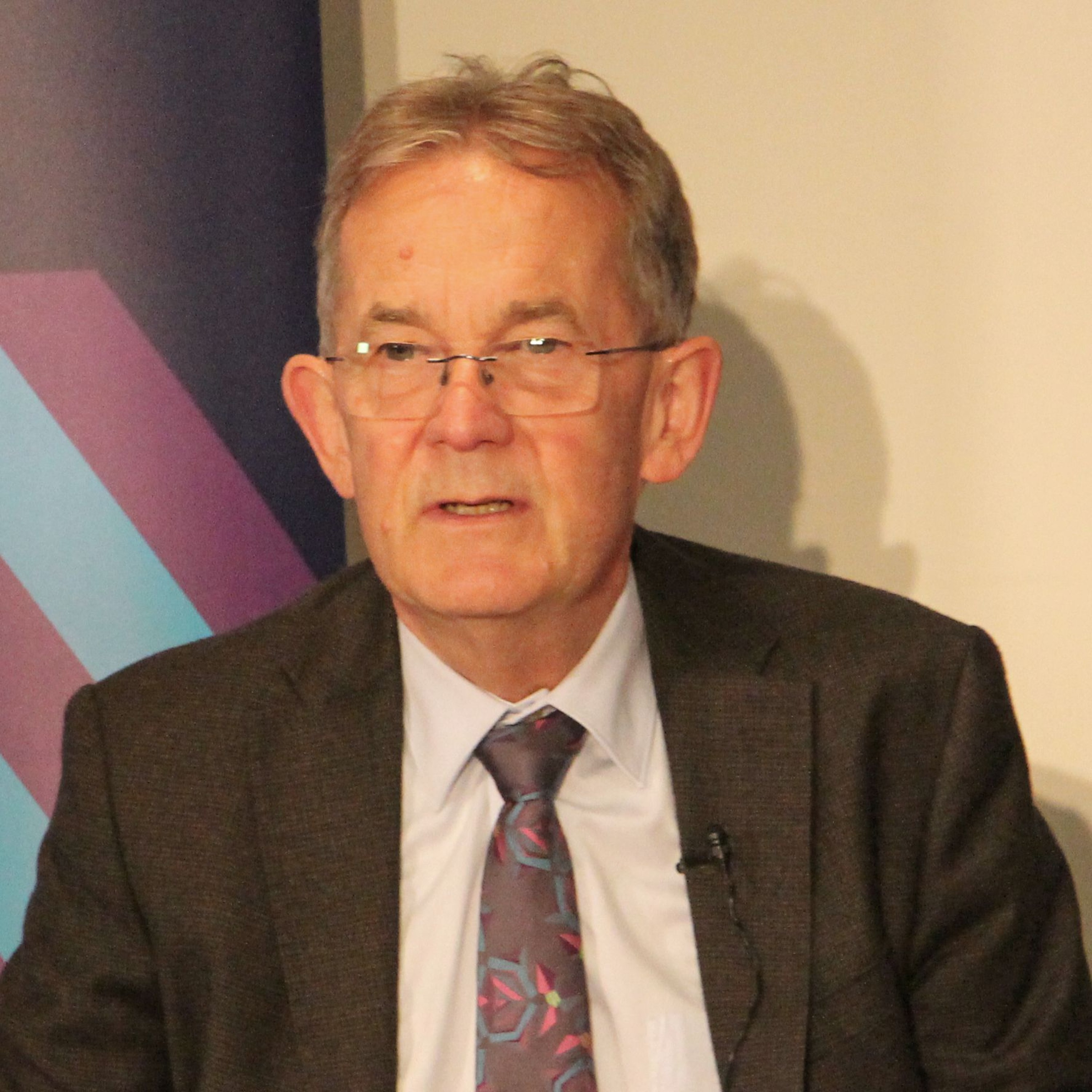 Lessons from Covid: How to avoid fraud in future crises? 11.06.2026 1h 2minThe Covid-19 pandemic saw the government spend hundreds of billions of pounds to buy PPE, keep businesses afloat and avoid mass redundancies. In the heat of this once-in-a-generation crisis, decisions were made that enabled widespread fraud by both individuals and organisations – leading to an estimated £10.9 billion of Covid-19 spending being lost to fraud and error. In December 2024, the chancellor appointed Tom Hayhoe as the Covid Counter-Fraud Commissioner to scrutinise Covid spending, explore how public funds could be recovered and make recommendations to prevent fraud in the future. So what could government have done differently to respond quickly to the pandemic while avoiding the vast scale of fraud? What should government do now to ensure there are more robust checks and balances ahead of the next crisis? How can departments and organisations better work together to prevent fraud across the public sector? And how will cultural and technological changes since the pandemic, including the growth of AI, impact the nature of public sector fraud and government’s ability to tackle it? To discuss this and more, the IfG brought together an expert panel, including: Dr Susan Hawley, Executive Director of Spotlight on Corruption Tom Hayhoe, Chair of the NHS Counter Fraud Authority and formerly the Covid Counter-Fraud Commissioner Joshua Reddaway, Director of Fraud and Propriety at the National Audit Office Rachael Tiffen, Director of Public Sector & Learning at Cifas The event was chaired by Tim Durrant, Programme Director at the Institute for Government.
Podobné podcasty


Obľúbený v
Tento podcast sa objavuje aj v rebríčkoch podcastov týchto krajín.
