
Multilingual Islam Connect
Brought to you by Multilingual Islam Connect
0
Multilingual Islam Connect is a podcast dedicated to sharing authentic Islamic knowledge and insights across various languages. It offers a diverse range of audio content catering to audiences from all backgrounds. The podcast aims to connect hearts and minds through the universal language of Islam.
Epizode
-
 How Does Life Change If You Become Muslim? | Special Episode | Islam and Evidence 14.07.2026 2minYou have heard the evidence. The universe that had to begin. The Quran that could not have come from a man. The Prophet who had nothing to gain by lying.This is the closing episode. It answers the practical question: if you accept that Islam is true — what does life actually look like?The five pillars, explained plainly. The daily texture of a Muslim life. And the one sentence that starts it all. You do not need to have everything worked out to begin. You begin with one sentence, and the rest unfolds.The closing invitation of the Islam and Evidence series.
 -
 Islam and Same-Sex Attraction | Special Episode | Islam and Evidence 14.07.2026 2minIslam makes a distinction that almost never appears in media coverage: the distinction between what a person feels and what a person chooses to do.Islamic theology holds that accountability is for choices, not for inclinations one did not ask for. Same-sex attraction is understood as a test — and the person experiencing it is not lesser in God's sight because of it. What is regulated is the action — and the same regulation applies equally to everyone, regardless of the attraction they experience.This episode presents Islam's actual position with theological accuracy and without political framing.
 -
 Polygamy in Islam | Special Episode | Islam and Evidence 14.07.2026 2minCompare two systems honestly: informal multiple partnerships outside marriage, where women have zero legal rights — versus Islamic polygamy, where every wife has full legal protection, financial support, and inheritance rights.This episode examines what Islamic polygamy actually is, what the Quran's condition for it says, and why the honest comparison — between the regulated system and the unregulated alternative — challenges the assumption about which arrangement protects women more.
 -
 Women in Islam | Special Episode | Islam and Evidence 14.07.2026 2minIn the 7th century, the Quran gave women rights that most of the world would not recognize for another thousand years.This episode examines what Islam actually says about women — not what cultural practices in some Muslim-majority countries say, but what the Quran and authenticated hadith say. Property rights. Inheritance rights. The right to refuse marriage. The right to divorce. The spiritual equality stated in chapter 33, verse 35.And the women who lived it first: Khadijah, who was the Prophet's employer and proposed marriage to him. Aisha, who became one of the greatest scholars in Islamic history.
 -
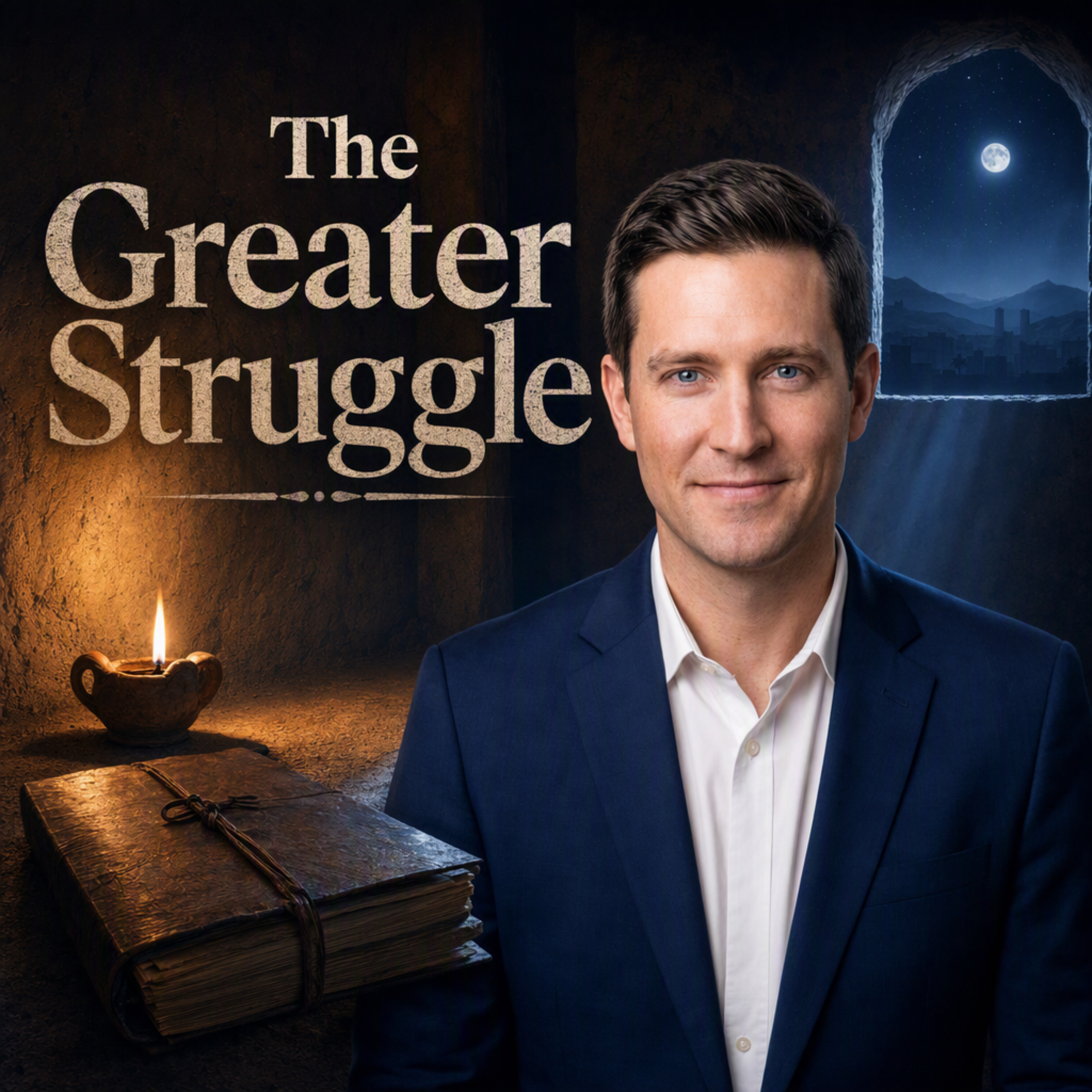 What Is Jihad? | Special Episode | Islam and Evidence 14.07.2026 2minOf all the words in modern English coverage of Islam, jihad may be the most misrepresented.The word means struggle. The greater jihad, according to the Prophet himself, is the internal struggle against one's own desires and shortcomings — the daily battle every Muslim fights. The lesser jihad, defined by strict conditions in Quran and hadith, is regulated defensive warfare with explicit protections for civilians.This episode untangles the word from the terrorism it is falsely associated with — and shows what the Quran and authenticated hadith actually say.
 -
 Is the Quran God's Word? — Ep. 4: Preservation and the Final Tests 13.07.2026 3minNot one letter has changed in fourteen hundred years. And the Quran itself tells you how to disprove it.The final episode of the four-part examination covers the Quran's preservation — the most rigorous in human history — and the specific falsification tests the Quran embeds in its own text. Abu Lahab had ten years to say two words and disprove a prophecy. He could not. The literary challenge has been open for fourteen centuries. It has not been met.Four angles examined. Four conclusions pointing the same direction. One case — complete.
 -
 Is the Quran God's Word? — Ep. 3: The Carrier 13.07.2026 3minCould Muhammad have written the Quran? Every alternative theory fails under examination.He was illiterate — confirmed by the Quran itself (chapter 7, verse 157) and by every historical record. He had no accessible Arabic source to copy from. The first Arabic Bible was translated 300 years after his death. He met the one Christian scholar who might have influenced him exactly twice — and that scholar died within months of the first revelation, while the Quran continued for 23 more years.This episode exhausts every alternative explanation — deliberate invention, external learning, psychological delusion, copying from existing texts — and shows how each one collapses. When every alternative is eliminated, what remains?Episode 3 of four.
 -
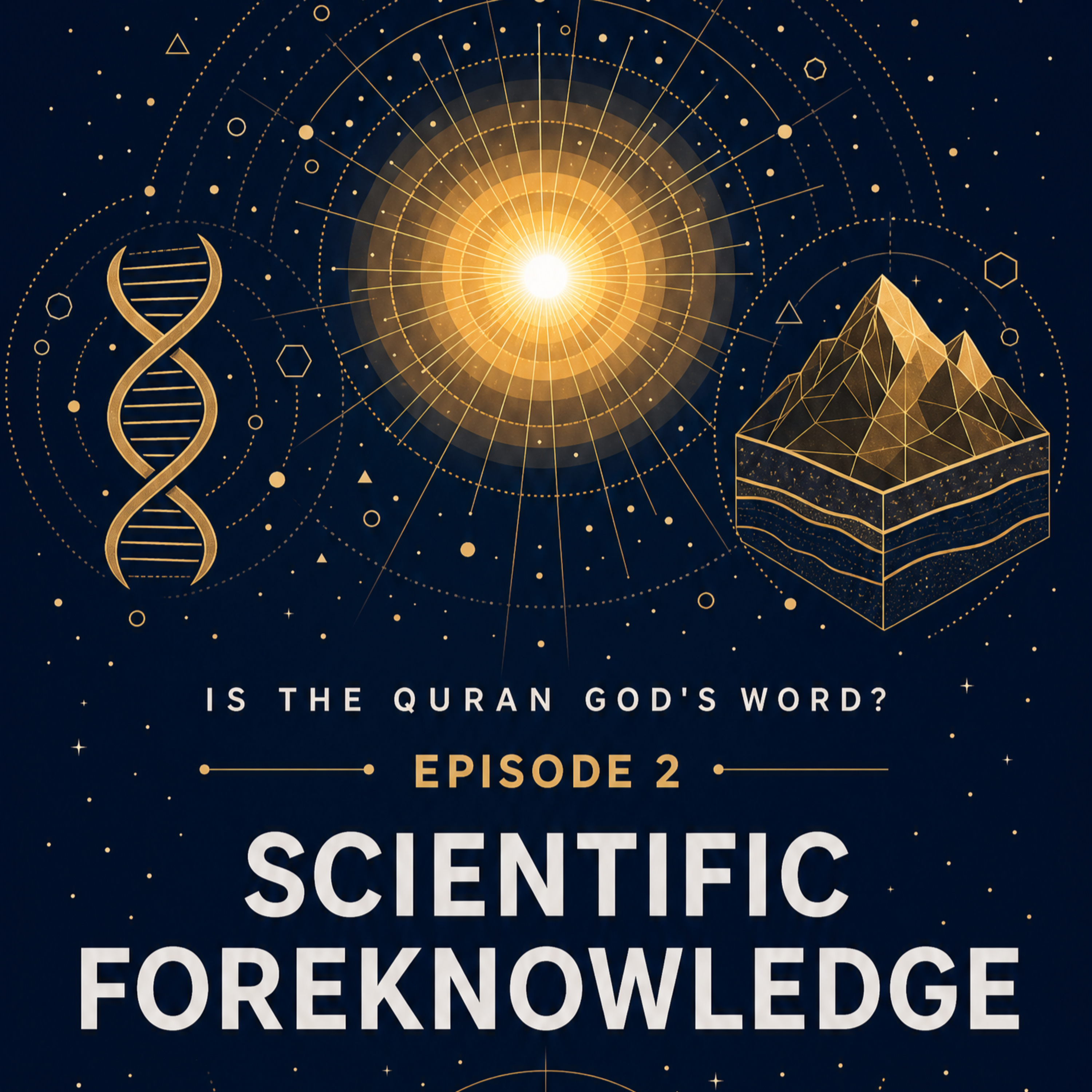 Is the Quran God's Word? — Ep. 2: Scientific Foreknowledge 13.07.2026 2minIf you guess randomly on three separate scientific facts, the chance of getting all three right is one in twenty thousand. The Quran gets hundreds right.This episode applies probability analysis to the Quran's scientific descriptions: the Big Bang, the expanding universe in present continuous tense, embryonic development stages, mountains as geological pegs, the reflected light of the moon, the water cycle. Each was described accurately in the 7th century and confirmed by science centuries later.One man. No instruments. No universities. No ability to read or write. The probability of these being coincidences is not a number — it is an impossibility.Episode 2 of four.
 -
 Is the Quran God's Word? — Ep. 1: The Literary Challenge 13.07.2026 2minThe challenge has been open for fourteen hundred years. No one has answered it.The Quran, chapter 2, verse 23, invites anyone who doubts its divine origin to produce one chapter like it. Not the whole book — one chapter. The greatest Arabic poets of the 7th century heard this challenge. They called the Quran magic because they could not place it in any known literary category. The challenge remains unanswered today.This episode examines why the literary uniqueness of the Quran is not a matter of taste — and why it constitutes a testable, falsifiable claim about its origin.Episode 1 of a four-part examination.
 -
 Life of the Prophet Muhammad (pbuh) — Ep. 6: The Final Years 09.07.2026 8minHe left Mecca as a refugee. He returned as a liberator — and forgave the city that had driven him out.The final episode covers the conquest of Mecca, the general amnesty, the Farewell Pilgrimage, the sermon at Arafat addressing one hundred thousand people, and the death of the Prophet, peace be upon him, in 632 CE. With Abu Bakr's address to the grieving community — and the verse that steadied them all.Twenty-three years. One man. One message. Still here.Life of the Prophet — a six-episode biographical podcast series. Grounded in Quran and Sahih Hadith.
 -
 Life of the Prophet Muhammad (pbuh) — Ep. 5: Building the Community 09.07.2026 8minThe first thing the Prophet did when he arrived in Medina was not build an army. It was write a constitution.This episode covers the formation of the first Islamic community in Medina — the Constitution of Medina, the Brotherhood between migrants and hosts, the building of the mosque, the battles of Badr and Uhud, the Trench, the Treaty of Hudaybiyyah, and the letters sent to the rulers of the world.A civilization built from almost nothing. In less than ten years.Life of the Prophet — a six-episode biographical podcast series.
 -
 Life of the Prophet Muhammad (pbuh) — Ep. 4: The Migration 09.07.2026 6minHe left a city that had tried to kill him. He arrived in one that came out to meet him.This episode covers the Hijra — the migration of the Prophet, peace be upon him, from Mecca to Medina in 622 CE. The assassination plot. The night departure. Three days hidden in the cave of Thawr. The arrival in Medina, and the moment that became Year 1 of the Islamic calendar.One of the most dramatic journeys in history — told in detail.Life of the Prophet — a six-episode biographical podcast series.
 -
 Life of the Prophet Muhammad (pbuh) — Ep. 3: Persecution in Mecca 09.07.2026 7minhe message went public — and Mecca pushed back.This episode covers the years of persecution that followed the Prophet's public declaration: the torture of Bilal ibn Rabah, the death of Sumayyah — the first martyr in Islam, the economic boycott that lasted three years, the Year of Sorrow, the journey to Taif and the rejection, and the miraculous night journey that sustained the Prophet before the migration.The early Muslims endured everything. This is their story.Life of the Prophet — a six-episode biographical podcast series. Grounded in Quran and Sahih Hadith.
 -
 Life of the Prophet Prophet Muhammad (pbuh) — Ep. 2: The First Revelation 09.07.2026 6minHe was forty years old, alone in a cave, in the middle of the night. Then something came.This episode covers the moment that changed the world: the first revelation in the cave of Hira, the terror that followed, Khadijah's steadfast belief, the confirmation from Waraqah ibn Nawfal, the painful silence between revelations, and the command that began the mission: Arise and warn.Grounded in Sahih Bukhari and the Quran. Narrated with care for both Muslim and non-Muslim audiences.Life of the Prophet — a six-episode biographical podcast series.
 -
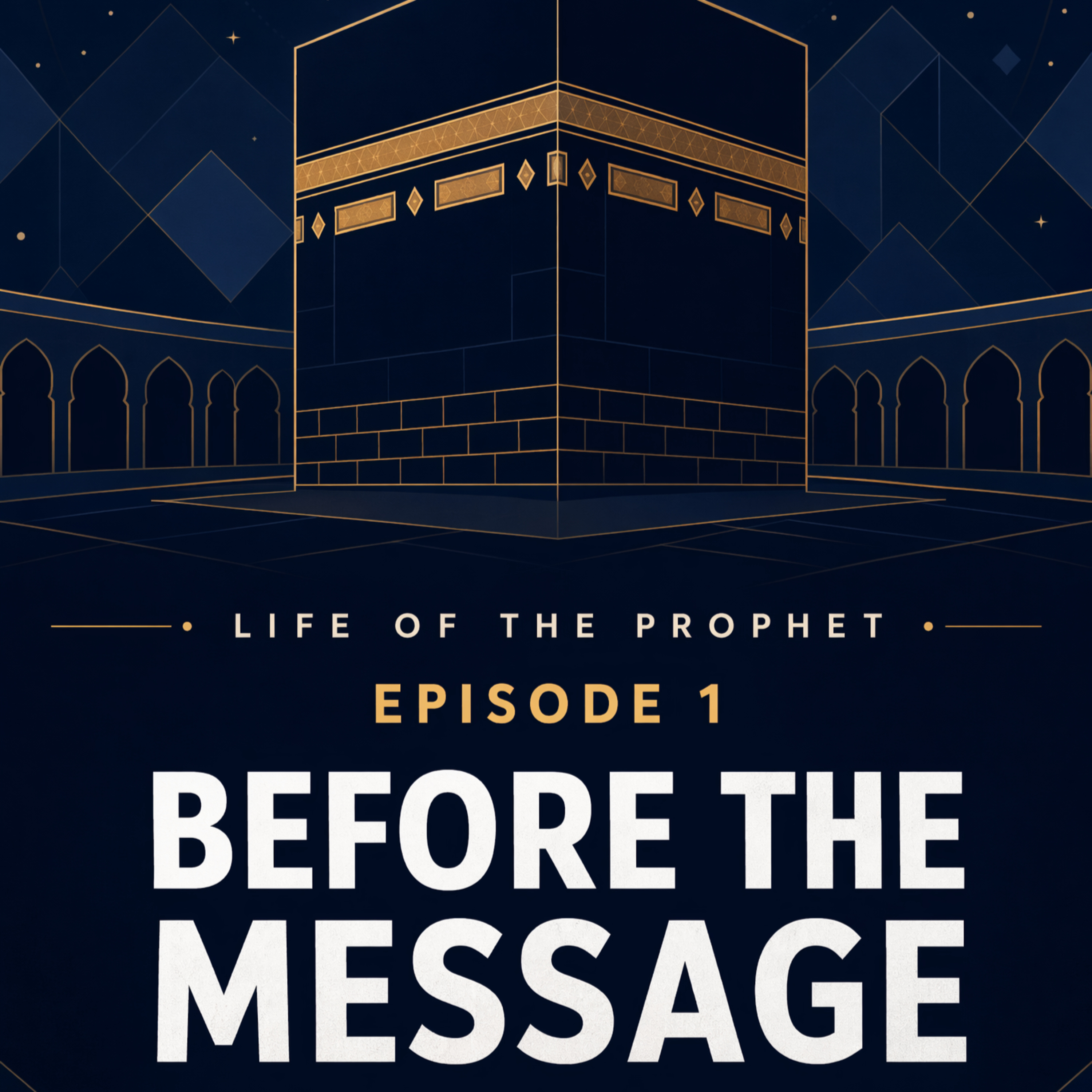 Life of the Prophet Muhammad (pbuh) — Ep. 1: Before the Message 09.07.2026 6minBefore the revelation, before the mission, before everything — there was a man.Muhammad, peace be upon him, was born in Mecca in 570 CE into a city steeped in tribal tradition and polytheism. By the time he reached forty, he had earned one title that no one disputed: Al-Amin. The trustworthy. Given to him not by his followers, but by the people who would later become his opponents.This is Episode 1 of Life of the Prophet — a six-episode series tracing the biography of Muhammad from his birth to his final days. Grounded in the Quran and authenticated hadith. Designed for both Muslims and non-Muslims.The series continues: The First Revelation.
 -
 What Is Sharia? | Special Episode | Islam and Evidence 02.07.2026 3minThe word Sharia means the path to water. In the deserts of Arabia, that path was not a minor detail — it was the path to life.This special episode addresses one of the most misunderstood words in the English language. Most people encounter Sharia through its most extreme applications. But Sharia has four layers — and three of those four are prayer, charity, ethics, and honest dealings in everyday life.The fourth layer contains the punishments the media discusses. But the conditions required to apply them are so strict that Islamic scholars have written for centuries that they function as deterrents, not as regular practice. The Quran requires four eyewitnesses to adultery. A Caliph suspended the theft punishment during a famine.What does Sharia actually ask of an ordinary Muslim? And does a way of life deserve to be judged by its most extreme cases — or by what it asks of ordinary people in ordinary life?Part of the Islam and Evidence special series.
 -
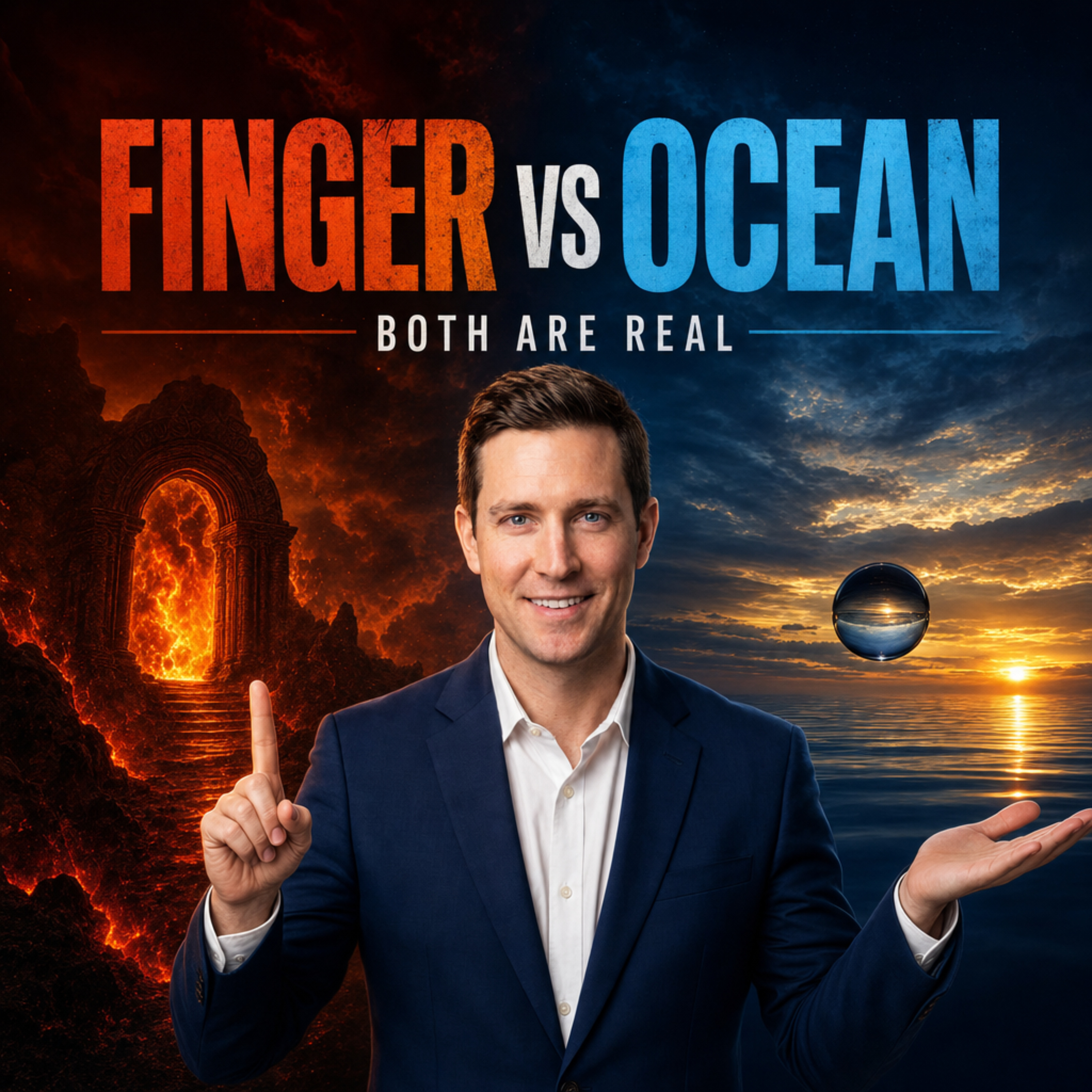 Hellfire and Paradise | Special Episode | Islam and Evidence 01.07.2026 3minThe Prophet Muhammad, peace be upon him, said: compared to the hereafter, this world is like what your finger brings up when you dip it in the ocean.That is the scale. And the next life has two destinations.This special episode takes the argument of Episode 12 further — into the Quranic descriptions of Paradise and Hellfire. Why do these places exist? What does the Quran actually describe? What do the authentic hadith say? And what determines where a person goes?Grounded in Quran and Sahih hadith. Plain language. No shortcuts.Part of the Islam and Evidence series.
 -
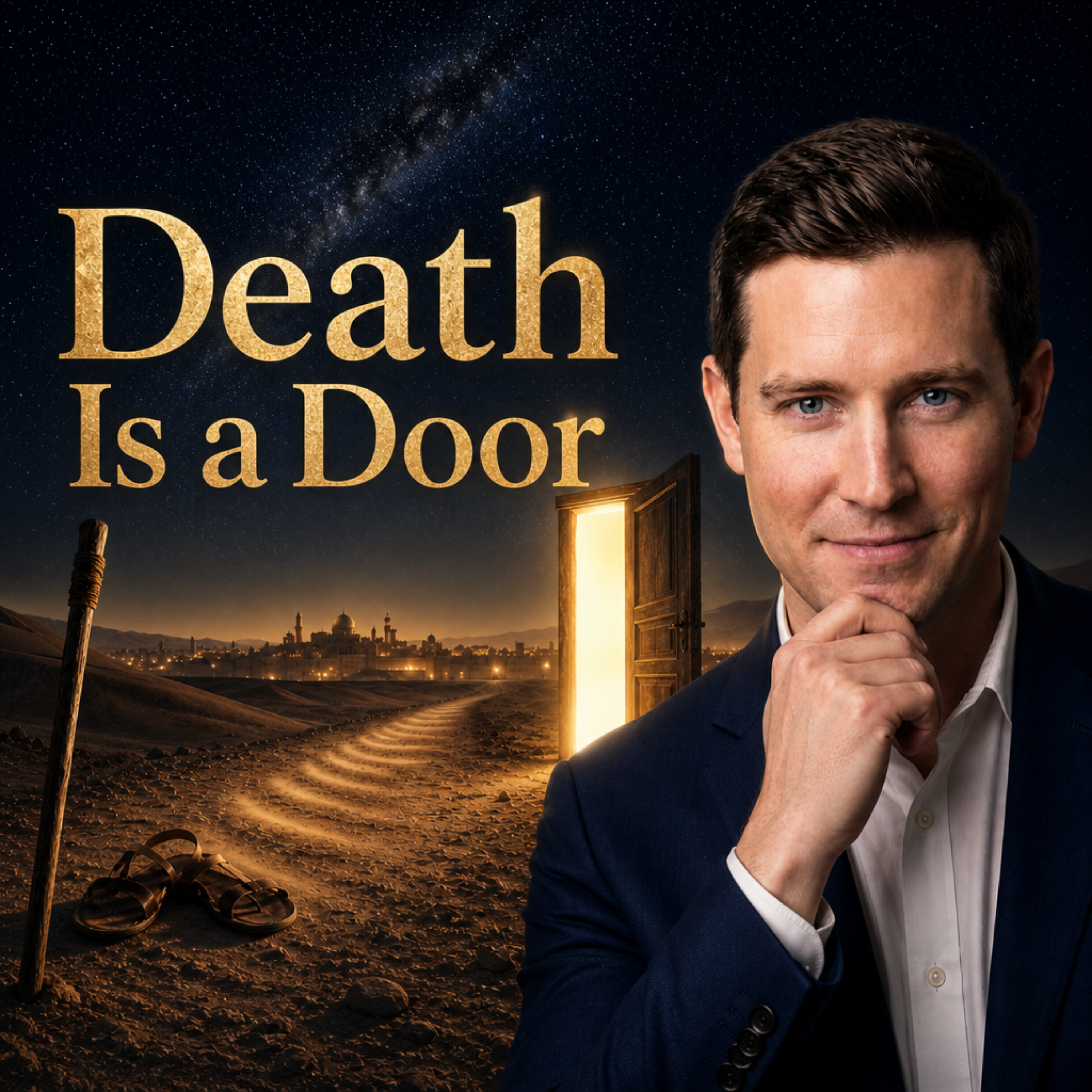 Ep. 12: What Comes After This Life | Islam and Evidence 30.06.2026 2minIf God created us with purpose, gave us genuine moral choices, and sent a revelation to guide us — would He let the record simply stop at death? This final episode examines the Quran's answer: that death is not a wall but a door, that a just creator cannot allow a universe without final accountability, and that the Prophet's descriptions of what follows death are consistent, specific, and preserved across 1,400 years of transmission. You have heard the evidence across twelve episodes. The question now is yours: what will you do with what you know?
 -
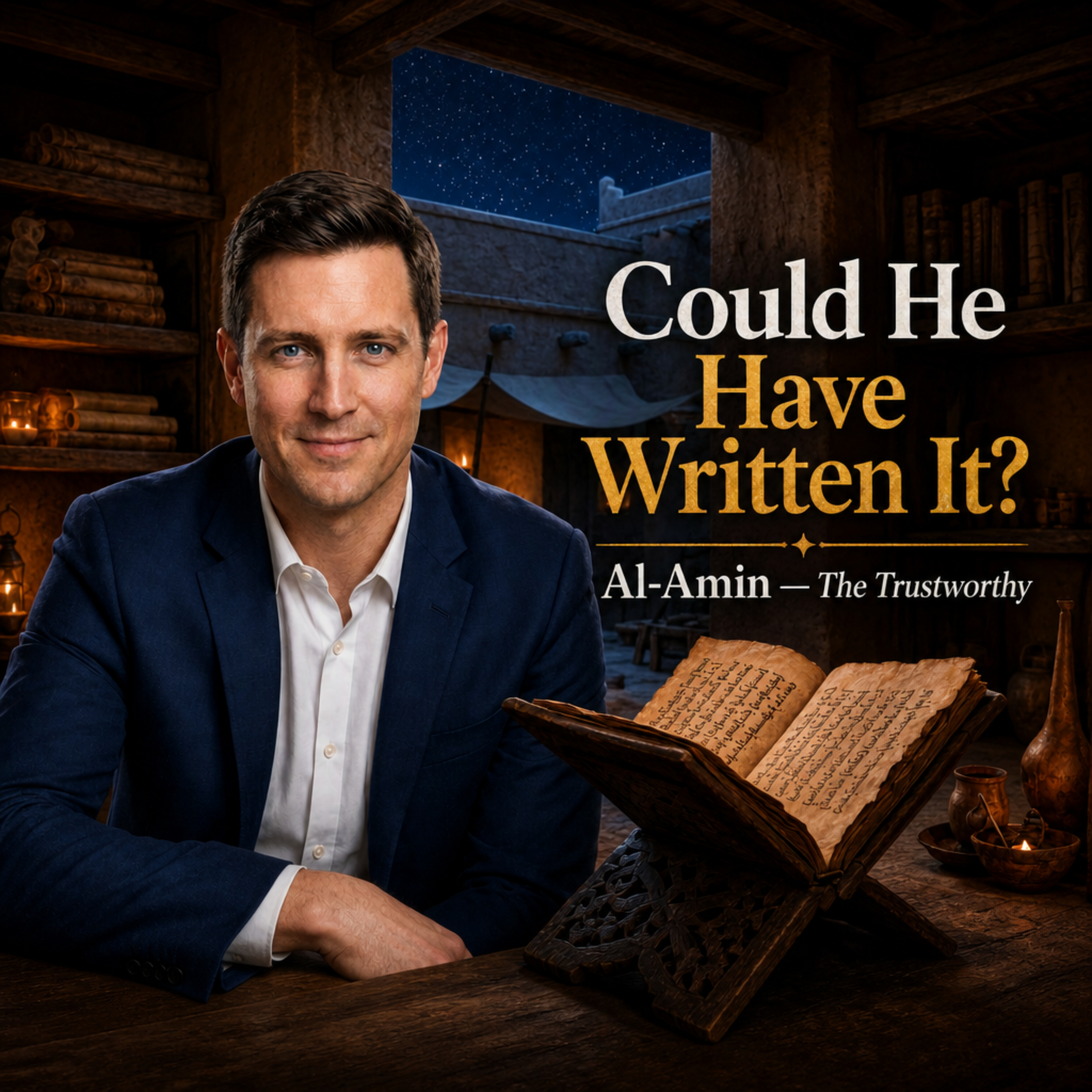 Ep. 11: Muhammad Was Truthful | Islam and Evidence 30.06.2026 1minHow do you evaluate a claim to prophethood? This episode applies three tests to Muhammad, peace be upon him: what did he stand to gain, did his actions match his words, and did his predictions come true? The results are striking. He turned down wealth, kingship, and all of Arabia to stop preaching. He died with his armor mortgaged for food. His own scripture corrected him publicly — permanently. He made specific predictions about future empires and events that were fulfilled. The profile of a fraud and the profile of a prophet look very different.
 -
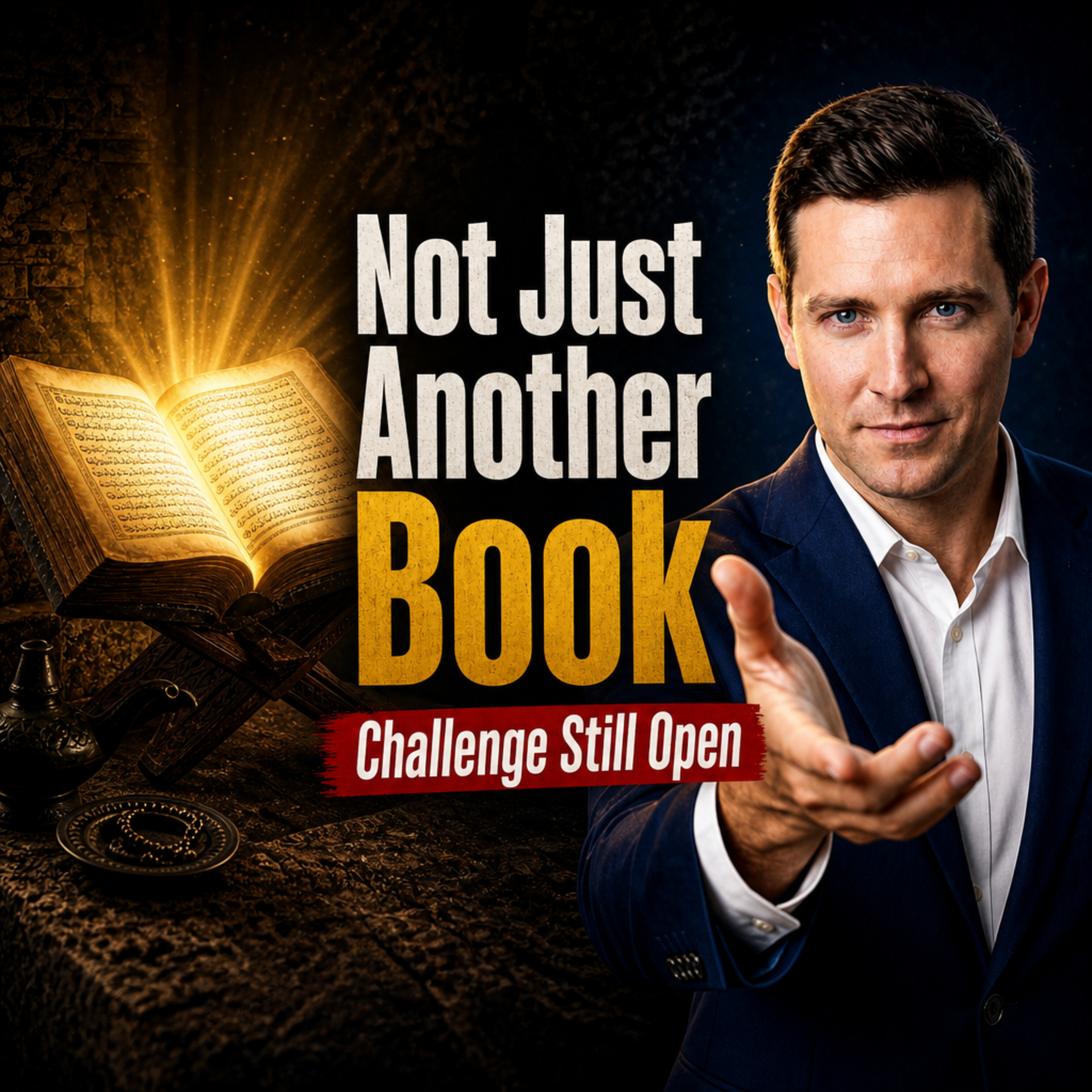 Ep. 10: The Quran Could Not Be From a Man | Islam and Evidence 30.06.2026 1minThe Quran makes a direct claim: "It was not possible for this Quran to be produced by other than Allah." In this episode, we test that claim across four independent lines of evidence: a literary challenge open for 1,400 years and still unanswered, scientific descriptions confirmed only centuries after revelation, perfect preservation without a single letter changed, and the remarkable fact that its carrier was an illiterate man who had nothing to gain by lying. Each line of evidence is worth considering on its own. Together, they demand a serious answer.
Podobni podkasti


Priljubljen v
Ta podkast je tudi v lestvicah podkastov teh držav.
