
The Thomistic Institute
The Thomistic Institute
0
The Thomistic Institute promotes Catholic truth by strengthening the intellectual formation of Christians at universities, in the Church, and in the wider public square, with the thought of St. Thomas Aquinas as its touchstone. The podcast features lectures and talks from conferences, campus chapters events, intellectual retreats, livestream events, and more. Founded in 2009, it is part of the Pontifical Faculty of the Immaculate Conception at the Dominican House of Studies in Washington, DC.
Epizode
-
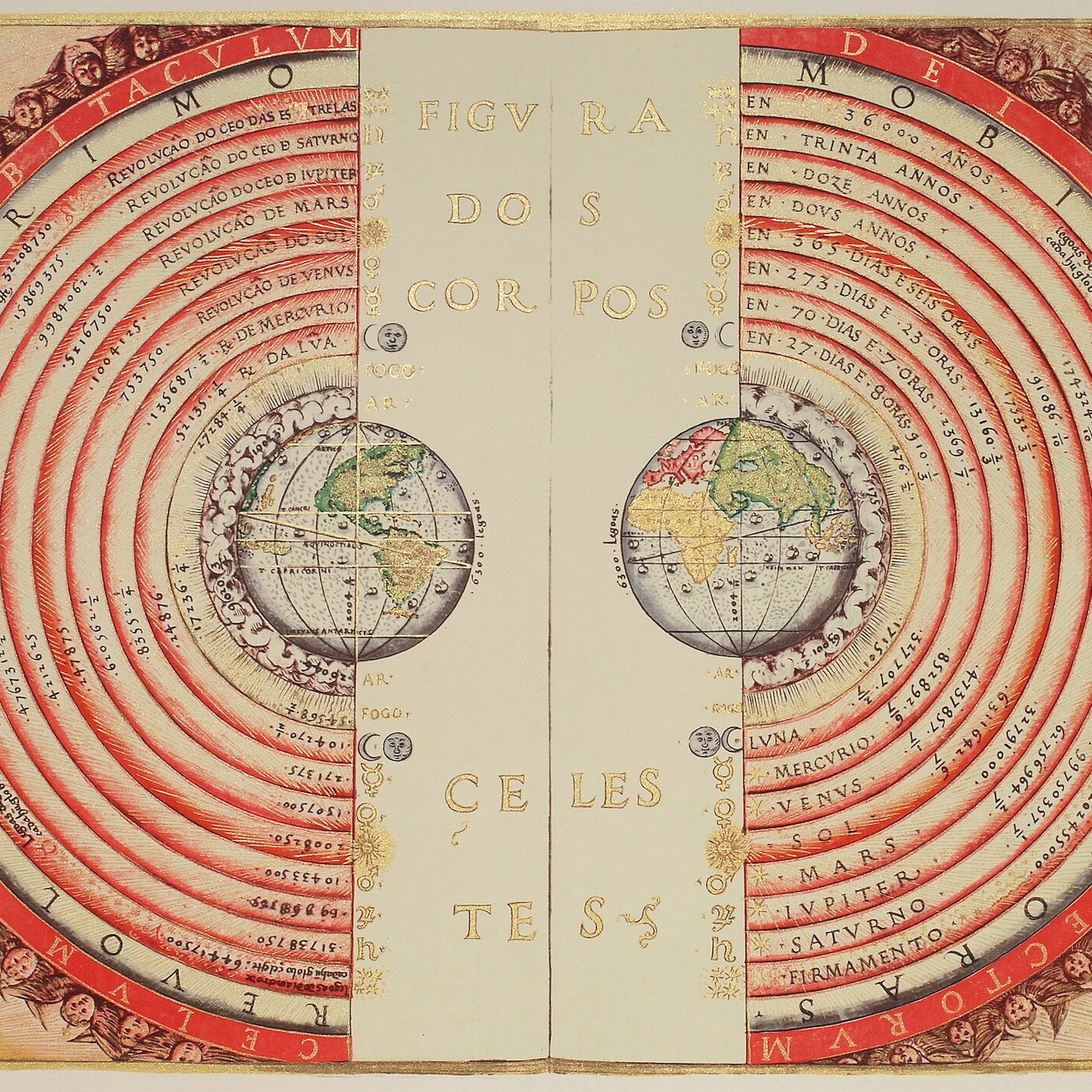 Natural and Artificial Instruments for Investigating the Cosmos - Prof. John Brungardt 02.10.2026 47minProf. John Brungardt explores the Aristotelian-Thomistic necessity of scientific instruments as essential tools for the human mind to investigate the cosmos and overcome the limitations of natural sensation.This lecture was given on July 17th, 2026, at Dominican House of Studies.For more information on upcoming events, visit us at thomisticinstitute.org/upcoming-eventsAbout the Speaker:Dr. John G. Brungardt is assistant professor of philosophy in the School of Catholic Studies at Newman University in Wichita, Kansas. Previously, he was a postdoctoral researcher at Pontificia Universidad Católica de Chile in Santiago, Chile. A graduate of Thomas Aquinas College, Brungardt completed his doctorate in philosophy at The Catholic University of America. As a philosopher, Catholic layman, and Dominican tertiary, his studies, teaching, and scholarship aim at continuing the philosophical tradition of St. Thomas Aquinas, Aristotle, and their heirs, attempting to bring their insights into meaningful dialogue with modern theories. His central interests lie in the philosophy of nature and the philosophy of science. He is working on a monograph for CUA Press, Searching for the Cosmos. Brungardt is a scholar associate of the Society of Catholic Scientists and an ordinary member of The Sacra Doctrina Project. He also serves as the general editor of The Charles De Koninck Project and as the assistant editor of Lux Veritatis: A Journal of Speculative Theology, both initiatives of the Sacra Doctrina Project.Keywords: Natural Philosophy, Faith and Science, Aristotle, Epistemology, Philosophy Of Science, Cosmology
 -
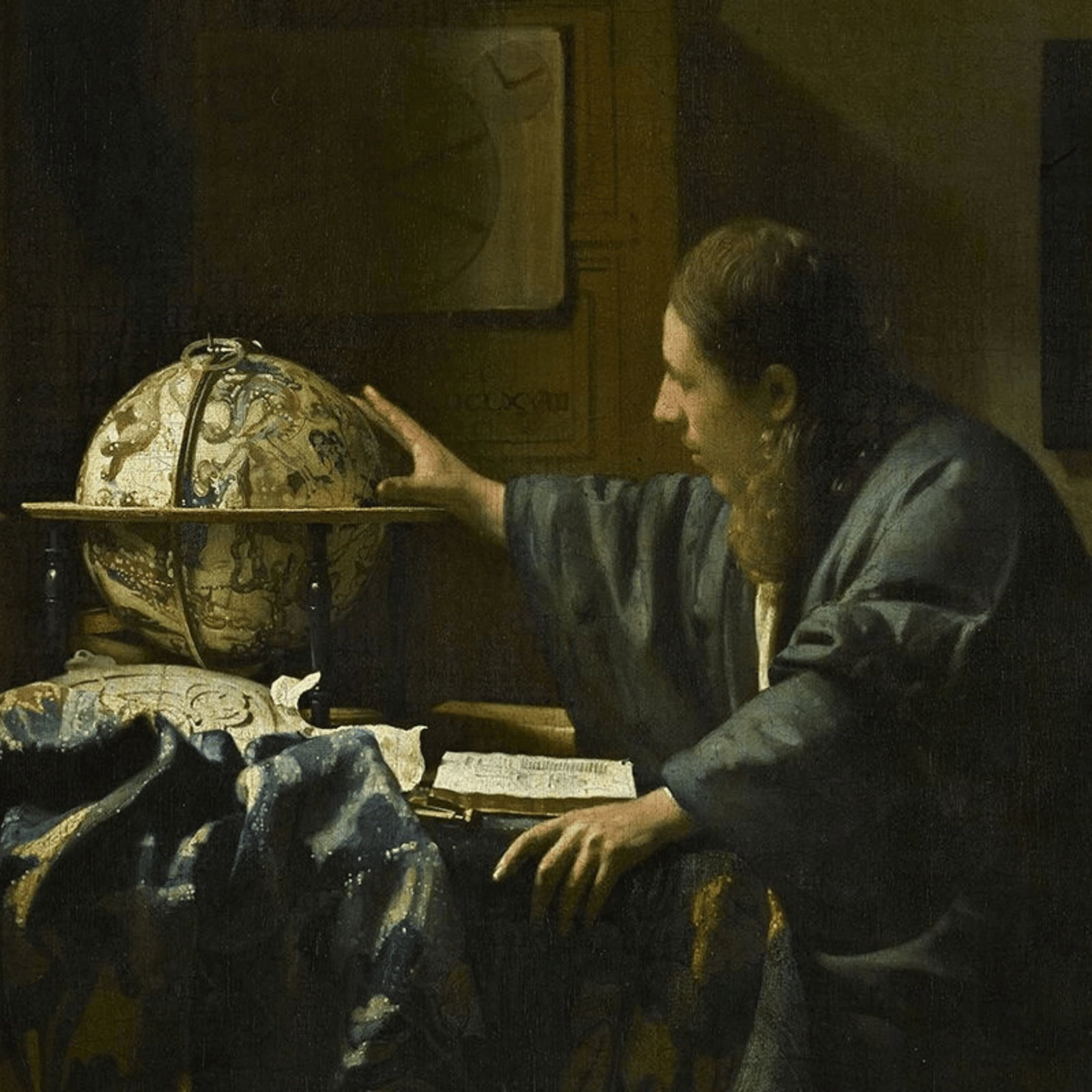 Telescopes and Our Understanding of the Cosmos - Prof. Karin Oberg 01.10.2026 48minProf. Karin Öberg examines how the vocation of the scientist aligns with the Thomistic view that studying the material order is a necessary component of faith, arguing that the scientific study of the cosmos serves as a profound path to understanding God's wisdom, power, and goodness.This lecture was given on July 18th, 2026, at Dominican House of Studies.For more information on upcoming events, visit us at thomisticinstitute.org/upcoming-eventsAbout the Speaker:Professor Öberg obtained her B.Sc. in Chemistry from Caltech and her Ph.D. in Astronomy from the University of Leiden. She has taught at Harvard since 2013, where she is the Thomas Dudley Cabot Professor of the Natural Sciences. Her scholarship aims to uncover how chemical processes impact the outcome of planet formation, with special attention to the possible habitability of nascent planets. She has published over 250 refereed articles, including in Nature and Science. Professor Öberg has been awarded the Barry Prize by the American Academy of Sciences and Letters (2024), the Harnack Lectureship by the Max Planck Society (2022), a Simons Investigator Award (2019), the American Astronomical Society's Newton Lacy Pierce Prize (2016), a Packard Fellowship (2014), and a Alfred P. Sloan Fellowship (2014). She is the Vice President of the Angelicum Board, a Board Member of the Society of Catholic Scientists, a member of the American Academy of Catholic Scholars and Artists, and a frequent public speaker on questions of science and faith.Keywords: Astronomy, Vocation, Cosmology, Philosophy Of Science, Faith and Science
 -
 The Seven Deadly Sins - Prof. David Elliot 30.09.2026 1h 1minProf. David Elliot draws on Aquinas, Gregory the Great, and the desert monastic tradition to present the seven capital vices — pride (their queen and root), vainglory, envy, wrath, avarice, sloth, lust, and gluttony — as "gateway vices" whose strategic targeting, through their opposite virtues and spiritual training, uproots dozens of further sins in the Christian's journey toward the heavenly homeland.This lecture was given on March 24th, 2026, at University of Arizona.For more information on upcoming events, visit us at thomisticinstitute.org/upcoming-eventsAbout the Speaker:David Elliot is the Grace P. Hobelman Chair in Catholic Moral Theology, with a specialization in fundamental Catholic moral theology, virtue ethics, and the moral theology of St. Thomas Aquinas. He received his Ph.D. in moral theology at the University of Notre Dame in 2014, and was awarded a 3-year postdoctoral fellowship as Research Associate in Theological Ethics at the University of Cambridge, coming to CUA in 2017. He is the author of one monograph and eighteen journal articles and book chapters invited or already in print.Keywords: Acedia, Aquinas, Capital Vices, Contraries Cure Contraries, Gregory The Great, Homo Viator, Pride, Remedies, Seven Deadly Sins, Spiritual Training
 -
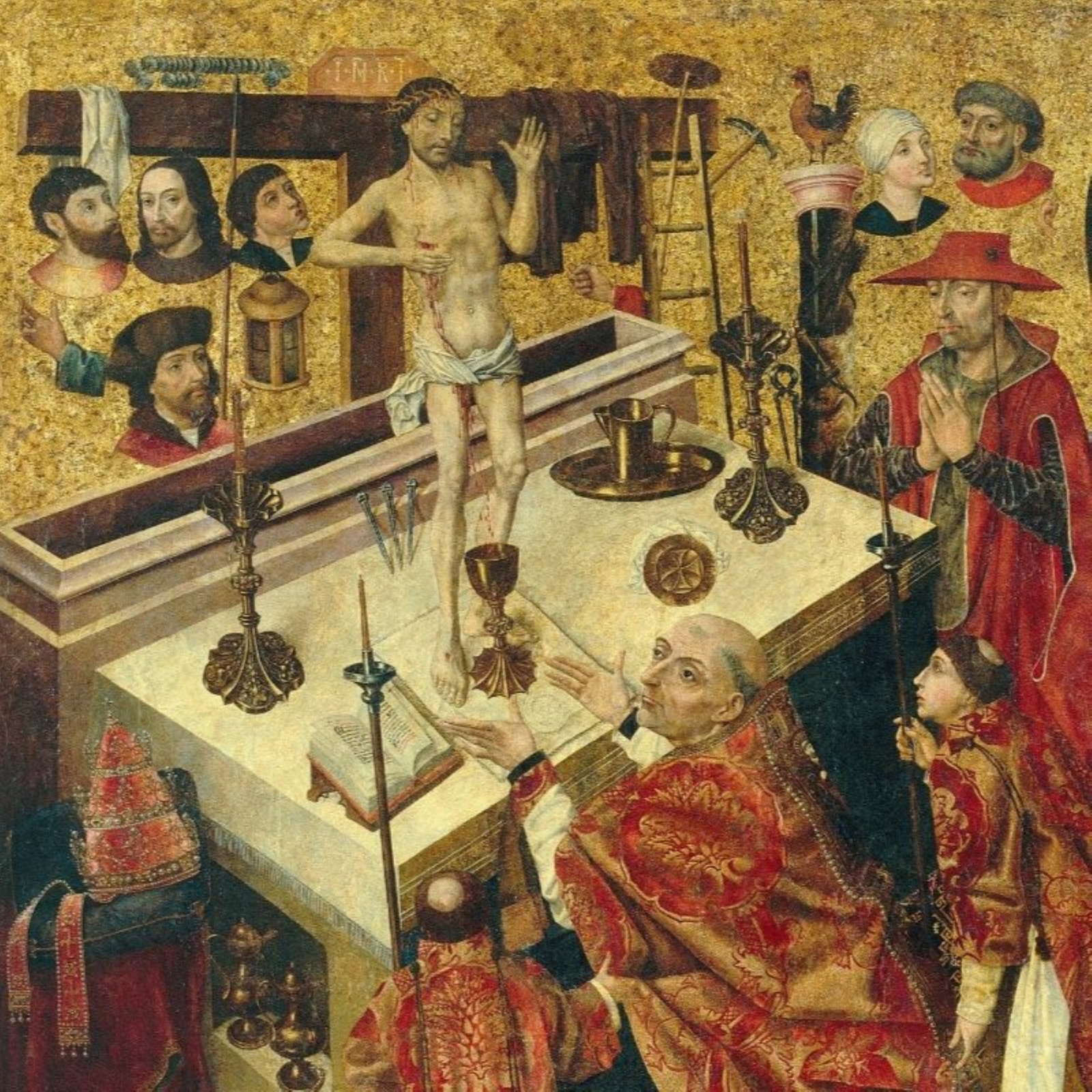 St .Thomas Aquinas’ Spiritual Exegesis of the Mass - Fr. John Saward 29.09.2026 43minFr. John Saward presents Aquinas's Summa III, q.83 as a "spiritual exegesis" of the Mass, showing how the Angelic Doctor reads the rites, words, and ceremonies of the Mass as signs that both signify and make present the saving mysteries of Christ's passion, grounded in the real presence and in the priest's acting in persona Christi.This lecture was given on May 18th, 2026, at University of Oxford.For more information on upcoming events, visit us at thomisticinstitute.org/upcoming-eventsAbout the Speaker:Fr. John Saward is a Senior Research Fellow of Blackfriars Hall. He was formerly Professor of the International Theological Institute at Gaming, Austria, and at St. Charles Borromeo Seminary, Wynnewood, Pennsylvania.Fr. Saward’s publications include Redeemer in the Womb (1993); The Beauty of Holiness and the Holiness of Beauty (1997); Cradle of Redeeming Love (2002); and Sweet and Blessed Country (2005).Keywords: Aquinas, Concomitance, In Persona Christi, Liturgical Exegesis, Real Presence, Roman Canon, Sacramental Realism, Signs Of The Cross, Summa Theologiae, Transubstantiation
 -
 The Seven Gifts in Christ and the Saints - Fr. John Mark Solitario 28.09.2026 52minThis lecture was given on April 25th, 2026, at Dominican House of Studies.For more information on upcoming events, visit us at thomisticinstitute.org/upcoming-eventsAbout the Speaker:Fr. John Mark Solitario is from St. Thomas the Apostle Parish in West Springfield, MA and the eldest of four children. After attending Catholic schools through high school, he earned his bachelor of arts from Christendom College in Front Royal, Virginia. Desiring to contribute to Catholic education, he was admitted to the PACT (Providence Alliance of Catholic Teachers) Program at Providence College where he completed a Masters of Education and taught high school in Lowell, MA for two years. He credits his growth in the Catholic Faith and inspiration to live it fully to outstanding teachers and role models, among them not a few Dominicans—priests, sisters, and lay. “From the time I met the Order, I aspired to the Dominican ideal of contemplation followed by a generous sharing of the fruits of that encounter with God. I have found this ideal realized and sustained within the fraternal life of the Province of St. Joseph.”
 -
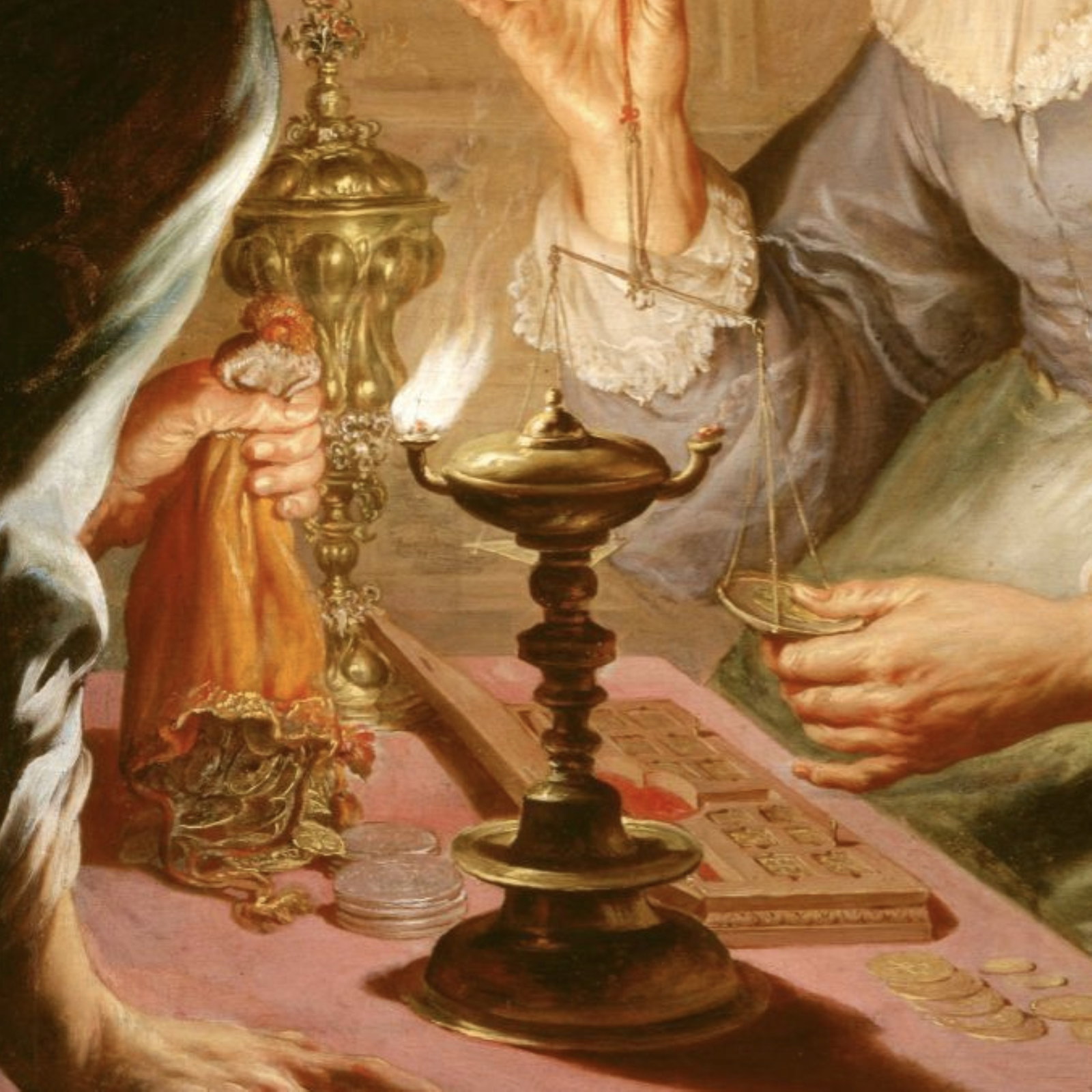 Gifts of the Holy Spirit, Suited to Human Perfection - Fr. John Mark Solitario, O.P. 25.09.2026 41minFr. John Mark Solitario explains the seven gifts of the Holy Spirit as stable infused dispositions that render the soul responsive to the Holy Spirit's promptings, completing the virtues by introducing a divine mode of acting, and shows that they are necessary for salvation and Christian perfection because human reason, even healed by grace, remains susceptible to folly and ignorance.This lecture was given on April 25th, 2026, at Dominican House of Studies.For more information on upcoming events, visit us at thomisticinstitute.org/upcoming-eventsAbout the Speaker:Fr. John Mark Solitario is from St. Thomas the Apostle Parish in West Springfield, MA and the eldest of four children. After attending Catholic schools through high school, he earned his bachelor of arts from Christendom College in Front Royal, Virginia. Desiring to contribute to Catholic education, he was admitted to the PACT (Providence Alliance of Catholic Teachers) Program at Providence College where he completed a Masters of Education and taught high school in Lowell, MA for two years. He credits his growth in the Catholic Faith and inspiration to live it fully to outstanding teachers and role models, among them not a few Dominicans—priests, sisters, and lay. “From the time I met the Order, I aspired to the Dominican ideal of contemplation followed by a generous sharing of the fruits of that encounter with God. I have found this ideal realized and sustained within the fraternal life of the Province of St. Joseph.”Keywords: Aquinas, Charismatic Gifts, Fear Of The Lord, Gifts Of The Holy Spirit, Habitus, Isaiah 11, Piety, Summa Theologiae, Virtues, Wisdom
 -
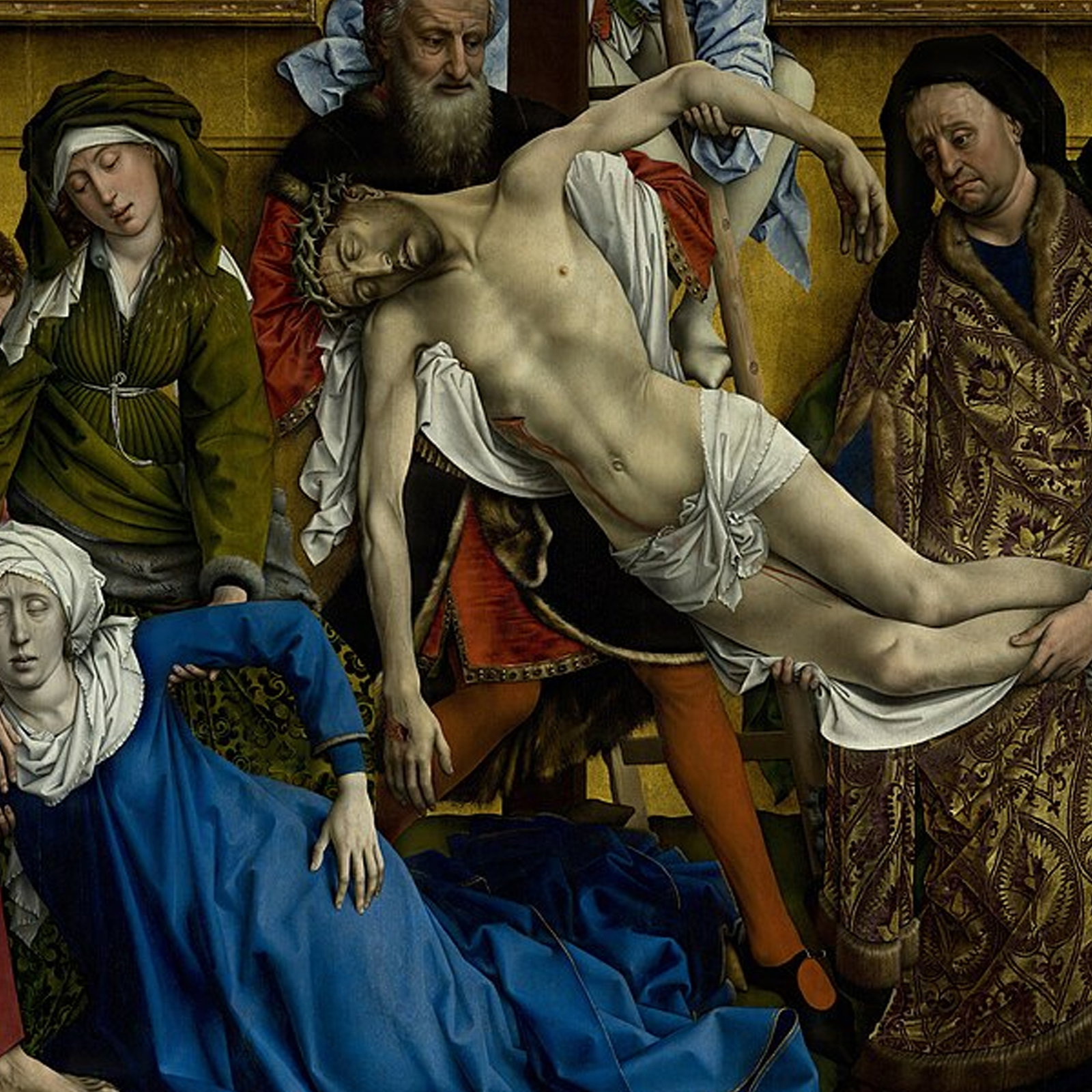 Living Your Best Priesthood: Charity and Religion - Fr. Thomas Aquinas Pickett 24.09.2026 48minFr. Thomas Aquinas Pickett argues that "living your best priesthood" consists not in natural self-improvement but in the exercise of two infused virtues: charity, the friendship with God by which he communicates his beatitude to us and the fire of Christ's own priestly self-offering, and religion, the virtue of reverencing God and rendering him the worship that is his due.This lecture was given on March 28th, 2026, at St. Albert Priory.For more information on upcoming events, visit us at thomisticinstitute.org/upcoming-events.About the Speaker:Fr. Thomas Aquinas Pickett is a son of Ellensburg, Washington and a member of the Western Dominican Province. Apart from running, board games, and coffee, he enjoys studying his namesake, St Thomas Aquinas. Having received his BA in Philosophy at Gonzaga University (where he was NOT a member of the basketball team), his MDiv and MA in theology from the DSPT, his STB from l’Institut Catholique de Toulouse, and his STL and STD from the Pontifical Faculty of the Immaculate Conception, he is now a professor of theology at the DSPT, assigned to St Albert the Great Priory.Keywords: Beatitude, Charity, Christ's Priesthood, Communicatio, Cultus, Justice, Religion, Reverence, Sanctifying Grace, Virtue
 -
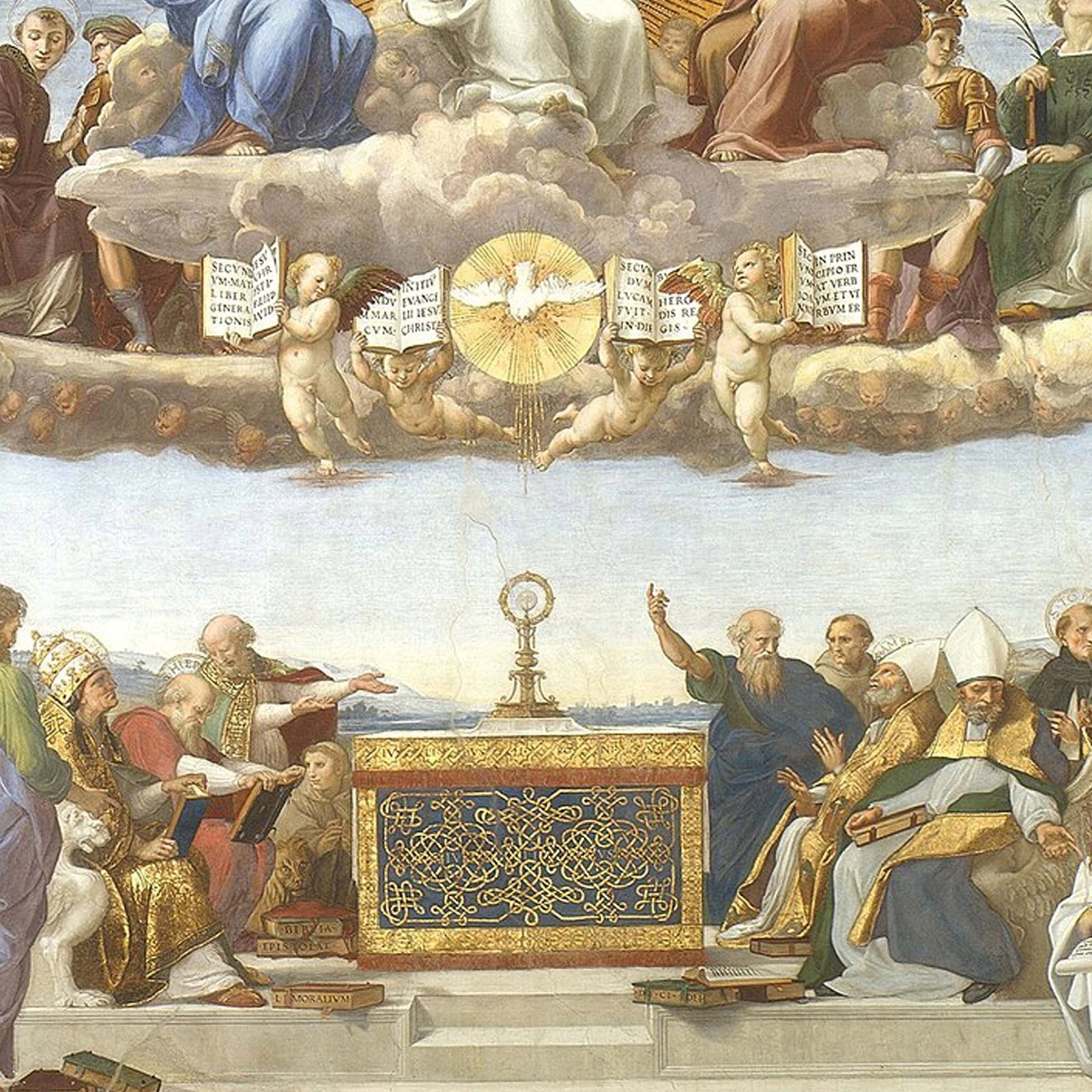 The Work of our Redemption: Taking Part in the Sacrifice of Christ - Prof. Bruce Marshall 23.09.2026 50minProf. Bruce Marshall argues that the Mass is a truly propitiatory sacrifice in which Christ's once-for-all offering on the cross is made present (not repeated) and given into the hands of the Church to be offered by priest and people together, so that by their active participation, the lay faithful share in Christ's eternal priesthood and the work of our redemption.This lecture was given on March 28th, 2026, at St. Albert's Priory.For more information on upcoming events, visit us at thomisticinstitute.org/upcoming-events.About the Speaker:Bruce D. Marshall is Lehman Professor of Christian Doctrine at Southern Methodist University, and in 2023 he held the Aquinas Chair in the Thomistic Institute at the Angelicum in Rome. He is the author of Trinity and Truth and Christology in Conflict, and at present he is completing a book entitled The Primacy of Christ: Faith, Reason, and the Cross. Marshall has written extensively on the doctrines of the Trinity, the person and redemptive work of Christ, the Eucharist, the Catholic Church and non-Christian religions, and the relationship between faith and reason. He received his B.A. from Northwestern University and his Ph.D. from Yale University, and is a past President of the Academy of Catholic Theology.Keywords: Active Participation, Aquinas, Council Of Trent, Eucharistic Sacrifice, John Paul II, Once For All Sacrifice, Propitiatory Sacrifice, Sacrosanctum Concilium, The Offertory, Transubstantiation
 -
 'Experimentum' in Aquinas: How all Knowledge of Nature Begins in the Interior Senses - Fr. Thomas Davenport, O.P. 22.09.2026 49minFr. Thomas Davenport corrects two misunderstandings of Aristotelian-Thomistic epistemology — the caricature that Aquinas relies on an intuition of essences and the oversimplification that the agent intellect automatically abstracts universals from phantasms — by recovering Aquinas's notion of experimentum, an ordered, pre-universal knowledge produced by the cogitative power's active collatio of particular intentions stored in memory, which prepares the phantasm for abstraction and shows that all knowledge of nature begins in the interior senses.This lecture was given on July 16th, 2026, at Dominican House of Studies.For more information on upcoming events, visit us at thomisticinstitute.org/upcoming-events.About the Speaker:Fr. Thomas Davenport, O.P., is professor of philosophy at the Pontifical University of St. Thomas Aquinas in Rome, where he teaches philosophy of nature and epistemology. He has written and spoken on the relationship of faith and science in a variety of venues, including being a main contributor to the Thomistic Evolution project. He was ordained to the priesthood in 2017 and is working on his second PhD in philosophy. Keywords: Agent Intellect, Aquinas, Cogitative Power, Collatio, Experimentum, Interior Senses, Memory, Phantasm, Proper Accidents, Substantial Form
 -
 An Introduction to Thomistic Philosophy of Nature - Prof. Ryan Miller 21.09.2026 52minProf. Ryan Miller offers an introductory overview of the foundational terminology of Thomistic philosophy of nature — potency and act, the four causes, per se versus per accidens, the categories of substance, accident, and relation, and nature versus instrument — illustrating each distinction with modern scientific analogies and everyday examples like the conductor, combustion, phonemes, ionization, model species.This lecture was given on July 16th, 2026, at Dominican House of Studies.For more information on upcoming events, visit us at thomisticinstitute.org/upcoming-events.About the Speaker:Professor Ryan Miller is Core Fellow at the University of St Thomas in Houston and formerly Swiss National Science Foundation Doc.CH Fellow at the University of Geneva, working on Aristotelian approaches to the metaphysics of emergence in physical and computational systems.Keywords: Aquinas, Aristotle, Four Causes, Instrument, Nature, Per Accidens, Per Se, Potency and Act, Relation, Substance
 -
 Art that reveals Nature: A Thomistic Account of Scientific Experiments and Instruments - Fr. Thomas Davenport, O.P. 18.09.2026 46minFr. Thomas Davenport argues against the Thomist intuition that artifice obscures nature, showing from Aquinas's account of art and artifacts that artificial forms are accidental forms rooted in the natural active and passive powers of substances, so that scientific instruments and experiments reveal rather than distort the natures they investigate.This lecture was given on July 18th, 2026, at Dominican House of Studies.For more information on upcoming events, visit us at thomisticinstitute.org/upcoming-events.About the Speaker:Fr. Thomas Davenport, O.P., is professor of philosophy at the Pontifical University of St. Thomas Aquinas in Rome, where he teaches philosophy of nature and epistemology. He has written and spoken on the relationship of faith and science in a variety of venues, including being a main contributor to the Thomistic Evolution project. He was ordained to the priesthood in 2017 and is working on his second PhD in philosophy. Keywords: Active and Passive Powers, Anjan Chakravarthy, Aquinas, Artificial Form, Assisting Cause, Causal Properties, Nancy Cartwright, Nomological Machine, Scientific Instruments, Semi-Realism
 -
 The Mystery of Beauty - Dr. Sarah E. Maple 17.09.2026 47minDr. Sarah E. Maple asks how we acquire an organic vision of beauty that is not merely material or visual, arguing from Aquinas's formal criteria of beauty (proportion, integrity, clarity) and Hans Urs von Balthasar's theological aesthetics (form and splendor, beholding and enrapture) that beauty belongs first to the human person, and that the artist's vocation is grounded in wonder, self-gift, and the sincerity of the body, culminating in a spirituality of artistic service.This lecture was given on April 21st, 2026, at University of Georgia.Support the Thomistic Institute Campus Chapter Program here: truth.thomisticinstitute.org/podAbout the Speaker:Dr. Sarah E. Maple is a Visiting Research Scholar at Blackfriars Hall, Oxford, within the University’s Centre for Theology and the Arts. She is a painter, theologian, and professor whose work emphasizes the intersection of creative bodily expression, the sacred imagination, and the interior life of the artist. Sarah wrote her doctoral dissertation at the University of St. Andrews’ Institute for Theology, Imagination and the Arts (2017), and read for her MTS at the Pontifical John Paul II Institute. She lectures graduate students in theology and art at both the University of Notre Dame and St Joseph’s Seminary. She is also a Visiting Research Scholar at The William G. Congdon Foundation.Keywords: Aquinas, Balthasar, Clarity, Formal Criteria Of Beauty, Integrity, John Paul II, Proportion, Self Gift, Theology Of The Body, Wonder
 -
 The War on Beauty - Fr. Gabriel Torretta, O.P. 16.09.2026 1h 5minFr. Gabriel Torretta argues that beauty has become a "forbidden word" for our age due to the effects of German Idealism and Modernism; as a remedy, he proposes a recovery grounded in the Christian metaphysical tradition (Eriugena, Aquinas, Augustine), in which beauty is the attractive power by which God draws all things to himself and which requires an asceticism of the gaze.This lecture was given on April 28th, 2026, at University of Washington.Support the Thomistic Institute Campus Chapter Program here: truth.thomisticinstitute.org/podAbout the Speaker:Gabriel Torretta, O.P., is assistant professor of Theology at Providence College. He is a church historian whose work focuses on the history of Christian ideas of beauty and art, with a particular focus on the eighth and ninth centuries. He recently completed his PhD at the University of Chicago Divinity School, with a dissertation entitled “‘Beautiful as the Moon’: Discourses of Beauty in the Carolingian Era.” His current projects explore the cultural and theological legacy of ninth-century thinkers like Theodulf of Orléans, Hrabanus Maurus, and John Scottus Eriugena.Keywords: Adorno, Aquinas, Asceticism Of The Gaze, Augustine, Bouguereau, Divine Beauty, Eriugena, Lucian Freud, Roger Scruton, Worship Of Beauty
 -
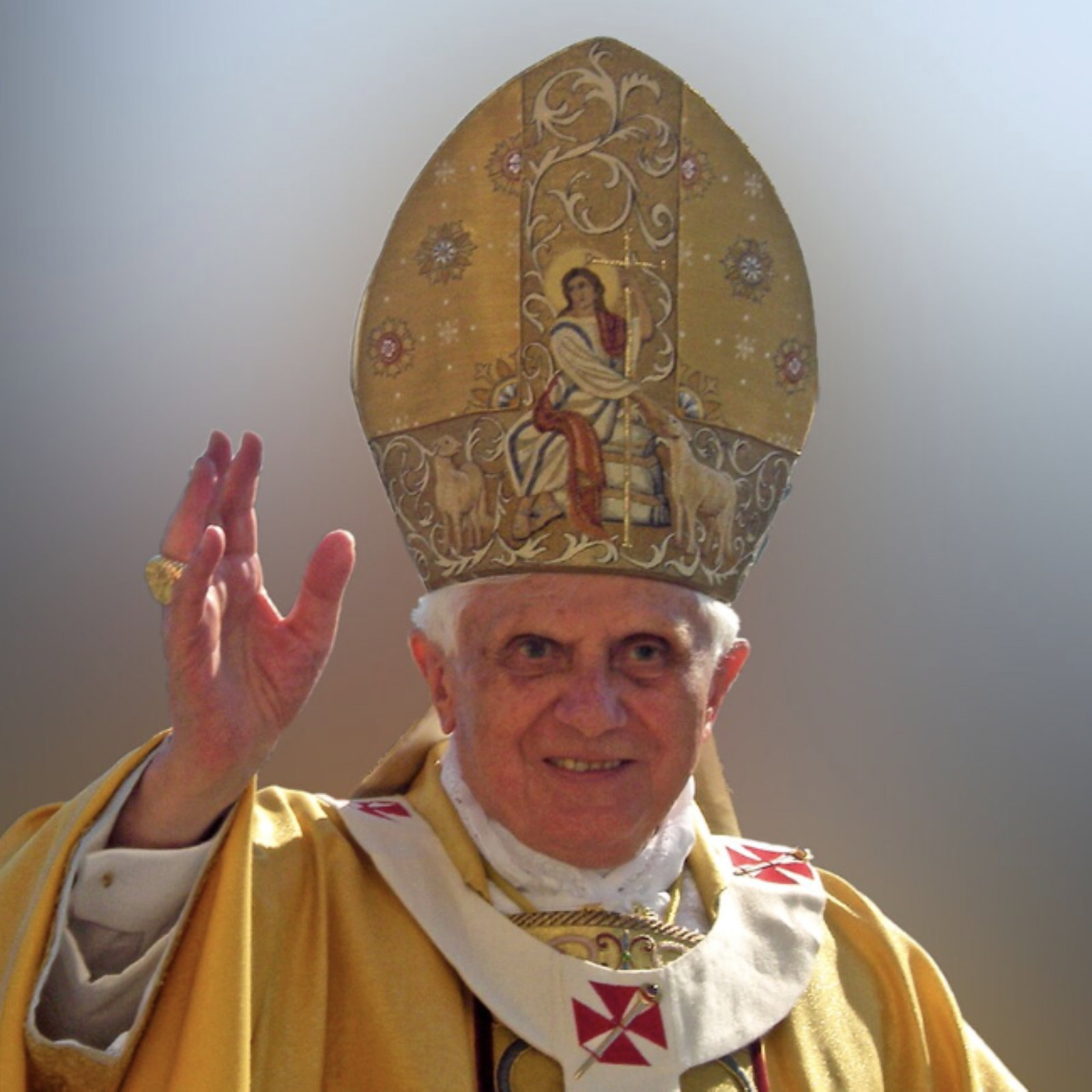 On the Via Pulchritudinis: Pope Benedict XVI’s Meditations on Art and Prayer - Fr. Alan O'Sullivan, O.P. 15.09.2026 42minFr. Alan O'Sullivan provides an introduction to Pope Benedict XVI's thought on the "via pulchritudinis" — the way of beauty — arguing that authentic beauty wounds the heart and draws it toward the transcendent Logos, is inseparable from truth, goodness, and prayer, and is indispensable for the Church's liturgy and evangelization against a false, self-absorbing beauty.This lecture was given on July 18th, 2026, at Glencomeragh House.Support the Thomistic Institute Campus Chapter Program here: truth.thomisticinstitute.org/podAbout the Speaker:Fr. Alan O’Sullivan, O.P. (Trinity College) is currently the chaplain of Trinity College, Dublin. He is a member of the Irish province of the Order of Preachers who studied at Blackfriars, Oxford.Keywords: Beauty, Benedict XVI, Dostoevsky, Logos, Magnificat, Paul Claudel, Prayer, Saints, Via Pulchritudinis, Wound Of Beauty
 -
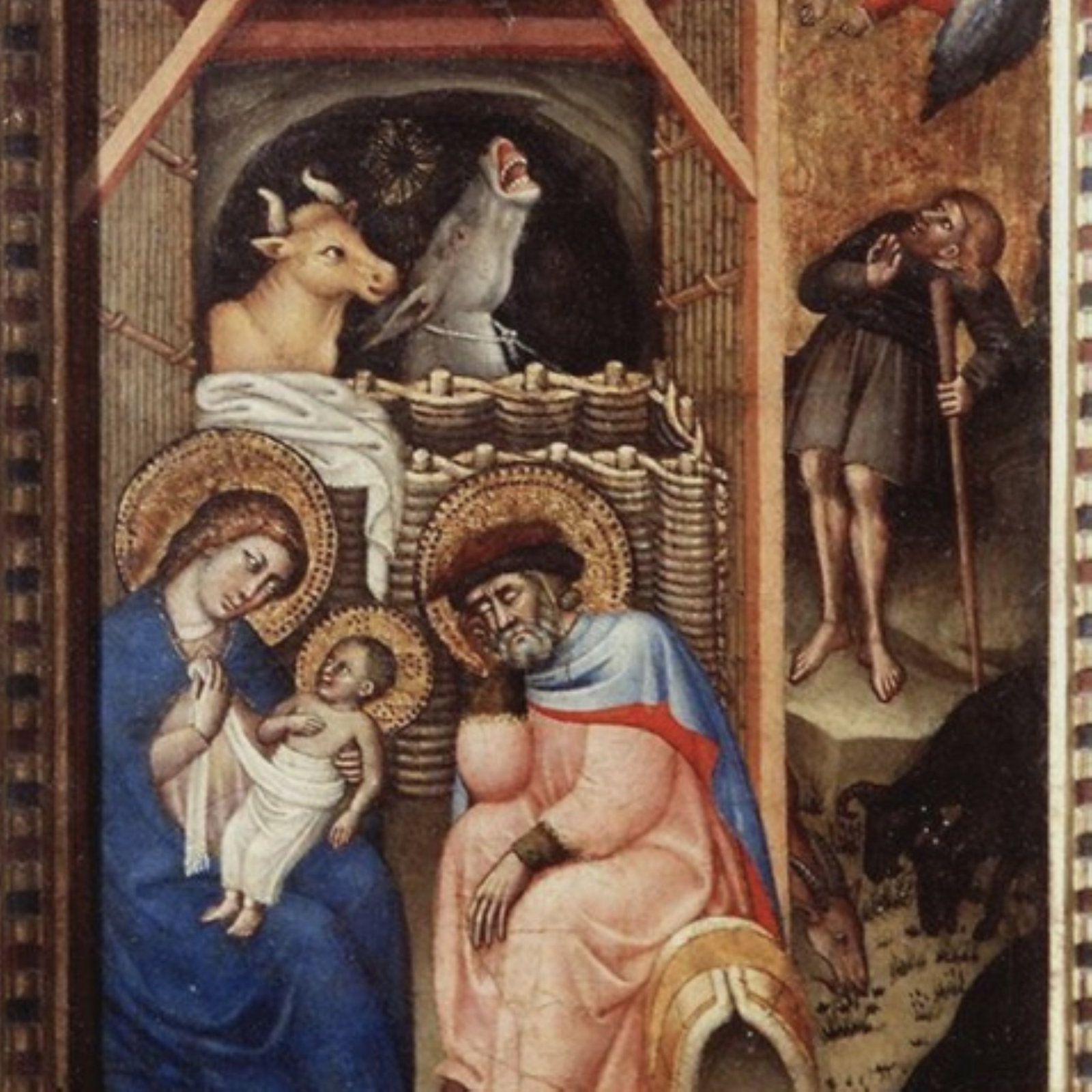 Purifying the Imagination: Iconoclasm and the Incarnation - Fr. Irenaeus Dunlevy, O.P. 14.09.2026 51minFr. Irenaeus Dunlevy argues that the Exodus prohibition on graven images was a purification of Israel's imagination from false imaginings of the invisible God, and that the Incarnation opens a new, positive use of sacred images — the face of Christ and the icons of his saints — by which the imagination is fed and purified for contemplation, a truth vindicated by Saint John Damascene and the Second Council of Nicaea against the iconoclasts.This lecture was given on July 19th, 2026, at Glencomeragh House.Support the Thomistic Institute Campus Chapter Program here: truth.thomisticinstitute.org/podAbout the Speaker:Fr. Irenaeus Dunlevy, OP is a Coordinator for Campus Outreach at the Thomistic Institute in Washington, DC. He has served as a parochial vicar at St. Pius V Church in Providence, RI, as well as an adjunct professor and assistant chaplain at Providence College. He originates from Columbus, OH, studied architecture in Virginia and Switzerland, and practiced in the DC area before entering the Order of Preachers in 2013. He was ordained a priest in 2020 at the Dominican House of Studies during the quarantine. In his work with the Thomistic Institute, he has given talks on the virtue of penance, loving God with the mind, and the intersection of theology and architecture. He often travels the country visiting Thomistic Institute Campus Chapters, leading seminars that help students grasp Thomistic concepts. Additionally, he coordinates the TI's intellectual retreat programming, which affords students time to pray and integrate into their lives Thomistic theology and philosophy.Keywords: Aquinas, Dulia, Iconoclasm, Incarnation, John Damascene, Latria, Purification Of The Imagination, Sacred Images, Second Council Of Nicaea, Veneration Of Images
 -
 Iconoclastic and Incarnational Church Architecture - Fr. Irenaeus Dunlevy, O.P. 11.09.2026 1h 5minFr. Irenaeus Dunlevy argues that church architecture is "incarnational" when it corresponds to a true cosmological vision of reality ordered through and toward the Logos and embodies the principles revealed to Moses on Sinai, and "iconoclastic" when, in its modernist self-referentiality, it rejects that order and fails to communicate the body and head of Christ made present in the liturgy.This lecture was given on July 19th, 2026, at Glencomeragh House.Support the Thomistic Institute Campus Chapter Program here: truth.thomisticinstitute.org/podAbout the Speaker:Fr. Irenaeus Dunlevy, OP is a Coordinator for Campus Outreach at the Thomistic Institute in Washington, DC. He has served as a parochial vicar at St. Pius V Church in Providence, RI, as well as an adjunct professor and assistant chaplain at Providence College. He originates from Columbus, OH, studied architecture in Virginia and Switzerland, and practiced in the DC area before entering the Order of Preachers in 2013. He was ordained a priest in 2020 at the Dominican House of Studies during the quarantine. In his work with the Thomistic Institute, he has given talks on the virtue of penance, loving God with the mind, and the intersection of theology and architecture. He often travels the country visiting Thomistic Institute Campus Chapters, leading seminars that help students grasp Thomistic concepts. Additionally, he coordinates the TI's intellectual retreat programming, which affords students time to pray and integrate into their lives Thomistic theology and philosophy.Keywords: Aquinas, Cosmological View, Hermeneutic Of Fracture, Iconoclasm, Incarnational Architecture, Le Corbusier, Logos, Maximus The Confessor, Pantheon, Sacred Architecture
 -
 Aquinas on Conscience as the Application of Knowledge to Practice - Fr. David Goodill, O.P. 10.09.2026 42minFr. David Goodill explains that, for Aquinas, conscience is not a power of the soul but an act of the intellect rooted in the natural habit of synderesis and formed by the virtues, above all prudence, so that it reflects the deepest interiority of the person.This lecture was given on July 24th, 2026, at Stonyhurst College.Support the Thomistic Institute Campus Chapter Program here: truth.thomisticinstitute.org/podAbout the Speaker:Fr. David is Dean of Degrees, Lector, Fellow, and Provincial Bursar. He studied Philosophy in Cambridge and Manchester before entering the Dominican Order. He has a doctorate in Moral Theology from the University of Fribourg, Switzerland, and maintains interests in both Moral Philosophy and Moral Theology. He was Prior of Oxford, and has served Blackfriars Hall and Studium as Hall Bursar, Vice-Regent, Senior Tutor and Acting Regent. He is a visiting lecturer in moral theology at St Joseph’s University, Macau.Publications: ‘Original Sense: Augustine and Wittgenstein on Religion and Origins’ in Augustine and Wittgenstein (2018); ‘Elizabeth Anscombe on Just War’ in The Moral Philosophy of Elizabeth Anscombe (2016); Nature as Guide: Wittgenstein and the Renewal of Moral Theology (CUA Press, 2022).Keywords: Aquinas, Conscience, Free Choice, Intellect, Justice, Prudence, Summa Theologiae, Synderesis, Virtue, Will
 -
 Aquinas on Conscience and the Inner Act of the Will - Fr. David Goodill, O.P. 09.09.2026 47minFr. David Goodill expounds Aquinas's treatment of conscience in Summa theologiae I-II, q.19, arguing that conscience is the inner act of the will and that, even when erring, it binds the agent, such that right formation of conscience through virtue, law, and grace is essential.This lecture was given on July 24th, 2026, at Stonyhurst College.Support the Thomistic Institute Campus Chapter Program here: truth.thomisticinstitute.org/podAbout the Speaker:Fr. David is Dean of Degrees, Lector, Fellow, and Provincial Bursar. He studied Philosophy in Cambridge and Manchester before entering the Dominican Order. He has a doctorate in Moral Theology from the University of Fribourg, Switzerland, and maintains interests in both Moral Philosophy and Moral Theology. He was Prior of Oxford, and has served Blackfriars Hall and Studium as Hall Bursar, Vice-Regent, Senior Tutor and Acting Regent. He is a visiting lecturer in moral theology at St Joseph’s University, Macau.Publications: ‘Original Sense: Augustine and Wittgenstein on Religion and Origins’ in Augustine and Wittgenstein (2018); ‘Elizabeth Anscombe on Just War’ in The Moral Philosophy of Elizabeth Anscombe (2016); Nature as Guide: Wittgenstein and the Renewal of Moral Theology (CUA Press, 2022).Keywords: Aquinas, Conscience, Erring Conscience, Grace, Intention, Moral Species, Object Of The Act, Prudence, Summa Theologiae, Virtue
 -
 Conscience First, and to the Pope Afterwards - Prof. Lewis Ayres 08.09.2026 32minProf. Lewis Ayres presents Newman's account of conscience as, not a private inner voice, but the echo of God's voice within the human being, that although refracted by sin and therefore requiring long formation in humility and obedience, is an entry into true fraternity.This lecture was given on July 24th, 2026, at Stonyhurst College.Support the Thomistic Institute Campus Chapter Program here: truth.thomisticinstitute.org/podAbout the Speaker:Lewis was born in the UK, and studied Classics at St Andrews in Scotland, and Theology at Oxford. He has taught in the UK, in Ireland and in the US. He is currently Professor of Catholic and Historical Theology at Durham University in the UK, and McDonald Agape Chair in Early Christian Theology at the Angelicum University in Rome. He is interested in two main areas of Catholic thought: early Christian thought (on Christ, on the Trinity and on Biblical Interpretation), and modern Catholic thought (especially the idea of development in doctrine, the idea of Tradition, The second Vatican Council, Biblical Interpretation). He and his wife (Medi Ann Volpe) co-edited the Oxford Handbook of Catholic Theology.Keywords: Conscience, False Conscience, Gladstone, Humility, Letter To The Duke Of Norfolk, Newman, Papal Infallibility, Ratzinger, True Conscience, Voice Of God
 -
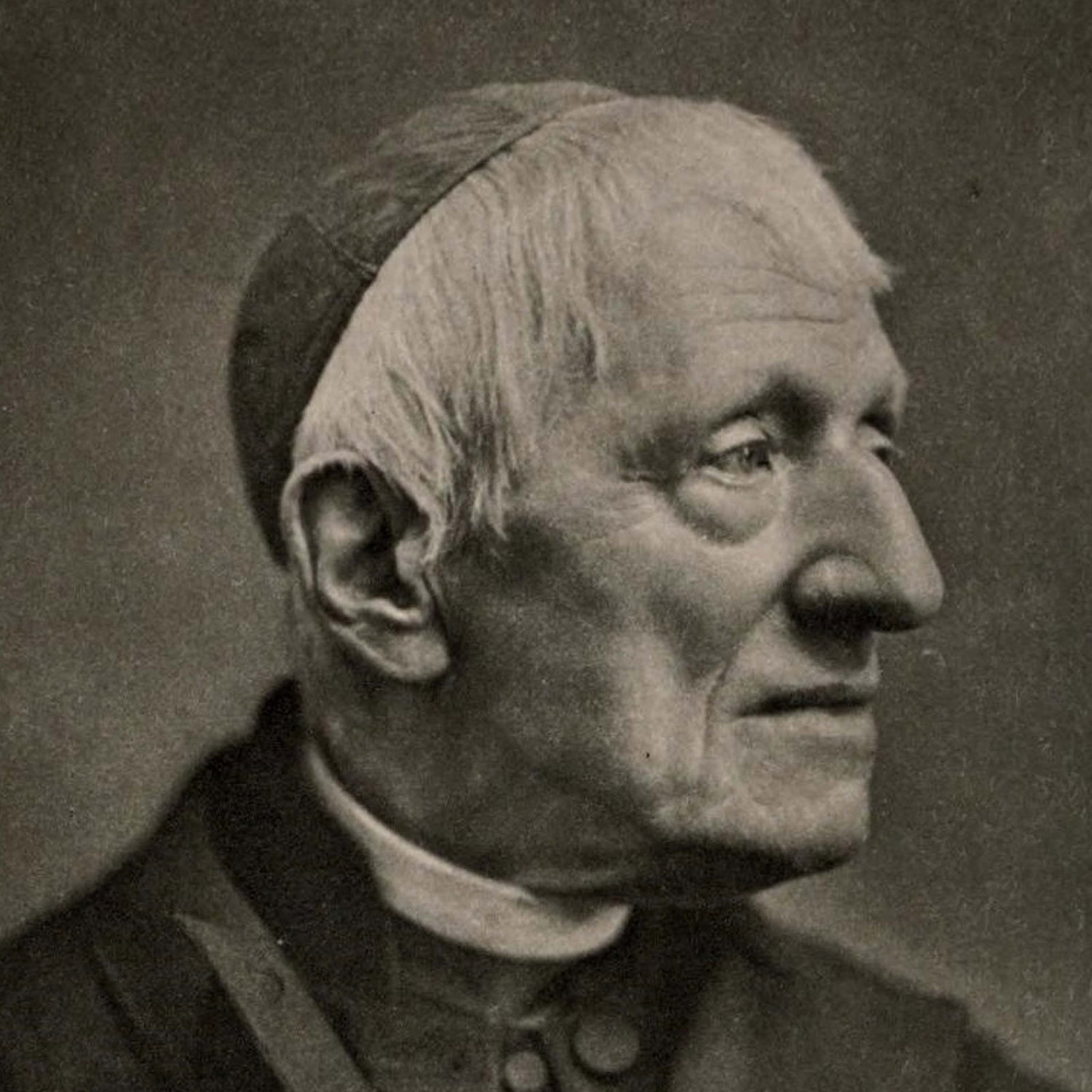 Newman Against Hitler: Reflections on Ratzinger - Prof. Lewis Ayres 07.09.2026 35minProf. Lewis Ayres draws on Newman's Essay in Aid of a Grammar of Assent and Essay on the Development of Doctrine to argue that conscience must be educated through a long process of moral and doctrinal formation, and that the young Ratzinger draws the same connections between consceince and the community and worship of the Church.This lecture was given on July 25th, 2026, at Stonyhurst College.Support the Thomistic Institute Campus Chapter Program here: truth.thomisticinstitute.org/podAbout the Speaker:Lewis was born in the UK, and studied Classics at St Andrews in Scotland, and Theology at Oxford. He has taught in the UK, in Ireland and in the US. He is currently Professor of Catholic and Historical Theology at Durham University in the UK, and McDonald Agape Chair in Early Christian Theology at the Angelicum University in Rome. He is interested in two main areas of Catholic thought: early Christian thought (on Christ, on the Trinity and on Biblical Interpretation), and modern Catholic thought (especially the idea of development in doctrine, the idea of Tradition, The second Vatican Council, Biblical Interpretation). He and his wife (Medi Ann Volpe) co-edited the Oxford Handbook of Catholic Theology.Keywords: Callista, Conscience, Development Of Doctrine, Dogmatic Principle, Eucharist, Formation Of Conscience, Grammar Of Assent, Lectio Divina, Newman, Ratzinger
Podobni podkasti


Priljubljen v
Ta podkast je tudi v lestvicah podkastov teh držav.


