
So to Speak: The Free Speech Podcast
FIRE
0
So to Speak: The Free Speech Podcast takes an uncensored look at the world of free expression through the law, philosophy, and stories that define your right to free speech. Hosted by FIRE's Nico Perrino. New episodes post every other week.
Epizode
-
 Ep. 282: Breaking down our 2027 College Free Speech Rankings 11.09.2026 1h 2minHarvard, institutional neutrality, how we determine the rankings, partisan censorship, how schools can improve their ranking, and more! Timestamps: 00:00 Intro 03:18 Learn about our inaugural Soapbox conference 04:02 Preorder Nico's book Free Speech Generation 5:00 Check out FIRE's 2027 College Free Speech rankings 06:05 Who are the top- and bottom-ranked schools? 09:27 What's new with the Harvard evaluation? 13:08 How does FIRE choose which schools to rank? 13:46 What can universities do to improve their ranking? 15:54 What is institutional neutrality? 18:05 What exactly are students being asked about campus speech? 21:25 How does FIRE make sure defending free speech doesn't inadvertently protect censorship in the classroom? 25:19 Is campus censorship coming more from the "right" or the "left"? 26:53 Did the University of Washington settlement involving Professor Stuart Reges affect its ranking? 30:45 What does it mean to pre-register our methodology? 31:35 Why did Claremont McKenna drop in the rankings? 33:07 What advice does FIRE have for students at low-ranked schools facing censorship? 36:47 Do politically homogeneous campuses make students more comfortable speaking freely? 40:26 Do low-ranked colleges tell FIRE how they are improving? 42:56 What can administrators do now to improve next year's ranking? 43:50 Does FIRE account for turnover in university leadership? 45:47 What do the rankings reveal about different student demographic groups? 49:41 Does FIRE account for differences between types of institutions? 52:00 What's up with MIT? 56:02 Should attacks on tenured professors carry more weight than actions against other faculty? 57:02 Who does FIRE contact when evaluating a university? 58:09 Are there regional patterns in the rankings? 58:57 Were there bigger ranking swings than usual this year? 01:00:44 Outro Joining us: Nico Perrino, executive vice president Angela Erickson, vice president of research Sean Stevens, chief researcher Ronnie London, general counsel and director of litigation Connor Murnane, campus advocacy chief of staff Become a paid subscriber today to receive invitations to future live webinars. If you became a FIRE Member through a donation to FIRE at fire.org and would like access to Substack's paid subscriber podcast feed, please email [email protected]. If you already are a paid subscriber and would like to listen to this episode via Apple Podcasts, click on the "Apple Podcasts" icon at the top right of this page!
 -
 Ep. 281: What's the First Amendment's original meaning? w/ Jud Campbell and Stephen Solomon 09.09.2026 1h 5minThe First Amendment is only 45 words long. But more than 200 years and thousands of court decisions later, we're still arguing over a basic question: what do those words mean — and what did they mean to the early Americans who adopted them? To look through history and debate what originalism can — and can't — tell us about the First Amendment's free speech clause, we are joined by: Jud Campbell, Stanford Law School professor and the author of Natural Rights and the First Amendment and Determining Rights Stephen Solomon, Marjorie Deane Professor of Journalism at New York University, the founding editor of First Amendment Watch, and the author of Revolutionary Dissent: How the Founding Generation Created the Freedom of Speech Timestamps: 00:00 Intro 02:20 Original meaning and modern First Amendment doctrine 09:12 Would the founders recognize our Constitution today? 16:00 The Alien and Sedition Acts 20:21 How the founding generation practiced free speech 24:35 Can we define "originalism"? 32:05 Representative government and the promise of liberty 45:00 The First Amendment's absolute language 51:36 New York Times v. Sullivan 58:01 Amending the First Amendment 01:04:30 Outro Read the transcript here. Enjoy listening to the podcast? Donate to FIRE today and get exclusive content like member webinars, special episodes, and more. If you became a FIRE Member through a donation to FIRE at fire.org and would like access to Substack's paid subscriber podcast feed, please email [email protected].
 -
 Ep. 280: Social media, speech, and kids w/ Joel Thayer and Kate Ruane 26.08.2026 1h 13min**Editor's note: This episode was recorded before Meta settled a social media addiction trial with a coalition of state attorneys general on Aug. 26, 2026. The case alleged the company knew some of its features on Facebook and Instagram could be harmful to kids and the company publicly misrepresented those risks. Social media and artificial intelligence are increasingly powerful tools for sharing and accessing information. They're also at the center of a push for the government to address their potential harms — particularly to kids. So where's the constitutional line between regulating technology and regulating speech? And could this latest wave of legislation and litigation change what we can see, say, and create online? Joining us to break down the latest developments in social media and AI and what it all means for free speech are: Joel Thayer, senior fellow for AI and emerging technology policy at the America First Policy Institute and president of the Digital Progress Institute Kate Ruane, director of the Center for Democracy & Technology's Free Expression Project Timestamps: 00:00 Intro 02:02 The case for regulating social media 09:23 The case for social media as protected speech 18:12 Are social media design features protected speech? 23:46 Section 230 and platform liability 37:21 Privacy, COPPA, and online child safety 58:40 Are AI chatbots speech? 01:09:06 Will Congress regulate social media and AI? 01:12:27 Outro Read the transcript here. Enjoy listening to the podcast? Donate to FIRE today and get exclusive content like member webinars, special episodes, and more. If you became a FIRE Member through a donation to FIRE at fire.org and would like access to Substack's paid subscriber podcast feed, please email [email protected].
 -
 Ep. 279: Legendary lawyer Michael Tigar on juries, free speech, and the trial of John Peter Zenger 07.08.2026 45minLong before the First Amendment, John Peter Zenger stood trial for publishing criticisms of New York's then colonial governor. Although the law seemed to guarantee a guilty verdict, a jury refused to convict him. Zenger's trial was an early indication that the American colonists harbored a view of liberty more expansive than that offered to them by the British Crown. Few people are better suited to explain the case than Michael Tigar. Over a legendary legal career spanning more than six decades, Tigar has argued before the Supreme Court (multiple times), represented civil rights activists and other controversial clients, taught generations of lawyers, and written what has become the definitive stage play about the Zenger trial. Michael joins us to revisit the Zenger trial and reflect on his own remarkable career from the Berkeley Free Speech Movement and the Chicago Eight trial to jury nullification and lawyers' First Amendment rights. To read more about Michael's life, check out his memoir. Timestamps: 00:00 Intro 03:11 The Berkeley Free Speech Movement 09:17 Michael's path to becoming a lawyer 13:44 Defending the Chicago Eight 20:25 The trial of John Peter Zenger 27:03 Jury nullification and the Zenger verdict 37:26 The Zenger play and its legacy 39:52 NYT v. Sullivan and SLAPP lawsuits 44:30 Outro Read the transcript here. Enjoy listening to the podcast? Donate to FIRE today and get exclusive content like member webinars, special episodes, and more. If you became a FIRE Member through a donation to FIRE at fire.org and would like access to Substack's paid subscriber podcast feed, please email [email protected].
 -
 Ep. 278: The Trump admin wants to change how scientific research is funded w/ Catharine Young, Evan Morris, and Ryne Weiss 29.07.2026 59minIn May 2026, the Office of Management and Budget proposed sweeping changes to how the federal government administers billions of dollars in federal research grants. That funding fuels scientific discovery, medical breakthroughs, and technological innovation. The proposal was open for public comment for 45 days and drew more than half a million responses. Supporters of the proposal argue that it will prevent waste, fraud, and abuse in federal spending. Critics contend that the proposal will politicize research funding by giving executive branch political appointees greater influence over which research projects receive federal support. Joining us to break down the OMB proposal and what it could mean for the future of research are: Evan Morris, professor of radiology and biomedical imaging and of biomedical engineering at Yale Catharine Young, senior fellow at the Harvard T.H. Chan School of Public Health Ryne Weiss, director of research here at FIRE Timestamps: 00:00 Intro 02:57 What's in the OMB proposal? 08:57 Research grant "kill switches" and their consequences 17:17 Limits on foreign research partnerships and professional activities 21:29 The importance of federal funding to medical research 23:23 Are pharmaceutical companies the "boogeymen"? 25:13 The gold standard of scientific research 26:22 The "replication crisis" 31:16 Open science and peer review 40:37 Bias in research funding decisions 44:06 Should science be shielded from politics? 49:04 Has research always been political? 53:14 How politicization could change scientific research 58:59 Outro Read the transcript here. Enjoy listening to the podcast? Donate to FIRE today and get exclusive content like member webinars, special episodes, and more. If you became a FIRE Member through a donation to FIRE at fire.org and would like access to Substack's paid subscriber podcast feed, please email [email protected].
 -
 Ep. 277: Ada Palmer on the history of censorship from the Renaissance to AI 15.07.2026 1h 14minCensorship is often associated with authoritarian governments. But throughout history, efforts to control ideas have taken many different forms — and they haven't always come from the state. In this episode, Nico sits down with University of Chicago professor Ada Palmer to explore the history of censorship from the Renaissance to the present day. They discuss what motivates censorship, why it evolves alongside new communication technologies, how effective it has been throughout history, and what historical patterns can teach us about today's free speech debates. Ada Palmer is a professor of early modern European history at the University of Chicago and the author of Inventing the Renaissance: Myths of a Golden Age. She is also an acclaimed science fiction and fantasy author, composer, singer, and expert on anime and Japanese popular culture. Visit her website to read her blog and explore her other projects. Timestamps: 00:00 Intro 01:29 Palmer's interest in censorship 03:13 Renaissance censorship 13:15 The Inquisition and Jansenism 22:50 The blurry line between state and private censorship 31:35 Fear and self-censorship 35:12 Does America hide its censorship efforts? 38:45 The case of Giovanni Pico della Mirandola 43:50 Will AI change censorship? 53:36 Censorship will always be with us 01:06:47 Are you a free speech absolutist? 01:13:46 Outro Read the transcript here. Enjoy listening to the podcast? Donate to FIRE today and get exclusive content like member webinars, special episodes, and more. If you became a FIRE Member through a donation to FIRE at fire.org and would like access to Substack's paid subscriber podcast feed, please email [email protected].
 -
 Ep. 276: Book banning's trial of the century w/ Anthony Aycock 01.07.2026 59minOver the past five years, book bans and book challenges have become a major flashpoint in American politics. School boards, parents, librarians, and lawmakers are fighting over what students should—and shouldn't—have access to on library shelves. Supporters of library restrictions say they are protecting children. Opponents say they are censoring ideas. But this debate isn't new. In the 1970s, America saw a similar surge in book challenges. One local dispute in Long Island, New York, made its way to the U.S. Supreme Court and became the only school-library book-removal case the Court has ever decided. That case was Island Trees School District v. Pico, better known simply as Pico. In this episode, we're joined by Anthony Aycock, legislative library director at the North Carolina General Assembly and the author of Just Plain Filthy: The Story Behind Book Banning's Trial of the Century. His book tells the story behind Pico, including the school board that removed the books from its libraries, the students who fought back, and the Supreme Court justices who delivered a fractured ruling that left some of the case's most important constitutional questions unresolved. Don't miss the free speech event of the year! Get your tickets and learn more about our Soapbox Conference at soapbox.fire.org. The early bird discount ends July 4. Timestamps: 00:00 Intro 03:02 How Anthony became a librarian 05:08 What inspired Anthony's book? 07:33 The origins of Island Trees School District v. Pico 13:25 The Miller test for obscenity 14:43 Steven Pico and the road to the Supreme Court 18:15 The local reaction to Pico 20:17 If libraries choose what comes in, why can't they choose what goes out? 20:51 How librarians build a collection 26:05 When and why books leave library shelves 26:52 The Supreme Court's plurality opinion 30:08 Why Pico still matters: the Llano County case 35:41 Libraries, viewpoint diversity, and public access 38:24 When is censorship justified? 39:55 Should parents decide what everyone can read? 51:01 Stress test: Should Hitler's Mein Kampf be available in libraries? 54:05 How librarians feel about literary censorship today 57:57 Outro Read the transcript here. Enjoy listening to the podcast? Donate to FIRE today and get exclusive content like member webinars, special episodes, and more. If you became a FIRE Member through a donation to FIRE at fire.org and would like access to Substack's paid subscriber podcast feed, please email [email protected].
 -
 Ep. 275: Stress-testing the limits of the First Amendment w/ Chaz Stevens 17.06.2026 42minDebates over religious freedom have shaped American life for centuries. From Quakers facing persecution in colonial America to The Crucible to South Park, fights over religious expression have repeatedly tested the country's commitment to free speech and religious liberty. At the heart of these debates are a few difficult questions: Does the Constitution protect only popular beliefs, or all of them? If the government opens the door for one form of religious expression, does it have to allow every form? And if not, where does the Constitution draw the line? Few people have tested those questions more directly than Chaz Stevens. Stevens is the founder of the Church of Satanology and a longtime activist who uses satire, publicity stunts, and litigation to challenge what he sees as hypocrisy in how governments apply First Amendment protections. In this episode, Chaz joins us to talk about those battles, the philosophy behind his activism, and what he's learned from years of pushing the boundaries of the First Amendment. Follow Chaz on Substack here. Timestamps: 00:00 Intro 02:26 What is Satanology? 04:15 Using malicious compliance to defend viewpoint neutrality 07:14 Pushing the boundaries of religious freedom protections 10:12 The First Amendment right to petition the government 11:20 Fighting state-mandated religious displays 15:37 Why Chaz puts Festivus poles in state capitols 19:59 Ron DeSantis, school libraries, and book ban controversies 23:44 Suing the government without a lawyer (pro se litigation) 30:18 Chaz's lawsuit against Rep. Chip LaMarca and Lindke v. Freed 34:48 How Chaz's activism started 35:54 The Consentivius tour and the Epstein files 38:55 What is Chaz's endgame? 41:27 Outro Read the transcript here. Enjoy listening to the podcast? Donate to FIRE today and get exclusive content like member webinars, special episodes, and more. If you became a FIRE Member through a donation to FIRE at fire.org and would like access to Substack's paid subscriber podcast feed, please email [email protected].
 -
 Ep. 274: Financial censorship: how banks silence speech w/ Rainey Reitman 10.06.2026 59minWhat is financial censorship? Rainey Reitman joins the show to discuss what happens when people are denied access to financial services because of their lawful speech and conduct. Reitman is the author of Transaction Denied: Big Finance's Power to Punish Speech, which examines the role financial companies like Visa, Chase, and PayPal play in policing speech and silencing speakers. Timestamps: 00:00 Intro 02:29 Ben Reitman: Rainey's great-grandfather and free speech activist 05:42 How Rainey joined the fight for internet freedom 08:19 Chelsea Manning, whistleblowers, and the WikiLeaks banking blockade 16:11 The National Committee for Religious Freedom's fight with Chase Bank 19:10 NRA v. Vullo: The Supreme Court case on indirect government censorship 21:24 The Wolfsberg Group and global banking institutions 23:51 What is a "politically exposed person"? 25:52 Reputational risk management 27:40 Trump's 2025 executive order on debanking 29:45 Sanctions, terrorism screening, and the impact on Muslim communities 33:04 Why banks are so afraid of sanctions violations 34:10 Can you fight back after being debanked? 35:32 Can the private sector censor? 37:50 Operation Choke Point, cannabis, and crypto 47:25 Why are banks policing porn and adult content? 54:11 Solutions to debanking: incentives, crypto, and cash 59:15 Outro Read the transcript here. Enjoy listening to the podcast? Donate to FIRE today and get exclusive content like member webinars, special episodes, and more. If you became a FIRE Member through a donation to FIRE at fire.org and would like access to Substack's paid subscriber podcast feed, please email [email protected].
 -
 Ep. 273: Debating Super PACs and campaign finance w/ Larry Lessig and Paul Sherman 27.05.2026 1h 15minIn 2010, two landmark decisions transformed American campaign finance law. The first was Citizens United v. Federal Election Commission. The second was SpeechNow.org v. FEC. Together, these cases cleared the way for corporations and so-called Super PACs to raise and spend unlimited sums of money in elections. What followed was a new era in American politics where individuals, corporations, and industries increasingly spent more and more money to influence campaigns and public opinion. To debate the constitutional, political, and historical questions surrounding money in politics, we are joined by Larry Lessig and Paul Sherman. Lessig is a Harvard Law professor and the founder of Equal Citizens, one of the country's leading advocates for campaign finance reform. Sherman is a senior attorney at the Institute for Justice who served as co-counsel in SpeechNow.org. Read Larry's paper "If Roe, then Buckley" here. Timestamps: 00:00 Intro 02:43 How Larry and Paul became interested in political speech and campaign finance 05:33 Citizens United, political speech, and quid pro quo corruption 18:34 What was the SpeechNow case? 32:31 Elon Musk and billionaire influence in the 2024 election 49:06 History of campaign finance regulation 51:26 First Amendment originalism, Federalist 52, and Federalist 57 01:07:07 Does money actually influence election outcomes? 01:14:20 Outro Read the transcript here. Enjoy listening to the podcast? Donate to FIRE today and get exclusive content like member webinars, special episodes, and more. If you became a FIRE Member through a donation to FIRE at fire.org and would like access to Substack's paid subscriber podcast feed, please email [email protected].
 -
 Ep. 272: FIRE Monthly Member Webinar - May 2026 15.05.2026 1h 2minShouting down speakers, UCLA free speech, heckling, AI, doxxing, cancel culture, and more! Timestamps: 00:00 Intro 02:40 Get your tickets to Soapbox now! 06:30 Congratulations to Will on 20 years at FIRE 07:31 How is FIRE responding to shouting down speakers? 11:33 Will FIRE include viewpoint diversity in our College Free Speech Rankings? 13:48 What is FIRE's response to UCLA Law students protesting a DHS speaker? 17:07 NYU's commencement speaker Jonathan Haidt 21:20 Is walking out on a controversial speaker protected free speech? 23:28 Is FIRE involved in Texas State University professor Tom Alter's case? 25:50 What is the scholar to attorney ratio at FIRE? 27:47 Has cancel culture on college campuses changed since Trump 2.0? 32:00 What is FIRE's stance on doxxing? 37:02 FIRE volunteer opportunities 37:33 Can the government regulate AI? 42:01 Is talk therapy speech or medical treatment? (Chiles v. Salazar) 46:02 What are the most pressing threats to online expression? 51:30 Special thanks to the Middlebury College Democrats and Republicans 53:45 What are the most challenging aspects of FIRE's work with technology and free speech? 57:10 Does accepting government money protect or restrict speech? 01:00:25 Is FIRE a reactive organization and what solutions do we offer? 01:01:41 Outro Joining us: Nico Perrino, executive vice president Alisha Glennon, chief operating officer Greg Lukianoff, president & chief executive officer Will Creeley, legal director Read the transcript here. Become a paid subscriber today to receive invitations to future live webinars. If you became a FIRE Member through a donation to FIRE at fire.org and would like access to Substack's paid subscriber podcast feed, please email [email protected]. If you already are a paid subscriber and would like to listen to this episode via Apple Podcasts, click on the "Apple Podcasts" icon at the top right of this page!
 -
 Ep. 271: Minecraft, censorship, and threats to press freedom with Clayton Weimers 30.04.2026 1h 3minEditorial note: This conversation was recorded on Friday, April 24, the day before the White House Correspondents' Dinner. Both Nico and Clayton attended the event, where a gunman breached security and opened fire before being apprehended. No one was seriously injured, but the incident serves as a reminder of the threats reporters can face in the course of their work. Since we recorded the conversation before the shooting, Nico and Clayton do not address it, but the incident underscores the stakes of their discussion. — In 2020, Reporters Without Borders launched the Uncensored Library, a virtual archive housed inside Minecraft, the world's most popular computer game. It preserves the work of journalists who have faced censorship, imprisonment, exile, or even death. In countries where their reporting is banned, Minecraft itself is not, making the library a digital sanctuary for suppressed journalism that millions can still access. In March 2026, the project added a United States wing, reminding Americans that subtler, less direct threats to a free press happen everywhere – even at home. With today's release of the 2026 World Press Freedom Index and World Press Freedom Day approaching on May 3, we're unpacking the state of press freedom with Clayton Weimers, the executive director of Reporters Without Borders USA. Download The Uncensored Library here. Timestamps: 00:00 Intro 04:41 The state of press freedom in the United States 10:51 Trump administration's threats to press freedom 14:16 Patel v. The Atlantic and actual malice 22:55 Who is to blame for distrust in media? 27:58 Viewpoint diversity in the newsroom 32:15 The modern media ecosystem 40:27 What is RSF? 47:00 Freelance and independent journalism 49:11 Clayton's background and more on Reporters Without Borders 51:25 Inside the Uncensored Library 01:01:59 Outro Read the transcript here. Enjoy listening to the podcast? Donate to FIRE today and get exclusive content like member webinars, special episodes, and more. If you became a FIRE Member through a donation to FIRE at thefire.org and would like access to Substack's paid subscriber podcast feed, please email [email protected].
 -
 FIRE Reacts: Comey, Kimmel, ABC & the FCC 29.04.2026 53minWe break down the legal case against James Comey over an alleged "true threat" and how far the government can go in prosecuting speech. Plus, we examine renewed FCC pressure on ABC and Jimmy Kimmel. Timestamps: 00:00 Intro 00:57 Does the DOJ have a viable case against James Comey? 04:51 "True threats" and Comey's case 06:36 Threats against U.S. presidents and Watts v. United States 09:55 Was it a mistake for Comey to take down the "8647" seashell image? 11:18 Can the case be dismissed before it goes to trial? 12:38 Can Comey's case be considered a selective prosecution? 13:23 Is the process itself a punishment? 15:29 Could prosecutors face consequences for bringing this case? 18:07 Examples of true threats 20:35 "True threat" versus "incitement to imminent lawless action" 22:53 Is it still a "true threat" if charges come a year later? 24:32 Can Comey recover his legal fees? 25:34 Do threats become more real in the wake of other active threats? 26:32 Does the First Amendment differ for speech about the president? 30:06 What's going on with the FCC and ABC? 34:20 What do NRA v. Vullo and the FCC's calls to fire Jimmy Kimmel have in common? 35:17 Why does broadcast licensing exist in the internet age? 36:51 Have past presidents historically influenced broadcast licensing? 38:33 Is the Fairness Doctrine still in effect? 40:30 What can ABC do if the FCC takes away their licenses? 42:40 Will ABC fight back? 46:01 Has broadcast media regulation always been a frustration for 1A advocates? 49:20 Humphrey's Executor & content-based regulation 50:58 Is the FCC independent from the executive branch? 51:45 The past 18 months of FCC action 52:15 Outro Joining us: Conor Fitzpatrick, supervising senior attorney Aaron Terr, director of public advocacy Bob Corn-Revere, chief counsel
 -
 Ep. 270: The fight for privacy and free speech in the surveillance age 23.04.2026 1h 15minThe early internet opened unprecedented avenues for speech, creativity, and connection without traditional gatekeepers. But it also raised civil liberties questions: Do our offline freedoms exist online? And if so, how far do they extend? Today, those questions are more urgent than ever. Advances in AI have given governments powerful new tools to track, monitor, and analyze our behavior, raising fundamental concerns about the future of free expression in the digital age. Today we are joined by Cindy Cohn, the executive director for the Electronic Frontier Foundation. She has spent thirty years as a civil liberties attorney specializing in digital rights, which she documents in her newly published memoir Privacy's Defender: My Thirty-Year Fight Against Digital Surveillance. Timestamps: 00:00 Intro 05:17 Why write this book now? 09:11 Does privacy make free speech possible? 14:52 Code as speech: Bernstein v. United States 33:34 The Patriot Act and government spying 51:09 National security letters and Section 702 57:57 Who is Tony Coppolino? 01:06:06 Why EFF left X 01:11:05 What's next for Cindy 01:13:56 Outro Read the transcript here. Enjoy listening to the podcast? Donate to FIRE today and get exclusive content like member webinars, special episodes, and more. If you became a FIRE Member through a donation to FIRE at thefire.org and would like access to Substack's paid subscriber podcast feed, please email [email protected].
 -
 Ep. 269: Is free speech declining worldwide? 10.04.2026 53minFree speech has long been a cornerstone of democratic society. But today, its principles face increasing pressure. Around the world, governments are expanding speech restrictions in the name of combating misinformation, hate speech, and extremism, while new technologies make it easier to monitor and control public discourse. Many free speech advocates warn that these efforts risk eroding democracy itself. Joining the show to discuss this "global free speech recession" is Jacob Mchangama, a senior fellow at FIRE and the founder and executive director of The Future of Free Speech at Vanderbilt University, and Jeff Kosseff, a senior fellow at The Future of Free Speech. Their new book is "The Future of Free Speech: Reversing the Global Decline of Democracy's Most Essential Freedom." Timestamps: 00:00 Intro 02:07 Why write this book? 04:40 Where free speech stands in America today 05:53 What is a "global free speech recession"? 11:22 Free speech's high point and what changed 18:56 Election misinformation, disinformation, and the role of AI 34:40 The EU's Digital Services Act and the UK's Online Safety Act 40:00 Are democracies starting to adopt more restrictive speech laws? 43:52 Solutions to reversing the free speech recession 52:25 Outro Read the transcript here. Enjoy listening to the podcast? Donate to FIRE today and get exclusive content like member webinars, special episodes, and more. If you became a FIRE Member through a donation to FIRE at thefire.org and would like access to Substack's paid subscriber podcast feed, please email [email protected].
 -
 Ep. 268: News and misinformation in early America 03.04.2026 56minIn 18th century America, news traveled slowly across the Atlantic. Newspapers reprinted secondhand reports, private letters, and unverified stories from abroad, leaving readers with multiple versions of reality. In a world educated by an unverifiable news cycle, how did misinformation shape early American life? To explore how news, rumor, and misrepresentation influenced the course of the American Revolution and the nation that followed, we are joined by Jordan Taylor, a historian of American history and the author of Misinformation Nation: Foreign News and the Politics of Truth in Revolutionary America. Timestamps: 00:00 Intro 02:05 How colonists got their news 08:28 Why foreign news dominated early newspapers 17:33 How colonial newspapers verified information 22:32 Did miscommunication help spark the Revolution? 29:57 The XYZ Affair and the Sedition Act 39:21 The First Amendment's original meaning 44:34 Current day parallels 55:41 Outro Read the transcript here. Enjoy listening to the podcast? Donate to FIRE today and get exclusive content like member webinars, special episodes, and more. If you became a FIRE Member through a donation to FIRE at thefire.org and would like access to Substack's paid subscriber podcast feed, please email [email protected].
 -
 Ep. 267: Social media = cigarettes? 01.04.2026 59minIn March, juries in California and New Mexico delivered seminal verdicts holding Meta and YouTube liable for failing to protect young users from harm. Both verdicts found that the companies were negligent in the design or operation of their platforms and that each company knew their platforms could be dangerous when used by a minor. The courts found that the design elements of the platforms could be separated from the content hosted on the platforms, thus removing the need to consider the First Amendment or Section 230 of the Communications Decency Act. Joining us to break down the rulings and their possible free speech implications is Mike Masnick, CEO & founder of Techdirt & the Copia Institute. Masnick is the author of "Everyone Cheering The Social Media Addiction Verdicts Against Meta Should Understand What They're Actually Cheering For." Timestamps: 00:00 Intro 02:29 Why these verdicts scare the hell out of Mike 10:34 Are social media algorithms "addictive"? 21:45 Did Meta fail to protect kids? 30:37 The First Amendment and Section 230 43:13 Is social media the new Big Tobacco? 55:15 The role of parents in social media use 59:04: Outro Read the transcript here. Enjoy listening to the podcast? Donate to FIRE today and get exclusive content like member webinars, special episodes, and more. If you became a FIRE Member through a donation to FIRE at thefire.org and would like access to Substack's paid subscriber podcast feed, please email [email protected].
 -
 Ep. 266: How foreign censors target American speakers 19.03.2026 1h 2minGovernments around the world have increasingly sought to regulate online speech well beyond their borders. If global platforms are forced to comply with the world's most restrictive laws, whose speech standards win? And what happens to a free and open internet when governments apply their censorship rules across borders? Today we are joined by Preston Byrne, an attorney and expert in international law and emerging technologies. He has spent nearly two decades working at the intersection of law, tech, and policy, and he now serves as counsel to a coalition of internet publishing platforms suing the United Kingdom's internet regulator. Follow him on X and Substack. Timestamps: 00:00 Intro 02:15Preston's background 16:46 What do foreign censorship laws actually target? 22:35 The UK's Online Safety Act 29:39 Free speech cultures: US vs. UK 40:48 The GRANITE Act and protecting Americans from foreign censorship 1:01:15 Outro Don't miss the free speech event of the year! Get your tickets and learn more about the Soapbox Conference here. Read the transcript here. Enjoy listening to the podcast? Donate to FIRE today and get exclusive content like member webinars, special episodes, and more. If you became a FIRE Member through a donation to FIRE at thefire.org and would like access to Substack's paid subscriber podcast feed, please email [email protected].
 -
 Ep. 265: Anthropic, age verification laws, and press freedom 11.03.2026 1hSeveral stories have put government power over speech and technology back in the spotlight. In this episode, we break down the Pentagon's targeting of the AI company Anthropic, the push for government-mandated age verification technologies, and the Department of Justice's raid on a Washington Post reporter's home. We are joined by: Jennifer Huddleston, senior fellow in technology policy at the Cato Institute Mike Godwin, AI and privacy expert, first staff counsel at the Electronic Frontier Foundation, first full-time general counsel at Wikimedia, and author of two books on internet law and policy Greg Lukianoff, president and CEO of FIRE Timestamps: 00:00 Intro 03:19 The Pentagon vs. Anthropic? 22:40 The FTC, Congress, and age verification laws 48:15 Is it unusual for the DOJ to seize a reporter's computer? 59:46 Outro Don't miss the free speech event of the year! Get your tickets and learn more about the Soapbox Conference here. Enjoy listening to the podcast? Donate to FIRE today and get exclusive content like member webinars, special episodes, and more. If you became a FIRE Member through a donation to FIRE at thefire.org and would like access to Substack's paid subscriber podcast feed, please email [email protected].
 -
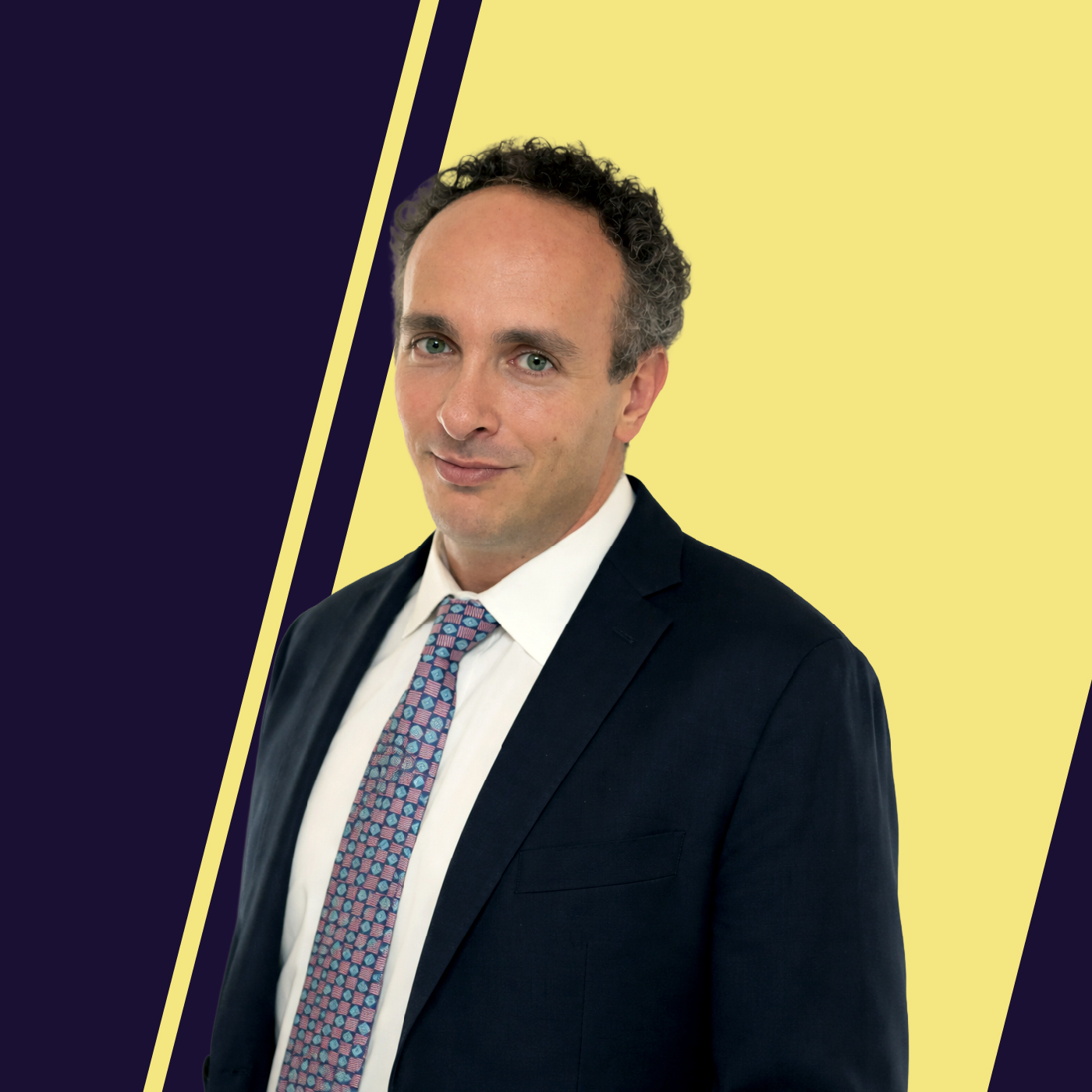 Ep. 264: Anonymity from the founding to the digital age 25.02.2026 52minIn the years leading up to the American Revolution, newspapers and pamphlets overflowed with essays signed "Publius," "Brutus," and "A Farmer." Those arguments helped shape a nation, but the authors' real names were nowhere to be found. Americans have long relied on anonymous speech to challenge the powerful, protect dissenters, and keep the focus on ideas rather than identities. That tradition has endured into America's digital age, even as anonymous speech has become more controversial. To explore America's history with anonymity, we are joined by Jeff Kosseff, a nonresident senior legal fellow at The Future of Free Speech and author of The United States of Anonymous. Preorder his forthcoming book, The Future of Free Speech: Reversing the Global Decline of Democracy's Most Essential Freedom. Timestamps: 00:00 Intro 02:01 What is anonymity? 04:38 Anonymous speech in Colonial America 15:58 Does the First Amendment protect anonymity? 20:35 Anonymous speech in the Civil Rights Era 31:17 The internet and anonymity 35:44 Modern anonymity debates: DHS subpoenas, age verification, social media regulation, and VPN bans 51:53 Outro Read the transcript here. Enjoy listening to the podcast? Donate to FIRE today and get exclusive content like member webinars, special episodes, and more. If you became a FIRE Member through a donation to FIRE at thefire.org and would like access to Substack's paid subscriber podcast feed, please email [email protected].
Podobni podkasti


Priljubljen v
Ta podkast je tudi v lestvicah podkastov teh držav.

