
Cronicas al Sur del Rio Grande (Episodios de Historia Latino Americana)
Un Podcast de Juan Carlos Navarrete
0
Un podcast en español e inglés que narra historias fascinantes de América Latina, con el objetivo de combatir la ignorancia y los prejuicios antilatinoamericanos en Estados Unidos. Cada episodio explora la rica historia y cultura de la región, ofreciendo entretenimiento y educación. El autor, Juan Carlos Navarrete, busca brindar una perspectiva histórica sobre la dinámica sociopolítica de Latinoamérica.
Epizode
-
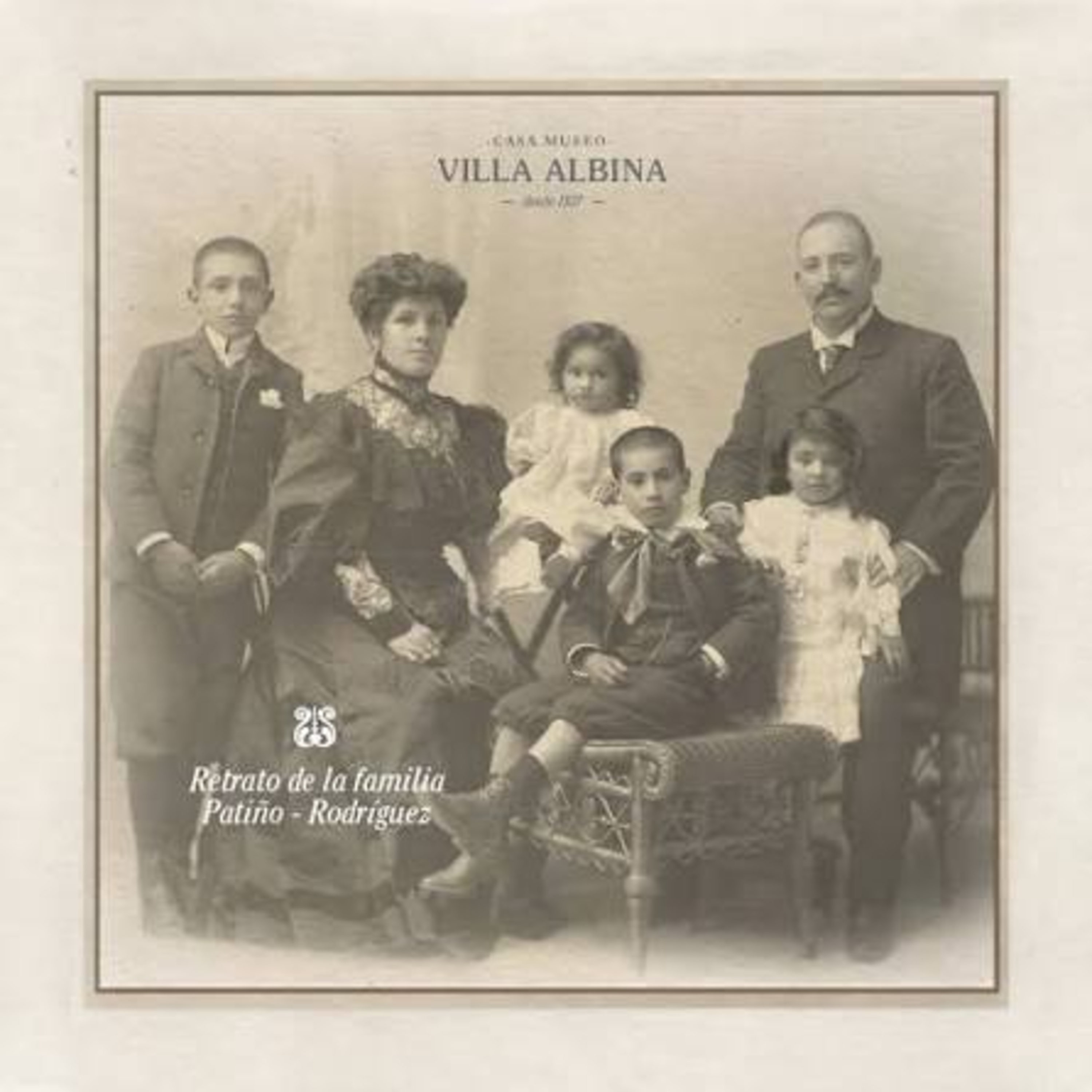 Simon Patino: The Rockefeller of the Andes 20.09.2026 53minOruro, 1894. An employee at a mining supply store accepts a share in an unwanted mine as payment for a debt. It costs him his job.The employee’s name was Simón Iturri Patiño. The metal was tin.Thirty years later, he controlled smelters in England, offices in New York, and a seat at the table where the global price of the ore was set. They called him the Tin King.
 -
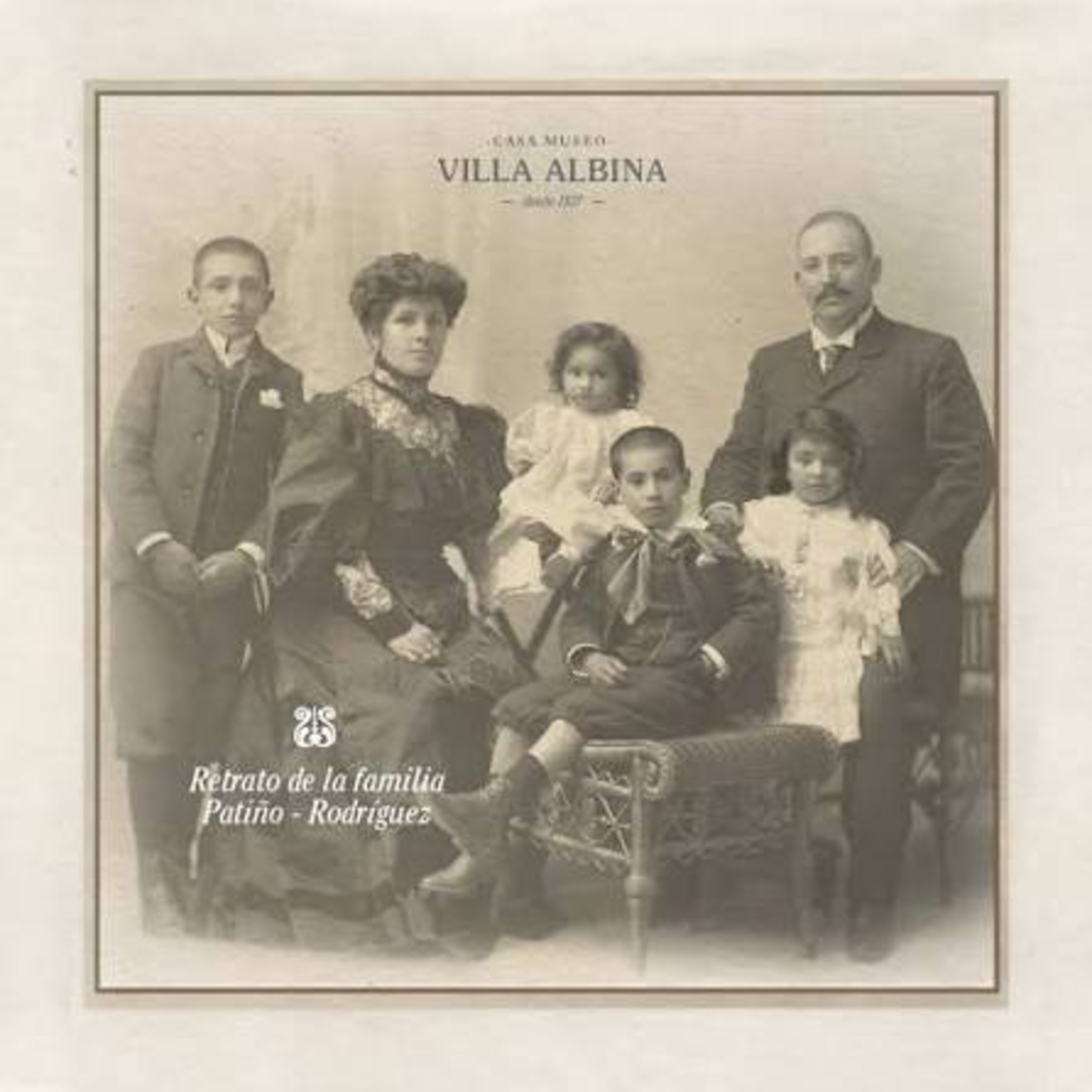 Simon Patino, el Rockefeller del Altiplano/El Rey del Estaño 20.08.2026 54minOruro, 1894. Un empleado de una tienda de suministros mineros acepta, como pago de una deuda, la participación en una mina que nadie quiere. Le cuesta el trabajo.El empleado se llamaba Simón Iturri Patiño. El metal era estaño.Treinta años después controlaba fundiciones en Inglaterra, oficinas en Nueva York y un asiento en la mesa donde se fijaba el precio mundial del mineral. Lo llamaban el Rey del Estaño.
 -
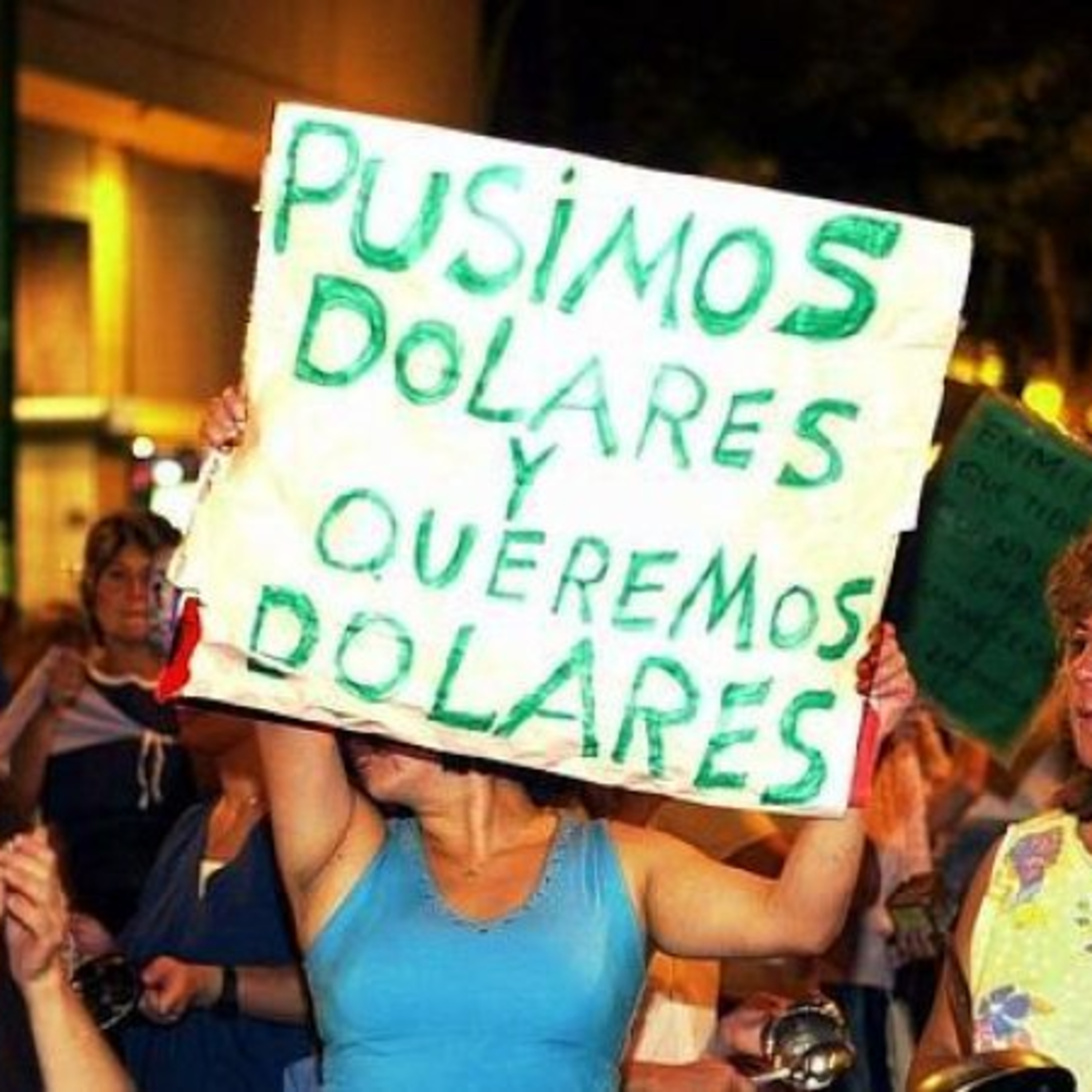 The Argentinian "Corralito" : Economic and Political Argentinian crisis 18.08.2026 50minSaturday, December 1, 2001. Argentine banks are closed, as they are every weekend. And that is precisely why the government chooses that day to sign Decree 1570.On Monday, when the doors open, each saver will be able to withdraw up to two hundred and fifty pesos a week. No more. The money is still there, in the account, bearing its owner's name. It simply cannot be taken out.The press quickly finds the exact name for it: *corralito*. That wooden playpen where babies are kept so they don't hurt themselves. The word captured it all: the confinement, and the notion that it was for your own good.Eighteen days later, millions of people would take to the streets banging pots and pans, and a president would leave the Casa Rosada by helicopter.I am Juan Navarrete, and this is *Crónicas al sur del Río Grande* (Chronicles South of the Rio Grande). Today: how a country found itself locked out of its own money.
 -
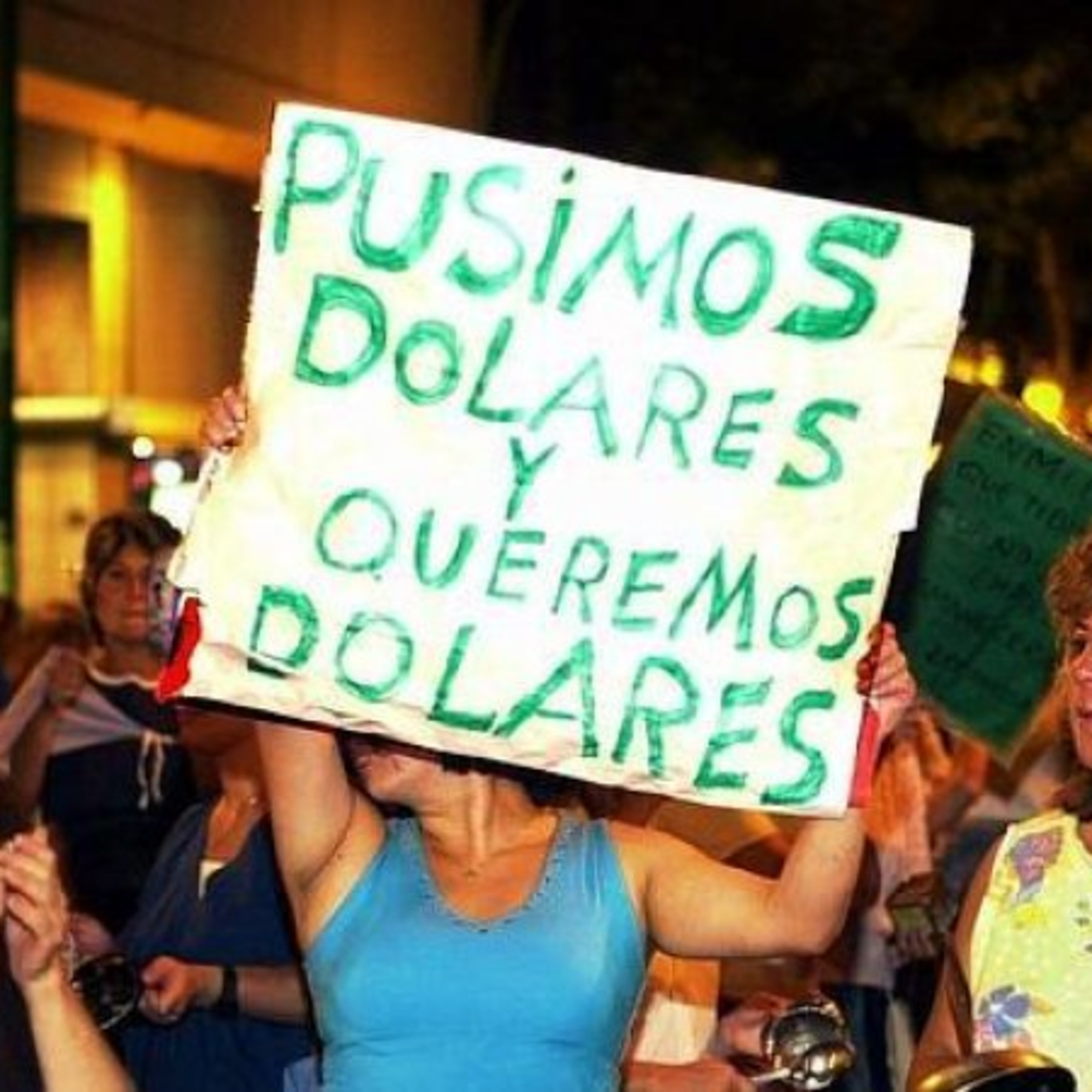 El "Corralito" Argentino. Crisis economica y politica Argentina 17.08.2026 32minSábado 1 de diciembre de 2001. Los bancos argentinos están cerrados, como cualquier fin de semana. Y es justamente por eso que el gobierno elige ese día para firmar el Decreto 1570.El lunes, cuando abran las puertas, cada ahorrista podrá retirar hasta doscientos cincuenta pesos por semana. No más. El dinero sigue estando ahí, en la cuenta, con el nombre y el apellido de su dueño. Simplemente no se puede sacar.La prensa le encuentra rápido el nombre exacto: corralito. Ese cerco de madera donde se deja a los bebés para que no se hagan daño. La palabra tenía todo: el encierro, y la idea de que era por tu propio bien.Dieciocho días después, millones de personas iban a salir a la calle golpeando ollas, y un presidente iba a dejar la Casa Rosada en helicóptero.Soy Juan Navarrete, y esto es Crónicas al sur del Río Grande. Hoy: cómo un país se quedó encerrado afuera de su propia plata.
 -
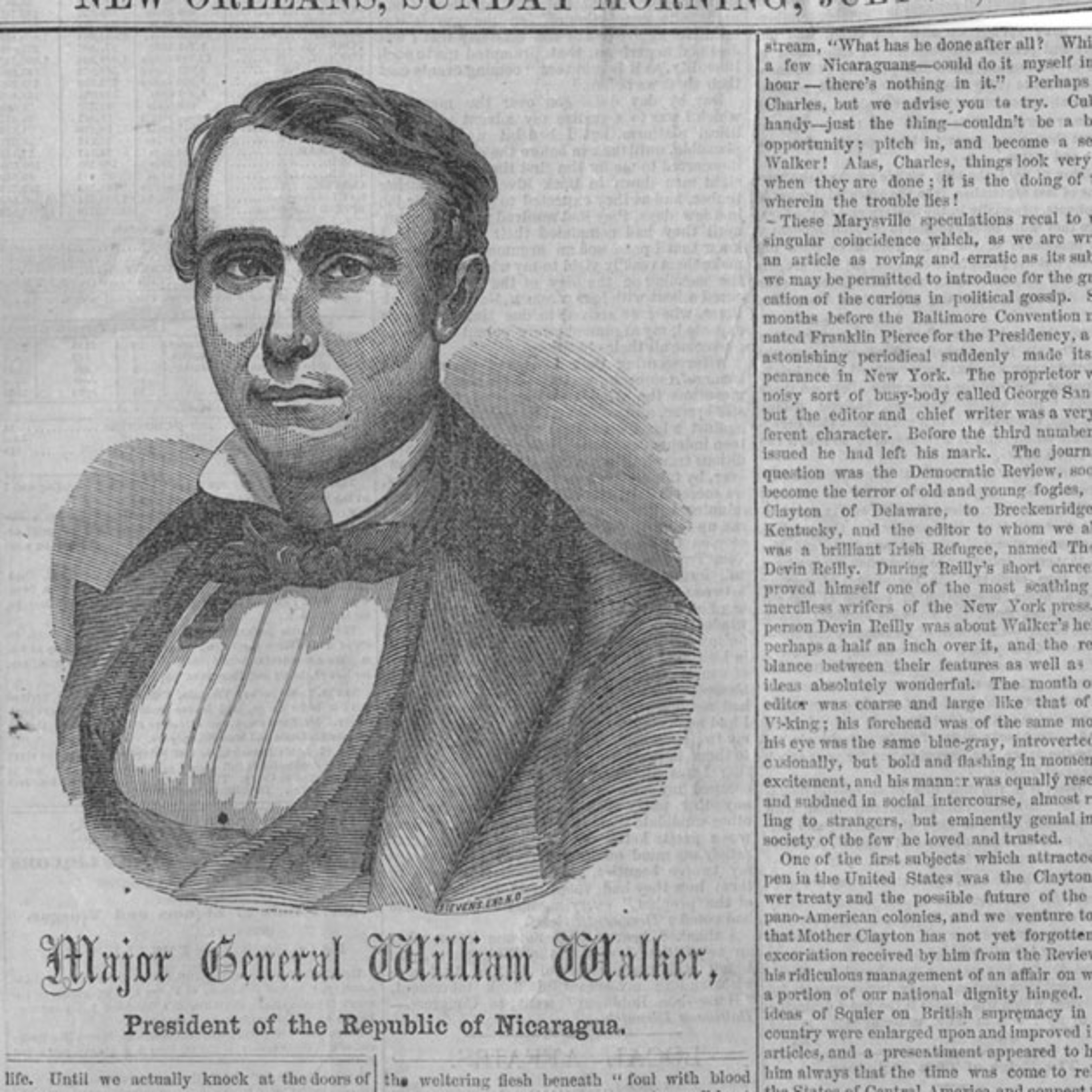 William Walker the American filibuster who wanted to be the Nicaragua owner 28.07.2026 46minIn 1856, a man born in Tennessee, weighing barely 50 pounds and measuring less than sixty feet, sat in the presidential chair of a country that was not his own.It did not arrive with an army of one nation. He arrived with a handful of mercenaries, a gun and an obsession: to build a slave empire in the heart of Central America.It's called William Walker. They called him "the filibuster king." Doctor, lawyer, journalist… and the man who, for a brief and bloody chapter in history, ruled Nicaragua as if it were his own.His story has it all: a Nicaraguan civil war he knew how to exploit, the silent backing of tycoons like Cornelius Vanderbilt—until he ceased to be—an army of "filibusters" recruited in San Francisco and New Orleans bars, and a Confederate dream of reintroducing slavery where it had already been abolished.Five Central American countries, normally at odds with each other, did something almost unprecedented: they joined together to expel him. And his ending… was not in Nicaragua, but in front of a firing squad in Honduras.Today we’re going to tell how one man was on the verge of changing the political map of Central America — and why his shadow is still being debated among those who call him an adventurer, an invader, or something worse.
 -
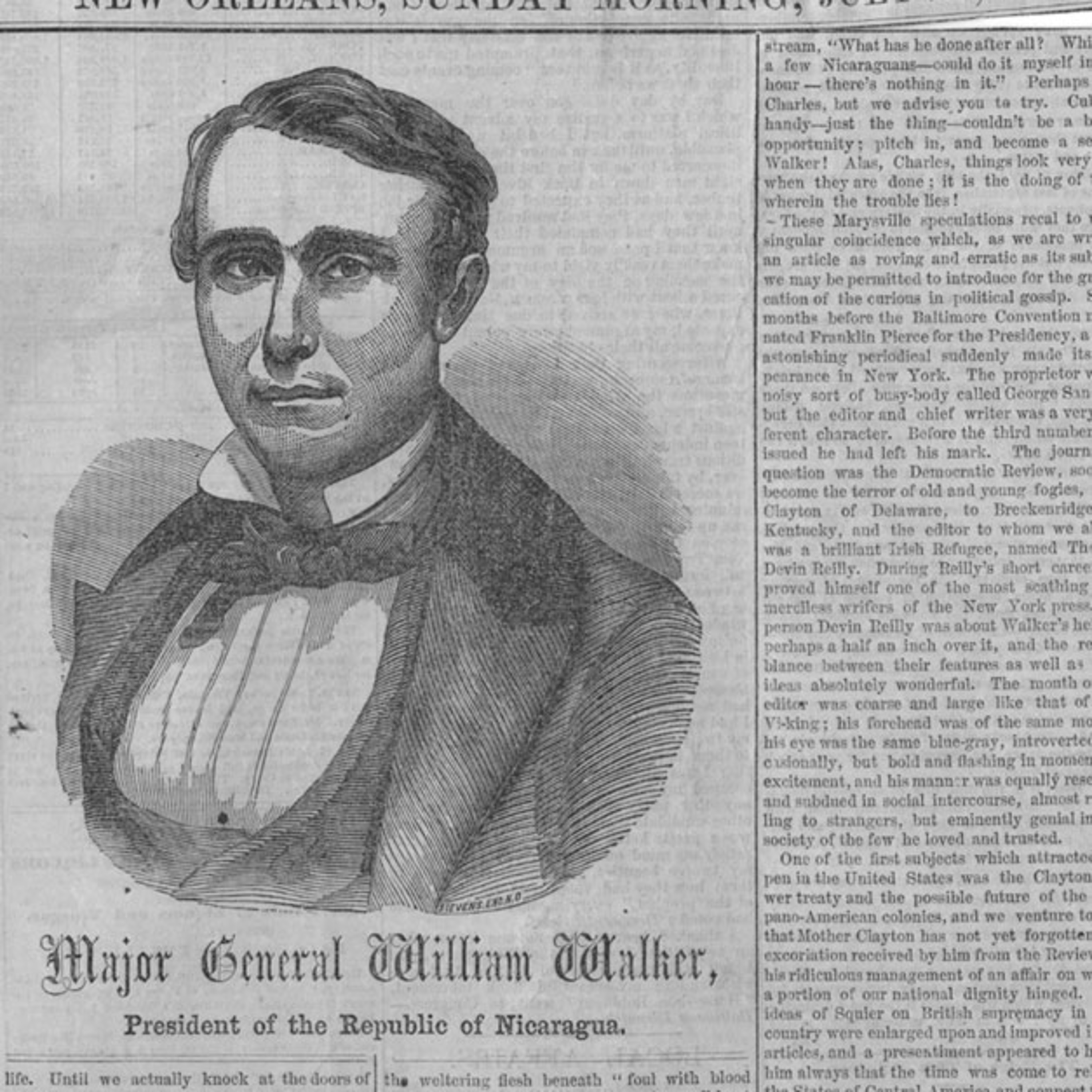 William Walker el filibustero que quiso ser el dueño de Nicaragua 28.07.2026 37minEn 1856, un hombre nacido en Tennessee, que pesaba apenas 50 kilos y medía menos de metro sesenta, se sentó en la silla presidencial de un país que no era el suyo.No llegó con un ejército de una nación. Llegó con un puñado de mercenarios, una pistola y una obsesión: construir un imperio esclavista en el corazón de Centroamérica.Se llamaba William Walker. Lo llamaban "el rey de los filibusteros". Médico, abogado, periodista... y el hombre que, por un breve y sangriento capítulo de la historia, gobernó Nicaragua como si fuera suya.Su historia tiene de todo: una guerra civil nicaragüense que él supo aprovechar, el respaldo silencioso de magnates como Cornelius Vanderbilt —hasta que dejó de serlo—, un ejército de "filibusteros" reclutados en los bares de San Francisco y Nueva Orleans, y un sueño confederado de reintroducir la esclavitud donde ya había sido abolida.Cinco países centroamericanos, normalmente enfrentados entre sí, hicieron algo casi inédito: se unieron para expulsarlo. Y su final... no fue en Nicaragua, sino frente a un pelotón de fusilamiento en Honduras.Hoy vamos a contar cómo un solo hombre estuvo a punto de cambiar el mapa político de Centroamérica — y por qué su sombra todavía se discute entre quienes lo llaman aventurero, invasor, o algo peor.
 -
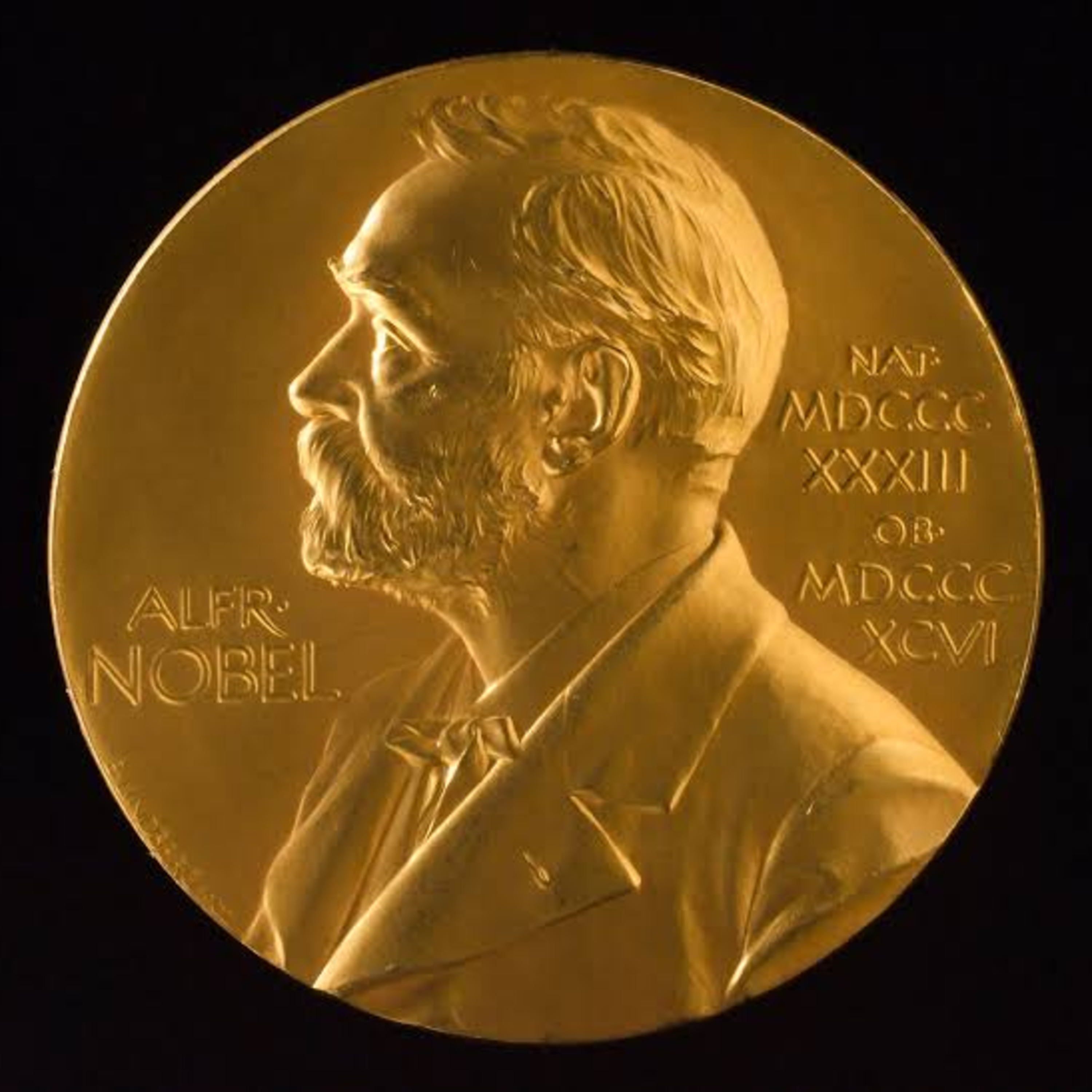 Latin American Nobel Prize 21.07.2026 54minWelcome to a new episode of "Chronicles South of the Rio Grande", the space where we explore the stories that have shaped our region's destiny. Today, we will journey through the lives and achievements of Latin Americans who attained the highest level of international recognition; we will discover how their ideas changed the world and analyze why—despite the immense talent found on our continent—Nobel Prizes remain the exception rather than the rule.Prepare to hear stories of perseverance, brilliance, commitment, and legacy. Because behind every Latin American Nobel Prize winner lies much more than a medal: there is a story that speaks to who we are, what we have contributed to the world, and what we can still build.
 -
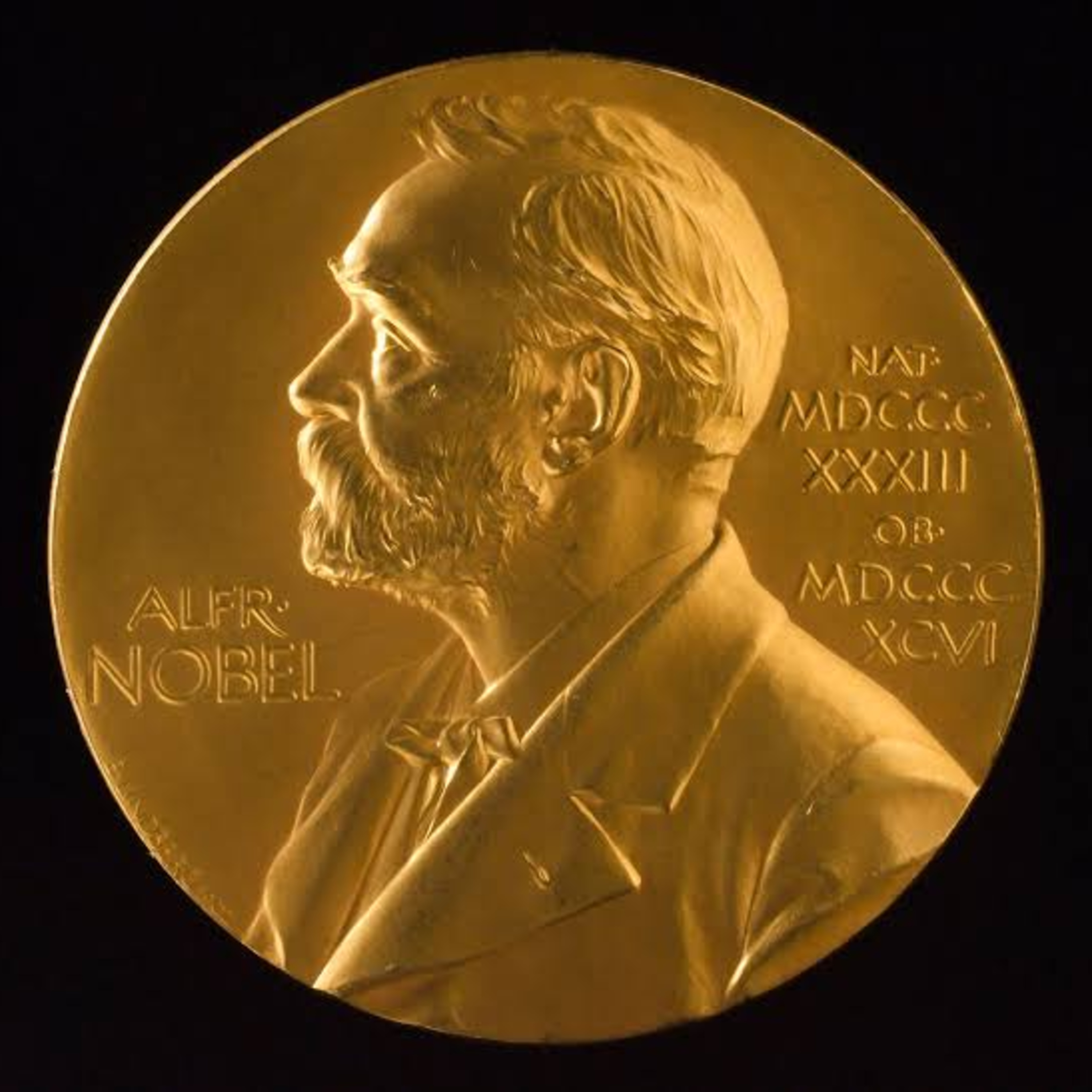 Los premios Nobel Latinoamericanos 21.07.2026 30minBienvenidos a un nuevo episodio de Crónicas al Sur del Río Grande, el espacio donde exploramos las historias que han marcado el destino de nuestra región. Hoy viajaremos por las vidas y los logros de los latinoamericanos que alcanzaron el máximo reconocimiento internacional, descubriremos cómo sus ideas cambiaron el mundo y analizaremos por qué, a pesar del enorme talento de nuestro continente, los Premios Nobel siguen siendo una excepción y no la regla. Prepárense para conocer relatos de perseverancia, genialidad, compromiso y legado. Porque detrás de cada Premio Nobel latinoamericano hay mucho más que una medalla: hay una historia que nos habla de quiénes somos, de lo que hemos aportado al mundo y de lo que todavía podemos llegar a construir.
 -
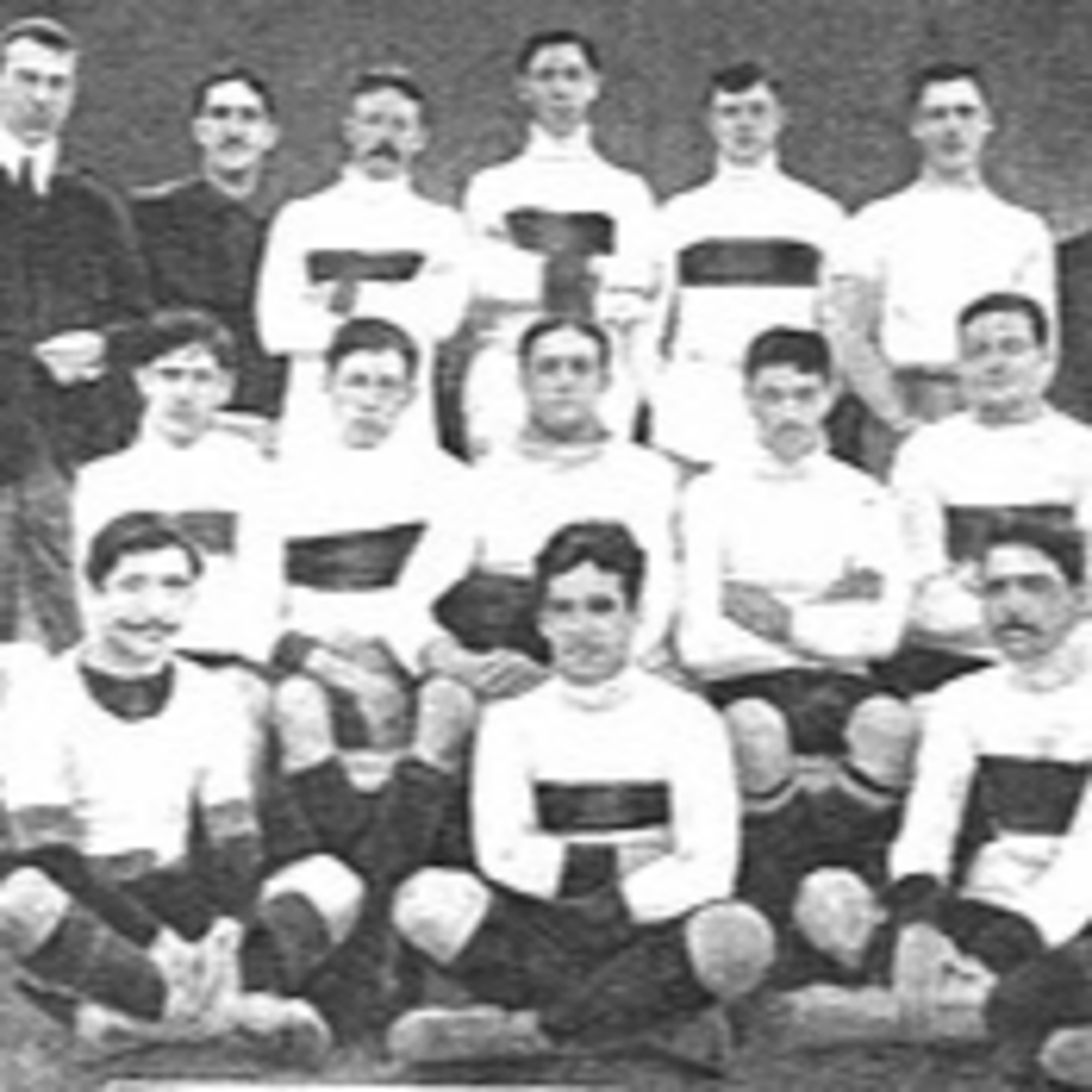 The history of Football in Latin America 20.07.2026 52minIt was the late 19th century when British sailors and workers disembarked at the ports of Buenos Aires, Montevideo, and Rio de Janeiro... and with them, unknowingly, they brought something far greater than their luggage: a ball.What began as a pastime for English clubs on foreign soil transformed into the continent's most widely practiced religion. On the dirt streets of Boca, the beaches of Rio, the plains of Colombia, and the working-class neighborhoods of Mexico, football ceased to be merely an imported sport; it became an identity, a source of pride, and a way of telling the story of who we are.Welcome to *Chronicles South of the Rio Grande*. I’m Juan Navarrete, and in this episode, we will journey through more than a century of history: from those early, impromptu matches and the World Cups that both united and divided nations, to the legends who turned a game into an eternal passion—Pelé, Maradona, Di Stéfano, and so many others who wrote the history of an entire continent with their feet.Because in Latin America, football was never just a game. It was—and remains—the way an entire people looks at itself in the mirror.
 -
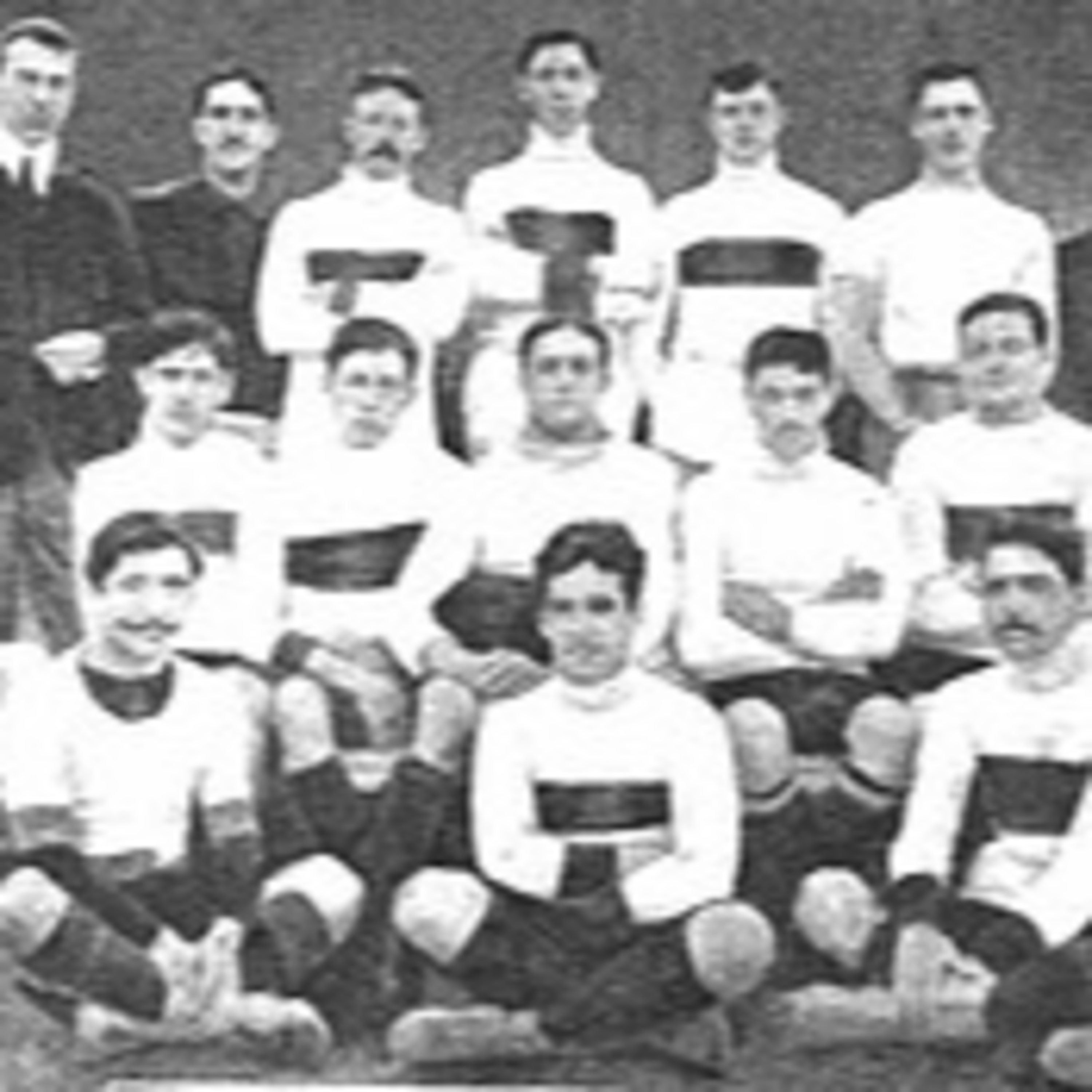 La historia del Futbol en Latinoamerica 20.07.2026 39minCorría finales del siglo XIX cuando marineros y trabajadores británicos desembarcaron en los puertos de Buenos Aires, Montevideo y Río de Janeiro… y con ellos, sin saberlo, trajeron algo mucho más grande que sus maletas: una pelota.Lo que empezó como un pasatiempo de clubes ingleses en tierras extranjeras, se transformó en la religión más practicada del continente. En las calles de tierra de Boca, en las playas de Río, en los llanos de Colombia y en los barrios populares de México, el fútbol dejó de ser un deporte importado para convertirse en identidad, en orgullo, en una forma de contar quiénes somos.Bienvenidos a Crónicas al Sur del Río Grande. Soy Juan Navarrete, y en este episodio vamos a recorrer más de cien años de historia: desde aquellos primeros partidos improvisados, pasando por los mundiales que unieron y dividieron naciones, hasta las leyendas que convirtieron un juego en pasión eterna — Pelé, Maradona, Di Stéfano, y tantos otros que escribieron con los pies la historia de un continente entero.Porque en Latinoamérica, el fútbol nunca fue solo un juego. Fue —y sigue siendo— la forma en que un pueblo entero se mira al espejo.
 -
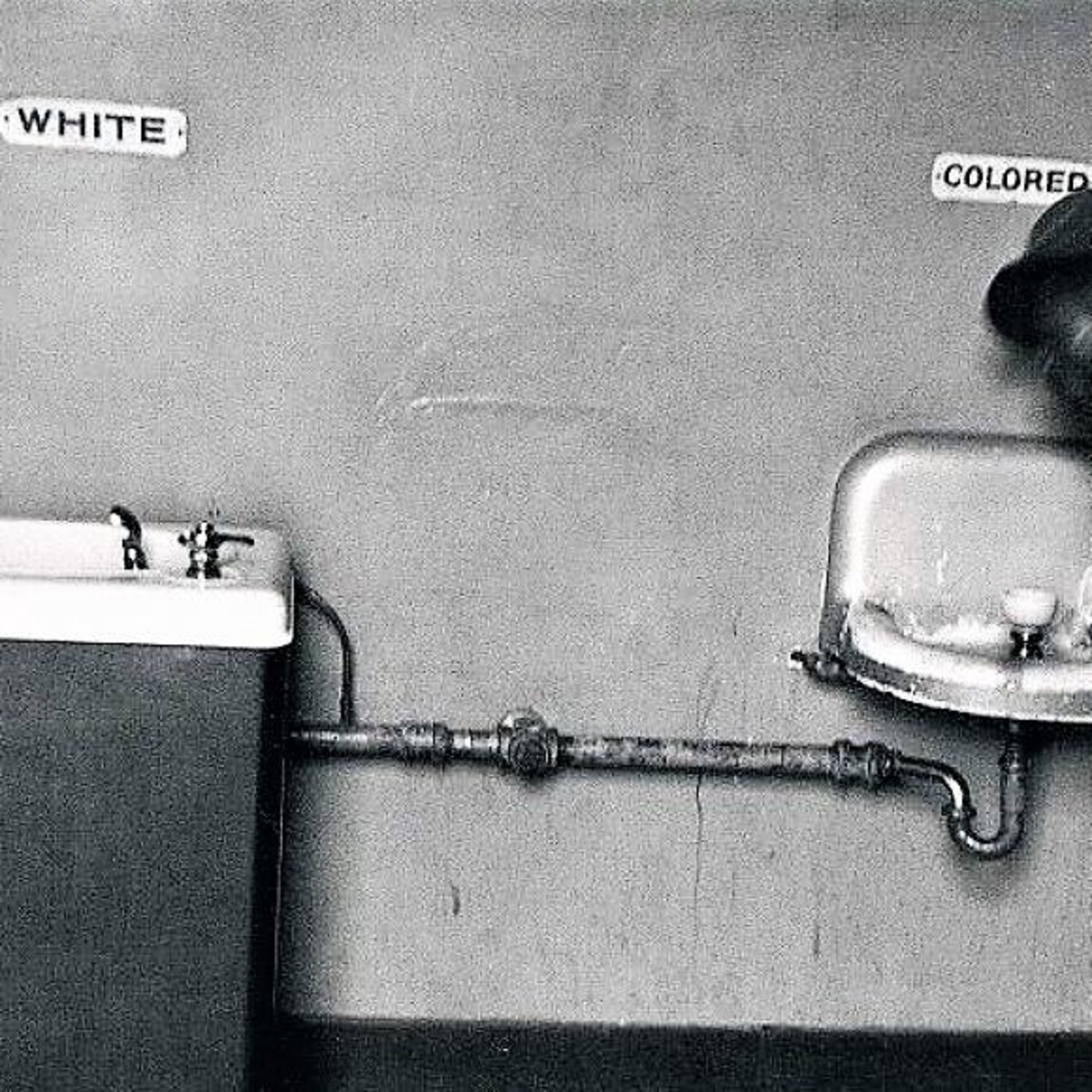 The Original Sin: America’s Architectural Legacy of Racial Exclusion 27.06.2026 45minThere are borders that do not appear on maps. Invisible lines drawn not with ink, but with fear, with laws, and with centuries of custom. One door that reads "White." Another, just a few meters away, that reads "Colored." One country, two realities.Welcome to *Chronicles South of the Rio Grande*.Today, we cross that invisible border to speak of a wound that still bleeds in the history of the United States: racism against African Americans. From the ships that brought millions of people in chains to American shores, to the Jim Crow laws that segregated drinking fountains, schools, and train cars. From Rosa Parks refusing to give up her seat, to the streets of Selma filled with tear gas. From Martin Luther King dreaming aloud in front of the Lincoln Memorial, to the names repeated at protests today: George Floyd, Breonna Taylor, Ahmaud Arbery.This is not just the story of a country. It is the story of how a nation has had to confront, time and again, the question of who has the right to be considered fully human.Today, in this episode, we will trace that path: its origins, its laws, its struggles, its victories, and its outstanding debts.This is *Chronicles South of the Rio Grande*. And this is a story no one should forget.
 -
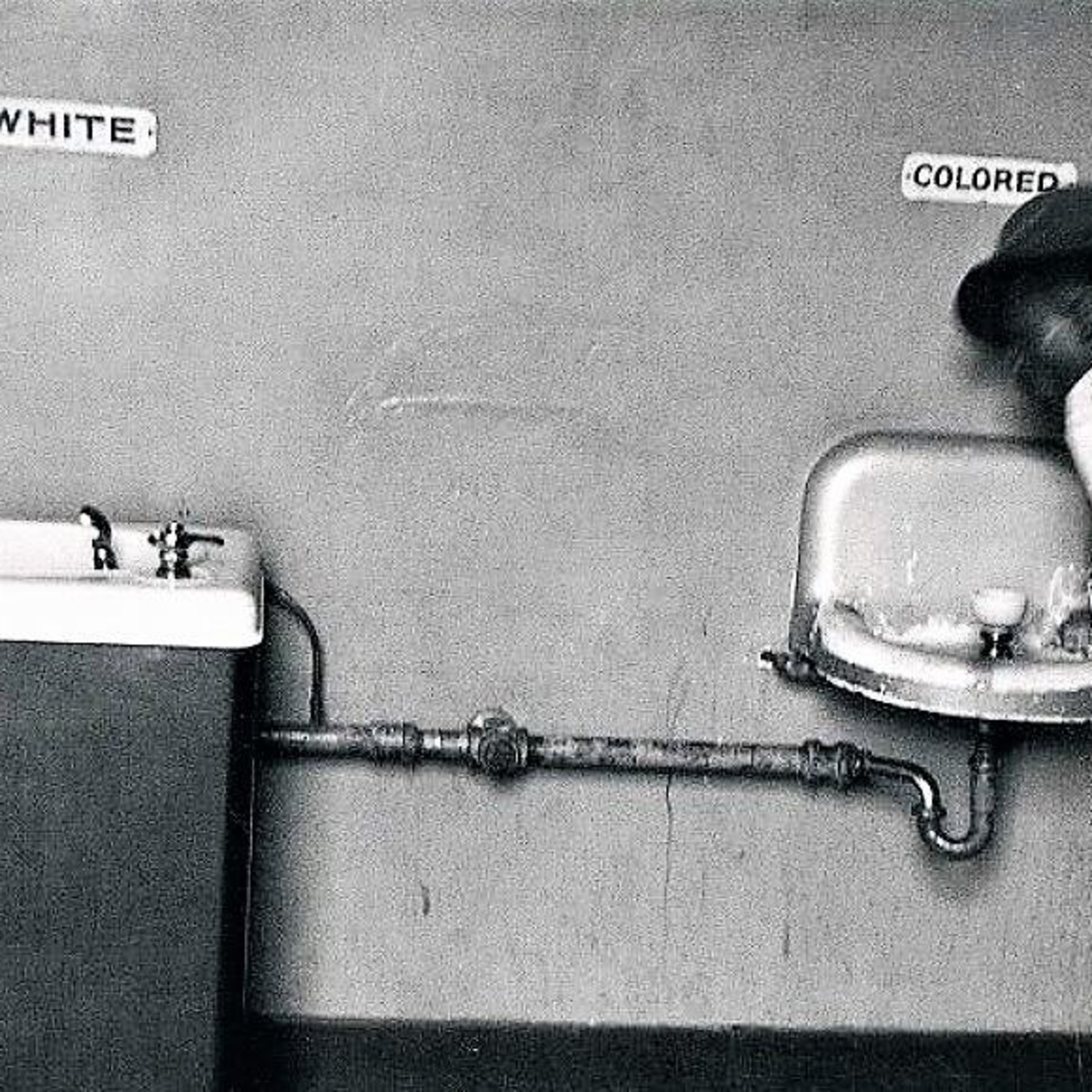 El pecado original en los Estados Unidos: el legado arquitectónico de exclusión racial de Estados Unidos. 27.06.2026 56minHay fronteras que no aparecen en los mapas. Líneas invisibles trazadas no con tinta, sino con miedo, con leyes, con siglos de costumbre. Una puerta que dice "White". Otra, a unos metros, que dice "Colored". Un mismo país, dos realidades.Bienvenidos a Crónicas al sur del Río Grande.Hoy cruzamos esa frontera invisible para hablar de una herida que aún sangra en la historia de Estados Unidos: el racismo contra los afroamericanos. Desde los barcos que trajeron a millones de personas encadenadas hasta las costas americanas, hasta las leyes Jim Crow que separaron bebederos, escuelas y vagones de tren. Desde Rosa Parks negándose a ceder su asiento, hasta las calles de Selma cubiertas de gas lacrimógeno. Desde Martin Luther King soñando en voz alta frente al Lincoln Memorial, hasta los nombres que hoy se repiten en las protestas: George Floyd, Breonna Taylor, Ahmaud Arbery.Esta no es solo la historia de un país. Es la historia de cómo una nación ha tenido que enfrentarse, una y otra vez, a la pregunta de quién tiene derecho a ser considerado plenamente humano.Hoy, en este episodio, vamos a recorrer ese camino: sus orígenes, sus leyes, sus luchas, sus victorias y sus deudas pendientes.Esto es Crónicas al sur del Río Grande. Y esta es la historia que nadie debería olvidar.
 -
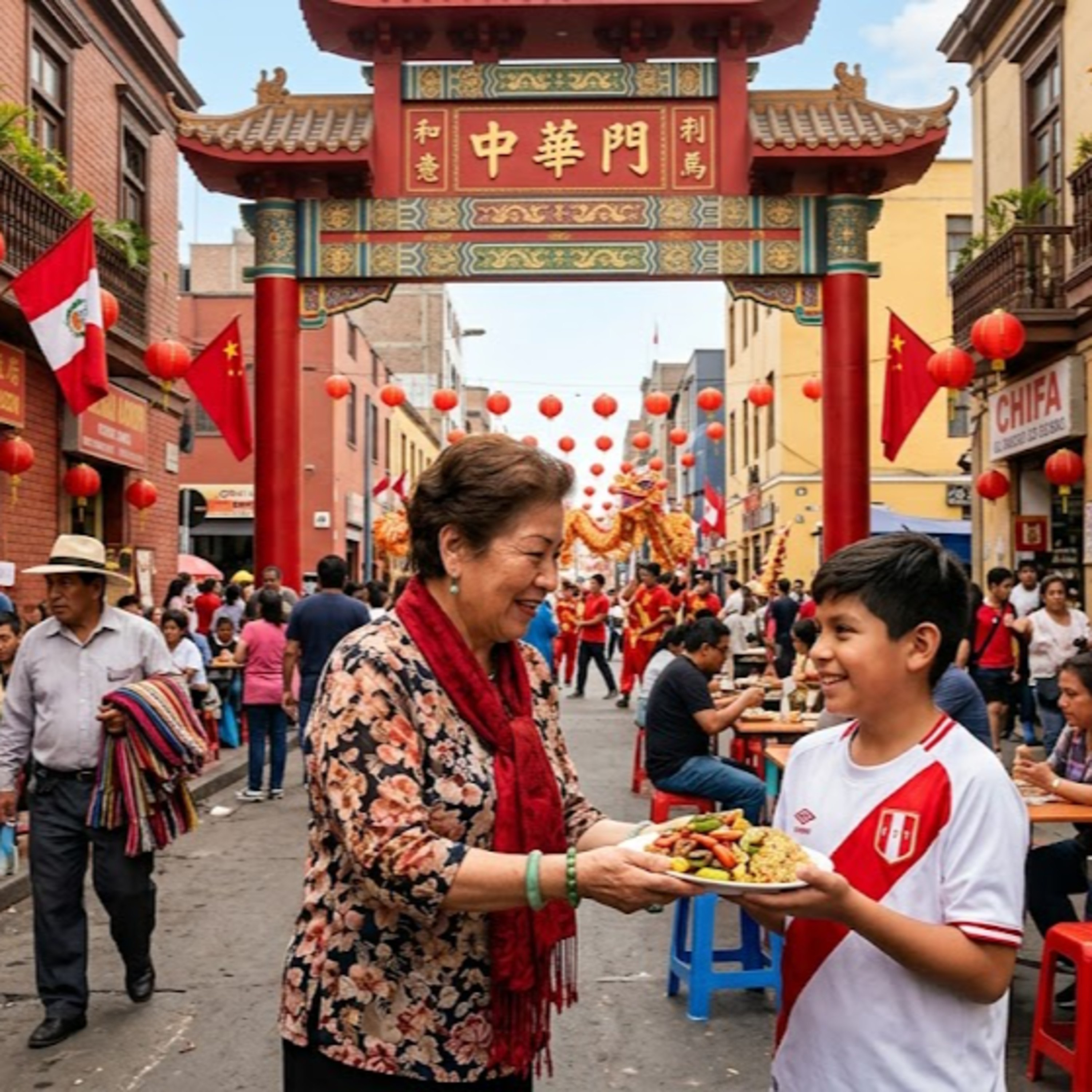 The Chinese heritage in Peru/From Chifas to Tusans 12.06.2026 1h 14minIn the 19th century, thousands of men crossed the Pacific Ocean from China toward an uncertain destination: Peru. They arrived as laborers—many enduring grueling conditions—yet over time, they planted something far deeper than just their labor. They brought traditions, flavors, beliefs, and a worldview that gradually became interwoven with Peruvian identity.Today, that heritage lives on in every neighborhood, in every dish of "chifa", in every surname, and in a story not always told with the depth it deserves. In this episode of "Crónicas al Sur del Río Grande", we explore Chinese immigration to Peru: its origins, its challenges, and the cultural legacy that forever transformed a Latin American nation.
 -
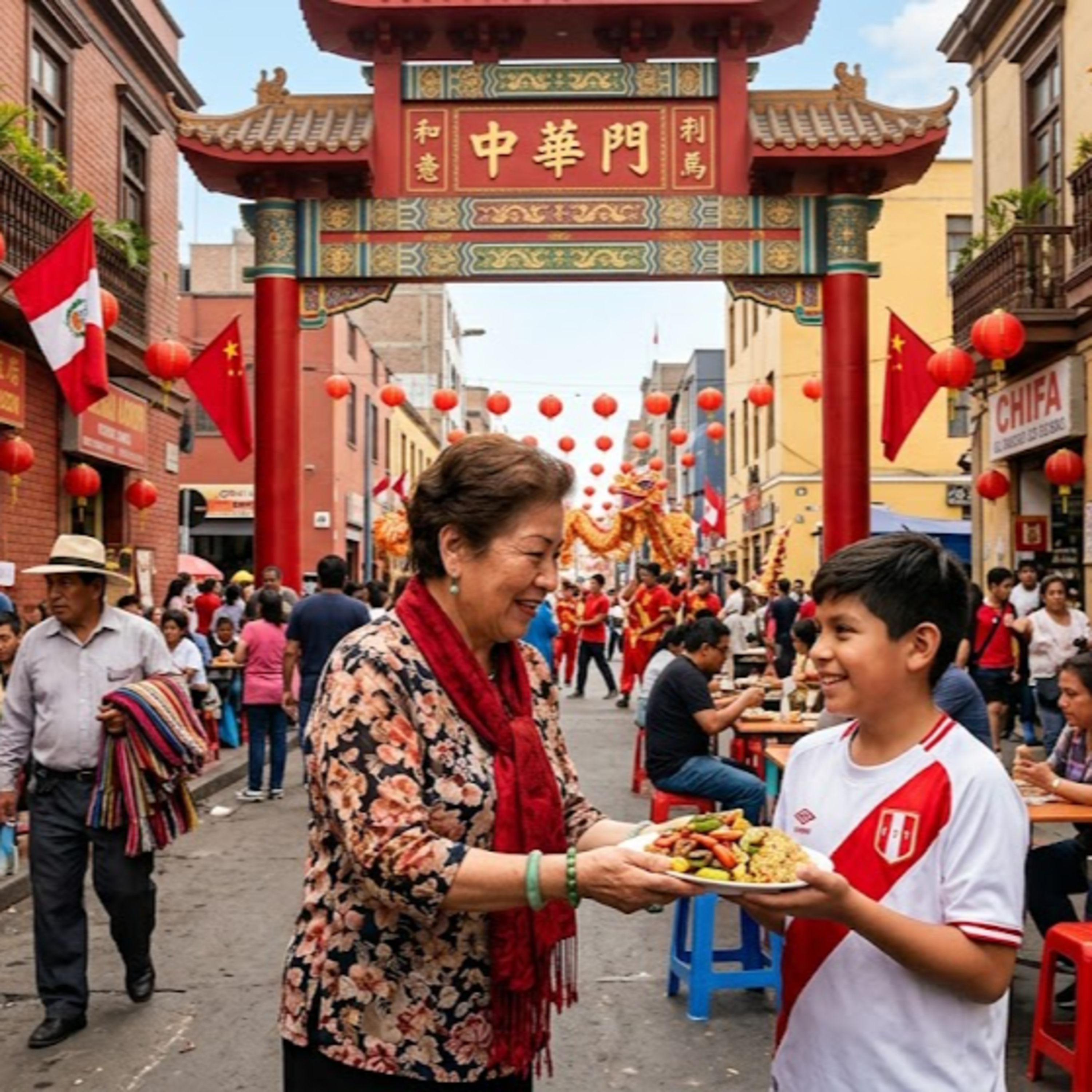 La herencia China en el Perú/Chifas y Tusans 09.06.2026 45minEn el siglo XIX, miles de hombres cruzaron el océano Pacífico desde China hacia un destino incierto: el Perú. Llegaron como trabajadores, muchos bajo condiciones durísimas, pero con el tiempo sembraron algo mucho más profundo que su fuerza laboral. Trajeron tradiciones, sabores, creencias y una visión del mundo que, poco a poco, se entrelazó con la identidad peruana.Hoy, esa herencia vive en cada barrio, en cada plato de chifa, en cada apellido, y en una historia que no siempre se cuenta con la profundidad que merece. En este episodio de Crónicas al Sur del Río Grande, exploramos la inmigración china al Perú: sus orígenes, sus desafíos, y el legado cultural que transformó para siempre a una nación latinoamericana.
 -
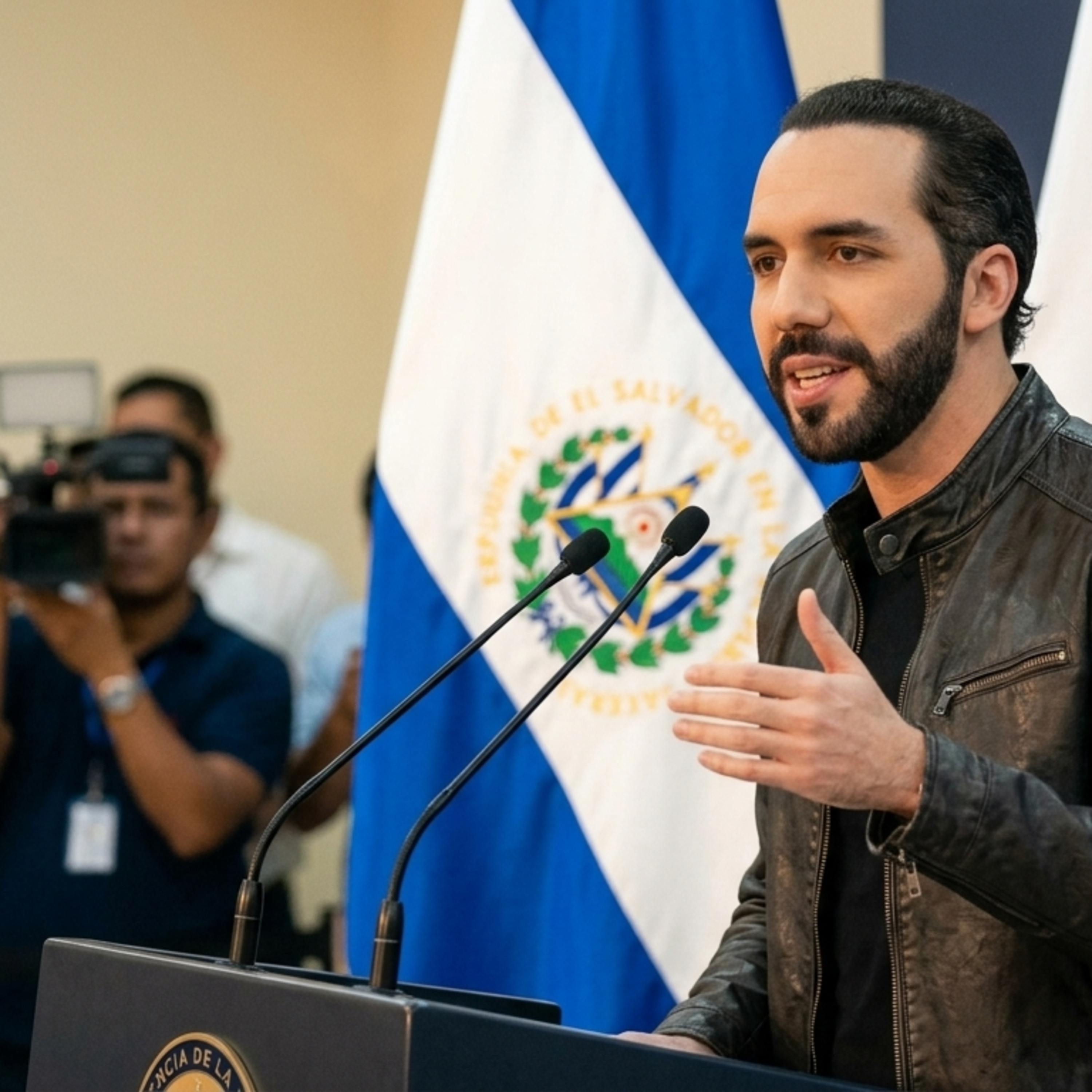 Democrat,Autocrat or Influencer? The Nayib Bukele Boom 30.05.2026 43minAt the heart of Central America, a small country has become the great political laboratory of our time. El Salvador—governed since 2019 by Nayib Bukele, a businessman turned president and a symbol of the millennial era—has transformed itself from a country synonymous with violence and gangs into one presenting itself to the world as a model of extreme security and “order” at any cost.Yet, behind the record-breaking popularity ratings, the mega-prisons, and the narrative of the “world’s coolest president,” allegations of authoritarianism, censorship, and human rights violations are also mounting—all while his political project sparks a debate regarding the limits of democracy in the region.In this episode of *Crónicas al Sur del Río Grande*, we trace Nayib Bukele’s trajectory—from his beginnings as a mayor to his rise to the presidency and his controversial re-election—to ask ourselves: Are we witnessing a reformer of the Latin American political system, or a new breed of 21st-century *caudillo*?For to understand Bukele is also to understand the fears, hopes, and voids left behind by decades of violence, corruption, and disillusionment within our Latin American democracies.
 -
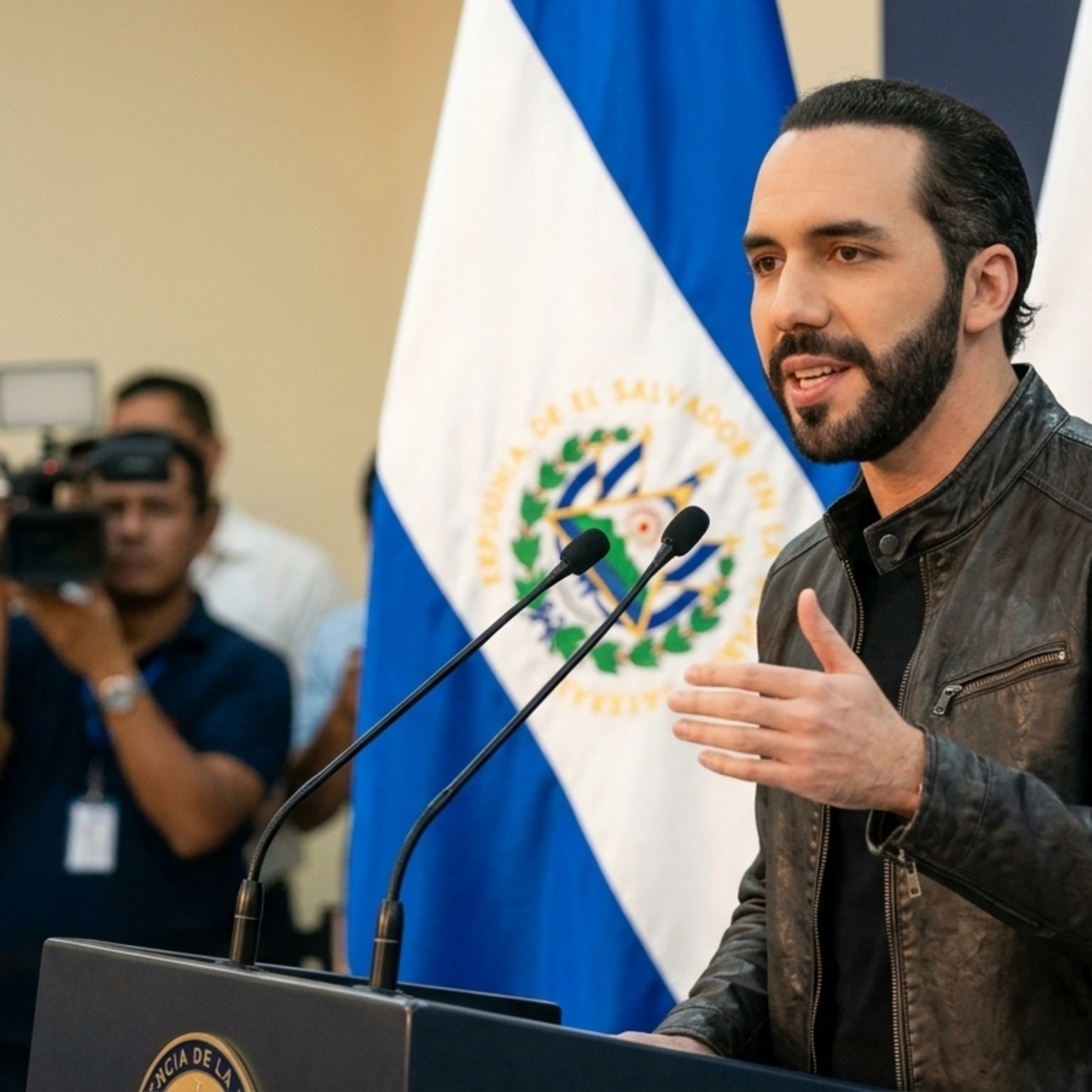 ¿Demócrata, caudillo o influencer? El fenómeno Nayib Bukele 30.05.2026 49minEn el corazón de Centroamérica, un país pequeño se ha convertido en el gran laboratorio político de nuestro tiempo. El Salvador, gobernado desde 2019 por Nayib Bukele, un empresario convertido en presidente y símbolo de la era millennial, ha pasado de ser sinónimo de violencia y pandillas a presentarse ante el mundo como un modelo de seguridad extrema y “orden” a cualquier costo.Pero detrás de los récords de popularidad, de las mega cárceles y de la narrativa del “presidente más cool del mundo mundial”, crecen también las denuncias de autoritarismo, censura y violaciones a los derechos humanos, mientras su proyecto político abre el debate sobre los límites de la democracia en la región.En este episodio de “Crónicas al Sur del Río Grande”, vamos a recorrer la trayectoria de Nayib Bukele, desde sus inicios como alcalde hasta su llegada a la presidencia y su polémica reelección, para preguntarnos: ¿estamos frente a un renovador del sistema político latinoamericano o ante un nuevo tipo de caudillo del siglo XXI?Porque entender a Bukele es también entender los miedos, las esperanzas y los vacíos que han dejado décadas de violencia, corrupción y desencanto en nuestras democracias latinoamericanas
 -
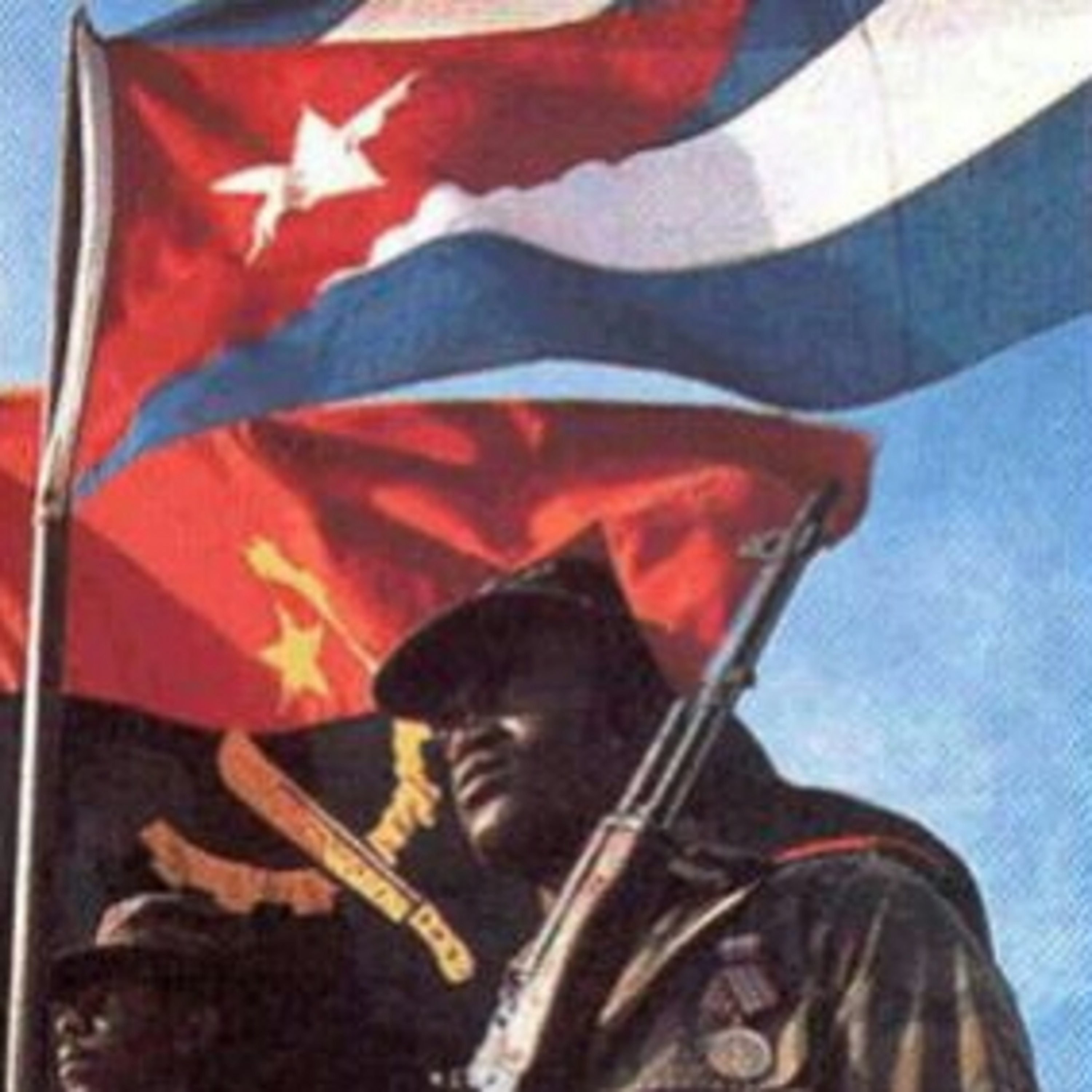 Operation Carlota/Cuba in Angola 22.05.2026 21minSouth of the Rio Grande—where the history of Latin America intertwines with the destinies of other continents—lies a little-told, yet profoundly decisive, chapter.The year was 1975. Angola, a newly born African nation, was becoming the stage for a war that would define not only its own future but also Cuba’s role on the global chessboard. From the Caribbean—thousands of kilometers away—a small island nation would make a bold decision: to intervene.This was no ordinary operation. It was Operation Carlota: an unprecedented military deployment, charged with ideology, international solidarity... and controversy.Why did Cuba send troops to Africa? What interests were truly at stake? And how did this intervention impact the Cold War and the history of Latin America?Today, on *Crónicas al sur del río Grande*, we delve into one of the most ambitious and debated missions of the 20th century—a story of war, politics, and memory that still resonates across two continents.
 -
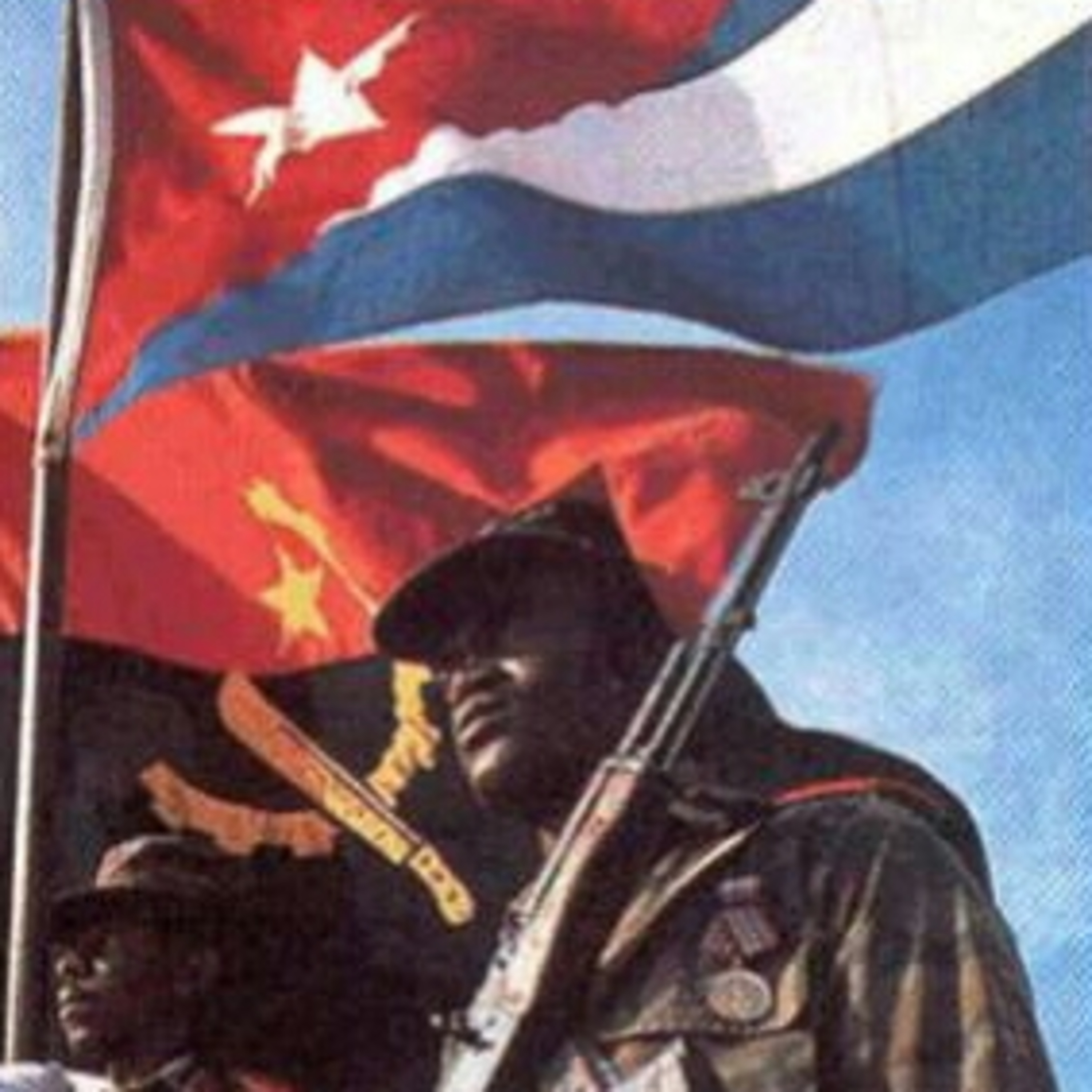 Operacion Carlota/Cuba en Angola 22.05.2026 27minAl sur del río Grande, donde la historia de América Latina se entrelaza con los destinos de otros continentes, existe un capítulo poco contado, pero profundamente decisivo.Corría el año 1975. Angola, una nación africana recién nacida, se convertía en el escenario de una guerra que no solo definiría su futuro, sino también el papel de Cuba en el tablero global. Desde el Caribe, miles de kilómetros lejos, una pequeña isla tomaría una decisión audaz: intervenir.Esta no fue una operación cualquiera. Fue la Operación Carlota. Un despliegue militar sin precedentes, cargado de ideología, solidaridad internacional… y controversia.¿Por qué Cuba envió tropas a África? ¿Qué intereses estaban realmente en juego? ¿Y cómo impactó esta intervención en la Guerra Fría y en la historia de América Latina?Hoy, en Crónicas al sur del río Grande, nos adentramos en una de las misiones más ambiciosas y debatidas del siglo XX. Una historia de guerra, política y memoria que aún resuena en dos continentes.
 -
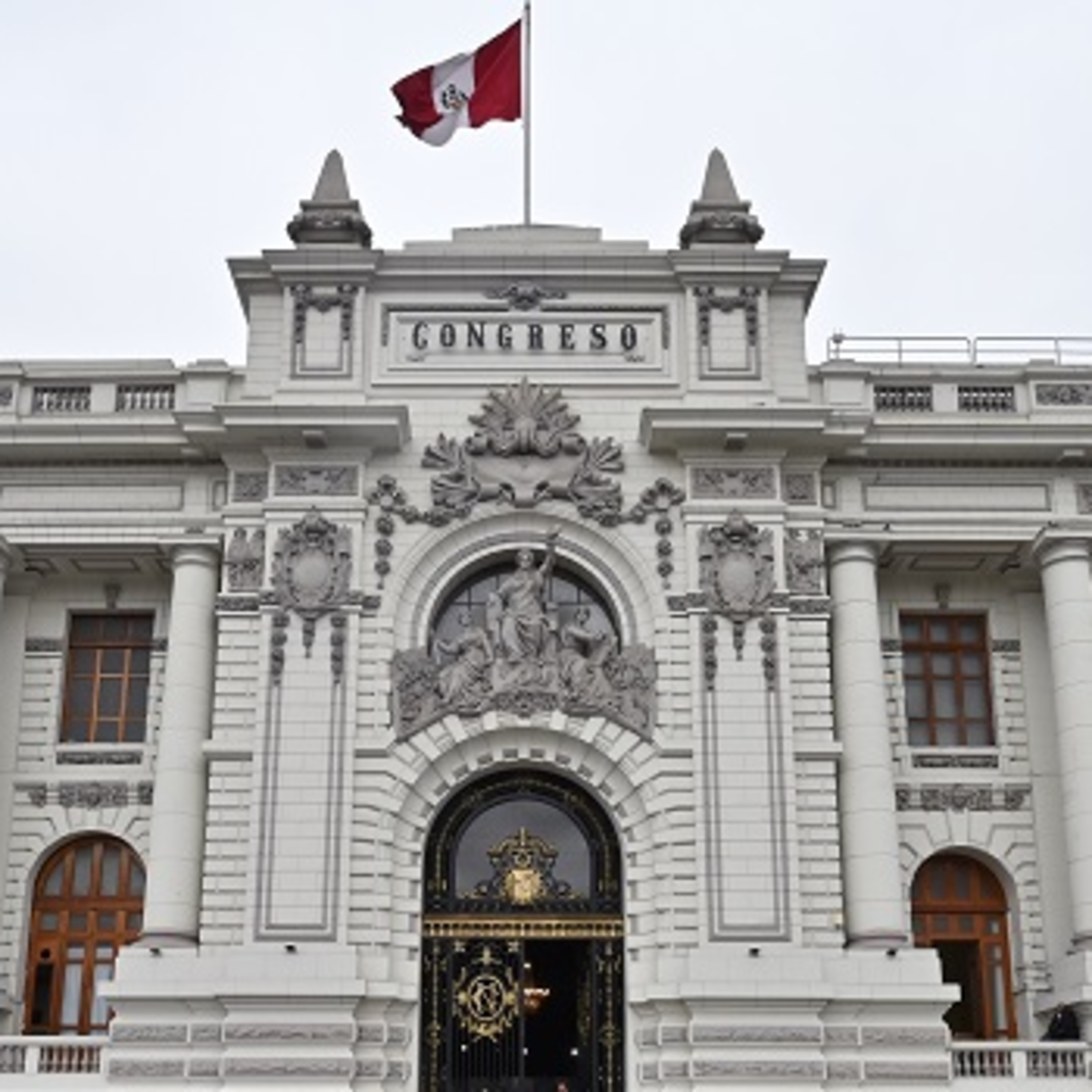 Peru and the political parties crisis (and democracy) 20.05.2026 45minIn Peru, presidents come and go, and scandals pile up—yet political parties remain fragile, improvised, and at times almost disposable. What happens to a democracy when parties cease to represent the people and become mere electoral vehicles—"parties for hire"? Today, on *Crónicas al Sur del Río Grande*, we travel to Lima to understand how this crisis of political parties came to be—and what it tells us about the future of Peruvian democracy.
 -
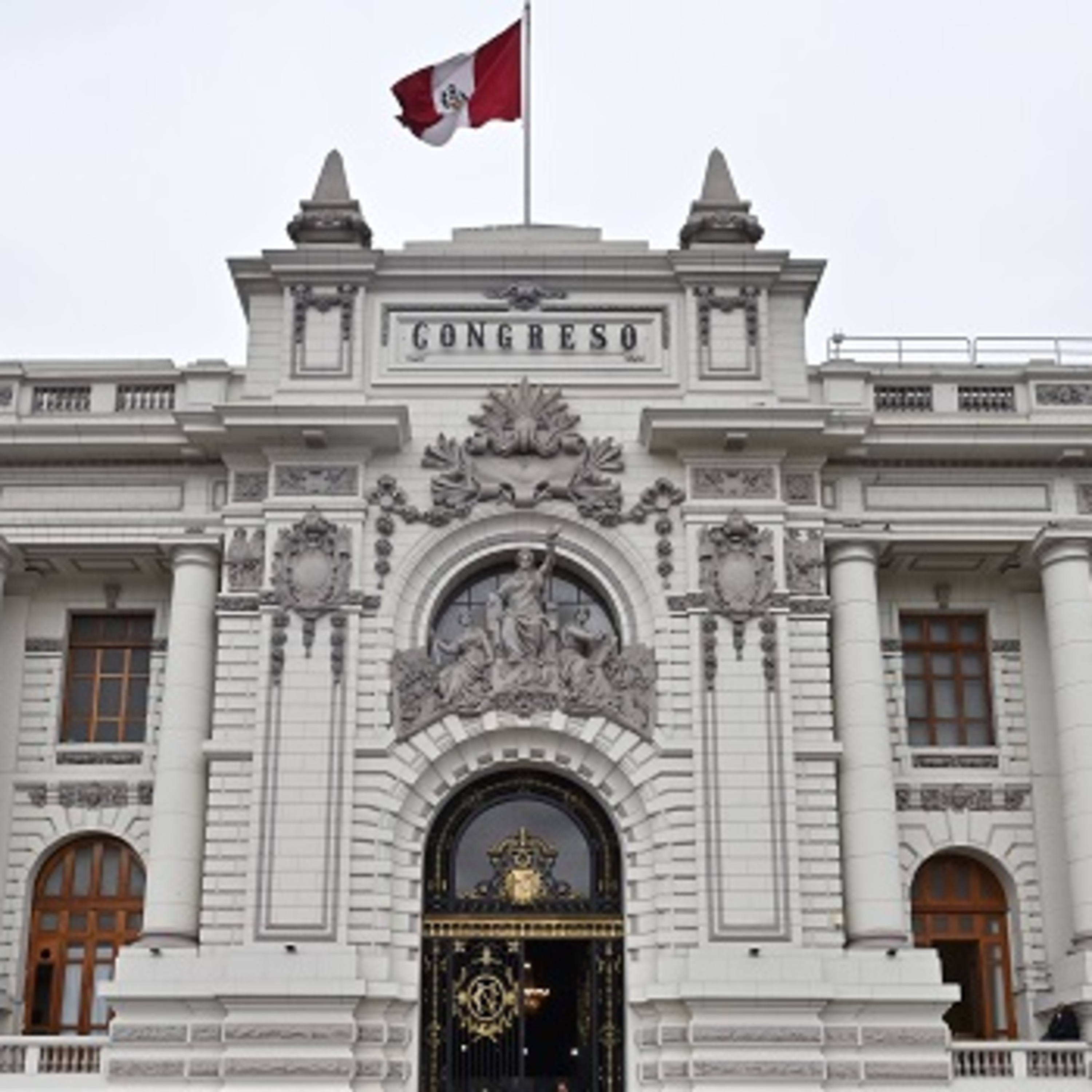 Peru y la crisis de los partidos politicos y la democracia 20.05.2026 56minEn Perú, los presidentes cambian, los escándalos se acumulan… pero los partidos políticos siguen siendo frágiles, improvisados, a veces casi desechables. ¿Qué le pasa a una democracia cuando los partidos dejan de representar a la gente y se convierten en simples vehículos electorales, en ‘partidos de alquiler’? Hoy, en Crónicas al Sur del Río Grande, viajamos a Lima para entender cómo se llegó a esta crisis de los partidos políticos… y qué nos dice sobre el futuro de la democracia peruana.
Podobni podkasti


Priljubljen v
Ta podkast je tudi v lestvicah podkastov teh držav.

