
Y Combinator Startup Podcast
Y Combinator
0
The Y Combinator Startup Podcast features conversations with Y Combinator partners and founders about building startups. Topics range from the earliest stages of an idea to scaling a company that changes the world. The podcast shares real stories, lessons, and tactics from the frontlines of entrepreneurship.
Epizode
-
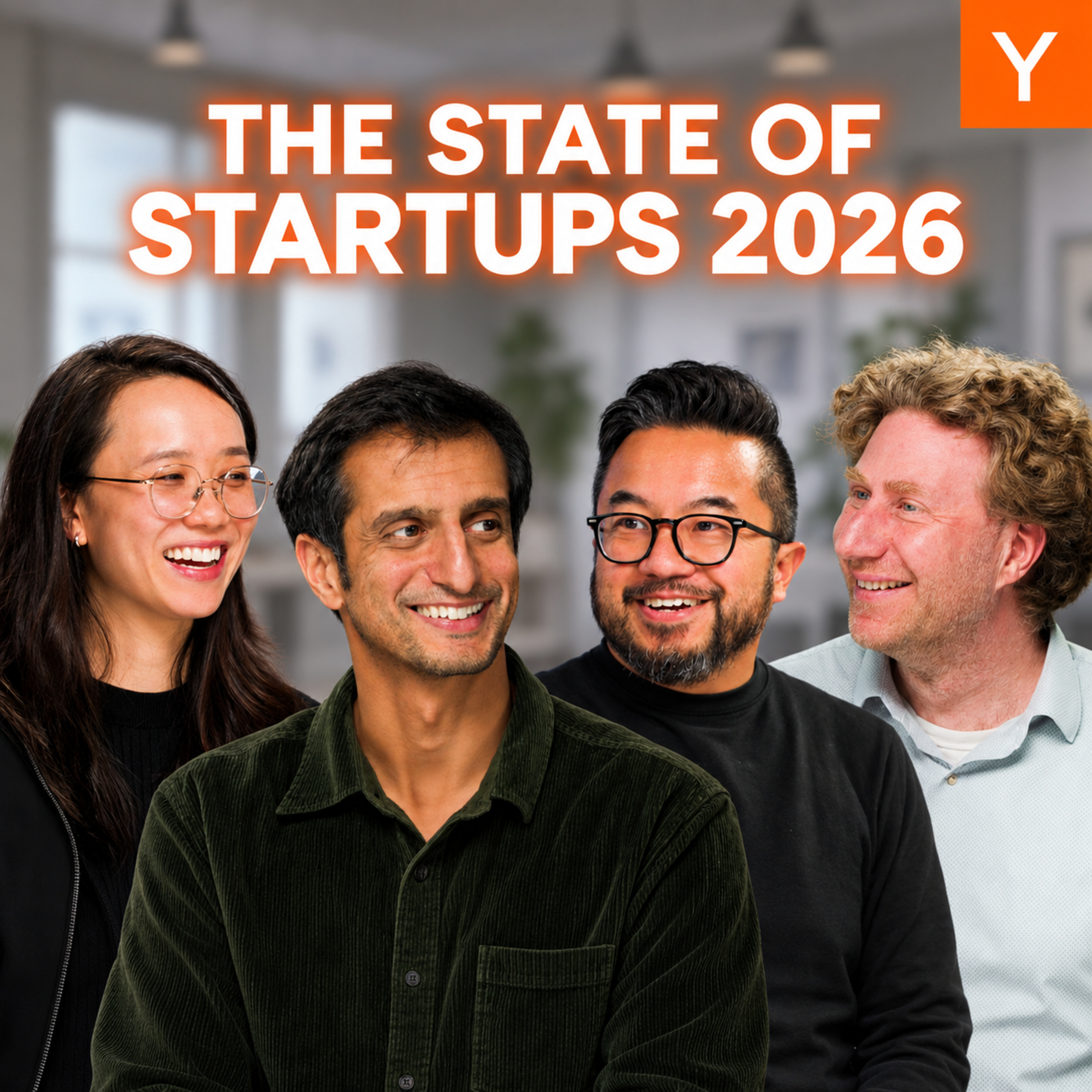 The State of Startups in 2026 18.09.2026 36minYC works with thousands of founders every year, which gives us an early look at how startups are changing. Right now, the shift is striking: startups are moving from bits to atoms, nearly one in five YC companies has a solo founder, and companies are reaching meaningful revenue faster than ever.In this episode of The Lightcone, Garry, Jared, Diana, and Harj dig into what’s driving these changes and what they mean for founders. They discuss how AI is making it possible for smaller teams to take on more ambitious problems, why experienced founders are having a resurgence, and why knowing what to build is becoming more important than simply knowing how to build it.
 -
 8 Ways To Improve Your Outbound Sales 13.09.2026 12minThe best outbound starts before you automate anything. Founders need to learn who actually has the problem, what gets their attention, and what makes them reply. YC Visiting Partner Christina Gilbert recommends doing at least your first 100 outreaches by hand so you can learn those things yourself.Drawing from her experience generating and closing millions of dollars through founder-led sales at OneSchema, Christina shares eight ways founders can improve their outbound, from targeting the right people and writing emails worth reading to following up, debugging low reply rates, and using customer language to sharpen your message.
 -
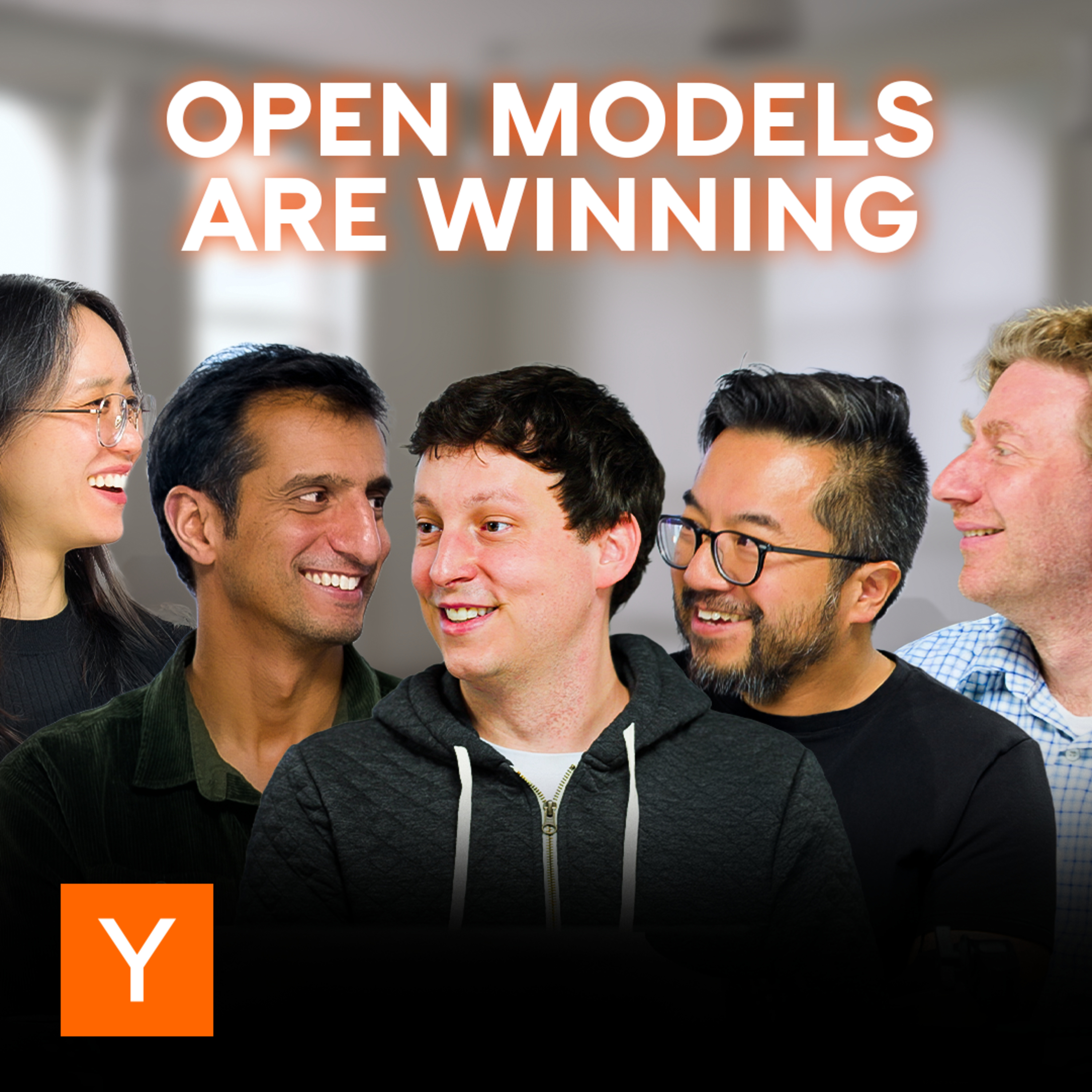 Open Models Change The Economics of AI 12.09.2026 57minOllama (YC W21) is used by 9 million developers and 85% of the Fortune 500, giving co-founder and CEO Jeffrey Morgan a unique view into which AI models people are actually using and how that’s changing.Right now, the biggest shift he sees is toward open models, driven by coding agents, falling costs, and capabilities that are rapidly catching up to the frontier labs. On Ollama Cloud, that shift has driven a 150x increase in token usage since the start of the year.In this episode of the Lightcone, Jeff joins us to talk about the future of open models and the story behind Ollama, from two years of searching for the right idea to building one of the most widely used AI developer tools in the world.
 -
 Paul Graham On Startups, Ambition, and Great Founders 05.09.2026 21minYC Visiting Partner Vivian Shen sits down with Paul Graham at the original YC office in Mountain View to talk about startups, AI, ambition, and what makes great founders.
 -
 The World’s Largest Electric Aircraft Just Flew 04.09.2026 14minHeart Aerospace (YC W19) just flew the largest electric airplane ever flown — a 100-foot wingspan, a takeoff weight of 25,000 pounds, and $5 of electricity to get it off the ground.In this episode of Hard Tech, YC's Gustaf Alströmer visits Heart's pilot plant in LA and sits down with co-founder and CEO Anders Forslund to find out how they went from a 3D-printed model to a full-scale electric aircraft in seven years, why the jet engine has left short flights behind, and what cheap electric flight could unlock for the future of regional air travel.
 -
 Max Junestrand: You Need The Willingness To Learn Faster Than Anyone Else 29.08.2026 59minToday, more than 3% of the world’s lawyers use Legora, and the company has grown from $1 million to $100 million in ARR since launching in October 2024.At Startup School 2026, Legora co-founder and CEO Max Junestrand shares how they built one of the fastest-growing enterprise software companies in the world, from cold emailing lawyers and moving into a customer’s office to freezing sales for six months to rebuild the product. He explains why building a company is ultimately about people, how to create a culture that wants to win, and why founders have to learn to love the hustle.Transcript: https://www.ycrootaccess.com/p/max-junestrand-you-need-the-willingness
 -
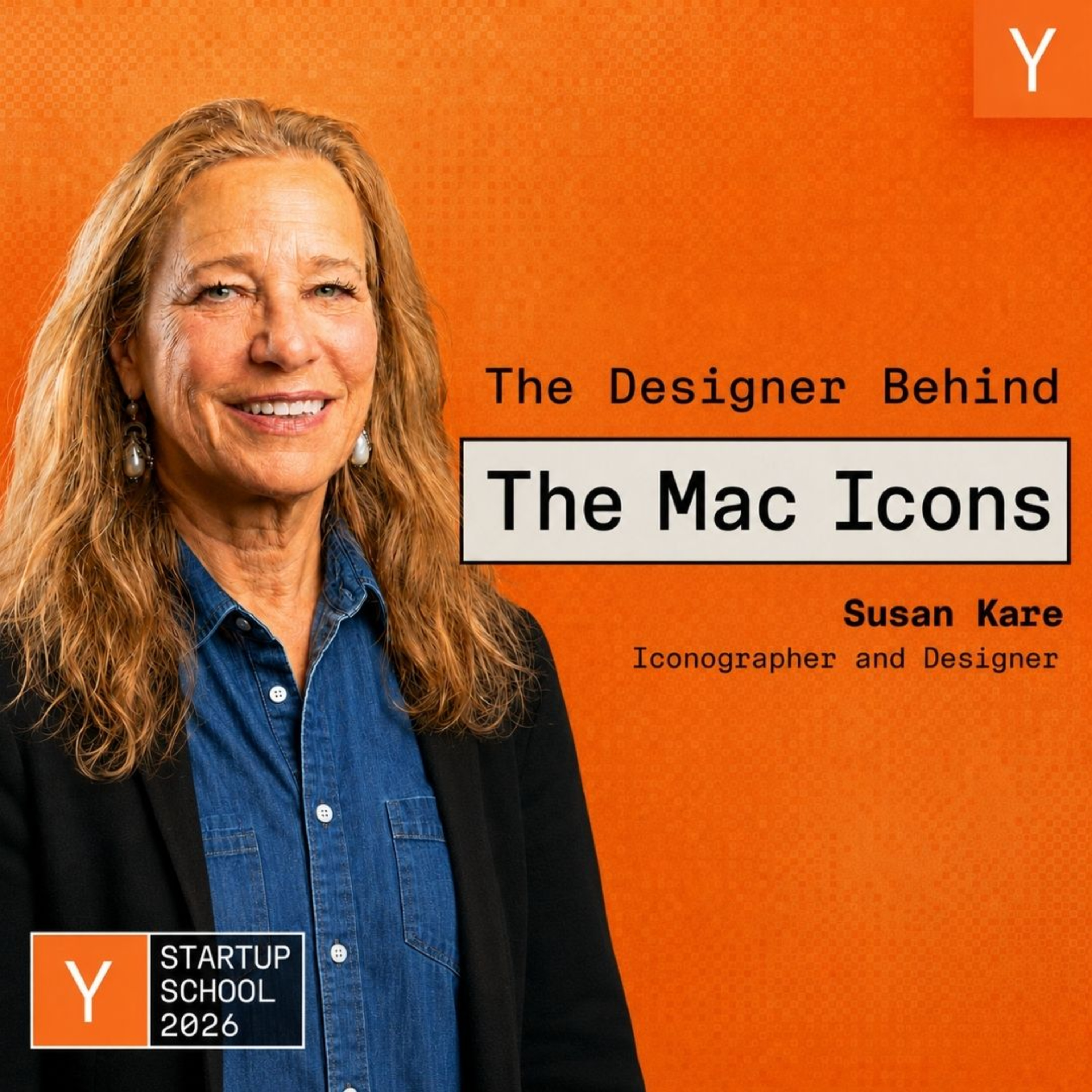 Susan Kare: Designing Icons & Graphics For the Original Mac 28.08.2026 51minSusan Kare joined Apple as an art history PhD who barely knew anything about computers. She went on to design many of the icons, typefaces, and symbols that helped make the original Macintosh feel understandable and human, defining a visual language for personal computing that still influences software today.At Startup School 2026, Susan shares the stories behind the Happy Mac, Command key, Chicago font, and more, along with the design lessons she learned from Steve Jobs, Paul Rand, and the original Mac team: make things meaningful and memorable, embrace constraints, iterate constantly, and use just enough detail to make an idea instantly clear.Transcript: https://www.ycrootaccess.com/p/susan-kare-on-designing-the-original
 -
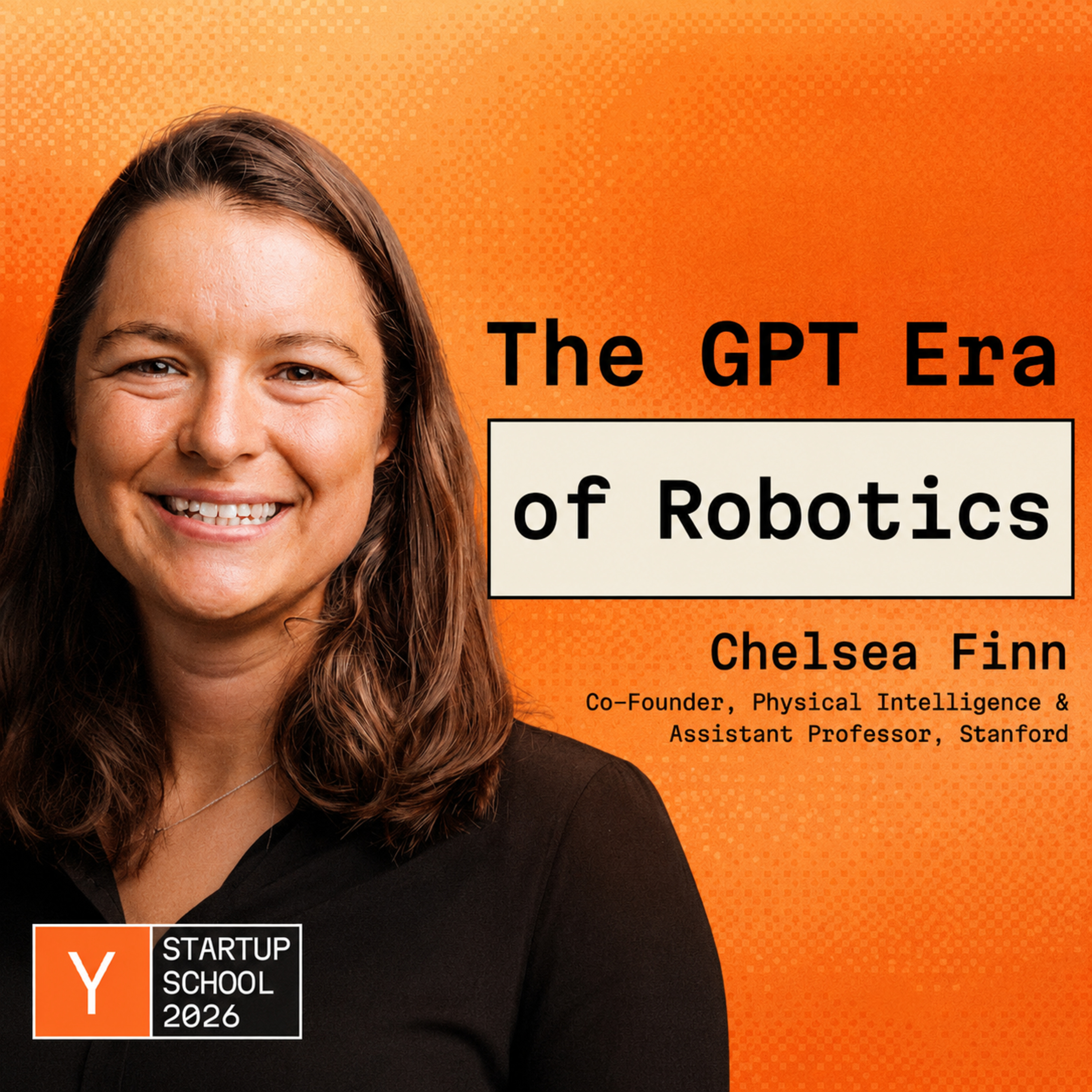 Chelsea Finn: This is the State of the Art in Robotics 13.08.2026 58minRobots can already fold laundry, make espresso, clean kitchens, and assemble things. The harder problem is getting them to do those tasks reliably, for long periods of time, without a human babysitting them.At Startup School 2026, Physical Intelligence cofounder Chelsea Finn explains what it takes to build general-purpose robots that work in the real world. She shares how reinforcement learning pushed robot throughput up 2x, how their systems can run autonomously for hours, and why she believes robotics is entering its GPT era: moving from specialized models toward general-purpose systems that can work across tasks, robots, and environments.Transcript: https://www.ycrootaccess.com/p/chelsea-finn-on-the-next-decade-in
 -
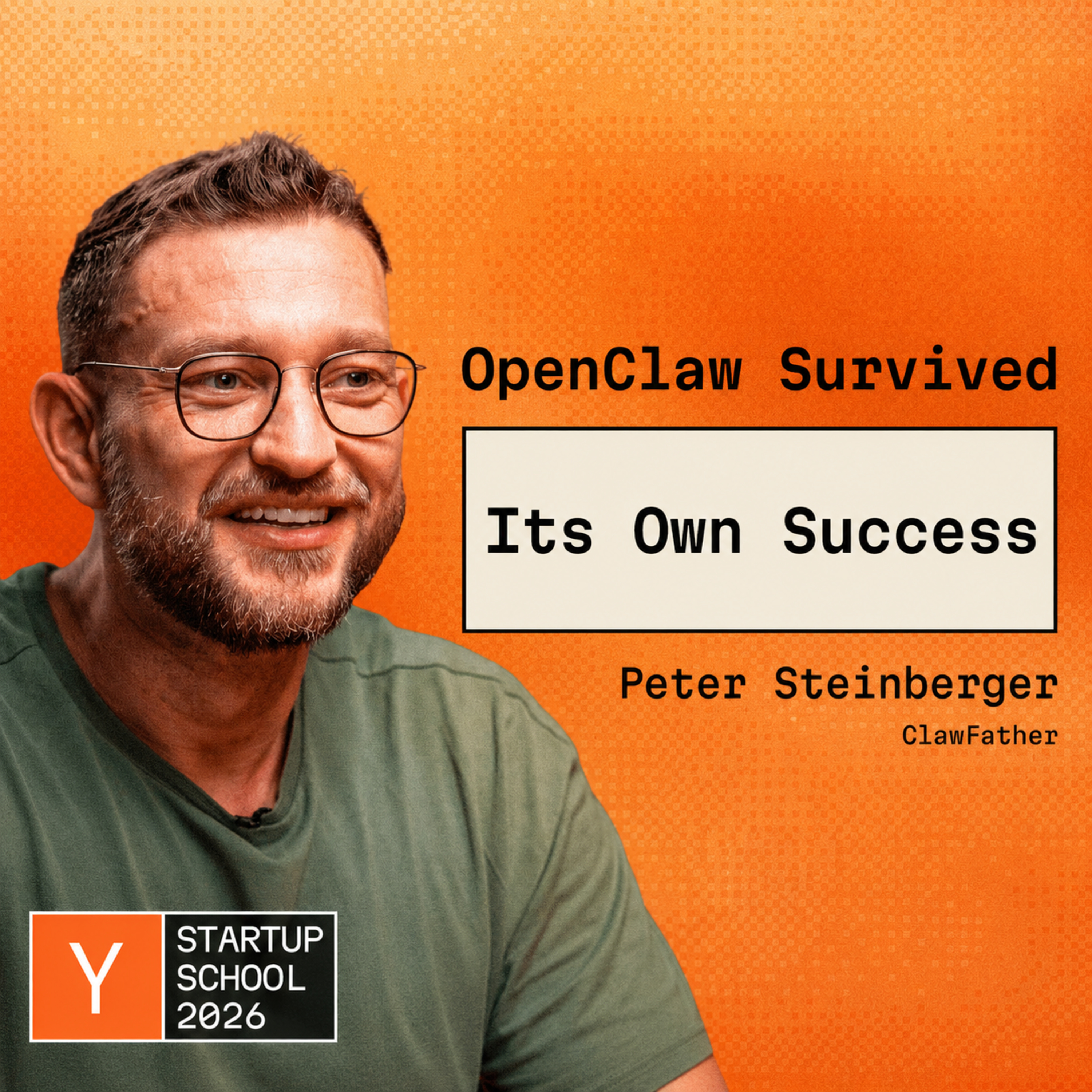 Peter Steinberger: "Fun Is Velocity" 11.08.2026 41minLast November, Peter Steinberger was annoyed that there was no good way to talk to his coding agents from his phone, so he built one himself. A few months later, OpenClaw had exploded into one of the biggest open source AI projects in the world, with nearly 3,000 contributors and a peak of 4.7 million weekly downloads.At Startup School 2026, Peter tells the story of what happened when OpenClaw took off, what he got wrong as it grew, and how he eventually stopped using the product he had built for himself.He shares why the best products often start with something that annoys you, why focus matters more as building gets easier, and why, in his words, “fun is velocity.”Transcript: https://www.ycrootaccess.com/p/peter-steinberger-what-happens-when
 -
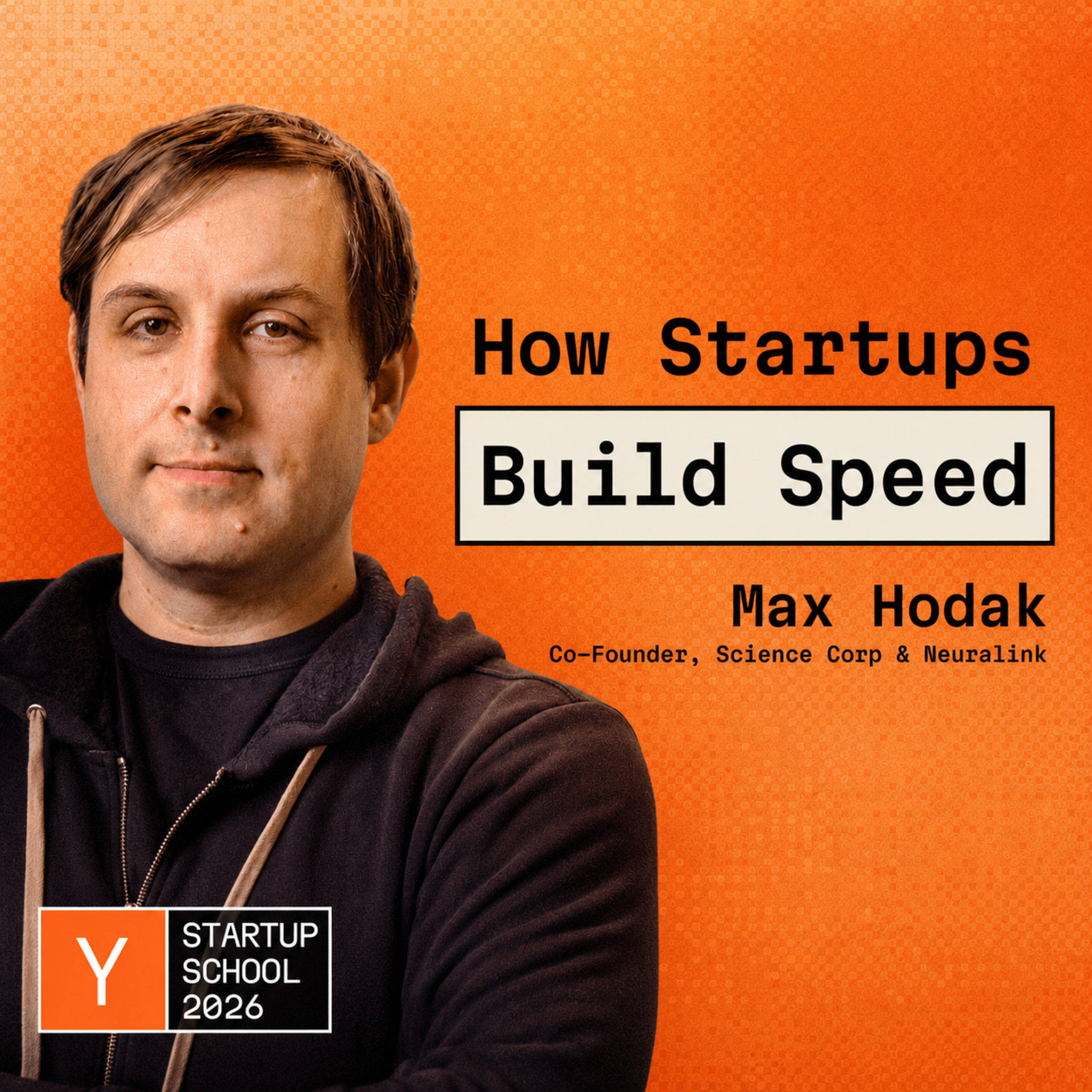 Max Hodak: How Startups Build Speed 10.08.2026 57minScience is building a retinal implant that restores vision to people who have gone blind. One patient has already used it to read a 300-page novel.Building a company like that requires a lot more than getting the technology right. At Startup School 2026, Science CEO Max Hodak explains how the company buys things and hires people, and why those systems determine how fast it can move.He also gets into why founders can’t delegate their judgment, and why there’s no set of five bullet points that makes a startup work.Transcript: https://www.ycrootaccess.com/p/max-hodak-there-are-no-blanket-rules
 -
 How To Design In The Agent Era 07.08.2026 56minAI isn't just changing the tools designers use. It's changing how they build, ship, and stand out. In this episode of Design Review, Stephen Haney, founder of AI-native design tool Paper, joins YC General Partner Aaron Epstein to demo the agent-first workflow that's making Paper one of the fastest-growing design tools since Figma. Using live redesigns of user-submitted websites as examples, they break down the most common AI design tells, show how to fix them in seconds, and explain why the biggest risk for founders isn't moving too slow, it's shipping something that looks like everyone else.
 -
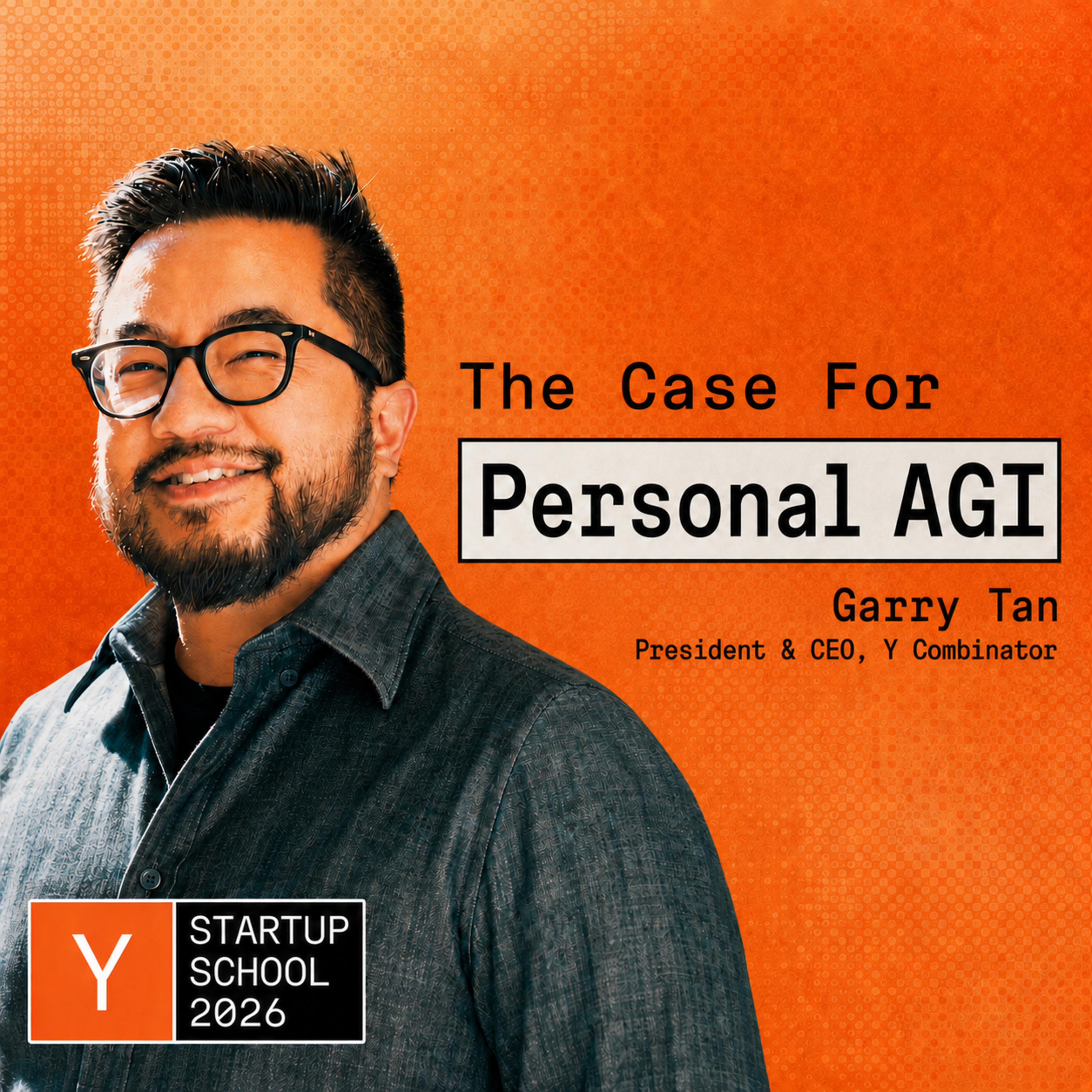 Garry Tan: Own Your Intelligence 06.08.2026 42minThe next generation of startups will be built by smaller teams than ever before.At Startup School 2026, YC President & CEO Garry Tan explains why we're entering the era of personal AGI: AI agents that run on your own infrastructure, compound your knowledge over time, and dramatically increase your ability to build. He shares the tools and workflows he uses every day, why every founder should own their intelligence instead of renting it, and what it means to build under your own power.Transcript: https://www.ycrootaccess.com/p/garry-tan-own-your-intelligence
 -
 Building the First Data Centers in Space 05.08.2026 36minPhilip Johnston is the co-founder and CEO of Starcloud, the company building data centers in space. In November 2025, Starcloud launched an Nvidia H100 GPU into orbit and trained the first large language model in space. They've since raised $200 million, hit a billion-dollar valuation just 17 months after YC demo day, and filed with the FCC to deploy 88,000 more satellites. In this episode, Philip walks us through their wild origin story, the engineering challenges behind the Starcloud-1, why they booked a SpaceX launch before they even knew what they were building, and how data centers in space make sense both economically and politically.
 -
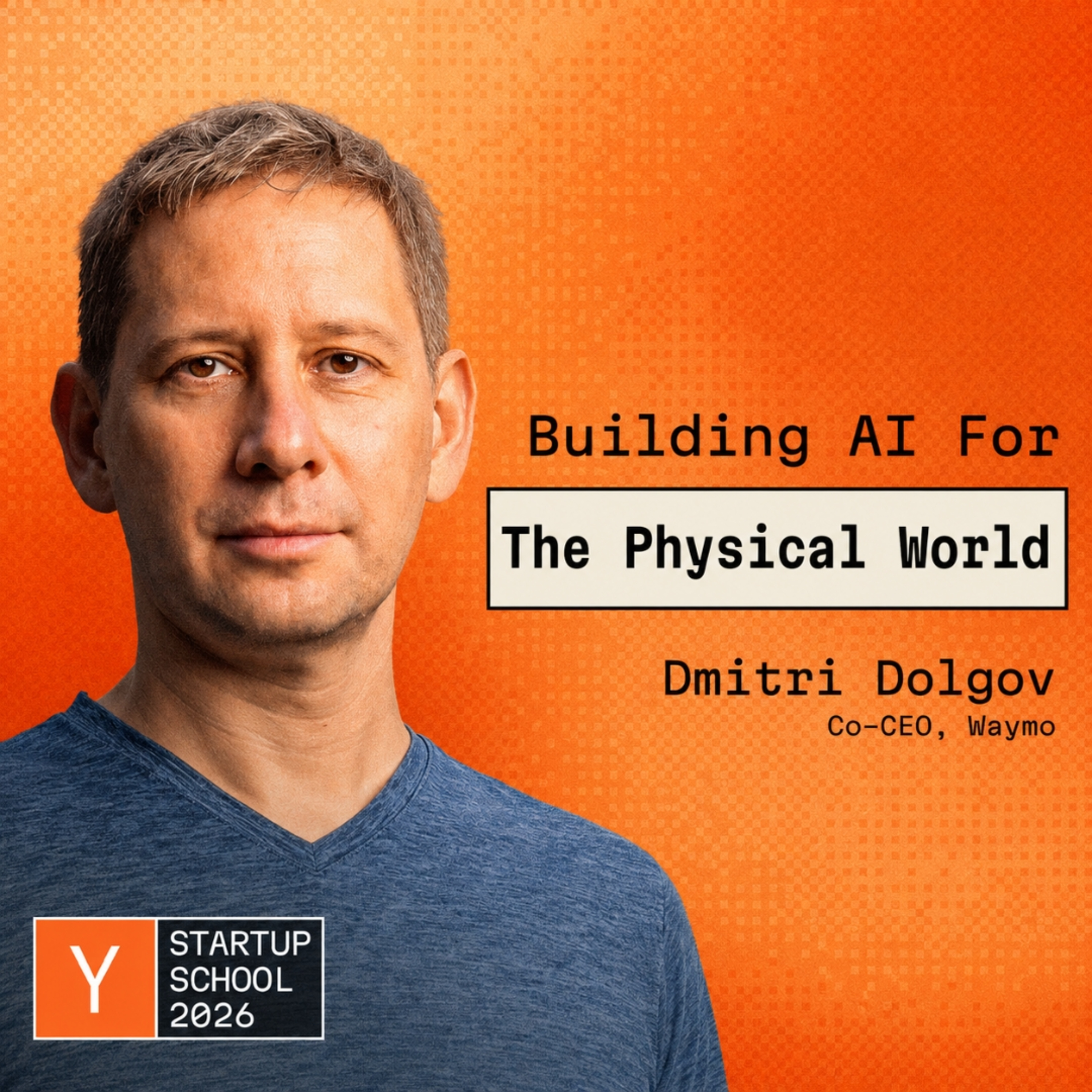 Waymo Co-CEO Dmitri Dolgov: "Move Fast And Ship Safely" 04.08.2026 49minWaymo’s first autonomous demo took eighteen months. The product took fifteen years. Today, the Waymo Driver runs 500,000 trips a week — four million fully autonomous miles across fifteen cities, with 17 times fewer serious-injury crashes than human drivers.At Startup School 2026, Waymo co-CEO Dmitri Dolgov shares the seven lessons behind that journey, from bridging the gap between a demo and a real product to building systems that can safely operate in the physical world.Transcript: https://www.ycrootaccess.com/p/dmitri-dolgov-seven-lessons-from
 -
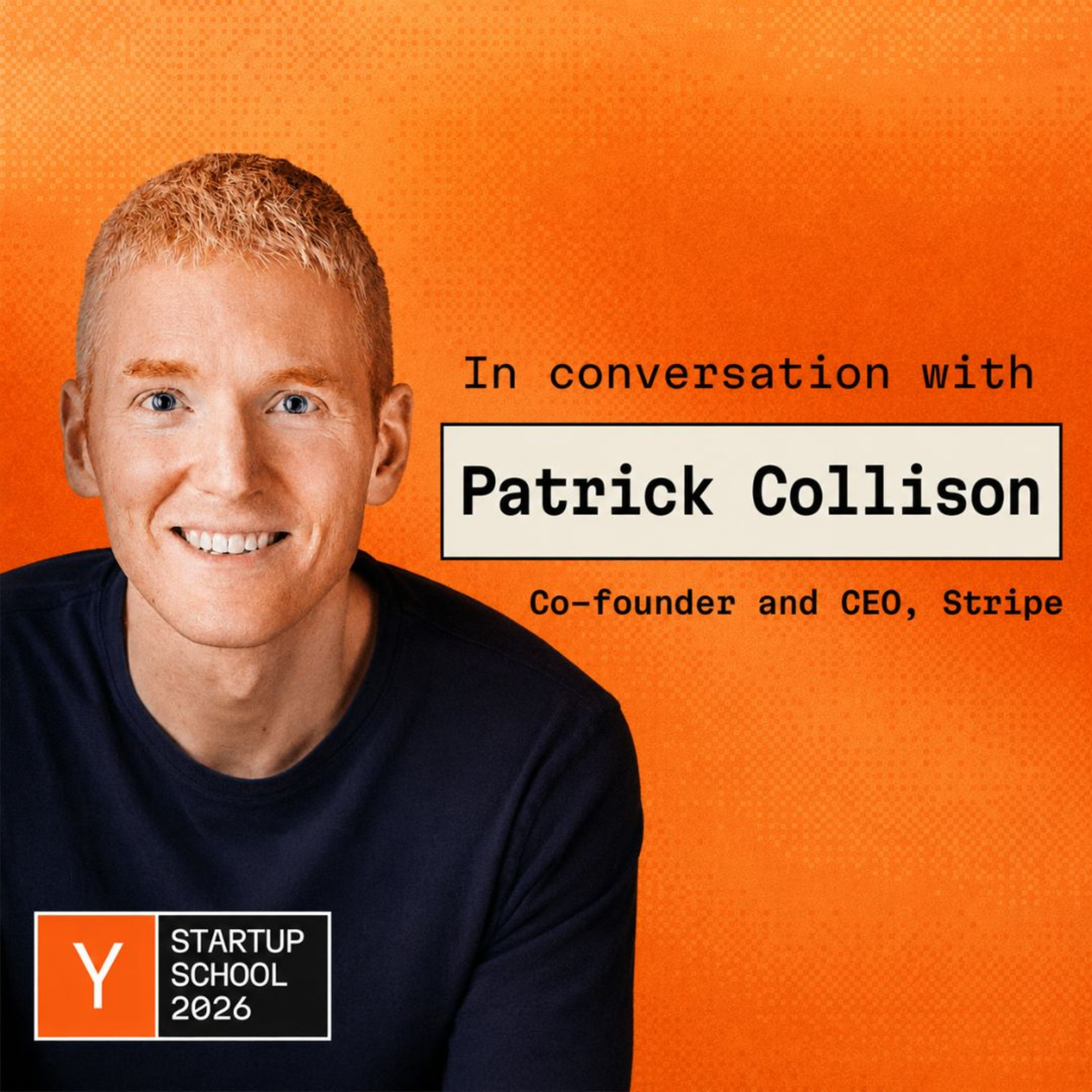 Patrick Collison: "What If You Succeed?" 03.08.2026 30minIn 2009, Patrick and John Collison went to Startup School in Berkeley, got sushi in Potrero Hill afterward, and decided on the walk home to start Stripe. The reasoning, as Patrick remembers it, was that “we might as well because it probably won't be that hard.”It took two years to launch.Seventeen years later, at Startup School 2026, he talks with YC's Harj Taggar about dropping out of MIT twice, why founders should ask what happens if they succeed, and what Stripe's own data says about the best time to start a company.
 -
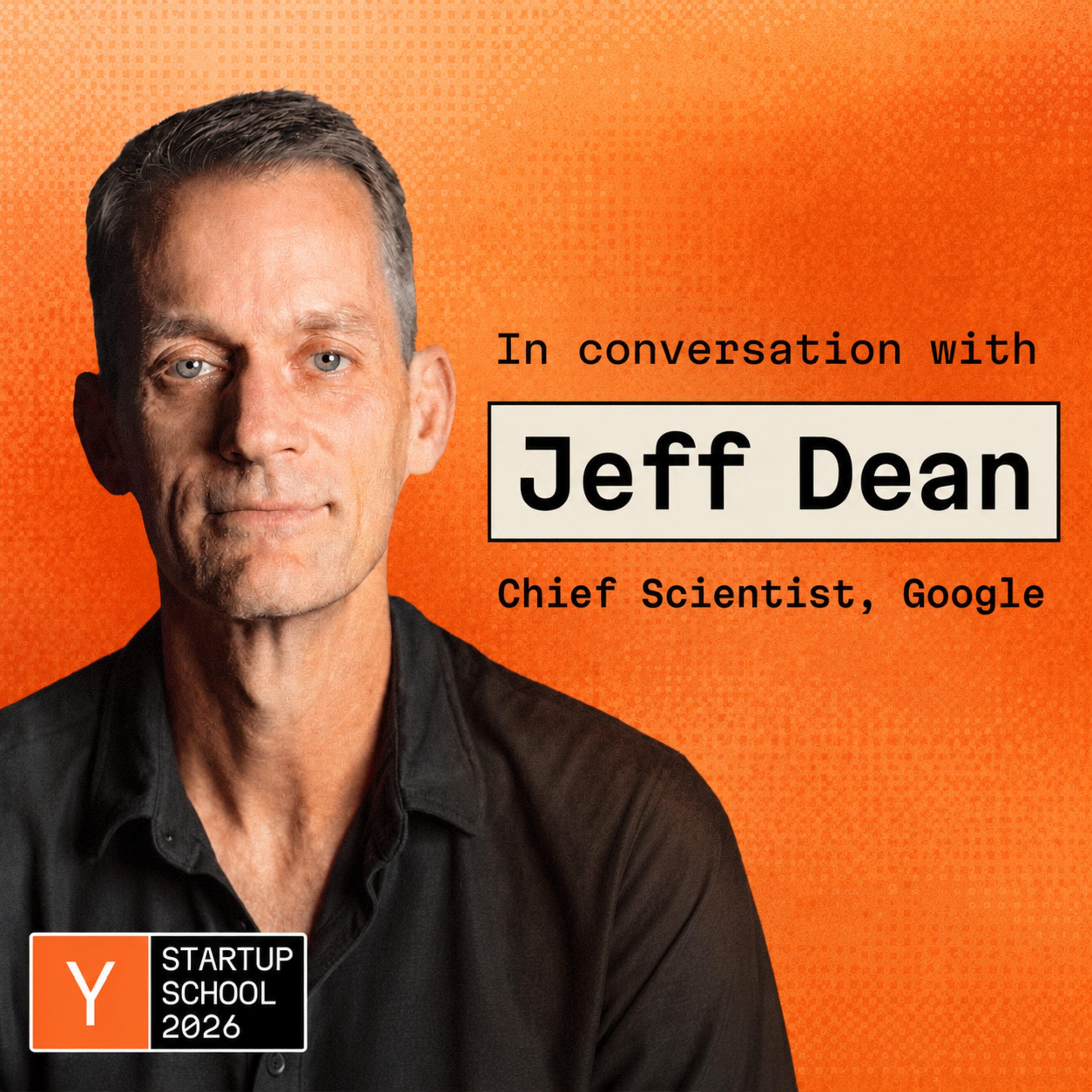 Jeff Dean: The 1% Rule for Building in AI 01.08.2026 57minIn 2001, Jeff Dean and Sanjay Ghemawat did the math and realized Google’s entire search index would fit in RAM — then shipped it in a few days, and search got fast. In 2013, another napkin calculation showed that three minutes of daily speech recognition per user would require doubling Google’s server fleet. That one became the TPU. At Startup School 2026, Google’s Chief Scientist talks with YC’s Diana Hu through the thought experiments behind both, why inference hardware is the next specialization, and where two or three people in a room can still win.Transcript: https://www.ycrootaccess.com/p/jeff-dean-the-1-rule-for-building
 -
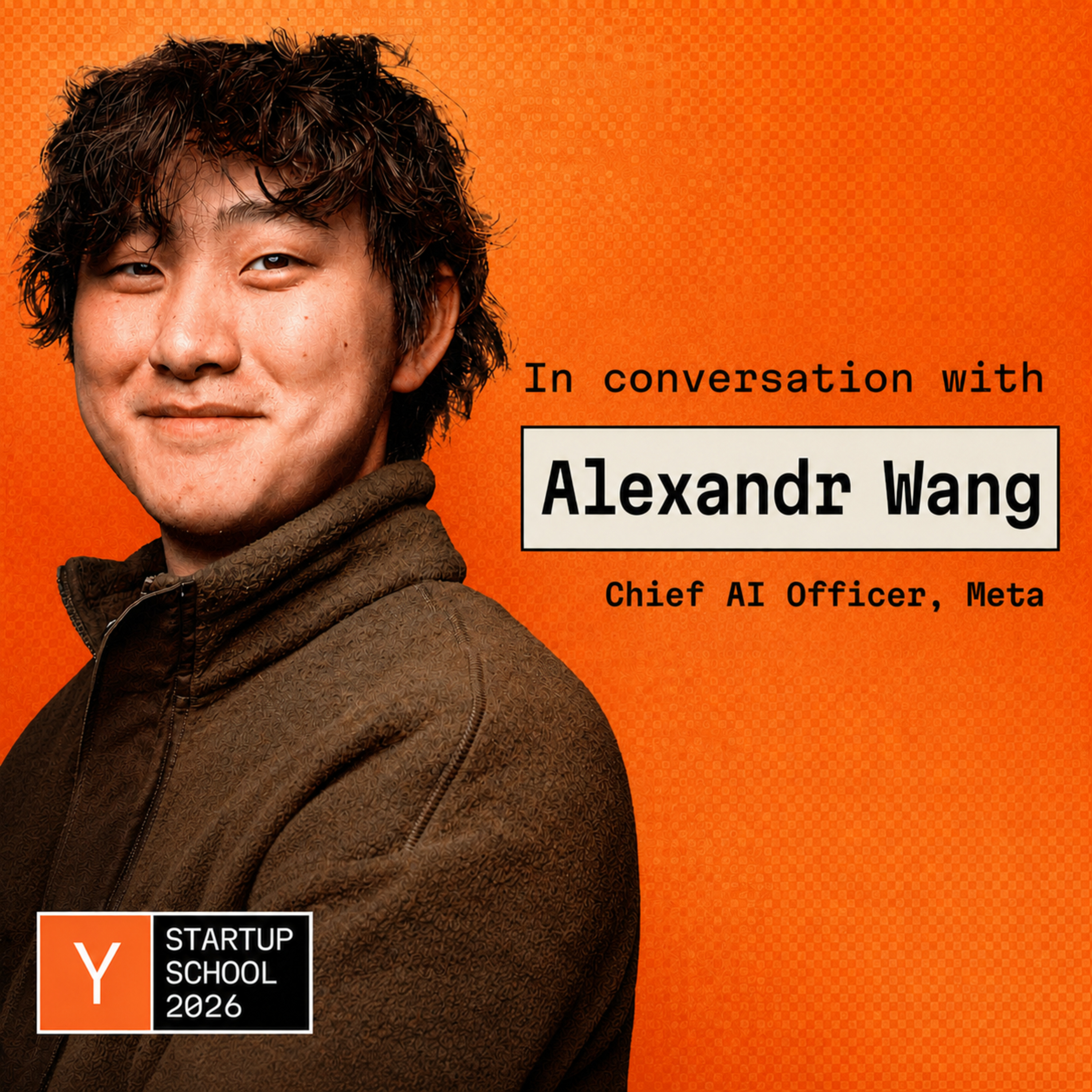 Alexandr Wang: “This is a Once-in-a-Civilization Opportunity” 31.07.2026 32minAlexandr Wang's advice to his 18-year-old self: develop your own internal compass for how the future will unfold, and hold conviction in it against the noise. At Startup School 2026, the Scale AI (YC S16) founder — now leading Meta's Superintelligence Labs — talks with Garry Tan about rebuilding a frontier lab from scratch, why talent density compounds, and how to spot the exponential worth betting your twenties on.
 -
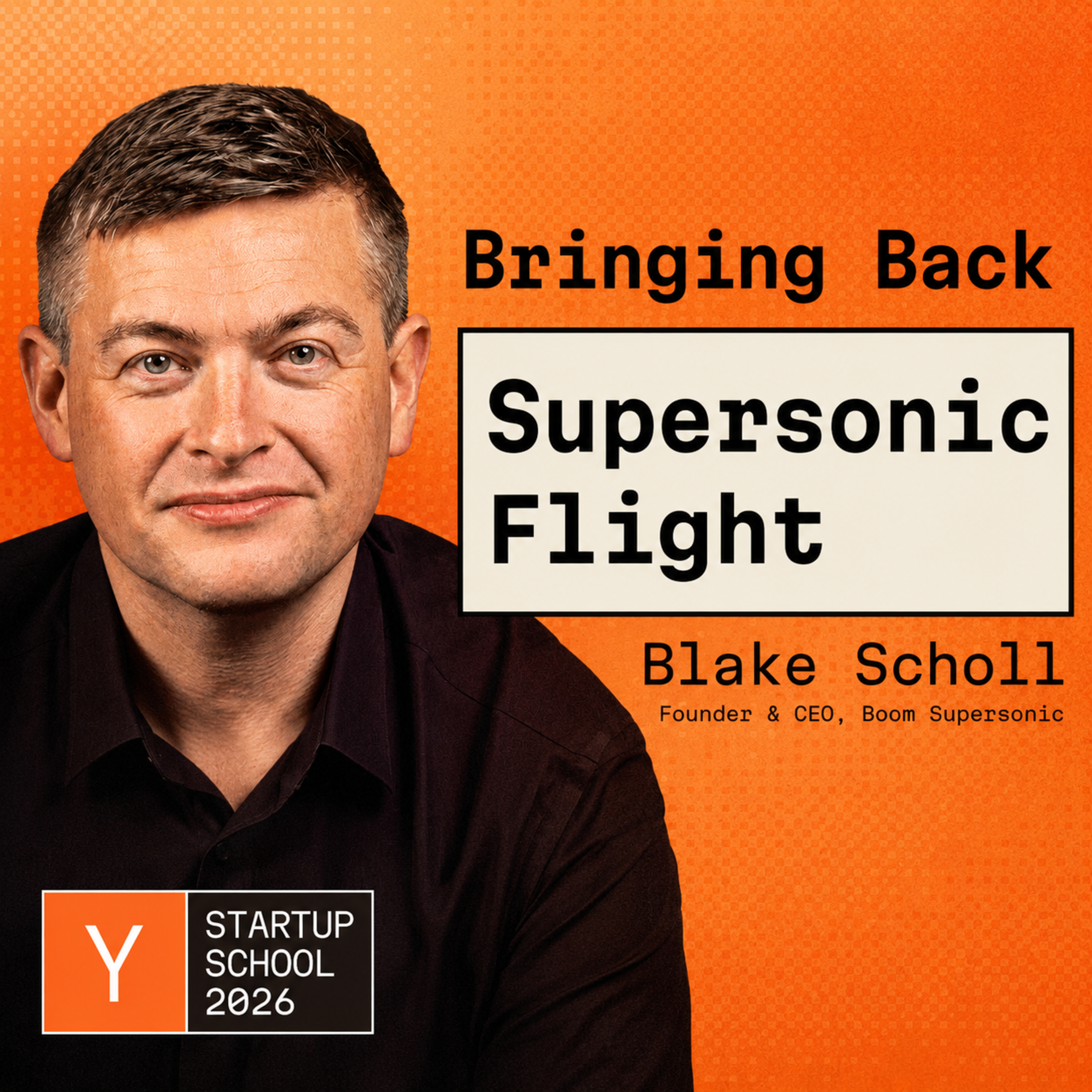 Blake Scholl: Breaking the Supersonic Ban 29.07.2026 50minIn 1969, we landed on the moon and flew Concorde. Half a century later, we could do neither.Blake Scholl founded Boom Supersonic (YC W16), the startup building America’s first supersonic airliner, to change that. At Startup School 2026, he shares how a cardboard mockup with Office Depot seats became XB-1, the first independently developed jet to break the sound barrier, and why founders have to build for both the worst day and the best day.He also answers founder questions about teaching yourself hard things, breaking into hardware without the right resume, and finding work-life harmony while building something ambitious.
 -
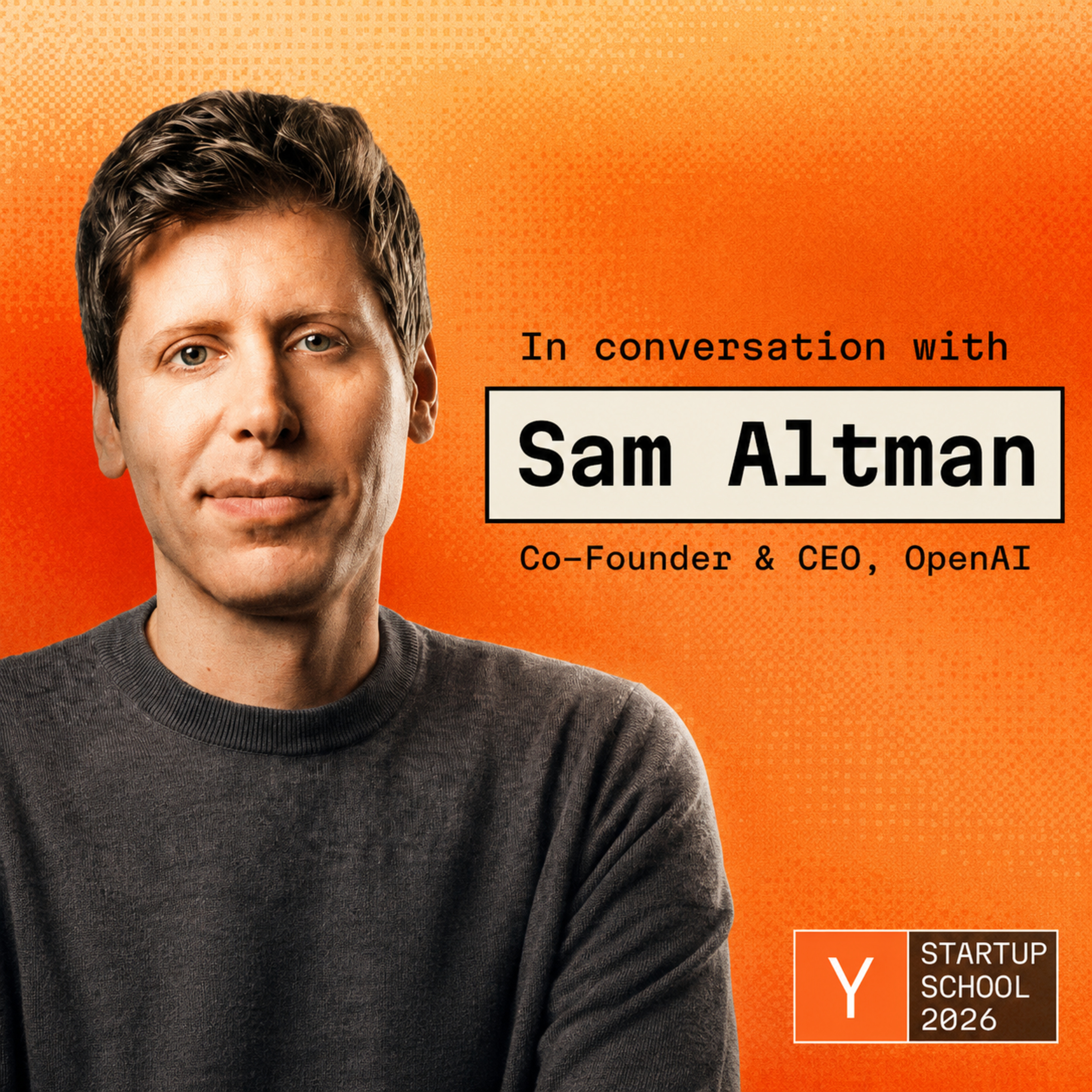 Sam Altman: "Never a Better Time to Do a Startup" 28.07.2026 39minIn 2005, Sam Altman was a Stanford sophomore in YC’s first batch, building a startup in a little Cambridge office while Paul Graham cooked the founders dinner. Twenty years later, as co-founder & CEO of OpenAI, he closed Startup School 2026 in conversation with YC's Garry Tan — on agents, ambition, and why the ceiling for what a startup can take on has never been higher.
 -
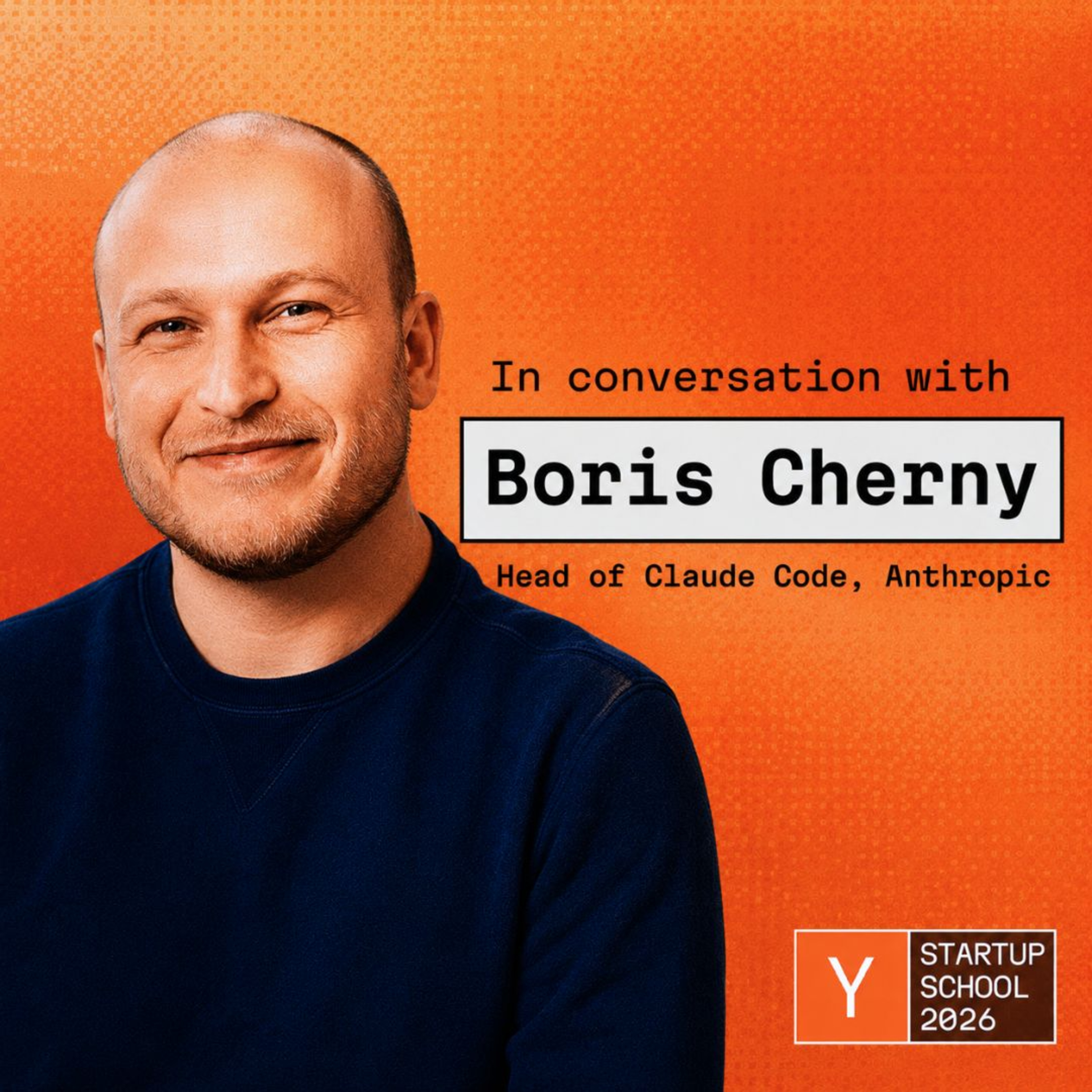 Boris Cherny: Building Claude Code 28.07.2026 36minFresh off the launch of Opus 5, Claude Code creator Boris Cherny joins Diana Hu at Startup School 2026 to talk about what the newest models can do, how Claude Code came to be, and what it means to build products when the underlying capabilities keep accelerating.
Podobni podkasti


Priljubljen v
Ta podkast je tudi v lestvicah podkastov teh držav.
-
 Panama
-
 Katar
Katar
-
 Jemen
Jemen
-
 Uzbekistan
-
 Burkina Faso
-
 Armenija
-
 Bolgarija
-
 Luksemburg
-
 Malavi
-
 Šrilanka
-
 Libanon
-
 Zambija
-
 Črna gora
-
 Singapur
-
 Sierra Leone
-
 Estonija
-
 Kenija
-
 Latvija
-
 Pakistan
-
 Angola
-
 Hrvaška
-
 Paragvaj
-
 Slonokoščena obala
-
 Nepal
Nepal
-
 Gana
Gana
-
 Bosna in Hercegovina
-
 Mauritius
-
 Združeni arabski emirati
-
 Madžarska
-
 Mongolija
-
 Oman
Oman
-
 Litva
Litva
-
 Zimbabve
-
 Venezuela
-
 Srbija
-
 Nikaragva
-
 Kirgizistan
-
 Islandija
-
 Albanija
-
 Čad
Čad
-
 Moldavija
-
 Ruanda
-
 Mali
Mali
-
 Malezija
-
 Nigerija
-
 Slovenija
-
 Jordanija
-
 Ukrajina
-
 Filipini
-
 Indija
-
 Romunija