
The Global Dialogue - A PGAN Podcast
The Global Dialogue
0
The Global Dialogue is an English-language podcast focused on foreign affairs and international relations. It is produced by PGAN, a global network of internationally educated scholars and professionals spanning more than 70 countries. The show features regular conversations and analysis on global issues. It has gained millions of views and tens of thousands of subscribers across its first 15 episodes.
Epizode
-
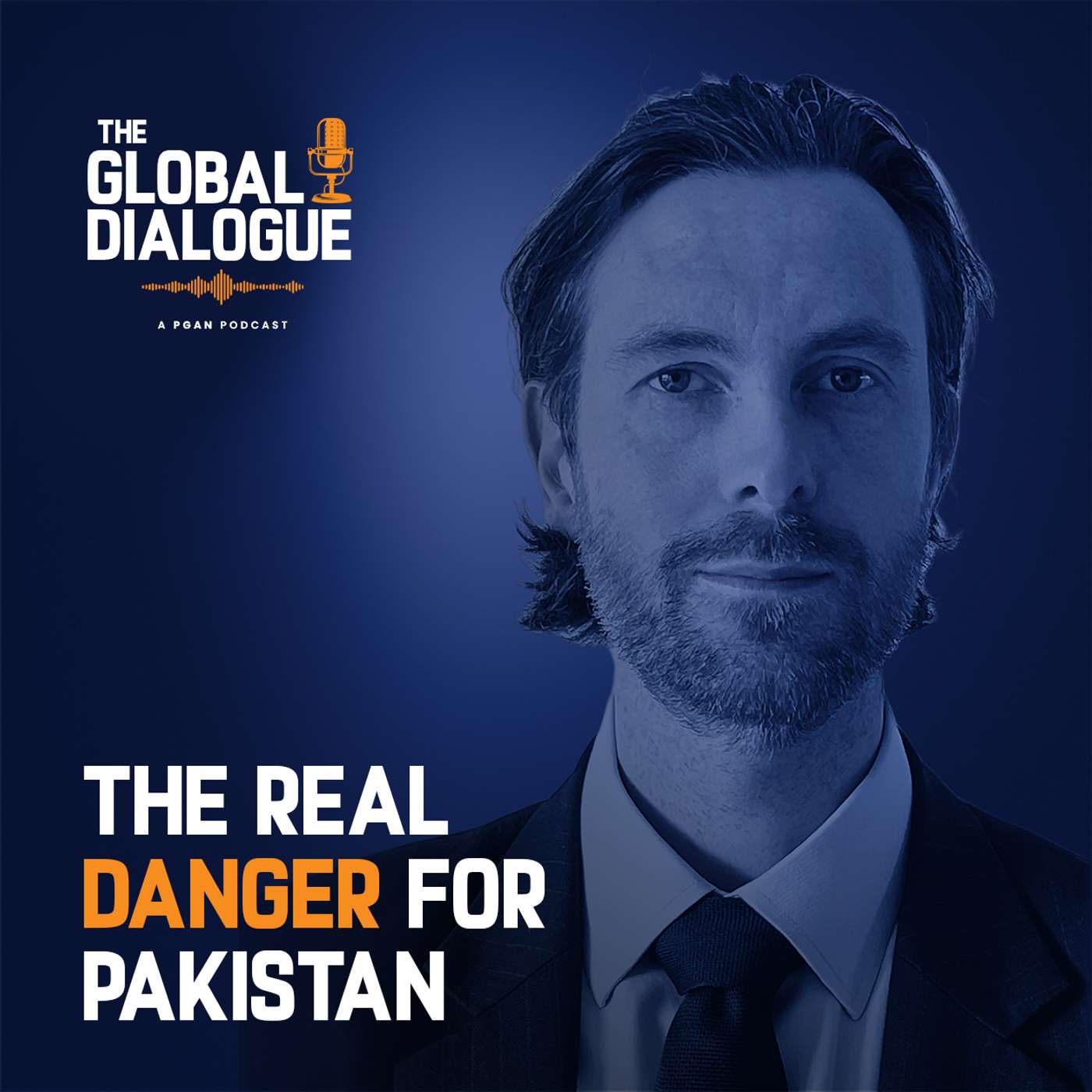 India Can't Turn Off Pakistan's Water Tomorrow | Dan Haines 10.09.2026 53minIn this episode of The Global Dialogue, Professor Dan Haines examines the history, politics and future of one of the world’s most consequential water-sharing arrangements: the Indus Waters Treaty between Pakistan and India.Haines explains what India can — and cannot — realistically do to the western rivers, why Pakistan may be particularly vulnerable on the Chenab, and why the loss of hydrological data sharing could create serious operational challenges even before major new infrastructure is built.The discussion also looks beyond geopolitics. Professor Haines examines the devastating 1935 Quetta earthquake, the colonial roots of disaster management in South Asia, Pakistan’s experience with the 2022 floods, and why he argues that there is ultimately “no such thing as a natural disaster” — only natural hazards interacting with human vulnerability.00:00 Intro01:27 What Connects a Dam in Sindh to a Fault Line in Quetta?03:16 Why Does the 1935 Quetta Earthquake Still Matter?07:27 What Made the British Empire Care About the 1935 Quetta Earthquake?10:30 What Did the Military Get Right in the Emergency Response?15:30 Quetta Got Earthquake-Resistant Building Codes — Were They Enforced? Does Motive Matter?18:25 Why Were Pakistan’s 2010 and 2022 Floods So Deadly Despite Infrastructure and Warning Systems?21:54 Is Pakistan’s Flood Problem About Land Use, Construction or Rainfall?24:33 Are More Dams the Solution to Pakistan’s Floods?26:44 What Did Pakistan and India Gain and Give Up Under the Indus Waters Treaty?34:06 India Put the Treaty in Abeyance — Was the Advice Against Renegotiation Vindicated?37:35 If India Rejects the Court of Arbitration, What Is Left of the Treaty?41:31 Is the Indus Waters Treaty Comparable to the Harmon Doctrine?43:46 India Says “Not a Single Drop” Will Enter Pakistan — What Can It Practically Do?47:33 Is the Indus Waters Treaty Obsolete in the Age of Glacial Retreat and Shifting Monsoons?50:27 What Can Pakistan Do Better on Natural Disaster Management?The Global Dialogue is a podcast by the Pakistan Global Alumni Network (PGAN), bringing together leading thinkers, policymakers, academics and practitioners for substantive conversations on the forces shaping our world.
 -
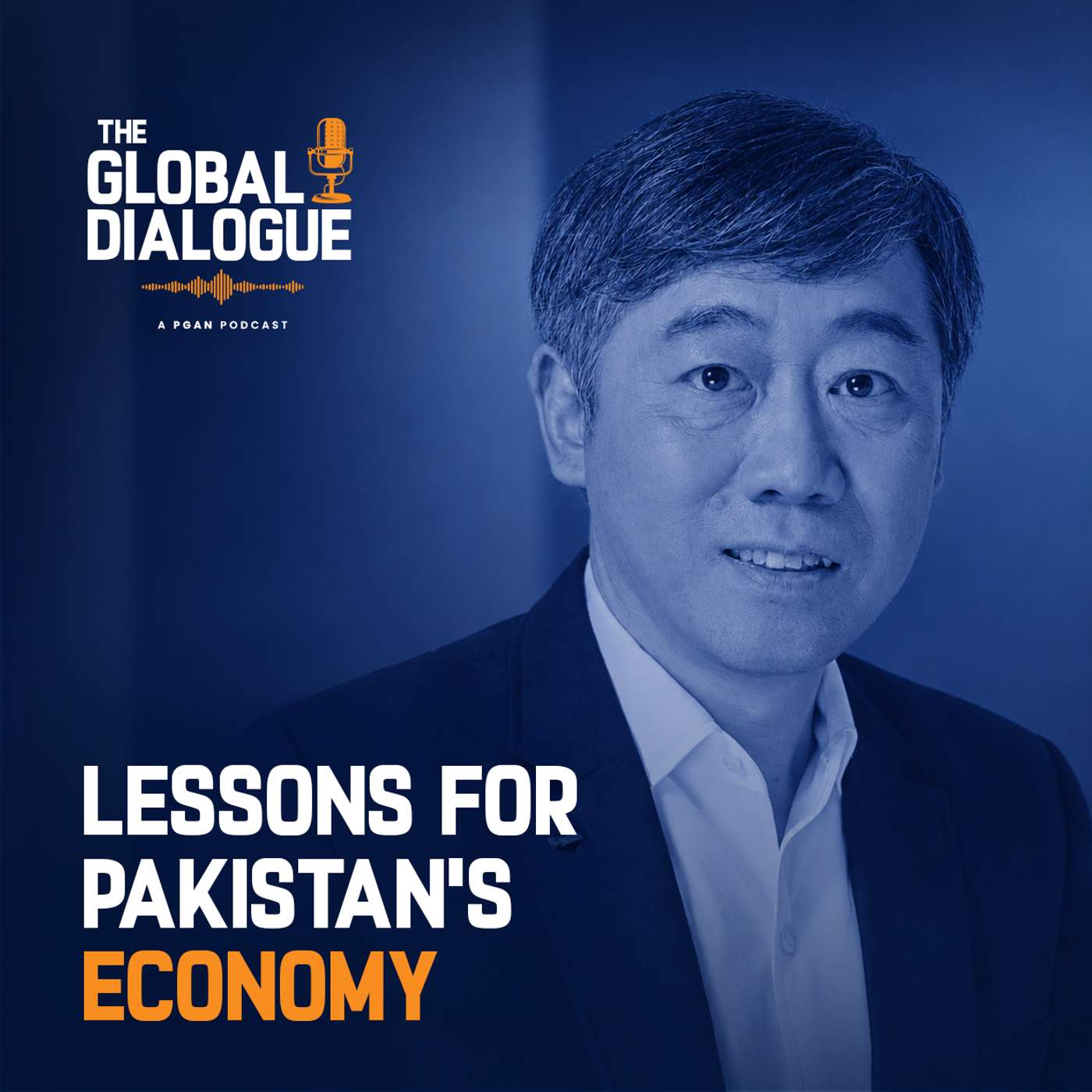 Why Pakistan Is Stuck And How China Took Off | David Daokui Li 10.09.2026 55minWhy does Pakistan keep returning to the IMF while China achieved one of the most dramatic economic transformations in modern history? Professor David Daokui Li argues that Pakistan may be following the wrong economic playbook for its stage of development.In this episode of The Global Dialogue, David Daokui Li — Professor at Tsinghua University, Director of the Academic Center for Chinese Economic Practice and Thinking (ACCEPT), former member of the People’s Bank of China’s Monetary Policy Committee, and founding Dean of Schwarzman College — explains what Pakistan can actually learn from China’s rise.Professor Li challenges conventional thinking about the Washington Consensus, arguing that developing economies need to focus first on achieving economic “takeoff” before pursuing the policies designed for mature economies.00:00 Intro01:26 Why Pakistan Keeps Relying on External Financing & Washington Consensus03:44 Beijing Consensus vs China’s Real Growth Model07:05 Can Pakistan Unlearn the Washington Consensus?08:45 How China Overtook Pakistan After 197816:28 Why Chinese Officials Think Like Business Executives19:17 How Can Pakistan Break Free From Bureaucratic Constraints?21:58 Why Pakistan’s Bureaucracy Is Afraid to Take Risks25:24 How Shenzhen Became a Global Tech Hub27:02 Why Special Economic Zones Worked in China — But Not Pakistan29:04 China Rejected “Shock Therapy” — Should Pakistan?32:24 What Pakistan Should NOT Copy From China35:16 Is There a China–Pakistan Trust Deficit?39:23 How China and Pakistan Can Understand Each Other Better44:12 How China Turned Brain Drain Into Brain Gain46:30 Mistakes Pakistan Must Avoid During Economic Reform48:12 How China Avoided the Same Economic Traps50:12 David Daokui Li’s Advice for Pakistan’s Leaders53:10 Which Industry Should Pakistan Bet On?The Global Dialogue is a podcast by the Pakistan Global Alumni Network (PGAN), bringing together leading thinkers, policymakers, academics and practitioners for substantive conversations on the forces shaping our world.
 -
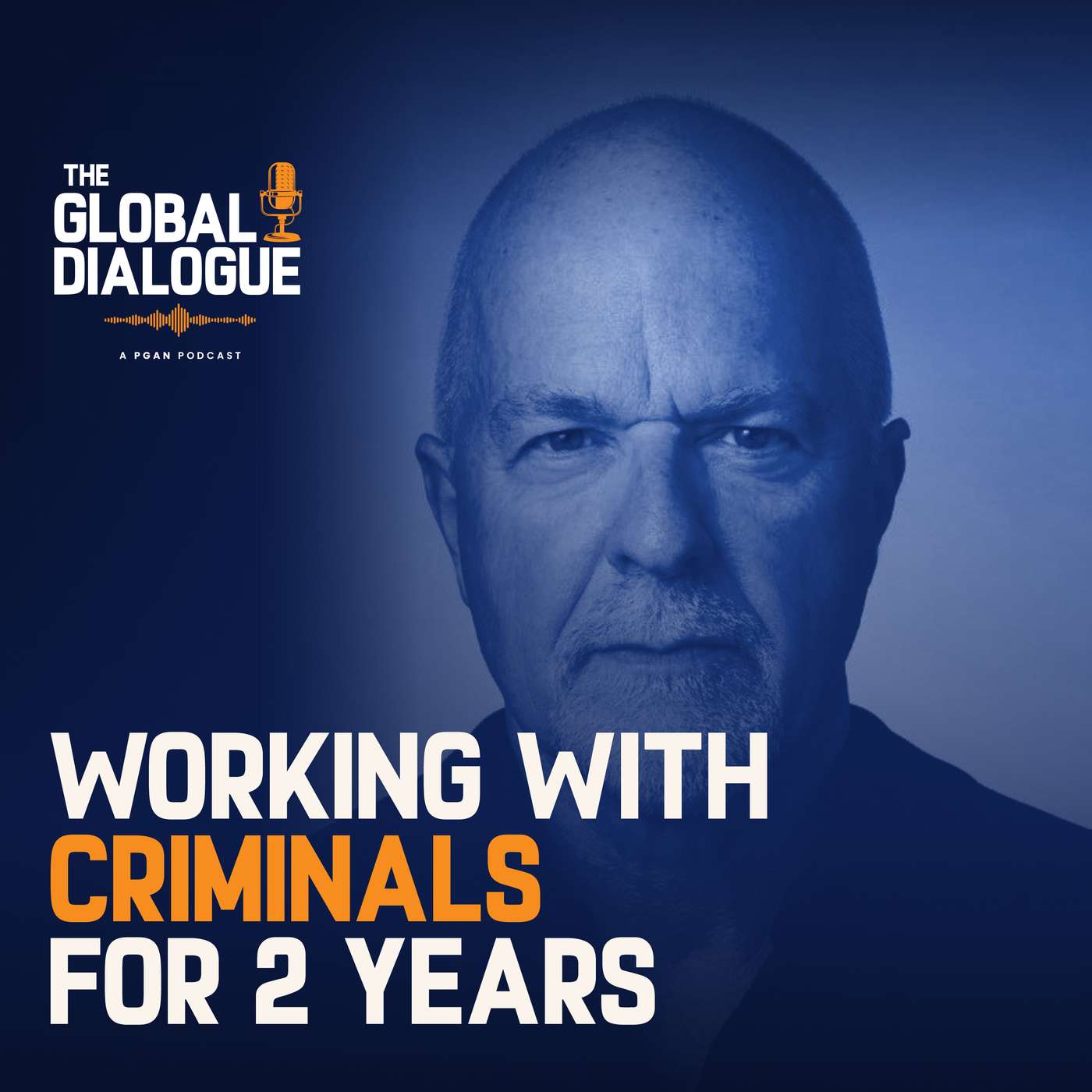 20 Years Undercover: How AI Is Changing Crime, Banks & Money Laundering 13.08.2026 59minChris Mathers spent two decades working undercover in law enforcement, infiltrating criminal networks and gaining the trust of people whose livelihoods depended on detecting deception.In this episode of The Global Dialogue, Chris takes us inside the world of undercover operations, organized crime, money laundering and financial crime. He explains how undercover officers build credibility with criminals, what years inside that world taught him about human nature, and how the methods used to hide illicit money have evolved from the era of Al Capone to the age of cryptocurrency and artificial intelligence.00:00 Intro01:35 What Was It Like Being Undercover for 20 Years as a Law Enforcement Officer?03:30 How Do You Gain the Trust of Criminals While Undercover?05:07 What Made You So Effective, or Dangerous, at Your Job?06:06 What Did Spending Time Undercover Teach You About Human Nature?07:38 Were These Criminals High-Level Operators in Their Field?14:00 The Hawala System: Informal or Inherently Criminal?17:09 Is There No Real Intention to Crack Down on Hawala?18:18 The Anatomy of Money Laundering: How Different Is It Today Compared to Al Capone’s Era?23:45 Where Was It Hardest to Find People Involved in Money Laundering?30:03 Real Estate: The Biggest Money-Laundering Washing Machine?32:54 What Is the Most Powerful AI-Powered Financial Crime Scheme You’ve Seen?37:51 Can Financial Institutions Keep Up With Increasingly Innovative Criminals?41:34 Are Crypto Exchanges Safer Than Traditional Banks?43:24 With AI Advancing So Rapidly, How Can People Feel Safe Keeping Money in Banks?48:16 How Much Harder Would It Be to Get Caught Running a Money-Laundering Operation in the Age of AI?51:11 Pakistan Is Out of the FATF Grey List: What Does That Actually Change?55:10 What Advice Would You Give Pakistan as It Digitizes So Rapidly? Is It a Double-Edged Sword?57:56 Are You Optimistic About the Future? Is the World Winning the Fight Against Financial Crime?To stay in touch, follow Pakistan Global Alumni Network : / pakistanglobalalumninetwork / pakglobalalumni
 -
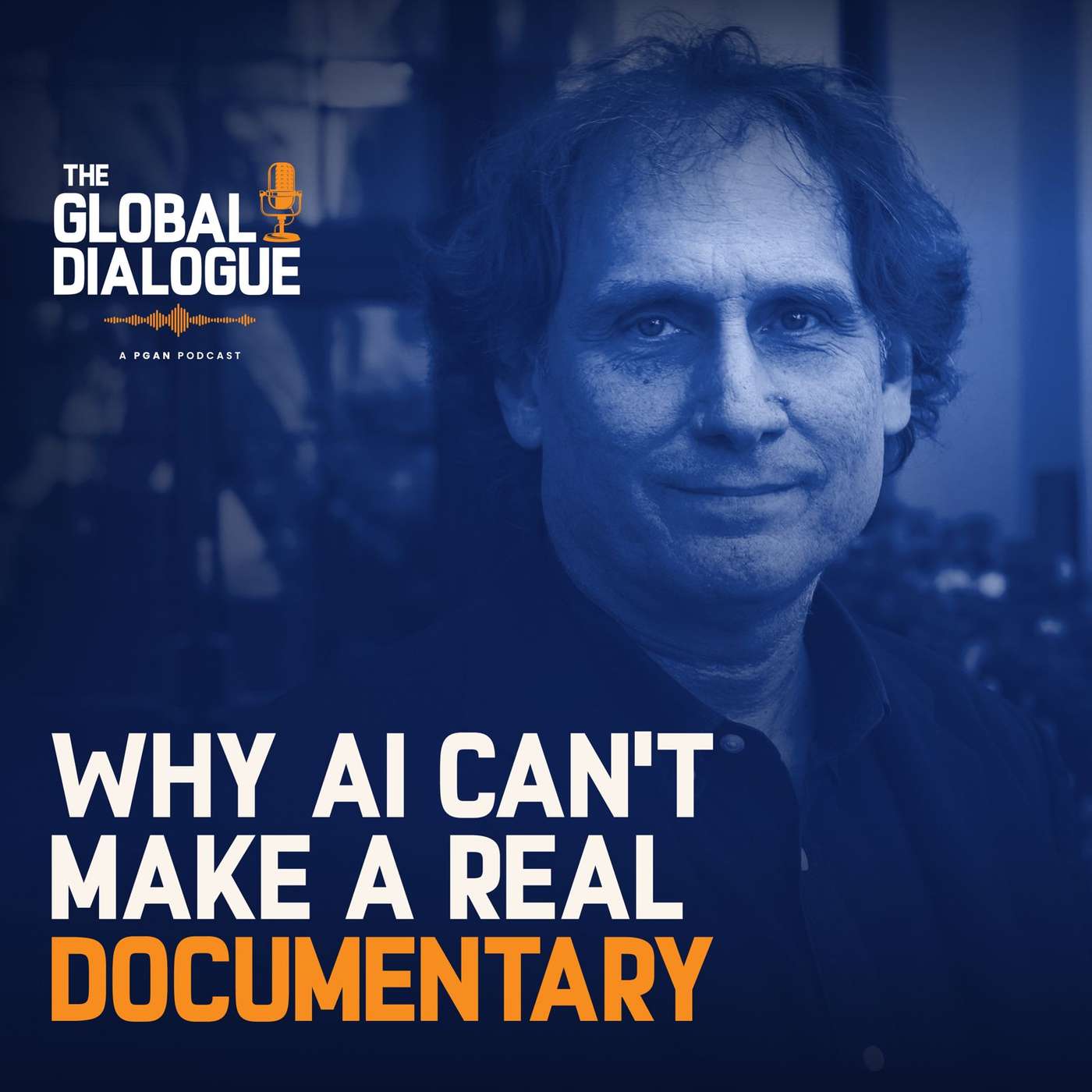 Why AI Can't Make a Real Documentary | Peter Getzels, Emmy-Winning Filmmaker 12.08.2026 36minJoin us on The Global Dialogue as we speak with Peter Getzels — Emmy Award-winning documentary producer, director, cinematographer, and anthropologist.Peter shares his journey from anthropology to filmmaking, his experiences documenting remote communities like the Zanskar Kingdom, and the art of turning complex ideas into compelling visual stories. Peter Getzels is an Emmy Award-winning documentary producer, director, cinematographer, and anthropologist whose work has appeared on National Geographic, the BBC, PBS, Discovery Channel, and other major international platforms. Across a career spanning several decades, he has produced films on culture, science, history, and the human experience, combining rigorous research with compelling visual storytelling.Chapters00:00 Intro01:41 How Did an Anthropologist Become a Filmmaker?03:30 What Drew You to Film?05:06 What Keeps You Motivated to Make Films?06:08 A Life-Changing Travel & Filmmaking Experience08:27 Filming in the Zanskar Kingdom15:48 Where Can You Watch This Film?16:23 Do Documentary Subjects Become Lifelong Friends?17:51 The Most Significant Discovery from Closer to Truth18:47 Visualizing Cosmology & Consciousness20:21 How a Documentary Project Begins22:22 When Research Trips Don't Become Films23:25 Independent Documentary Filmmaking in 202625:02 How Streaming Platforms Changed Documentary Filmmaking27:42 Can Documentary Filmmaking Survive AI?30:15 Documentary Films as a Tool of Public Diplomacy32:25 Why Editorial Control Matters34:04 Advice for Aspiring Documentary FilmmakersSubscribe for more conversations with global experts on The Global Dialogue, a podcast by Pakistan Global Alumni Network (PGAN)
 -
 Why China Won’t Collapse 31.07.2026 1hDoes the West keep getting China wrong? Princeton's Rory Truex on Xi Jinping, why authoritarian regimes outlast predictions of their collapse, and whether AI surveillance could make dictatorship permanent.For decades, analysts have predicted the end of the Chinese Communist Party — and been wrong every time. Rory Truex explains why the CCP is not simply a repression machine but a system with a responsive side, why Xi Jinping's consolidation of power may have made the leader stronger while making the party weaker, and what his own public opinion research reveals about the gap between what Chinese citizens tell surveyors and what they actually believe. He also argues, in his view, that America is passing through an authoritarian chapter of its own — and that Washington habitually underestimates the resilience of the regimes it wants to change, a lesson he applies directly to the US-Iran war and Pakistan's mediation effort.ABOUT THE GUESTRory Truex is Associate Professor of Politics and International Affairs at Princeton University, where his research focuses on Chinese politics and authoritarian systems. He is the author of Making Autocracy Work: Representation and Responsiveness in Modern China (Cambridge University Press) and hosts Civic Forum, a video podcast and speaker series on the challenges facing democracy in the United States and beyond. His work has appeared in the American Political Science Review, the Journal of Politics and Comparative Political Studies, and his commentary in The New York Times, The Washington Post, The Atlantic and the South China Morning Post.
 -
 Why Powerful Countries Get Away With Breaking International Law 20.07.2026 43minWhy do countries follow international law when there is no global police? And why do superpowers like the US, Russia and China break the rules and get away with it?In this episode of The Global Dialogue, a podcast by the Pakistan Global Alumni Network, we sit down with Professor Kal Raustiala, international law expert at UCLA.We discuss why no new nation states are being formed in the 21st century, whether the UN Security Council needs a complete restructure, the veto power of the permanent five, China's vision for a new world order, the nine dash line and the South China Sea, US tariffs on China, who should write the rules for AI and the piracy paradox: why the fashion industry actually benefits from being copied.Kal Raustiala is a professor of international law at UCLA and director of the UCLA Burkle Center for International Relations. He is the author of The Absolutely Indispensable Man, the acclaimed biography of Nobel Peace Prize-winning UN diplomat Ralph Bunche, and co-author of The Knockoff Economy.00:00 Introduction01:23 The Repercussions of Breaking International Law02:54 Is There a System That Prevents Powerful Countries from Taking Over Smaller Ones?04:27 Is There a Pattern of More Powerful Countries Enforcing Their Will?07:35 The World Map Looks Finished: Why Is It Now So Difficult for New States to Form?11:18 Diplomats of the 20th Century vs Diplomats Today13:25 What Does the UN Do That Affects People’s Everyday Lives?16:30 Do the Five Permanent Members of the UN Security Council Have Too Much Power?19:48 Are Multilateral Organisations Doing Meaningful Work?22:40 The “Piracy Paradox”: Why Is Copying a Dress Acceptable Until a Logo Is Added?25:45 Can Piracy Lead to Better Creative Output in the Media Industry?27:45 Could US Tariffs Affect China’s Large Knock-Off Market?30:03 China Claims to Offer a Fairer Way of Running the World. Should Other Countries Trust It?33:27 The South China Sea: Can a Country Own an Ocean?36:03 AI Is Being Built by a Handful of Companies. Who Should Make the Rules?38:24 With Everything Happening in the World, What Can Young People Look Forward To?40:30 What Belief About How the World Is Run Have You Abandoned?To stay in touch, follow Pakistan Global Alumni Network : / pakistanglobalalumninetwork / pakglobalalumni
 -
 Has India Weaponised the Indus? Prof. Filippo Menga on the Indus Water Treaty 06.07.2026 1h 5minFourteen months after India placed the Indus Waters Treaty in abeyance, has water weaponisation actually held up? Prof. Filippo Menga, one of the world's leading scholars of hydro-politics, joins The Global Dialogue to unpack what changed India's water calculus, why the Harmon Doctrine still haunts upstream-downstream disputes and whether the threat of future water control now does more geopolitical work than actual diversion.Prof. Filippo Menga is Associate Professor of Geography at the University of Bergamo and Editor-in-Chief of Political Geography, the flagship journal in the field. One of the world's leading scholars of hydro-politics, he is the author of Thirst: The Global Quest to Solve the Water Crisis and Power and Water in Central Asia.00:00 Intro01:26 Fourteen Months On: Has Water Weaponisation Held Up?06:14 What Changed India’s Water Calculus?14:58 Harmon Doctrine16:37 When Water Becomes a Lifeline, Not a Treaty17:15 A Collapse of Pakistan Means a Collapse of India 20:32 Attacks on Desalination Plants 22:04 Is the IWT Really Exceptional?26:51 How Information Becomes Power in Hydro-Politics29:30 Upstream vs Downstream Countries33:19 Are Dams Engineering or Power Projection?40:00 Is The Threat of Future Water Control Now Doing More Geopolitical Work Than Actual Water Diversion?43:05 The Limits of International Water Law47:44 Is the Indus Case Part of a Global Treaty Breakdown?51:13 Is the Indus a Warning for Other River Basins?55:46 Indus, Hormuz and the Future of Water Law1:00:40 In the Future Will Historians See This as The End or Reinvention of the IWT?Subscribe for conversations with leading global scholars on the forces shaping Pakistan and the world.To stay in touch, follow Pakistan Global Alumni Network : / pakistanglobalalumninetwork / pakglobalalumni
 -
 Global Famine in 2026 | How This Crash Will be Worse Than 2008 30.06.2026 57minProf. Steve Keen is one of the few economists who saw 2008 coming. In this episode of The Global Dialogue, he argues the next crisis will be deeper than the last, with a global famine genuinely on the cards as debt, climate damage and fragile food systems converge.We press him on what this means for a developing economy with agency rather than one waiting to be rescued. Steve lays out why real estate should never have become a financial asset, where ordinary people can actually protect their money in a downturn, whether gold and crypto survive a real crisis and how a country like Pakistan can chart a credible path out of debt and beyond the IMF.
 -
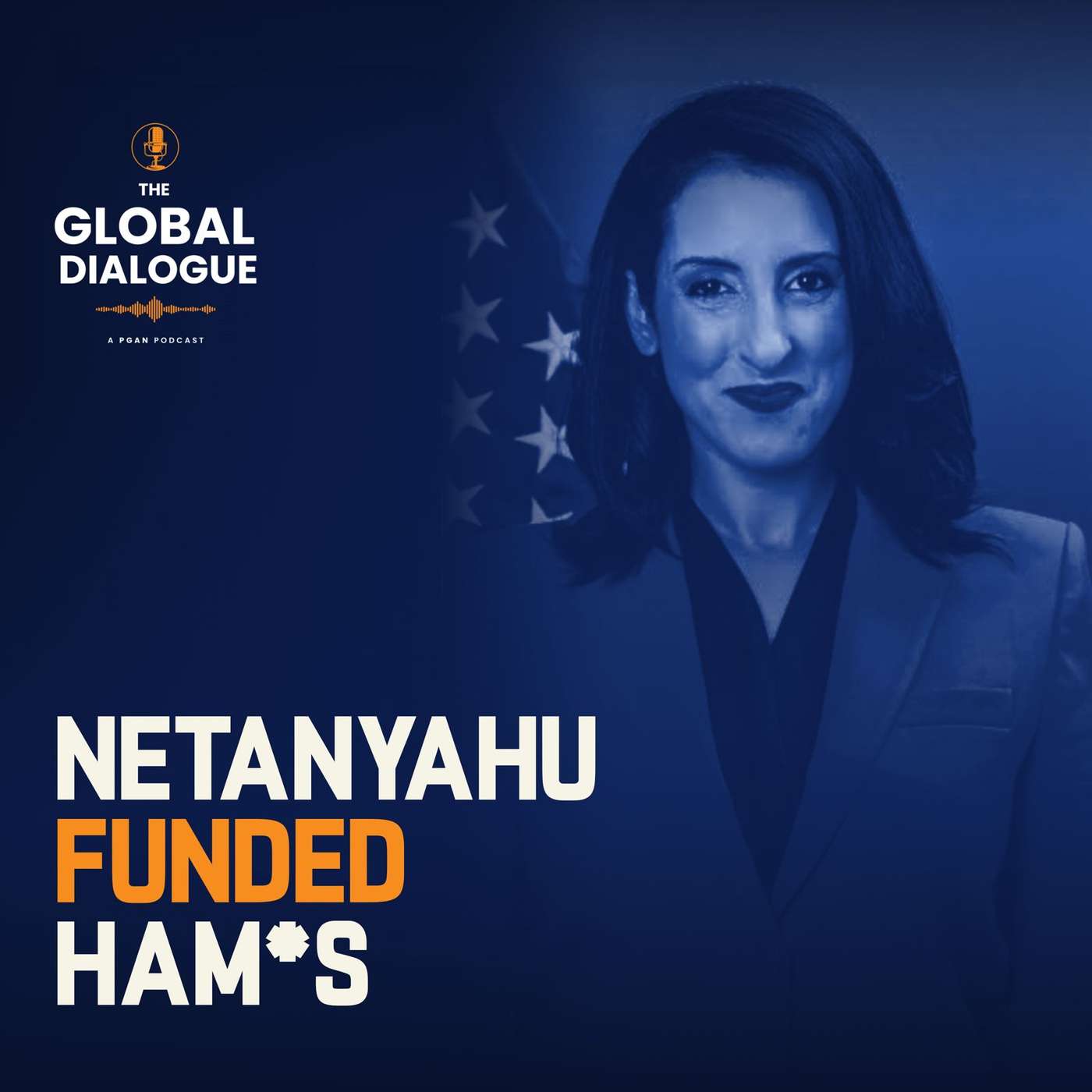 US Diplomat Who Quit Over Gaza: Hala Rharrit on Iran and Pakistan’s Moment 26.06.2026 43minHala Rharrit is the first and only US State Department diplomat to publicly resign over Gaza, stepping down in April 2024 after 18 years in the Foreign Service. A career political and human rights officer with postings in Yemen, Qatar, Hong Kong, and South Africa, she served as the State Department's Arabic-language spokesperson before leaving in protest over US policy on Israel's war in Gaza.In this episode of The Global Dialogue, Hala Rharrit joins us for a wide-ranging conversation on the fragility of the ceasefire, the mounting pressure on the Trump administration, and the erosion of Western trust and media dominance across the region. The discussion centers on Pakistan's emergence as a credible mediator: what made it the right country to host this diplomacy, how it can carry that weight forward, and whether a regional bloc anchored by Muslim-majority states is a realistic prospect. Rharrit also weighs in on China's role in the mediation, the trajectory from Gaza to Iran and beyond, and makes the striking case that Netanyahu's government deliberately enabled the financing of Ham*s for years as a strategy to divide Palestinian leadership. To stay in touch, follow Pakistan Global Alumni Network : https://pakglobalalumni.org/ YouTube: https://youtube.com/@pakistanglobalalumninetwork?si=woAmz9cKBoIilbKp Facebook: https://www.facebook.com/PakistanGlobalAlumniNetwork/ Instagram: https://www.instagram.com/pakglobalalumni/ Tiktok: https://www.tiktok.com/@pakistan_globalalumni LinkedIn: https://www.linkedin.com/company/pakistan-global-alumni-network/ X: https://x.com/PakGlobalAlumni
 -
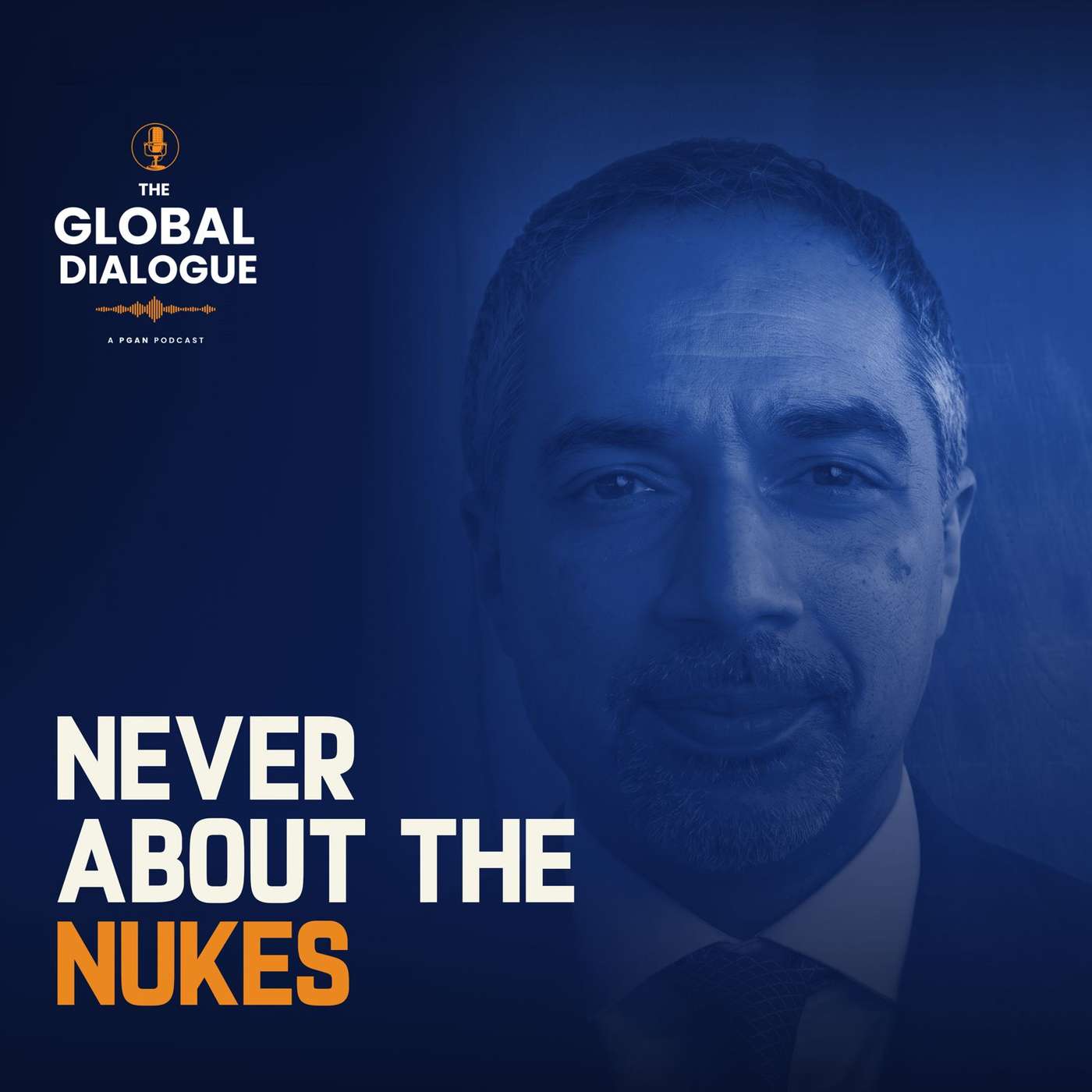 Can Pakistan End the Iran-Israel War? | Dr. Trita Parsi 26.06.2026 38minDid the United States and Israel miscalculate when they took the war to Iran? And as the region searches for an exit, is Pakistan the actor best placed to broker a conclusive end to the conflict?In this episode of The Global Dialogue, Dr. Trita Parsi, Executive Vice President of the Quincy Institute and one of the foremost voices on Iran and US foreign policy, joins us to unpack what the war revealed, what de-escalation realistically looks like now and why Pakistan's mediating role may prove decisive.We discuss whether the conflict was ever truly about the nuclear programme, the real sentiment inside Iran and the prospects for regime change, the confusion driving conflicting signals out of Washington, the future of the Abraham Accords and whether a regional security architecture is beginning to take shape. Throughout, we keep the focus where it belongs: on Pakistan as a strategic actor with the standing, the relationships, and the maturity to help close this conflict rather than watch it from the sidelines.To stay in touch, follow Pakistan Global Alumni Network : https://pakglobalalumni.org/ YouTube: https://youtube.com/@pakistanglobalalumninetwork?si=woAmz9cKBoIilbKp Facebook: https://www.facebook.com/PakistanGlobalAlumniNetwork/ Instagram: https://www.instagram.com/pakglobalalumni/ Tiktok: https://www.tiktok.com/@pakistan_globalalumni LinkedIn: https://www.linkedin.com/company/pakistan-global-alumni-network/ X: https://x.com/PakGlobalAlumni
 -
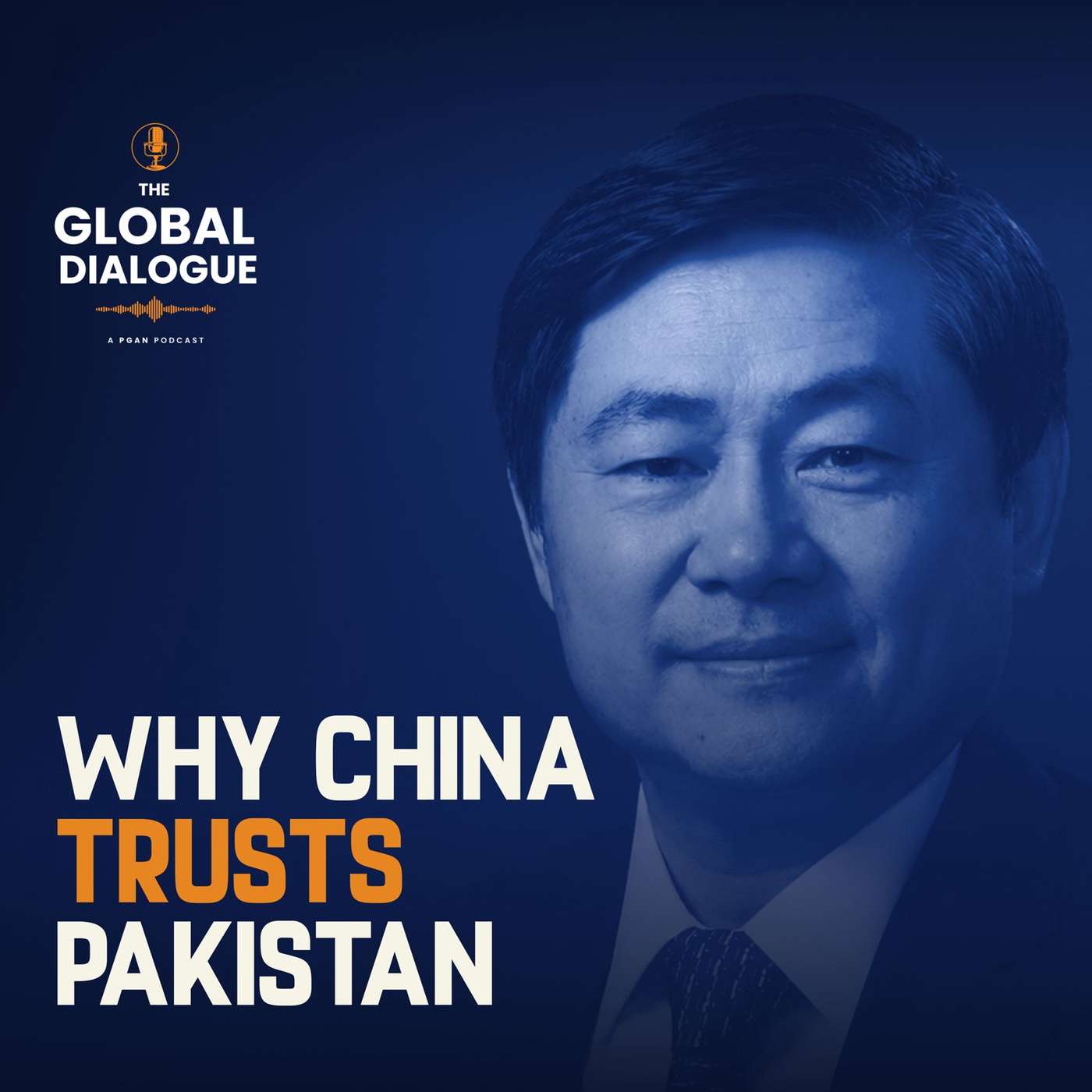 What Pakistan Can Learn from China's Rise | Dr. Henry Wang Huiyao, CCG | Global Dialogue | PGAN 26.06.2026 33minOne of China's most influential globalization thinkers on what Pakistan keeps getting wrong about Beijing — and what it could get right.Dr. Wang Huiyao, founder of the Center for China and Globalization (CCG), joins PGAN Global Dialogue for a candid conversation on China–Pakistan relations beyond the slogans: how Beijing actually views Pakistan, where the next phase of CPEC has to go, and the development lessons Pakistan has been slow to absorb. We also dig into whether Pakistanis read China through a Western lens, what China is doing to compete with the soft-power machinery of Hollywood, and the three strategic mistakes Pakistan can't afford to make.To stay in touch, follow Pakistan Global Alumni Network : https://pakglobalalumni.org/ YouTube: https://youtube.com/@pakistanglobalalumninetwork?si=woAmz9cKBoIilbKp Facebook: https://www.facebook.com/PakistanGlobalAlumniNetwork/ Instagram: https://www.instagram.com/pakglobalalumni/ Tiktok: https://www.tiktok.com/@pakistan_globalalumni LinkedIn: https://www.linkedin.com/company/pakistan-global-alumni-network/ X: https://x.com/PakGlobalAlumni
 -
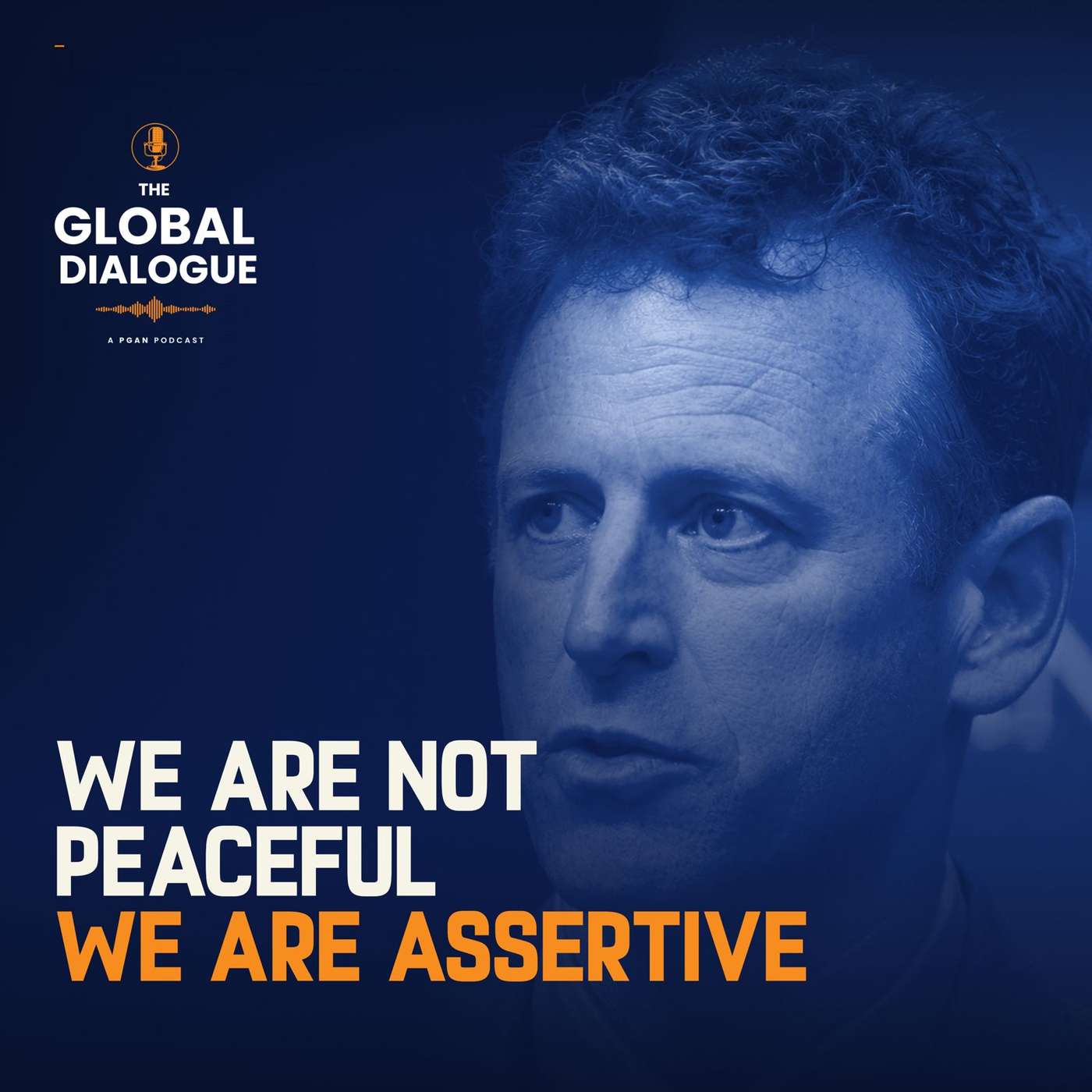 Why Pakistan Matters: Dr Michael O'Hanlon on US-Pakistan Ties, India & Middle-Power Diplomacy | PGAN 26.06.2026 35minIn this episode of the PGAN Podcast, we are joined by Dr Michael O'Hanlon — Senior Fellow and Director of Research in Foreign Policy at the Brookings Institution, holder of the Phil Knight Chair in Defense and Strategy, and one of America's most respected voices on US defence policy, military strategy, and international security. The conversation centres on his latest book, To Dare Mighty Things: American Power in the 21st Century — a sweeping reassessment of how the United States should think about its military, its alliances, and its role in a rapidly shifting global order. Dr O'Hanlon walks us through the strategic logic behind America's evolving way of war, the hard-earned lessons of Iraq, and whether Washington still has a coherent grand strategy in an increasingly multipolar world. The discussion then shifts to South Asia through a Pakistani lens — the evolving US-Pakistan relationship, Pakistan's call for an independent international investigation, the dangerous trajectory of India's rising defence spending, and Islamabad's clear position that there is no space for nuclear war in the region. We close on Pakistan's recent diplomatic wins and what they reveal about the growing role of middle powers in shaping 21st-century global diplomacy.To stay in touch, follow Pakistan Global Alumni Network : https://pakglobalalumni.org/ YouTube: https://youtube.com/@pakistanglobalalumninetwork?si=woAmz9cKBoIilbKp Facebook: https://www.facebook.com/PakistanGlobalAlumniNetwork/ Instagram: https://www.instagram.com/pakglobalalumni/ Tiktok: https://www.tiktok.com/@pakistan_globalalumni LinkedIn: https://www.linkedin.com/company/pakistan-global-alumni-network/ X: https://x.com/PakGlobalAlumni
 -
 Pakistan's Secret Diplomacy Win: A Propaganda Expert Explains | Dr. Etienne Auge | PGAN Podcast 26.06.2026 1hIs Pakistan quietly becoming a global peacemaker? And can a country rewrite its image through stories, not statements?In this episode of Global Dialogue, we sit down with Dr. Etienne Auge — propaganda scholar, soft power expert, and author of foundational work on how nations shape narratives — for a wide-ranging conversation on the new architecture of global influence.We unpack why Hollywood still dominates, how TikTok has rewritten the rules of narrative warfare, who's actually winning the Iran–US information war, and why Pakistan's recent mediation diplomacy may be one of the most underreported soft power moves of the decade.Dr. Auge also explains why science fiction is a strategic asset for any serious nation, what separates allies from friends in international relations, and the tell-tale signs you're being propagandised — even by people you trust.To stay in touch, follow Pakistan Global Alumni Network : https://pakglobalalumni.org/ YouTube: https://youtube.com/@pakistanglobalalumninetwork?si=woAmz9cKBoIilbKp Facebook: https://www.facebook.com/PakistanGlobalAlumniNetwork/ Instagram: https://www.instagram.com/pakglobalalumni/ Tiktok: https://www.tiktok.com/@pakistan_globalalumni LinkedIn: https://www.linkedin.com/company/pakistan-global-alumni-network/ X: https://x.com/PakGlobalAlumni
 -
 Hormuz Remains Closed. What Happens to Iran Now? | Gwadar, Chabahar & Eurasia | Zaur Hasanov 26.06.2026 25minThe Strait of Hormuz has been effectively closed since 28 February 2026, following Operation Epic Fury and Iran's retaliatory blockade. Most coverage focuses on global oil prices and the US naval response — this conversation asks what almost no one is asking: what is the closure doing to Iran itself?In this episode of the Pakistan Global Alumni Network (PGAN) Podcast, we sit down with Zaur Hasanov, a Eurasia connectivity and security expert and former adviser at the Baku International Sea Trade Port, to unpack Iran's structural dependence on Hormuz, from Bandar Abbas and the failure of Chabahar as an alternative, to how Pakistan, Gwadar, and Azerbaijan's Middle Corridor are reshaping Eurasian trade as the regional order is rewritten.A practical, infrastructure-grounded conversation on logistics, deterrence, and the real constraints behind the geopolitical headlines.To stay in touch, follow Pakistan Global Alumni Network : https://pakglobalalumni.org/ YouTube: https://youtube.com/@pakistanglobalalumninetwork?si=woAmz9cKBoIilbKp Facebook: https://www.facebook.com/PakistanGlobalAlumniNetwork/ Instagram: https://www.instagram.com/pakglobalalumni/ Tiktok: https://www.tiktok.com/@pakistan_globalalumni LinkedIn: https://www.linkedin.com/company/pakistan-global-alumni-network/ X: https://x.com/PakGlobalAlumni
 -
 NATO Expert on Islamabad Talks, Trump Threat to NATO & The New Global Disorder | Alessandro Politi 26.06.2026 58minIn this episode of the Pakistan Global Alumni Network (PGAN) Podcast, we sit down with Alessandro Politi, Director of the NATO Defense College Foundation, to discuss the future of global security, NATO’s internal challenges, strategic autonomy in Europe and the emerging world disorder reshaping international politics.With over 30 years of experience in geopolitics, intelligence and crisis management, Politi explains how NATO actually works behind closed doors, whether Donald Trump’s rhetoric could weaken the alliance, and if Europe may eventually move beyond NATO.We also explore the 2025 India-Pakistan conflict, the critical 90-minute window before the ceasefire, confidence-building failures, and whether Pakistan should be celebrating the outcome.Guest:Alessandro PolitiDirector, NATO Defence College FoundationTo stay in touch, follow Pakistan Global Alumni Network : https://pakglobalalumni.org/ YouTube: https://youtube.com/@pakistanglobalalumninetwork?si=woAmz9cKBoIilbKp Facebook: https://www.facebook.com/PakistanGlobalAlumniNetwork/ Instagram: https://www.instagram.com/pakglobalalumni/ Tiktok: https://www.tiktok.com/@pakistan_globalalumni LinkedIn: https://www.linkedin.com/company/pakistan-global-alumni-network/ X: https://x.com/PakGlobalAlumni
 -
 How AI Is Reshaping Law Careers | Peter Crisp, Deputy Vice-Chancellor of The University of Law 26.06.2026 47minIn this episode of the Pakistan Global Alumni Network (PGAN) Podcast, we sit down with Peter Crisp to explore the future of legal education and how artificial intelligence is transforming the legal profession.We discuss how AI is changing the work of lawyers, which legal jobs are most at risk, the skills future lawyers will need, and whether traditional legal training is keeping pace with rapid technological change.We also dive into the global evolution of law schools, employability in modern legal markets, and what students should do today to remain competitive in tomorrow’s legal industry.Guest:Peter CrispDeputy Vice-Chancellor, The University of LawTo stay in touch, follow Pakistan Global Alumni Network : https://pakglobalalumni.org/ YouTube: https://youtube.com/@pakistanglobalalumninetwork?si=woAmz9cKBoIilbKp Facebook: https://www.facebook.com/PakistanGlobalAlumniNetwork/ Instagram: https://www.instagram.com/pakglobalalumni/ Tiktok: https://www.tiktok.com/@pakistan_globalalumni LinkedIn: https://www.linkedin.com/company/pakistan-global-alumni-network/ X: https://x.com/PakGlobalAlumni
 -
 Oxford Negotiation Expert on US-Iran Talks | How Islamabad Made History | Prof. Owen Darbishire 26.06.2026 56minIn this episode of the Pakistan Global Alumni Network (PGAN) Podcast, we sit down with Professor Owen Darbishire, Academic Director of the Oxford Programme on Negotiation at Saïd Business School, University of Oxford, to unpack the historic US-Iran talks held in Islamabad and what they reveal about modern diplomacy, leverage, trust, and conflict resolution.As one of Oxford’s leading experts in negotiations, influence, persuasion, and decision-making, Owen explains how serious talks actually work behind closed doors, from anchoring to backchannel diplomacy, red lines, spoilers and strategic patience.We also explore Pakistan’s growing role as a credible mediator, what successful peace processes require, and how Islamabad can turn this moment into long-term diplomatic credibility on the global stage.To stay in touch, follow Pakistan Global Alumni Network : https://pakglobalalumni.org/ YouTube: https://youtube.com/@pakistanglobalalumninetwork?si=woAmz9cKBoIilbKp Facebook: https://www.facebook.com/PakistanGlobalAlumniNetwork/ Instagram: https://www.instagram.com/pakglobalalumni/ Tiktok: https://www.tiktok.com/@pakistan_globalalumni LinkedIn: https://www.linkedin.com/company/pakistan-global-alumni-network/ X: https://x.com/PakGlobalAlumni
 -
 The Start of a Global Nuclear Arms Race | Intelligence and Security Expert | Dr. Joseph Fitsanakis 26.06.2026 35minIn this episode of the Pakistan Global Alumni Network (PGAN) Podcast, we sit down with Dr. Joseph Fitsanakis, an intelligence studies expert, to unpack the historic US-Iran negotiations held in Islamabad — the first high-level meeting between American and Iranian officials in over 45 years. This is a must-watch for anyone following geopolitics, US foreign policy, the Iran conflict, and Pakistan's rising influence on the world stage.KEY TOPICS: US Iran war 2026 | Pakistan mediator role | Intelligence failure analysis | Strait of Hormuz crisis | Global Nuclear arms race | NATO future | Trump Iran policy | Islamabad peace talksTo stay in touch, follow Pakistan Global Alumni Network : https://pakglobalalumni.org/ YouTube: https://youtube.com/@pakistanglobalalumninetwork?si=woAmz9cKBoIilbKp Facebook: https://www.facebook.com/PakistanGlobalAlumniNetwork/ Instagram: https://www.instagram.com/pakglobalalumni/ Tiktok: https://www.tiktok.com/@pakistan_globalalumni LinkedIn: https://www.linkedin.com/company/pakistan-global-alumni-network/ x: https://x.com/PakGlobalAlumni
 -
 Pakistan's Diplomatic Masterstroke | Dr. Paul McGarr on the Intelligence War Behind the Ceasefire 26.06.2026 14min"Pakistan has played its diplomatic cards extremely well."Dr. Paul McGarr — intelligence Lecturer at King's College London and one of the world's foremost experts on statecraft and covert diplomacy — joins the Pakistan Global Alumni Network for a deep dive into the hidden forces reshaping global power.To stay in touch, follow Pakistan Global Alumni Network : https://pakglobalalumni.org/ YouTube: https://youtube.com/@pakistanglobalalumninetwork?si=woAmz9cKBoIilbKp Facebook: https://www.facebook.com/PakistanGlobalAlumniNetwork/ Instagram: https://www.instagram.com/pakglobalalumni/ Tiktok: https://www.tiktok.com/@pakistan_globalalumni LinkedIn: https://www.linkedin.com/company/pakistan-global-alumni-network/ x: https://x.com/PakGlobalAlumni
 -
 Will the US-Iran Nuclear Deal Happen? Oxford Expert Explains Pakistan's Role in Islamabad Talks 26.06.2026 45minPakistan brokered US-Iran talks that the world thought impossible.We brought in Oxford's top negotiation expert to break down what really happened — BATNA, red lines, Trump's patience, and what comes next.KEY TOPICS: US Iran nuclear deal 2025 | Pakistan mediator role | Oxford negotiation strategy | BATNA explained | Trump Iran policy | Islamabad talks breakdownGuest: Dr Paul FisherProgramme Director, Oxford Programme on NegotiationSaïd Business School, University of OxfordTo stay in touch, follow Pakistan Global Alumni Network : https://pakglobalalumni.org/ YouTube: https://youtube.com/@pakistanglobalalumninetwork?si=woAmz9cKBoIilbKp Facebook: https://www.facebook.com/PakistanGlobalAlumniNetwork/ Instagram: https://www.instagram.com/pakglobalalumni/ Tiktok: https://www.tiktok.com/@pakistan_globalalumni LinkedIn: https://www.linkedin.com/company/pakistan-global-alumni-network/ x: https://x.com/PakGlobalAlumni
Podobni podkasti


Priljubljen v
Ta podkast je tudi v lestvicah podkastov teh držav.
