
Doha Debates Podcast
Doha Debates
0
The Doha Debates Podcast brings together global voices for Majlis-style debates on the ideas shaping our world. This season continues with rigorous, truth-seeking conversations in a live, in-person setting, with new episodes every Tuesday. Topics include the nature of disagreement, aging, and justice after Gaza.
Episodet
-
 Is modern work meaningful or just a means of survival? 13.10.2026 1h 59minWork has long been tied to social value and identity. We are told it builds character and is essential to a functional society. But in an age of hustle culture, economic insecurity and burnout, many are asking whether work is meaningful or just a means of survival. This episode explores the meaning, value and future of work. Has its soul been lost to corporate profit and relentless productivity, or has social and economic innovation made it better? And as AI expands and evolves, will work need to be redefined altogether? 💬 Join the conversation in the comments. Featuring: Hoda Alkhzaimi: Professor of engineering, New York University Abu Dhabi Federico Campagna: Philosopher; lecturer, Royal College of Art Yanis Varoufakis: Professor of economics, University of Athens Robert C. Wolcott: Cofounder and chair, The World Innovation Network Moderated by award-winning journalist and writer Mohamed Hassan
 -
 Is modern journalism in crisis? 06.10.2026 1h 58minJournalism was built on a promise: uncover the truth and hold the powerful to account. Today, media company ownership is in flux, news goes global—and viral—at the touch of a screen and everyone has a platform to tell their version of events. Is that promise becoming more or less possible to keep? In this episode, we ask: Is the journalism industry in a necessary evolution or is it in crisis? Has social media democratized the news, or made it harder to trust? How has the role and responsibilities of a journalist changed over the years, and how do they capture the respect (and attention) of the next generation? 💬 Join the conversation in the comments. Featuring: Dima Khatib: Managing director of digital projects, Al Jazeera Media Network Marc Owen Jones: Associate professor of media analytics, Northwestern University in Qatar Peter Oborne: Associate editor, Middle East Eye Richard Sambrook: Emeritus professor of journalism, Cardiff University Moderated by award-winning journalist and writer Mohamed Hassan
 -
 What’s left of international law? 29.09.2026 2h 27minInternational law was built on a simple idea that even the most powerful nation-states should be bound by the same rules. But today, that idea is being challenged: Rulings go unenforced, institutions are unable or unwilling to act, and some are questioning whether the rules were truly globally applicable to begin with. This episode asks what's left of international law, and whether it still holds significance. Does it still matter when the rules are broken? Is there consensus on what the rules mean in the first place? And what sort of system do we want the next generation to inherit? 💬 Join the conversation in the comments. Featuring: - Charli Carpenter: Professor of political science, University of Massachusetts Amherst - Victor Gao: Vice president, Center for China and Globalization - Balakrishnan Rajagopal: Associate professor of law and development, Massachusetts Institute of Technology - Curtis Yarvin: Political philosopher Moderated by international presenter and host Dareen Abughaida
 -
 Will China or the West lead the world into the future? 22.09.2026 2h 10minFor years, Western vision and values have shaped the global order. Now, China is on the rise, championing a different model. Who will lead us into the future? In this episode, we explore these competing visions of the world and ask which one will end up on top. Is the West actually losing influence, or is something more complicated happening? Does China's rise offer a real alternative to the Western order, or a new kind of dependency? And as tensions simmer over Taiwan, Ukraine and the global AI race, can the world’s major powers find a way to coexist, or are we headed toward deeper division? 💬 Join the conversation in the comments. Featuring: - Renata Ávila: CEO, Open Knowledge Foundation - Arnaud Bertrand: Entrepreneur - Isabel Hilton: Visiting professor, Lau China Institute, King’s College London - Henry Wang: Founder and president, Center for China and Globalization Moderated by international journalist and media executive Soraya Salam
 -
 The Doha Debates Podcast is back! 18.09.2026 1minWho controls our money? Will China or the West lead us into the future? Is work even meaningful anymore? We’re back with a new season of the Doha Debates Podcast, featuring global experts tackling some of the world’s most complex questions. Guests include Yanis Varoufakis, Saifedean Ammous, Jason Hickel, Tariq Ali, Dima Khatib and many more. Watch or listen to the first episode September 22.
 -
 Does football bring out the best and worst in people? 02.06.2026 1h 54minFootball (or soccer) is more than just a game; it's a global phenomenon. Today, as football club ownership, team talent and the fandom all evolve, have the meaning and merits of the sport also changed? What can we learn about ourselves and our world by examining the current state of the “beautiful game”? This episode uses football as a lens to explore questions of capitalism, nationalism, power and identity. 💬 Join the conversation in the comments. Featuring: - David Goldblatt: Sociologist, sports writer, broadcaster and author - Tony Karon: Editorial lead, AJ+ - Honey Thaljieh: Co-founder, women’s football in Palestine Moderated by international journalist Imran Garda
 -
 Is having children a moral obligation? 26.05.2026 2h 25minIn many places around the world, birth rates have dropped to historic lows. Some argue this is a good thing in a world grappling with environmental crises and waning resources. Others fear the loss of legacy and even the extinction of humanity. In this episode, we explore the meaning and the impact of falling birth rates. Is it a sign of liberation from outdated norms? Is it proof that individualism has gone too far? Or is it the inevitable result of modern-day challenges? 💬 Join the conversation in the comments. Featuring: Alaka Basu: Professor of developmental sociology, Cornell University Laurie DeRose: Assistant professor of sociology, The Catholic University of America Antonina Lewandowska: Sociologist, researcher and activist Stephen J. Shaw: Data scientist and demographer Moderated by international journalist and media executive Soraya Salam
 -
 Who decides which forms of resistance are legitimate? 19.05.2026 2h 3minHistory is full of resistance movements that were condemned in their time but later celebrated, including the French Resistance, women’s suffrage and the fight against apartheid led by Nelson Mandela. This begs the question: Which modern resistance movements will the world honor in the future, and what determines whether or not they are recognized? In this episode, we explore the question of what makes resistance legitimate. Is it the cause, the tactics, the outcome—or something else? And who gets to decide whether or not legitimacy is granted? 💬 Join the conversation in the comments. Featuring: Diana Buttu: Practitioner-in-residence, Georgetown University in Qatar Victor Gao: Vice president, Center for China and Globalization Saeed Khan: Associate professor of Near East & Asian studies, Wayne State University Amina Rasul: President, Philippine Center for Islam and Democracy Moderated by presenter, filmmaker and producer Nadir Nahdi.
 -
 Contemporary art: Progressive or pointless? 12.05.2026 2h 15minSome critics argue that contemporary art has lost touch with the principles and traditions that define artistic greatness. Others see its break with tradition as liberating; a move toward more inclusion, experimentation and personal and political expression. This episode explores what makes great art in the 21st century. Is it adherence to tradition, or disruption and reinvention? Is artistic beauty understood across time and culture, or does each generation need to redefine it? And with the AI era upon us, what even constitutes art in the first place? 💬 Join the conversation in the comments. Featuring: Wafaa Bilal: Artist; professor, Tisch School at New York University Molly Crabapple: Artist, writer and journalist Fen de Villiers: Fine art sculptor Samar Younes: Quantum culture artist Moderated by presenter, filmmaker and producer Nadir Nahdi
 -
 Is social justice replacing religion in the West? 05.05.2026 2h 1minThis episode was recorded on December 6th, 2025. In recent decades, traditional religious frameworks have steadily lost influence in Western societies. At the same time, we’ve seen the emergence of social justice movements focused on uncovering and dismantling systemic forms of oppression. Some argue that these secular movements are a replacement for faith. Others say they don’t offer the same moral depth, cohesion and forgiveness provided by traditional religion. In this episode, our guests debate whether today's social justice movements effectively replace religion in the West—and whether they share similar ethical principles with the traditions they often want to move beyond. 💬 Join the conversation in the comments. Featuring: Joshua Mitchell: Professor of political theory, Georgetown University Khaled A. Beydoun: Professor of law, Arizona State University Michael Eric Dyson: Professor of African American and diaspora studies, Vanderbilt University Moderated by international presenter and host Mohamed Hassan
 -
 Should we ever take conspiracy theories seriously? 28.04.2026 1h 47minConspiracy theories used to be dismissed as paranoid fringe thinking, found only in the far corners of the internet or every day hearsay. But today, they've migrated to the mainstream. Claims about election meddling, the real origins of COVID-19, and the deep state circulate widely and are even repeated by government officials. This episode asks whether conspiracy theories have any actual value in a world where uncertainty is high and institutional accountability is low. Do they only make the spread of misinformation and disinformation worse? Or are they a way for people to express real suspicion toward systems that often feel hidden or unaccountable? 💬 Join the conversation in the comments. Featuring: Heather Berlin: Associate professor of psychiatry and neuroscience, Icahn School of Medicine at Mount Sinai Alex Berenson: Novelist; journalist; author, Unreported Truths Substack Nuurrianti Jalli: Assistant professor of professional practice, Oklahoma State University Andrea Kitta: Professor of folklore, department of English at East Carolina University Moderated by international presenter and host Dareen Abughaida
 -
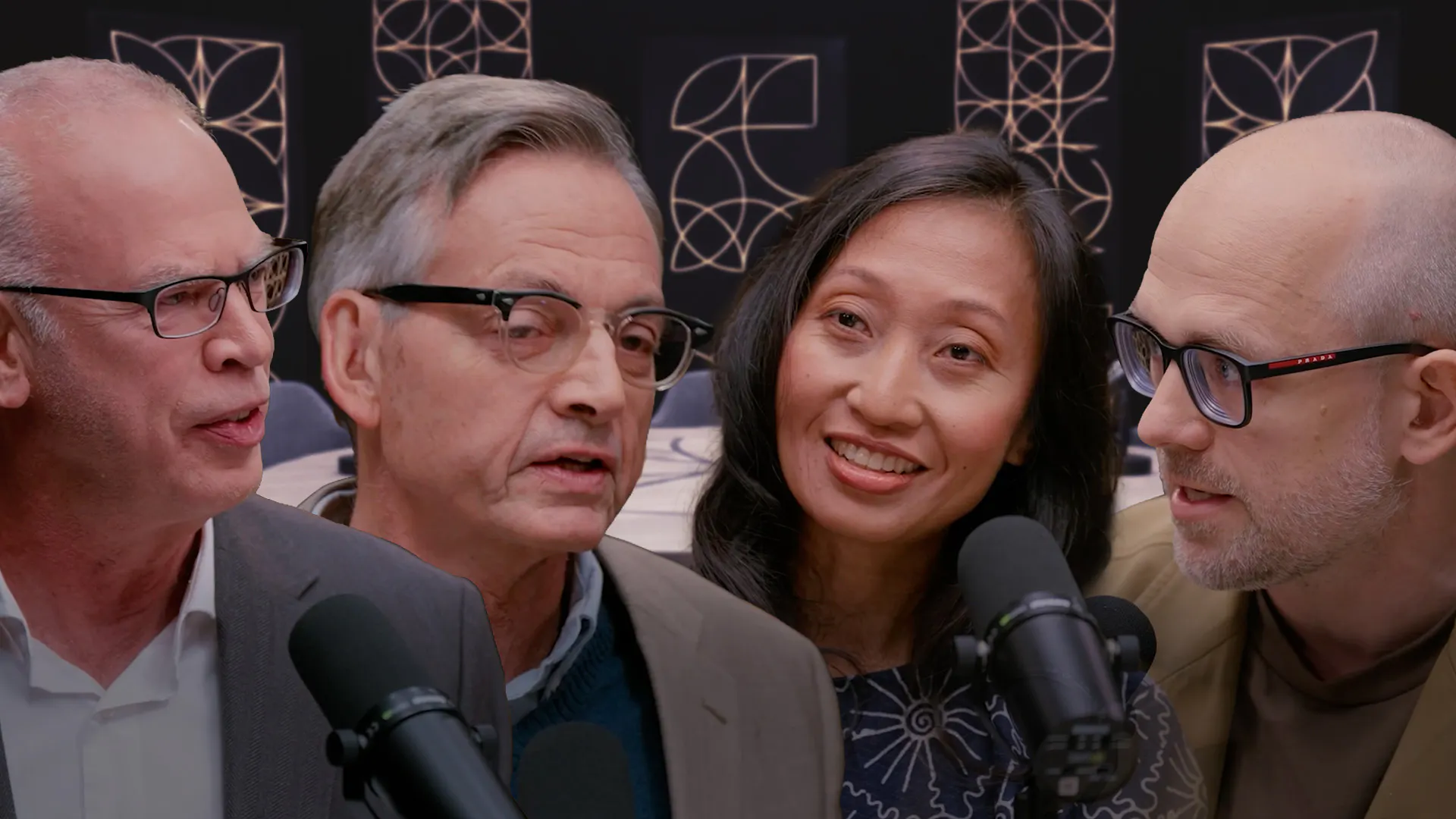 Will AI bring us together or drive us apart? 21.04.2026 1h 40minWill AI unite or divide us? Artificial intelligence systems often reflect the priorities, biases and beliefs of the people who designed and created them. It’s critical to determine the sources of its worldview as it continues to influence how we think, learn and even love. This episode explores whether AI will bring us together or widen social divides. Can we create AI models that truly reflect cultural and ideological diversity? Or are we heading into an era of “AI tribes” that leads us in different directions? 💬 Join the conversation in the comments. Featuring: James Brusseau: Professor of philosophy and computer science, Pace University Evgeny Morozov: Theorist and publisher, The Syllabus Elina Noor: Senior fellow, Asia Program at the Carnegie Endowment for International Peace Robert Wright: Publisher, Nonzero Newsletter; host, Nonzero Podcast Moderated by award-winning journalist and writer Mohamed Hassan
 -
 Is everyone paying their fair share of taxes? 14.04.2026 2h 1minThe idea of taxing the rich is hardly new, but the question of whether it creates a fairer world remains highly contested. This debate asks what would happen if we increased taxation on the billionaire class. Would it actually create greater economic stability and social equity? Or would it make things worse? Are taxes even aneffective way to redistribute wealth, or should we be looking at other models? 💬 Join the conversation in the comments. Featuring: Sanjit Dhami: Professor of economics, University of Leicester Gustavo Flores-Macías: Dean of the School of Public Policy, University of Maryland Martín Krause: Visiting professor, Francisco Marroquín University (Guatemala) Pedro Solimano: Journalist, DL News
 -
 Fate vs. free will: Do we make our own choices? 07.04.2026 2h 2minAre we truly able to shape our own lives, or are we following a script we can’t rewrite? From Islamic perspectives to groundbreaking neuroscientific research, this episode examines how differing theories about free will shape the way we look at morality, responsibility and justice. 💬 Join the conversation in the comments. Featuring: Heather Berlin: Associate professor of psychiatry and neuroscience, Icahn School of Medicine at Mount Sinai Gregg Caruso: Professor of ethics and director of the Patrick J. Waide Center for Applied Ethics, Fairfield University Shadi Hamid: Columnist, the Washington Post Peter Tse: Cognitive neuroscientist, professor and chair of the Department of Psychological and Brain Sciences, Dartmouth College
 -
 Are lost ancient civilizations real? 31.03.2026 2h 10minArchaeology textbooks tell a familiar story about human history: Stone tools, cave art, nomadic life, then civilization. But a growing number of voices think we're missing a chapter—signs of an earlier advanced culture, lost to time. This episode explores the question underneath it all: Is there really a forgotten era of human ingenuity, or are we inventing a more epic past because it makes the human story feel bigger? 💬 Join the conversation in the comments. Featuring: Eduardo Góes Neves: Professor of archeology, University of Sao Paulo Edwin Barnhart: Director, Maya Exploration Center Flint Dibble: Teacher in archaeology, Cardiff University Sarah Parcak: Professor of anthropology, University of Alabama at Birmingham
 -
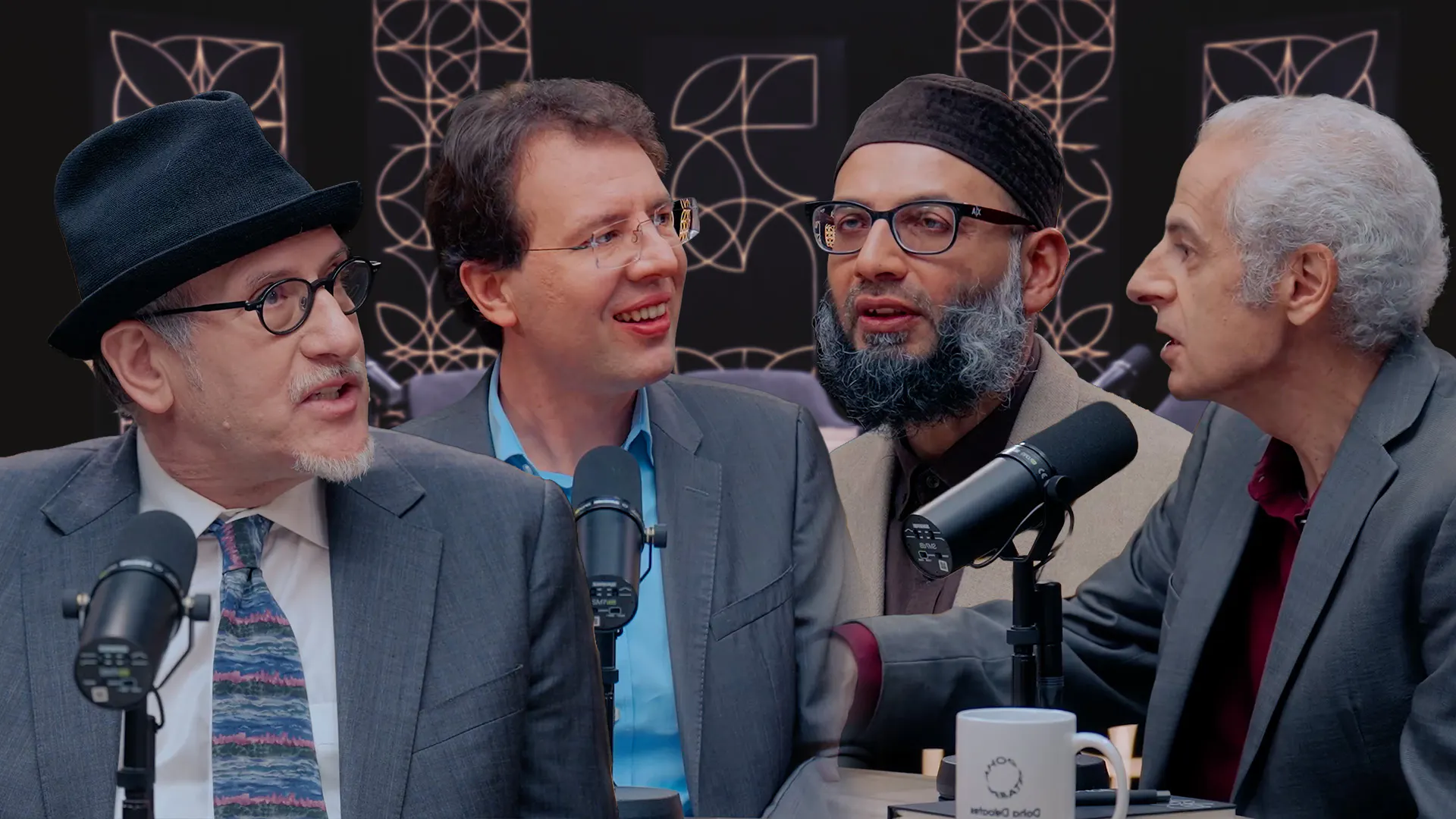 Are we the most intelligent beings in the universe? 24.03.2026 2h 24minFor millennia, we’ve wondered about the possibility of intelligent life beyond Earth. Recently, former U.S. president Barack Obama asserted that aliens are, in fact, real, and the Trump administration has pushed to declassify government files on UAPs and UFOs, leaving us with even more questions. In this episode, we explore what might happen if we discovered that we are not alone in the universe. What if our morality, spirituality and intelligence was not unique? How would the discovery of extraterrestrials reshape our understanding of ourselves and our role in the cosmos? 💬 Join the conversation in the comments. Featuring: Matthias Determann: Historian, Virginia Commonwealth University in Qatar David Grinspoon: Senior scientist, Planetary Science Institute Shaykh Hamza Karamali: Founder of Basira Education Nick Pope: UAP investigator, UK Ministry of Defense (retired
 -
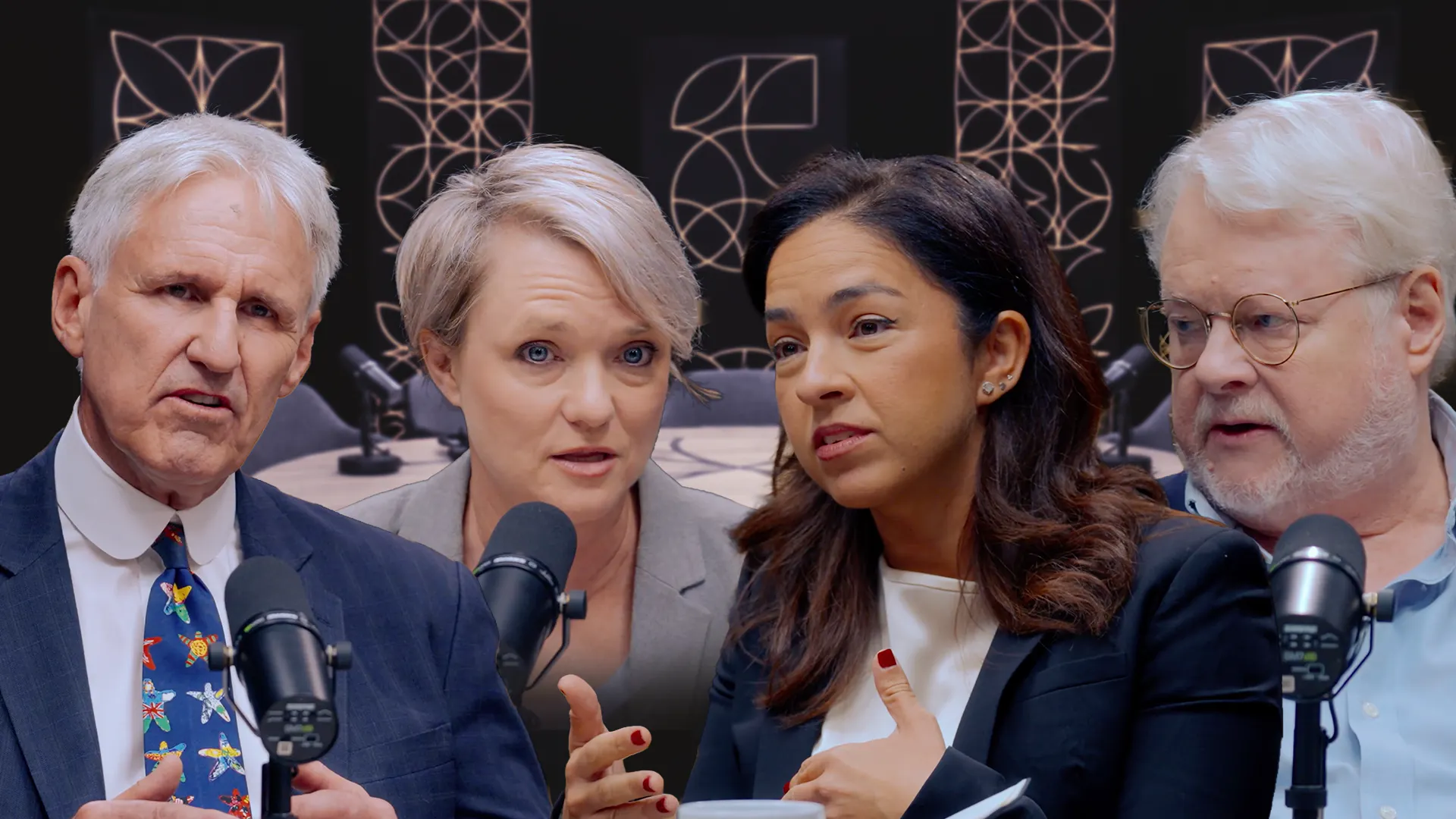 Is war inevitable? 17.03.2026 2h 9minThis program was recorded in August 2025. The views expressed in this episode are the participants’ own and do not necessarily reflect those of Doha Debates. Is war inevitable, or preventable? This episode examines whether we’re capable of breaking the cycle of war. 💬 Join the conversation in the comments. Featuring: Charli Carpenter: Author and professor of political science and legal studies Ian Morris: Historian, archaeologist and classics professor R. Brian Ferguson: Professor, author and specialist in Indigenous conflict studies Noha Aboueldahab: Author, professor and transitional justice specialist
 -
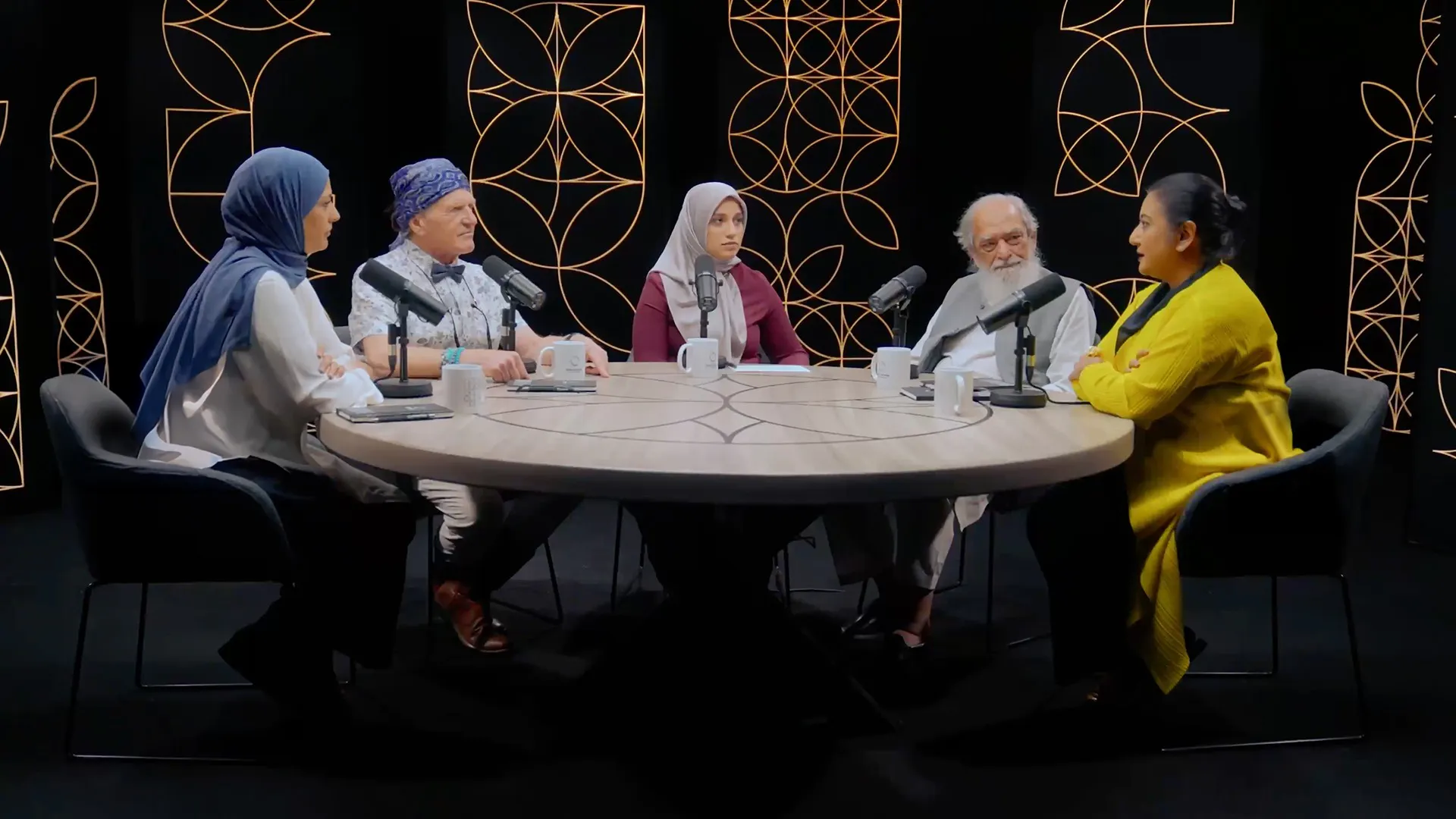 Has modern architecture lost touch with humanity? 10.03.2026 1h 39minWhat does our architecture say about who we are—and who we want to become? For centuries, architecture has represented our cultural beliefs, traditions and needs. It’s shaped how we live, how we relate to each other and even our mood. But modern architecture’s critics say it has a big problem. They argue it’s disconnected from human expression and context, with uniform or minimalist buildings that erase uniqueness, ignore the landscape and even increase stress. Modern architects, however, praise it for functionality and efficiency, saying it addresses global problems like climate change and affordable housing. In this episode, we explore whether architecture in the modern age has lost touch with humanity, or whether it is just as expressive and responsive as in any other era. 💬 Join the conversation in the comments. Featuring: Marwa Al-Sabouni: Architect, urbanist and author Bidisha Sinha: Associate director at Zaha Hadid Architects Lucien Steil: Author, professor and architect
 -
 Are we on the verge of civilization’s collapse or rebirth? 03.03.2026 1h 54minThe prospect of societal collapse has been examined throughout human history. Thinkers from Ibn Khaldun to Karl Marx have argued that civilization carries the seeds of its own downfall. This episode asks whether we are witnessing modern-day civilization’s collapse or renewal. Will our modern-day focus on individualism, technology and comfort lead to decline or a revolutionary new beginning? Or are we living in a transitional moment where terms like “civilization” fail to capture our global reality altogether? 💬 Join the conversation in the comments. Featuring: Aurora Payal: Author, professor and digital anthropologist Jonathan Brown: Author, professor and scholar of Islamic studies Faisal Devji: Professor of global and Iimperial history Joseph Tainter: Author, anthropologist and historian
 -
 Will tech utopias rescue or ruin humanity? 24.02.2026 1h 54minWould you live in a futuristic, tech-run city? Tech leaders from across the globe are racing to build so-called tech utopias, claiming that they’re a new societal blueprint for humanity. But will this approach actually uplift us all or leave most of us behind? This debate explores whether tech-run cities like Praxis or Próspera truly offer a brighter future for all, or whether they are exclusive enclaves for the elite. 💬 Join the conversation in the comments. Featuring: Gökçe Günel: Author and professor of anthropology at Rice University Titus Gebel: Tech entrepreneur; founder and president of the Free Cities Foundation Evgeny Morozov: Theorist and publisher of The Syllabus
Podkaste të ngjashme


I/E popullarizuar në
Ky podkast shfaqet edhe në listat e podkasteve të këtyre shteteve.


