
eRadio SA
Eon Engelbrecht
0
eRadio is a feel-good digital radio station broadcasting from the Garden Route, South Africa. It offers a mix of music and positive content, aiming to uplift listeners. The station can be accessed online at www.eradiosa.com.
Episodet
-
 eRadio Business Focus: Inside The Post with Laurinda Smit 15.09.2026 18minThe Post is a popular monthly Garden Route publication, distributed from Mossel Bay to Knysna. We shine the spotlight on The Post and chat to Laurinda Smit, who is at the helm, about what has kept the publication so popular and relevant after all these years.Look out for your printed copy on the 1st of each month or read online: https://thepost.org.za/Want us to shine the spotlight on your business too? Email [email protected]
 -
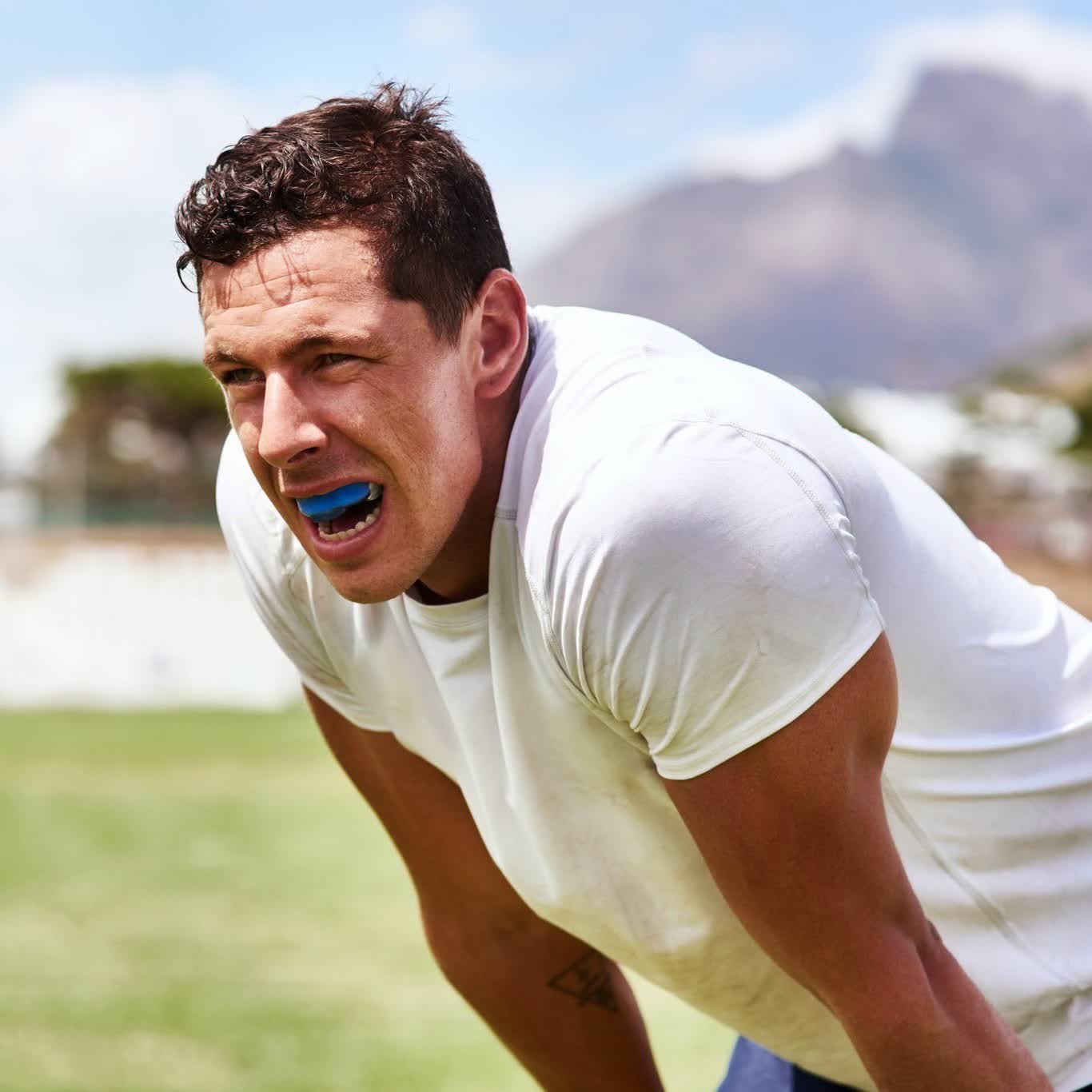 The OPTISMILE Podcast 125 - Sports Dentistry, Mouthguards and Trauma Prevention 14.09.2026 16minIntroWelcome back to Save Your Money, Save Your Teeth. In the previous episode, Eon Engelbrecht and Dr Clifford Yudelman looked at building strong teeth from the inside through nutrition. This episode turns to the outside, because it does not matter how well built a tooth is if it meets a hockey stick at speed.They cover why a custom mouthguard made from a scan behaves differently from a boil and bite guard off the chemist's shelf, what a mouthguard can and cannot realistically do about concussion, and which sports deserve one, including the less obvious ones such as water polo, skateboarding and night trail running. The heart of the episode is the first ten minutes after a tooth is knocked out on the field: how to pick the tooth up, what to store it in, and why milk and saliva work while water does not. They also deal with knocked-out baby teeth, mouthguards for children in braces, replacement intervals for growing mouths, clenching during heavy lifting, custom scuba regulators, and whether medical aid treats prevention as a benefit worth paying for.10 Questions and Summary Answers[2:11] Why is a custom made mouthguard so much better than the boil and bite ones from the shop? A boil and bite guard is better than nothing, but the difference only shows up once something has already gone wrong. Shop-bought guards are generic and bulky, they rarely fit properly, and children end up clenching just to hold them in. A custom guard is made from an accurate intra-oral scan, or from an impression where the dentist has no scanner, and it fits snugly enough that the wearer can still breathe and talk. That comfort is the whole point, because a guard that is uncomfortable is a guard that gets left in the kit bag.[3:30] Can a mouthguard actually prevent concussion, or is it really just about the teeth? The honest answer needs care. A mouthguard reliably protects the teeth, lips and jaw, and that is its real job. There is evidence that it softens jaw-related forces travelling up into the skull, but it is no guarantee against concussion and a player can still be knocked out wearing one. In boxing, where mouthguards are compulsory in professional matches, the referee stops the fight until a dislodged guard goes back in, and fighters with poorly fitting guards still get knocked out. Their teeth survive, which is the point.[4:54] If a child has braces, can they still wear a mouthguard for rugby or hockey? Yes. There are special orthodontic mouthguards designed to work around brackets, and they matter more than usual rather than less, because brackets can tear up the lips on impact. Protecting the mouth during orthodontic treatment is not optional.[5:19] Which sports actually need a mouthguard? Rugby and hockey are obvious, and so is cricket with fast deliveries coming in. Boxing and MMA need a professional-grade triple laminate guard matched to the weight class, not the same guard a schoolgirl would wear for netball. Water polo counts too. Less obvious are enduro, bicycle stunts and skateboarding, and the risk is not limited to contact: a trail runner running at night landed on a front tooth and drove it up into her face, needing hospital removal. Anywhere there is a real chance of landing on your face, a guard is cheap insurance.[7:04] A tooth is knocked out on the field. What happens in the first ten minutes, and are Save-A-Tooth kits worth having at schools? Those first ten minutes decide whether the tooth survives. Pick it up by the crown, never by the root, which carries the fine fibres the tooth needs to reattach. If it is clean, put it straight back into the socket, which is often undamaged. If it is covered in soil or sand, rinse it gently first and then reseat it. If it cannot go back in, store it in milk or in the child's own saliva, never in water, and get to a dentist within the hour. Save-A-Tooth kits are rare in South Africa, but the practice donated them to local sports teams in California and they were used more than once.[8:57] Does the advice change for a baby tooth, or a tooth that is loose or pushed in rather than out? Completely. A knocked-out baby tooth must never be put back, because reseating it can damage the developing adult tooth underneath, although it still needs to be checked. A loose or intruded tooth should not be wiggled or straightened at home: soft diet, and straight to a dentist. In Cape Town a very young child can go to the children's hospital, where an oral surgeon should be on call. In the trail-running case the injury happened on a Saturday night, the emergency room was contacted directly, the on-duty oral surgeon called back, and the remaining teeth were splinted that night. Waiting until Monday can cost more than one tooth.[10:15] Should people who lift heavy weights be wearing a mouthguard? This one surprises people. Heavy lifting generates enormous repeated clenching forces, and cracked teeth and cracked fillings turn up in the chair as a result, particularly in teeth already carrying large restorations. The guard does not need to be thick. A thin one provides enough cushioning to let the lifter clench hard without paying for it in cracked cusps later.[10:54] How often should a growing child's mouthguard be replaced? Roughly once a year as a rule of thumb, but really the moment it stops fitting snugly, because children's teeth move quickly. For younger children still in baby teeth, and not yet in heavy contact sport, a well-fitting over-the-counter boil and bite can be the sensible economic choice when it needs replacing every three to six months. The children who need the most attention are those with prominent front teeth that the lip does not cover at rest, which is an argument for early orthodontics on protective grounds rather than cosmetic ones.[12:21] Do scuba regulators cause jaw pain, and is there a custom option? Yes to both. Standard regulator mouthpieces vary a great deal in quality, and a poor one, including on a snorkel, strains the jaw muscles and joints over a long dive. Custom scuba mouthpieces can be made by a dentist, as they were routinely in Australia, and they make diving considerably more comfortable.[13:14] Does medical aid cover a sports mouthguard as a preventative benefit? It varies, and the practice does not bill medical aid directly, so patients submit their own statement. The wider point stands regardless of the answer: the cost of a mouthguard is trivial against the cost of trauma and a lifetime of replacement dentistry, and prevention should not wait on reimbursement rules to decide what is worth doing.OutroThe closing thought is the one worth carrying off the field: a mouthguard is not sports equipment, it is insurance, and it is the cheapest insurance in dentistry, because one saved front tooth pays for decades of protection.As Dr Yudelman puts it, the reason for these podcasts is to help people save their money and save their teeth. A guard that costs a fraction of a single crown, worn by a child who will keep those front teeth for another seventy years, is about as favourable a trade as dentistry offers. Next week: stress and the oral cavity, covering cortisol, gums and more.Further ResourcesAthletes and Oral Health (Episode 66, includes custom mouthguards): https://optismile.co.za/blog/athletes-oral-health/Managing Bruxism and TMJ Disorder (Episode 42, clenching and guards): https://optismile.co.za/blog/relief-and-recovery-managing-bruxism-and-tmj-disorder/OptiSmile Podcast Series: https://optismile.co.za/podcasts/OptiSmile YouTube Channel: https://www.youtube.com/@OptismileZa-dentist-cape-townContact OptiSmile: https://optismile.co.za/contact-us/Disclaimer: The content provided in this podcast, "Save Your Money Save Your Teeth" on Medical Mondays, is for informational and educational purposes only. It is not intended to serve as dental or medical advice. The insights and opinions expressed by Dr. Clifford Yudelman and any guests are designed to foster a better understanding of dental health, preventive measures, and general well-being, but should not be interpreted as professional dental or medical recommendations. Dr. Clifford Yudelman does not diagnose, treat, or offer prevention strategies for any health conditions directly through this podcast. This platform is not a substitute for the personalized care and advice provided by a licensed dental or healthcare professional. We strongly encourage our listeners to consult with their own dental care providers to address individual dental health needs and concerns. The information shared here aims to empower listeners with knowledge about dental health but must not be used as a basis for making health-related decisions without professional guidance. Your dental care provider is the best source of advice about your dental and overall health. Please always seek the advice of your dentist or other qualified health professionals regarding any questions or concerns about your dental health.
 -
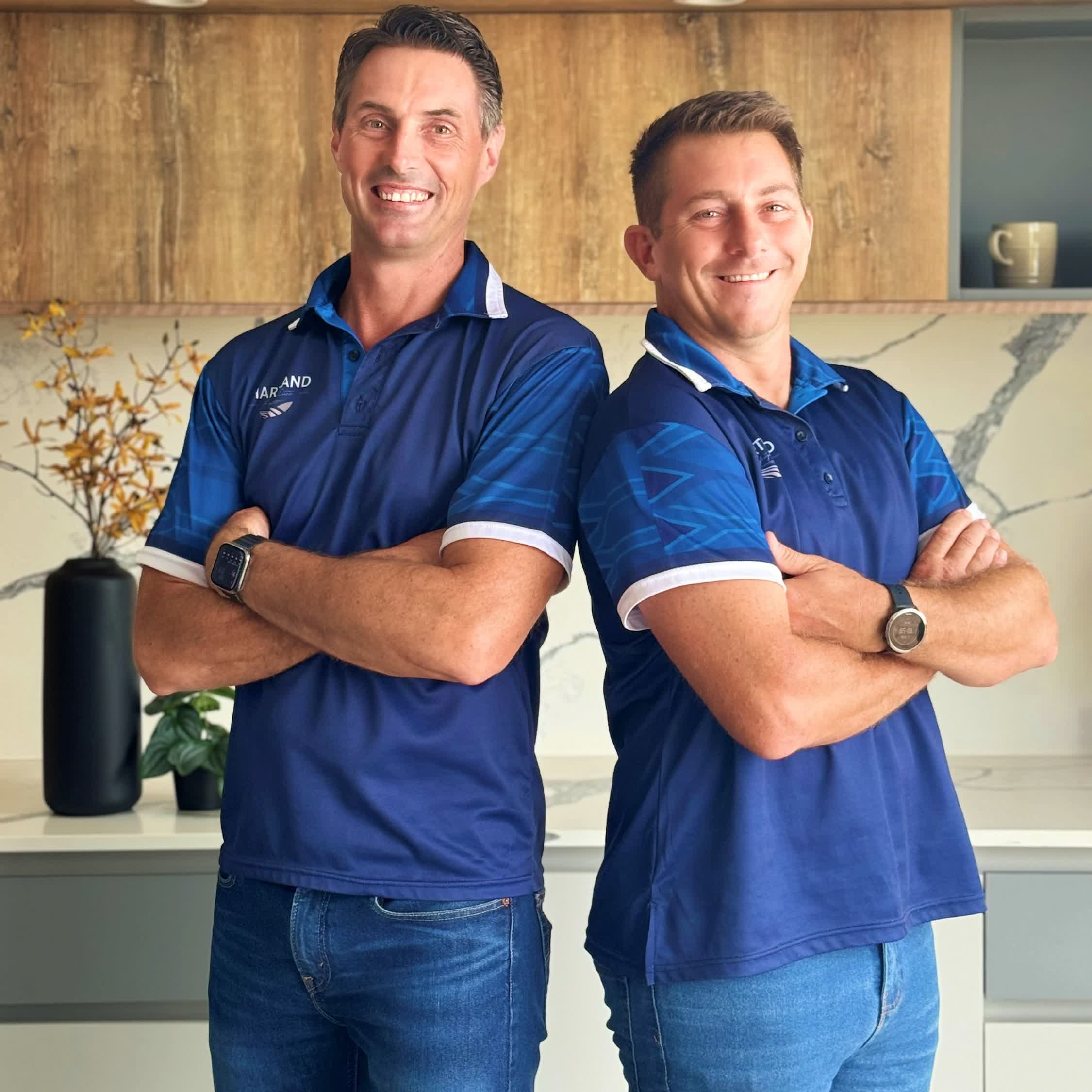 The Brothers at Hartland - Episode 7 - Hartland Outdoors: Trails, Cycling & Beach Living 11.09.2026 6minWe go outdoors with Vaughn as we explore Hartland’s cycling and walking trail network, along with the convenience of direct beach access for residents. Discover how these outdoor spaces bring nature, activity and coastal living together, and how they reflect the lifestyle at the heart of the Hartland vision.For more information:John Harris📞 083 234 7525✉️ [email protected] Harris📞 061 458 8606✉️ [email protected] Brothers @ Hartland"Two Brothers, One Goal: Your Family's Future"
 -
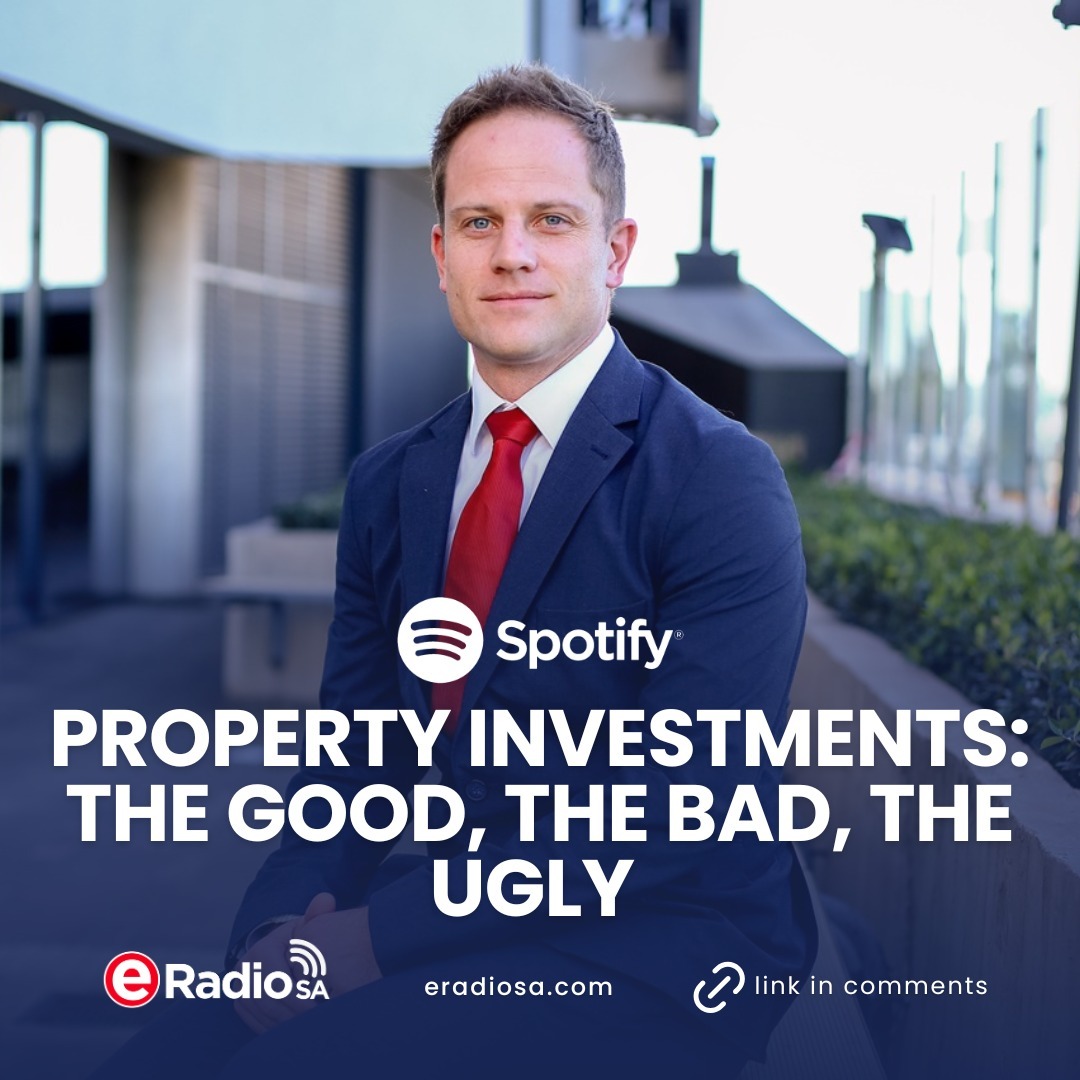 Your Money Maument with Mauritz Oberholzer - The good, the bad, the ugly of Property Investments in South Africa 10.09.2026 5minProperty investment is often seen as one of the safest ways to build wealth, but the reality can be very different.In this episode of Your Money Maument, Financial advisor Mauritz Oberholzer takes an honest look at the good, the bad and the ugly of property investment in South Africa. From potential rental income and long-term growth to interest rates, maintenance costs, vacancies, taxes and the risks that can catch investors off guard.Whether you’re considering buying your first investment property or already have a property portfolio, this episode offers practical insights into what you need to know before putting your money into bricks and mortar.Listen in as we separate the opportunities from the pitfalls and explore whether property investment is still worth it in South Africa.Your Money Maument is aired on eRadio SA every Thursday and available as a podcast afterwards.For more information visit https://www.mauritzoberholzer.co.za/
 -
 LEGAL TALK with Hahn & Hahn Attorneys: Eskom’s 2027 Tariff Hike Explained 09.09.2026 8minEskom’s proposed 2027/28 tariff changes could see fixed electricity charges rise significantly. Hahn & Hahn Attorney Merilynn du Plessis explains what the proposals mean for consumers, including potential increases of more than 20% and NERSA’s public consultation process.Legal Talk is aired every Wednesday morning at 10:00 on eRadio SA and available as a podcast thereafter.
 -
 ICAN: More Than Hearing - Understanding Tinnitus, Dizziness and Balance with Dr Kara Hoffman 08.09.2026 13minIn this interview, Dr Kara Hoffman, who is part of the ICAN network, explores the often-overlooked role of audiologists in diagnosing and managing more than hearing loss. She discusses tinnitus, dizziness and balance problems, explains how inner-ear issues can affect balance, and highlights when people should seek professional assessment. Dr Hoffman also offers reassurance and practical guidance for those who have been living with these symptoms for months or even years.To find an independent audiologist in your area, visit: www.independentaudiologists.co.za
 -
 The OPTISMILE Podcast 124 - Nutrition for Developing Smiles 07.09.2026 22minIntroductionIn this episode, Dr Clifford Yudelman turns the usual prevention message on its head. Dentistry has spent decades telling people what to avoid, and almost nothing about what actually builds a strong tooth in the first place. He covers the minerals and fat-soluble vitamins behind healthy enamel and dentine, why vitamin K2 has become a talking point in jaw development, and how chewing tougher foods influences jaw width and the odds of needing braces.He also tackles the frequency-versus-quantity question on sugar, whether a vegan diet puts a growing child's teeth at risk, and whether grandmothers were right about cod liver oil. The episode closes on mouth breathing, when an early cavity can be monitored rather than filled, and what modern dentistry does and does not take from Weston Price. The thread running through it all is financial: a well-built jaw and strong enamel in childhood represent decades of restorative dentistry that never has to happen.Questions and AnswersQuestion 1. We know sugar is bad, but what nutrients actively build strong enamel in the first place? (0:55)Enamel and dentine are living structures during development and need calcium and phosphate, plus the fat-soluble vitamins D3 and K2. D3 helps absorb calcium from the gut, and K2 directs that calcium into bones and teeth rather than into muscle. The classic warning sign is a child who brushes perfectly but still develops enamel defects or early decay. Look deeper and you usually find low sun exposure combined with poor dietary fat and a processed diet. In parts of Africa where people are outdoors tending cattle or walking long distances, naturally stronger teeth are common, largely from the vitamin D the skin makes in sunlight. Teeth built well in childhood resist decay and cracking, and that foundation saves decades of fillings, crowns and root canals.Question 2. What is vitamin K2, and why is everyone suddenly talking about it for jaw development? (3:18)Think of K2 as a traffic controller for calcium. Without it, calcium circulates but does not necessarily end up where it is needed. Research increasingly shows K2 activates proteins involved in bone and tooth mineralisation, including the jaw bones, which can influence arch width, tooth spacing and facial development during growth. A telling example is narrow jaws and crowding in children despite genuinely low sugar intake. Nutrition does not override genetics, but it influences how the genes express, and anything that reduces the odds of complicated orthodontics later is a long-term financial win.Question 3. How does vitamin D3 deficiency affect a child's teeth and even their airway? (4:21)D3 deficiency is surprisingly common even in sunny places, because children spend far less time outdoors than they used to. When D3 is low the minerals do not absorb, giving soft brown teeth, delayed eruption and weaker jaw bone. There is growing interest in how D3 affects airway development and muscle tone, so in a child with frequent chest infections, mouth breathing or poor enamel, more sunshine and better D3 can make both the whole body and the mouth more resilient. Oral health, airway health and immunity are all linked.Question 4. Does chewing tougher foods, such as carrots or biltong, actually influence jaw growth and reduce the chance of needing braces later? (5:37)Chewing is exercise for the jaw. Loading bone stimulates bone density and muscle development, so crunchy, tough foods that need real chewing make the jaws grow bigger, as opposed to soft processed foods. It is not about hardness for its own sake but about functional use of the jaw during growth. Children on soft processed diets, junk food or effectively baby food show a marked difference in jaw width and later crowding compared with those eating fibrous vegetables such as celery, carrots and apples along with good proteins. It will not guarantee that braces or Invisalign are avoided, but it plays a bigger part than people realise. For a family with two or three children, putting carrots and celery in the lunchbox instead of something mushy can save considerable time and money.Question 5. Is it how much sugar a child eats, or how often, that really drives cavities? (7:49)Frequency matters more than quantity. Every time sugar is eaten, the plaque on the teeth makes acid and that acid attacks the enamel for about twenty to thirty minutes. A can of Coke drunk with lunch produces one acid episode; the same can poured over ice at ten in the morning and sipped every half hour produces acid attacks all day, and after a few years of that the difference in the teeth is dramatic. The same principle applies to citrus: eat the whole naartjie and get it over with rather than popping a segment every twenty minutes. Grazing all day, including on juice, simply keeps the teeth covered in acid. Anything both sugary and acidic, such as a sour sweet or citrus, is worse again.Question 6. Is a vegan diet safe for developing teeth, or are supplements essential? (10:10)It is not the veganism itself that is the problem, it is the unrecognised deficiencies during critical growth windows. On a vegan diet it is hard to get enough B12, D3, calcium and K2. A well-meaning, ethical vegan family can be completely unaware that a child's poor enamel, and the dental problems that follow for the rest of their life, trace back to a gap in the nutrition. Anyone raising a child vegan should look specifically into foods with high levels of those nutrients. It is much cheaper and better to address that than to deal with enamel problems later.Question 7. Does cod liver oil actually help prevent cavities, or is it just an old wives’ tale? (12:02)Cod liver oil is genuinely very rich in vitamins A and D, both important for enamel and dentine, and its use long predates modern supplements. Grandmothers were not entirely wrong; they had a point, and those practices developed over years of observation. It supports mineralisation alongside good hygiene and low sugar exposure, and it is very low cost, often cheaper than modern supplement ranges. It does not replace brushing and fluoride toothpaste, which remain essential.Question 8. How does mouth breathing tie into all of this, beyond just the airway? (13:54)Mouth breathing usually points to airway obstruction and nasal issues, and it then causes problems in the mouth. It dries the mouth, which changes the oral bacteria, reduces saliva's protective role and makes enamel erosion worse. Sleep quality also suffers, which affects how the body releases growth hormone at night, and that matters for a developing child. A chronic mouth breather with restless sleep can get rapid decay despite a decent diet. Making sure a child is breathing properly, including allergy testing or an ENT referral, helps not only the teeth and the growth but even cognitive development.Question 9. Can nutrition actually reverse small cavities in children, or is that wishful thinking? (15:10)Very early decay, known as white spot lesions, can stabilise or remineralise under the right conditions, with good plaque control, brushing, flossing, fluoride, tooth mousse and nutritional support all working together. It does not mean every cavity will heal, only the ones caught early. A patient of 19 with several cavities visible on x-ray was discussed at the practice's Tuesday case meeting and most were left alone and monitored, because his oral hygiene is now excellent; he was given whitening trays to hold tooth mousse rather than to whiten, with x-rays at regular intervals. Another patient, now 25, has areas that look identical on x-rays taken in 2018, 2023 and today. Not every cavity needs a filling, and it is fair to ask questions when told you need eight.Question 10. What is the Weston Price theory, and does modern dentistry actually support any of it? (17:30)Weston Price held that traditional unprocessed diets correlate with lower decay rates and wider jaws in the populations he studied. His methodology was not perfect by modern research standards, but several of his observations do align with current nutritional science. Modern dentistry does not reject fluoride or preventive tools because of it: nutrition matters, but it works alongside evidence-based dentistry rather than replacing it. The sad cases are the ones where families believe the body can heal any cavity regardless of size; once decay is into the dentine, no theory substitutes for treatment. Dentists worldwide are required by law to earn continuing education points to keep their licence, which is what keeps practice anchored to current evidence, even though nutrition itself is barely taught in dental school.Closing ThoughtsDentistry has spent decades telling people what to avoid and almost nothing about what to actually eat. None of this replaces brushing, fluoride or a proper check-up, but getting the nutrition right early means a family is not fighting an uphill battle for the next fifteen years.As Dr Yudelman puts it, if you build it right the first time, the cheapest orthodontics and the cheapest fillings are the ones you never needed. A well-built jaw and strong enamel in childhood are decades of avoided restorative dentistry. To learn more or to book a full examination, visit OptiSmile.co.za.Further ResourcesPaediatric Dentistry at OptiSmile — child-focused dental care, prevention and first visits: https://optismile.co.za/dental-solutions/paediatric-dentist/Fluoride vs Fluoride-Free Toothpastes: Myths & Facts — the evidence on fluoride, remineralisation and white spot lesions: https://optismile.co.za/blog/fluoride-vs-fluoride-free-toothpastes-myths-facts/Dental Solutions for Snoring and Sleep Apnea — mouth breathing, airway and sleep-disordered breathing: https://optismile.co.za/blog/dental-solutions-for-snoring-and-sleep-apnea/Are All These X-Rays Necessary? — x-ray frequency and monitoring early lesions rather than filling them: https://optismile.co.za/blog/x-rays-dentist-gives-necessary/Secrets of Your Teeth Exposed Through Dental X-Rays — what each type of x-ray reveals, including early decay: https://optismile.co.za/blog/secrets-of-your-teeth-exposed-through-dental-x-rays/The Ultimate Guide to Dental Check-Ups — what a thorough examination includes and how findings are discussed: https://optismile.co.za/blog/the-ultimate-guide-to-dental-check-ups/Pregnancy and Dental Health — nutrition and oral health before the first tooth appears: https://optismile.co.za/blog/pregnancy-and-dental-health/OptiSmile Podcast Series — the full Save Your Money, Save Your Teeth archive: https://optismile.co.za/podcasts/OptiSmile YouTube Channel — video episodes and patient education: https://www.youtube.com/@OptismileZa-dentist-cape-townBook an appointment — contact OptiSmile in Sea Point, Cape Town: https://optismile.co.za/contact-dentist-cape-town/Disclaimer: The content provided in this podcast, "Save Your Money Save Your Teeth" on Medical Mondays, is for informational and educational purposes only. It is not intended to serve as dental or medical advice. The insights and opinions expressed by Dr. Clifford Yudelman and any guests are designed to foster a better understanding of dental health, preventive measures, and general well-being, but should not be interpreted as professional dental or medical recommendations. Dr. Clifford Yudelman does not diagnose, treat, or offer prevention strategies for any health conditions directly through this podcast. This platform is not a substitute for the personalized care and advice provided by a licensed dental or healthcare professional. We strongly encourage our listeners to consult with their own dental care providers to address individual dental health needs and concerns. The information shared here aims to empower listeners with knowledge about dental health but must not be used as a basis for making health-related decisions without professional guidance. Your dental care provider is the best source of advice about your dental and overall health. Please always seek the advice of your dentist or other qualified health professionals regarding any questions or concerns about your dental health.
 -
 The Brothers at Hartland - Episode 6 - From Erf to Dream Home 04.09.2026 7minThis week, John Harris talks about one of the biggest advantages of choosing Hartland Estate - Securing your erf first, then letting Dalmar Construction build the home you've always dreamed of!From finding the right erf with the right views, to guiding you through the process and then handing your dream home over to the team at Dalmar Construction - the Brothers at Hartland are here to help make the journey simple, personal and stress-free.For more information:John Harris📞 083 234 7525✉️ [email protected] Harris📞 061 458 8606✉️ [email protected] Brothers @ Hartland"Two Brothers, One Goal: Your Family's Future"
 -
 Your Money Maument with Mauritz Oberholzer - Why Income Protection is so important 03.09.2026 4minWhat would happen to your finances if you suddenly couldn’t work due to an illness or injury?In this episode of Your Money Maument, Mauritz Oberholzer explains why income protection is an essential part of a sound financial plan. He discusses how income protection can help safeguard your lifestyle, cover everyday expenses and provide financial security when you are unable to earn an income.Tune in to learn why protecting your income can be just as important as protecting your assets.Your Money Maument is aired on eRadio SA every Thursday and available as a podcast afterwards.For more information visit https://www.mauritzoberholzer.co.za/
 -
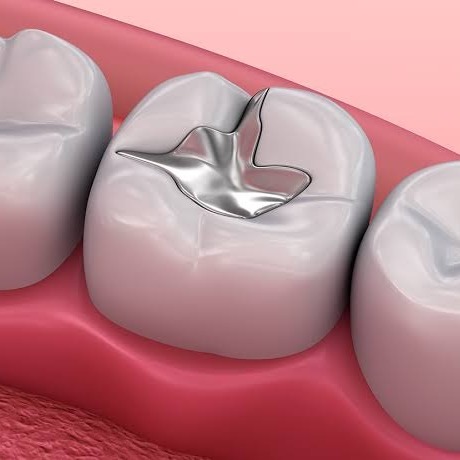 The OPTISMILE Podcast 123 - The Amalgam and Mercury Debate 31.08.2026 31minIntroductionFew subjects in dentistry generate more heat and less light than the silver amalgam filling. One camp insists the fillings are entirely safe and should be left alone. The other insists that anything containing mercury should come out at the first opportunity. Both camps are loud, and neither is right in every case. In this episode Dr Clifford Yudelman works through what the published evidence actually shows about mercury exposure from amalgam, why two dentists can look at the same filling in the same week and give a patient opposite advice, and how to tell a genuine clinical reason for removal from a business model built on fear.The episode also separates the mercury question from the mechanical one, which is where most of the real clinical decision-making sits. Old amalgams expand, they do not bond to the tooth, and they respond to hot and cold at a different rate to enamel, which is why they crack teeth and leak over the years. Dr Yudelman covers the SMART removal protocol and why high-volume suction matters more than most patients realise, whether removal automatically commits you to a crown, what an amalgam tattoo is and why it needs no treatment, what to do during pregnancy, and whether South Africans should be alarmed by international phase-outs of amalgam. The overriding message is that fear is not a clinical indication for treatment.Questions and AnswersQuestion 1 [1:27]Are silver amalgam fillings actually dangerous or toxic?Dr Yudelman's short answer is that his own wife still has two of them in her mouth, which tells you what he thinks of the risk. Mercury in amalgam is bound into a stable alloy rather than sitting loose, and one review calculated that you would need somewhere in the region of 450 to 530 amalgam surfaces, roughly a hundred large fillings, to reach the World Health Organization urinary threshold associated with the most subtle preclinical effects. A Cochrane review by Worthington and a further systematic review found no consistent or clinically important difference in harm between amalgam and composite.Question 2 [8:12]Why do some dentists say to remove them all, while others say to leave them alone?It comes down to philosophy and training, and sometimes to a business model, but that does not mean either side is lying. The precautionary camp removes amalgam to eliminate any mercury risk at all, while the minimal intervention camp leaves stable fillings alone and monitors them. Both positions are defensible in the right context, and the problem only arises when one is sold as a universal truth for every patient regardless of individual risk.Question 3 [10:05]What is the SMART protocol, and why does isolation such as the rubber dam matter so much during removal?SMART stands for Safe Mercury Amalgam Removal Technique, which Dr Yudelman describes as common sense with an acronym. The filling is not the hazard while it sits quietly in the tooth; the vapour and particles are generated when it is drilled out, so the protocol relies on isolation, copious water spray and, above all, properly maintained high-volume suction positioned right next to the tooth. Research indicates that without high-volume suction, mercury vapour levels in the operating environment can run several times higher than the recommended threshold.Question 4 [16:11]Is it true that amalgam fillings can eventually crack the tooth around them?Yes, and this is the reason Dr Yudelman actually removes most of the amalgams he removes, not the mercury. Amalgam does not bond to the tooth; it is mechanically wedged in, so as the tooth flexes under biting the filling does not flex with it, and many old fillings continue to expand over the years. Large old amalgams are monitored so that a crack can be caught before a cusp breaks off, which is a different conversation entirely from the mercury debate.Question 5 [18:32]Separately from cracking, do old silver fillings expand and contract with temperature differently to the natural tooth, and does that cause its own problems?Metal and tooth structure respond to hot and cold at different rates, so every coffee and every cold drink creates a small mismatch. Thousands of those cycles over the years open up gaps at the margins, which is how decay eventually gets underneath an old filling. It happens slowly and quietly, which is precisely why it is not usually an emergency and does not justify panic.Question 6 [19:48]If I have my metal fillings removed, do I automatically need a crown, or is there a more conservative option?You do not automatically need a crown, and the old default of grinding the whole tooth down has cost patients a great deal of money over the years. Depending on how much tooth is left, the options run from a bonded composite through to an inlay or onlay that covers only what genuinely needs protecting. Before agreeing to any removal, ask what is replacing the filling and why that option was chosen, and if no clear biological reason is offered, seek a second opinion.Question 7 [21:39]What is an amalgam tattoo on the gum, and if I have one, should I be worried?An amalgam tattoo is a grey or blue mark in the gum caused by a tiny fragment of amalgam left behind, often decades earlier when a baby tooth with a silver filling was extracted. It is purely cosmetic, it does not spread and it does not cause disease, and the fragments usually show up as small white specks on an x-ray near the mark. There is no need for removal, and no need for the biopsies that some patients are unfortunately sent for.Question 8 [23:33]Do you get more mercury exposure over the years from chewing on an old filling than you would from having it removed properly?Chewing, grinding, clenching and particularly chewing gum release very small amounts of vapour from an old filling continuously, year after year. A properly conducted removal with high-volume suction and water spray is a single controlled exposure rather than an ongoing one, so a filling left in place for decades can plausibly amount to more total exposure than one removal appointment. That is not an argument for removing stable fillings for the sake of it, but it does cut against the idea that leaving them forever is automatically the safer choice.Question 9 [26:46]What about pregnant women, should they have their amalgam fillings removed?Generally no. Stable amalgams are left alone during pregnancy, and elective or non-urgent dental work is avoided as a matter of course. If there is a genuine clinical need such as active decay or a cracked filling, it is treated with the appropriate precautions, but fear on its own is not a clinical indication for treatment.Question 10 [27:51]Some countries have restricted or phased out amalgam altogether. Should South Africans be worried about the fillings they already have?No. Dr Yudelman sees no good reason to place new amalgam fillings, but the international phase-out is driven by environmental policy on mercury rather than by evidence of patient harm, and mercury waste regulations are now coming into force locally. In lower-resourced settings amalgam still saves teeth, although newer materials such as glass ionomers and resin-reinforced glass ionomers now handle similarly and offer a mercury-free alternative. A ban in Switzerland is not a reason to come home and have all your fillings replaced.Closing ThoughtsThe consistent thread through this episode is that the mercury conversation and the mechanical conversation are two separate things, and confusing them costs patients money. The evidence to date does not support removing stable, well-sealed amalgam fillings on toxicity grounds, and removing a sound filling out of fear means losing more tooth structure, which compounds over a lifetime. Every removal takes away more of the tooth, and that is not free.Where removal is genuinely justified is when a filling is leaking, decayed underneath, or expanding and cracking the tooth around it, and even then the replacement should be the most conservative option that will do the job rather than an automatic crown. If a dentist cannot give a clear biological reason for what they are recommending, that is the moment to ask for a second opinion. Do not panic, do not act on a social media post, and have the individual risk properly assessed before anything is drilled.Further ResourcesAll links below have been verified on the OptiSmile website.Unveiling Dental Fillings: Preservation Meets Aestheticshttps://optismile.co.za/blog/unveiling-dental-fillings-preservation-meets-aesthetics/Beyond Fillings and Crowns: The Magic of Inlays and Overlayshttps://optismile.co.za/blog/beyond-fillings-and-crowns-the-magic-of-inlays-and-overlays/Dental Inlays and Overlays Treatmenthttps://optismile.co.za/dental-solutions/dental-inlays-overlays/Comprehensive Guide: Dental Inlay versus Crownhttps://optismile.co.za/blog/dental-inlay-vs-crown/Cracked Teeth: Causes, Symptoms and Treatmentshttps://optismile.co.za/blog/can-cause-cracked-tooth/Toothache Troubles: Managing Dental Pain and Costshttps://optismile.co.za/blog/toothache-troubles-managing-dental-pain-and-costs/Parafunctional Habits: Ice Chewinghttps://optismile.co.za/blog/parafunctional-habits-ice-chewing/Dental Bonding at OptiSmile Sea Pointhttps://optismile.co.za/dental-solutions/dental-bonding/Disclaimer: The content provided in this podcast, "Save Your Money Save Your Teeth" on Medical Mondays, is for informational and educational purposes only. It is not intended to serve as dental or medical advice. The insights and opinions expressed by Dr. Clifford Yudelman and any guests are designed to foster a better understanding of dental health, preventive measures, and general well-being, but should not be interpreted as professional dental or medical recommendations. Dr. Clifford Yudelman does not diagnose, treat, or offer prevention strategies for any health conditions directly through this podcast. This platform is not a substitute for the personalized care and advice provided by a licensed dental or healthcare professional. We strongly encourage our listeners to consult with their own dental care providers to address individual dental health needs and concerns. The information shared here aims to empower listeners with knowledge about dental health but must not be used as a basis for making health-related decisions without professional guidance. Your dental care provider is the best source of advice about your dental and overall health. Please always seek the advice of your dentist or other qualified health professionals regarding any questions or concerns about your dental health.
 -
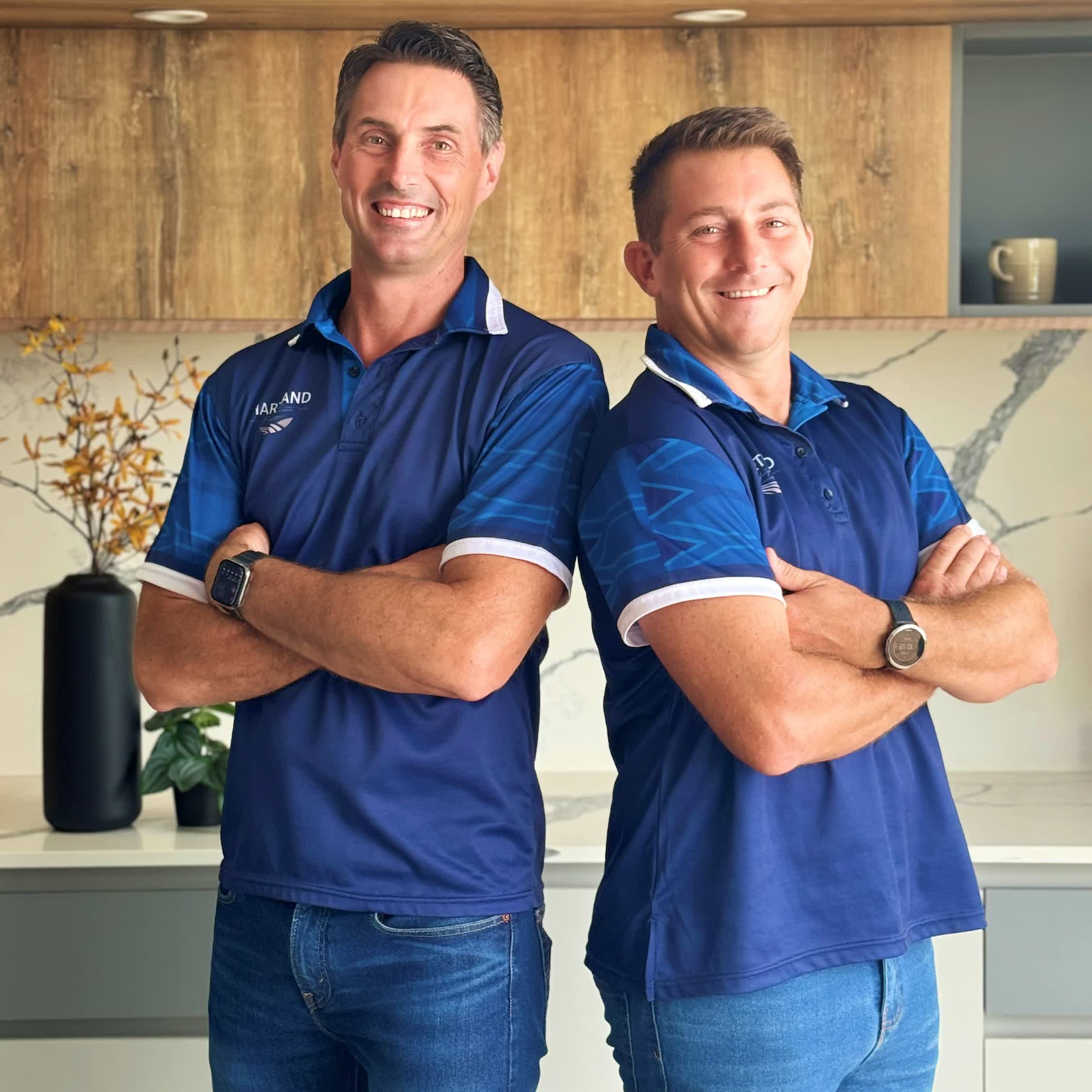 The Brothers at Hartland - Episode 5 - The new Recreational Area 28.08.2026 4minIn this episode, we explore the new Recreational Area at Hartland Lifestyle Estate.Vaughn Harris tells us about the planned club house, swimming pool, dams with picnic areas, amphitheater for entertainment, full day spa, padel courts and more. For more information:John Harris📞 083 234 7525✉️ [email protected] Harris📞 061 458 8606✉️ [email protected] Brothers @ Hartland"Two Brothers, One Goal: Your Family's Future"
 -
 Your Money Maument with Mauritz Oberholzer - The Dangers of a Balloon Payment on your car 27.08.2026 4minThinking of taking a balloon payment on your next car? Financial Advisor Mauritz Oberholzer explains how balloon payments work, the risks they can pose, and why a lower monthly instalment could end up costing you more in the long run. Find out what to consider before signing your next vehicle finance agreement.Your Money Maument is aired on eRadio SA every Thursday and available as a podcast afterwards.For more information visit https://www.mauritzoberholzer.co.za/
 -
 LEGAL TALK with Hahn & Hahn Attorneys: Rescission of Judgment Explained 26.08.2026 5minWhat is a Rescission of Judgment and when can it be applied for? We ask Thabiso Tshukudu, Associate Attorney at Hahn & Hahn.For more information, visit https://hahnlaw.co.za/ Legal Talk is aired every Wednesday morning at 10:00 on eRadio SA and available as a podcast thereafter.
 -
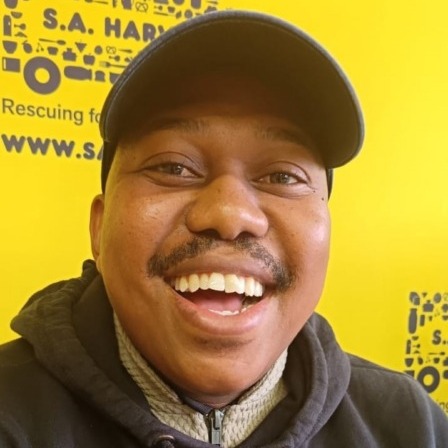 eRadio Charity Focus: From Food Waste to Food Rescue - How SA Harvest Is Making a Difference 25.08.2026 14minA conversation with Dodo Manisi, SA Harvest’s Cape Town Procurement Lead, about turning surplus food into meaningful social impact. Discover how food rescue helps fight hunger, why businesses should donate rather than waste edible food, and how collaboration can create hope, dignity and meals for communities in need.For more information or to get involved, visit: https://saharvest.org/
 -
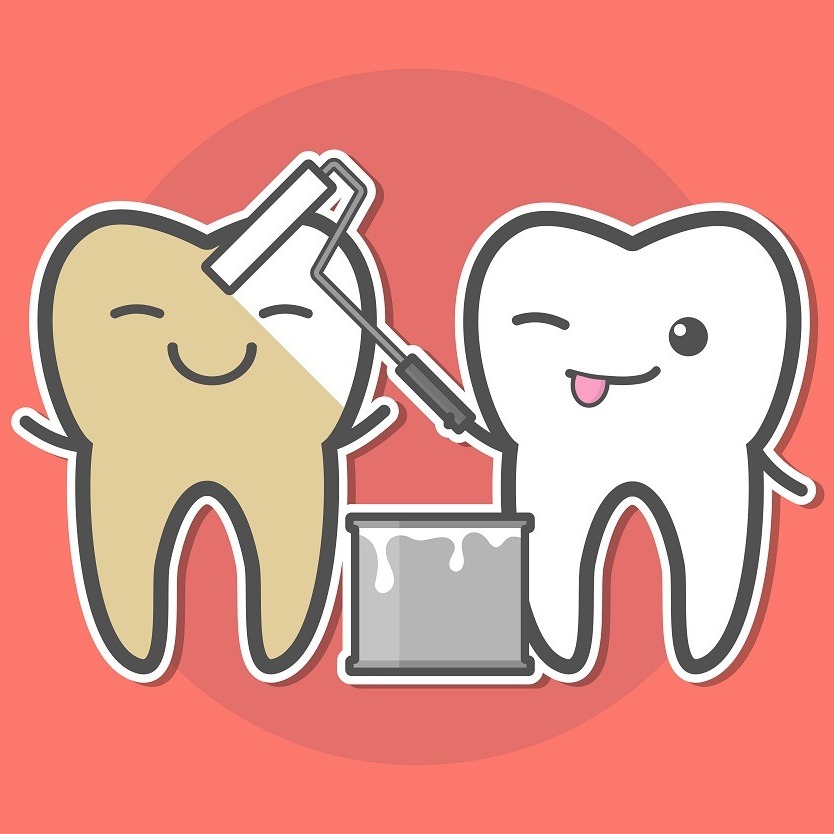 The OPTISMILE Podcast 122 - Whitening a Single Dark Tooth 24.08.2026 22minIntroductionIt is one of the most common - and most misunderstood - problems in dentistry: a single front tooth that has quietly gone grey, brown, or almost black while every other tooth in the mouth stays perfectly white. In this episode, Dr Clifford Yudelman explains why it happens, usually years after an old knock that never hurt and was never investigated, and why the standard fixes patients are offered — more whitening, or a veneer — are often the wrong answer entirely.Instead, Dr Yudelman walks through internal bleaching, also known as the walking bleach technique: a nearly hundred-year-old procedure that can restore a dead, discoloured tooth to match its neighbours without drilling away healthy enamel. He covers how the procedure works, what it costs, how long it lasts, and why it so often gets skipped in favour of a crown or veneer that removes far more tooth than necessary.Questions and AnswersQuestion 1 (1:12 – 3:21)Why does a single tooth sometimes turn grey or even black years after a knock, when nothing else about it seems wrong?An old injury - a hockey ball, a squash racket, a childhood knock - can kill the nerve without ever causing pain, so it goes uninvestigated. Blood products then break down inside the dentine and stain the tooth from within, and because enamel is translucent, that internal staining shows through years later. Dr Yudelman stresses that any dark tooth needs an x-ray and vitality testing, since some discoloured teeth are still vital and do not need a root canal at all.Question 2 (3:21 – 3:33)Is it true that a root canal actually darkens the tooth, or is it the materials that get used?A well-done modern root canal does not darken a tooth - the staining is usually already underway before treatment starts. Older materials, and particularly silver amalgam fillings placed behind a root-canalled front tooth, are the more common cause of that dark colour working its way through from the inside.Question 3 (4:39 – 4:45)Can ordinary whitening trays fix a tooth that has died and gone dark?No — once a tooth has had a root canal and gone dark, external whitening barely touches it, and can make things look worse. Bleaching the surrounding teeth lighter only increases the contrast with the one tooth that stays dark.Question 4 (5:50 – 10:32)What exactly is internal bleaching, or what dentists call the walking bleach technique?The dentist reopens the existing root canal access, confirms the coronal seal is sound, then seals a 35% hydrogen peroxide gel (such as Opalescence Endo) inside the tooth behind a temporary glass ionomer filling for several days to a week — hence 'walking bleach'. Once the colour matches, the bleach is removed and the tooth is permanently filled. In South Africa the full course typically runs from around 3,000 Rand for the first visit up to roughly 9,000 Rand across two or three appointments, well below the cost of a crown.Question 5 (10:40 – 11:08)Does it hurt, given that the dentist is working inside the tooth?No — the nerve is already gone, so there is nothing to feel and no anaesthetic is needed. Patients may notice something sitting inside the tooth, but the procedure itself is straightforward and far less invasive than preparing a tooth for a crown.Question 6 (11:17 – 13:01)Is internal bleaching safe, or can it damage the root from the inside?It is safe when done properly, but proper sealing of the root canal is essential — historically, leaking bleach past an inadequate seal could cause external root resorption. Dr Yudelman recommends asking any dentist how many of these procedures they have done, and refers his own patients to root-canal-experienced colleagues at OptiSmile rather than doing them himself.Question 7 (13:11 – 14:03)How long does the result last, and will the tooth eventually go dark again?Results can last for years, sometimes indefinitely, though the tooth can drift slightly or the surrounding teeth may darken by comparison over time. When that happens, a quick touch-up with trays or a repeat internal bleach resolves it — far cheaper and less invasive than the crown that is often offered instead.Question 8 (14:11 – 15:13)How many visits does it take, and how long before the colour actually matches?It is usually two to three short appointments. The essentials are confirming on x-ray (and CBCT where needed) that the root filling is completely sound, using magnification to check the seal, then reviewing colour under daylight before placing the final restoration. Results are often visible within three or four days.Question 9 (15:23 – 17:08)If the tooth is dark, why not just fit a veneer and be done with it?A veneer means drilling away healthy enamel that can never be replaced, and because a well-made veneer is thin and translucent, it usually cannot fully mask a dark tooth underneath — dentists often compensate with an opaque veneer that then looks too white next to the other teeth, prompting a recommendation to veneer several more teeth to match. Dr Yudelman calls this exact pattern the reason he started the podcast in the first place.Question 10 (17:17 – 20:23)What does internal bleaching save a patient compared with a ceramic crown?It saves the tooth itself. A crown on a front tooth often means removing around 60% of the remaining structure, sometimes with a post that raises the risk of the tooth fracturing at the gum line later, and a crown placed in someone's twenties will likely need replacing multiple times over a lifetime at significant cumulative cost. With internal bleaching, the strong outer shell of enamel is preserved and can be reinforced with a fibre-reinforced filling material, keeping the tooth close to its original strength.Closing ThoughtsThe core message of this episode is a simple one: a dark tooth is a colour problem, not automatically a damage problem. Before agreeing to a veneer or a crown, it is worth asking whether the tooth can be treated from the inside first — because enamel, once removed, cannot be bought back.Further ResourcesTake-Home Teeth Whitening Kits, Explained: https://optismile.co.za/blog/take-home-teeth-whitening-kits-explained/In-Chair Teeth Whitening: Process, Results & Aftercare: https://optismile.co.za/blog/explained-in-chair-teeth-whitening/Root Canal Treatment Cape Town: https://optismile.co.za/dental-solutions/root-canal-treatment-cape-town/Dental Veneers in Cape Town: https://optismile.co.za/dental-solutions/dental-veneers/Disclaimer: The content provided in this podcast, "Save Your Money Save Your Teeth" on Medical Mondays, is for informational and educational purposes only. It is not intended to serve as dental or medical advice. The insights and opinions expressed by Dr. Clifford Yudelman and any guests are designed to foster a better understanding of dental health, preventive measures, and general well-being, but should not be interpreted as professional dental or medical recommendations. Dr. Clifford Yudelman does not diagnose, treat, or offer prevention strategies for any health conditions directly through this podcast. This platform is not a substitute for the personalized care and advice provided by a licensed dental or healthcare professional. We strongly encourage our listeners to consult with their own dental care providers to address individual dental health needs and concerns. The information shared here aims to empower listeners with knowledge about dental health but must not be used as a basis for making health-related decisions without professional guidance. Your dental care provider is the best source of advice about your dental and overall health. Please always seek the advice of your dentist or other qualified health professionals regarding any questions or concerns about your dental health.
 -
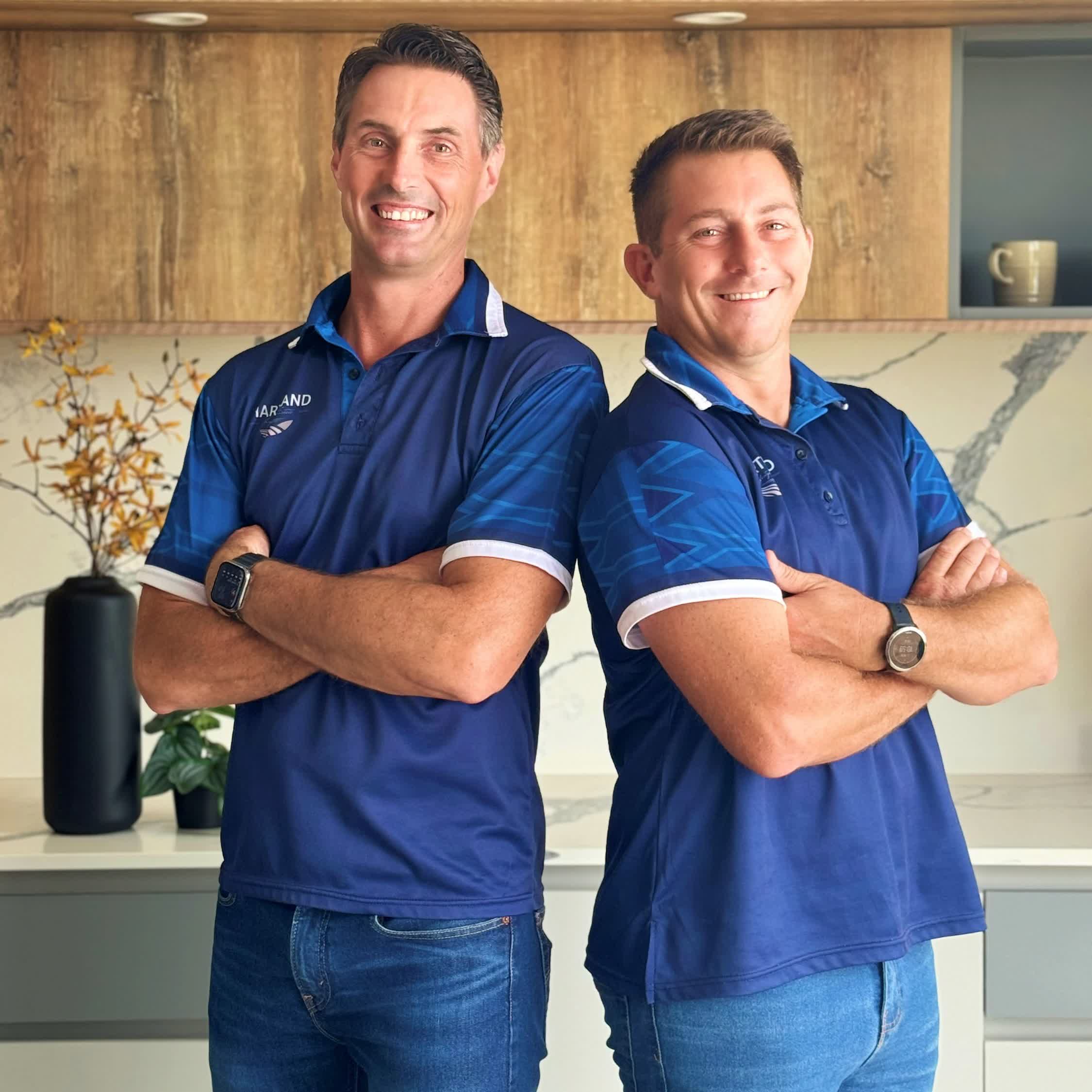 The Brothers at Hartland - Episode 4 - The Klein Karoo Phase 21.08.2026 8minIn this episode, we explore the new Klein Karoo Phase at Hartland Lifestyle Estate and what makes it stand out from other residential developments on the Garden Route.Vaughn Harris tells us about the modern design, premium finishes and affordable homeownership, as well as the lock-up-and-go lifestyle, security, fibre connectivity and access to nature. We also look at Hartland’s prime location and why the development could be an attractive option for first-time buyers, young professionals and growing families.For more information:John Harris📞 083 234 7525✉️ [email protected] Harris📞 061 458 8606✉️ [email protected] Brothers @ Hartland"Two Brothers, One Goal: Your Family's Future"
 -
 Your Money Maument with Mauritz Oberholzer - Medical Aid VS Medical Insurance 20.08.2026 3minIn this week's episode, Financial Advisor Mauritz Oberholzer breaks down the key differences between medical aid and medical insurance. We look at what each option covers, the costs involved, hospital and day-to-day benefits, exclusions, and what you should consider when choosing the right cover for your healthcare needs.Your Money Maument is aired on eRadio SA every Thursday and available as a podcast afterwards.For more information visit https://www.mauritzoberholzer.co.za/
 -
 LEGAL TALK with Hahn & Hahn Attorneys: The importance of a Shareholders Agreement 19.08.2026 5minIn this week's episode of Legal Talk on eRadio SA, we unpack everything you need to know about shareholders’ agreements - from what they are and why they matter, to whether they are compulsory and what makes them legally valid. We also explore what a shareholders’ agreement should cover, how it interacts with directors’ duties and a company’s MOI, whether new shareholders are automatically bound, and the key risks shareholders should be aware of. We're joined by Nirvana Nothnagel of Hahn & Hahn Attorneys. Legal Talk is aired every Wednesday morning at 10:00 on eRadio SA and available as a podcast thereafter.
 -
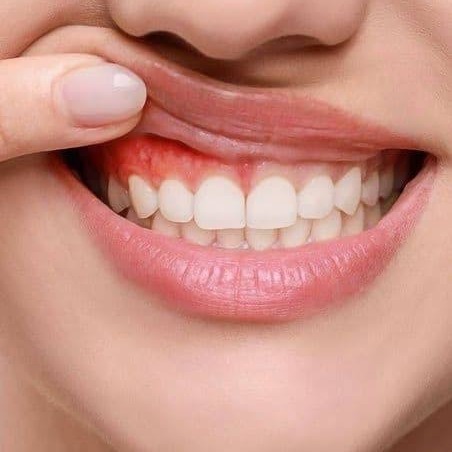 The OPTISMILE Podcast 121 - What Your Gum Measurements Mean 17.08.2026 25minIntroductionAlmost every patient has had the experience. You are lying back in the chair, and someone starts calling out numbers over your head. Three, two, three, five. It sounds like a code, or a bingo call, and very few people ever stop to explain what it means. Those numbers are a periodontal chart, and they are one of the most useful pieces of information in all of dentistry. They are also one of the least explained.In this episode Dr Clifford Yudelman decodes the numbers. What a periodontal probe actually measures, why one, two and three are healthy, why a four is a yellow light rather than a red one, and why a six is a different conversation altogether. He covers why bleeding is the earliest warning sign available, why smokers and vapers can show deceptively good numbers while bone quietly disappears underneath, and why a full periodontal examination includes far more than pocket depths. The closing argument is a financial one. A chart turns guesswork into a plan, and guesswork is what costs patients money.Questions and AnswersQUESTION 1 | 1:19When the hygienist calls out numbers like three, two, three, five, what exactly are they measuring?Depth, not damage. A blunt periodontal probe is slid gently into the space between the tooth and the gum, called the sulcus, and the number is how far it goes before it meets resistance. One, two or three millimetres means the gum is sealed tightly against the tooth, and with six readings per tooth there are around 180 readings in a full mouth.QUESTION 2 | 4:24What is a periodontal pocket, and how does it form?Inflammation makes the gum swell and lose its grip, so it detaches from the tooth and leaves a deeper space where bacteria can live undisturbed and a toothbrush cannot reach. Nobody wakes up with a six millimetre pocket. It takes months or years of uninterrupted inflammation, which means there is a long window in which it is still reversible.QUESTION 3 | 6:14Is a four a warning sign, and is a six a disaster?A four is a yellow light, not a red one. It is inflammation, and most fours come back down to threes with better interdental cleaning and a professional clean of the area that is bleeding. A six is a different conversation, because bone support may already be compromised, although a single isolated six often turns out to be a food trap or an overhanging filling rather than gum disease.QUESTION 4 | 9:17Does the probing hurt, and if it does, what does that tell us?Healthy gums barely feel it, because only about 20 grams of force is used, roughly the pressure you would tolerate on your eyelid. If it hurts, that is inflammation, not a heavy hand. You cannot make a healthy gum bleed at that pressure, so pain and bleeding during probing are a map of where the cleaning at home is not working.QUESTION 5 | 12:29What does it mean if there is bleeding during the probing?It means inflammation, and it is the earliest warning sign available, arriving long before pockets deepen and years before anything shows on an X-ray. There is no such thing as gums that simply bleed, and no such thing as sensitive gums. If your hands bled every time you washed them, you would not conclude that you had sensitive hands.QUESTION 6 | 13:56Why do smokers often have good numbers but still have gum disease?Nicotine constricts the blood vessels in the gums, so there is less blood flow, less bleeding and less visible swelling. The gums look tidy while the warning system has been switched off and healing is impaired. This applies to vaping as much as to smoking, which is why probing and X-rays are essential rather than judging by appearance.QUESTION 7 | 16:11How do these numbers relate to the bone loss we see on the X-rays?Probing reports on soft tissue and the X-ray reports on bone, so both are needed. Think of the tooth as a fence post. The probe tells you how loose the soil is at the top, and the X-ray tells you how much soil is left holding the post upright. Probing picks up trouble first, so waiting until the X-ray looks wrong is waiting too long.QUESTION 8 | 17:11Can a deep pocket shrink back down to a healthy number without surgery?Yes, and it often does, particularly where bone has not yet been lost. Remove the irritation, whether that is tartar, an overhanging filling or a badly contoured crown, and the inflammation settles, the tissue tightens back against the tooth, and fours become threes. Once significant bone loss has occurred the position changes from curing to managing.QUESTION 9 | 19:09If I have deep pockets, will I definitely lose my teeth?Not necessarily, and sometimes it is the reverse. A proper periodontal examination also records bleeding points, suppuration, furcation involvement between the roots, mobility grades and recession. A three millimetre pocket with six millimetres of recession leaves only two millimetres of bone holding the tooth, so pocket depth alone does not settle the question.QUESTION 10 | 22:00Why is this gum map so important for saving money on future surgery?Because it turns guesswork into a plan, and guesswork is what costs money. A chart lets you compare today against a year ago, so treatment can be aimed at the one region that has changed rather than the whole mouth. Without it, dentistry becomes reactive, and reactive dentistry is nearly always more dentistry than the patient actually needed.Closing ThoughtsThe single most useful sentence in this episode is that your gum numbers are a map, not a verdict. A four is a yellow light. A six needs attention. Neither one is a sentence, and both are far more informative than most patients are ever told.Dr Yudelman closes with his father, who practised for 57 years, taught periodontics to postgraduates at the university for 27 years, and brought conservative scaling and root planing techniques back to South Africa after studying in the United States in 1968, all while working as a general dentist. The point being that probing is not specialist work. Every dentist and every hygienist should be doing it properly.So the next time somebody calls out numbers over your head, ask what they mean, and ask whether they are better or worse than last time.Further ResourcesGum Disease: Early Signs, Professional Care and Recoveryhttps://optismile.co.za/blog/gum-disease-early-signs-professional-care-and-recovery/The companion episode on gingivitis and periodontitis, including the smoking and diabetes risk factors touched on here.Periodontist in Cape Townhttps://optismile.co.za/dental-problems/periodontist-cape-townBackground on gum disease as a systemic health issue and when specialist periodontal referral is appropriate.Professional Dental Cleaning Explainedhttps://optismile.co.za/blog/professional-dental-cleaning-explained/What actually happens during a hygiene visit, including the disclosing dye and piezo ultrasonic scaling referred to in this episode.Teeth Cleaning in Cape Town: Scaling and Polishinghttps://optismile.co.za/dental-solutions/teeth-cleaning/The service page for hygiene appointments, including the red, swollen or bleeding gums warning signs.Tips for Cleaning Your Teeth When Wearing Braceshttps://optismile.co.za/blog/tips-cleaning-teeth-wearing-braces/Practical detail on water flossers and Curaprox interdental brushes for the areas a toothbrush cannot reach.The Importance of Oral Hygiene and Healthy Teethhttps://optismile.co.za/blog/the-importance-of-oral-hygiene-and-healthy-teeth/General preventive guidance, including tobacco and alcohol as gum disease risk factors.The Oral Microbiome and Your Healthhttps://optismile.co.za/blog/the-oral-microbiome-your-health/The bacterial side of the story, for listeners who want the biology behind why pockets harbour disease.Disclaimer: The content provided in this podcast, "Save Your Money Save Your Teeth" on Medical Mondays, is for informational and educational purposes only. It is not intended to serve as dental or medical advice. The insights and opinions expressed by Dr. Clifford Yudelman and any guests are designed to foster a better understanding of dental health, preventive measures, and general well-being, but should not be interpreted as professional dental or medical recommendations. Dr. Clifford Yudelman does not diagnose, treat, or offer prevention strategies for any health conditions directly through this podcast. This platform is not a substitute for the personalized care and advice provided by a licensed dental or healthcare professional. We strongly encourage our listeners to consult with their own dental care providers to address individual dental health needs and concerns. The information shared here aims to empower listeners with knowledge about dental health but must not be used as a basis for making health-related decisions without professional guidance. Your dental care provider is the best source of advice about your dental and overall health. Please always seek the advice of your dentist or other qualified health professionals regarding any questions or concerns about your dental health.
 -
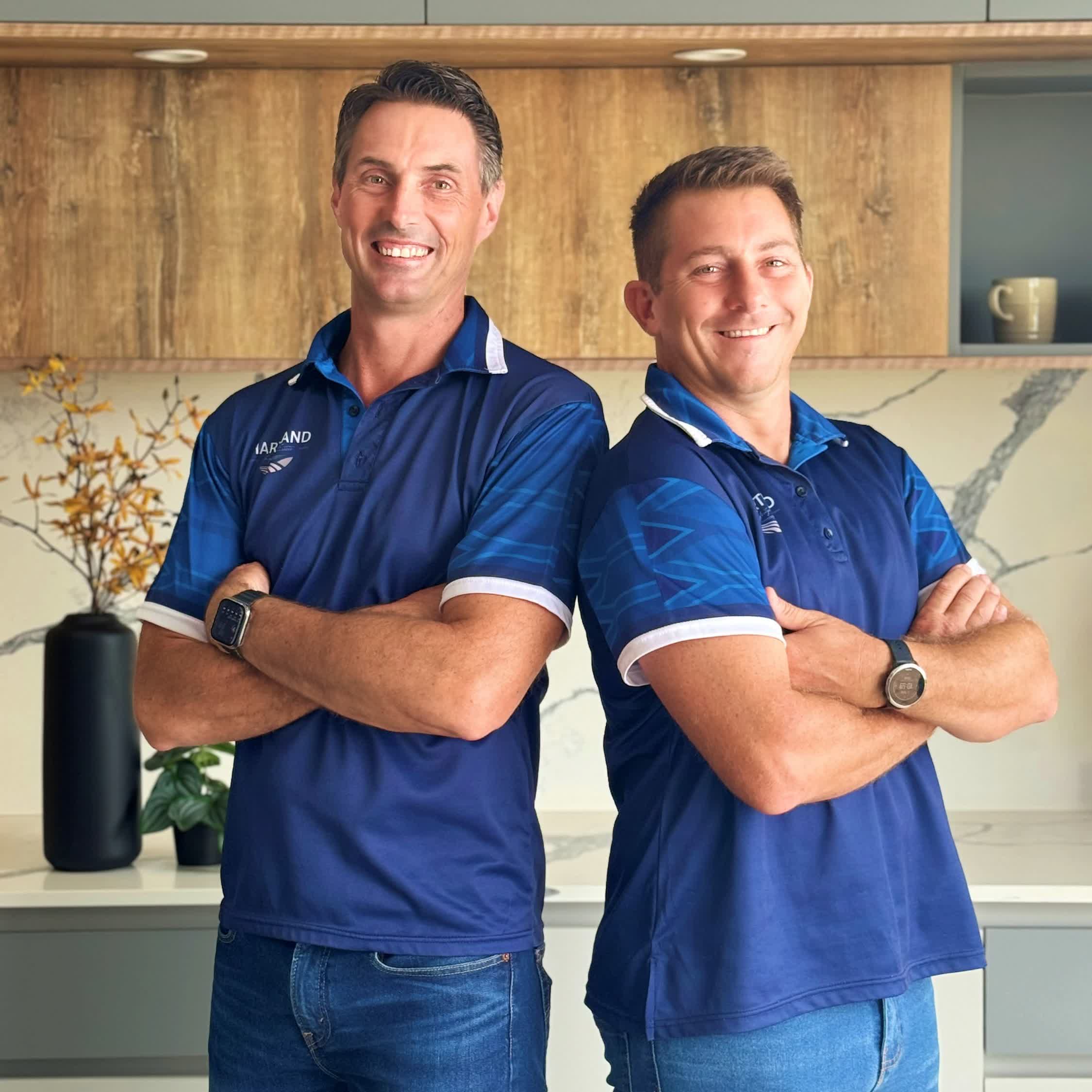 The Brothers at Hartland - Episode 3 - Hartland’s New Retirement Care Facility 14.08.2026 8minThis week we chat about the exciting new Hartland Retirement Village Care Facility with CareVita and what it means for future residents and their families.For more information: John Harris📞 083 234 7525✉️ [email protected] Harris📞 061 458 8606✉️ [email protected] Brothers @ Hartland"Two Brothers, One Goal: Your Family's Future"
Stacion radio

Podkaste të ngjashme


I/E popullarizuar në
Ky podkast shfaqet edhe në listat e podkasteve të këtyre shteteve.
