
Intelligent Design the Future
Discovery Institute
0
The ID The Future podcast explores issues central to evolution and intelligent design, providing news and views on the topic. It features brief interviews with scientists and scholars developing the theory of intelligent design, as well as commentary from Discovery Institute senior fellows and staff on scientific, educational, and legal aspects of the debate. Episode notes and archives are available at idthefuture.com.
Episodet
-
 Sunlight And Water Are Uniquely Fit to Sustain Life 02.10.2026 22minIf the sun didn't power the photosynthesis of green plants, we wouldn't be breathing right now. And without the finely tuned properties of water, Earth would be a frozen, lifeless wasteland. Coincidence? Or is something else at work? On this classic episode of ID The Future out of the archive, host Andrew McDiarmid continues his ongoing series with Dr. Jonathan McLatchie unpacking the many features of our planet and the cosmos that allow for advanced life like ours to exist. Here, the discussion turns to the life-friendly properties of sunlight and water. Source
 -
 Science Suggests Matter and Meaning Are Both Real 30.09.2026 28minWhat is the story of everything? Is there a scientific and philosophical basis for meaning? Today on ID The Future, host Andrew McDiarmid continues exploring those questions with physicist and author Dr. Eric Hedin. In Part 2, the conversation turns to the scientific and philosophical basis for meaning in the universe. Dr. Hedin argues that materialism "fails to describe the world we experience." He explores the problem with reducing life and the universe to their lowest terms. Sure, we boil down to matter in motion at the microscopic level, but we also live a life full of meaning at the macroscopic level. To acknowledge one and not the other, or to say that the one causes an illusion of the other, doesn't match up with what science is telling us, says Hedin. Source
 -
 A Designed Universe Makes Meaning Real, Not Illusory 28.09.2026 31minWhy are we here? Does life, or the universe, mean anything? And if it does, what? Today on ID The Future, host Andrew McDiarmid explores those questions and more with physicist and author Dr. Eric Hedin. Using the recent documentary film The Story of Everything as a springboard for discussion, Hedin shows that cumulative scientific evidence is pointing to a purposeful universe, not a cosmic accident. This is Part 1 of a two-part conversation. Look for Part 2 next! Source
 -
 Why Carbon is Finely Tuned for Life 25.09.2026 21minIn his book Darwin’s Black Box, biochemist Michael Behe writes that in order to understand the barriers to evolution, we have to “bite the bullet of complexity.” On this classic episode of ID The Future out of the vault, Dr. Jonathan McLatchie is back to help us do just that! In the latest installment of an ongoing series, Dr. McLatchie talks with host Andrew McDiarmid about the remarkable properties of carbon and other non-metal atoms. Source
 -
 Scoring the Universe: A Rubric for Cosmological Design 23.09.2026 37minBy now, you’re likely familiar with the multiverse hypothesis, which is actually just one of dozens of cosmological models proposed to explain away the significance of a beginning to the universe and the evidence for fine-tuning. But you may not know there’s a rigorous method to evaluate these models, which can prove helpful in understanding the flaws of each. On today's ID The Future, host Andrew McDiarmid continues his conversation about evaluating cosmological models with philosopher of physics Bruce Gordon and physicist Brian Miller. This is Part 2 of a two-part conversation. Source
 -
 Inscrutable Dice and Bean Jars: Answering Objections to Fine-Tuning 21.09.2026 36minYou’re likely familiar with the evidence for the fine-tuning of the universe, and you may be aware that there are several cosmological models attempting to explain away that fine-tuning, including the popular multiverse hypothesis. But did you know an ID scientist has developed a scientifically rigorous method for scoring those models? On this ID The Future, host Andrew McDiarmid begins a two-part conversation with philosopher of physics Bruce Gordon and physicist Brian Miller about Gordon's scoring system and how it evaluates the many models on offer that might explain the origin and development of the universe. This is Part 1 of 2. Source
 -
 Tech Entrepreneur on People-First AI Innovation in Business 18.09.2026 1h 29minToday’s episode of ID The Future comes from our sister podcast Mind Matters News, a production of Discovery Institute’s Walter Bradley Center for Natural and Artificial Intelligence. Mind Matters regularly explores the nature of intelligence, the origin of information, and the things that make us uniquely human, all concepts that are central to the theory of intelligent design. Enjoy today’s offering of Mind Matters News! How can entrepreneurs incorporate the benefits of AI while maintaining their dedication to serving fellow human beings? On this episode of Mind Matters News, host Robert J. Marks welcomes David Copps, a renowned entrepreneur, technologist, and thought leader with over two decades of experience pioneering advancements in artificial intelligence and other emerging technologies. Source
 -
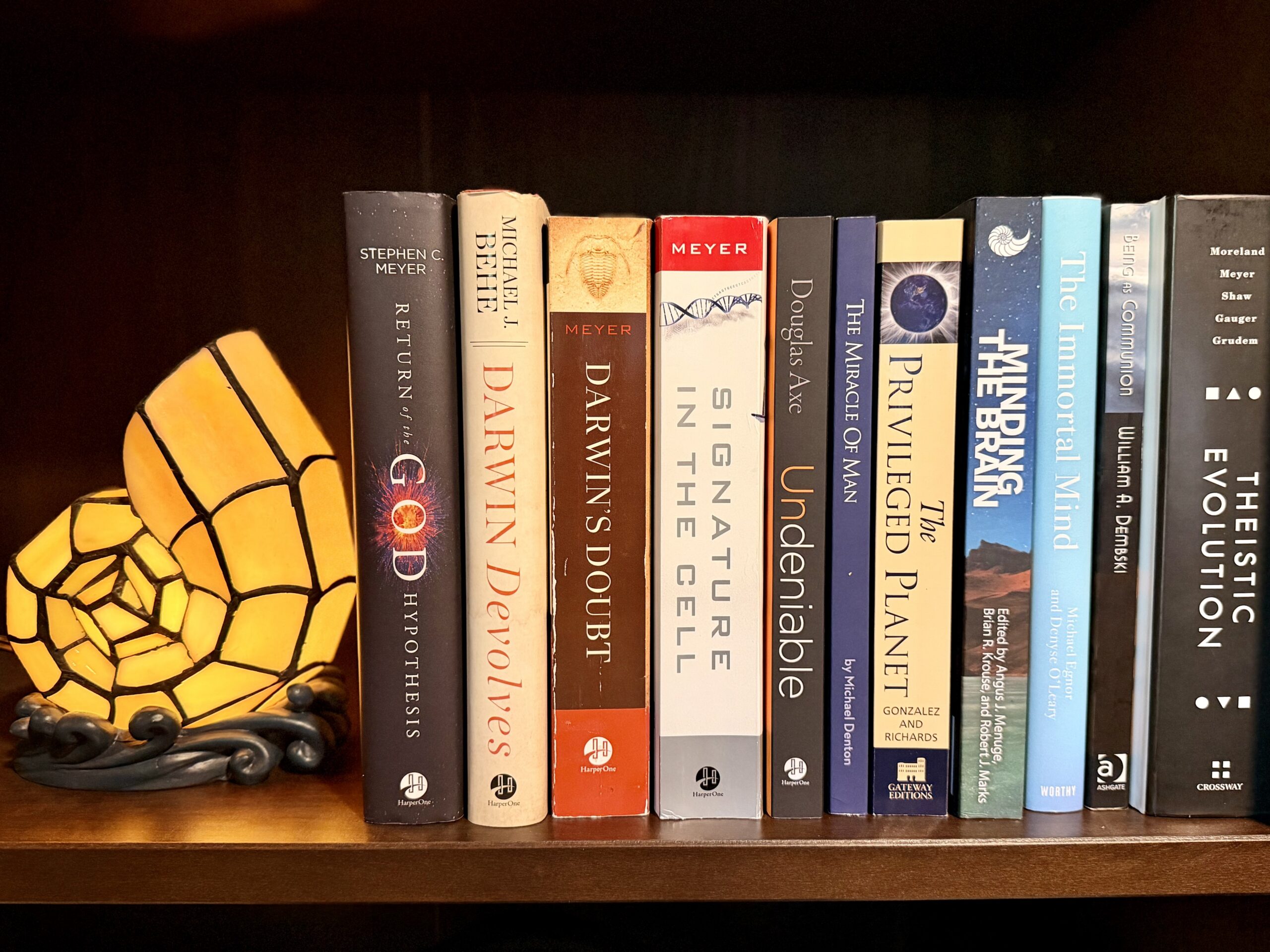 The Missing 20 Years: What Designer Science Left Out 16.09.2026 54minIs the intelligent design movement a short-lived phenomenon that has come and gone? Or is its steady and consistent growth evidence of a flourishing scientific program? On this ID The Future, host Andrew McDiarmid concludes his conversation with Dr. Casey Luskin about his critique of a recent book called Designer Science that portrays the ID movement as a short-lived political, cultural, and religious phenomenon that has produced little new research in the last two decades. In Part 2, Luskin turns to another major problem: Designer Science almost entirely ignores the last twenty years of ID scientific research and novel arguments. As the book gets retracted by the publisher, Luskin corrects the record in this conversation. This is Part 2 of a two-part conversation. Source
 -
 Fact-Checking Designer Science: Casey Luskin on ID History Errors 14.09.2026 49minIs intelligent design dying out or just warming up? On this ID The Future, host Andrew McDiarmid welcomes Dr. Casey Luskin to a new and improved podcast studio for a sit-down, in-person conversation! Today, Dr. Luskin discusses a recent book called Designer Science that portrays the ID movement as a short-lived political, cultural, and religious phenomenon. Luskin reveals some egregious errors in this purported comprehensive history of ID. First, a made-up quote from Michael Behe used to support one of the book's major premises. Second, some glaring omissions, including a number of scientific breakthroughs and developments from ID scientists in the last two decades. This is Part 1 of a two-part conversation. Look for Part 2 next! Also available in video format on our YouTube channel! Source
 -
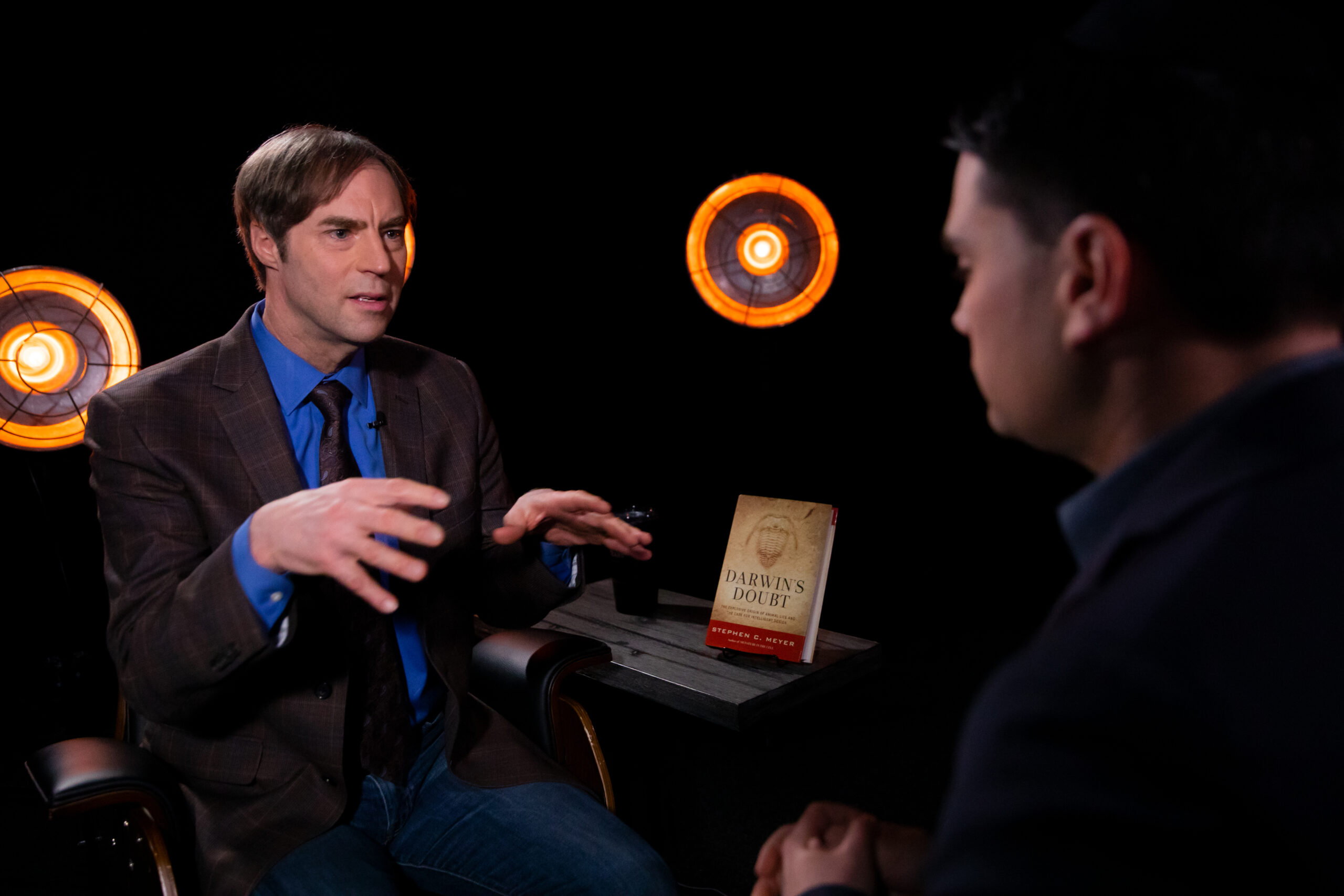 Stephen Meyer & Ben Shapiro Discuss the Origin of Information 11.09.2026 32minOn this episode of ID The Future from our archive, we’re bringing you the concluding half of a 2019 interview between Daily Wire host Ben Shapiro and philosopher of science Dr. Stephen C. Meyer. The conversation is now seven years old, so it's a good time to dust it off and share it with those who may have missed it or forgotten about it. Dr. Meyer considers this one of the best interviews he’s done on the subject of his second solo book Darwin’s Doubt. Shapiro was extremely well-prepared and asked great questions, resulting in a thought-provoking and thoroughly engaging hour-long conversation. In the second half, Dr. Meyer and Shapiro discuss the origin of life. Source
 -
 Priors & Proof: Brian Miller Unpacks the Meyer/Halper Debate 09.09.2026 31minAre the Big Bang and the evidence for the fine-tuning of the universe evidence that supports theistic belief or undermines it? On this ID The Future, host Andrew McDiarmid welcomes Dr. Brian Miller to give us a breakdown of a recent debate between philosopher of science Dr. Stephen Meyer and science communicator Phil Halper about the Big Bang, the arguments for fine-tuning, and the compatibility of science and faith in general. Source
 -
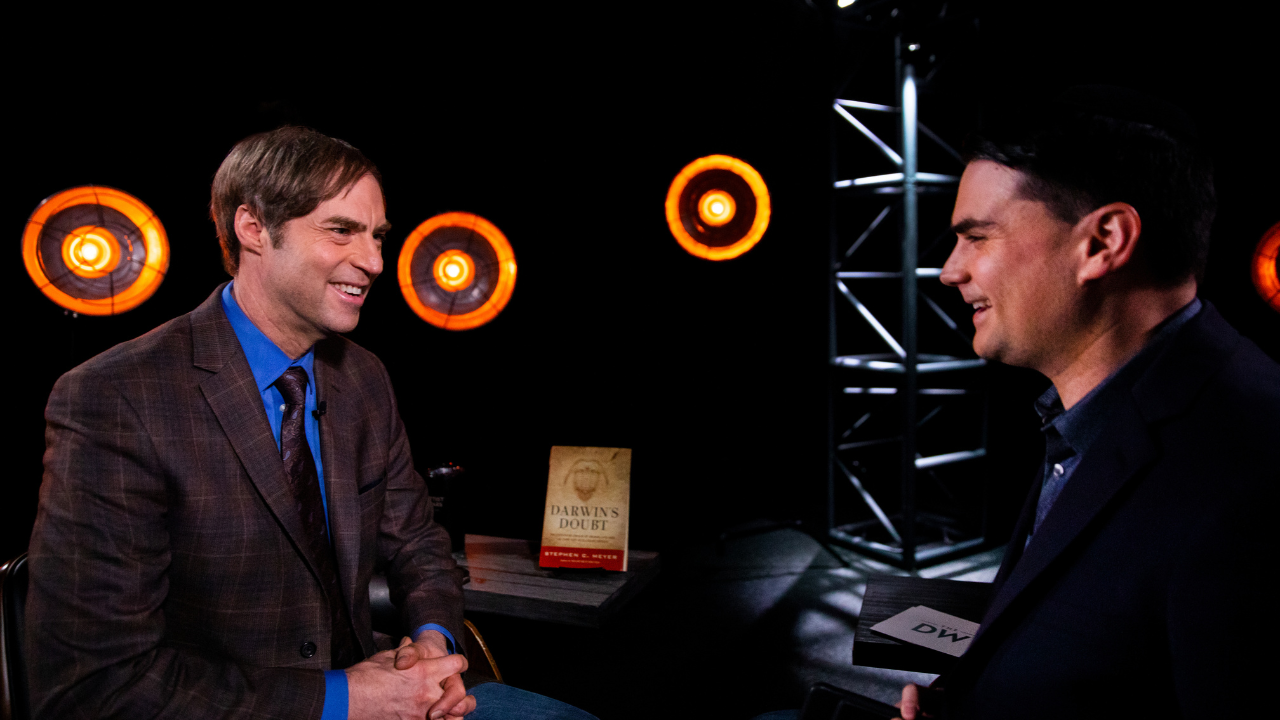 Stephen Meyer and Ben Shapiro Talk Intelligent Design 04.09.2026 30minOn this ID The Future selected out of the vault, we bring you the first half of Daily Wire host Ben Shapiro's 2019 interview with philosopher of science Dr. Stephen Meyer on The Ben Shapiro Sunday Special. This exchange happened seven years ago now, and we thought it was a good time to put it out there again for those who may not have heard it or don't remember it. Dr. Meyer considers this one of the best interviews he’s done on the subject of his second solo book Darwin’s Doubt. Shapiro was very well-prepared and asked great questions, resulting in a thought-provoking and thoroughly engaging hour-long conversation. We’ve got the first half of it for you today, followed by the concluding half in a subsequent episode. Source
 -
 Angus Menuge: A Defense of the Soul in the Age of AI 02.09.2026 1h 13minToday’s episode of ID The Future comes from our sister podcast Mind Matters News, a production of Discovery Institute’s Walter Bradley Center for Natural and Artificial Intelligence. In this episode of Mind Matters News, hosts Dr. Robert J. Marks and Pat Flynn welcome returning guest Dr. Angus Menuge, professor of philosophy at Concordia University Wisconsin, to discuss his paper “Powers of the Soul Beyond AI.” Dr. Menuge breaks down the philosophical and logical limits of artificial intelligence, targeting the concept of anthropic mechanism to explain why material machines cannot replicate the immaterial aspects of human agency. Through the lens of five distinct powers—including insight, meta-insight, and free will—Menuge explores why large language models and advanced computing systems fall short of genuine understanding and human consciousness. Source
 -
 Physicist Robert Sheldon on Wonder, Discovery, and The Story of Everything 31.08.2026 51minBy now, you’ve likely heard of the new documentary film The Story of Everything. It’s a cinematic exploration of the evidence for intelligent design in the cosmos, from the fine-tuning of the universe to the stunning engineering in every living cell. Today on ID The Future, we continue our series of interviews with the scientists and scholars featured in The Story of Everything. Host Andrew McDiarmid welcomes plasma physicist Dr. Robert Sheldon to the podcast to discuss his participation in the movie and talk about his work in physics and cosmology. Source
 -
 Medicine’s Descent From Healing to Killing 28.08.2026 35minIf we believe there is no qualitative distinction between animals and humans, are we more likely to protect human life or devalue it? On this episode of ID The Future out of the vault, guest host Eric Anderson talks to historian Dr. Richard Weikart about his latest book, Unnatural Death: Medicine's Descent From Healing to Killing, now available from Discovery Institute Press. The book is a wide-ranging history of euthanasia and assisted suicide from Ancient Greece to today. How did we get to the point we are at today, and how do we turn the tide to promote the sanctity of human life? Tune in to find out. Source
 -
 The Real-Life Medicine and Science Behind Oppenheimer’s Demon 26.08.2026 24minMost people know about the two atomic bombs dropped on Japan in 1945. But Robert Oppenheimer’s Manhattan Project had on hand another nuclear core. After claiming the lives of two scientists in separate accidents, it was dubbed the Demon Core and melted down. Some demons, however, are not so easily destroyed. Today, guest host Jonathan Witt concludes his conversation with medical doctor, disaster prep expert, and novelist Geoffrey Simmons about his new thriller novel Oppenheimer's Demon, now available from Discovery Institute Press. This is Part 2 of a two-part conversation. Source
 -
 Science & Suspense: Geoffrey Simmons Talks Oppenheimer’s Demon 24.08.2026 22minHave you ever read a book wherein both the origin and end of man hang in the balance? That's a rare combination that comes together in a new disaster thriller novel now available from Discovery Institute Press. On this ID The Future, DI Press executive editor and CSC senior fellow Jonathan Witt takes a turn at the hosting mic as he welcomes medical doctor, disaster preparedness expert, and novelist Geoffrey Simmons to discuss his latest book Oppenheimer's Demon. This is Part 1 of a two-part conversation. Source
 -
 Why AI and Darwinian Theory Share the Same Computational Limits 22.08.2026 41minToday’s episode of ID The Future comes from our sister podcast Mind Matters News, a production of Discovery Institute's Walter Bradley Center for Natural and Artificial Intelligence. On this episode of Mind Matters News, guest host Pat Flynn welcomes Dr. Winston Ewert to the show to discuss Ewert’s chapter in the volume Minding the Brain. In his contribution, titled “The Human Mind’s Sophisticated Algorithm and Its Implications,” Dr. Ewert argues that the human mind’s problem-solving cognition can be modeled as a sophisticated algorithm. Ewert explains that any cognitive task can be expressed as a version of the halting problem from computer science, where an algorithm either halts or continues infinitely. He suggests that humans are able to solve a large and sophisticated subset of these problems, but are limited in the same way that no algorithm can solve all halting problems. Ewert contends that this algorithmic view of human cognition has implications that challenge reductive materialist and neo-Darwinian views, despite resistance from some thinkers who believe human abilities transcend any algorithm. Source
 -
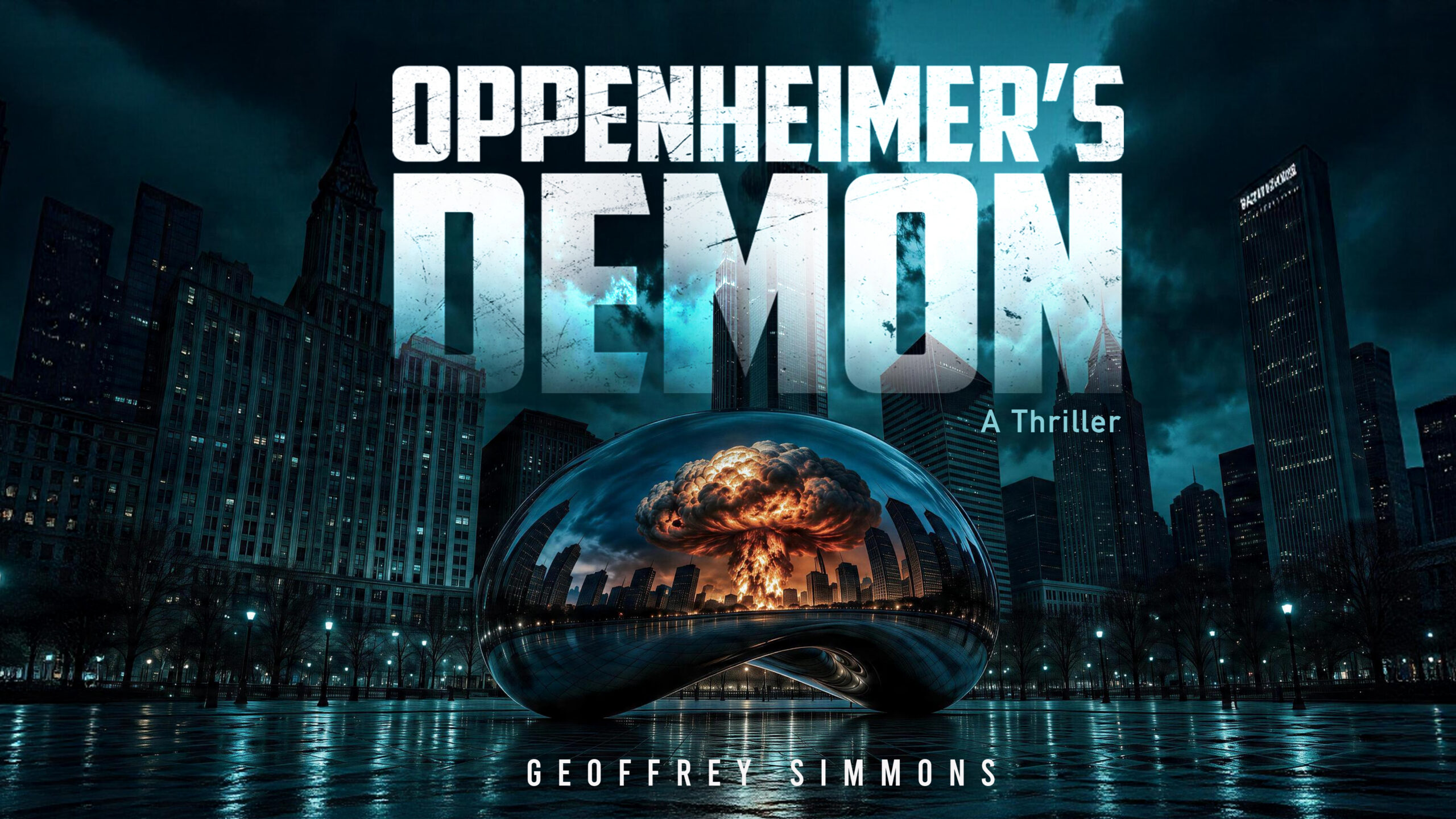 Race Against the Clock: Geoff Simmons Reads From Oppenheimer’s Demon 19.08.2026 30minThere are many books written by intelligent design scientists and scholars that explore the scientific evidence for intelligent design and the debate over evolution. But a new book published by Discovery Institute Press manages to be concerned with “both the origin and the end of man” in the same book! On this ID The Future, distinguished physician, successful novelist, and disaster preparedness expert Geoffrey Simmons is going to read to us a few scenes from his new thriller novel Oppenheimer’s Demon. Source
 -
 An Oncologist’s Journey Out of Scientific Atheism 17.08.2026 51minCan a blind, evolutionary process account for who we are and why we’re here? Is there anything beyond this life? On this ID The Future, enjoy a conversation with veteran oncologist, author, and speaker Dr. Stephen Iacobini. In this conversation, originally aired on the Ex-Skeptic podcast and hosted by Jana Harmon, Dr. Iacoboni shares his journey from childhood faith to scientific atheism and back to theistic belief. Along the way, he examines the failures of naturalism, the role of science, and the undeniable human longing for meaning that points to something beyond life itself. Source
Podkaste të ngjashme


I/E popullarizuar në
Ky podkast shfaqet edhe në listat e podkasteve të këtyre shteteve.

