
Crime at Bedtime
Jack Laurence
0
Crime at Bedtime is a podcast for those who love crime stories, even as they drift off to sleep. Hosted by Jack Laurence, each episode presents fascinating crime tales in a relaxing manner. The show is written and hosted by Laurence, and is produced independently.
Епизоде
-
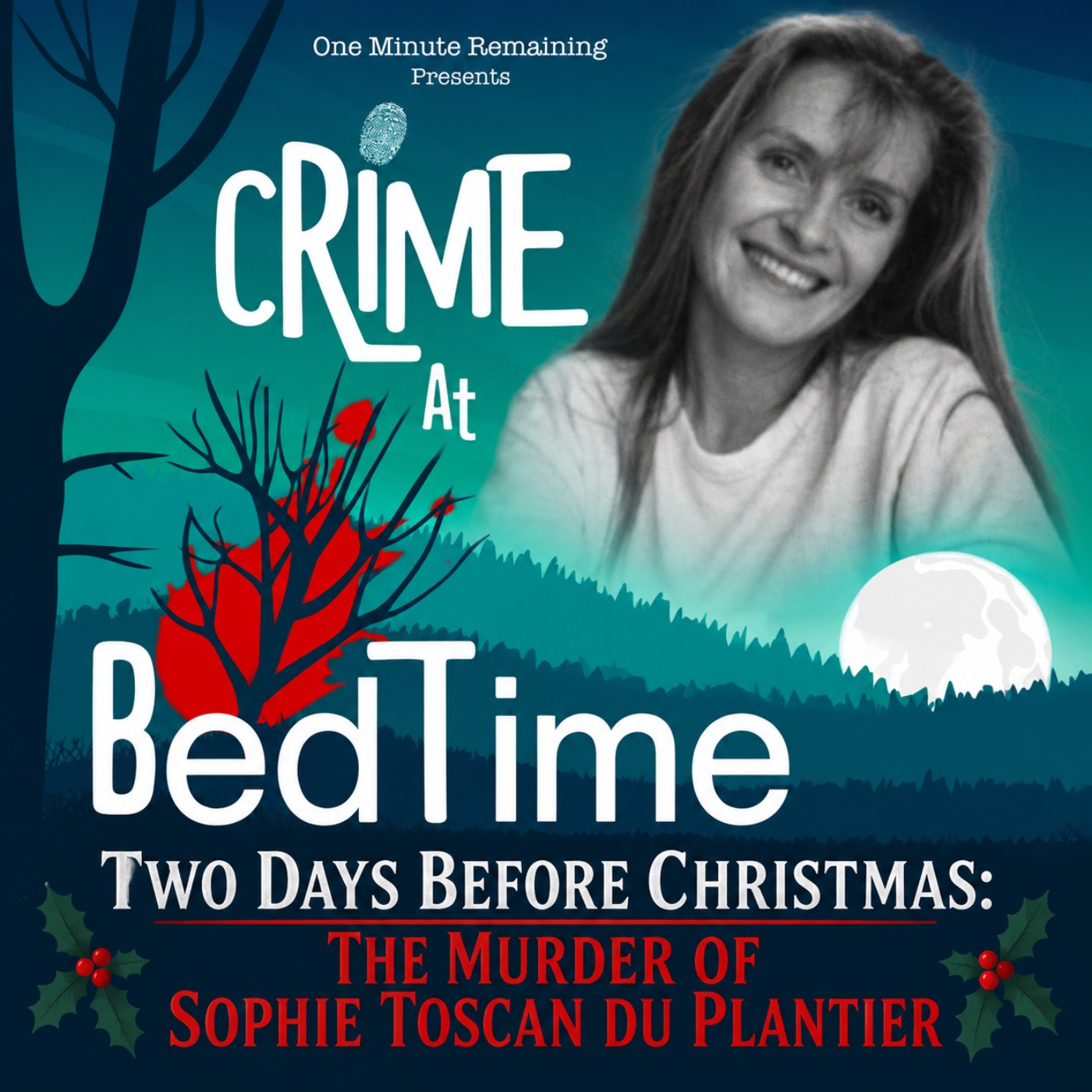 Two Days Before Christmas: The Murder of Sophie Toscan du Plantier 16.09.2026 24минThe murder of Sophie Toscan du Plantier in December 1996 is one of the most infamous unsolved crimes in Irish history, and one of the strangest legal sagas in modern Europe. Sophie Toscan du Plantier was a 39-year-old French film producer who had bought an isolated holiday cottage in West Cork, near the village of Schull, as a private retreat. Two days before Christmas, she was found beaten to death near the gate of that cottage, in her nightclothes, on a lonely Irish hillside. The investigation that followed became infamous, both for what went wrong in its earliest hours and for the man it fixed upon: an English journalist named Ian Bailey, who was arrested twice, never charged in Ireland, and always maintained his innocence. And there the case entered genuinely extraordinary territory, because a single murder came to be answered by two countries in two opposite ways. In this episode of Crime at Bedtime, we tell the full story of the murder of Sophie Toscan du Plantier: the killing on the West Cork hillside, the flawed investigation, the chief suspect who was never convicted in Ireland but was tried and found guilty in France in a court he never attended, the three separate Irish refusals to extradite him, and a mystery that his death has now sealed, perhaps forever. Settle in, get comfortable, and let us tell you the story of two days before Christmas.Become a Patreon or Apple + subscriber now for ealry and ad free access from as little as $1.69 a week. All the details hereSubscribe to Crime at Bedtimes Youtube channel HERE Hosted on Acast. See acast.com/privacy for more information.
 -
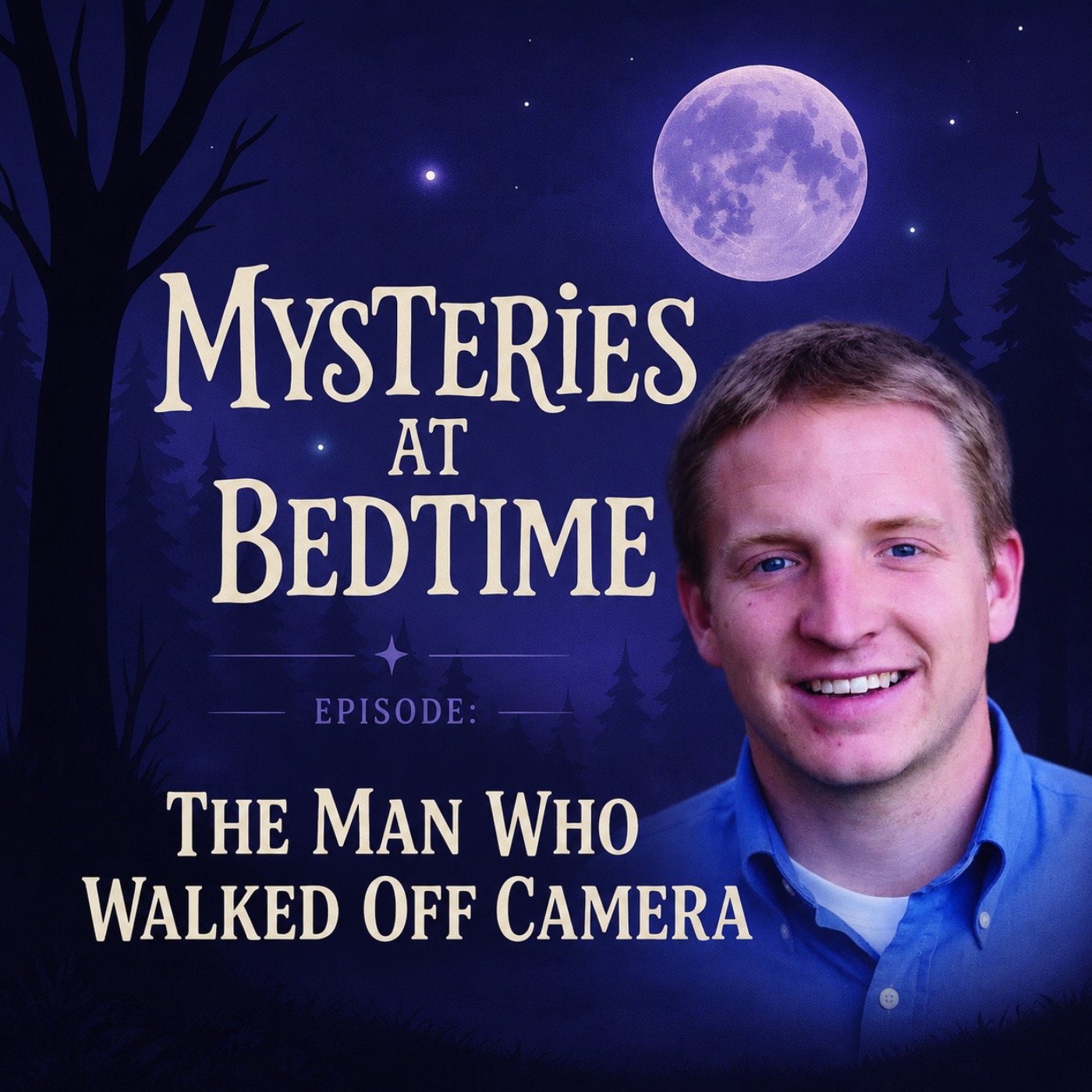 The Man Who Walked Off Camera: The Disappearance of Steven Koecher 15.09.2026 23минThe disappearance of Steven Koecher in December 2009 is one of the most quietly baffling vanishings of the modern age, and more than sixteen years later, not a single trace of him has ever been found. Steven Koecher was a devout and much-loved 30-year-old journalist from Utah who, in the days before he disappeared, made a series of long and secret road trips that he explained to no one. On a sunny Sunday two days before Christmas, he drove 135 miles to a retirement community in Henderson, Nevada, a place where he knew no one and had no reason on earth to be. A residential security camera caught him parking his car, getting out, and walking purposefully down a quiet suburban sidewalk with something tucked under his arm. He turned a corner, out of the camera's view, and was never seen again. His car sat for days, full of Christmas presents he never came back for, and in the days after he vanished, his phone pinged from a tower miles away. In this episode of Mysteries at Bedtime, we tell the full story of the disappearance of Steven Koecher: the secret drives, the last footage of a man walking off camera, the untouched Christmas gifts, the phone that moved without him, and a mystery so complete that every theory anyone has offered runs straight into a wall. Settle in, get comfortable, and let us tell you the story of the man who walked off camera.Become a Patreon or Apple + subscriber now for ealry and ad free access from as little as $1.69 a week. All the details hereSubscribe to Crime at Bedtimes Youtube channel HERE Hosted on Acast. See acast.com/privacy for more information.
 -
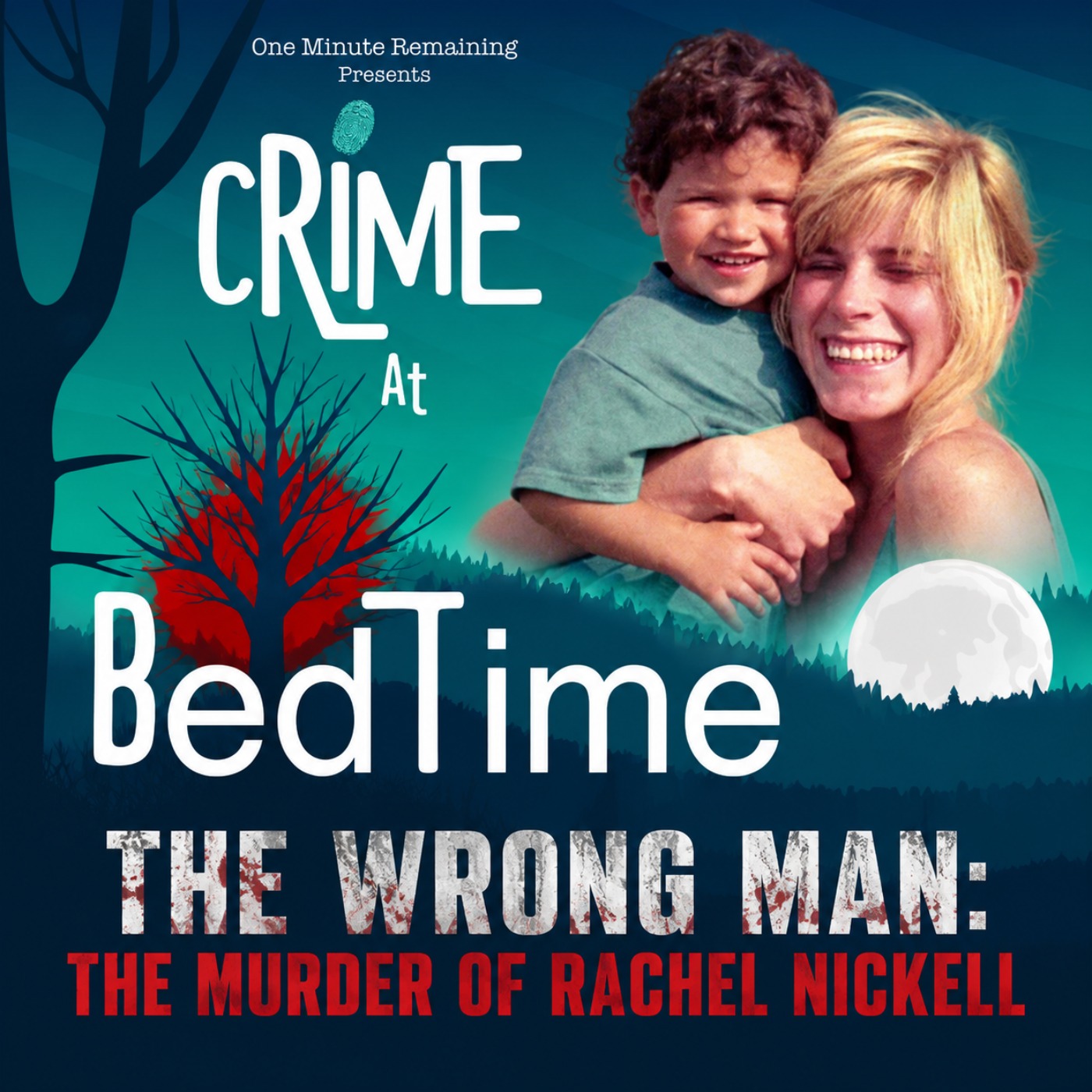 The Wrong Man: The Murder of Rachel Nickell 13.09.2026 26минThe murder of Rachel Nickell in July 1992 is one of the most notorious crimes in British history, and one of the most catastrophic miscarriages of justice British policing has ever produced. Rachel Nickell was a 23-year-old former model and devoted young mother when she was attacked and killed on Wimbledon Common in southwest London, in broad daylight, in front of her two-year-old son, who was the only witness. Under enormous public pressure, the police fixed on a local dog walker named Colin Stagg and, with no forensic evidence against him, mounted one of the most controversial undercover operations in British history, a so-called honeytrap that a judge would later condemn as deceptive conduct of the grossest kind. Colin Stagg was innocent. And while the police pursued the wrong man, the real killer, Robert Napper, remained free, and took two more lives before he was stopped. In this episode of Crime at Bedtime, we tell the full story of the murder of Rachel Nickell: the killing on the common, the disastrous profiling and the honeytrap, the collapse of the case at the Old Bailey, the terrible cost of pursuing the wrong man, and the tiny speck of DNA that finally, sixteen years later, identified the true killer and cleared an innocent man's name. We tell it with care, and we keep Rachel, and every life this failure touched, at its heart. Settle in, get comfortable, and let us tell you the story of the wrong man.Become a Patreon or Apple + subscriber now for ealry and ad free access from as little as $1.69 a week. All the details hereSubscribe to Crime at Bedtimes Youtube channel HERE Hosted on Acast. See acast.com/privacy for more information.
 -
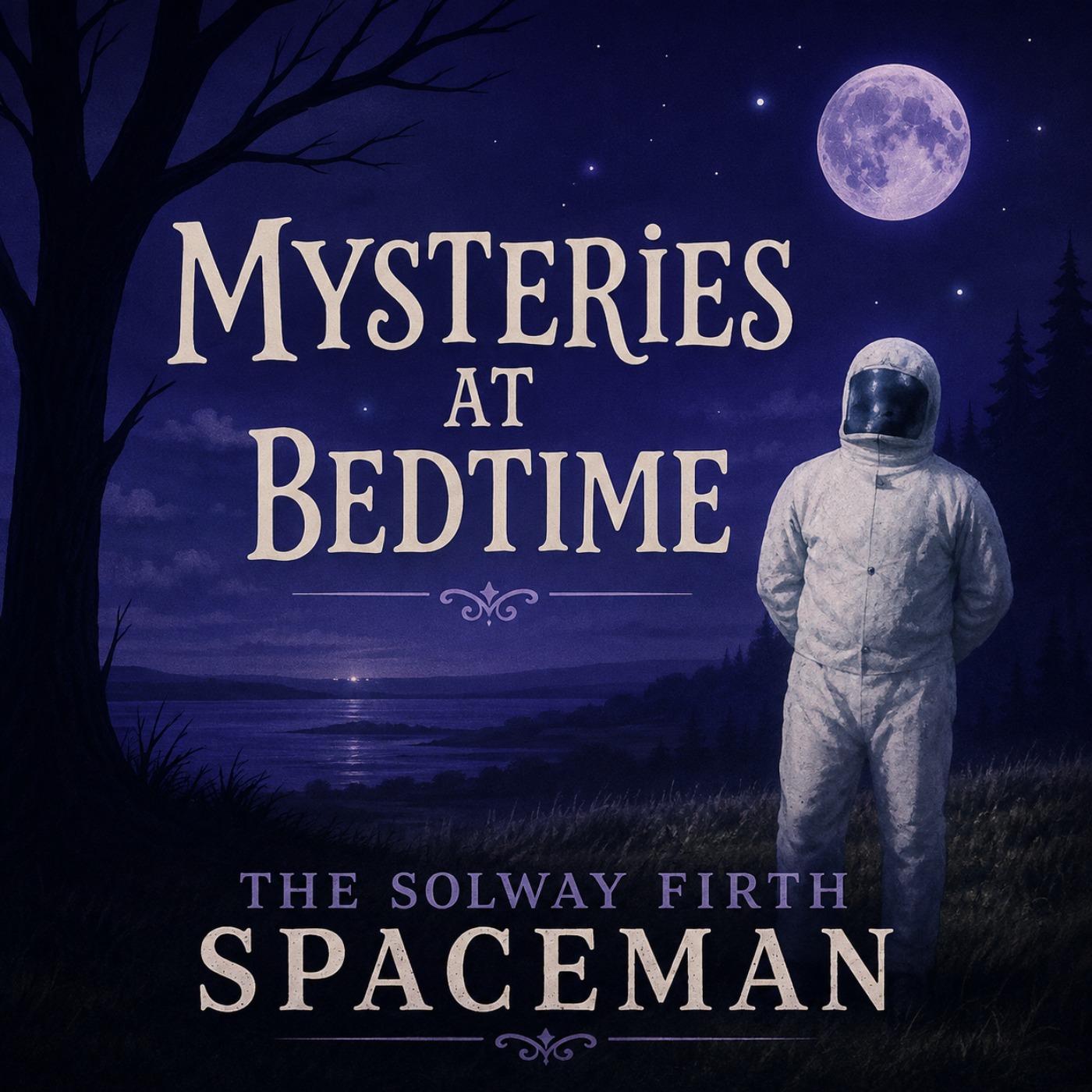 The Solway Firth Spaceman: The 1964 Photograph No One Can Explain 12.09.2026 27минThe Solway Firth Spaceman is one of the most famous unexplained photographs in British history, and after more than sixty years, people are still arguing about what it shows. On the afternoon of the 23rd of May 1964, a Carlisle firefighter named Jim Templeton took three photographs of his five-year-old daughter Elizabeth on Burgh Marsh, overlooking the Solway Firth in Cumberland, England. It was an ordinary family day out on an ordinary spring afternoon. But when the film came back from Kodak, the middle photograph showed something that should not have been there: a tall figure in what looked like a white spacesuit, standing silently in the empty marsh behind the little girl. Templeton swore no one had been there when he took the picture. The police examined it and found nothing suspicious. Kodak confirmed the negative had not been faked or tampered with. Within days, the photograph was in newspapers around the world. Then two strange men in dark suits arrived at Templeton's fire station, refused to give their names, and demanded he take them to the marsh. And on the far side of the world, at a rocket testing range in Australia, a launch was said to have been aborted after two similar figures were seen on the firing range. In this episode of Mysteries at Bedtime, we tell the full story of the Solway Firth Spaceman: the photograph, the family, the Men in Black, the Blue Streak missile connection, and the surprisingly Become a Patreon or Apple + subscriber now for ealry and ad free access from as little as $1.69 a week. All the details hereSubscribe to Crime at Bedtimes Youtube channel HERE Hosted on Acast. See acast.com/privacy for more information.
 -
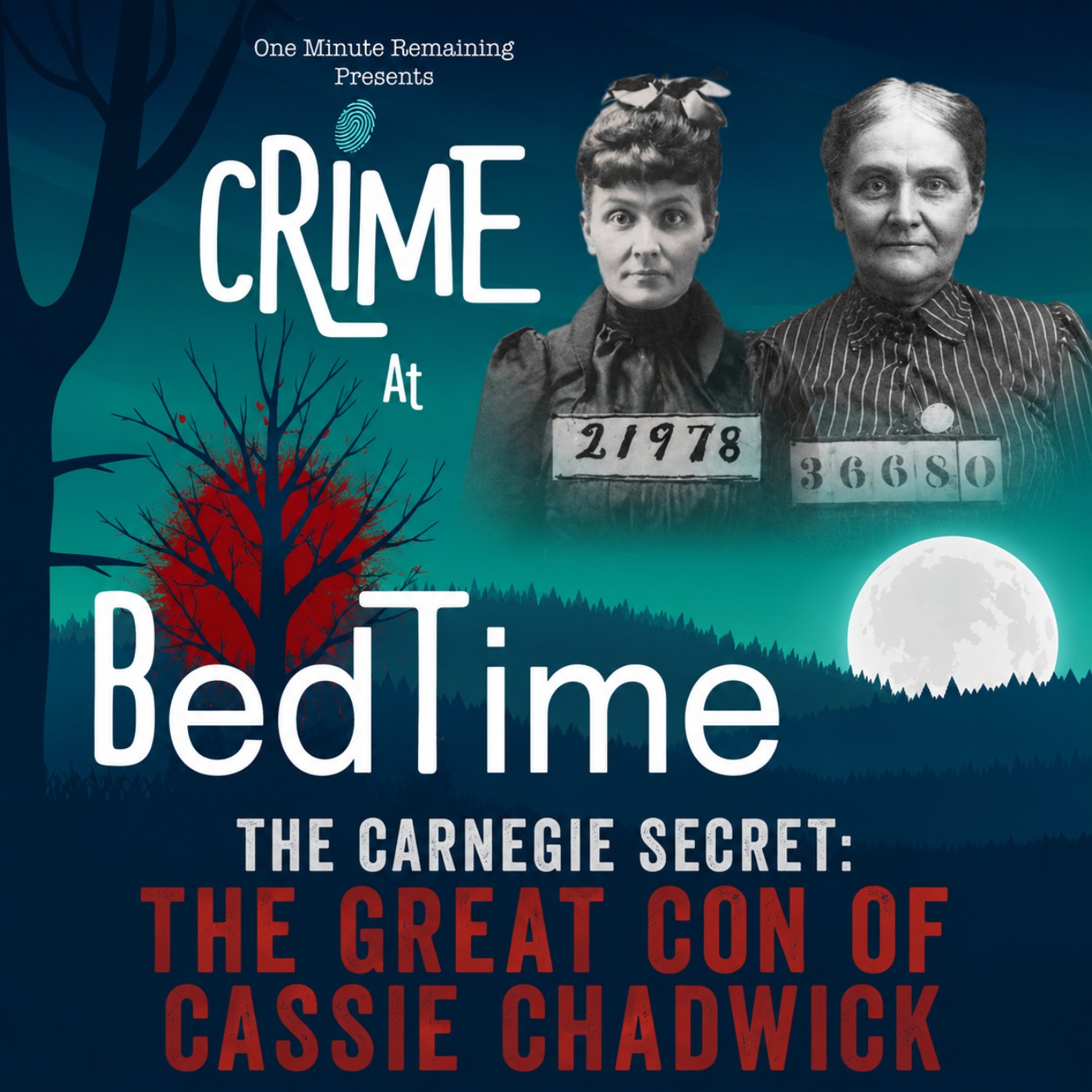 The Carnegie Secret: The Great Con of Cassie Chadwick 09.09.2026 28минThe great con of Cassie Chadwick is one of the most audacious frauds in American history, and it was built on a single, brilliant lie: that she was the secret illegitimate daughter of Andrew Carnegie, the richest man in the world. Born a poor railway worker's daughter in rural Canada, Cassie Chadwick reinvented herself a dozen times before arriving in Cleveland as the wife of a respectable doctor. Then she staged her masterpiece. She had herself driven to Andrew Carnegie's New York mansion, went inside on a pretext, and let a banker "accidentally" glimpse a forged promissory note for millions, signed in Carnegie's name. She swore him to secrecy, confident he would do exactly the opposite, and soon the bankers of Ohio were falling over themselves to lend her a fortune, certain they held a private claim on the wealth of Andrew Carnegie himself. The genius of it was that Carnegie had never met her, never signed a thing, and had no idea she existed. In this episode of Crime at Bedtime, we tell the full story of the great con of Cassie Chadwick: how the scheme worked, why the greed of America's bankers became the very thing that protected her, the small-town bank she brought crashing down, and the single question no one thought to ask until it was far too late. Settle in, get comfortable, and let us tell you the story of the Carnegie secret.Become a Patreon or Apple + subscriber now for ealry and ad free access from as little as $1.69 a week. All the details hereSubscribe to Crime at Bedtimes Youtube channel HERE Hosted on Acast. See acast.com/privacy for more information.
 -
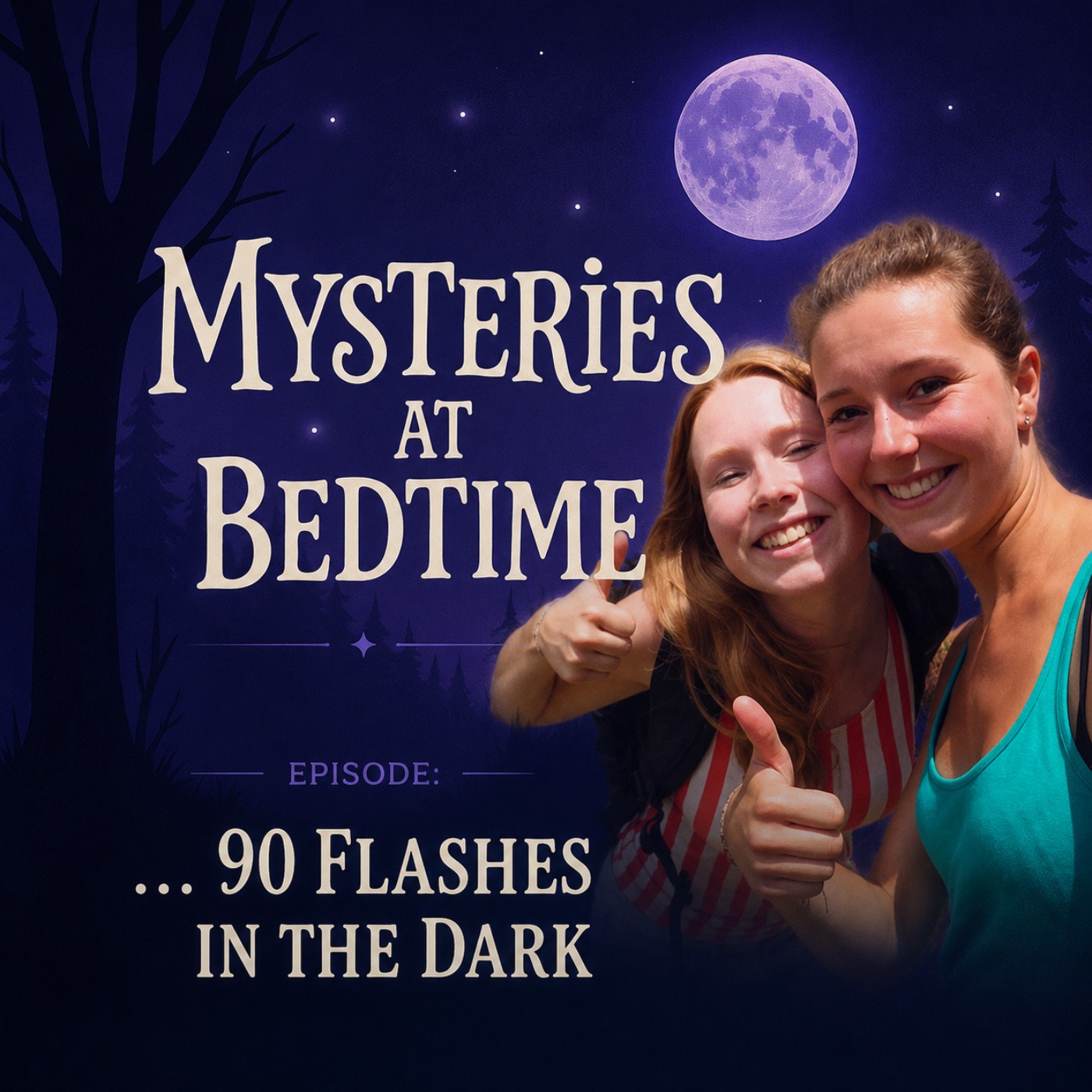 Ninety Flashes in the Dark: The Disappearance of Kris Kremers and Lisanne Froon 08.09.2026 26минThe disappearance of Kris Kremers and Lisanne Froon in April 2014 is one of the most haunting and hotly debated mysteries of the modern age, and more than a decade later, no one agrees on what really happened. The two young Dutch women, best friends near the end of the trip of a lifetime, set out on a popular jungle trail near Boquete, Panama, on a bright afternoon. They photographed themselves smiling at the foot of the trail at 11 in the morning. They never came back. Six hours later, one of their phones dialled the emergency number. It did not connect, and for the next ten days the phones kept trying, again and again, and never once reached a soul. Then, one week in, in the dead of night, their camera took ninety photographs in near-total darkness: rocks, jungle, running water, and images no one has ever been able to fully explain. Ten weeks later, a backpack was found by a remote river, dry and neatly packed, far from where the two women should ever have been. In this episode of Mysteries at Bedtime, we tell the full story of Kris Kremers and Lisanne Froon: the ten days of calls into the void, the ninety flashes in the dark, the strange condition of the backpack and the remains, and the two competing explanations that still divide everyone who studies the case. Settle in, get comfortable, and let us tell you the story of the ninety flashes in the dark.Become a Patreon or Apple + subscriber now for ealry and ad free access from as little as $1.69 a week. All the details hereSubscribe to Crime at Bedtimes Youtube channel HERE Hosted on Acast. See acast.com/privacy for more information.
 -
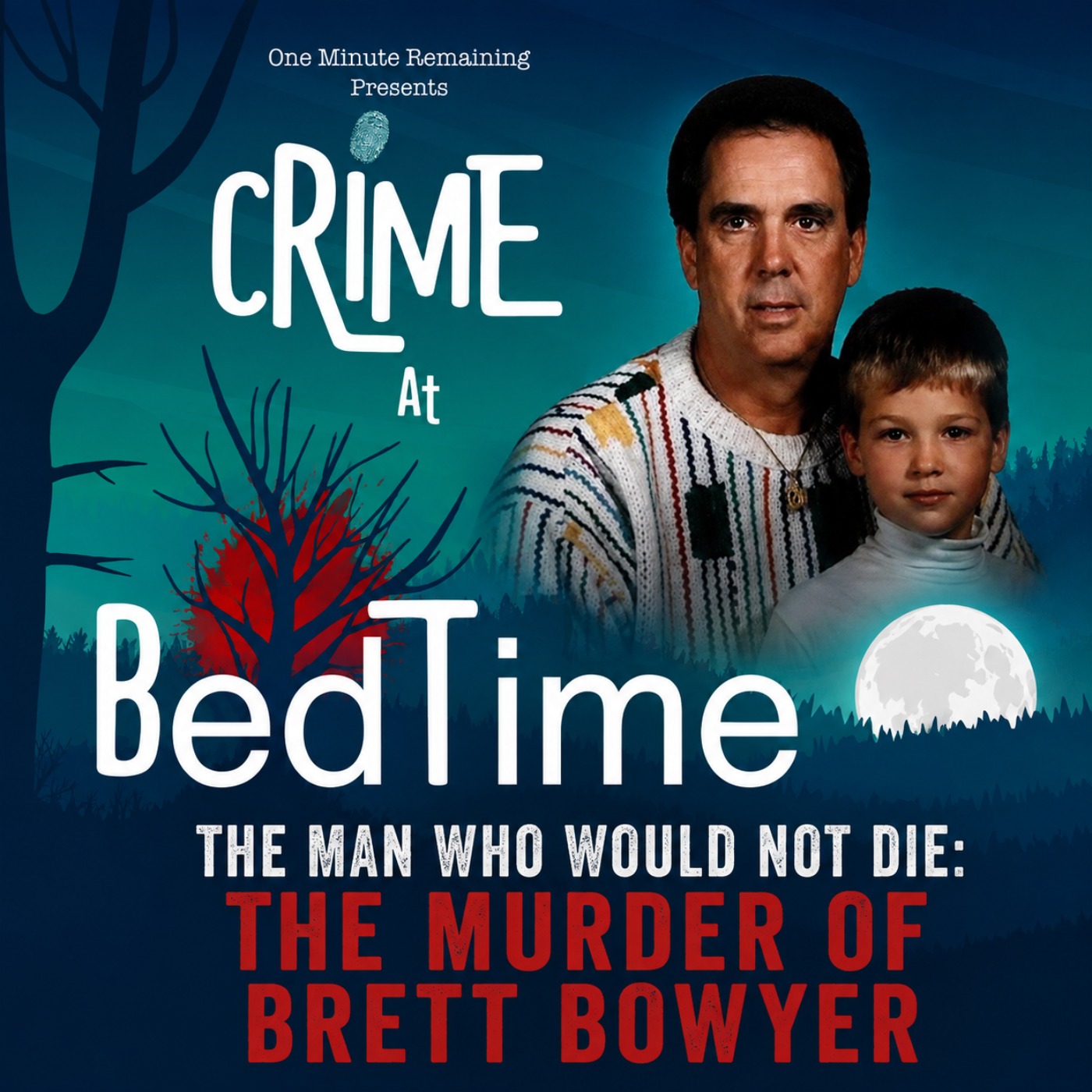 The Man Who Would Not Die: The Murder of Brett Bowyer 06.09.2026 24минThe murder of Brett Bowyer in February 2002 is one of the most harrowing crimes in Alabama's history, and it produced one of the most extraordinary acts of survival ever recorded. On a cold night in Russell County, two men posing as narcotics officers talked their way into the home of a car dealer named Forrest "Butch" Bowyer, presented a fake search warrant, and handcuffed Butch and his 12-year-old son, Brett. It was not an arrest. It was a robbery, and it would end in a shallow grave in the rural darkness. The two men took Butch's money, drove father and son to a remote site, cut Butch's throat, murdered young Brett, and buried them both, laughing as they covered the grave. But Butch Bowyer was not dead. With his throat cut, he played dead until his killers left, then clawed his way up out of the earth and walked a quarter of a mile to a road, not to save himself, but to make sure his son's killers were caught and his boy was brought home. In this episode of Crime at Bedtime, we tell the full story of the murder of Brett Bowyer: the fake officers, the fatal robbery, the almost unbelievable survival of a mortally wounded father, the dashcam footage that captured him at the roadside, the swift arrests, and the two death sentences that followed. We have told it with care, and we have kept a 12-year-old boy, not the men who killed him, at its heart. Settle in, get comfortable, and let us tell you the story of the man who would not die.Become a Patreon or Apple + subscriber now for ealry and ad free access from as little as $1.69 a week. All the details hereSubscribe to Crime at Bedtimes Youtube channel HERE Hosted on Acast. See acast.com/privacy for more information.
 -
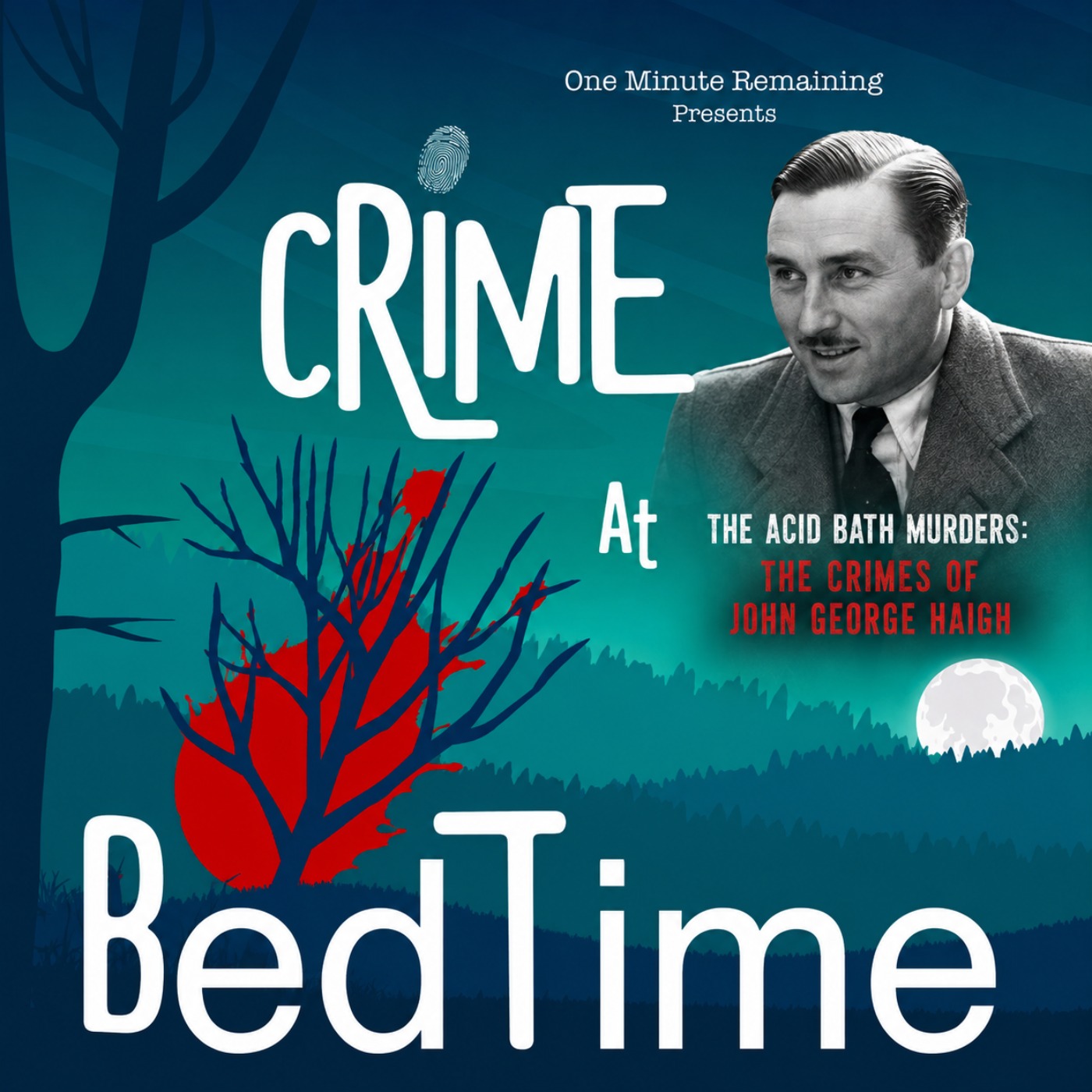 The Acid Bath Murders: The Crimes of John George Haigh 02.09.2026 29минThe Acid Bath Murders are one of the most infamous cases in British criminal history, and the man behind them, John George Haigh, believed he had discovered the secret of the perfect crime. A charming, softly spoken fraudster who presented himself as a gentleman and an engineer, Haigh murdered at least six people in 1940s England for their money, and then dissolved their bodies in drums of concentrated sulphuric acid. He did it because he was convinced of one thing: that without a body, there could be no conviction for murder. He had misunderstood the law, catastrophically. And he had also overestimated his acid. When his final victim, a wealthy widow named Olive Durand-Deacon, vanished after a visit to his Sussex workshop, a brilliant Home Office pathologist named Keith Simpson was called in, bent down in the yard outside, and picked up what looked like an ordinary pebble. It was a human gallstone. In this episode of Crime at Bedtime, we tell the full story of the Acid Bath Murders: the six victims, the charming killer who thought he was untouchable, the fatal misunderstanding at the heart of his method, the gallstone and the set of dentures that the acid could not destroy, the transparent vampire performance he gave to try to escape the gallows, and the swift justice that followed. Settle in, get comfortable, and let us tell you the story of the pebble in the yard.Become a Patreon or Apple + subscriber now for ealry and ad free access from as little as $1.69 a week. All the details hereSubscribe to Crime at Bedtimes Youtube channel HERE Hosted on Acast. See acast.com/privacy for more information.
 -
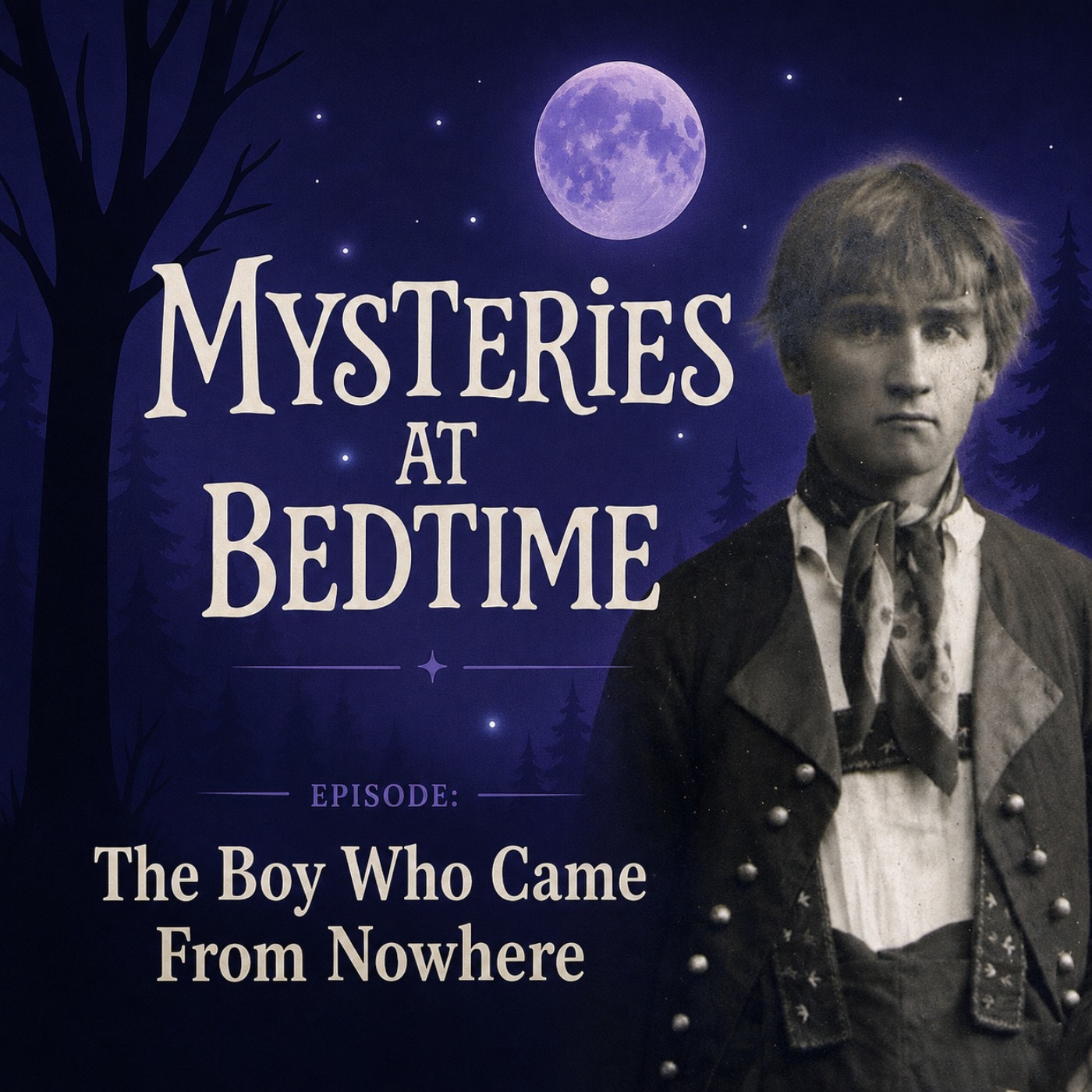 The Mystery of Kaspar Hauser: The Boy Who Came From Nowhere 01.09.2026 26минThe mystery of Kaspar Hauser has haunted Europe for nearly 200 years, and it began on a spring afternoon in 1828 when a bewildered teenage boy appeared in the streets of Nuremberg, barely able to speak. He carried two letters and a single strange request: he wanted to be a cavalryman, like his father. He could not use a candle without burning himself. He recoiled from meat and drank only water. And when he could finally tell his own story, it was almost unbelievable: he claimed to have spent his entire life imprisoned alone in a darkened cell, never seeing another human face. Kaspar Hauser became a sensation across Europe, and a theory soon took hold that he was a stolen prince, the true heir to a German throne, hidden away by a ruthless plot. Five years later he was stabbed to death in circumstances that have never been explained. In this episode of Mysteries at Bedtime, we tell the full story of Kaspar Hauser: the boy who came from nowhere, the letters that may have been forged in his own hand, the lost-prince theory, the mirror-writing note found beside his dying body, the question of whether he was murdered or died by his own hand, and the remarkable DNA analysis of 2024 that finally answered one question about him while leaving the deepest mystery exactly as it was. Settle in, get comfortable, and let us tell you the story of the riddle of his time.Become a Patreon or Apple + subscriber now for ealry and ad free access from as little as $1.69 a week. All the details hereSubscribe to Crime at Bedtimes Youtube channel HERE Hosted on Acast. See acast.com/privacy for more information.
 -
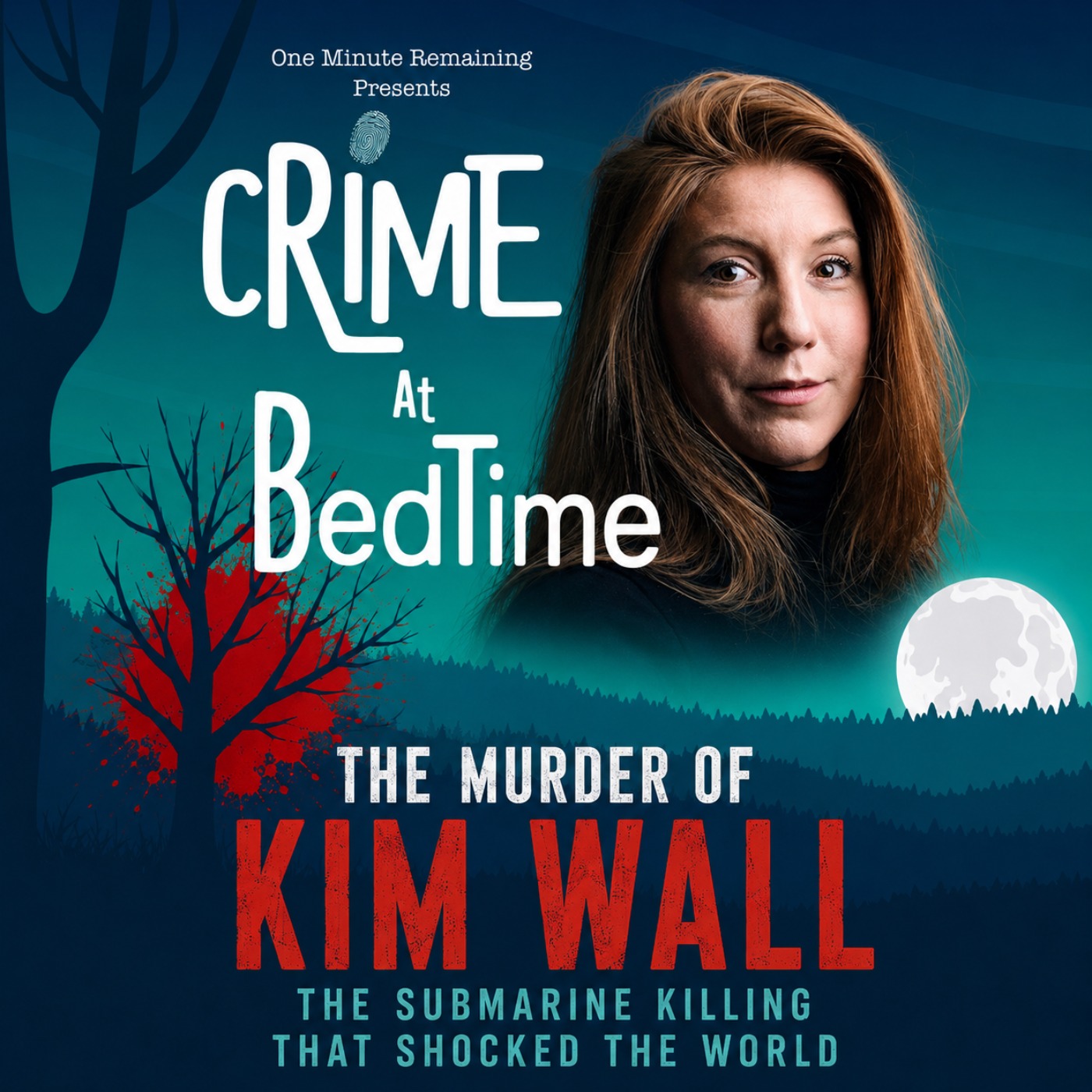 The Murder of Kim Wall: The Submarine Killing That Shocked the World 30.08.2026 24минThe murder of Kim Wall in August 2017 was one of the most shocking crimes in modern Scandinavian history, and it began with an interview. Kim Wall was a brilliant and fearless 30-year-old journalist, a Swedish reporter who had filed award-winning stories from North Korea, Cuba, Haiti, and the nuclear-scarred atolls of the Pacific. On the evening of the 10th of August 2017, she boarded a homemade submarine in Copenhagen harbour to interview its inventor, a celebrated Danish engineer named Peter Madsen. She sent her boyfriend a photograph of herself smiling aboard the vessel. It is very probably the last photograph ever taken of her. The submarine did not return that night, and what followed was a case that gripped the world: a sunken submarine, a shifting series of lies, and one of the most painstaking forensic recoveries in Danish history. In this episode of Crime at Bedtime, we tell the full story of the murder of Kim Wall: who she was and the extraordinary journalism she left behind, the inventor who lured her aboard, the three contradictory stories he told as the evidence closed in, the trial that saw through every one of them, the confession he finally gave three years later, and the memorial fund her family created so that her voice would not be silenced after all. Settle in, get comfortable, and let us tell you the story of the last assignment of Kim Wall.Become a Patreon or Apple + subscriber now for ealry and ad free access from as little as $1.69 a week. All the details hereSubscribe to Crime at Bedtimes Youtube channel HERE Hosted on Acast. See acast.com/privacy for more information.
 -
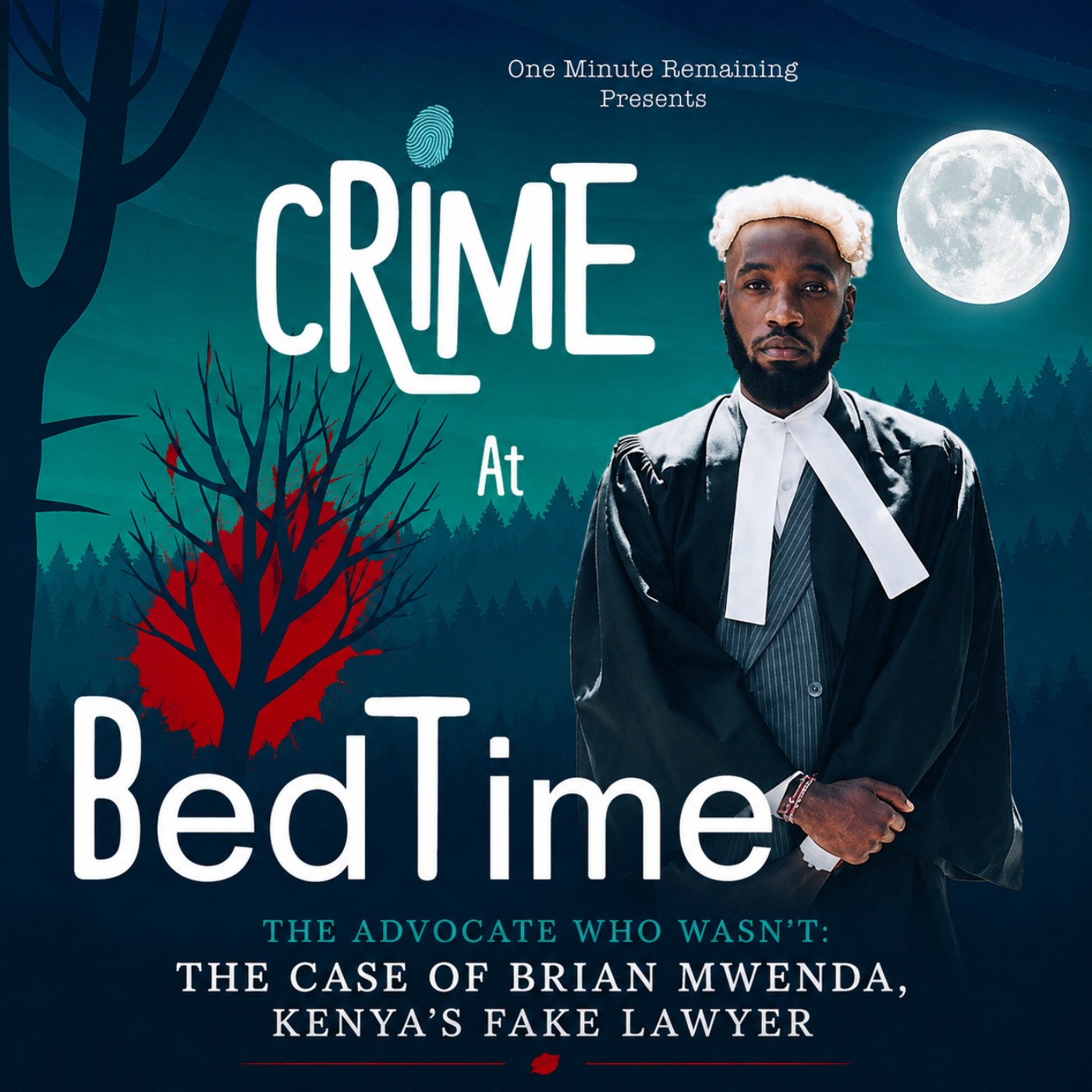 The Advocate Who Wasn't: The Case of Brian Mwenda, Kenya's Fake Lawyer 26.08.2026 24минThe case of Brian Mwenda captivated Kenya and much of the world in 2023: the story of a confident young man in a well-cut suit who stood up in the High Court of Kenya, argued cases against trained lawyers, and, according to the viral legend, won every one, despite, the Law Society of Kenya alleges, never having been a lawyer at all. It is a story of two men with almost the same name. One, Brian Mwenda Ntwiga, was a genuine, fully qualified advocate whose professional identity sat dormant in an online database. The other, Brian Mwenda Njagi, allegedly hijacked that identity, took over the account, and walked into the highest courts in the land. When the Law Society of Kenya publicly declared him a masquerader, the nation split in two: lawyers were outraged, but much of the public celebrated him as a folk hero who had exposed the emptiness of professional gatekeeping. In this episode of Crime at Bedtime, we tell the full story of the Brian Mwenda case: the alleged scheme, the viral claim of twenty-six courtroom victories that the Law Society itself disputed, the real lawyer whose identity was stolen, the arrest, the not-guilty plea, and the genuinely uncomfortable questions the whole affair raised about credentials, competence, and who really gets to call themselves a professional. This is a case that, at the time of recording, remains unresolved, and we have told it as fairly as we can. Settle in, get comfortable, and let us tell you the story of the advocate who wasn't.Become a Patreon or Apple + subscriber now for ealry and ad free access from as little as $1.69 a week. All the details hereSubscribe to Crime at Bedtimes Youtube channel HERE Hosted on Acast. See acast.com/privacy for more information.
 -
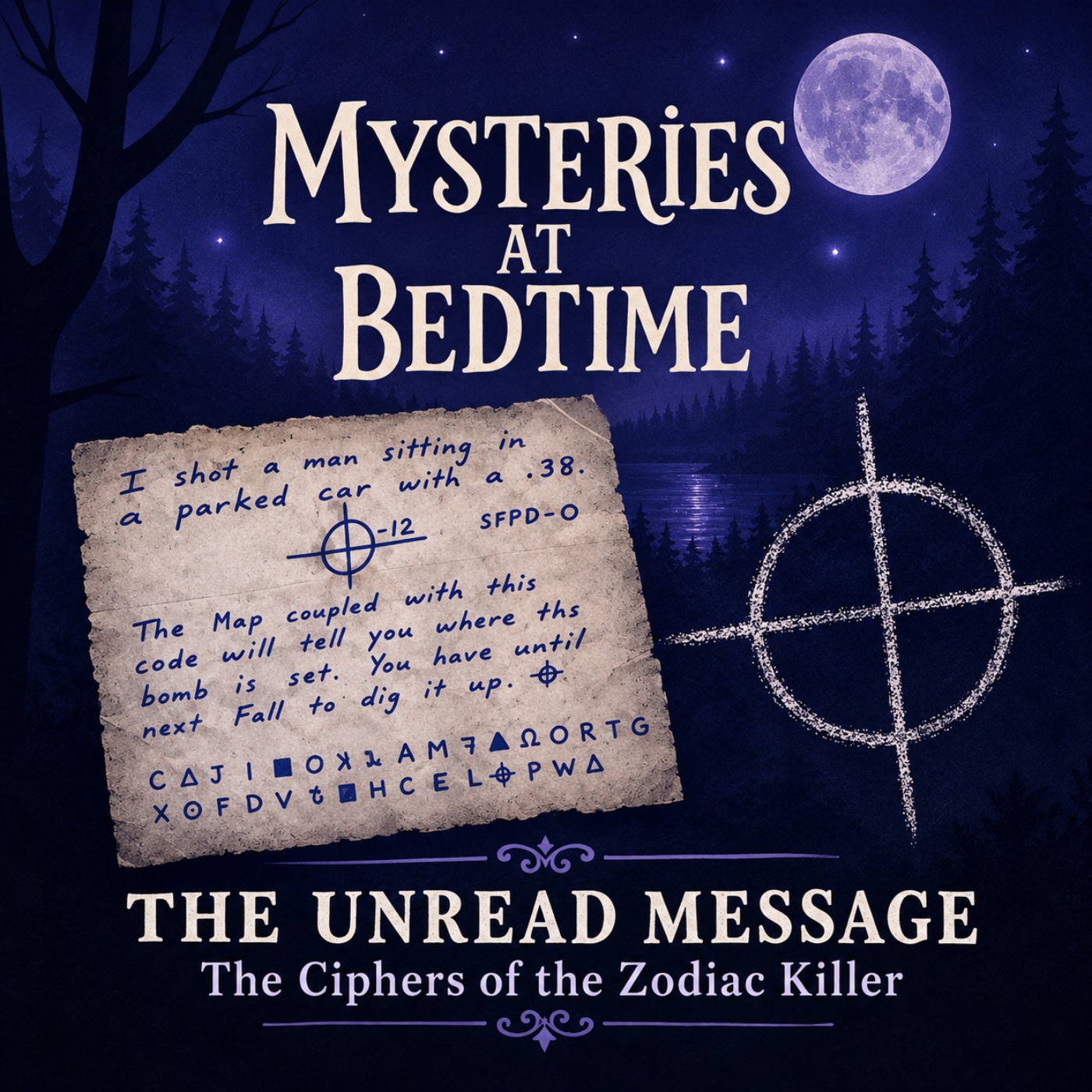 The Unread Message: The Ciphers of the Zodiac Killer 25.08.2026 26минThe Zodiac Killer ciphers are among the most famous unsolved codes in the world, and after more than fifty years, two of them have still never been cracked. Between 1969 and 1970, the unidentified serial killer who called himself the Zodiac sent four coded messages to San Francisco newspapers, each a block of strange symbols mixing letters, numbers, and astrological signs. He promised that his codes would reveal his identity. The first cipher, 408 characters long, was solved in about a week by a schoolteacher and his wife at their kitchen table, but it revealed only a chilling boast, not a name. The second, known as Z340, defeated the FBI, the NSA, and the world's best codebreakers for 51 years, until an international team of three amateurs finally cracked it in December 2020, one of them working through Melbourne's COVID lockdown on the far side of the world. And two ciphers remain unsolved to this day, including a 13-character message that the Zodiac introduced with the words "My name is". In this episode of Mysteries at Bedtime, we tell the full story of the Zodiac ciphers: how the codes worked, who solved them, why the last two may be impossible to crack, and the genuinely haunting possibility that the name of a killer who was never caught has been sitting in plain sight, printed on a newspaper page, for more than half a century, in a code that no one has ever been able to read. Settle in, get comfortable, and let us tell you the story of the unread message.Become a Patreon or Apple + subscriber now for ealry and ad free access from as little as $1.69 a week. All the details hereSubscribe to Crime at Bedtimes Youtube channel HERE Hosted on Acast. See acast.com/privacy for more information.
 -
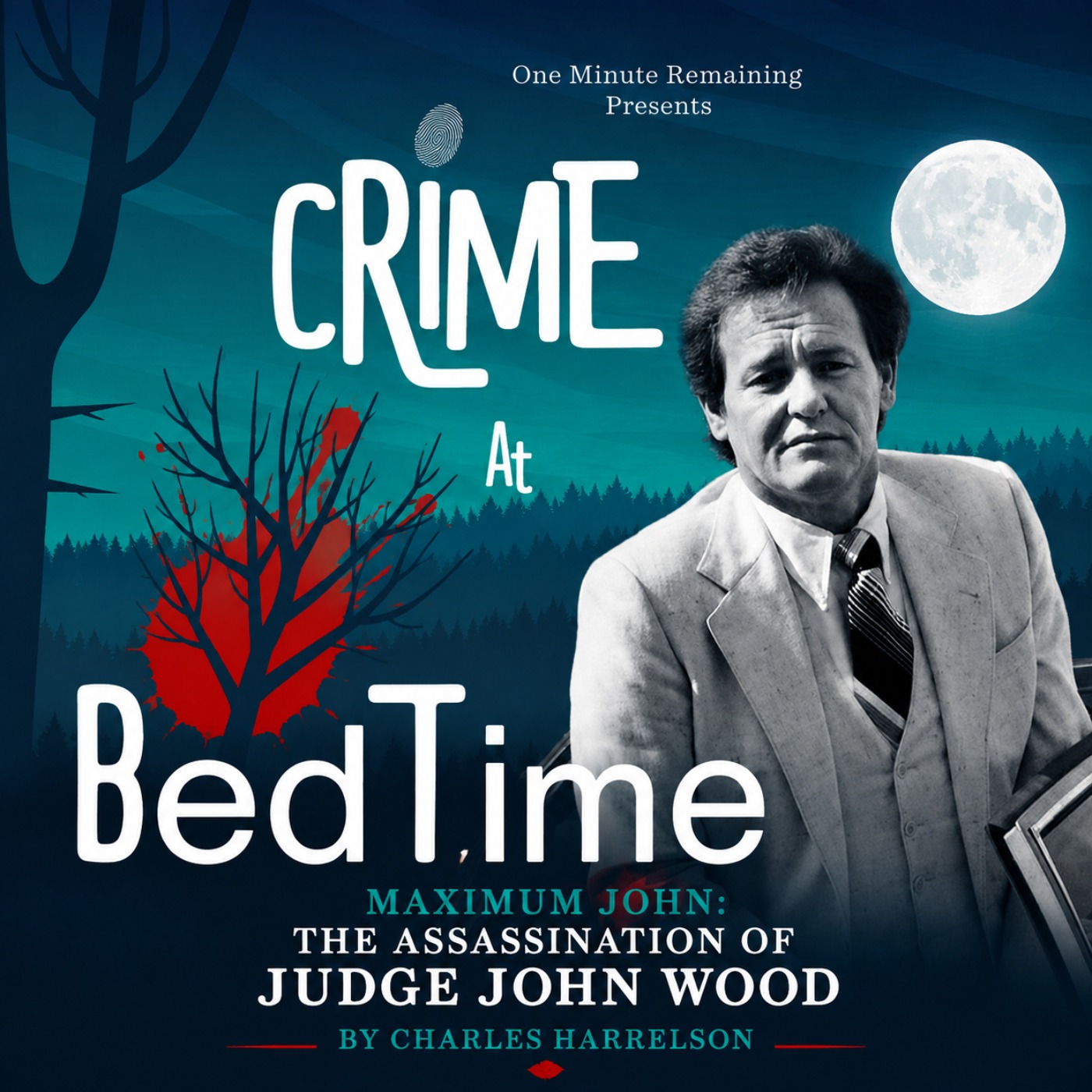 Maximum John: The Assassination of Judge John Wood by Charles Harrelson 23.08.2026 28минThe assassination of Judge John Wood on the 29th of May 1979 was the first killing of a sitting United States federal judge in the 20th century, and the man who pulled the trigger was a Texas contract killer named Charles Harrelson. On that spring morning in San Antonio, Texas, the 63-year-old federal judge known to defence lawyers as "Maximum John", for the harsh sentences he handed drug traffickers, walked out of his home to drive to work and was shot once in the back with a high-powered rifle. Behind the killing was a quarter-of-a-million-dollar contract, paid by an El Paso drug kingpin named Jamiel Chagra who was about to be tried in Judge Wood's courtroom. And behind the trigger was Charles Harrelson, a charming, remorseless hitman who had already killed before, and who would, during a cocaine-fuelled six-hour highway standoff a year later, confess not only to killing the judge but to the assassination of President John F. Kennedy, a claim he later retracted and which the FBI dismissed entirely. In this episode of Crime at Bedtime, we tell the full story of the Charles Harrelson case: the murder of Judge John Wood, the three-year FBI investigation, the drug kingpin who ordered the hit, the wild false confession, and the strange twist that the killer's own son, Woody Harrelson, would grow up to become one of the most famous actors in Hollywood while his father spent the rest of his life in a Supermax cell. Settle in, get comfortable, and let us tell you the story of Maximum John.Become a Patreon or Apple + subscriber now for ealry and ad free access from as little as $1.69 a week. All the details hereSubscribe to Crime at Bedtimes Youtube channel HERE Hosted on Acast. See acast.com/privacy for more information.
 -
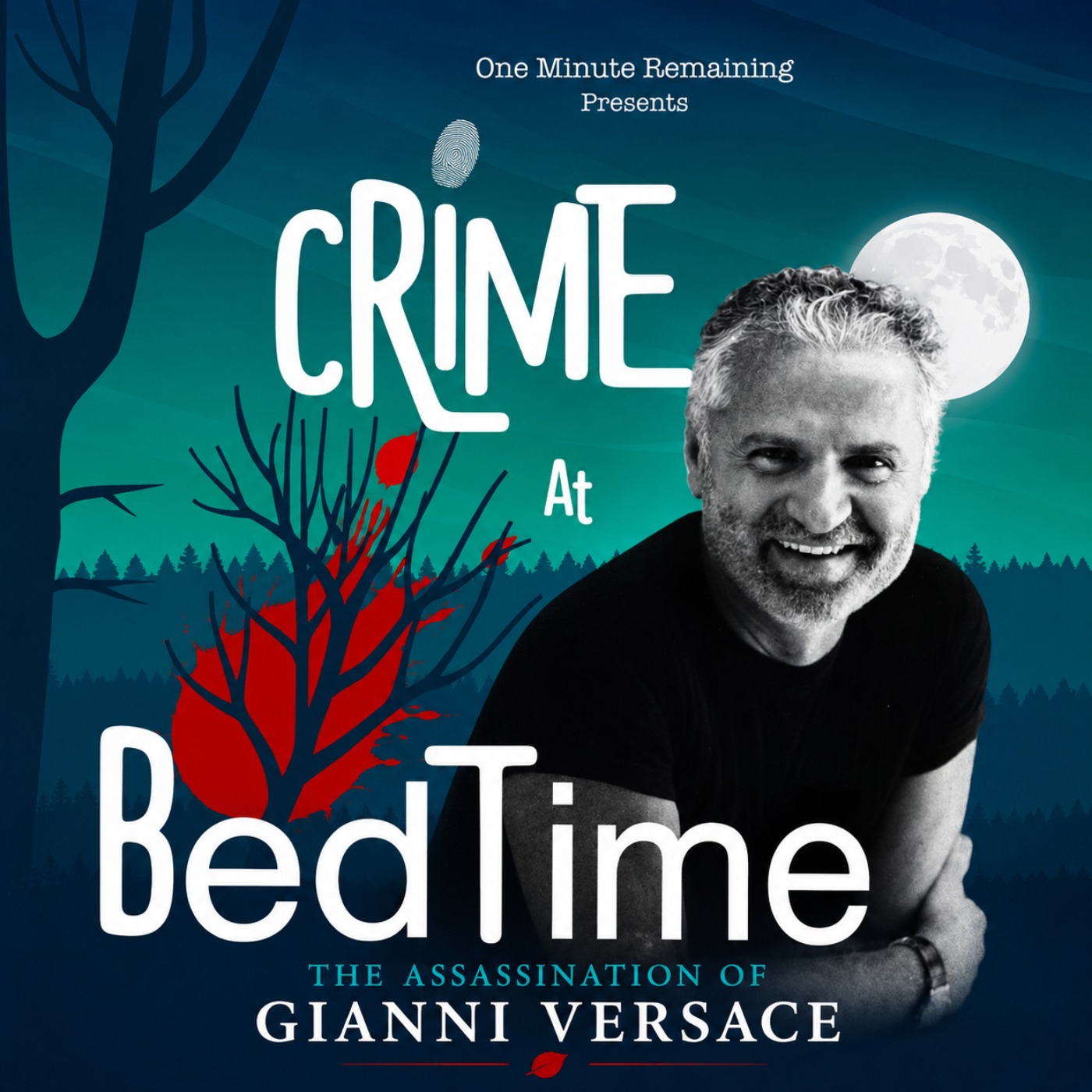 The Assassination of Gianni Versace: Andrew Cunanan's Killing Spree 19.08.2026 35минThe assassination of Gianni Versace on the 15th of July 1997 was the shocking end of one of the deadliest killing sprees in modern American history. On that summer morning, the world-famous Italian fashion designer walked home from a café to his Miami Beach mansion, Casa Casuarina, and was shot dead on his own front steps by a 27-year-old man named Andrew Cunanan. But Gianni Versace was not Andrew Cunanan's first victim. He was his fifth. Over the previous three months, Cunanan had murdered four other people across four American states: Jeffrey Trail, a decorated Navy veteran; David Madson, an interior designer and Cunanan's former boyfriend; Lee Miglin, a 72-year-old Chicago real estate tycoon; and William Reese, a New Jersey cemetery caretaker killed for nothing more than his pickup truck. By the time Cunanan killed Versace, he had already been on the FBI's Ten Most Wanted list for over a month, and he had been hiding in plain sight in Miami Beach, just four miles from the designer's mansion. In this episode of Crime at Bedtime, we tell the complete story of the Versace murder and the Andrew Cunanan spree: the five victims, the nationwide manhunt, the funeral in Milan attended by Princess Diana and Elton John, the houseboat where the manhunt finally ended eight days later, and the questions about Cunanan's motive that have never been answered. This episode honours all five of the people who died, not only the most famous of them. Settle in, get comfortable, and let us tell you the story of the steps of Casa Casuarina.Become a Patreon or Apple + subscriber now for ealry and ad free access from as little as $1.69 a week. All the details hereSubscribe to Crime at Bedtimes Youtube channel HERE Hosted on Acast. See acast.com/privacy for more information.
 -
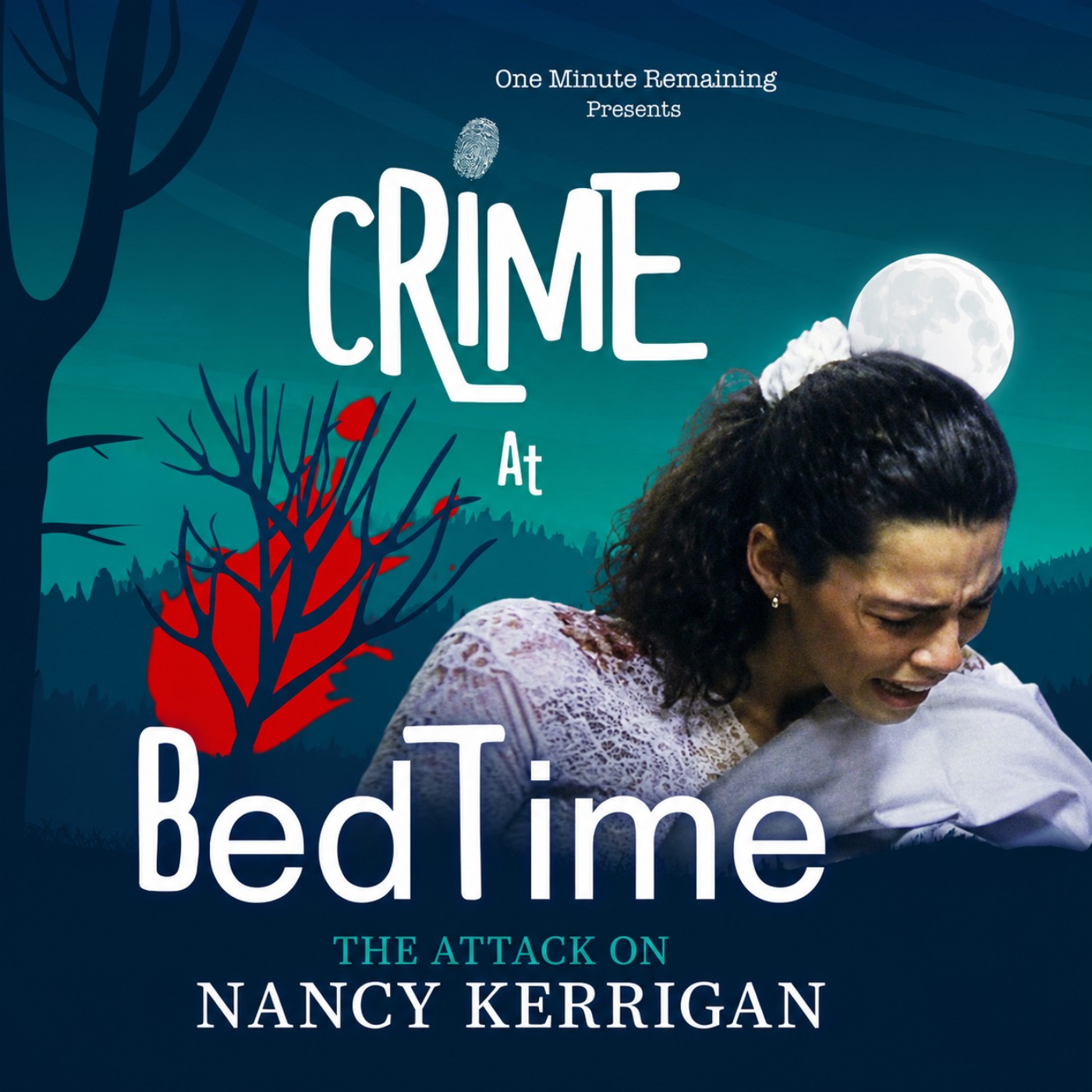 The Attack on Nancy Kerrigan: The Tonya Harding Olympic Scandal 16.08.2026 31минThe attack on Nancy Kerrigan on the 6th of January 1994 became one of the most notorious scandals in the history of the Olympic Games, and it involved one of the most famous rivalries in sport: Nancy Kerrigan and Tonya Harding. On that afternoon, at the United States Figure Skating Championships in Detroit, the reigning American champion Nancy Kerrigan finished a practice session and walked down a corridor toward her dressing room. A man stepped out from behind a television cameraman, swung a police baton at her right knee, and ran. The footage of Kerrigan sitting on the floor, clutching her leg and crying "Why? Why? Why me?", was broadcast around the world and has never been forgotten. Within days, the FBI had uncovered an extraordinary conspiracy. The attack had been planned and paid for by the ex-husband of Kerrigan's rival, the figure skater Tonya Harding, in an attempt to eliminate Kerrigan from the competition and clear Harding's path to the 1994 Winter Olympics. In this episode of Crime at Bedtime, we tell the full story of the Nancy Kerrigan attack and the Tonya Harding scandal: the four men who carried it out, the FBI investigation, the astonishing Olympic showdown at Lillehammer watched by 110 million Americans, the broken shoelace, the guilty pleas, the lifetime ban, and what became of both women in the decades since. Settle in, get comfortable, and let us tell you the story of the whack heard round the world.Become a Patreon or Apple + subscriber now for ealry and ad free access from as little as $1.69 a week. All the details hereSubscribe to Crime at Bedtimes Youtube channel HERE Hosted on Acast. See acast.com/privacy for more information.
 -
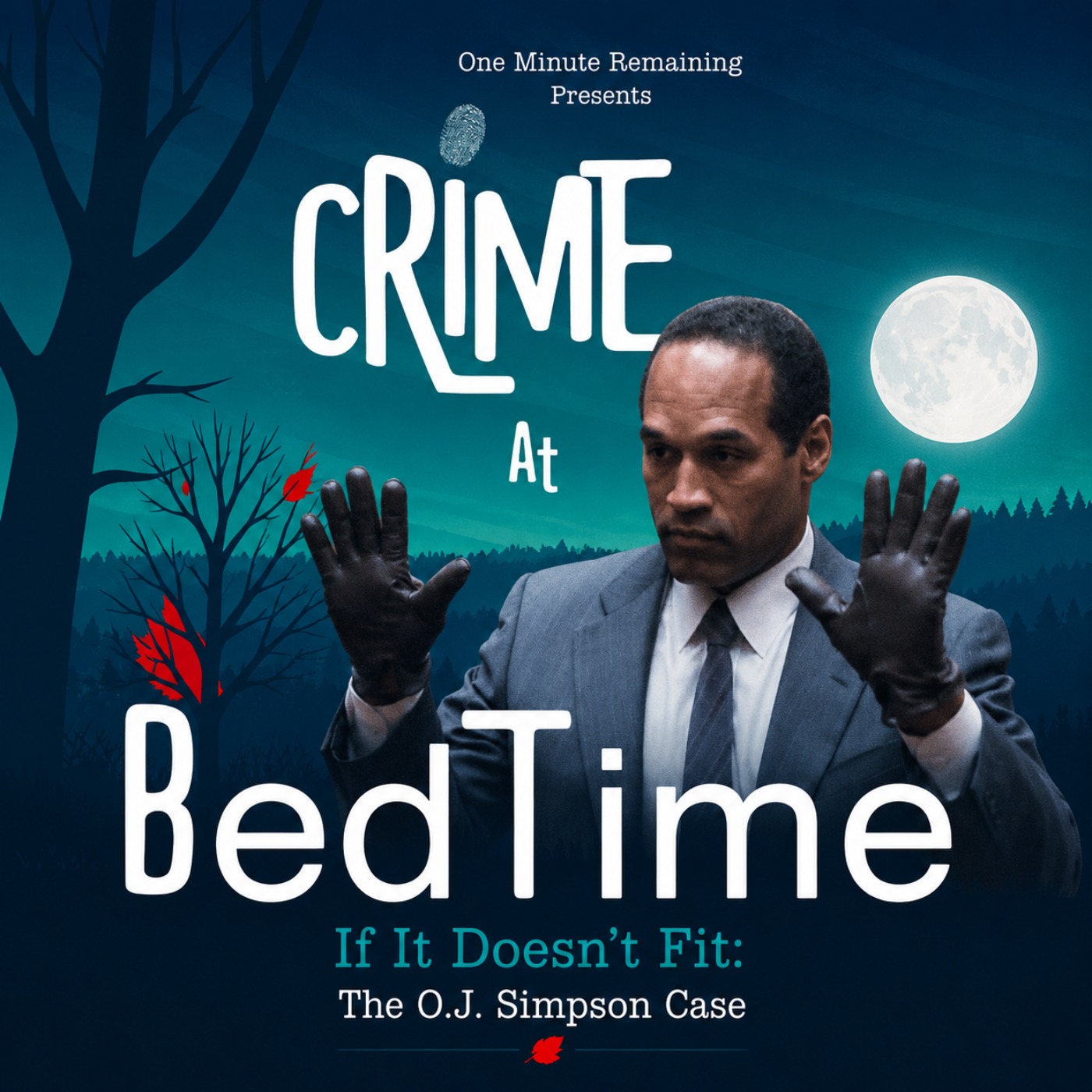 If It Doesn't Fit: The O.J. Simpson Case 12.08.2026 34минAt approximately 12 minutes past midnight on the morning of Monday the 13th of June 1994, in the leafy Los Angeles neighbourhood of Brentwood, a group of residents on South Bundy Drive were woken by the barking of a distressed Akita dog. The dog was wandering the street. It had blood on its paws. It had blood on its coat. The dog belonged, as the neighbours knew, to a 35-year-old woman named Nicole Brown Simpson. She lived, with her two young children, in a Mediterranean-style condominium at 875 South Bundy Drive. She was the ex-wife of one of the most famous men in the United States: the retired football player and Hertz rental car spokesperson Orenthal James Simpson, known to everyone in America as O.J. The neighbours followed the dog back to Nicole Brown Simpson's home. What they found in the small, gated walkway leading up to her front door has become, in the 32 years since it was discovered, one of the most examined crime scenes in modern American history. Nicole Brown Simpson lay face down and barefoot at the bottom of the stone stairs leading to her front door. She had been stabbed multiple times. Her throat had been cut with such force that she had been very nearly decapitated. Approximately 15 feet away from her, in the small ornamental garden by the walkway's gate, lay the body of a second person. He was young, athletic, dark-haired. He was wearing jeans, boots, and a white shirt. He had been stabbed more than 30 times. His arms and hands bore extensive defensive wounds. He had, in the last minutes of his life, fought his attacker. His name was Ronald Lyle Goldman. He was 25 years old. He was a waiter at Mezzaluna, a nearby Brentwood restaurant where Nicole had eaten dinner with her family a few hours earlier. He had come to her door that evening to return a pair of eyeglasses her mother had left at the restaurant. He was, by every account of the people who had known him, an ordinary young man from an ordinary American family. He had made, on the last evening of his life, an ordinary kind gesture. The story of the trial that followed, watched by hundreds of millions of people around the world. Of the civil verdict that came two years later, which found what the criminal jury had not. Of the book, published in 2007, that is widely regarded as an effective confession. And of the death, in April 2024, of the man who had been at the centre of the case, without his ever having been criminally convicted of the killings.Become a Patreon or Apple + subscriber now for ealry and ad free access from as little as $1.69 a week. All the details hereSubscribe to Crime at Bedtimes Youtube channel HERE Hosted on Acast. See acast.com/privacy for more information.
 -
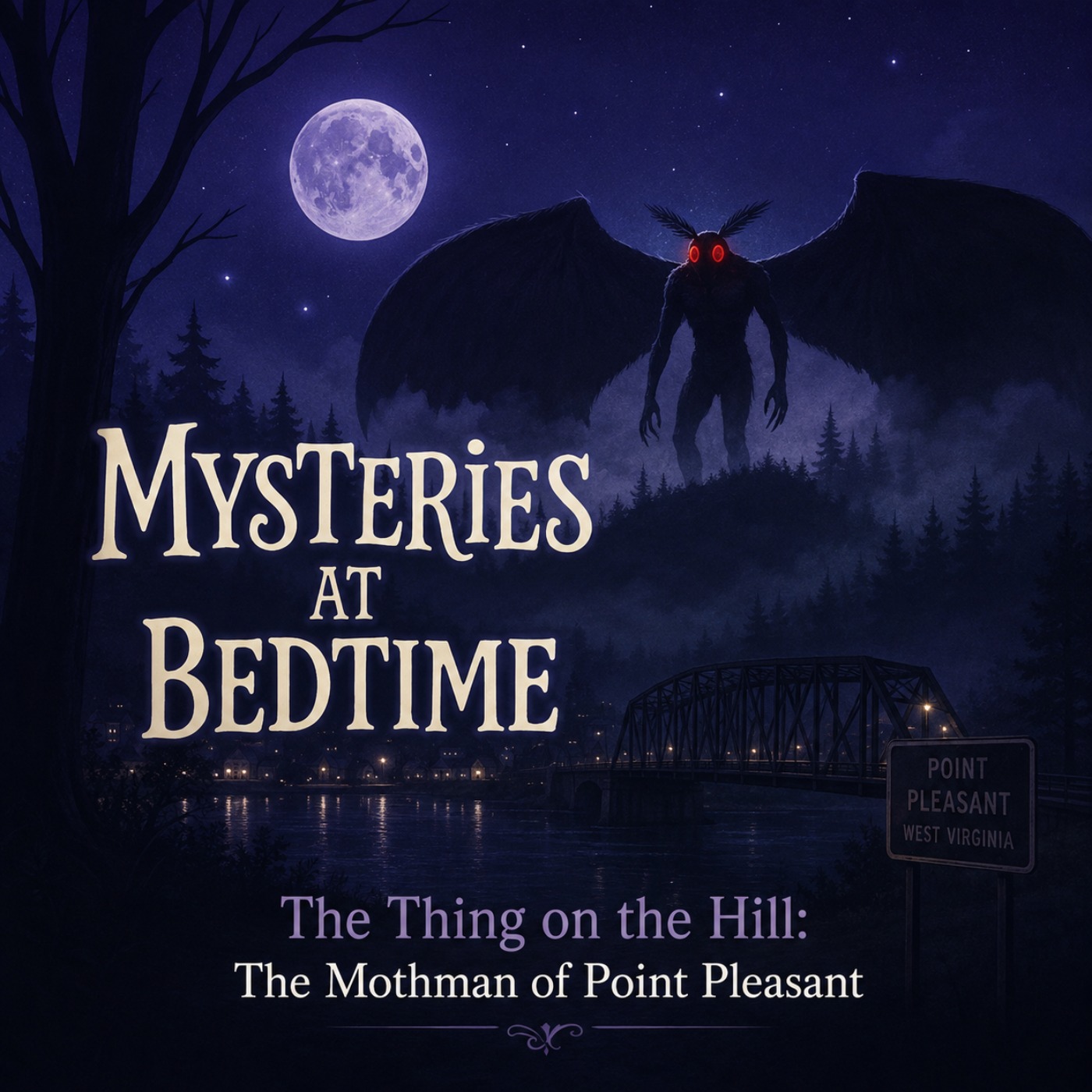 The Thing on the Hill: The Mothman of Point Pleasant 11.08.2026 30минShortly after midnight on the morning of Tuesday the 15th of November 1966, in the small Ohio River town of Point Pleasant, West Virginia, in the county of Mason, two young married couples in a black 1957 Chevrolet drove out along State Route 62 to see what there was to see at the abandoned munitions plant seven miles north of town. The plant had been decommissioned since the end of the Second World War. It was known, to everyone in Mason County, as the TNT Area. It consisted of several hundred acres of overgrown vegetation, crumbling concrete storage bunkers, and an abandoned power plant building. The four young people in the car were Roger Scarberry and his wife Linda, and Steve Mallette and his wife Mary. Roger was driving. It was a Monday night rolling over into a Tuesday morning. They had been out. On the drive back into town, they had decided to take the long way home, past the TNT Area. As they approached the abandoned power plant building at approximately five minutes past midnight, their headlights fell on what appeared to be two red points of light standing beside the road. Roger slowed the car. The four of them looked out through the windscreen. The two red points of light, they realised as they got closer, were not lights. They were eyes. The eyes belonged to a figure that was standing perfectly still at the side of the road, watching them. The figure was, in Roger Scarberry's later description to police, shaped like a man, but bigger. Approximately six or seven feet tall. It was covered in a dark grey substance that might have been feathers, or might have been skin, or might have been something else entirely. Behind its back, folded, were what appeared to be a pair of very large wings. For a moment, the four young people in the car sat and looked at it. Then the figure moved. The story of the 13 months that followed, in which more than 100 people across Mason County reported sightings of the same creature. Of the extraordinary investigation conducted by American paranormal researcher John Keel. Of the disturbing dreams that spread through Point Pleasant in the autumn of 1967. And of the terrible event that occurred, in the darkness of the early evening of Friday the 15th of December 1967, exactly 13 months and one day after the first sighting, that killed 46 people and, in a strange coincidence that has never been explained, ended the Mothman sightings entirely.Become a Patreon or Apple + subscriber now for ealry and ad free access from as little as $1.69 a week. All the details hereSubscribe to Crime at Bedtimes Youtube channel HERE Hosted on Acast. See acast.com/privacy for more information.
 -
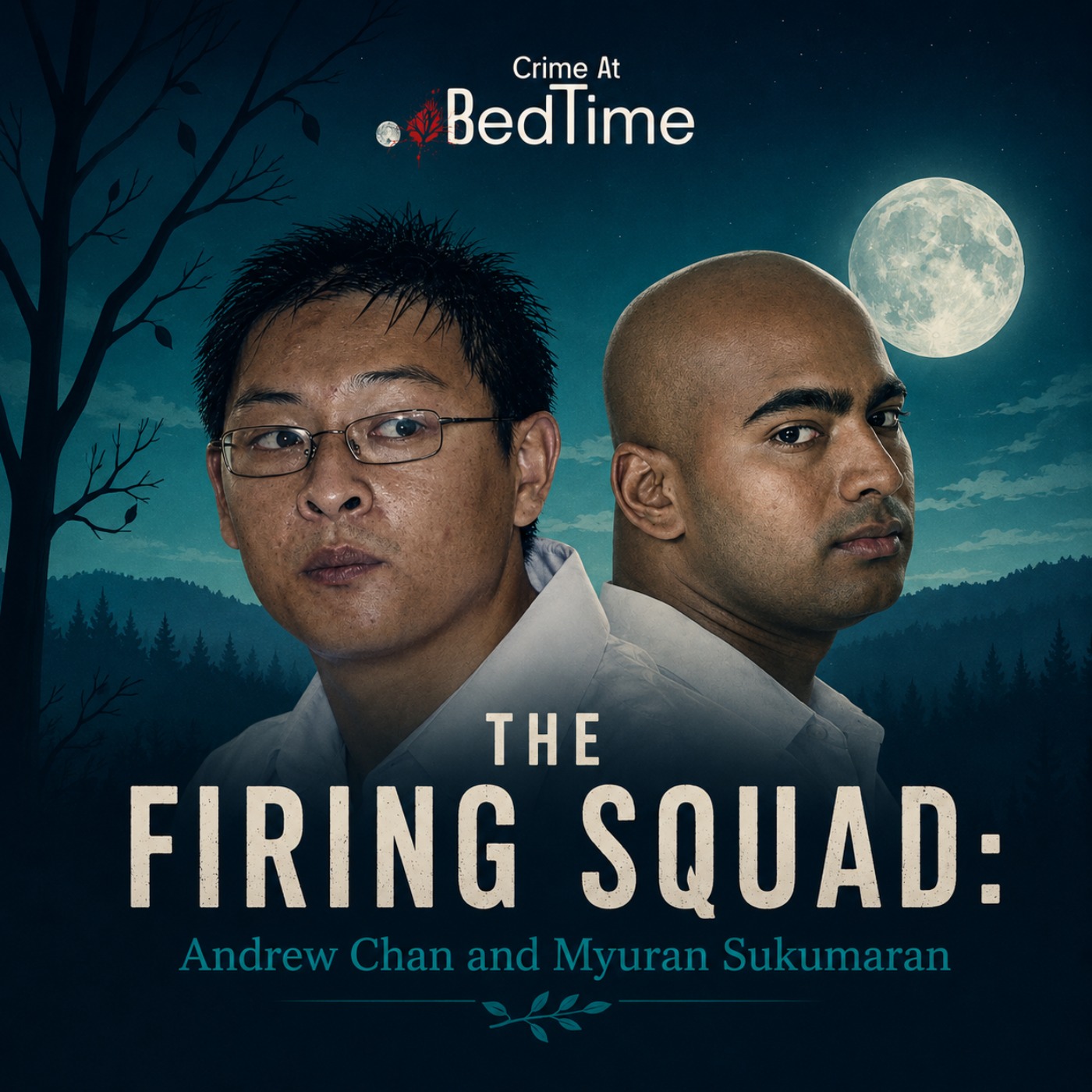 Listen in app The Firing Squad: Andrew Chan and Myuran Sukumaran 09.08.2026 33минAt approximately 12:35 in the morning on Wednesday the 29th of April 2015, in a small clearing in the jungle of a prison island called Nusa Kambangan, off the southern coast of Central Java in Indonesia, a group of eight men and one woman stood in a line, facing a 13-member firing squad. Two of them were Australians. The younger of the two was 31 years old. His name was Andrew Chan. He had been born in Sydney to Chinese immigrant parents. He had, ten years earlier, at the age of 21, been the ringleader of an operation to smuggle 8.3 kilograms of heroin from the Indonesian island of Bali into Australia. The older was 34. His name was Myuran Sukumaran. He had been born in London to Sri Lankan Tamil refugees and had moved to Australia as a young child. He had, ten years earlier, at the age of 24, been Chan's co-ringleader in the same operation. He had, in a peculiar and unhappy coincidence of dates, been arrested on his 24th birthday. Twelve days after his 34th birthday, he was going to die. What no one who met them in the early days of their imprisonment could have predicted was what the two men would become in the ten years between their conviction and their execution. Andrew Chan would find Christianity, become a prison pastor, and lead the English-language church congregation of Kerobokan Prison in Bali. He would marry his fiancee in the prison chapel on the last night of his life. Myuran Sukumaran, under the mentorship of one of Australia's most celebrated contemporary artists, would become an accomplished painter, producing more than 100 works during his years in prison, and completing his final canvas, a painting of the Indonesian flag with red paint dripping down the canvas like blood, in the hours before he walked out to the firing squad. The story of two young Australians whose serious crime was, in the end, met with a punishment their country considered barbaric, of the seven other Australians who were arrested with them and who spent between 14 and 19 years in Indonesian prisons, of the Australian Federal Police's controversial decision to tip off Indonesian authorities knowing what the consequences would be, and of the extraordinary hymn that eight condemned prisoners sang together in the darkness of a jungle clearing at 12:35 in the morning on the 29th of April 2015.Become a Patreon or Apple + subscriber now for ealry and ad free access from as little as $1.69 a week. All the details hereSubscribe to Crime at Bedtimes Youtube channel HERE Hosted on Acast. See acast.com/privacy for more information.
 -
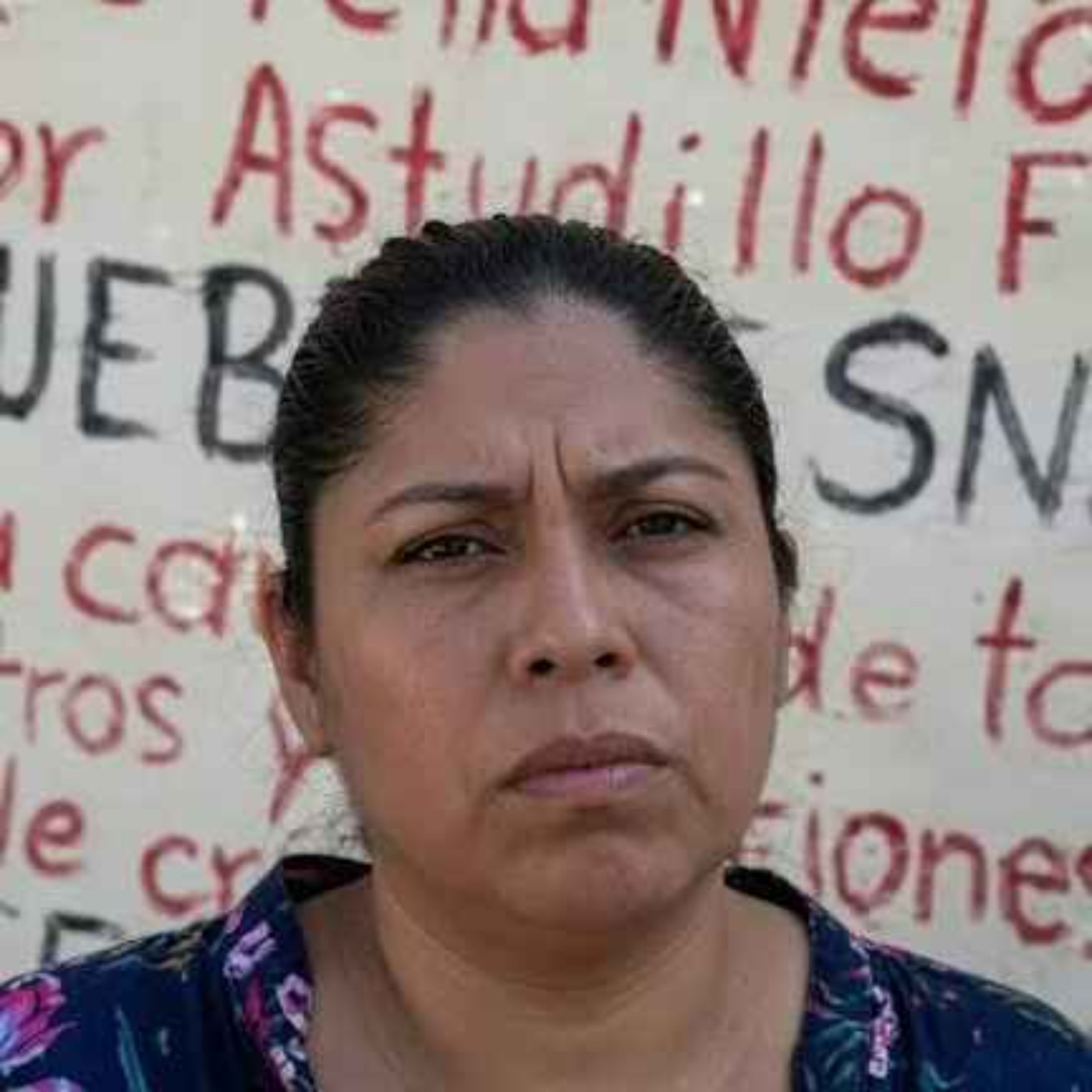 The Woman Who Took the Cartel's Mother: Yadira Guillermo García 05.08.2026 29минOn the morning of Tuesday the 13th of December 2016, a video began to circulate on Mexican social media that would, within 48 hours, be seen by millions of people around the world. It had been recorded in the small town of San Miguel Totolapan, in the state of Guerrero, in the Tierra Caliente region of south-western Mexico. It showed a middle-aged woman speaking directly into the camera, in Spanish, with a controlled and quiet fury that no one who watched the video would ever forget. Her name was Yadira Guillermo García. Two days earlier, her husband, a local engineer named Isauro de Paz Duque, had been kidnapped by a cartel known as Los Tequileros, led by a man known as El Tequilero, the Tequila Drinker. The gang had terrorised the town for years. They had killed her neighbours. They had kidnapped her friends. They had ransomed her fellow citizens for money the community did not have. Yadira Guillermo García had not, in the two days that followed her husband's kidnapping, gone to the police. She had not gone to the state government. She had not gone to the federal authorities. She had, instead, done something no one in Guerrero had ever seen a kidnap victim's wife do before. She had raised the townspeople. She had led them into the streets. And with them, on the Monday morning after her husband was taken, she had helped detain approximately 20 people believed to be members and allies of Los Tequileros. Among them was El Tequilero's own mother. And when Yadira Guillermo García sat down in front of the camera the following morning and looked into the lens, she said to the cartel boss who had taken her husband: I have your mother here. I want an exchange. The story of one woman's extraordinary act of defiance against one of the most feared criminal organisations in southern Mexico, of the town that armed itself to fight back, and of the terrible price the community would eventually pay for its moment of resistance when the cartel returned, six years later, and slaughtered 20 people including the mayor.Become a Patreon or Apple + subscriber now for ealry and ad free access from as little as $1.69 a week. All the details hereSubscribe to Crime at Bedtimes Youtube channel HERE Hosted on Acast. See acast.com/privacy for more information.
 -
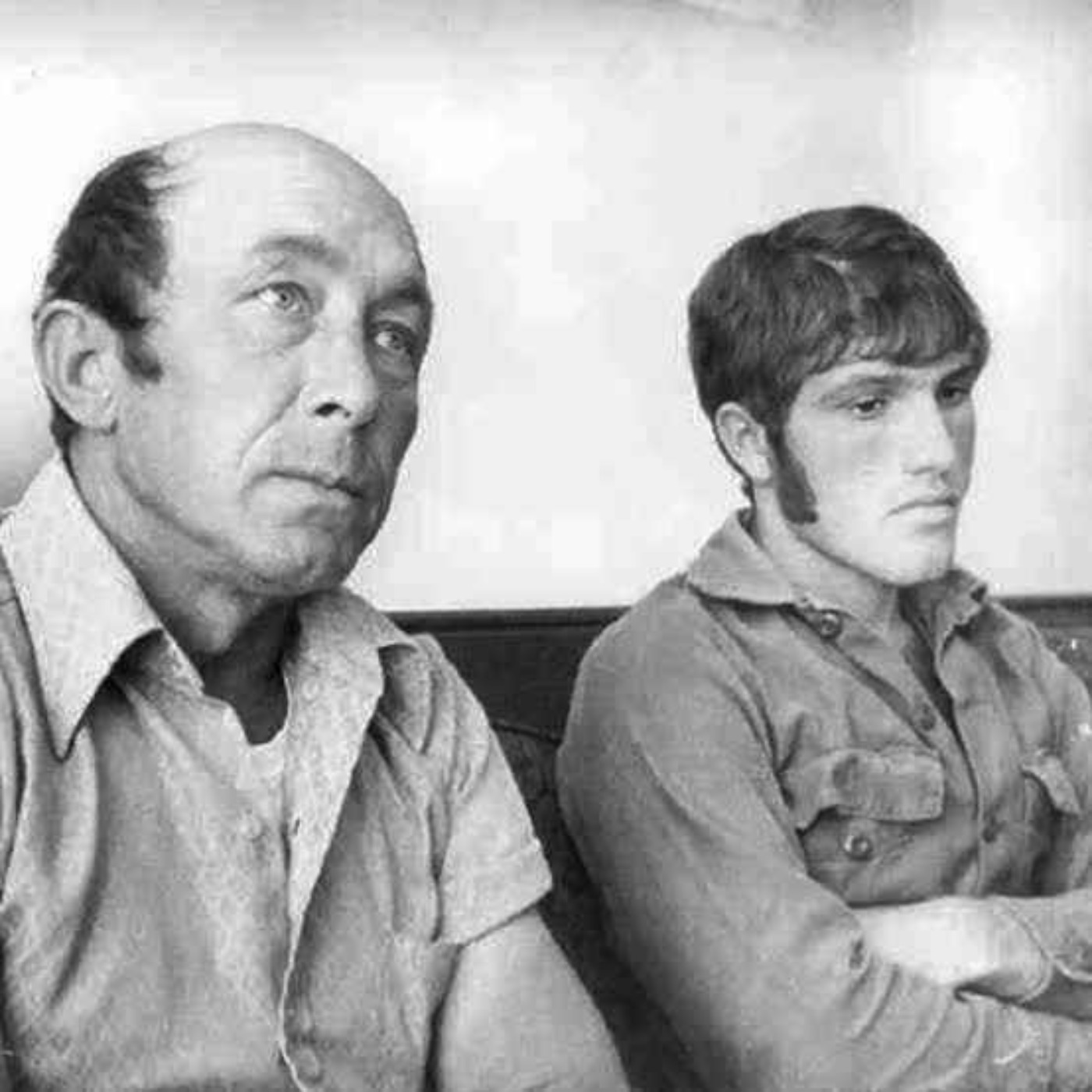 The Fishermen and the Craft: The Pascagoula Abduction 04.08.2026 31минAt approximately 11 o'clock on the evening of Thursday the 11th of October 1973, two men walked into the Jackson County Sheriff's Office in the small Gulf Coast city of Pascagoula, Mississippi, and told the sheriff on duty that a few hours earlier, on the west bank of the Pascagoula River, they had been abducted by aliens. The older of the two men was Charles Hickson. He was 42 years old. He was a former military man. He was a shipyard fitter at the local Walker Shipyard. The younger was Calvin Parker. He was 19 years old. He was Hickson's co-worker. Neither of them, prior to that Thursday evening, had ever given a moment's thought to flying saucers. They had brought with them, to the sheriff's office, two catfish. They had, they explained, been fishing on the river when it happened. They had brought the catfish as evidence that the fishing part of their story, at least, was true. The sheriff, a man named Fred Diamond, listened to them describe a piercing sound in the air, blue lights on the water, an oval-shaped craft hovering silently at the edge of the river, and three creatures with grey folded skin, no visible eyes, and pincer-like claws for hands, who had paralysed them, floated them aboard the craft, and subjected them to a medical examination before returning them to the pier. Sheriff Diamond assumed, as any sheriff in Mississippi in 1973 would have assumed, that it was a hoax. He then, in the way that experienced law enforcement officers deal with suspected hoaxes, decided to test it. He put both men in an interview room. He ran a hidden tape recorder. He left them alone, expecting to catch them laughing. What he captured, on that tape, was two men, believing themselves to be unobserved, still absolutely terrified. Fifty-three years later, that tape has been recovered from a lost archive, listened to by researchers, and analysed alongside polygraph results, radiation testing, multiple corroborating witnesses, and the testimony of an American astronomer who had spent his career debunking UFO claims and who described this one, in careful language, as credible and deeply puzzling. The story of a night on the Pascagoula River in October 1973, of two ordinary men who reported an extraordinary experience, and of a mystery that has, in the 52 years since it happened, never been explained.Become a Patreon or Apple + subscriber now for ealry and ad free access from as little as $1.69 a week. All the details hereSubscribe to Crime at Bedtimes Youtube channel HERE Hosted on Acast. See acast.com/privacy for more information.
Слични подкасти


Популаран у
Овај подкаст се појављује и у подкаст листама ових земаља.


