
Commonwealth Club of California Podcast
Commonwealth Club of California
0
The Commonwealth Club of California is the nation's largest public affairs forum. This nonpartisan, nonprofit organization produces programs featuring diverse viewpoints from thought leaders on important topics. Its weekly radio broadcast, the oldest in the U.S. since 1924, is carried on hundreds of stations. The podcast feed is updated multiple times each week with audio and video of their programs.
Епизоде
-
 What Children Need to Thrive: Why supporting families is fundamental to improving child outcomes 16.09.2026 1ч 7минWhen families have support, children and youth do better at home, in school and in their communities. Yet many conversations about “student success” focus narrowly on classrooms and test scores, overlooking the pregnancy, early childhood, housing, mental health, special‑needs and basic‑needs supports that shape whether children can show up ready to learn in the first place. This program will explore how family resource centers and other family support services operate in San Francisco, drawing on the experiences of community leaders and parents who know these systems firsthand. Through stories from their work and lives, the panel will highlight how family support helps families navigate complex systems, build stability, and prevent crises before they escalate. The conversation will also consider what we can all do to support cradle‑to‑career supports for families, so that all San Francisco children and youth can thrive.About the Speakers Our moderator will be Kula Koenig, the chief policy officer at Safe & Sound, where she leads policy, advocacy and strategic partnerships to strengthen child abuse prevention through upstream investment, cross-sector collaboration, and systems change that centers families most impacted by inequities. She directly oversees Safe & Sound's role as the backbone organization of the Family Services Alliance, working to make San Francisco a place where all children, youth, and families can thrive. Kula grounds her leadership in the belief that prevention and civic engagement must be inclusive, accessible and healing. She brings more than 15 years of leadership experience at the intersection of public health, early childhood, and racial equity, including senior roles at Public Health Advocates, United Way, and the American Heart Association. She is also the founder and executive director of Social Justice PolitiCorps. Kula holds a B.A. from UCLA and an MBA from The George Washington University. Gloria Tan has been the executive director of the San Francisco nonprofit Gum Moon since 1986. Gum Moon operates a residence hall in Chinatown for survivors of domestic violence and human trafficking. In addition, Gum Moon has 3 family resource centers in the Chinatown, Richmond and Sunset neighborhoods. The FRC's are all funded through the San Francisco Department of Early Childhood’s Family Resource Center Initiative. Originally from Singapore, Gloria came to the United States for college and earned a Business Administration degree from the University of San Francisco. In 2020, the Chinese Culture Center of San Francisco honored her with its Lifetime Achievement Award in Community Building for her decades-long community leadership. In May 2026, the San Francisco Human Rights Commission recognized her contributions on behalf of women, children, immigrant families and underserved communities across the city. She is also an active member of the Family Services Alliance. Vicente Milan is a proud San Franciscan, born and raised. A former U.S. Army Specialist who deployed to Iraq, Vicente later worked in landscaping before stepping into his most important role: primary caregiver to three young boys in a blended family. Vicente and his family have turned to Compass Family Services’ Family Resource Center for parenting support, help with one of his children's special needs, and housing stability services. He now serves as a parent leader in Compass's “Repeat and Repair” group and brings to this panel the perspective of a father who has seen how family resource centers can strengthen families and improve children’s outcomes. He loves taking his kids to museums and connecting with other parents. A Social Impact Member-led Forum program. Forums at the Club are organized and run by volunteer programmers who are members of The Commonwealth Club, and they cover a diverse range of topics. Learn more about our Forums. ORGANIZER Virginia Cheung Learn more about your ad choices. Visit megaphone.fm/adchoices
 -
 Robert Reich: Coming Up Short - A Memoir of My America 15.09.2026 1ч 3минNote: This podcast contains explicit language. Is American democracy doomed? Robert Reich doesn’t think so, even though he is more than capable of pointing out how it has fallen short and is being challenged by powerful anti-democratic forces. He says we can reclaim a sense of community and a democratic capitalism based on American ideals we still have the power to salvage. To know where to go next, it helps to know how we got here, and in his new book Coming Up Short: A Memoir of My America, Reich tells us how he got here. Born just 9 months after World War II, Reich came into a united America with a bright future—which went unrealized for so many as, he says, big money took over our democracy. His encounter with school bullies on account of his height—4’11" as an adult—made him determined to spend his life fighting American bullies of every sort. He recounts the death of a friend in the Civil Rights Movement; his political coming of age witnessing the Berkeley free speech movement; working for Bobby Kennedy and Senator Eugene McCarthy; experiencing a country torn apart by the Vietnam War; meeting Hillary Rodham in college, Bill Clinton at Oxford, and Clarence Thomas at Yale Law. He details his friendship with John Kenneth Galbraith during his time teaching at Harvard, and subsequent friendships with Bernie Sanders and Ted Kennedy; and his efforts as labor secretary for Clinton and economic advisor to Barack Obama. He reflects on all that he has witnessed and asks: What did his generation accomplish? Did they make America better, more inclusive, more tolerant? Did they strengthen democracy? Or did they come up short? Join us as Robert Reich returns to the Commonwealth Club World Affairs stage to hear him discuss the culture, politics, and economic choices that have landed us where we are today—with immensely rich and immensely powerful economic leaders and corporations, demagogues on the rise, and increasing inequality fueling anger and hatred across the country. Learn more about your ad choices. Visit megaphone.fm/adchoices
 -
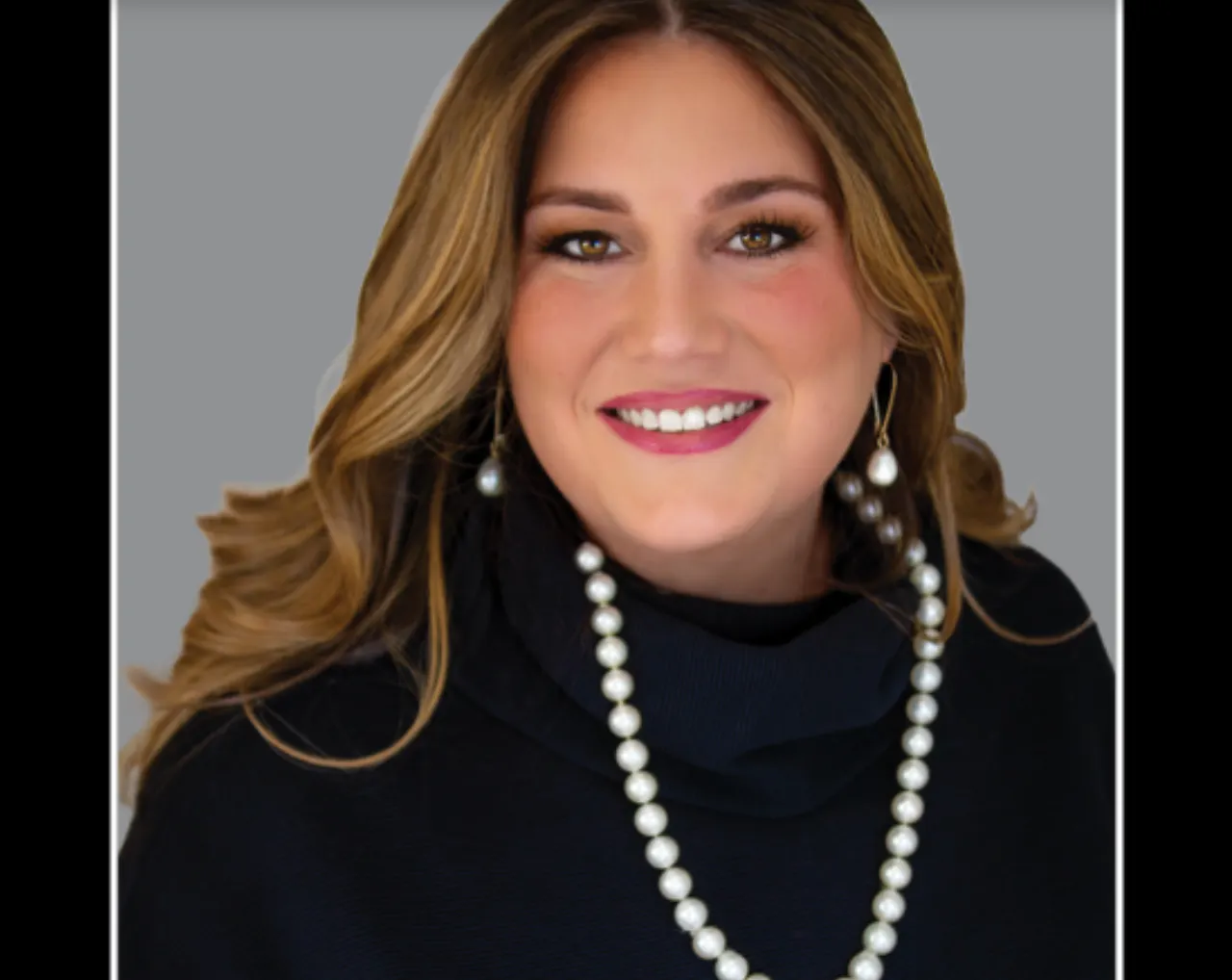 Skye Perryman: Fighting for Freedom in Extraordinary Times 14.09.2026 1ч 7минSkye Perryman—a Time 100 honoree and CEO of Democracy Forward—offers an urgent, inspiring blueprint for how ordinary people can fight for freedom in extraordinary times. She says the future of our country lies in all of our hands. From protecting voting rights and public schools to finding courage in the face of fear, Skye Perryman makes the case that defending democracy isn’t the job of lawyers or politicians alone—it’s a role for every one of us, seasoned and brand-new activists alike. Drawing on her frontline experience challenging threats to democracy in courtrooms across the nation, Perryman combines gripping personal stories with practical “how-to” guides that empower readers to take action in their own communities. Accessible, hopeful, and deeply practical, this inspiring book shows that the path forward begins not in the halls of power but at our kitchen tables, in our neighborhoods, and through the everyday choices we make to speak up, build community, and protect our future. Learn more about your ad choices. Visit megaphone.fm/adchoices
 -
 The Science Behind Finding (and Keeping) Love in Today's Chaotic World 12.09.2026 53минNote: This podcast contains explicit language. Dating and relationships can be messy. The apps, the expectations, the endless options—it’s a lot. But there’s real science behind how people connect, commit and build a relationship with someone who will “be there when you need them the most.” So how to find such a person, especially in such a world? Fortunately we have a guide! Dr. Justin Garcia is the executive director of the Kinsey Institute, the premier research center on human sexuality and relationships, where he leads a team that has been delving into precisely those questions for almost 80 years. He’ll discuss how people have evolved to need relationships, what we need in a relationship (sometimes not what we think we need!), and how people are negotiating the desires for intimacy and committed relationship in a landscape characterized by casual sex, casual dating and rapidly changing technologies. In addition, Dr. Garcia will discuss what science has found about the realities of modern relationships, including why some last while others end, the shifting patterns of dating and marriage, and maybe even the discovery that one in three Gen Z single adults said they have used AI as a romantic partner. Join us September 8 for this fascinating discussion, and ask your questions about how the world of dating and relationships has changed. This will also be a great opportunity to get out of the house, meet some people in real life, and maybe even have dinner afterward at a nearby restaurant. About the Speaker Dr. Justin Garcia, an evolutionary biologist, is executive director of the renowned Kinsey Institute and chief scientific advisor to dating app Match, where he provides expertise for the annual Singles in America study. He has co-authored more than 100 academic articles and the book Evolution and Human Sexual Behavior. His latest book is The Intimate Animal, which explores the science behind how we date, mate and navigate our love lives. Learn more about your ad choices. Visit megaphone.fm/adchoices
 -
 CLIMATE ONE: New Nuclear, Old Challenges. What Now? 11.09.2026 1ч 2минGrowing power demands – coupled with increasingly frequent climate-driven disasters – have led even staunch environmentalists like NRDC head Manish Bapna to rethink their past opposition to nuclear power. Three Mile Island didn't kill anyone or cause major public harm, but it fundamentally changed U.S. nuclear policy for 40 years. Why did an accident with a relatively contained consequence have such a chilling effect – and what’s really different today? With dozens of new, purportedly safer designs at various stages of development and construction around the world, is it time for all of us to give nuclear energy a fresh look? Guests: Manish Bapna, President and CEO, NRDC Denia Djokić, Assistant Research Scientist, University of Michigan Josh Freed, Senior Vice President for Climate and Energy, Third Way Edwin Lyman, Director of Nuclear Power Safety, Union of Concerned Scientists Highlights: 00:00 – Introduction 02:30 – Manish Bapna explains shift in posture on nuclear power 07:45 – Why permitting and transmission reforms are necessary 12:00 – Ed Lyman and Josh Freed share concerns about climate change but differ on the role of nuclear energy 16:15 – Ongoing risks of nuclear energy 20:30 – Supply chain concerns 25:00 – Discussion of radioactive waste handling 31:30 – Role of the Nuclear Regulatory Commission and its independence under the current administration 40:00 – Where nuclear fits into carbon-free future 43:00 – Denia Djokić on how new advanced designs differ from older reactor designs 49:30 – SMRs are not plug-and-play 53:30 – New nuclear can’t meet the speed demands of AI 55:30 – Additional considerations around nuclear energy 57:30 – Climate One More Thing For show notes, related links, and episode transcript, visit our episode page at ClimateOne.org *** Join Climate One for a town hall event on September 28 at 6 p.m. on navigating AI, climate, and the future of democracy. How do we ensure that AI and data centers serve the public good? How does a democracy function when AI is distorting our sense of shared truths? Tickets available at climateone.org/events *** Also: We’ll be having an electric conversation on October 14 at 6 p.m. between PG&E CEO Patti Poppe and California State Senator Scott Wiener about energy affordability, outages, and whether cities like San Francisco are ready to break up with the investor owned utility model. Tickets available at climateone.org/events *** Support Climate One by going ad-free! By subscribing to Climate One on Patreon, you’ll receive exclusive access to all future episodes free of ads, opportunities to connect with fellow Climate One listeners, and access to the Climate One Discord. Sign up today. *** Ad sales by Multitude. Contact them for ad inquiries at multitude.productions/ads Learn more about your ad choices. Visit megaphone.fm/adchoices
 -
 Trans Ironmen 11.09.2026 1ч 5минAmidst a backdrop of unprecedented attacks on trans athletes, Schuyler, Chella, and Cal teamed up to take on the Ironman 70.3 relay in Oceanside, California, together on March 28, 2026—placing third in the men’s relay category. Schuyler in the water, Chella on wheels, and Cal hitting the pavement, these trans masculine athletes defy the erasure so commonly perpetuated against them, leaning into movement as essential empowerment, teamwork as vital community, and self-love as fuel. On June 29, Schuyler, Chella, and Cal invite us into their Ironman journey for a special event at the Commonwealth Club, with a panel discussion of their experience followed by a group run and reception. Learn more about your ad choices. Visit megaphone.fm/adchoices
 -
 Inside China’s Secret Prisons with Veteran China Expert Orville Schell 09.09.2026 1ч 6минFor decades, scholar and journalist Orville Schell has been one of the nation’s leading experts on China. The author of numerous books on China, Schell runs the Center on U.S.-China Relations at the Asia Society in New York. In his new book, Inside China’s Secret Prisons, Schell recounts the extraordinary investigation that uncovered China’s prison labor network, and the personal cost of reporting the truth. Schell delivers the first behind-the-scenes account of the landmark 1991 “60 Minutes” investigation that revealed China’s vast “reform through labor” prison system and documented how prison-made goods were illegally entering the United States disguised as legitimate exports. The investigation took Schell and his colleagues deep inside China’s hidden penal colonies, where they worked alongside a former political prisoner and used hidden cameras to document forced labor inside prison factories. In one of the investigation’s most startling moments, Chinese prison officials openly attempted to sell prison-made products to CBS journalists posing as American buyers. For the first time, Schell explains why he chose not to publish his original account of the investigation for The New Yorker. Concerned that the Chinese government could retaliate against his Chinese-born wife, her family, their friends, and even jeopardize his own ability to continue reporting from China, Schell made the painful decision to remain silent—offering a rare and deeply personal examination of how authoritarian governments can foster self-censorship far beyond their own borders. Join us to hear Schell discuss the book as well as the latest political developments in China and U.S.-China relations. This content has EXPLICIT language. Learn more about your ad choices. Visit megaphone.fm/adchoices
 -
 Giving Scientists Superpowers: How an AI-Powered “Thinking Microscope” Is Fast-Tracking Medical Breakthroughs 07.09.2026 59минGladstone’s Steven Finkbeiner shares how Gladstone’s AI-powered microscope is racing to cure neurodegenerative disease. Imagine a scientist that never sleeps, runs thousands of experiments at once, and learns from every success and failure in real-time. It’s not a person—it’s a microscope. Scientist Steven Finkbeiner, M.D., Ph.D., of San Francisco’s Gladstone Institutes, introduces us to a mind-boggling new reality: a “thinking microscope” powered by autonomous AI. By looking beyond the limits of human imagination, this machine is mapping out how diseases such as Alzheimer’s and ALS unfold, and discovering how to reverse them. Join us to learn how this revolutionary leap in technology is radically accelerating the timeline for curing the world’s most devastating diseases. Come witness how going beyond human imagination might be the key to unlocking the world’s most anticipated medical breakthroughs. A Health & Medicine Member-led Forum program. Forums at the Club are organized and run by volunteer programmers who are members of The Commonwealth Club, and they cover a diverse range of topics. Learn more about our Forums. Organizer: Robert Lee Kilpatrick Learn more about your ad choices. Visit megaphone.fm/adchoices
 -
 A Legacy Illuminated: Flicka on the Big Screen 06.09.2026 36минIntroduction: Cole Thomason-Redus, co-chair of the Arts Forum, Commonwealth Club World Affairs Film: Flicka: A Love Letter Frederica “Flicka” von Stade has built an extraordinary legacy that reaches far beyond her celebrated opera career. In the documentary Flicka: A Love Letter, audiences follow her journey from one of the world’s most beloved mezzo-sopranos to a devoted mentor, educator and humanitarian. Through interviews and archival footage, colleagues, friends and family illuminate not only her artistry and musical brilliance but also the warmth, generosity and deep compassion that have defined her life and work, including her enduring commitment to bringing music to underserved communities. In Conversation: Following the screening, Chanticleer President & General Director Philip Wilder will lead a conversation with Frederica von Stade and director/producer Brian Staufenbiel in anticipation of her receiving the Kathleen G. Henschel Award on October 1. In association with San Francisco Chanticleer. Organizer: Cole Thomason-Redus Learn more about your ad choices. Visit megaphone.fm/adchoices
 -
 Congressman Jared Huffman: The Fight to Save Democracy from Christian Nationalism 05.09.2026 1ч 6минSinclair Lewis is said to have predicted, “When fascism comes to America, it will be wrapped in the flag and carrying the cross.” Democratic congressman Jared Huffman says he witnessed something eerily like that vision on January 6, 2021, and it was his wake-up call to the shocking power of Christian nationalism.He explores this topic I his new book No Prophets, in which he argues that Christian nationalism is now America’s most dangerous political movement. Huffman uncovers the landscape of this movement―who they are, what they want, and how they plan to get it―and argues that it has destabilized our nation more than most recognize. Blending deep research with untold stories from inside our government, he takes a look at how this violent confederation of religious extremists is undermining science, education, foreign policy, and the very architecture of our democracy. But he says it’s not too late.Join us to hear Huffman’s take on what he says is an existential threat to our democracy, and hear how he urges us to reclaim the values core to our secular republic. Learn more about your ad choices. Visit megaphone.fm/adchoices
 -
 CLIMATE ONE: The Little EVs That Could Displace Big Oil 04.09.2026 58минWhile most Americans think of a truck or a sedan when they hear “electric vehicle,” a quiet revolution is happening in other countries on two and three wheels. In China and India, the electric vehicles doing the most to push out oil aren't cars – they're scooters, mopeds, motorcycles and the three-wheeled rickshaws and tuk-tuks that move people and packages through some of the world's busiest cities. According to BloombergNEF’s EV Outlook report, 46% of global sales of two- and three-wheelers were electric last year. Collectively, they’re displacing more oil than cars. Electric delivery vehicles are also starting to show up in bigger U.S. cities. How might even greater adoption of “other” EV types benefit decarbonization? Guests: Aleksandra O'Donovan, Head of Electrified Transport, BloombergNEF Samhita Shiledar, Principal, RMI David Zipper, Contributing Writer, Bloomberg; Co-host, Look Both Ways Highlights: 00:00 Introduction 02:37 Aleksandra O'Donovan on the BNEF 2026 EV Outlook 03:54 Aleksandra O'Donovan on adoption of electric two and three wheelers 08:40 Aleksandra O'Donovan on oil displacement from two and three wheelers 13:23 Aleksandra O'Donovan on what electric vehicle adoption means for emissions 18:36 Samhita Shiledar on the difference between US and Indian transportation 20:47 Samhita Shiledar on the reality of switching to electric vehicles for drivers 26:25 Samhita Shiledar on how the transition to EVs affects riders and consumers 33:04 Samhita Shiledar on the future of electric two and three wheelers 35:50 David Zipper on “car bloat” 41:37 David Zipper on what e-bike adoption rates in the US say about demand 47:47 David Zipper on golf cart adoption For show notes, transcripts and related links, visit our episode page at ClimateOne.org *** Join Climate One for a town hall event on September 28 at 6 p.m. on navigating AI, climate, and the future of democracy. How do we ensure that AI and data centers serve the public good? How does a democracy function when AI is distorting our sense of shared truths? Tickets available at climateone.org/events *** Support Climate One by going ad-free! By subscribing to Climate One on Patreon, you’ll receive exclusive access to all future episodes free of ads, opportunities to connect with fellow Climate One listeners, and access to the Climate One Discord. Sign up today. *** Ad sales by Multitude. Contact them for ad inquiries at multitude.productions/ads Learn more about your ad choices. Visit megaphone.fm/adchoices
 -
 Eric Ries: Why Good Companies Go Bad and How Great Companies Stay Great 04.09.2026 1ч 7мин“... reading it made me so hopeful and excited that I've been telling everyone I know about it. This is not just a book for MBAs or people who work in business. It's for anyone who has wondered, 'Is capitalism fixable?'"—Ari Shapiro What if the most radical idea in business is that purpose is the best tool for unlocking long-term growth? And what if the secret to sustaining your organization’s integrity is readily available if you look in the right places? In his new book Incorruptible, a New York Times and USA Today best seller, Eric Ries reveals the hidden forces that he says cause even great organizations to drift from their original reason for being. Then he shows how to design businesses that can withstand that pressure. Drawing on two decades of work with founders, CEOs and investors, he exposes the flaws that make companies vulnerable to short-term thinking. He offers a blueprint for “mission-controlled” organizations that can grow, prosper, and endure without losing their soul. Incorruptible has received advance praise from Dan Heath, Mark Cuban, Frances Frei, Kim Scott, Bob Sutton, and many others, including LinkedIn Co-founder Reid Hoffman, who says "Incorruptible is a must-read for any founder, board member, investor, or consumer who cares about protecting entrepreneurship, innovation, and the productive power of capitalism from the dangers of short-term thinking—and for anyone who recognizes the importance of trustworthy and enduring institutions for a thriving democracy." Using lessons gleaned from generations-old retailers and manufacturers to recently founded tech sector stars, Ries reframes the ethical longevity of business as a practical design problem. He provides every builder—founder, executive, investor or citizen—“a playbook to help avoid the inevitable pitfalls” (according to Mark Cuban) and the tools to create enterprises that uplift rather than exploit. He explores positive case studies such as Cost Plus Drugs, Costco, Hershey’s, Khan Academy, REI and others; he also delves into cautionary tales from Cadbury, J. Crew, Gateway, The Limited, Polaroid, Sears and Whole Foods. Scott Cook, who will be in conversation with Ries, has been a prominent supporter of Incorruptibleand has publicly praised it as required reading for founders, CEOs and investors, noting “If you're a founder, a CEO planning an IPO, an investor seeking epic outcomes—stop now and read Eric's book. It will change your life. Eric unveils the unspoken truths on how to build a legendary success … and keep it successful. When will it be seen as founder malpractice to not have read this book?" Success alone will not protect what matters most; Ries says only incorruptible design can. Learn more about your ad choices. Visit megaphone.fm/adchoices
 -
 Balancing Public Safety and Civil Liberties in the Age of Innovation 03.09.2026 1чSince the passage of Proposition E in 2024, San Francisco has expanded its use of technology in public safety, including drones, automated license plate readers, and the city’s new Real Time Investigations Center. As these tools become part of everyday policing, they’ve prompted conversations about how the city can pursue safer streets while protecting privacy and civil liberties. How should new technologies be evaluated and overseen? What transparency and accountability measures make sense? And what can San Francisco’s experience teach other cities considering similar approaches? Join us for a thoughtful conversation about technology, public safety and civil liberties—and what responsible innovation looks like in practice. Featuring: Chief Derrick Lew, SFPD Barry Friedman, professor, NYU School of Law; founding director, Policing Project Marisa Rodriguez, CEO, Union Square Alliance Moderated by Megan Cassidy, San Francisco Chronicle Learn more about your ad choices. Visit megaphone.fm/adchoices
 -
 Gil Duran and Wajahat Ali: The Rise of the Nerd Reich 02.09.2026 1ч 2минWhen Silicon Valley says it is “moving fast and breaking things,” the world interprets the chaos as a necessary cost of innovation. In his new book, The Nerd Reich: Silicon Valley Fascism and the War on Democracy, Gil Durán argues that something far more sinister is at work: a decades-long campaign to replace elected governments with corporate rule.Durán chronicles what he calls the “tech-authoritarian movement” from its early days in San Francisco politics to its current moment on the international stage, exploring the wild and dystopian ambition of the technocrats at its center, and offering his road map to resistance.Drawing on insider political experience and new investigations, he traces this ideology from its philosophical roots in The Sovereign Individual by James Dale Davidson and Lord William Rees-Mogg. He introduces its modern apostles—Peter Thiel, Marc Andreessen, Balaji Srinivasan and Elon Musk—and argues that the promise of technological liberation has transformed into a global movement for digital feudalism, powered by cryptocurrency, artificial intelligence, and the algorithmic propaganda of social media.Durán explains the origins, strategies and ambitions of Silicon Valley’s “war on democracy.” Join us as Durán will be in conversation with acclaimed author and former Daily Beast columnist Wajahat Ali, editor of the “Left Hook” Substack. Learn more about your ad choices. Visit megaphone.fm/adchoices
 -
 The Wisdom of The Odyssey: The Worldwide Phenomenon Behind a 3000-year-old Story 01.09.2026 1ч 11минJoin us as we explore the worldwide phenomenon behind the revival of Homer’s 3000-year-old story, the kaleidoscopic and hallucinogenic return of Odysseus to Ithaka, the Greek island that has become an icon for home itself. There is the immense beauty of the poem itself and the historical importance of Homer’s accomplishment, but what does the story mean to us now, how can it help illuminate the chaos of our lives today? Composed by the Poet Known as Homer, around 650 BC, it was based on a story about the Trojan War that was already hundreds of years old. Since then, the story about the hallucinogenic adventures of Odysseus, his son Telemachus, and wife Penelope have cast a spell over cultures around the world, haunting poets, playwrights and philosophers, and taunting the efforts of archaeologists, linguists and now filmmakers to render it in modern terms. Our conversation will explore the myriad life lessons of Homer’s masterpiece that have inspired readers, listeners and now viewers for millennia, with a focus on the central theme of the nostoi, the return stories of ancient Greek soldiers, adventurers, philosophers and scientists coming home, and the wider question of what home meant to the ancients—and what home means to us now, the most rootless people in recorded history. Along the way, we will have an animated exchange about the wide range of translations, from Alexander Pope, T. E. Lawrence, and E. V. Rieu, to Richard Lattimore, Emily Wilson and Daniel Mendelosohn. Finally, we will playfully review the myriad movie versions, from George Melies’ four-minute version in 1905, to the 1956 Ulysses with Kirk Douglas, and the freshly minted Odyssey helmed by Christopher Nolan. Finally, there is the surprising realization that it is five female characters (Penelope, Athena, Calypso, Circe and Nausicaa) who helped guide Odysseus homeward, and the centuries-long influence on art, literature and cinema. Join us for a celebration of the soul-saving power of this ancient Greek tale, which sings of the aftermath of a savage war and the restoration of our hero’s home, all the while insisting on need to say “yes” to life. About the Speaker Phil Cousineau is the author of The Wisdom of the Odyssey and over 40 other books, including the bestselling The Art of Pilgrimage, and The Hero’s Journey: Joseph Campbell on His Life and Work. Cousineau is a writer, teacher, filmmaker, storyteller and cultural historian, who has consulted on mythology and story for major studios, including Warner Brothers., Pixar and Lucasfilm, and has led mythology travel programs to Greece for more than three decades. Cousineau has been featured on NPR, CNN International, the BBC, the Smithsonian and Discovery channels, and was the host of PBS and Link-TV’s "Global Spirit." He lives in San Francisco. Visit him online. Valerie Andrews is the founder of the digital magazine and podcast "Reinventing Home," the author of Our Story of Home: Tales of Longing and Belonging, and A Passion for This Earth: Toward a New Partnership of Man, Woman and Nature, and the editor of Sanctuary: The Inner Life of Home. Her articles have appeared in Jung Journal: Culture and Psyche, Intuition magazine, Esquire, Vogue, and The Sun. She has moved—or rather been unmoored—33 times and understands the wandering Odysseus. The Bay Area has been her home since 1990. A Grownups Member-led Forum program. Forums at the Club are organized and run by volunteer programmers who are members of The Commonwealth Club, and they cover a diverse range of topics. Learn more about our Forums. Organizer: Denise M. Michaud Learn more about your ad choices. Visit megaphone.fm/adchoices
 -
 The Race for Governor 2026, The Final Stretch: Steve Hilton 01.09.2026 1ч 8минThere were 61 candidates on California’s June primary ballot for governor, but the race is now down to two: Republican Steve Hilton and Democrat Xavier Becerra. Hilton is a former Fox News commentator and political advisor. He was endorsed by President Trump and promises to “restore the California Dream” by cutting government spending, reducing taxes and energy prices, and slashing regulations. Join us as Hilton delivers a speech outlining his vision for the state and sits down for a conversation with KQED’s Scott Shafer. Learn more about your ad choices. Visit megaphone.fm/adchoices
 -
 CLIMATE ONE: ENCORE: Protest and Beyond: Annie Leonard On What You Can Do 28.08.2026 53минProtest is the ultimate in equal-opportunity political action. As Annie Leonard, former executive director of Greenpeace USA says, “Making change is like laying a stone path across the garden. Peaceful protest may be every 4th or 8th or 200th stone; it helps us get where we want to go but also we need a lot of other stones too.” Leonard explores the history of protests in her book “Protest: Respect It. Defend It. Use It.” And while protest is the loudest and most visible tool, it’s only one of many ways to take action. Through community building, civic engagement, elected office, corporate boardrooms, churches and nonprofit agencies, there are countless paths to exercising power and promoting positive change. In this episode we hear from three leaders working in three different arenas, all toward the same goal. Guests: Annie Leonard, Environmental Activist, Author of “Protest: Respect It, Defend It, Use It” Danielle Lee, Founder, Climate Action Club James Coleman, City Councilor, South San Francisco Highlights: 00:00 – Introduction 03:55 – Annie Leonard shares the story of the Section 504 sit-ins protest in San Francisco 06:30 – Different ways protest can be effective 08:30 – Leonard on why she puts her body on the line (gets arrested) during protests 16:00 – Leonard on the lawsuit Energy Transfer brought against Greenpeace USA over Standing Rock protests 22:00 – Protecting, defending, and using the right to protest 26:00 – Danielle Lee on organizing younger people around climate and environment 30:30 – Systemic versus personal action 37:00 – James Coleman on the decision to run for office as a tool for effective change 41:00 – Impact of local government 46:30 – How change actually happens For show notes and related links, visit our episode page at ClimateOne.org *** Join Climate One for a town hall event on September 28 at 6 p.m. on navigating AI, climate, and the future of democracy. How do we ensure that AI and data centers serve the public good? How does a democracy function when AI is distorting our sense of shared truths? Tickets available at climateone.org/events *** Also: We’ll be having an electric conversation on October 14 at 6 p.m. between PG&E CEO Patti Poppe and California State Senator Scott Wiener about energy affordability, outages, and whether cities like San Francisco are ready to break up with the investor owned utility model. Tickets available at climateone.org/events *** Support Climate One by going ad-free! By subscribing to Climate One on Patreon, you’ll receive exclusive access to all future episodes free of ads, opportunities to connect with fellow Climate One listeners, and access to the Climate One Discord. Sign up today. *** Ad sales by Multitude. Contact them for ad inquiries at multitude.productions/ads Learn more about your ad choices. Visit megaphone.fm/adchoices
 -
 CLIMATE ONE: It’s Too Damn Hot… So What Can We Do? 21.08.2026 1ч 5минWe all complain about the heat, yet it's a climate threat we routinely underestimate. In the U.S., extreme heat kills more people each year than floods, fires and hurricanes combined. About 16,000 excess deaths were recorded during Europe's June heatwave – a striking and tragic number. What does extreme heat do to our bodies, our wallets and our cities, and what can we actually do about it? From creating insurance programs that pay out before the disaster to protecting workers who labor in the heat, many people are working on solutions. Cities are finding ways to prepare for temperatures they historically have never experienced. Plus, we hear about one woman’s “Grammy Ride” for the climate: a 3,000 mile bike journey raising climate awareness and funds for climate action. Guests: Donna Minter, Former forensic and neuropsychologist Kathy Baughman McLeod, Founder and CEO of HERA Juanita Constible, Senior Advocate, NRDC Highlights: 00:00 - Introduction 03:14 - Donna Minter on coming up with the idea for the “Grammy Ride” 05:21 - Donna Minter on how friends and family reacted 11:54 - Donna Minter on reflecting on her faith 15:15 - Donna Minter on her Texas stay 21:50 - Kathy Baughman McLeod on what extreme heat does to the body 28:34 - Kathy Baughman McLeod on the effect of naming heatwaves 30:57 - Kathy Baughman McLeod on the first heat related insurance for pregnancies 38:16 - Kathy Baughman McLeod on a heat policy success story 43:21 - Juanita Constible on what it takes to keep workers safe 46:34 - Juanita Constible on where worker heat deaths happen 52:49 - Juanita Constible on OSHA heat protections 57:47 - Juanita Constible on state adoption of heat protections For show notes, transcripts, and related links, visit our episode page at ClimateOne.org *** Join Climate One for a town hall event on September 28 at 6 p.m. on navigating AI, climate, and the future of democracy. How do we ensure that AI and data centers serve the public good? How does a democracy function when AI is distorting our sense of shared truths? Tickets available at climateone.org/events *** Support Climate One by going ad-free! By subscribing to Climate One on Patreon, you’ll receive exclusive access to all future episodes free of ads, opportunities to connect with fellow Climate One listeners, and access to the Climate One Discord. Sign up today. *** Ad sales by Multitude. Contact them for ad inquiries at multitude.productions/ads Learn more about your ad choices. Visit megaphone.fm/adchoices
 -
 The Future of Meat: Technology, Sustainability and the Meats of Tomorrow 20.08.2026 1ч 1минFor centuries, meat has been a cornerstone of cuisines and cultures around the world. Yet as global demand continues to rise, questions about sustainability, food security, human health, animal welfare and the environmental impact of food production have become increasingly urgent. In his new book, Meat, which will be available to purchase, Bruce Friedrich explores a provocative question: How can we continue to satisfy humanity’s appetite for meat while addressing the challenges facing our food system? As founder and president of The Good Food Institute, Friedrich has become one of the leading voices in the development of alternative proteins, including plant-based foods, precision fermentation, and cultivated meat. Join us for a timely conversation about the future of food. We will explore the technologies transforming protein production, the opportunities and challenges facing alternative proteins, and the broader questions surrounding nutrition, sustainability, consumer acceptance, and the role of innovation in feeding a growing global population. Whether you are enthusiastic, skeptical or simply curious, this discussion offers an opportunity to examine one of the most important—and controversial—food conversations of our time. About the Speaker Bruce Friedrich is founder & president of the Good Food Institute and author of the new book Meat, which Publishers Weekly selected as a top 10 new release in science and Nature featured Meat as one of its five "best science picks.” The book has earned endorsements from Nobel Laureate in economics Michael Kremer, primatologist Jane Goodall, The Ministry for the Future author Kim Stanley Robinson, bioethicist Peter Singer, SpaceX board member Steve Jurvetson, and others. A Nutrition, Food & Wellness Member-led Forum program. Forums at the Club are organized and run by volunteer programmers who are members of The Commonwealth Club, and they cover a diverse range of topics. Learn more about our Forums. Organizer: Patty James Learn more about your ad choices. Visit megaphone.fm/adchoices
 -
 Ninety-Two: The Silent Revolt No One Saw Coming 19.08.2026 55минJoin us for an evening of film, data and dialogue exploring one of the most consequential workforce questions of our time, featuring the documentary Ninety-Two: The Silent Revolt No One Saw Coming. Black women are among the fastest-growing groups of breadwinners in America. Yet despite their outsized contribution to families, communities and the economy, they continue to experience disproportionate levels of burnout, workplace inequity, financial strain and invisible labor. What happens when the very people holding up the economy can no longer sustain the weight? The event will feature a screening of Ninety-Two: The Silent Revolt No One Saw Coming, a documentary examining Black women’s evolving relationship with work, ambition, caregiving, exhaustion, and resistance. Following the screening, attendees will join a moderated conversation featuring filmmaker and IKONI Institute founder Dr. Jade D. Singleton and executive producer Tara Jaye Frank, informed by emerging findings from the Global State of Black Women’s Labor Study—a multi-country research initiative examining the experiences of Black women across the United States, Africa, the Caribbean, Canada and the United Kingdom. Together, we will examine: The hidden costs of burnout and invisible labor Why traditional workplace solutions are falling short The growing gap between mentorship and meaningful access The economic realities facing Black women breadwinners The intersection of labor, leadership, well-being and economic mobility What employers, philanthropists, policymakers and community leaders can do next Designed for nonprofit leaders, philanthropists, researchers, employers, policymakers, advocates and civic leaders, this event moves beyond awareness and toward action. An Arts Member-led Forum program. Forums at the Club are organized and run by volunteer programmers who are members of The Commonwealth Club, and they cover a diverse range of topics. Learn more about our Forums. Main image by Ku Nakagawa, cinematographer; all photos courtesy of the speakers. Organizer: Robert Melton Learn more about your ad choices. Visit megaphone.fm/adchoices
Слични подкасти


Популаран у
Овај подкаст се појављује и у подкаст листама ових земаља.


