
Fit For Science
Stephan Reichl and Rob ter Horst
0
Two biological data scientists, Rob and Stephan, discuss how they use science, data, technology, wearables, and systems to optimize their lives. The podcast explores evidence-based lifestyle design, health tech, and personal experimentation, aiming to help listeners become their best N-of-1.
Епизоде
-
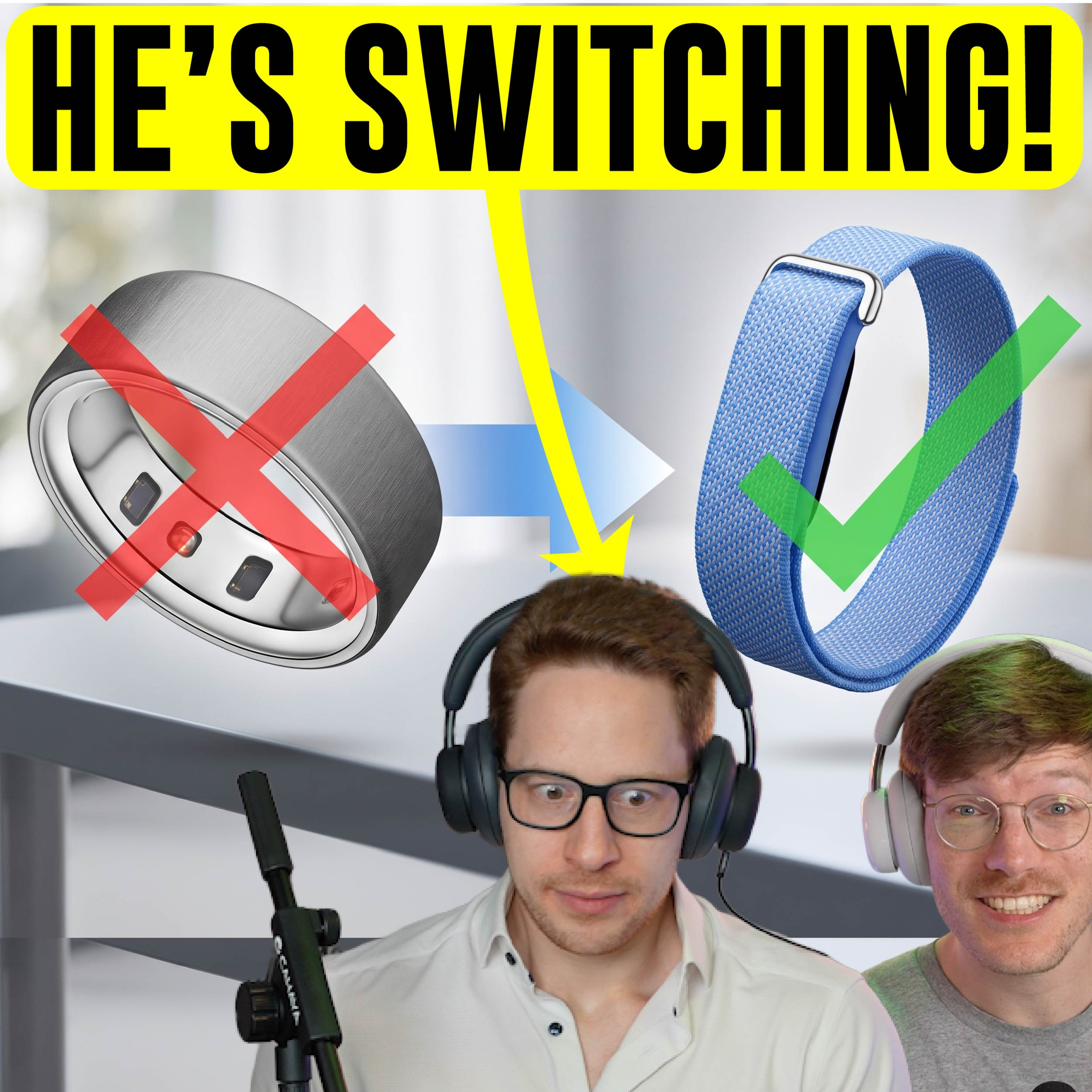 #21 The Rise of Screenless Wearables in 2026 + Fitbit Air vs Oura & Whoop 16.07.2026 1ч 15минRob and Stephan dissect the rise of minimalist, screen-free health trackers, reviewing the popular Google Fitbit Air against established giants like the Oura Ring and WHOOP.📝SummaryIn this episode, biological data scientists Rob and Stephan explore the growing market of screenless wearables, boosted by the recent launch of the Google Fitbit Air and massive investments in companies like Oura and WHOOP. They define the specific characteristics of these minimalist trackers, emphasizing their passive 24/7 tracking, long battery life, and deliberate lack of attention-grabbing notifications. Stephan shares his initial hands-on review of the Fitbit Air after being an Oura user for eight years, highlighting its impressive AI-powered food logging, integrated workout builder, and smart alarms, while critiquing its lack of custom journaling and granular daytime heart rate variability data. The hosts also discuss the inherent form-factor limitations of smart rings during exercise, analyze the dubious claims surrounding the drop-shipped Hume band, and examine how tech giants like Google are using these affordable devices to become ecosystem leaders. Finally, they offer practical tips on syncing multiple wearables via Apple Health without data conflicts. ⏳Chapters00:00:00 Screenless Wearables: The market shift towards minimalist trackers and the new Fitbit Air00:01:21 Early Adopter: Why Stephan bought the Fitbit Air after 8 years with Oura 00:11:03 Defining the Category: What makes a wearable truly "screenless"00:18:57 The Wearable Landscape: Amazfit Helio strap, Polar Loop, and smart rings 00:22:03 The Hume Band Scam: Drop-shipping, AliExpress clones, and fake scientists00:26:23 Form Factor Limits: Why smart rings struggle with cycling and weightlifting00:28:50 Divergent Data: Comparing wildly different readiness scores between Oura and Fitbit00:34:05 Subscription Models: Device costs and the necessity of paid app memberships00:50:42 Fitbit Air Review (Likes): AI nutrition logging, workout builders, and smart alarms00:57:48 Fitbit Air Review (Dislikes): Missing custom tags, daytime HRV, and slow activity detection01:05:30 Data Management: How to safely sync Fitbit Air with Apple Health01:11:18 Final Verdict: Will Stephan ditch the Oura Ring for the Fitbit Air?📚Resources The New Google Fitbit Air and Other Fitness Bands Are Losing Screens—and Gaining Fans - WSJGoogle Fitbit AirSharing upcoming roadmap and improvements - Google HealthOura Ring 5WHOOP Correction: The first Whoop band officially became available and started shipping to elite athletes and professional sports teams already in 2015. Same year as the first generation Oura ring, which was sold as an end consumer product.It looks like Garmin is finally preparing its Google Fitbit Air-style screenless band, the Cirqa, for launch — but I hope it doesn't copy Google's approach to revamping its fitness app | TechRadar Helio Strap Zepp App Amazfit Helio Strap does not require a subscription, but there is an optional premium add-on called Zepp Aura, a personalised Rest and Wellness Service.UltrahumanPolar LoopHume Band2.0 Explore Galaxy RingCorrection: Google Health loads for most, but not all, relevant Apple Health entries the last three months.…There is more: complete show notes here🎙️AboutFit For Science is a deep-dive podcast hosted by two biological data scientists, Rob and Stephan, exploring the intersection of research, health tech, and data-driven lifestyle design. The hosts provide evidence-based systems, layered with practical "N=2" personal experimentation, to cut through the noise and enable everyone to become their best N-of-1.Learn more and subscribe on your favorite platforms:YouTubeSpotifyApple PodcastsAmazon MusicCollection of all show notes⚠️Disclaimer: This podcast represents our own opinions and is for informational purposes only. It does not constitute medical or financial advice or a professional relationship.
 -
 #20 Google Wants Your Fitbit Data for AI! And it’s not (all) bad news! 01.07.2026 57минRob and Stephan dissect Google’s groundbreaking "Sensor FM" paper, exploring how a foundation model, trained on trillions of wearable data minutes, could revolutionize preventive healthcare and disease prediction.📝SummaryIn this episode, biological data scientists Rob and Stephan break down Google's latest research introducing Sensor FM, a massive foundation model trained on over one trillion minutes of multimodal wearable data across 5 million users. They explore the technical mechanics under the hood, including its encoder-decoder architecture, its alignment with deep learning scaling laws, and a unique "AI classroom" setup where collaborating virtual agents optimize 35 distinct clinical health prediction tasks. The hosts discuss the profound implications of using generative AI like Gemini to transform these raw sensor representations into clinician-approved lifestyle recommendations, while critically evaluating the delicate trade-offs between continuous behavioral nudging, hidden human blind spots, and systemic data privacy risks. Finally, Stephan shares his upcoming personal testing protocol for the new Fitbit Air as a potential alternative to his long-term Oura ring setup.⏳Chapters00:00:00 Wearable Data Predictions: Google’s motivation for tracking disease and lifestyle indicators 00:01:48 Google Health Platform: The strategic endgame of consolidating consumer health tracking 00:04:00 The Interface Layer: Transforming raw hardware signals into actionable health insights 00:07:13 Introducing Sensor FM: A deep learning foundation model for wearable health data 00:10:15 Overcoming Data Labels: High phenotypic diversity and few-shot learning 00:12:37 Data Privacy vs. Preventive Care: Evaluating the societal trade-offs of deep tracking 00:17:18 Encoder-Decoder Architecture: The science of signal compression and reconstruction 00:18:43 Trillion-Minute Dataset: Mapping 5 million global wearable users00:22:27 Empirical Scaling Laws: Maximizing compute and parameters for improved performance00:27:19 The AI Classroom Experiment: Peer collaboration mechanisms among virtual agents 00:39:07 Gemini Judged by Clinicians: Blind evaluation of AI-generated health recommendations 00:44:57 Behavioral Nudging and Alignment: Addressing the blind spots of metric-driven optimization 00:50:42 Insurance Risk Paradigms: The dangers of continuous data history in for-profit healthcare 00:53:26 Fitbit Air vs. Oura Ring: Stephan’s upcoming personal logging experiment📚ResourcesSensorFM from GoogleSenseFM: Towards a General Intelligence and Interface for Wearable Health Data Google Fitbit Air, das Fitness - Tracker-Armband Google Health Foundation modelEmbedding (machine learning) Generative AI Supervised learningFew-shot learningWearables with hypertension features: Huawei D2, Apple Watch, Whoop, OuraNudgingDimensionality reductionPrince Charles’ “middle finger” dimensionality reduction exampleSam Altman tweet: “there is no wall”Correction: The Netherlands is divided into 12 provinces and 3 special overseas municipalities"Life can only be understood backwards; but it must be lived forwards." - Søren Kierkegaard…There is more: complete show notes here🎙️AboutFit For Science is a deep-dive podcast hosted by two biological data scientists, Rob and Stephan, exploring the intersection of research, health tech, and data-driven lifestyle design. The hosts provide evidence-based systems, layered with practical "N=2" personal experimentation, to cut through the noise and enable everyone to become their best N-of-1.Learn more and subscribe on your favorite platforms:YouTubeSpotifyApple PodcastsAmazon MusicCollection of all show notes⚠️Disclaimer: This podcast represents our own opinions and is for informational purposes only. It does not constitute medical or financial advice or a professional relationship.
 -
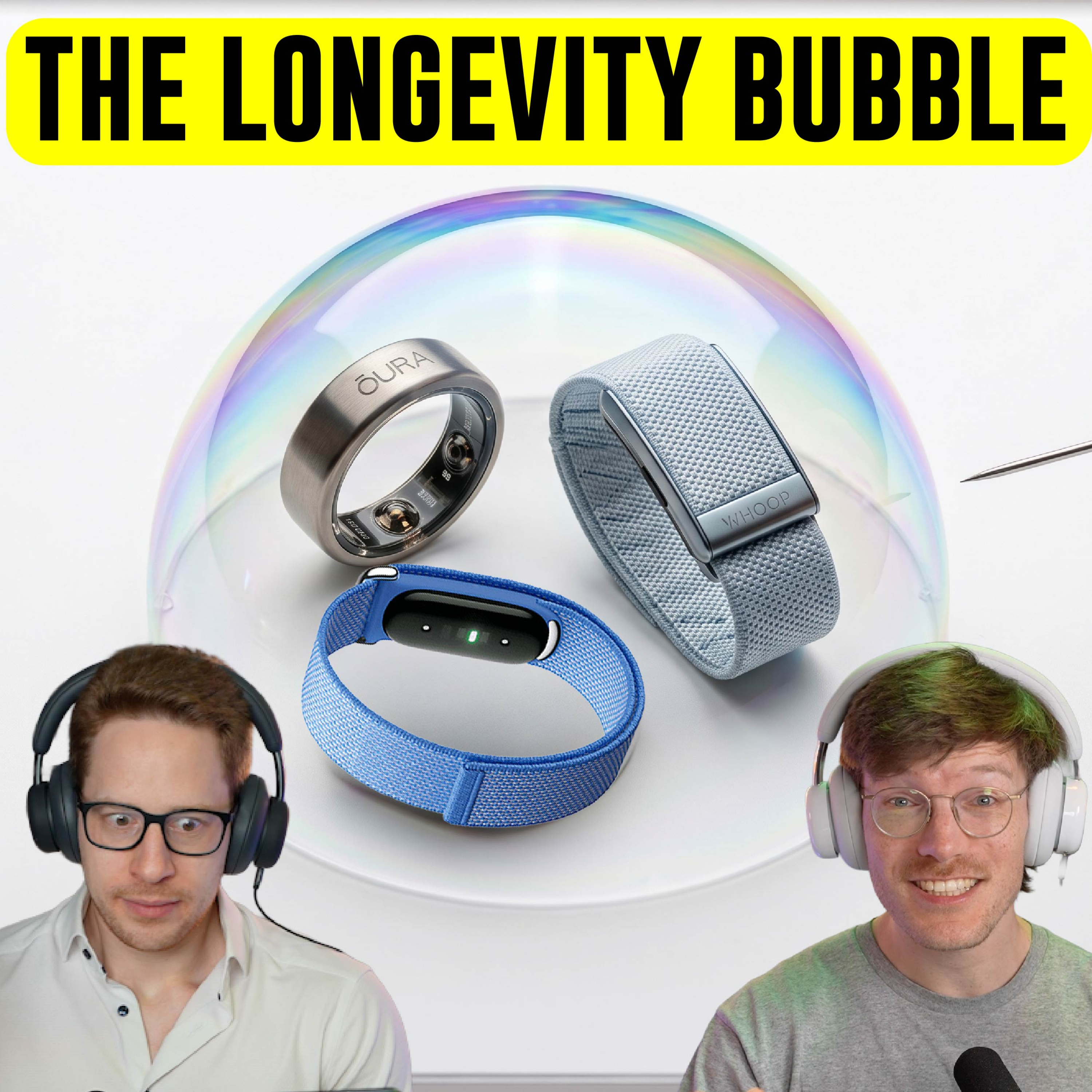 #19 The Harmful “Longevity Bubble” + Updates from Oura, WHOOP, and Google's New FitBit Air 10.06.2026 56минIn this episode, biological data scientists Rob and Stephan examine Oura's cardiovascular age validation study, discuss WHOOP's new medical concierge service, critically analyze the overhyped commercialization of the longevity bubble, and explore the citizen science potential of the Google Fitbit Air.📝SummaryIn this episode, biological data scientists Rob and Stephan break down recent structural shifts in the consumer health-tech industry, critically analyzing the transparency and financial conflicts of interest within a newly published Oura validation study on cardiovascular age tracking. They critique WHOOP’s new opt-in medical concierge service, highlighting that well-informed users can often interpret their own baseline metrics more effectively. Transitioning into the commercial "longevity bubble," the hosts dismantle overhyped, unproven, and highly expensive products, such as bespoke blood panels and premium health clubs, by explaining that 80% of longevity gains stem from free or cheap, evidence-based fundamentals like consistent sleep, regular activity, a balanced diet, and resistance training. Finally, they evaluate the hardware and subscription-free utility of the new screen-free Google Fitbit Air, exploring its practical applications as a robust tool to capture population-level sleep and activity patterns across diverse demographics within the large-scale Vienna Prevention Project (ViPP).⏳Chapters00:00:00 Wearable Updates: Oura, Whoop, and the Google Fitbit Air00:01:03 Cardiovascular Age: Oura's validation study and conflict of interest concerns00:06:57 Medical Consultations: Evaluating Whoop's physician integration00:13:01 The Longevity Bubble: Why extreme spending yields diminishing returns compared to basic health habits00:19:34 Bryan Johnson's Blueprint: Analyzing the $1 million protocols versus free lifestyle fundamentals00:27:01 Communicating Science: Why Dr. Mike effectively cuts through health influencer noise00:30:06 Google Fitbit Air: Discussing the new screen-free, subscription-free tracker00:35:55 Sleep Inertia: The psychological and physiological benefits of timed wake-ups00:40:43 The Vienna Prevention Project (ViPP): Deploying wearables to 20,000 citizens for public health00:48:42 Wearable Accuracy vs App Experience: Finding the Goldilocks zone for tracking devices📚ResourcesPulse wave velocity (PWV)New NUS Research Validates Oura’s Vascular Age Estimation, a Key Indicator of Cardiovascular Health - The Pulse Blog Vascular age estimation using a consumer wearable sleep tracker | PLOS Digital HealthWHOOP just hired doctors. - LinkedIn post VIP medicineBryan Johnson Methylation clocks and epigenetic aging[...] the variation from test to test is so high that any given result is essentially statistically meaningless.[...] - Matt Kaeberlein on LinkedInThe Truth About Biological Age Tests Dunedin Pace | Rejuvenation Olympics Bryan Johnson's $1M 42 point longevity protocol and Stephan's comment Doctor Mike: Evidence-Based Medical Communicator on YouTube Google Fitbit Air, Fitness Activity Tracker Band Rob's videos on Google's FitBit Air (so far) Fitbit Air: The $99 Future of Fitbit (WHOOP alternative) The Fitbit Air Found WHOOP’s Weak Spot! Fitbit: Scientific Sleep Test! …There is more: complete show notes here🎙️AboutFit For Science is a deep-dive podcast hosted by two biological data scientists, Rob and Stephan, exploring the intersection of research, health tech, and data-driven lifestyle design. The hosts provide evidence-based systems, layered with practical "N=2" personal experimentation, to cut through the noise and enable everyone to become their best N-of-1.Learn more and subscribe on your favorite platforms:YouTubeSpotifyApple PodcastsAmazon MusicCollection of all show notes⚠️Disclaimer: This podcast represents our own opinions and is for informational purposes only. It does not constitute medical or financial advice or a professional relationship.
 -
 #18 Will AI Actually Cure All Diseases? The Promise, Limits & Our Contributions to “AI for Science” 03.06.2026 59минStephan and Rob explore the ambitious claims made by AI industry leaders about rapid scientific advancement due to AI. They provide an introduction to the "AI for Science" field and analyze the fundamental physical limitations that govern the acceleration of biomedical discovery through AI.📝SummaryBiological data scientists Stephan and Rob evaluate the grand claims made by major tech executives regarding artificial (general) intelligence compressing a century of scientific breakthroughs into a single decade. By analyzing a recent paper co-authored by Stephan, the hosts break down the theoretical limits of general-purpose AI systems when faced with physical world restrictions. They emphasize that while cognitive tasks like literature synthesis, data analysis, and manuscript preparation can be massively accelerated, the time constants of the physical world remain irreducible bottlenecks. The conversation balances the promise of AI for science, including the hosts contributions to and beliefs in the field, with realistic infrastructure and policy demands, and the psychological and technical risks of relying on systems we do not fully comprehend.⏳Chapters00:00:00 Machines of Loving Grace: Dario Amodei and compressing a century of progress into a decade00:04:10 Theoretical Scaffolding: Defining general purpose AI versus narrow machine learning systems00:06:20 Cognitive vs Physical Domains: Splitting the lifecycle of a scientific research project & irreducible bottlenecks00:15:35 Human Creativity and Technical Debt: The risk of losing comprehension via vibe engineering00:19:01 Strategic Proxies: Using predictive biomarkers to capture outcomes early and bypass constraints00:25:48 Emergence of “AI Co-Scientists”: Discovery of digital biomarkers from wearable datasets00:38:15 Discovery Deficits: Why modern molecular biology is data-rich but discovery-poor00:39:23 AI for Science: FutureHouse, Marinka Zitnik's ToolUniverse and James Zou's virtual lab00:43:54 Simulating biomedicine with AI: What we did with early access to GPT-4 in 202300:49:57 Matthias Samwald, the EU General-Purpose AI Code of Practice and Accelerate Europe: Balancing trustworthiness and acceleration00:54:55 MrBiomics: Automating biomedical data analysis using workflows and AI00:58:44 Summary: Accelerating scientific discovery is possible, but not easy📚ResourcesStephan's recent paper: What are the limits to biomedical research acceleration through general-purpose AI? Social meda: LinkedIn, X, Press release: Potential and limitations of AI in biomedical research A multimodal sleep foundation model for disease prediction -> we discussed this paper before in episode 8: AI is Changing Wearables in 2026(?) and Predicts 130 Diseases from Sleep! (Episode 8) Rob's and Stephan's 2023 AI paper: GPT-4 as a biomedical simulatorPress release: "ChatGPT" for biomedical simulationsCorrection: GPT-4 predates o1-preview by 1 year and 6 months, not 6 monthsMatthias Samwald Previously: Co-chair of the Safety & Security chapter of the EU's General-Purpose AI Code of Practice Now: Accelerate Europe coordinatorStephan's passion project: MrBiomics: Composable modules and recipes automate bioinformatics for multi-omics analyses…There is MUCH more: complete show notes here🎙️AboutFit For Science is a deep-dive podcast hosted by two biological data scientists, Rob and Stephan, exploring the intersection of research, health tech, and data-driven lifestyle design. The hosts provide evidence-based systems, layered with practical "N=2" personal experimentation, to cut through the noise and enable everyone to become their best N-of-1.Learn more and subscribe on your favorite platforms:YouTubeSpotifyApple PodcastsAmazon MusicCollection of all show notes⚠️Disclaimer: This podcast represents our own opinions and is for informational purposes only. It does not constitute medical or financial advice or a professional relationship.
 -
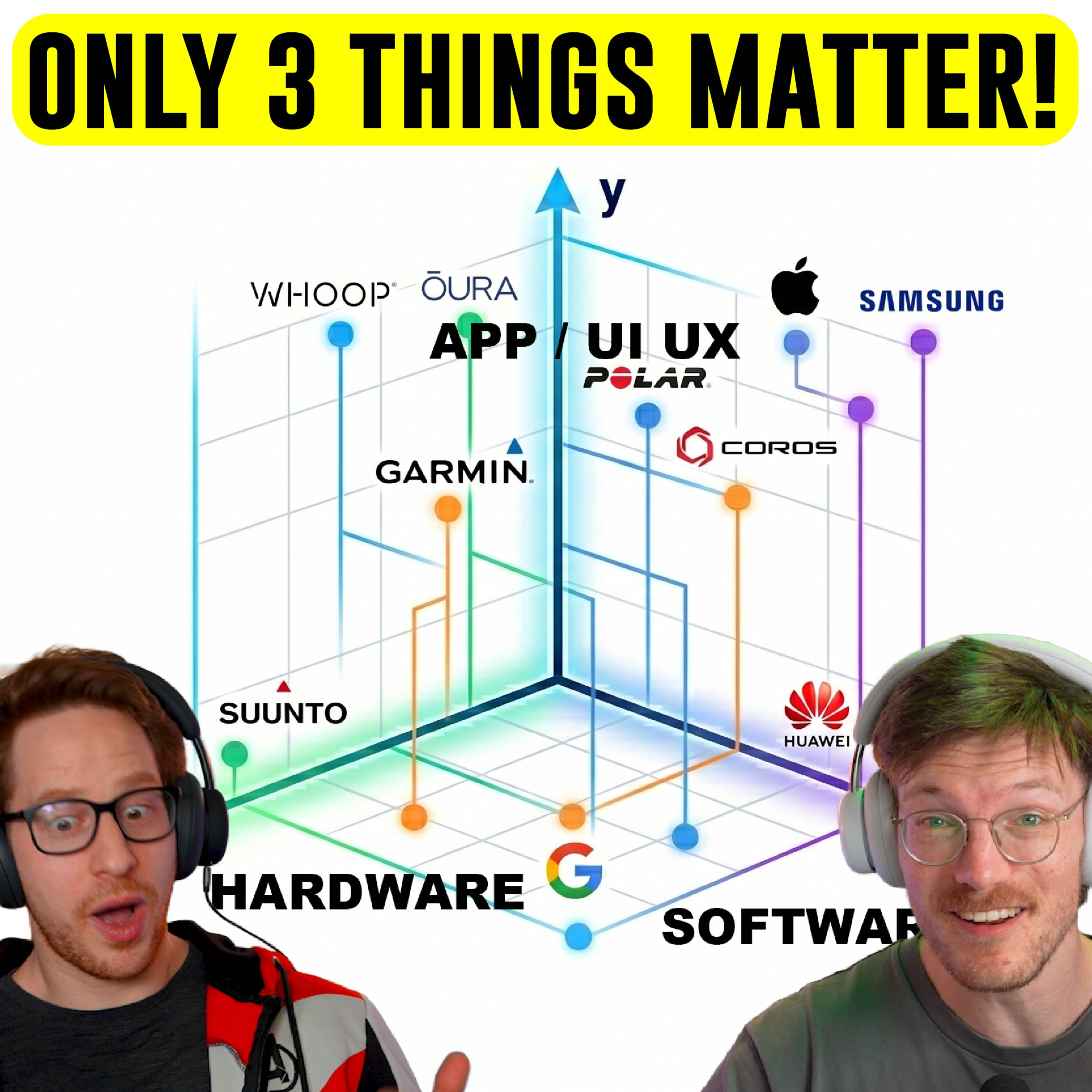 #17 The Three Dimensions of Wearables: Hardware, Algorithms and Apps (UI/UX) 18.05.2026 56минRob and Stephan break down the three critical dimensions of wearables—hardware, algorithms, and UI/UX—to explain what truly drives accurate health and sports tracking.📝SummaryBiological data scientists Rob and Stephan explore the three foundational pillars that determine the quality of health and sports tracking wearables: hardware, algorithms, and Apps (UI/UX). They begin by evaluating the maturity of physical sensors like PPG and accelerometers, noting that while hardware capabilities have largely plateaued in high-end devices, energy density and battery technology continue to improve. The conversation then shifts to the critical differentiating factor of algorithms, breaking them down into three levels of complexity: direct on-device processing of heart rate, second-order computations for metrics like sleep staging, and highly advanced long-term disease risk predictions. Finally, the hosts discuss how the user interface and user experience tie these elements together, highlighting the importance of data presentation and the emergence of pure data aggregators in the wearable market.⏳Chapters00:00:00 The Three Dimensions of Wearable Performance00:02:26 Hardware: The Foundation of Wearable Sensors00:06:15 Understanding Raw Signals and Sensor Interference00:09:46 Battery Technology and Hardware Durability00:15:41 Level 1 Algorithms: Direct On-Device Processing (e.g., Heart rate)00:23:51 Level 2 Algorithms: Derived Metrics (e.g., Sleep Stages)00:55:50 Level 3 Algorithms: High-Level Aggregations (e.g., Long-Term Disease Risk)00:56:20 Apps (UI & UX): The Final Wearable App Experience📚ResourcesPhotoplethysmogram (PPG)AccelerometerGlobal Positioning System (GPS)Pulse oximetry (SpO2 Sensor)Holter monitor (ECG)Polysomnography (Sleep Study)Heart rate variability (HRV)Dual carbon battery Edge computing Embedded systemPulse wave velocity (PWV)Foundation model (AI)User experience (UI/UX)GarminOura HealthApple WatchThe accuracy of Apple Watch measurements: a living systematic review and meta-analysisWhoopBevel Athlytic Garbage in, garbage out (GIGO)Introducing the new Google Fitbit Air A Systematic Review of Chest-Worn Sensors in Cardiac Assessment: Technologies, Advantages, and Limitations …There is more: complete show notes here🎙️AboutFit For Science is a deep-dive podcast hosted by two biological data scientists, Rob and Stephan, exploring the intersection of research, health tech, and data-driven lifestyle design. The hosts provide evidence-based systems, layered with practical "N=2" personal experimentation, to cut through the noise and enable everyone to become their best N-of-1.Learn more and subscribe on your favorite platforms:YouTubeSpotifyApple PodcastsAmazon MusicCollection of all show notes⚠️Disclaimer: This podcast represents our own opinions and is for informational purposes only. It does not constitute medical or financial advice or a professional relationship.
 -
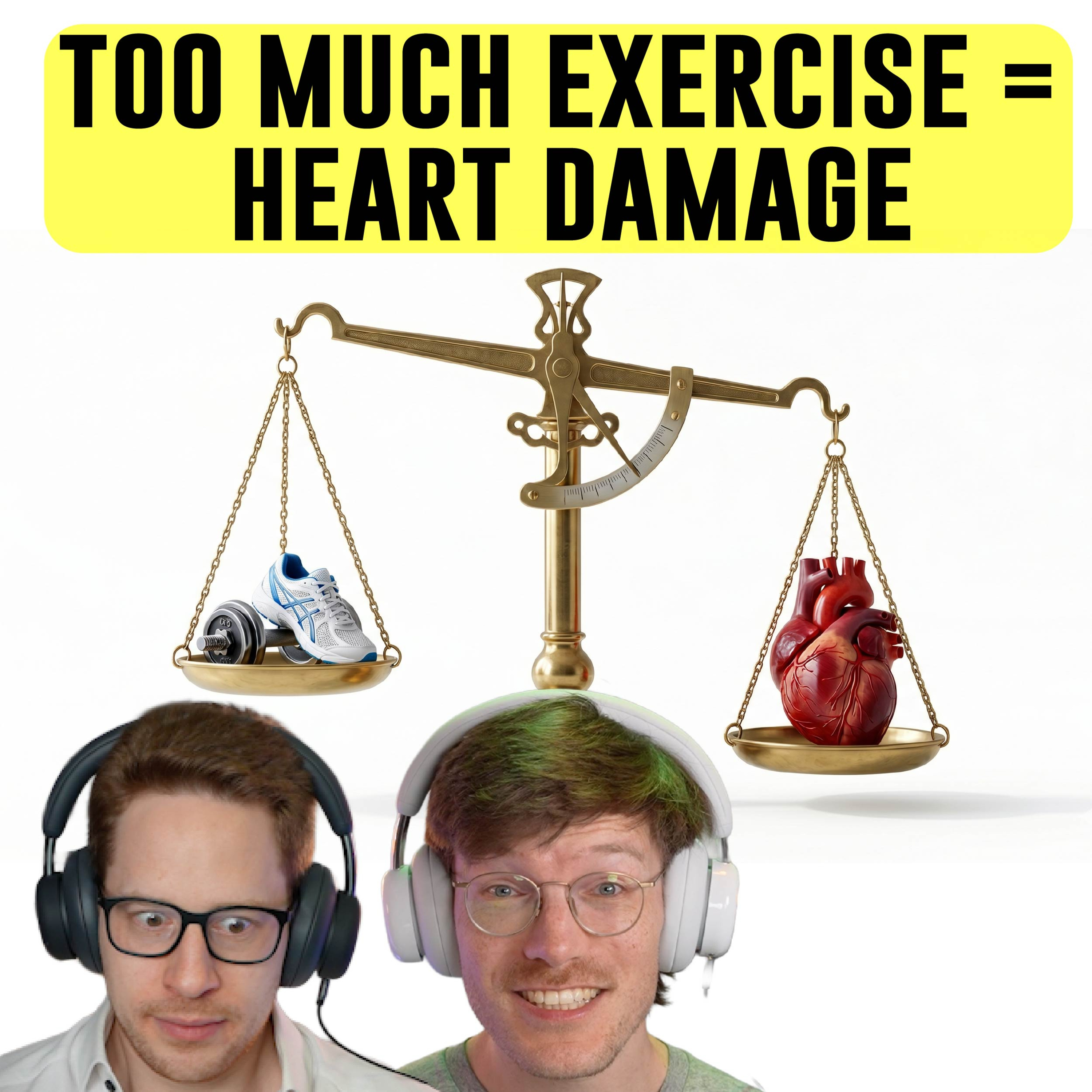 The 1-Minute Exercise Myth, Exercise & Mortality, Athletes' Health Risks & Rob's 8-Watch Marathon (Fit For Science #16) 09.05.2026 57минIn this episode of Fit For Science, Rob and Stephan explore the complex relationship between various exercise types, intensity levels, and mortality, while also recounting Rob's intense DIY smartwatch-testing marathon.📝SummaryIn this episode, Rob and Stephan dive into the nuanced impacts of physical activity on mortality and disease risk, emphasizing that while exercise is universally beneficial, its effects vary by type, intensity, and duration. The hosts unpack a 30-year cohort study involving over 111,000 participants, highlighting that 20 MET hours per week and a variety of activities optimally reduce mortality risk, with walking being highly effective. They critically examine recent wearable-based studies claiming that a few minutes of vigorous intermittent lifestyle physical activity (VILPA) can drastically substitute for longer low-intensity sessions, pointing out the limitations of substitution modeling. Furthermore, the discussion touches on "masters athletes," exploring how extreme, long-term exercise volumes can lead to unique cardiovascular adaptations and potential risks like atrial fibrillation or bradyarrhythmias, underscoring the need for specialized cardiological care. Finally, Rob shares his experience running a solo marathon fueled by a stationary bike feed station to test the GPS accuracy of eight different smartwatches simultaneously.⏳Chapters00:00:00 The DIY Marathon: Rob recounts his solo marathon to test eight smartwatches00:13:48 Exercise and Mortality: A 30-year study on MET hours, activity types, and death risk00:23:38 Walking vs. Swimming: Different mortality correlations between specific sports00:28:46 The Power of Variety: How mixing exercise types significantly lowers mortality risk00:32:49 VILPA and Vigorous Exercise: Analyzing studies on high intensity exercise00:38:17 Critiquing claims that one minute of vigorous activity equals 54 minutes of low intensity activity00:44:49 Masters Athletes: Defining high-performing athletes over 35 and their cardiovascular health00:51:56 The Athlete's Heart: Exploring cardiovascular specific risks in endurance athletes01:00:49 Final takeaways on balancing exercise intensity and seeking appropriate medical advice📚ResourcesPhysical activity types, variety, and mortality: results from two prospective cohort studies Mix of different types of physical activity may be best for longer life Metabolic equivalent of task (MET) Association of wearable device-measured vigorous intermittent lifestyle physical activity (VILPA) with mortality Wearable device-based health equivalence of different physical activity intensities against mortality, cardiometabolic disease, and cancer Why Vigorous Exercise Is 4–10x More Effective Than Moderate (New Evidence) The Best Type of Exercise for Longevity1 Minute of Vigorous Activity Same as 53 Minutes of Light Intensity?Masters Athletes With Abnormal Cardiovascular Findings The Recreational Athlete's Heart Bradycardia …There is more: complete show notes here🎙️AboutFit For Science is a deep-dive podcast hosted by two biological data scientists, Rob and Stephan, exploring the intersection of research, health tech, and data-driven lifestyle design. The hosts provide evidence-based systems, layered with practical "N=2" personal experimentation, to cut through the noise and enable everyone to become their best N-of-1.Learn more and subscribe on your favorite platforms:YouTubeSpotifyApple PodcastsAmazon MusicCollection of all show notes⚠️Disclaimer: This podcast represents our own opinions and is for informational purposes only. It does not constitute medical or financial advice or a professional relationship.
 -
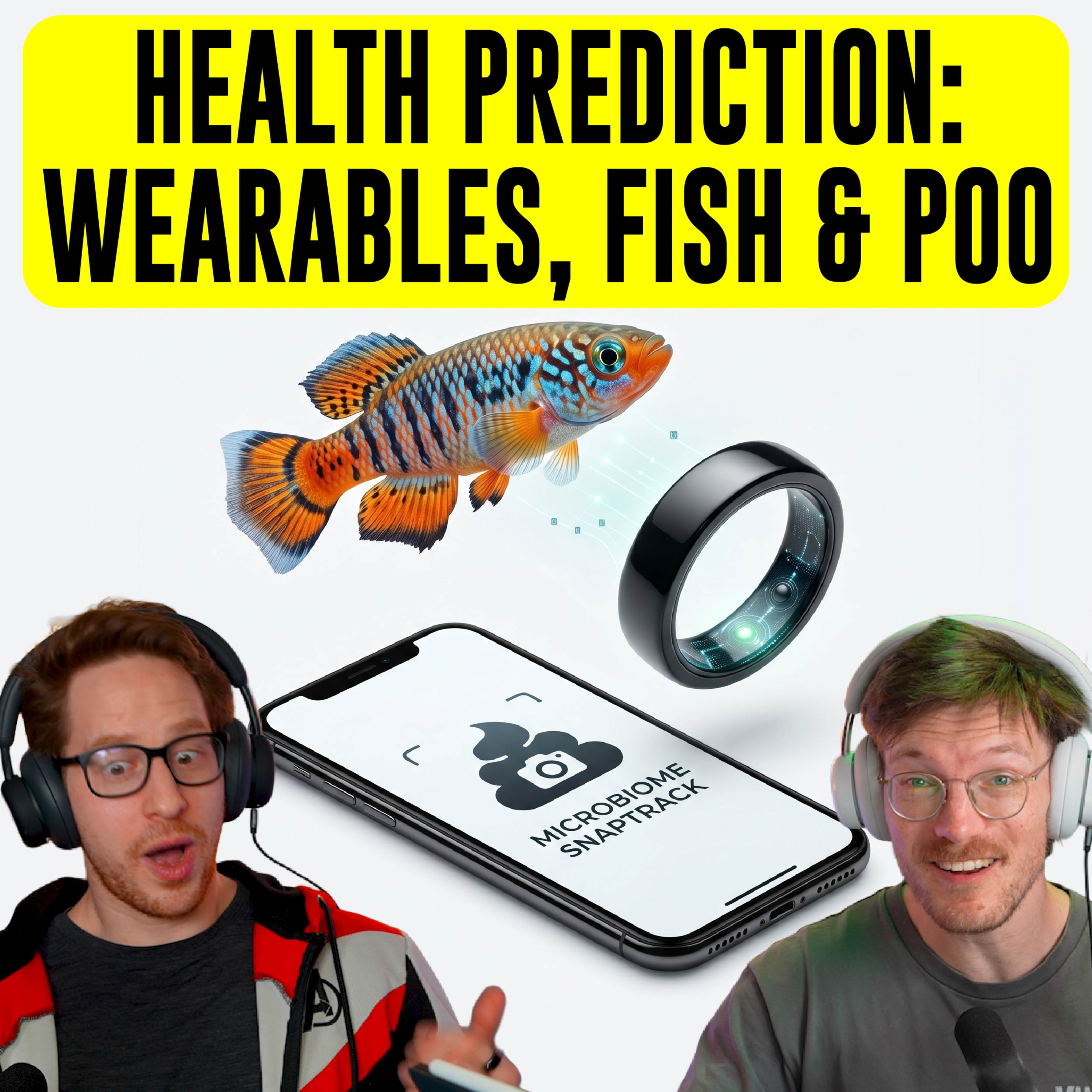 Stanford's Aging Fish, Tracking Wishlist, Placebo Blueberries & Measuring Body Composition - Q1’26 Updates (Fit For Science Episode 15) 27.04.2026 55минIn this episode, Rob and Stephan explore the intersection of lifespan research, the exposome, and daily health tracking, tackling everything from aging fish and AI stool analysis to passive exercise tracking and body composition scales.📝SummaryIn episode 15 of Fit For Science, Rob and Stephan explore the intersection of lifespan research, the exposome, and daily health tracking, tackling everything from fish behavior to body composition. The hosts, both biological data scientists, dive into a recent Stanford study published in Science that tracked the lifetime behavior of short-lived fish to uncover insights into aging, connecting these methods to human wearable technology and exposome tracking. They transition into discussing the potential benefits and practical hurdles of tracking daily bowel movements using AI and the Bristol stool chart compared to infrequent microbiome testing. The conversation also highlights wishlist features for wearables, specifically the ability to quantify passive exercises like saunas and cold plunges. A personal anecdote about a sudden burst of energy and reduced sleep need following the consumption of freeze-dried blueberries sparks a debate on whether this was due to antioxidants reducing neuroinflammation or simply project-induced excitement. Finally, they compare at-home bioelectrical impedance smart scales to clinical measurements, detailing the nuances between lean mass, visceral fat, and the importance of long-term trend averaging.⏳Chapters00:00:00 Fish Aging Study: Discussing a Stanford study connecting fish with wearables00:04:13 The Exposome: Exploring how environmental exposures are tracked00:12:05 Stool Tracking vs. Microbiome Analysis00:19:33 Quantifying Passive Exercise: A wishlist discussion00:25:30 The Blueberry Effect and Sleep: Stephan's placebo experience00:34:30 Body Composition and Smart Scales00:43:03 Advanced Body Composition Measurement Techniques00:46:07 Lean Mass vs. Visceral Fat00:51:22 Data Averages and Trends📚ResourcesLinkedIn post about Stanford's aging fish study Watching a lifetime in motion reveals the architecture of aging Youthful antics predict lifespan — at least for these fish Paper: Lifelong behavioral screen reveals an architecture of vertebrate aging Amazon's failed body composition app: The science behind the Halo Body feature Academic publishing: Open Access vs Paywalls Actigraphy An atlas of exposome–phenome associations in health and disease risk Exposome Snyder Lab - Exposome A Network-Based Framework for Assessing the Pathobiological Impact of Environmental Exposures on Human Development & Health - Salvo D LombardoCeMM - Research Center for Molecular Medicine (where we work) Massive biomolecular shifts occur in our 40s and 60s Microbiome Bristol Stool Chart: Types & What They Mean Zettelkasten system (Stephan uses his email inbox)Body Scan | Withings Europe The 10 Best Ways to Measure Your Body Fat Percentage The Evaluation of a Mass Media Campaign Aimed at Weight Gain Prevention Among Young Dutch Adults Sustained visceral fat loss is associated with attenuated brain atrophy and improved cognitive function in late midlife…There is more: complete show notes here🎙️AboutFit For Science is a deep-dive podcast hosted by two biological data scientists, Rob and Stephan, exploring the intersection of research, health tech, and data-driven lifestyle design. The hosts provide evidence-based systems, layered with practical "N=2" personal experimentation, to cut through the noise and enable everyone to become their best N-of-1.Learn more and subscribe on your favorite platforms:YouTubeSpotifyApple PodcastsAmazon MusicCollection of all show notes⚠️Disclaimer: This podcast represents our own opinions and is for informational purposes only. It does not constitute medical or financial advice or a professional relationship.
 -
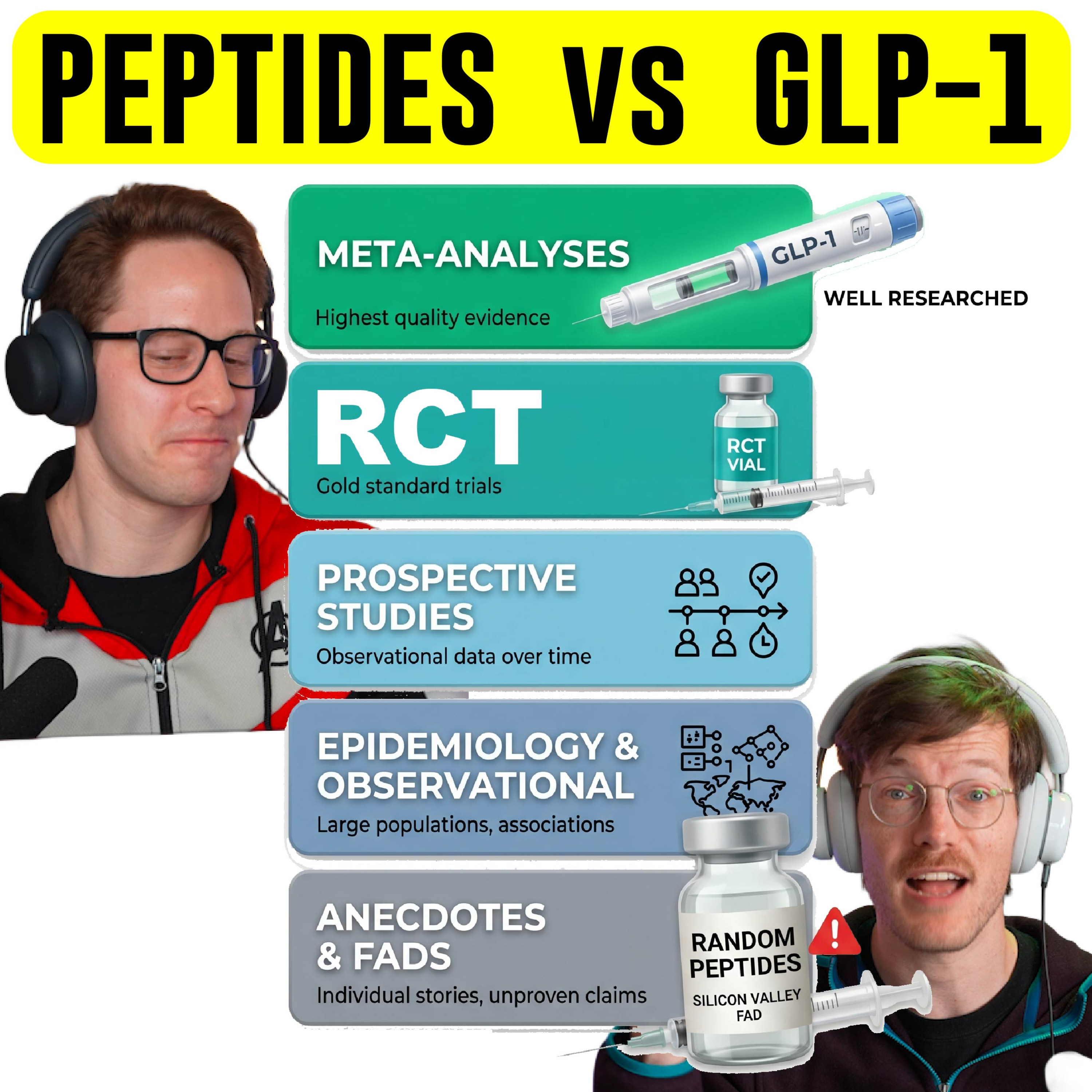 The Silicon Valley Peptide Craze: Trust the Science, Not the Influencer (+ Hierarchy of Evidence) (Fit For Science Episode 14) 21.04.2026 1ч 10минIn this episode of Fit for Science, Rob and Stephan use the recent Silicon Valley "peptide craze" as a case study to explore how to critically evaluate health claims and navigate the scientific hierarchy of evidence.📝SummaryIn episode 14 of the Fit for Science podcast, biological data scientists Rob and Stephan delve into the growing trend of Silicon Valley tech elites self-injecting unregulated peptides, using this phenomenon as a launchpad to discuss how to critically assess health and lifestyle claims. They begin by demystifying what peptides actually are, providing examples ranging from life-saving insulin and GLP-1 agonists to harmful spider venom, while warning against the dangers of untested, gray-market substances. The core of the episode breaks down the hierarchy of scientific evidence, guiding listeners from the weakest forms, such as second-hand anecdotes and social media influencers, up through epidemiological observational studies, prospective studies, and rigorous randomized controlled trials, finally culminating at the pinnacle: meta-analyses. Furthermore, they offer practical advice on safely running personal health experiments using wearables, emphasizing the importance of systematic testing, understanding biological mechanisms versus actual tested outcomes, and relying on high-quality institutional guidelines over viral internet trends.⏳Chapters00:00:00 Unpacking the Silicon Valley peptide craze00:04:50 Defining Peptides: Understanding small proteins00:17:18 The Hierarchy of Evidence: Why anecdotes and personal experiences sit at the bottom00:26:59 Epidemiological Studies: The value and limitations of observational data00:32:45 Prospective Studies: Planning health research and utilizing wearable data00:35:08 Randomized Controlled Trials: The gold standard for testing interventions and eliminating bias00:43:24 Meta-Analyses: Combining data to form medical consensus and guidelines00:46:29 Evaluating Sources: Disentangling the message from the messenger00:52:17 AI in Health Research: Tips and pitfalls when using frontier models for scientific inquiries00:58:10 Community Q&A: How to safely use wearables to run systematic self-experiments01:07:11 Final thoughts on evaluating risks and a recap of the evidence hierarchy📚Resources‘Chinese Peptides’ Are the Latest Biohacking Trend in the Tech World - The New York TimesSilicon Valley's new miracle drugEric Topol - The Peptide Craze - Ground Truths Economist - Want to hack your body with peptides? If only the science agreed ‘People are turning themselves into lab rats’: the injectable peptides craze sweeping the US | The GuardianProPublica - A Las Vegas Festival Promised Ways to Cheat Death. Two Attendees Left Fighting for Their Lives. Hierarchy of evidence Survivorship bias (incl. airplane bullet holes anecdote) UK Biobank NHANES - National Health and Nutrition Examination Survey | CDC Meta-analysis - Examine VIP medicine aka VIP syndrome aka VIP effect Edison Platform for science-based AI researchPerplexity AI for research (you can select academic papers) Eddy Burback - ChatGPT made me delusional Principles from the episodeProteins are the smallest functional unit of life and peptides are just small proteins.…There is more: complete show notes here🎙️AboutFit For Science is a deep-dive podcast hosted by two biological data scientists, Rob and Stephan, exploring the intersection of research, health tech, and data-driven lifestyle design. The hosts provide evidence-based systems, layered with practical "N=2" personal experimentation, to cut through the noise and enable everyone to become their best N-of-1.Learn more and subscribe on your favorite platforms:YouTubeSpotifyApple PodcastsAmazon MusicCollection of all show notes⚠️Disclaimer: This podcast represents our own opinions and is for informational purposes only. It does not constitute medical or financial advice or a professional relationship.
 -
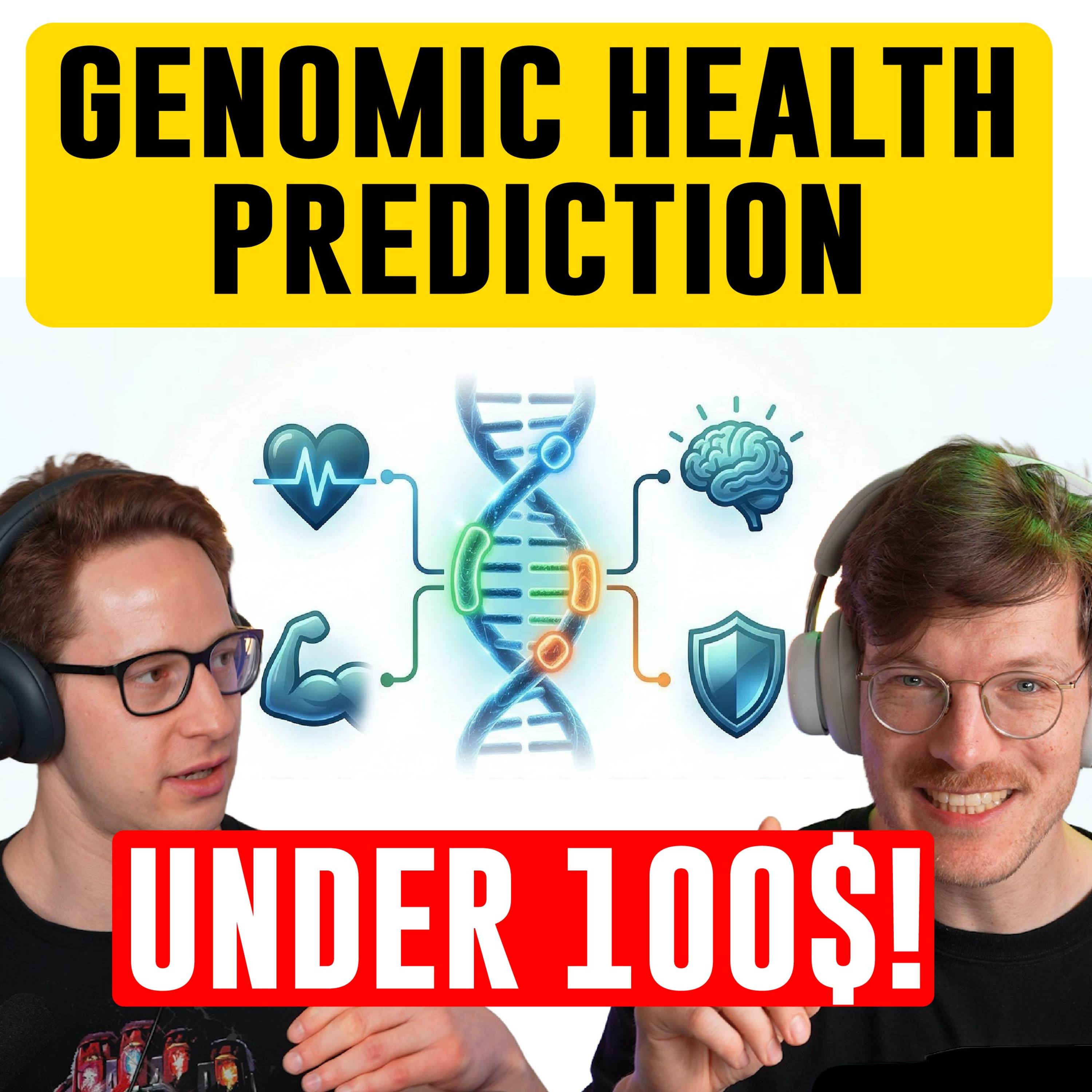 The $100 Genome: Genetic Risk Scores & Sequencing Babies (Fit For Science Episode 13) 19.03.2026 1ч 2минRob and Stephan explore the new reality of $100 whole genome sequencing, the actionable value of polygenic risk scores, and the ethical future of personalized genomic medicine.📝SummaryBiological data scientists Rob and Stephan discuss the implications of the newly achieved $100 whole genome sequencing milestone, comparing unbiased whole genome reads to popular genotyping consumer products like 23andMe. They delve into the mechanics of genome-wide association studies and polygenic risk scores, examining how genetics interact with lifestyle and environmental factors to influence disease probability. The hosts share their personal experiences with services like Nebula Genomics, 23andMe and Dante Labs, revealing how insights, such as a high genetic predisposition for elevated ApoB levels, can drive actionable dietary changes like reducing saturated fats. Finally, they explore the psychological barriers, data privacy concerns, and ethical considerations of integrating genomic sequencing into standard medical practice and newborn screening to create a proactive, Bayesian model of preventative healthcare.⏳Chapters00:00:00 The $100 Genome: Cost breakthroughs and historical perspective00:07:41 Defining Sequencing: Genotyping consumer products vs. Whole Genome Sequencing00:16:19 Polygenic Risk Scores: Predicting complex diseases using multiple genes00:20:44 Nature vs. Nurture: How lifestyle pulls the trigger on genetic predispositions00:23:17 Medical Implementation: Psychological anxiety and the actionability of genetic data00:33:03 Personal Experiences: Reviews of Nebula Genomics, 23andMe, and Dante Labs00:44:23 Actionable Insights: Modifying saturated fat intake based on ApoB percentiles00:54:55 A Bayesian Healthcare Model: Combining genetics, demographics, and lifestyle01:06:20 Ethical Explorations: The future of sequencing newborns and preventative screening📚ResourcesHuman Genome Project cost ~$3 Billion and took ~13 years (1990-2003)How to sequence the human genome - TED-Ed Video Genetic disorder (monogenic i.e., single-gene cause) Scrappy San Diego startup goes toe-to-toe with gene-sequencing giant IlluminaElement BiosciencesEric Topol's X post about $100 Gneom The cost of sequencing human genome has fallen from $100M to under $100 in approximately 25 years The $100 Genome: Where’s the Limit? Genome-wide association study (GWAS)Polygenic score (PRS)What are Polygenic Risk Scores (PRS) and how can they be used in healthcare? Systematic comparison of family history and polygenic risk across 24 common diseases > “In most diseases, including coronary artery disease, glaucoma, and type 2 diabetes, a positive family history with a high PRS was associated with a considerably elevated risk, whereas a low PRS compensated completely for the risk implied by positive family history.”> “In addition to capturing shared DNA, FH [family history] measures non-genetic exposures and behaviors shared by families”Nebula Genomics now DNA Complete with subscription modelGeorge Church (geneticist) 23andMeDante LabsPromethease for DNA reportingReference genome Personalized genomics Apolipoprotein B (ApoB) The ‘thousand-dollar genome’: an ethical exploration | European Journal of Human Genetics (2013!)…There is more: complete show notes here🎙️AboutFit For Science is a deep-dive podcast hosted by two biological data scientists, Rob and Stephan, exploring the intersection of research, health tech, and data-driven lifestyle design. The hosts provide evidence-based systems, layered with practical "N=2" personal experimentation, to cut through the noise and enable everyone to become their best N-of-1.Learn more and subscribe on your favorite platforms:YouTubeSpotifyApple PodcastsAmazon MusicCollection of all show notes⚠️Disclaimer: This podcast represents our own opinions and is for informational purposes only. It does not constitute medical or financial advice or a professional relationship.
 -
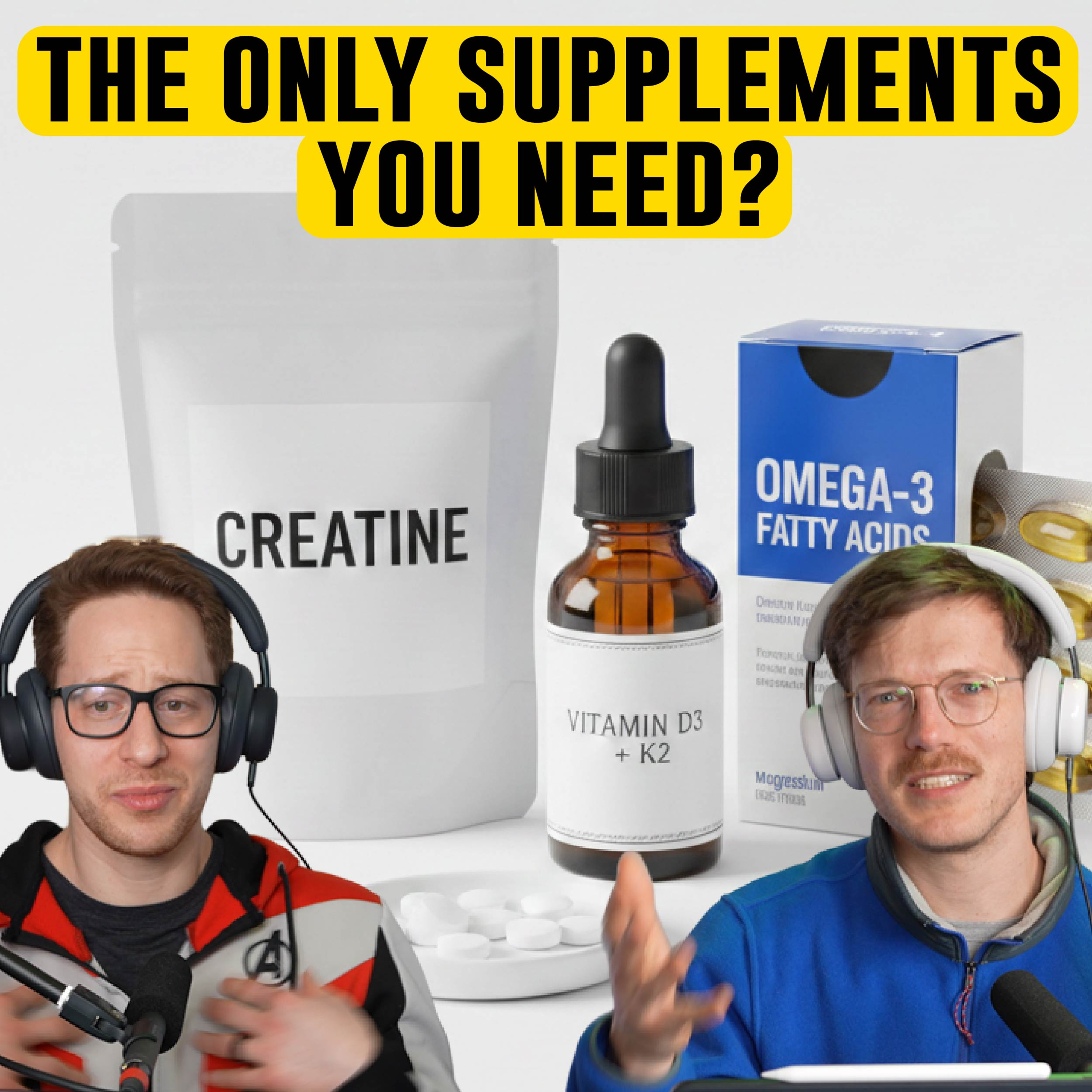 How We Think About Supplements: What We Take, What We Ditched & Our Daily Protocols (Fit For Science Episode 12) 02.03.2026 1ч 5минRob and Stephan unpack their personal supplement protocols, discussing everything from creatine and omega-3s to the reasons they both ditched popular green powders like AG1.📝SummaryIn this episode, biological data scientists Rob and Stephan explore the rationale, logistics, and science behind their personal supplementation protocols, emphasizing that supplements can never replace foundational habits like sleep, nutrition, and activity. The hosts dissect their differing approaches, with Rob detailing why he stripped his stack down to just creatine and whey protein after experiencing adverse effects like vivid dreams from L-theanine, while Stephan breaks down his extensive daily routine organized by morning, noon, and evening doses. They critically evaluate the utility and safety of compounds ranging from vitamin D3, K2, and magnesium bisglycinate to more experimental interventions like lion's mane and exogenous ketones. The conversation also covers the economics of tracking health, the potential heavy metal risks associated with popular green powders like AG1, downsides of complex blends, and the immunological implications of high protein diets.⏳Chapters00:00:00 Defining Supplements: Deficiencies versus performance optimization00:04:11 The Fundamentals: Why pills cannot replace sleep and nutrition00:09:26 Simplifying the Stack: Why Rob stopped taking pre-formulated mixes00:15:16 Safety First: Water-soluble vitamins versus fat-soluble accumulation00:18:23 The Morning Routine: Collagen, Vitamin C, and Electrolytes00:26:38 The Top Three: Vitamin D3, K2, and Creatine Monohydrate00:34:29 The Noon Routine: Lion's mane, selenium, and dark chocolate polyphenols00:40:23 The Evening Routine: Magnesium bisglycinate, Omega-3s, and Glycine00:46:03 The Cost of Supplementation: Budgeting for the quantified self00:48:55 On-Demand Tools: Nicotine as a stimulant and wheat germ for spermidine00:52:45 Protein Targets: Muscle maintenance, mTOR, and cardiovascular risk00:58:50 Ditched Supplements: Why we stopped taking AG101:03:28 Future Experiments: Exploring exogenous ketones for metabolic flexibility📚ResourcesStephan's supplement stack & schedule Creatine benefits, dosage, and side effects Creatine: What It Does, Benefits, Supplements & Safety What Every Vegan Should Know About Vitamin B12 Clarification: The avid listener might notice a contradiction: B vitamins are water-soluble, yet B12 is stored for years. Both can be true because it is continuously recycled in the liver, tightly bound to proteins, and too large for the kidneys to flush out.Iodine: Its Role in Thyroid Hormone Biosynthesis and Beyond What is the effect of combining L-theanine with caffeine? Vitamin D Lion’s Mane Mushroom (Hericium erinaceus): A Neuroprotective Fungus with Antioxidant, Anti-Inflammatory, and Antimicrobial Potential The Master Antioxidant: Glutathione Magnesium Bisglycinate vs. Other Forms: Which Is Best? Omega-3 Fatty Acids benefits, dosage, and side effects How Much Spermidine Is in a Tablespoon of Wheat Germ? High-protein diets increase cardiovascular risk by activating macrophage mTOR to suppress mitophagy Fruits, Veggies, and Other Greens Supplements Review (Including Spirulina and Chlorella) …There is more: complete show notes here🎙️AboutFit For Science is a deep-dive podcast hosted by two biological data scientists, Rob and Stephan, exploring the intersection of research, health tech, and data-driven lifestyle design. The hosts provide evidence-based systems, layered with practical "N=2" personal experimentation, to cut through the noise and enable everyone to become their best N-of-1.Learn more and subscribe on your favorite platforms:YouTubeSpotifyApple PodcastsAmazon MusicCollection of all show notes⚠️Disclaimer: This podcast represents our own opinions and is for informational purposes only. It does not constitute medical or financial advice or a professional relationship.
 -
 Can and Should We Live Forever? Blue Zone Myths, Longevity Drugs & The 50/50 Genetics-Lifestyle Split (Fit For Science Episode 11) 17.02.2026 1ч 8минRob and Stephan dissect the "Nature vs. Nurture" debate in longevity, debunk Blue Zone myths, and evaluate the potential of anti-aging interventions like calorie restriction and Rapamycin.📝SummaryIn this episode, biological data scientists Rob and Stephan explore the realistic limits of human lifespan, starting with the outlier case of supercentenarian Jeanne Calment. They tackle the age-old "nature vs. nurture" debate, discussing recent research that suggests a near-even split in agency compared to previous estimates, while also highlighting the "Ig Nobel" findings that attribute many Blue Zone claims to poor record-keeping or fraud rather than biological superiority. The conversation moves through the biology of aging, touching on genome-wide association studies (GWAS) and specific genes like APOE and FOXO3, before transitioning to lifestyle interventions such as calorie restriction and the concept of hormetic stress. Finally, the hosts critically evaluate the current landscape of longevity pharmacology, including Metformin, GLP-1 agonists, and Rapamycin, ultimately concluding that while living forever remains scifi, maximizing healthspan through foundational lifestyle habits remains the most effective strategy.⏳Chapters00:00:00 Introduction: Limits of lifespan and the "Don't Die" philosophy00:00:40 The Maximum Lifespan: Jeanne Calment and winning the genetic lottery00:02:46 Blue Zones Debunked: The Ig Nobel Prize for bad record-keeping00:04:22 Nature vs. Nurture: Genetics, epigenetics, and the blueprint of life00:07:49 Genome Wide Association Studies (GWAS): How we link genes to traits00:12:23 Longevity Genes: APOE and FOXO3 mechanisms00:15:44 The 50/50 Split: Recent evidence on genetic vs. lifestyle influence00:23:36 Calorie Restriction: Mouse models, immune suppression, and hormesis00:34:16 The Vices: Smoking, obesity, alcohol, and the hygiene hypothesis00:39:54 Longevity Drugs: Metformin and the risk of blunting exercise gains00:44:46 Weight Loss Drugs: GLP-1 agonists, muscle loss, and heart rate effects00:47:11 Rapamycin: Inhibiting mTOR and the balance of anabolism vs. catabolism00:51:00 Senolytics: Clearing "zombie cells" with Quercetin and Dasatinib00:56:37 Life Expectancy: Realistic predictions and the definition of a good life📚ResourcesJeanne CalmentBryan JohnsonIg Nobel Prize for Blue Zone debunkingNature versus nurtureHuntington's diseaseCorrection: life expectancy is 15-25 years after the onset of symptoms, often occurring in the 20s/30sGenome-wide association study (GWAS)CentenarianMultifaceted roles of APOE in Alzheimer diseaseFOXO3Central dogma of molecular biology (DNA -> RNA -> protein)Heritability of intrinsic human life span is about 50% when confounding factors are addressed (2026)Estimates of the Heritability of Human Longevity Are Substantially Inflated due to Assortative Mating (Calico 2018)CRISPR gene editingGermlineStem cellFDA Approves First Gene Therapies to Treat Patients with Sickle Cell Disease (2023) Do ‘blue zones,’ supposed havens of longevity, rest on shaky science? Sleep, Nutrition, Activity, Purpose (SNAP framework)Calorie restrictionHormesisSupercompensation Progressive overload 2-year calorie restriction study (CALERIE) …There is more: complete show notes here🎙️AboutFit For Science is a deep-dive podcast hosted by two biological data scientists, Rob and Stephan, exploring the intersection of research, health tech, and data-driven lifestyle design. The hosts provide evidence-based systems, layered with practical "N=2" personal experimentation, to cut through the noise and enable everyone to become their best N-of-1.Learn more and subscribe on your favorite platforms:YouTubeSpotifyApple PodcastsAmazon MusicCollection of all show notes⚠️Disclaimer: This podcast represents our own opinions and is for informational purposes only. It does not constitute medical or financial advice or a professional relationship.
 -
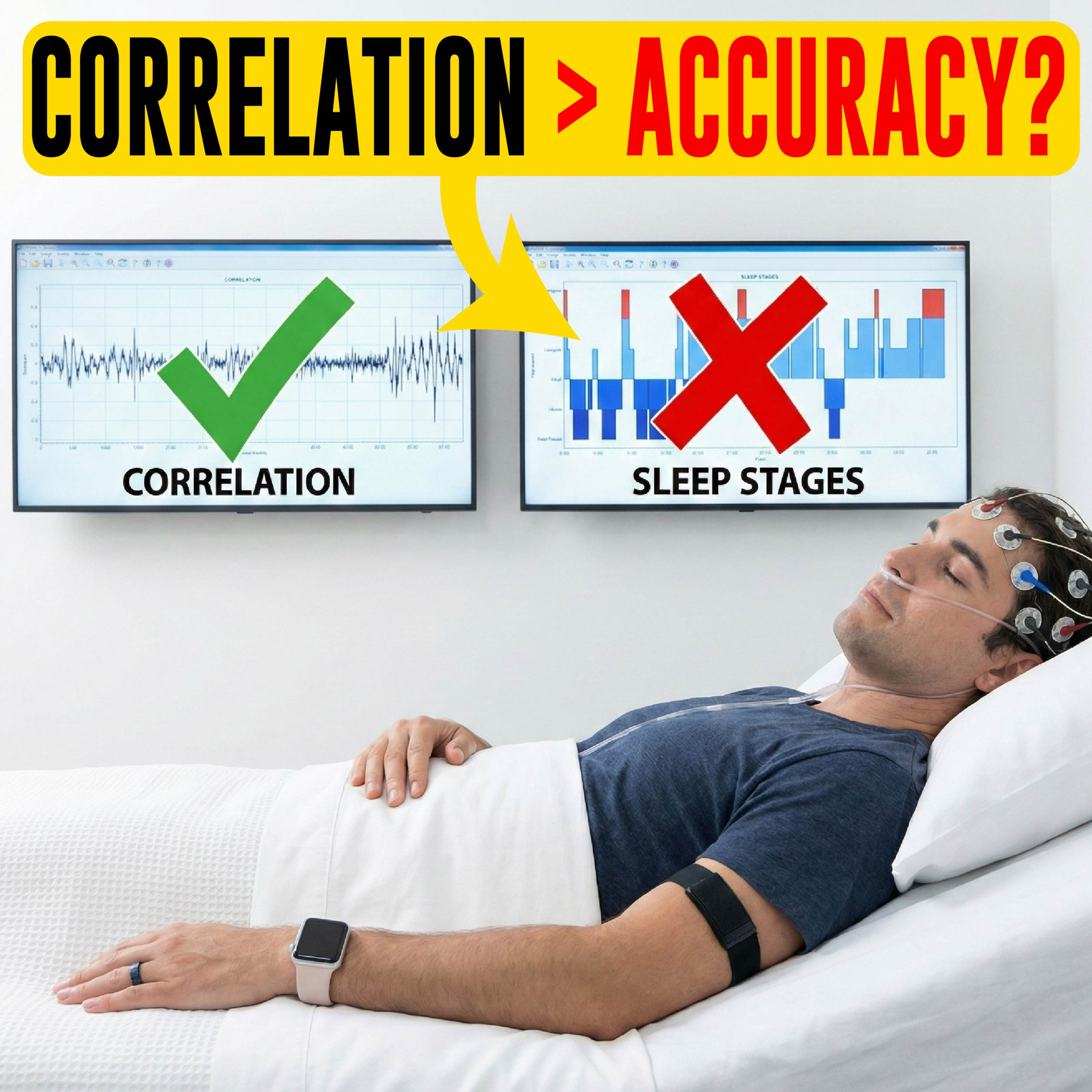 How to Actually Read Your Sleep Data (Beyond Accuracy) + 7 Scientific "Cumulative Biomarkers" for Longevity (Fit For Science Episode 10) 09.02.2026 1ч 17минRob and Stephan discuss why sleep stage trends matter more than absolute accuracy, review Oura's latest metrics, and define seven essential cumulative biomarkers for long-term health.📝SummaryIn this episode, biological data scientists Rob and Stephan challenge the standard approach to sleep tracking validation, proposing that detecting deviations from an individual's baseline is often more valuable for the user than absolute agreement with polysomnography. The hosts shortly brainstorm the creation of an independent, crowd-funded wearable testing institute to provide unbiased data for the quantified self community and research. Then they analyze the utility of Oura’s new Sleep Debt and Cumulative Stress features, discussing how these metrics align with subjective experiences of recovery after social events like the Viennese ball season. The conversation expands into a deep dive on "cumulative biomarkers," where Stephan outlines a suite of stable, long-term health indicators, including HbA1c, VO2 max, Grip Strength, and the Omega-3 Index, that serve as superior proxies for longevity compared to transient measurements.⏳Chapters00:00:00 Sleep Study Analysis: User centric comparisons00:10:39 Testing Philosophy: Why "more or less than usual" matters most00:16:13 The Vision: A crowd-funded independent wearable testing lab00:24:37 Oura's Trend Features: Analyzing Sleep Debt and recovery timelines00:34:43 Cumulative Stress: Physiological stress vs “Distress” vs "Eustress"00:41:51 Hardware Woes: The decline of Fitbit and device longevity00:45:15 Feature Disparity: Oura Health Panels and US vs. EU regulations00:51:22 Cumulative Biomarkers: Stable markers vs. transient snapshots00:52:23 Metabolic Health: Why HbA1c trumps fasting glucose00:57:55 Fitness Markers: VO2 Max and the utility of Grip Strength01:01:31 Nutritional Status: The Omega-3 Index and cell membrane saturation01:05:22 Organ Health: Cystatin C for kidney function and DXA for body composition01:09:47 Cardiovascular Risk: The Coronary Artery Calcium (CAC) score01:12:25 Smart Scales: Bio-impedance limitations and the need for handles📚ResourcesIn the episode we call the discussed biomarkers “integrative”, but “cumulative” better captures the intended meaning.Rob's sleep studyPolysomnography Cohen's Kappa (Statistic)Sensitivity and specificity Oura's Sleep Debt FeatureOura's Cumulative Stress FeatureOura's Resilience FeatureOura's Daytime (Physiological) Stress featureDistress vs EustressElectrodermal activity as proxy for stressFitBit Sense 2 (with cEDA sensor) Oura's Health Panel featureRed blood cellGlycated hemoglobin (HbA1c) HbA1c > 6.5% is used for diabetes diagnosisVO2 max Grip strength as a mortality predictorOmega-3 Index (Dr. Rhonda Patrick)Cystatin C (Kidney Function)DXA Scan Radiation comparison (DXA ~0.001mSv, US coast-to-coast round-trip flight ~0.03mSv)Coronary Artery Calcium (CAC) ScoreThe limits of coronary calcium Visceral FatPreprint introducing "Peakspan"Nature Medicine paper "Shared and specific blood biomarkers for multimorbidity"🎙️AboutFit For Science is a deep-dive podcast hosted by two biological data scientists, Rob and Stephan, exploring the intersection of research, health tech, and data-driven lifestyle design. The hosts provide evidence-based systems, layered with practical "N=2" personal experimentation, to cut through the noise in the health and fitness industry.Learn more and subscribe on your favorite platforms:YouTubeSpotifyApple PodcastsAmazon MusicCollection of all show notes⚠️Disclaimer: This podcast represents our own opinions and is for informational purposes only. It does not constitute medical or financial advice or a professional relationship.
 -
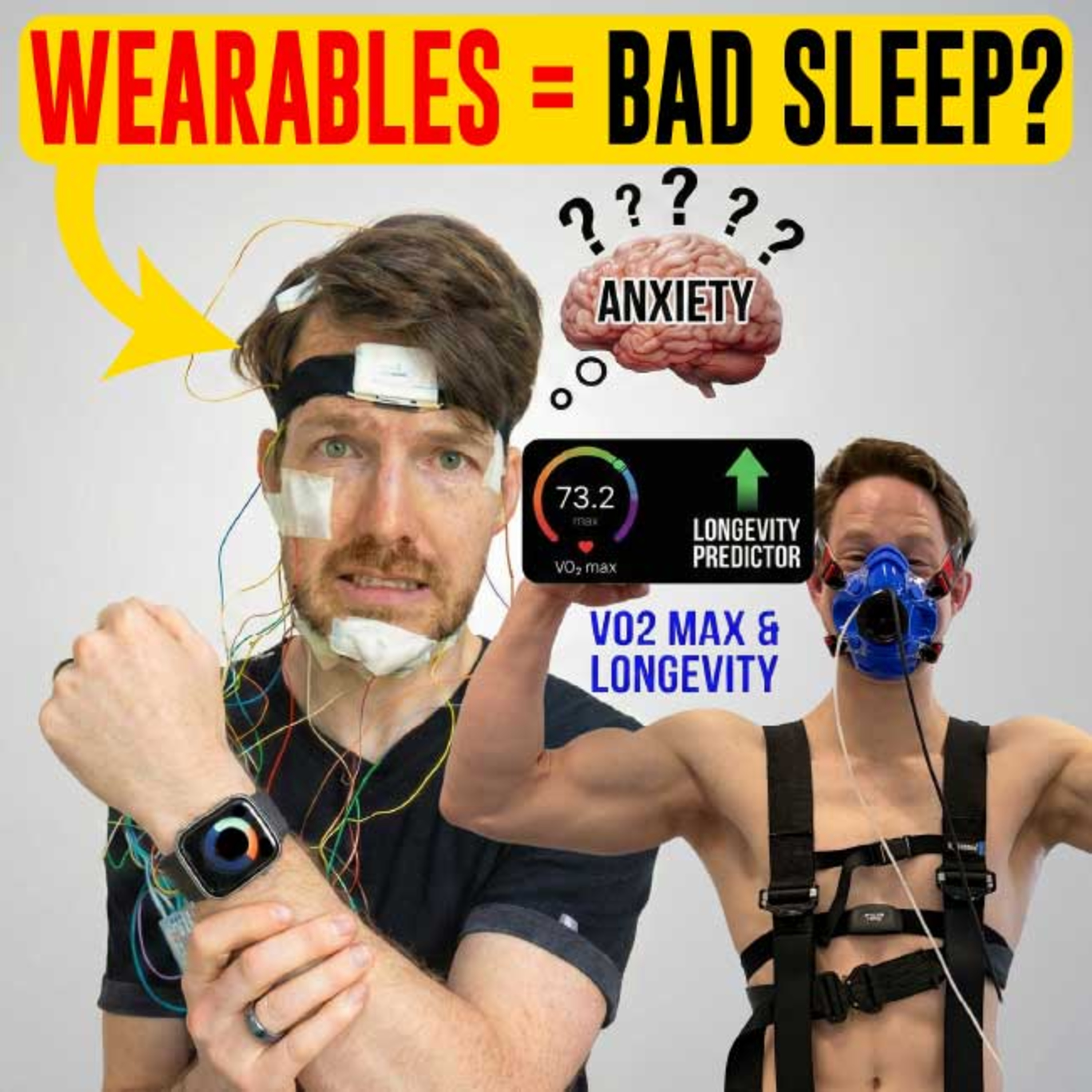 The “Dark Side” of Tracking & VO2 Max as Longevity Predictor: Testing, Training & Our Results (Fit For Science Episode 9) 02.02.2026 1ч 25минIn this episode, Rob and Stephan explore the psychological risks of self-quantification, the science of aerobic capacity, and the physiological nuances of lactate thresholds.📝SummaryBiological data scientists Rob and Stephan discuss the "dark side" of the quantified self, specifically focusing on orthosomnia, a condition where sleep tracking leads to increased anxiety and worsened sleep quality. They reflect on the importance of using technology as a tool for a specific purpose rather than making the tracking itself the goal. The conversation transitions into a deep dive on VO2 max, explaining its critical role as a longevity predictor and the varying results obtained from different exercise modalities like cycling and running. Finally, the hosts break down the science of lactate thresholds, explaining how the body's metabolic shift from aerobic to anaerobic states serves as a vital biomarker for training optimization.⏳Chapters00:00:00 Introduction: The dark side of tracking and VO2 max00:00:55 Orthosomnia: When sleep tracking causes insomnia00:05:09 The psychological impact of metrics and obsession00:13:13 Tracking with purpose: Avoiding the identity trap00:25:59 Oura Ring experiences: “Injuries” and data accuracy00:30:50 Strength training and basal metabolic rate00:36:47 VO2 Max: The ultimate longevity marker?00:38:26 Hazard Ratios: Comparing fitness to smoking00:44:39 The U-shaped curve of exercise volume00:49:37 Gold Standard: VO2 max lab testing protocols01:04:25 Training for capacity: The Norwegian 4x4 protocol01:07:51 Lactate thresholds and metabolic switching01:16:09 Wearable estimations: Garmin vs. Apple vs. Oura01:21:47 VO2 Max Records: Oskar Svendsen (97.5) and Tadej Pogačar (96)01:23:42 Teaser: Biological age and integrative biomarkers📚ResourcesOrthosomniaThe Molecular Precision Medicine Master’s Programme at Medical University of Vienna (where Rob and Stephan teach)Quote for purposeful tracking: "I shall not waste my days in trying to prolong them" - Jack LondonNatural language processing (NLP)Semantic analysisDevelopment of a scale for measuring orthosomnia: the Bergen Orthosomnia Scale (BOS)Sleep tracker use nears 50%, AASM survey findsPrevalence of Orthosomnia in a General Population Sample Dark triad (Personality Traits)Basal metabolic rate (BMR)BMR Calculator Lean body mass was found to be the single predictor of BMRPhelps supposedly consumed 8,000-10,000 kcal per training day before the Olympic GamesVO2 maxHazard ratioHow does VO2 max correlate with longevity? - Peter Attia Physical activity types, variety, and mortality: results from two prospective cohort studies Peak oxygen uptake was strongly correlated to total heart volumeRob's VO2 max results: 58 for cycling, 54 for runningStephan's VO2 max results: 42 for cycling, 49 for runningVO2 max percentile calculatorVO2 Max ChartAerobic high-intensity intervals improve VO2max more than moderate training (Norwegian 4x4) How to Improve Your Cardio Capacity (VO2 Max)Lactate threshold for aerobic to anaerobic switch at 2mmol/litreLactate shuttle hypothesis Maximum heart rate formula: 220 - age in yearsCooper test for VO2max estimationWalking test for VO2max estimation🎙️AboutFit For Science is a deep-dive podcast hosted by two biological data scientists, Rob and Stephan, exploring the intersection of research, health tech, and data-driven lifestyle design. The hosts provide evidence-based systems, layered with practical "N=2" personal experimentation, to cut through the noise in the health and fitness industry.Learn more and subscribe on your favorite platforms:YouTubeSpotifyApple PodcastsAmazon Music⚠️Disclaimer: This podcast represents our own opinions and is for informational purposes only. It does not constitute medical or financial advice or a professional relationship.
 -
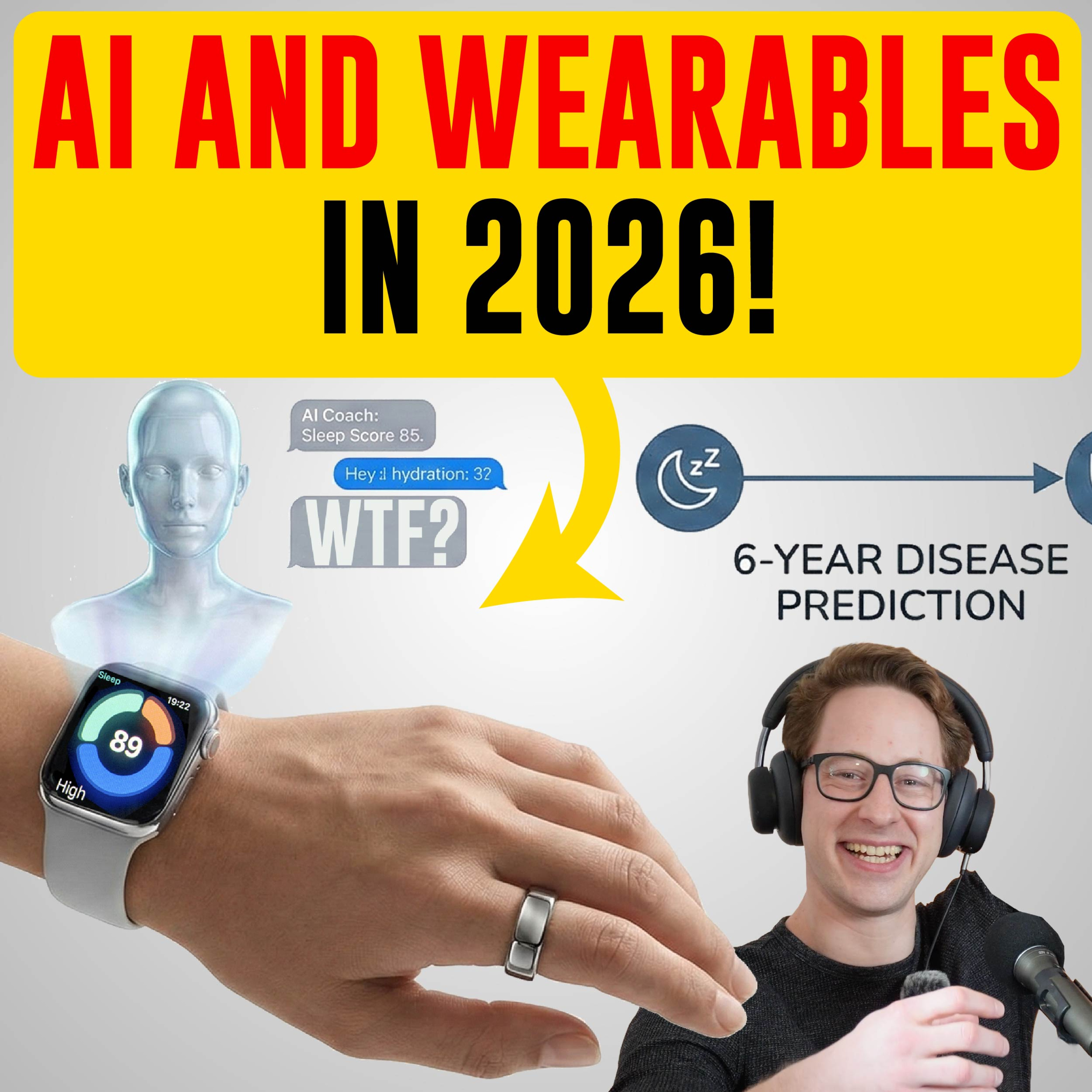 AI is Changing Wearables in 2026(?) and Predicts 130 Diseases from Sleep! (Fit For Science Episode 8) 26.01.2026 1ч 25минRob and Stephan evaluate current AI features in wearables, break down a revolutionary paper predicting diseases from a single night of sleep, and discuss the future of medical integration into wearables.📝SummaryIn this episode, biological data scientists Rob and Stephan critically assess the current use of AI in the wearable market, ranging from the practical limitations of Oura and Whoop coaches to the potential of Google’s Gemini and Withings’ biomarker-tracking devices. The central scientific discussion focuses on "SleepFM," a groundbreaking foundation model published in Nature Medicine that utilizes self-supervised learning on polysomnography data to predict over 130 diseases, biological age, and mortality risk from a single night of sleep with unprecedented accuracy. The hosts speculate on how this technology could bridge the gap between clinical sleep labs and consumer wearables, potentially transforming preventive medicine through longitudinal tracking and non-invasive sensors.⏳Chapters00:00:00 AI in wearables and their current capabilities00:01:21 AI Coaches: Testing the limits of Oura, Whoop, and Garmin 00:12:24 The Smart Toilet: Withings U-Scan and the value of waste biomarkers 00:23:00 Environmental Health: PVC off-gassing and vinyl records 00:28:15 Generative AI: ChatGPT Health and Claude for Life Sciences 00:37:17 SleepFM: A multimodal sleep foundation model for disease prediction 00:43:00 Self-Supervised Learning: How foundation models learn from sleep data 00:51:00 Disease Prediction: Predicting 130 conditions with unseen accuracy00:59:46 The Future: Translating clinical models to consumer wearables 01:19:25 Community Feedback📚ResourcesIntroducing Oura Advisor (not Coach)WHOOP Coach Powered by OpenAIActive Intelligence With Garmin Connect+U-Scan NutrioNews: Withings latest smart scale (‘longevity station’)Withings IntelligenceBody ScanKetone bodiesKetosis: Definition, Benefits & Side EffectsKeto Breath (“dragon breath”)Air Quality Measurement DeviceVINYL: Maybe it's time we had an intervention.Introducing ChatGPT HealthSegment about AI in health(care)Claude in healthcare and the life sciencesClarification: Anthropic's product is called Claude with three differently sized models named Haiku, Sonnet, and Opus.ICD-10 and ICD-11 Codes: International Classification of Diseases (ICD)Understanding ICD-10 | Johns Hopkins MedicineHealthcare Spending - Our World in DataFederated learningSwarm LearningSleepFM - Nature Medicine paperCodeStanford Sleep Bench v1.0Foundation modelAttention Is All You Need (Transformers)Self-supervised learningImageNetFine-tuningReinforcement learning from human feedback (RLHF)PolysomnographyRecurrent neural network (LSTM)Long short-term memory (RNN)C-index: Evaluating Survival ModelsBest Wearables for Sleep: Scientific Rankings (2024-05)Best Wearables for Sleep: Scientific Rankings (2025-10)Philips Somnolyzer 24x7 for automated sleep stagingWhoop listened(?) and is looking for a VP for Foundation AIAUROC of blood pressure to predict ASCVD ~0.80Podcast Recommendation: Drug Story Atorvastatin (Lipitor)Life expectancy: Netherlands (82.2) vs Austria (82.0)Diagnostic and Statistical Manual of Mental Illnesses (DSM-5)Mechanism does not imply outcome. Outcome implies mechanism. - Layne NortonNo Biological Free Lunches🎙️AboutFit For Science is a deep-dive podcast hosted by two biological data scientists, Rob and Stephan, exploring the intersection of research, health tech, and data-driven lifestyle design. The hosts provide evidence-based systems, layered with practical "N=2" personal experimentation, to cut through the noise in the health and fitness industry.Learn more and subscribe on your favorite platforms:YouTubeSpotifyApple PodcastsAmazon Music⚠️Disclaimer: This podcast represents our own opinions and is for informational purposes only. It does not constitute medical or financial advice or a professional relationship.
 -
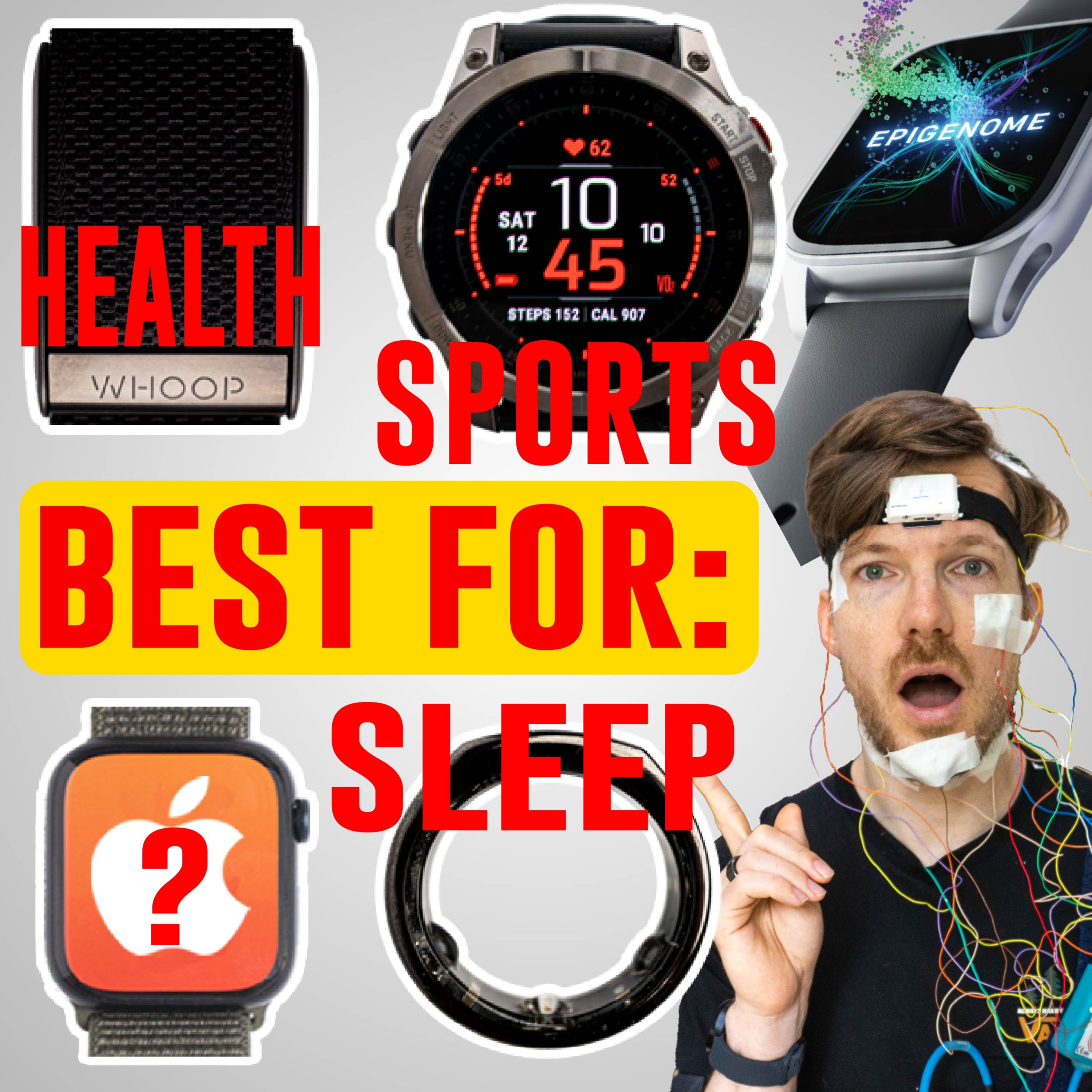 The 4 Types of Wearables! Epigenetic Aging & Peakspan vs Healthspan? (+ Enhanced Games) (Fit For Science Episode 7) 19.01.2026 1ч 30минRob and Stephan categorize the modern wearable landscape, explain the shift from epigenetic to proteomic aging clocks, and debate the ethical implications of the upcoming 2026 Enhanced Games.📝SummaryIn this episode, biological data scientists Rob and Stephan provide a systematic framework for navigating the wearable market by defining four distinct device categories: Sleep, Sports, Smartwatches, and Health, while highlighting the technical trade-offs between battery life, GPS robustness, and algorithmic precision. The discussion transitions into the cutting-edge science of biological aging, contrasting traditional epigenetic methylation clocks with emerging organ-specific proteomic models that offer greater interpretability and more actionable insights for disease prevention. They introduce the concept of Peakspan, a proposed metric for maintaining 90% of optimal physiological performance throughout life, and conclude with a deep dive into the 2026 Enhanced Games, exploring the transhumanist debate over the supervised use of performance-enhancing drugs in professional sports.⏳Chapters00:00:00 The Four Wearable Archetypes: Sleep, Sports, Smartwatch, and Health 00:11:53 Software vs. Hardware: Why Tech Giants Lead in Heart Rate Accuracy 00:24:54 Decoding Biological Age: Epigenetic Clocks and Methylation Patterns 00:40:59 The Proteomic Shift: Using Organ-Specific Clocks to Predict Morbidity 00:51:09 Beyond Healthspan: Defining Peakspan at the 90% Performance Threshold 01:03:14 Cognitive Aging: Fluid vs. Crystallized Intelligence 01:12:22 Enhanced Games 2026: The Transhumanist Future of Competitive Sports 📚ResourcesEpigenetics - Wikipedia Unfolded, the DNA in a single human cell is about 2 meters (6.5 feet) long, containing roughly 3 billion base pairs.Steve Horvath's Epigenetic clock - WikipediaThe first/original clock was actually based on DNA methylation levels in saliva, not blood.An unbiased comparison of 14 epigenetic clocks in relation to 174 incident disease outcomes | Nature Communications DNA methylation GrimAge strongly predicts lifespan and healthspan - PMC CeMM: Landsteiner LecturesProtein-based organ aging clock research Tony Wyss-Coray, PhDAmino acid - WikipediaDunedinPACE, a DNA methylation biomarker of the pace of aging - PMC Amazing TIME article about biological age (published after recording 16.01.2026) The Race to Measure How We Age | TIME -omics: Proteomics & GenomicsMayo Clinic Q and A: Lifespan vs. healthspan Peakspan preprint paperFluid and crystallized intelligence - WikipediaTranshumanism - Wikipedia Enhanced Games 2026🎙️AboutFit For Science is a deep-dive podcast hosted by two biological data scientists, Rob and Stephan, exploring the intersection of research, health tech, and data-driven lifestyle design. The hosts provide evidence-based systems, layered with practical "N=2" personal experimentation, to cut through the noise in the health and fitness industry.Learn more and subscribe on your favorite platforms:YouTubeSpotifyApple PodcastsAmazon Music⚠️Disclaimer: This podcast represents our own opinions and is for informational purposes only. It does not constitute medical or financial advice or a professional relationship.
 -
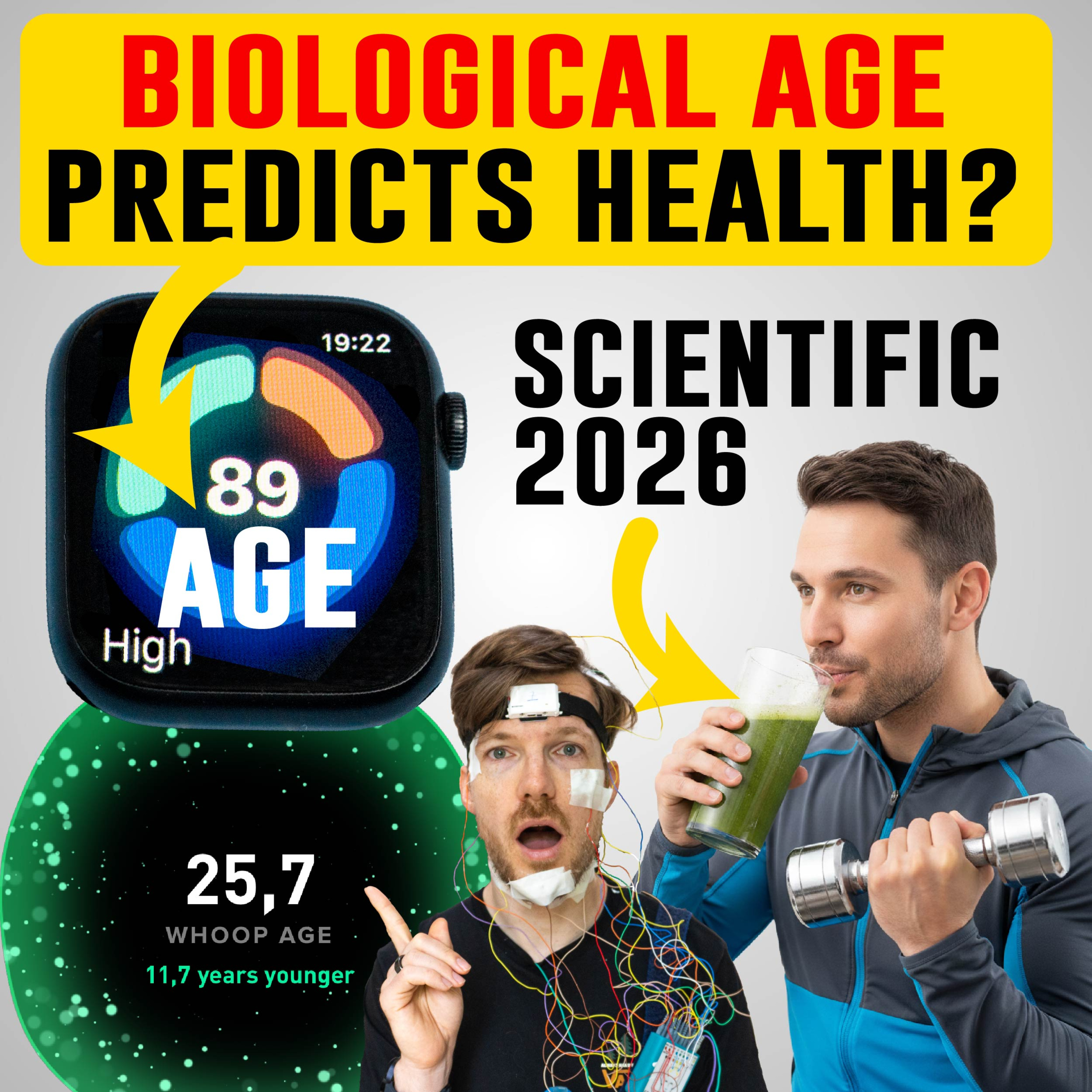 Is “Biological Age” Useful According to Science? Systematic 2026 Outlook & 2025 Year Review (Fit For Science Episode 6) 14.01.2026 1ч 42минRob and Stephan analyze their 2025 health data, discuss the validity of "biological age" metrics, and set systems-based goals for the coming year.📝SummaryIn this episode, biological data scientists Rob and Stephan explore how to use wearable data to review the past year and plan for a better future. They critique the "year in review" features of popular apps, debating whether these metrics provide actionable insights or merely gamified motivation. The discussion moves into the science of cardiovascular age and pulse wave velocity, highlighting how short-term exercise interventions might alter arterial stiffness markers. Reflecting on personal growth, Rob shares his transition from manual to more automated tracking for perceived happiness, while Stephan outlines a systematic "Past Year Review" framework to replace traditional New Year’s resolutions. The episode concludes with a look at 2026 technological trends, including the potential for better batteries, screenless GPS wearables, and new FDA regulatory pathways that could integrate consumer health tech into clinical practice.⏳Chapters00:00:00 Year in Review: Discussing App Recaps and Comparisons 00:07:47 Feedback Loops: How to Use Data Trends for Behavioral Change 00:24:48 Biological Age: Decoupling Marketing from Physiological Truth 00:35:15 Cardiovascular Age: Pulse Wave Velocity and Arterial Adaptation 00:48:57 The Importance of Controls: Lessons from a Cold Exposure Study 01:03:17 Nerve Health: Tracking Impact and Recovery via Smart Scales 01:06:54 Quitter’s Day vs. Systems: Why New Year’s Resolutions Fail 01:08:15 The Past Year Review: A Data-Driven Framework for Lifestyle Design01:12:26 2026 Goals: Marathons, Biking Rivalries, and Life Balance 01:21:10 Professional Focus: Cutting Out Distractions to Finish Projects01:23:54 One-Bag Travel: Reflections on Minimalist Gear and Efficiency 01:27:03 Future Wearables: GPS, Battery Tech, and FDA Regulation📚ResourcesOura 2025 year in reviewWhoop 2025 year in review"Comparison is the death of joy." - Mark TwainArthur C. Brooks Personality Types QuizDoctor Mike confronting Dr. Amen“Imperfect data can still have value” - Joe Barnard (from https://bps.space/)Heroic dose"Long-term consistency trumps short-term intensity." - Bruce LeeWhoop biological ageVO2max and longevityLancet Public Health: “7,000 steps/day linked to clinically meaningful health improvements.”: https://www.thelancet.com/journals/lanpub/article/PIIS2468-2667(25)00164-1/ Pulse Wave Velocity (PWV): https://en.wikipedia.org/wiki/Pulse_wave_velocity PWV relationship to blood pressure: https://www.pnas.org/doi/10.1073/pnas.1814392115 Arteries: https://my.clevelandclinic.org/health/body/22896-arteries Muscle memory in strength trainingEndurance memory exists and is driven by persistent structural adaptations (capillary density and cardiac remodeling) and epigenetic priming.“Quitter's day” is the second Friday in January.Stephan's Past Year Review instructionsStephan's backpack and packing listThe Greek philosopher Plato proposed the Theory of Forms, asserting that the physical world consists of imperfect copies of eternal, perfect, and abstract "master" templates existing in a higher realm of reality.Oura executives (CEO and CMO) on new regulatory pathway for wearables🎙️AboutFit For Science is a deep-dive podcast hosted by two biological data scientists, Rob and Stephan, exploring the intersection of research, health tech, and data-driven lifestyle design. The hosts provide evidence-based systems, layered with practical "N=2" personal experimentation, to cut through the noise in the health and fitness industry.Learn moreSubscribe on your favorite platformsYouTubeSpotifyApple PodcastsAmazon Music⚠️Disclaimer: This podcast represents our own opinions and is for informational purposes only. It does not constitute medical or financial advice or a professional relationship.
 -
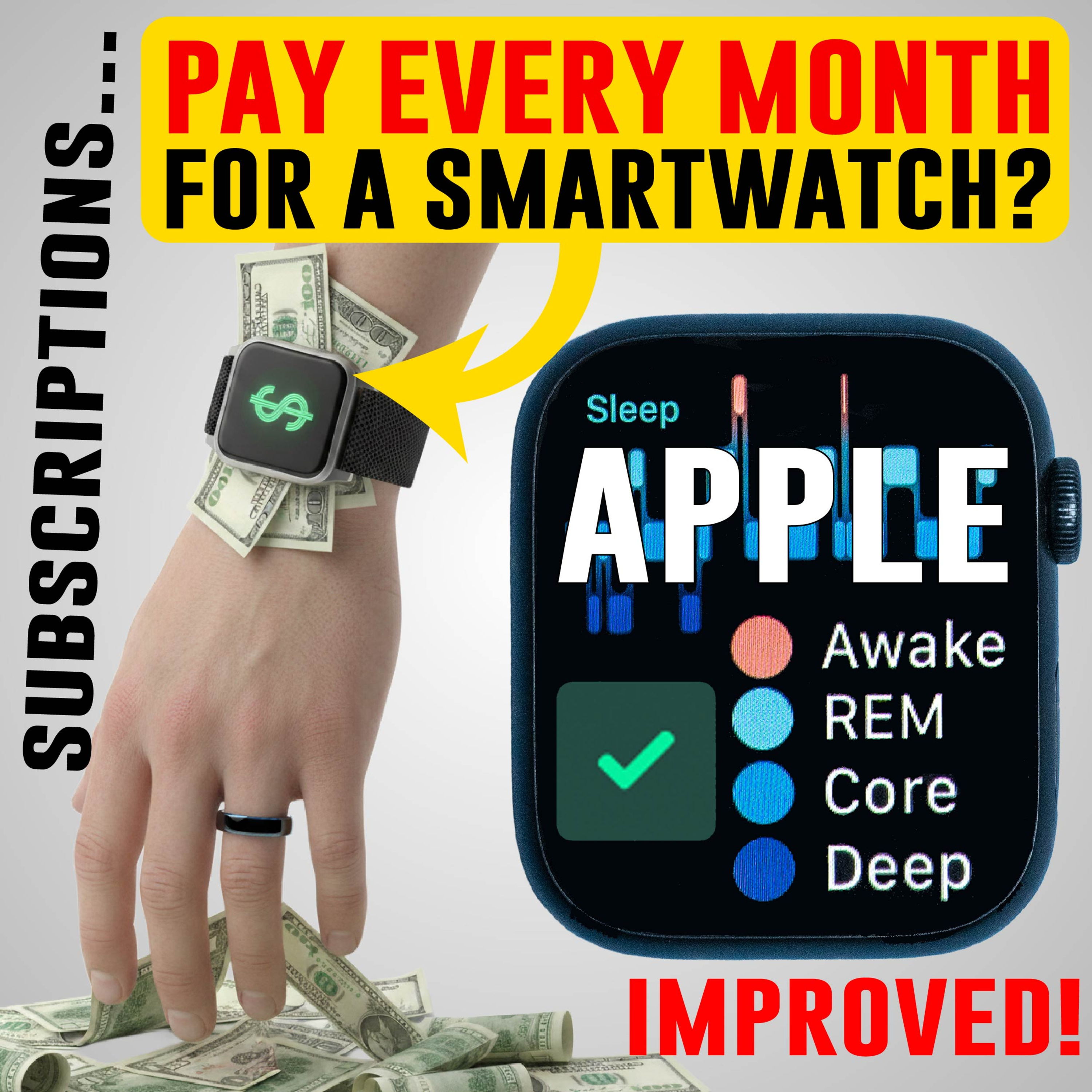 Apple Sleep Updates, Wearable Subscriptions & The Philosophy of Self-Tracking (Fit For Science Episode 5) 09.01.2026 1ч 55минData scientists Rob and Stephan discuss Apple's latest sleep algorithm improvements, the evolving landscape of wearable subscriptions, and three reasons for personal (health) tracking.📝SummaryIn this episode, the hosts examine the rapid iteration cycles of health technology, starting with Apple’s recent algorithmic improvements to sleep stage detection. They explore the "subscriptionification" of the wearable industry, comparing business models from Whoop, Oura, and Eight Sleep while debating the value of AI-driven health coaching and gamification metrics like "biological age". The discussion transitions into nutritional tracking, covering the medical origin of continuous glucose monitors (CGMs) and the practical challenges of picture-based food logging. Finally, they dive into three reasons behind self-quantification, highlighting for example how the Hawthorne effect, where the act of observation itself alters behavior, can be a powerful tool for behavior change.⏳Chapters00:00:00 Apple Sleep Algorithm: Improved deep sleep and awake detection 00:09:00 Continuous Sleep: Moving beyond 30-second epoch sleep stages 00:13:20 Data Repositories: The lack of centralized sleep data compared to genomics 00:17:20 Subscription Models: The industry shift from ownership to service licenses 00:35:00 AI Coaching: The utility and hype of AI advisors in wearables 00:44:00 Eight Sleep: Thermal regulation, bed tracking, and high-tier costs 01:13:50 CGM Deep Dive: Continuous glucose monitoring and individual responses 01:29:30 Nutrition Tracking: From barcodes to picture-based food logging 01:35:20 The Hawthorne Effect: Using observation as a tool for behavior change 01:42:00 Management Philosophy: Drucker and Kelvin on the necessity of measurement01:47:40 Technological Optimism: Staying healthy to witness the future📚ResourcesApple sleep staging paper with updated appendix: https://www.apple.com/health/pdf/Estimating_Sleep_Stages_from_Apple_Watch_Oct_2025.pdf The Quantified Scientist - Can Wearables Predict How You Feel?: https://youtu.be/iwZrtb6tlUo Apple Health uses SDNN (Standard Deviation of Normal-to-Normal intervals) as its metric for Heart Rate Variability, while others (such as Oura, Garmin, and Fitbit) use RMSSD.Eight Sleep: https://www.eightsleep.com/ Dexcom G7 & Stelo: https://www.dexcom.com/ FreeStyle Libre by Abbott: https://www.freestyle.abbott/ Levels Health App: https://framer.levels.com/ A glucose spike is a rapid rise in blood sugar, defined generally as above 140 mg/dL.Nature Medicine paper on individual variations in glycemic responses: https://www.nature.com/articles/s41591-025-03719-2Clarification: Not Ultrahuman (https://www.ultrahuman.com/) but Supersapiens (https://www.supersapiens.com/) use CGMs for optimal metabolic fueling/efficiency.rTracker app by Robert Miller: https://apps.apple.com/us/app/rtracker-track-it-your-way/id486541371Star Trek Qs (immortal species): https://en.wikipedia.org/wiki/Q_(Star_Trek) Isaac Asimov's Foundation as TV series: https://en.wikipedia.org/wiki/Foundation_(TV_series) Three Body Problem as TV series: https://en.wikipedia.org/wiki/3_Body_Problem_(TV_series) 🎙️AboutFit For Science is a deep-dive podcast hosted by two biological data scientists, Rob and Stephan, exploring the intersection of research, health tech, and data-driven lifestyle design. Learn more: https://www.fitforscience.com/ Subscribe on your favorite platformsYouTube: https://www.youtube.com/@FitForScience Spotify: https://open.spotify.com/show/56TjUxuMsPETb0kGEJ7nwf Apple Podcasts: https://podcasts.apple.com/us/podcast/fit-for-science/id1863479802Amazon Music: https://music.amazon.de/podcasts/c3e54ee7-4a2c-442e-a59f-553fbfb02b11/fit-for-science ⚠️Disclaimer: This podcast represents our own opinions and is for informational purposes only. It does not constitute medical or financial advice or a professional relationship.
 -
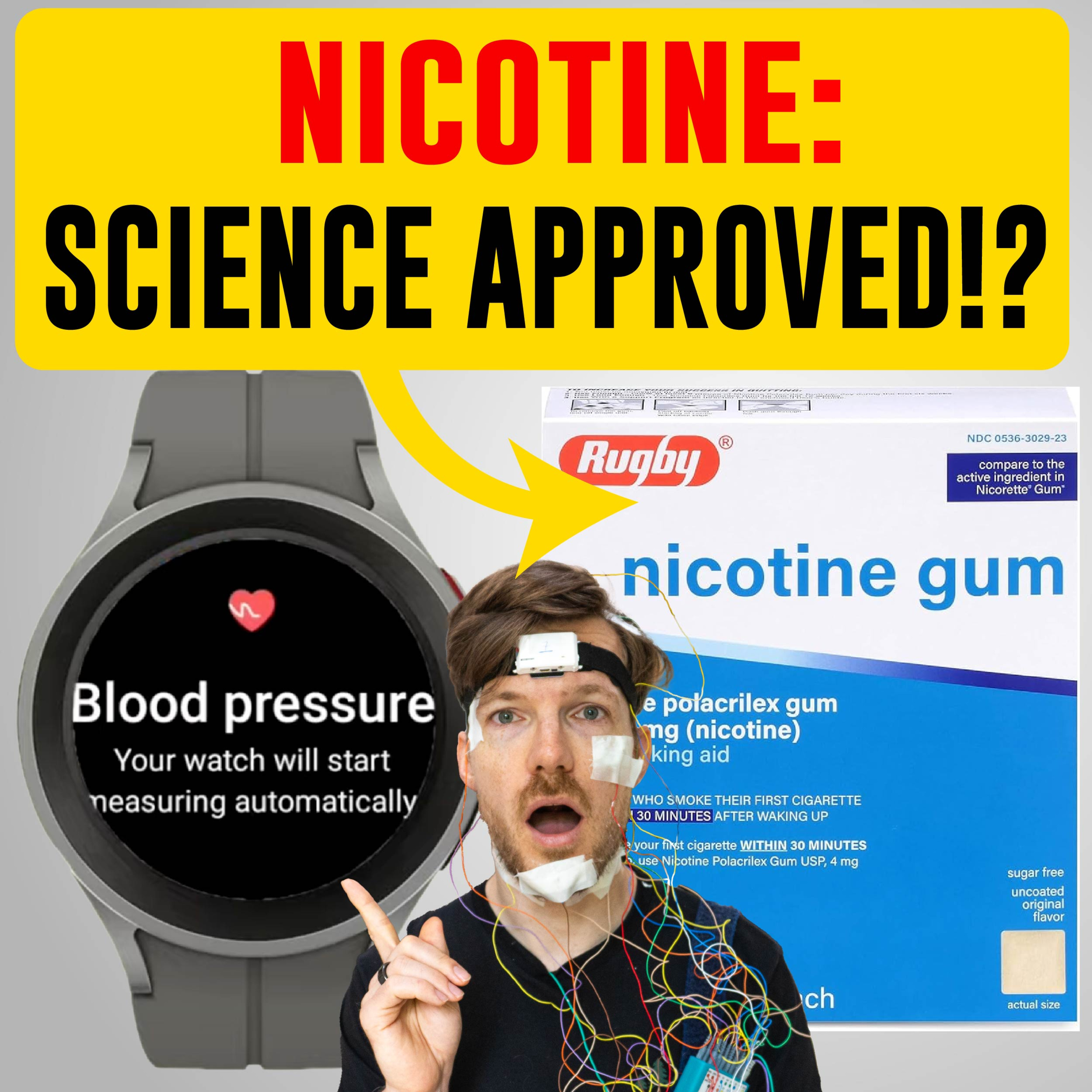 Blood Pressure Wearables, Light Therapy & Nicotine Supplementation (Fit For Science Episode 4) 06.01.2026 1ч 28минRob and Stephan discuss the efficacy of blood pressure wearables, morning activation protocols like light therapy, and the use of nicotine as a cognitive stimulant.📝SummaryIn this episode, biological data scientists Rob and Stephan examine the evolution of wearable technology, focusing on Garmin’s Firstbeat sleep staging and the current limitations of wrist-based blood pressure monitoring. They contrast Apple’s cautious notification-based approach to hypertension with the calibration-heavy methods of competitors, while discussing why continuous monitoring might be superior to traditional resting spot checks. The conversation shifts to personal morning "activation" rituals, featuring a deep dive into light therapy for circadian rhythm alignment and the controversy surrounding cyclic hyperventilation. Finally, they explore the potential cognitive benefits and physiological risks of nicotine supplementation, alongside Stephan’s "Minimal Effective Dosage" daily strength exercise for long-term health maintenance.⏳Chapters00:00:00 Wearable Evolution: Firstbeat Sleep Staging and Incremental Innovation00:09:12 Scientific Standards: Peer Review vs. Corporate White Papers 00:13:12 Blood Pressure: Cardiovascular Risk and Genetic Predisposition 00:15:07 Gold Standards: Manual Cuffs vs. Wrist-Based Sensors 00:21:18 Apple's Approach: Hypertension Notifications and Data Integrity 00:30:00 Future Research: Continuous Monitoring vs. Resting Spot Checks 00:37:39 Morning Activation: Overcoming Sleep Inertia with Light Therapy 00:42:21 Morning Routines: Caffeine, Cold Showers, and Cognitive Performance 00:50:49 Coffee and Cholesterol: The Impact of Paper Filters on Serum LDL-C00:52:37 Beyond Wim Hof: Cyclic Hyperventilation and Acupuncture Mats 01:00:33 Nicotine as a Nootropic: Misconceptions, Risks, and Half-Life 01:13:39 Minimal Effective Dosage: Non-Negotiable Daily Exercise Habits 📚Resources2019 Firstbeat (now Garmin) sleep analysis paper: https://assets.firstbeat.com/firstbeat/uploads/2019/11/Firstbeat-Sleep-Solution_white-paper_short.pdf ASCVD: Atherosclerotic Cardiovascular DiseaseMACE: Major Adverse Cardiovascular EventsBlood pressure (BP) & ASCVD risk: https://jamanetwork.com/journals/jamacardiology/fullarticle/2766469 Blood pressure at night: 10%–20% decreaseSleep inertia: https://en.wikipedia.org/wiki/Sleep_inertiaLuminette glasses: https://myluminette.com/ Light as major zeitgeber: https://pubmed.ncbi.nlm.nih.gov/19708721/ Stephan's morning: morning.polytechnist.me Use paper filters for coffee to reduce LDL-C: https://www.ahajournals.org/doi/10.1161/01.ATV.11.3.586 Cyclic hyperventilation (Bhastrika Pranayama) for sympathetic activation: https://pubmed.ncbi.nlm.nih.gov/24799686/ Stephan's nicotine page: https://stephanreichl.notion.site/Nicotine-2d0301f67e4c80faa34ec6c032a35bd5Stephan's “minimal effective dose” strength training: https://stephanreichl.notion.site/MED-Resistance-Training-7ecf3c212aa248838903dbfbfcb7230eHot Baths as exercise: https://journals.physiology.org/doi/epdf/10.1152/ajpregu.00012.2025🎙️AboutFit For Science is a deep-dive podcast hosted by two biological data scientists, Rob and Stephan, exploring the intersection of research, health tech, and data-driven lifestyle design. The hosts provide evidence-based systems, layered with practical "N=2" personal experimentation, to cut through the noise in the health and fitness industry.Learn more: https://www.fitforscience.com/ Subscribe on your favorite platformsYouTube: https://www.youtube.com/@FitForScience Spotify: https://open.spotify.com/show/56TjUxuMsPETb0kGEJ7nwf Apple Podcasts: https://podcasts.apple.com/us/podcast/fit-for-science/id1863479802Amazon Music: https://music.amazon.de/podcasts/c3e54ee7-4a2c-442e-a59f-553fbfb02b11/fit-for-science ⚠️Disclaimer: This podcast represents our own opinions and is for informational purposes only. It does not constitute medical or financial advice or a professional relationship.
 -
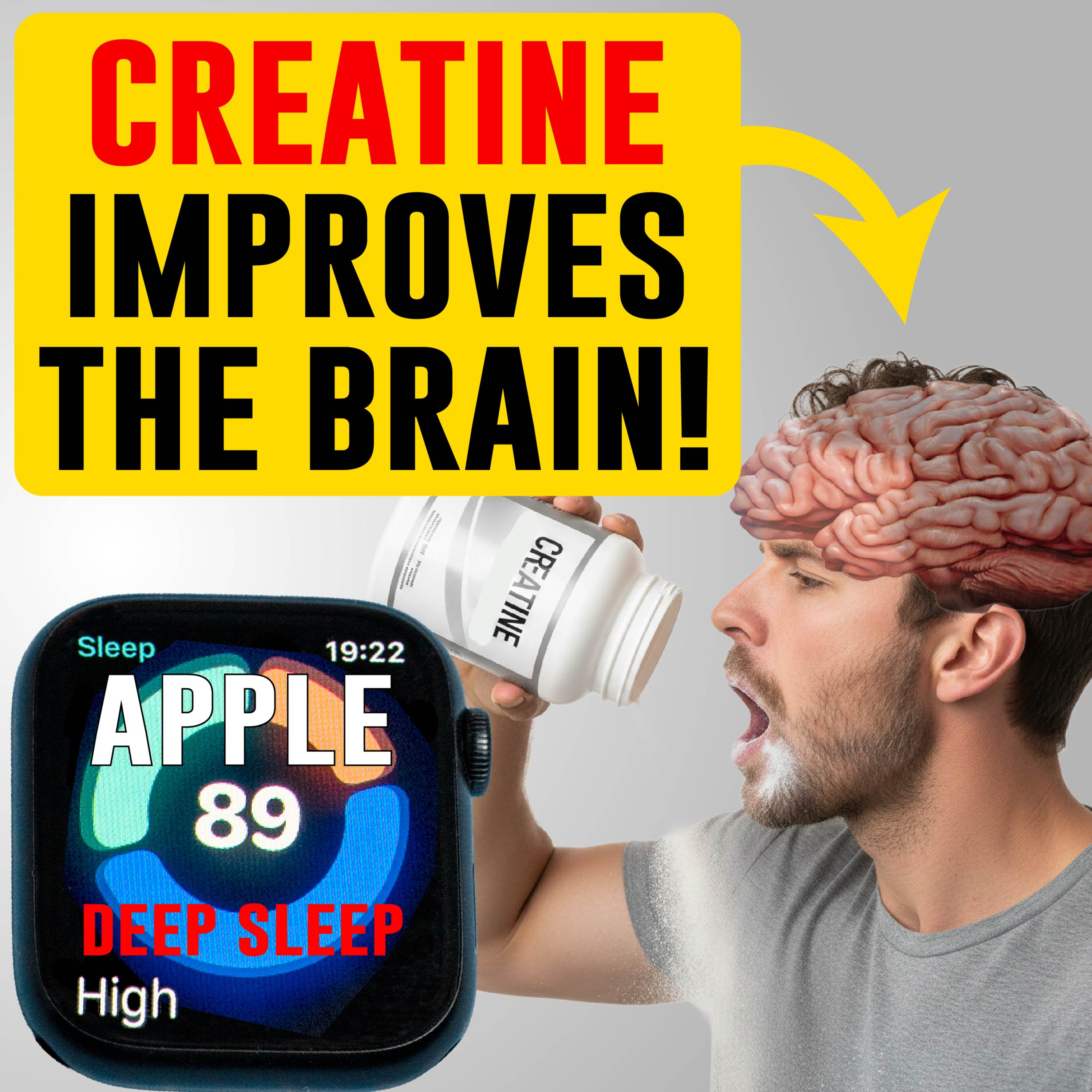 Apple Watch Sleep Myths, Why We Quantify & Is Creatine Safe? (Fit For Science Episode 3) 03.01.2026 1ч 35минRob and Stephan dive into the "deep sleep problem" of the Apple Watch, share their personal motivations for long-term self-quantification, and provide a science-heavy look at why creatine is one of the most underappreciated supplements in medicine.📝SummaryIn this episode, Rob addresses the controversy surrounding Apple Watch sleep staging based on a recent study comparing wearables to polysomnography, explaining why the device often underestimates deep sleep stages while remaining a top-tier consumer tool. The hosts explore the "why" behind their data-driven lifestyles, with Rob detailing his unique multi-year deep-phenotyping research and Stephan describing the psychological benefits of leveraging the Hawthorne effect for behavioral change. Finally, they provide a comprehensive breakdown of creatine supplementation, addressing medical misconceptions about kidney health, while also highlighting emerging research on creatine’s cognitive benefits.⏳Chapters00:02:00 The Sleep Study: Comparing Apple Watch to the Gold Standard00:12:41 Staging Accuracy: Pattern Recognition and Consistency Preferences00:17:15 Battery vs. Precision: Why Apple Limits Sensor Input00:24:20 Evolving Models: Firstbeat, Garmin, and Machine Learning on the Edge00:29:48 Why We Track: Rob’s Multi-Year Deep Phenotyping Research00:38:29 Finding the Niche: From Science Communication to YouTube00:44:17 Daily Routines: When and How to Check Your Data00:50:52 Healthy Limits: Preventing Tracking-Induced Anxiety00:56:48 Creatine and Kidney Health: Addressing Doctor Concerns00:57:50 Informed Discussions: How to Present Data to Medical Professionals01:08:18 Cellular Energy: Creatine’s Role in ATP Production01:13:04 Brain Health: Creatine for Sleep Deprivation and Neuroprotection01:19:32 Personal Risk Analysis: Hair Loss, Finasteride, and Trade-offs01:28:03 Soleus Muscle Correction and Smartwatch Histories📚ResourcesRob's sleep study preprint: https://osf.io/preprints/psyarxiv/27wun_v1 Apple sleep staging paper: https://www.apple.com/health/pdf/Estimating_Sleep_Stages_from_Apple_Watch_Oct_2025.pdf Quantization in AI: https://arxiv.org/abs/2106.08295 Oura technical support confirmed that Oura's sleep staging is processed offline by the Oura App, which runs the complete sleep staging pipeline using the physiological signals shared by the ring, regardless of internet connection.Simon Sinek's Start with Why: https://youtu.be/u4ZoJKF_VuA EXG Glossary: EEG (Electroencephalogram), EOG (Electrooculogram), ECG (Electrocardiogram), EMG (Electromyogram)Supplement research database: https://examine.com Goodhart's Law: When a measure becomes a target, it ceases to be a good measure.Kidney physiology: https://youtu.be/l128tW1H5a8 Stephan's Creatine page: https://stephanreichl.notion.site/Creatine-117301f67e4c80fcbce8e9f489aad9c9 Hypertrophy (size) vs hyperplasia (numbers): https://pubmed.ncbi.nlm.nih.gov/5917072/ Fidgeting (NEAT) study: https://pubmed.ncbi.nlm.nih.gov/11101470/ 🎙️AboutFit For Science is a deep-dive podcast hosted by two biological data scientists, Rob and Stephan, exploring the intersection of research, health tech, and data-driven lifestyle design. The hosts provide evidence-based systems, layered with practical "N=2" personal experimentation, to cut through the noise in the health and fitness industry.Learn more: https://www.fitforscience.com/ Subscribe on your favorite platformsYouTube: https://www.youtube.com/@FitForScience Spotify: https://open.spotify.com/show/56TjUxuMsPETb0kGEJ7nwf Apple Podcasts: https://podcasts.apple.com/us/podcast/fit-for-science/id1863479802Amazon Music: https://music.amazon.de/podcasts/c3e54ee7-4a2c-442e-a59f-553fbfb02b11/fit-for-science ⚠️Disclaimer: This podcast represents our own opinions and is for informational purposes only. It does not constitute medical or financial advice or a professional relationship.
 -
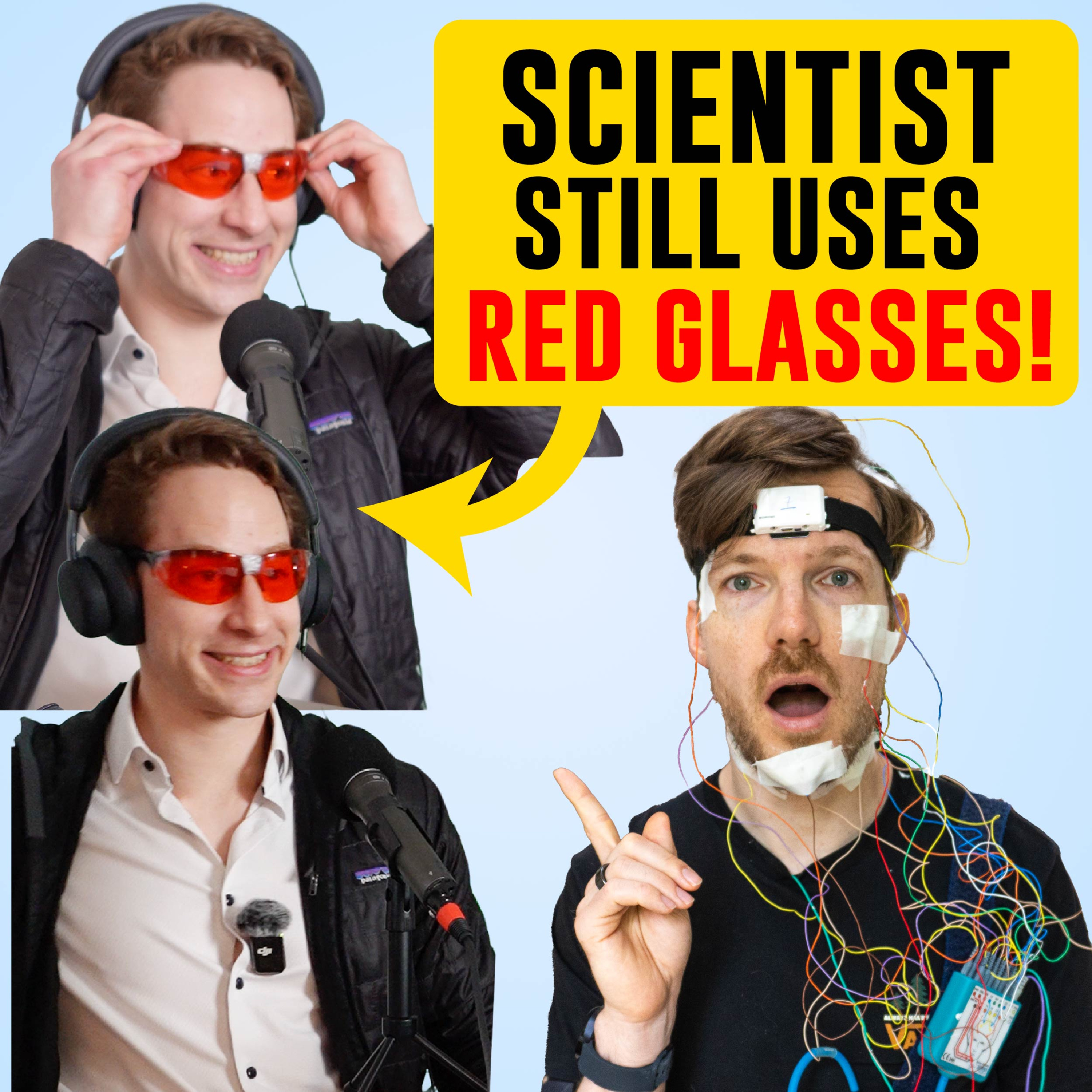 Blue-Light Blockers, What to Track with Wearables & Plogging: Real Science or Fake Marketing? (Episode 2) 28.12.2025 1ч 34минBiological data scientists Rob and Stephan discuss what to track and why, the psychological value of blue-light blocking glasses, and the multifaceted longevity benefits of "plogging".📝SummaryIn this episode, biological data scientists Rob and Stephan dive deep into the philosophy of self-quantification. They explore why tracking the "unobservable" state of sleep provides the highest return on investment and how the Hawthorne Effect can be used as a personal tool for behavior change. The discussion shifts to the science of blue light blocking glasses, debunking common marketing claims while acknowledging the power of psychological anchors in evening routines. Finally, the hosts introduce "Plogging", the Swedish habit of picking up litter while jogging, as a multifaceted longevity practice that combines movement, grip strength, and community purpose.⏳Chapters00:00:53 Wearables Philosophy: A discussion on what to track and why00:03:44 The SNAP Framework: Sleep, Nutrition, Activity, and Purpose00:06:18 Differentiating between Activity vs. Exercise00:09:41 Training Intensity: HIIT for speed and Zone 2 training for endurance00:15:30 Hardware Deep Dive: Comparing sports tracking versus sleep staging00:18:34 GPS Math and Measurement Noise: How devices calculate distance00:22:57 Market Leaders and Reviewer Ecosystems00:33:25 Blue Light Blocking Glasses: Examining the shifting evidence00:46:40 Psychological Anchors: How wearing red glasses signal to begin the evening routine00:49:56 Cold Exposure: Debunking metabolic and fat-loss claims00:55:38 Advanced Sleep Tech: EEG, polysomnography, and 30-second sleep staging epochs01:11:22 Tool Time - Plogging: Stephan introduces the ultimate longevity habit01:19:50 Systematic Culture: Comparing rule-following cultures in Austria vs the Netherlands01:28:40 Ig Nobel Science: Maternal garlic ingestion01:32:38 Immune System Triggers: How immune events may trigger Vitiligo📚ResourcesPlogging: https://en.wikipedia.org/wiki/PloggingPlogging device: https://www.amazon.de/dp/B09L2M9BPCPlogging instructions: https://stephanreichl.notion.site/2d4301f67e4c804a8be1d693086c2c14 Optimistic Nihilism by Kurzgesagt: https://youtu.be/MBRqu0YOH14 Exercise smart watch companies founding years and countries: Polar 1977 Finland, Garmin 1989 USA (since 2010 Swiss), and Coros 2014 ChinaStephan's evening routine: http://evening.polytechnist.me Stephan's morning routine: http://morning.polytechnist.me 💡CorrectionsWhy We Sleep by Matthew Walker (https://www.goodreads.com/book/show/34466963-why-we-sleep) was published in 2017, not 2014. Stephan started sleep tracking in 2016 with an iPhone app called Sleep cycle (https://sleepcycle.com/) and therefore thought the book must have been released before (turns out he was just ahead of his time).🎙️AboutFit For Science is a deep-dive podcast hosted by two biological data scientists, Rob and Stephan, exploring the intersection of research, health tech, and data-driven lifestyle design. The hosts provide evidence-based systems, layered with practical "N=2" personal experimentation, to cut through the noise in the health and fitness industry.Learn more: https://www.fitforscience.com/Subscribe on your favorite platformsYouTube: https://www.youtube.com/@FitForScienceSpotify: https://open.spotify.com/show/56TjUxuMsPETb0kGEJ7nwfApple Podcasts: https://podcasts.apple.com/us/podcast/fit-for-science/id1863479802Amazon Music: https://music.amazon.de/podcasts/c3e54ee7-4a2c-442e-a59f-553fbfb02b11/fit-for-science⚠️Disclaimer: This podcast represents our own opinions and is for informational purposes only. It does not constitute medical or financial advice or a professional relationship.
Слични подкасти


Популаран у
Овај подкаст се појављује и у подкаст листама ових земаља.
