
The Eurasian Knot
The Eurasian Knot
0
The Eurasian Knot is a podcast that explores the complexities of Russia and the wider Eurasia region, aiming to dispel stereotypes and myths through lively interviews. It covers a diverse range of topics from punk rock to Putin, offering insights into the region's past, present, and future. New episodes are released weekly.
Епизоде
-
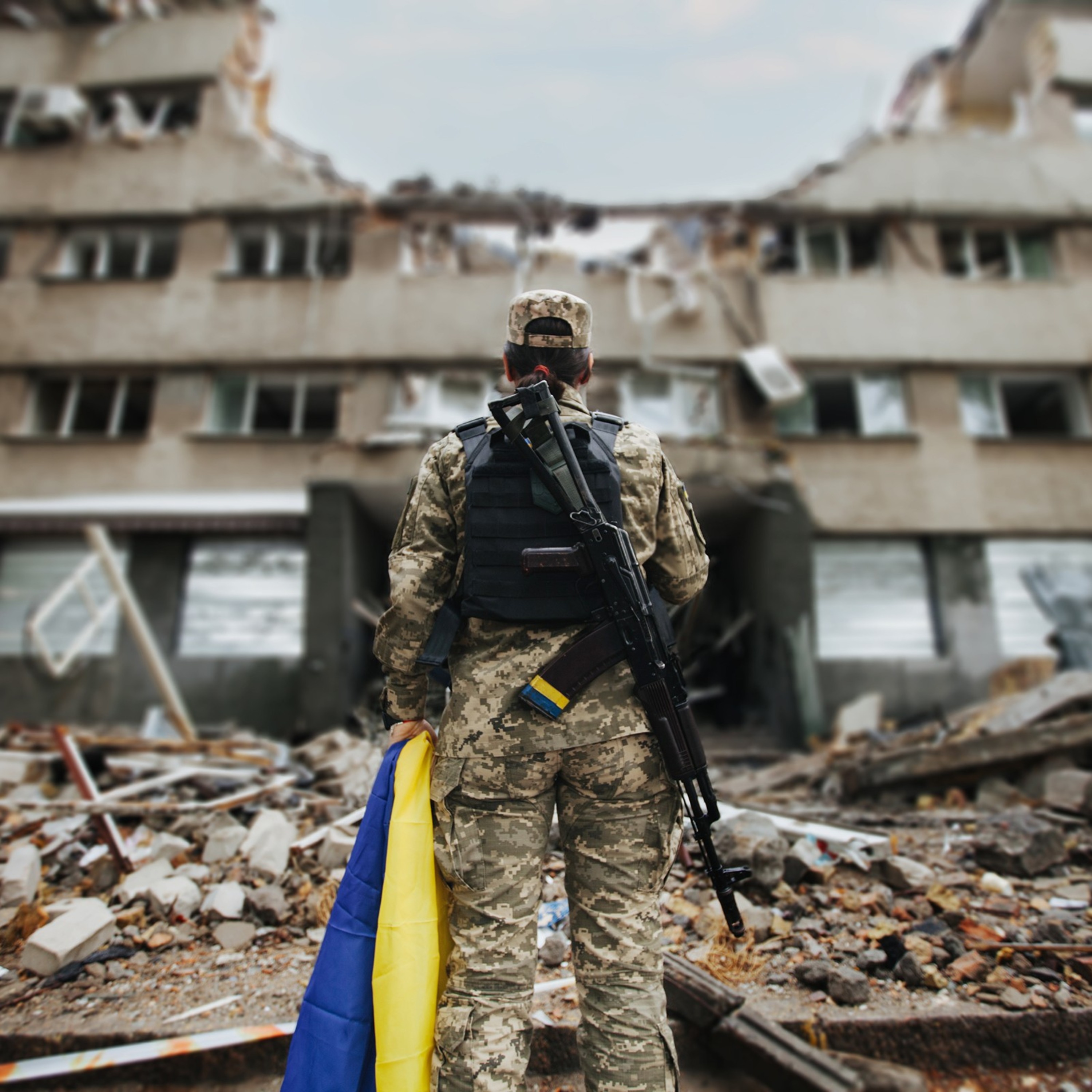 The Origins of the Ukraine War 16.09.2026 54минWhen did Putin decide to invade Ukraine? Was it shortly after 2012 when he returned as President? In 2014, after the seizure of Crimea and clashes in the Donbas? Or was it when Russian forces began massing at the Ukraine-Russia-Belarus borders for a full-scale assault? The answer to when, Michael Kimmage says, is important because that would tell us what drove Putin and what might be necessary to bring a diplomatic solution. The Ukraine War has been raging longer than WWI and WWII with no end in sight. And Kimmage argues that the global context and ramifications need analysis. The Ukraine War is the most documented war in history and we might not have all the information to answer “why?” for years, maybe decades. Kimmage recently gave a talk at the University of Michigan's Center for Russian, East European, & Eurasian Studies on the origins of the Ukraine War, and Rusana, the Eurasian Knot’s Midwest correspondent, sat down with him for a wide ranging interview.In the interview, Rusana and Michael discussed the Kennan Institute’s project on the origins of the Ukraine war. You can watch the available videos here. Also, check out the Kennan’s Dispatches for reports from Ukraine.Guest:Michael Kimmage is the Director of Kennan Institute. He’s also a professor of history at the Catholic University of America. He publishes widely on international affairs and on U.S. policy toward Russia. His latest book is Collisions: The War in Ukraine and the Origins of the New Global Instability published by Oxford University Press. Hosted on Acast. See acast.com/privacy for more information.
 -
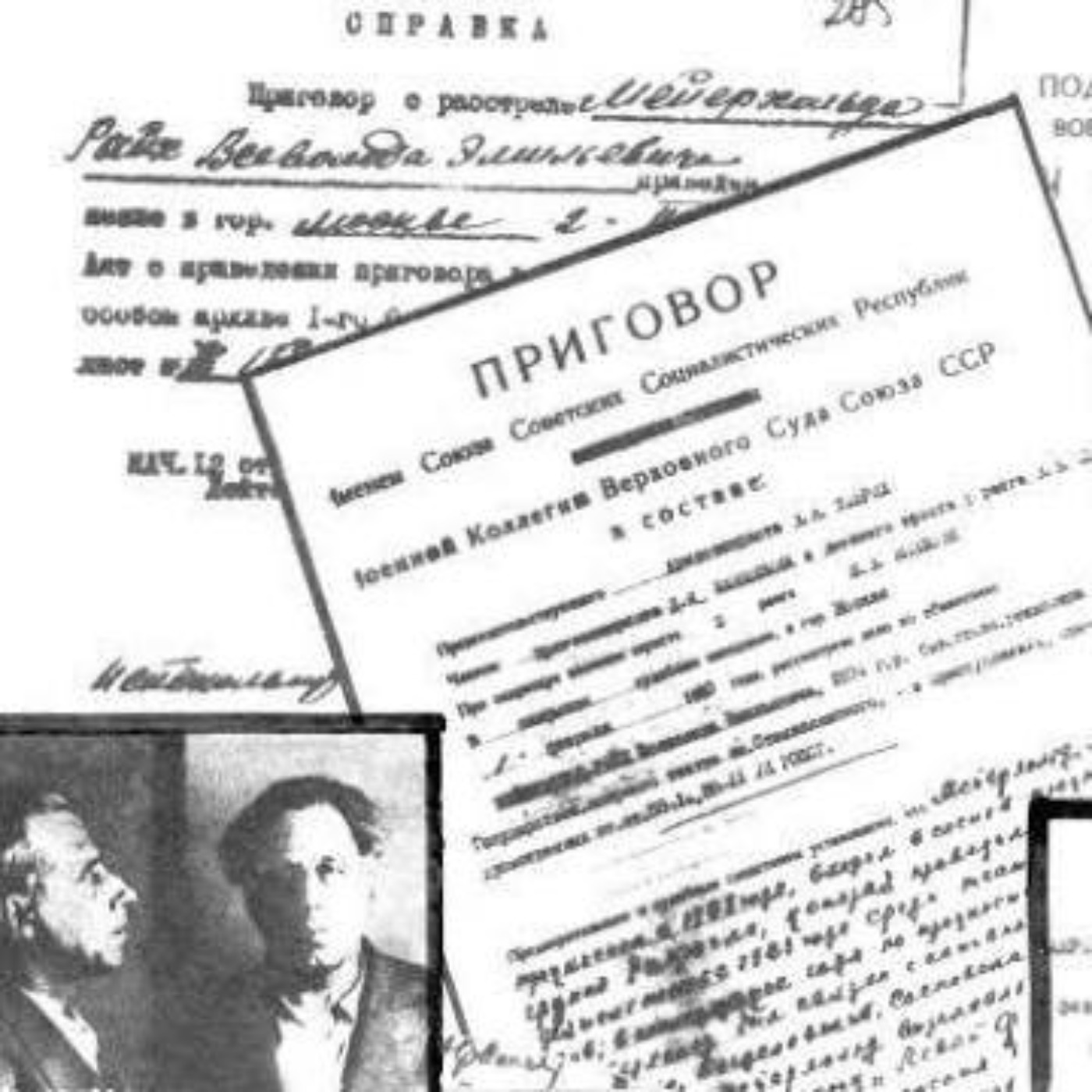 The Soviet Death Penalty 09.09.2026 46минThe fact that the USSR executed its citizens with little jurisprudence is well known. The word “troika” is synonymous with Stalinist repressions of the 1930s. What is less known is that the Soviet Union’s death penalty regime changed significantly in the postwar period. After a brief moratorium adopted by Stalin(!) in 1947, Khrushchev revived capital punishment in 1954 as part of his war on crime. Homicide became a capital offense. The application of the death penalty became professionalized with lawyers, forensics, psychologists, and an appeals process. The narrative of appeals for clemency also changed. Whereas those from the prewar generation often cited a convict’s service to the Soviet state, supplicants after the 1960s portrayed themselves as abandoned by the welfare state. In Fate in My Hands, Yana Skorobogatov looked at about a hundred of these death penalty cases and clemency appeals from 1954-1991 to understand this new regime. What were the circumstances of the crimes and their adjudication? How did those on death row make their appeals? And how did the Soviet system correspond with the death penalty in, say, the United States? Knowing nothing about the Soviet death penalty, the Eurasian Knot spoke to Skorobogatov about her book, Fate in My Hand: The Death Penalty in the Soviet Union, and what it means for the postwar USSR and for us as the death penalty once again appears on the political agenda.Guest:Yana Skorobogatov is the Gladys and Roland Harriman Assistant Professor of Russian and Soviet History in the Department of History at Columbia University. She’s the author of Fate in My Hands: The Death Penalty in the Soviet Union published by the University of Chicago Press. Hosted on Acast. See acast.com/privacy for more information.
 -
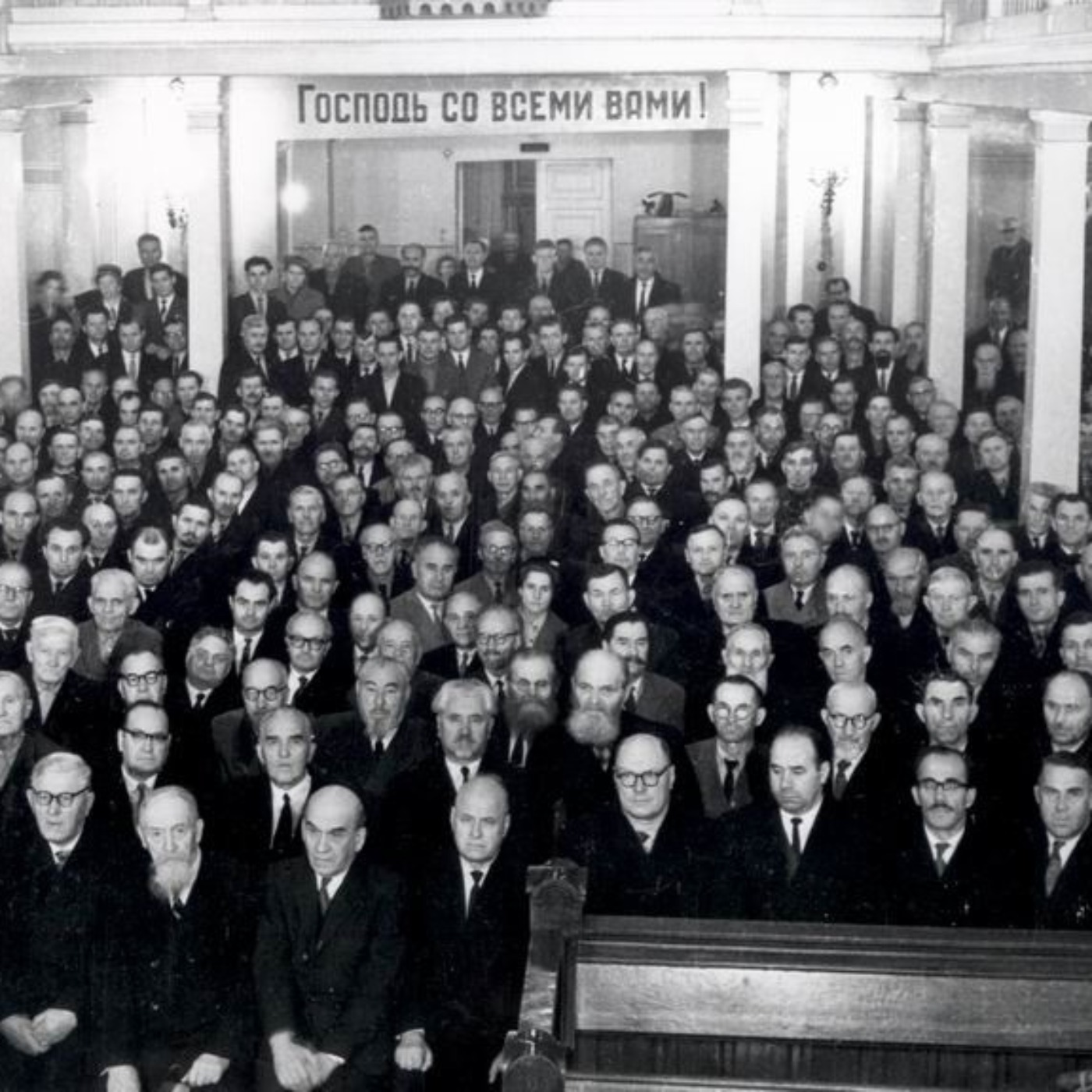 Soviet Protestants 02.09.2026 51минWe tend to think of the 1990s when it comes to Protestantism in Russia. It was then that evangelicals descended on Russia to shine Jesus’ light into the post-Soviet void. Yet, the Soviet Union, despite its best efforts, was a multiconfessional state. And though officially atheist, religious belief persisted, including among the Union’s small pockets of Protestants. Like with other faiths, the state’s relations with Protestants vacillated between repression, accommodation, and control. As Miriam Dobson says in her new book, The Unorthodox, things shifted after Stalin’s death. By the 1960s, regulating religious life fell under the purview of the Council of Religious Affairs. Sure, the state still emphasized atheism, closed churches, and prosecuted Protestants. But its methods were more surgical and the Council relied more on policing the margins over mass repression. So what was life like for the USSR’s Protestant minority? How did they practice their faith and maintain community despite pressures of family, society, and the state? And how did all of this connect to the larger Cold War context where the USSR’s archenemy was a Protestant majority country? The Eurasian Knot talked to Miriam about The Unorthodox to learn more about Protestant faith and community during the Cold War. Guest:Miriam Dobson is a Reader in Modern History at the University of Sheffield. She is the author of Khrushchev's Cold Summer: Gulag Returnees, Crime, and the Fate of Reform after Stalin and The Unorthodox: Soviet Protestants in Cold-War Ukraine and Russia published by Cornell University Press. Hosted on Acast. See acast.com/privacy for more information.
 -
 Thresholds Part 7: Olga 26.08.2026 17минOver the last century, tens of millions of people quit Eastern Europe for the United States. The push-pull factors were many—war, poverty, instability, persecution at home and opportunity, refuge, and liberty abroad. But manna didn’t simply fall from the sky in America. Immigrants from Eastern Europe confronted many of the same challenges migrants do everywhere—exploitation, hardship, and discrimination.Thresholds is a REEES podcast series that will grapple with these histories through interviews with scholars and immigrants’ personal profiles. What pushed them to leave? What did they discover when they arrived? How did they change and be changed by American society? What opportunities and challenges did they face to become “American”? And what can we learn about immigration today?Guest:Olga immigrated to the United States from Moscow, Russia in 1990 as a child. She’s a high school teacher and lives in Pittsburgh, Pennsylvania. Hosted on Acast. See acast.com/privacy for more information.
 -
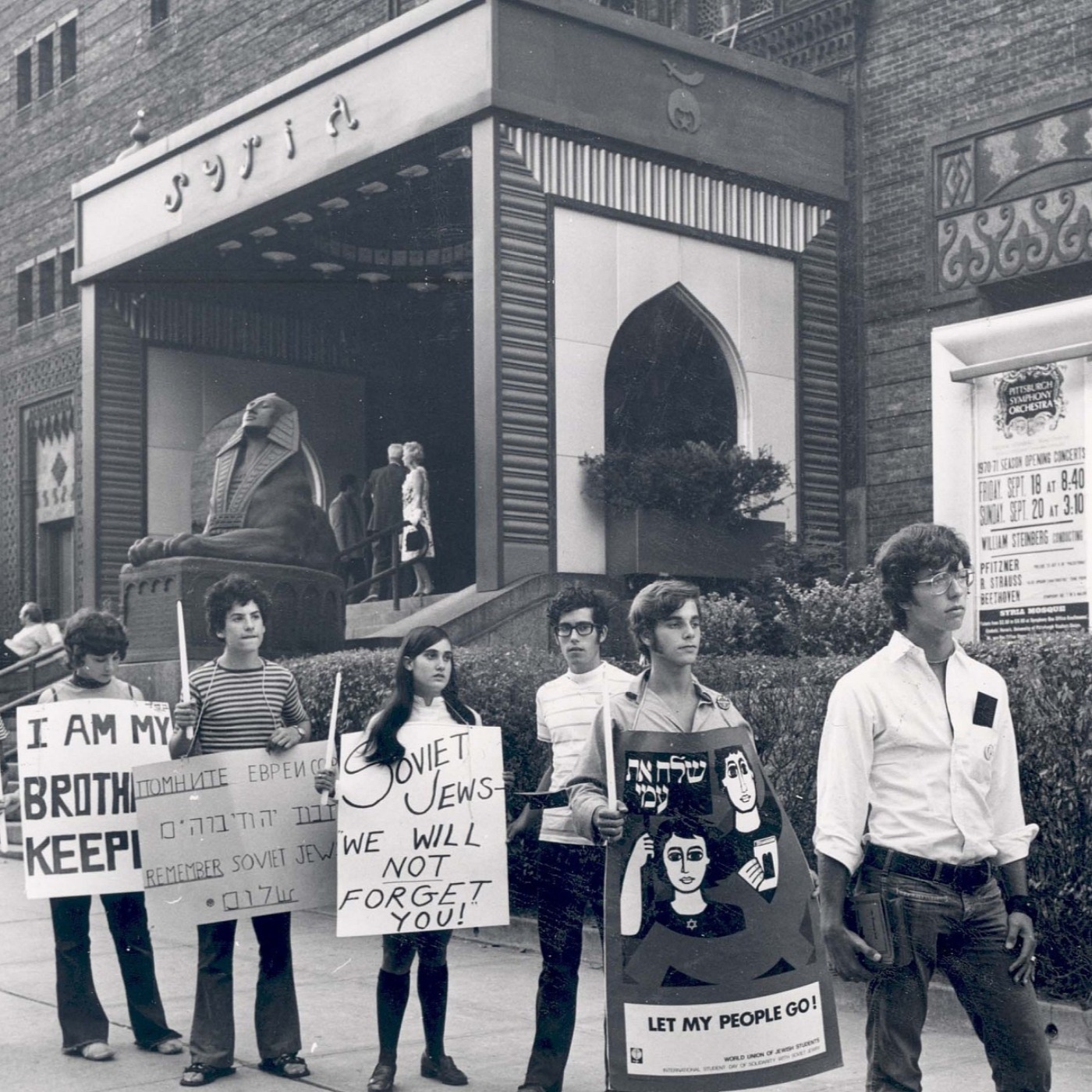 Thresholds Part 6: Yelena 26.08.2026 15минOver the last century, tens of millions of people quit Eastern Europe for the United States. The push-pull factors were many—war, poverty, instability, persecution at home and opportunity, refuge, and liberty abroad. But manna didn’t simply fall from the sky in America. Immigrants from Eastern Europe confronted many of the same challenges migrants do everywhere—exploitation, hardship, and discrimination.Thresholds is a REEES podcast series that will grapple with these histories through interviews with scholars and immigrants’ personal profiles. What pushed them to leave? What did they discover when they arrived? How did they change and be changed by American society? What opportunities and challenges did they face to become “American”? And what can we learn about immigration today?Guest:Yelena immigrated to the United States in 1979 as part of the wave of Soviet Jewish emigration. She’s a retired engineer and lives in Reading, Pennsylvania. Hosted on Acast. See acast.com/privacy for more information.
 -
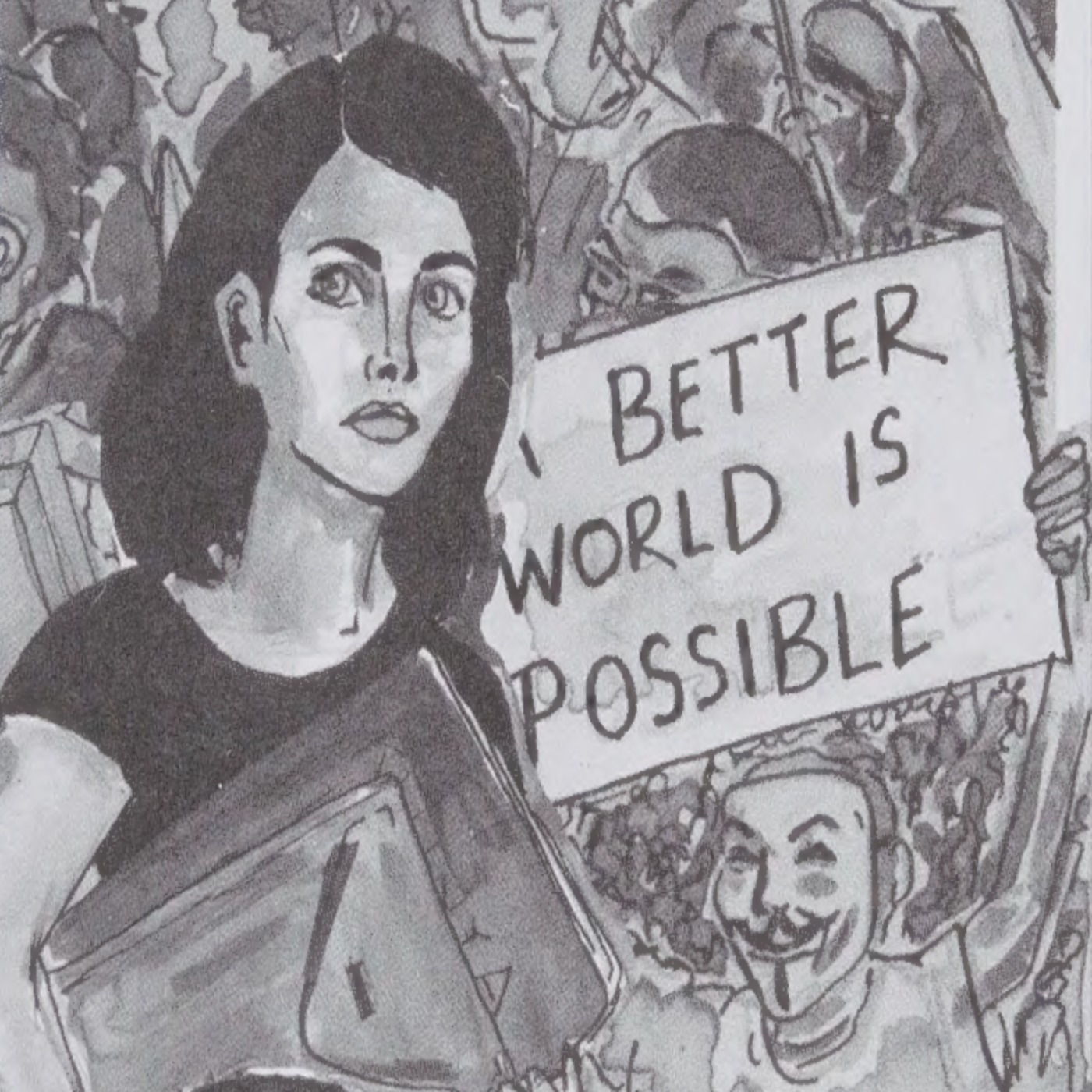 Thresholds Part 5: Julia 26.08.2026 13минOver the last century, tens of millions of people quit Eastern Europe for the United States. The push-pull factors were many—war, poverty, instability, persecution at home and opportunity, refuge, and liberty abroad. But manna didn’t simply fall from the sky in America. Immigrants from Eastern Europe confronted many of the same challenges migrants do everywhere—exploitation, hardship, and discrimination.Thresholds is a REEES podcast series that will grapple with these histories through interviews with scholars and immigrants’ personal profiles. What pushed them to leave? What did they discover when they arrived? How did they change and be changed by American society? What opportunities and challenges did they face to become “American”? And what can we learn about immigration today?Guest:Julia Alekseyeva immigrated to United States from Kyiv, Ukraine, in 1992. She’s Assistant Professor of English and Cinema and Media Studies at the University of Pennsylvania. She’s the author of Soviet Daughter: A Graphic Revolution and Antifascism and the Avant-Garde: Radical Documentary in the 1960s and Antifascism and the Avant-Garde: Radical Documentary in the 1960s. Hosted on Acast. See acast.com/privacy for more information.
 -
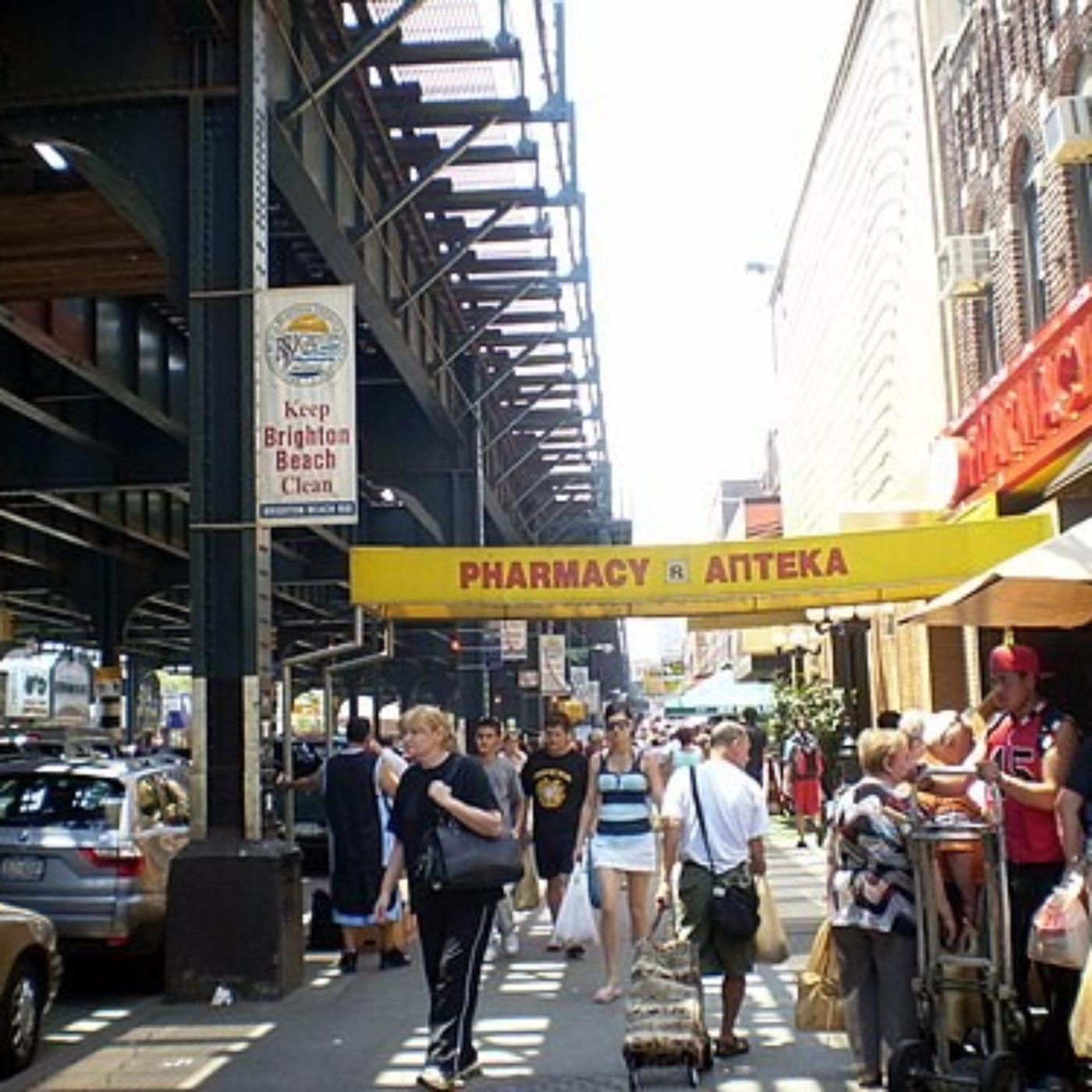 Thresholds Part 4: New Immigrants 19.08.2026 36минOver the last century, tens of millions of people quit Eastern Europe for the United States. The push-pull factors were many—war, poverty, instability, persecution at home and opportunity, refuge, and liberty abroad. But manna didn’t simply fall from the sky in America. Immigrants from Eastern Europe confronted many of the same challenges migrants do everywhere—exploitation, hardship, and discrimination.Thresholds is a REEES podcast series that will grapple with these histories through interviews with scholars and immigrants’ personal profiles. What pushed them to leave? What did they discover when they arrived? How did they change and be changed by American society? What opportunities and challenges did they face to become “American”? And what can we learn about immigration today?Guest:Claudia Sadowski-Smith is Professor of English at Arizona State University. She is the author of The New Immigrant Whiteness: Race, Neoliberalism, and Post-Soviet Migration to the United States published by NYU Press. Hosted on Acast. See acast.com/privacy for more information.
 -
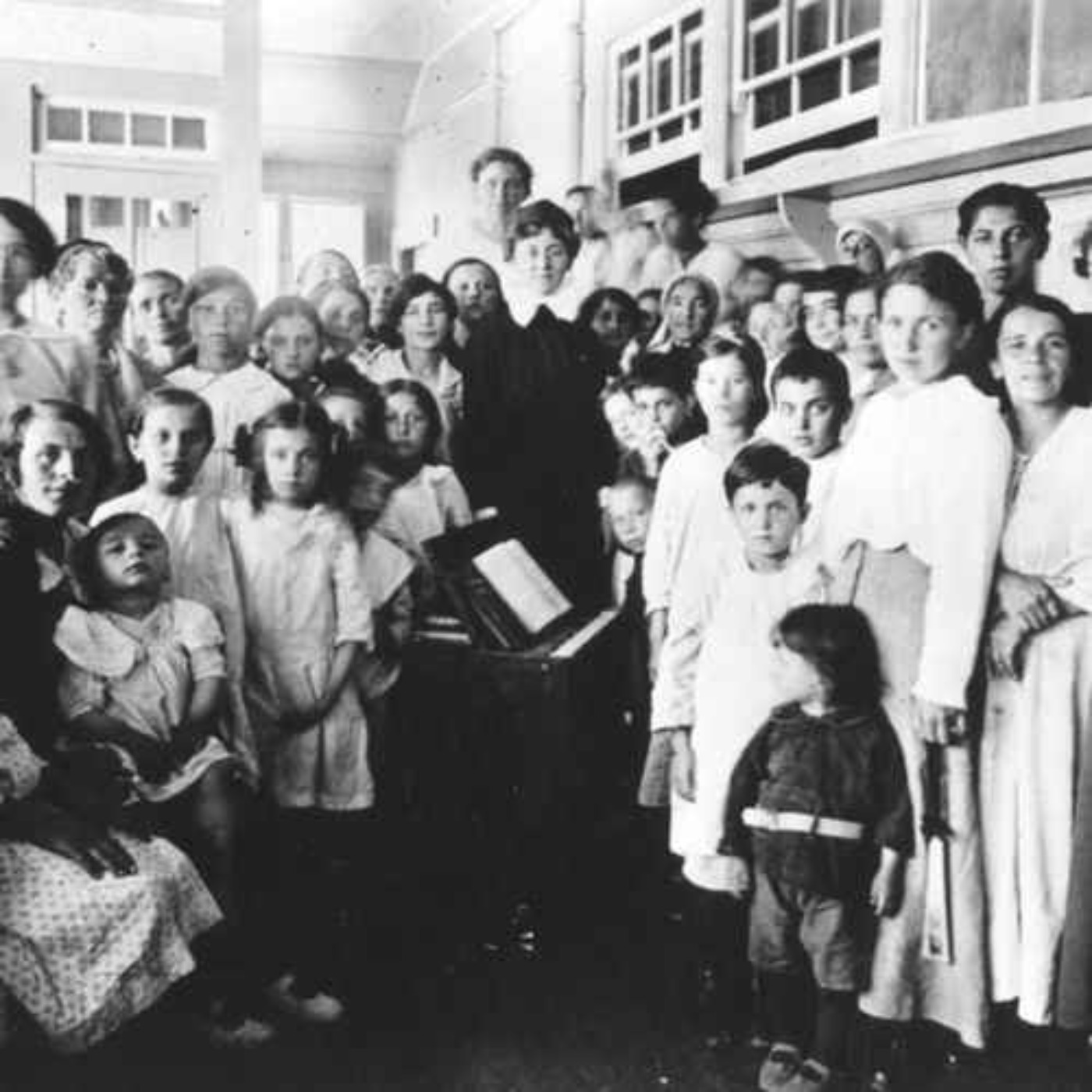 Thresholds Part 3: Russians in San Francisco 12.08.2026 35минOver the last century, tens of millions of people quit Eastern Europe for the United States. The push-pull factors were many—war, poverty, instability, persecution at home and opportunity, refuge, and liberty abroad. But manna didn’t simply fall from the sky in America. Immigrants from Eastern Europe confronted many of the same challenges migrants do everywhere—exploitation, hardship, and discrimination.Thresholds is a REEES podcast series that will grapple with these histories through interviews with scholars and immigrants’ personal profiles. What pushed them to leave? What did they discover when they arrived? How did they change and be changed by American society? What opportunities and challenges did they face to become “American”? And what can we learn about immigration today?Guest:Nina Bogdan is a historian and cultural preservationist. She recently authored the “Russian American Historic Context Statement” for the San Francisco City Planning Department as part of the Citywide Cultural Resources Survey. She’s the author of Before We Disappear into Oblivion: San Francisco’s Russian Diaspora from Revolution to Cold War published by McGill-Queen’s University Press. Hosted on Acast. See acast.com/privacy for more information.
 -
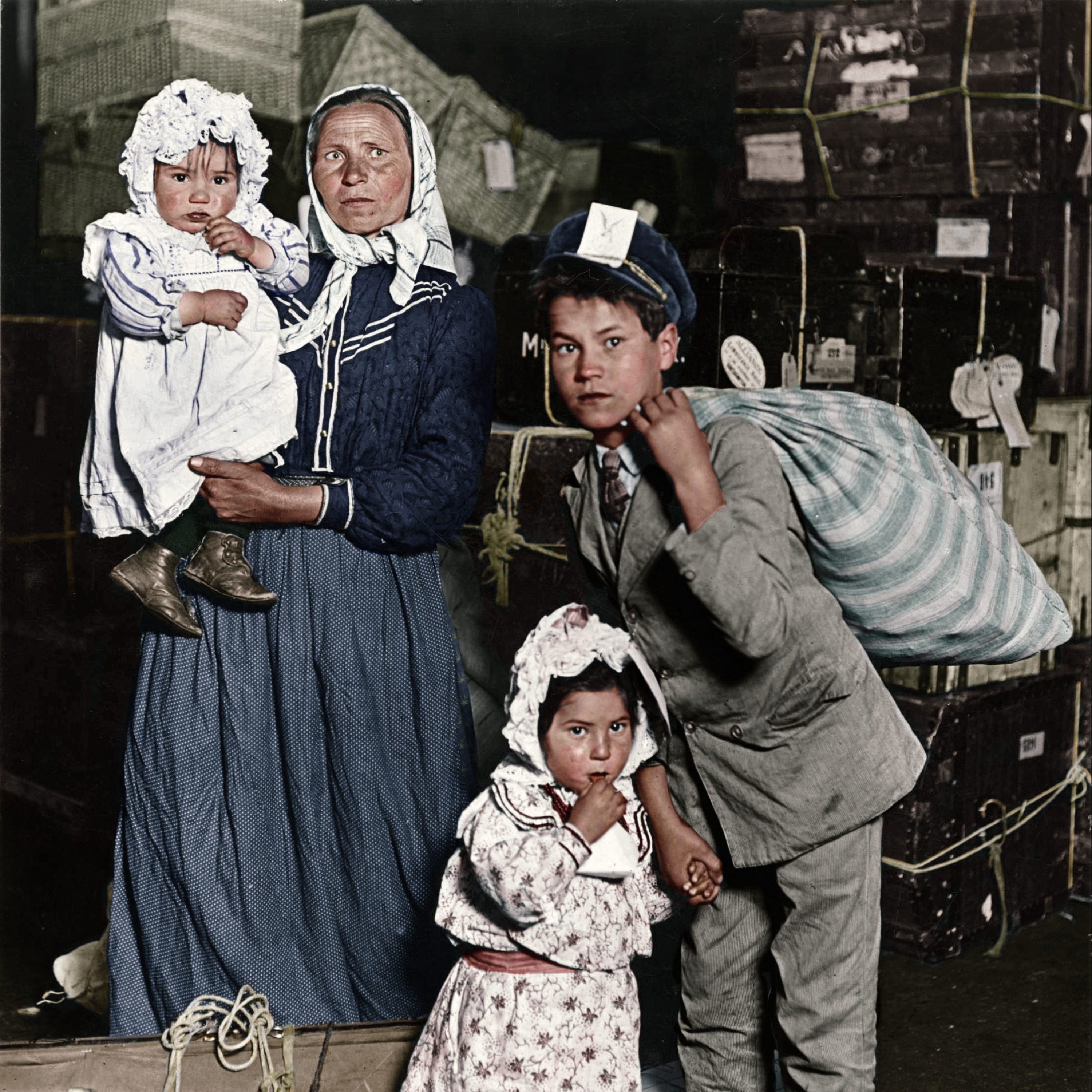 Thresholds Part 2: Becoming White 05.08.2026 29минOver the last century, tens of millions of people quit Eastern Europe for the United States. The push-pull factors were many—war, poverty, instability, persecution at home and opportunity, refuge, and liberty abroad. But manna didn’t simply fall from the sky in America. Immigrants from Eastern Europe confronted many of the same challenges migrants do everywhere—exploitation, hardship, and discrimination.Thresholds is a REEES podcast series that will grapple with these histories through interviews with scholars and immigrants’ personal profiles. What pushed them to leave? What did they discover when they arrived? How did they change and be changed by American society? What opportunities and challenges did they face to become “American”? And what can we learn about immigration today?Guest:David Roediger is the Foundation Distinguished Professor of American Studies and History at the University of Kansas. He is the author of Working Toward Whiteness: How America's Immigrants Became White: The Strange Journey from Ellis Island to the Suburbs published by Basic Books. Hosted on Acast. See acast.com/privacy for more information.
 -
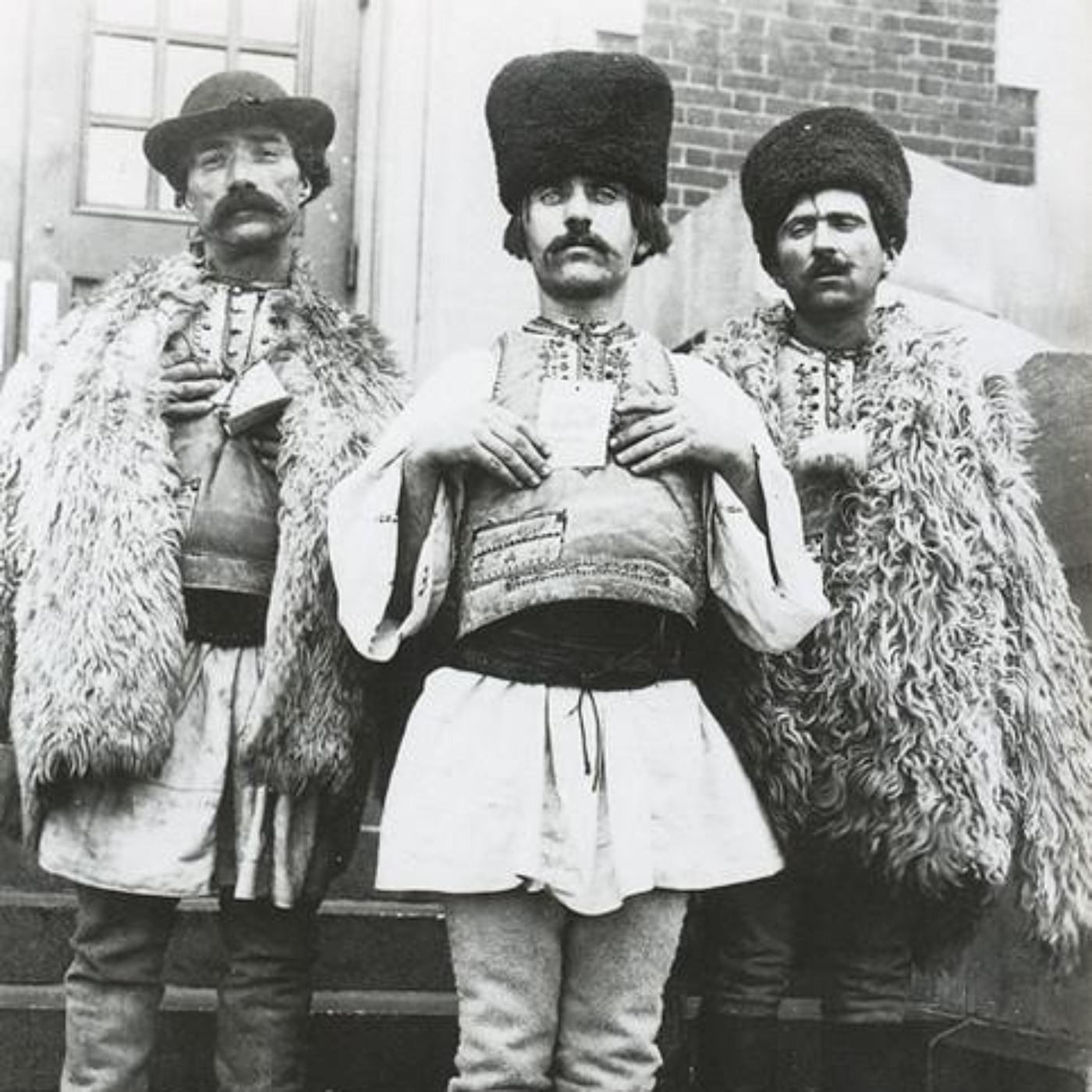 Thresholds Part 1: Leaving the Old Country 29.07.2026 38минOver the last century, tens of millions of people quit Eastern Europe for the United States. The push-pull factors were many—war, poverty, instability, persecution at home and opportunity, refuge, and liberty abroad. But manna didn’t simply fall from the sky in America. Immigrants from Eastern Europe confronted many of the same challenges migrants do everywhere—exploitation, hardship, and discrimination.Thresholds is a REEES podcast series that will grapple with these histories through interviews with scholars and immigrants’ personal profiles. What pushed them to leave? What did they discover when they arrived? How did they change and be changed by American society? What opportunities and challenges did they face to become “American”? And what can we learn about immigration today?Guest:Tara Zahra is the Hanna Holborn Gray Professor of East European History at the University of Chicago. She’s the author of The Great Departure: Mass Migration and the Making of the Free World published by W. W. Norton & Company.Thresholds was edited and produced by Jojo Ellis and Sean Guillory.Music by Blue Dot Sessions.Theme song: "Immigration Rose" by James Doherty, 1924. Hosted on Acast. See acast.com/privacy for more information.
 -
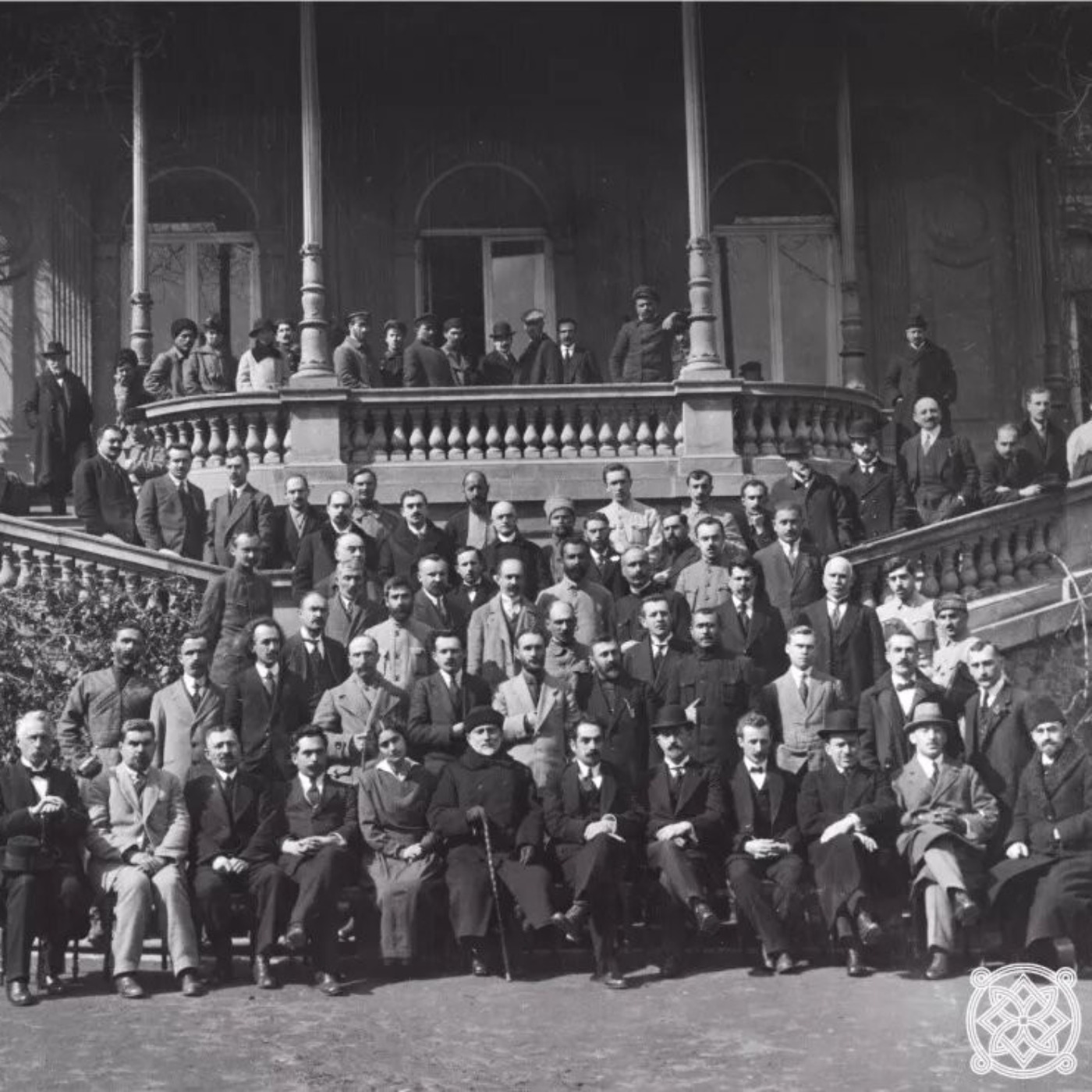 The Rise and Fall of the Georgian Democratic Republic 22.07.2026 58минThe Georgian Democratic Republic lasted a mere three years, from 1918-1921. And though it was viewed as an oddity at the time, many European social democrats marveled at its possibilities. Here was a state committed to social democracy in a mostly backward peasant and multiethnic country. What promises did it hold for the future? Unfortunately, the world never learned because the Bolsheviks crushed it in 1921 and proceeded to sovietize Georgia. The republic was denounced as counter revolutionary and its memory faded as its founders died in exile. So what was this brief experiment in social democracy in the south Caucasus? What were its political positions and aspirations? What does it say about the history of the Russian Revolution? How and why did it fall after only three years? Stephen Jones has been researching these questions for over 40 years, and that has culminated in his opus The First Social Democracy: The Democratic Republic of Georgia, 1918-1921. The Eurasian Knot spoke to Jones about his highly anticipated book to learn more about this historical “oddity” and how it might speak to us today.Guest:Stephen Jones is Professor of Georgian Modern History at Ilia State University in Georgia. His books include Socialism in Georgian Colors: The European Road to Social Democracy, 1883-1917 and Georgia: A Political History Since Independence. His latest book is The First Social Democracy: The Democratic Republic of Georgia, 1918-1921 published by Harvard University Press. Hosted on Acast. See acast.com/privacy for more information.
 -
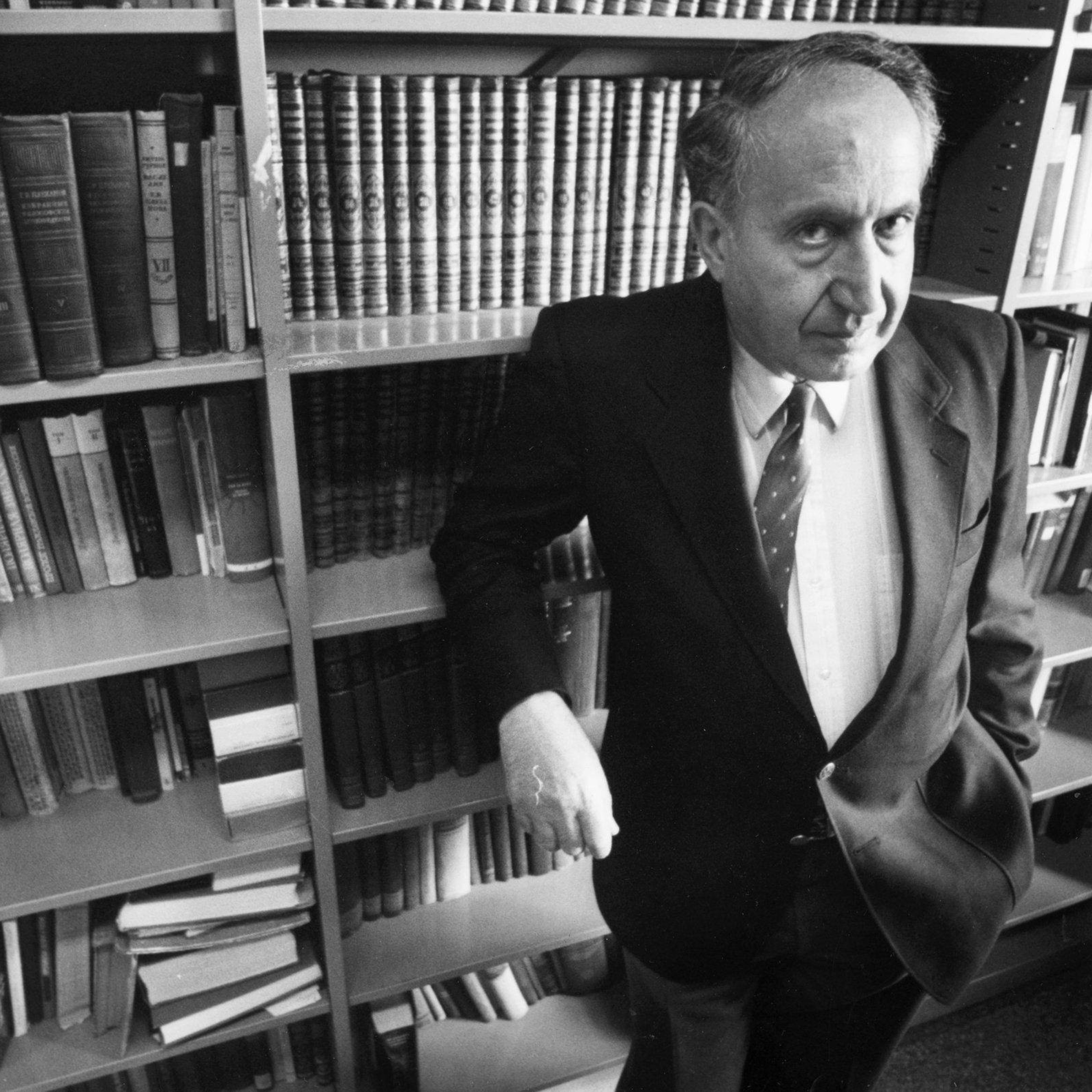 The Man Who Knew Russia 15.07.2026 1ч 7минEveryone has an opinion about the late Russian historian Richard Pipes. Some loved him. Many hated him. He was a conservative and anti-communist. A hardliner on American policy toward the Soviet Union. Some would even say he was a Russophobe and cultural essentialist. But Pipes was a far more complicated figure. A Polish Jew whose family fled before the Nazis arrived, Pipes possessed a strong moral center that stood at the heart of his rejection of the USSR. He eventually applied his vision to his work as a Russian historian at Harvard. Pipes was also at the ground floor of a new academic discipline. He studied under Michael Karpovich, the founder of Russian studies in the US, and was part of a grad cohort that included Russian history Brahmins Leopold Haimson, Marc Raeff, Martian Malia, and Nicholas Raisonovsky. All these men would staff history departments at Berkeley, Harvard, and Columbia, and train a generation of scholars. Pipes knew his stuff, and eventually applied his knowledge in public debate and advice to the Reagan Administration. Pipes was a man of the 20th century, and in my opinion, one of the last serious intellectual conservatives. So who was he? How did he “know” Russia? And in what ways does his historical analysis of Russia, which spanned centuries, echo today? The Eurasian Knot spoke to Jonathan Daly, a former Pipes student, about his new biography of Pipes, The Man Who Knew Russia, and what drove this self-identified perennial outsider. Also, check out my article “Richard Pipes, the Historian as Essentialist” published in Jacobin in 2018.Guest:Jonathan Daly teaches Russian, European, and world history at the University of Illinois Chicago. He’s the author of several books, most recently he edited Pillars of the Profession: The Correspondence of Richard Pipes and Marc Raeff and wrote The Man Who Knew Russia: Richard Pipes, Humanist and Cold Warrior published by Stanford University Press. Hosted on Acast. See acast.com/privacy for more information.
 -
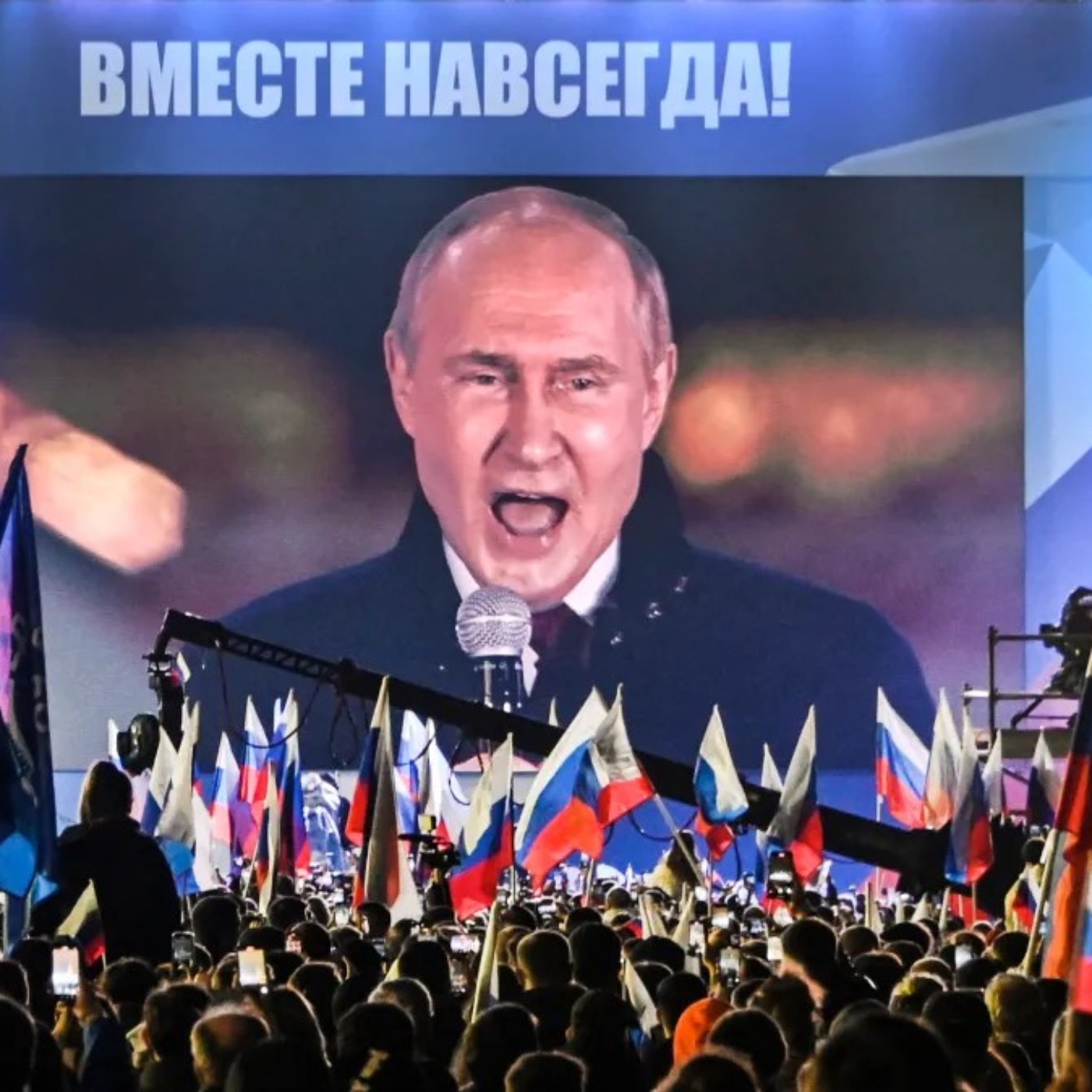 Reporting Russia's Descent 08.07.2026 38минMarc Bennets has been reporting from Russia for over two decades. He’s covered Putin’s rise and consolidation of power, assassinations of oppositionists, mass protests, daily life, and even Russian football. It’s a storied career filled with zipping back and forth between Moscow and its regions. Marc also planted roots. He got married and became a dad. But then everything changed in February 2022 with Russia’s full invasion of Ukraine. Should he stay and keep reporting and risk arrest or worse? Or should he pick up his life and family and leave like so many of his colleagues? Marc finally settled on the latter when word came he might be arrested. Now he focuses most of his reporting on the war and Ukraine. How did this all happen? How did Russia descend into madness? Marc’s new book looks to answer that question with personal fire and passion. Is Russia really saturated with Putin? Is there any way back? It’s been a decade since the Eurasian Knot spoke with Marc. So, we caught up and discussed his new book, The Descent: Witnessing Russia's Spiral Into Madness Under Putin, and how the war has irrevocably changed his life, profession, and Russia itself.Guest:Marc Bennetts spent 25 years as a foreign correspondent for The Times and The Sunday Times in Russia. He left in May 2022, after the start of the full-scale invasion of Ukraine. He has since made over a dozen reporting trips to Ukraine. He’s the author of The Descent: Witnessing Russia's Spiral Into Madness Under Putin published by Bloomsbury. Hosted on Acast. See acast.com/privacy for more information.
 -
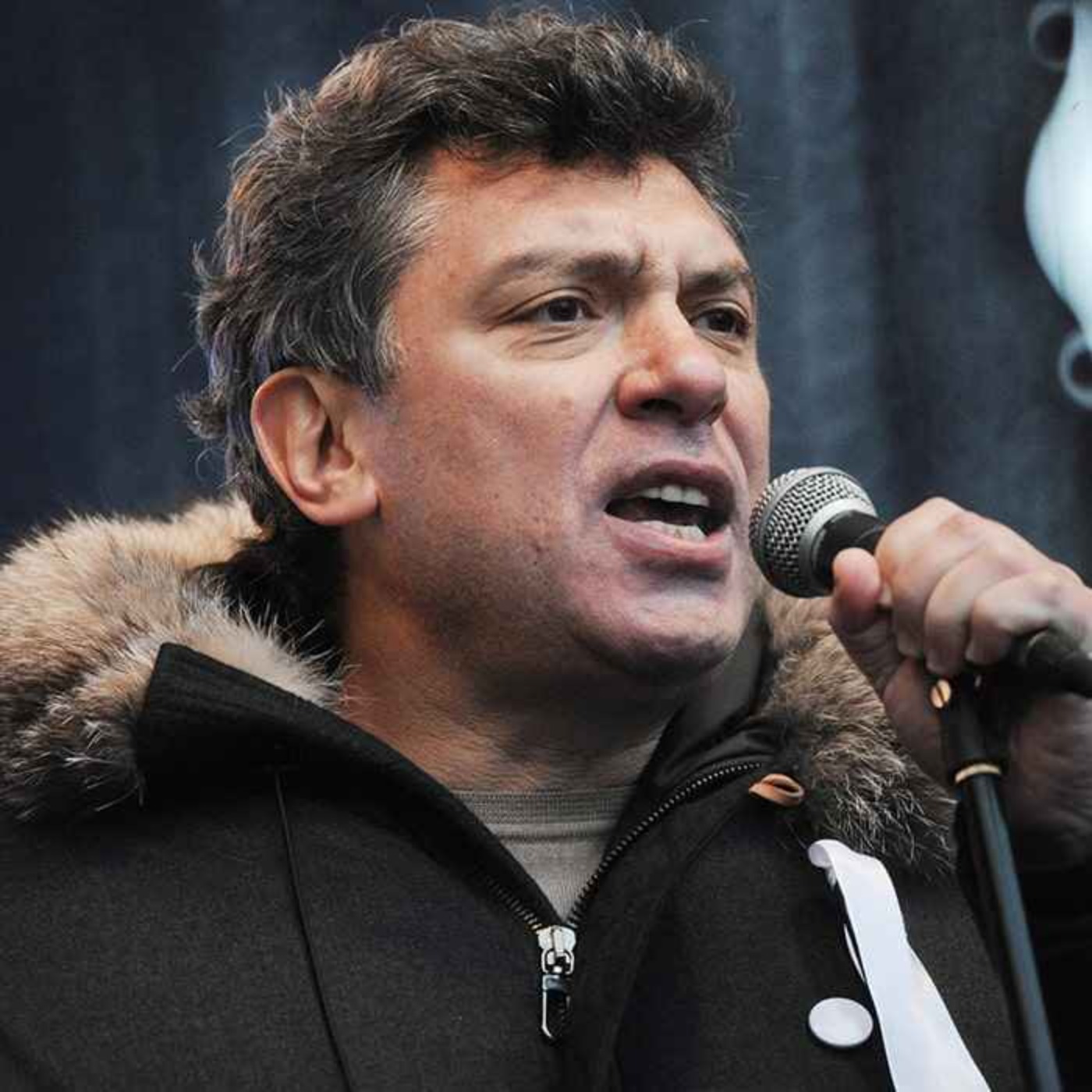 Boris Nemtsov 01.07.2026 54минOn the night of 27 February 2015, assassins gunned down Boris Nemtsov as he crossed the Bolshoi Moskvoretskii Bridge. Shock quickly spread throughout Russia, particularly among its political opposition. Not because Nemtsov was so brazenly gunned down. Such are the risks of being politically active in Putin’s Russia. Nemtsov had been a fixture in the movement since its earliest days, and in many ways one of its founders. That such an internationally well-connected figure could be wiped out in central Moscow signaled a grim turning point. Hindsight has proven this correct. A decade later, Russia is a very different place. But it always wasn’t like that. In the 1990s, Nemtsov was a young liberal darling, the charismatic hope to succeed Boris Yeltsin. That didn’t happen, as we all know. And another, totally different figure became President. As Mikhail Fishman writes in his political biography, The Successor: Boris Nemtsov, Vladimir Putin, and the Decline of Modern Russia, Nemtsov’s life and death had a profound influence on the political consciousness of his generation and nascent Russian liberalism. Who was Boris Nemtsov? How did he rise so quickly to political prominence in the 1990s only to be politically marginalized in the 2000s? Why was he murdered and who murdered him? The Eurasian Knot spoke to Fishman about Nemtsov, his life, and how it reflected Russia’s post-Soviet political development.Guest:Mikhail Fishman is one of Russia’s leading independent journalists, liberal thinkers, and political commentators. He’s the author of The Successor: Boris Nemtsov, Vladimir Putin, and the Decline of Modern Russia published by Penguin. Hosted on Acast. See acast.com/privacy for more information.
 -
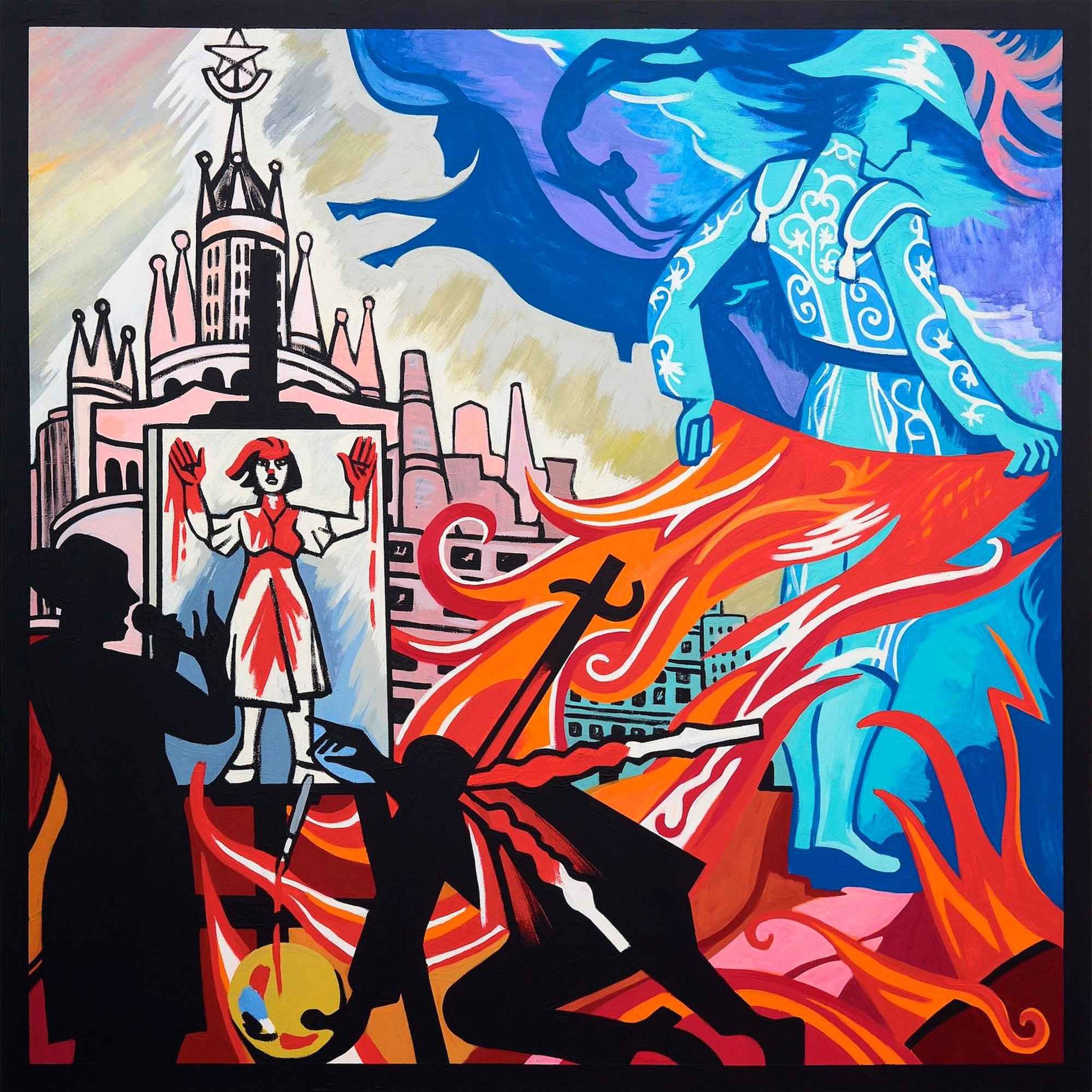 The Last Soviet Artist 24.06.2026 44минI met the graphic artist, Victoria Lomasko, about 10 years ago when she was a resident at the City of Asylum in Pittsburgh. I emceed an event with her back then. So I was happy when Victoria recently returned to the city to give a few talks at the University of Pittsburgh. Of course, the Eurasian Knot dragged her into a studio for an interview. A lot has changed for Victoria over the decade. Her graphic novel, Other Russias, represented the marginals of Russian society, and she won a Pushkin prize for the work. She got invited to speak, to show her art, and teach. She then went to Belarus to chronicle the mass protests. More art. More shows. But then Russia invaded Ukraine in 2022. The invites dried up as everything Russia became toxic. And political art forced her into exile in Germany. These experiences have caused her to question the efficacy of political art, and even her graphic style. Today, she’s embraced symbolic art that speaks to her political disillusion and difficulty in representing our current conjecture. Where does Lomasko stand today when it comes to art and politics? Tune in and find out. GuestVictoria Lomasko is a graphic artist and has lectured and written widely on graphic reportage. She lived in Moscow until March 2022 and now lives in exile. She is the author of Other Russias which received the Pushkin House Best Book in Translation award. Her latest book is The Last Soviet Artist published by N+1 Books Hosted on Acast. See acast.com/privacy for more information.
 -
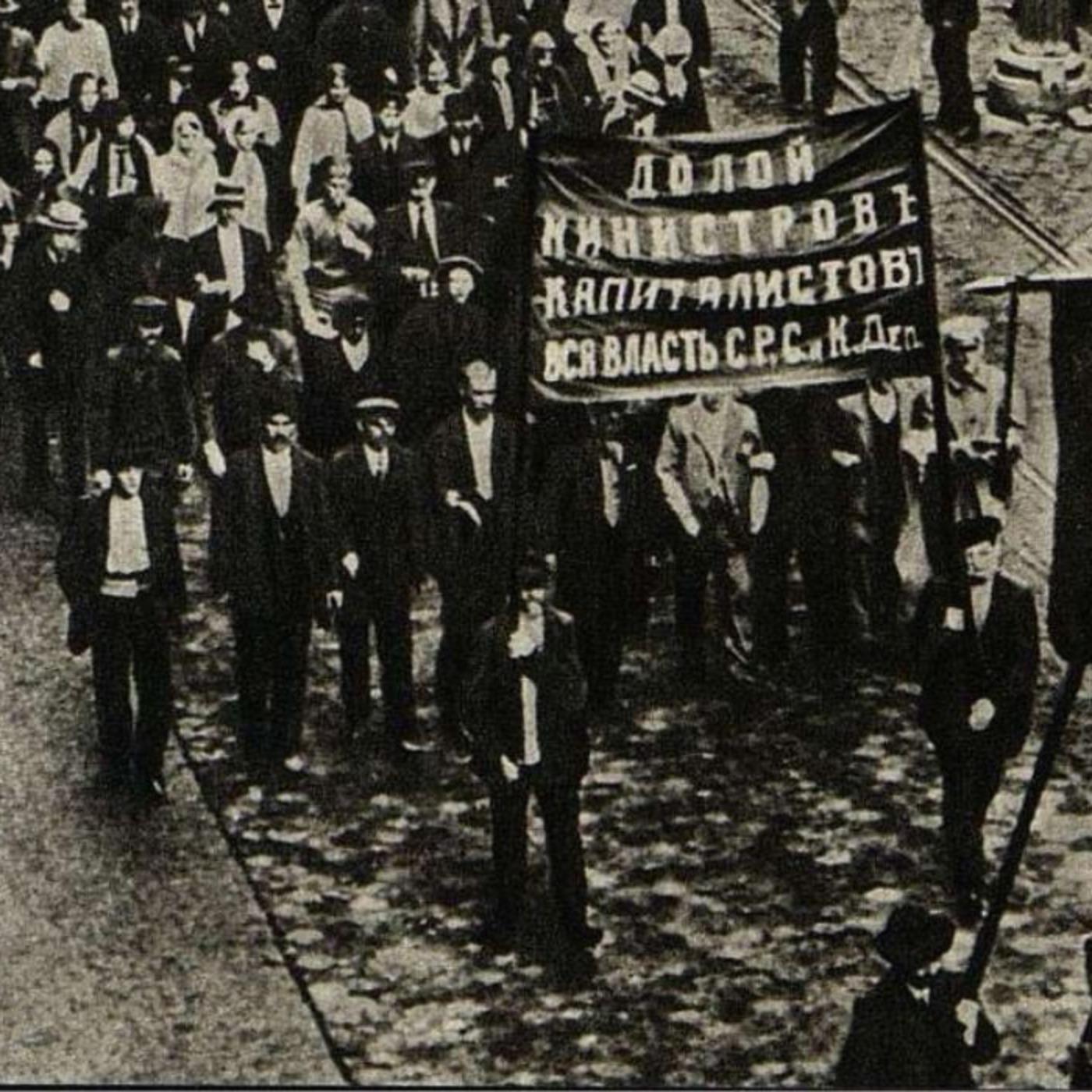 Remembering Alexander Rabinowitch 17.06.2026 36минWhen I opened Facebook this morning, as I do every morning, I learned that Alexander Rabinowitch died at 91 years old. Rabinowitch was arguably one of the most important historians of the Russian Revolution. It's hard to state how much Rabinowitch's work influence our understanding of 1917. Before him, it was assumed that the Bolsheviks were a highly disciplined, unpopular political party that came to power through a coup. What Rabinowitch repeatedly showed in his four books on Revolution, the Bolsheviks had popular support, most importantly in factories in Petrograd and in other large cities and at the front. Lenin's slogans, particularly, "Peace, Land, Bread!" had mass support, and by October 1917, successfully rode a wave of revolution into power. And now that Alexander Rabinowitch has left us, I figured I’d dig out my old interview with him from 2017, clean it up, and re-release it to commemorate the life and work of this scholarly giant.Guest:Alexander Rabinowitch was a Professor Emeritus of History at Indiana University, where he taught from 1968 until 1999. He’s the author of four books on the Russian Revolution: Prelude to Revolution: The Petrograd Bolsheviks and the July 1917 Uprising; The Bolsheviks Come To Power: The Revolution of 1917 in Petrograd; The Bolsheviks in Power: The First Year of Soviet Rule in Petrograd; and finally his fourth and last book which was just published in April, The Bolsheviks Survive: Petrograd 1919 published by the University of Pittsburgh Press. Hosted on Acast. See acast.com/privacy for more information.
 -
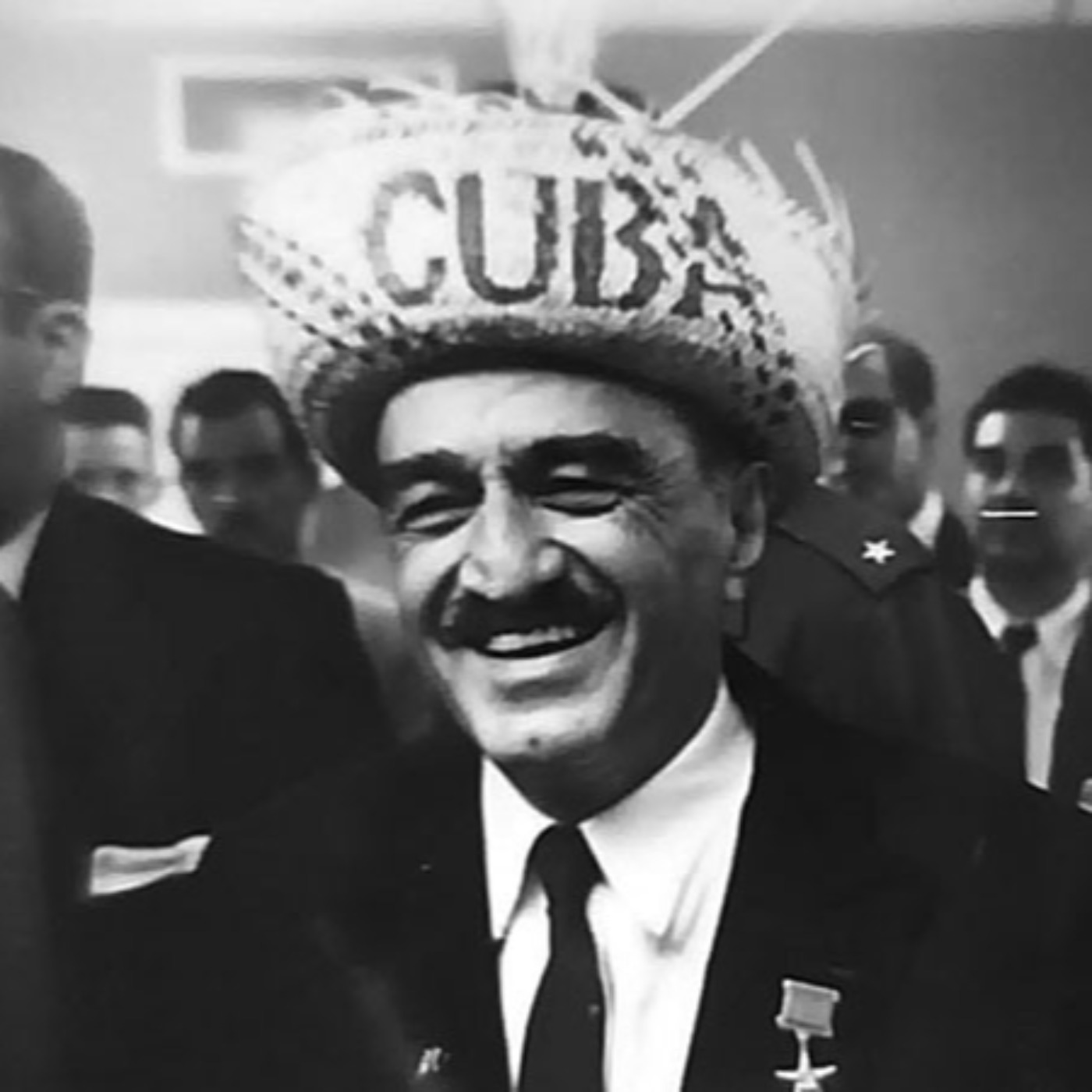 Anastas Mikoyan 10.06.2026 50минHow Stalin personally ran the Soviet Union has rightly received much attention. Less discussed is the small group of men that served as his top lieutenants. They carried out his orders, and after his death, were instrumental in establishing the post-Stalin order. This week, the Eurasian Knot features a discussion with Pietro Shakarian about his new book Anastas Mikoyan: An Armenian Reformer in Khrushchev's Kremlin. We mostly know Mikoyan as a statesman and political survivor who successfully navigated Stalin’s Kremlin. But who was Anastas Mikoyan beyond that? What did he believe? What was his role as Stalin’s henchman? How did he push for de-Stalinization after the leader’s death in 1953, particularly on Soviet nationality policy. Shakarian tells us that in the end, Mikoyan was more than a survivor. He was a critical player in shaping the post-Stalinist Soviet Union. Guest:Pietro A. Shakarian is a historian of Russia and the Soviet Union and a lecturer at the American University of Armenia in Yerevan. He’s the author of Anastas Mikoyan: An Armenian Reformer in Khrushchev's Kremlin published by Indiana University Press. Hosted on Acast. See acast.com/privacy for more information.
 -
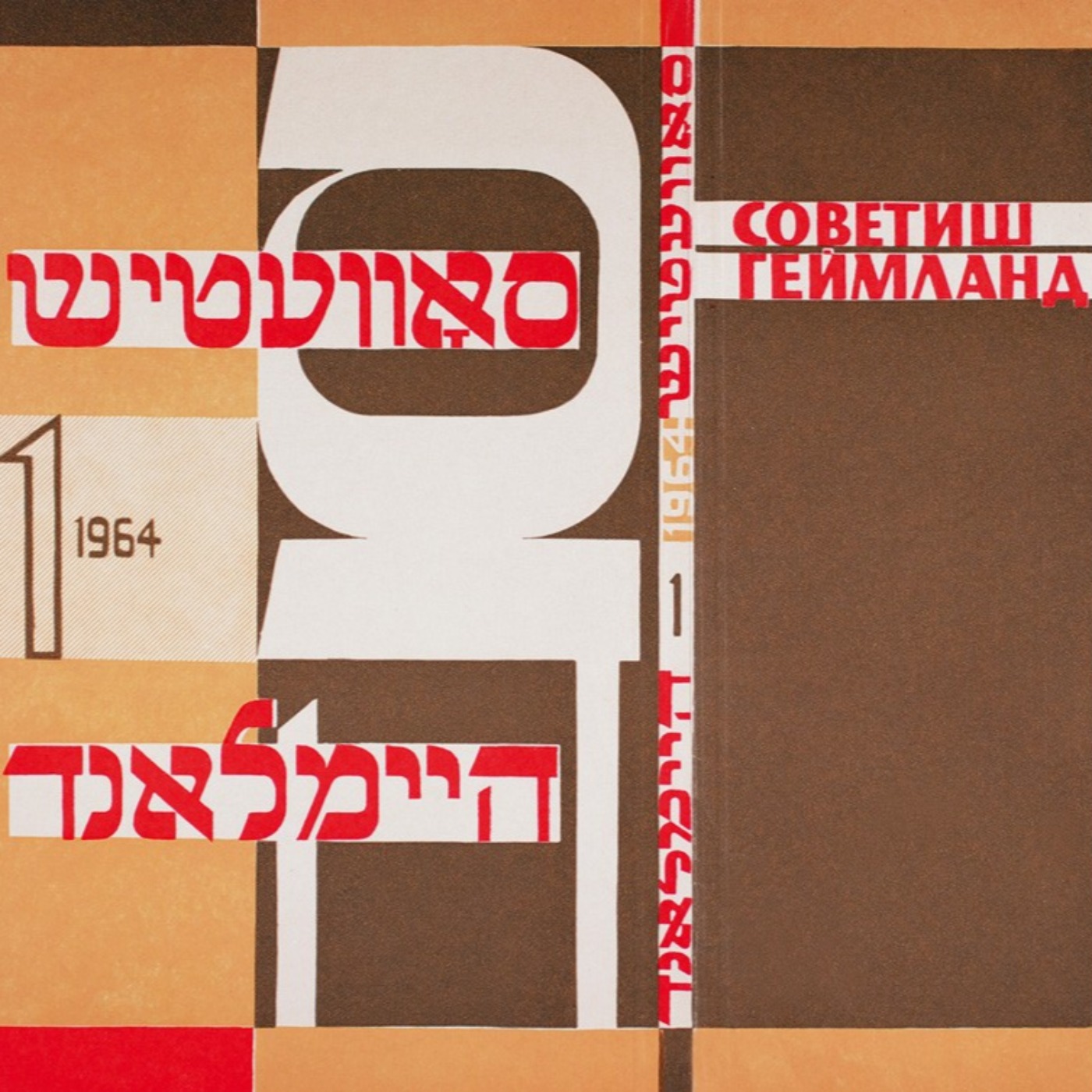 Soviet Holocaust Literature 04.06.2026 53минIt has long been assumed that there was no Holocaust memory in the Soviet Union. Official Soviet ideology lumped the 1.5 million Soviet Jews exterminated by the Nazis into the 26 million Soviet war deaths. So, the little Holocaust memory that existed was hidden away in families and communities. Recent scholarship, however, has painted a more complicated picture. Yes, official Holocaust memory was circumscribed. And, true, many privately commemorated its memory. But, as a new collection of Soviet Holocaust fiction, translated by Sasha Senderovich and Harriet Murav, shows that there was published Holocaust literature in the Soviet Union. Especially in the Yiddish language journal, Sovetish Heymland. How did Soviet authors treat the Holocaust? How did it differ from work elsewhere? And what are some of the challenges translating these works into English? To find out more, the Eurasian Knot spoke to Sasha and Harriet about their recent collection, In the Shadow of the Holocaust: Short Fiction by Jewish Writers from the Soviet Union, published by Stanford University Press.Guests:Sasha Senderovich is Associate Professor of Slavic Languages & Literatures and of International Studies at the University of Washington. He is the author of How the Soviet Jew Was Made. Harriet Murav is Center for Advanced Study Professor Emerita at the University of Illinois, Urbana-Champaign. Her most recent book is As the Dust of the Earth: The Literature of Abandonment in Revolutionary Russia and Ukraine.They are the translators of In the Shadow of the Holocaust: Short Fiction by Jewish Writers from the Soviet Union, published by Stanford University Press. Hosted on Acast. See acast.com/privacy for more information.
 -
 The Russian Paradox 27.05.2026 50минMany studies focus on how Russia doesn’t work and why. There’s a laundry list of reasons. Corruption. Autocracy. Imperialism. Exceptionalism. But, how, then, does Russia work? Because there are people, a state, and society. What greases the wheels? Alena Ledeneva has made this question the focus of her career. For her, it’s the informal networks and practices that allow the system, with all its deficiencies, to function. Her new book, Russian Pendulum, is a synthesis of her three books on informality. But instead of focusing on post-Soviet Russia, she examines the long duree of informality through the concept of paradox. For example, the Soviet paradox, “Shops are empty, but fridges are full.” Ledeneva says that this paradox contains a hidden informal relation that ameliorates shortage. She also takes a novel approach to this subject using sculpture and music to represent the paradoxes and practices of Russian everyday life. We at the Eurasian Knot wanted to know more. So we put the question to Ledeneva–How does Russia work? And what does that say about Russia’s historical development over the last few centuries? Russian Pendulum has a soundtrack: “The System Made Me Do It,” available on Spotify and elsewhere. Guest:Alena Ledeneva is Professor of Politics and Society at the University College London and a founder of the Global Informality Project. She’s the author of the trilogy: Russia's Economy of Favours (1998), How Russia Really Works (2006), Can Russia Modernize? (2013), Her new book is The Russian Pendulum: Paradoxes, Practices and Patterns published by UCL Press. Hosted on Acast. See acast.com/privacy for more information.
 -
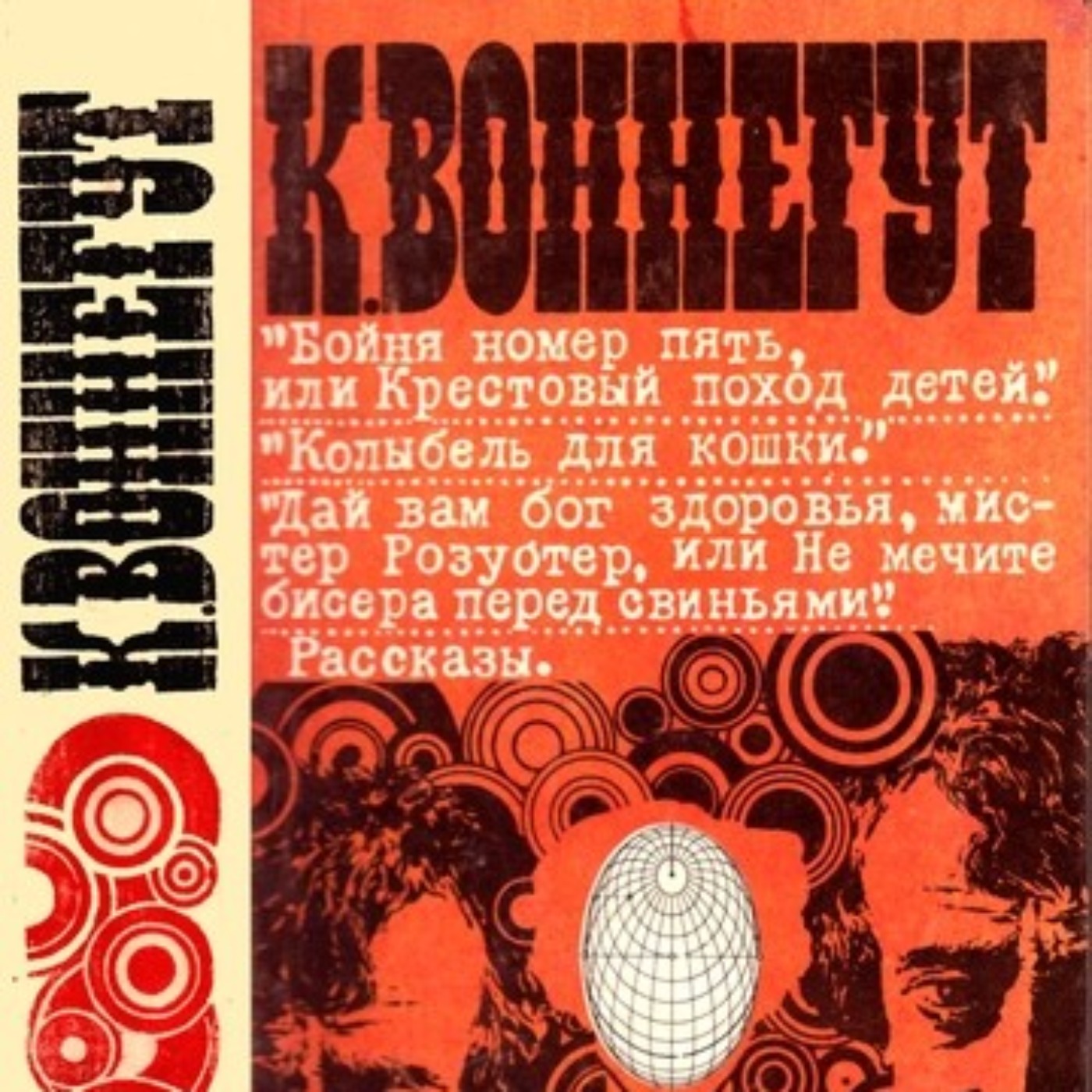 Kurt Vonnegut in the USSR 18.05.2026 51минI went through my Kurt Vonnegut phase in my late teens. I read Player Piano, Cat’s Cradle, I think, Deadeye Dick, and of course, Slaughterhouse Five. I can’t say I remember much from those novels. Nor can I recall why Vonnegut connected with me. Perhaps now is a good time to revisit them. Little did I know that Vonnegut had a large readership in the Soviet Union. His books were translated by Rita Rait-Kovaleva and published in hundreds of thousands of copies. And in late Soviet fashion they were also passed around by hand to those who couldn’t secure copies. What did Soviet readers see in Kurt Vonnegut? How did the authorities regard this so-called “Anti-American American”? And what did Vonnegut think about his Soviet fans? Sarah Phillips wondered too after she participated in a project on Vonnegut. The result is her book, Kurt Vonnegut in the USSR. Sarah reached out to us, so we booked an interview. It turns out that Vonnegut has transcultural appeal. There’s even a revival in Ukraine. But what does Vonnegut’s popularity among Soviet youth say about really existing state socialism? Tune in to find out.Guest:Sarah Phillips is professor of anthropology at Indiana University-Bloomington. She’s the author of Women's Social Activism in the New Ukraine and Disability and Mobile Citizenship in Postsocialist Ukraine, both published by Indiana University Press. Her new book is Kurt Vonnegut in the USSR published by Bloomsbury. Hosted on Acast. See acast.com/privacy for more information.
Слични подкасти


Популаран у
Овај подкаст се појављује и у подкаст листама ових земаља.


