
David Senra
Scicomm Media
0
Conversations with the greatest living founders.
Епизоде
-
 Luca Ferrari on Building Bending Spoons: Extreme Ownership, Talent Science & Relentless Simplification 13.09.2026 2ч 1минLuca Ferrari is a co-founder of Bending Spoons, the technology company he built with his partners by rethinking how software businesses should hire, operate and allocate capital. He explains why Bending Spoons aspires to build “the best company there ever was,” why it favors raw talent and drive over experience and how a centralized talent team uses testing and more than 100 signals to identify exceptional people early. Luca describes the company’s culture of extreme ownership and relentless simplification, including why employees are given more work than they can possibly complete, why teams rotate across businesses and why Bending Spoons eliminated traditional job titles. He also details the proprietary operating system and AI tools that allow small teams to run acquired products such as Evernote, why Bending Spoons buys businesses to hold and transform rather than sell and how operational excellence gives it an advantage in acquisitions. Luca closes by discussing going public, his approach to negotiation and capital allocation and why he believes logic and rationality are more reliable than blindly following data. Show notes: https://davidsenra.com/episode/luca-ferrari Made possible by Ramp: https://ramp.com Deel: https://deel.com/senra AppLovin: https://applovin.com/senra Chapters (00:00:00) Fanatical founders building enduring companies (00:01:23) Luca on building the best company there ever was (00:04:22) The origins of Bending Spoons (00:05:47) Talent and why experience is overrated (00:15:05) Turning hiring into a science (00:23:30) Why Bending Spoons doesn't use bonuses (00:29:26) Why everyone in the company has the same job (00:42:41) On finding great potential and saturating their capacity (00:49:50) Insisting on a culture of extreme ownership (00:59:28) Luca's principle of relentless simplification (01:05:15) Why Bending Spoons doesn't use job titles (01:10:27) The proprietary operating system behind Bending Spoons (01:17:07) Why Bending Spoons isn't private equity (01:19:32) How Bending Spoons acquired & transformed Evernote (01:28:01) How Bending Spoons uses AI (01:40:42) How Bending Spoons thinks about capital allocation (01:43:50) Why procrastination without laziness is good (01:46:46) Operational excellence is not optional (01:49:07) How Bending Spoons negotiates acquisitions (01:54:47) Logic over numbers Learn more about your ad choices. Visit megaphone.fm/adchoices
 -
 Mati Staniszewski on ElevenLabs, Voice AI & Building the Communication Layer for AI 09.09.2026 1ч 11минMati Staniszewski is the co-founder of ElevenLabs, an AI audio company he started in 2022 with his longtime friend Piotr Dąbkowski. He explains how a frustration with poorly dubbed content in Poland led them to build frontier speech technology, why ElevenLabs combines audio research with product deployment and how its focus on voice shapes where the company chooses to compete. Mati also describes the Palantir-inspired operating model behind ElevenLabs: small autonomous teams, a flat organization and forward deployed engineers who work directly with customers and feed what they learn back into the product. He discusses using AI to amplify human potential, helping people who have lost their voices speak again, why imperfections can make AI voices feel more human and his belief that voice will become one of the primary ways people interact with AI. After turning down multiple acquisition offers, Mati says he and Piotr are committed to building ElevenLabs independently and pursuing what they see as a rare opportunity to reshape how humans communicate with technology. Show notes: https://www.davidenra.com/mati-staniszewski Made possible by Ramp: https://ramp.com Deel: https://deel.com/senra AppLovin: https://applovin.com/senra Chapters (00:00:00) Building an AI-Native Company Before ChatGPT (00:02:59) Why ElevenLabs Started With Audio & Dubbing (00:12:37) Research + Product Deployment: How ElevenLabs Is Built (00:16:15) Focus as a Competitive Advantage (00:18:47) Building an Ecosystem Around Voice (00:22:25) The Communication Platform & Deutsche Telekom (00:28:29) Forward Deployed Engineers & Lessons From Palantir (00:33:41) Flat Organizations, Transparency & AI-Native Management (00:37:19) Small Teams & Putting Engineers Everywhere (00:43:00) Where ElevenLabs Is Growing Fastest (00:44:38) Taste, Art & Science in AI (00:48:23) Using AI to Amplify Human Potential (00:55:19) Becoming an Entrepreneur & Building With Piotr (00:56:49) Why Mati Won't Sell ElevenLabs (01:04:01) Voice as the Interface for AI (01:06:49) Turning Conferences Into a Business Tool Learn more about your ad choices. Visit megaphone.fm/adchoices
 -
 Zach Dell on Base Power, Energy Abundance & Building a Company for Life 06.09.2026 1ч 16минZach Dell is the co-founder of Base Power, an energy company on a mission to make electricity more affordable and reliable. His starting insight was that home batteries had the wrong business model. Companies sold expensive backup systems that sat idle most of the time. Base installs batteries at homes, retains ownership and operates them as a fleet: charging when electricity is cheap, discharging when it is expensive and providing backup when the grid goes down. The homeowner gets lower electricity bills and backup power. Base gets an asset it can put to work every day. Dell explains why batteries can make the existing grid more efficient, why installing them where people consume electricity helps overcome infrastructure bottlenecks and how Base serves both homeowners and utilities. His strategy is to build a compounding cost advantage through vertical integration and technology. That now includes Base Core, a battery designed and manufactured by the company, and a longer-term ambition to help meet the growing power demands of AI. Dell grew up watching his father, Michael Dell, build a company and knew from childhood that he wanted to become an entrepreneur. After several early ventures failed, he went into investing to study what makes a great business. He describes the “Dad Terminal”—ongoing conversations with his father about strategy, operations and the problems in front of them—and the lessons Base has adopted from former SpaceX employees. Engineers and manufacturing teams work close together, and the entire company organizes around a few clearly defined goals. He also explains the operating habits behind Base: monthly written updates, visible performance dashboards and a physical turtle placed on the desk of the person responsible for resolving a critical bottleneck. He keeps separate notebooks for working in the business and working on it, setting aside time each night to think on paper without distractions. He discusses building a beloved brand in energy, why his co-founder conversations focus on what is going wrong and why Base is his last company. His ambition is a lifelong effort to make, move, store and sell electricity more affordably and reliably. Show notes: https://www.davidsenra.com/zach-dell Made possible by Ramp: https://ramp.com AppLovin: https://applovin.com/senra Deel: https://deel.com/senra Chapters (00:00:00) Energy Abundance & the Power Demands of AI (00:06:15) How Batteries Make the Grid More Efficient (00:09:09) Early Ventures & the Insight Behind Base (00:15:34) We Don't Sell Batteries. We Sell Electricity. (00:22:25) How Base Works With Utilities & Competes for Customers (00:30:44) Learning From Michael Dell: The "Dad Terminal" (00:32:22) Vertical Integration & Lessons From SpaceX (00:39:34) Writing Clearly & Making Time to Think (00:44:53) North Stars, Turtles & Relentless Execution (00:53:55) Learning From Great Founders & Building a Beloved Brand (00:56:27) What's Your Constraint? (01:06:26) Base Core & Taking Control of Manufacturing (01:11:02) A Lifelong Mission & the Last Company He'll Build Learn more about your ad choices. Visit megaphone.fm/adchoices
 -
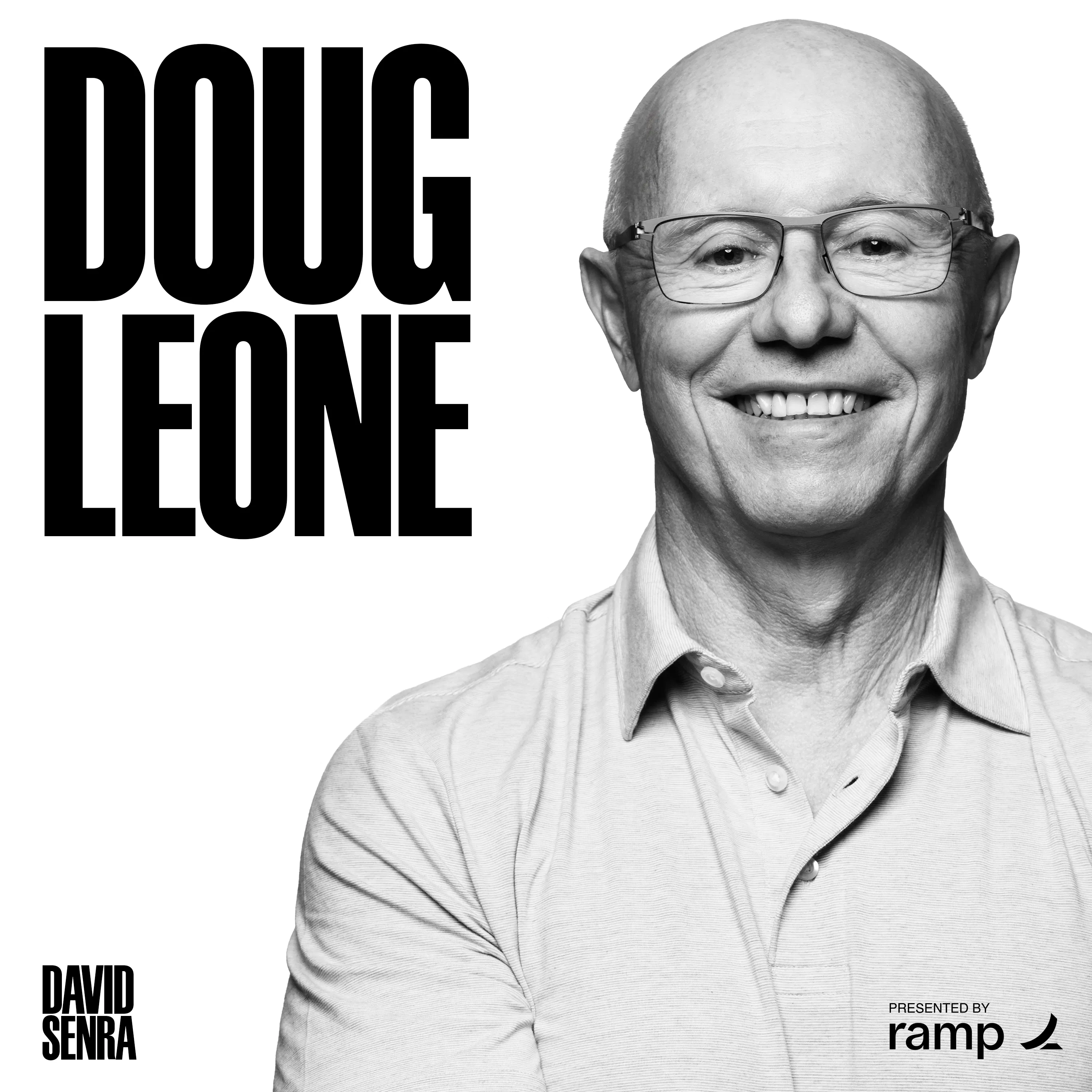 Doug Leone on Sequoia, Fear, Great Founders & Starting Over at 69 30.08.2026 1ч 22минDoug Leone spent 26 years helping lead Sequoia Capital through successive eras of technological change. Born in Italy, he came to the United States without speaking English and carried the insecurity of an outsider into his career. That fear became fuel: whenever he felt himself falling behind, he forced himself to start over. After stepping down from Sequoia at 65 to make room for the next generation, he returned four years later. Now he considers himself a low-level analyst again, racing to understand an AI revolution that he believes is rewriting business more radically than anything he has seen before. Leone explains the three questions he asks before making an investment: Would he put his children's money into it? If he could make only 20 investments in his life, would this be one of them? Could it return the entire fund? He is interested only in extreme outliers—companies capable of returning 100 times the original investment—and says the biggest mistake venture investors make is selling their winners too early. Sequoia once owned enormous stakes in Apple, Cisco, Google and NVIDIA, but even the greatest investors failed to anticipate how long exceptional companies could continue compounding. His role as an investor is not to shape a founder's technology. It is to help turn a product into a business: recruiting the first team, building sales and marketing, navigating crucible moments and preserving the founder as the soul of the company. He describes backing David Vélez before Nubank existed, what Fred Luddy's unusual ServiceNow pitch revealed about him and why Sequoia looks for the same qualities in founders and its own partners: a hypercompetitive person with a heart of gold. Leone also discusses trust as the accelerant that makes business move quickly. Trust requires both competence and good intentions, and it is earned by helping founders when they are most vulnerable. He explains why founders should architect their boards as carefully as their products, why productive disagreement is different from argument and how to deliver difficult feedback so it can actually be heard. He closes with lessons from his longtime partner Michael Moritz: listen to the exact words people choose, put the other person first and always ask what a company could become if everything goes right. Show notes: https://www.davidsenra.com/episode/doug-leone Made possible by Ramp: https://ramp.com AppLovin: https://applovin.com/senra Deel: https://deel.com/senra Chapters (00:00:00) How to Dominate for Decades (00:03:17) Turning Fear Into a Tailwind (00:05:40) Immigrant Drive, Hard Work & the Beach Club (00:12:19) Simplifying Life & Choosing Discomfort (00:14:37) The Homeless Sequoia Partner With No Plan B (00:16:49) Stepping Down, Coming Back & Starting Over (00:20:04) Why AI Is Different From Every Previous Technology Shift (00:22:13) Doug's Three Investment Heuristics (00:23:52) The Cost of Selling Great Companies Too Early (00:25:39) Helping Founders Turn Products Into Businesses (00:28:28) David Vélez, Nubank & the Psychology of Founder Support (00:32:25) Why Founders Must Remain the Soul of the Company (00:36:13) Torturing Yourself Into Greatness (00:39:57) Don Valentine, Succession & the Sequoia School of Hard Knocks (00:44:28) Staying Grounded & Developing a Sniffer for People (00:47:46) Hypercompetitive With a Heart of Gold (00:50:13) Fred Luddy, Israeli Founders & Radical Directness (00:52:28) Trust Is the Accelerant of Business (00:59:57) Starting From Zero & Hunting for the Next Great Founder (01:05:59) Architect Your Board Like Your Product (01:10:24) Truth, Disagreement & the Art of Difficult Feedback (01:13:43) Humanity, Introversion & the Value of Relationships (01:18:18) What Doug Learned From Michael Moritz Learn more about your ad choices. Visit megaphone.fm/adchoices
 -
 Building Defense Technologies to Protect Democracies | Torsten Reil, Helsing 26.08.2026 1ч 23минTorsten Reil has spent his career working at the intersection of artificial intelligence, simulation and entrepreneurship. He began as a biologist studying neural networks and complex systems before founding NaturalMotion, whose technology was used in films including Lord of the Rings, Troy and Harry Potter and later in games including Grand Theft Auto and Red Dead Redemption. After building and selling NaturalMotion, he eventually returned to entrepreneurship to co-found Helsing, a European defense technology company focused on artificial intelligence and autonomous systems. Reil believes warfare is undergoing a fundamental shift from humans operating expensive weapons systems toward what he calls autonomous mass: large numbers of AI-controlled machines operating together. He explains why drones are making tanks, artillery and eventually crewed fighter jets increasingly vulnerable; how AI can navigate without GPS in jammed environments; and why Helsing developed Centaur, an AI fighter pilot that has controlled a real Saab Gripen in air combat against a human-operated aircraft. That work led Helsing to begin building its own autonomous fighter jet, the CA1 Europa. The underlying strategy is to combine simpler, mass-manufacturable hardware with increasingly capable software. Reil argues that future conflicts will become battles of materiel, making manufacturing capacity as important as technological sophistication. Helsing's HX-2 strike drone was redesigned to scale from dozens of units per month to a baseline of 1,000, with the ability to surge to 3,000. He also explains Helsing's concept of distributed “resilience factories,” which allow countries to manufacture systems domestically while reducing their dependence on vulnerable centralized production facilities. Reil also describes how he runs Helsing and why he considers talent density the most important ingredient in company performance and culture. The company closely monitors recruiting, conducts quarterly performance calibration and makes an unusually large investment in finding and retaining exceptional people. He discusses Helsing's values of “whatever it takes” and “the truth is in the field,” why founders should pursue ambitions large enough to matter, and why he believes commentary has little value compared with actually building something that changes the world. Show notes: https://www.davidsenra.com/episode/torsten-reil Made possible by Ramp: https://ramp.com AppLovin: https://applovin.com Deel: https://deel.com/senra Chapters (00:00:00) Drones, Tanks & the Future of Warfare (00:07:08) Why Torsten Founded Helsing (00:09:27) Founder Conviction & Betting on European Defense (00:19:19) Helsing's Mission: Protecting Democracies (00:23:38) Programs of Record & Winning the Eurofighter Contract (00:28:35) Building a Superhuman AI Fighter Pilot (00:36:14) Deterrence, Autonomous Weapons & the Morality of Defense (00:42:11) Mass Manufacturing, Software & the Future of Materiel (00:48:33) Airbase Vulnerability, Procurement & Scaling Strike Drones (00:52:46) Talent Density, Hiring & Performance Management (00:59:44) How Torsten Hires Exceptional People (01:05:27) Helsing's Culture: Whatever It Takes & Truth Is in the Field (01:07:38) Deploying in Ukraine & the Weight of Defense Technology (01:10:50) NaturalMotion, Gaming & Torsten's Path Into AI (01:18:33) Outsiders, First Principles & Ambitious North Stars (01:20:54) Why Commentary Is Worthless & Founders Should Build Learn more about your ad choices. Visit megaphone.fm/adchoices
 -
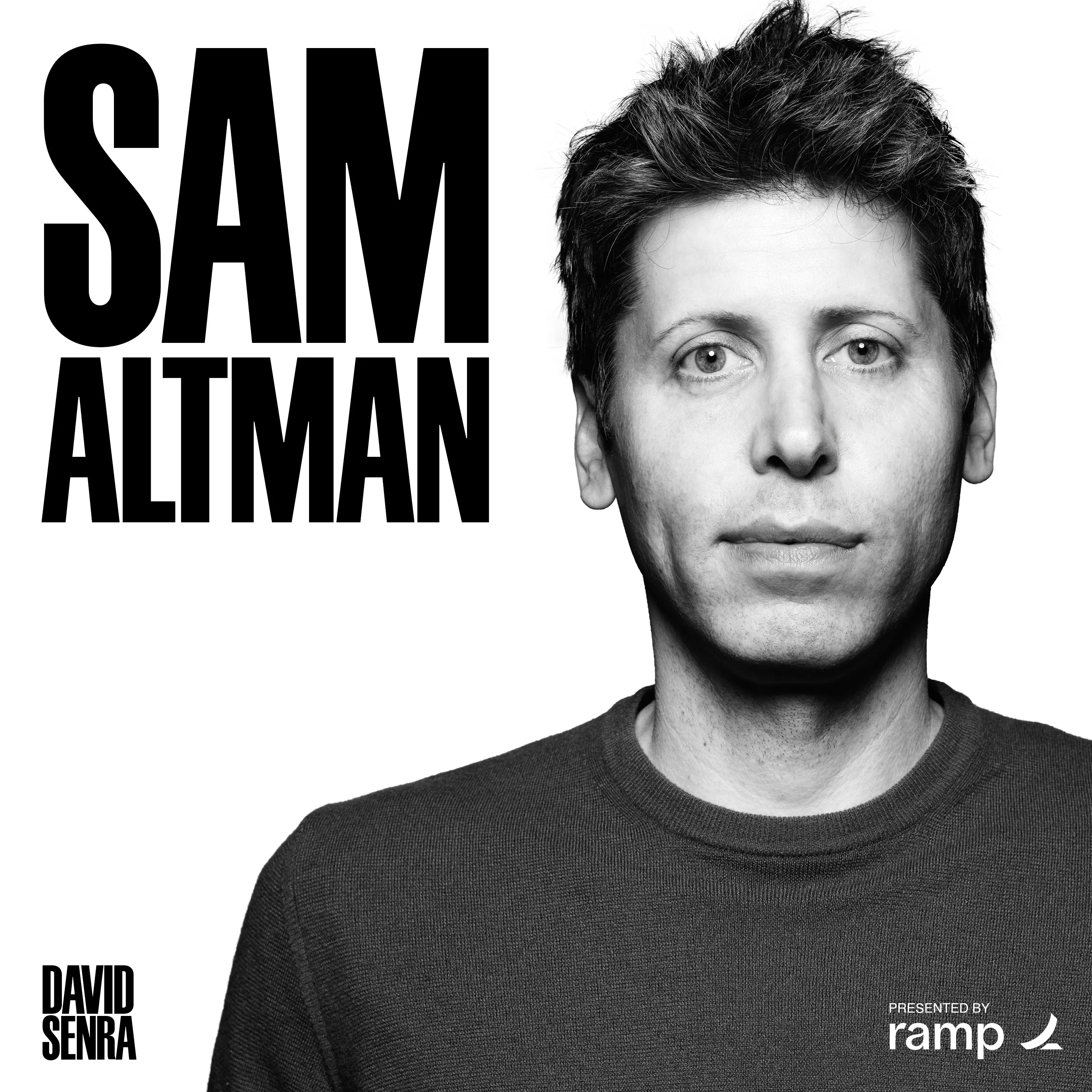 Sam Altman on Building OpenAI & Betting on the Impossible 23.08.2026 1ч 18минSam Altman has spent his career at the intersection of startups, investing and artificial intelligence. He says he was fascinated by AI as a child in St. Louis, studied it in college and eventually helped start OpenAI in 2015 after concluding that the most important opportunities often begin as non-consensus bets. His experience investing in startups taught him to look for power laws, back unconventional talent and recognize the decisions that can change a company’s trajectory. At OpenAI, Altman says most of his effort goes toward research and compute. Scaling compute requires coordinating chips, fabrication plants, data centers, power systems, finance, policy, supply chains and logistics—what he describes as potentially the most expensive infrastructure project in history. He argues OpenAI should function primarily as a platform: one direct interface to powerful AI and one application programming interface that lets people build on top of it. That strategy requires killing good ideas to preserve resources for the great ones. Altman expects AI capabilities to advance faster than society and the economy can absorb them. Human habits and institutional inertia will slow the transition, which he believes may make it smoother. He also expects human connection to become more valuable and AI to enable a major increase in small-business formation. His central concern is that AI should expand human agency rather than concentrate power in a small number of companies, people or models. He also explains how Y Combinator shaped OpenAI’s operating philosophy: make non-consensus bets, put technical people in charge, ship early, learn from reality and iterate. Yet OpenAI required breaking the classic startup playbook. The organization spent four and a half years without launching a product and had to invent ways to measure research progress without customer feedback. On its first day, roughly a dozen people gathered in Greg Brockman’s apartment and quickly realized they did not know what to do next. Years of what Altman calls “chaotic stumbling” eventually produced the research path that led to GPT. Show notes: https://www.davidsenra.com/episode/sam-altman Made possible by Ramp: https://ramp.com AppLovin: https://applovin.com/senra Deel: https://deel.com/senra Chapters (00:00:00) Tobi Lütke, AI-Native Companies & Why Adoption Moves Slowly (00:05:45) Sam's Own Resistance to AI & the Missing iPhone Moment (00:10:00) Models, Compute, Power Laws & Non-Consensus Talent (00:18:37) From AI-Obsessed Kid to Founder, Investor & Back Again (00:23:19) Impossible Problems, Scientific Discovery & Human Connection (00:30:16) AI's Two Biggest Risks: Loss of Control & Centralized Power (00:33:09) Iterative Deployment, AI Safety & Learning From Reality (00:40:27) Why People Fear AI & the Coming Small-Business Boom (00:46:13) Context, Memory & the Next Way We Will Work With AI (00:49:17) OpenAI's Platform Strategy & Killing Good Ideas (00:53:20) Peter Thiel, Paul Graham & the Value of Nonlinear Thinkers (01:00:42) How Y Combinator Changed Startups & Shaped OpenAI (01:04:03) Learning More From Success & the Power of Repetition (01:09:45) Building OpenAI Without Customers, a Product or a Playbook (01:15:57) Letters to His Son & Preserving the Story Learn more about your ad choices. Visit megaphone.fm/adchoices
 -
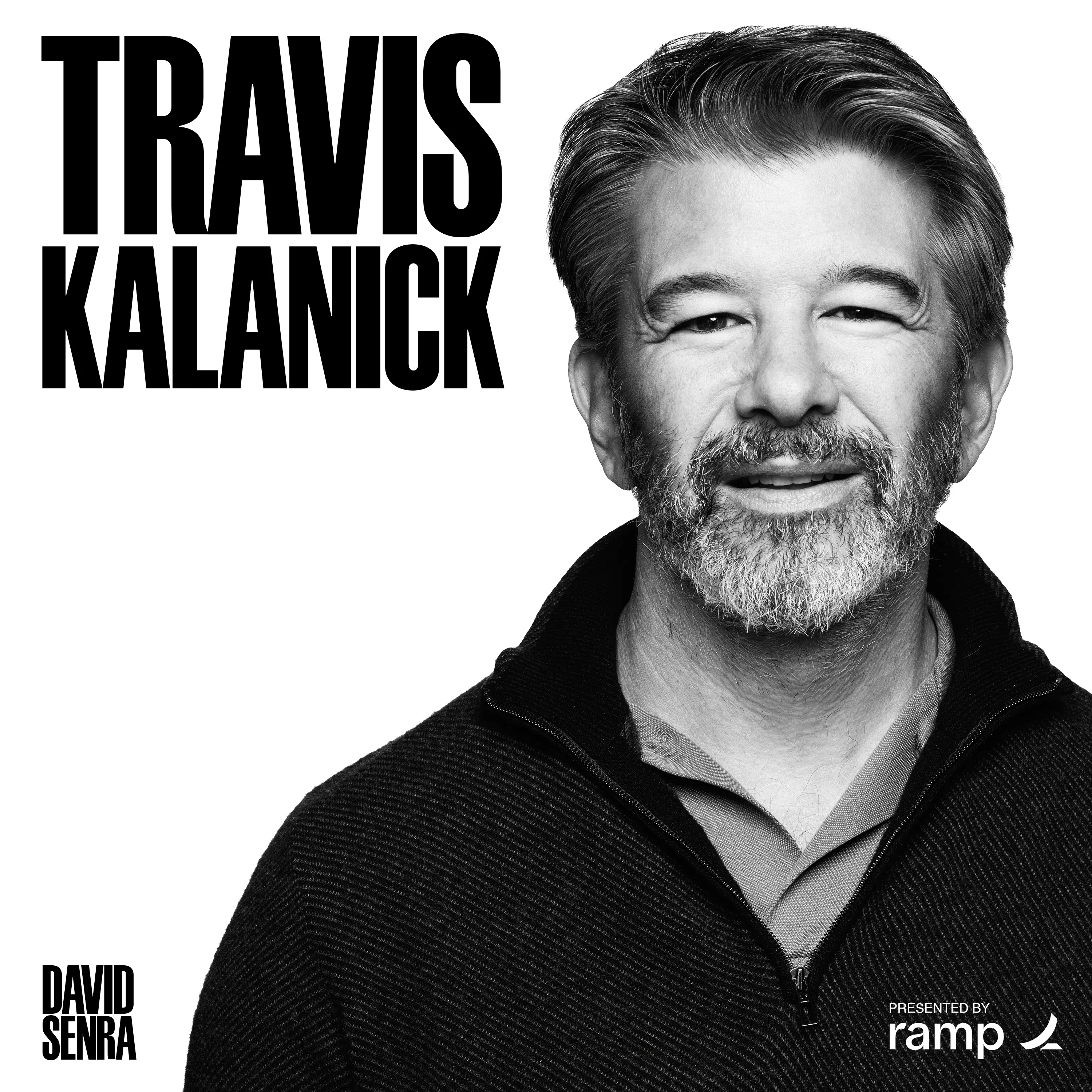 Travis Kalanick, Founder of Uber & Atoms 16.08.2026 1ч 48минTravis Kalanick is best known for co-founding Uber and building it into one of the world’s largest transportation platforms. Before Uber, he spent years building Red Swoosh under extreme financial pressure. He says he took no salary for its first four years, repeatedly ran out of money and lost much of his social life to the company before eventually selling it. He later invested much of the proceeds in friends’ startups, becoming the first investor in Expensify. Kalanick started Uber at 33 and carried the intensity of those earlier years into the company. He describes operating with “precision, perfection and obsession” and continued running Uber with the mentality of someone worried about making the next grocery bill even after the company had reached a valuation of roughly $70 billion. Under his leadership, Uber expanded rapidly across cities and countries, creating a new category of app-based transportation and challenging the entrenched taxi systems that controlled many local markets. Uber’s growth depended on empowering young operators to build markets from scratch while maintaining tight control over the decisions that mattered most. Kalanick personally participated in the pricing process for the company’s first 20 to 30 cities, using each launch to refine a playbook that could eventually operate without him. He describes this management philosophy as finding the line between order and chaos: using the fewest possible rules while preserving the structure required to move quickly at scale. After leaving Uber, he returned to company building within months. His current company, Atoms, is developing artificial intelligence and specialized robotics for industries including food, mining and transportation. Kalanick describes his role as “problem solver in chief,” focusing on the most consequential problems that are not already being solved and pursuing what he considers his broader calling: digitizing the physical world. Show notes: https://www.davidsenra.com/episode/travis-kalanick Made possible by Ramp: https://ramp.com AppLovin: https://applovin.com/senra Deel: https://deel.com/senra Chapters (00:00:00) Building Atoms & the Meta Problem of Management (00:03:51) The Appeal of Impossible Problems: Starting Over in China (00:12:19) Uber vs. Didi: Copycats, Hypergrowth & China's Rules (00:21:02) How Network Effects Become an Efficiency Fortress (00:31:48) Capitalism vs. the Taxi Cartel (00:44:05) The China War Goes Global & the Entrepreneur's Capacity for Pain (00:54:04) Life After Uber: Lawfare, Media Narratives & Reputation (00:58:21) What Founders Get Wrong About Venture Capital (01:08:35) The Fundraising Playbook: QED Storytelling & a Five-Room Auction (01:18:38) The Uber Coup, Radical Accountability & Outgrowing Fear (01:26:42) Why Specialized Robots Beat Humanoids at Industrial Scale (01:31:30) Finding Your Sport: Food, Mining & the Physical AI Stack (01:40:14) How to Build Many Companies Inside One Company (01:46:33) Entropy, Civilization & the Meaning of Progress Learn more about your ad choices. Visit megaphone.fm/adchoices
 -
 Lulu Cheng Meservey, Founder of Rostra 12.08.2026 1ч 17минLulu Cheng Meservey is the founder of Rostra and one of the world's most trusted communication strategists, supporting companies such as Anduril, Shopify, Cognition, and Coinbase. In 2016, she co-founded TrailRunner International with Jim Wilkinson, who had just run corporate affairs for Alibaba's record IPO. She had never done comms in her life. One of her first clients was Anduril, in the company's first year, when Palmer Luckey had just been pushed out of Facebook, and no reporter would give him a fair hearing. So they stopped asking. They went to Quantico, to Camp Pendleton, to the CIA, and showed people the technology directly. She left to run communications at Substack, then joined the board of Activision Blizzard—and in October 2022 stepped off the board and into the company as chief communications officer. Microsoft's $69 billion acquisition was under attack from the FTC. She fought back in public, under her own name, which almost no executive in a deal that size is willing to do. It closed in October 2023. In March 2024, she started her own firm, Rostra, and published Go Direct: The Manifesto. The first project out the door was Cognition's launch of Devin, the first AI software engineer. Shopify put her on its board that June. In December 2025, she raised a $40 million fund to back founders she believes in. She takes about a dozen clients at a time and has a waiting list of hundreds. She named the firm after the Rostra, the speaker's platform in Rome, where a man could climb up while the city believed one thing and step down after it believed another. Show notes: https://www.davidsenra.com/episode/lulu-cheng-meservey Made possible by Ramp: https://ramp.com Deel: https://deel.com/senra AppLovin: https://applovin.com/senra Chapters (00:00:00) From China to America (00:02:08) Learning to Read the Room (00:06:18) Building a Movement (00:07:30) Learning Comms by Doing (00:10:50) Anduril as an Insurgent (00:15:07) The Power of a Manifesto (00:18:47) Go Direct (00:26:45) Conviction Over Charisma (00:31:30) Why Rostra Exists (00:33:23) How AI Leaders Lose Trust (00:40:40) Tell a Better Story (00:47:55) Do Things That Can't Be Faked (00:50:55) The Return to Beauty (00:57:11) Originality Over Templates (01:04:02) Do What Only You Can Do (01:07:14) The Jetsons Rule (01:10:41) Trust Yourself (01:12:29) Why Humans Crave Stories Learn more about your ad choices. Visit megaphone.fm/adchoices
 -
 Michael Ovitz, Co-founder of CAA 09.08.2026 1ч 6минMichael Ovitz is the co-founder of Creative Artists Agency (CAA), one of the most powerful and influential talent agencies in Hollywood history, built on a revolutionary approach to representation that fundamentally transformed the entertainment industry. He is an entertainment executive and dealmaker widely regarded as one of the most formidable operators in Hollywood. During his time leading CAA, Ovitz represented virtually every major star, including Tom Cruise, Robert De Niro, Meryl Streep, Steven Spielberg, David Letterman, Barbra Streisand and many more. Starting as a mailroom trainee in the 1960s and reshaping the power dynamics of the entire industry by the 1980s, he became known for his relentless strategic thinking, his creation of the "packaging" model that bundled talent for studios, and his ability to orchestrate deals of unprecedented scale and complexity. He built a reputation in entertainment circles through his fierce intelligence, relentless work ethic and his ability to build CAA into what many called "the most powerful company in Hollywood." His major accomplishments include co-founding CAA in 1975 in an audacious break from the establishment, pioneering the packaging system that gave agents unprecedented leverage over studios, orchestrating landmark deals including the sale of Columbia Pictures to Sony, serving as President of The Walt Disney Company and building CAA into a multi-billion dollar enterprise that expanded far beyond traditional talent representation into sports, consulting and global entertainment infrastructure. This is Michael's second time on the podcast. Watch the first episode. Show notes: https://www.davidsenra.com/episode/michael-ovitz-2 Made possible by Ramp: https://ramp.com Deel: https://deel.com/senra AppLovin: https://applovin.com/senra Chapters (00:00:00) Why Michael Ovitz Is Busier Than Ever (00:04:27) Why This Era Is More Exciting Than Hollywood's Golden Age (00:08:45) The Fundamentals of Building Enduring Businesses (00:12:06) How Ovitz Chooses What Deserves His Time (00:14:28) Why Ovitz Refuses to Be Typecast (00:19:43) Japan, Trust & Playing the Long Game (00:20:44) Phil Knight, Nike & the College Football Playoff (00:25:59) Competition, Work Ethic & Winning Without Ego (00:31:33) How Ovitz Outworked 200 Rival Agencies (00:37:51) Protecting the Vision: Scorsese, Rain Man & Great Founders (00:40:37) Josh Kushner & Guarding the Company's Soul (00:43:47) Steve Jobs, Pixar & Building a Culture of Ideas (00:47:20) "He Won, We Lost. Next Case." (00:49:21) Bill Ackman, Universal Music Group & the Future of Music (00:53:08) AI, Music & the Future of Entertainment (00:59:13) Jurassic Park, Spielberg & Using New Technology Well (01:01:10) Why Great Creators Study the Past Learn more about your ad choices. Visit megaphone.fm/adchoices
 -
 Lessons From Backing The Best Founders In Fintech | Micky Malka 02.08.2026 1ч 16минMicky Malka is the founder of Ribbit Capital and helped create Node, which he describes as the first digital art studio designed for digital artists. He calls himself “an entrepreneur at heart and an investor by design”—a deliberately broad description that allows him to resist labels, which is precisely the point. The one label he wants on his tombstone: “He was a rebel.” In his mid-20s, Malka and his partners put all the proceeds from their first dot-com exit into starting Lemon Bank in Brazil. He says they nearly lost everything when the economy failed to take off. At its peak Lemon Bank operated roughly 7,000 locations and served 50 million customers while targeting Brazil’s large unbanked population. He later sold it to Brazil’s largest bank. Years later, after meeting Walmart CEO Doug McMillon in 2019, Malka proposed that Walmart and Ribbit build a better financial-services business together. That effort became OnePay, which now provides payments, debit, credit and lending products across Walmart’s ecosystem. At Ribbit, decisions are made as a group, no single partner is assigned to a company, and the team shares calendars, inboxes and emails. Malka confirms that Ribbit is his sixth company and says he intends to keep building it indefinitely. As he puts it, “The best entrepreneurs never have to sell their company.” Show notes: https://www.davidsenra.com/episode/micky-malka Made possible by Ramp: https://ramp.com Deel: https://deel.com/senra AppLovin: https://applovin.com/senra Chapters (00:00:00) Why Micky Malka Refuses to Be Labeled (00:03:00) Writing Your Way to Conviction (00:05:41) Buying Berkshire at 13 and Learning Buffett's Operating System (00:11:48) Token Factories, AI Bankers, and the Future of Money (00:18:38) The Infinite Game: Why It's Better to Be Behind (00:22:09) Gen Z Founders and the Chaordic Company (00:29:00) Why Young Founders Want to Build Atoms, Not Just Bits (00:34:29) Bringing Beauty and Taste Back to Technology (00:36:56) Revolut, Founder DNA, and Earning Deep Trust (00:45:54) Building OnePay With Walmart (00:50:53) From Lemon Bank to OnePay: A 20-Year Idea (00:56:00) Compounding Trust and Protecting Your Reputation (01:00:30) Node and the Rebel Case for Digital Art (01:07:34) What It Means to Live as a Rebel (01:10:50) Why Ribbit Is Built Like a Startup (01:14:41) Charlie Munger and the Power of Time Learn more about your ad choices. Visit megaphone.fm/adchoices
 -
 DHH: How to Build a Profitable Company Without Losing Control 26.07.2026 1ч 41минDavid Heinemeier Hansson (DHH) is the creator of Ruby on Rails and the co-founder of 37signals, the company behind Basecamp, HEY, and ONCE. He has spent 25 years building a software business around one condition: no one gets to tell him what to do. Jason Fried hired him as a contractor out of Copenhagen for $15 an hour. He built the first version of Basecamp with just 10 hours a week — 380 hours in total — and still credits the shortage of time for how good it turned out. He does not trust himself with unlimited resources. Nobody should, he argues. Give a team too much money and too many people and it will build a blob. Forty-some venture firms came calling in 2005. The only investor 37signals ever said yes to was Jeff Bezos, who accepted a term sheet priced so absurdly high they were certain he would walk. They have been sending him dividend checks ever since. Basecamp has been rewritten three times, and the original 2004 version — discontinued in 2010 — still runs and still makes millions in profit. His marketing strategy, borrowed from Kathy Sierra, hasn't changed in two decades: you can't outspend the giants, but you can out-teach them. His product test hasn't either. He builds the thing he wants for himself, and once he'd rather use it than anything else available, he assumes he isn't alone. That's how Ruby on Rails started. It's how Omarchy started too — the Linux distribution he’s spent thousands of hours making and gives away. No investors. No board. And now, with Omarchy, no customers. He calls that last step a retirement from capitalism: still making things, still sharing them, with nobody holding a claim on his time. Show notes: https://www.davidsenra.com/episode/david-heinemeier-hansson Made possible by Ramp: https://ramp.com AppLovin: https://applovin.com/senra HubSpot: https://hubspot.com/startups Deel: https://deel.com/senra Chapters (00:00:00) Cutting Rework From 50,000 Words To 25,000 (00:02:54) Basecamp Was Built In 380 Hours (00:06:46) Unlimited Resources Build A Blob (00:10:22) Terminator Beats Avatar By A 1000x (00:15:24) The Printer DHH Never Wants To Upgrade (00:17:31) Millions In Profit From 16 Year-Old Software (00:20:10) The Beauty Of A Finished Product (00:22:54) I Would Quit Before Working In An Office (00:25:41) Four Uninterrupted Hours Or The Day Is Lost (00:31:21) Tobi Lütke Saw The AI Future First (00:38:51) Apple Pissed Him Off Enough To Switch (00:42:47) The 19 Year-Old Who Beat Apple (00:47:16) If Nobody Else Will Build It, I Will (00:52:02) The Need For Control, Independence, And Freedom (00:53:44) Chef's Choice, Not A Construction-Kit Burger (00:56:50) A New Computer Ready In 2 Minutes (01:00:33) A Cheaper Mac Will Never Win (01:02:27) The Best Ideas Sound Stupid At First (01:03:47) Out-Teach Your Competition (01:06:57) The Algorithms Broke Reciprocity (01:10:53) No Investors Is Freedom. No Customers Is Transcendence. (01:13:25) No One Gets To Tell Me What To Do (01:16:49) Your Moral Obligation To Buy A Ferrari (01:23:19) Costs Are The Only Thing You Control (01:26:49) Bezos Paid For The Promise (01:30:17) The Confidence To Say No To Everyone (01:32:59) The Day A Third Of The Company Left (01:36:49) Marc Andreessen Came To Help Learn more about your ad choices. Visit megaphone.fm/adchoices
 -
 The Restaurant Genius Behind Carbone, ZZ’s, Torrisi & More | Jeff Zalaznick 19.07.2026 1ч 47минJeff Zalaznick is co-founder of Major Food Group, the hospitality company behind Carbone, ZZ's, Torrisi, The Grill, and The Pool. He has opened 77 restaurants and bars and 76 are still operating and profitable. He is now building Major Food Group into a fully vertically integrated hospitality company spanning restaurants, private members' clubs, hotels, and branded residential towers. Zalaznick was obsessed with food from childhood, watching cooking shows on PBS while other kids watched cartoons and memorizing the Zagat guide. His first job out of college was as an investment banking analyst at J.P. Morgan, but he knew it wasn’t his dream. He walked out on his birthday, talked his way into any job at the newly opened Mandarin Oriental, built a restaurant website, and eventually partnered with restaurateur Joe Bastianich to get a front-row seat to the business. Watching Joe work, he realized: "I can do this, and I can do it my way." He quickly sold his companies and set out to open his own restaurant. The idea was Carbone — elevated Italian-American food built on a simple thesis: take something everyone already loves and make the best version of it ever done. He found his partners, Mario Carbone and Rich Torrisi, and opened Carbone in March of 2013. It’s now one of the most recognizable restaurant brands and sought-after reservations in the world. From there, they’d go on to launch Major Food Group, and the success has continued. Show notes: https://www.davidsenra.com/episode/jeff-zalaznick Made possible by Ramp: https://ramp.com AppLovin: https://applovin.com/senra Deel: https://deel.com/senra HubSpot: https://hubspot.com/startups Chapters (00:00:00) Seventy-Seven Restaurants, Seventy-Six Still Winning (00:03:16) The First American Menu Written In English (00:04:41) JFK's Cream Of Asparagus (00:09:49) Fifty Years Of Smoke, Forty Million To Restore (00:13:32) One Text: "Four Seasons?" (00:16:17) Always Bet On Who Wants It Most (00:19:13) Kill Lunch To Own Dinner (00:24:00) The Only Thing That Matters Is If They Come Back (00:29:37) Going Viral Isn't The Same As Being Good (00:36:39) Watching Cooking Shows Instead Of Cartoons (00:41:47) The Men At The Top Were Miserable (00:43:21) Walking Into The Mandarin To Beg For Any Job (00:49:40) A Front-Row Seat To His Hero (00:53:06) Belief Comes Before Ability (00:55:35) Burning The Boats (00:57:31) Marry The Chef, Don't Hire Him (00:59:25) The Best Version Of Something You Already Love (01:03:56) The Hail Mary Call At Ten O'Clock (01:08:29) "A Piacere" — Whatever You Want (01:13:24) The Broken Neon Sign That Became An Icon (01:18:17) Go With Whatever Feels Natural (01:22:27) A Ten-Dollar Jar Of The Restaurant (01:24:15) Your Mediocrity Is My Opportunity (01:27:34) Netflix With A Restaurant (01:32:11) The Club Where The Food Comes First (01:37:07) Miami Was New Year's Eve Every Night (01:40:45) Carbone Miami In 100 Days (01:46:08) The Greatest Beach Club In America Learn more about your ad choices. Visit megaphone.fm/adchoices
 -
 Eric Glyman, Co-founder of Ramp 12.07.2026 58минEric Glyman is the co-founder and co-CEO of Ramp, the financial-infrastructure platform valued at $44 billion used by over 70,000 businesses to run payments, expenses and accounting from a single place. Glyman grew up in Las Vegas and studied at Harvard, where he met his eventual co-founder, Karim Atiyeh. In 2014 the two started Paribus, a price-tracking app born from Glyman's frustration after missing an airfare price drop — the software automatically caught retroactive discounts and filed refunds on customers' behalf. Capital One acquired Paribus in 2016, and Glyman and Atiyeh stayed on for roughly three years running the business inside the bank. That experience showed Glyman something he found strange: card companies made money by convincing customers that points and rewards were valuable, then quietly devaluing them. In 2019 he, Atiyeh, and longtime friend Gene Lee left to build Ramp on the opposite premise — instead of pushing businesses to spend more for rewards, help them spend less and waste less time doing it. Every product decision gets run through what Glyman calls a version of "Elon's algorithm": question the requirement, simplify, then automate. Ramp tracks its own success obsessively — a running "scoreboard" of dollars and hours saved for customers, displayed on office walls and posted in Slack. Glyman now sees the company's real competitors not as other fintechs but as AI labs, since Ramp is ultimately selling automated knowledge work, not money movement. He frames the company’s mission as: build something that saves people time and money, and let the business follow — freeing entrepreneurs and finance teams from rote work so they can focus on what actually matters to their companies. Chapters (00:00:00) Smarter Financial Infrastructure To Run Your Business (00:04:01) The North Star Is Time And Money (00:10:15) A Determined Generalist Can Now Do More Than Ever (00:11:58) I'm The Best Doctor I've Ever Been (00:13:20) The Tower Of Babel Inside Big Companies (00:16:00) The Kid Who Paid For College On Minecraft (00:19:10) Everyone Is The Hero Of Their Own Story (00:22:31) You Don't Get There In A Hundred Hours (00:23:52) Buffett And Munger Stopped Needing To Call Each Other (00:25:03) The Damage Of Letting People Free-Ride (00:27:40) Consumer-Grade Design In B2B Software (00:28:34) The Breville Toaster And The Bit-More Button (00:31:47) We Win When Our Customers Win (00:35:18) Put The Scoreboard On The Wall (00:37:07) A Company Is Just A Fiction With A Common Purpose (00:38:19) Focus On The Things That Don't Change (00:40:02) Is This Time Actually Different (00:40:50) Air Conditioning Made Las Vegas, Not Fortunes (00:43:52) 1% Of US GDP Will Be Token Spend (00:45:28) A Six-Month Lag To A Model A Hundred Times Cheaper (00:46:46) Agents Negotiating With Agents To Buy Things (00:49:22) Making Sure The Highest-Return Dollar Gets The Dollar (00:51:17) The Dream Of Being At The Table That Matters (00:54:14) Why The Labs Are Ramp's Real Competitor (00:55:44) Banks Sell Money, Ramp Sells Time (00:56:27) When Intelligence Becomes Functionally Free Learn more about your ad choices. Visit megaphone.fm/adchoices
 -
 Jonathan Ross, Founder of Groq 05.07.2026 1ч 11минJonathan Ross is the founder of Groq and the inventor of the Google Tensor Processing Unit (TPU), now a senior executive at NVIDIA following the company's $20 billion partnership with Groq. Before Groq, Ross built something that didn't exist: a custom AI chip at Google called the TPU, which became the backbone of DeepMind's AlphaGo — the system that defeated world Go champion Lee Sedol in 2016. After watching the TPU push AlphaGo's ELO score up by hundreds of points overnight, Ross grasped a principle that would define his next decade: faster inference produces more capable models. He left Google to act on it. Groq's first decade was brutal. Early West Coast VCs passed — and would later watch as NVIDIA announced what Ross describes as the firm's largest deal by nearly 3x. Ross came within weeks of running out of money. Rather than lay off the engineers he needed to hit a critical product milestone, he created "Groq bonds" — war-bond–style instruments that exchanged salary for equity. About 80% of the team participated; nearly half took statutory minimum wage. They saved two months of runway and kept the company alive. The core bet Ross made — that fast inference would matter — was widely dismissed, inside Groq and out. When the CEO of GitHub called needing chips to run LLMs, Ross's own engineers told him it couldn't be done. He eventually stopped asking and started declaring: "I intend to do this." He describes that shift — from inviting pessimism to announcing direction — as the most important leadership change he made. Now at NVIDIA, Ross carries what he calls manufactured discontent: a deliberate refusal to rest, convinced that every day without sufficient compute is a day the world waits longer for cures for cancer and aging. Show notes: https://www.davidsenra.com/episode/jonathan-ross Made possible by Ramp: https://ramp.com AppLovin: https://applovin.com/senra Deel: https://deel.com/senra Chapters (00:00:00) The $20 Billion NVIDIA Deal Closed In 3 Weeks (00:00:25) Why GPUs And LPUs Are Better Together (00:01:46) When AI Talks To AI, Speed Wins (00:03:30) Always Start With A Hobby Project (00:05:55) Ask The Right Questions, Not Answer Them (00:08:23) There Are Infinite Ways To Be A Leader (00:13:00) I Was One Of The World's Worst Leaders (00:14:34) Fewer Constraints, More Room To Surprise You (00:16:31) At NVIDIA There Is No Politics (00:19:44) You Have To Learn Confidence (00:22:23) East Coast VCs Think, West Coast VCs Follow (00:23:50) The Keynesian Beauty Contest Of Silicon Valley (00:26:48) The Autonomy That Created The NVIDIA Deal (00:30:07) Making A Model Smarter By Making It Faster (00:34:52) Reality Quotient Beats Intelligence Quotient (00:35:44) Find The Dominant Game And Play It (00:37:11) A Founder's Job Is Full-Time Change Management (00:38:34) Return On Luck: Seize It Better Than Anyone (00:42:54) You Can't Sell Speed, You Have To Let People Try It (00:46:32) I Intend To: Intentional Leadership (00:51:07) Groq Bonds: Trading Salary For Survival (00:54:13) Hire For Negatives, Grow For Positives (00:58:46) Loss Aversion And Booking The Win Early (01:00:37) How Michael Jordan Weaponized Humiliation (01:03:13) Manufactured Discontent Drives Everything (01:05:02) Every Day Without Compute Has A Real Cost (01:07:07) Code Was Rationed, Now It's Nearly Free (01:10:04) Teach Kids To Ask Questions, Not Answer Them Learn more about your ad choices. Visit megaphone.fm/adchoices
 -
 Scott Wu, Cognition 28.06.2026 1ч 5минScott Wu is the co-founder and CEO of Cognition, the company behind Devin, the world's first AI software engineer. Wu describes himself as "salty," a word he traces to second grade, when he competed in a seventh-grade math competition, lost, and never forgot it. Born in 1997 in Louisiana to a Chinese immigrant family, he grew up the little brother who hated losing at video games and turned that into a career. At the International Olympiad in Informatics he won three gold medals and placed first overall in 2014; he was the 2011 MathCounts national champion. He approaches building a company the way he approaches a strategy game: a tree search, calculating moves, working the decision tree toward victory. By his own account, competition is all he does. He dropped out of Harvard after two years, worked as a founding engineer at Scale AI, and co-founded Lunchclub before starting Cognition in August 2023 with fellow IOI gold medalists Steven Hao and Walden Yan. They built it in a New York apartment. Devin's annualized revenue then climbed from $1 million in September 2024 to $73 million by June 2025. In May 2026, Cognition raised at a $26 billion valuation. Show notes: https://www.davidsenra.com/episode/scott-wu Made possible by Ramp: https://ramp.com AppLovin: https://applovin.com/senra Deel: https://deel.com/senra Chapters (00:00:00) Scott Wu’s Obsession With Winning (00:02:06) Competitive Programming, Games And Finding His People (00:04:24) Family, Go, And The Roots Of Scott’s Competitiveness (00:08:35) Why Losing Hurts More Than Winning Feels Good (00:09:38) What Winning With Devin Looks Like (00:12:55) Devin Today: The AI Software Engineer (00:13:52) Software As The Human-Computer Interface (00:18:45) Why AI Progress Is Hard To Intuit (00:20:39) Thinking About AI From First Principles (00:22:57) What Happens When Agents Can Work For Months (00:30:18) The Original Thesis Behind Cognition (00:31:12) Launching Devin And Handling Criticism (00:37:17) Finding Product-Market Fit In The Enterprise (00:42:41) How Cognition Deploys Devin Inside Large Companies (00:48:34) Measuring ROI Instead Of Token Spend (00:50:01) Why Cognition Wants To Be Model-Neutral (00:52:18) Why Focus Lets Startups Beat Giants (00:57:14) Independence, Acquisitions, And Building A Generational Company (01:00:27) Why Money Is Not The Goal (01:03:42) One Life: Going For It All Learn more about your ad choices. Visit megaphone.fm/adchoices
 -
 Steve Stoute, UnitedMasters 21.06.2026 1ч 35минSteve Stoute is the founder of Translation, the marketing company behind some of the most iconic brand work of the past 25 years, and UnitedMasters, the independent music distribution platform he launched in 2017. Stoute grew up in Queens in the 1980s, where hip-hop was his entire world. He worked his way into the music business, eventually managing Nas and becoming an executive at Sony and then Interscope under Jimmy Iovine. In 1999, at 29, he walked away from a $2 million salary to take a $150,000 job at the Arnell Group — trading income for education. He was there to learn the advertising business from the inside out. What he saw clearly was that Madison Avenue was using an old playbook, failing to see that artists were shaping fashion and other cultural trends. Stoute brokered Jay-Z's S. Carter shoe deal with Reebok — the first sneaker deal for a non-athlete — helped launch McDonald's "I'm Lovin' It" campaign, and came within one meeting of signing LeBron James. He watched an 18-year-old LeBron walk away from a $10 million signing bonus to bet on himself. It confirmed everything Stoute believed: the world had already changed, and the old gatekeepers just hadn't caught up yet. UnitedMasters was built on that same conviction — giving artists ownership of their masters and a direct line to their fans. Show notes: https://www.davidsenra.com/episode/steve-stoute Made possible by Ramp: https://ramp.com AppLovin: https://applovin.com/senra Deel: https://deel.com/senra HubSpot: https://hubspot.com Chapters (00:00:00) Run Towards The Unknown (00:04:43) The Men In Black Glasses Nobody Got Paid For (00:07:34) Too Scared To Buy Apple At Nine Dollars (00:15:27) Black Consumers Buy What Isn't Marketed To Them (00:19:13) Betting On The Education, Not The Equity (00:21:39) A Music Video Is Just A TV Commercial (00:24:32) The First Non-Athlete Shoe Deal (00:27:25) LeBron Walks Away From Ten Million To Bet On Himself (00:30:35) Why Are You Giving It Away (00:35:18) If Artists Knew Their Fans They Wouldn't Need A Label (00:39:57) Prince Wrote Slave On His Face (00:46:01) How Jay-Z, Master P, And Wu-Tang Beat The System (00:50:44) The Power Of Repetition (00:54:13) Independent Artists Are The New Small Businesses (00:58:56) Fame And Talent Are Now At Odds (01:04:39) Ryan Coogler's Unprecedented Sinners Deal (01:09:25) Live At The Convergence Of Culture, Technology, And Storytelling (01:11:09) You Can Get Anything Done If You Don't Take Credit (01:12:53) Signing Kobe To Out-Rap Shaq (01:15:25) How You Do Anything Is How You Do Everything (01:18:55) The Barefoot Standoff With Jay-Z (01:22:50) Getting Jay-Z To Write Still D.R.E. (01:28:08) Managing Nas, The Greatest Thing He Ever Did (01:31:00) Walking Into Queensbridge To Find Nas Learn more about your ad choices. Visit megaphone.fm/adchoices
 -
 Ed Catmull, Co-founder of Pixar 14.06.2026 1ч 34минEd Catmull is the co-founder of Pixar and the former president of Disney Animation. He grew up in 1950s Utah wanting to animate for Disney. Convinced he couldn't draw well enough, he studied physics and computer science at the University of Utah instead, landing in one of the great talent incubators in computing history. In 1972, he animated his own left hand—one of the first 3D computer renderings ever made. Since childhood he had carried a single ambition: to make the first feature film animated entirely by computer. Reaching it took more than 20 years. George Lucas hired Catmull in 1979 to build a computer division at Lucasfilm. When Lucas needed cash, Steve Jobs bought that division in 1986 for $5 million and spun it out as Pixar. For years it sold imaging computers and lost money while Catmull and John Lasseter made short films to keep the dream alive. Jobs sank roughly $50 million of his own money into it. In 1995, Pixar released Toy Story, the first feature animated entirely by computer, and went public days later. Finding Nemo, The Incredibles, WALL-E, and Up followed. Disney bought Pixar in 2006 for $7.4 billion and put Catmull in charge of both studios; he revived a faltering Disney Animation with films like Frozen. Catmull cared about the conditions that let creative work survive its own fragility. Every original idea, he argues, starts out ugly and broken, and management exists to protect it long enough to get good. At Pixar that meant the Braintrust: a room where directors got blunt feedback with no authority attached and the conversation stayed on the problem, never on who was right. He laid it all out in Creativity, Inc. Show notes: https://www.davidsenra.com/episode/ed-catmull Made possible by Ramp: https://ramp.com AppLovin: https://axon.ai/senra Deel: https://deel.com/senra Chapters (00:00:00) Most Companies Are Full Of Shit (00:04:28) The Brain Trust Mechanism (00:10:13) Why Steve Jobs Was Banned From The Braintrust (00:17:48) Your Job Is To Manage The Dynamics (00:23:27) Betting The Company On Toy Story (00:24:35) Engineering Eisner's Worst Nightmare (00:36:51) Bob Iger's Crappy Hand (00:38:44) Why Disney Never Asked What Pixar Was Doing (00:43:48) Take The Hard Problem (00:44:38) The Director Can't Lose The Team (00:48:48) Quality Is The Best Business Plan (00:52:32) What Walt Disney Taught Him (00:59:25) George Lucas And The Motion Blur Problem (01:08:48) Now What's The Point Of My Life (01:13:31) How Much Of This Was Me (01:16:10) George Lucas Wanted The Whole Industry Healthy (01:25:11) Refusing To Let Anyone Feel Second Class (01:32:38) The Truck In The Building Learn more about your ad choices. Visit megaphone.fm/adchoices
 -
 Gustav Söderström, Spotify 07.06.2026 1ч 13минGustav Söderström is the Co-Chief Executive Officer of Spotify, the world's largest streaming platform, with more than 760 million users across 180 countries. He earned a master's degree in electrical engineering from KTH Royal Institute of Technology, founded Kenet Works in 2003 — a mobile community software company acquired by Yahoo! in 2006 — and later co-founded 13th Lab, an augmented reality startup acquired by Facebook's Oculus division. He joined Spotify in 2009 and spent the next 18 years building the product and technology organization from the inside, rising from Chief Product and Technology Officer to Co-President before becoming Co-CEO alongside Alex Norström at the start of 2026. Spotify survived an existential challenge from Apple, which launched Apple Music in 2015 and told its teams internally they would kill Spotify within six months. Spotify's answer was a three-part strategy: a stronger free tier, superior personalization, and ubiquity across non-Apple hardware. All three bets paid out. The throughline in everything both Söderström and Spotify build is a conviction that media should be time well spent. Spotify surveyed users anonymously across major platforms and found that Gen Z valued roughly 90% of their time on Spotify, while regret rates on competing platforms topped 60%. That data formalized what had been an instinct: expand only into categories that are good for users — music, podcasts, audiobooks, fitness. He believes this is not just the right thing to do; it is what makes Spotify durable. His current bet is that AI gives every user a direct conversation with the product — and that Spotify should be first. He has been preparing since 2017, when he read the Transformer paper days after publication and evangelized internally. His principle: periods of change are when market share moves, and the companies that win are the ones that get there first. Show notes: https://www.davidsenra.com/episode/gustav-soderstrom Chapters (00:00:00) How Gustav Prepared To Become CEO (00:02:30) There Is No Right Org (00:05:06) Synchronized Swimming At Spotify (00:09:25) You Ship Your Org Chart (00:10:31) Why Apple's Functional Org Works (00:11:48) Tenure Is The Key (00:13:31) Oracle vs. Elon On Churn (00:16:41) Finding Your North Star (00:18:24) Choosing Pain For Distribution (00:19:21) Prioritize The User Over Yourself (00:23:05) The No Regrets Strategy (00:25:21) Building A Running Playlist With AI (00:27:35) Figuring Out What To Spend Your Life On (00:30:01) Being Honest About Doing Good (00:32:25) The Anti-Engagement Decision (00:34:50) Giving Users Control Of The Algorithm (00:37:57) The 1-9-90 Power Law (00:40:23) Getting Into AI Early (00:43:55) You Are Your Thoughts (00:48:22) Building Tools That Enhance Humanity (00:49:45) The Genius Of The Kindle (00:51:57) When Steve Jobs Came To Kill Spotify (00:54:24) Three Bets Against Apple (00:57:07) Building A Personal AI Agent (01:00:55) Premeditated Media (01:02:27) Who Tells You The Truth (01:05:16) The Vulcan Mind Meld Of Tenure (01:07:28) Hiring For Spikes And Fresh Blood (01:10:14) What Keeps Him Up At Night Learn more about your ad choices. Visit megaphone.fm/adchoices
 -
 Ivanka Trump on Building an Authentic Life 31.05.2026 1ч 23минIvanka Trump grew up on construction sites and in boardrooms, learning what it takes to be a builder. At just 22 years old, she started doing real estate for a Brooklyn developer. She notched small wins with construction crews and learned the trade. Then came the launch of her own fashion brand — which reached over $800 million in annual sales — run simultaneously with the Trump Organization's real estate acquisitions. The centerpiece was the Old Post Office in Washington, D.C., a dilapidated 1890s building she personally shepherded into a thriving urban hotel. In 2016, she went to Washington, D.C. to provide support to her father in his first term as President of the United States. During the four years in Washington, D.C., she helped in doubling the child tax credit for 40 million families, standing up the first national paid family leave plan for federal employees, passing nine pieces of legislation against human trafficking, and getting the Great American Outdoors Act signed — the largest environmental legislation since Teddy Roosevelt created the national parks. When it ended, she started over, and built again. She co-founded Planet Harvest, creating a market for the 40% of American fruits and vegetables discarded each year because they don't meet cosmetic specifications. She's building Sazan, a 1,400-hectare private island in the Mediterranean with five miles of beachfront. She's investing in founders at the frontier of AI, biotech, robotics, and space. And she's working with Elad Gil to create Alexandria AI, a project that will translate the world's great public-domain literature into every major language and give it away for free. She describes herself as mission-driven now, not achievement-driven. The difference, she says, took her decades to find. Show notes: https://www.davidsenra.com/episode/ivanka-trump Made possible by Ramp: https://ramp.com AppLovin: https://axon.ai/senra Deel: https://deel.com/senra Chapters (00:00:00) Knowing What Excites You (00:02:02) The Sazan Island Project (00:07:18) Knowing Who You Are (00:13:06) Creating Stillness (00:16:30) Finding Mentors In Books (00:17:04) Avoid Competition Through Authenticity (00:21:05) Reading As An X-Ray Of The Soul (00:21:29) Phil Knight's Shoe Dog (00:24:55) Meaning Redeemed By Hardship (00:29:39) The Call To Government (00:31:16) Handing Back The Keys (00:41:42) The Reset In Miami (00:46:25) Less And Better (00:50:13) Finding The One Thread (00:55:54) Turning Waste Into An Asset (01:03:38) Democratizing The World's Great Books (01:12:07) Marry The Right Person (01:12:47) Deciding What To Build (01:16:23) No Contract Protects A Bad Partner (01:19:08) Opportunity Where Others See Nothing (01:21:34) Backing Fragile New Ideas Learn more about your ad choices. Visit megaphone.fm/adchoices
 -
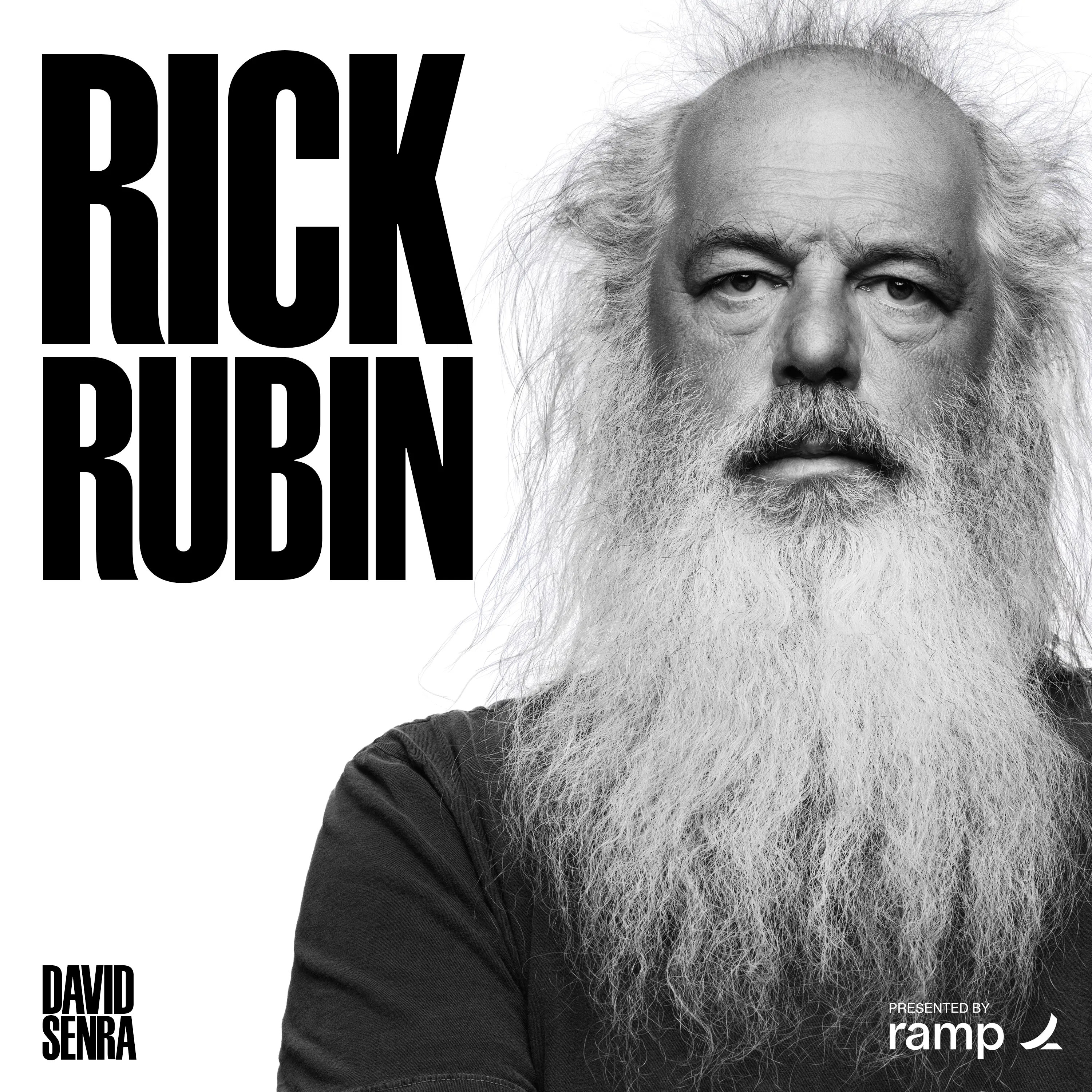 The Simple Genius of Rick Rubin 24.05.2026 1ч 23минRick Rubin grew up on Long Island obsessed with music — arena rock at 13, punk by high school, then hip-hop when it was still a street movement you could only hear at one club in New York City. The records coming out didn't sound like the club. They were made by professionals who didn't go to the club. So at 18, while a freshman at NYU, he made one himself — "It's Yours" with T La Rock. It sold 100,000 copies in 18 months. He put his dorm room address on the sleeve. This launched Def Jam Recordings. LL Cool J's first record came next. The Beastie Boys after that. His credit on those records didn't say "produced by." It said "reduced by" — a theological statement as much as a job title. His method has never changed: strip everything down until what remains has no place to hide, then protect whatever magic appears. He's applied it to Jay-Z, Johnny Cash, the Red Hot Chili Peppers, Eminem, The Strokes, Metallica, Kanye West, Tom Petty, and many other top artists. He describes himself as a lazy workaholic. The Zen exterior is real. So is the guy who spent the first 25 years of his career in a dark room 16 hours a day, seven days a week, waiting for a miracle to show up. Show notes: https://www.davidsenra.com/episode/rick-rubin Made possible by Ramp: https://ramp.com Deel: https://deel.com/senra HubSpot: https://hubspot.com AppLovin: https://axon.ai/senra Rick Rubin Instagram: https://www.instagram.com/rickrubin X: https://x.com/RickRubin Tetragrammaton: https://www.tetragrammaton.com The Creative Act: https://a.co/d/05FKl59a Substack: https://rickrubin.substack.com Chapters (00:00:00) Less Is More But Harder (00:02:00) Def Jam From The Dorm Room (00:04:00) Capturing Club Energy On Record (00:06:00) Going Deep On Influences (00:12:30) Why Reduced By Rick Rubin (00:14:00) Beatles Structure Meets Rap (00:16:00) The Ruthless Edit (00:19:30) Eminem: The Most Obsessive Artist (00:22:00) Lazy Workaholic (00:25:30) Protecting The Moment Of Magic (00:29:00) Dana White And Becoming A Podcaster (00:32:30) Professional Listener (00:44:00) Fishing And Showing Up (00:47:00) Johnny Cash And Constraints (00:55:30) Church Business vs. Banking Business (00:58:50) Run On Intuition Alone (01:01:00) Jay-Z vs. Eminem Process (01:04:30) In Service Of The Artist (01:09:00) Work As Diary Entries (01:13:30) Four Ways Success Destroys You (01:16:00) How To Sustain Success (01:21:00) The House On The Mountain Learn more about your ad choices. Visit megaphone.fm/adchoices
Слични подкасти


Популаран у
Овај подкаст се појављује и у подкаст листама ових земаља.
-
 Доминиканска Република
-
 Катар
Катар
-
 Руанда
-
 Бахреин
-
 Јерменија
-
 Киргистан
-
 Бугарска
-
 Сент Винсент и Гренадини
-
 Словенија
-
 Танзанија
-
 Замбија
-
 Салвадор
-
 Северна Македонија
-
 Луксембург
-
 Јемен
Јемен
-
 Чиле
Чиле
-
 Кипар
Кипар
-
 Србија
-
 Кувајт
-
 Јужна Кореја
-
 Костарика
-
 Ангола
-
 Камерун
-
 Парагвај
-
 Оман
Оман
-
 Естонија
-
 Камбоџа
-
 Кенија
-
 Словачка
-
 Босна и Херцеговина
-
 Црна Гора
-
 Мађарска
-
 Хонг Конг
-
 Индонезија
-
 Либан
Либан
-
 Еквадор
-
 Шри Ланка
-
 Пољска
-
 Боливија
-
 Намибија
-
 Панама
-
 Румунија
-
 Казахстан
-
 Маурицијус
-
 Венецуела
-
 Бермуди
-
 Барбадос
-
 Бенин
Бенин
-
 Индија
-
 Монголија
-
 Малави
-
 Јамајка
-
 Колумбија
-
 Уједињени Арапски Емирати
-
 Гвајана
-
 Непал
Непал
-
 Јужна Африка
-
 Саудијска Арабија
-
 Боцвана
-
 Турска
-
 Грчка
Грчка
-
 Финска
-
 Таџикистан
-
 Украјина
-
 Албанија
-
 Есватини
-
 Тајланд
-
 Израел
-
 Папуа Нова Гвинеја
-
 Молдавија
-
 Хрватска
-
 Гана
Гана
-
 Мексико
-
 Литванија
-
 Уругвај
-
 Антигва и Барбуда
-
 Перу
Перу
-
 Нигерија
-
 Филипини
-
 Данска
-
 Бразил
-
 Летонија
-
 Тринидад и Тобаго
-
 Малезија
-
 Демократска Република Конго
-
 Хондурас
-
 Италија
-
 Либерија
-
 Сингапур
-
 Чешка
Чешка
-
 Аргентина