
Computer Says Maybe
Alix Dunn
0
Technology is changing fast, and it's changing our world even faster. Host Alix Dunn interviews visionaries, researchers, and technologists working in the public interest to help you keep up. Step outside the hype and explore the possibilities, problems, and politics of technology. The podcast publishes weekly episodes.
Епизоде
-
 When Kids Can’t Consent: The Case Against Tech in the Classroom w/ Andrew Liddell 18.09.2026 49минNo tech that your kid uses in the classroom was designed for their benefit. Not the tablet, not the "learning app," not the AI chatbot helping with homework. It was designed to benefit the company that made it — and your kid's data, attention, privacy, and, most importantly, safety, are the price.More like this: Meet the Mom Winning Against AI in Schools w/ Ifeoma OzomaThis week, Andrew Liddell, co-founder of the EdTech Law Center, walks us through exactly how EdTech works, why it made its way into schools with so little oversight, who it actually serves, and the cases his firm has fought against the companies putting these devices into classrooms.His firm has gone after student-data pipelines it flagged as hackable — and later watched get hacked — laws like FERPA and COPPA being twisted into loopholes that bypass parental consent entirely, and school-issued AI tools pulling kids into the same crises we’ve watched play out among adults.What ties it together, Liddell says, is a business model that was never built with kids in mind, and a legal system that’s still trying to catch up.Andrew’s looking for parents in California who are concerned about their kids’ usage of AI chatbots. If that’s you, get in touch here: https://chatgptlitigation.com/Further reading & resources:EdTech Law CenterParents’ Consent at the Heart of Ed Tech Lawsuits — The 74Google's work in schools aims to create a 'pipeline of future users,' internal documents say — NBC NewsChildren's Screen Time Action NetworkMothers Against Media AddictionPhone Free Schools MovementFair PlaySchools Beyond ScreensJoin The Maybe Collective to explore the politics of technology through fresh ideas that you won't hear anywhere else. Sign up for monthly insights, access to exclusive digital events, and real ways to get more involved on issues you care about.Computer Says Maybe is produced by Kushal Dev, Marion Wellington, Van Newman, and Zoe Trout
 -
 The Battle for Power Inside Big Tech: Against Tech Oligarchy w/ JS Tan & Clarissa Redwine 15.09.2026 56минOver the last decade, tech workers have staged walkouts, signed open letters by the tens of thousands, and built more than a dozen new unions across the industry. And yet, over that same decade, tech companies have ramped up carbon emissions, raced to militarize AI, signed contracts with the Trump administration, rolled back protections for marginalized users, and, in some ways, engineered their platforms to be protest-proof.In Against Tech Oligarchy, authors JS Tan and Clarissa Redwine ask the question: did tech workers ever actually learn how to fight?More like this: Meet the Mom Winning Against AI in Schools w/ Ifeoma OzomaJS Tan and Clarissa Redwine are both former tech workers who spent years organizing from the inside. This week, they join Alix to map the last decade of tech labor organizing: the walkout era of 2018, when public pressure and shame campaigns actually worked; the pivot toward formal unionization after Kickstarter's breakthrough; and the sharp turn after 2022, when rising interest rates gave bosses cover to stop pretending they cared what workers thought.They get into why revenue-based leverage barely applies to an industry that runs on perceived valuation, why AI researchers and rank-and-file engineers may need very different organizing strategies, and the line that anchors the whole conversation: you can spend years organizing for power, and the moment you actually have it, realize you have no idea how to use it.Further reading & resources:Buy the book: Against Tech Oligarchy — JS Tan & Clarissa Redwine How a Tech Worker Fought Back from Being Fired as a Union Organiser — Clarissa Redwine, Branch Why the Balance of Power in Tech is Shifting Towards Workers — Jane Lytvynenko, MIT Technology ReviewJoin The Maybe Collective to explore the politics of technology through fresh ideas that you won't hear anywhere else. Sign up for monthly insights, access to exclusive digital events, and real ways to get more involved on issues you care about.Computer Says Maybe is produced by Kushal Dev, Marion Wellington, Van Newman, and Zoe Trout
 -
 Meet the Mom Winning Against AI in Schools w/ Ifeoma Ozoma 11.09.2026 53минImagine dropping your kid off at school, assuming they’ll spend the day being taught by… teachers, of course. But then you find out that part of their day is actually spent talking and reading out loud to a cute, cartoonish AI avatar named Amira. And while they’re reading, Amira is recording their voice, without ever receiving consent from the parent or child.In New Mexico, this very technology is being mandated in classrooms across the state. But when one parent, with a reputation for speaking out and getting laws changed, discovered what was happening, she was ready to fight for the kids in her school district and beyond.More like this: https://www.themaybe.org/podcast/the-digital-delusion-w-dr-jared-cooney-horvathThat parent is Ifeoma Ozoma. After Pinterest pushed her out for raising concerns about pay discrimination and health misinformation, she moved to Santa Fe, where a new fight found her.We get into how one mom with a DIY website got fifteen school districts to opt out in six weeks flat, what digging into public records revealed about how deep this actually goes, and how she’s working to get the whole thing banned outright.Further reading & resources:Amira Opt-Out SFPSSchools Beyond ScreensNew York City Bans A.I. in Elementary and Middle Schools — The New York TimesGet unvetted AI out of New Mexico schools — Ifeoma OzomaJoin The Maybe Collective to explore the politics of technology through fresh ideas that you won't hear anywhere else. Sign up for monthly insights, access to exclusive digital events, and real ways to get more involved on issues you care about.Computer Says Maybe is produced by Kushal Dev, Marion Wellington, Van Newman, and Zoe Trout.
 -
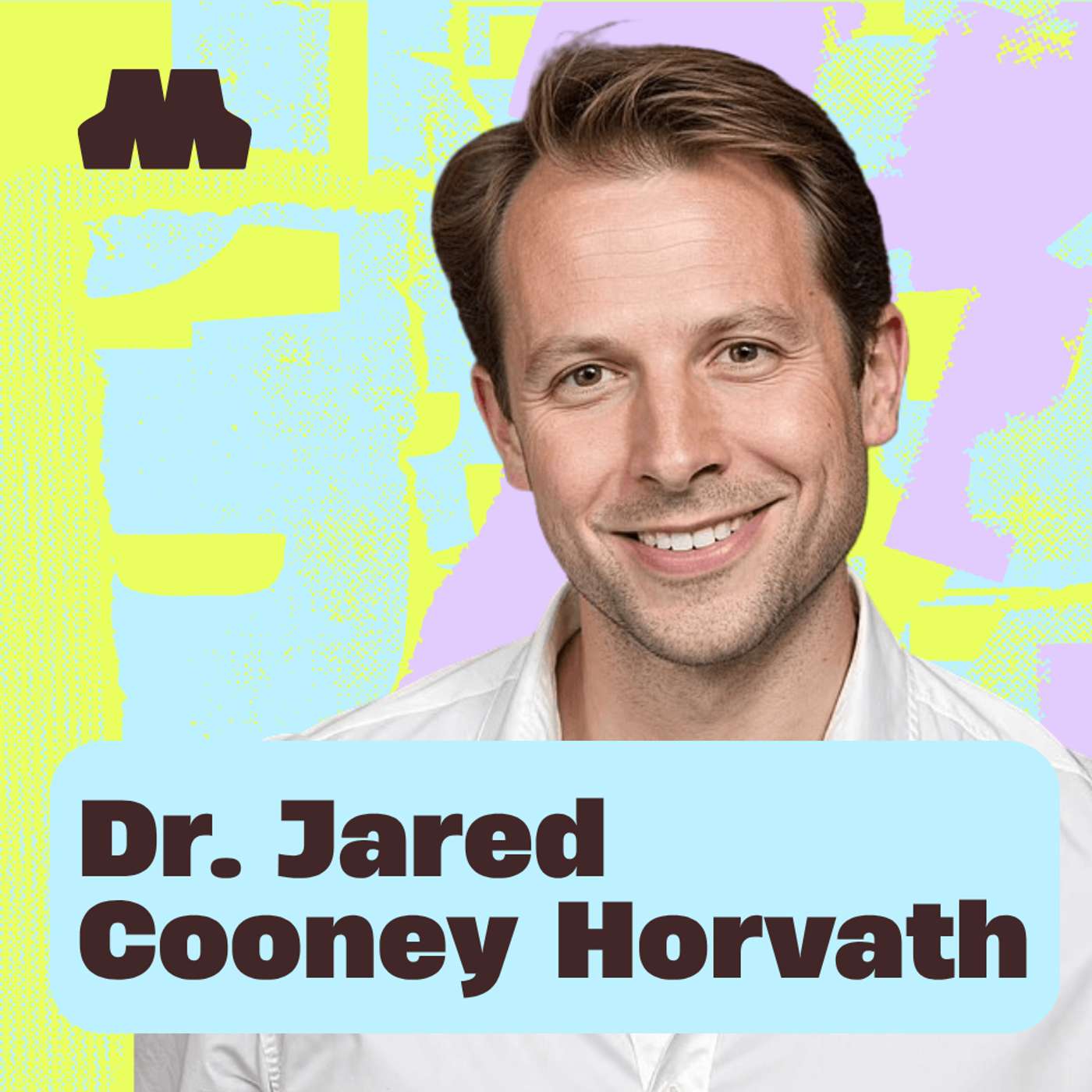 The Digital Delusion: The False Promise of Ed Tech w/ Dr. Jared Cooney Horvath 04.09.2026 42минA screen is built to do one thing well: split your attention across as many things as possible, as fast as possible. A developing brain needs the opposite— sustained, undivided focus— to learn anything at all. Cognitive neuroscientist Dr. Jared Cooney Horvath doesn't think ed-tech is failing kids by accident. He thinks it's failing them because the two things it's built to do are the same two things guaranteed to keep them from learning.More like this: You Seem Lonely. Have a Robot w/ Stevie ChancellorIn this episode, Dr. Jared Cooney Horvath, a former classroom teacher turned cognitive neuroscientist and author of the new book The Digital Delusion, walks Alix through why so much of what makes a screen effective is exactly what makes it useless for learning: it invites multitasking when the brain needs focus, it rewards speed when comprehension requires slowing down, and it replaces face-to-face attention with something that looks like connection but doesn't function like it. Dr. Horvath takes us back over a deacde ago to trace how we got here, where a tool to fail students by design continues to become more embedded into the classroom.Further reading & resources:Technopoly: The Surrender of Culture to Technology — Neil PostmanThe Pen Is Mightier Than the Keyboard — Mueller & Oppenheimer, Psychological Science, April 2014 This laptop had to fail so Chromebooks could become back-to-school essentials — Tech Radar, August 2022Chromebook Remorse: Tech Backlash at Schools Extends Beyond Phones — The New York Times, May 2026Buy The Digital Delusion: How Classroom Technology Harms Our Kids' Learning by Dr. Jared Cooney Horvath through The Maybe on Bookshop.org! Every purchases supports the author and independent bookstores across the country.Want to join the authors we interview for exclusive Q&As? Join The Maybe Collective to explore the politics of technology through fresh ideas that you won't hear anywhere else. Sign up for monthly insights, access to exclusive digital events, and real ways to get more involved on issues you care about.Computer Says Maybe is produced by Kushal Dev, Marion Wellington, Sarah Myles, Van Newman, and Zoe Trout
 -
 Meet the Guy (Actually) Passing Tech Laws 28.08.2026 54минYou've likely heard of the National Sexual Assault Hotline. What you might not know is that it's operated by RAINN, an organization that has become one of the more unlikely players in tech policy. Since the pandemic, RAINN has seen a sharp rise in calls from young people. As more time is spent online, more opportunities for online sexual abuse follow.More like this: How Anduril Tried to Kill Democracy in Ohio (& How Farmers Fought Back)Stefan Turkheimer, RAINN’s VP of Public Policy, joins Alix to talk about how the crisis line led him to fight the ways tech platforms enable abuse at scale. Nearly 500,000 people contact RAINN's hotline every year, and a majority now call about tech-enabled assault: deepfakes, non-consensual intimate images, and coerced CSAM. RAINN didn't set out to become a tech accountability organization. But Stefan didn't just want to treat the symptoms. He wanted to change the root of the problem.From a Facebook algorithm connecting predators to kids, to a bill Elon Musk killed and Melania Trump revived, to the current fight over Grok generating nudes, Alix and Stefan map the wins, the losses, and the laws still standing in the way of real accountability.This conversation lands the same week Meta agreed to pay $18 billion to settle claims from dozens of states that it knowingly designed Instagram and Facebook to addict kids. While it comes with tangible changes, daily time limits, nighttime blocks, age checks, it's also a clear example of what Stefan and Alix discuss in this episode. This settlement, and the safety standards that come with it, were hammered out behind closed doors with no public weigh in. Why is that still how we decide what safety looks like for millions of kids?Content note: this episode discusses sexual assault, child sexual abuse, and non-consensual offenses.Further reading & resources:Kids law needed beyond Meta settlement, backers say — Roll CallThe Take It Down Act is in full effect. What is it and how do you use it? — The 19thGrok chatbot allowed users to create digitally altered photos of minors in "minimal clothing" — CBS NewsTo learn more, support, or get support about the National Sexual Assault Hotline, visit RAINN.org. Join The Maybe Collective to explore the politics of technology through fresh ideas that you won't hear anywhere else. Sign up for monthly insights, access to exclusive digital events, and real ways to get more involved on issues you care about.Computer Says Maybe is produced by Kushal Dev, Marion Wellington, Sarah Myles, Van Newman, and Zoe Trout
 -
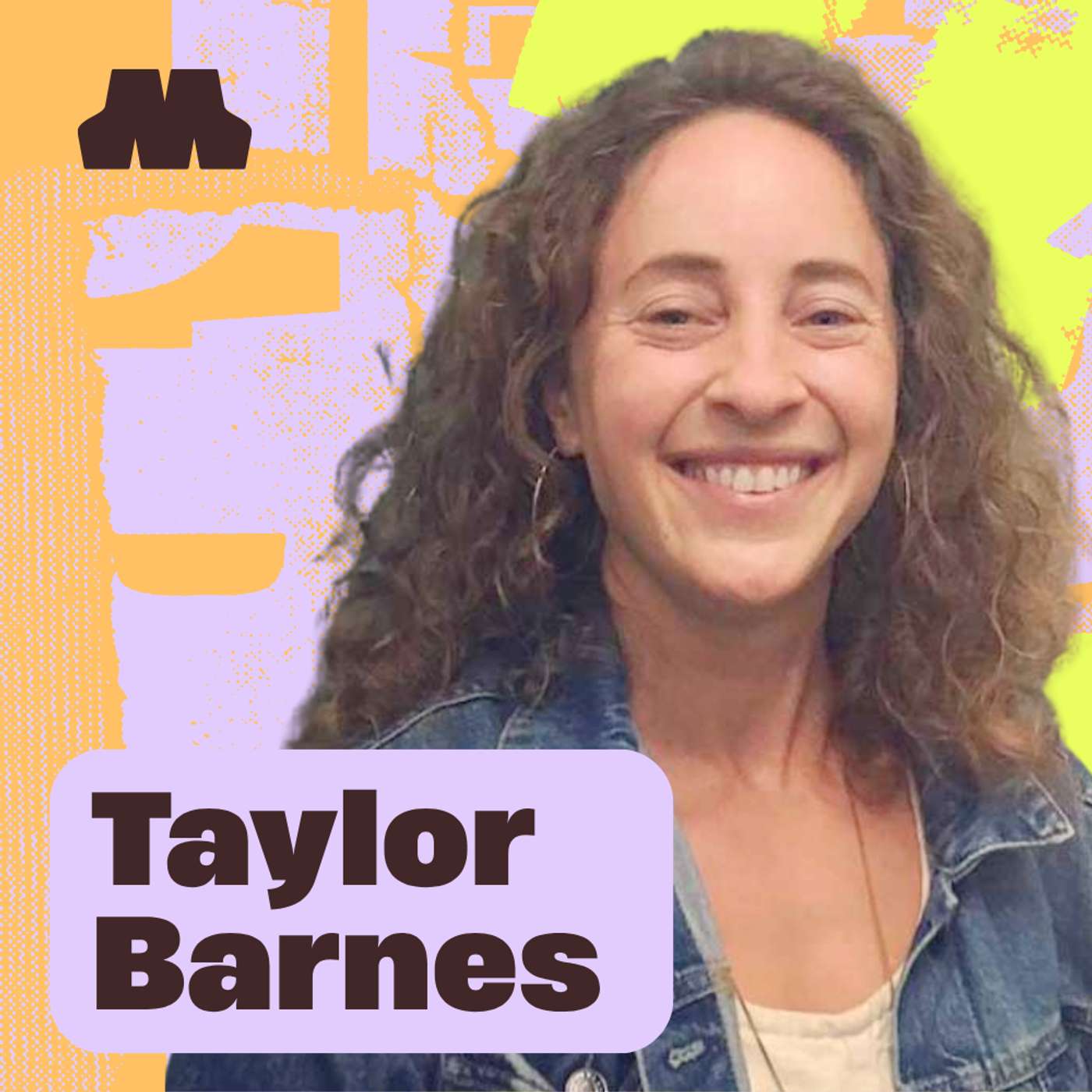 How Anduril Tried to Kill Democracy in Ohio (& How Farmers Fought Back) 21.08.2026 51минIn Madison Township, Ohio, families have farmed the same land for generations. Then a commercial real estate company started buying up their neighbors' fields under the code name "Project Thor." They wouldn't find out until later that the buyer was Anduril, a venture-backed weapons company chasing a slice of the trillion-dollar Pentagon budget. Now, those farming families’ cattle and cornfields are being bulldozed to make way for a drone and cruise missile factory.More like this: The Colossus Crossroads: Fighting for the Future of Memphis w/ KeShaun PearsonIn this episode, Taylor Barnes, a field reporter with Inkstick Media, takes us to Madison Township, where a fight over zoning has become a fight over who actually gets a say: communities that have a vote, or corporations that have a check. She walks us through the nearly billion dollars in tax breaks Anduril is set to receive, the lobbyist-drafted state law that stripped residents of their right to vote on the project, and what happens when the people with the least power over a decision are the ones who have to live with it.Further reading & resources:In Ohio, Who Really Gets a Say in Anduril Weapons Factories? — Taylor Barnes, Inkstick MediaHow an Anduril Lobbyist Quashed Local Voting Rights on Ohio — Taylor BarnesEmails Show Defense Tech Lobbyist Targets Local Voters — Inkstick MediaThis fight isn't over. The farmers leading it are up against Anduril's legal team, largely on their own. If you're a lawyer - especially with experience in zoning or local democratic rights - and want to help, get in touch. We'll make the introduction.Join The Maybe Collective to explore the politics of technology through fresh ideas that you won't hear anywhere else. Sign up for monthly insights, access to exclusive digital events, and real ways to get more involved on issues you care about.Computer Says Maybe is produced by Kushal Dev, Marion Wellington, Sarah Myles, Van Newman, and Zoe Trout
 -
 A Sneak Peek into The Maybe Collective 31.07.2026 2минWe’re taking a short summer break and will be back on your feed in a couple of weeks. But we've got news before we go.Catch up on our most recent series: Computer Says Kill & REAL ResistanceWe're cooking up something new: a pilot membership community, launching this fall. Alix shares a little sneak peek at what we're building, and why we think its time to create a place where people can go deeper, find co-conspirators, and figure out what to do next.It's still early, and because we’re building this for you, we want to make sure it’s shaped by you.We want to hear from you:What would make a community like this worth showing up for?What kinds of conversations, connections, or activities would you want to be part of?What should we be thinking about as we build this?We’d love your thoughts in a quick survey here. You can also send us a note directly to [email protected] The Maybe Collective to explore the politics of technology through fresh ideas that you won't hear anywhere else. Sign up for monthly insights, access to exclusive digital events, and real ways to get more involved on issues you care about.Computer Says Maybe is produced by Georgia Iacovou, Kushal Dev, Marion Wellington, Sarah Myles, Van Newman, and Zoe Trout
 -
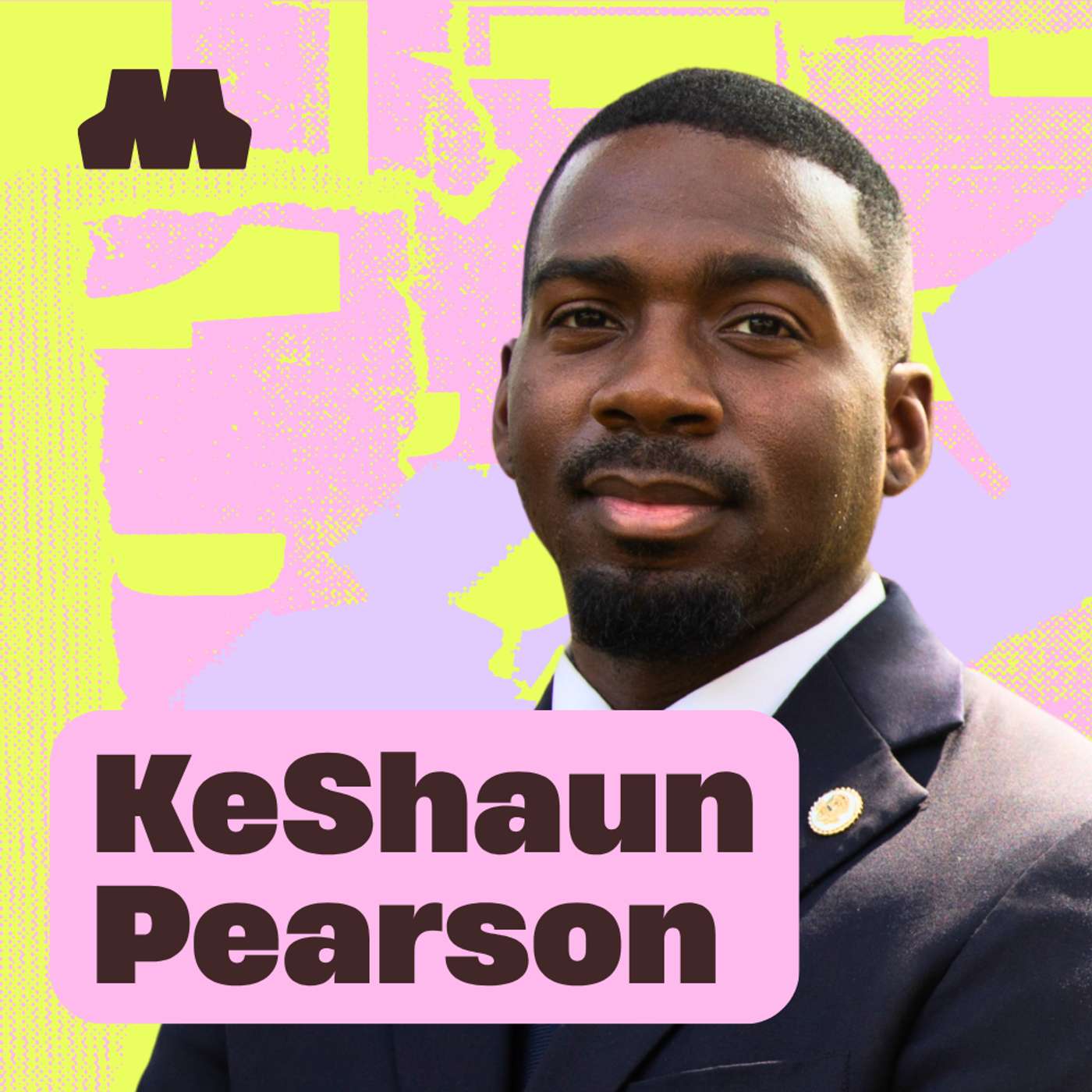 The Colossus Crossroads: Fighting for the Future of Memphis w/ KeShaun Pearson 24.07.2026 31минIn Memphis, companies don't come in to invest in the city. They come in to extract from its people and its land, no matter how high the human cost. That's exactly what xAI did when they decided to build one of the largest data centers in South Memphis, regardless of what it meant for the wellbeing of the people already living there.More like this: The Collective Fight for Our Humanity - REAL ResistanceIn this episode, KeShaun Pearson, Executive Director of Memphis Community Against Pollution (MCAP), connects this fight to a much longer history of disinvestment and oppression in South Memphis— one that existed long before xAI showed up and shaped what it actually means to become a "sacrifice zone." But KeShaun also knows that when you're fighting to take something down, you have to build something better in its place. He shares his vision for what co-governance could look like between communities, cities, and corporations, and what it would take for a company that says it's here to give something back to actually mean it.Further reading & resources:Livestream w/ Alix Dunn: The Battle for MemphisElon Musk’s Memphis AI empire is the epicenter of the data center backlash — CNBCxAI built an illegal power plant to power its data center — Southern Environmental Law CenterxAI in Memphis — What you need to know — Memphis Community Against PollutionJoin The Maybe Collective to explore the politics of technology through fresh ideas that you won't hear anywhere else. Sign up for monthly insights, access to exclusive digital events, and real ways to get more involved on issues you care about.Computer Says Maybe is produced by Georgia Iacovou, Kushal Dev, Marion Wellington, Sarah Myles, Van Newman, and Zoe Trout
 -
 The Gig is Up: How Uber Ruined Wage Labor with Veena Dubal 17.07.2026 48минIn 2013, taxi drivers were beginning to notice something unusual: unmarked, black cars were cutting them off in taxi lines and picking up their passengers. Little did these drivers know that those black cars were the start of Uber — and it wasn’t just going to destroy the taxi industry, but wage labor as we knew it.More like this: REAL Resistance — Against Automated GovernmentsIn this episode, Alix Dunn sits down with Veena Dubal, one of the leading experts on gig labor and Professor of Law at the University of California, Irvine School of Law. Veena shares with us her firsthand account of the Uberization of everything from the beginning to now. She breaks down how this seemingly-innocuous ride sharing app would lead to algorithmic wage fixing around the world and the gamblification of workers’ lives.Further reading & resources:On Algorithmic Wage Discrimination — Veena DubalAI Shouldn’t Be Setting Prices or Wages. States Need to Push Back. — Veena Dubal, 2026How artificial intelligence uncouples hard work from fair wages through ‘surveillance pay’ practices—and how to fix it — Veena Dubal, Wilneida NegrónAlgorithms of Exploitation — Human Rights WatchJoin The Maybe Collective to explore the politics of technology through fresh ideas that you won't hear anywhere else. Sign up for monthly insights, access to exclusive digital events, and real ways to get more involved on issues you care about.Computer Says Maybe is produced by Georgia Iacovou, Kushal Dev, Marion Wellington, Sarah Myles, Van Newman, and Zoe Trout
 -
 The Collective Fight for Our Humanity - REAL Resistance 10.07.2026 50минAnna Bacciarelli and Shazeda Ahmed know more than anyone that there are only a handful of tech companies asserting dominance around the world by talking in high-level abstractions about what the future looks like. At REAL ML, they want to change that.More like this: REAL Resistance: Who's Behind Big Brother?This is REAL Resistance, a collection of conversations produced in collaboration with Real ML, featuring the experts and advocates who make up Real ML’s global network.In this final conversation, Real ML executive director Anna Bacciarelli and researcher Shazeda Ahmed discuss what it takes to knit together a global community that is working to resist the material harms of big tech: the powers that be want to keep any discussion about the future of AI as vague as possible — which is why the experts that attend Real ML workshops take the time to get specific about the issues.Further reading & resources:More about Real MLField-building and the epistemic culture of AI safety by Shazeda Ahmed et alA 2024 profile on Frantz Fanon — The GuardianComputer-vision research powers surveillance technology, by Abeba Birhane, Ria Kalluri, et al — Nature Magazine June 2025**Subscribe to our newsletter to get more stuff than just a podcast — we run events and do other work that you will definitely be interested in!**Computer Says Maybe is produced by Georgia Iacovou, Kushal Dev, Marion Wellington, Sarah Myles, Van Newman, and Zoe Trout
 -
 Who's Behind Big Brother? - REAL Resistance 07.07.2026 45минMariel Garcia-Montes and Crofton Black share their stories and investigations that uncover the backdoor deals that allow the surveillance industry to thrive under the guise of ‘security’. If you have nothing to hide, you won’t mind if we spy, right?More like this: REAL Resistance: The Global Fight Against TechnocolonialismThis is REAL Resistance, a collection of conversations produced in collaboration with Real ML, featuring the experts and advocates who make up Real ML’s global network.In this conversation, two guests from the network take us on a guided tour of the global underground surveillance tech market:Mexico is the world’s biggest importer of surveillance tech, and has a rich history of spying on citizens. Mariel Garcia-Montes briefs us on that history and what it means for Mexico nowSurveillance technology represents a global industry that is mediated by exclusive conferences and backdoor deals; Crofton Black has spent years investigating this industry, the players, and the vulnerabilities they exploitFurther reading & resources:More about Mariel’s workSurveillance Secrets — Lighthouse Reports, 2025Ghost in the Network — Lighthouse Reports, 2023More on the Mexican Student Movement of 1968 — Eugenia Allier-Montano, 2022The Tierra Común Network, which Mariel invites any scholars and practitioners to joinJoin The Maybe Collective to explore the politics of technology through fresh ideas that you won't hear anywhere else. Sign up for monthly insights, access to exclusive digital events, and real ways to get more involved on issues you care about.Computer Says Maybe is produced by Georgia Iacovou, Kushal Dev, Marion Wellington, Sarah Myles, Van Newman, and Zoe Trout
 -
 The Global Fight Against Technocolonialism - REAL Resistance 03.07.2026 49минPaola Ricaurte Quijano, Fernanda Rodrigues, Angela Chukunzira, and Kauna Love Malgwi make it clear that colonial powers have never gone away. The people and technology powering them have just changed, and one of them is AI…More Like This: REAL Resistance: Against Automated GovernmentsThis is REAL Resistance, a collection of conversations produced in collaboration with Real ML, featuring the experts and advocates who make up Real ML’s global network.In this conversation, four guests from the network discuss how the business of AI continues legacies of colonialism in Brazil, Mexico, and Kenya:AI companies are taking land in Querétaro for data center expansion, and they’re doing it without asking first. Paola Ricaurte Quijano explains that these are the mechanisms of dispossession at play — and it’s nothing new.The government in Brazil are adopting a risk-based approach for AI regulation; Fernanda Rodrigues demonstrates the problems with this approach, and how they disproportionately harm Black people.African data workers suffer the worst mental health harms when compared to other localities. Angela Chukunzira and Kauna Love Malgwi have worked to build a resistance movement for oppressed workers, and a framework for decolonising mental health.Further reading & resources:A Mental Health Intervention for Data Workers — Kauna Ibrahim Malgwi"It's not drought, it's plunder" Querétaro, the valley of data centers — By Paola Ricaurte Quijano and Teresa Roldán Soria, July 2025Facial recognition surveillance in São Paulo could worsen racism — Al Jazeera, 2023The Feminist AI Research NetworkMore about the African Content Moderators UnionIris — The Institute for Research on Internet and SocietySiasa Place — a youth organisation that helped tech workers who had been dismissed**Subscribe to our newsletter to get more stuff than just a podcast — we run events and do other work that you will definitely be interested in!**Computer Says Maybe is produced by Georgia Iacovou, Kushal Dev, Marion Wellington, Sarah Myles, Van Newman, and Zoe Trout
 -
 Against Automated Governments - REAL Resistance 30.06.2026 53минMaria Pilar Llorens, Divij Joshi, Gabriel Geiger, and Purity Mukami reveal how digitised welfare is not welfare — it’s just efficiency theatre.More like this: REAL Resistance: The AI Information WarpThis is REAL Resistance, a collection of conversations produced in collaboration with Real ML, featuring the experts and advocates who make up Real ML’s global network.In this conversation, three guests from the network explore the rapid digitisation of public and judicial services around the world:Courts in LatAm countries are using ChatGPT to power through the case backlog. Maria Pilar Llorens explains that speed is not a virtue in judicial settingsKenya has adopted algorithmic proxy means-testing for healthcare — Gabriel Geiger & Purity Mukami reverse-engineered it to reveal its inequitiesDigitised public services kind of have a formula now: Divij Joshi’s work takes an aerial view of digitised payments, IDs, and consolidated data sets that govern the efficiency playbookFurther reading & resources:Artificial Intelligence and Human Rights Courts — Maria Pilar LlorensHiding Behind AI — Gabriel & Purity’s report on the new Kenyan healthcare systemSuspicion Machines — Gabriel Geiger et al, Lighthouse Reports March 2023How an algorithm denied food to thousands of poor in India’s Telangana — Divij Joshi, Tapasya, Kumar Sambhav, Al Jazeera January 2024AI governance in India – law, policy and political economy — Divij Joshi, 2024Use of Entity Resolution in India: Shining a light on how new forms of automation can deny people access to welfare — Amnesty International 2024Join The Maybe Collective to explore the politics of technology through fresh ideas that you won't hear anywhere else. Sign up for monthly insights, access to exclusive digital events, and real ways to get more involved on issues you care about.Computer Says Maybe is produced by Georgia Iacovou, Kushal Dev, Marion Wellington, Sarah Myles, Van Newman, and Zoe Trout
 -
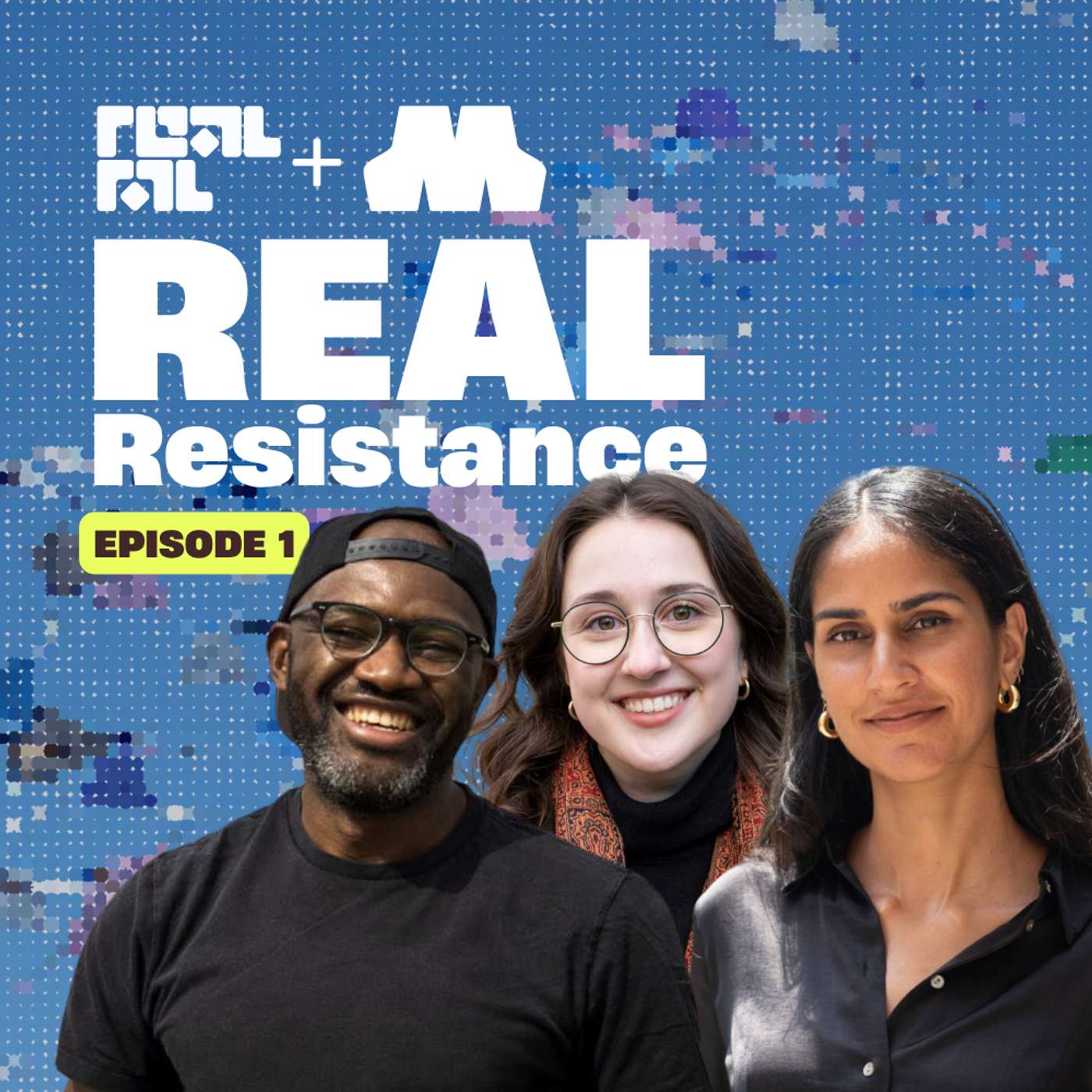 The AI Information Warp - REAL Resistance 26.06.2026 49минKlaudia Jaźwińska, Aliya Bhatia, and Yanick Kemayou come together to answer: What happens when a small collection of AI companies start colonising the truth?More like this: The Toxic Relationship Between AI & Journalism w/ Nic DawesThis is REAL Resistance, a collection of conversations produced in collaboration with Real ML, featuring the experts and advocates who make up Real ML’s global network.In this conversation, three guests from the network share all the ways in which AI is shaping our relationship with news, language, and learning:People are increasingly using AI for search and to get their news; but Klaudia Jaźwińska’s research finds that chatbots have a huge citation problemMany LLMs claim to be ‘multi-lingual’ — but also only tested in US English? Aliya Bhatia explains that porting outputs from English into all other languages in not gonna cut itHigher education in Africa is completely disconnected from local knowledge, which is why Yanick Kemayou founded Kabakoo: an alternative learning platform that leverages and preserves local knowledge with the use of technology, and without exploitationAs Yancik says in this episode, “openness without governance is extraction with extra steps”.Further reading & resources:AI Search has a Citation Problem — Klaudia Jaźwińska & Aisvarya ChandrasekarLost in Translation: Large Language Models in Non-English Content Analysis — Gabriel Nicholas, Aliya BhatiaMore on Kabakoo Academies, founded by Yanick KemayouThe SPUR Coalition — a UK org seeking to create standards and infrastructure for AI companies and news publishers to do businessThe State and Fate of Linguistic Diversity and Inclusion in the NLP World — by Pratik Joshi et al, 2020The #BenderRule: On Naming the Languages We Study and Why It Matters — Emily Bender, 2019The silicon gaze: A typology of biases and inequality in LLMs through the lens of place — Francisco W. Kerche et al, 2026Bamako AI FestivalJoin The Maybe Collective to explore the politics of technology through fresh ideas that you won't hear anywhere else. Sign up for monthly insights, access to exclusive digital events, and real ways to get more involved on issues you care about.Computer Says Maybe is produced by Georgia Iacovou, Kushal Dev, Marion Wellington, Sarah Myles, Van Newman, and Zoe Trout
 -
 Computer Says Kill: How To Say No w/ Matt Mahmoudi and Marwa Fatafta 19.06.2026 51минHow do we stand up against the human rights violations that exist in the gruesome relationship between the business of AI and war?More like this: Computer Says Kill: The AI Safety Circus w/ Heidy KhlaafIn our final installment of Computer Says Kill, Matt Mahmoudi returns, this time with Marwa Fatafta, to share the why and how of their recent joint statement on AI in warfare. The calls on AI companies to stop selling their products for use in military contexts, and for governments to cease buying them. The asks are simple while the execution is complex: what is the historical context of this fight and how long will it take to achieve some level of justice?Further reading & resources:Read the joint statement on Access Now and share across your networksMicrosoft: it’s time to come clean about your ties to the Israeli military — Access NowA million calls an hour’: Israel relying on Microsoft cloud for expansive surveillance of Palestinians — The Guardian, 2025AI for War: Big Tech Empowering Israel’s Crimes and Occupation — Al Shabaka, 2025On Violence by Hanna ArendtAnthropic announces 'Claude Corps' to teach nonprofits to use AI more effectively — The Independent, June 2026Artificial Genocidal Intelligence: how Israel is automating human rights abuses and war crimes — Access Now, 2024Join The Maybe Collective to explore the politics of technology through fresh ideas that you won't hear anywhere else. Sign up for monthly insights, access to exclusive digital events, and real ways to get more involved on issues you care about.Computer Says Maybe is produced by Georgia Iacovou, Kushal Dev, Marion Wellington, Sarah Myles, Van Newman, and Zoe Trout
 -
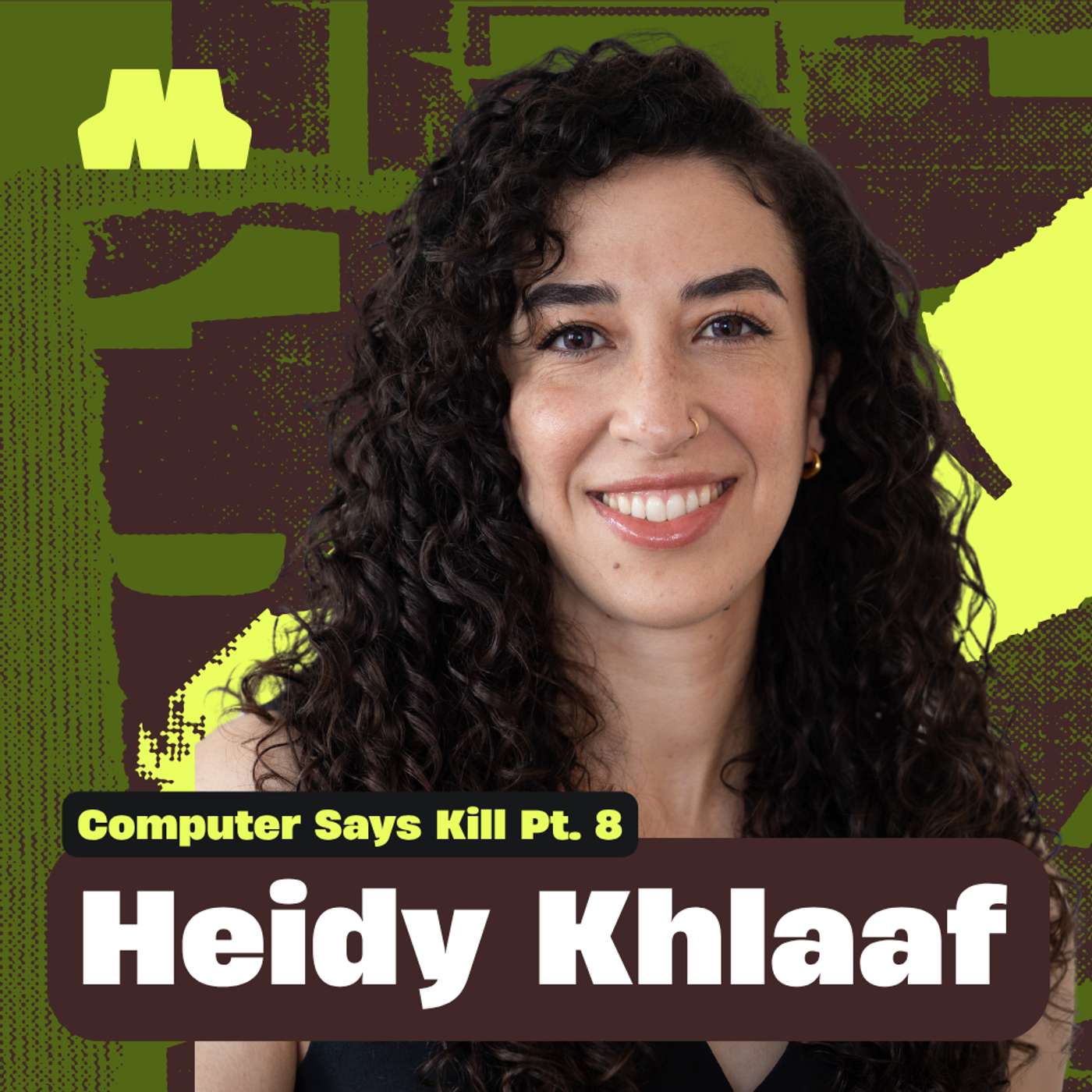 Computer Says Kill: The AI Safety Circus w/ Heidy Khlaaf 12.06.2026 47минThe AI industry loves to talk about safety, but their version of safety is putting us at risk.More like this: The Palestine Laboratory w/ Antony LoewensteinFor our second to last series episode of Computer Says Kill, we’re joined by Heidy Khlaaf, a global expert in designing safe critical systems for high-risk infrastructures such as energy grids, nuclear power plants, and weaponry. Heidy outlines how the AI industry is working to redefine and shrink this essential, established field of expertise. By parading around sham “safety benchmarks”, this circus of an industry is marketing statistics that literally amount nothing at best, and proof that today’s LLMs aren’t safe at all, at worst. We explore the centuries of precedent and practice established in the safety field and examine how today’s AI safety “experts” are eroding this work to rush the incorporation of shoddy tech into the lucrative nooks and crannies of our militaries, economies, and physical infrastructure.Further reading & resources:Safety Co-Option and Compromised National Security: The Self-Fulfilling Prophecy of Weakened AI Risk Thresholds — Heidy Khlaaf & Sarah Myers West, 2025Social Benefit versus Technological Risk: What is our society willing to pay for safety? — Chauncey Starr, 1969Israel built an ‘AI factory’ for war. It unleashed it in Gaza. — WaPo December 2024Join The Maybe Collective to explore the politics of technology through fresh ideas that you won't hear anywhere else. Sign up for monthly insights, access to exclusive digital events, and real ways to get more involved on issues you care about.Computer Says Maybe is produced by Georgia Iacovou, Kushal Dev, Marion Wellington, Sarah Myles, Van Newman, and Zoe Trout
 -
 Computer Says Kill: The Palestine Laboratory w/ Antony Loewenstein 05.06.2026 49минIsrael has a long history of making new technological weapons of war and exporting them to the world. They have used Palestine as a testing ground to show how new tools can enable mass killing. And they are banking that demand for their products might protect them on the world stage.More like this: Anthropic is NOT the Good Guy w/ Maddy BattIn part seven of Computer Says Kill, author of The Palestine Laboratory Antony Loewenstein explains that for Israel, precision warfare is just performative. Israel has the means to kill with precision, but this is at odds with the logics of genocide. Antony will take us through the history of Israel’s dealings with authoritarian states, and Israel and American states do not need to take state control of a their domestic tech industries because they are already so ideologically aligned with their regimes.Further reading & resources:Buy The Palestine Laboratory by Antony Loewenstein (Verso Books)Watch The Palestine Laboratory series on Al Jazeera‘Hondurasgate,’ the alleged US and Israeli interference plot to destabilize Mexico and other progressive governments — El Pais May 2026Israeli drone strikes on vehicles in Lebanon kill 12 people, including 2 children — LA Times May 2026What is Project Nimbus? Al Jazeera, 2024Israeli authorities are using facial recognition technology to entrench apartheid — on ‘Red Wolf’ from Amnesty International, 2023Check out our Youtube for Tech Story of the Week**Subscribe to our newsletter to get more stuff than just a podcast — we run events and do other work that you will definitely be interested in!**Computer Says Maybe is produced by Georgia Iacovou, Kushal Dev, Marion Wellington, Sarah Myles, Van Newman, and Zoe Trout
 -
 SPECIAL: Israel’s AI Kill List in Lebanon w/ Nabih Bulos 29.05.2026 19минThe Israeli military is using data, surveillance, and AI to kill noncombatants in Southern Lebanon. More like this: Computer Says Kill: Collapsing the Chain w/ with Matt MahmoudiThis week, we're kind of taking a break from our Computer Says Kill series to play a interview from our YouTube channel that is extremely relevant to the conversations we've been having about AI and militarization. Alix sat down with Nabih Bulos, the Middle East Bureau Chief at the LA Times, to discuss his recent reporting on Israel’s complex system of surveillance-driven targeting where, as he writes, even data from a phone can become a death sentence.Further reading & resources:Inside Israel’s AI targeting system: How data from a phone become a death sentence — Nabih Bulos, The Los Angeles Times, May 2026Watch the interview on our YouTube channelCatch up on episodes of Computer Says Kill, our series on AI, warfare, and power **Subscribe to our newsletter to get more stuff than just a podcast — we run events and do other work that you will definitely be interested in!**Computer Says Maybe is produced by Georgia Iacovou, Kushal Dev, Marion Wellington, Sarah Myles, Van Newman, and Zoe Trout
 -
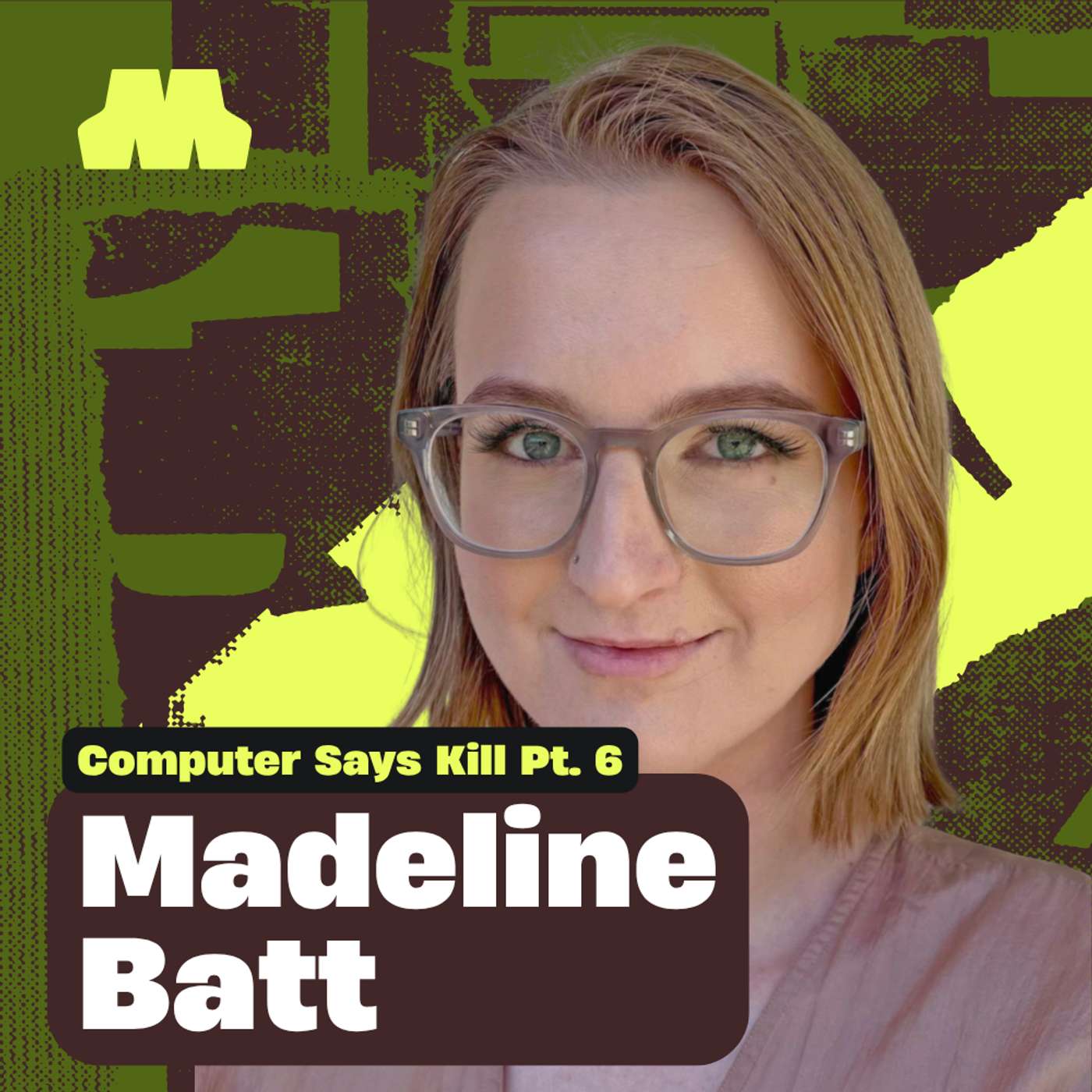 Computer Says Kill: Anthropic is NOT the Good Guy w/ Madeline Batt 22.05.2026 41минAnthropic’s AI systems have been used in illegal American invasions in Iran and Venezuela. They have partnered with Musk in the disastrous Memphis Colossus facility. And yet! News coverage, some civil society, and a lot of normies act like Anthropic is one of the good guys. They aren’t!More like this: The Toxic Love Triangle of Big Tech, Big War & Big Science w/ David Gray WidderFor part six of Computer Says Kill, we are joined by legal fellow Maddy Batt, who filed an amicus brief in the courtroom battle between Anthropic and the US Department of War. We talk about what we know from the lawsuit, what we know about how AI is being used in illegal invasions, and what might be possible for corporate accountability.Further reading & resources:The amicus brief filed by Tech Justice LawBuy Project Maven by Katrina MansonAutonomised Harming — Linda Eggert, July 2023Autonomous Weapons Systems and Human Rights — Linda Eggert, July 2024Moral Crumple Zones: Cautionary Tales in Human-Robot Interaction — Madeleine Clare Elish, 2019**Subscribe to our newsletter to get more stuff than just a podcast — we run events and do other work that you will definitely be interested in!**Computer Says Maybe is produced by Georgia Iacovou, Kushal Dev, Marion Wellington, Sarah Myles, Van Newman, and Zoe Trout
 -
 Computer Says Kill: The Toxic Love Triangle of Big Tech, Big War & Big Science w/ David Gray Widder 15.05.2026 37минAcademia, Big Tech, and the military are caught in a sordid love triangle — and their love language is money.More like this: Computer Says Kill: The Blank Check to Beat China w/ Lis SiegelFor part five of Computer Says Kill, researcher David Widder describes the powerful trifecta that is academia, Big Tech, and the US military: all of them need each other to survive, but who is benefiting the most? Half of Carnegie Mellon’s research funding comes from the DoW or the DHS — and David will explain how it’s being used to both prop up war apparatus, and serve as an on-ramp to Big Tech platforms.Further reading & resources:It’s about power: What ethical concerns do software engineers have, and what do they (feel they can) do about them? — David Widder et al, June 2023Basic Research, Lethal Effects: Military AI Research Funding as Enlistment — David Widder et alOpen (For Business): Big Tech, Concentrated Power, and the Political Economy of Open AI — David Widder, Sarah West, Meredith Whittaker, August 2023 To Build Our Future, We Must Know Our Past: Contextualizing Paradigm Shifts in Natural Language Processing — Sireesh Gururaja, Amanda Bertsch, Clara Na, David Widder, Emma Strubell, December 2023What Tech Calls Thinking by Adrian DaubThe Undone Computer Science ConferenceComputer-vision research powers surveillance technology — Nature Magazine, June 2025What’s happening in Memphis with Anthropic? — The Maybe Media**Subscribe to our newsletter to get more stuff than just a podcast — we run events and do other work that you will definitely be interested in!**Computer Says Maybe is produced by Georgia Iacovou, Kushal Dev, Marion Wellington, Sarah Myles, Van Newman, and Zoe Trout
Слични подкасти


Популаран у
Овај подкаст се појављује и у подкаст листама ових земаља.
