
The Open Loop with Chay Carter
Neurotechnology is moving fast, but the real story is how it gets built, tested, funded, and scaled. On The Open Loop, we explore the people, companies, and ideas shaping the future of neurotechnology, with honest conversations on what’s being built, what’s working, what’s difficult, and where the industry is really heading next. Hosted by Chay Carter, Founder of Carter Sciences and Reccy Neuro, the podcast brings together founders, researchers, operators, investors, and industry leaders building at the intersection of neuroscience, healthcare, and technology. Expect practical, unfiltered insight on building neurotech companies from research to commercialisation, brain-computer interfaces, neuromodulation, neuro-AI, and emerging technologies, as well as investment, regulation, and the realities of scaling in healthcare.
Епизоде
-
 From Google X to NextSense: Building Brain-Sensing Smartbuds with Jonathan “JB” Berent 10.09.2026 39минIn this episode of The Open Loop, Chay Carter is joined by Jonathan “JB” Berent, Founder and CEO of NextSense.JB shares the story behind NextSense, from his early fascination with sleep and lucid dreaming to a Google X project exploring deep sleep enhancement, in-ear EEG, and brain-sensing wearables.We explore why the ear is such a compelling form factor for brain data, how NextSense is building smartbuds for sleep, focus and calm, and what it takes to turn advanced neurotechnology into a consumer product people actually use.We also discuss lucid dreaming research, acoustic stimulation, fundraising, product-market fit, manufacturing, ARPA-H’s REST programme, and future directions including more sensors, tVNS, and closed-loop sleep modulation.Key takeaways:🔹 Why NextSense built around in-ear EEG and smartbud form factor🔹 How a Google X sleep project evolved into a consumer neurotech company🔹 Why longitudinal brain data could shape the next generation of wearables🔹 What founders need to understand about product-market fit in consumer neurotech🔹 How closed-loop sleep modulation, audio and future sensors could expand the platformGuest: Jonathan “JB” BerentFounder and CEO, NextSenseLinkedIn: https://www.linkedin.com/in/jonathan-berent/Host: Chay CarterFounder, Carter Sciences | Co-Founder, Reccy NeuroLinkedIn: https://www.linkedin.com/in/chay-carter/Key Chapters:00:39 Introduction to NextSense and Brain-Sensing Smartbuds01:40 From Stanford, Lucid Dreaming and Google to NextSense04:56 Lucid Dreaming, EEG and Dream Communication07:46 Learning Neuroscience and Building at Google X11:56 Spinning NextSense Out of Google14:54 Fundraising, Consumer Neurotech and Investor Challenges21:53 Product-Market Fit and the Toothbrush Test27:28 Why NextSense Chose Earbuds for Brain DataThe Open Loop is a podcast exploring the people, companies, and ideas shaping the future of neurotechnology.🔔 Subscribe for weekly conversations with the founders, researchers, operators, and industry leaders building what comes next in brain health, medicine, and technology.If you enjoyed this episode, please subscribe, leave a review, and share it with someone interested in neurotechnology.New episodes of The Open Loop drop weekly.Sponsor:This episode is sponsored by Reccy Neuro — the home of neurotech. Jobs, companies, investors, events, Cortex industry intelligence, and specialist resources for the neurotech market.Learn more about Reccy Neuro here: https://neuro.reccy.dev/
 -
 Scaling Interventional Psychiatry with William Sauvé 02.09.2026 44минIn this episode of The Open Loop, Chay Carter is joined by William Sauvé, MD, Chief Medical Officer at Osmind.William shares his journey from Navy psychiatry and combat mental health care to TMS, interventional psychiatry, Greenbrook, and his current work helping scale mental health infrastructure at Osmind.We explore how psychiatry can move beyond traditional medication management, the access challenge facing mental health care, and the role of treatments like TMS, ketamine, esketamine, and emerging psychedelic therapies.We also discuss real-world evidence, fMRI-guided TMS, accelerated treatment protocols, REMS workflows, psychiatric EHRs, and why interventional psychiatry could become a force multiplier for mental health care.Key takeaways:🔹 Why mental health care needs a “force multiplier” to meet patient demand🔹 How TMS has evolved from early adoption challenges to broader clinical use🔹 Why targeting, precision and real-world evidence matter in brain stimulation🔹 How Osmind supports workflows for TMS, ketamine and esketamine clinics🔹 Why emerging psychedelic therapies could change the logistics of psychiatric careHost: Chay CarterFounder, Carter Sciences | Co-Founder, Reccy NeuroLinkedIn: https://www.linkedin.com/in/chay-carter/Guest: William Sauvé, MDChief Medical Officer, OsmindLinkedIn: https://www.linkedin.com/in/william-sauv%C3%A9-md-45009813/The Open Loop is a podcast exploring the people, companies, and ideas shaping the future of neurotechnology.🔔 Subscribe for weekly conversations with the founders, researchers, operators, and industry leaders building what comes next in brain health, medicine, and technology.If you enjoyed this episode, please subscribe, leave a review, and share it with someone interested in neurotechnology.New episodes of The Open Loop drop weekly.Sponsor:This episode is sponsored by Reccy Neuro — the home of neurotech. Jobs, companies, investors, events, Cortex industry intelligence, and specialist resources for the neurotech market.Learn more about Reccy Neuro here: https://neuro.reccy.dev/
 -
 At-Home Brain Stimulation for Depression with Balder Onarheim 27.08.2026 45минIn this episode of The Open Loop, Chay Carter is joined by Balder Onarheim, Founder and CEO of PlatoScience.Balder shares his journey from the Norwegian army and engineering design into creativity research, brain stimulation, and building at-home tDCS devices for mental health care.This is a practical conversation about transcranial direct-current stimulation, depression, neuroplasticity, usability, regulation, and what it takes to make brain stimulation safe and accessible outside the clinic.We explore how PlatoScience approaches medical-grade at-home tDCS, why the company works through clinicians, and how design, aesthetics, treatment adherence, and patient experience all shape the future of neuromodulation.Key takeaways:🔹 Why PlatoScience is focused on at-home tDCS for depression🔹 How tDCS changes neuronal thresholds without forcing brain activity🔹 Why medical-grade usability matters for patient adherence🔹 Why Balder believes mental health care should keep a human in the loop🔹 How regulation could shape the future of non-invasive brain stimulationHost: Chay CarterFounder, Carter Sciences | Co-Founder, Reccy NeuroLinkedIn: https://www.linkedin.com/in/chay-carter/Guest: Balder OnarheimFounder and CEO, PlatoScienceLinkedIn: https://www.linkedin.com/in/baldero/Learn more about PlatoScience: https://www.platoscience.com/Key Chapters:00:39 Introduction to PlatoScience and At-Home tDCS01:55 From the Norwegian Army to Brain Stimulation05:51 From Biohacking to Medical-Grade tDCS07:39 Depression, Ageing and Neurodivergence09:50 How tDCS and TES Work16:32 PlatoScience’s Device and Clinician-Led Model29:25 Design, Treatment Sessions and Patient Usability38:54 EU Regulation and the Future of Brain StimulationThe Open Loop is a podcast exploring the people, companies, and ideas shaping the future of neurotechnology.🔔 Subscribe for weekly conversations with the founders, researchers, operators, and industry leaders building what comes next in brain health, medicine, and technology.If you enjoyed this episode, please subscribe, leave a review, and share it with someone interested in neurotechnology.New episodes of The Open Loop drop weekly.Sponsor:This episode is sponsored by Reccy Neuro — the home of neurotech. Jobs, companies, investors, events, Cortex industry intelligence, and specialist resources for the neurotech market.Learn more about Reccy Neuro here: https://neuro.reccy.dev/
 -
 What Neurotech Can Learn from Cardiac Digital Health with Ken Nelson 19.08.2026 40минIn this episode of The Open Loop, Chay Carter is joined by Ken Nelson, Board Member, investor, venture partner, and advisor across multiple cardiac, digital health, AI, and neurotechnology companies.Ken shares his journey from corporate finance into medical devices, cardiac rhythm management, remote patient monitoring, venture investing, and board roles across companies including Epitel, StimCardio, Echo IQ, HeartBeam, Acarix, and Happitech.This is a practical conversation about what neurotechnology can learn from cardiac digital health, from remote monitoring and AI diagnostics to patient-friendly wearables and predictive care.We also explore Epitel’s work in long-term EEG monitoring, the future of brainwave data, wearable neuromodulation, and why the next phase of neurotech may mirror many of the lessons already learned in cardiac care.Key takeaways:🔹 Why cardiac digital health has helped pave the way for remote neuro monitoring🔹 How Epitel is changing the standard of care in long-term EEG monitoring🔹 Why patient-friendly wearables can improve data quality and clinical yield🔹 How AI and predictive analytics could support earlier intervention in heart and brain health🔹 Why the future of healthcare may depend on combining cardiac, neurological, and biometric data Host: Chay CarterFounder, Carter Sciences | Co-Founder, Reccy NeuroLinkedIn: https://www.linkedin.com/in/chay-carter/ Guest: Ken NelsonBoard Member, investor, venture partner, and advisor LinkedIn: https://www.linkedin.com/in/ken-nelson-56aaa34/Key Chapters:00:39 Introduction to Ken Nelson01:04 From Finance to Cardiac Medical Devices09:57 iRhythm, Digital Health and Remote Monitoring13:18 What Neurotech Can Learn from Cardiac Monitoring16:05 Wearable Neuromodulation and StimCardio18:04 Multi-Parameter Monitoring and Predictive Care21:01 Epitel and Long-Term EEG Monitoring26:53 Brain Data, AI and Actionable ReportsThe Open Loop is a podcast exploring the people, companies, and ideas shaping the future of neurotechnology.🔔 Subscribe for weekly conversations with the founders, researchers, operators, and industry leaders building what comes next in brain health, medicine, and technology.If you enjoyed this episode, please subscribe, leave a review, and share it with someone interested in neurotechnology.New episodes of The Open Loop drop weekly.Sponsor:This episode is sponsored by Reccy Neuro — the home of neurotech. Jobs, companies, investors, events, Cortex industry intelligence, and specialist resources for the neurotech market.Learn more about Reccy Neuro here: https://neuro.reccy.dev/
 -
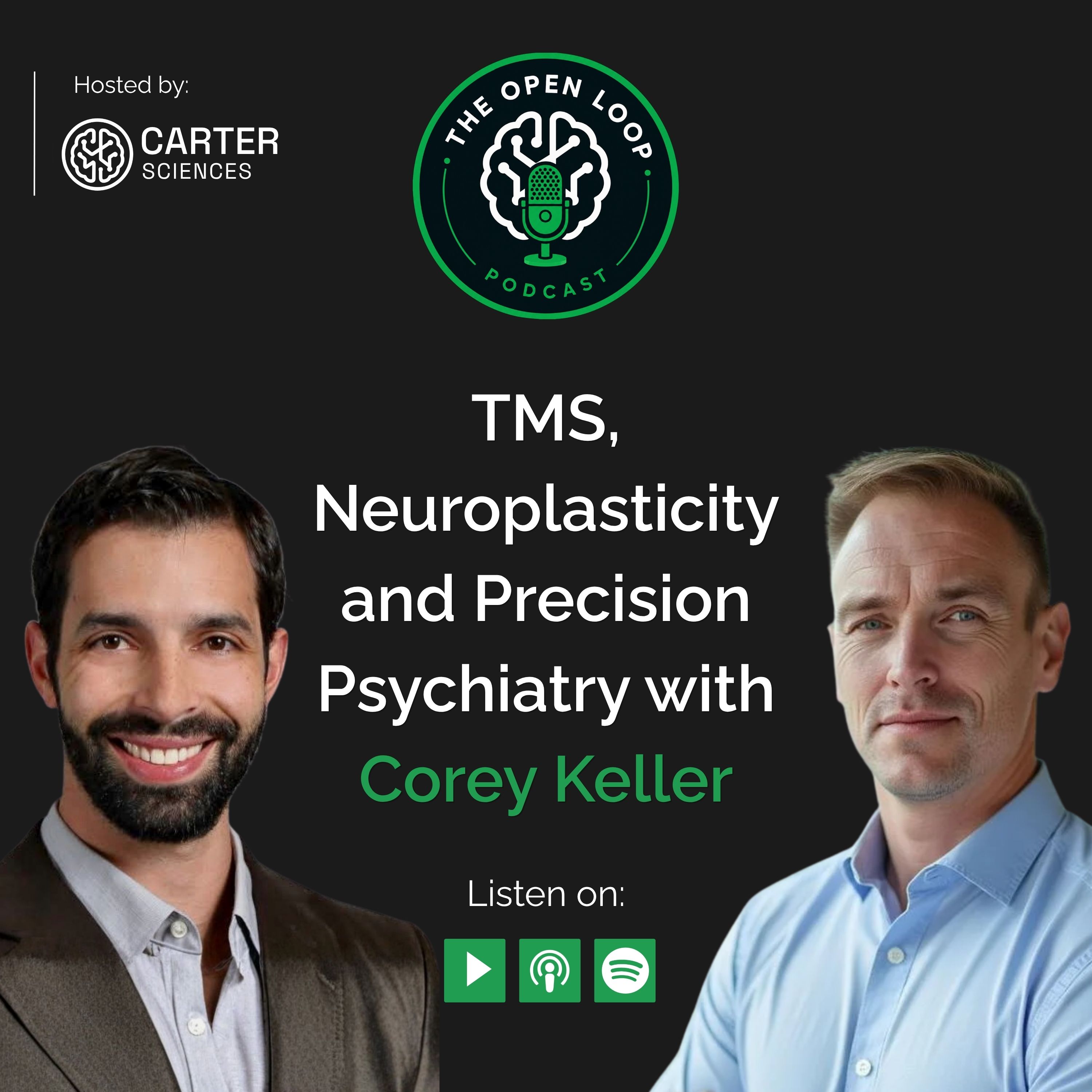 TMS, Neuroplasticity and Precision Psychiatry with Corey Keller, MD, PhD 12.08.2026 42минIn this episode of The Open Loop, Chay Carter is joined by Corey Keller, MD, PhD, Associate Professor at Stanford University and Co-Founder of Alto Neuroscience.Corey shares his journey from engineering and intracranial brain recordings in epilepsy patients to psychiatry, TMS, neuroplasticity, and precision mental health.This is an interesting conversation about what brain stimulation can do today, what we still do not fully understand, and why the next phase of psychiatry may depend on better ways to measure how treatments change the brain.We explore Corey’s work using invasive and non-invasive brain recordings, his role in the early development of Alto Neuroscience, and why EEG, TMS, fMRI, brain state, dosing, timing, and treatment personalisation all matter in the future of neuromodulation.We also discuss wearable neurotechnology, brain foundational models, accelerated TMS protocols, esketamine, clinical translation, advisory work, mentorship, and why Corey describes himself as a “skeptical neuroscientist” testing the questions that still need to be answered.Key takeaways:🔹 Why TMS may still be under-personalised despite its clinical impact🔹 How EEG and brain recordings could help guide psychiatric treatment decisions🔹 Why neuroplasticity needs to be measured at the millisecond level🔹 How Alto Neuroscience emerged from work on EEG biomarkers and treatment selection🔹 Why the future of mental health neurotechnology depends on better science, not just better devicesGuest: Corey Keller, MD, PhDAssociate Professor at Stanford UniversityCo-Founder of Alto NeuroscienceLinkedIn: https://www.linkedin.com/in/corey-keller-stanford/Host: Chay CarterFounder, Carter Sciences | Co-Founder, Reccy NeuroLinkedIn: https://www.linkedin.com/in/chay-carter/The Open Loop is a podcast exploring the people, companies, and ideas shaping the future of neurotechnology.🔔 Subscribe for weekly conversations with the founders, researchers, operators, and industry leaders building what comes next in brain health, medicine, and technology.If you enjoyed this episode, please subscribe, leave a review, and share it with someone interested in neurotechnology.New episodes of The Open Loop drop weekly.Sponsor:This episode is sponsored by Reccy Neuro — the home of neurotech. Jobs, companies, investors, events, Cortex industry intelligence, and specialist resources for the neurotech market.Learn more: https://neuro.reccy.dev/
 -
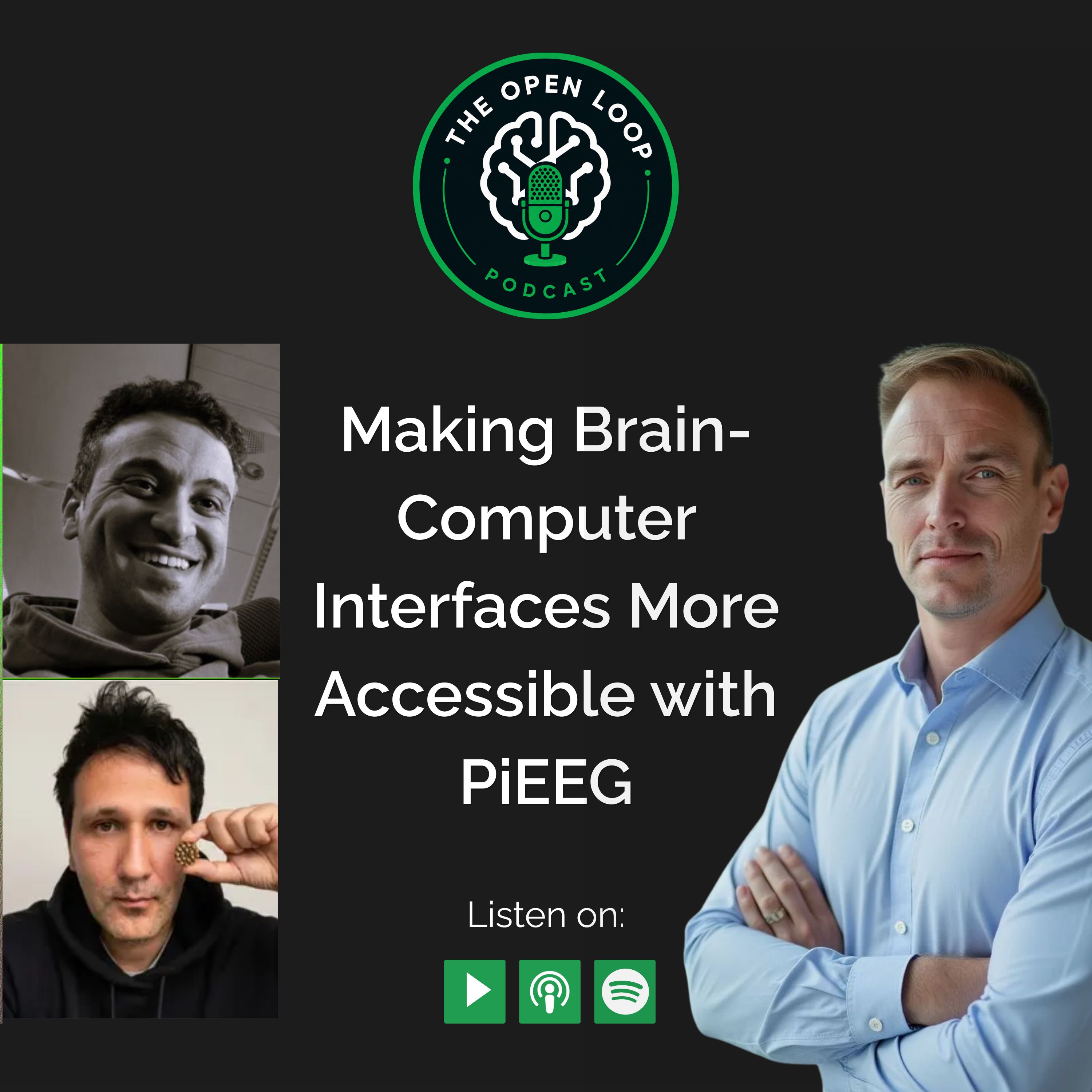 Making Brain-Computer Interfaces More Accessible with PiEEG 06.08.2026 35минIn this episode of The Open Loop, Chay Carter is joined by Ildar Rakhmatulin, Founder and Lead Engineer at PiEEG, and Youssef El Abbassi, Co-Founder and Software Architect at PiEEG.Ildar and Youssef share how they are making brain-computer interfaces more accessible through low-cost EEG hardware and open-source software tools.This is a practical conversation about lowering the barrier to BCI experimentation, from Raspberry Pi-based EEG boards and PiEEG Server to WebSockets, dashboards, simulations, and developer-friendly tools.We also explore in-ear EEG, VR and avatar applications, AI agents for interpreting brain data, consumer BCI, and what it could take to make brain-computer interfaces more useful outside the lab.Key takeaways:🔹 Why PiEEG is focused on lowering the barrier to entry for BCI development🔹 How low-cost EEG hardware can support researchers, students, and creators🔹 Why developer experience matters in brain-computer interface software🔹 How open-source tools can improve transparency and accessibility in neurotech🔹 Where in-ear EEG, AI agents, VR, and consumer BCI could take the field nextGuest: Ildar RakhmatulinFounder and Lead Engineer at PiEEGLinkedIn: https://www.linkedin.com/in/ildar-rakhmatulin-262a66112/Guest: Youssef El AbbassiCo-Founder and Software Architect at PiEEGLinkedIn: https://www.linkedin.com/in/yelabb/Learn more about PiEEG here: https://www.pieeg.com/Host: Chay CarterFounder, Carter Sciences | Co-Founder, Reccy NeuroLinkedIn: https://www.linkedin.com/in/chay-carter/The Open Loop is a podcast exploring the people, companies, and ideas shaping the future of neurotechnology.🔔 Subscribe for weekly conversations with the founders, researchers, operators, and industry leaders building what comes next in brain health, medicine, and technology.If you enjoyed this episode, please subscribe, leave a review, and share it with someone interested in neurotechnology.New episodes of The Open Loop drop weekly.Sponsor:This episode is sponsored by Reccy Neuro — the home of neurotech. Jobs, companies, investors, events, Cortex industry intelligence, and specialist resources for the neurotech market.
 -
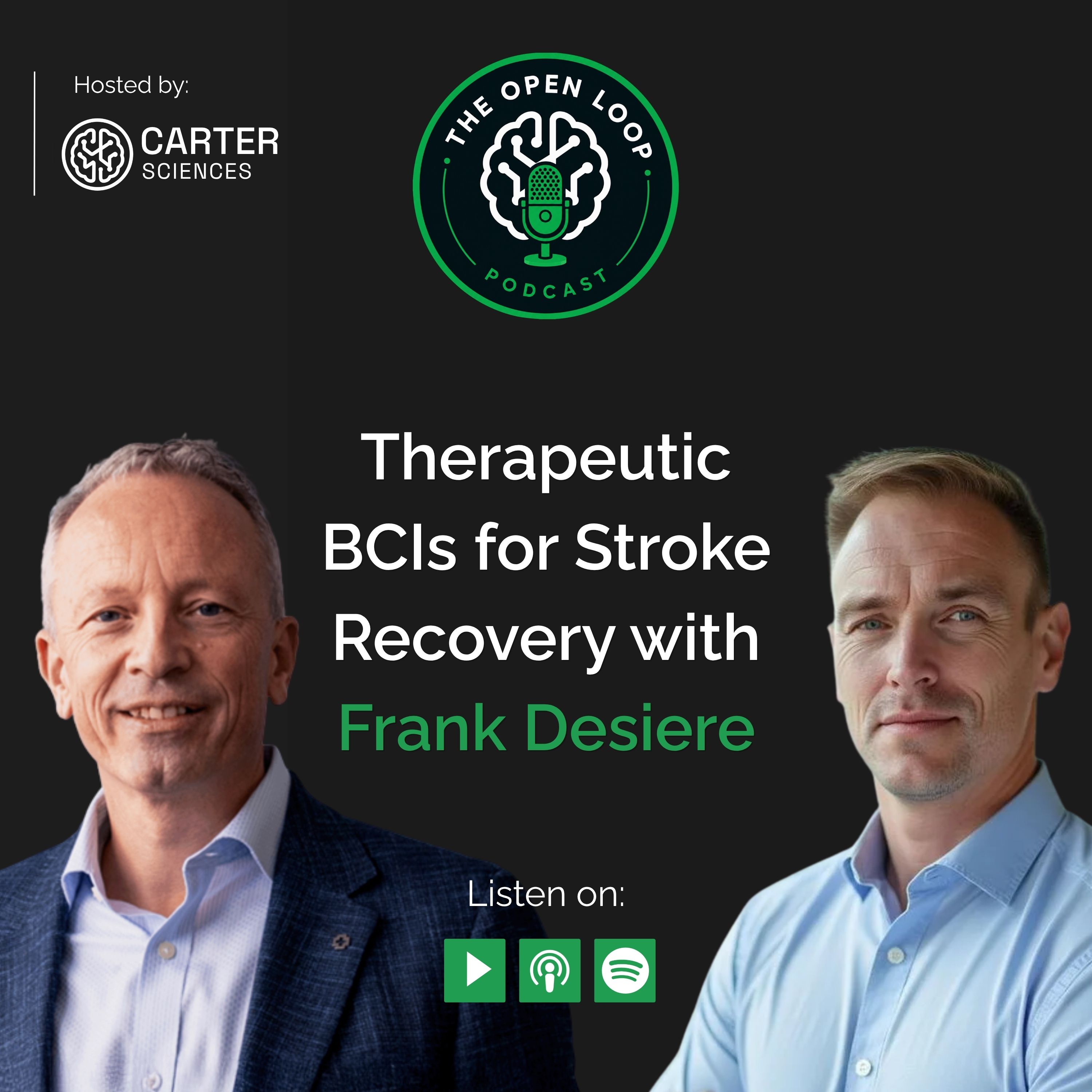 Therapeutic BCIs for Stroke Recovery with Frank Desiere 29.07.2026 37минIn this episode of The Open Loop, Chay Carter is joined by Frank Desiere, PhD MBA, CEO of CorTec. Frank shares his journey from molecular biology, medical devices, diagnostics and innovation into leading one of Europe’s most advanced brain-computer interface companies. This is an insightful conversation about therapeutic BCI, stroke rehabilitation, closed-loop neurotechnology, and what it takes to bring implantable brain interfaces into clinical care. We explore CorTec’s Brain Interchange platform, the company’s first-in-human implants, its focus on stroke recovery, and why the ability to both read from and stimulate the brain opens up a different category of therapeutic applications. We also discuss patient access, neuroplasticity, device longevity, brain data, future indications including epilepsy and depression, and the ethical questions that come with the next phase of BCI. Key takeaways:🔹 Why CorTec is focused on therapeutic BCI, not just communication applications🔹 How brain stimulation could support stroke rehabilitation and motor recovery🔹 Why neuroplasticity matters for patients years after stroke🔹 How CorTec is designing implantable technology for long-term use🔹 Why brain data could become one of the next major frontiers in neurotechnology Host: Chay CarterFounder, Carter Sciences | Co-Founder, Reccy NeuroLinkedIn: https://www.linkedin.com/in/chay-carter/ Guest: Frank Desiere - PhD MBAChief Executive Officer, CorTecLinkedIn: https://www.linkedin.com/in/frankdesiere/Key Chapters:00:39 Introduction to CorTec and Frank Desiere03:24 Frank’s Journey into Neurotechnology06:02 CorTec’s Milestones and First-in-Human Implants08:49 Stroke Rehabilitation and Therapeutic BCI11:44 BCI, DBS and Closed-Loop Neurotechnology17:39 Neuroplasticity and Stroke Recovery Outcomes23:28 Device Longevity and Brain Interchange Technology29:20 Brain Data, Ethics and the Future of BCI The Open Loop is a podcast exploring the people, companies, and ideas shaping the future of neurotechnology. 🔔 Subscribe for weekly conversations with the founders, researchers, operators, and industry leaders building what comes next in brain health, medicine, and technology. If you enjoyed this episode, please subscribe, leave a review, and share it with someone interested in neurotechnology. New episodes of The Open Loop drop every week. Sponsor:This episode is sponsored by Reccy Neuro: the home of neurotech. Jobs, companies, investors, events, Cortex industry intelligence, and specialist resources for the neurotech market. Learn more about Reccy Neuro here: https://neuro.reccy.dev/
 -
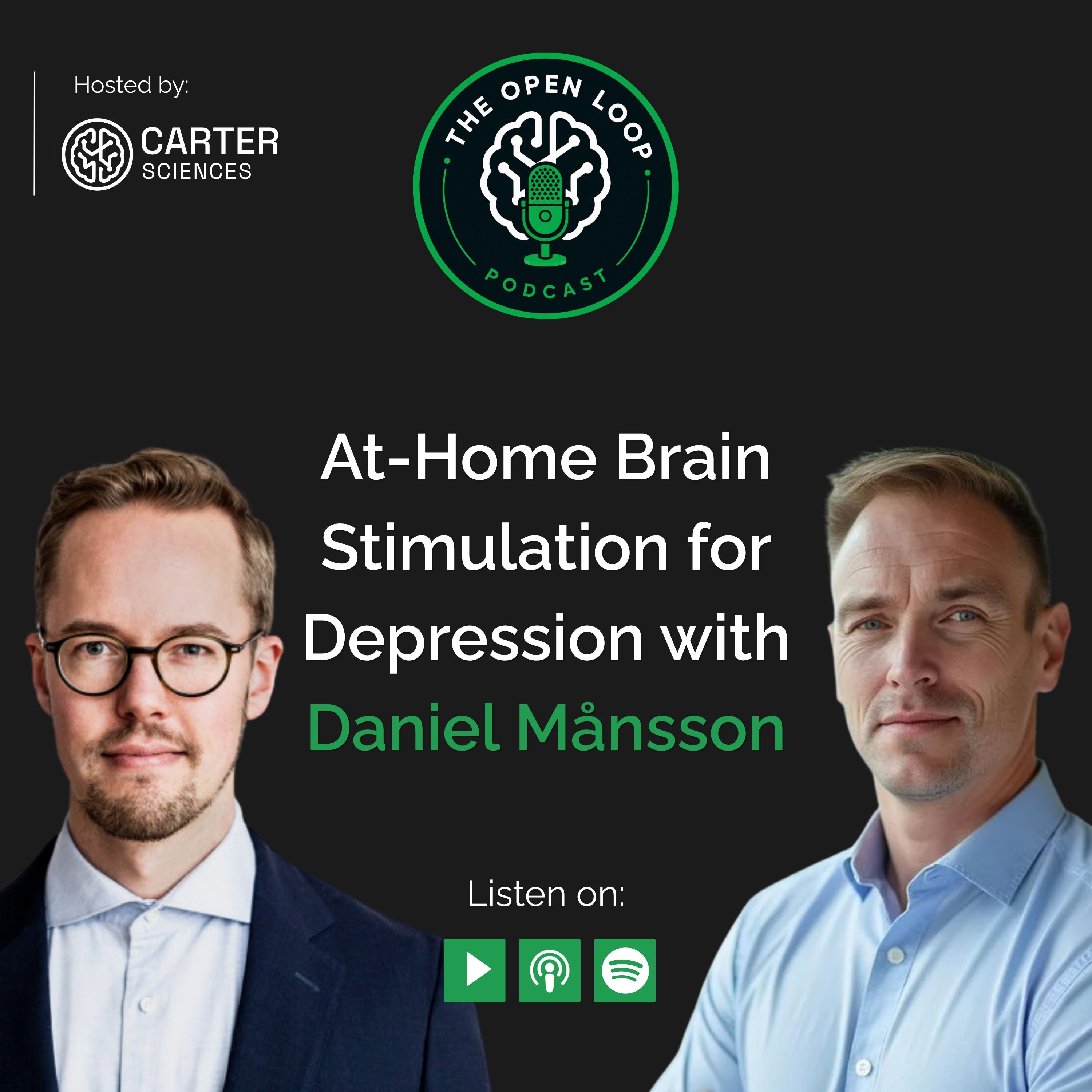 At-Home Brain Stimulation for Depression with Daniel Månsson 23.07.2026 34минIn this episode of The Open Loop, Chay Carter is joined by Daniel Månsson, Chief Scientific Officer and Founder at Flow Neuroscience. Daniel shares his journey from clinical psychology and computer science into building one of the most recognised at-home neurostimulation companies for depression. This is a practical conversation about tDCS, treatment-resistant depression, clinical evidence, and what it takes to bring brain stimulation out of the clinic and into the hands of patients. We explore why Flow chose transcranial direct current stimulation, how the company built its evidence base across Europe and the UK, and what its FDA approval means for the next stage of growth in the US. We also discuss the challenge of separating clinically validated neurotechnology from wellness products, the role of doctors in at-home treatment pathways, and how precision psychiatry could shape the next generation of depression care. Key takeaways:🔹 Why Flow Neuroscience chose tDCS for at-home depression treatment🔹 How the company built clinical evidence through real-world data and RCTs🔹 Why patient access is central to Flow’s approach🔹 How at-home neurostimulation can balance accessibility with medical oversight🔹 Why precision psychiatry could help match the right patients to the right treatments Host: Chay CarterFounder, Carter Sciences | Co-Founder, Reccy NeuroLinkedIn: https://www.linkedin.com/in/chay-carter/ Guest: Daniel MånssonChief Scientific Officer and Founder at Flow Neuroscience.LinkedIn: https://www.linkedin.com/in/danielmanss/Learn more about Flow Neuroscience: https://www.flowneuroscience.com/Key Chapters:00:39 Daniel’s Journey from Psychology to Neurotech04:09 Building Flow Neuroscience for Depression Treatment07:47 From European Regulation to FDA Approval11:00 Insights from 60,000 Patients14:26 Preparing for Flow’s US Launch18:14 How the Flow tDCS Device Works21:47 Expanding Indications and Next-Generation Devices25:32 Balancing Patient Access, Safety, and Medical OversightSponsor:This episode is sponsored by Reccy Neuro — the home of neurotech. Jobs, companies, investors, events, Cortex industry intelligence, and specialist resources for the neurotech market.Learn more about Reccy Neuro: https://neuro.reccy.dev/The Open Loop is a podcast exploring the people, companies, and ideas shaping the future of neurotechnology.🔔 Subscribe for weekly conversations with the founders, researchers, operators, and industry leaders building what comes next in brain health, medicine, and technology.If you enjoyed this episode, please subscribe, leave a review, and share it with someone interested in neurotechnology.New episodes of The Open Loop drop every week.
 -
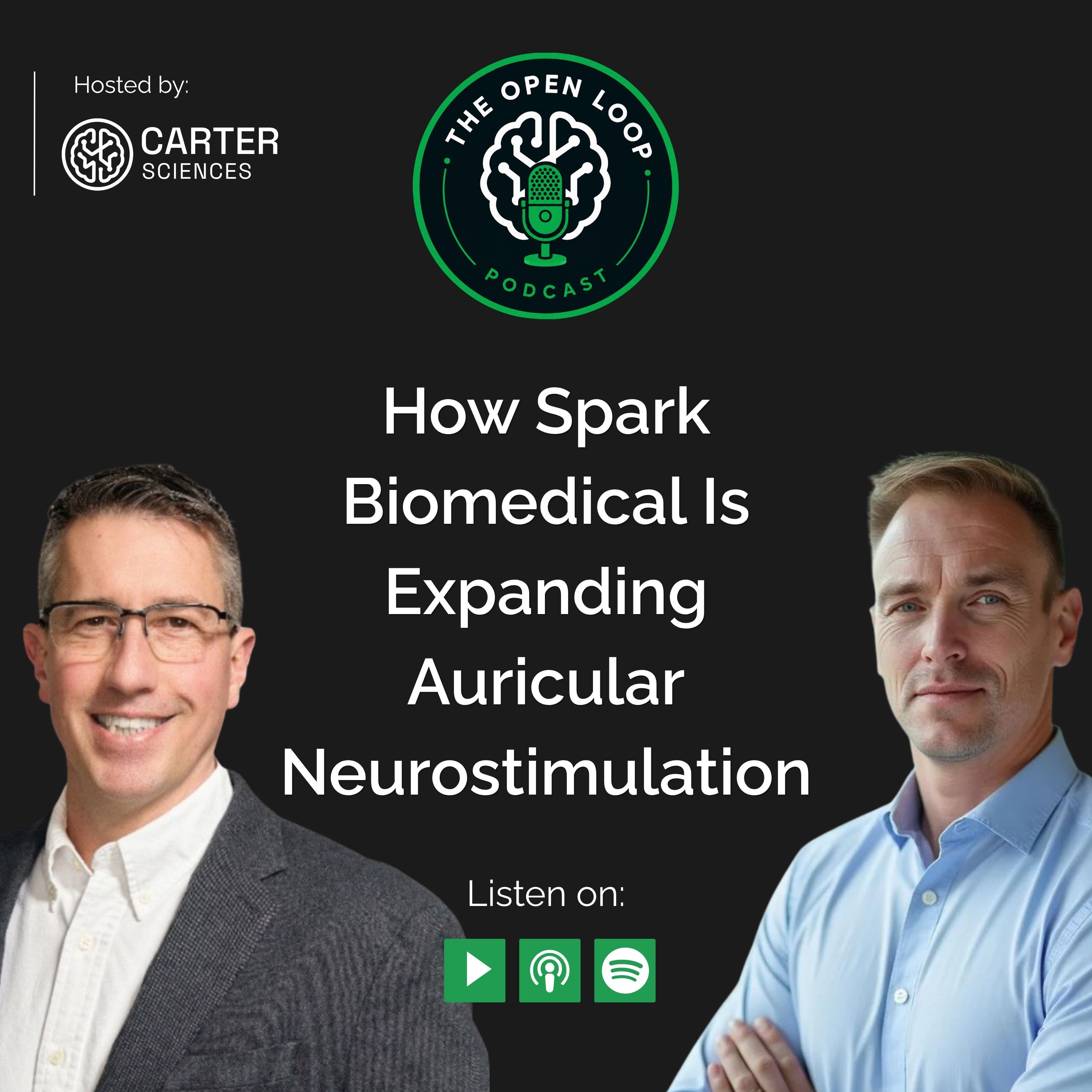 How Spark Biomedical Is Expanding Auricular Neurostimulation with Daniel Powell 08.07.2026 34минIn this episode of The Open Loop, Chay Carter is joined by Daniel Powell, Founder of Spark Biomedical. Daniel shares his journey from consulting into more than two decades in neuromodulation, with experience across spinal cord stimulation, DBS, vagus nerve stimulation, and non-invasive auricular neurostimulation. This is a practical conversation about building clinically validated neurotechnology and taking one platform into multiple high-need areas. We explore Spark Biomedical’s work across opioid withdrawal, surgical blood loss, and women’s health, as well as the challenges of reimbursement, clinical evidence, form factor, and scaling wearable neuromodulation into real-world care.Key takeaways:🔹 How Spark Biomedical is using auricular neurostimulation across multiple clinical applications🔹 Why opioid withdrawal is a powerful but commercially challenging indication🔹 How the “neural tourniquet” could help reduce blood loss in surgery and trauma🔹 Why OhmBody is applying neurostimulation to heavy menstrual bleeding and women’s health🔹 Why clinical evidence matters as wearable neurotechnology becomes more accessibleHost: Chay CarterFounder, Carter Sciences | Co-Founder, Reccy NeuroLinkedIn: https://www.linkedin.com/in/chay-carter/ Guest: Daniel PowellFounder, Spark Biomedical IncLinkedIn: https://www.linkedin.com/in/daniel-powell-a377055/The Open Loop is a podcast exploring the people, companies, and ideas shaping the future of neurotechnology.🔔 Subscribe for weekly conversations with the founders, researchers, operators, and industry leaders building what comes next in brain health, medicine, and technology.If you enjoyed this episode, please subscribe, leave a review, and share it with someone interested in the future of neurotechnology.Sponsor:This episode is sponsored by Reccy Neuro — the home of neurotech. Jobs, companies, investors, events, Cortex industry intelligence, and specialist resources for the neurotech market.
 -
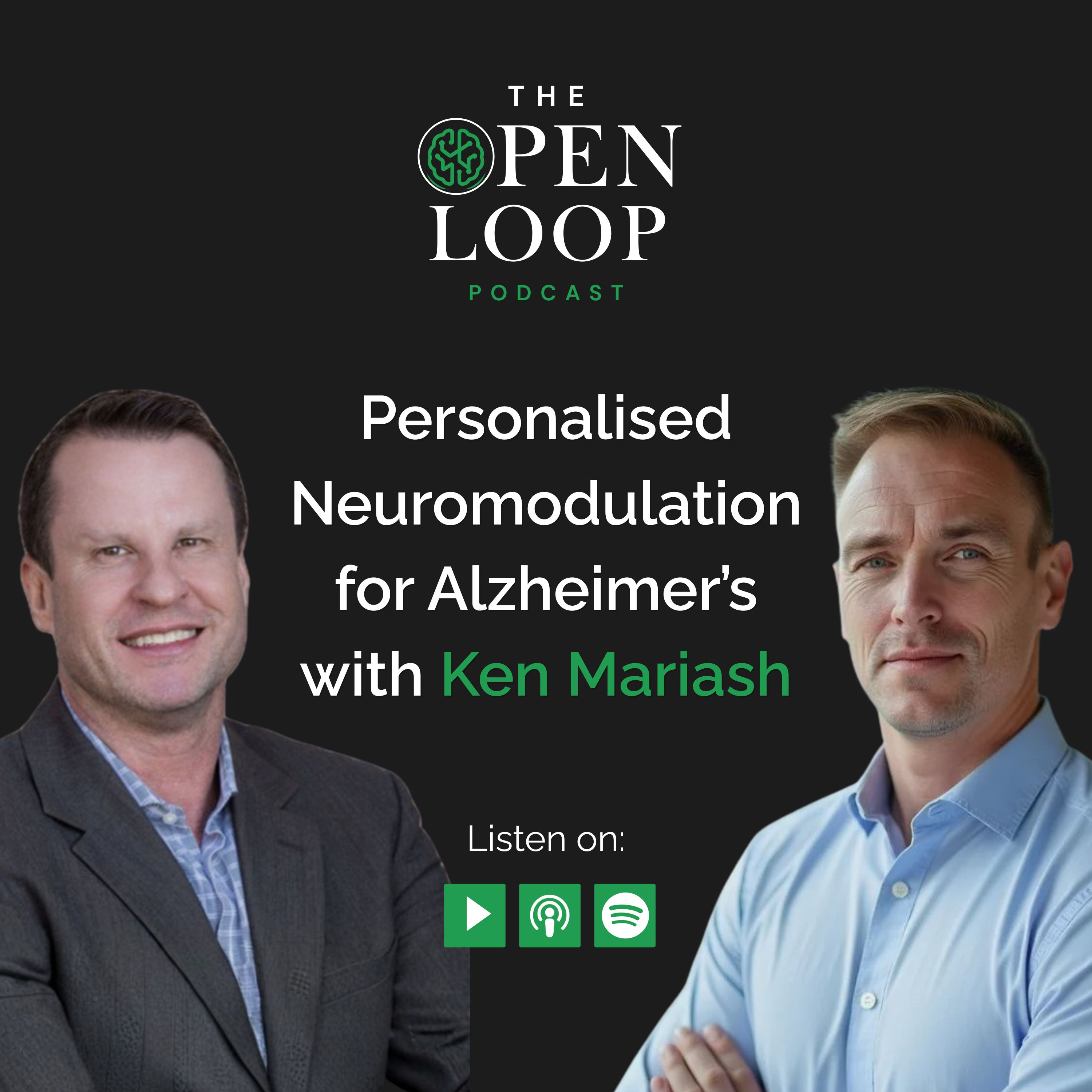 Personalised Neuromodulation for Alzheimer’s with Ken Mariash 02.07.2026 36минIn this episode of The Open Loop, Chay Carter is joined by Ken Mariash, CEO of Sinaptica Therapeutics.Ken shares how Sinaptica is developing a non-invasive, personalised neuromodulation therapy designed to slow the progression of Alzheimer’s disease by targeting the brain networks involved in memory.This is a practical conversation about moving beyond amyloid-only thinking and looking at Alzheimer’s as a disease of network dysfunction.We also explore Ken’s background in medtech, biopharma, and neuromodulation, as well as Sinaptica’s Phase 2 data, pivotal trial plans, reimbursement strategy, and vision for biomarker-led Alzheimer’s care.Key takeaways:🔹 Why Alzheimer’s may need to be understood as a disease of network dysfunction🔹 How Sinaptica is combining TMS and EEG to personalise neuromodulation🔹 Why traditional TMS can be limited by targeting and dosing uncertainty🔹 How biomarker-led therapy could help clinicians understand whether treatment is working🔹 Why non-invasive, personalised brain stimulation could become part of the future Alzheimer’s treatment pathwayGuest: Ken MariashCEO of Sinaptica TherapeuticsLinkedIn: https://www.linkedin.com/in/kenmariash/Host: Chay CarterFounder, Carter Sciences | Co-Founder, Reccy NeuroLinkedIn: https://www.linkedin.com/in/chay-carter/The Open Loop is a podcast exploring the people, companies, and ideas shaping the future of neurotechnology.🔔 Subscribe for weekly conversations with the founders, researchers, and operators building what comes next in brain health, medicine, and technology.If you enjoyed this episode, please subscribe, leave a review, and share it with someone interested in the future of neurotechnology.New episodes of The Open Loop drop every week.Sponsor:This episode is sponsored by ReccyNeuro — the home of neurotech. Jobs, companies, investors, events, Cortex industry intelligence, and specialist resources for the neurotech market.Learn more about ReccyNeuro here: https://neuro.reccy.dev/
 -
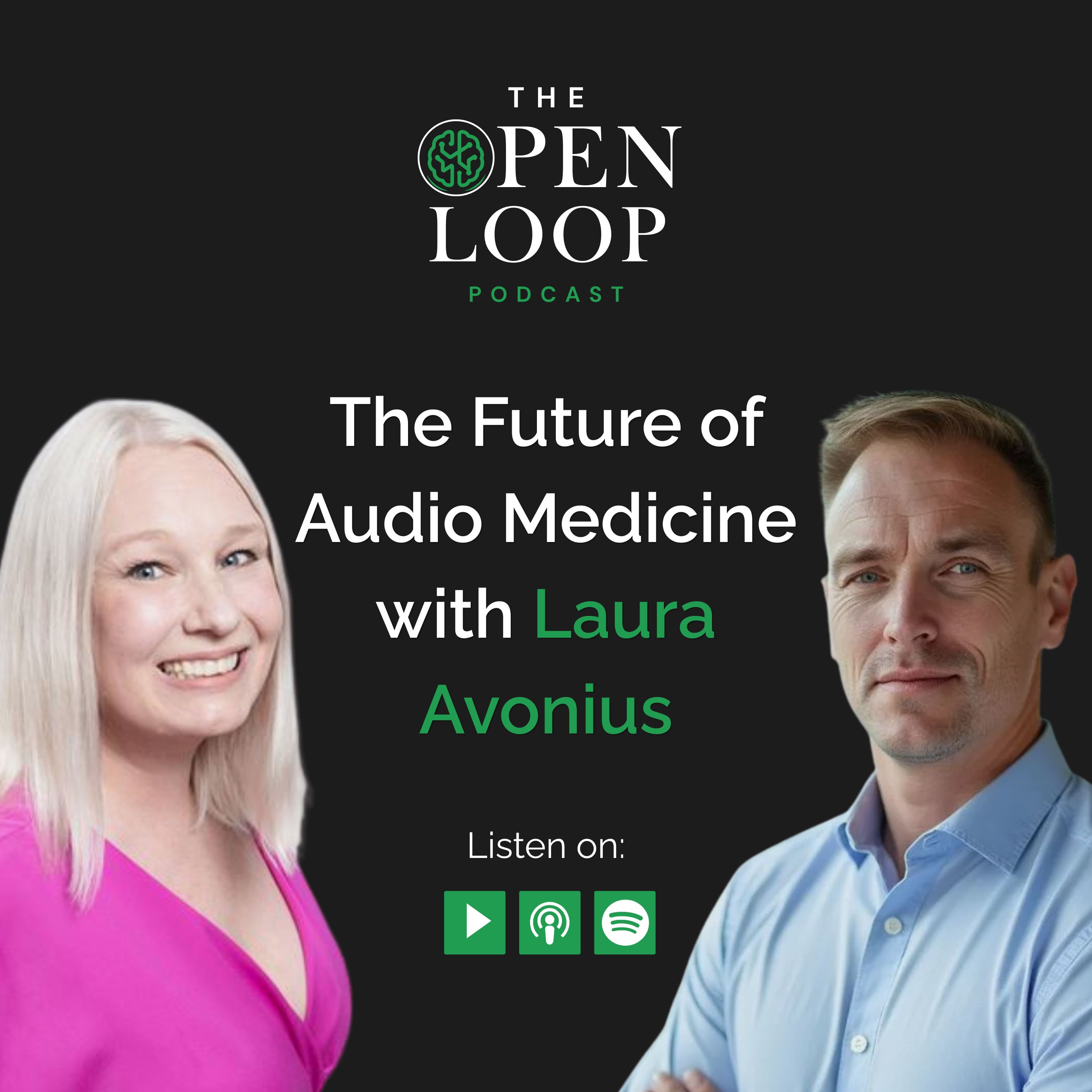 The Future of Audio Medicine with Laura Avonius, Founder of Audicin 24.06.2026 47минIn this episode of The Open Loop, Chay Carter is joined by Laura Avonius, Founder and CEO of Audicin.Laura is a Finnish entrepreneur, composer, and digital health leader building at the intersection of music, neuroscience, and nervous system regulation.She shares how her journey from behavioural science, tech, and music led to the creation of Audicin, a company developing neuroscience-based audio journeys designed to help people focus, recharge, and sleep better.This is a fascinating conversation about audio medicine, binaural beats, brain entrainment, and the challenge of building evidence-based products in a market crowded with overclaiming and questionable content.We explore how sound can influence brainwave states, why the listening experience matters, how Audicin is approaching sleep and daytime regulation, and why the future of neurotech may depend on giving people real help, not just more measurement.Key takeaways:🔹 How Audicin is using neuroscience-based audio to support focus, relaxation, and sleep🔹 Why many binaural beat tracks online may not be what they claim to be🔹 How brain entrainment works through frequency differences between the left and right ear🔹 Why form factor matters when building sleep technology people will actually use🔹 Why neurotech products need to prioritise real-world support, not just data and measurementHost: Chay CarterFounder, Carter Sciences | Co-Founder, Reccy NeuroLinkedIn: https://www.linkedin.com/in/chay-carter/ Guest: Laura AvoniusFounder and CEO of AudicinLinkedIn: https://www.linkedin.com/in/laura-avonius-398a8617/ Chapters:00:39 Introduction to Audicin and Audio Medicine06:34 Finding Calm in Busy Urban Life09:23 How Binaural Beats Influence Brain States12:26 The Science and Skepticism Around Binaural Beats18:37 Building the Audicin Sleep Headband21:34 Expanding Beyond Sleep into Nervous System Regulation28:21 Why People Need Help, Not Just More Measurement37:54 Audicin’s Neurotech Business Strategy and Market VisionIf you enjoyed this episode, please subscribe, leave a review, and share it with someone interested in the future of neurotechnology.New episodes of The Open Loop drop every Wednesday, with conversations featuring the founders, researchers, operators, and industry leaders shaping what comes next in brain health, medicine, and technology.Sponsor:This episode is sponsored by Reccy Neuro — the home of neurotech. Jobs, companies, investors, events, Cortex industry intelligence, and specialist resources for the neurotech market.
 -
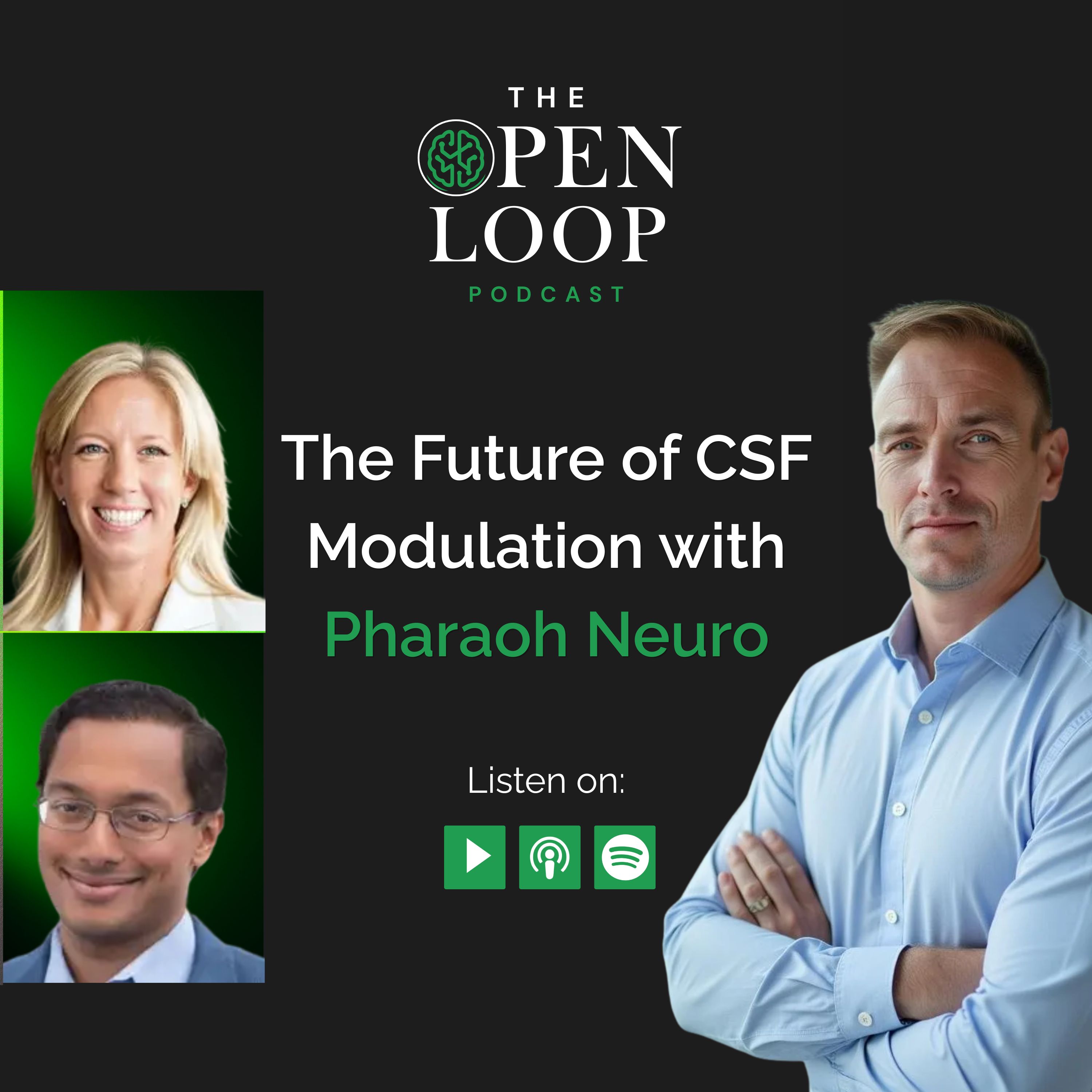 The Future of CSF Modulation with Pharaoh Neuro 17.06.2026 25минIn this episode of The Open Loop, Chay Carter is joined by Dr Nandan Lad and Amaza Reitmeier, the executive leaders behind Pharaoh Neuro.Nandan is a neurosurgeon at Duke and the inventor behind Neurapheresis, while Amaza brings nearly 25 years of leadership experience from Medtronic, including deep experience in brain therapies and DBS.This is a practical conversation about Pharaoh Neuro’s mission to create a new category in brain care: CSF modulation, or what Nandan describes as “neurodialysis”.We explore how Neurapheresis could change the treatment pathway for subarachnoid haemorrhage and hemorrhagic stroke by actively filtering cerebrospinal fluid, removing blood and inflammatory material, and helping reduce devastating downstream complications.We also discuss the company’s clinical data, Series A raise, regulatory pathway, reimbursement strategy, and the broader platform potential across neuroinflammatory conditions.Key takeaways:🔹 Why hemorrhagic stroke remains a major unmet need in brain care🔹 How Neurapheresis works as a closed-loop CSF filtration system🔹 Why Pharaoh Neuro is building a new therapeutic category, not just a device🔹 What early clinical studies showed in blood and protein clearance🔹 How CSF modulation could expand into meningitis, ALS, MS, leptomeningeal disease, and other neuroinflammatory conditionsHost: Chay CarterFounder, Carter Sciences | Co-Founder, Reccy NeuroLinkedIn: https://www.linkedin.com/in/chay-carter/ Guest: Amaza ReitmeierCEO & Director, Pharaoh NeuroLinkedIn: https://www.linkedin.com/in/amaza-reitmeier/ Guest: Nandan LadChief Medical Officer & Co-FounderLinkedIn: https://www.linkedin.com/in/nandan-lad-6262805/ Key Chapters:00:00 Introduction to Pharaoh Neuro and Its Founders02:39 The Origin Story of Neurapheresis05:27 How Neurapheresis and CSF Modulation Work10:20 Clinical Validation and Early Patient Results13:31 Regulatory Pathways and Creating a New Category15:25 Platform Potential Beyond Hemorrhagic Stroke20:18 Pharaoh Neuro and the Broader Neurotech Landscape23:36 Restoring CSF Balance and What Comes NextThe Open Loop is a podcast exploring the people, companies, and ideas shaping the future of neurotechnology.🔔 Subscribe for weekly conversations with the founders, researchers, and operators building what comes next in brain health, medicine, and technology.
 -
 Building a Nervous System OS with Anoop Antony 10.06.2026 31минIn this episode of The Open Loop, Chay Carter is joined by Anoop Antony, Founder and CEO of NeuroX.Anoop shares his journey from psychology and cognitive neuroscience into EEG, brain health, neurofeedback, photobiomodulation, and wearable neurotechnology.This is a practical conversation about making brain health more accessible, understandable, and useful outside traditional clinical and research settings.We explore how NeuroX is combining EEG, HRV, wearable data, and clinical services to build a more complete view of the nervous system, from brain scans and neurofeedback to in-ear EEG and the NEVE platform.We also discuss the future of EEG wearables, why form factor matters, how brain data could support elite performance and everyday cognitive health, and what it takes to communicate neurotechnology to people outside the neuroscience bubble.Key takeaways:🔹 Why EEG is moving beyond hospitals and research labs🔹 How NeuroX is building a nervous system dashboard combining brain and body data🔹 Why in-ear EEG could help make brain monitoring more wearable and accessible🔹 How neurofeedback and photobiomodulation are being used in brain health clinics🔹 Why translating brain data into simple, actionable insights is key to public adoptionHost: Chay CarterFounder, Carter Sciences | Co-Founder, Reccy NeuroLinkedIn: https://www.linkedin.com/in/chay-carter/ Guest: Anoop AntonyFounder and CEO of NeuroXLinkedIn: https://www.linkedin.com/in/anoop-antony-529a72181/ Key Chapters:00:00 Introduction to NeuroX and Anoop Antony03:46 The Evolution of EEG Technology06:32 NeuroX’s Vision for Accessible Brain Health09:09 In-Ear EEG and Wearable Brain Monitoring12:14 Neurofeedback and Photobiomodulation14:54 Who Is Using Brain Health Technology?17:48 Communicating Neurotechnology Beyond the Science Bubble23:31 Product Roadmap and the Future of NeuroXThe Open Loop is a podcast exploring the people, companies, and ideas shaping the future of neurotechnology.🔔 Subscribe for weekly conversations with the founders, researchers, and operators building what comes next in brain health, medicine, and technology.
 -
 The Future of Neurotech Investing with Jordi Parramon 01.06.2026 36минIn this episode of The Open Loop, Chay Carter is joined by Jordi Parramon, a neurotechnology operator, investor, and founder of Nexus NeuroTech Ventures. Jordi brings more than 27 years of experience across medical devices, health tech, and venture, with leadership roles spanning Boston Scientific, Verily, and a portfolio of neurotech companies including Cala Health, INSIGHTEC, Rune Labs, Lotus Neuro, and Galvani. This is a practical conversation about what neurotech needs next, from patient access and indication expansion to reimbursement, market access, consumer devices, and smarter investment thinking. We also explore Jordi’s perspective on the future of neuromodulation, brain data, wearable technologies, BCI, focused ultrasound, and why the next phase of the industry will depend on connecting innovation across the full patient journey. Key takeaways: 🔹 Why neurotech still needs to solve its patient access and penetration problem🔹 How consumer and regulated devices could work together across the healthcare journey🔹 What early-stage neurotech investors look for beyond financial modelling🔹 Why reimbursement and market access are becoming central to funding and M&A🔹 Where Jordi sees the next major opportunities in neuromodulation and neuropsychiatric care Host:Chay CarterFounder, Carter SciencesCo-Founder, Reccy NeuroLinkedIn: https://www.linkedin.com/in/chay-carter/ Guest:Jordi ParramonNeurotechnology investor, operator, and founder of Nexus NeuroTech VenturesLinkedIn: https://www.linkedin.com/in/jordi-parramon-50b2158/ Key Chapters:00:00 Introduction to Jordi Parramon01:16 From Implantable Devices to Neurotech Investment04:28 M&A, Platforms, and Early Neuromodulation Innovation08:57 Patient Access and Indication Diversification11:19 Wearables, Consumer Devices, and Neurohealth16:43 EEG, Brain Data, and the Future of Digital Health18:05 What Investors Look for in Neurotech28:22 Emerging Opportunities and the Future of Neuromodulation The Open Loop is a podcast exploring the people, companies, and ideas shaping the future of neurotechnology. 🔔 Subscribe for weekly conversations with the founders, researchers, and operators building what comes next in brain health, medicine, and technology.
 -
 Inside the Tivic Health Journey with Jennifer Ernst 01.06.2026 38минIn this episode of The Open Loop, Chay Carter is joined by Jennifer Ernst, founder and former CEO of Tivic Health (now Valion Bio). Jennifer shares the story behind Tivic’s journey, from consumer bioelectronics and non-invasive stimulation to FDA clearance, retail launch, IPO, supply chain disruption, and a major pivot into biopharma. This is a practical conversation about the rollercoaster journey of building regulated consumer neurotechnology, bringing a new category to market, and navigating the strategic decisions founders face when timing, capital, and market conditions change. We also look ahead to the future of bioelectronic medicine, including peripheral nerve stimulation, AI-native company building, and how electrical and pharmaceutical approaches could eventually work together. Key takeaways: 🔹 Why “going consumer” is not always the easier route for neurotech companies🔹 What founders need to understand about category creation, claims, and customer acquisition🔹 How Tivic navigated FDA clearance, retail launch, IPO, and supply chain disruption🔹 Why remote monitoring, reimbursement, and physician incentives matter for device adoption🔹 How AI, peripheral nerve stimulation, and bioelectronic medicine could shape the next phase of neurotech Host:Chay CarterFounder, Carter SciencesCo-Founder, Reccy NeuroLinkedIn: https://www.linkedin.com/in/chay-carter/ Guest:Jennifer ErnstFounder and former CEO of Tivic Health (now Valion Bio)LinkedIn: https://www.linkedin.com/in/jenniferernst/ Key Chapters: 00:00 Introduction to Jennifer Ernst and Tivik Health03:28 The Journey into Bioelectronics and Neurotechnology07:01 Consumer Market Challenges in Neurotechnology10:02 Navigating the IPO Process and Supply Chain Issues14:01 Lessons Learned from the Tivik Experience17:39 The Future of Neurotechnology and AI Integration23:09 Vagus Nerve Stimulation and Its Potential28:51 Transitioning to Biopharmaceuticals and Future Directions The Open Loop is a podcast exploring the people, companies, and ideas shaping the future of neurotechnology.
 -
 How Brainomix Is Bringing AI Into Stroke and Lung Care 27.05.2026 38минIn this episode of The Open Loop, Chay Carter is joined by Dr George Harston, Chief Medical and Innovation Officer at Brainomix. George shares how Brainomix is building clinical AI software to support treatment decisions in stroke and fibrosing lung disease, helping clinicians extract meaningful information from medical scans and use it in time-critical patient pathways. This is a practical conversation about what it takes to move healthcare AI from algorithm performance into real clinical adoption. We explore why AI is only valuable when it integrates into workflows, supports clinician decision-making, and improves patient outcomes. We also discuss Brainomix’s journey from Oxford spinout to NHS adoption, Series C growth, and US expansion, as well as the company’s work with hospitals, pharma partners, and clinical trials. Key takeaways: 🔹 Why stroke care depends on faster identification and treatment decisions🔹 Why clinical AI needs workflow integration, not just strong algorithms🔹 How Brainomix is applying imaging AI across stroke and fibrosing lung disease🔹 What it takes to drive adoption across hospitals, healthcare systems, and the US market🔹 Why the future of healthcare AI will depend on evidence, implementation, and patient impact Host:Chay CarterFounder, Carter SciencesCo-Founder, Reccy NeuroLinkedIn: https://www.linkedin.com/in/chay-carter/ Guest:Dr. George HarstonChief Medical and Innovation Officer at BrainomixLinkedIn: https://www.linkedin.com/in/george-harston-3b9496b1/Key Chapters:00:00 Introduction to Brainomix and Dr George Harston04:01 From Stroke Medicine to Clinical AI06:54 Why AI Needs to Fit the Clinical Workflow12:30 How Imaging AI Can Improve Patient Outcomes18:25 Expanding AI Support into Fibrosing Lung Disease24:19 Navigating US Healthcare, Reimbursement, and Adoption30:09 The Future of Stroke Treatment and Clinical AI36:23 Brain Data, Personalised Medicine, and What Comes Next The Open Loop is a podcast exploring the people, companies, and ideas shaping the future of neurotechnology.
 -
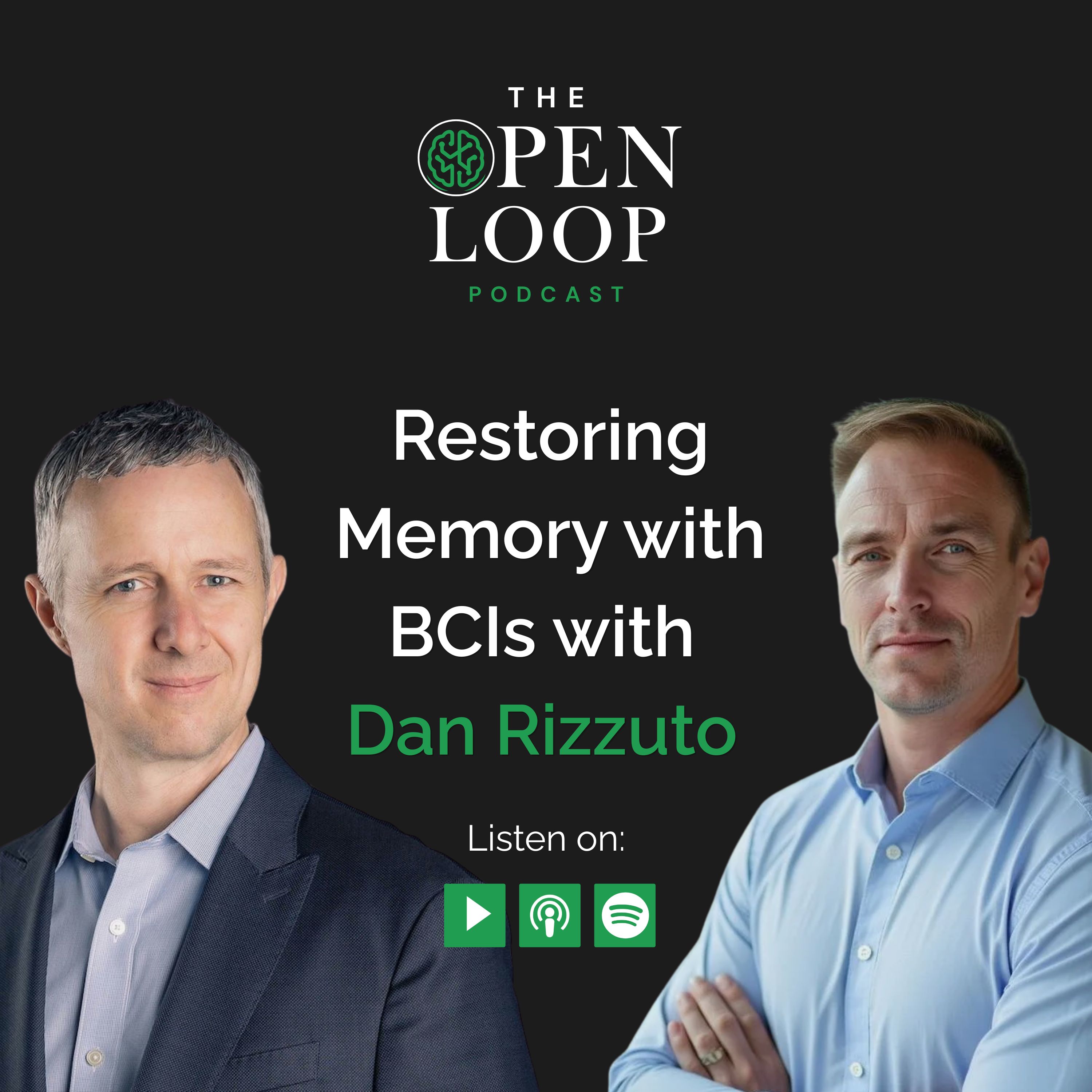 Restoring Memory with BCIs - Dan Rizzuto 20.05.2026 27минIn this episode of The Open Loop, Chay Carter is joined by Dan Rizzuto, President and CTO at Nia Therapeutics. Dan shares how Nia is developing a closed-loop neurostimulation system designed to help patients with memory loss, combining implantable sensing, machine learning, wearable components, and personalised stimulation. This is a practical conversation about the future of cognitive BCIs, what it takes to move neurotechnology from academic research into clinical development, and why memory restoration could become one of the most important frontiers in the field. We also explore Nia’s FDA Breakthrough Device Designation for TBI-related memory loss, the evolution of BCI over the last 20 years, the reality behind cognitive enhancement hype, and why efficacy matters more than form factor when building neurotechnology for patients. Key takeaways: 🔹 How Nia Therapeutics is developing closed-loop neurostimulation for memory loss🔹 Why cognitive BCIs could become a major new category in neurotechnology🔹 What FDA Breakthrough Device Designation means for clinical development🔹 Why direct-to-consumer cognitive enhancement still needs stronger evidence🔹 How the neurotech field is evolving from research breakthroughs to real patient impactHost:Chay CarterFounder, Carter SciencesCo-Founder, Reccy NeuroLinkedIn: https://www.linkedin.com/in/chay-carter/Guest:Dr. Dan RizzutoPresident and Chief Technology Officer at Nia TherapeuticsLinkedIn: https://www.linkedin.com/in/rizzuto/Key Chapters:00:00 Introduction to Dan Rizzuto and Nia Therapeutics02:23 Closed-Loop Neurostimulation for Memory Loss05:09 From Motor BCIs to Cognitive Applications09:40 How Nia’s Implantable and Wearable System Works12:00 Cognitive Enhancement, Ethics, and Future Possibilities14:09 FDA Breakthrough Device Designation and Regulatory Pathways16:18 Fundraising, Clinical Trials, and What Comes Next21:22 Emerging Modalities, Brain Data, and the Future of Neurotech The Open Loop is a podcast exploring the people, companies, and ideas shaping the future of neurotechnology.
 -
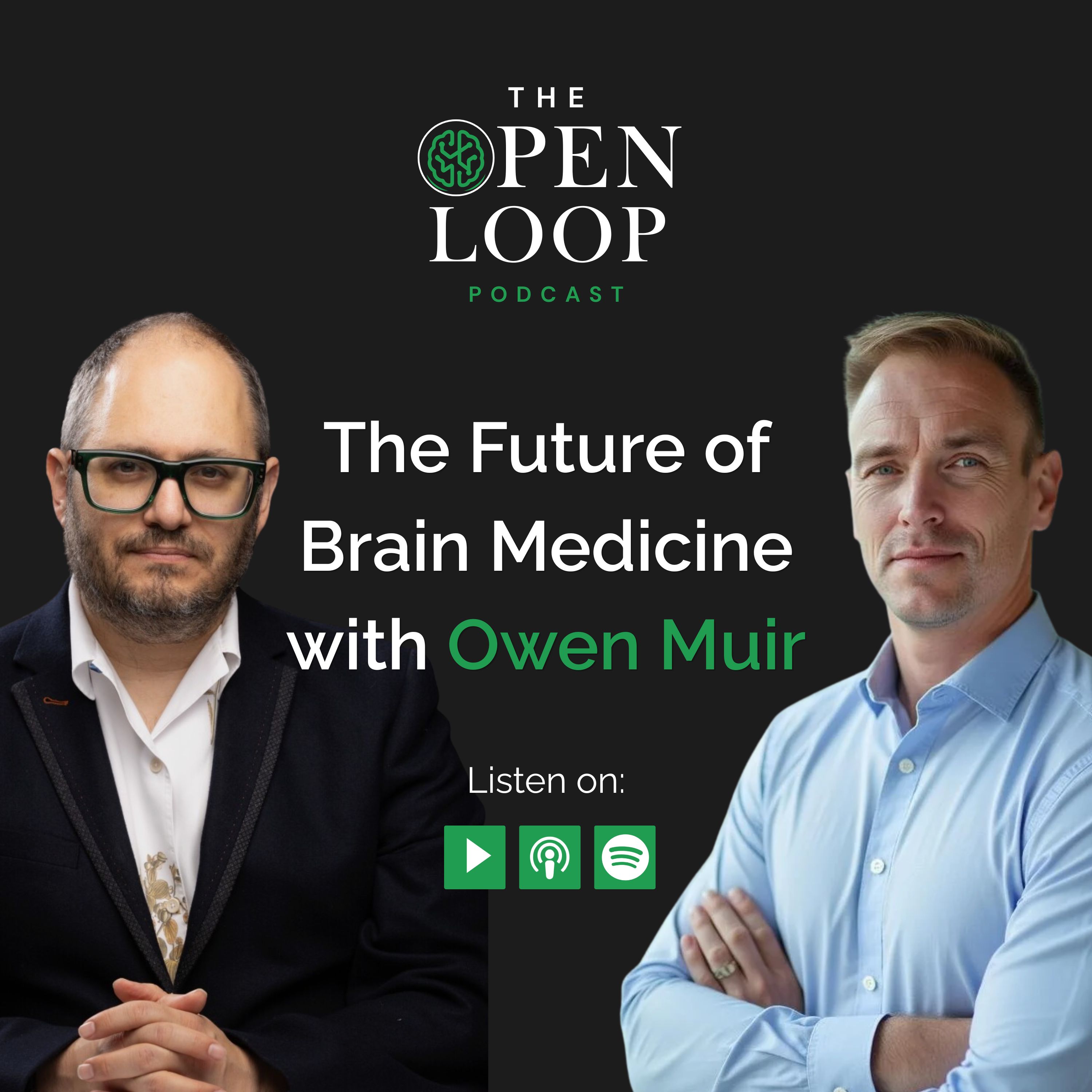 The Future of Brain Medicine with Owen Muir 13.05.2026 56минIn the first episode of The Open Loop, Chay Carter, Founder of Carter Sciences and Reccy Neuro is joined by Dr. Owen Scott Muir, Interventional Psychiatrist, Co-founder & Chief Medical Officer at Radial. Owen shares his personal journey through bipolar disorder, his experience as a clinical trial participant, and how those experiences shaped his mission to build the future of “brain medicine”. This is a wide-ranging conversation on transcranial magnetic stimulation (TMS), neurotechnology, AI biomarkers, precision psychiatry, and what it really takes to scale brain-based treatments in the real world. We also explore the future of neuromodulation, patient-centred care, and why Owen believes psychiatry is evolving into a much broader field of brain medicine. Key takeaways: 🔸 How Owen’s personal experience with bipolar disorder led him into neurotechnology🔸 Why TMS changed his view of mental health treatment🔸 How AI biomarkers could help predict which treatments work for patients🔸 Why Owen believes “mental health” should be reframed as “brain medicine”🔸 What it takes to scale patient-centred neurotechnology in the real world Host:Chay CarterFounder, Carter SciencesCo-Founder, Reccy NeuroLinkedIn: https://www.linkedin.com/in/chay-carter/ Guest:Dr. Owen Scott Muir MD, DFAACAPInterventional PsychiatristCo-founder & Chief Medical OfficerLinkedIn: https://www.linkedin.com/in/owen-muir-md-dfaacap-fctmss-53345b7/ Key Chapters:00:00 Introduction to Dr. Owen Scott Muir02:21 Personal Journey and Mental Health Experiences05:57 Clinical Trials and the Future of Mental Health Treatment09:49 Understanding Transcranial Magnetic Stimulation (TMS)13:06 The Evolution of TMS Treatments26:57 AI Biomarkers and Precision Psychiatry35:58 Building a Patient-Centric Brain Medicine Company46:22 The Future of Neurotechnology and Brain Medicine The Open Loop is a podcast exploring the people, companies, and ideas shaping the future of neurotechnology. 🔔 Subscribe for more conversations with the founders, researchers, and operators building the future of brain medicine. #Neurotechnology #Neurotech #BrainMedicine #TMS #Neuromodulation #MentalHealth #PrecisionPsychiatry #AIHealthcare #BrainComputerInterface #Neuroscience #HealthcareInnovation #ClinicalResearch #DigitalHealth #TheOpenLoop #LifeScience #Podcast
Слични подкасти


Популаран у
Овај подкаст се појављује и у подкаст листама ових земаља.
