
Alcohol Minimalist: Mindful Drinking & Behavior Change
Molly Watts, Mindful Drinking & Behavior Change Coach
0
Join coach Molly Watts on the Alcohol Minimalist Podcast to explore mindful drinking, behavior change, and mental wellness. This show offers science-based strategies to help you break drinking habits and overcome anxiety linked to alcohol use. Whether you're an adult child of alcoholics or seeking peace with your drinking, discover tools for lasting change without shame or guilt. New episodes every Monday and Thursday.
Епизоде
-
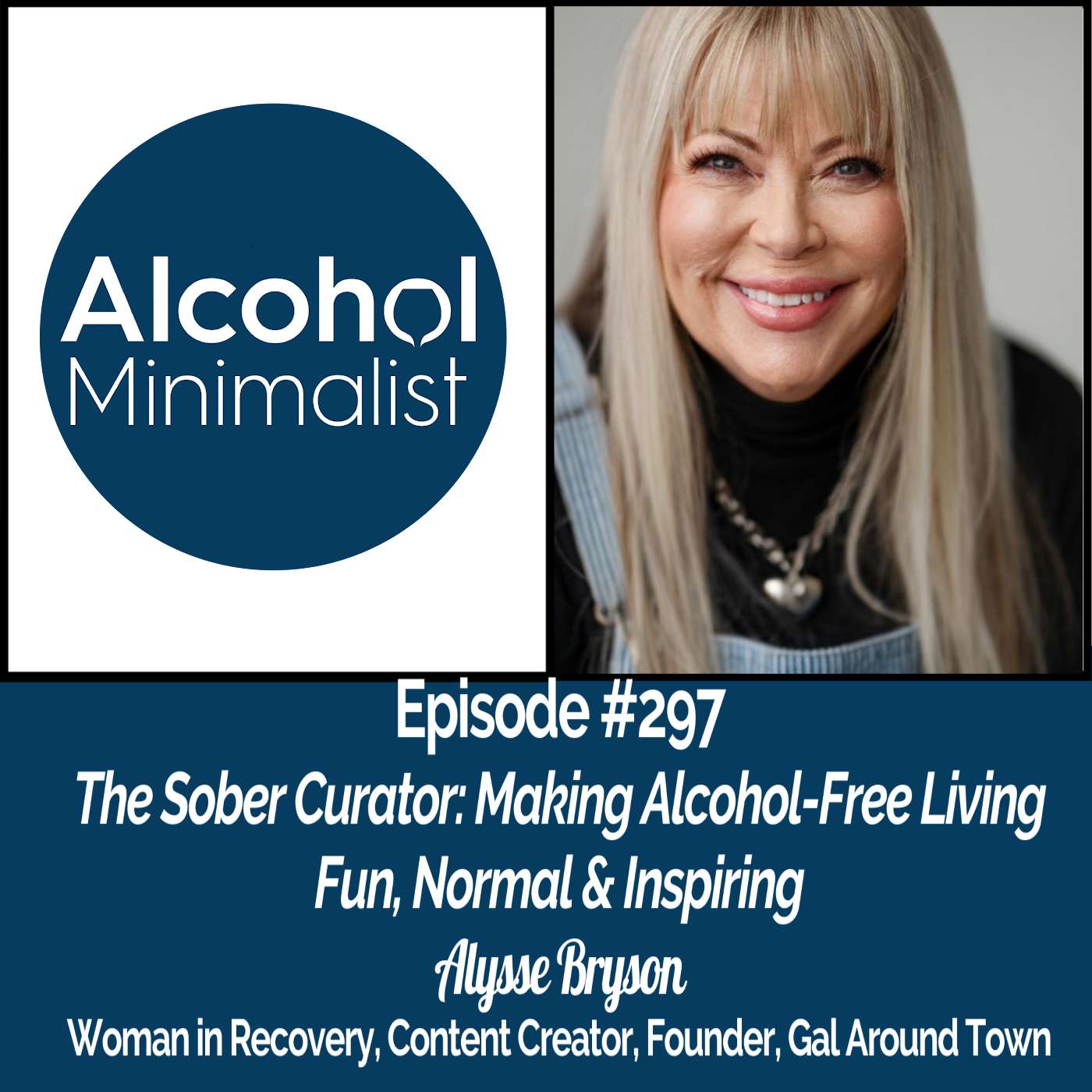 The Sober Curator: Making Alcohol-Free Living Fun, Normal & Inspiring with Alysse Bryson 14.09.2026 45минWhat does it look like to build a fun, fulfilling life with less alcohol—or none at all?In this episode of the Alcohol Minimalist Podcast, Molly talks with Elise Bryson, CEO and curator of The Sober Curator, about sober curiosity, recovery, non-alcoholic drinks, and the changing culture around alcohol.They explore why alcohol-free living is becoming more mainstream, how the non-alcoholic beverage movement is helping normalize drinking less, and why choosing not to drink should never feel awkward or restrictive.If you’re sober curious, exploring a mostly alcohol-free lifestyle, or working to change your relationship with alcohol, this conversation offers encouragement, practical resources, and a refreshing reminder that drinking less can actually open the door to more.In This EpisodeHow The Sober Curator started and grew into a global alcohol-free lifestyle resourceWhy Elise believes alcohol may be having its own “cigarette moment”How attitudes toward sobriety and sober curiosity have changedThe growth of non-alcoholic beer and zero-proof optionsWhy choosing not to drink is becoming more normalizedThe difference between recovery, sobriety, and an Alcohol Minimalist lifestyleWhy alcohol-free living doesn’t have to feel restrictive or boringHow community and support can make change easierWhy it matters to pay attention when alcohol starts raising red flagsHow to create more fun, connection, and celebration without relying on alcoholResources Mentioned:The Sober CuratorMore Sober OctoberSunnyside MedLow risk drinking guidelines from the NIAAA:Healthy men under 65:No more than 4 drinks in one day and no more than 14 drinks per week.Healthy women (all ages) and healthy men 65 and older:No more than 3 drinks in one day and no more than 7 drinks per week.One drink is defined as 12 ounces of beer, 5 ounces of wine, or 1.5 ounces of 80-proof liquor. So remember that a mixed drink or full glass of wine are probably more than one drink.Abstinence from alcoholAbstinence from alcohol is the best choice for people who take medication(s) that interact with alcohol, have health conditions that could be exacerbated by alcohol (e.g. liver disease), are pregnant or may become pregnant or have had a problem with alcohol or another substance in the past.Benefits of “low-risk” drinkingFollowing these guidelines reduces the risk of health problems such as cancer, liver disease, reduced immunity, ulcers, sleep problems, complications of existing conditions, and more. It also reduces the risk of depression, social problems, and difficulties at school or work. ★ Support this podcast ★
 -
 Revisiting Think Thursday: Neurodivergence and The Brain's Energy Economy 10.09.2026 13минIn this revisited Think Thursday episode, Molly explores ADHD through the lens of the brain’s energy economy—how neurodivergent brains may use mental fuel differently, and why that matters for motivation, behavior change, and alcohol.You’ll learn why routine tasks can feel more costly for an ADHD brain, why novelty and stimulation can feel energizing, and how differences in dopamine and norepinephrine may help explain the connection between ADHD and substance use.Molly also shares six practical ways to support the ADHD brain:Externalize memoryReduce frictionUse novelty as a leverBreak tasks into smaller stepsTry body doublingProtect sleep, movement, and downtimeThe goal isn’t to make a neurodivergent brain work like a neurotypical one. It’s to understand the brain you have and build strategies that work with it.Choose peace. ★ Support this podcast ★
 -
 Summer's Greatest Hits: Alcohol & ADHD 07.09.2026 35минThis week on the Alcohol Minimalist Podcast, we’re revisiting the most-downloaded episode from the Alcohol & series: Alcohol & ADHD.ADHD is a personal topic for me, and it also comes up often with coaching clients and members of the Alcohol Minimalist community.In this episode, we explore how ADHD can affect attention, impulsivity, emotional regulation, and reward-seeking—and why those traits may make alcohol especially appealing as a way to quiet a busy brain or temporarily reduce discomfort.In this episode:What ADHD is and how symptoms can varyHow the ADHD brain may differ from a neurotypical brainWhy impulsivity and emotional regulation matterWhy alcohol can feel calming or rewarding for people with ADHDThe connection between ADHD and increased risk for problematic alcohol useWhy alcohol can become a coping strategy instead of just a drinking habitImportant considerations around ADHD medications and alcoholThe goal isn’t to create fear or shame. It’s to understand what alcohol may be doing for you and to get curious about whether there are better, more sustainable ways to meet that need.If ADHD or alcohol use is affecting your daily life, talk with a qualified healthcare professional for individualized support.Changing your drinking habits and creating a peaceful relationship with alcohol is possible. Choose peace.Low risk drinking guidelines from the NIAAA:Healthy men under 65:No more than 4 drinks in one day and no more than 14 drinks per week.Healthy women (all ages) and healthy men 65 and older:No more than 3 drinks in one day and no more than 7 drinks per week.One drink is defined as 12 ounces of beer, 5 ounces of wine, or 1.5 ounces of 80-proof liquor. So remember that a mixed drink or full glass of wine are probably more than one drink.Abstinence from alcoholAbstinence from alcohol is the best choice for people who take medication(s) that interact with alcohol, have health conditions that could be exacerbated by alcohol (e.g. liver disease), are pregnant or may become pregnant or have had a problem with alcohol or another substance in the past.Benefits of “low-risk” drinkingFollowing these guidelines reduces the risk of health problems such as cancer, liver disease, reduced immunity, ulcers, sleep problems, complications of existing conditions, and more. It also reduces the risk of depression, social problems, and difficulties at school or work. ★ Support this podcast ★
 -
 Think Thursday: Hearing Health is Brain Health 03.09.2026 12минWe tend to think of hearing as something that happens in our ears, but hearing is really a partnership between the ears and the brain. And growing research suggests that when hearing begins to decline, it may have implications for cognitive health as well.In this episode of Think Thursday, Molly explores the connection between hearing loss and dementia risk, including what the latest research says about whether hearing aids may help protect cognitive function.You’ll learn:Why hearing loss is considered a potentially modifiable risk factor for dementiaHow “effortful listening” may place additional demands on the brainThe role social isolation may play in the hearing–cognition connectionWhat the ACHIEVE trial found about hearing aids and cognitive declineWhy hearing aids cannot currently be said to prevent dementiaSigns that it may be time to have your hearing evaluatedSimple ways to protect your hearing from noise-related damageThe takeaway: protecting your hearing isn’t just about preserving sound. It’s another practical way to support the connection between your brain and the world around you.Research mentioned:The 2024 Lancet Commission on dementia preventionThe ACHIEVE randomized clinical trial2026 World Health Organization dementia risk-reduction guidance2026 multinational research on hearing aid use and probable dementia ★ Support this podcast ★
 -
 Summer's Greatest Hits: Is What You're Doing Good Enough to Change Your Drinking Habits 31.08.2026 20минWhat if the biggest obstacle to changing your drinking isn’t that you’re doing too little—but that you’ve decided anything less than a dramatic change doesn’t count?In this revisited episode of the Alcohol Minimalist Podcast, Molly explores the all-or-nothing thinking that can make sustainable change harder than it needs to be.You’ll learn why the Doable Drink Plan starts with meeting yourself where you are, how perfectionism can quietly undermine progress, and why small, repeatable changes can help you build trust in yourself.Molly also examines the long-standing belief that abstinence is the only “real” way to change your drinking. Alcohol-free breaks can absolutely be helpful, but the thinking behind the action matters. Are you choosing a break because it supports your long-term goals—or because you believe anything less isn’t good enough?In this episode:Why perfectionism can sabotage progressHow “this isn’t enough” thinking keeps people stuckWhy small wins matterThe role of the Doable Drink PlanHow to think about alcohol-free breaks without turning them into a testWhy sustainable change is built through continuous improvementThe question isn’t simply, “Am I doing enough?”A better question may be:“Is what I’m doing helping me build the skills and confidence I need for sustainable change?”Low risk drinking guidelines from the NIAAA:Healthy men under 65:No more than 4 drinks in one day and no more than 14 drinks per week.Healthy women (all ages) and healthy men 65 and older:No more than 3 drinks in one day and no more than 7 drinks per week.One drink is defined as 12 ounces of beer, 5 ounces of wine, or 1.5 ounces of 80-proof liquor. So remember that a mixed drink or full glass of wine are probably more than one drink.Abstinence from alcoholAbstinence from alcohol is the best choice for people who take medication(s) that interact with alcohol, have health conditions that could be exacerbated by alcohol (e.g. liver disease), are pregnant or may become pregnant or have had a problem with alcohol or another substance in the past.Benefits of “low-risk” drinkingFollowing these guidelines reduces the risk of health problems such as cancer, liver disease, reduced immunity, ulcers, sleep problems, complications of existing conditions, and more. It also reduces the risk of depression, social problems, and difficulties at school or work. ★ Support this podcast ★
 -
 Think Thursday: Why Certainty Comes After Action 27.08.2026 11минWe often think we need confidence, motivation, or certainty before we act—but the brain usually works in the opposite direction.In this Think Thursday episode, Molly explores how the brain uses prediction, feedback, and experience to update what it believes is possible.You’ll learn:Why the brain constantly predicts what will happen nextHow prediction error gives the brain new informationWhat Albert Bandura’s research on self-efficacy tells us about building confidenceWhy actually doing something creates evidence that thinking and planning cannotHow feedback can recalibrate confidence over timeWhy uncertainty does not automatically mean a decision is wrongHow small experiments can build both confidence and clarityA simple process to try:Notice the predictionTake the smallest action that can test itLook honestly at the feedbackUpdate what you believeConfidence is not always the entrance requirement. Sometimes it is what your brain builds after you walk through the door.Key takeaway: You don’t always act because you know. Sometimes you know because you acted. ★ Support this podcast ★
 -
 Summer's Greatest Hits: Is it Alcohol Use Disorder? Why Your Answer Matters 24.08.2026 27минThis week on the Alcohol Minimalist podcast, I’m revisiting one of the most-downloaded episodes from the archives: a conversation about Alcohol Use Disorder (AUD), physical dependence, and why labels aren’t always the most useful place to start.If you’ve ever wondered, Do I have a drinking problem? Am I drinking too much? Am I addicted? this episode will help you look at those questions with more clarity and less drama.Alcohol Use Disorder isn’t determined simply by how much you drink. It exists on a spectrum from mild to severe and is based on how alcohol is affecting your behavior, health, relationships, and ability to control your drinking.In this episode, we talk about:How Alcohol Use Disorder is definedWhy comparing your drinking to someone else’s isn’t helpfulThe difference between alcohol misuse, AUD, and physical dependenceWhy withdrawal symptoms require medical guidanceHow labels can sometimes keep us from honestly evaluating our drinkingWhy the better question may be: Is alcohol creating results I actually want in my life?An important safety noteIf you regularly experience withdrawal symptoms such as shakiness, sweating, nausea, racing heart, or seizures when alcohol wears off, seek professional medical guidance before abruptly stopping drinking. Alcohol withdrawal can be serious.You don’t need to wait for alcohol to become a severe problem before deciding to change.Pay attention to the data. Look honestly at the results alcohol is creating. Then decide what one small change could move you toward a more peaceful relationship with alcohol.Low risk drinking guidelines from the NIAAA:Healthy men under 65:No more than 4 drinks in one day and no more than 14 drinks per week.Healthy women (all ages) and healthy men 65 and older:No more than 3 drinks in one day and no more than 7 drinks per week.One drink is defined as 12 ounces of beer, 5 ounces of wine, or 1.5 ounces of 80-proof liquor. So remember that a mixed drink or full glass of wine are probably more than one drink.Abstinence from alcoholAbstinence from alcohol is the best choice for people who take medication(s) that interact with alcohol, have health conditions that could be exacerbated by alcohol (e.g. liver disease), are pregnant or may become pregnant or have had a problem with alcohol or another substance in the past.Benefits of “low-risk” drinkingFollowing these guidelines reduces the risk of health problems such as cancer, liver disease, reduced immunity, ulcers, sleep problems, complications of existing conditions, and more. It also reduces the risk of depression, social problems, and difficulties at school or work. ★ Support this podcast ★
 -
 Revisiting-Think Thursday: Rumination-What, Why and How to Stop! 20.08.2026 20минRumination can feel like problem-solving, but often it’s just repetitive thinking that keeps us focused on the problem instead of moving toward a solution.In this revisited Think Thursday episode, Molly explores why our brains get caught in negative thought loops, how rumination can interfere with behavior change, and why overthinking itself can become a habit.In this episode:What rumination is—and how it differs from productive reflectionWhy the brain believes replaying problems will help keep us safeHow rumination contributes to stress, anxiety, self-doubt, and analysis paralysisWhy repeated thoughts about past failures can make change feel impossibleHow shifting from “Why?” to “How?” can move your brain toward solutionsThe value of purposeful distraction for interrupting a thought loopHow self-compassion helps reduce rumination and build resilienceWhy putting a time limit on problem-solving can keep you from overthinkingHow the “name it to tame it” practice creates distance between you and your thoughtsThe takeaway:Your thoughts are not you—and you don’t have to follow every thought your brain offers.Learning to notice rumination, interrupt the pattern, and intentionally redirect your thinking is another form of behavior change. The more you practice it, the easier it becomes to stop spinning your wheels and start moving forward.Resources mentioned:Susan Nolen-Hoeksema’s research on ruminationEthan Kross, Chatter: The Voice in Our Head, Why It Matters, and How to Harness ItKristin Neff’s research on self-compassion ★ Support this podcast ★
 -
 Summer's Greatest Hits: How to Drink Like an Alcohol Minimalist 17.08.2026 21минWhat does it actually look like to drink like an Alcohol Minimalist?This week, as part of Summer’s Greatest Hits, I’m revisiting one of the most downloaded and foundational episodes of the Alcohol Minimalist Podcast, originally released in September 2022.Being an Alcohol Minimalist isn’t just about counting drinks or adding more alcohol-free days to your calendar. It’s about changing the way you think about alcohol, planning intentionally, paying attention to how alcohol affects your body, and ultimately creating a relationship with alcohol that feels peaceful—not restrictive, stressful, or out of control.In this episode, I’m sharing practical strategies you can use when you choose to drink, including how alcohol by volume affects what actually counts as a standard drink, why eating before you drink matters, and how slowing down can make it easier to stick to your plan.I also talk about an important distinction that sits at the heart of the Alcohol Minimalist approach: I don’t drink alcohol with the intention of getting drunk.If intoxication is the primary reason you want to drink—if alcohol is how you escape, let go, numb out, or create fun—that’s worth getting curious about. Your most peaceful relationship with alcohol might look different than someone else’s, and for some people, that may ultimately mean choosing not to drink at all.In this episode, you’ll learn:Why making a drinking plan ahead of time is an act of empowerment—not punishment or deprivationHow small, 1% improvements can help you build evidence that you are capable of changing your drinking habitsWhy checking the alcohol by volume (ABV) matters, especially with higher-ABV beers like IPAsHow choosing lower-ABV beverages or combining alcoholic and non-alcoholic options can reduce your total alcohol intakeWhy drinking on an empty stomach can cause alcohol to be absorbed more quicklyHow food, mixers, carbonation, caffeine, and other factors may influence your experience with alcoholWhy paying attention to your drinking pace mattersHow alternating alcoholic beverages with water or non-alcoholic drinks can help you slow downWhy you never have to finish the drink simply because it’s sitting in front of youThe difference between intentionally including alcohol in your life and intentionally drinking to become intoxicatedWhy “alcohol makes things more fun” is a belief worth questioningHow to recognize when your most peaceful relationship with alcohol might actually be no alcohol at allThe Characteristics of an Alcohol MinimalistIn the episode, I also share the eight characteristics I believe define an Alcohol Minimalist.A Question to ConsiderIf the only reason you want to drink alcohol is because you want to feel drunk, what are you actually asking alcohol to do for you?You don’t need to answer that question with judgment. Answer it with curiosity.Because becoming an Alcohol Minimalist isn’t about following somebody else’s rules for drinking. It’s about becoming more intentional, understanding your own patterns, and creating a relationship with alcohol that supports the life you actually want to live.Take something you learned from this episode and put it into action. Changing your drinking habits and creating a peaceful relationship with alcohol is possible.Until next time, choose peace.Resources MentionedDownload Characteristics of an Alcohol Minimalist.Join the private Alcohol Minimalists: Change Your Alcohol Habits Facebook community for ongoing support and practical tips.Learn more about Sunnyside Med and its medication-supported approach to reducing alcohol cravings through the link provided with this episode.Learn more about working with Molly and the resources available for changing your relationship with alcohol at MollyWatts.com.Low risk drinking guidelines from the NIAAA:Healthy men under 65:No more than 4 drinks in one day and no more than 14 drinks per week.Healthy women (all ages) and healthy men 65 and older:No more than 3 drinks in one day and no more than 7 drinks per week.One drink is defined as 12 ounces of beer, 5 ounces of wine, or 1.5 ounces of 80-proof liquor. So remember that a mixed drink or full glass of wine are probably more than one drink.Abstinence from alcoholAbstinence from alcohol is the best choice for people who take medication(s) that interact with alcohol, have health conditions that could be exacerbated by alcohol (e.g. liver disease), are pregnant or may become pregnant or have had a problem with alcohol or another substance in the past.Benefits of “low-risk” drinkingFollowing these guidelines reduces the risk of health problems such as cancer, liver disease, reduced immunity, ulcers, sleep problems, complications of existing conditions, and more. It also reduces the risk of depression, social problems, and difficulties at school or work. ★ Support this podcast ★
 -
 Think Thursday: Why We Defend Decisions No Longer Fit 13.08.2026 12минWhy can it be so hard to change your mind—even when new information suggests an old decision no longer works?In this Think Thursday episode, Molly explores cognitive dissonance and choice-supportive bias, and how the brain can begin defending decisions simply because we’ve already made them.You’ll learn:Why we tend to see chosen options more favorably after making a decisionHow memory can subtly reinforce the choices we’ve already madeWhy beliefs about ourselves can become conclusions the brain looks for evidence to supportThe important difference between evaluating a decision and defending itWhy a decision can have been right for you then without needing to remain right foreverThree questions to consider:If I were making this decision for the first time today, what would I choose?What evidence am I dismissing because it doesn’t fit the decision I already made?Can I allow the old decision to have made sense then without requiring it to make sense now?Changing your mind doesn’t necessarily mean you were wrong. Sometimes it simply means you know something today that you didn’t know before.Key takeaway: The goal isn’t always to be right. It’s to stay willing to notice what is true. ★ Support this podcast ★
 -
 Summer's Greatest Hits:Your Relationship with Alcohol-Awareness & Challenges: Society & Industry 10.08.2026 20минThis week on the Alcohol Minimalist Podcast, Molly continues the Summer’s Greatest Hits series by revisiting one of the earliest episodes of the show.Last week focused on the science behind alcohol and habit formation. This episode looks at two more powerful influences on your relationship with alcohol: society and the alcohol industry.Drinking is deeply embedded in our culture. We see alcohol connected to celebration, relaxation, friendship, sports, vacations, and nearly every kind of social gathering. Those messages become part of what we unconsciously believe alcohol provides for us.At the same time, alcohol is a massive industry with a financial interest in keeping alcohol attractive, affordable, available—and culturally desirable.The good news? Awareness changes things.Once you begin recognizing the messages you’ve absorbed about alcohol, you can question them instead of automatically accepting them as truth.In This Episode:Why drinking is treated as the social default while not drinking can still feel unusualHow years of cultural conditioning influence what we believe about alcoholWhy Molly didn’t question her own drinking for decades, despite growing up with an alcohol-dependent parentHow advertising and entertainment reinforce positive associations with drinkingWhy the alcohol industry has a vested interest in maintaining alcohol consumptionHow separating facts from cultural and marketing messages gives you more control over your choicesWhy changing your relationship with alcohol requires awareness—not avoiding alcohol for the rest of your lifeKey TakeawayScience, society, and industry can all make changing your drinking habits more challenging—but none of them take away your ability to change.You may always live in a world where alcohol is readily available and socially encouraged. Creating a peaceful relationship with alcohol means learning to see those influences clearly and making conscious decisions based on what you want for your life.Resources Mentioned:Breaking the Bottle Legacy: How to Change Your Drinking Habits and Create a Peaceful Relationship with AlcoholAlcohol Truths: How Much Is Safe?Sunnyside MedLow risk drinking guidelines from the NIAAA:Healthy men under 65:No more than 4 drinks in one day and no more than 14 drinks per week.Healthy women (all ages) and healthy men 65 and older:No more than 3 drinks in one day and no more than 7 drinks per week.One drink is defined as 12 ounces of beer, 5 ounces of wine, or 1.5 ounces of 80-proof liquor. So remember that a mixed drink or full glass of wine are probably more than one drink.Abstinence from alcoholAbstinence from alcohol is the best choice for people who take medication(s) that interact with alcohol, have health conditions that could be exacerbated by alcohol (e.g. liver disease), are pregnant or may become pregnant or have had a problem with alcohol or another substance in the past.Benefits of “low-risk” drinkingFollowing these guidelines reduces the risk of health problems such as cancer, liver disease, reduced immunity, ulcers, sleep problems, complications of existing conditions, and more. It also reduces the risk of depression, social problems, and difficulties at school or work. ★ Support this podcast ★
 -
 Think Thursday: The Effort Paradox 06.08.2026 13минWhen does persistence help us grow—and when does it keep us stuck?In this Think Thursday episode, Molly explores the effort paradox, effort justification, and the sunk-cost effect. We often value something more because we worked hard for it, but that same tendency can keep us investing in goals, routines, or situations that no longer serve us.You’ll learn:Why effort can increase pride, meaning, and commitmentHow cognitive dissonance can cause us to overvalue something we struggled to obtainWhat classic studies involving group initiation and theater tickets revealedWhy previous investments of time, money, and energy can distort future decisionsHow to distinguish healthy persistence from protecting a sunk costThree questions to consider:Would I choose this today if I had not already invested anything?From this point forward, what are the likely costs and benefits?What am I afraid stopping would mean about me?Changing direction does not automatically mean the past was wasted. The experience may have already taught you what you value, what you need, and what you want to choose next.Key takeaway: Is this hard because it matters—or are you making it matter because it has been hard? ★ Support this podcast ★
 -
 Summer's Greatest Hits: Your Relationship with Alcohol-Awareness & Challenges: Science 03.08.2026 31минFor the Alcohol Minimalist Summer’s Greatest Hits series, Molly revisits the most downloaded episode in the podcast’s catalog.In this episode, she explores one of the biggest challenges to changing your relationship with alcohol: understanding what is happening in your brain.Alcohol affects neurotransmitters involved in relaxation, inhibition, pleasure, and motivation. Over time, repeated drinking teaches the brain to associate alcohol with rewards such as relief, connection, celebration, or escape. Eventually, drinking can become an automatic response to familiar cues—like the end of the workday, the weekend, stress, or uncomfortable emotions.But an automatic habit is not proof that you are broken, powerless, or destined to struggle forever.Your brain learned the habit, and it can learn a new one.In This EpisodeWhy shame and labels can keep people from seeking helpThe difference between a drinking habit and physical dependenceHow dopamine reinforces the desire to keep drinkingWhy alcohol can make you feel better and worse at the same timeHow repeated drinking becomes automaticWhy awareness is the first step toward lasting changeHow your future-focused brain can interrupt reactive urgesKey TakeawayChanging your drinking begins with observing your thoughts and habits without judgment.When you understand what your brain is doing, you can stop treating your drinking as evidence of a personal flaw and start practicing new responses.Awareness is the brain’s fuel for change.Resources MentionedThe Sober Truth by Lance Dodes, MD, and Zachary DodesCDC and SAMHSA research on excessive drinking and alcohol dependenceThe Alcohol Minimalist Podcast Listening GuideNext week, Molly continues the conversation by exploring how society and the alcohol industry influence our drinking habits.Low risk drinking guidelines from the NIAAA:Healthy men under 65:No more than 4 drinks in one day and no more than 14 drinks per week.Healthy women (all ages) and healthy men 65 and older:No more than 3 drinks in one day and no more than 7 drinks per week.One drink is defined as 12 ounces of beer, 5 ounces of wine, or 1.5 ounces of 80-proof liquor. So remember that a mixed drink or full glass of wine are probably more than one drink.Abstinence from alcoholAbstinence from alcohol is the best choice for people who take medication(s) that interact with alcohol, have health conditions that could be exacerbated by alcohol (e.g. liver disease), are pregnant or may become pregnant or have had a problem with alcohol or another substance in the past.Benefits of “low-risk” drinkingFollowing these guidelines reduces the risk of health problems such as cancer, liver disease, reduced immunity, ulcers, sleep problems, complications of existing conditions, and more. It also reduces the risk of depression, social problems, and difficulties at school or work. ★ Support this podcast ★
 -
 Think Thursday: Why Endings Matter More Than We Realize 30.07.2026 12минWhy can the final moments of an experience shape how we remember the whole thing?In this Think Thursday episode, Molly explores the peak-end rule—the brain’s tendency to remember an experience largely through its most emotionally intense moment and the way it ended.You’ll learn:What Daniel Kahneman’s cold-water experiment revealed about memory and discomfortWhy patients sometimes remembered a longer medical procedure more favorably when it ended more gentlyThe difference between the experiencing self and the remembering selfHow endings influence what the brain expects and whether we are willing to try againWhy a difficult day, conversation, workout, or imperfect attempt does not have to end as a verdictThree questions that can help create a more useful ending:What happened?What did I learn?What is the next best step?The goal is not to pretend that every experience was positive. It is to recognize that endings become part of the story the brain carries forward.Key takeaway: One difficult moment does not have to write the final sentence. Ending with clarity and agency can shape what you remember—and whether you are willing to begin again. ★ Support this podcast ★
 -
 Your Evening Brain: Work With It - Not Against It 27.07.2026 14минWhy does the commitment you make over your morning coffee sometimes feel so much harder to keep after dinner?In this episode, Molly explores the neuroscience behind what she calls your Evening Brain—the version of your brain that's been making decisions, solving problems, and managing life all day long. Instead of seeing evening struggles as a lack of willpower, you'll learn why your brain naturally leans toward familiar habits when mental resources are lower, and how planning ahead can become an act of self-support rather than self-control. In this episode, you'll learn: Why your brain makes different decisions in the morning and at night How mental fatigue influences habits and decision-making Why planning ahead isn't about restriction—it's about support A simple mindset shift that can make evenings feel less like a battle One question to ask yourself each morning to help your future self This Week's TakeawayBefore your day gets busy, ask yourself:What can I do right now that will make tonight a little easier?Supporting your future self isn't about having more willpower—it's about working with the brain you have, not the one you wish you had. Resources MentionedSunnysideSunnyside MedUntil next time, choose peace.Low risk drinking guidelines from the NIAAA:Healthy men under 65:No more than 4 drinks in one day and no more than 14 drinks per week.Healthy women (all ages) and healthy men 65 and older:No more than 3 drinks in one day and no more than 7 drinks per week.One drink is defined as 12 ounces of beer, 5 ounces of wine, or 1.5 ounces of 80-proof liquor. So remember that a mixed drink or full glass of wine are probably more than one drink.Abstinence from alcoholAbstinence from alcohol is the best choice for people who take medication(s) that interact with alcohol, have health conditions that could be exacerbated by alcohol (e.g. liver disease), are pregnant or may become pregnant or have had a problem with alcohol or another substance in the past.Benefits of “low-risk” drinkingFollowing these guidelines reduces the risk of health problems such as cancer, liver disease, reduced immunity, ulcers, sleep problems, complications of existing conditions, and more. It also reduces the risk of depression, social problems, and difficulties at school or work. ★ Support this podcast ★
 -
 Think Thursday: A Love Letter to Your Beautiful Brilliant Human Brain for World Brain Day 23.07.2026 14минIn honor of World Brain Day on July 22, this Think Thursday episode celebrates the extraordinary organ behind every thought, memory, feeling, and behavior.Molly explores how the brain functions as:A prediction system that uses past experience to anticipate what happens nextA learning system that changes through attention, repetition, and experienceA protection system that often relies on familiar strategies to reduce discomfortA relationship system shaped by connection, conversation, purpose, and belongingYou’ll also learn why automatic responses are not permanent, how neuroplasticity supports meaningful behavior change, and why curiosity is more useful than self-criticism when your brain returns to an old pattern.Your brain is not fixed, and it is not working against you. It is alive, adaptable, protective, connected, and still becoming.Key takeaway: An automatic response is not your destiny. It is something your brain has rehearsed—and with practice, it can learn something new. ★ Support this podcast ★
 -
 Revisiting: Drinking Alone & Drinking Secrecy-Why It's Important to Change 20.07.2026 25минThis week, Molly is revisiting an important episode about drinking alone, drinking secrecy, and what these behaviors may reveal about your relationship with alcohol.Drinking alone does not automatically mean you have a problem. But when drinking becomes automatic, emotionally driven, or hidden, it is worth getting curious.In this episode of the Alcohol Minimalist Podcast, Molly explores how these patterns can reinforce alcohol habits, why honest tracking matters, and how to interrupt the cycle without shame or all-or-nothing thinking.You’ll learn:Why drinking alone is not the same as having alcohol use disorderWhat subtle drinking secrecy can look likeHow emotional relief strengthens the habit loopSimple ways to create more awareness and choiceThe goal is not perfection. It is noticing the pattern and choosing one small step toward a more peaceful relationship with alcohol.Low risk drinking guidelines from the NIAAA:Healthy men under 65:No more than 4 drinks in one day and no more than 14 drinks per week.Healthy women (all ages) and healthy men 65 and older:No more than 3 drinks in one day and no more than 7 drinks per week.One drink is defined as 12 ounces of beer, 5 ounces of wine, or 1.5 ounces of 80-proof liquor. So remember that a mixed drink or full glass of wine are probably more than one drink.Abstinence from alcoholAbstinence from alcohol is the best choice for people who take medication(s) that interact with alcohol, have health conditions that could be exacerbated by alcohol (e.g. liver disease), are pregnant or may become pregnant or have had a problem with alcohol or another substance in the past.Benefits of “low-risk” drinkingFollowing these guidelines reduces the risk of health problems such as cancer, liver disease, reduced immunity, ulcers, sleep problems, complications of existing conditions, and more. It also reduces the risk of depression, social problems, and difficulties at school or work. ★ Support this podcast ★
 -
 Think Thursday: Why Your Future Self Feels Like A Stranger 16.07.2026 14минWhy do we make choices today that we know will make life harder tomorrow?In this Think Thursday episode, Molly explores the science of temporal discounting and future-self continuity—and why the person who will experience the consequences of our choices can sometimes feel more like a stranger than an extension of ourselves.You’ll learn:Why immediate rewards often feel more compelling than meaningful future benefitsHow connected you feel to your future self can influence your decisionsWhat researchers discovered by showing people age-progressed images of themselvesHow episodic future thinking makes tomorrow’s rewards feel more realA simple “future-self handoff” practice that can make life easier for the person you’ll be tomorrowThe goal isn’t to sacrifice every pleasure today for some idealized future version of yourself. It’s to build a more thoughtful relationship between present-you and future-you—one small act of consideration at a time.Key takeaway: You don’t need perfect discipline to make better long-term decisions. Sometimes you simply need to remember who you’re making them for. ★ Support this podcast ★
 -
 Vacation Brain: When "I'm on Vacation" Becomes Permission to Overdrink 13.07.2026 21минVacation can be a beautiful break from regular life, but when your normal routine disappears, your intentional choices around alcohol can start to feel less automatic too.In this episode, Molly talks about Vacation Brain: the part of your brain that turns “I’m on vacation” into permission to overdrink. You’ll learn why disrupted routines, new cues, and social expectations can make old drinking patterns feel easier to slip into—and how to use the Ideal/For Real framework to stay connected to yourself without being rigid.The goal isn’t perfect vacation.It’s connected vacation.What you’ll learn:Why vacation can trigger permission thoughts around alcoholHow cues and routines shape drinking habitsWhy “I’ll just see how it goes” often doesn’t workHow to create a realistic For Real planWhy connection does not require consumptionTry this before your next tripAsk yourself:What kind of experience do I actually want to have?Then create your Ideal/For Real plan:Ideal: What would my plan be if everything were easy?For Real: What plan supports me in the real circumstances I’m in?You can be relaxed and intentional. You can be flexible and honest. You can enjoy yourself and still protect your peace.Low risk drinking guidelines from the NIAAA:Healthy men under 65:No more than 4 drinks in one day and no more than 14 drinks per week.Healthy women (all ages) and healthy men 65 and older:No more than 3 drinks in one day and no more than 7 drinks per week.One drink is defined as 12 ounces of beer, 5 ounces of wine, or 1.5 ounces of 80-proof liquor. So remember that a mixed drink or full glass of wine are probably more than one drink.Abstinence from alcoholAbstinence from alcohol is the best choice for people who take medication(s) that interact with alcohol, have health conditions that could be exacerbated by alcohol (e.g. liver disease), are pregnant or may become pregnant or have had a problem with alcohol or another substance in the past.Benefits of “low-risk” drinkingFollowing these guidelines reduces the risk of health problems such as cancer, liver disease, reduced immunity, ulcers, sleep problems, complications of existing conditions, and more. It also reduces the risk of depression, social problems, and difficulties at school or work. ★ Support this podcast ★
 -
 Revisiting-Think Thursday: The Paradox of Freedom 09.07.2026 8минIn this revisited Think Thursday episode, Molly explores the paradox of freedom: the idea that more choices do not always create more freedom. In fact, too many options can leave us feeling overwhelmed, mentally drained, and stuck in indecision.Drawing from concepts like the paradox of choice, decision fatigue, and the role of the prefrontal cortex, this episode looks at why unlimited freedom can actually reduce our ability to take intentional action. Molly explains how structure, routines, and personal boundaries can support the brain by reducing cognitive load and freeing up mental energy for what matters most.This episode is a reminder that structure does not have to mean restriction. When chosen intentionally, structure can become a form of self-respect and a powerful tool for creating more clarity, peace, and follow-through.In This EpisodeWhy more options do not always lead to more freedomHow too many decisions can drain the prefrontal cortexWhat decision fatigue has to do with procrastination and old habitsWhy structure can create more mental freedom, not lessHow routines, boundaries, and simple personal rules support long-term goalsA reflection question for creating more clarity in your lifeKey TakeawayFreedom is not always found in keeping every option open. Sometimes, real freedom comes from creating a clear path and making fewer decisions from a place of intention.Reflection QuestionWhere could fewer choices create more freedom in your life?Tune in to revisit this conversation on structure, choice, and the kind of freedom that helps you move forward with more peace and intention. ★ Support this podcast ★
Слични подкасти


Популаран у
Овај подкаст се појављује и у подкаст листама ових земаља.
