
The Open Bedroom Podcast
The Open Bedroom Podcast
0
This podcast, hosted by certified sex and relationship coach Jennifer, explores open relationships, swinging, polyamory, and ethical non-monogamy. It offers honest conversations about desire, connection, and designing relationships on purpose. Topics include navigating online dating on apps like Tinder and Feeld, and creating customized relationship dynamics that work for curious couples and throuples.
Епизоде
-
 EP#228: Sex Advise From Sex Workers 15.09.2026 58минThis week my guests are giving you sex advice directly from sex worker's mouths! George Goulburn and London Sterling of Australia tell us not only what men and women ask for, but how to give it to them.Follow George Goulburn:www.georgegoulburn.comhttps://www.instagram.com/georgegoulburnofficial/Follow London Sterling:https://scarletblue.com.au/escort/london-sterlinghttps://www.instagram.com/londonsterling69/Follow The Open Bedroom Podcast:https://www.instagram.com/theopenbedroompodcast/
 -
 EP#229: How Do I Tell My Partner I’m Kinky with Kink Consultant Amanda Dames 08.09.2026 53минIn this episode of the Open Bedroom Podcast, I welcome Amanda Dames, a kink consultant, sexologist, and former NYC dominatrix. Amanda shares her journey discovering her kink identity, her experience as a dominatrix, and her transition into coaching. Our conversation covers BDSM dynamics, power exchange, and how to communicate desires in relationships. Amanda emphasizes that kink is normal, shame-free, and rooted in consent, offering practical advice for couples navigating mismatched desires or introducing kink into their relationships.Introduction to Amanda Dames (00:00:48) The host introduces Amanda Dames, a kink consultant, sexologist, and former New York City dominatrix, detailing her expertise.Amanda's Kink Discovery (00:02:13) Amanda shares her early awareness of her interest in spanking and punishment, starting from the age of five.The Origins of Kink (00:03:51) Discussion on whether people are born kinky, exploring ideas like past lives, epigenetics, and trauma as potential origins.Kink vs. Fetish (00:06:42) A clear distinction is made between a kink (a nice-to-have) and a fetish (a need-to-have for arousal).Is Everyone a Little Kinky? (00:08:29) Amanda argues that most people are a little kinky but are often afraid of the word itself.Experience as a Dominatrix (00:16:43) Amanda recounts how she found a job as a dominatrix on Craigslist and what the work actually entailed.From Dominatrix to Kink Consultant (00:18:26) Amanda explains her career transition from corporate life and moonlighting as a Domme to becoming a full-time kink consultant.Living in a 24/7 D/s Relationship (00:21:25) Amanda describes her current 24/7 Dominant/submissive relationship, where she is the submissive partner with her live-in Dom.The Appeal of Submission (00:24:48) Amanda explains why being in a submissive role is appealing, highlighting the freedom and care it provides.How to Tell Your Partner About Your Kink (00:44:24) Amanda provides a step-by-step guide on how to initiate a conversation with a partner about your kinks and fetishes.Follow Amanda:Website: https://www.amandadames.com/Instagram: https://www.instagram.com/the_kinkconsultant/Facebook: https://www.facebook.com/thekinkconsultant/TikTok: https://www.tiktok.com/@the_kinkconsultantYouTube: https://www.youtube.com/@thekinkconsultantPodcast: https://podcasts.apple.com/us/podcast/the-kink-consultant/id1766435920Guide for couples with mismatched desire to have more open and honest conversations in a safe framework: https://www.amandadames.com/Speak-Your-Desires-with-Confidence-opt-in-1BDSM Menu for couples who are curious to explore each other's kinks: https://www.amandadames.com/bdsmlistFollow The Open Bedroom Podcast:https://www.instagram.com/theopenbedroompodcast/
 -
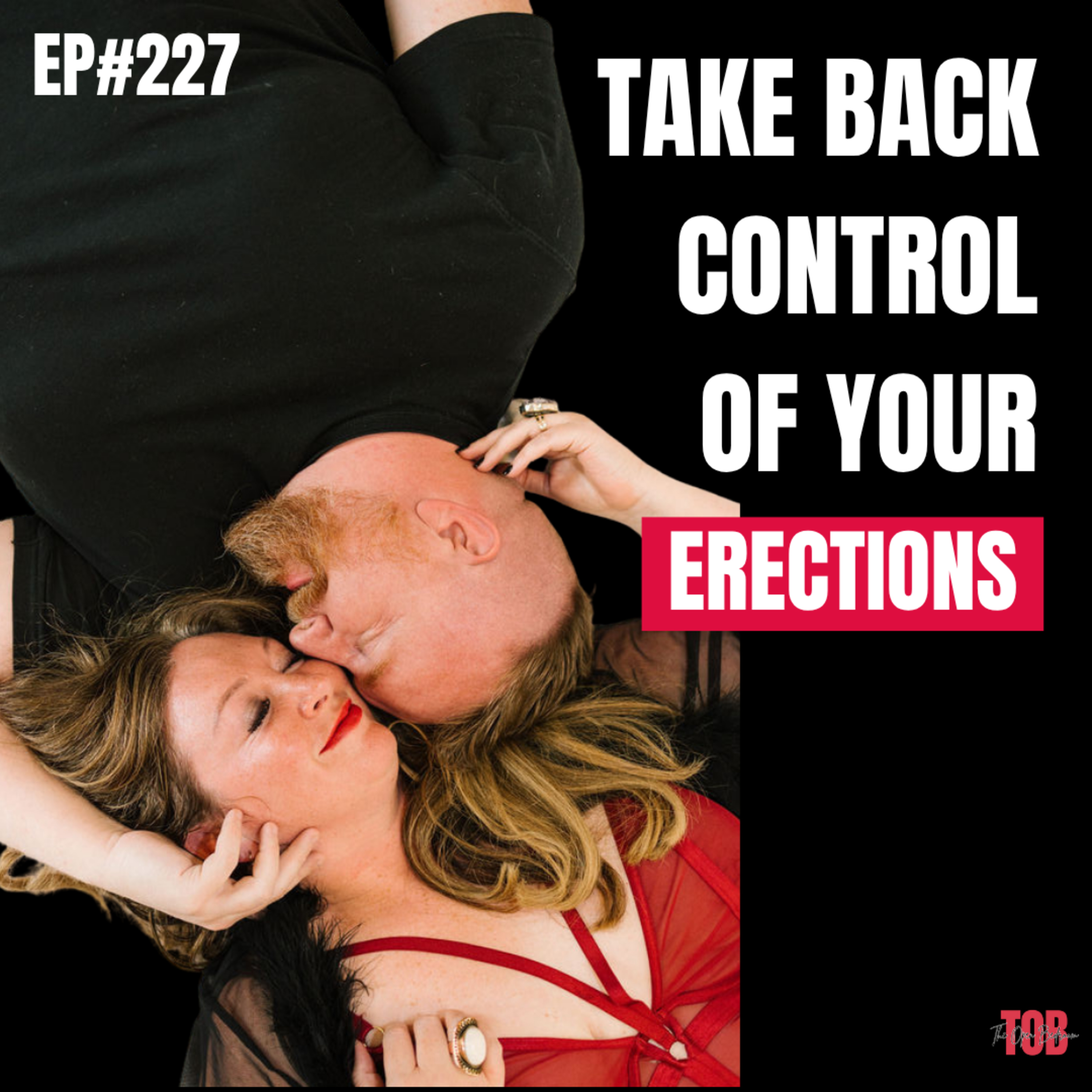 EP#227: Taking Back Control of Your Erections with Scott & Jen 25.08.2026 55минErectile dysfunction can feel incredibly isolating—but it affects far more men and couples than most people realize.I'm joined by my husband Scott for an honest conversation about his experience with erectile dysfunction. Scott shares what it felt like to lose trust in his own body, the frustration and hopelessness that followed, and the emotional pressure that can build when sex starts to feel like a test you might fail.We discuss how erectile difficulties can affect confidence, intimacy, communication, and both partners’ experiences in the bedroom. Scott also opens up about finally seeking help, exploring prescription ED treatment through telehealth, and discovering that getting support gave him something he had been missing for years: a sense of control.This is not simply a conversation about erections. It is about vulnerability, performance anxiety, asking for help, and finding a path back to confidence and connection.00:00 — Introduction: The conversation men rarely haveJen introduces the episode and explains why erectile dysfunction deserves a more honest, shame-free conversation.02:15 — Scott’s personal experience with erectile dysfunctionScott begins sharing when he first noticed something was changing and how the experience affected him emotionally.06:10 — Losing trust in your own bodyThe fear of not knowing whether your body will respond—and how that uncertainty follows you into future sexual experiences.10:25 — When sex starts to feel like a performance testHow pressure, anticipation, and fear of “failing” can make erectile difficulties even more likely.14:30 — Hopelessness, frustration, and staying silentScott describes the internal struggle many men experience before they are willing to talk about the problem or seek help.18:45 — How erectile dysfunction affects the partnerJen shares the questions a partner may begin asking: Is it attraction? Did I do something wrong? Does my partner still want me?23:10 — Attraction versus physical responseWhy an erection is not always a reliable measurement of desire, attraction, or emotional connection.27:20 — The cycle of anxiety and avoidanceHow one difficult experience can create worry, avoidance, and even more pressure the next time intimacy begins.31:05 — Deciding to seek helpScott discusses reaching the point where he was ready to explore treatment rather than continue hoping the problem would disappear.34:40 — Exploring telehealth and ED medicationThe experience of using a telehealth provider, the convenience of accessing support, and overcoming the stigma attached to medication.39:00 — Finally feeling in control againScott explains how having a reliable option changed the way he approached sex and reduced the fear surrounding his body’s response.43:10 — The confidence shiftHow greater reliability affected erection quality, confidence, presence, and the ability to enjoy sex instead of monitoring every physical sensation.47:05 — What partners can do—and what they cannot fixSupporting someone without taking responsibility for their erection, applying pressure, or interpreting the issue as rejection.50:25 — Asking for help is not a failureWhy using medication or another form of support does not make someone less masculine, less sexual, or less capable.53:20 — Taking back control of your sex lifeFinal thoughts on vulnerability, communication, treatment, and giving yourself permission to find a solution that works.55:19 — ClosingErectile dysfunction does not mean that attraction, masculinity, or a satisfying sex life is gone. Sometimes taking back control begins with one vulnerable conversation—and the willingness to accept help.Podcast Sponsor: Shameless CareUse code "OpenBedroom" for $15 off
 -
 Ep#226: Why Do Good Girls Have Bad Sex? Breaking Free from Purity Culture with Aimee Latta 18.08.2026 53минToday I'm speaking with with Aimee Latta, a certified embodied intimacy and relationship coach. Aimee shares her journey from growing up in Mormon purity culture, where sexuality was shrouded in shame, to fully embracing her pleasure and pansexual identity. She discusses how deeply ingrained religious beliefs suppressed her sexuality and explains her framework for reclaiming pleasure through permission, play, and power. Aimee offers practical advice for listeners beginning their own journeys, emphasizing curiosity, self-compassion, and community as essential tools for breaking free from shame and stepping into sexual empowerment.Introduction to Aimee Latta (00:01:11) Host Jen introduces guest Aimee Latta, a certified intimacy coach, and asks why "good girls" have bad sex.Purity Culture and Sexual Shame (00:01:45) Aimee explains how purity culture teaches women to prioritize their partner's pleasure and feel shame around their own sexuality.Growing Up Mormon (00:03:19) Aimee shares her experience growing up in the Mormon church, its patriarchal structure, and its views on sex.The Three Levels of Mormon Heaven (00:05:44) Aimee explains the Mormon belief in three heavens (celestial, terrestrial, telestial) and the concept of men having multiple wives.Masturbation as an "Addiction" (00:10:20) Aimee discusses how masturbation is considered a sin in Mormonism and shares her experience in a church support group.The Journey Out of Mormonism (00:16:08) Aimee describes her gradual exit from the church, including her decision to stop wearing the special Mormon undergarments (garments).Bad Sex in a Mormon Marriage (00:20:43) Aimee talks about her painful and unsatisfying sex life during her marriage and the cultural expectation of painful sex.Discovering Self-Pleasure (00:24:29) After leaving her marriage, a conversation with a friend gave Aimee permission to explore her own pleasure with a vibrator.The "Hoe Phase" and Clitoral Stimulation (00:27:24) The hosts discuss the importance of the "hoe phase" for repressed women and the necessity of clitoral stimulation for orgasm.How to Give Yourself Permission (00:30:25) Aimee offers advice on how to start giving yourself permission to explore pleasure, starting with curiosity and self-compassion.Follow Aimee:https://linktr.ee/cometalkwithaimeeFollow The Open Bedroom:https://www.instagram.com/theopenbedroompodcast/Shameless Care Show Sponsor:Think your STI test is complete? If you're having oral sex, you need a throat swab. Anal sex needs a rectal swab. You could be walking around with gonorrhea or chlamydia harboring in your body, and pass it on without any symptoms.You can get sexual health via Telehealth at Shameless Care for:- Erectile dysfunction medication- DoxyPEP - an STI prevention treatment- Valacyclovir - a herpes suppression drug- Triple-testing STI testing panelUse code “OPENBEDROOM” for $15 off at shamelesscare.comOr visit https://shamelesscare.sjv.io/R0L2eX
 -
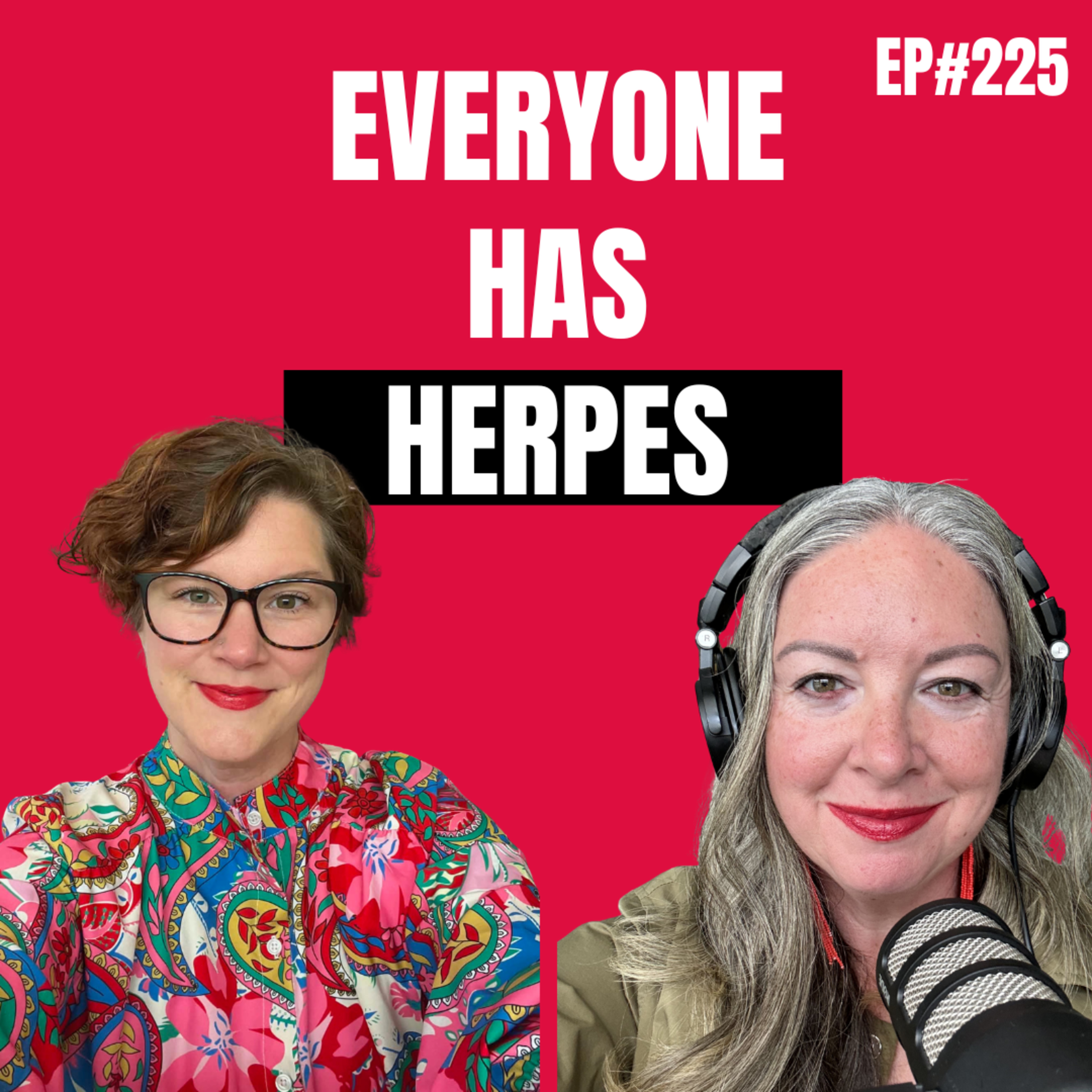 Ep#225: Everyone Has Herpes with Nurse Amber 28.07.2026 1ч 19минToday I'm chatting with Nurse Amber, a board-certified women's health nurse practitioner, to discuss sexual health and STIs. We cover the prevalence and stigma of herpes, common STIs like chlamydia and gonorrhea, testing frequency, and prevention methods including PrEP and DoxyPEP. Our conversation also addresses female health concerns such as UTIs, bacterial vaginosis, and pelvic floor health, as well as men's sexual health topics. Nurse Amber emphasizes open communication, regular testing, and finding a sex-positive healthcare provider.Understanding Herpes Transmission (00:02:11)Discussion on HSV-1 and HSV-2, how both can be transmitted genitally or orally, and why blood testing has limited utility.Most Common STIs (00:08:18)Chlamydia, gonorrhea, and trichomonas are identified as the most common STIs seen in clinical practice, with chlamydia being most frequent.Symptoms of Common STIs (00:08:50)A description of potential STI symptoms in people with vaginas and penises, noting that 50% of cases are asymptomatic.What is Trichomonas? (00:10:02)An explanation of trichomonas, a common parasitic STI that often causes no symptoms but can cause severe inflammation.Long-Term Risks of Untreated STIs (00:11:50)Untreated bacterial STIs can lead to serious complications like Pelvic Inflammatory Disease (PID), chronic pain, and impaired fertility.STI Incubation Periods (00:14:39)Genital STIs are detectable 1-2 weeks post-exposure, while blood-borne infections like HIV and syphilis can take 1-3 months.How to Disclose an STI to a Partner (00:15:53)Advice on having a direct conversation with partners about a positive STI test and the need for mutual treatment.STI Testing Frequency (00:17:19)Recommendations for testing frequency based on sexual activity, ranging from every 6-12 months to every 2-3 months for active individuals. PrEP and DoxyPEP Explained (00:21:49)An overview of PrEP for HIV prevention and DoxyPEP, a post-exposure prophylaxis to reduce the risk of bacterial STIs.Syphilis is Not Gone (00:26:47)Syphilis, known as "the great pretender," is still prevalent and can have sneaky symptoms, making regular screening important.The Current State of HIV (00:29:00)HIV is now a highly treatable chronic condition, and transmission rates are much lower than for other STIs like Hepatitis C.What to Ask For at the Gynecologist (00:31:59)Clarifying that a pelvic exam is not always a Pap smear and what specific STI tests patients should request.The Importance of Triple Testing (00:37:23)Why testing genital, oral, and rectal sites is crucial for a comprehensive screening, as infections can exist in one area.Myth-Busting: Partner Testing (00:42:04)Debunking the myth that if one partner tests negative, the other is also clear. Each person needs individual testing.Vaginal Health and Hygiene (00:44:01)Advice on maintaining vaginal health, emphasizing that vaginas are self-cleaning and harsh soaps or douching should be avoided.Squirting and Prolapse (00:50:31)Explaining that squirting is largely urine and discussing bladder prolapse, a common condition that can cause stress incontinence.Pelvic Floor Health (00:54:39)How to maintain pelvic floor health through exercises like Pilates and yoga, which can improve sex and prevent incontinence.Hormone Replacement Therapy (HRT) (00:58:16)A discussion on the benefits and considerations of HRT for perimenopausal symptoms, cautioning against unproven testing methods.When Men Should See a Doctor (01:02:54)An overview of symptoms like itching, discharge, pain, or sores that should prompt a person with a penis to seek medical care.Finding a Sex-Positive Provider (01:17:29)The importance of finding a healthcare provider you can be open with about your sexual health for accurate testing and treatment.Follow The Open Bedroom:https://www.instagram.com/theopenbedroompodcast/
 -
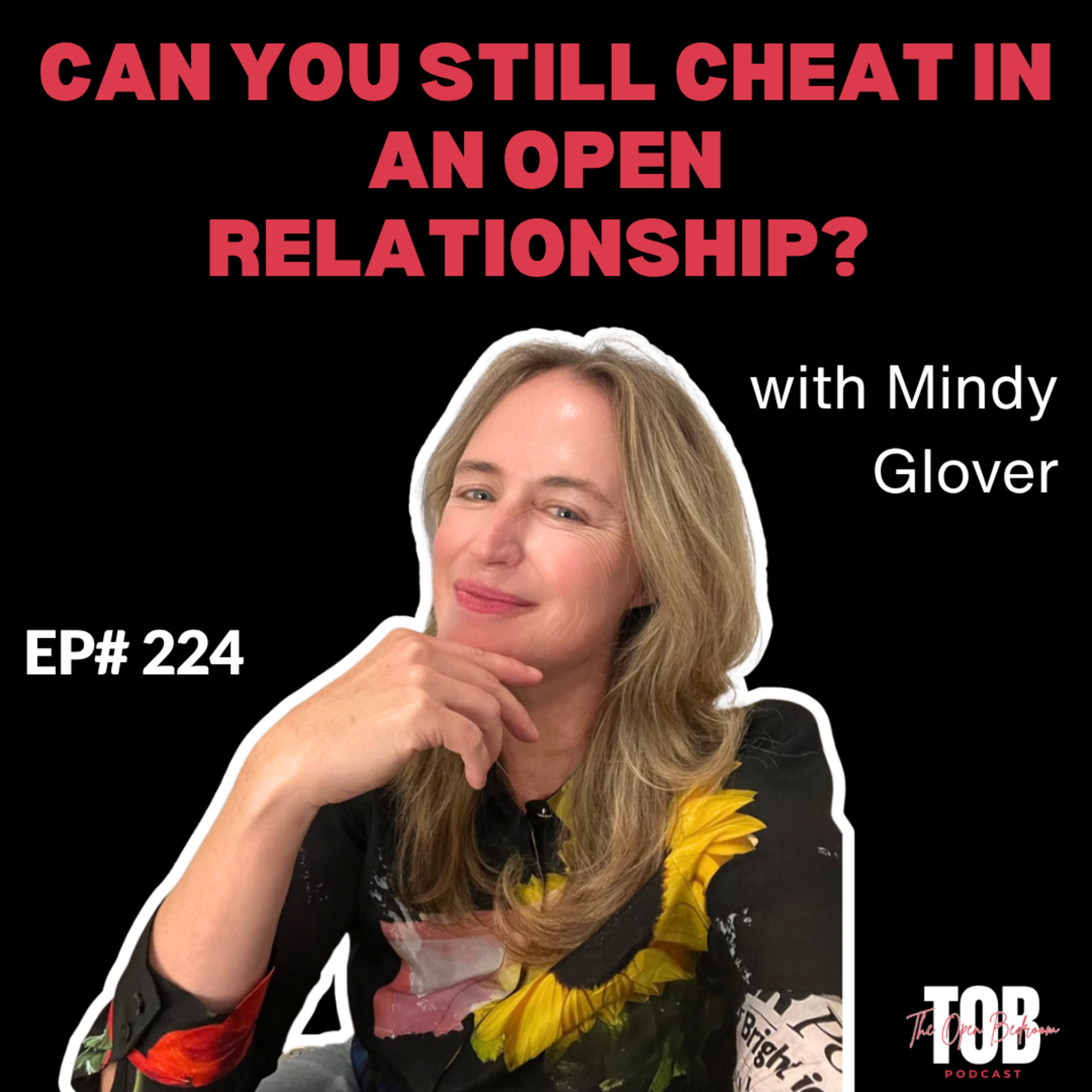 Ep#224: Can You Still Cheat in an Open Relationship? with Mindy Glover 21.07.2026 48минToday I'm sitting down with therapist and relationship coach Mindy Glover to talk about infidelity and open relationships. We explore why infidelity causes such deep pain, the importance of clearly defining boundaries, and how assumptions can lead to misunderstandings. Mindy introduces me to the concept of "blue brain" versus "red brain" decision-making, and explains why agreements are hard to maintain when we’re emotional or aroused. We also discuss transparency in open relationships and how to heal after boundary violations. Mindy shares a personal "infidelity story" exercise that couples can use to understand their triggers and build healthier, more authentic relationships.Mindy's Fascination with Infidelity (01:37)Mindy explains her lifelong fascination with infidelity, viewing it as a powerful, often deal-breaking force in relationships.Why Infidelity is a Deal Breaker (04:09)Infidelity shatters the illusion of security and the belief that you truly know your partner, causing immense pain.The Problem with Monogamy's Assumptions (07:06)Couples often assume they share the same definition of infidelity, which sets them up for misunderstanding and failure.How People Protect Themselves from Infidelity (08:42)Mindy discusses different strategies people use to avoid infidelity, including control, delusion, and exploring open relationships.Blue Brain vs. Red Brain in Relationships (11:06)Neuroscience explains how we make calm, logical decisions (blue brain) but different, aroused decisions (red brain), causing conflict.The Inevitability of Mistakes and Reporting Issues (14:08)Because of our "red brain," mistakes are inevitable, leading to a "reporting problem" in open relationships due to shame.Honoring Individual Relationship Containers (17:18)The discussion explores the complexity of honoring privacy and boundaries within each separate relationship in a polyamorous dynamic.The Beauty and Challenge of Showing Different Parts of Yourself (20:38)Open relationships allow different parts of one's personality to emerge, which can be both beautiful and challenging for partners.The Concept of "Poly Bypassing" (24:42)Mindy introduces "poly bypassing," where individuals suppress real feelings like jealousy to appear enlightened, similar to spiritual bypassing.How to Start the Conversation About Infidelity (27:00)Mindy suggests couples write their own "infidelity story" to understand their personal history, fears, and triggers around cheating.The Illusion of Control Through Rules (30:27)Couples create rules to feel in control, but the real issue is often the lack of prior agreement, not the act itself.Navigating Ruptures and Hurt Feelings (36:50)When hurt occurs, it's crucial to have tools and containers to vent, process, and lean into the conflict.Containing Your "Parts" (39:06)Instead of containing parts of yourself, Mindy suggests getting curious about them and understanding why they emerge.How Mindy Presents in Her Own Dating Life (42:04)Mindy explains she avoids leading with theories and instead focuses on showing up authentically and playfully in relationships.How to Connect with Mindy (44:42)Mindy shares her Instagram handle, website, and information about her therapy practice, coaching, and upcoming workshops.A Final Thought on Relationships (47:38)Mindy encourages listeners to shift from wanting to know everything their partner will do to being excited by the unknown.Follow Mindy:https://www.instagram.com/mindglowmagic/Mindy's Upcoming Live Masterclass:https://www.mindglowmagic.com/Follow The Open Bedroom Podcast:https://www.instagram.com/theopenbedroompodcast/
 -
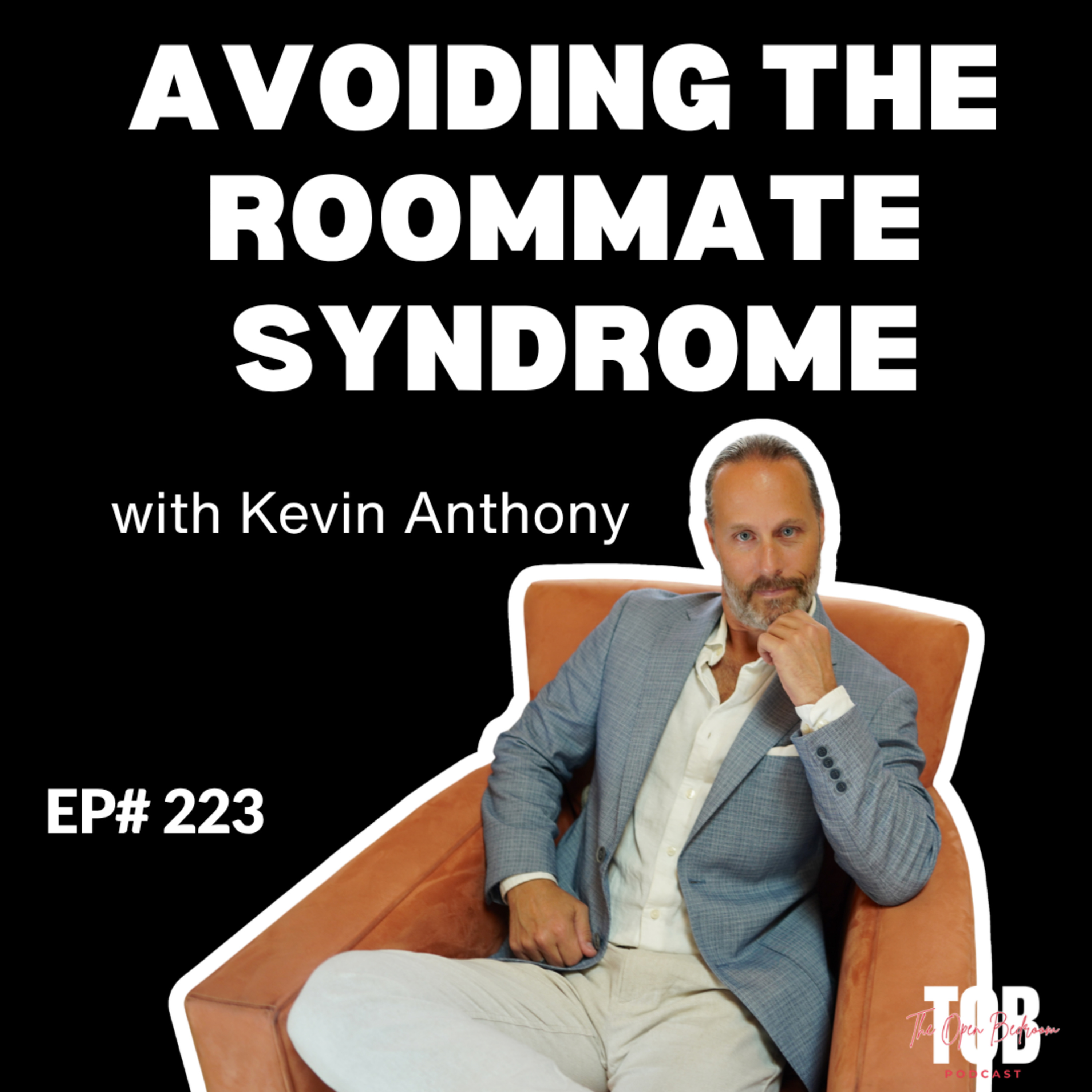 Ep#223: Avoiding the Roommate Syndrome with Coach Kevin Anthony 15.07.2026 55минToday I'm sit down with certified sexologist and relationship coach Kevin Anthony to explore mismatched libido in relationships. We discuss key causes including hormonal changes, performance anxiety, emotional resentment, and the natural fading of new relationship energy. Kevin shares practical strategies for maintaining intimacy, such as daily physical connection, showering together, and intentional date nights. Our conversation also covers spontaneous versus responsive desire, creating safe spaces for honest communication, and the differences between therapy and coaching. Kevin also introduces his Intimacy Mastery app and various coaching programs.Kevin Anthony is a Certified Sexologist, Tantra Counselor, NLP Practitioner and a Sex, Love & Relationship coach. For over 15 years he has worked with men, women, and couples to have the relationships of their dreams, and the best sex of their lives! He is also the host of "The Love Lab Podcast", creator of the popular YouTube channel Kevin Anthony Coaching, and creator of the popular online course series "Power and Mastery" as well as other online courses for both men and women.Follow Kevin:https://www.kevinanthonycoaching.com/https://www.instagram.com/kevinanthonycoaching/https://www.youtube.com/@Kevinanthonycoachinghttps://www.facebook.com/kevinanthonycoachinghttps://www.linkedin.com/in/kevinanthonycoaching/https://www.tiktok.com/@kevinanthonycoachingThe Love Lab PodcastFollow The Open Bedroom:https://www.instagram.com/theopenbedroompodcast/
 -
 EP#222: The Truth About STI Risk, Testing & Sexual Health with Robert Johnson 07.07.2026 49минToday I’m joined by Robert Johnson, founder of Shameless Care, a telehealth company focused on sexual health, STI testing, and sexual wellness medications. After a missed STI diagnosis changed his life, Robert built Shameless Care to challenge outdated sexual health practices and bring more transparency, better education, and better access to care. We’re diving into the truth about STI testing, modern Telehealth, and why so many people are still getting bad information about sex.Website: https://shamelesscare.com/Instagram: @shamelesscareofficialYouTube: https://www.youtube.com/@shamelesscareofficialFollow The Open Bedroom Podcast:https://www.instagram.com/theopenbedroompodcast/Use code “OPENBEDROOM” for $15 off at shamelesscare.comRobert's Personal Story (00:01:52)Robert shares his story of a missed oral gonorrhea diagnosis, which inspired him to create Shameless Care.The Problem with Incomplete Testing (00:03:02)Robert explains how his doctors were uninformed about throat swabs and the high prevalence of asymptomatic oral gonorrhea.Normalizing STIs and Testing Frequency (00:05:30)Jen asks about normalizing STI testing, how often people should get tested, and the stigma surrounding STIs.STI Rates and Demographics (00:07:47)Robert discusses high national STI rates, like chlamydia in young women, compared to the lower rates among his educated customers.The Importance of Thorough Testing (00:10:50)Robert emphasizes that testing thoroughly (all sites) is more critical than testing frequently but incompletely.Why Doctors Don't Test Thoroughly (00:12:49)Robert explains that the lack of thorough testing is a systemic issue due to physicians' lack of specialized knowledge.How to Get a Proper STI Test (00:16:36)Robert advises on how to ask your doctor for a full panel or use a telehealth service like Shameless Care.The At-Home Testing Process (00:19:08)Robert describes the at-home kit, how to collect samples (throat, anal swabs), and the low sample rejection rate.The Myth of Being "Clean" (00:21:59)The host and guest discuss the common but inaccurate dating profile claim of being "clean" from STIs.How Often Should You Get Tested? (00:23:39)Robert explains that testing frequency is personal and depends on resources, lifestyle, and number of partners.Addressing Shame and Discretion in Healthcare (00:26:26)Jen shares experiences of shame from doctors, and Robert explains how telehealth offers a discreet and non-judgmental alternative.The Future of Telehealth (00:29:14)Robert discusses the convenience, speed, and accessibility of telehealth for specialty medications and common health issues like UTIs.STI Prevention with DoxyPEP (00:33:38)Robert introduces DoxyPEP, an antibiotic taken after sex to significantly reduce the risk of gonorrhea, chlamydia, and syphilis.Sexual Wellness Medications Offered (00:37:12)Robert details other products available, like topical creams for female arousal and ED medications, without mandatory subscriptions.Common STI Testing Misconceptions (00:39:10)Robert debunks two myths: that a partner's negative test represents your status, and that a recent test is worthless.The Mental Benefit of Testing (00:43:34)Robert and Jen discuss how knowledge and regular testing reduce anxiety, leading to more enjoyable and worry-free sex.How to Use Shameless Care (00:46:49)Robert provides instructions on how to use the website and offers a discount code for the podcast listeners.
 -
 EP#221: Fully Charged: Primal Sex with Melissa Louise 01.07.2026 1чIn this episode of the Open Bedroom Podcast, I welcome back Melissa Louise, a certified erotic blueprint coach, to explore "fully charged primal sex." We dive into the biological and evolutionary roots of male and female sexuality, including why men are naturally silent during sex, how prolactin causes post-ejaculation sleepiness, and why women have greater orgasmic capacity. Melissa also explains sperm competition, menstrual health, and sexual transmutation techniques for men. She introduces her six-week program, Fully Charged, designed to help men build sexual stamina, emotional depth, and deeper partner connection.What is Primal Sex? (00:03:02)Melissa Louise defines primal sex, linking it to survival instincts, our subconscious brain, and deep, raw hunger and desire.Why Men are Silent During Sex (00:05:41)An evolutionary explanation for why men are naturally silent during sex to avoid predators and competition from other males.The Role of Prolactin in Men (00:09:07)Discussion on the hormone prolactin, which makes men sleepy after ejaculation to prevent conflict with subsequent partners for the woman.Female Vocalization and Orgasms (00:10:01)Women are wired to be vocal and have multiple orgasms to attract more partners during their short fertility window.The Egg Chooses the Sperm (00:15:34)Melissa explains that the egg selects the fittest sperm from multiple partners, challenging the idea of sperm choosing the egg.Societal Views on Multiple Partners (00:19:31)A discussion on modern cultural narratives around sexual ownership versus historical community-based lovemaking and the nature of jealousy.Why Women Need More Sex Than Men (00:24:00)Women have a higher orgasmic capacity than men, suggesting their biological need for sex is greater than culturally believed.The Impact of Modern Life on Women's Health (00:25:29)How modern stress and societal pressures negatively affect women's menstrual cycles and lead to a difficult menopause experience.The Power of the Menstrual Cycle (00:30:14)Exploring the spiritual and biological power of menstruation, including DMT release and its historical significance in tribal communities.The Female Orgasmic Experience (00:37:43)The hosts discuss the intense, high-like feeling women experience from multiple orgasms, which is linked to DMT release.How Men Can Have Non-Refractory Orgasms (00:40:37)Melissa reveals that men can experience continuous, non-refractory orgasms through prostate stimulation, similar to a woman's G-spot orgasm.Building a Man's Capacity for Pleasure (00:43:18)Men can be trained to hold more pleasure and separate orgasm from ejaculation, leading to better health and business success.Introduction to the "Fully Charged" Program (00:46:17)Melissa introduces her live training program for men, designed to teach them how to control ejaculation and enhance pleasure.What the "Fully Charged" Program Covers (00:55:29)A detailed breakdown of the six-week program, including practical techniques, shadow work, and learning about female arousal maps.Follow Melissa Louise:WEBSITEFULLY CHARGEDSUbstackINstagram"The Seminal Spirits" are the fire sung by poets having been stolen from the gods by Prometheus.Pierre Louis MoreauThe Earthly Venus.Semen is the most fined & noblest part of the whole human frame containing in itself the whole nature & complexion of every part of the body : or in other words, being the essence of man.Nicolas Venette17th Century physician, sexologist & writer.
 -
 EP#220: Kink Curious With Faith Laux 22.06.2026 48минToday I'm welcoming somatic sex and relationship coach Faith Laux, who shares how her stage four colon cancer diagnosis inspired her to explore kink as a healing practice. Faith explains that kinky play doesn’t require sexual partners, discusses the importance of negotiation and communication, and introduces the five erotic blueprints: Energetic, Sensual, Sexual, Kinky, and Shapeshifter. She also guides us on how to begin honest conversations with partners about unexplored desires, emphasizing self-acceptance and vulnerability as essential first steps.Follow Faith + Info on the Erotic Blueprints and her live course!Erotic Blueprint affiliate link:https://theblueprintbreakthrough.net/?oprid=18956&ref=330933EARLY BIRD code for Kink Curious: EARLYBIRDKink Curious websiteFollow The Open Bedroom:https://www.instagram.com/theopenbedroompodcast/
 -
 EP#219: Why Women Don't Want Nice Guys With Marni Kinrys 17.06.2026 1ч 21минToday I'm speaking with Marni Kinrys, founder of the Wing Girl Method, about why being a "nice guy" often kills attraction. Marni explains the crucial difference between being "nice" (passive, conflict-avoidant) and being a "good man" (confident, assertive, emotionally intelligent). We discuss how societal conditioning creates insecurity in men, how emotional disconnection kills desire in relationships, and how men can rebuild attraction through consistent support and playful flirtation. Marni also introduces her "F Formula" program, designed to help men develop authentic confidence and flirting skills.MARNI KINRYS is the founder of The Wing Girl Method, host of the Ask Women Podcast, designer of the F-Formula, and an award-winning female dating coach for men ages 25-85 at every stage of dating and relationships, who’s spent the last decade helping hundreds of thousands of men stop being Mr. Nice Guy and start being Mr. Holy Sh*t, I Want Him!With more than 50 digital programs, monthly online masterclasses, 150 million YouTube views and 1,300,000 subscribers to her channel, Marni Your Personal Wing Girl, Marni is known for her blunt, no “fluff” approach and honest insider tips, tools and advice on what women really want vs. what they say they want.The Difference Between "Nice" and "Good" (00:03:10) Marnie explains that "nice" often means boring and passive, while a "good" man is confident, assertive, and sexually expressive.The Origins of the "Nice Guy" (00:05:06) The discussion explores how early female influences, like mothers or teachers, and societal pressures can train men to be overly passive.Modern Pressures on Men (00:07:05) Marnie and Jen discuss how movements like #MeToo have created confusion for men, making them unsure how to act around women.The Importance of Emotional Intelligence (00:13:59) A man who can be masculine while also understanding communication and holding space for a woman's emotions is incredibly attractive.The "Soap" Argument: Understanding Triggers (00:19:53) Jen shares a story about an argument over soap, highlighting how small issues can trigger deeper feelings of inadequacy and mental load.How to See Beyond the Argument (00:25:44) Marnie explains how she coaches men to understand the real emotions behind a woman's complaints, like exhaustion or feeling overwhelmed.Revitalizing a Sexless Marriage (00:30:40) The conversation shifts to why wives lose sexual interest, linking it to feeling unheard, unseen, and unsupported by their partners.Baby Steps to Reconnection (00:33:50) Marnie offers practical, small steps for men to rebuild connection and trust, starting with consistent communication and taking on responsibilities.What Men Really Want (00:38:02) Men come to Marnie to learn how to attract women, which involves shedding the "nice guy" mask and becoming comfortable with themselves.Follow Marni:WingGirlMethod.comFacebookInstagramTikTokTwitterYouTubeLinkedInFollow The Open Bedroom Podcast:https://www.instagram.com/theopenbedroompodcast/
 -
 EP#218: Why You’re Not Getting a 2nd Date 09.06.2026 53минIn this episode of the Open Bedroom Podcast, My husband Scott and I discuss why people often don't get a second date, identifying 5 problematic dater archetypes: Chatty Cathy, Negative Nancy, Pillow Princess, Boring Brenda, and Free Date Fran. Our central message is simple: show genuine curiosity about your date. We emphasize that mutual engagement, both conversationally and intimately, is essential for meaningful connection, and that self-awareness is key to improving your dating life.Why You're Not Getting a Second Date (00:01:16)Jen and Scott introduce the central theme: why people often don't get called back for a second date.The Self-Absorbed Dater (00:03:32)Scott shares a story about a woman from his past who talked endlessly about herself without ever asking about him.Giving Feedback to Bad Daters (00:09:30)The hosts discuss the dilemma of whether to give direct, compassionate feedback to people after a bad date.The Common Theme: Lack of Reciprocity (00:10:09)Scott describes the recurring pattern of dates who talk at them for hours without showing any curiosity about their lives.Frustration with Self-Centered Dates (00:14:25)Jen expresses her exhaustion and frustration with the consistent lack of reciprocal engagement from the people they date.Archetype 1: Chatty Cathy (00:17:33)Jen introduces the first archetype of a bad dater: the person who talks nonstop and never asks any questions.Archetype 2: Negative Nancy (00:18:07)The hosts discuss the second archetype, using a recent date who complained constantly and ran up a large bill.Archetype 3: The Pillow Princess (00:20:09)Jen describes a selfish sexual partner who expects to receive pleasure without reciprocating, tying it to the same problematic date.Archetype 4: Boring Brenda (00:26:34)The hosts discuss dates who are uninteresting, lack hobbies or identity, and have a flat, disengaged emotional affect.Reasons for Poor Dating Behavior (00:28:38)Scott explores potential reasons for these behaviors, such as self-absorption, nervousness, or a simple lack of conversational skills.The Importance of Meaningful Connection (00:30:31)Scott explains his approach to dating, which involves seeking genuine connection and understanding who a person truly is.Asking Deeper Questions (00:34:16)The hosts share insightful questions they ask on dates to encourage deeper conversation and reveal a person's character.Becoming an Interesting Person (00:39:08)Jen advises listeners who might be "boring" to develop hobbies and interests before re-entering the dating scene.Aligning Your Profile with Your Goals (00:41:29)The hosts discuss the importance of ensuring your dating profile accurately reflects what you are actually looking for in a partner.Archetype 5: Free Date Franny (00:48:19)Jen introduces the final archetype: the person who seems to only want a free meal or night out.Final Thoughts on Self-Awareness (00:51:10)Scott concludes that having self-awareness and showing genuine curiosity in others is crucial for successful and fulfilling dating experiences.Follow The Open Bedroom Podcast:https://www.instagram.com/theopenbedroompodcast/
 -
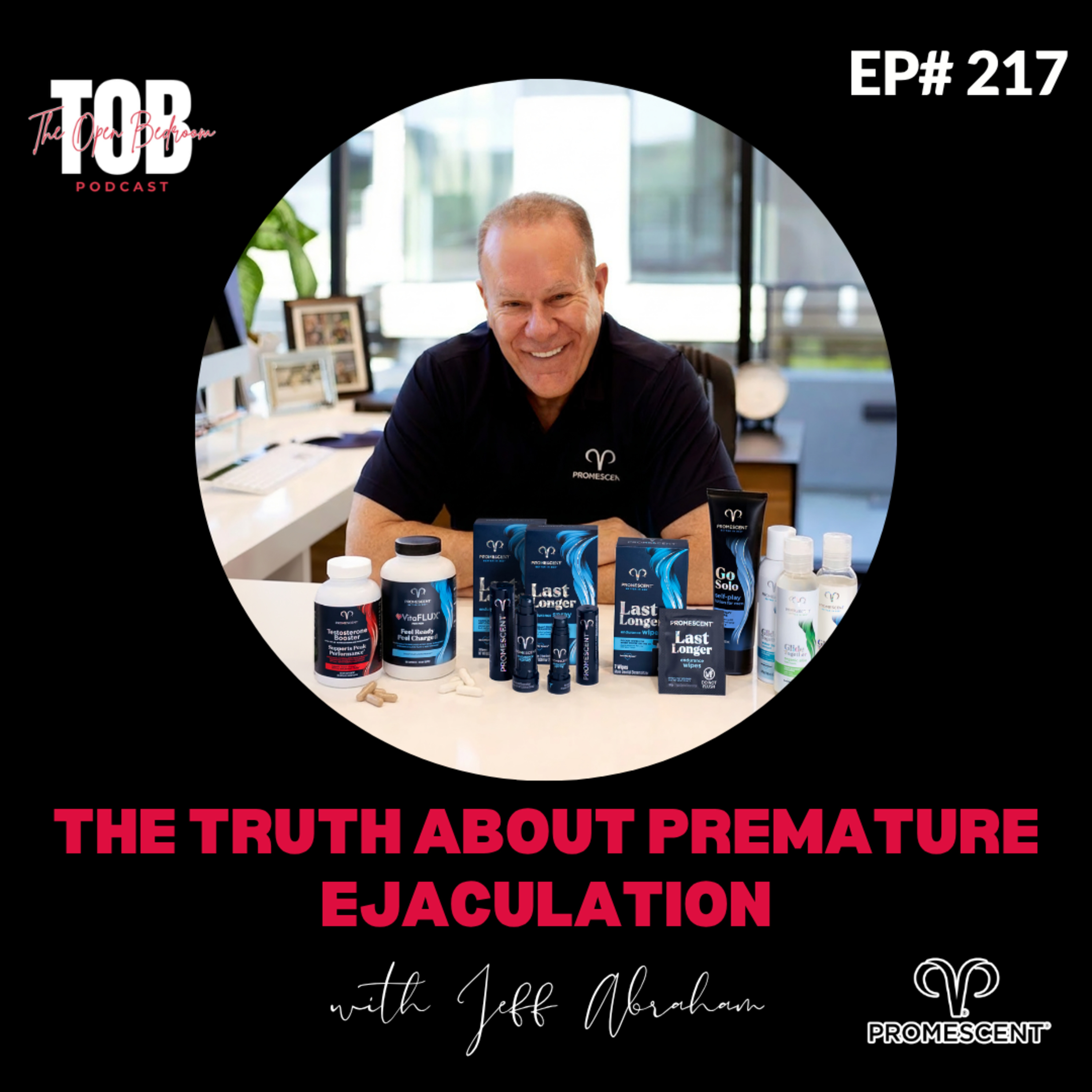 EP#217: The Truth About Premature Ejaculation with Jeff Abrahams of Promescent 12.05.2026 1ч 9минToday I'm sit down with Jeff Abraham, CEO of Promescent, a sexual wellness brand. Jeff shares how Prometheus developed their patented delay sprays and wipes to help men with premature ejaculation by reducing hypersensitivity—without numbing their partners. We dive into the "orgasm gap" between men and women, the importance of foreplay and communication, and why normalizing masturbation for men matters. Jeff also talks about female arousal gels, cock rings, and their Go Solo lotion. Throughout the episode, we focus on removing shame around sexual wellness and encourage couples to explore intimacy openly using the right tools.Unrealistic Expectations from Porn (00:00:01)Discusses how porn creates anxiety and unrealistic expectations about sex and performance.Origins of Promescent and PE Treatments (00:01:51)Jeff explains the founding of Promescent, early PE treatments, and the science behind their delay spray.How the Delay Spray Works (00:04:05)Details on the lidocaine-based spray, its unique formulation, and how it avoids numbing partners.The Orgasm Gap and Coping Mechanisms (00:06:14)Discusses the average duration of intercourse for men and women, the orgasm gap, and coping strategies.PE’s Prevalence and Misdiagnosis (00:08:42)PE is more common than ED; misdiagnosis and psychological impacts are discussed.Anxiety, Confidence, and Sexual Performance (00:09:57)Explores the link between anxiety, confidence, and sexual performance in men.Impact of Porn on Sexual Expectations (00:13:38)How porn distorts expectations and increases anxiety for both men and women.Communication and Learning Your Partner (00:22:24)Importance of communication, understanding partner preferences, and overcoming shame in sexual relationships.Sex Education and Breaking Stereotypes (00:29:53)Lack of proper sex education, breaking myths about orgasms, and understanding female anatomy.Stigma and Physiology of Premature Ejaculation (00:56:48)Addressing stigma, physiological causes of PE, and the need for open discussion and solutions.Shop Promescent:https://www.promescent.com/Follow The Open Bedroom Podcast:https://www.instagram.com/theopenbedroompodcast/
 -
 EP#216: Sensitive is Sexy, Nervous System Regulation for Intimacy with Rachel Dorneanu 05.05.2026 52минIn this episode of the Open Bedroom Podcast, I sit down with licensed therapist and certified sex therapist Rachel Dorneanu to talk about what it means to be a Highly Sensitive Person (HSP) and how it impacts intimacy. Rachel walks me through the DOES framework (Depth of processing, Overstimulation, Empathy, Strong emotional responses) and we explore how HSP traits can both enhance and complicate sexual experiences. We dive into nervous system regulation techniques—like breathing exercises, somatic tools, and mindful practices—to help you (and me!) find our "window of tolerance" for pleasurable, sustainable intimacy. Rachel also shares practical communication strategies that I can use to navigate sensitivity differences with my partner.Vibrator Sensations (00:00:01) Jen and Rachel discuss different types of vibrator sensations, from "buzzy" to "deep and thrumming," and personal preferences.Podcast Introduction (00:00:34) Jen introduces the podcast, herself as the host, and today's guest, Rachel Dorneanu a licensed therapist.Introducing Rachel (00:01:09) A detailed introduction of Rachel, her credentials, specializations, and personal interests outside of her professional life.Topic Intro: Sensitive is Sexy (00:02:10) Jen introduces the episode's topic and shares her personal experiences with increasing sensitivity as she gets older.What is a Highly Sensitive Person (HSP)? (00:03:03) Rachel defines what a Highly Sensitive Person (HSP) is, mentioning it affects about 20% of the population.The "DOES" Acronym for HSP (00:04:10) Rachel explains the HSP acronym DOES: Depth of processing, Overstimulation, Empathy, and Sensitivity to stimuli, relating it to intimacy.HSP and Sex Toys (00:06:18) The discussion turns to how being an HSP can affect the experience with sex toys, like needing lower vibration levels.How Do You Know if You're HSP? (00:08:30) Jen questions how to identify as an HSP and contrasts it with how a "normal" person might experience the world.Training Yourself to Be More Sensitive (00:11:26) Rachel offers advice for people who feel desensitized and want to experience more sensitivity, suggesting mindfulness and breathing exercises.Exposure Hierarchy Explained (00:13:23) Rachel explains the therapeutic concept of an exposure hierarchy to gradually build tolerance and sensitivity in a sexual context.Follow Rachel: https://blinq.me/SbViZhQWbeXoFollow The Open Bedroom Podcast:https://www.instagram.com/theopenbedroompodcast/
 -
 EP#215: When the Match Doesn’t Match Your True Desires 10.03.2026 39минIn this episode of The Open Bedroom Podcast, I sit down with my husband Scott as we reflect on his recent breakup with a woman we’d been dating. We get real about the importance of relationship alignment, the challenges that come up when expectations around exclusivity and autonomy don’t quite match, and how easy it is to overlook red flags when there’s strong chemistry. Sharing from our own experience, we talk about why honest communication matters, how being clear about what we want can make all the difference, and the importance of choosing partners whose relationship goals truly line up with ours. Whether you’re exploring modern, non-traditional relationship dynamics or just curious, we hope our conversation offers some thoughtful insights and support along the way.When the Match Doesn’t Match (00:05:27)Diving into why the recent relationship didn’t work, starting from dating profiles to real-life misalignment.Misalignment in Relationship Goals (00:07:56)Clarifying the disconnect in what each party wanted—deep connection vs. friends with benefits—and how this was communicated.Overlooking Red Flags Due to Chemistry (00:08:49)How strong chemistry and communication led both sides to ignore fundamental misalignments.Challenges of Standing Firm in Desires (00:10:09)The difficulty of holding to one’s relationship needs when someone seems to check almost every box.Intellectual vs. Political Alignment (00:10:34)Discussing how intellectual connection was strong, but political and worldview differences existed.Navigating Political Differences in Dating (00:12:18)Jen reflects on dating app experiences and how political alignment is often a barrier, but can also be a source of connection.Red Flags vs. Misalignment (00:16:33)Exploring the difference between true red flags and simple misalignment in relationship goals.Ignoring Red Flags and Its Consequences (00:18:18)Why people ignore red flags, and the pain caused by trying to force a relationship despite clear misalignments.Autonomy vs. Security in Relationships (00:20:10)Scott and Jen discuss the struggle between wanting autonomy and the desire for security and exclusivity.Believing People When They Show You Who They Are (00:23:09)Learning to accept people’s stated boundaries and not trying to change them; importance of alignment.Lessons Learned and Moving Forward (00:24:10)Jen shares takeaways: only date aligned people and avoid those who put up emotional walls.Confusion When Words and Actions Differ (00:25:03)How mixed signals—saying one thing but acting another—create confusion and hope for change.Reflecting on Past Relationship Dynamics (00:27:17)Jen wonders if things would have changed if they hadn’t pushed for exclusivity, drawing parallels to her own past.Choosing Each Other and Responsibility (00:29:01)Scott discusses the responsibility and effort involved when someone chooses exclusivity and prioritizes the relationship.Scott’s Capacity for Multiple Relationships (00:33:06)Jen praises Scott’s ability to meet the needs of multiple partners and reflects on what they seek in future partners.Tailoring Relationship Dynamics to Your Needs (00:35:30)Advice to listeners: seek partners who want the same dynamic as you, whether it’s polyamory, swinging, or exclusivity.Envisioning the Future and Alignment (00:36:34)Realizing misalignment when future visions don’t include each other; importance of shared goals.Honesty About Needs and Desires (00:37:43)Emphasizing the need for self-honesty and seeking partners who are open to building what you want.Podcast Closing (00:39:15)Thanking listeners, encouraging feedback, and inviting them to subscribe and share the podcast.Follow The Open Bedroom podcast:https://www.instagram.com/theopenbedroompodcast
 -
 EP#214: Things Your Momma Never Told You About Your Vagina with Heather Florio 03.03.2026 46минHey, it’s Jen, and this episode of The Open Bedroom Podcast is all about the things your momma probably never mentioned about your vagina (and trust me, you’ll want to hear this!). I’m joined by Heather Florio, the fabulous CEO of Desert Harvest, and together we’re busting myths, spilling secrets, and getting real about women’s pelvic and vaginal health.We kick things off by debunking some classic myths—like whether you really need to do Kegels all day, every day (spoiler: not everyone should!), and why those “freshness” products in the drugstore might be doing more harm than good. Heather dives into the science behind vaginal health, explaining why pH-balanced and iso-osmolar products are your best friends, especially when it comes to lubricants and moisturizers.We get into the nitty-gritty about hormone changes during perimenopause and menopause, and why supporting your body through these transitions is so important. Heather also drops some truth bombs about why you should steer clear of douches and coconut oil (yep, even if your favorite influencer swears by it), and why aloe-based moisturizers might just be the unsung heroes of vaginal care.This episode is packed with practical tips for keeping your pelvic health in check, and we’re all about empowering you to ask questions, have open conversations, and demand evidence-based care. So grab your headphones and get ready to learn what your momma didn’t tell you—but definitely should have!Follow Heather:https://desertharvest.com/Follow The Open Bedroom Podcast:https://www.instagram.com/theopenbedroompodcast
 -
 EP#213: Successful Sex Work (in Australia) with George Gouldburn 24.02.2026 50минIn this episode of The Open Bedroom Podcast, I sit down with George Goulburn, who left his corporate career to become a straight male escort in Australia. George opens up about his unique journey, sharing what inspired his career change and what life is really like as a male escort. We dive into the legal and cultural differences between sex work in Australia and the U.S., and George offers honest insights into the realities of his work—helping women explore their desires, regain confidence, and experience genuine companionship. Our conversation highlights how sex work is normalized in Australia, the importance of safety and consent, and we challenge some of the most common stereotypes about escorts and their clients.Introduction to George and His Journey (00:00:02) George shares how women encouraged him to become a paid escort and discusses his communication skills.Podcast and Guest Introduction (00:00:27) Jen introduces the podcast, George’s background, and sets up the conversation about sex work in Australia.Legal Status of Sex Work in Australia (00:04:18) Discussion about the legality of escorting in Australia, differences with the US, and social perceptions.Impact of Legalization and Social Attitudes (00:07:30) How legalization has changed the industry, societal views, and the ongoing taboo around sex work.George’s Transition from Corporate to Escorting (00:10:17) George describes his personal journey, challenges, and learning curve moving from corporate life to sex work.First Paid Experience and Professional Approach (00:11:38) George recounts his first paid encounter and how it changed his approach to intimacy and professionalism.Client Vetting and Customization (00:13:58) Explains his process for vetting clients, customizing experiences, and the importance of clear communication.Clientele Demographics and Motivations (00:16:18) Discussion about the types of women who seek his services, their backgrounds, and what they are looking for.Companionship vs. Sex and Self-Care (00:18:14) Explores how companionship is often more important than sex, and how clients view the service as self-care.Fetishes, Power Dynamics, and Kink (00:22:30) Talks about clients’ interests in BDSM, power exchange, and how he introduces kink and new experiences.Follow George:www.georgegoulburn.comFollow The Open Bedroom Podcast:https://www.instagram.com/theopenbedroompodcast
 -
 EP#212: How to Create a Threeway: Most Replayed Moment 10.02.2026 12минThis is the most listened to segment of EP136: How to Have a Threesome. To listen to the rest of the episode that includes HOW to communicate to your partner during a threesome, click the link below:https://open.spotify.com/episode/5d0pUBCL1Fkv7CQVwu15U4?si=knry02cqRNOTmHlpiXuK8gWanna have a threesome? You're not alone! A threesome is the most sought after sexual experience, and almost 20% of men have had one! In today's episode I discuss how to find a 3rd through online platforms and the importance of setting boundaries and intentions. I share my personal experiences, advising on safe sex practices and the significance of aftercare. My insights aim to create a respectful and safe environment for all participants, ensuring a positive and consensual experience.0:00 IntroAlignment with Your Partner (00:01:14)Discussing the importance of finding alignment with your partner and understanding the dynamics for a threesome.Advertising Your Intentions (00:03:17)Exploring the ways to advertise your intentions for a threesome, including online groups and dating apps.Pre-Threesome Communication (00:06:19)Emphasizing the importance of clear communication and setting intentions before engaging in a threesome.Follow The Open Bedroom Podcast:https://www.instagram.com/theopenbedroompodcast/
 -
 EP#211: How to Thrive in Neurodiverse Relationships with Seb & Dr. Alison Ash 03.02.2026 1ч 9минIn this episode of The Open Bedroom Podcast, I explore how neurodiversity—specifically ADHD and autism—affect relationships, intimacy, and daily life. I’m joined by Seb, who has ADHD and two decades of experience supporting neurodivergent individuals, and his neurotypical wife, Dr. Alison Ash. Together, we discuss communication strategies, managing executive function stress, sensory sensitivities, and the importance of mutual understanding. Seb and Dr. Aly share practical tools for navigating challenges, fostering emotional connection, and creating fulfilling partnerships that honor both neurodivergent and neurotypical needs.Dr. Alison Ash, aka Dr. Aly, is a trauma-informed intimacy coach and educator, Stanford University Lecturer, author, and founder of TurnON.love. As a sociologist with a PhD from Stanford, she has a comprehensive understanding of the complex societal challenges that often lead to unsatisfying and disempowering intimate experiences. Sebastian aka Seb is a certified TurnON.love sex and intimacy coach and educator. Seb also has two decades of experience of working with neurodivergent folks, and specializes in supporting them and their partners to have fulfilling intimacy. Dr. Aly and Seb design workshops, courses, and retreats and offer individuals and couples coaching to give others the tools to be able to cultivate and sustain nourishing emotional and sexual intimacy. They invite you to TurnON pleasure, intimacy and love at www.TurnON.loveChapter 2: Personal Journeys & Neurodiversity Expertise (00:02:04) Saib shares his background working with neurodiverse individuals and his personal experience with ADHD; Dr. Aly discusses her neurotypical but highly sensitive background.Chapter 3: Understanding Neurodiversity—Definitions & Dynamics (00:05:02) The group explores the definitions of neurotypical and neurodivergent, societal expectations, and the importance of recognizing both strengths and challenges.Chapter 4: Prevalence, Diagnosis, and Self-Identification (00:08:38) Saib discusses statistics on neurodivergence, generational differences, and how to recognize signs of being neurodivergent.Chapter 5: Empowerment Through Diagnosis & Community (00:12:50) Dr. Aly and Seb highlight the benefits of diagnosis or self-identification, including empowerment and finding community.Chapter 6: ADHD & Autism—Traits, Gender Differences, and Masking (00:14:13) Seb explains ADHD types, autism as a spectrum, gender differences in presentation, and the concept of masking neurodivergent traits.Chapter 7: Neurodiversity in Relationships—Challenges & Tools (00:22:35) Discussion shifts to how neurodivergence shows up in relationships, managing executive function, and practical tools like to-do lists and shared calendars.Chapter 8: Communication, Collaboration, and Emotional Health (00:35:26) Dr. Aly discusses supportive communication, positive reinforcement, collaborative problem-solving, and handling difficult conversations in neurodiverse partnerships.Chapter 9: Intimacy, Sensory Needs, and Sexual Connection (00:54:28) Exploring how ADHD and autism impact sexual intimacy, including sensory sensitivities, predictability, and tools for supporting neurodivergent partners.Dr. Aly and Sebastian will be teaching on ZoomNeurodiverse Relating & Executive Function on March 3rdNeurodiverse Love & Emotional Intimacy on March 10thNeurodiverse Pleasure & Sexual Intimacy on March 24th Folks can access these live virtual courses at www.TurnON.love/eventsThese workshops are also available as an on-demand rental, offering the same material anytime, at www.TurnON.love/workshopsFor info on 1:1, couples, and ENM Intimacy coaching with Dr. Aly and Sebastian can be found at www.TurnON.love/coaching Follow the Open Bedroom podcast:https://www.instagram.com/theopenbedroompodcast?igsh=cjJ0ZThkYmR0ZG11&utm_source=qr
 -
 EP#210: From Dinner to Desire: How to Create a Sexy Night at Home 20.01.2026 20минToday I'm sharing my step-by-step guide for creating a sexy, intentional Valentine’s Day or sexy night at home. I explain the difference between spontaneous and responsive desire, and offer practical tips to build anticipation throughout the day—starting with bedtime rituals, flirty texts, and sexy underwear. I suggest using dinner as foreplay with finger-friendly foods, then transitioning to the bedroom with sensual activities like oil massages, wax play, and sex toys. I emphasize connection, communication, and making intimacy fun and pressure-free for couples.Understanding Desire: Spontaneous vs. Responsive (00:01:23)Explains the difference between spontaneous and responsive desire, and why understanding this matters for couples.Intentional Desire-Building: The Three-Part Plan (00:02:55)Jen outlines her three-part plan for building desire from morning to night.Part 1: Morning Desire & Setting the Tone (00:04:11)Discusses starting desire the night before, going to bed naked, and setting intentions for the next day.Sexy Underwear & Turning Yourself On (00:06:13)Encourages wearing sexy underwear to feel turned on throughout the day, sharing personal anecdotes.Flirty Connection Throughout the Day (00:09:30)Suggests sending flirty texts, voice notes, and sharing sexy memories to keep anticipation simmering.Movement & Hormones: The Power of a Workout (00:10:52)Recommends working out to boost hormones and get into your body before the evening.Part 2: Dinner as Sensual Foreplay (00:11:57)Describes how to make dinner light, sensual, and interactive, using finger foods and food play.Part 3: Transitioning to the Bedroom (00:13:55)Emphasizes a slow transition to the bedroom, avoiding rushing, and building on arousal.Oil Massage & Splash Blankets (00:15:00)Suggests using oil massages and splash blankets for a sensual, mess-friendly experience.Warm Wax & Temperature Play (00:16:01)Introduces warm wax play and experimenting with temperature and textures for added sensation.Exploring Toys & New Experiences (00:18:02)Encourages trying new sex toys together to enhance intimacy and break routine.My favorite Splash Blanket:https://splashblanket.us/Follow The Open Bedroom Podcast:https://www.instagram.com/theopenbedroompodcast/
Слични подкасти


Популаран у
Овај подкаст се појављује и у подкаст листама ових земаља.
