
Code 3 - The Firefighters Podcast
Scott Orr
0
Code 3 is a podcast for and about firefighters. Each episode covers one topic of interest to the fire service with a single guest. Episodes run about 20 minutes and are designed to be direct and efficient. The show is hosted by Scott Orr.
Епизоде
-
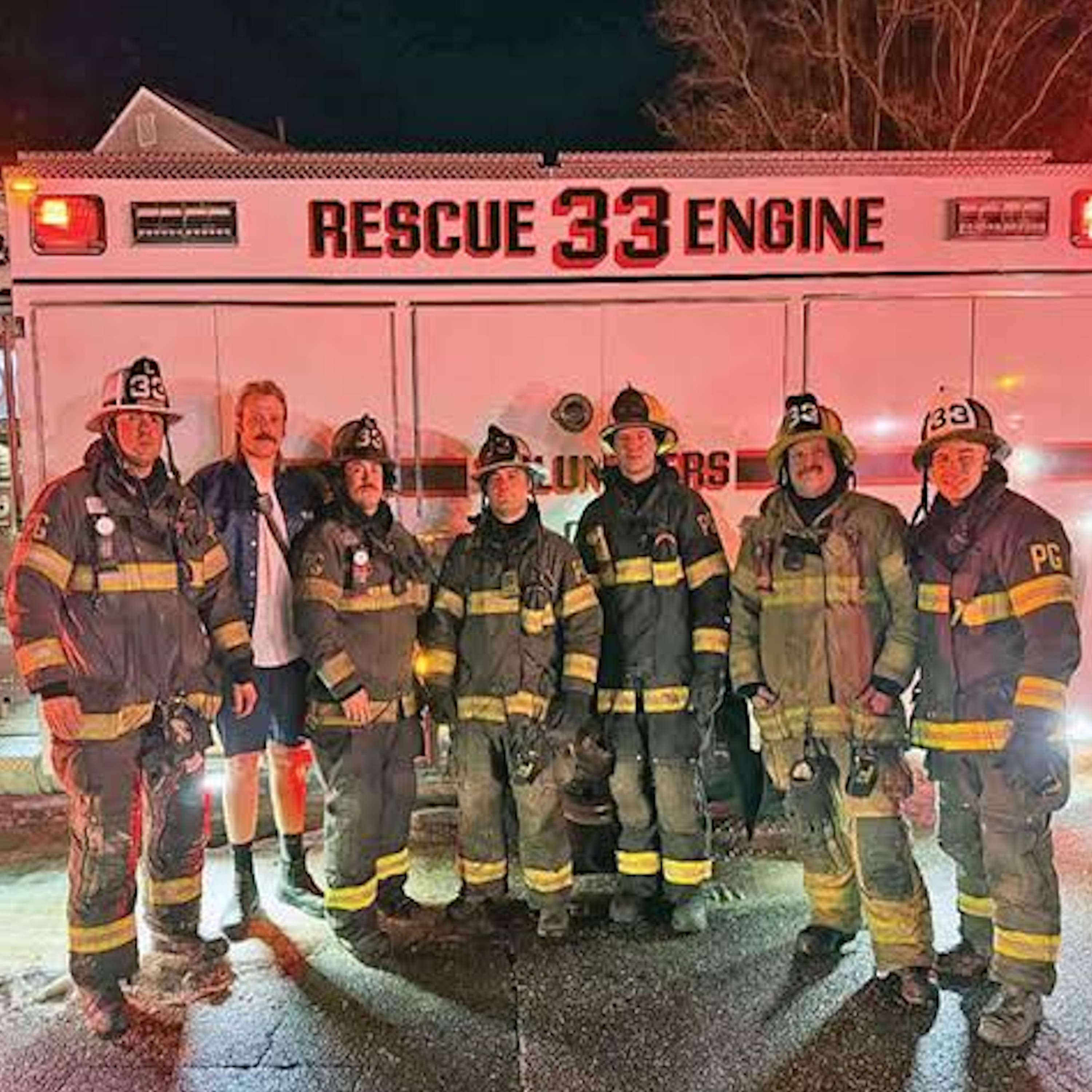 The Busiest Volunteer Firehouse in America with Alex Caldaro 17.09.2026 20минHow would you like to work the busiest volunteer firehouse in the nation?This house answers an average of four to five thousand calls for service a year. That’s more than many career departments, and they do it out of one station.Perhaps not surprisingly, the Kentland Volunteer Fire Department has no problem recruiting firefighters. They even staff a minimum of four people on overnights. And this is not a combination department. It’s all-volunteer.Located in Prince George's County, Maryland, Kentland prides itself on high standards.How do they do all this?Here to answer that question is Alex Caldaro, the Truck 33 Sergeant. He’s a fifteen-year veteran of the fire service who also works at Wilson’s Mills Fire Department in Clayton, North Carolina, where he’s Captain of Ladder 5.
 -
 The Heroism and Resiliency of 9-11 with Dr. Chris Meek 10.09.2026 19минThis year marks the 25th anniversary of the September 11th terrorist attacks on the World Trade Center, the Pentagon, and United Airlines flight 93.That means there’s now a whole generation that’s grown up since the attacks and views them as history.There’s a new documentary out now that will help that generation understand what 9-11 means to this nation and why.“The Heroism and Resiliency of 9-11” is the film. It features first-person accounts, actual footage of the attacks and dramatized re-enactments of events. It tells the story through the eyes of people who were there.It’s narrated by well-known actor Gary Sinise. In 2011, he started the Gary Sinise Foundation to serve veterans, first responders, and their families.And with me today is the film's executive producer, Dr. Chris Meek. Chris was there, at ground zero, on September 11th, 2001, working for Goldman Sachs.He’s since become involved with several charities, notably SoldierStrong, which he co-founded to support VA Hospitals.
 -
 The Color of Fire with RJ Clarke 03.09.2026 16минOn this edition of Code 3, we're talking with a firefighter/paramedic who is using the internet to reach young people to tell them about a career as a firefighter.RJ Clarke is working on a documentary photography project titled "The Color of Fire." After 15 years in the fire service, RJ noticed that young kids in the communities he visited rarely considered firefighting as a career because they rarely saw representation of firefighters of color. Currently, about 8 percent of US firefighters are black.In response, he set out to document black firefighters during the quieter, everyday moments between alarms, as well as at work on the fireground. With over a million views online, the project highlights positive representation, community connection, and the true reality of the job. Today, he shares what inspired the project, the impact it’s having, and his plans to turn it into a traveling gallery for the next generation.
 -
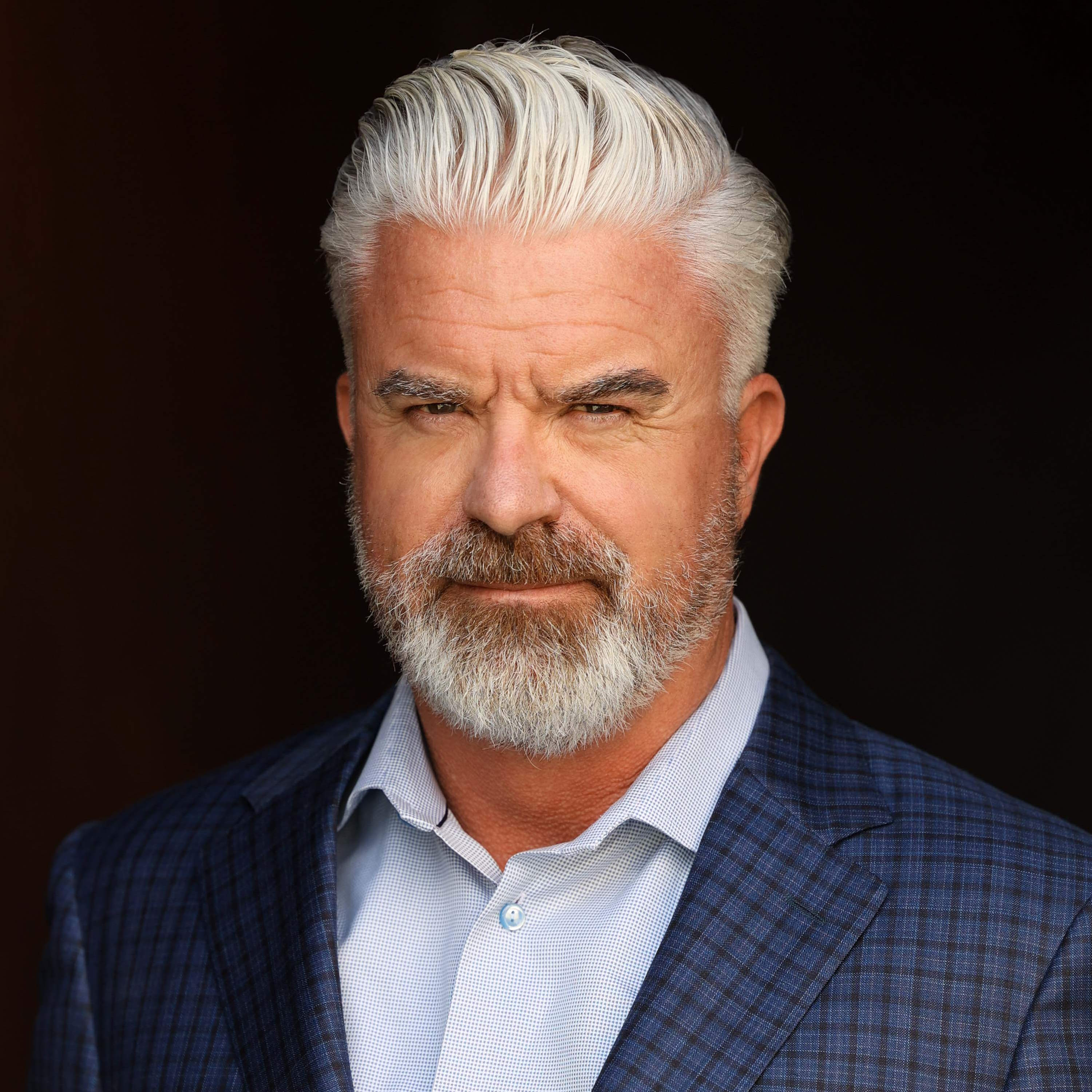 The Last Patient with James Owen 27.08.2026 27минOn today’s edition, we’re diving into a raw, unfiltered conversation about what happens when the turnout gear comes off and the cumulative weight of the job follows you home. Joining me today is James Owen, a retired 30-year first responder and former Long Beach fire Captain. James is the author of the new book The Last Patient: A Memoir of Resilience and Recovery. We talk about the hard realities of job stress, hitting rock bottom, dealing with trauma, and the work it takes to truly recover—not just for yourself, but for your family
 -
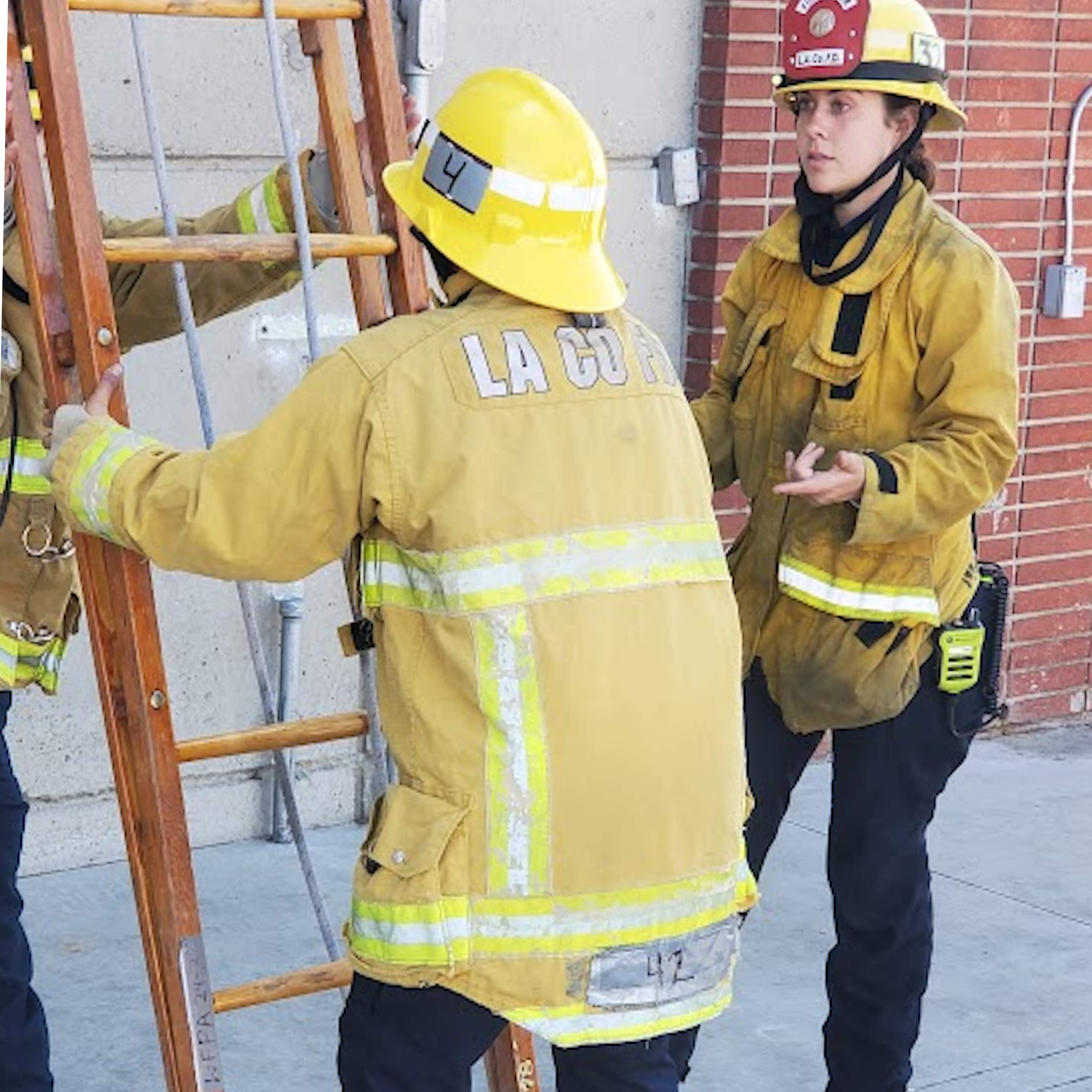 The Proper Use of Ground Ladders with Sam Hittle 20.08.2026 22минadder work is one of the most basic parts of firefighting.But basic does not always mean simple.There is a lot of technique involved in throwing, carrying, and placing a ladder correctly.And small decisions can have a big impact on how well that ladder works when it matters.Today, we’re looking in-depth at best practices for using ladders,We’ll talk about the mechanics behind a good ladder throw.We’ll talk about storage and deployment on the rig.And we’ll look at some of the common mistakes firefighters make.My guest today is Sam Hittle. He’s a Captain with the Wichita, Kansas, Fire Department. He is an FDIC Instructor, a Traditions Training Instructor, a Wichita HOT Instructor, and an FDIC Lecturer. He has been published multiple times by Fire Engineering.
 -
 When Your Department Doesn't Have Truck Companies with Jim Silvernail 13.08.2026 22минToday, we’re diving deep into fireground operations and functional strategy. Our focus is on how departments can adapt when dedicated truck companies are not available.When you need an effective, efficient, and safe coordinated fire attack, truck company operations aren't optional—they are an absolute necessity. But what happens when your department doesn't have dedicated truck companies in the station?To answer that question, we are joined by a veteran fire chief and co-author of the 2024 Fire Engineering book, The Non-Traditional Truck Company. Jim Silvernail is chief of the Kirkwood Fire Department of St. Louis County, Missouri. He’s a 25-year veteran of the fire service here to discuss how your department can build a "jack-of-all-trades" culture and how suburban and rural departments can master truck work using the rigs they already have.
 -
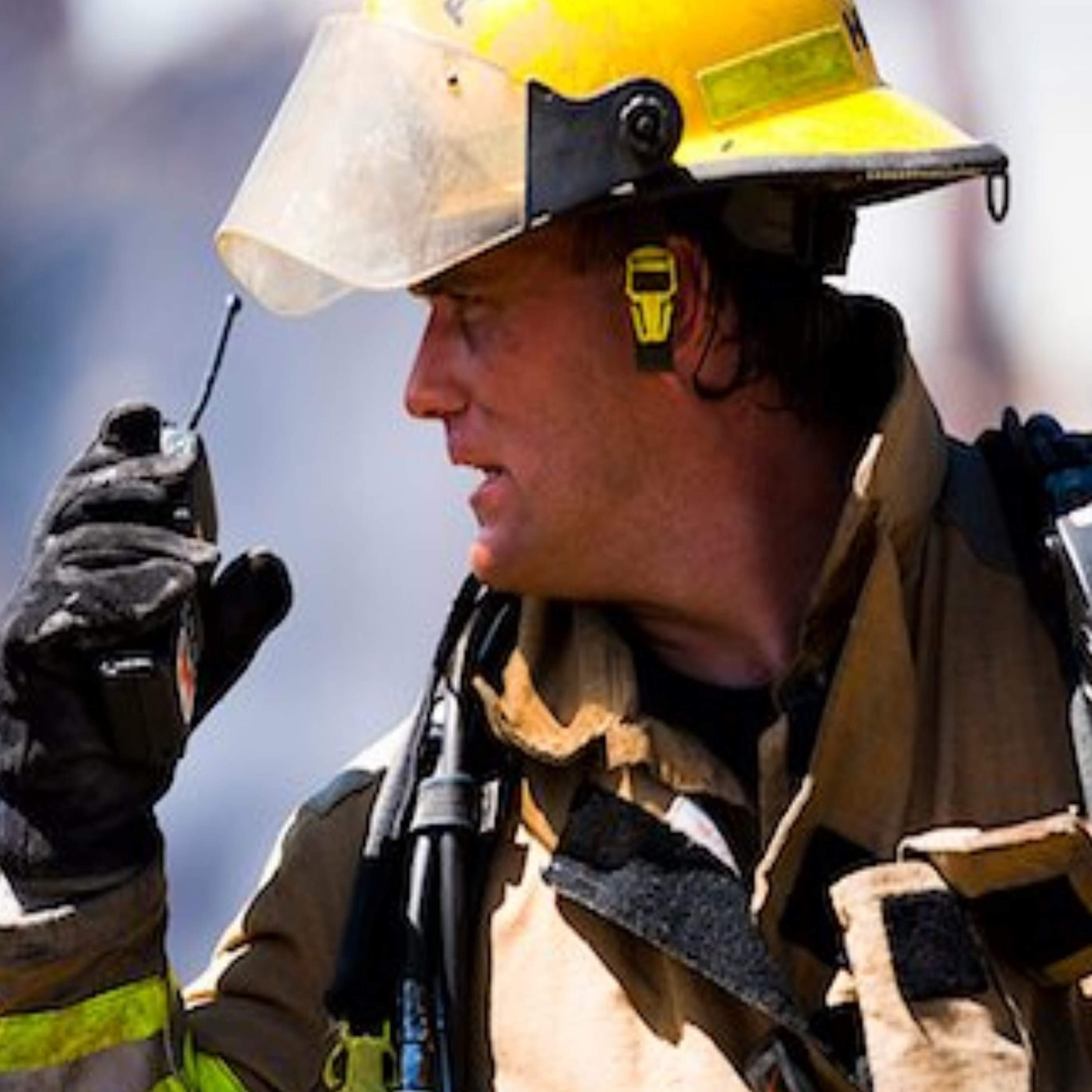 Size-Up: A System for Success with Todd Edwards 03.04.2026 30минToday, we are rethinking everything you know about fire ground size-up. Everyone has been taught standard acronyms like COAL WAS WEALTH. But that traditional method is often too complicated for a young firefighter or inexperienced officer with no background in building construction.Our guest today is here to share what he calls a system for success. He breaks down the vital difference between an initial windshield report and a true size-up. And he warns that a worthwhile size-up absolutely does not take place from the cab of the apparatus.Todd Edwards explains why identifying the occupancy is the most critical step. Hearing "working fire" over the radio is simply not enough for incoming units to make tactical decisions. They need to know exactly what they are dealing with before they ever step off the rig.Todd Edwards served for over 30 years with Atlanta Fire Rescue. He is a second-generation firefighter and the creator of the presentation "Size-Up: A System for Success." During his career with Atlanta, he held a variety of positions, including Captain, Battalion Chief, and Assistant Fire Chief.
 -
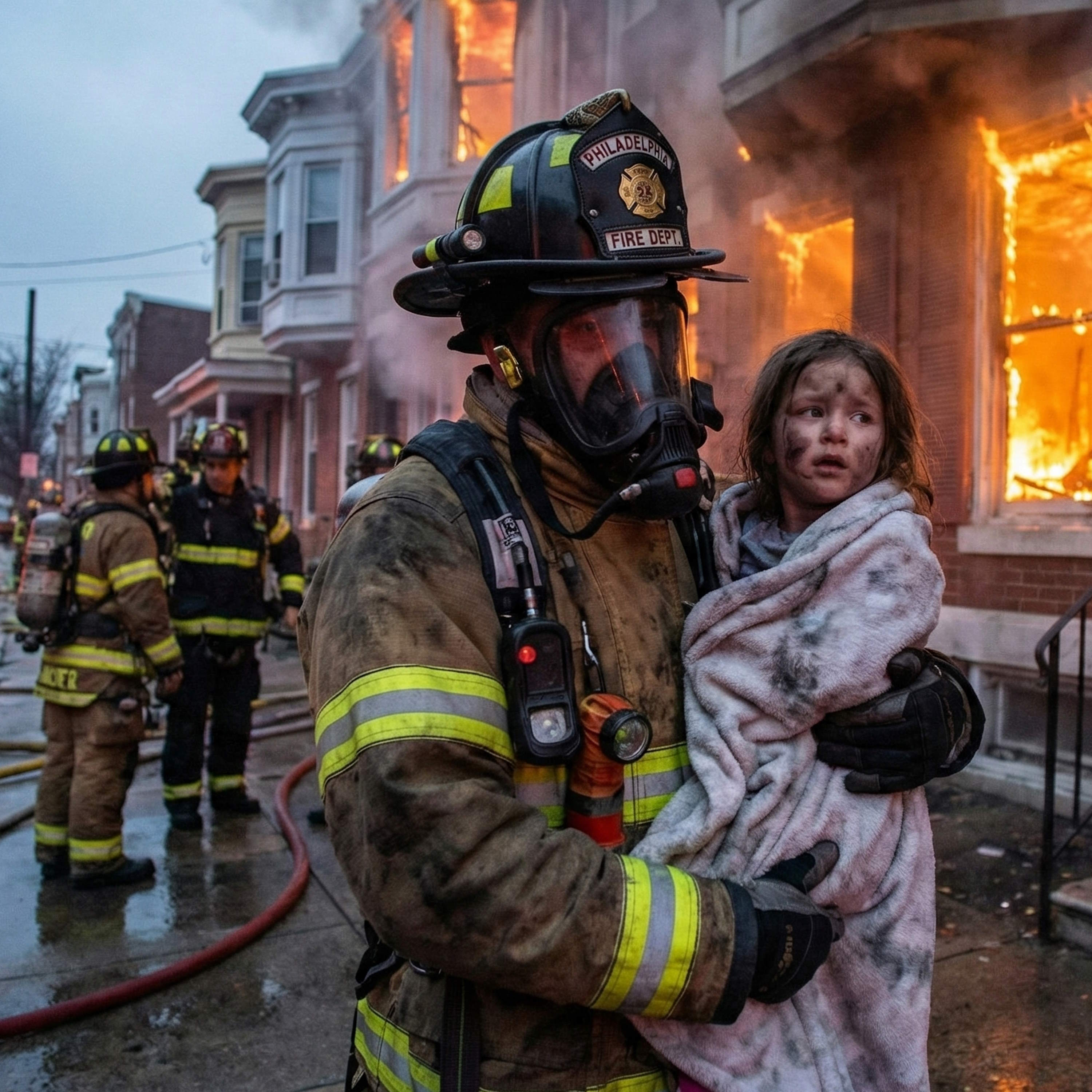 Searchable vs. Survivable with Sean Duffy 21.03.2026 30минHow many times have you pulled up to a location, seen fire blowing out of the second-story windows, and thought, "There is no way anyone is alive in there?" Today’s guest argues that firefighters have been making that call far too early. And it’s often based on outdated campaigns and fear rather than real-world data.You took an oath to protect life. It is the driving force behind every decision you make when you pull up to a working fire. But that drive has to be balanced with reality.The question isn't just "is the building searchable?" The harder question is: "Is it survivable?"Joining me is Sean Duffy, a firefighter on a mission to redefine the boundary between searchable space and survivable space. Sean is a vocal advocate for the Firefighter Rescue Survey, using hard data to prove that victims can—and do—survive in structures with over 75% fire involvement.Sean is a highly respected instructor and the voice behind the presentation "Searchable vs. Survivable: Educated Decision Making." He’s here to discuss how to move beyond guessing and start using data, fire behavior, and building construction to make the toughest call on the fireground.He’s a firefighter for the City of Ann Arbor, Michigan, where he’s been for almost 20 years.I last had him on the show talking about the reasons why 2-in/2-out is a concept whose time has passed.
 -
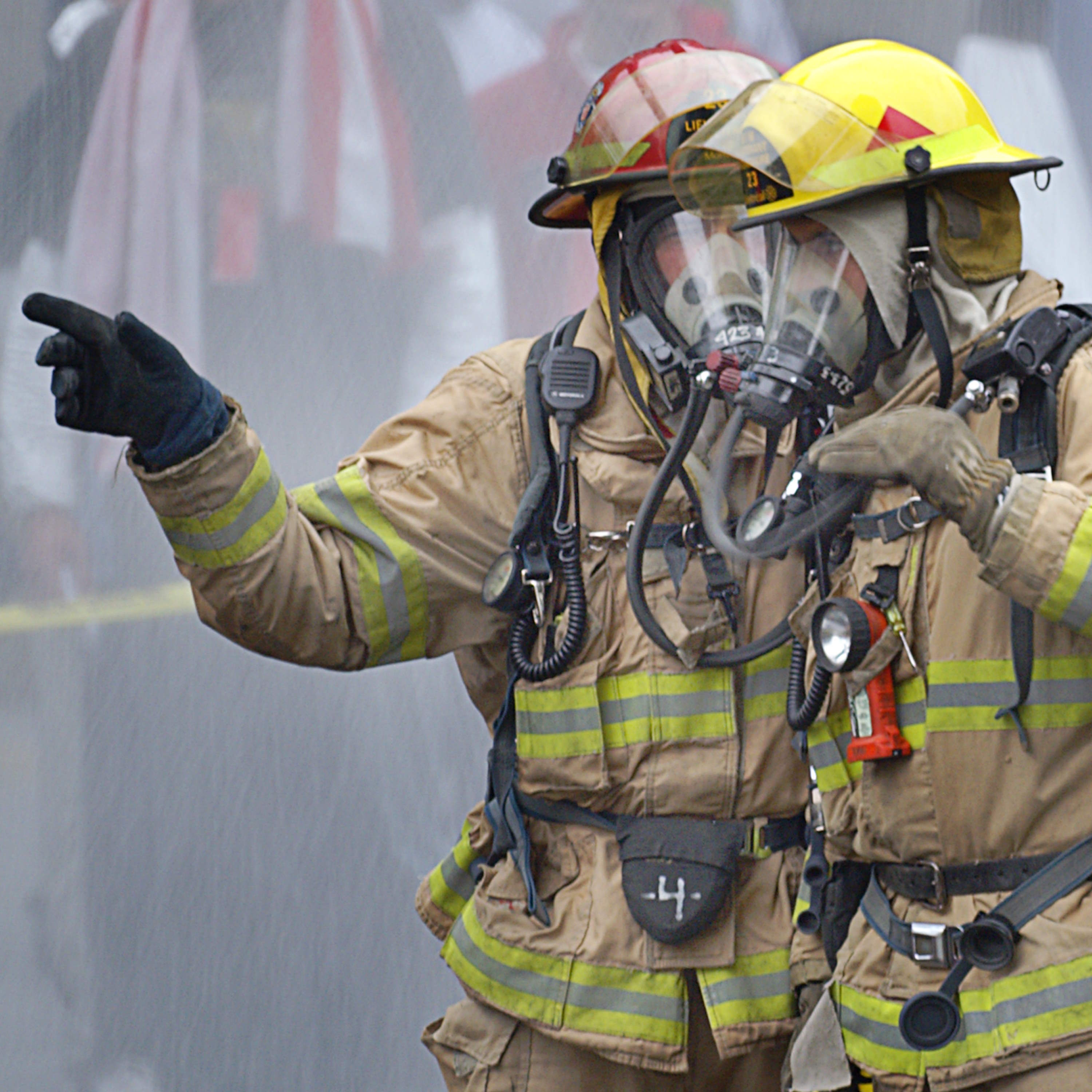 Leadership from the Bottom Up with Dr. Candace Ashby 29.01.2026 30минYou ever walk into *that* firehouse? You know the one. The crew is burnt out. They’ve given up on morale. And they’re constantly complaining that "Downtown" or "The Brass" have ruined the job.But my guest today argues that if your station’s culture is toxic, you shouldn't be looking at the Fire Chief for help... you should be looking in the mirror for solutions to your problems.Yep. The most powerful person in the department isn’t the one with the bugles on their collar—it’s the Company Officer sitting at the kitchen table. Dr. Candace Ashby is a Battalion Chief with the Indianapolis Fire Department. She holds a PhD in Organizational Leadership. She is the creator of "Leadership from the Bottom Up," a no-nonsense approach that challenges firefighters to stop playing the blame game and start taking ownership of their department.She joins me today to talk about why we need to stop waiting for permission to lead, how to turn bitterness into betterment, and why the future of the fire service depends on the men and women riding the engines
 -
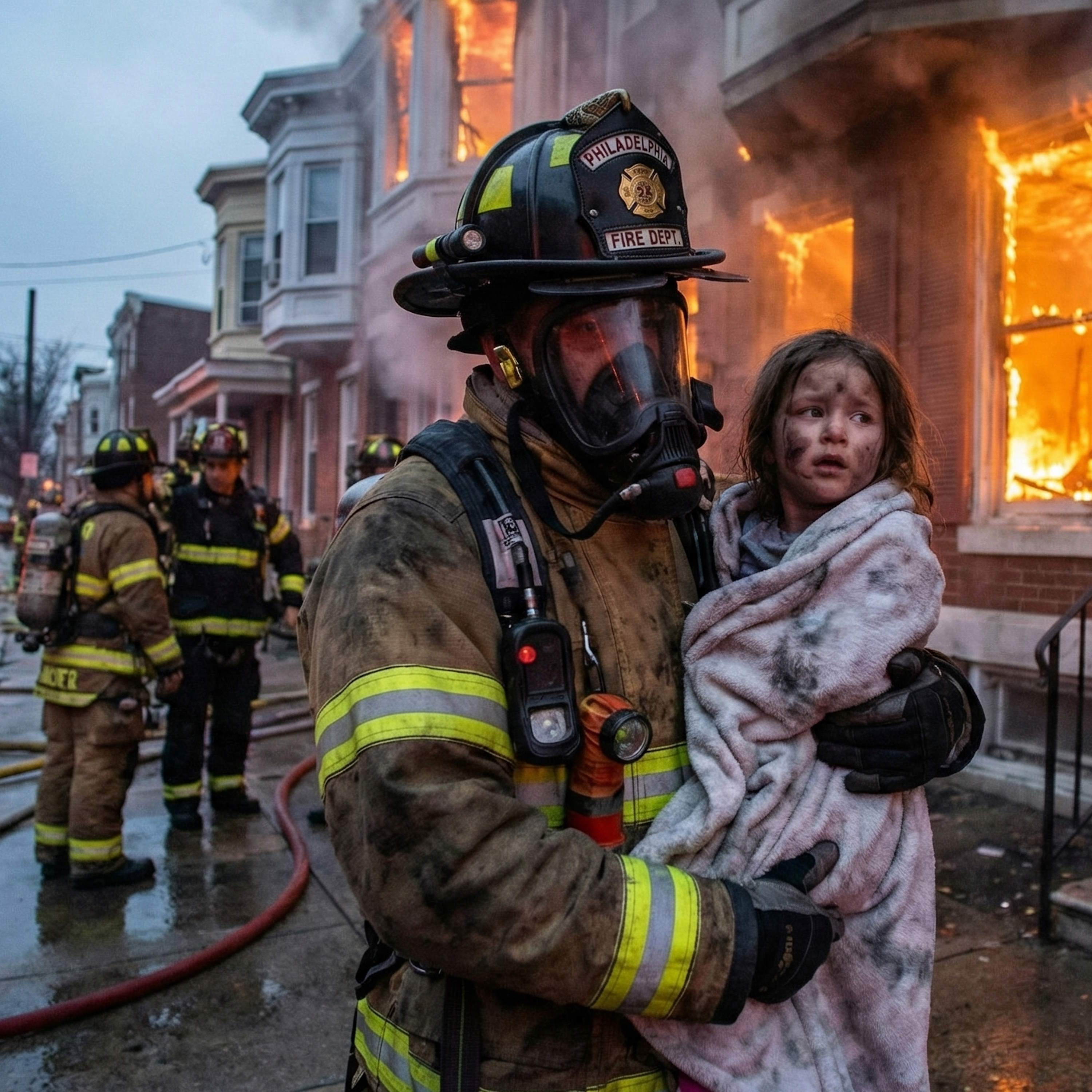 Making the Grab with D.J. Stone 15.01.2026 22минThere’s a lot of talk about "making the grab" in this job. But how often do you actually break down what went right when a rescue is successful?Not just the tools, but the mindset, the assignments, and the split-second decisions made in the first few minutes.After the high-fives and backslapping, it’s time to analyze how you did it. So you’ll do it right the next time, too.And to look at your mistakes, so you can avoid them the next time.My guest today has turned that breakdown into a science. D.J. Stone is a Battalion Chief with the South Walton Fire District in Florida. He’s the creator of "The Grab Analysis," a program that dissects real-world rescues—captured on video—to teach firefighters exactly how to prioritize the search and get victims out alive.On this edition of Code 3, we discuss aggressive search culture, the "850" method, and why preparation starts long before the tones drop.
 -
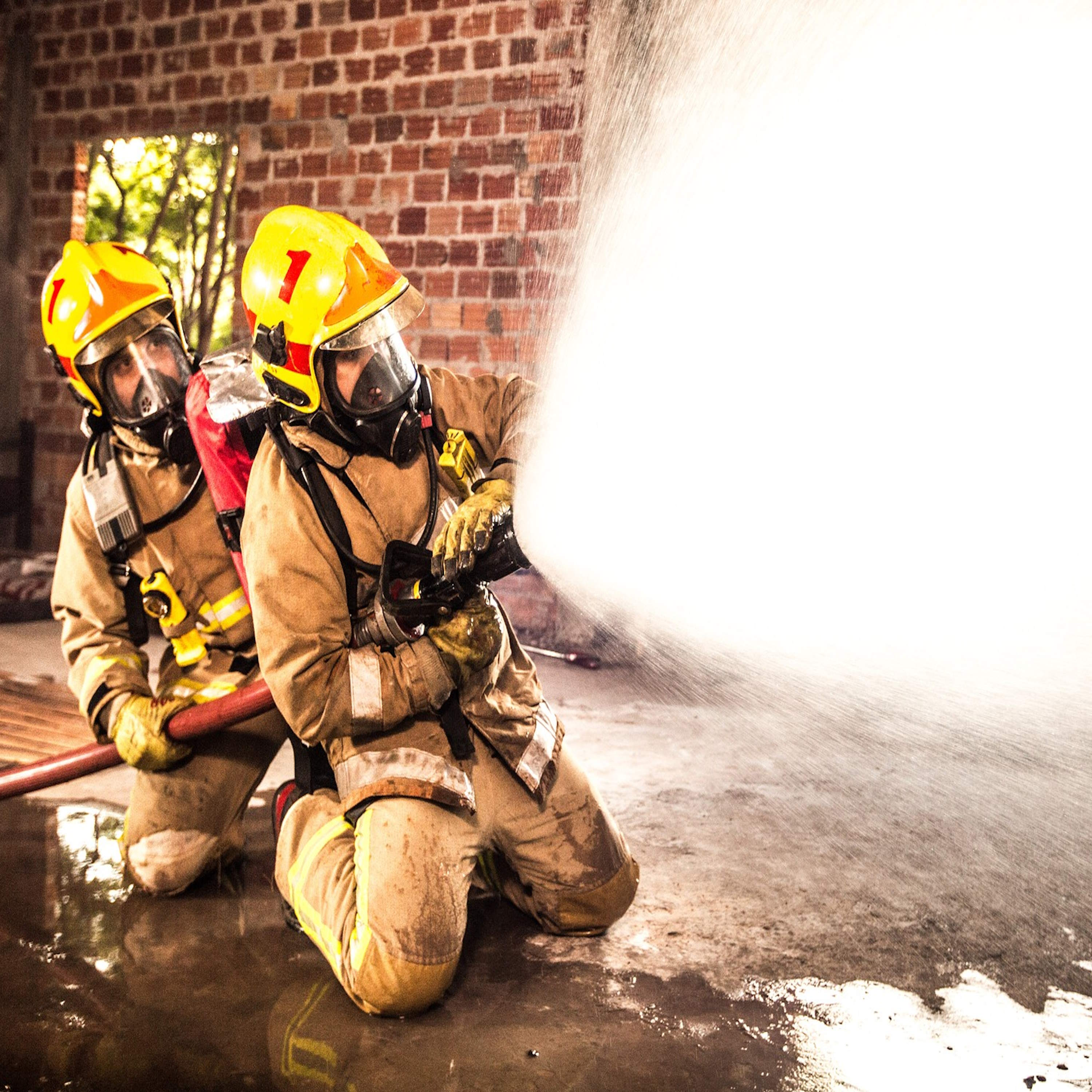 Stretch, Charge, Flow, and Move with Daryl Liggins 08.01.2026 21минWe often talk about the fireground as a chaotic environment, because it is.But there is a tendency in the modern fire service to meet that chaos with complexity—adding more gadgets, more steps, and more theories to what is, at its heart, a simple physical battle.When the heat is high and visibility is zero, complexity is the enemy. It slows you down. And in this job, slow can be fatal—in fact, it has been.So, how do we strip away the noise and get back to what actually puts the fire out?Today, we’re going to discuss the "Keep It Simple" philosophy. We’ll talk about why firefighters need to slow down, the specific mechanics of a good hose stretch, and why the most advanced piece of technology on the fireground is still a well-trained firefighter with a nozzle.My guest today believes the answer lies in four simple words: Stretch. Charge. Flow. And Move.Daryl Liggins is a retired Training Captain from the Oakland Fire Department, a department known for its aggressive interior culture and heavy fire duty. Throughout his career, Daryl has been a student of the engine company. He has championed the idea that mastering the basics isn’t about being "old school"—it’s about being effective.
 -
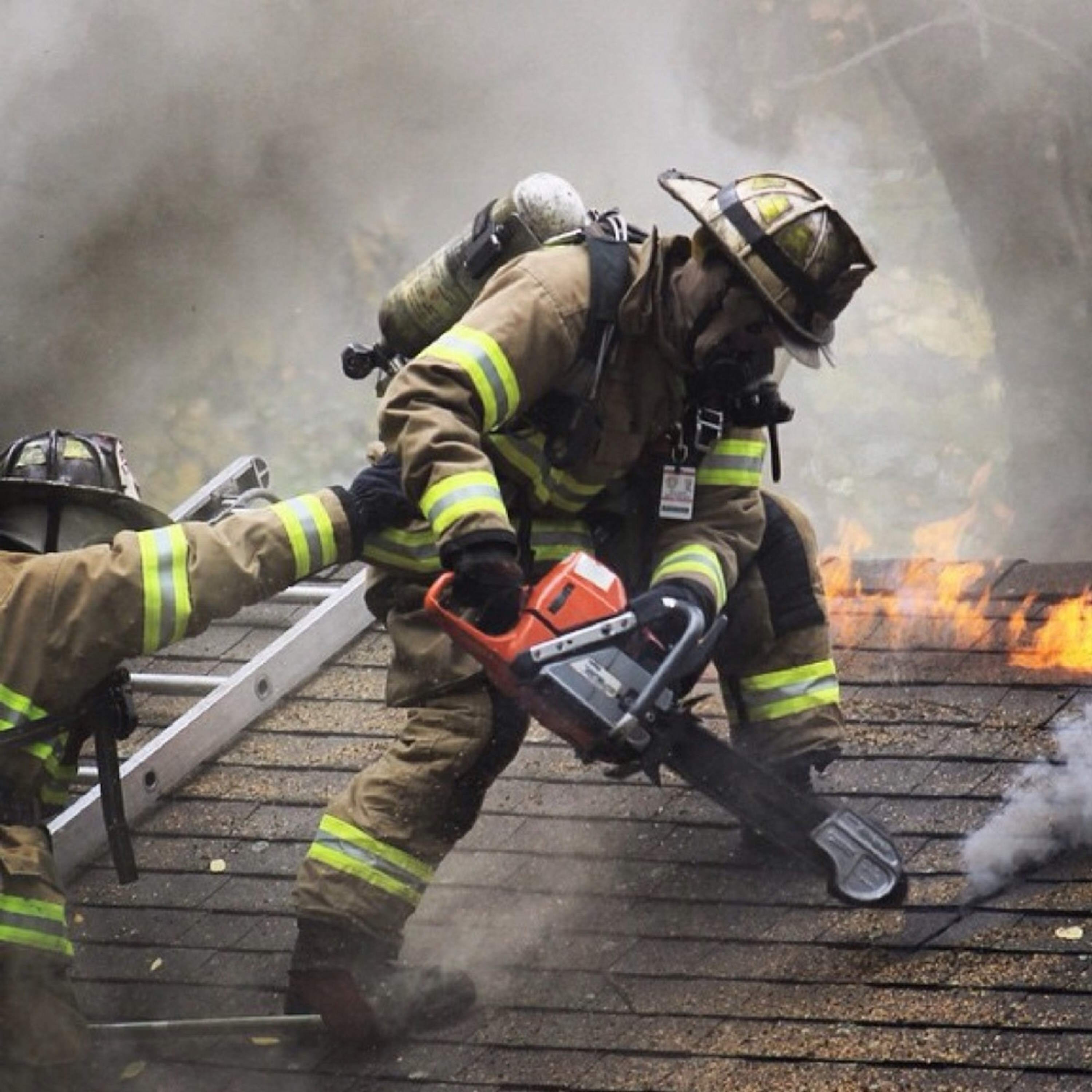 Venting the Roof: When, Where, and How with Nicholas Papa 02.11.2025 28минDo you know exactly how vertical ventilation works?Depending on your level of experience, you may think you do, but you still might not have a really solid understanding of why it works. Simply cutting a random 4x4-foot hole in the roof won't do the job in all cases.My guest today has a good deal of experience as a firefighter, but he admits that, until he saw a live fire test, he misunderstood how cutting a hole in the roof affects the fire.We’ll talk about that, as well as when it’s the best time to vent the roof, how dangerous it is to work up there, how handlines can be used to move air and smoke with it, and how much training firefighters need to remain proficient in roof operations.Nicholas Papa is a 17-year veteran of the New Britain, Connecticut, Fire Department, where he’s a captain. He became a firefighter in 2003, volunteering for a neighboring suburb until he was hired by New Britain. He is the author of the book Coordinating Ventilation: Supporting Extinguishment & Survivability.
 -
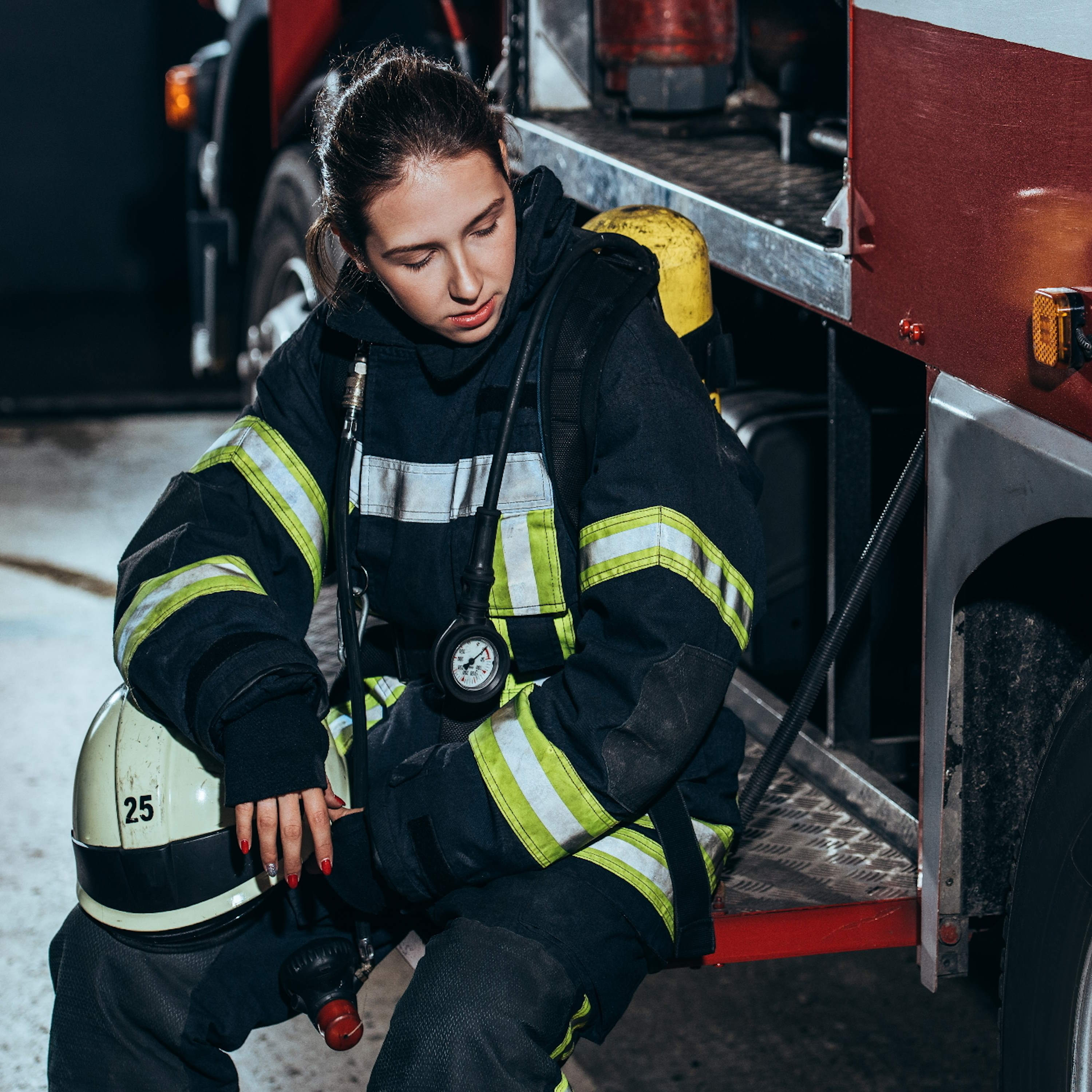 Getting Treatment for PTSD at the IAFF's Center of Excellence with Curt Isakson 28.08.2025 18минIf you spend any time on social media, you’re probably familiar with Curt Isakson.He has a massive presence on Facebook and about 6,000 followers.Chief Ike, as he’s also known, has had a 30-plus-year career in the fire service.He's also been an advocate for treatment of firefighters who sufFer from PTSD.So it was not a big surprise when Curt decided to enroll in the IAFF’s Center ofExcellence for Behavioral Health Treatment and Recovery.It’s an in-patient treatment program held at a facility in Maryland. The program isdesigned for firefighters and treats a variety of emotional problems. Whileabout a third of the participants suffer from PTSD, there are also victims ofsubstance abuse and other issues, like depression.In Curt’s case, he decided to check himself in to be treated for PTSD.As his social media followers know, his request for time off to be treated wasdenied by his employer, Escambia, County, Florida, Fire-Rescue.Curt decided to go anyway.When he returned, he was forced into retirement.But Curt is not sorry he went, even though he lost his job.
 -
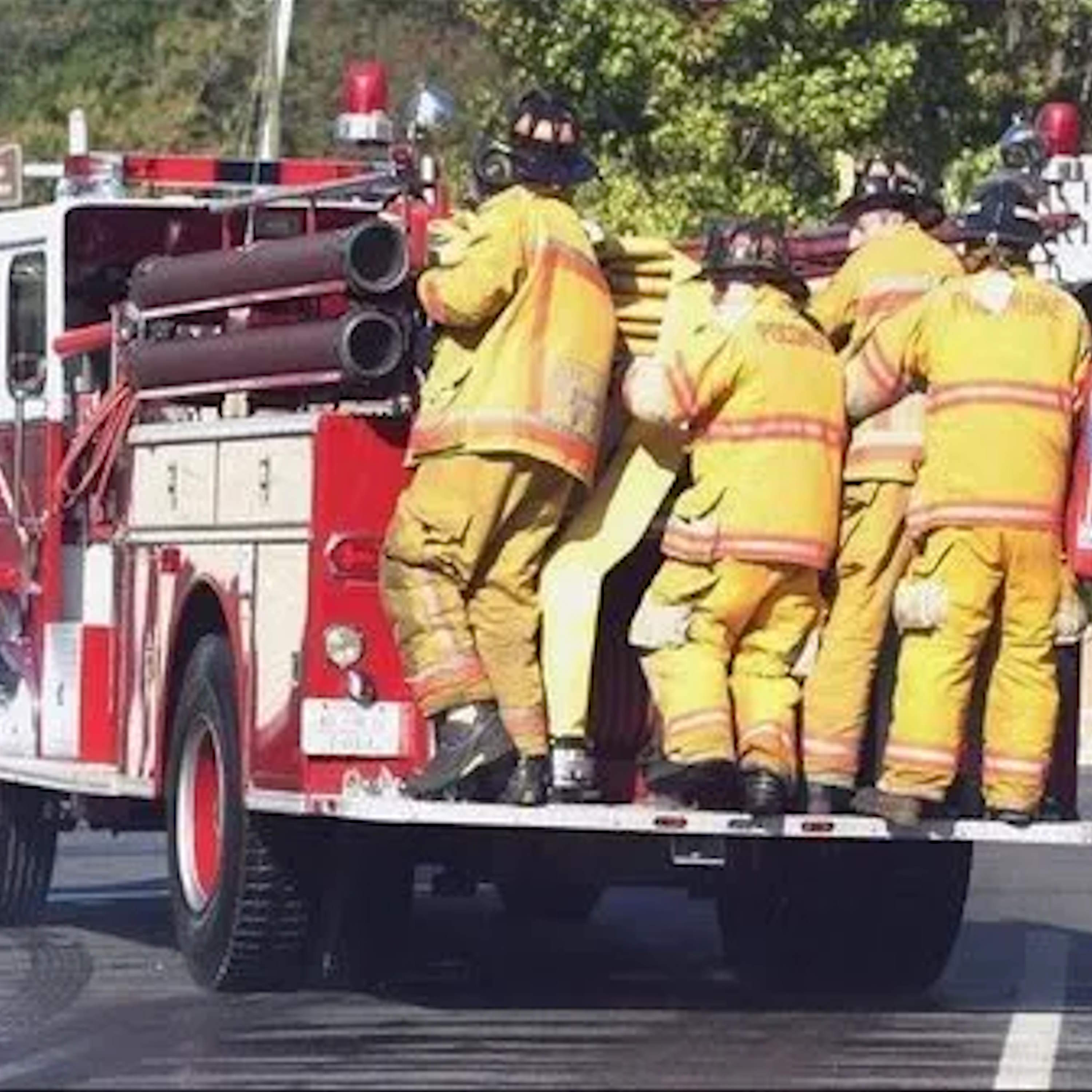 When It Was Fun & He Carried a Gun with Bill Niemann 19.08.2025 16минWhen Bill Niemann joined the fire service in 1976, the landscape looked verydifferent. This was a time of rubber boots, and riding the tailboard of theengine. SCBAs were the newest thing, and not everyone got to have one.When Bill Niemann joined the fire service in 1976, the landscape looked verydifferent. This was a time of rubber boots, and riding the tailboard of theengine. SCBAs were the newest thing, and not everyone got to have one.But for the second half of his career in the fire service, Bill carried a gun. Hewas an assistant fire marshal assigned to the Arson Crimes Unit of PrinceWilliam County, Virginia. Back then, there were no rules for fire investigations. Just wait until you hear how he wrote his own rulebook.Speaking of writing, Bill has also written a novel. It’s titled “Heavy Fire Showing.”But for the second half of his career in the fire service, Bill carried a gun. Hewas an assistant fire marshal assigned to the Arson Crimes Unit of PrinceWilliam County, Virginia. Back then, there were no rules for fire investigations. Just wait until you hear how he wrote his own rulebook. Speakingof writing, Bill has also written a novel. It’s titled “Heavy Fire Showing.”WhenBill Niemann joined the fire service in 1976, the landscape looked verydifferent. This was a time of rubber boots, and riding the tailboard of theengine. SCBAs were the newest thing, and not everyone got to have one. Butfor the second half of his career in the fire service, Bill carried a gun. Hewas an assistant fire marshal assignedto the Arson Crimes Unit of PrinceWilliam County, Virginia. Back then, there were no rules for fire investigations. Just wait until you hear how he wrote hisown rulebook. Speakingof writing, Bill has also written a novel. It’s titled “Heavy Fire Showing.”
 -
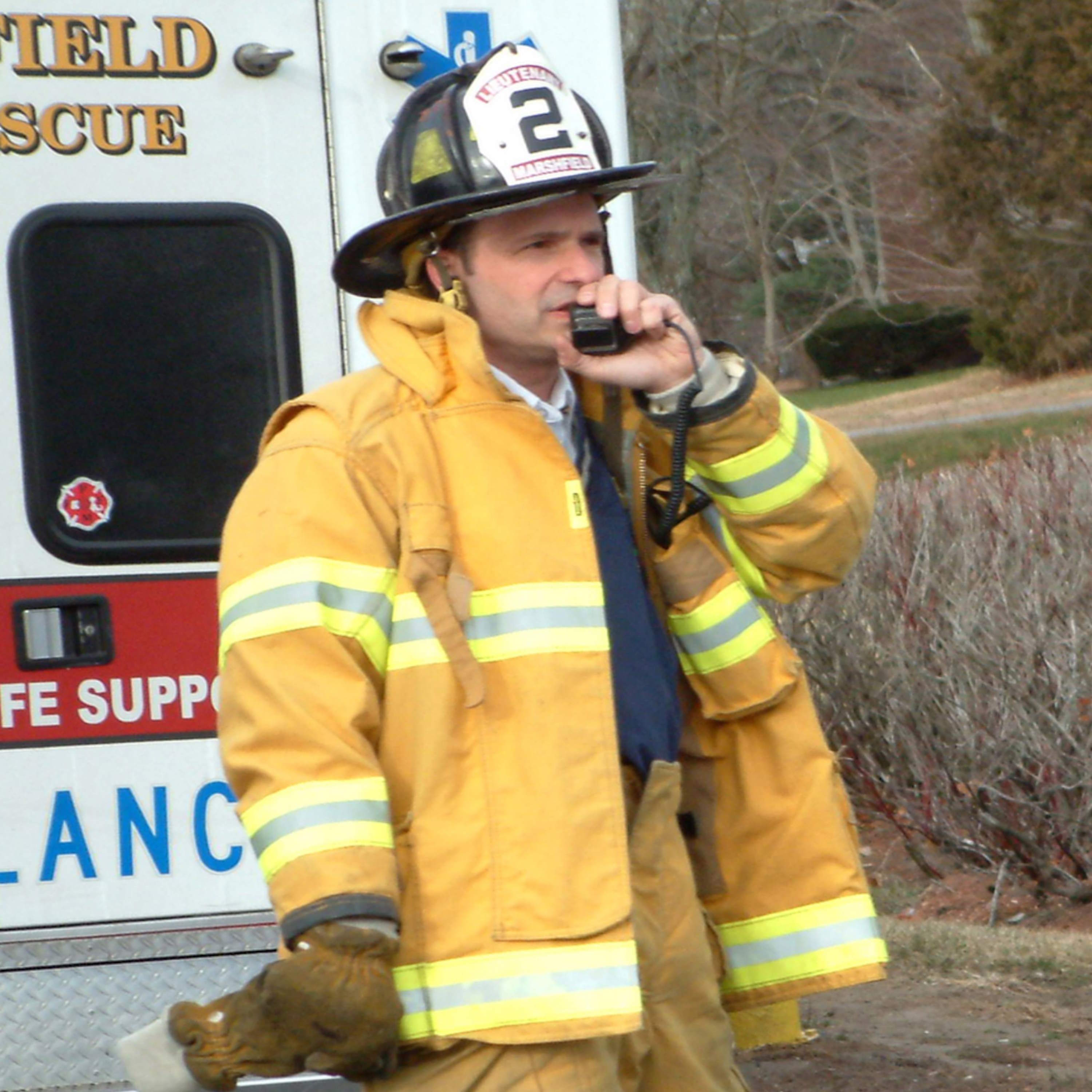 Choosing an IC on a Volunteer Response with Richard Ray 05.08.2025 23минIf you’re a member of a volunteer department, you’ve probably run into the problem of Incident Command.The issue is, who’s going to be the IC on a given fireground.Now, if your volunteer department is lucky enough to have career firefighters showing up to calls with you, the problem’s not so bad. Odds are, that career firefighter is going to be the one who takes command of the scene.But what if the response is all-volunteer? Who takes command then?That’s the question we’re going to examine on this edition of Code 3.My guest today is Richard Ray. He’s got over 30 years in the fire service. He’s both a firefighter with the Creedmoor, North Carolina Volunteer Fire Department. His full-time job is battalion chief with the Durham, North Carolina Fire Department. He instructs on a national level as well.
 -
 End of the Road for a Fire Chief with Scott Freitag 15.05.2025 30минThis edition of Code 3 is a little different than most.It’s about a Fire Chief who lost his job after he incurred the wrath of the UnionLocal’s officials and, ultimately, the IAFF. Scott Freitag was the chief of the Central Arizona Fire and Medical Authority, orCAFMA. The agency was created under Scott’s leadership when two fire districts combined undera JMA to form CAFMA in 2015.CAFMA covers 365 square miles of territory of Yavapai County, Arizona. And it servesabout 100,000 residents from 12 stations.One day in August 2024, a press release showed up in email inboxes saying that theIAFF had censured Scott Freitag by a vote of 2,520 to 0. Iwas pretty startled to get this news because I know Scott Freitag to be anhonest, decent Fire Chief who was genuinely concerned about the welfare of hisfirefighters.As you’ll hear, the no-confidence vote led to Scott’s firing after 11 years asFire Chief in September 2024.How this all went down depends on whose story you believe. It may well have hadlittle to do with firefighting and much more to do with politics and a healthplan.
 -
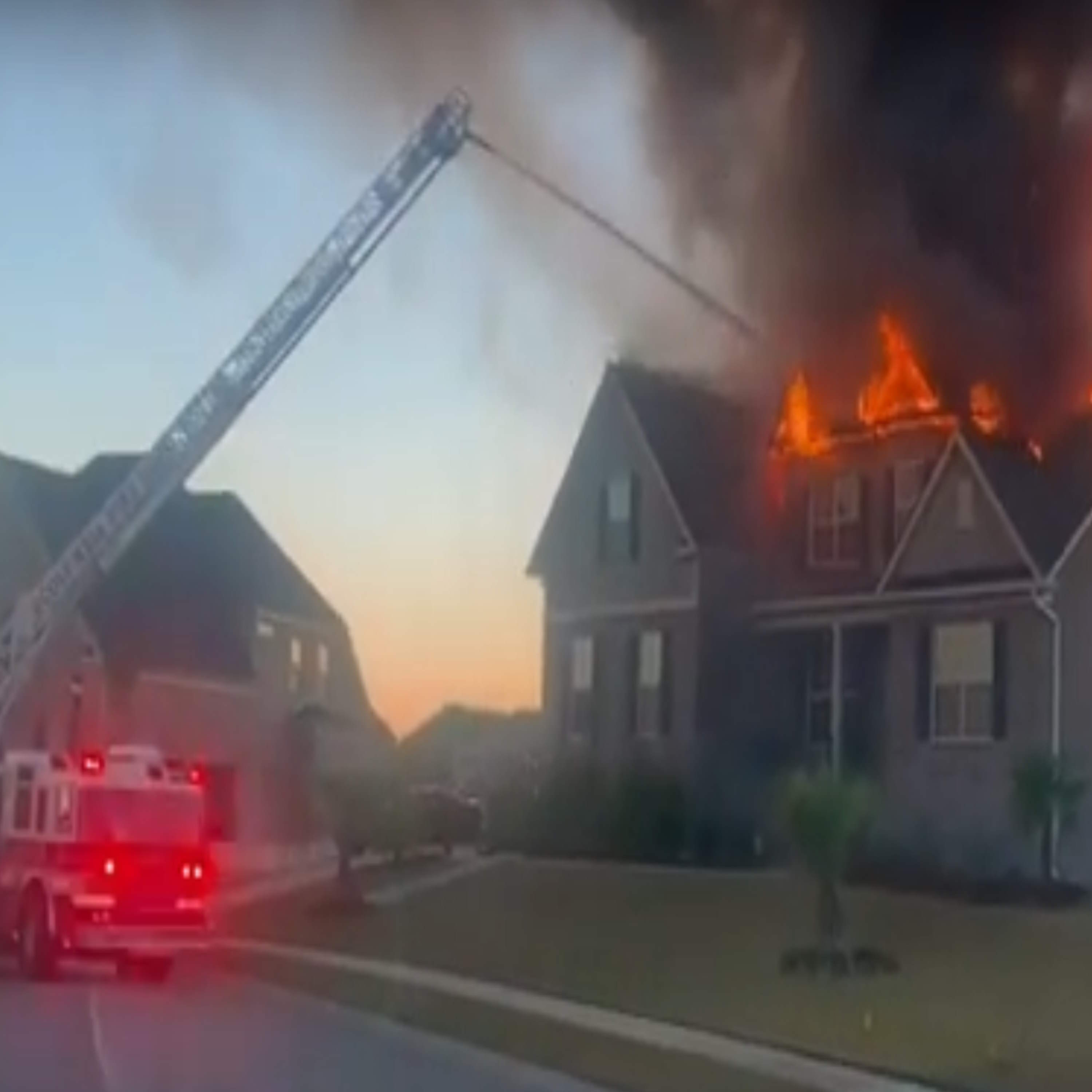 Fighting Fires Inside the Box with Eric Wahlberg 26.04.2025 24минAre you tired of being told to “think outside the box?”Well, if you are, I have good news: today’s show is about thinking inside thebox.It's about looking at structures as a series of boxes, determining which box has theactive fire in it, and how to attack that fire. Boxes determine flow path inlarge modern residential structures.It’s an interesting idea, and it was developed for the Plano, Texas fire departmentby Eric Wahlberg, a 30-year veteran of Fire/Rescue and an assistantchief. He is also a Master Firefighter with the state of Texas.
 -
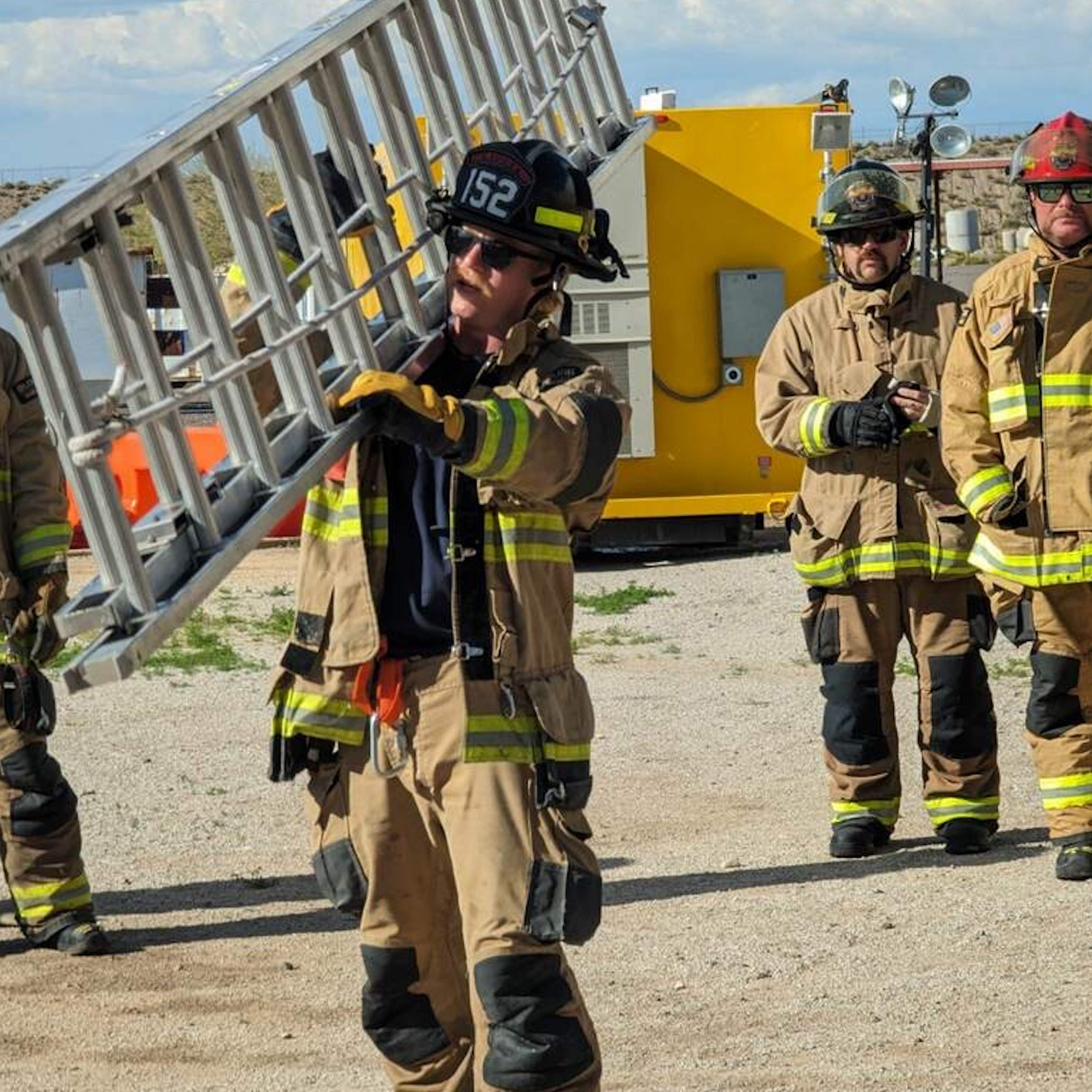 The Art of Throwing Ladders with Kevin Weis 22.08.2024 16минOne of the first tools you were taught about when you started this job is the basic groundladder.Once you learned how to throw one, it was no big deal, right? The longer the ladder, the more firefighters get to carry it. Except…What if there’s not enough people on the fireground to do that?You might be surprised to find that the 24-foot extension ladder can safely be carried and placed by just one firefighter. Now, a lot of understaffed fire departments, especially volunteers, already know this. But if you started at a fully-staffed department, you may not have had to throw a ladder this size alone.Today’s guest runs seminars on the use of ground ladders, and this is one of his favorite topics.Kevin Weis started his career in the fire service in 2012 as a volunteer firefighter in Coldwater, Ohio. He’s been on the career side since 2014, starting in Defiance, Ohio. In 2020, he moved to the Glendale, Arizona Fire Department. Kevin’s currentlya firefighter/ paramedic and specializes in TRT & Haz Mat. He’s also been afire inspector. He teachesseveral hands-on-subjects, including searchtactics, forcible entry, hose line management, and of course, ground ladders.
 -
 Community Risk Reduction: Part of the Job with Chad Costa 04.07.2024 26минOne of the least exciting jobs for a firefighter is the dreaded Community Risk Reduction assignment.In an urban environment, CRR may mean doing a meeting with the people you serve. Or maybe you’re changing smoke alarm batteries.Either of those—not exciting, but not so much work, either.But if your department covers urban and rural areas, where you could be tasked to fight a brush fire, well, now you may have to do some physical labor ... plus those meetings.Not all, or even many, departments have dedicated crews to community risk reduction. Often, CRR is one person, whose job may include other responsibilities.Today, I’m talking with one of our favorite guests, Chad Costa, about what CRR can do for your community…and what you can get out of it, too.Chad is assistant fire chief for the Petaluma, California, fire department. He has over 25 years on the job.
 -
 [Rebroadcast] Fifth Annual Granite Mtn Hotshots Memorial in Prescott AZ 27.06.2024 17минOn June 30, 2018, the fifth anniversary of the LODD of 19 members of the Granite Mountain Interagency Hotshot Crew at Yarnell Hill, a memorial ceremony was held in Prescott, Arizona, their home base. The brief ceremony commemorated their loss and celebrated their lives. This is the event.
Слични подкасти


Популаран у
Овај подкаст се појављује и у подкаст листама ових земаља.
