
Books for Men
Douglas Vigliotti
0
Host and author Douglas Vigliotti presents a weekly podcast that highlights a different book each Monday, covering genres from crime fiction and literary classics to contemporary fiction and memoirs. He shares key insights into authors, themes, lessons, and the big questions from each book, and also discusses craft-related topics like writing, storytelling, and artistry.
Епизоде
-
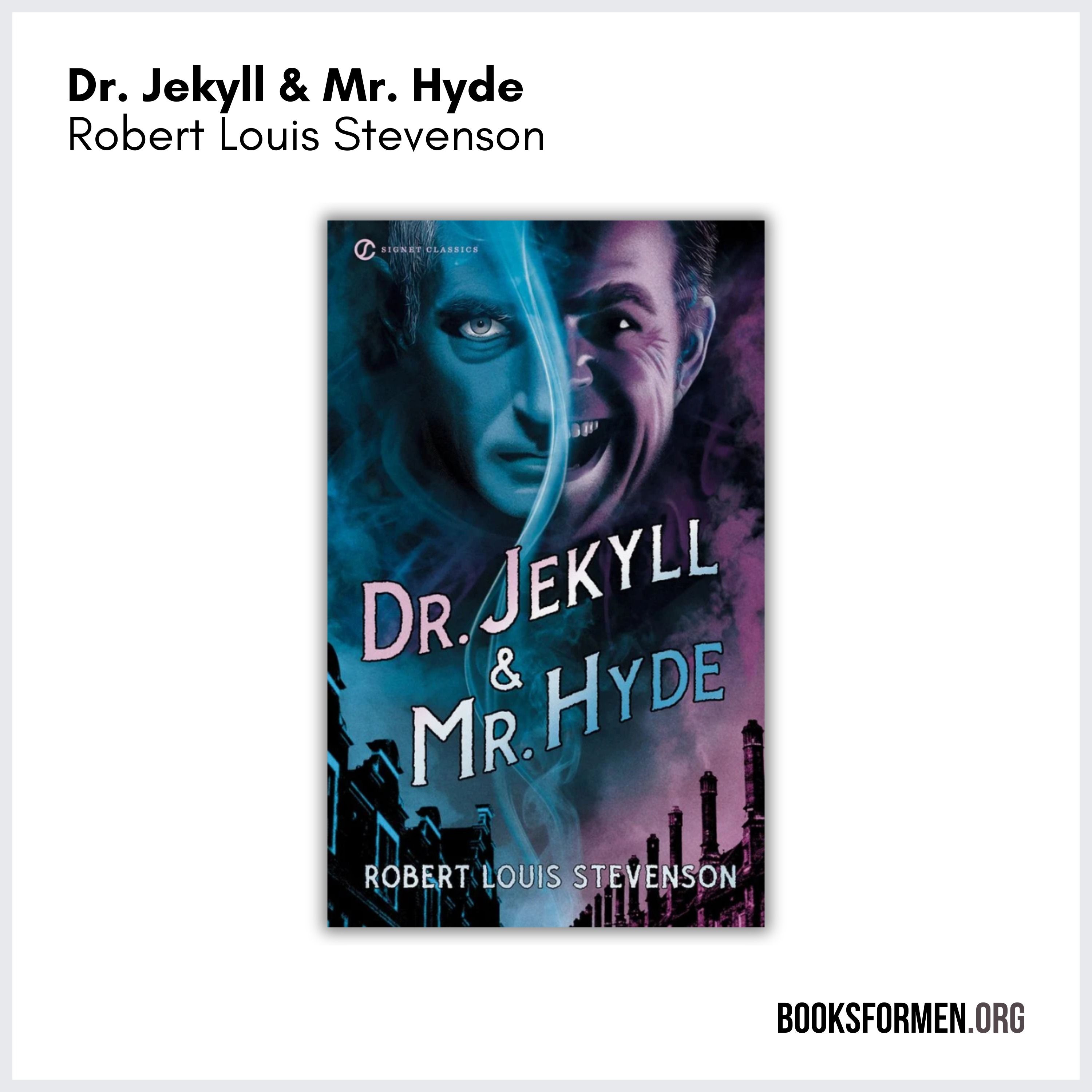 #315 | 'Dr. Jekyll and Mr. Hyde' — Addiction, Self-Sabotage, and the Human Shadow 14.09.2026 12мин🎙 This week, we unpack Robert Louis Stevenson’s 1886 iconic novella, 'The Strange Case of Dr. Jekyll and Mr. Hyde', a literary classic that went on to permanently alter the English vernacular. Prompted by a recent trip to Edinburgh, I share why this famous story is far more than a simple detective story or good-versus-evil binary tale. I discuss Nabokov's challenging lecture on the book, and how Jekyll's tragic potion functions as an allegory for addiction, self-sabotage, and the untamed darkness in us all.
 -
 #314 | What Is Criticism For? — Christopher Nolan's 'The Odyssey' Review 07.09.2026 13мин🎙 In this Off-Script episode, I dive into the nature and function of criticism—why critique is meant for the consumer, not the artist, and how Aristotle’s five standards of storytelling shape how I analyze stories. Then, I read my first piece of film criticism, analyzing Christopher Nolan’s 'The Odyssey.' I break down why Nolan's visual spectacle falls short on the script level, how contradiction undermines his central theme, and why star power isn't always better for a theatrical production. Inside the Episode: (00:09) The Role of Criticism: Why artists need courage over reviews, and how Aristotle’s rubric defines fair story critique. (02:54) Aristotelian Standards: The five criteria for evaluating stories and how they shape my approach to criticism. (04:43) Spectacle vs. Story: Evaluating Nolan’s ambitious visuals against basic narrative principles. (07:00) The Central Contradiction: How Odysseus’s climactic choices violate the very moral lesson Nolan tries to establish. (10:51) Star Power vs. Transformation: Examining Matt Damon's performance, dialogue delivery, and character immersion. Links & Resources: ✓ (Better) Books: Sign up at BooksforMen.org. 📚 Master Your Craft: AristotleforNovelists.com. ⚡️ Connect: Instagram @douglasvigliotti | DouglasVigliotti.com. 💥 Read the Review: Christopher Nolan's The Odyssey — Is It Any Good? Life is too short to read sh*tty books. 🫠
 -
 #313 | 'Suicide Blonde' — Transgression Demands Great Writing 31.08.2026 11мин🎙 This week, we dive into Darcey Steinke’s 1992 cult classic, "Suicide Blonde"—a sub-200-page literary novel set in 1990s San Francisco. Following a young woman tangled in an obsessive relationship, the novel uses raw eroticism to explore identity, desire, and self-reinvention. I discuss Steinke’s muscular prose, how transgressive fiction demands top-tier craft, and why reading the female POV reveals something about our shared vulnerabilities. Inside the Episode: (00:09) Muscular Style: Why Steinke’s energetic, assertive pen elevates transgressive themes beyond simple shock value. (03:20) San Francisco Underbelly: Navigating Jessie’s psychological journey and moral confusion in grunge-era San Francisco. (05:10) Crafting Transgression: How top-tier prose makes discomforting, intense material deeply compelling and fun to read. (07:20) Beyond the Male Gaze: Unpacking modern expectations, female desire, and the shared burden of presenting strength. (08:30) Middle-Class Delusions: Key quotes on self-deception, status, and the endless search for severe experience. Links & Resources: ✓ (Better) Books: Sign up at BooksforMen.org. 📚 Master Your Craft: AristotleforNovelists.com. ⚡️ Connect: Instagram @douglasvigliotti | DouglasVigliotti.com. 💥 Book: Suicide Blonde by Darcey Steinke. Life is too short to read sh*tty books. 🫠
 -
 #312 | F. Scott Fitzgerald on Class, Fools, and the American Dream 24.08.2026 12мин🎙 This week, we revisit F. Scott Fitzgerald’s classic novel "The Great Gatsby" to explore what Jay Gatsby's tragedy reveals about our modern world. Picking up from where I left off in Episode 214 on the iconic story, I dish on how Fitzgerald captures the hollow, social media-driven chase for fame and attention at all costs. From key quotes to the decay of the American dream, this episode unpacks why Gatsby’s tragic quest for an unreachable illusion is more relevant than ever in an era driven by digital posturing and endless noise. Inside the Episode: (00:09) Beyond the Basics: Revisiting Fitzgerald's tight, compressed masterpiece to examine its central thematic weight. (02:45) Gatsby's American Dream: How the shift from hard work to chasing superficial fame mirrors Gatsby's tragic flaw. (04:29) Living in the Illusion: Connecting Fitzgerald’s warnings about status to today’s culture of performative success. (07:38) Unpacking the Key Lines: Analyzing pivotal quotes on pursuit, isolation, and the desire to stay willfully blind to the truth. (09:42) Something Worth Chasing: Why true fulfillment lies in ground-level reality over manufactured digital hype. Links & Resources: ✓ (Better) Books: Sign up at BooksforMen.org. 📚 Master Your Craft: AristotleforNovelists.com. ⚡️ Connect: Instagram @douglasvigliotti | DouglasVigliotti.com. 💥 Featured Episode: #214 "The Great Gatsby" on Apple | Spotify. Life is too short to read sh*tty books. 🫠
 -
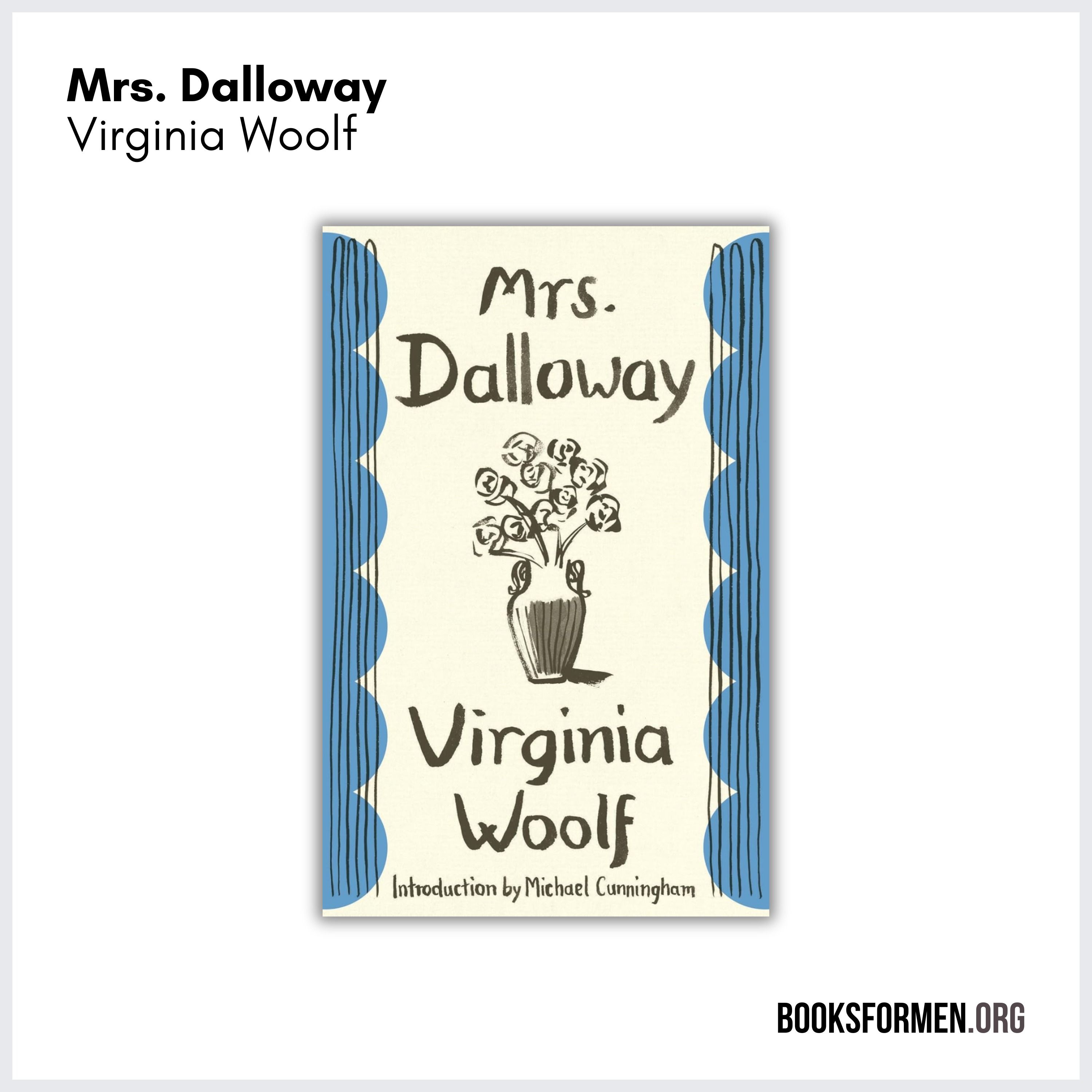 #311 | Why Men Should Read Virginia Woolf's 'Mrs. Dalloway' 17.08.2026 13мин🎙 This week, we unpack Virginia Woolf’s 1925 literary classic, "Mrs. Dalloway", a milestone in stream-of-consciousness storytelling. Set over a single day in post-WWI London, the novel contrasts the internal life of a high-society hostess with the mental unraveling of a shell-shocked veteran. I break down how Woolf uses floating perspectives to explore memory and regret, why she independently published her best work, and why this century-old novel remains a powerful reminder to stop thinking and start living. Inside the Episode: (00:09) The Modernist Breakout: How Mrs. Dalloway established Virginia Woolf's signature stream-of-consciousness style. (04:18) The Hogarth Experiment: Why Woolf independently published her most famous works and what it means for modern creators. (05:27) High Society vs. Hidden Regrets: Exploring Clarissa Dalloway’s internal struggles with identity, past loves, and societal expectations. (09:09) The Tragic Foil: How traumatized WWI veteran Septimus Smith serves as a mirror to Clarissa’s privileged life. (10:51) Public Domain Tip: Navigating the history and modern reprint editions of 100-year-old literary classics Links & Resources: ✓ (Better) Books: Sign up at BooksforMen.org. 📚 Master Your Craft: AristotleforNovelists.com. ⚡️ Connect: Instagram @douglasvigliotti | DouglasVigliotti.com. 💥 Book: Mrs. Dalloway by Virginia Woolf. Life is too short to read sh*tty books. 🫠
 -
 #310 | Elmore Leonard's 10 Rules of Writing 10.08.2026 13мин🎙 This week, we go off-script in honor of my 40th birthday to unpack Elmore Leonard’s famous 10 Rules of Writing. I break down how these lighthearted, practical guidelines help writers stay invisible, show rather than tell, and keep narrative momentum moving. Whether you're trying to sharpen your own craft or evaluate books with a cleaner eye, these rules offer a masterclass in writing and storytelling. Inside the Episode: (00:09) Off-Script Birthday: Celebrating a milestone by sharing one of the most useful, humorous writing guides ever written. (03:11) The Invisibility Test: Elmore Leonard's core philosophy on stepping out of the way so the narrative can breathe. (04:32) Strip the Fluff: Why relying on simple dialogue mechanics like "said" prevents writers from showing off or explaining. (08:42) Trust the Reader: The case for cutting excessive character and scene descriptions to let the audience do the work. (10:42) The Golden Rule: Why rewriting anything that "sounds like writing" is the key to seamless story rhythm. Links & Resources: ✓ (Better) Books: Sign up at BooksforMen.org. 📚 Master Your Craft: AristotleforNovelists.com. ⚡️ Connect: Instagram @douglasvigliotti | DouglasVigliotti.com. 💥 Featured Episodes: #119 - LaBrava & #273 - Get Shorty Life is too short to read sh*tty books. 🫠
 -
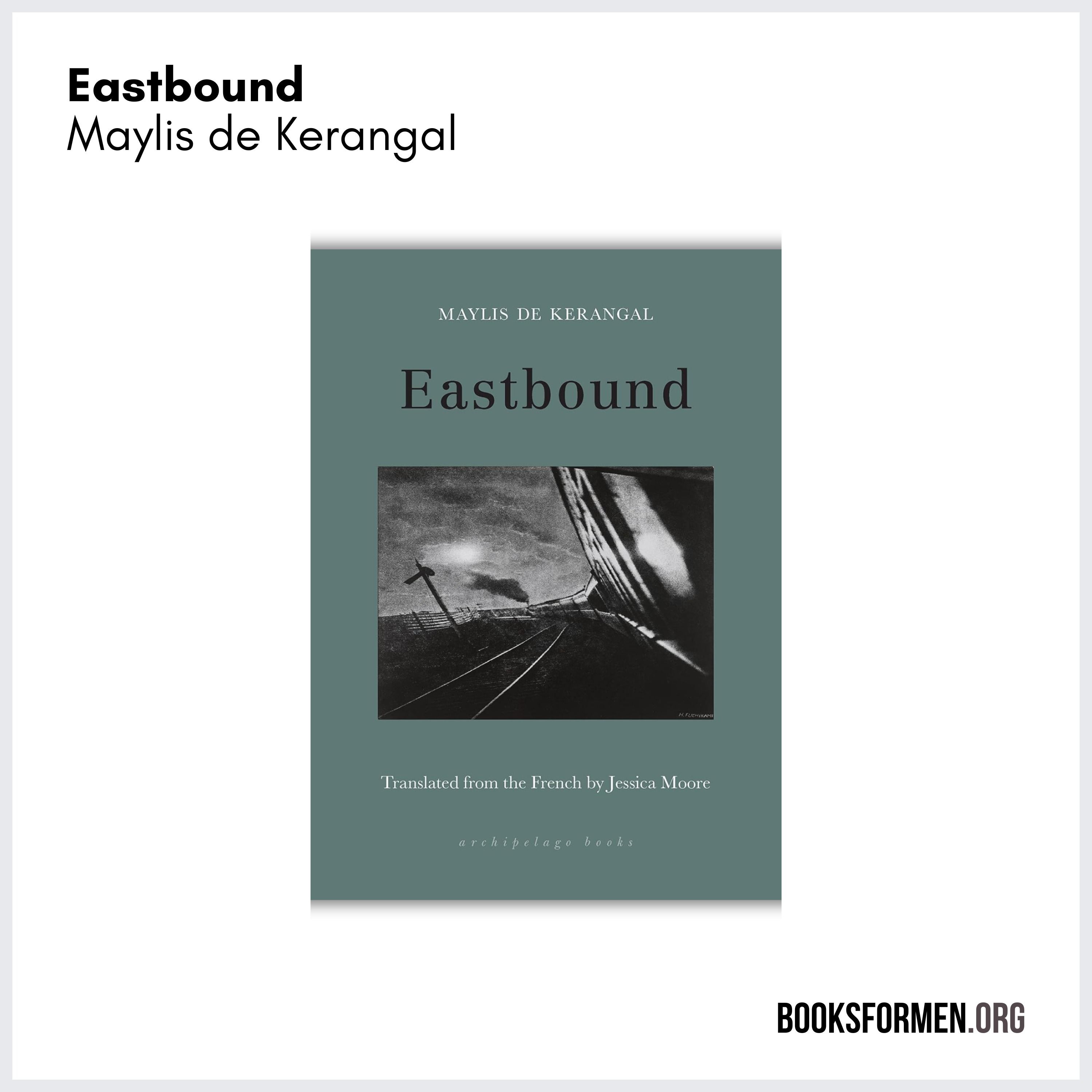 #309 | Two Strangers. One Train. 'Eastbound' by Maylis de Kerangal 03.08.2026 10мин🎙 This week, we dive into Maylis de Kerangal’s Eastbound, a 137-page French novella blending literary depth with high-stakes suspense aboard the Trans-Siberian Railway. The story follows a fleeing French woman and an AWOL Russian conscript who forge an intimate bond without a shared language. I break down why it hits the rare sweet spot between drama and observation, how French literature embraces ambiguity, and why it's one of my top reads of the year. Inside the Episode: (00:09) Action vs. Meaning: Comparing the French literary tradition's comfort with tragedy and ambiguity against the plot-driven demands of modern American publishing. (04:54) Strangers on a Train: Setting the stage along the 6,000-mile Trans-Siberian Railway as a fleeing French woman and a young Russian deserter cross paths. (05:59) Floating Viewpoints: How the novella successfully executes a rare, omniscient point of view to move fluidly in and out of the main characters' minds. (07:09) Beyond Language: How emotional trust bridges a language barrier, contrasting quiet human intimacy with the brutal, sprawling Siberian landscape. (08:28) Compressed Suspense: Why the high-stakes deserter plot delivers the tension of a thriller alongside dense, tender, and elegant literary prose. Links & Resources: ✓ (Better) Books: Sign up at BooksforMen.org. 📚 Master Your Craft: AristotleforNovelists.com. ⚡️ Connect: Instagram @douglasvigliotti | DouglasVigliotti.com. 💥 Book: Eastbound by Maylis de Kerangal. Life is too short to read sh*tty books. 🫠
 -
#308 | William Styron on Depression, Stigma, and Healing 27.07.2026 9мин🎙 This week, we revisit a crucial work of literary nonfiction: William Styron’s 1990 masterpiece, Darkness Visible: A Memoir of Madness. I look at how Styron uses piercing, razor-sharp specificity rather than metaphors to articulate an unyielding depression that struck out of nowhere. I discuss his mission to destigmatize the illness, the intersection of substances and mental health, and share a few of the book's most powerful excerpts on suffering, empathy, and the ultimate return to the light. Inside the Episode: (00:09) Reopening the Vault: Revisiting a gripping portrayal of mental illness from episode #193 and comparing its stark realism to canonical works like Sylvia Plath's The Bell Jar. (01:56) Beyond Metaphor: Why Styron's clinical precision stands out, proving how a Pulitzer Prize-winning author became the ultimate case study for a disease that doesn't care about success. (03:02) The Critical Bodies: Insights from a current MFA seminar on how human decay, illness, and shifted medical baselines fundamentally alter our entire perception of the world. (05:51) Pain Beyond Imagination: Reading a central excerpt comparing severe depression to terminal physical illness, directly challenging the toxic myth of mental "weakness." (07:48) The Spectrum & Survival: A candid look at how substances accelerate internal darkness, concluding with Styron's resilient, Dante-inspired message of healing. Links & Resources: ✓ (Better) Books: Sign up at BooksforMen.org. 📚 Master Your Craft: AristotleforNovelists.com. ⚡️ Connect: Instagram @douglasvigliotti | DouglasVigliotti.com. 💥 Featured Episode: #193 "Darkness Visible" on Apple | Spotify. Life is too short to read sh*tty books. 🫠
-
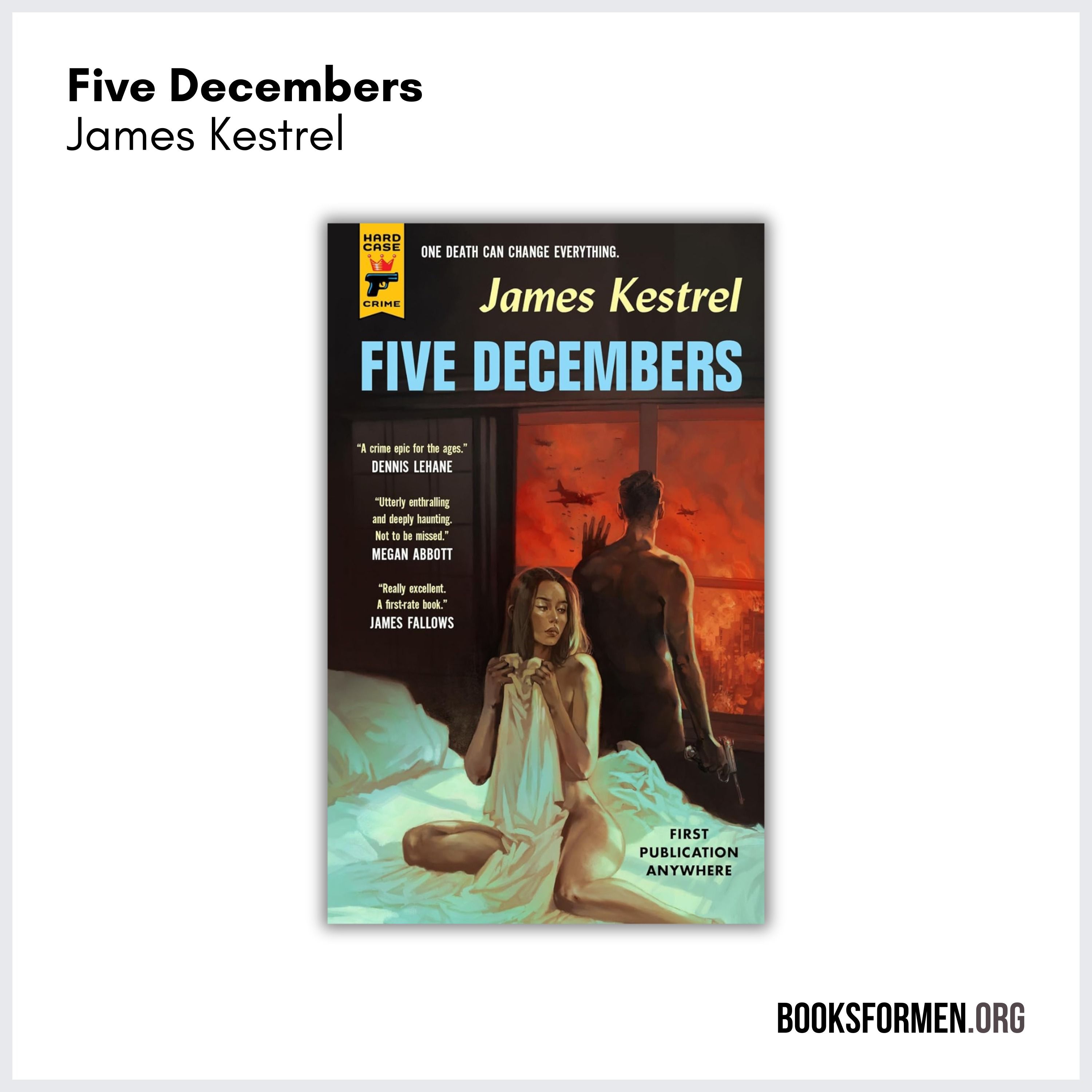 #307 | 'Five Decembers' — Noir, World War II, and Tragic Love 20.07.2026 10мин🎙 This week, we dive into "Five Decembers" by James Kestrel, an outstanding, Edgar Award-winning novel that blurs the lines between noir, historical fiction, thriller, and romance. Set against the backdrop of World War II from 1941 to 1945, the story follows Honolulu detective Joe McGrady as a gruesome double murder investigation is interrupted and transformed by the outbreak of war. I share why this book has been one of my favorite reads of the last five years, and the fascinating commercial reason why the author wrote it under a pseudonym. Inside the Episode: (00:09) Lost in the Shuffle: Why it took me so long to share one of my favorite novels of the last five years, and how a heavy reading volume can sometimes bury absolute gems. (01:33) The Commercial Machine: The pragmatic, business-driven story behind why practicing attorney Jonathan Moore adopted the pseudonym James Kestrel to get this book on store shelves. (04:26) A Five-Year Journey: Setting the stage across Hawaii, Japan, and China, and how detective Joe McGrady’s run-of-the-mill case explodes into an epic, international saga. (05:47) Old-School Hard-Boiled Noir: Breaking down the book's masterful blend of a gritty procedural, a sweeping war story, and a bittersweet romance that stops short of being sappy. (07:50) Inverting the Obstacle: How the author uses World War II as an active obstacle to a crime investigation, resulting in a deeply satisfying, lingering resolution and a closing quote on being lost. Links & Resources: ✓ (Better) Books: Sign up at BooksforMen.org. 📚 Master Your Craft: AristotleforNovelists.com. ⚡️ Connect: Instagram @douglasvigliotti | DouglasVigliotti.com. 💥 Book: Five Decembers by James Kestrel. Life is too short to read sh*tty books. 🫠
 -
 #306 | Writing in Second Person: A Reading of Short Fiction 13.07.2026 13мин🎙 This week, we're taking a slight detour off-script to explore the uniqueness of the second-person point of view. Driven by a narrative perspective I'm playing with for a new project, I look at why the "you" form is so underutilized, how it creates radical intimacy and immediacy, and the fine line between an immersive experience and a jarring style choice. I also break down a few notable examples before sharing an original scene of my own. Inside the Episode: (00:09) The Writer's Sandbox: Why I’ve been practicing random scenes in the second person and wrestling with a perspective that is completely unnatural to how we normally consume prose. (01:39) The Anatomy of "You": Breaking down the three distinct features of second-person narration: placing the reader as the protagonist, creating forced immediacy, and erasing all narrative distance. (04:09) Masters of the Perspective: Looking back at past episodes—from the opening of Ron Currie's The Savage, Noble Death of Babs Dionne to the complete second-person immersion of Jay McInerney's Bright Lights, Big City. (05:35) From Saint-Malo to the MFA: The backstory of an original creative piece tested at a writing workshop in France and read aloud during a recent MFA immersion series. (06:34) Original Fiction: A live reading of a second-person scene. Links & Resources: ✓ (Better) Books: Sign up at BooksforMen.org. 📚 Master Your Craft: AristotleforNovelists.com. ⚡️ Connect: Instagram @douglasvigliotti | DouglasVigliotti.com. 💥 Featured Episodes: #150 Bright Lights, Big City, #153 Tomorrow, and Tomorrow, and Tomorrow, and #293 The Savage, Noble Death of Babs Dionne. Life is too short to read sh*tty books. 🫠
 -
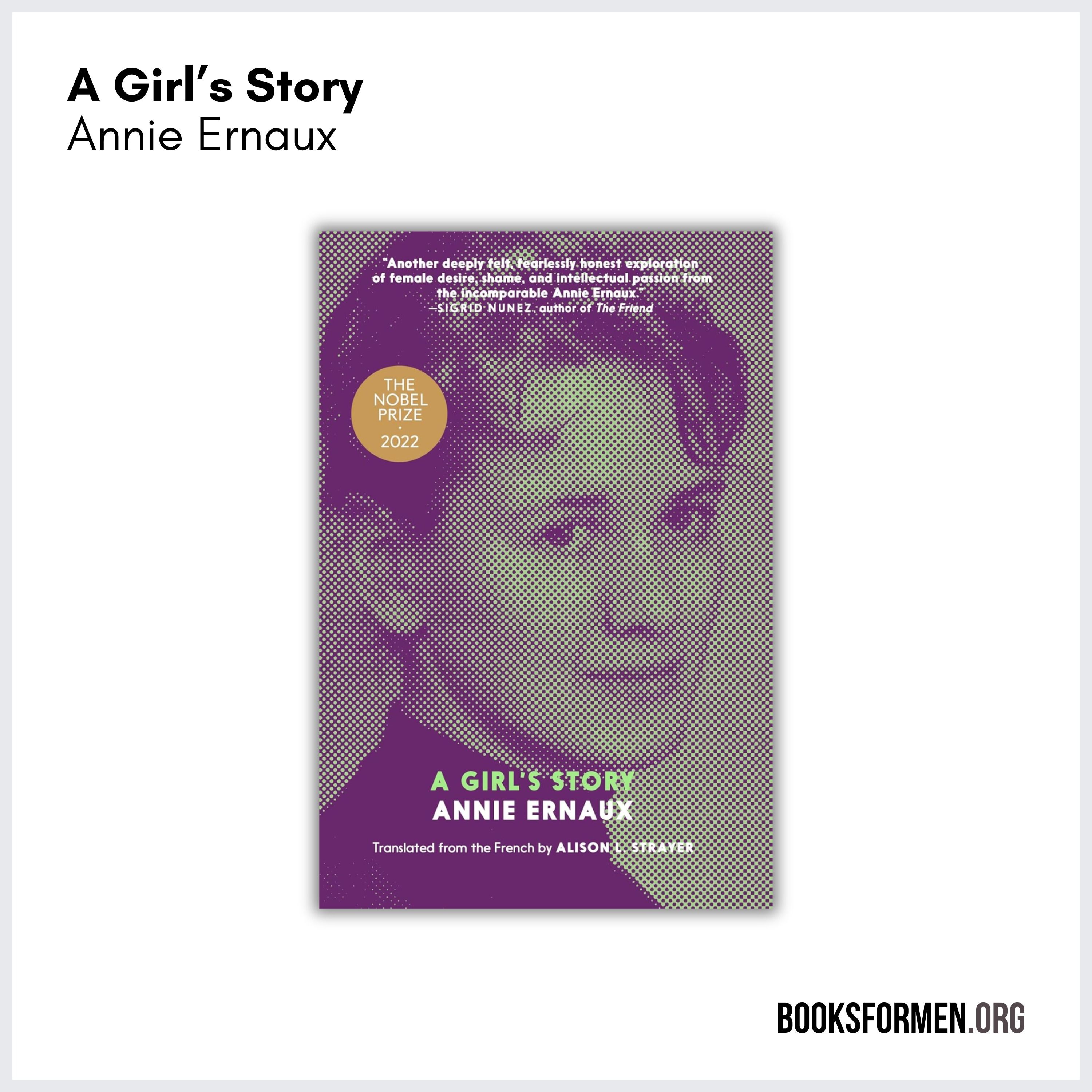 #305 | Annie Ernaux's Riskiest Book? — 'A Girl's Story' 06.07.2026 10мин🎙 This week, we shift back into narrative nonfiction with a short but devastatingly powerful memoir: "A Girl's Story" by Nobel Prize winner Annie Ernaux. Written when she was 77, Ernaux looks back 60 years at a pivotal, confusing sexual encounter and subsequent humiliation during the summer of 1958. It’s a book that rejects the easy-to-understand victim narrative—instead, writing a much riskier book, treating her past self like a historical figure worthy of investigation to deliver what might be her most painfully honest work. Inside the Episode: (01:12) The Nobel Outlier: Exploring Annie Ernaux's massive body of work, her 2022 Nobel Prize, and why her famous book The Years is actually the "Nebraska" of her catalog. (03:17) Bone-Dry Transgression: Breaking down her signature aesthetic style—how she uses white space and clinical, matter-of-fact prose to recount highly volatile memories. (04:09) The Girl of '58: The backstory of an 18-year-old girl’s formative summer, and why it took Ernaux six decades to finally get this specific experience down on paper. (05:35) Resisting Easy Conclusions: Why A Girl's Story is so risky; she refuses to lean into a clean "rise from the ashes" arc, choosing instead to interrogate her own agency and contradictions. (07:56) Navigating the Gray Area: A look at how great literature captures the messy, un-bucketable traumas of life, anchored by a staggering closing quote on the power of being the one who writes. Links & Resources: ✓ (Better) Books: Sign up at BooksforMen.org. 📚 Master Your Craft: AristotleforNovelists.com. ⚡️ Connect: Instagram @douglasvigliotti | DouglasVigliotti.com. 💥 Book: A Girl's Story by Annie Ernaux. Life is too short to read sh*tty books. 🫠
 -
#304 | Robert Greene on Empathy, Judgment, and Discipline 29.06.2026 11мин🎙 This week, we're back in the archives analyzing the psychology of Robert Greene’s "The Laws of Human Nature". I dig into why his story-driven style is so relatable and break down an iconic Abraham Lincoln quote that challenges how we handle immediate dislike. It’s an honest look at why empathy is a strict discipline, how snap judgments are often just internal projections, and how to stop reducing complex people to static images. Inside the Episode: (01:37) Stories Over Data: Why Robert Greene's deeply researched, narrative-driven style offers a more relatable, honest look at human behavior than cold statistics. (03:32) The Laws We Live: A quick look at the tough-to-swallow truths packed into the book, from compulsive behaviors to group conformity and everyday narcissism. (04:46) Abraham Lincoln Quote: Breaking down an iconic Abraham Lincoln quote that flips our normal emotional reflexes to treat personal irritation as a sign of incomplete information. (07:07) The Breakdown of Perception: How freezing someone into a static, unlikable frame reveals far more about your own internal projections than external reality. (08:44) Empathy as a Discipline: Why real empathy isn't about forced warmth or agreement, but a refusal to lock someone into a fixed identity before knowing their full story. Links & Resources: ✓ (Better) Books: Sign up at BooksforMen.org. 📚 Master Your Craft: AristotleforNovelists.com. ⚡️ Connect: Instagram @douglasvigliotti | DouglasVigliotti.com. 💥 Featured Episode: #125 "The Laws of Human Nature" on Apple | Spotify. Life is too short to read sh*tty books. 🫠
-
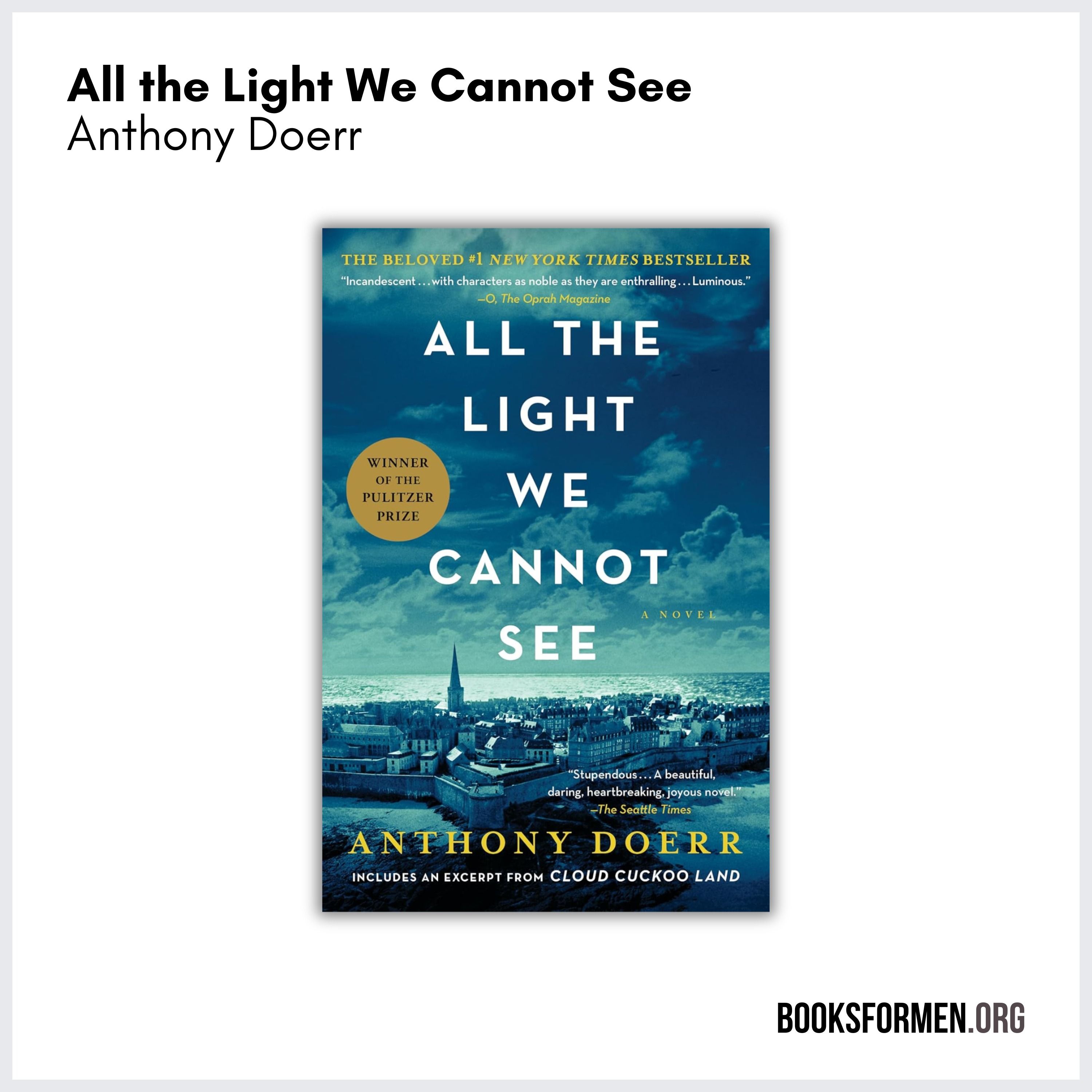 #303 | The Story Engine of a 15-Million-Copy Bestseller — 'All the Light We Cannot See' 22.06.2026 12мин🎙 This week, we're diving into Anthony Doerr’s Pulitzer Prize-winning blockbuster, All the Light We Cannot See. I break down the foundational story structure and parallel character arcs of this massive World War II novel, which I've been studying closely for an upcoming writing workshop in Saint-Malo. It’s a candid look at the book’s slow-burn mechanics, its heavy thematic focus on unseen goodness, and why its mystical prose reads more like fantasy than historical fiction. Inside the Episode: (03:14) Mapping the Foundation: Why I took a close look at this specific World War II novel to showcase core Western storytelling mechanics to a writing group in Saint-Malo. (04:43) Dual Desires & The Slow Burn: Analyzing the structural spine of the book—the parallel journeys of a blind French girl and a lost German soldier trying to find their way home. (06:36) Juxtaposition and Fakes: Breaking down "Story B," the hunt for a hidden diamond, and an innocuous line from the narration that doubles as a heavy metaphor for life. (08:06) Unseen Value: The true meaning behind the book's title, the symbolic use of radio waves, and how the narrative spotlights the good deeds lost to the chaos of the world. (09:23) Mystical vs. Gritty Craft: A candid take on the novel's aesthetic style—why it reads more like a science-tinged fantasy than a gritty, banal historical fiction frame. Links & Resources: ✓ (Better) Books: Sign up at BooksforMen.org. 📚 Master Your Craft: AristotleforNovelists.com. ⚡️ Connect: Instagram @douglasvigliotti | DouglasVigliotti.com. 💥 Book: All the Light We Cannot See by Anthony Doerr. Life is too short to read sh*tty books. 🫠
 -
 #302 | The #1 Problem with So Many Novels 15.06.2026 12мин🎙 Lately, I've noticed the same problem arising in novel after novel: nothing happens. Literary or genre, doesn't matter. Too many stories mistake explanation for action, leaving readers trapped in narratives where characters are not making enough decisions. Let alone ones that matter. This episode breaks down why dramatic momentum comes from choice, consequence, and enactment—not endless exposition. Inside the Episode: (01:50) The Diagnosis: Unpacking the frustrating reality behind why so many hyped books fail: the simple, sweeping truth that nothing happens. (03:00) Action vs. Spectacle: Breaking down the difference between cheap explosions and actual dramatic momentum driven by characters making impactful choices. (04:40) The TV Series Bleed: How the structural format of modern streaming television has infected contemporary prose, leading to endless, repetitive explanation. (06:10) Exemplars of Enactment: Looking at masterclasses in action-heavy literature like My Brilliant Friend, The Great Gatsby, and Lush Life, where tragedy is shown, never just revealed. (09:30) The Litmus Test: The ultimate question every reader and writer should ask to separate a great, enduring story from a cheap plot twist. Links & Resources: ✓ (Better) Books: Sign up at BooksforMen.org. 📚 Master Your Craft: AristotleforNovelists.com. ⚡️ Connect: Instagram @douglasvigliotti | DouglasVigliotti.com. Life is too short to read sh*tty books. 🫠
 -
 #301 | 'The Bonfire of the Vanities' — Great Story, Flawed Writing (and Why It Doesn't Matter) 08.06.2026 11мин🎙 In this episode, we tackle Tom Wolfe’s massive 1987 blockbuster, The Bonfire of the Vanities. We look past the historical hype of this 700-page New York City phenomenon to analyze why a book can hold an entire culture captive while still dropping the ball on sentence-level craft. It’s a raw, love-hate examination of an iconic social satire, proving that commercially, timing and cultural resonance often matter far more than pure technical execution. Inside the Episode: (01:46) The New Journalism Vanguard: How Tom Wolfe’s background as a reporter and leader of the subjective "New Journalism" movement heavily shaped his approach to writing fiction. (03:46) Standing on the Tracks: Unpacking Wolfe's polarizing style, the public trashing he received from literary heavyweights like Mailer and Updike, and why you're nobody until somebody hates you. (04:56) Soapy Satire of 1980s New York City: Looking at the plot of Wall Street trader Sherman McCoy and how the book tackles the macro issues of 1980s greed, race, class, and media manipulation. (06:23) A Critique of Craft: Why the novel's prose feels clunky, fat, and structurally janky, functioning as a great story that ultimately starts in the wrong place. (08:07) The Serialization Journey: From its 1984 origin in The Rolling Stone to modern indie "blog-to-book" success stories, exploring how the business of literature adapts to the times. Links & Resources: ✓ (Better) Books: Sign up at BooksforMen.org. 📚 Master Your Craft: AristotleforNovelists.com. ⚡️ Connect: Instagram @douglasvigliotti | DouglasVigliotti.com. 💥 Book: The Bonfire of the Vanities by Tom Wolfe. Life is too short to read sh*tty books. 🫠
 -
 #300 | Hunter S Thompson on Meaning, Purpose, and Goals 01.06.2026 15мин🎙 In this special 300th milestone episode, we dive deep into a legendary piece of correspondence from one of the most polarizing catalysts in literary history: Hunter S. Thompson. We examine a letter a 22-year-old Hunter penned to a friend seeking life and career direction. This profound piece of writing completely flips the script on conventional success, warning us against the structural trap of letting predefined societal paths dictate who we are. Inside the Episode: (00:30) The Milestone Catalyst: Reflecting on why it makes perfect sense to feature Hunter S. Thompson for episode 300, given his status as the show's most popular author and his personal role as the spark for my own writing craft. (03:15) The Danger of Advice: Hunter’s sharp warning on why giving specific life direction borders on egomania, and how all advice is merely a direct reflection of the person giving it. (05:00) Swimming vs. Floating: Breaking down the ultimate choice every individual must consciously or unconsciously make: do you float with the tide, or do you actively swim for a goal? (06:45) The Fireman Illusion: Why adjusting your life to fit a static, tangible goal is a recipe for galloping neuroses as your personal perspective naturally changes and multiplies over time. (10:15) Bending the Path: The core formula for a meaningful existence—making your goals conform to your individual abilities and desires rather than forcing yourself to fit a predefined mold. Links & Resources: ✓ (Better) Books: Sign up at BooksforMen.org. 📚 Master Your Craft: AristotleforNovelists.com. ⚡️ Connect: Instagram @douglasvigliotti | DouglasVigliotti.com. 💥 Featured Episode: #242 "Letters of Note" on Apple | Spotify. Life is too short to read sh*tty books. 🫠
 -
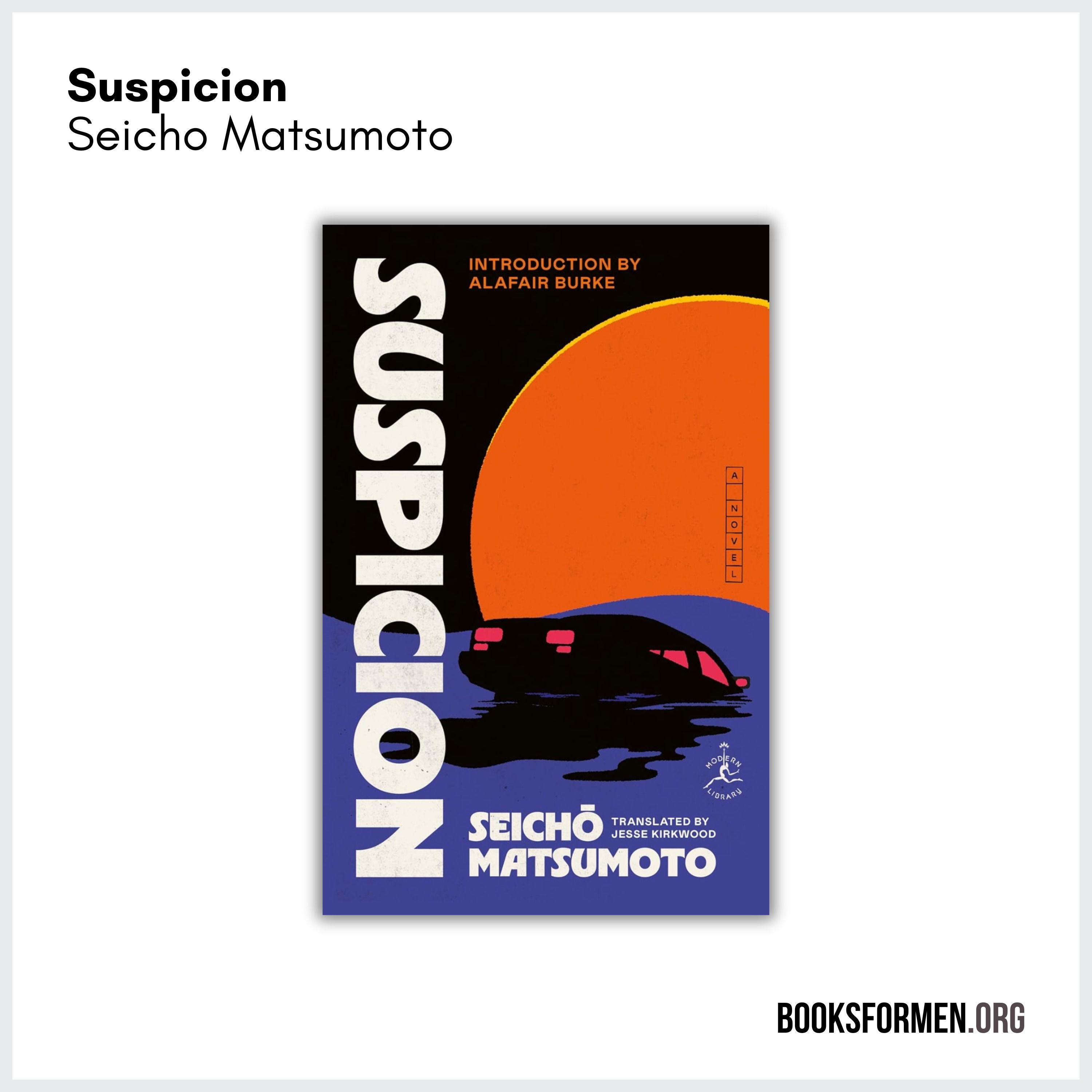 #299 | Blind 'Suspicion' — Why Truth Is More Than a Whodunit 25.05.2026 10мин🎙 In this episode, I’m featuring a short piece of translated Japanese crime fiction titled "Suspicion" by Seicho Matsumoto. We are stripping away the standard whodunit tropes to look at the psychology of influence, media manipulation, and social pressure that often fuel our modern court of public opinion. This 128-page thriller novella explores the dangers of obsessive belief and asks what happens to us when we are willing to go to any length to prove we are right. Inside the Episode: (02:12) The Late Bloomer: The backstory of Seicho Matsumoto, an undereducated, self-taught enthusiast who didn't gain literary recognition until his 40s. (04:45) Translation Matters: Why the work of Jesse Kirkwood and the intentionality of the translator alter how foreign fiction feels and flows. (06:20) Beyond the Whodunit: How the story sets up as a standard noir murder mystery but shifts to focus on the psychology of its characters. (09:15) Court of Public Opinion: Exploring how bias rather than facts often fuel obsessive belief and premature accusations of guilt (11:05) The Final Question: Grappling with what happens when a person is changed by the process of dogged belief, especially if they are wrong. Links & Resources: ✓ (Better) Books: Sign up at BooksforMen.org. 📚 Master Your Craft: AristotleforNovelists.com. ⚡️ Connect: Instagram @douglasvigliotti | DouglasVigliotti.com. 💥 Book: Suspicion by Seicho Matsumoto. Life is too short to read sh*tty books. 🫠
 -
 #298 | Reading Books Builds What the Internet Can’t — 9 Super Soft Skills 18.05.2026 11мин🎙 In a world of algorithmic rot and digital noise, reading isn't just a hobby—it’s a necessary antidote for your mind. In this first official Off-Script episode, I share The (Better) Books Manifesto, a raw look at why the form of the book is irreplaceable and how it builds the super soft skills required to navigate real life. You don't need to read (Better) Books, but you do need to keep reading books. Here's why. Inside the Episode: (02:12) The Manifesto: Why I rebranded the newsletter to (Better) Books to filter out the noise. (04:45) The Replacement Myth: Why TikTok, podcasts, and AI can never replicate the intimacy of a book. (06:20) 9 Super Soft Skills: How reading forges essential traits like empathy, patience, and mental stamina. (09:15) Symbolic Literacy: Breaking the internet’s nudge toward binary thinking. (11:05) The Standard: Opening the door to any discerning reader seeking vetted curation. Links & Resources: ✓ (Better) Books: Sign up at BooksforMen.org. 📚 Master Your Craft: AristotleforNovelists.com. ⚡️ Connect: Instagram @douglasvigliotti | DouglasVigliotti.com. 💥 Article: Books Build What the Internet Can't — The (Better) Books Manifesto Life is too short to read sh*tty books. 🫠
 -
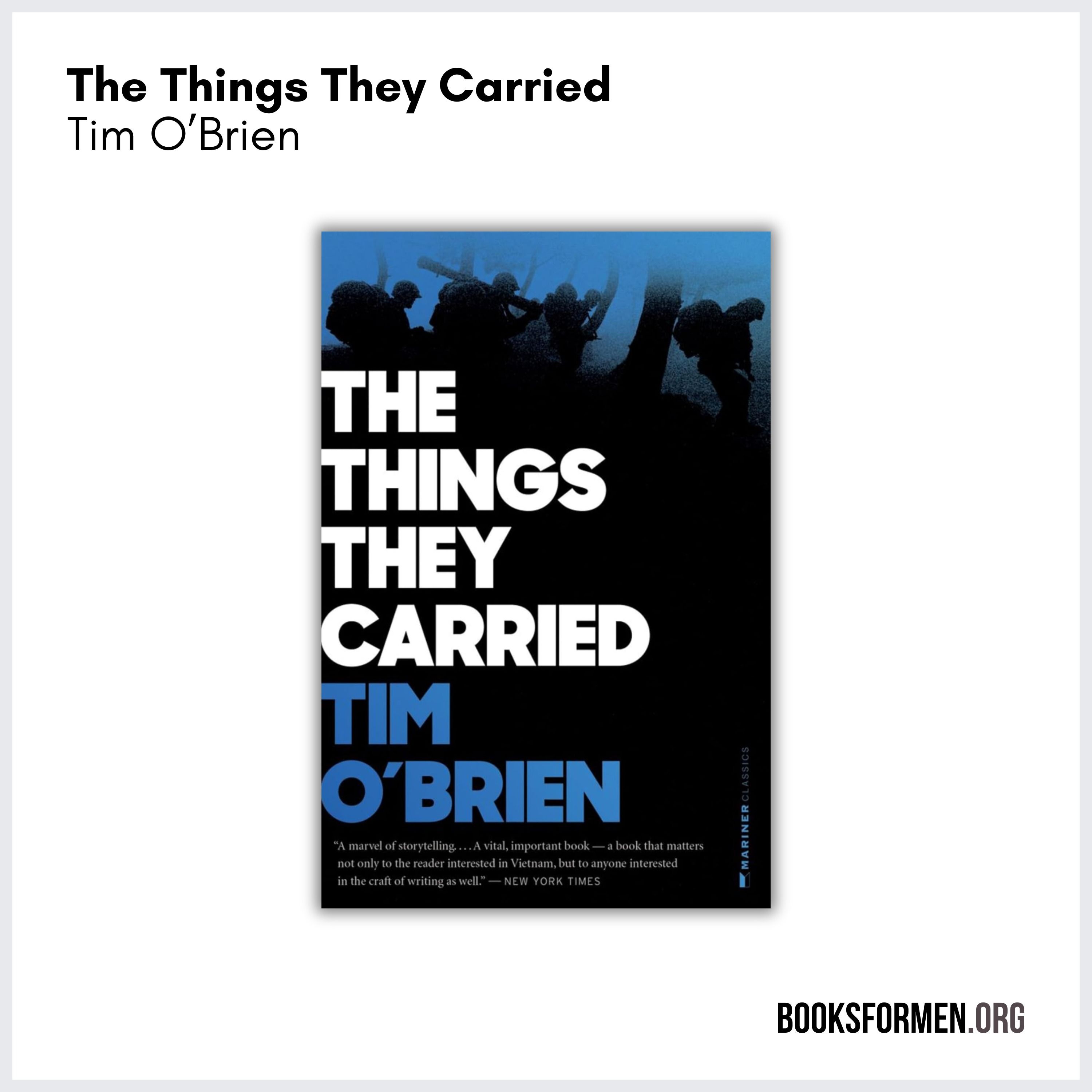 #297 | Why Facts Don’t Matter — Tim O’Brien’s ‘The Things They Carried’ and the Truth About Storytelling 11.05.2026 12мин🎙 In this episode, I dive into Tim O’Brien’s 1990 masterpiece, "The Things They Carried". We’re stripping away the fluff to look at the "invisible weight" of the Vietnam War and why O’Brien believes emotional truth is often more vital than facts. This literary fiction classic explores the psychological burdens of war, the blur between fiction and reality, and how storytelling serves as a means of survival and healing for soldiers. Inside the Episode: (02:24) Author's Life: Tim O’Brien’s service and how it shaped his writing. (03:36) Story-Truth: Why "Story-Truth" is truer than "Happening-Truth." (04:50) Invisible Weight: The physical and emotional weight of war. (08:56) Societal Upheaval: Vietnam vs. Today: Comparing societal upheaval. (11:30) True War Stories: What makes a "true" war story? Links & Resources: ✓ (Better) Books: Sign up at BooksforMen.org. 📚 Master Your Craft: AristotleforNovelists.com. ⚡️ Connect: Instagram @douglasvigliotti | DouglasVigliotti.com. 💥 Book: The Things They Carried by Tim O'Brien. Life is too short to read sh*tty books. 🫠
 -
 #296 | Charles Bukowski on Truth, Lying, and Fools 04.05.2026 9мин🎙 In this episode, I revisit a powerful moment from Charles Bukowski’s semi-autobiographical masterpiece, "Ham on Rye". We’re stripping away the fluff to examine the cynical yet necessary "beautiful lies" we tell ourselves to survive, and why Bukowski believes people are often terrified of the truth. This literary classic explores the grim realities of a Great Depression-era childhood, the power of the written word to objectify suffering, and the high cost of being an honest man in a world that prefers fantasy. Inside the Episode: (01:15) Best Novel: Why "Ham on Rye" is Bukowski’s most technically proficient novel. (02:40) Craft Lesson: The importance of "scene endings" and the craft of the chapter break. (04:30) The Outsider: Bukowski as the ultimate "outsider’s outsider" and champion for the writer. (06:12) "Beautiful Lies" Quote: Why honesty causes a recoil in others. (09:45) The Trade-off: Is a life of lies actually easier than facing yourself? Links & Resources: ✓ (Better) Books: Sign up at BooksforMen.org. 📚 Master Your Craft: AristotleforNovelists.com. ⚡️ Connect: Instagram @douglasvigliotti | DouglasVigliotti.com. 💥 Featured Episode: #161 "Ham on Rye" on Apple | Spotify. Life is too short to read sh*tty books. 🫠
Слични подкасти


Популаран у
Овај подкаст се појављује и у подкаст листама ових земаља.

