
The Perspectivalist
Uriesou Brito
0
The Perspectivalist is a podcast that seeks to interpret the culture, cantus, and cultus from a Biblical perspective. Join us each week for commentary and interviews.
Avsnitt
-
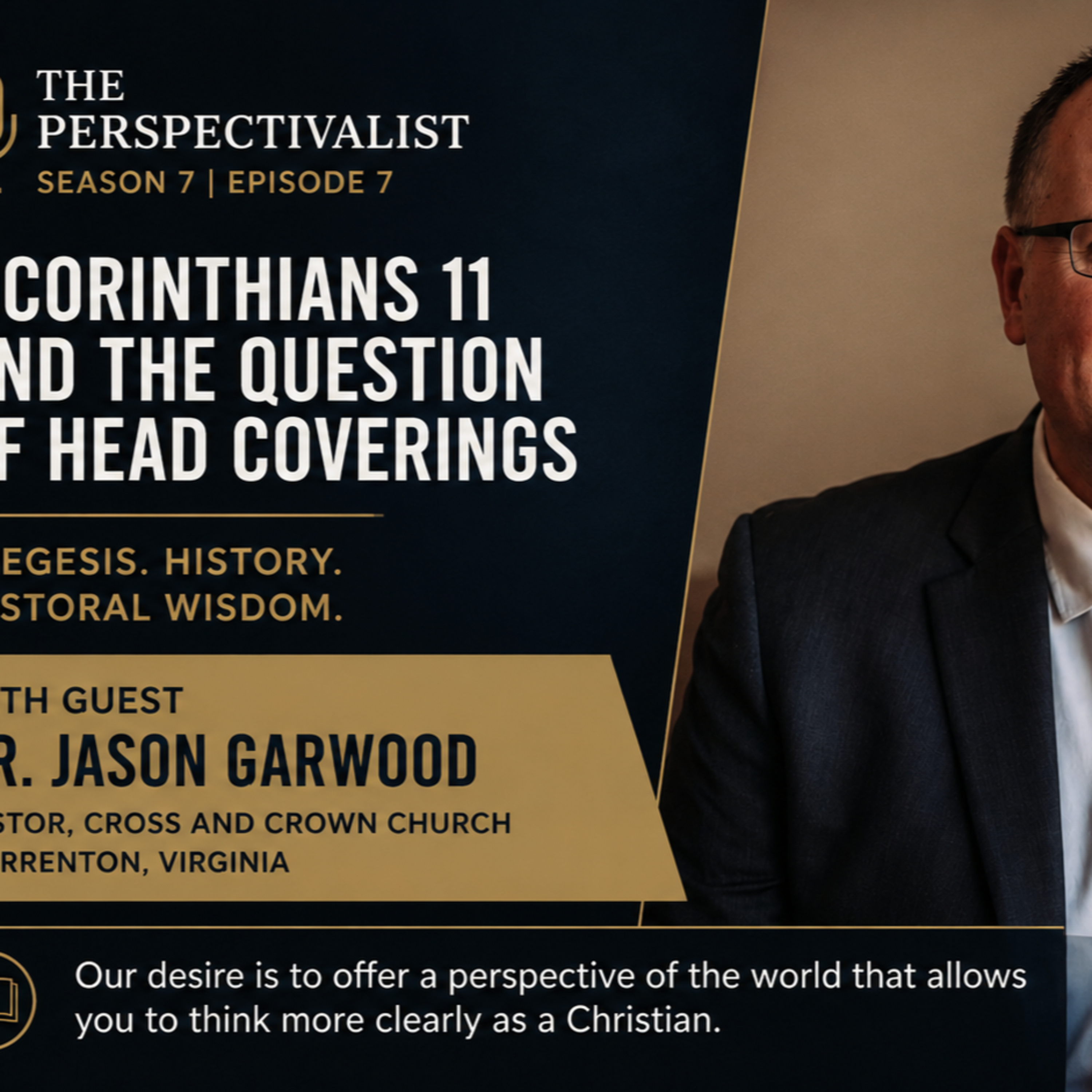 Season 7, Episode 7: The Quotation Theory of Head-Covering in I Corinthians 11 28.05.2026 21minJason’s booklet, Paul and the Head Covering: A Biblical Reassessment, argues that the passage is not as obvious as many assume. Paul is writing into the confusion of Corinth, where questions of worship, culture, male headship, female dignity, and church unity all come together.This is a brief but thoughtful conversation on exegesis, history, and pastoral wisdom. Thanks for tuning in to The Perspectivalist.
 -
 Season 7, Episode 6: Children at the Table 21.04.2026 11minIn this episode of The Perspectivalist, we enter a long-standing and often contested conversation within the church: the nature of the sacraments and, more specifically, the place of children at the Lord’s Table. Amid ongoing movements between Protestantism, Roman Catholicism, and Orthodoxy, sacramental theology has once again taken center stage. Pastor Uri Brito offers a robust defense of paedocommunion, not as a novelty or reaction, but as a faithful reading of the biblical witness. At the heart of the discussion is Paul’s exhortation in 1 Corinthians 11 to “discern the body.” Rather than interpreting this as a demand for advanced intellectual or theological comprehension, Brito reframes Paul’s concern as one of relational integrity. The problem in Corinth was not ignorance, but division. The table had become a site of fragmentation, where status and exclusion replaced unity and fellowship. To “discern the body,” then, is to act in a way that promotes the unity of Christ’s people. It is not about mastering doctrinal precision, but about embodying covenantal faithfulness. In this light, children are not disqualified participants. On the contrary, they often exemplify the very posture required at the table: openness, receptivity, and a natural inclination toward unity rather than division. Drawing from biblical patterns and theological insights, including reflections from James B. Jordan, the episode situates faith within the life of the household. Scripture consistently presents covenant life as something nurtured within relationships, not constructed in isolation. From John the Baptist leaping in the womb to David’s early trust in God, the Bible affirms that faith begins long before intellectual maturity. The Lord’s Supper, therefore, is not a private or individualistic act, but a family meal. To exclude baptized children from this meal is to misunderstand the nature of the church as a household. When children are welcomed, the church bears witness to a gospel that gathers, nourishes, and unites a people across generations.This episode calls the church to recover a vision of the table not as a test of intellectual attainment, but as a feast of covenant belonging, where Christ feeds His people and forms them into one body.
 -
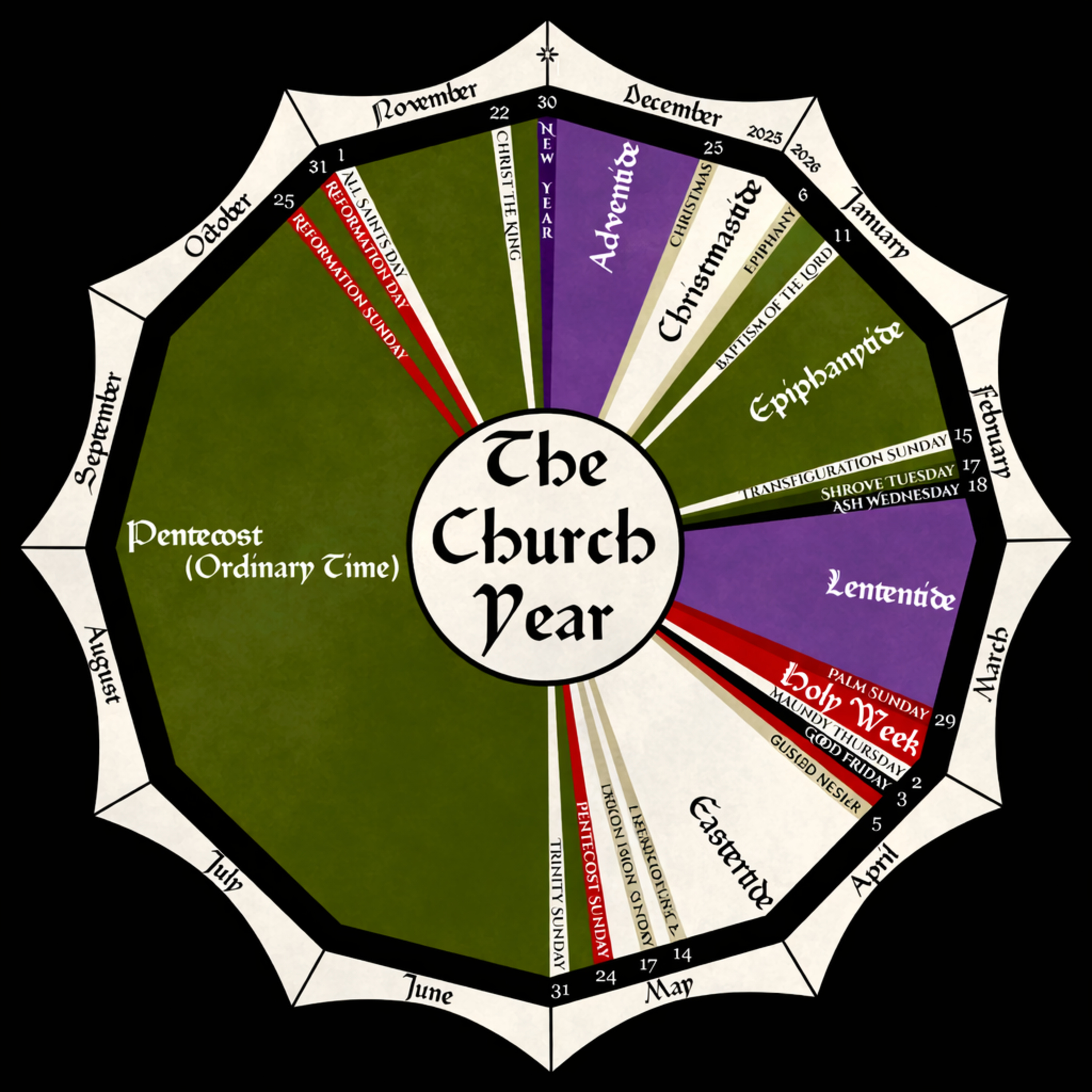 Season 7, Episode 5: A Brief Case for the Church Calendar 31.03.2026 13minWelcome to the Perspectivalist. Our aim is to offer a perspective of the world shaped by the normativity of Scripture.In this episode, we explore a simple but profound question: time is never neutral, so who is ordering yours? As we enter Holy Week, we consider how the Church Calendar forms our loves, shapes our imagination, and anchors us in the story of Christ.Rather than beginning with arguments, we offer a vision, a way of inhabiting time that trains us to wait, repent, feast, and rejoice in the life of Jesus.
 -
 Season 7, Episode 4: Heavenly Lights and Earthly Rule (Review of "Through New Eyes") 24.03.2026 10minIn this episode of The Perspectivalist, we explore how the Bible teaches us to see the world rightly by beginning with Scripture rather than modern assumptions. While modern man looks at the heavens and sees only physics and expanding galaxies, the Bible invites us to see purpose, meaning, and authority.Drawing from Genesis 1 and insights from James Jordan’s Through New Eyes, we consider how the sun, moon, and stars are not merely physical objects but covenantal signs. They are given to rule, to mark time, and to reflect God’s authority over creation. Throughout Scripture, heavenly bodies symbolize governance, kingship, and divine order, shaping how we understand both worship and politics.We also examine how prophetic language about darkened suns and falling stars is not about the collapse of the physical universe, but about God’s judgment on earthly kingdoms. From Babylon to Israel, this symbolic language reveals how God raises up and tears down rulers according to His purposes.Finally, we reflect on what this means for us as Christians. We are called to recover a biblical vision of the world, one that sees creation not as mere mechanism, but as a theological reality filled with meaning. The heavens declare not only light, but glory. And when we learn to see this way, we begin to understand all of life under the lordship of Christ.
 -
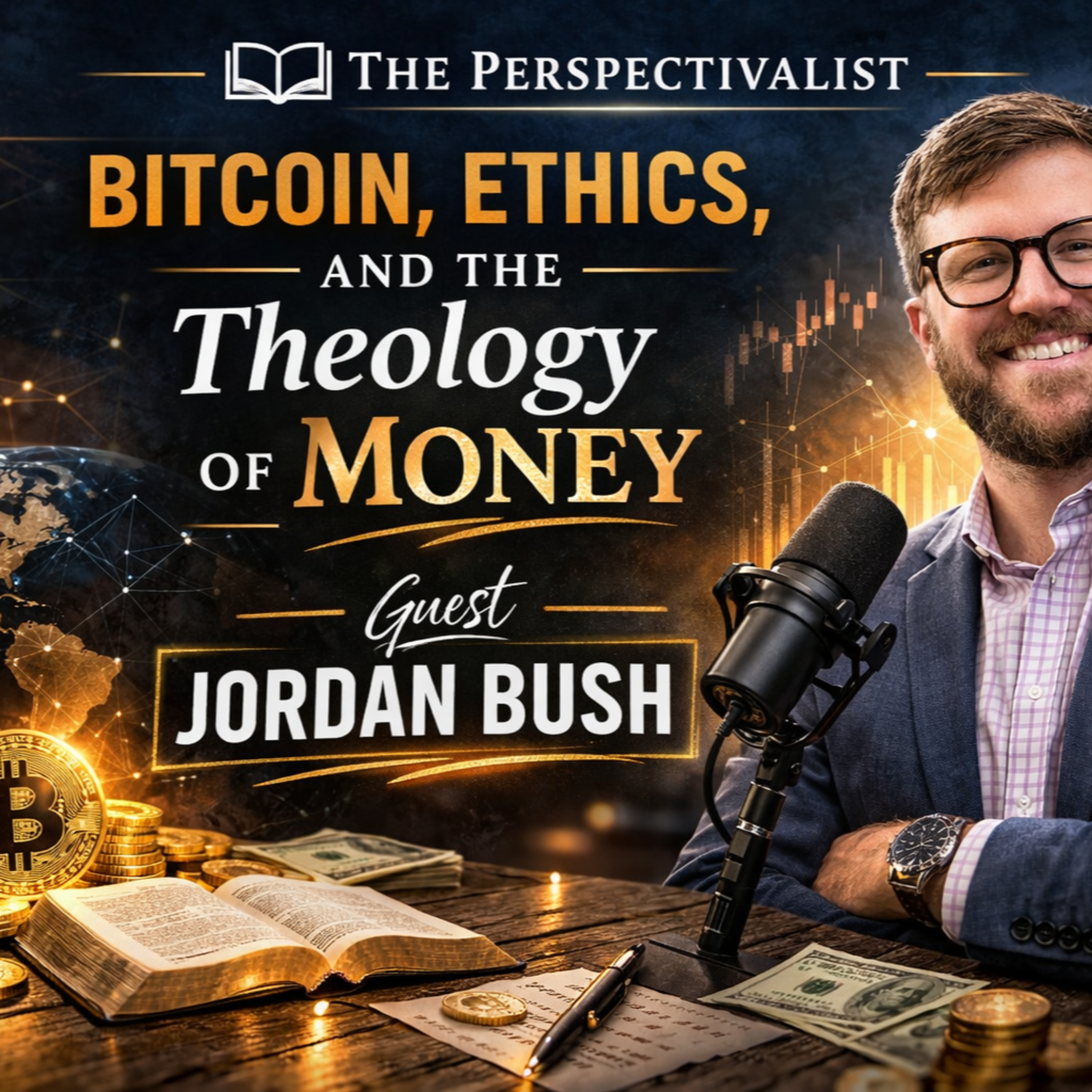 Season 7, Episode 3: Bitcoin, Ethics, and the Theology of Money with Jordan Bush 02.03.2026 30minIn this episode of The Perspectivalist, Uri Brito sits down with Jordan Bush to explore a deeper question behind today’s financial debates: What should money be?This conversation moves beyond investing strategy and into theology, ethics, and anthropology. Money, they argue, is not neutral. It shapes trust, power, authority, and social structures. Throughout Scripture, honest scales, just weights, and protection of the vulnerable reveal that how a society structures its money affects how it treats its people.Jordan shares how his time ministering in Uruguay among Venezuelan immigrants exposed him to the devastating effects of currency collapse and hyperinflation. Churches, families, and businesses saw years of savings erased through monetary debasement. That experience led him to study the ethics of money production and eventually Bitcoin.The discussion traces the history of money—from gold and silver to fiat currency—and considers Bitcoin as a digital form of scarcity designed to resist inflation and centralized control. Gold and silver historically functioned as stable money because of their durability, scarcity, and trustworthiness. Fiat currency, by contrast, can be expanded at will, often benefiting governments and financial elites at the expense of ordinary people.Bitcoin attempts to combine the scarcity of precious metals with the portability and digital nature of modern currency. With a fixed supply of 21 million coins, it operates outside direct governmental control, raising important questions for Christians about limits, authority, stewardship, and economic justice.The episode also addresses Bitcoin’s volatility. Jordan explains that price swings are normal in emerging technologies and compares Bitcoin’s market cycles to seasons in agriculture or stages of human maturity. For long-term holders, volatility is not necessarily a sign of failure but part of a developing monetary network.The episode concludes with a brief discussion of Jordan’s children’s book, The Orange Umbrella—a story that introduces the themes behind Bitcoin without ever mentioning it directly.This is not merely a conversation about cryptocurrency. It is a theological reflection on money, trust, power, and the kind of economic systems that best reflect biblical principles.
 -
 Season 7, Episode 2: Christ Over Every Crown: Sphere Sovereignty and the Limits of the State 19.02.2026 16minPerspectivalist Podcast — Season 7, Episode 2In this episode, Uri Brito speaks with Pastor Levi Secord about the modern crisis of authority and why Christians instinctively sense that something is wrong when the state claims jurisdiction over education, family, morality, and worship.Drawing from the historic doctrine of sphere sovereignty, Secord argues that God has established distinct spheres — family, church, and civil government — each with delegated authority under the lordship of Christ. When those boundaries collapse, the state becomes a functional god and citizens become its subjects.The conversation explores:• why statism grows when societies reject God• how Scripture limits civil authority (Rom. 13; Matt. 22:21)• lessons learned from COVID-era overreach• why healthy families and churches restrain tyranny• and what cultural renewal would look like if Christians recovered a biblical doctrine of authorityAt stake is a basic question:Is the state our savior — or God’s servant?Levi Secord — ArticleChrist Over Every Crown (Kuyperian Commentary)https://kuyperian.comBookServant Not Savior: An Introduction to the Bible’s Teaching About Civil GovernmentBiblical texts discussedMatthew 22:21Romans 13Genesis 1Deuteronomy 61 Corinthians 10:31
 -
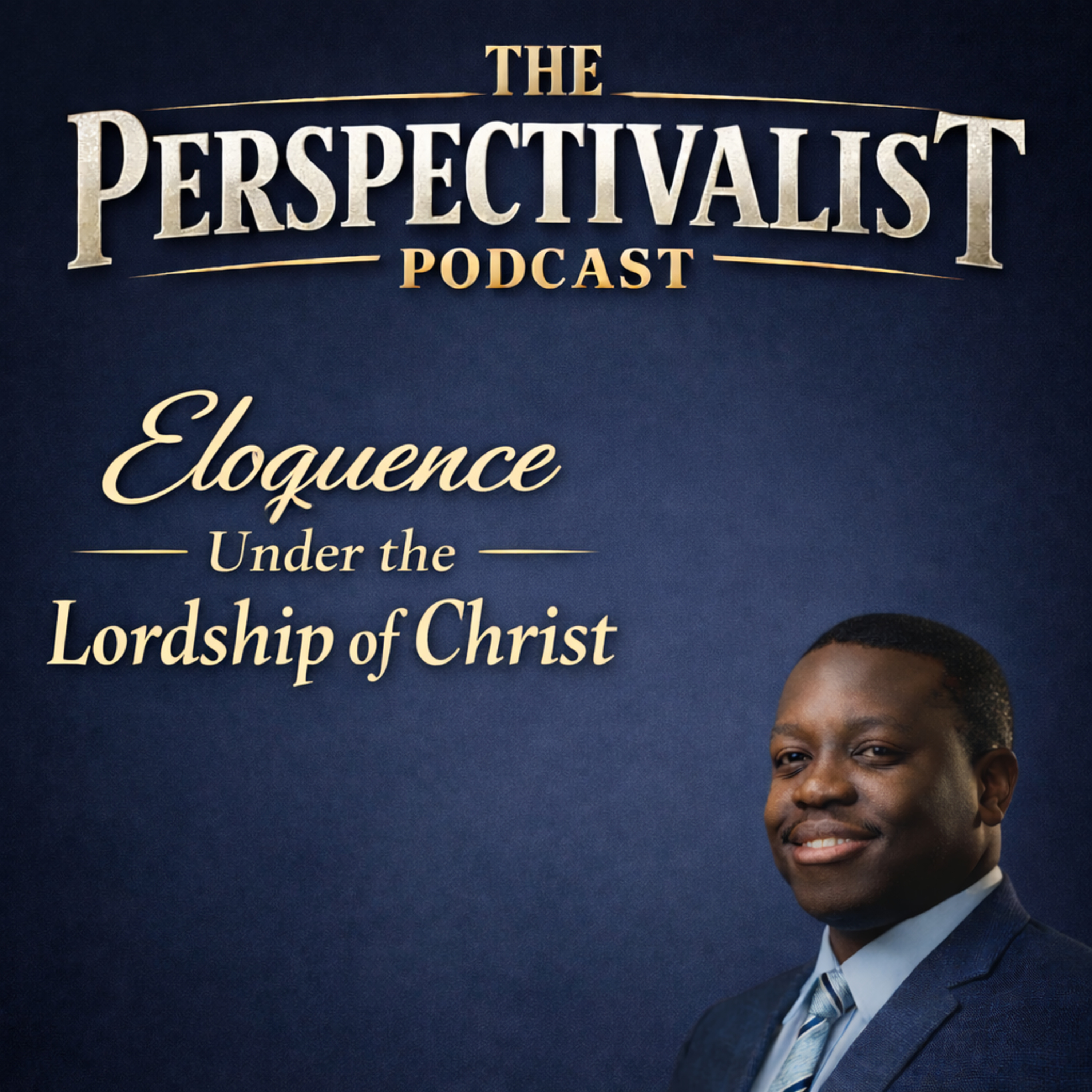 Season 7, Episode 1: Eloquence Under the Lordship of Christ with Lennox Kalifungwa 12.02.2026 23minWe live in an age drowning in words but starving for meaning. The modern world treats speech as a tool for power, outrage, and self-promotion. Scripture presents something radically different: words as covenantal acts before the living God.The Perspectivalist Podcast exists to recover a distinctly Christian vision of language, culture, and public life. If Christ is Lord, then rhetoric is not merely technique; it is stewardship. The Christian task is not merely to win arguments, but to speak in ways that honor Christ, build neighbors, and cultivate a civilization shaped by truth, goodness, and beauty.Season Seven begins with a simple conviction: culture rises or falls on the words it loves. And therefore, Christians must learn to love words rightly.
 -
 Season 6, Episode 11: When Vanilla Christianity Offends Everyone with Jeff Mercer 23.12.2025 13minIn this episode of The Perspectivalist, we examine a viral controversy that exposed a growing fracture within American Christianity. When Buddhist monks walked through central Louisiana promoting a “walk for peace,” many Christians applauded the gesture. Christ Fellowship pastor Jeff Mercer did not. In a brief, two-minute video, he stated a basic Christian claim: true peace comes not through mindfulness or meditation, but through Jesus Christ and His work on the cross.The response was swift and severe. Accusations of intolerance followed, but most strikingly, the sharpest opposition came not from secular critics, but from fellow Christians. Within days, the United Methodist facility where Mercer’s church had met for nearly a decade revoked their access—explicitly citing his public statements.In this conversation, Jeff Mercer joins us to discuss the video, the fallout, and what this episode reveals about contemporary Christianity’s discomfort with exclusivity, its accommodation to Eastern mysticism, and its fear of speaking plainly in the public square. We explore how ideas of peace have been redefined, why “vanilla” gospel claims now provoke outrage, and what it means to confess Christ openly in a culture—and church—that increasingly prefers silence over clarity.This is a sobering but hopeful conversation about courage, faithfulness, and the cost of public Christianity in our time.
 -
 Season 6, Episode 10: Hate Speech or Holy Writ? The Gospel on Trial in Canada 18.12.2025 25minIn this Advent episode of The Perspectivalist, Uri Brito is joined by Canadian pastors Dave Forsythe and Matt Hallick to discuss the growing threat to religious liberty in Canada, focusing on the proposed Bill C-9, known as the Combating Hate Speech Act. While presented as a measure to protect vulnerable groups, the bill increasingly places historic Christian teaching—and even specific biblical texts—under suspicion by the state.🔗 Bill C-9 overview: https://www.parl.ca/legisinfo/en/bill/44-1/c-9The discussion explains how Bill C-9 removes key legal safeguards, eliminates good-faith religious exemptions, and gives local law enforcement broad discretion to define “hate speech.” Forsythe and Hallick situate this moment within Canada’s longer trajectory of secularization, intensified by COVID-era church restrictions and a pietistic tendency within the Church to retreat from public life rather than confess Christ’s lordship over all things.The episode closes with a call to courage. This is another defining moment for the Church—one that demands clarity rather than self-censorship. Canadian pastors are urged to speak boldly, engage publicly, and proclaim the crown rights of King Jesus with confidence and hope. Listeners are encouraged to support faithful advocacy efforts and remain vigilant.🔗 ARPA Canada resources: https://arpacanada.ca
 -
 Season 6, Episode 9: Canon, Clarity, and Claims of Certainty: Protestantism vs. Orthodoxy 07.11.2025 33min🎙️ The Perspectivalist PodcastEpisode Title: Canon, Clarity, and Claims of Certainty: Protestantism vs. OrthodoxySummary:In this episode, Austin and Uri continue their series on the psychology of conversion, diving deeper into the claims of Eastern Orthodoxy—particularly on canonical authority and private judgment—as well as the nature of biblical interpretation within the wider Christian tradition.Key Points Covered:Orthodox Claim on Canonical AuthorityEastern Orthodoxy asserts that the Bible is recognized through the Church’s “faithful memory” or holy tradition, rather than being self-authenticating. Protestants argue instead for the clarity and authority of Scripture itself, upheld by the Spirit working through the Church.Private Judgment DebateOrthodoxy criticizes Protestants for reliance on private interpretation, pointing to "20,000 denominations" as evidence. But we challenge this narrative by noting that inescapable diversity and interpretive variance exist within Orthodoxy as well.Impressionism in OrthodoxyDrawing from Joshua Schuping’s Disillusion [Book Link], the episode explores both “high” and “low” impressionistic styles of interpretation in Orthodox circles—proving the charge of individualism cannot be laid solely at Protestant feet.Inescapability of Human JudgmentWhether Protestant, Orthodox, or Catholic, all believers must wrestle with history, authority, and interpretation. We quote Robin Phillips’s excellent critique of Orthodox epistemology in Eastern Orthodoxy and the Lure of Epistemological Romanticism [Article Link], which highlights this unavoidable human condition.Challenges for Orthodox Unity TodayUri highlights practical and moral divergences among Orthodox jurisdictions (e.g. Ukrainian vs. Russian churches), raising questions about the practicality of universal conciliar authority in modernity.Biblical Witness to Clarity and SufficiencyThe episode closes by grounding the Protestant view of Scripture in key biblical texts such as Luke 1:1–4, John 10:27, and 2 Peter 3:15–16.“The quest for certainty is deeply human—but when we seek it beyond the sacred Scriptures, we multiply complexities. Sola scriptura is not isolationist: it’s an invitation to submit to the voice of God, amidst the counsels of the faithful.” – Uri BritoDisillusion: A Pilgrimage through Orthodoxy, Catholicism & Evangelicalism by Joshua Schuping – [Amazon Link]Eastern Orthodoxy and the Lure of Epistemological Romanticism by Robin Phillips – [Article Link]1 John 1:1–4, Luke 1:1–4, 2 Peter 3:15–16 – [Bible Gateway]🔗 Resources Mentioned:
 -
 Season 6, Episode 8: The Mirage of the Ancient: Eastern Orthodoxy and Tradition with Austin Brown 01.10.2025 32minWelcome back to The Perspectivalist. I’m your host, Uri Brito, joined again by my good friend Austin Brown. Our goal is simple: to think more clearly as Christians with Scripture as our starting point.In today’s episode, we continue our series on the psychology of conversion, turning our focus to Eastern Orthodoxy. We’ll discuss the challenges of tradition, liturgy, and continuity, and interact with Pastor Josh Shooping’s book Disillusioned. Along the way, we’ll raise some key questions: What does it really mean for a church to claim apostolic tradition? How do we discern between authentic continuity and the “mirage of the ancient”? And what can the early church fathers teach us about these debates?Let’s dive in.Resources:Book: Disillusioned by Josh SchoopingPart 1: In this episode, Pastor Uri Brito welcomes Austin Brown for a thoughtful conversation on the psychology of conversion to Eastern Orthodoxy in the age of social media. They explore the rise of “Twitter conversions,” where personality-driven online voices attract seekers who are weary of shallow evangelicalism and searching for depth, antiquity, or beauty.Together, they wrestle with the despair and uncertainty that often accompany these journeys, the overwhelming complexity of historical debates, and the temptation to trade truth for aesthetics or novelty. They reflect on the clarity and sufficiency of Scripture, the importance of local church community, and the need for patience and discernment in exploring different traditions.The discussion offers both pastoral counsel and personal testimony, reminding listeners that truth, not taste, must remain central; that beauty and antiquity are valuable but secondary; and that faith should be nurtured in community, prayer, and Scripture before making life-shaping decisions.Whether you’ve felt the pull of Rome or the East, or you’re walking alongside friends who are, this episode provides clarity, caution, and encouragement to walk slowly, faithfully, and wisely.
 -
 Season 6, Episode 7: “The Psychology of Conversion in the Age of OrthoBros” A Conversation with Austin Brown 26.08.2025 31minIn this episode, Pastor Uri Brito welcomes Austin Brown for a thoughtful conversation on the psychology of conversion to Eastern Orthodoxy in the age of social media. They explore the rise of “Twitter conversions,” where personality-driven online voices attract seekers who are weary of shallow evangelicalism and searching for depth, antiquity, or beauty.Together, they wrestle with the despair and uncertainty that often accompany these journeys, the overwhelming complexity of historical debates, and the temptation to trade truth for aesthetics or novelty. They reflect on the clarity and sufficiency of Scripture, the importance of local church community, and the need for patience and discernment in exploring different traditions.The discussion offers both pastoral counsel and personal testimony, reminding listeners that truth, not taste, must remain central; that beauty and antiquity are valuable but secondary; and that faith should be nurtured in community, prayer, and Scripture before making life-shaping decisions.Whether you’ve felt the pull of Rome or the East, or you’re walking alongside friends who are, this episode provides clarity, caution, and encouragement to walk slowly, faithfully, and wisely.
 -
 Season 6, Episode 6: From Private Piety to Cosmic Lordship 18.08.2025 16minIn this episode, we’re talking about the Lordship of Jesus—not as some abstract, future hope, but as a present, concrete reality. Too often, modern evangelicalism has reduced Christ’s Lordship to the realm of private salvation, personal piety, and quiet devotion. But the Bible paints a much bigger picture.Paul tells us in Romans that Abraham was promised the world as his inheritance. Salvation is cosmic. Christ’s resurrection victory is undoing sin across creation. And as Abraham Kuyper famously said, there is not one square inch of human existence over which Christ does not declare, “Mine.”When we treat Lordship as merely individual, we lose courage, we retreat into privatized religion, and we avoid confronting the idols of our culture. But when we confess that Jesus is Lord over family, church, state, and the whole created order, then our faith takes flesh. It marches, sings, builds, and leaves an imprint of righteousness wherever it goes.This is no Gnostic mantra. “Jesus is Lord” is our dogma, and it means the earth belongs to Him and His people. The spoils of His victory are not hidden away for later—they are for His church to claim here and now.Omnia et in omnibus Christus. Christ all and in all.
 -
 Episode 6, Season 5: Remembering John MacArthur • featuring Rev. Grant Castleberry 28.07.2025 20minWelcome to The PerspectivalistToday, I’m honored to host Reverend Grant Castleberry—Marine officer turned pastor, currently finishing his dissertation on Martin Lloyd-Jones. We gather to reflect on John MacArthur, a towering figure in pastoral longevity and biblical faithfulness.Grant’s personal encounters with MacArthur go beyond admiration—they shaped his call to ministry and introduced him to Reformed theology. From late-night radio sermons after high school football practices to transformative theological tapes like Chosen for Eternity, MacArthur’s influence was profound and life-altering.In our conversation, we explore:How conviction and clarity drove MacArthur’s preachingThe weight of biblical authority and expository rigorThe rare gift of decades-long pastoral ministryPersonal reflections: the kind, humble man behind the pulpitJoin us for a meaningful tribute to a faithful pastor whose legacy continues to influence Christian ministry and leadership.
 -
 Season 6, Episode 4: "Reclaiming Art and Design: Imagination and Kingdom Building" with Ryan Lauterio 10.07.2025 32minWelcome to The Perspectivalist, where we help you think more clearly as a Christian by grounding all of life in the normativity of Scripture. In this episode, host Uri Brito sits down with Ryan Lauterio, studio artist, theologian, and founder of the Maker Institute—an initiative dedicated to rethinking art, design, and creativity from a distinctly Christian and Kuyperian perspective.They explore the often-neglected relationship between theology and the arts in the Protestant tradition, the dangers of idol-fearing disengagement, and how reclaiming beauty and craftsmanship can harmonize the poetic and the practical. Ryan unpacks the theological backbone of the Maker Institute and the importance of cultivating imagination as part of the cultural mandate—whether you’re a painter, a father building a Hobbit hole, or a homeschool parent raising the next generation of makers.Tune in for a conversation that challenges assumptions, broadens categories, and inspires faithful creativity rooted in the lordship of Christ over every square inch.The Maker Institute – Learn more about the fellowship programs, theological integration, and opportunities for Christian artists:https://www.makerinstitute.orgMaker Christian Art & Design Education (K–12 Curriculum) – A biblical, integrative art and design platform for homeschooling families and Christian educators:https://www.mademakers.comRemnant Church Richmond (Partner Church) – Learn more about the local church community supporting the Maker Institute's efforts:https://www.remnantrva.com
 -
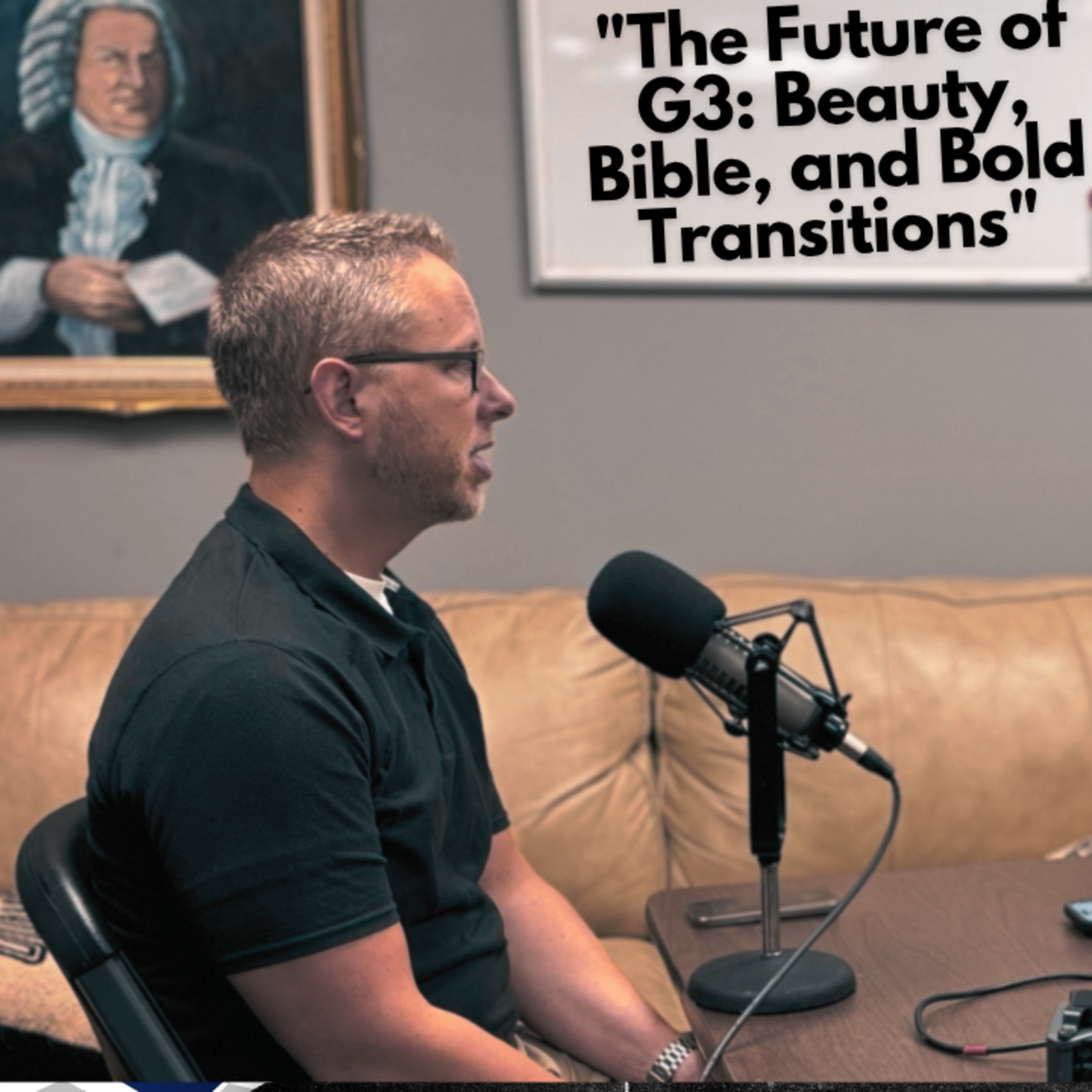 Season 6, Episode 3: "The Future of G3: Beauty, Bible, and Bold Transitions" with Dr. Scott Aniol 07.07.2025 22min🎙️ Episode OverviewPodcast: Perspectivalist S6 E3Host: Uri BritoGuest: Dr. Scott Aniol, Executive VP at G3 MinistriesLocation: Church of the Redeemer, Monroe, LAOccasion: 12th year of Jubilate Deo Music Camp🔗 G3 Ministries Website🔗 Scott Aniol's Author Page🔗 Jubilate Deo Music Camp Dr. Aniol shares his long-term involvement with Jubilate Deo and the shift from traditional VBS to Bible and Music Camp.Camp includes folk dancing, choral singing, and music literacy through dance.Emphasis on beauty and coherence in worship rooted in theology, especially starting from childhood.Initial hesitation from some Christians about dancing due to secular connotations.Folk dancing is a joyful and wholesome expression of faith and embodiment of Psalmic worship (e.g., Psalm 149:3).Dance is viewed as an overflow of Sunday liturgy, not a replacement of it.Raised in a musically and theologically rich environment.Influenced by Jonathan Edwards and C.S. Lewis, emphasizing beauty, truth, and goodness in worship.Pursued theological reflection on art, music, and liturgy across evangelicalism.The unchanging liturgy of the church offers stability amid cultural and social media volatility.Warning against virtual ecclesiologies and the danger of losing real, embodied church community.History & MissionStarted in 2013 as a local church conference led by Josh Buice at Pray’s Mill Baptist Church.Grown to include:G3 Press – publishing theological books and devotionals🔗 G3 BooksG3 Plus – streaming platform with sermons, lectures, and courses🔗 G3+ StreamingG3 Church Network – ~215 churches subscribing to 1689 Baptist Confession🔗 Church DirectoryFamily worship resources, theological journals, and more.Leadership TransitionJosh Buice's resignation handled with transparency and speed, widely praised by constituents.G3's structure allowed it to continue uninterrupted, avoiding personality-centered collapse.New Logo & VisionRebranding started before the resignation but accelerated after.Vision Statement published to affirm the continuity and a renewed commitment to resourcing the church.🔗 G3 Renewed Vision Statement (2025)Emphasis on:Unity over competition in the evangelical worldCollaboration among ministries and local pastorsSpotlighting faithful unknown pastors (e.g., David DeBruyn in South Africa)Addressing the problems of celebrity culture in evangelicalism:Not faulting godly men like MacArthur, Piper, or Voddie BauchamCritiquing the culture that idolizes themThe most important ministry: faithful local presence—family, church, liturgy.Social media should be a tool, not a substitute, for embodied Christian life.G3 remains committed to Scripture-rooted, theologically rich content for families and churches.🏕️ Music & Liturgy💃 Dance in Christian Life📖 Aniol’s Theological Background🏛️ Church Stability vs. Cultural Shifts📡 G3 Ministries: Past, Present, and Future🔄 Future Direction✝️ Final Reflections
 -
 Season 6, Episode 2: “Recovering the Visible Church: The ARP, Polity, and the Path of Confessional Renewal” with Benjamin Glaser 03.07.2025 24minIn this episode of The Perspectivalist, Pastor Uri Brito welcomes Rev. Benjamin Glaser of the Associate Reformed Presbyterian Church (ARP) to talk all things ARP—from its rich confessional heritage to its present role in the American ecclesiastical landscape.🔹 Topics include:📜 The history of the ARP — How a 1782 merger formed one of the oldest continually operating Reformed denominations in North America.🏛️ Synodical polity explained — Why the ARP remains a Synod, and how its governing structure encourages fellowship and simplicity.🔐 The visible church as Christ’s appointed institution — A defense of the church’s organic, not optional, role in God's kingdom.🚫 The modern drift toward anti-discipline and DIY ecclesiology — What happens when Christians disconnect from accountability and structure.🕯️ Worship and sacramental practice in the ARP — From exclusive psalmody and grape juice to a revival of weekly communion and wine.🤝 Fraternal relations with OPC & beyond — Encouraging signs of confessional renewal and partnership among like-minded churches.✍️ Rev. Glaser’s essay on the visible church→ Read the Substack article here🏛️ History of the ARP Church→ Visit the official ARP Church website🤝 NAPARC (North American Presbyterian and Reformed Council)→ Learn more about NAPARC denominations“The church is not an accident or a pragmatic structure—it is the ordinary means Christ uses to draw and mature His people.” — Rev. Benjamin GlaserIn an era when many young Christians are drawn to atomized, personality-driven spirituality, this conversation serves as a timely call to embrace the visible, historic, and confessional church. Rooted in Scripture and governed by wisdom, the church remains God’s chosen vessel to disciple the nations.
 -
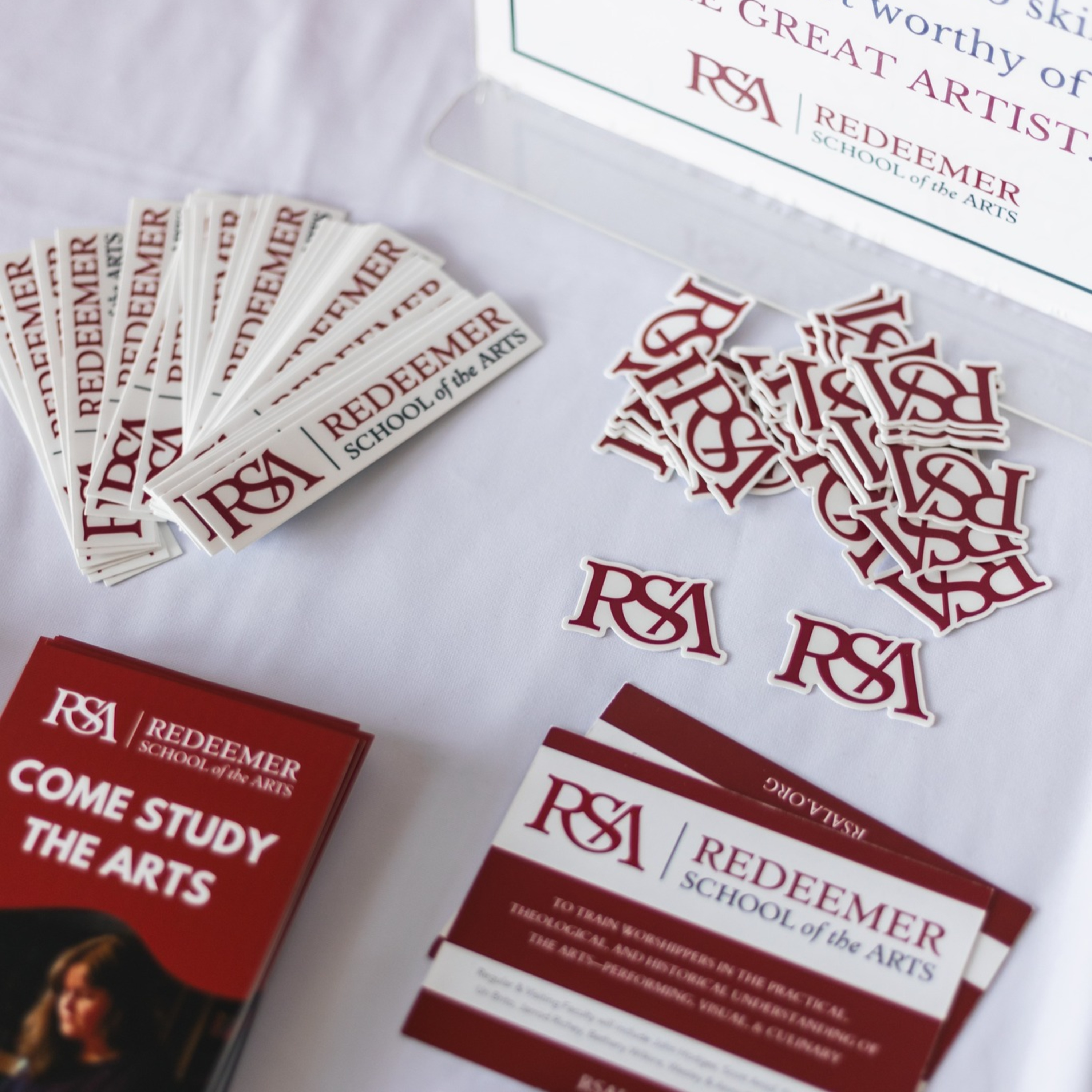 Season 6, Episode 1: An Introduction to Redeemer School of the Arts (RSA) with Mr. Jarrod Richey 17.06.2025 20minWelcome to the inaugural episode of Season 6 of the Perspectivalist! Today, I’m joined by Mr. Jarrod Richey, Director of Music at Church of the Redeemer in West Monroe, Louisiana, and Academic Dean of the Redeemer School of the Arts. This past year, RSA launched its first-ever Arts Certificate Program, designed to equip students in the creative arts through a distinctly Christ-centered lens.In our conversation, we discuss what exactly the creative arts are, how this program distinguishes itself from typical fine-arts degrees, and why something like this is so necessary, not just in Louisiana but in the broader Christian community, including those in the CREC.We also cover the kind of students who thrive in the program, what success has looked like after year one, and how you or someone you know can apply.To learn more, visit RSALA.org or email [email protected]: I would like to extend my gratitude to Perspectivalist resident musician, Mr. George Reed, for the introduction and outro, and to Mr. Leo Ehrenstein, who designed our new logo.
 -
 Season 5, Episode 15: The CREC HotSpot Project with Steve Jeffery 16.12.2024 16minThe CREC has been growing significantly in the last few years. As a result, some have been striving to ensure that our signals align and that our work is not lost among the plethora of online options. Dr. Jeffery and others have worked to streamline our resources, making it easier for people to find us in the U.S. I hope this episode will enlarge this vision and that many will have a better sense of the locations of our churches and perhaps even consider joining them. Steve and I offer salient pastoral advice towards the end of the podcast. So, listen to the end! You can find the project here: https://allsaintskirk.com/hotspot/
 -
 Season 5, Episode 14: "Who are the Evangelicals for Harris?" An Interview with Chase Davis 28.10.2024 12minChase Davis returns to the podcast to discuss the identity of the newly minted Evangelicals for Harris. Every election cycle gives us a new elite of evangelicals who support the pro-abortion candidate because they are tired of partisan politics. Chase names these individuals as well as notes their backgrounds and damaging contributions to this movement. From the article: "Thus, we see these Evangelicals for Harris for who they really are: Cogs in the machine of a well-funded dark money effort to fracture the evangelical vote—the lone bulwark preventing Democrats from turning America into a socialist hell hole. Their mission is not to advance Christian love or align their political preferences with King Jesus but to ease their conscience when they vote for Kamala and trick others into doing the same. They are the progressives who hollow out our Christian religion and wear it as a skinsuit in the pursuit of political power. They’ve traded in the cross of Christ for the transgender flag and the call to defend the unborn for the satanic sacrament of abortion."
Liknande podcastar


Populär i
Den här podcasten finns även i podcastlistor i dessa länder.
