
Art · The Creative Process: Artists, Curators, Museum Directors Talk Art, Life & Creativity
Artists, Curators, Museum Directors Talk Art & Creativity · Creative Process Original Series
0
Art episodes of the popular The Creative Process podcast feature conversations with artists, curators, and museum directors about their work and creative careers. Guests include leaders from major institutions like the Centre Pompidou, Smithsonian, and the Acropolis Museum. The podcast explores the fascinating minds of creative people across the Arts and STEM, offering insights into their life, work, and artistic practice.
Avsnitt
-
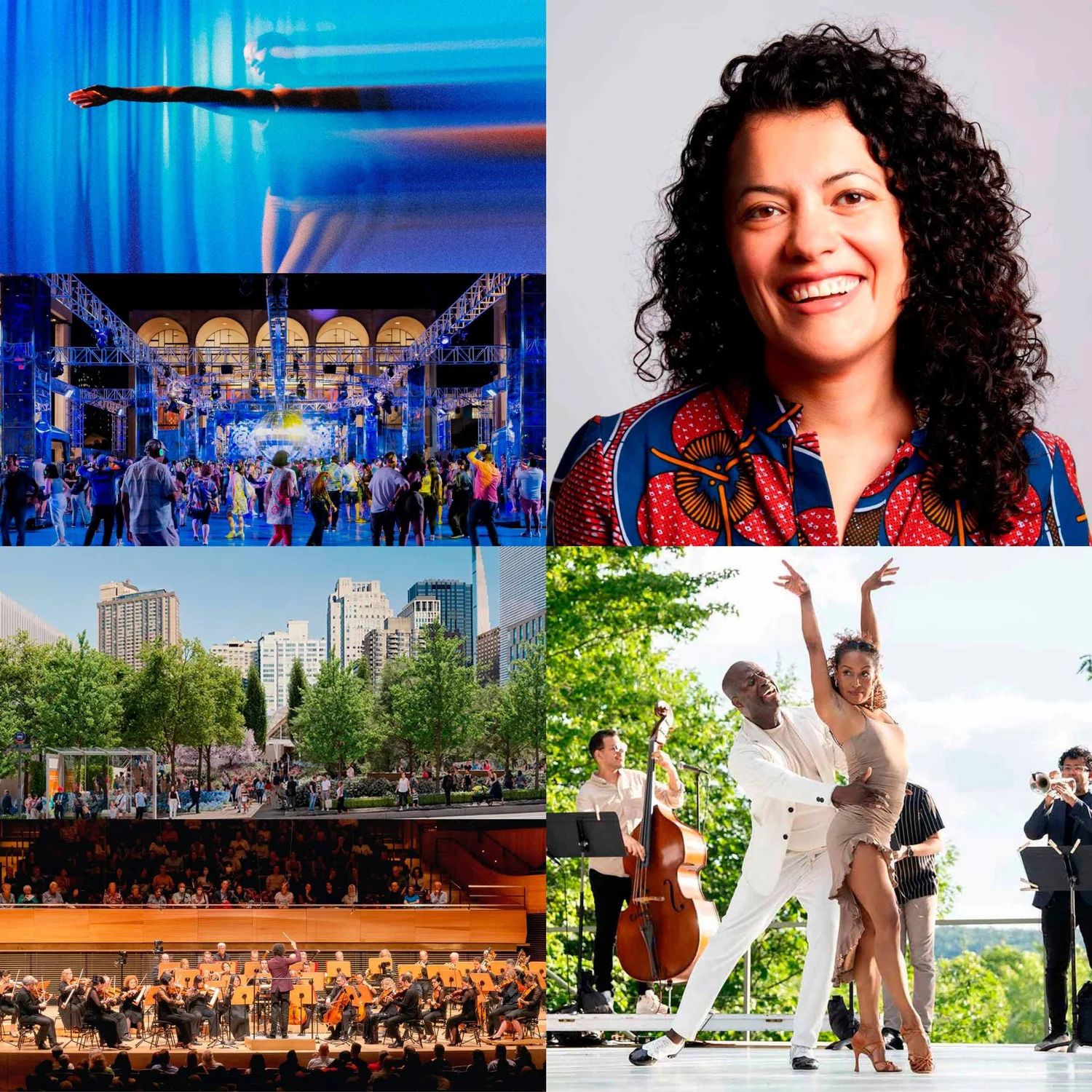 Transforming Public Art & Spaces w/ LINCOLN CENTER’S SHANTA THAKE 04.08.2026 18minAs the Chief Artistic Officer at Lincoln Center for the Performing Arts, Shanta Thake is breaking down barriers—both literal and figurative—to create a more inclusive cultural landscape. From transforming New York’s grandest plazas into welcoming dance floors to grappling with the complex history of San Juan Hill, she views the arts as an essential civic infrastructure. In this episode, we explore her journey from a theater intern to leading one of the world's most prestigious arts institutions, the intersection of technology and human creation, and why gathering together remains our most vital technology for the future.
 -
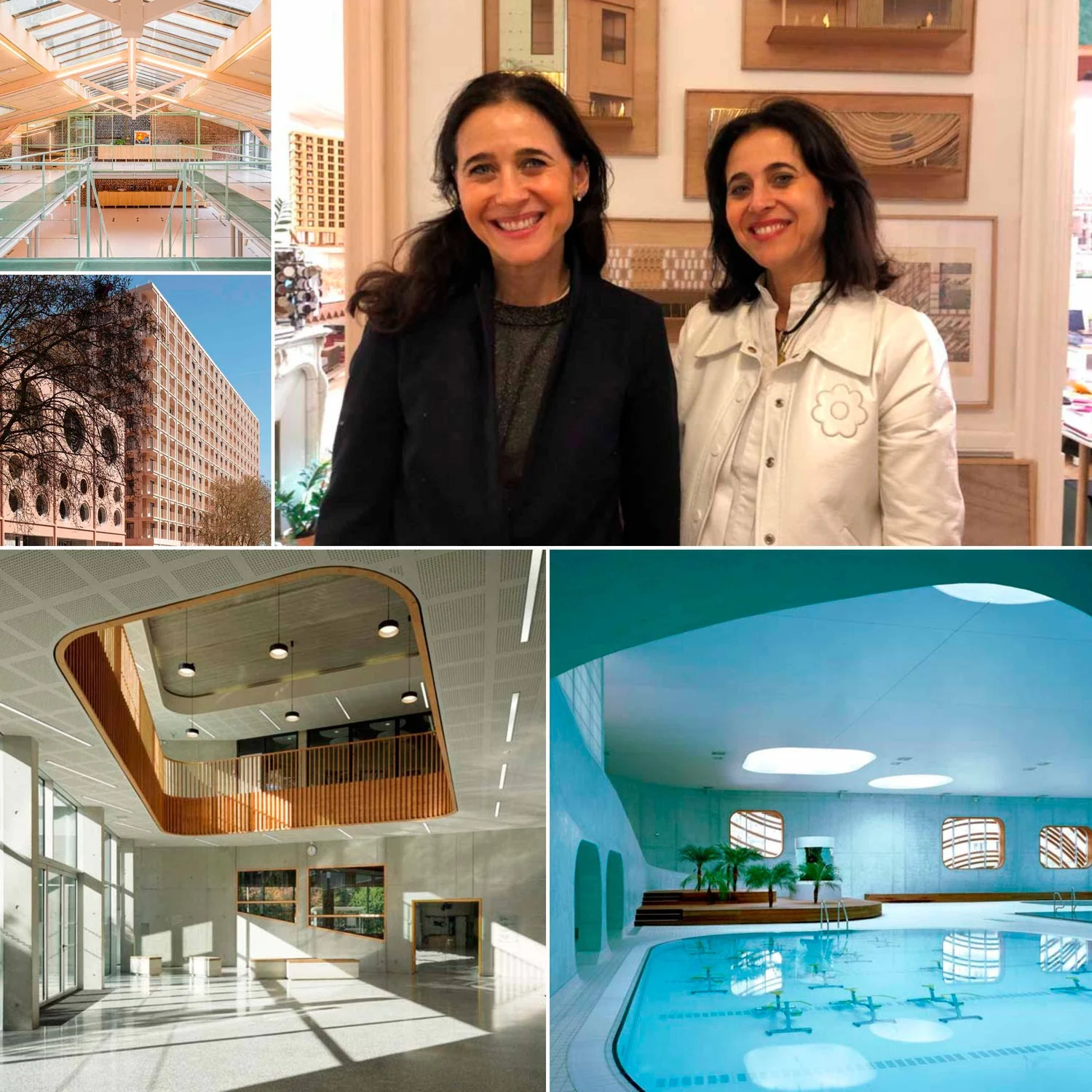 Building Bridges Between Art, Memory, Nature & Architecture w/ SALWA & SELMA MIKOU 03.06.2026 1h 18minFounders of Mikou Architecture, Salwa & Selma Mikou bring a deeply human-centric approach to modern design. Drawing from their childhood in the vibrant, labyrinthine medinas of Fez, Morocco, they view architecture as a powerful social infrastructure that shapes relationships and evokes memory. In this episode of The Creative Process, they discuss how they transform sites into living ecosystems, weaving local narratives and historical traces into their projects. The sisters reflect on their formative years working alongside architectural legends Jean Nouvel and Renzo Piano, and how their complementary visions fuel their collaborative practice. From designing serene mosques in England and holistic "water temples" in France to crafting intricate spaces for Hermès and Yves Saint Laurent, they reveal how buildings can truly sing. Join us to explore how art, intuition, and structural necessity converge to create spaces of profound wellbeing.
 -
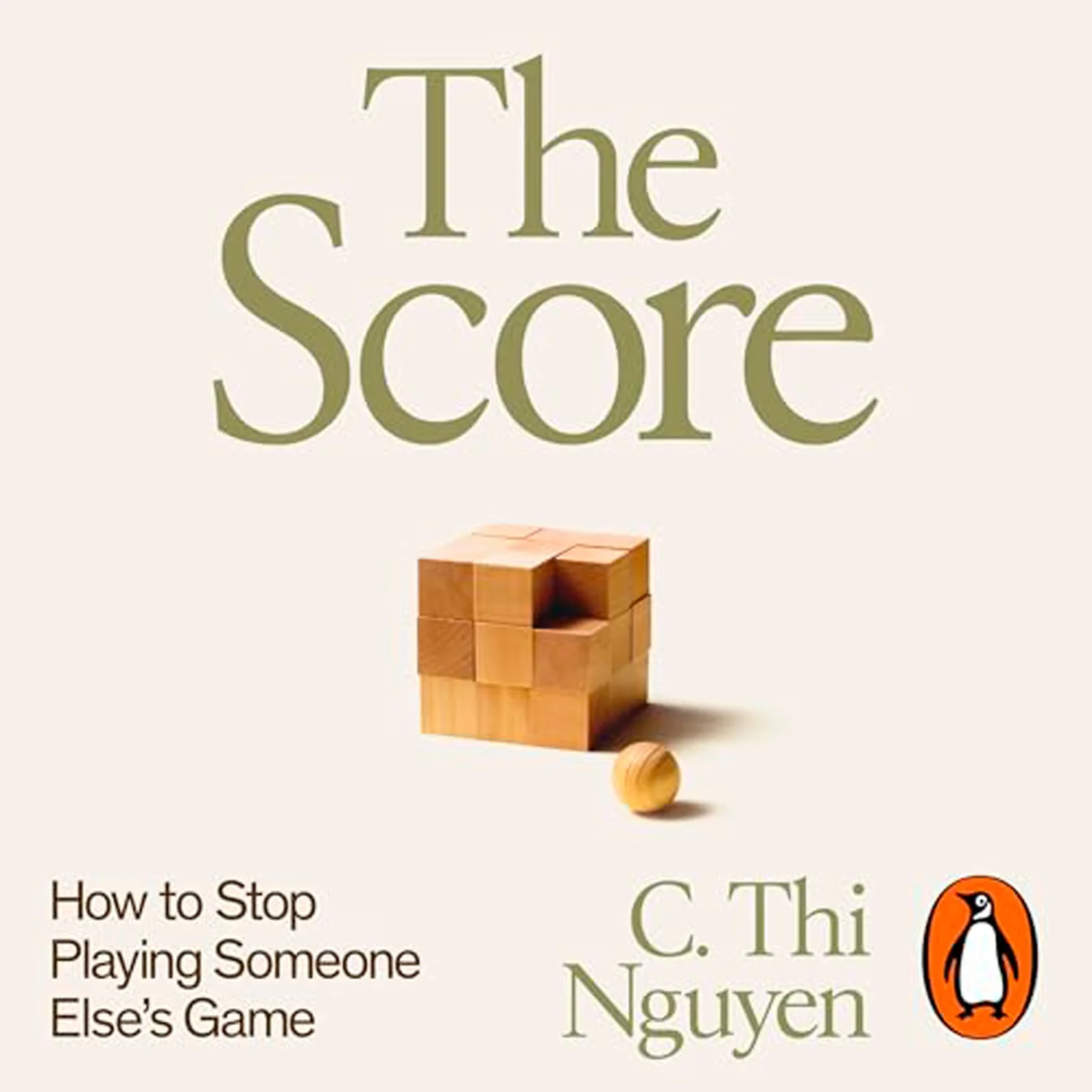 Game Over: Metrics, Big Data & Why We Need to Stop Keeping Score w/ C. THI NGUYEN - Highlights 13.03.2026On this episode of The Creative Process, philosopher C. Thi Nguyen joins us to discuss his new book, The Score: How to Stop Playing Somebody Else's Game. He unpacks the profound concept of "value capture"—the moment we stop caring about the rich, subtle experiences of life and start obsessing over simplified, external metrics like grades, likes, and screen time . Beyond the trap of quantification, C. Thi Nguyen explores the liberating power of games and art. We discuss how true play requires us to step lightly between different rule sets, the difference between art and craft, and how reclaiming our creative process might just be the ultimate meaning of life .
 -
 The Healing Power of the Arts: Longevity, Immunity & Wellbeing w/ DAISY FANCOURT - Highlights 11.02.2026 20minWe often view the arts as a luxury—something to enjoy only after the "real work" is done. But DAISY FANCOURT, Associate Professor at University College London and author of Art Cure, argues that creativity is a biological necessity. Drawing on the field of psychoneuroimmunology, she reveals how the arts can physically alter our stress hormones, immune system, and even our genetics. In this episode, DAISY FANCOURT shares the science behind "social prescribing" and her work with the World Health Organization. From the evolutionary origins of singing to the impact of art on premature infants and stroke victims, she dismantles the false dichotomy between science and creativity, proving that the arts are vital for a healthy, resilient life.
 -
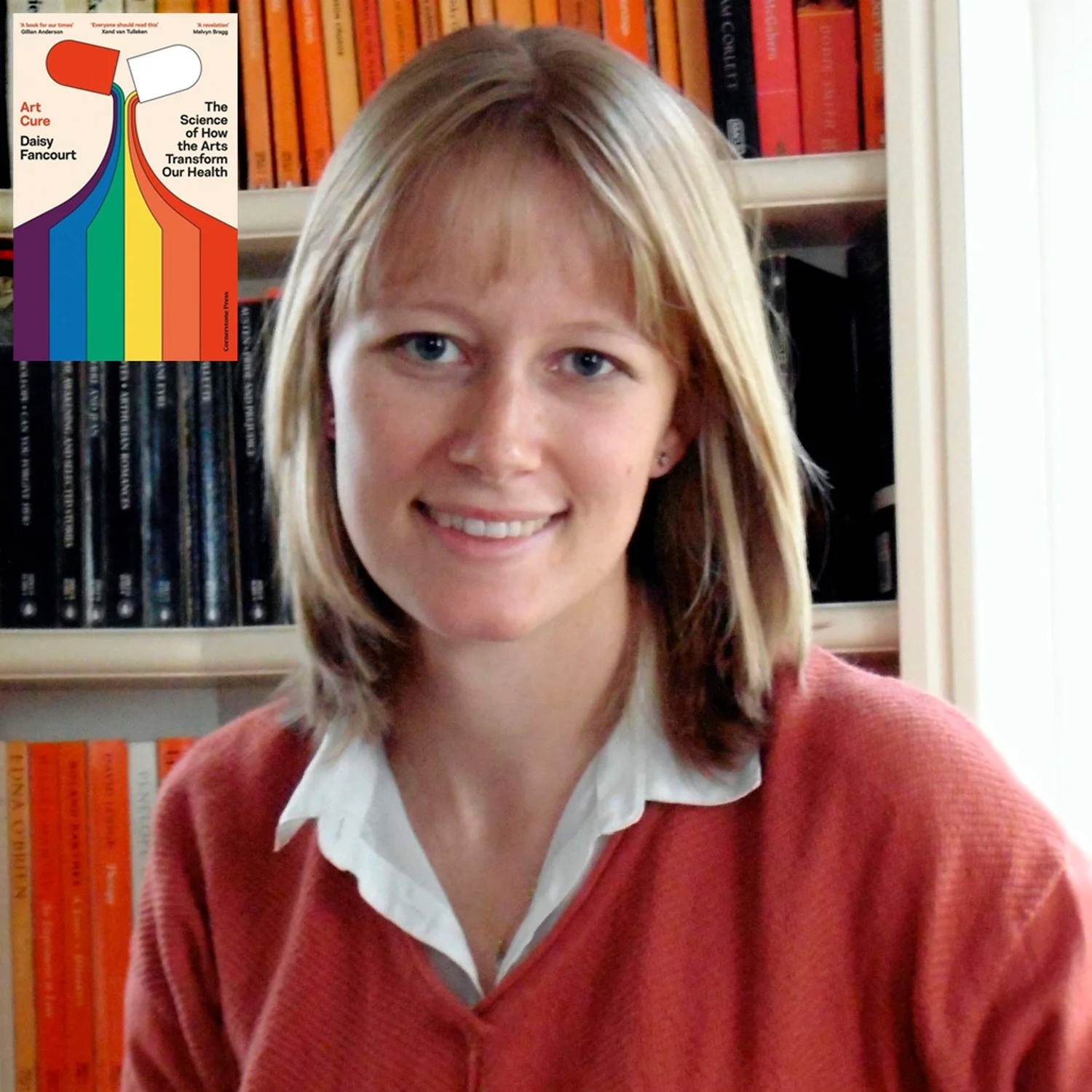 ART CURE: How the Arts Can Transform Our Health with DAISY FANCOURT 11.02.2026 1h 3minWe often view the arts as a luxury—something to enjoy only after the "real work" is done. But DAISY FANCOURT, Associate Professor at University College London and author of Art Cure, argues that creativity is a biological necessity. Drawing on the field of psychoneuroimmunology, she reveals how the arts can physically alter our stress hormones, immune system, and even our genetics. In this episode, DAISY FANCOURT shares the science behind "social prescribing" and her work with the World Health Organization. From the evolutionary origins of singing to the impact of art on premature infants and stroke victims, she dismantles the false dichotomy between science and creativity, proving that the arts are vital for a healthy, resilient life.
 -
 BASQUIAT: The Price of Fame w/ Author DOUG WOODHAM - Highlights 27.11.2025 12min“People today are so used to Basquiat's prices being extraordinarily high and rising that it's almost hard for people to understand that wasn't always the case. In the year he died, 1988, a terrific painting by Basquiat might have sold for $30,000. Relative to his other artistic peers, like a great Julian Schnabel painting that cost $800,000. After Basquiat died, some speculative capital entered his market, and his prices did pop, but in the early 1990s, his prices fell apart, and for much of the first half of the 1990s, his work was selling for 80% off what it had been selling before. Auction houses didn't want to include him in their auctions. There was a really good chance he was going to be remembered, but certainly not become a great star. Three key figures believed in him and proceeded to buy almost every available Basquiat in the first half of the 1990s. They were also just passionate believers in his work. But for those three people, it would have taken much longer for Basquiat to achieve acclaim, if ever.”
 -
 JEAN-MICHEL BASQUIAT: The Making of an Icon with DOUG WOODHAM, Fmr. President of Christie's Americas 27.11.2025 1h 34min“All of the great artists are there for a reason: because they rebelled in some way. They created a visual vocabulary that felt fresh and new, which excited people. So, the great artists are not built on sort of anthills of sand. They're built on things of substance and of meaning. Though this is not a sufficient condition to become an icon, it's a necessary but not sufficient condition. I think you have to have an interesting and vivid personality or personal narrative that makes you interesting for people to talk about and want to learn about. I think you also have to have a support network of galleries, curators, and collectors who are excited about your work and want to push it forward, not wanting it to be forgotten. Basquiat's visual vocabulary is distinctive and stands out relative to what was being done in the 1980s. That's the sort of strong hill on which his reputation is built. Basquiat benefited from being the first black artist of note who got pushed forward. As in many things, the first benefits.”
 -
 "Everything is Art. Everything is Politics." AI WEIWEI'S TURANDOT Dir. MAXIM DEREVIANKO - Highlights 22.10.2025“So when we decided to do a documentary to follow Ai Weiwei, we knew, of course, it wouldn't be just a simple opera, and we knew he would bring his own very special and original vision. Because, of course, he is not an opera director. From his point of view, it's a challenge, but from another perspective, it’s probably an enrichment for the opera audience because he doesn't follow the rules of opera. And, of course, once you decide to do a documentary about Ai Weiwei, it's in his DNA to be political. Once I started to follow him, the political issues and topics came into the documentary by themselves.” The renowned artist and activist Ai Weiwei has used sculpture, photography, documentaries, and large-scale installations to challenge authoritarian power for decades. But his project at the Rome Opera House, directing Puccini’s final opera, Turandot, may be his most powerful fusion of art and politics yet. Puccini’s original is a fairy tale set in ancient China about a princess whose riddle game costs failed suitors their lives. But Ai Weiwei transformed this story into a stark reflection of the present, weaving in footage of refugee crises, COVID hospitals, and the Ukraine war—a production that became an urgent act of resistance for its Ukrainian conductor and cast. The opera and documentary are a living document of our turbulent times, embodying Ai Weiwei’s belief that 'Everything is Art. Everything is Politics.' The new documentary, Ai Weiwei's Turandot, goes behind the curtain to capture the artistic struggle and emotional weight of making this work—a process that began with one vision and was fundamentally changed by a global pandemic and a major war. My guest is the documentary’s director, Maxim Derevianko. He grew up in a family with deep ties to the Rome Opera House, and he offers a deeply personal, intimate look at how in Ai Weiwei’s words, “art competes with reality, but art will have the last word.”
 -
 AI WEIWEI'S TURANDOT 22.10.2025 59min“Everything is Art. Everything is Politics. I think art competes with reality. And art will give you the last words.” –Ai Weiwei The renowned artist and activist Ai Weiwei has used sculpture, photography, documentaries, and large-scale installations to challenge authoritarian power for decades. But his project at the Rome Opera House, directing Puccini’s final opera, Turandot, may be his most powerful fusion of art and politics yet. Puccini’s original is a fairy tale set in ancient China about a princess whose riddle game costs failed suitors their lives. But Ai Weiwei transformed this story into a stark reflection of the present, weaving in footage of refugee crises, COVID hospitals, and the Ukraine war—a production that became an urgent act of resistance for its Ukrainian conductor and cast. The opera and documentary are a living document of our turbulent times, embodying Ai Weiwei’s belief that 'Everything is Art. Everything is Politics.' The new documentary, Ai Weiwei's Turandot, goes behind the curtain to capture the artistic struggle and emotional weight of making this work—a process that began with one vision and was fundamentally changed by a global pandemic and a major war.
 -
 Nordic Art & Contemporary Perspectives at the ARKEN MUSEUM OF CONTEMPORARY ART - Highlights 25.09.2025 12min“This awe that I feel every time I meet an artist who has the courage to deal with what it means to be in the world as a human being and to tackle it from different ways and through different media. I always feel that through the collaborations I have with artists, I learn a little bit more about the world, myself, my feelings or emotions, and how I reflect on things. Getting another person's perspective and taking that in is extremely generous. What we can take with us from the artistic practices we encounter is significant. Again, I think one of the fundamental aspects of art is that it doesn't require agreement, consensus, or rules. It's a place where we can speculate, imagine, and, hopefully, re-courage ourselves in a way, if that's a word. I've always been motivated by working with artists; that personal meeting is always extremely fruitful.”
 -
 The Future of Museums with MARIE NIPPER, Director of ARKEN MUSEUM OF CONTEMPORARY ART 25.09.2025 1h 9min“This awe that I feel every time I meet an artist who has the courage to deal with what it means to be in the world as a human being and to tackle it from different ways and through different media. I always feel that through the collaborations I have with artists, I learn a little bit more about the world.”
 -
 Art is a Fundamental Element of Life - Gallerist HANNAH BARRY on a Life in Art 21.09.2025 34min“There's something fundamental about the value of art and culture. Not just being integrated for vocational reasons, but because the experience of art and having a cultural element in one's life brings enjoyment, learning, relief, or any of the many experiences and feelings that art provides. I think this is quite fundamental as an element of life. Creativity is key in any career and also in personal life, especially in terms of problem-solving, relationships, kindness, compassion, and empathy. The arts, creativity, and the cultural world at large are not just nice to have; they are essential. Their value is fundamental, although sometimes it's extremely difficult to define. To see the arts lost from the developmental moments in one's life is tragic. Developmental moments in life come at all points in the arc of one's existence. To see that taken or diminished is unfortunate. Everyone involved in working with artists, artists themselves, or those who are creative knows this and believes in it.”
 -
 Art Without Borders - RAJIV MENON'S Vision for South Asian Art 20.08.2025 46minI want people to understand South Asian art as broader than a single gallery or a single artist, but as a larger cultural movement. I want people to encounter art in all parts of their lives, and I’m constantly thinking about new ways to achieve that. I was very aware, as someone launching a South Asia-focused gallery, that this was the cultural dynamic that undergirded the way that most people in the West were thinking about art from the region. Taking that on directly and inviting artists to work with that theme was a really important ground for setting the ethos of the gallery and the types of critical questions we wanted to tackle with the work we were doing. My guest today is Rajiv Menon, a gallerist and curator who is carving out a distinctive space in the contemporary art world. Based in Los Angeles, Rajiv Menon holds a PhD from NYU, where he studied global media and visual culture, and he's also a passionate collector of South Asian art. He founded Rajiv Menon Contemporary with a clear mission: to bring artists from South Asia and its diaspora to a wider audience, and to cultivate a new generation of art collectors within these communities. His exhibitions have tackled fascinating themes, from the exuberant and sometimes overwhelming world of the Indian wedding through Viraj Khanna's intricate textile art in Why Did I Say Yes?, to a deep dive into the creativity of Kerala in Three Steps of Land, and a compelling look at how artists transform nostalgia into an aesthetic movement in The Past Is a Country. His work resonates far beyond the gallery walls, aiming to shift our collective culture. He's also recently been honored by the City of Los Angeles for his contributions to the arts. @rajivmenoncontemporary
 -
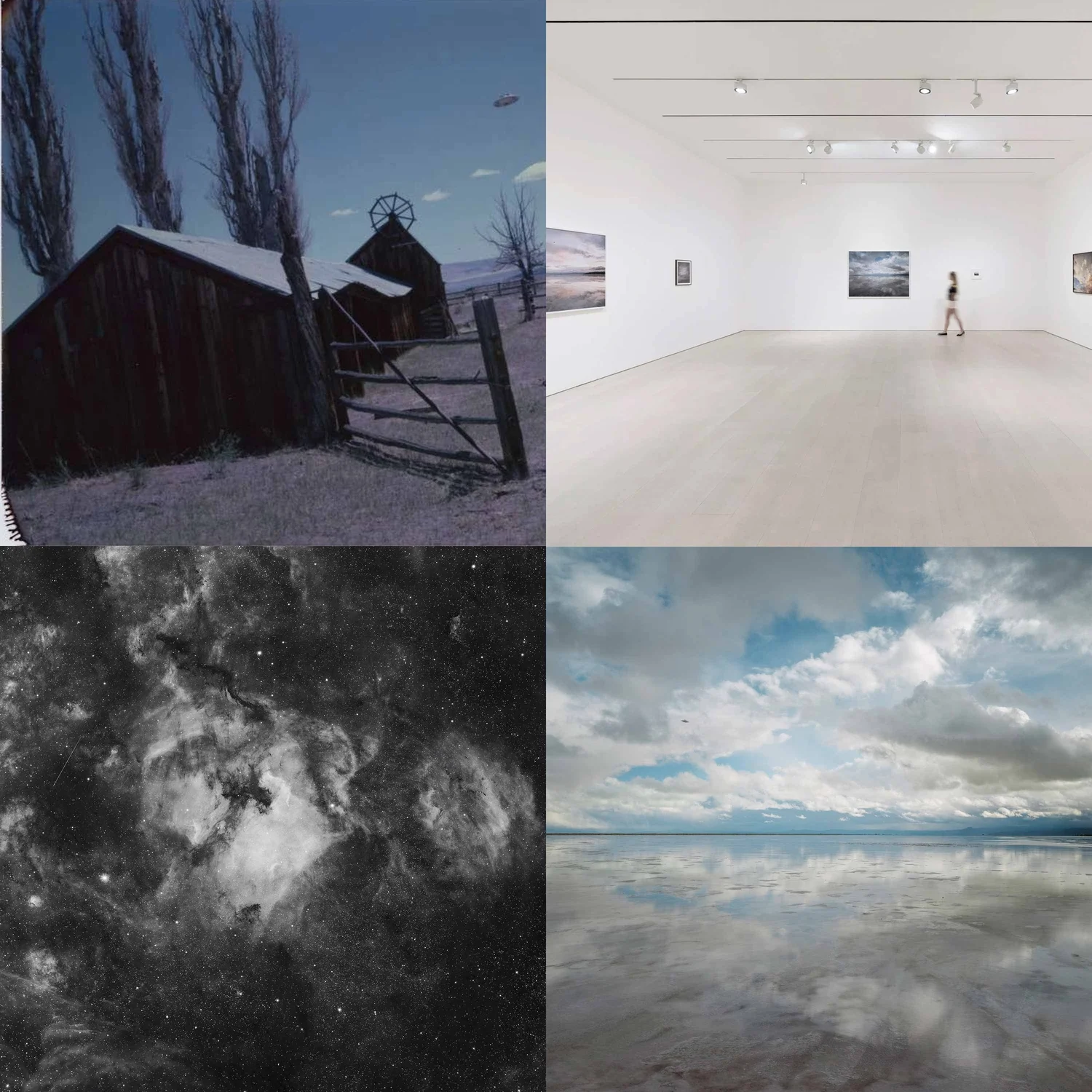 AI, UFOs, Perception & Reality with Artist, Geographer, Author TREVOR PAGLEN - Highlights 03.08.2025 14min“If we look at the entire history of the human experience, if you saw some text or you heard some spoken language, you could 100 percent reliably infer that there was a human who created that. Our experience of having that text or that image generated for us is very akin to the experience of a magic trick, and we sort of pre-subconsciously want to attribute some kind of intelligence to what's going on on the other side.At the core of the work is that sense of curiosity, that sense of joy, that sense of beauty, and that sense of learning. I've been fortunate to have all kinds of strange and interesting experiences, whether that's seeing weird things in the sky over secret military bases in the middle of the Nevada desert, going scuba diving and finding internet cables on the bottom of the ocean, or tracking spy satellites in the sky and being able to predict when they'll appear in a flash against the backdrop of stars. The world around us is extraordinary and embodied, right? It is not on screens, and I’m very privileged to have that be so much a part of my process.”Trevor Paglen is an artist whose work makes the invisible visible, whether he's photographing secret government sites from miles away or revealing the hidden infrastructures of mass surveillance. He's a geographer by training, and he combines investigative journalism with his art practice to explore the hidden power structures of our time, including military technology and artificial intelligence. His work has been exhibited in major museums around the world, and he's also an award-winning author. His exhibitions, like 'The Black Sites' and 'Limit Tele-photography,’ have earned him critical acclaim, including a MacArthur Fellowship. He's recently opened a new exhibition at Pace Gallery in New York called Cardinals (Jun 26–Aug 15) which delves into the intriguing connections between UFO sightings, AI, and the spread of disinformation.Episode Websitewww.creativeprocess.info/podInstagram:@creativeprocesspodcast
 -
 How AI is Shaping Perception, How Deception is Sculpting Our Reality with Artist TREVOR PAGLEN 02.08.2025 55min“There's a word for this brain rot, right? I think that's very real. There are studies coming out now that are showing that the more and more of our cognitive labor we offload to AI systems, the less creative we become, the less critical we become, and the less of our human faculties for reason we use. There's something sad about that, but there’s also something dangerous about it because that leaves us very open to being manipulated. The surveillance capitalism kind of economy of extracting data from every possible moment of everyday life in order to extract value. The sensor systems that we're surrounded with are not simply passive devices that are recording us; they are increasingly becoming active sculptors of our experience of reality. Playing dirty.If we look at the entire history of the human experience, if you saw some text or you heard some spoken language, you could 100 percent reliably infer that there was a human who created that. Our experience of having that text or that image generated for us is very akin to the experience of a magic trick, and we sort of pre-subconsciously want to attribute some kind of intelligence to what's going on on the other side.I’m trying to think about these other media strategies, whether that's UFO photography, psychological operations, magic, or neuroscience, and take them seriously as contributing factors to the changing visual culture. With the collection at Pace Gallery, (New York, Jun 26–Aug 15) it was really just to put those images together and show them. They’re all photographed on film. A lot of them are photographed on instant film. They’re not images that are made with AI; they're not images that are photoshopped. What I really wanted to get at was thinking about the ways in which what we see in an image is very often what we're predisposed to see. I am playing with these mechanics of perception and proposing that as a way of thinking about images now.At the core of the work is that sense of curiosity, that sense of joy, that sense of beauty, and that sense of learning. I've been fortunate to have all kinds of strange and interesting experiences, whether that's seeing weird things in the sky over secret military bases in the middle of the Nevada desert, going scuba diving and finding internet cables on the bottom of the ocean, or tracking spy satellites in the sky and being able to predict when they'll appear in a flash against the backdrop of stars. The world around us is extraordinary and embodied, right? It is not on screens, and I’m very privileged to have that be so much a part of my process.”Trevor Paglen is an artist whose work makes the invisible visible, whether he's photographing secret government sites from miles away or revealing the hidden infrastructures of mass surveillance. He's a geographer by training, and he combines investigative journalism with his art practice to explore the hidden power structures of our time, including military technology and artificial intelligence. His work has been exhibited in major museums around the world, and he's also an award-winning author. His exhibitions, like 'The Black Sites' and 'Limit Tele-photography,’ have earned him critical acclaim, including a MacArthur Fellowship. He's recently opened a new exhibition at Pace Gallery in New York called Cardinals, which delves into the intriguing connections between UFO sightings, AI, and the spread of disinformation.Episode Websitewww.creativeprocess.info/podInstagram:@creativeprocesspodcast
 -
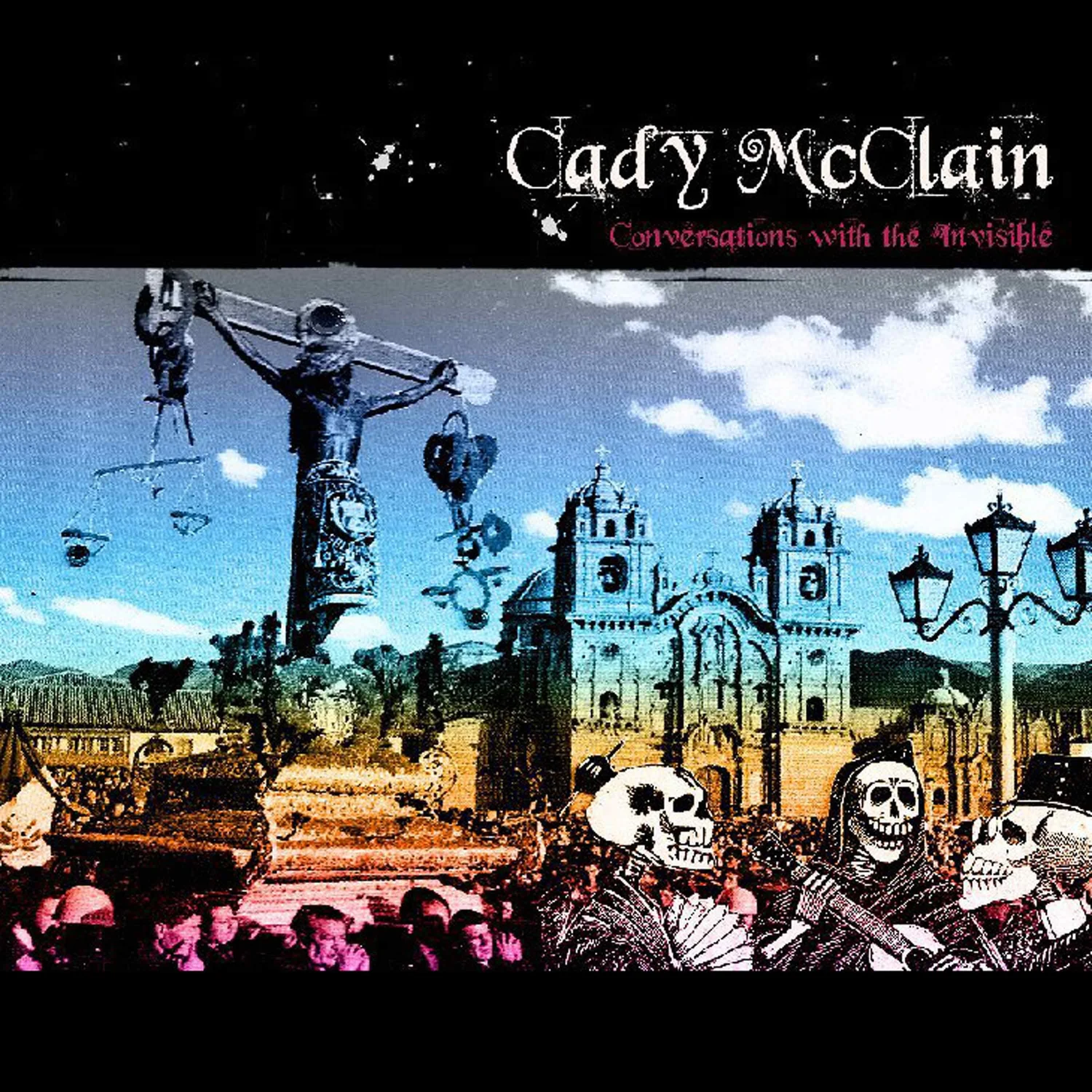 Art, Empathy & Resilience with CADY McCLAIN, Actor, Director, Writer, Artist, Musician - Highlights 01.08.2025 11min“I had to become the father of my family very young because my parents divorced when I was 12. My situation was a little bit unusual in that my father kind of disappeared, and I had been making a fair amount of money as a kid, doing commercials and television and film. We needed money, and I kind of became the breadwinner. But I had this amazing world that I had access to, which was the world of the entertainment industry. My mom was supportive of my taking over and saying, "This is, I think, what we need to do." She liked the idea of moving to New York, so we moved to New York when I was 17 with a play that I had gotten. Then she got cancer and became really sick, so I had to take care of her full time. That lasted for about eight years, and then she died when I was 25. That was a rough go. At the same time, I had an amazing other world, and my other world was the world of make-believe and pretend, which I got to participate in on the soaps, with happy families and Christmases, Easters, miracles, love, weddings, and children. The pretend world that I spent a large amount of time in became a great way to balance what was sort of tragic in my real life.” Our guest today is Cady McClain. You probably know her from her long and celebrated career in daytime television. She is a three-time Emmy® Award-winning actress. She plays Pamela Curtis on CBS’ Beyond the Gates, and is the Artistic Director of Axial Theatre, and her directorial work includes the documentary, Seeing is Believing: Women Direct, a fascinating look at the challenges and triumphs of women behind the camera. Her memoir, Murdering My Youth, is an honest and sometimes difficult book about growing up as a child actor in the spotlight. Her work across all these different art forms—acting, directing, writing, art, and music—all seems to be connected by a commitment to telling true stories, no matter how complicated.
 -
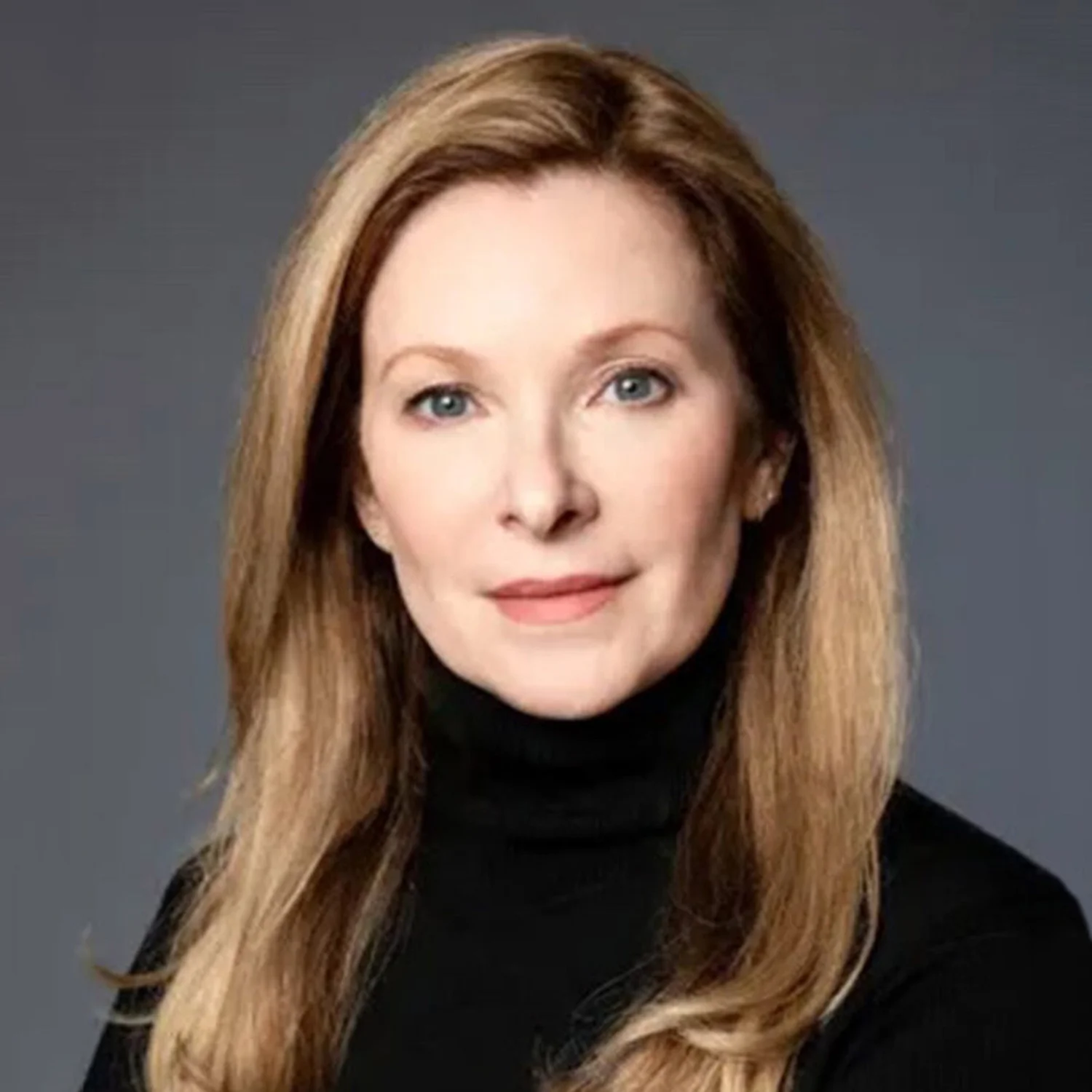 A Life in Acting with Emmy Award-winning Actor, Artist, Director CADY McCLAIN 31.07.2025 1h 6min“I won my first Emmy when I was 21, which was the result of absolutely devoting myself day and night for two years to doing all the scene work. I attended classes simultaneously and did plays until my mother died. I studied with Michael Howard for eight years. Even when I was so tired I couldn't get up to do a scene, he would say, "Get up and do a poem." It helped me enormously; it saved me.The way I was trained and how I train others is that you know when you’re in the zone. Oh God, it feels so good. It feels like flying. And that's what you want. You want to be so unselfaware that you're on liftoff?I had to become the father of my family very young because my parents divorced when I was 12. My situation was a little bit unusual in that my father kind of disappeared, and I had been making a fair amount of money as a kid, doing commercials and television and film. We needed money, and I kind of became the breadwinner. But I had this amazing world that I had access to, which was the world of the entertainment industry. My mom was supportive of my taking over and saying, "This is, I think, what we need to do." She liked the idea of moving to New York, so we moved to New York when I was 17 with a play that I had gotten. Then she got cancer and became really sick, so I had to take care of her full time. That lasted for about eight years, and then she died when I was 25. That was a rough go. At the same time, I had an amazing other world, and my other world was the world of make-believe and pretend, which I got to participate in on the soaps, with happy families and Christmases, Easters, miracles, love, weddings, and children. The pretend world that I spent a large amount of time in became a great way to balance what was sort of tragic in my real life.”Our guest today is Cady McClain. You probably know her from her long and celebrated career in daytime television. She is a three-time Emmy® Award-winning actress. She plays Pamela Curtis on CBS’ Beyond the Gates, and is the Artistic Director of Axial Theatre, and her directorial work includes the documentary, Seeing is Believing: Women Direct, a fascinating look at the challenges and triumphs of women behind the camera. Her memoir, Murdering My Youth, is an honest and sometimes difficult book about growing up as a child actor in the spotlight. Her work across all these different art forms—acting, directing, writing, art, and music—all seems to be connected by a commitment to telling true stories, no matter how complicated. Episode Websitewww.creativeprocess.info/podInstagram:@creativeprocesspodcast
 -
 Life As No One Knows It - Exploring AIR Aspen with NICOLA LEES - Highlights 25.07.2025 9min“For us, I think it really is about trust and commitments, and I don't think that has necessarily changed over the years. As we work on that, obviously, we are very much invested in how we can engage an audience and spark the curiosity that people are looking for. The most important thing often is how we can spark that curiosity in ourselves. As a way of working, which I think is the most important framework for an institution, the institution should constantly want to learn and evolve, and it isn't a static place. Particularly coming from the opportunity of not being a collecting institution, we are ever-evolving and ever-changing.” Nicola Lees is truly pushing the boundaries of what a museum can be. Since 2020, she has been director of the Aspen Art Museum, a non-collecting, artist-founded institution dedicated to experimentation and supporting the most innovative voices in contemporary art. Under her direction, the AAM has just unveiled an ambitious, decade-long initiative called AIR Aspen. From July 26–August 1, 2025, AIR isn't just another program; it's the first artist-led global summit, a bold undertaking that will bring together artists, cultural leaders, policymakers, and influencers for yearly talks, performances, workshops, and an annual retreat. It’s designed to explore the profound role of art in addressing the big questions of our time, from AI to how we relate to one another. The inaugural theme, "Life As No One Knows It," promises to be a deeply engaging exploration of what it means to be alive in an era of rapid technological and environmental change, and it will feature an extraordinary roster of creatives whose work transcends traditional disciplines, including Francis Kéré, Paul Chan, Aria Dean, Glenn Ligon, and Maya Lin. Before her tenure in Aspen, Nicola Lees made her mark as the director and curator of New York University’s 80WSE and as a curator for Frieze Projects at Frieze London. Today, we’ll delve into her philosophy of art, leadership, and the transformative power of this new initiative.
 -
 The First Artist-Led Global Summit & The Future of Museums - NICOLA LEES, Director, Aspen Art Museum 18.07.2025 46min“It's a complicated time to think about how we can slow down, be still, and bring a brilliant group of people together to do something that feels purposeful and can be productive. It's a moment where things are moving so fast. When I brought up the idea of a hinge generation, I think it's impossible to know how we will look back and reflect on this time and these moments. We are very invested in enabling people to build new relationships. What we've found from these past gatherings in Aspen is that those are the things people still talk about from 40, 50, or 60 years ago. You were also asking about a relationship with the environment. I think Maya Lin, who is coming to give a keynote lecture, is someone who is very invested in that conversation. We are also working with the Serpentine Gallery and Hans Ulrich Obrist on the keynote lectures. Francis Kéré is also coming to talk about the sustainability of his architectural practice and how that navigates the world differently. We're also working with Storefront for Architecture, who have done this brilliant swamp project for the last two years. This year, there is a real emphasis on the relationship between the question we have posed for the retreat, which is fundamentally about our relationship with technology and identifying our relationship with the world and how we want to be present in the moment. Nicola Lees is truly pushing the boundaries of what a museum can be. Since 2020, she has been director of the Aspen Art Museum, a non-collecting, artist-founded institution dedicated to experimentation and supporting the most innovative voices in contemporary art. Under her direction, the AAM has just unveiled an ambitious, decade-long initiative called AIR Aspen. From July 26–August 1, 2025, AIR isn't just another program; it's the first artist-led global summit, a bold undertaking that will bring together artists, cultural leaders, policymakers, and influencers for yearly talks, performances, workshops, and an annual retreat. It’s designed to explore the profound role of art in addressing the big questions of our time, from AI to how we relate to one another. The inaugural theme, "Life As No One Knows It," promises to be a deeply engaging exploration of what it means to be alive in an era of rapid technological and environmental change, and it will feature an extraordinary roster of creatives whose work transcends traditional disciplines, including Francis Kéré, Paul Chan, Aria Dean, Glenn Ligon, and Maya Lin. Before her tenure in Aspen, Nicola Lees made her mark as the director and curator of New York University’s 80WSE and as a curator for Frieze Projects at Frieze London. Today, we’ll delve into her philosophy of art, leadership, and the transformative power of this new initiative.
 -
 Examining Monuments, Memory & The History of White Supremacy IRVIN WEATHERSBY JR. - Highlights 19.06.2025 12min“I'm hopeful for revolution. I'm optimistic. I want radical change. I think there's such a disinterest in education in America that it is sickening. I think we are repeating history. We are going through a cycle of fascism and greed, and I think we're going to see a lot of states collapse. As a result of that, I think people are going to be forced back to their primal needs and concerns, but I think they're going to be forced to think about what makes us human. How do we become more human? Because we've lost that. We've given it up to technology. How can we figure out what makes us a really powerful species again?” Irvin Weathersby Jr. is a Brooklyn-based writer and professor from New Orleans. He is the author of In Open Contempt: Confronting White Supremacy in Art and Public Space. His writing has been featured in LitHub, Guernica, Esquire, The Atlantic, EBONY, and elsewhere. He has earned an MFA from The New School, an MA from Morgan State University, and a BA from Morehouse College. He has received fellowships and awards from the Voices of Our Nations Arts Foundation, the Research Foundation of CUNY, the Bread Loaf Writers' Conference, the American Council of Learned Societies, and the Mellon Foundation.
Liknande podcastar


Populär i
Den här podcasten finns även i podcastlistor i dessa länder.


