
Think from KERA
KERA
0
Think is a daily, topic-driven interview and call-in program hosted by Krys Boyd. It covers a wide variety of topics ranging from history, politics, current events, science, technology and emerging trends to food and wine, travel, adventure, and entertainment.
Avsnitt
-
 It’s expensive to be lonely 16.09.2026 46minAre you one of many Americans stuck in the loneliness epidemic? There’s an app for that. Vox correspondent Allie Volpe joins host Krys Boyd to discuss how tech is offering solutions to social isolation (a problem it created), the many online apps that are promising connection offline, and why previous generations were just better at making friends. Her article is “Can you spend your way out of loneliness?”
 -
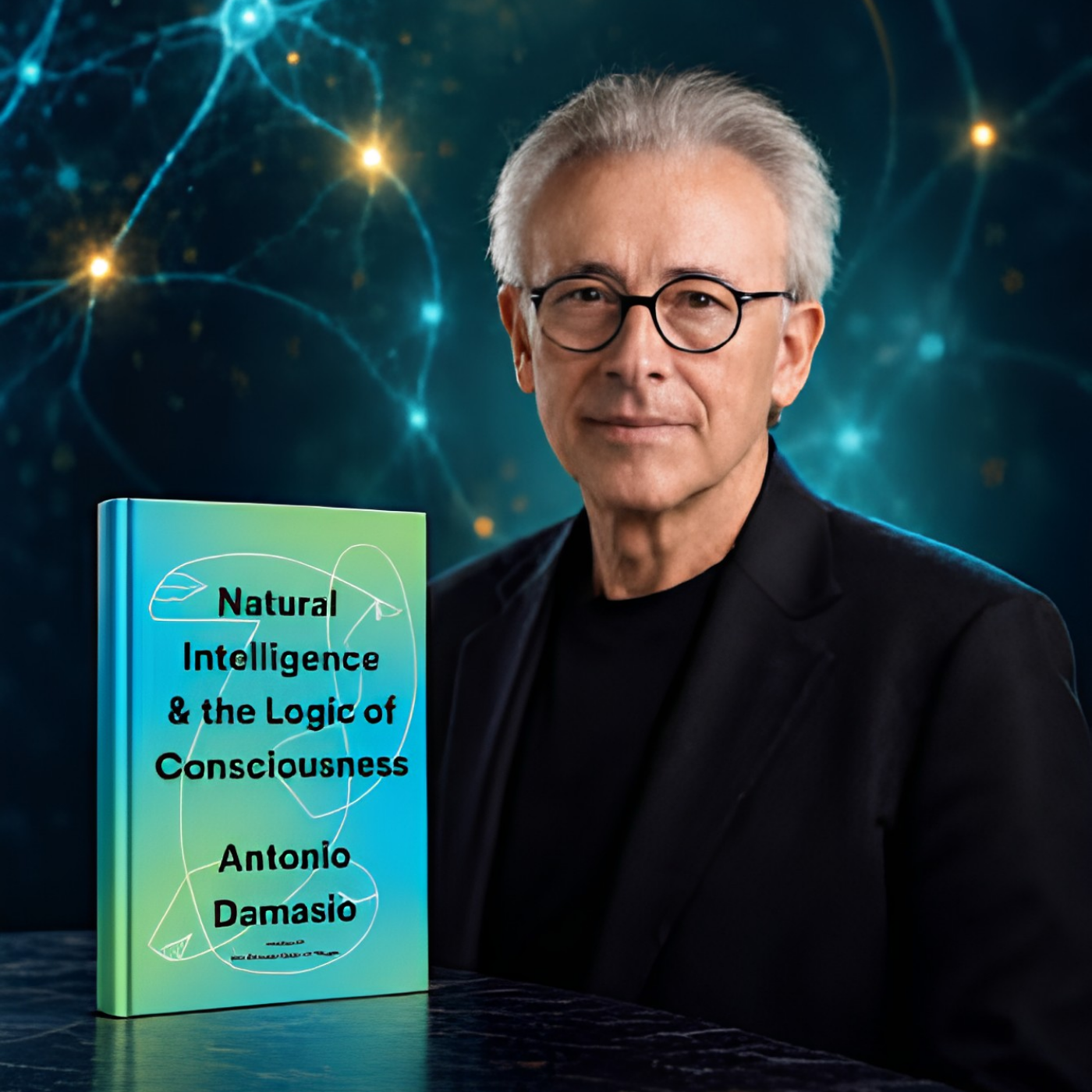 Why consciousness evolved 15.09.2026 46minDid consciousness lead to us having feelings, or was it the other way around? Antonio Damasio is David Dornsife Professor of Neuroscience, Psychology, and Philosophy, and director of the Brain and Creativity Institute at the University of Southern California. He joins host Krys Boyd to discuss why he believes consciousness came before feelings and why feelings came early in the evolutionary process. Plus, we’ll ponder how many other organisms are aware of their existence. His book is “Natural Intelligence and the Logic of Consciousness.”
 -
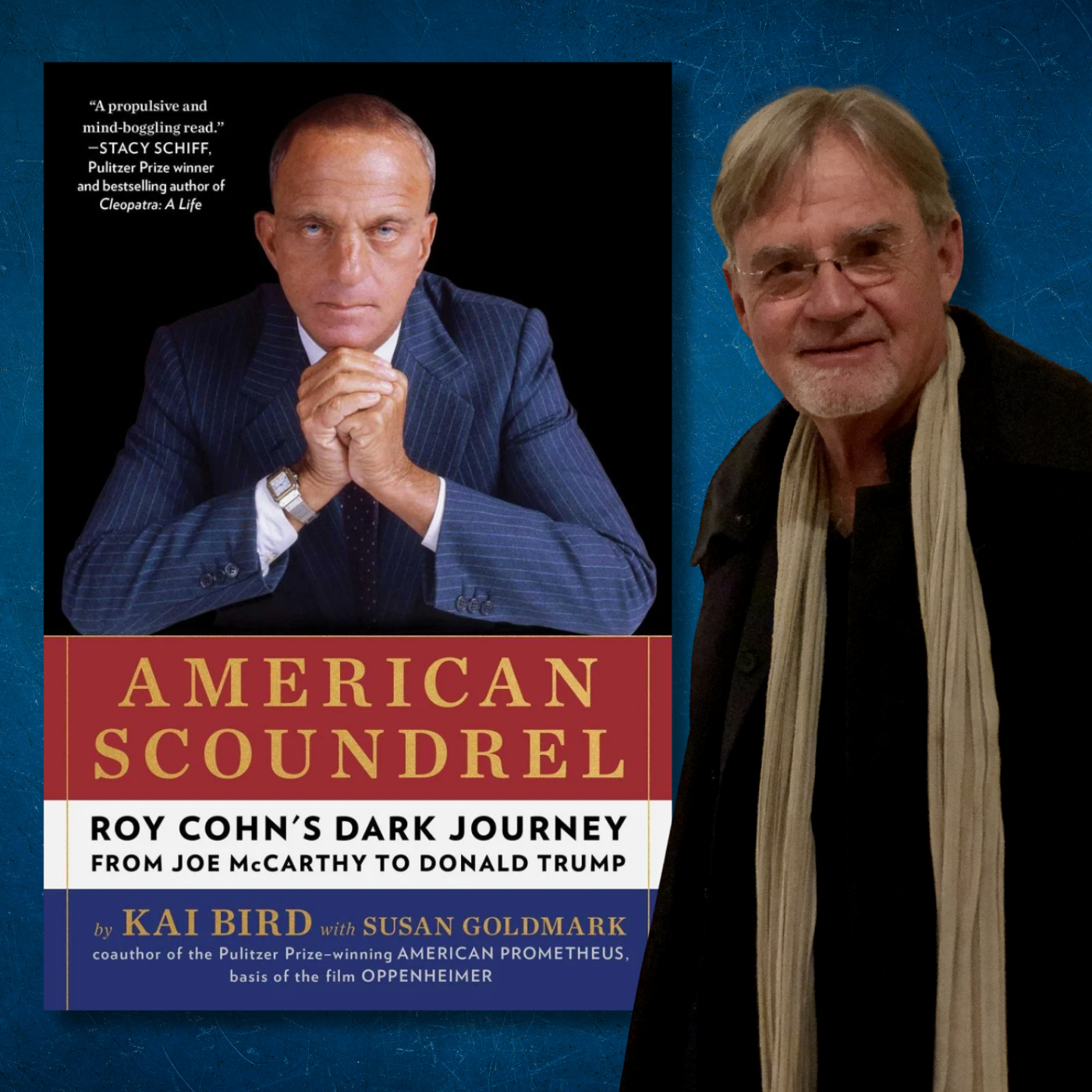 The man who taught Trump everything he knows 14.09.2026 44minThe legacy of the notorious lawyer Roy Cohn reverberates in politics today. Kai Bird is a Pulitzer-Prize winning biographer and journalist and executive director of the Leon Levy Center for Biography at the CUNY Graduate Center in New York City. He joins host Krys Boyd to discuss the life of the man who first prosecuted Julius and Ethel Rosenberg for espionage – which catapulted his career into the spotlight – his mentorship of a young Donald Trump and his eventual disbarment for unethical conduct. Bird’s book is “American Scoundrel: Roy Cohn’s Dark Journey from Joe McCarthy to Donald Trump.”
 -
 Is al-Qaeda functionally dead — or just dormant? 11.09.2026 46minTwenty-five years after the world-altering terrorism of 9/11, is al-Qaeda still a threat? Graeme Wood is a staff writer at The Atlantic, and he joins host Krys Boyd to discuss whether the terrorist organization al-Qaeda has been lying low or regenerating power in the background, why analysts are split on the answer, and how disparate jihadist groups have been essentially allowed to “franchise” the name. His article is “What Happened to al-Qaeda?”
 -
 Europe isn’t built for the heat 10.09.2026 46minParis used to be a cool 70 degrees in summer. Now it’s often 95 and climbing —with no A/C to help. Eric Klinenberg is Helen Gould Shepard Professor in the Social Sciences and director of the Institute for Public Knowledge at New York University. He joins host Krys Boyd to discuss how Europe is warming at twice the rate of other continents due to global warming, what this means for people suffering – even dying – in these heat waves, and why air conditioning can’t be the ultimate answer. His article “The End of the European Summer” was published in The New Yorker.
 -
 Some dementia patients ‘come back’ at the very end 09.09.2026 46minDays or even hours before death, some dementia patients become lucid again – and scientists want to know why. Journalist Billy Brennan joins host Krys Boyd to discuss “paradoxical lucidity,” where dementia patients seem to “wake up” and interact right before they decline again, what this “rally” means about our consciousness and brain activity before death, and why this happens more often than scientists realized. His article “Why Do Some Dementia Patients ‘Return’ Just Before They Die?” was published in The New York Times Magazine.
 -
 Do we still need post-9/11 surveillance? 08.09.2026 46minAfter the Sept. 11 attacks, the Federal government enacted laws that aimed at both protecting Americans and keeping tabs on what we do. Now that 25 years have passed, is it time for us to revisit some of them? Abigail R. Hall is an Independent Institute Senior Fellow and professor of economics at the University of Tampa. She joins host Krys Boyd to make the case that some of these laws have outlived their intended purposes and violate our liberties. Her recent article for Reason magazine is “9/11 and the Surveillance Ratchet.”
 -
 Why we haven't fixed the racial wealth gap 07.09.2026 46minMuch of America’s racial wealth gap can be traced to economic policies dating back decades and even centuries. Mehrsa Baradaran is professor of law at the University of California, Irvine. She joins host Krys Boyd to discuss the history of the wealth gap, why she believes politics keeps that gap alive for Black Americans and solutions that could alleviate the disparity. Her book is “The Racial Wealth Gap: A Brief History.”
 -
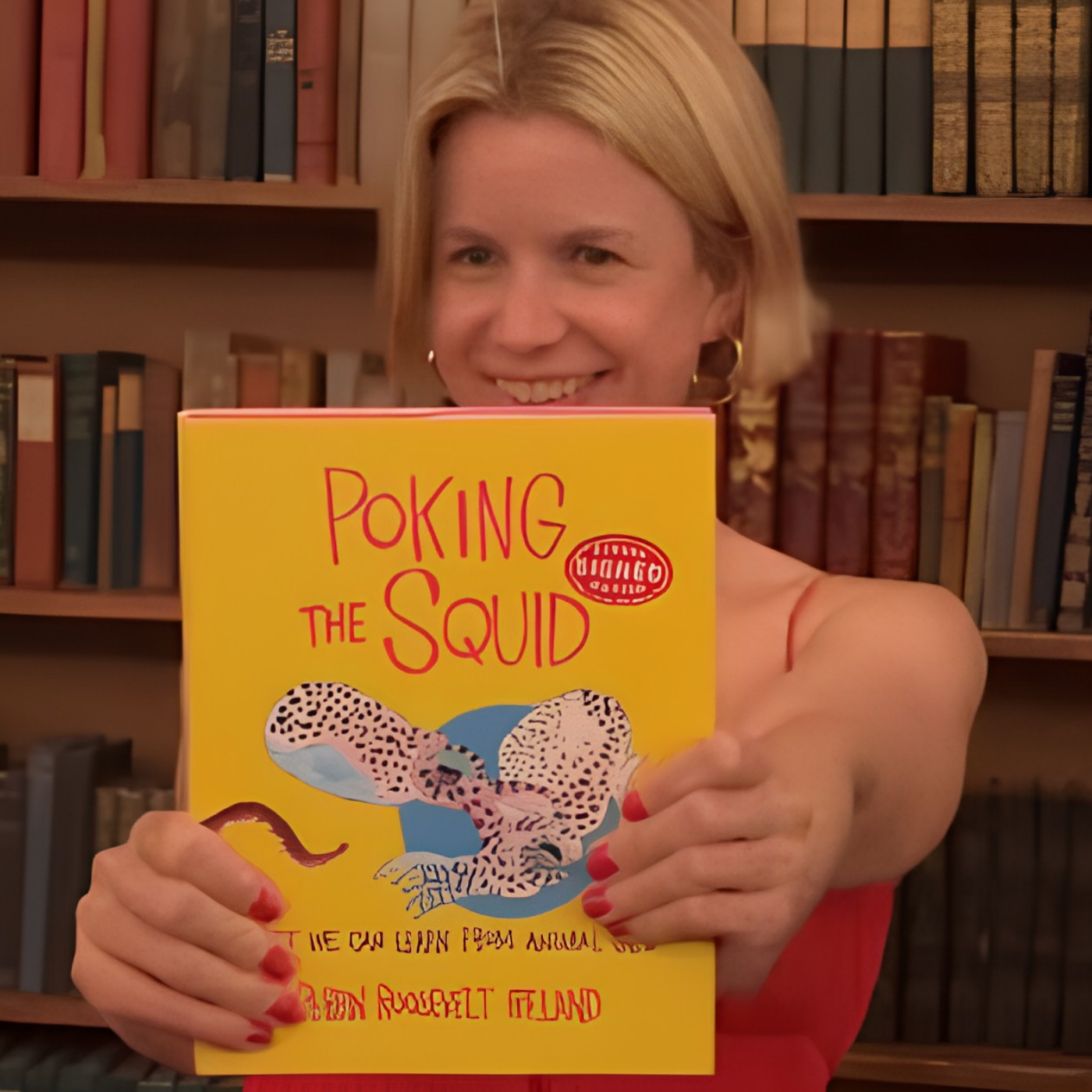 The wild sex lives of animals 04.09.2026 46minSame-sex coupledom is surprisingly frequent in the animal kingdom – scientists have found 1500 species and counting that pair up in this way. Perrin Roosevelt Ireland is an artist and environmentalist who serves on the board of the Roosevelt Institute, was an inaugural artist in residence at the New York Aquarium and is a Banff Graphic Novel Resident. She joins host Krys Boyd to discuss interesting facts about animal sex – from gender fluidity to procreation to co-parenting – and offer a glimpse into why so many species are worth saving from extinction. Her book is “Poking the Squid: What We Can Learn from Animal Sex.”
 -
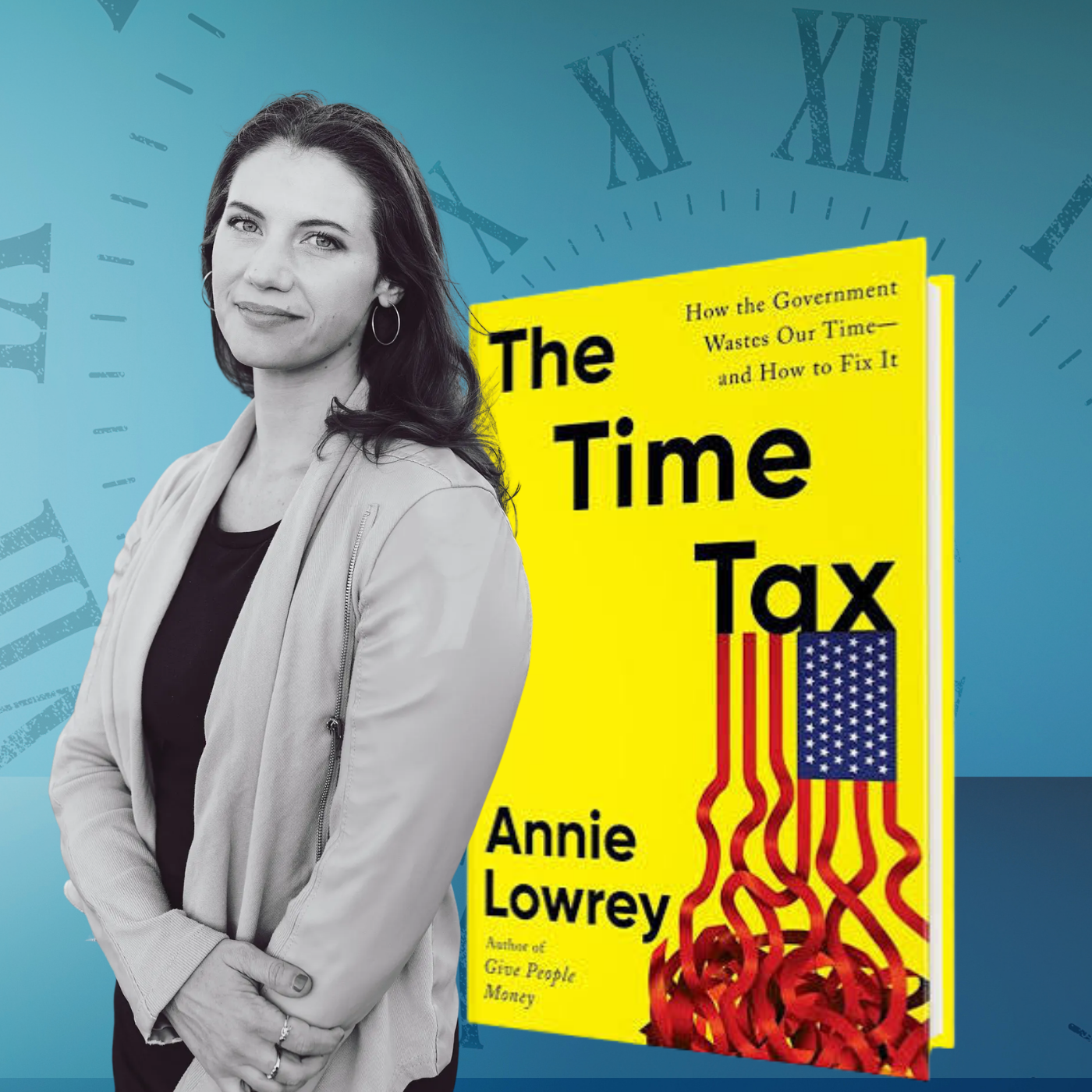 How the government wastes your time 03.09.2026 46minHave you ever stopped to consider just how much time you spend participating in government bureaucracy? Annie Lowrey is a staff writer at The Atlantic, and she joins us to talk about just how much the government makes us work for the services it provides and how those systems could become more efficient. Her book is “The Time Tax: How the Government Wastes Our Time―and How to Fix It.”
 -
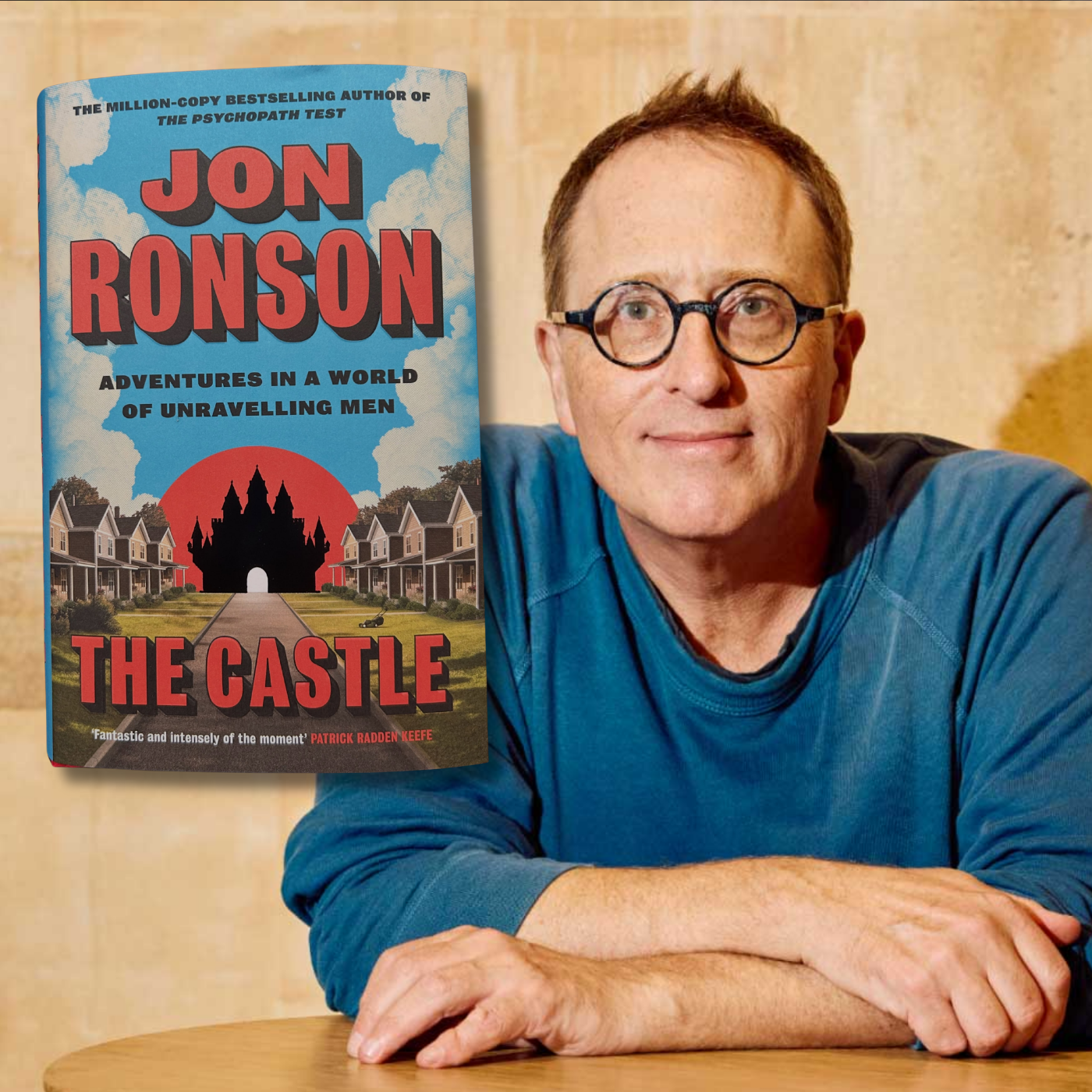 How masculinity falls apart 02.09.2026 46minMasculinity is on display in our country in all sorts of interesting – and weird – ways. After his only son was lured into this world, Jon Ronson turned his keen observational powers on this far-reaching subculture. He joins host Krys Boyd to talk about what he found, which he writes about in “The Castle: Adventures in a World of Unraveling Men.”
 -
 A former Black professor quit because of DEI 01.09.2026 46minTyler Austin Harper was on a tenure track at a college in Maine when he began to realize that the school’s DEI policies were actually burdening him as a Black man. “The inescapable conclusion I arrived at was that I had been hired to be visibly Black first and a scholar second, if at all,” he writes in an essay for The Atlantic headlined “Confessions of a Token Black Professor: Why I lost faith in academia.” He joins host Krys Boyd to talk about his experiences.
 -
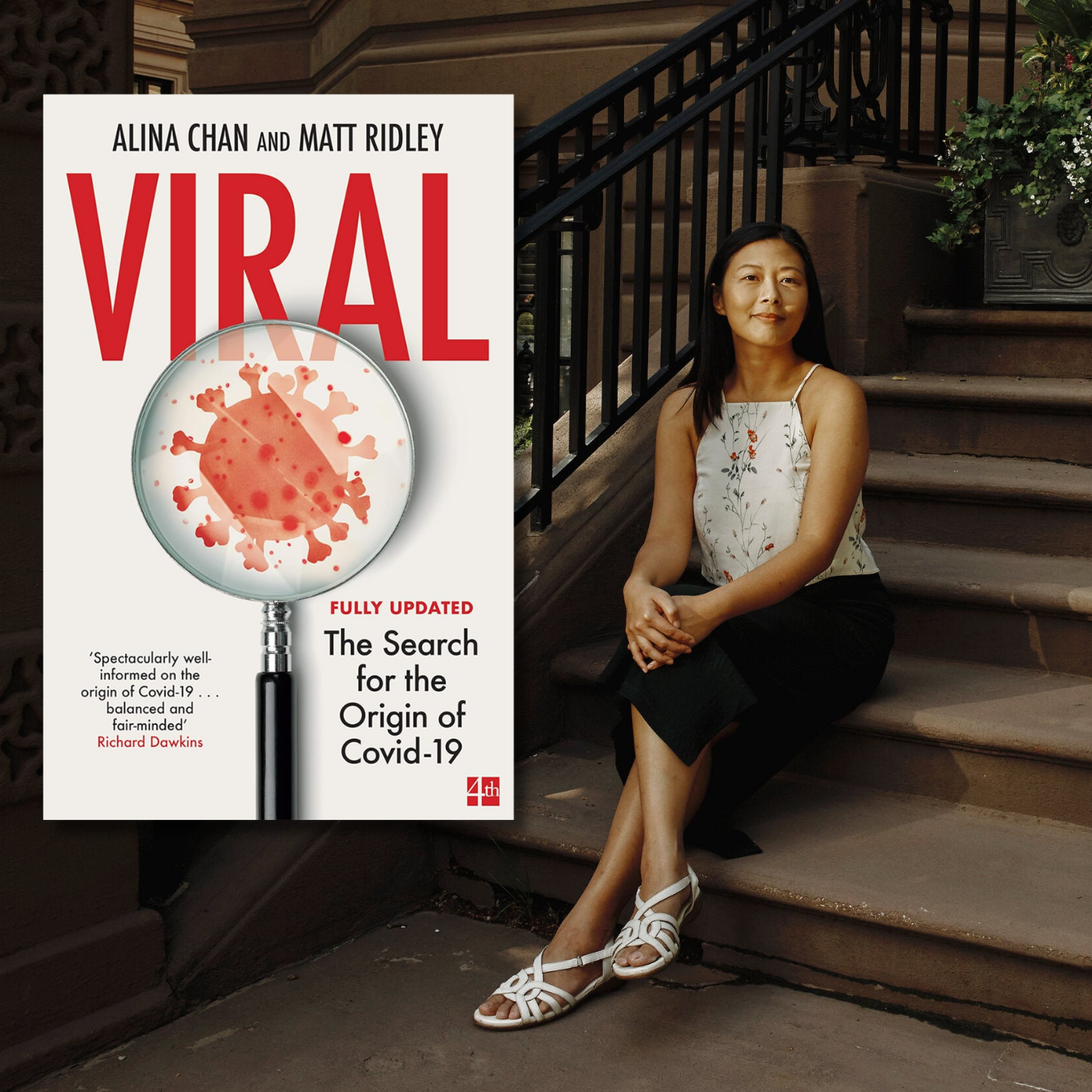 We’re one lab leak away from a pandemic 31.08.2026 44minEven after a global pandemic, researchers are fairly free to study and enhance deadly viruses in labs that have fairly low biosafety standards. Alina Chan is a molecular biologist, and she joins host Krys Boyd to talk about precautions that can be put in place that allow for important research to be conducted while protecting the public. Her recent New York Times essay is “How to Stop a Lab Leak from Starting the Next Pandemic” and her book is “Viral: The Search for the Origin of Covid-19.”
 -
 The Wisdom of Dolly Parton 28.08.2026 46minDolly Parton created and image that was glittery and bubbly, blonde wigs and rhinestone dresses – which belies the powerful brand of feminism that attracts her adoring fans. The mark her death, we’re revisiting our 2020 conversation with Sarah Smarsh, who joined host Krys Boyd to explore the creative genius of the iconic singer and actress — a prolific songwriter of more than 3,000 songs — and a pioneer for exploring class and gender issues in America. Smarsh’s book is called “She Come By It Natural: Dolly Parton and the Women Who Lived Her Songs.”
 -
 The downside of safe havens for drug users 27.08.2026 46minSome cities across the U.S. enacted harm-reduction, drug-friendly policies to stop overdose deaths – but that approach hasn’t always benefitted the general population. Michael Powell, staff writer at The Atlantic, joins host Krys Boyd to discuss Burlington, Vt., Seattle and other places where needle exchanges have made public spaces unwelcoming, what happens when leaders stand behind unpopular laws, and the lessons other cities can learn from these experiments in drug policies. His article is “The Cities That Said Yes to Drugs.”
 -
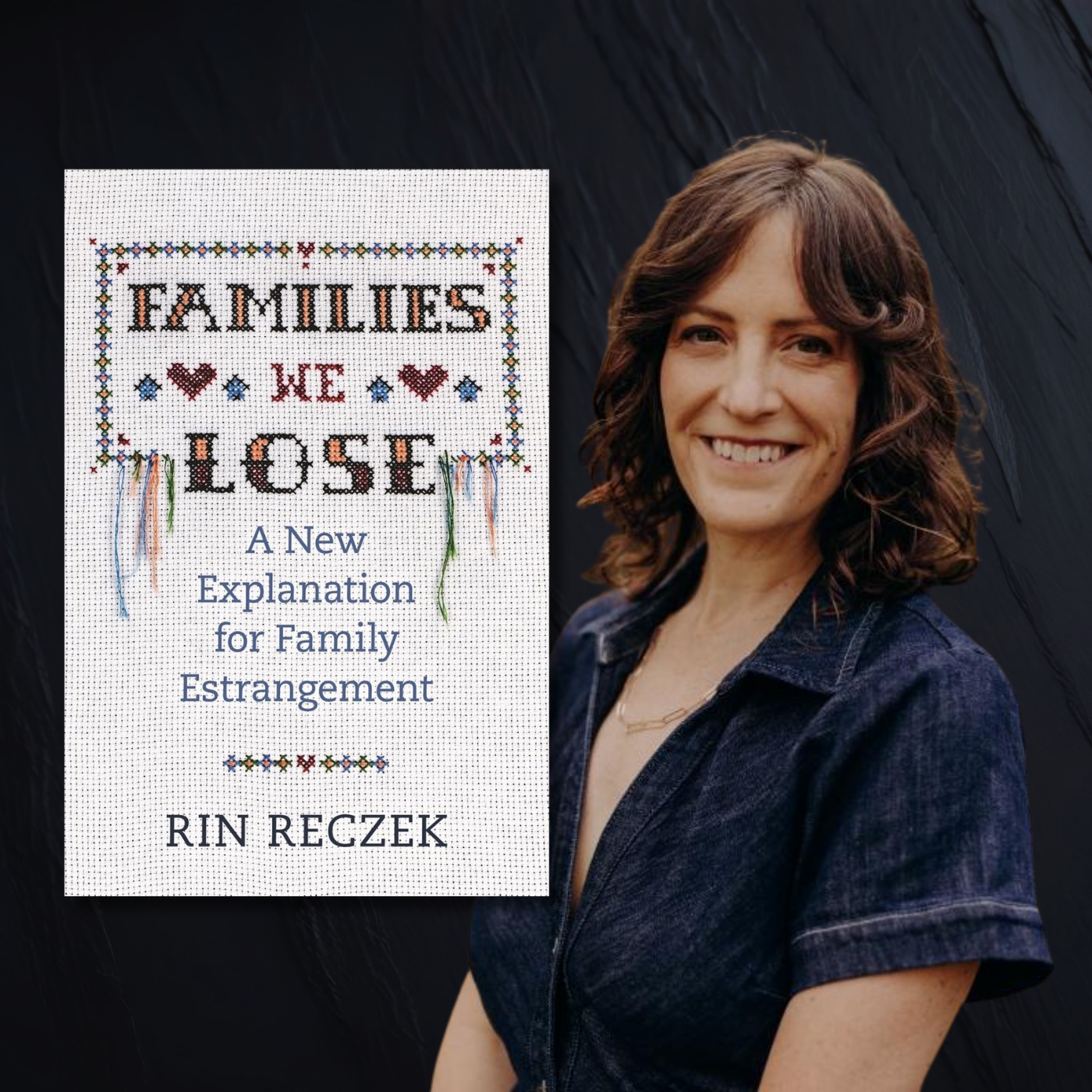 The real reason adult kids go no contact 26.08.2026 46minTo understand why people go “no contact” with their families, it helps to define what a modern family is. Rin Reczek is professor of sociology and co-director of the Center for Aging Families at The Ohio State University. She joins host Krys Boyd to discuss two distinct family units she calls “compulsory kinship” and “democratized kinship,” how they have changed over the years, and what people can lose — or gain — if they cut off contact. Her book is “Families We Lose: A New Explanation for Family Estrangement.”
 -
 Is Chinese science better than ours? 25.08.2026 46minFrom A.I. to E.V.s to pharmaceuticals and energy, China is outpacing the U.S. for global dominance. New Yorker staff writer Evan Osnos joins host Krys Boyd to discuss why, when America has pulled research funding, China is funneling billions of dollars to remake its economy, why scientists are flocking to Chinese labs, and why this should serve as a warning to isolationist government policies. His article is “The Future, Made in China.”
 -
 When children have to take care of their parents 24.08.2026 46minAcross the country, millions of children take on the job of primary caregiver to ailing family members. Dr. Helen Ouyang is a physician and associate professor at Columbia University and a contributing writer for The New York Times Magazine. She joins host Krys Boyd to discuss the teens who take on changing bandages and managing medications for family members, the lack of support for this overlooked population, and how schools are trying to meet the needs of kids who must choose between education and family obligations. Her article is “The U.S. Relies on Family Caregivers. Millions of Them Are Kids.”
 -
 You’re underestimating your brain 21.08.2026 46minWe’ve all heard of “imposter syndrome” and something similar is going on in your brain in regard to your intelligence. Dr. Josh Turknett, M.D. is a board-certified neurologist and the founder of the Institute for Performance Neurology, where he works at the intersection of neuroscience, learning and human potential. He joins host Krys Boyd to discuss why we all have the ability to unlock abilities, how intelligence is built over time and why we spend so much time telling ourselves we can’t succeed. His book is “The Genius and the Imposter: The Neuroscience of Unlocking Human Potential.”
 -
 Wrongful conviction harms victims, too 20.08.2026 45minFor every exonerated individual in the criminal justice system, there is another forgotten victim: the original victim’s family who now has no closure. Barbara Bradley Hagerty, contributing writer to The Atlantic, joins host Krys Boyd to discuss a case involving a man, Ben Spencer, who was wrongfully convicted of a crime and the family member of the murder victim, Jay Young, who now faces a future without justice. Her article is “The Other Victims of a Wrongful Conviction.”
Radiostation

Liknande podcastar


Populär i
Den här podcasten finns även i podcastlistor i dessa länder.

