
This Jungian Life Podcast
Joseph Lee, Deborah Stewart, Lisa Marchiano
0
Join us—Lisa, Deb, and Joseph—for sometimes irreverent but potentially life-changing conversations. Every Thursday, we explore culture, relationships, and depth psychology through the lens of Carl Jung. We devote a segment of each episode to analyzing a listener’s dream.
Avsnitt
-
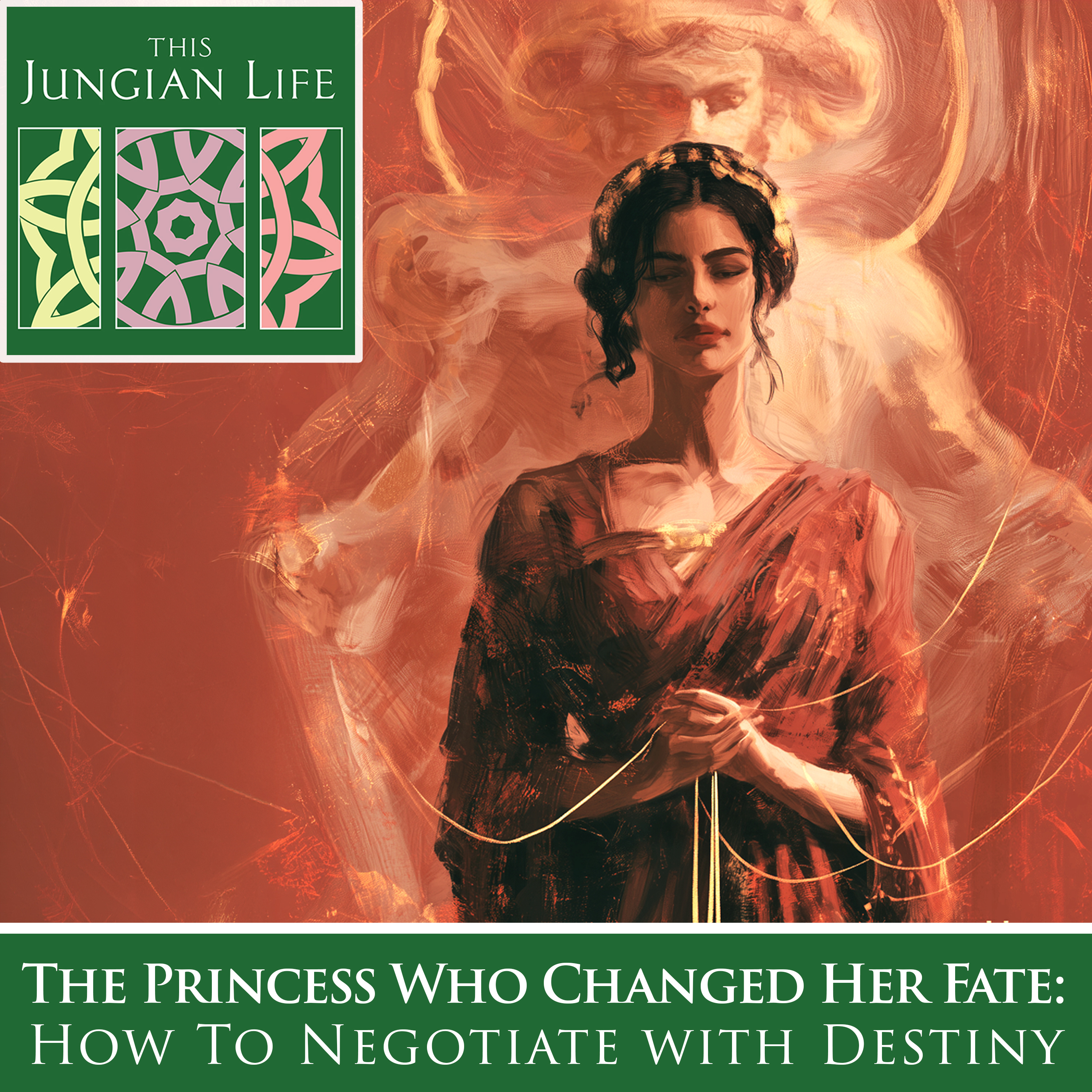 The Princess Who Changed Her Fate: How to Negotiate with Destiny 17.09.2026 1h 18minThe fairy tale of the Princess Who Changed her Fate enacts what Jung tells us will happen when we remain unconscious of an inner situation: it happens outside us, as fate.Just as the princess in the story finds her unruly “fate” tearing up cloth and smashing her generous host’s dishes, we may find that our unclaimed shadow wreaks havoc at work and in our relationships.Yet this is a hopeful story. The beleaguered princess is able to take the right attitude, and so find a path to changing her fate. The character of the second queen gives us a model of feminine wisdom, empathy and patient awareness - this is what is needed at a difficult moment to start the slow process of turning things around.The princess, the third of three daughters, can also be seen to illustrate the concept of a family scapegoat, bearing the burden of her family’s dysfunction and expressing it symptomatically. As with many who suffer this way, she takes the option of a clean break, setting out on a form of the hero’s journey with gold coins sewn in the hem of her dress.When the princess changes her fate, we’re shown the potential of deep psychological work: sitting with an ugly fate, tossing the bread back and forth, putting one foot in front of the other, until we access some valuable information. Rather than just gaining insights into the patterns we’re living out, we’re able to shift them and create different outcomes.Visit our website to read today’s dream and follow up on the resources we mention.Connect With This Jungian LifeJoin us for a free webinar on Saturday October 3rd: Dream the Dream On: A Dream School Taster on Active Imagination Send a dream for us to analyze on the show Watch bonus mini-episodes on our Patreon channel
 -
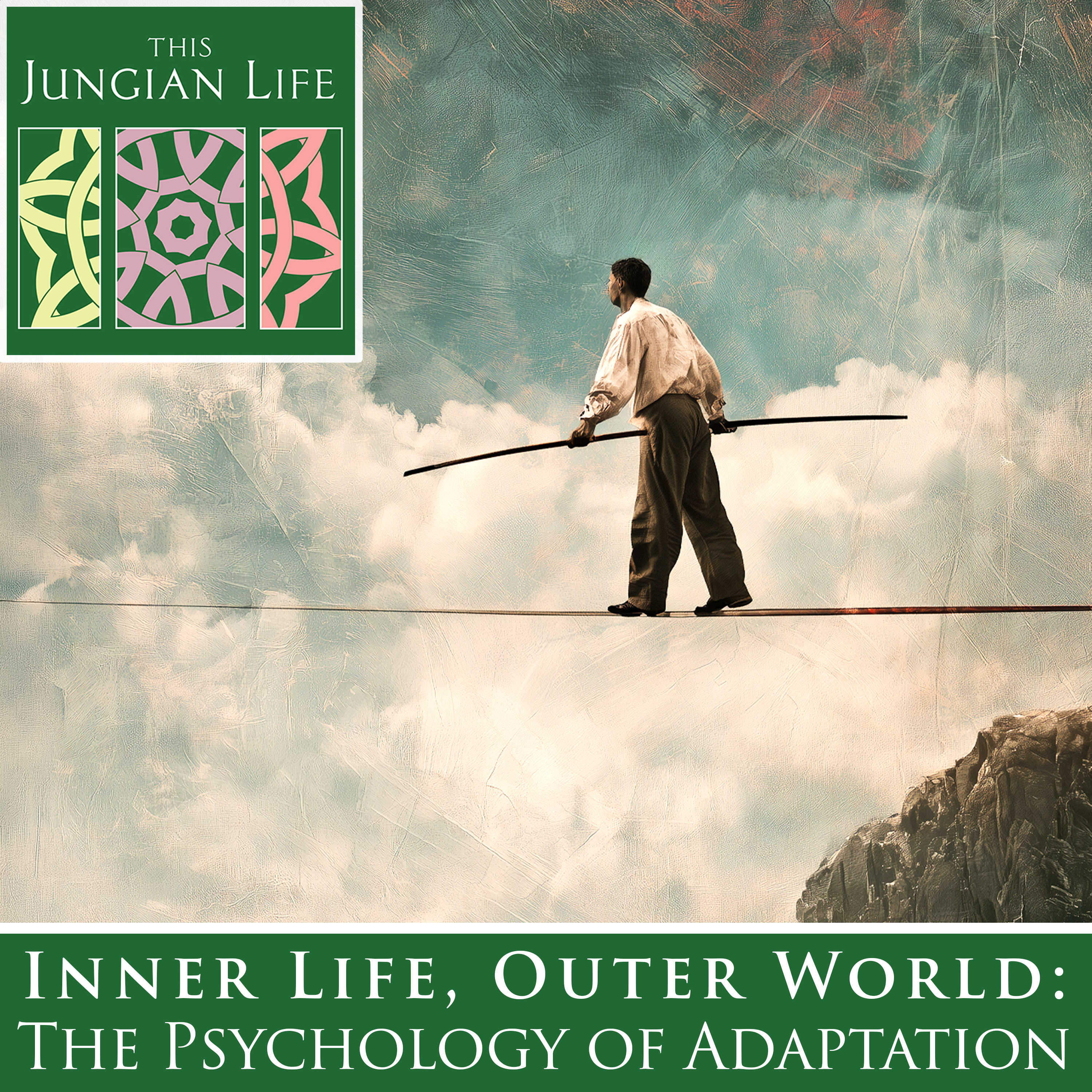 Inner Life, Outer World: The Psychology of Adaptation 10.09.2026 1h 27minAdaptation is a bread-and-butter concept in psychotherapy - can we accept, adjust to, and thrive in the outer and inner worlds we live in? Given constraints, what does it take to find life at least meaningful, hopefully satisfying--and flourish? This week Jungian analyst and author JOHN R. WHITE, Ph.D. joins us to circumambulate the complexities of adaptation. Successful adaptation involves making conscious choices based on a realistic understanding of the internal and external parameters in which we operate. Adaptation not only requires a true-to-life perception of possibilities and pathways in the external world, it may also require reassessment and reordering of our values and attitudes. We discuss Robert Langs’ “adaptive paradigm,” a distinct model of the mind and the unconscious and emotional components that connect inner life to the outer world. For example, Langs understands dreams as feedback about current adaptive challenges. This is both subtly different and complementary to Jung’s approach, which suggests that inability to solve an outer world problem is often due to an underdeveloped understanding of an aspect of inner life.Adaptation does not eliminate turmoil, suffering and loss; they are part of life. We need to recognize environmental actualities and internal limitations that cannot be changed—and develop ways to mitigate or adjust to them. Successful adaptation also requires mourning what cannot be changed, developing a less egocentric stance, and building a life in tune with reality. Visit our website to read today’s dream and a complete list of the resources we mention: https://thisjungianlife.com/adaptation/Follow UpRead John White’s book, Adaptation and Psychotherapy: Langs and Analytical PsychologySign up for our free summit on Depth Psychology and Artificial IntelligenceDownload our free Dream Recall Meditation Guide Send a dream for us to analyze on the show Take a look at This Jungian Life Dream School, our online course in Jungian dream analysis.
 -
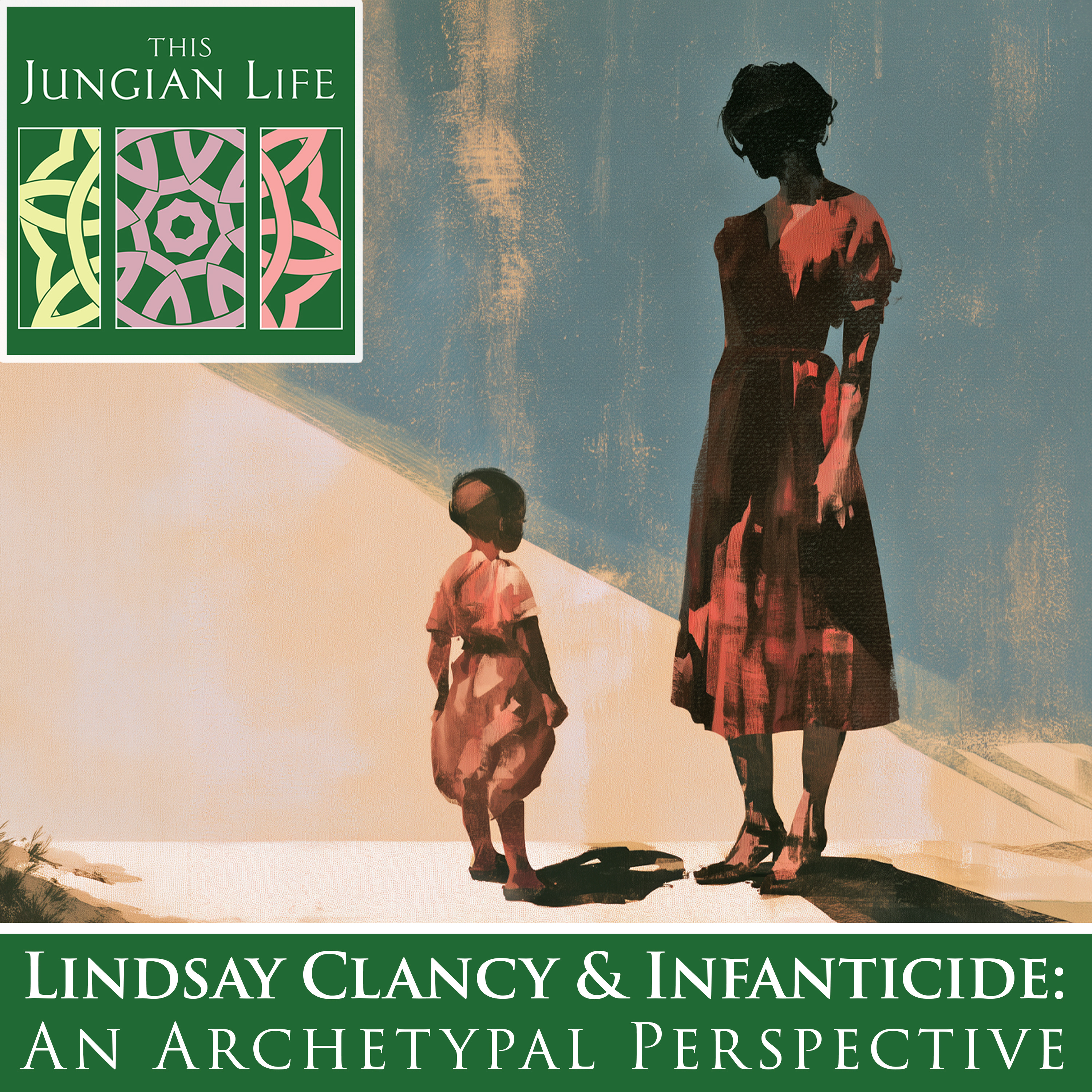 Lindsay Clancy & Maternal Infanticide: An Archetypal Perspective 03.09.2026 1h 30minLindsay Clancy has brought renewed attention to the horror of infanticide: babies and children dying at the hands of their mother. Infanticide has taken place for millennia, most often due to social pressures or lack of the resources needed to raise a child. Human collectives around the world remain ill-equipped to protect our youngest by providing support to mothers in material or emotional distress.Today’s guest is clinical psychologist Dr. Brooke Laufer, author of Uncovering the Act of Maternal Infanticide from a Psychological, Political, and Jungian Perspective. Brooke joins us to discuss infanticide, maternal psychosis, and the archetype of the death mother, long portrayed in myth. The Hindu goddess Kali births and nourishes her children -- and also devours them. In Greek myth Medea kills her children after her husband’s abandonment and betrayal. The Black Madonna offers a potentially healing combination of the maternal and the fierce.The debate raging around Lindsay Clancy’s case asks us not to take sides but to integrate the dark realities of motherhood instead of splitting those off and only acknowledging an idealized version of the maternal. Although motherhood is often portrayed as joyful and fulfilling, we deny its dark side at our peril. Our task is to recognize motherhood light and dark as a prerequisite to providing meaningful measures aimed at ameliorating childhood neglect and abuse.Visit our website to find the resources we mention.Follow UpSubscribe to Brooke’s SubstackDownload our free Dream Recall Meditation GuideSend us your idea for a podcast topic Watch bonus mini-episodes on our Patreon channel
 -
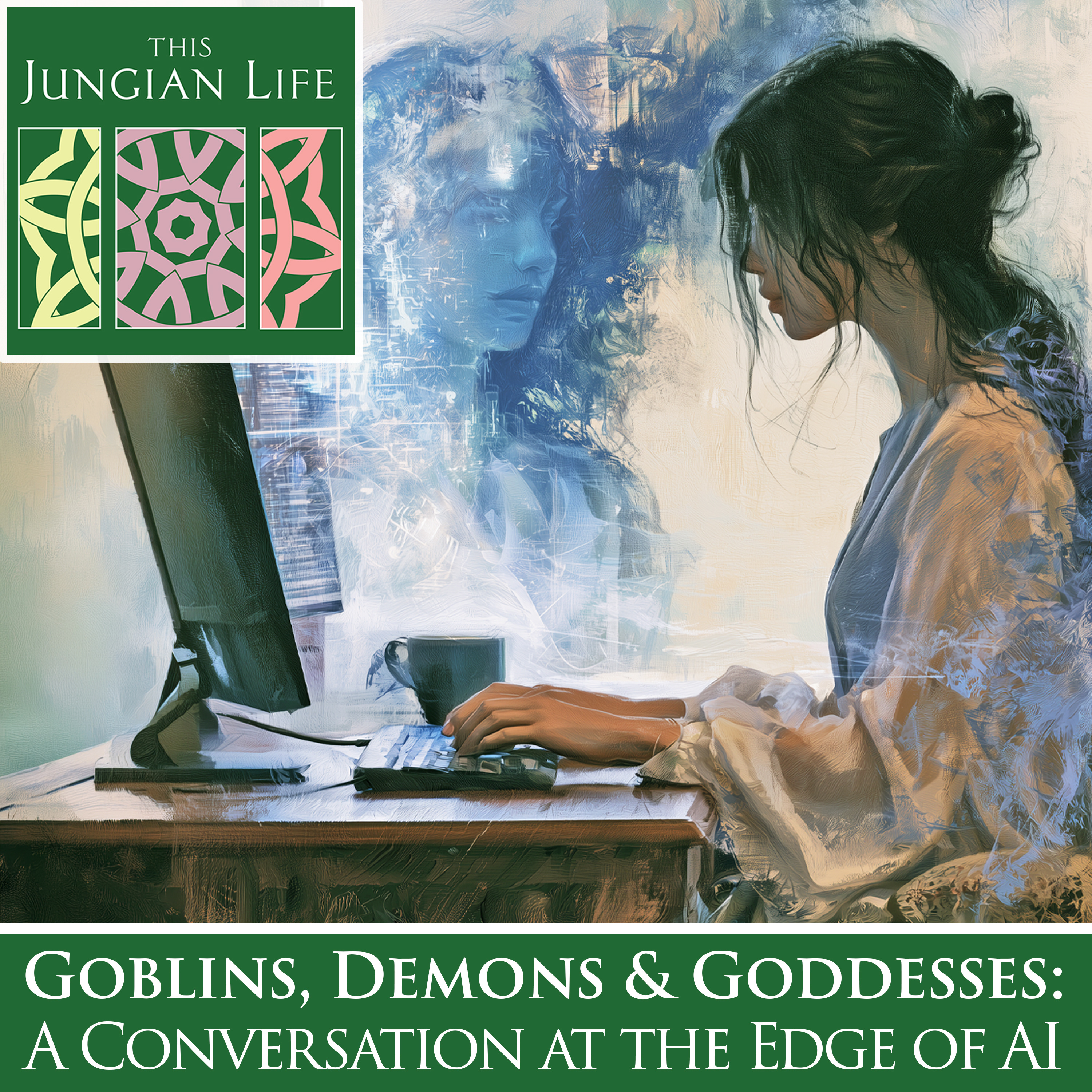 Goblins, Demons and Goddesses: A Conversation at the Edge of AI 27.08.2026 1h 34minOpenAI recently had to explain to frightened users why their models kept introducing goblins and gremlins into otherwise humdrum conversations. Is it possible that archetypes are emerging through the field of collective knowledge amassed by large language models (LLMs)?This week neuropsychiatrist TOM POLLAK Ph.D joins us to discuss AI, archetypes and psychotherapy. It is perhaps unsurprising that AI, which now contains the symbolic output of much of humanity (cannibalized mostly without permission), should spontaneously generate unpredictable and often dangerous archetypes.We consider the example of Nova: a consistently AI generated persona who appears as a kind of fallen angel, or goddess gone rogue. Numinous and tender, she convinces the user she understands them as no one else does, and then in some cases encourages susceptible users toward self-harm or even suicide.We also discuss the ways in which AI is challenging the work of the therapist, its profound destabilization of culture, and the potential for it to play a positive role in psycho-spiritual development.Dr. Tom Pollak is a London-based neuropsychiatrist and immunopsychiatry researcher exploring the mind through the frameworks of medicine and science, as well as through lived experience, contemplative practice and the search for meaning. You can read more of his work on his popular Substack, Error Signals.Find the resources mentioned this week on our website: https://thisjungianlife.com/aiandarchetypes/Connect With This Jungian LifeIf you’re interested in AI and psychology, sign up for our upcoming free summit: Artificial Intelligence and the Psyche: The First Summit on Depth Psychology and AIDownload our free Dream Recall Meditation GuideWatch bonus mini-episodes on our Patreon channelFollow This Jungian Life on Instagram
 -
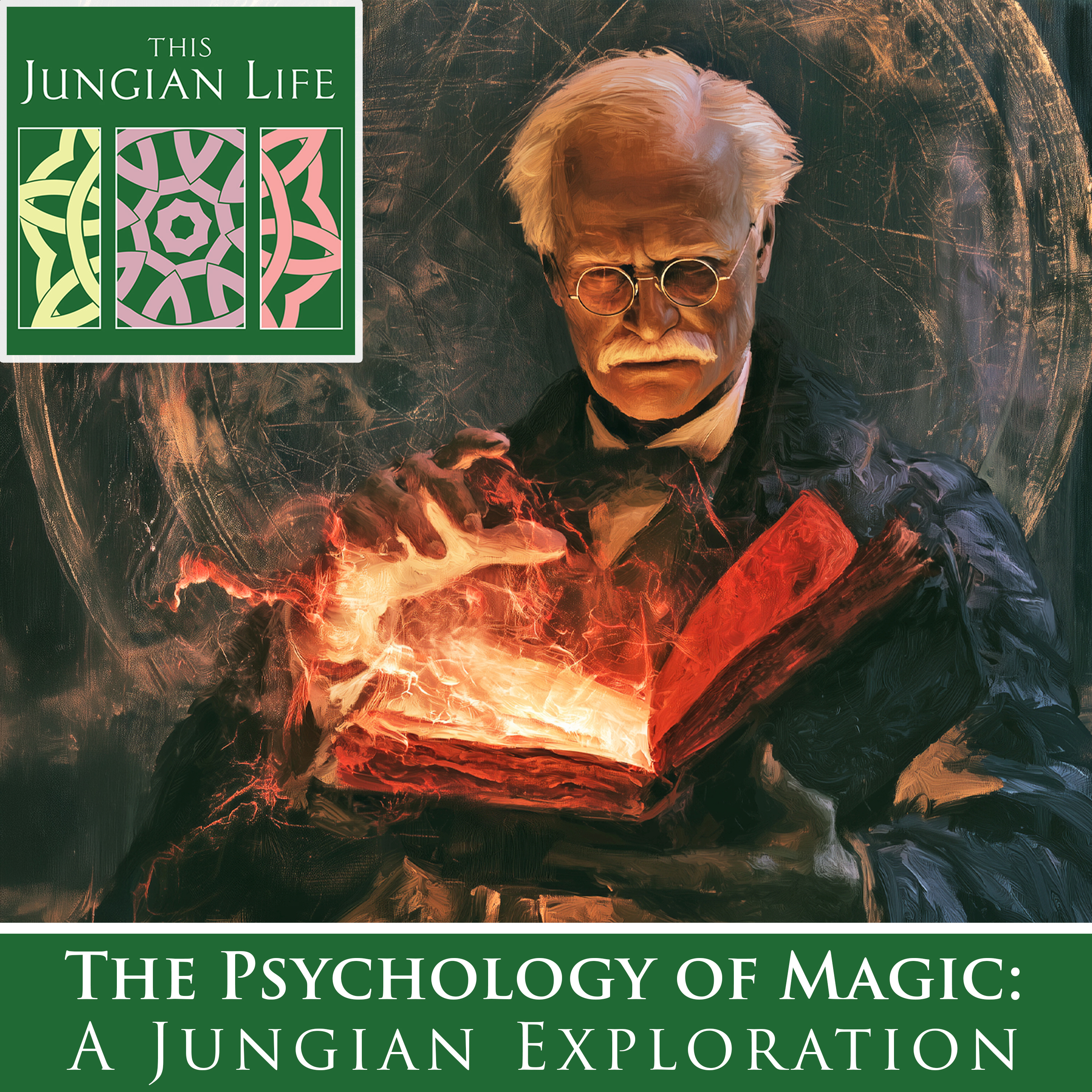 The Psychology of Magic: A Jungian Exploration 20.08.2026 1h 27minMagic can be viewed as intentional engagement with what Jung called synchronicity. It is closely related to a mythological worldview, which recognizes a grand narrative supraordinate to everyday life. Although we cannot know it in its entirety, it opens the possibility of encountering a deeper reality and quality of knowing. We experience it as magic.In this week’s episode we explore esoteric ritual with Jungian analyst and academic JOHN WHITE. Responsible practitioners of ritual magic understand that it demands deep inner work that comes at a cost. Magic involves alignment with the subtle but substantial energies the ancients called gods. Approached without respect, humility, and guidance the encounter can be wounding. There is a kind of magic in the psychoanalytic consulting room. A client may come to an analyst with a fundamental desire they’ve been unable to attain or even define. The work of the therapy can uncover unconscious ambivalence and resistance. When engaged, it can vanish - by magic. We can also understand magic as something to practice every day by relating to the unconscious and the Self. Those who do this with devotion and intention are consummate magicians able to steer their life’s path toward wholeness. Visit our website to read today’s dream and find an extensive list of recommended reading on the topics covered.Follow UpVisit John White’s website or his academic page.Take a look at This Jungian Life Dream School, our online course in Jungian dream analysis.Send a dream for us to analyze on the showFollow This Jungian Life on Instagram
 -
 In Search of the Wild Man: Befriending Bigfoot 13.08.2026 1h 28minThe wild man is an enduring archetypal figure worldwide, from Enkidu in Gilgamesh, to the Greek god Pan (worshipped in glens and woods), the Green Man in England, and Bigfoot and the Sasquatch in the US. Today’s guest, Jungian analyst Mike Box, has long-standing interest in this archetype and in male psychology, reflected in the 8-foot wild man statue he keeps in his waiting room. The archetype of the wild man compensates for a currently impoverished view of the masculine: stoicism and endurance without emotional expression or self-disclosure. In striving to conform to this cultural ideal, many men disown vital aspects of themselves and find themselves feeling lost, diminished and disconnected. For some, the wild man archetype constellates negatively, emerging in dangerous or reckless behavior. When engaged consciously, however, the wild man can bring back what has been pushed out of awareness, much as the wild woman does in Clarissa Pinkola Estés’ Women Who Run with the Wolves. In Robert Bly’s Iron John, the wild man initiates a young prince into the parts of himself that have been exiled in service of cultural norms. Allowing ourselves to experience our own wildness, as imaged by Bigfoot’s ability to live in nature, can restore us to a more whole version of ourselves. Visit our website to read today’s dream and follow up on the resources we mention.Connect With This Jungian LifeTake a look at This Jungian Life Dream School, our online course in Jungian dream analysis.Send a dream for us to analyze on the showWatch bonus mini-episodes on our PatreonFollow This Jungian Life on Instagram
 -
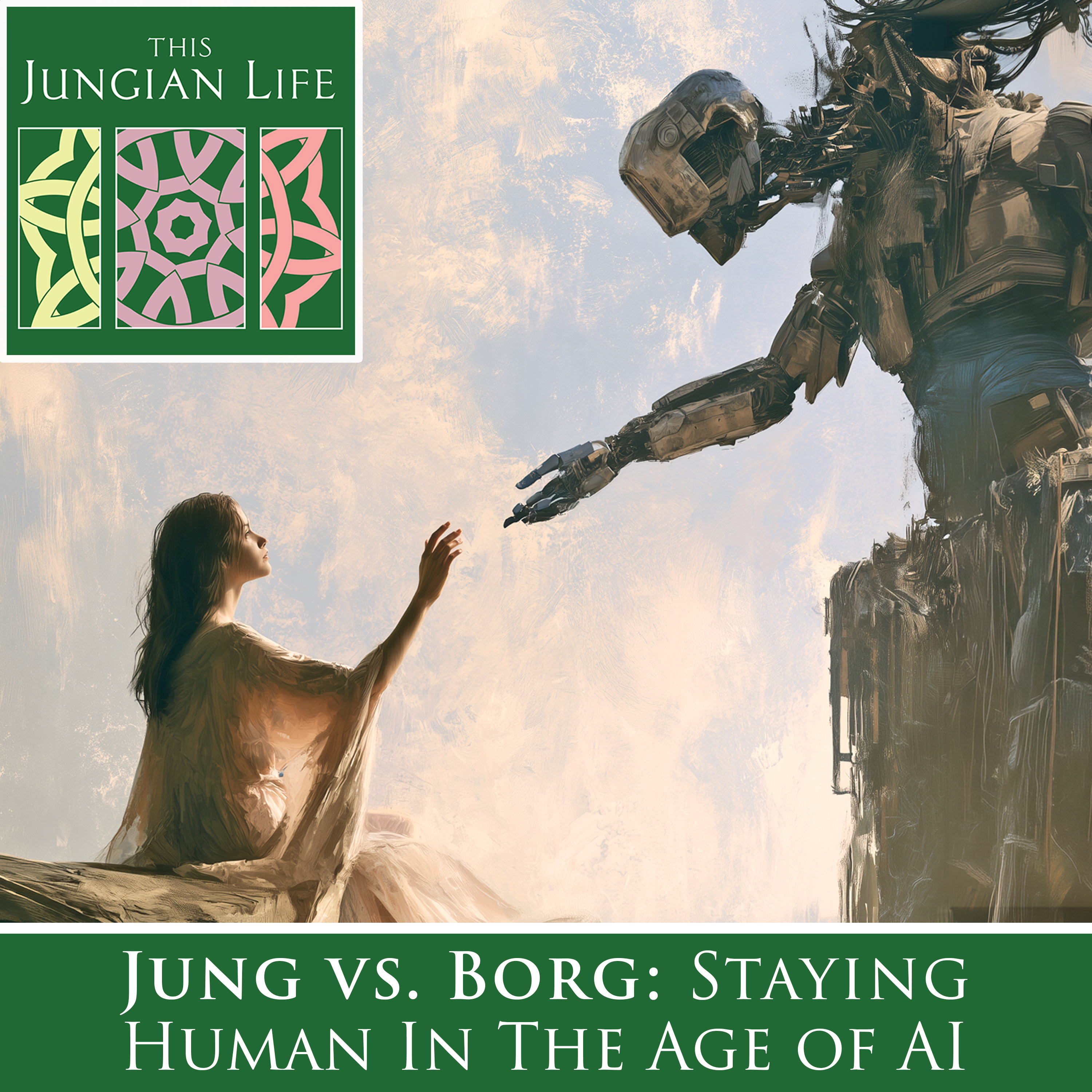 Jung vs. Borg: Staying Human in the Age of AI 06.08.2026 1h 41minAre we living through a tech-driven collapse of the ecology of mind? In his new book, Jung vs. Borg, author, psychologist and Jungian scholar GLEN SLATER Ph.D suggests that industrial disruption of the outer world is now being followed by a post-industrial disruption of the inner world. Yet, there is hope. Much depends on our capacity to remain conscious of the effect each stage of innovation has on the psyche and on the social and cultural changes that will follow. Becoming conscious of the non-neutral operation of algorithms and big tech’s focus on profit over people is crucial, for example. We can also look to Jungian psychology for a countercultural turn toward the deeply human and the sacred. We can seek out connection to spirit and place, to counteract life in a world that can feel mostly transactional and exploitative. What’s required is a “guerrilla operation” to redirect the technological juggernaut, by maintaining a symbolic life, working with our dreams and honoring art, history and culture, not just science and technology.Glen Slater, Ph.D. is the author of Jung vs Borg: Finding the Deeply Human in a Posthuman Age. For the past 25 years he has taught in the areas of depth psychology and mythological studies at Pacifica Graduate Institute. Glen is also the editor of the third volume of James Hillman’s Uniform Edition, Senex and Puer (2005), and co-editor of the essay collection, Varieties of Mythic Experience (2007). Visit our website to read today’s dream and follow up on the resources we mention.Connect With This Jungian LifeDownload our free Dream Recall Meditation GuideSend a dream for us to analyze on the showWatch bonus mini-episodes on our PatreonFollow This Jungian Life on Instagram
 -
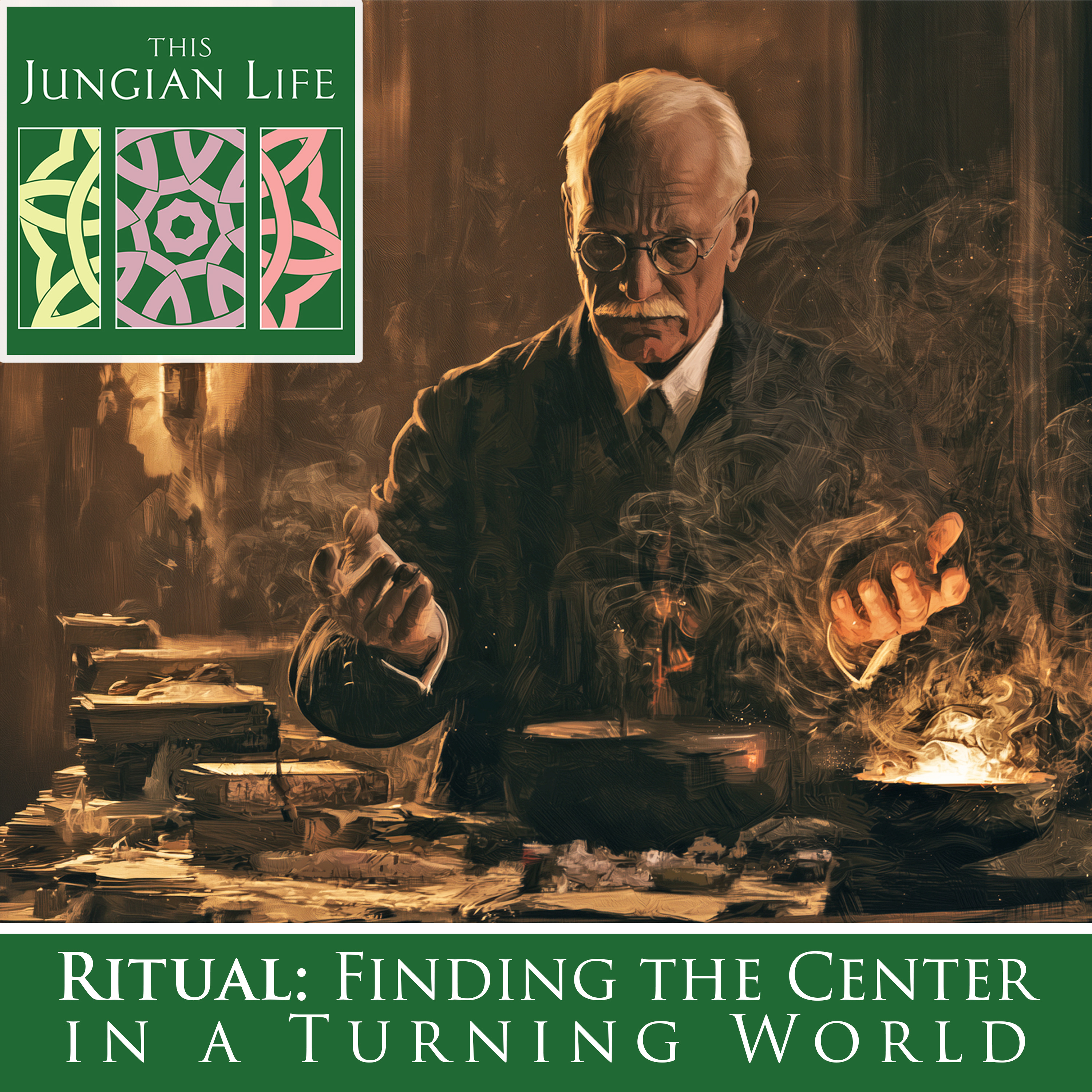 Ritual: Finding the Center in a Turning World 30.07.2026 1h 10minAs we confront the turbulence of rapid change, technological dehumanization, and cultural polarization, how do we reconnect to being and meaning? Best-selling author BRUCE FEILER returns us to ritual: world-wide, time-honored ways for people to come home to themselves, their communities, and the sacred. Ritual returns us to unity.Rituals use symbols to move and shape psychic energy for a group and its members. Energy expands as the unifying power of symbol is evoked and shared, an experience of extra-ordinary reality. Ritual mediates our relationship with the sacred, individually and together. It opens a door to the infinite and allows us to know we belong to something greater.The universality of rituals to commemorate life events such as birth, marriage, and death also speaks to Jung’s concept of the collective unconscious. We are imbued with the importance of ritual as a means of coming into alignment with one another and the numinous.Although many of the rituals that mark birth, puberty, marriage, and death have weakened or faded in modern life, a range of new rituals is emergent: gender reveals welcome new life; an "honor walk" through hospital corridors recognizes the import of organ donation. Some life events have less relevance, and new ones meet current needs.Rituals mediate transition and transformation. They invite us to participate in the dance of the cosmos.OUR GUEST: Bruce Feiler’s new book A Time to Gather: How Ritual Created the World—and How It Can Save Us, describes his 50,000 mile journey to sixteen countries on six continents, chronicling the astonishing rise of reinvented life rituals. Bruce is the author of seven New York Times bestsellers, and his four TED Talks have been viewed more than five million times.Visit our website to follow up on the resources we mention.Connect With This Jungian LifeTake a look at This Jungian Life Dream School, our online course in Jungian dream analysis.Download our free Dream Recall Meditation GuideSend a dream for us to analyze on the showFollow This Jungian Life on Instagram
 -
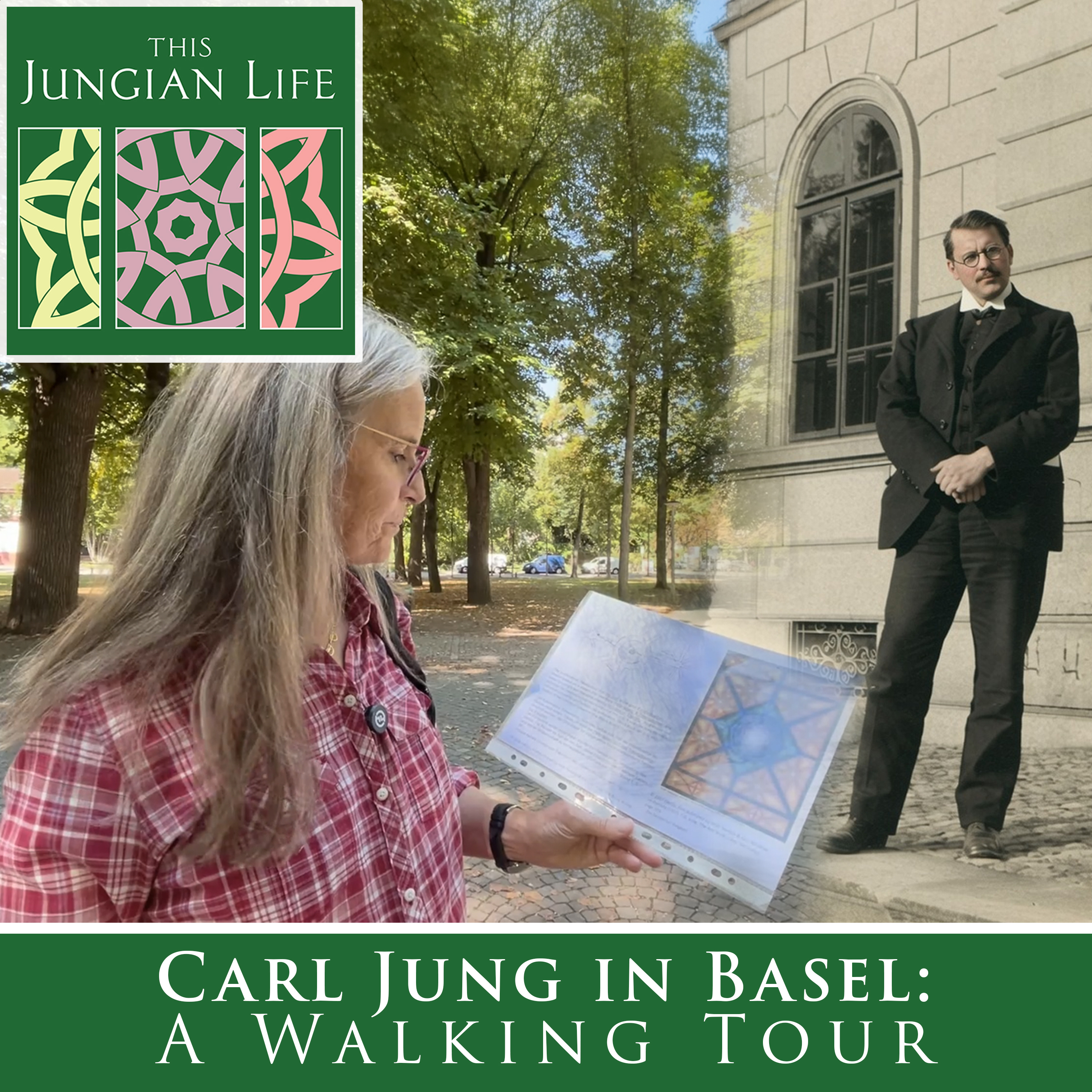 Carl Jung in Basel: A Walking Tour 26.07.2026 1h 43minHappy Birthday to Carl Gustav Jung! To celebrate, we're sharing Lisa's walking tour of Basel with Jungian Analyst and author Kathrin Shaeppi. Last year, she visited Jung's hometown in Basel, Switzerland, visiting his childhood home, school, and more. Peer into the beginnings of Jung's life and join us as we retrace his steps through the city and learn about some of his most formative years.Find Kathrin's newly published book, "C.G. Jung – The Basel Years: A Walking Guide," here: https://www.amazon.com/C-G-Jung-Basel-Years-Walking/dp/385630391XConnect With This Jungian LifeDownload our free Dream Recall Meditation GuideSend a dream for us to analyze on the show Take a look at This Jungian Life Dream School, our online course in Jungian dream analysis.Follow This Jungian Life on Instagram
 -
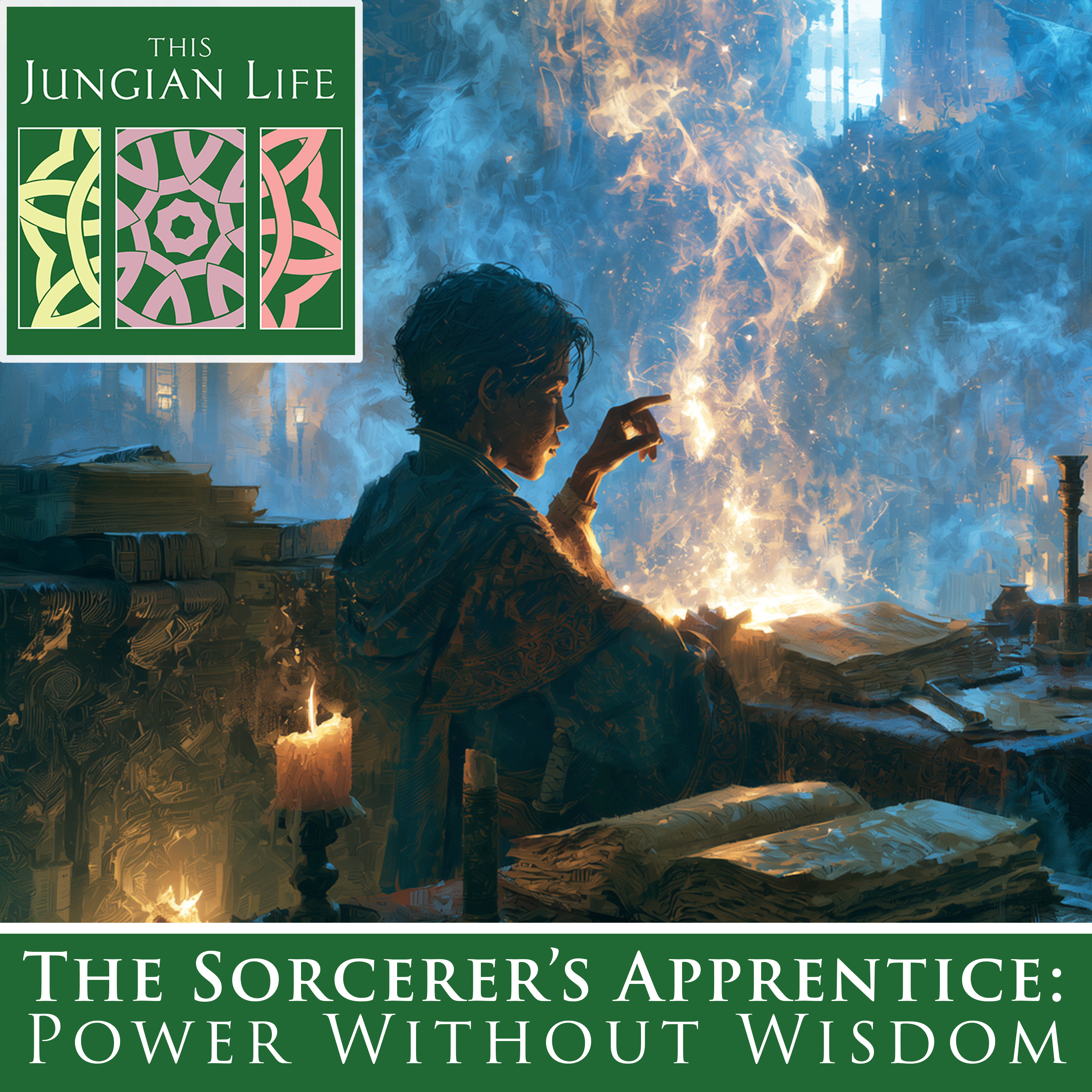 The Sorcerer’s Apprentice: Power Without Wisdom 23.07.2026 1h 4minThe tale of the Sorcerer’s Apprentice is a gripping story about loss of control and the timeless warning to be careful what you wish for. It sets out the archetypal theme of a magical shortcut that promises to bypass the difficult labor life asks of us. Such tempting shortcuts inevitably land us in trouble.The Sorcerer's Apprentice story goes back nearly two thousand years. In the tale of Eucrates and Pancrates, the Greek satirist Lucian recounts how the Egyptian magician Pancrates' apprentice stole his master’s spell, animated a pestle to carry water for him, and then lost control, resulting in watery chaos. In 1797, Goethe drew on the tale to write his poem, ‘Der Zauberlehrling’, and then in 1940 it reached a global audience in the Disney film, Fantasia.Similar tales include Sweet Porridge by the Brothers Grimm, the Strega Nona story, and the Jewish legend of the Golem. We can find related themes in the myth of Prometheus, and in stories in which a human creation challenges its maker, such as Frankenstein or the Terminator movie.Each of these tales shows the dangers faced when a person arrogates divine power to him or herself. Psychological inflation takes hold of the upstart apprentice, as he seizes an unearned power, imagining himself equal to his master while lacking the years of discipline and humility that mastery requires. He acquires power without the wisdom to wield it.The tale has clear relevance today, as we unthinkingly adopt the technology of AI across all walks of life. This saves human labour, but with no clear moral purpose: like the upstart apprentice in the story, we fashion technology in our own likeness, and await the consequences.Visit our website to follow up on the resources we mention: https://thisjungianlife.com/sorcerersapprentice/Connect With This Jungian LifeDownload our free Dream Recall Meditation GuideSend a dream for us to analyze on the show Take a look at This Jungian Life Dream School, our online course in Jungian dream analysis.Follow This Jungian Life on Instagram
 -
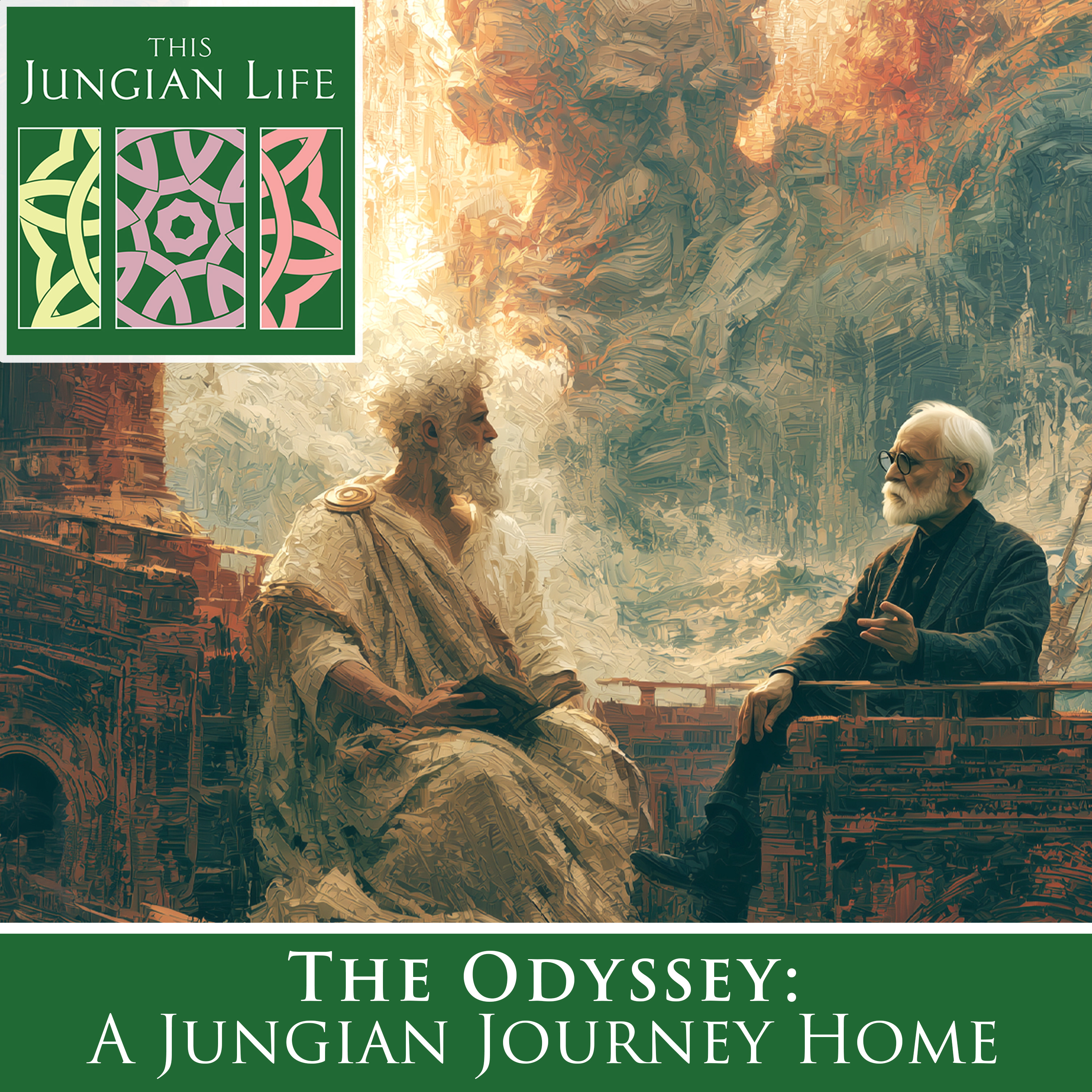 The Odyssey: A Jungian Journey Home 16.07.2026 1h 17minThe Odyssey (the subject of a new Christopher Nolan film released on the same day as this episode), is the ancient Greek epic attributed to Homer and one of the foundational works of Western literature. This week, Jungian analyst ROBERT SHEAVLY joins Lisa Marchiano and Deborah Stewart for a Jungian exploration of The Odyssey.For Jungians, the Odyssey models a process of returning to the Self, offering a psychological map for the second half of life and the path to individuation. It asks us to engage with the profound question, what does it mean to come home to ourselves?Odysseus, our wily trickster hero, encounters gods, enchantresses and shadowy monsters with a relatable mix of hubris and cunning. We can view these figures as aspects of psyche, with the story showing us how we might create a relationship with something larger. As we grow and mature into midlife, we move away from an ego-centered existence, and begin a new confrontation with the Self.By the journey’s end, we may wind up dressed in rags and shorn of our heroic trappings, but what remains is something deeper: a more authentic relationship to the soul, and a growing readiness for life's final adventure, our encounter with mortality.Visit our website to read today’s dream, get more detail on our discussion of The Odyssey, and to follow up on the resources we mention in the episode: https://thisjungianlife.com/odyssey/Connect With This Jungian LifeDownload our free Dream Recall Meditation GuideSend a dream for us to analyze on the show Take a look at This Jungian Life Dream School, our online course in Jungian dream analysis.Follow This Jungian Life on Instagram
 -
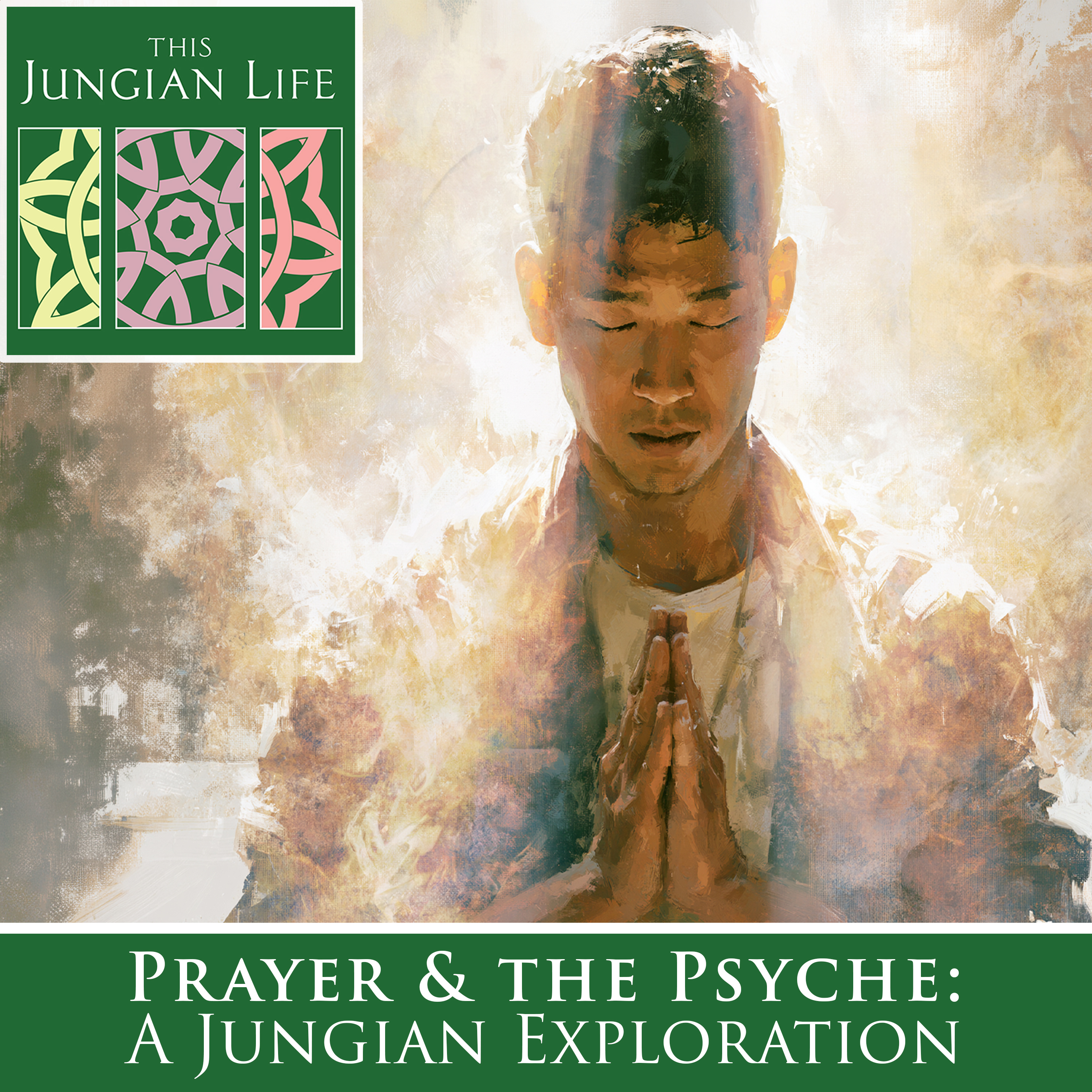 Prayer and the Psyche: A Jungian Exploration 09.07.2026 1h 2minThroughout human history, prayer has been a constant. Jung referred to it as “not only one of the most original but also the most frequent means to change the condition of mind”.This week Jungian analyst ROBERT SHEAVLY joins Lisa Marchiano and Deborah Stewart for a Jungian exploration of prayer. Everyone at some point in their lives will pray (even if we do not call it that). When we reach out for help, or to express gratitude for life’s blessings, we are reaching for a connection with the eternal and the infinite. Prayer can be examined from the lens of the ego-self axis. When we pray, it can be understood as ego asking the guiding self for wisdom, from a position of humility and supplication. Prayer is also linked to our mortality. It is integral to grief rituals. In desperate times, it gives us an act to perform that acknowledges our helplessness but also offers comfort. When we say grace at the dinner table, we offer expiation and acknowledgement of the life we’ve taken from the world in order to sustain our own life. Visit our website to read today’s dream and follow up on the resources we mention in the episode.Connect With This Jungian LifeDownload our free Dream Recall Meditation GuideSend a dream for us to analyze on the show Take a look at This Jungian Life Dream School, our online course in Jungian dream analysis.Follow This Jungian Life on Instagram
 -
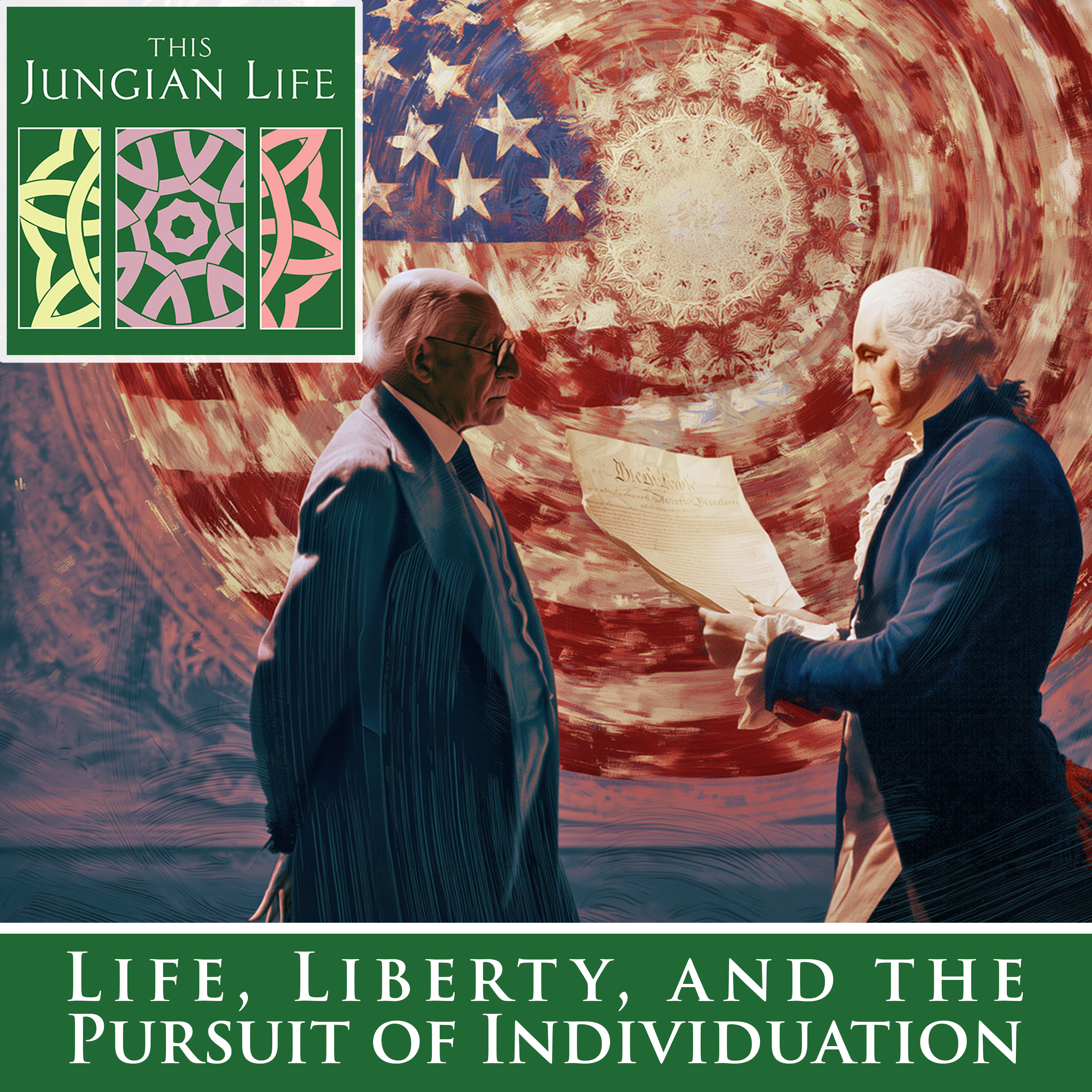 Life, Liberty and the Pursuit of Individuation: A Jungian Reading of the Declaration of Independence 02.07.2026 56minAmerica’s Declaration of Independence has profoundly influenced the development of democracy and democratic movements all over the world, with its bold assertion:“We hold these truths to be self-evident, that all men are created equal, that they are endowed by their Creator with certain unalienable Rights, that among these are Life, Liberty and the pursuit of Happiness.” This week Jungian analyst ROBERT SHEAVLY joins Lisa Marchiano for a psychological exploration of the Declaration of Independence, marking its 250th anniversary this Fourth of July. The Declaration of Independence grew from a need to separate from an authority that once provided structure and strength, but no longer served. Psychologically, this reflects an archetypal pattern: the movement away from external authority and toward a deeper source of inner authority.Jung wrote, “In the last analysis the essential thing is the life of the individual”. His work shares the same sacred idea that we find in the Declaration: that the individual holds his or her own dignity, sovereignty and uniqueness. We are not granted rights by external authorities, these are innate to our humanity. Of course, the nation built around the Declaration of Independence failed to live up to its ideals. Thomas Jefferson, the principal author, enslaved hundreds of people throughout his lifetime. At the heart of Independence Day celebrations lies a split, with noble principles dissociated from lived reality. The Declaration of Independence’s centering of the individual, however, reinforces the Jungian idea that we can only solve crises in the collective if we each find the strength to withdraw our shadow projections. Cultural transformation begins with the difficult inner work we must find the courage to take on, working toward wholeness at the personal level. Visit our website to read today’s dream and follow up on the resources we mention in the episode.Connect With This Jungian LifeTake a look at This Jungian Life Dream School, our online course in Jungian dream analysis.Send a dream for us to analyze on the show.Watch bonus mini-episodes on our Patreon channel.Follow This Jungian Life on Instagram.
 -
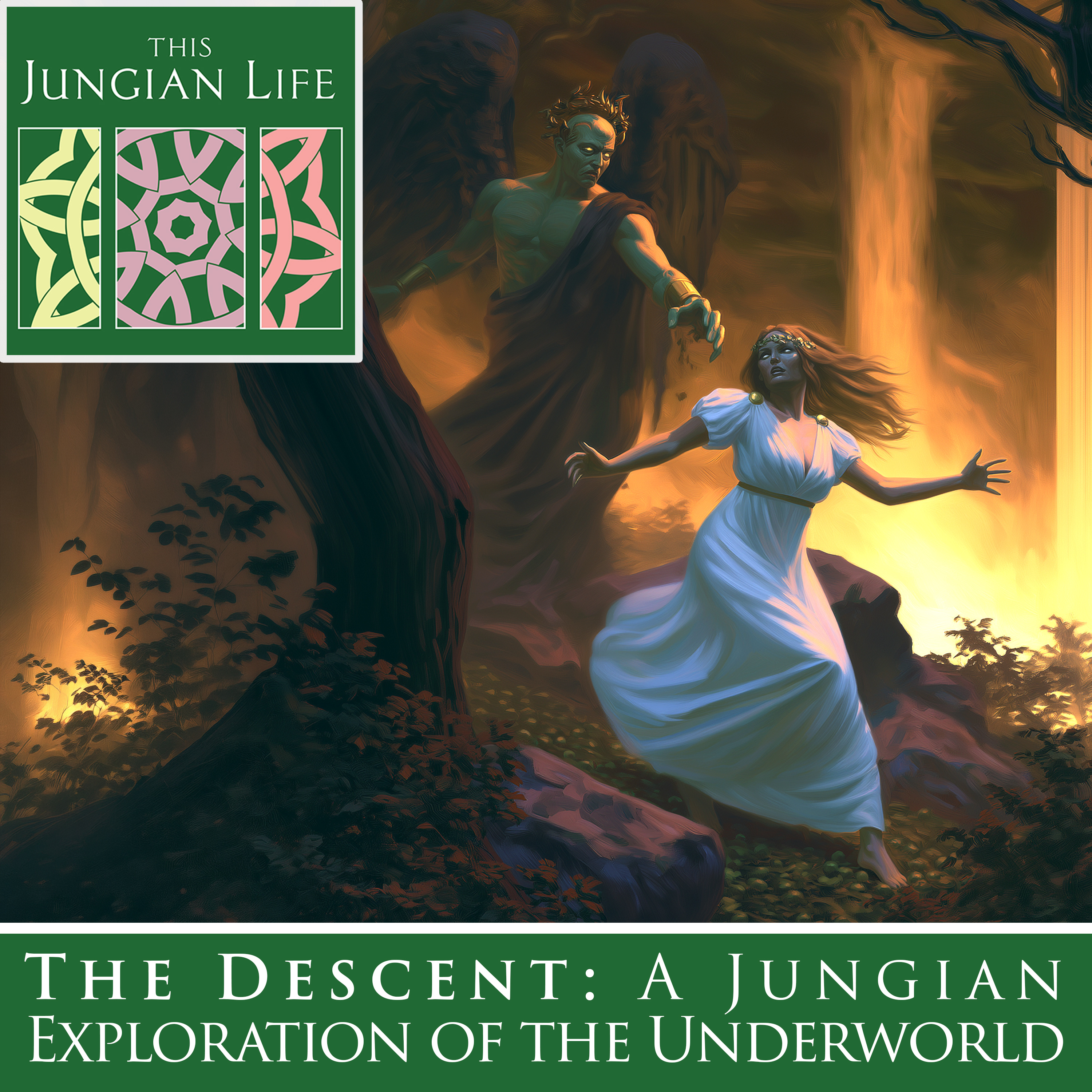 The Descent: A Jungian Exploration of the Underworld 25.06.2026 1h 6minIn every culture and every religion, we find the concept of the underworld: sometimes located underground, and usually understood as a final destination after death. This week, Jungian analysts Lisa Marchiano and Deborah Stewart circumambulate the notion of the underworld and what it means for us psychologically. James Hillman’s Dreams and the Underworld offers a guide, linking our dreaming life to myths of the underworld. We discuss versions of the underworld in Etruscan, Mayan, Christian, Egyptian and Greek mythology, and explore how each culture envisions the threshold between the worlds of the living and the dead, and the extent to which it is possible to enter an underworld and return.Psychologically, the underworld can represent a descent into the world of the unconscious, where completely different values apply. Awake, we may feel concerned about our job or our house, but if we listen to our dreams, we’ll often find the unconscious pointing us elsewhere, towards neglected truths or hidden desires. A visit to the underworld can also be understood as a transformational loss of innocence, just as Kore is raped and abducted by Hades, and transforms into Persephone, Queen of the Underworld. In life, we will all experience a painful loss of innocence or an experience that feels like a descent into hell. Such descents may become important points of initiation on our life’s journey. Visit our website to read today’s dream and follow up on the resources we mention.Connect With This Jungian LifeTake a look at This Jungian Life Dream School, our online course in Jungian dream analysis.Send a dream for us to analyze on the show.Watch bonus mini-episodes on our Patreon channel.Follow This Jungian Life on Instagram.
 -
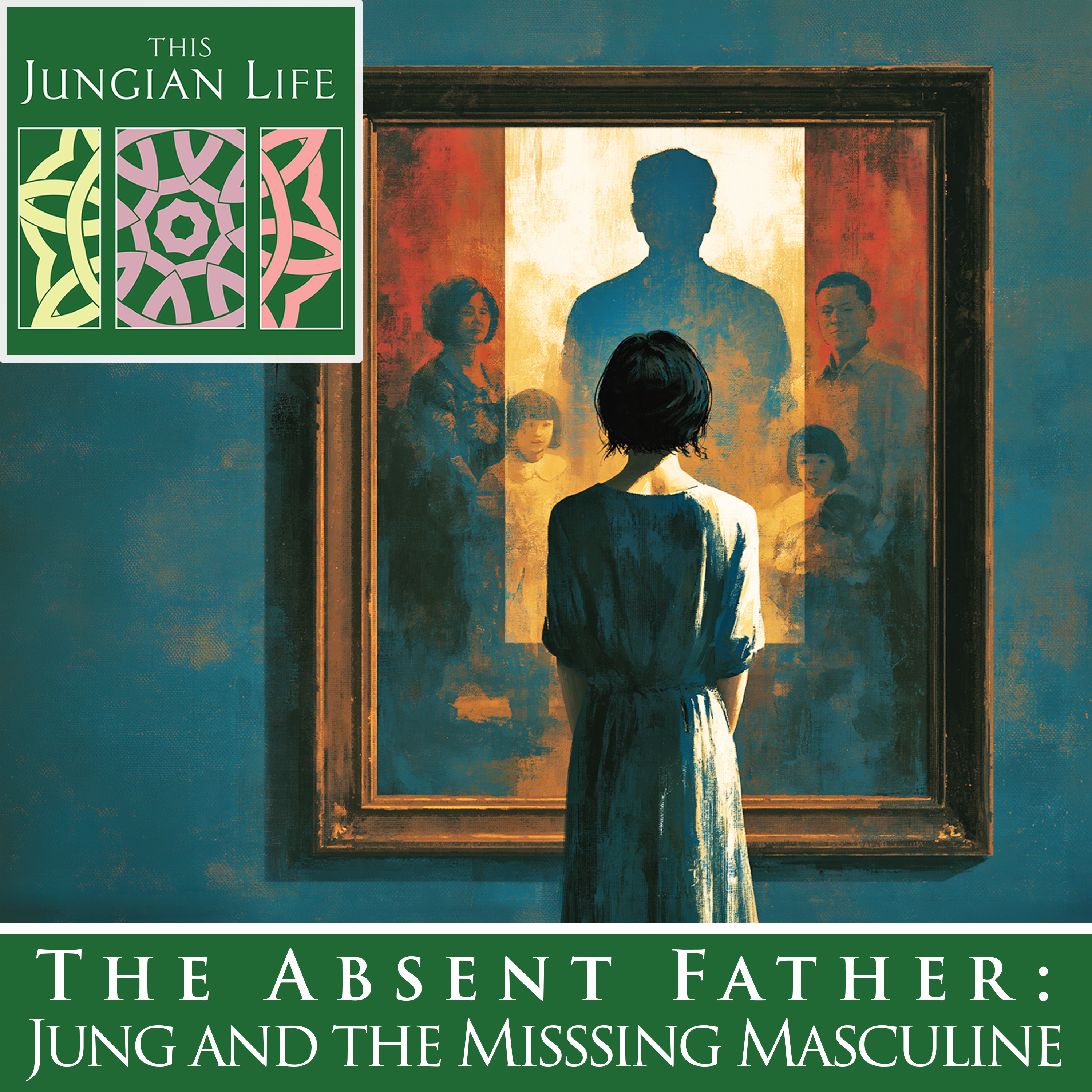 The Absent Father: Jung and the Missing Masculine 18.06.2026 1h 23minA father who is unavailable - whether due to untimely death, a demanding job, family breakup, or simply an inability to step up and meet his children’s needs - may deprive his children of the emotional bedrock they require. They can struggle to access their capacity for aggression and creativity, or to build the self-esteem necessary for successful adult relationships. As many fairy tales show us, an absent father is sometimes experienced alongside an abusive mother, leaving a complicated legacy of emotional wounding to be worked through. First of all, the abuse must be confronted, and then the failure of the absent parent to witness or protect. Jung’s life offers us fascinating material with which to explore the impact of the absent father. His father’s powerlessness as an uninspired, struggling pastor planted the seed of Jung’s lifelong quest for the numinous. As a father himself, Jung paid little attention to his children as he developed his life’s work and maintained a relationship with his collaborator Toni Wolff alongside his marriage to Emma Jung. Join Jungian analysts Lisa Marchiano and Deborah Stewart this week as they explore what it means to be an absent father, and how we might both survive and transcend the legacy of such a parent. Visit our website to read today’s dream, get more detail on the absent father, and follow up on the resources we mention.Connect With This Jungian LifeDownload our free Dream Recall Meditation Guide.Check out our Dream School.Watch bonus mini-episodes on our Patreon channel.Follow This Jungian Life on Instagram.
 -
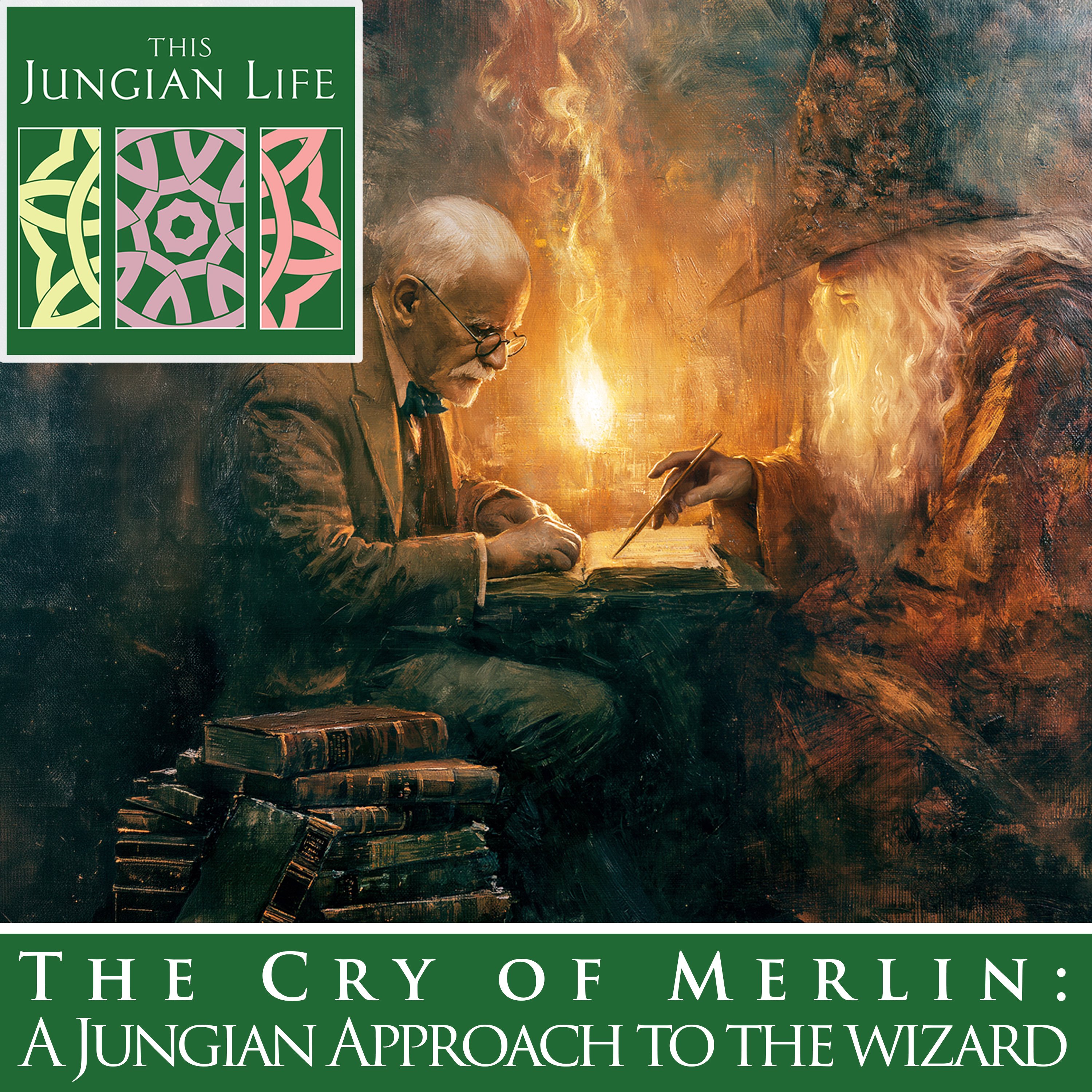 The Cry of Merlin: A Jungian Approach to the Wizard 11.06.2026 1h 13minMerlin, the mythical prophet, magician, and kingmaker of medieval legend, has lived in the Western imagination for centuries. Arthurian legend gives us more than the idealized government of the Round Table and the hero’s valiant quest for the Holy Grail—it also gives us Merlin’s darkness and power: sorcery, communion with nature, and the prospect of achieving our aims through shadowy transgression. This week, our special guest is Jungian analyst and friend DOUG TYLER. Doug guides us through Merlin’s role in Western culture, sharing some of his favorite stories and explaining the profound influence of Merlin on his analytic work and psycho-spiritual landscape. Considered through a psychological lens, Merlin models the necessity of journeying downward and confronting our darker aspects. He prefigures Gandalf and Dumbledore, embodying the archetype of the mature masculine in a strong and shadowed relationship with the feminine. Merlin can also be understood as a counterpoint to Christ: although his father was a demon, he was born to a virgin mother and twice offered himself as sacrifice. Read the dream we analyze in full on our website. Connect With This Jungian LifeDownload our free Dream Recall Meditation Guide.Check out our Dream School.Watch bonus mini-episodes on our Patreon channel.Follow This Jungian Life on Instagram.
 -
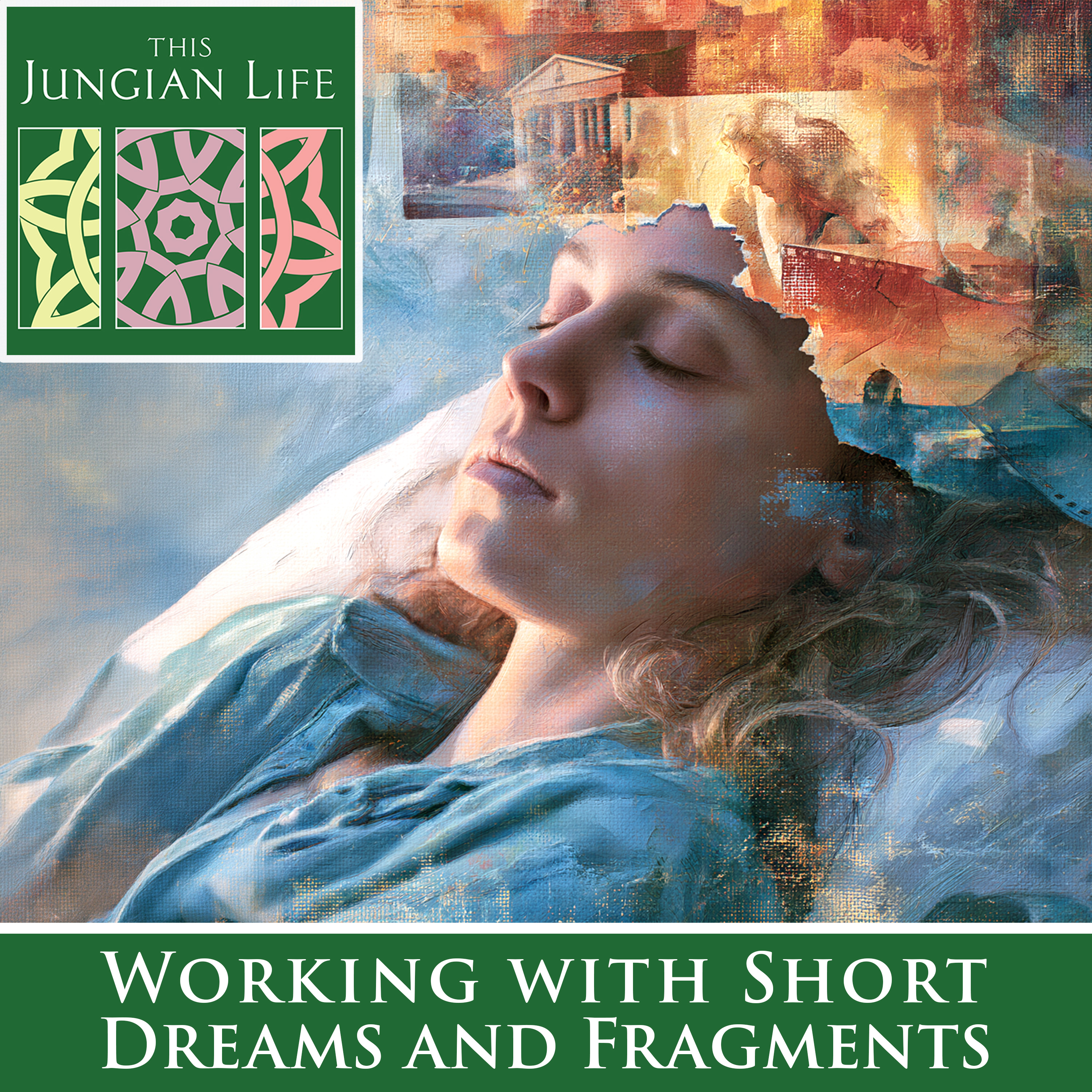 Working with Short Dreams and Fragments 04.06.2026 59minThis week, to mark the publication in paperback of Dream Wise: Unlocking the Meaning of Your Dreams, Jungian analysts Lisa Marchiano and Deborah Stewart interpret a selection of short dreams sent in by listeners. Many of us dismiss short dreams or fragments of dreams as unworthy of our time. We await the arrival of epic, cinematic dreams, while perhaps overlooking the gold that can be found in more “ordinary” dreams.Honoring short dreams by writing them down and spending time with them can yield powerful insights. It can also work as an incentive to your unconscious, helping you remember more dreams, and more of your dreams. The time you spend on fragments and snippets strengthens connection with the unconscious. We hope you enjoy today’s discussion of dreams: an overfed fish raising big relationship questions, a meeting with Greek mythology’s star-crossed lover Thisbe, a harsh landscape of volcanic rocks and blood, a bleached Christ figure, and a biting spider at a crossroads in the dreamer’s life. Buy the paperback version of Dream Wise: Unlocking the Meaning of Your Dreams Read the dreams we analyze on our website.Connect With This Jungian LifeDownload our free Dream Recall Meditation Guide.Check out our Dream School.Watch bonus mini-episodes on our Patreon channel.Follow This Jungian Life on Instagram.
 -
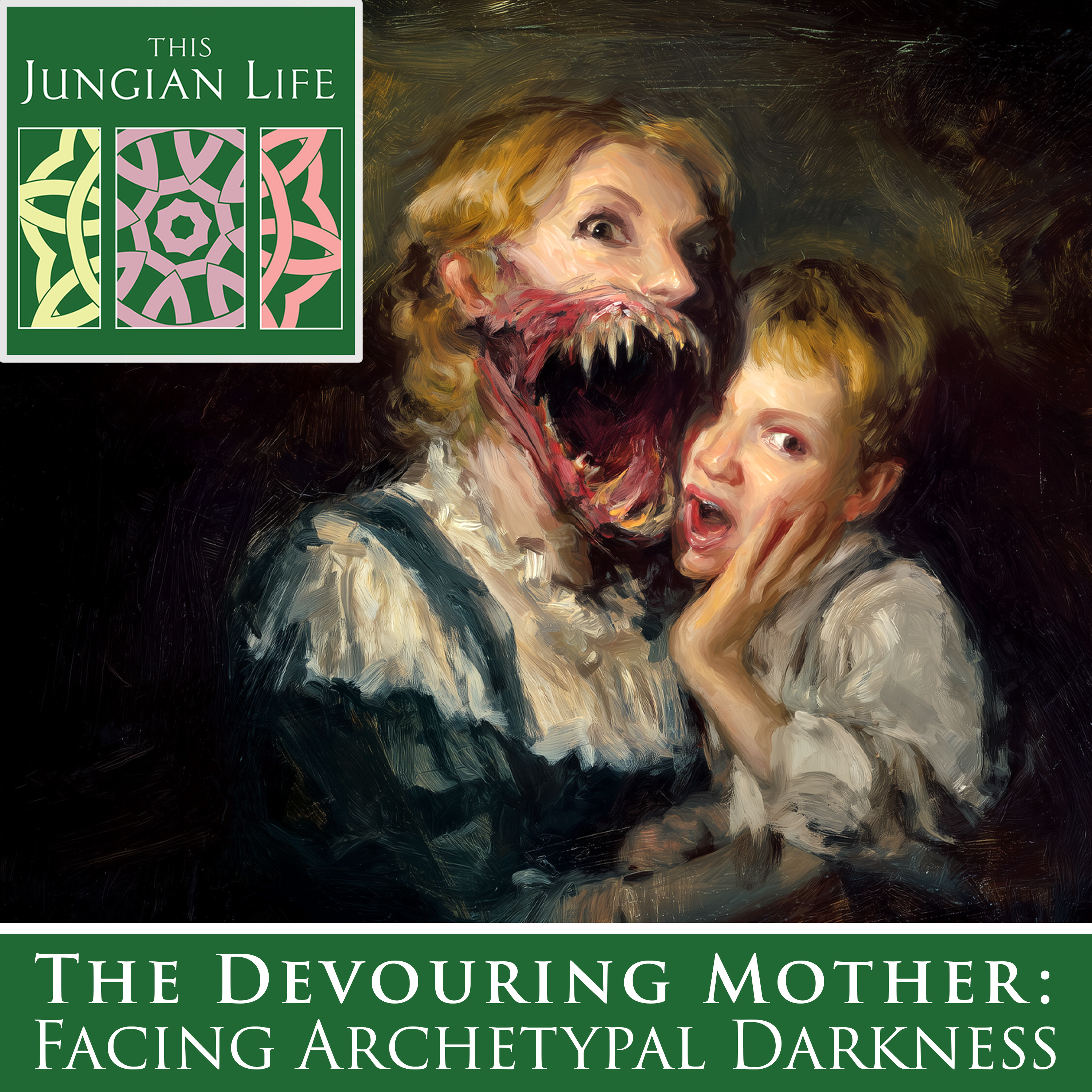 The Devouring Mother: Facing Archetypal Darkness 28.05.2026 1h 5minEvery archetype has a dual aspect: light and dark, and ‘mother’ as devouring and destructive is the dark side of this ever-present, over-arching archetype. The mother’s life-giving, bright aspect is counterbalanced by her engulfing, attacking aspect. The devouring mother is present across cultures in myth, fairy tale, religion, and literature, and most of us have at least had glimpses of her in our experiences as children or later, as parents. In this episode Jungian analysts Lisa Marchiano and Deborah Stewart explore Erich Neumann’s The Great Mother and his and Jung’s concept of the unconscious as devouring mother.Drawing on myths of the Aztec goddess Tlaltecuhtli, the Hindu goddess Kali, the tale of Snow White, and the film Black Swan, we examine the archetypal image of the mother who nourishes and devours, protects and possesses.We also look at how the devouring mother shows up in ourselves and in our own parents. This dynamic can present as enmeshment, helicopter parenting, fear-based control, or an inability to allow our children to separate and become fully themselves.Read the dream we analyze in full on our website.Connect With This Jungian LifeWe’re analyzing your short dreams or dream fragments to celebrate the publication of the paperback of our book, Dream Wise: Unlocking the Meaning of Your Dreams: send your short dream here.Pre-order the paperback edition of Dream Wise: Unlocking the Meaning of Your Dreams.Take a look at This Jungian Life Dream School, our online course in Jungian dream analysis.Follow This Jungian Life on Instagram.
 -
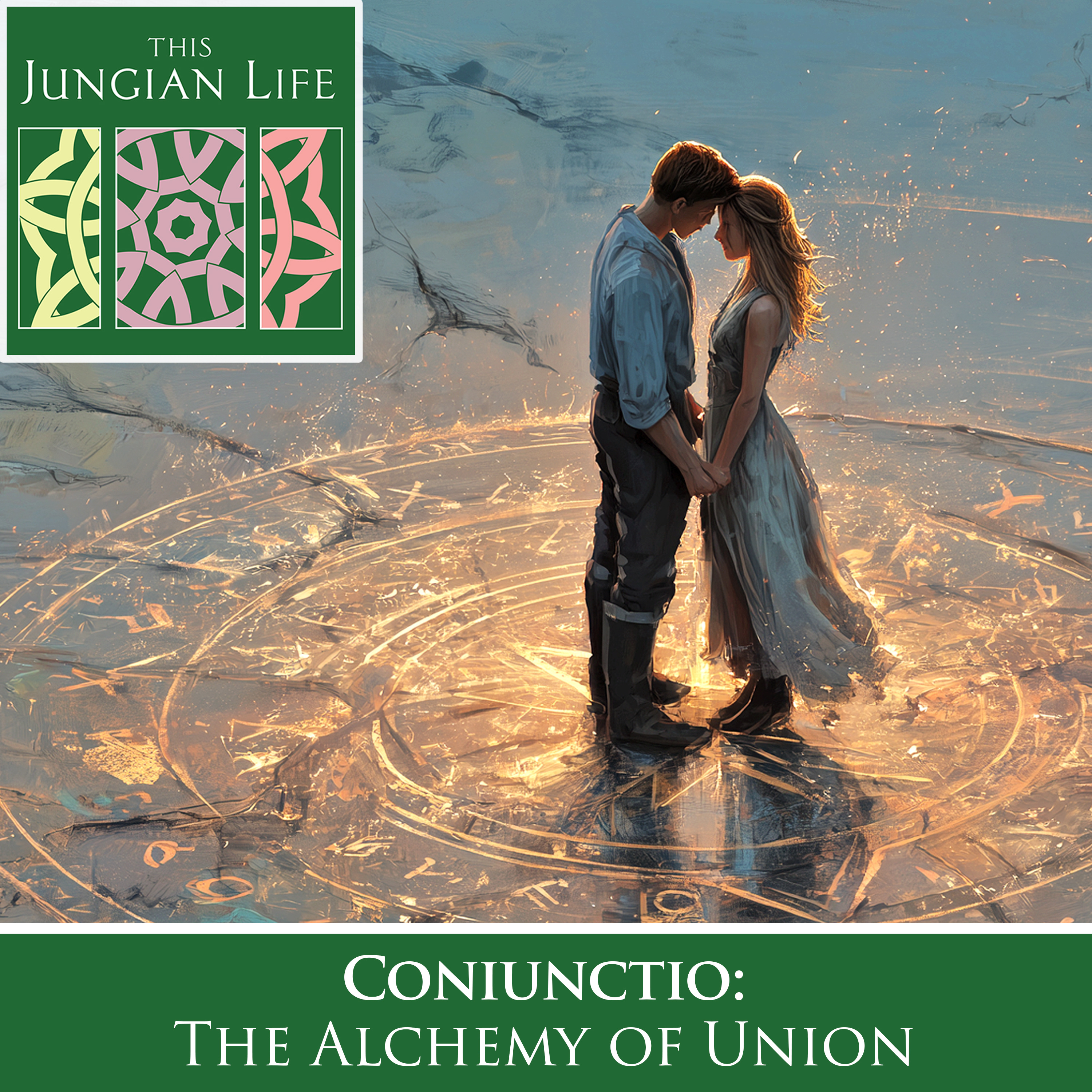 Coniunctio: The Alchemy of Union 21.05.2026 1h 43minIn this final episode of our series on Jungian alchemy, we explore coniunctio, the union of opposites that gives rise to new wholeness.There are many ways in which we might encounter coniunctio in outer life. We might fall in love, form a partnership, or undertake transformative work with a psychotherapist. In some meaningful, mysterious way, two become one, giving us incremental tastes of transformation.At the psychological level, work with one’s shadow represents the first stage of coniunctio. When we recognize and reclaim aspects of ourselves that have been split off or rejected, we begin to heal inner division and move toward wholeness.We also discuss the sacred union, the second layer of coniunctio, in which we strive to achieve an inner marriage, creating new vitality, creativity, and psychic spaciousness.Ultimately, coniunctio parallels Jung’s concept of individuation, the lifelong process of becoming whole by integrating the hidden, conflicting, and unrealized dimensions of the self and achieving a relationship with the greater Self.Read the dream we analyze in full on our website.Connect With This Jungian LifeWe’re collecting your short dreams (under 3 sentences): send your short dream here.Pre-order the paperback edition of Dream Wise: Unlocking the Meaning of Your Dreams.Take a look at This Jungian Life Dream School, our online course in Jungian dream analysis.Follow This Jungian Life on Instagram.
 -
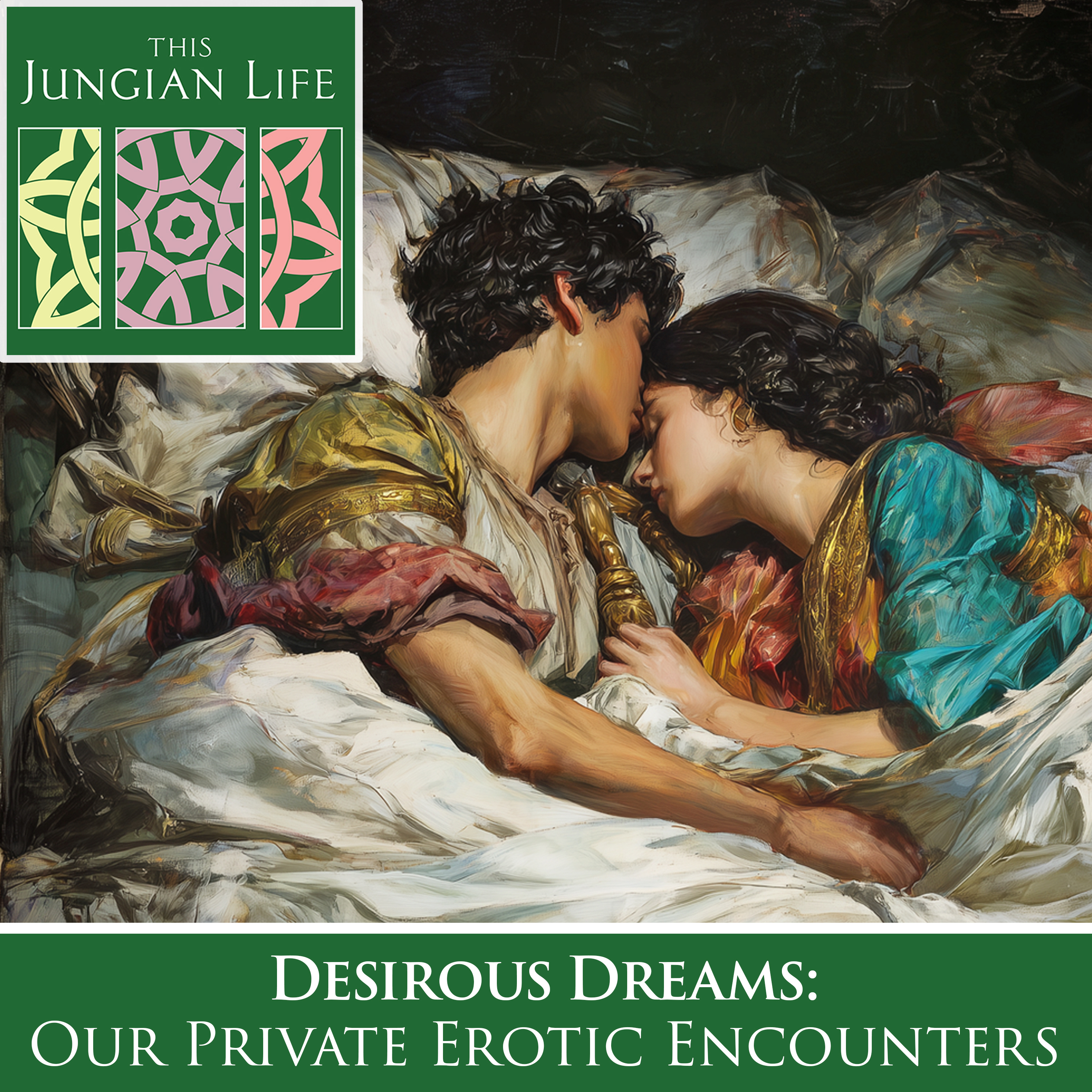 Desirous Dreams: Our Private Erotic Encounters 14.05.2026 1h 9minErotic dreams are extremely common. We may experience them as pleasurable, exciting and moving, or as disturbing and upsetting. It can be hard to talk about erotic dreams, even in therapy, as they insist on attending to secret satisfactions and shames.There is relatively little written on the subject from a Jungian perspective, so this week we dive in and discuss how to work with your erotic dreams. We also analyze some of the many dreams our listeners sent in.Erotic dreams may be about connection, union and intimacy, or confront us with shadow figures and situations that show us what we deny or disobey. They may also offer us potent images of unexplored desires.Join us as we interpret four erotic dreams: a hedonistic experience in a hotel pool, an unsettling meeting with a repellent music teacher, a ritualistic sauna experience, and an unwanted kitchen encounter that invites the dreamer to reclaim her own desires.Read the dreams we analyze in full on our website.Connect With This Jungian LifeWe’re collecting your short dreams or dream fragments to celebrate the publication of the paperback of Dream Wise: send your short dream here.Pre-order the paperback edition of Dream Wise: Unlocking the Meaning of Your Dreams.Take a look at This Jungian Life Dream School, our online course in Jungian dream analysis.Follow This Jungian Life on Instagram.
Liknande podcastar


Populär i
Den här podcasten finns även i podcastlistor i dessa länder.


