
A Short History of Saving The World
Fix The News
0
A Short History of Saving the World is a monthly history podcast hosted by political economist Angus Hervey and historian Ada Palmer. It explores world history through a lens of resilience, examining moments where civilization faced collapse but ultimately survived. Each episode revisits historical crises and turning points, uncovering patterns of human ingenuity and adaptation. The podcast presents history not as a timeline of decline, but as an ongoing story of how the world has been saved repeatedly.
Avsnitt
-
 The Invention of Doubt: Science and the Problem with Certainty 10.09.2026 54minWe expect science to give us answers. But what if its greatest breakthrough was learning to be wrong?For most of human history, we wanted knowledge to be certain. Then, around 400 years ago, something changed. After discovering that much of what we thought we knew about geography, astronomy, medicine and the natural world was wrong, a new idea took hold: perhaps the best way to understand the world was to stay open to being wrong. In this episode of A Short History of Saving the World, Angus Hervey and historian Ada Palmer trace the invention of scientific doubt, from ancient Greek sceptics and Aristotle’s eels to Francis Bacon, the Scientific Revolution and AI. Along the way, they arrive at a bigger question: in an age obsessed with certainty, are we still willing to change our minds? In this conversation:Why is being wrong a feature of science, not a failure?Did Francis Bacon really invent the scientific method?What can ants, spiders and honeybees teach us about knowledge?Why do some scientific ideas get attention while others are ignored?Is distrust of science always a bad thing?And could AI change not just what we know, but how we discover it?Timestamps:00:55 Why Humiliation Might be the Real Origin of Science?01:53 Skeptical vs Dogmatic Ideas05:35 The Ancient Skeptics09:38 Did We Really Invent the Scientific Method?12:04 Who Is Invention For?13:27 Francis Bacon: Science as Charity16:19 Ants, Spiders and Honeybees18:05 Progress: Designed or Random?21:27 When Does an Idea Find Its Time?22:08 Toads That Look Like Turds24:09 Is Science a Status Revolution?27:00 STEM, Social Sciences and Humanities28:47 Are We Living in a Great Age of Scientific Discovery?34:41 Is Trust in Science Collapsing?36:39 Conspiracy Theories37:46 Breaking a Two Thousand-Year-Old Hypothesis About Humanity42:04 Why Science Is Actually Delightful43:22 Is AI the New Leonardo da Vinci?49:19 Are We Still Capable of Being Wrong?53:18 FootnotesSubscribe & follow:If you enjoyed this episode, follow the podcast and leave a review - it helps more people find these stories.Production credits:Hosted by Angus Hervey and Ada PalmerProduced by Amy Davoren-Rose, Fix The NewsAudio production: Anthony Badolato, Hear That!
 -
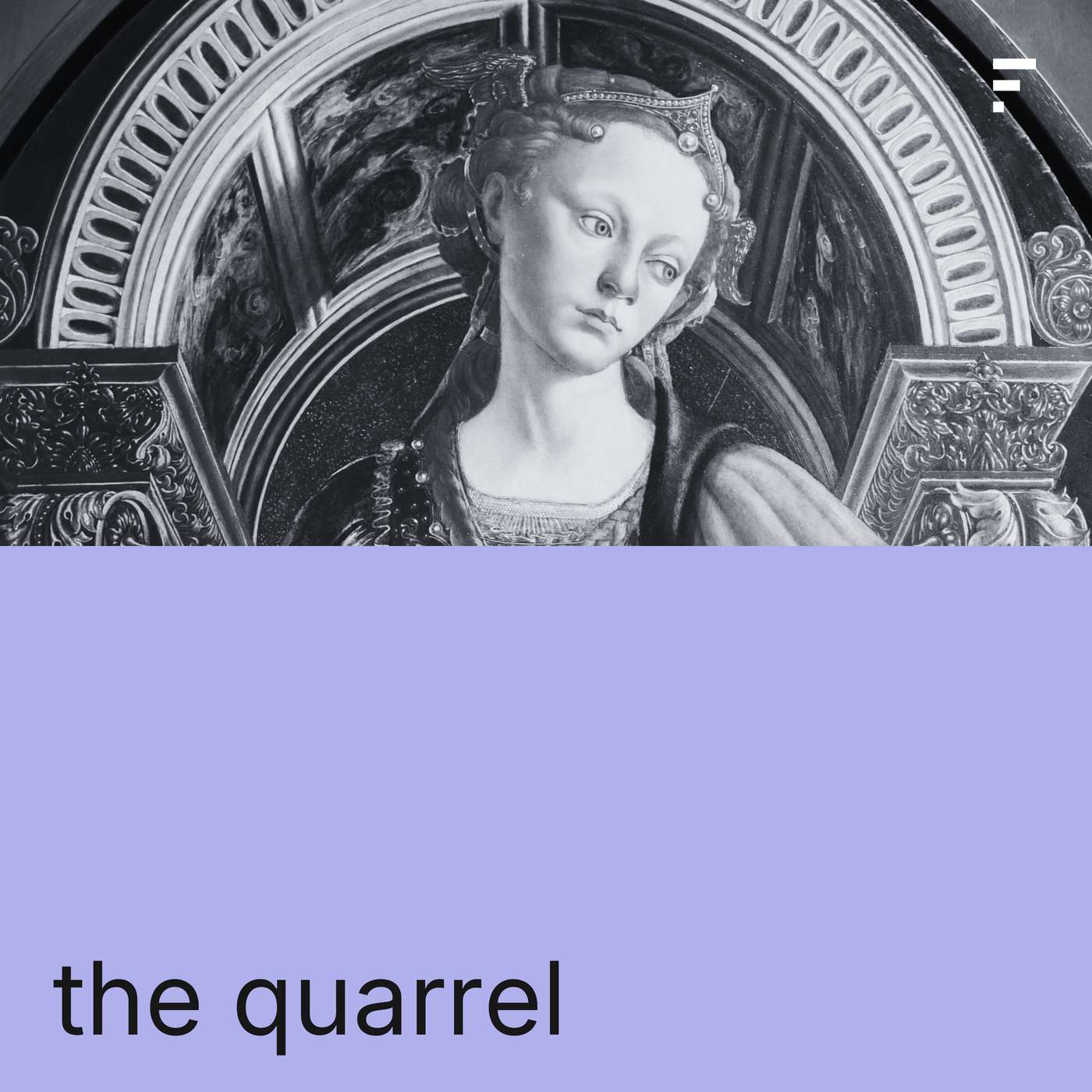 We’ve Been Arguing About Gender Equality for 2,300 Years. Why Aren’t We Done? 12.08.2026 55minWe figured out that women and men were equal thousands of years ago. So why did it take so long for the world to catch up? Arguments for gender equality stretch back at least 2,300 years. Plato imagined men and women ruling together. And yet, again and again, the idea surfaced, stalled, disappeared and returned. In this episode of A Short History of Saving the World, Angus Hervey and historian Ada Palmer take the long view of gender equality: from ancient Greece and Renaissance Europe to the suffragettes, feminism and the unfinished work of progress today. Along the way, they arrive at the bigger question - do we really believe that all people are equal? Because perhaps the hardest part of equality isn't changing the law. It's changing our minds. In this conversation:Why can an idea win centuries before the world actually changes?Did women have a Renaissance?Why does progress so often provoke a backlash?Have we mistaken the first 10% of gender equality for 90%?And what happens if we decide feminism has already won?Timestamps:1:06 The Quarrel: 2,300 Years of Gender Equality2:36 Why Good Ideas Take Centuries7:39 Equality is never a Straight Line8:48 There Is No Single History of Women10:27 The Papal Hostess13:48 Progress, But for Whom?16:17 Do Bodies Define Gender Roles?22:01 The World’s First Bestseller26:17 The Iceberg Problem28:00 Why Progress Creates Backlash29:29 How Ada Genders Her Characters31:17 How Early Does Gender Bias Begin?33:18 A Future Without Gender?37:33 Category: Cage or Crowbar?40:29 The Wounds We Inherit43:06 Most Underrated and Overrated Milestones in the History of Gender Equality56.17: Do We Really Believe that People Are Equal?53:46: Footnotes of A Short HistorySubscribe & follow:If you enjoyed this episode, follow the podcast and leave a review - it helps more people find these stories.Production credits:Hosted by Angus Hervey and Ada PalmerProduced by Amy Davoren-Rose, Fix The NewsAudio production: Anthony Badolato, Hear That!
 -
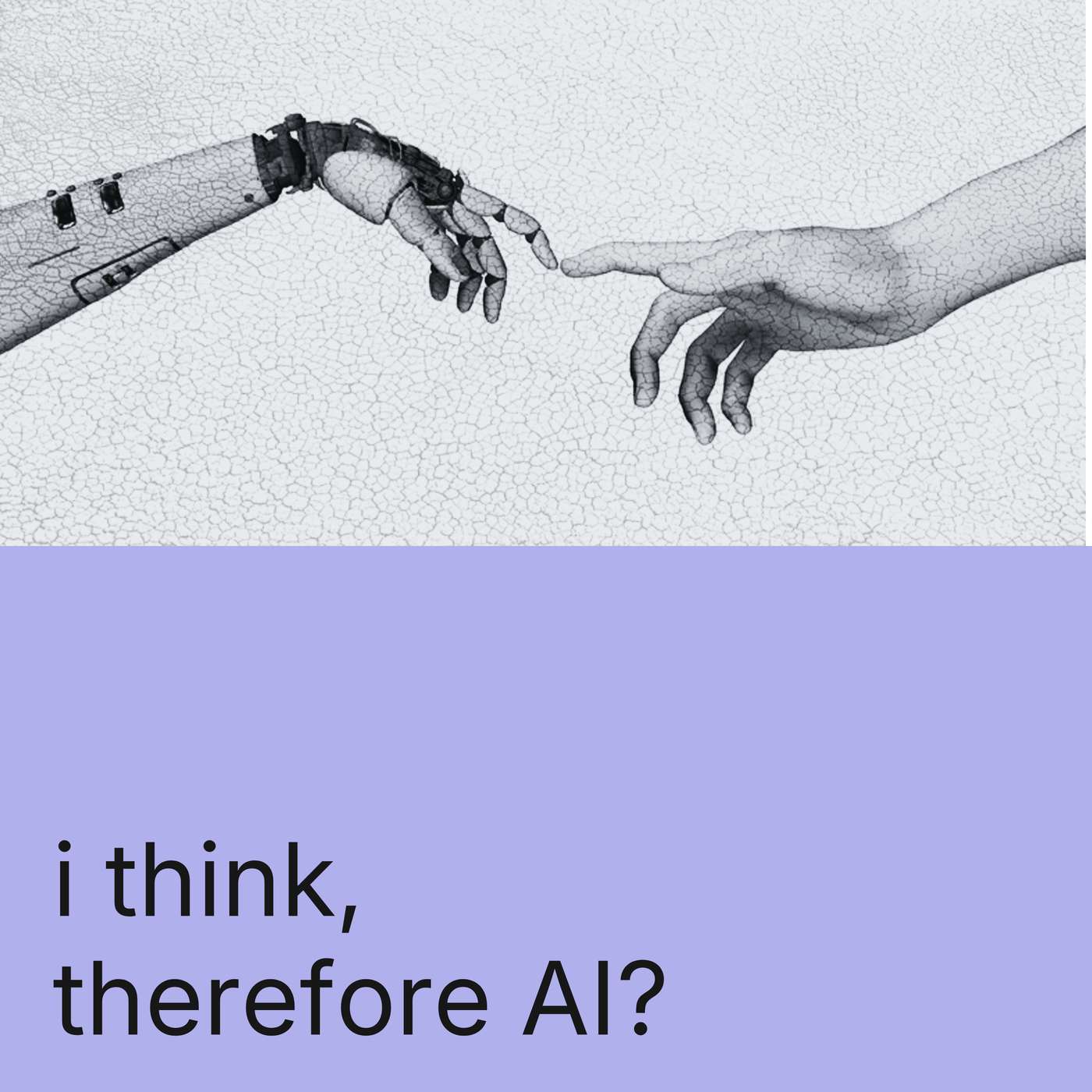 The Long History of AI: From Descartes to Astro Boy & ChatGPT 03.07.2026 1h 1minWhat if artificial intelligence isn't just about machines? What if it's part of a much longer story about how we understand ourselves? In every age, humans have questioned what separates us from animals, machines, and each other. In this episode, Angus Hervey and Ada Palmer explore our changing ideas of consciousness and intelligence. From Descartes and religion to Astro Boy and the futures we once imagined, this conversation connects our history of consciousness with today's AI debate. In this conversation:• What Descartes would make of artificial intelligence? • Why Japan gave Astro Boy a birth certificate? • What Ada's science fiction epic, Terra Ignota, got right about AI • And is consciousness really a yes-or-no question? Timestamps:00:54 What Descartes would say if you gave him Claude?04:51 How our theories of consciousness have changed history09:22 How Astro Boy influenced Silicon Valley11:16 The history of Manga19:12 Do you need to be alive to be conscious?21:50 What Aristotle got right in defining the differences between things24:37 Appetites. Passions. Reason.29:32 The religious debate - Body v The Soul32:10 Dante’s Inferno unlocked34:24 Our history of monsters36:49 The Empathy Sphere41:08 The Power of Science Fiction42:37 What Ada’s novel 'Terra Ignota' reveals about consciousness, rights and intelligence45:18 Our desire for First Contact47:08 How the future failed us in the year 200053:09 What Montaigne learned from concussion01:00:32 Final Thoughts Subscribe & follow:If you enjoyed this episode, follow the podcast and leave a review - it helps more people find these stories.Production credits:Hosted by Angus Hervey and Ada PalmerProduced by Amy Davoren-Rose, Fix The NewsAudio production: Anthony Badolato, Hear That!
 -
 How the World Survives Information Revolutions: Fake news, censorship & what history teaches us about echo chambers 17.05.2026 53minEvery generation thinks it’s living through an unprecedented information crisis. But according to historian Ada Palmer, we’ve been here before. In this episode, Angus and Ada explore the first great information revolution - from Machiavelli hiding The Prince and Leonardo da Vinci’s coded notebooks to the printing press, censorship, and Shakespeare’s anxieties about misinformation. In this episode: · Is fake news really new?· What happens when information suddenly becomes available to everyone?· Why do new technologies amplify both progress and extremism?· Are social media and the internet following a familiar historical pattern?· And… what does fruit have to do with democracy? From Renaissance Florence to modern algorithms, this conversation reveals how societies adapt to upheaval - and why history may offer clues for navigating today’s information chaos. Because the world doesn’t get saved once. It gets saved - again and again. Timestamps: 00:50 Why Machiavelli hid The Prince 03:48 Why Leonardo wasn’t really a scientist 06:37 The printing press changes everything 12:48 “Children of gold, parents of iron” 19:36 What social media has in common with the Renaissance 23:09 Why censorship rarely works 30:21 Is change actually accelerating? 35:15 The case for free speech 38:27 The strange reason cantaloupe helped spark revolution 48:51 Democracy, experts & the futureSubscribe & follow:If you enjoyed this episode, follow the podcast and leave a review - it helps more people find these stories.Production credits:Hosted by Angus Hervey and Ada PalmerProduced by Amy Davoren-Rose, Fix The NewsAudio production: Anthony Badolato, Hear That!
 -
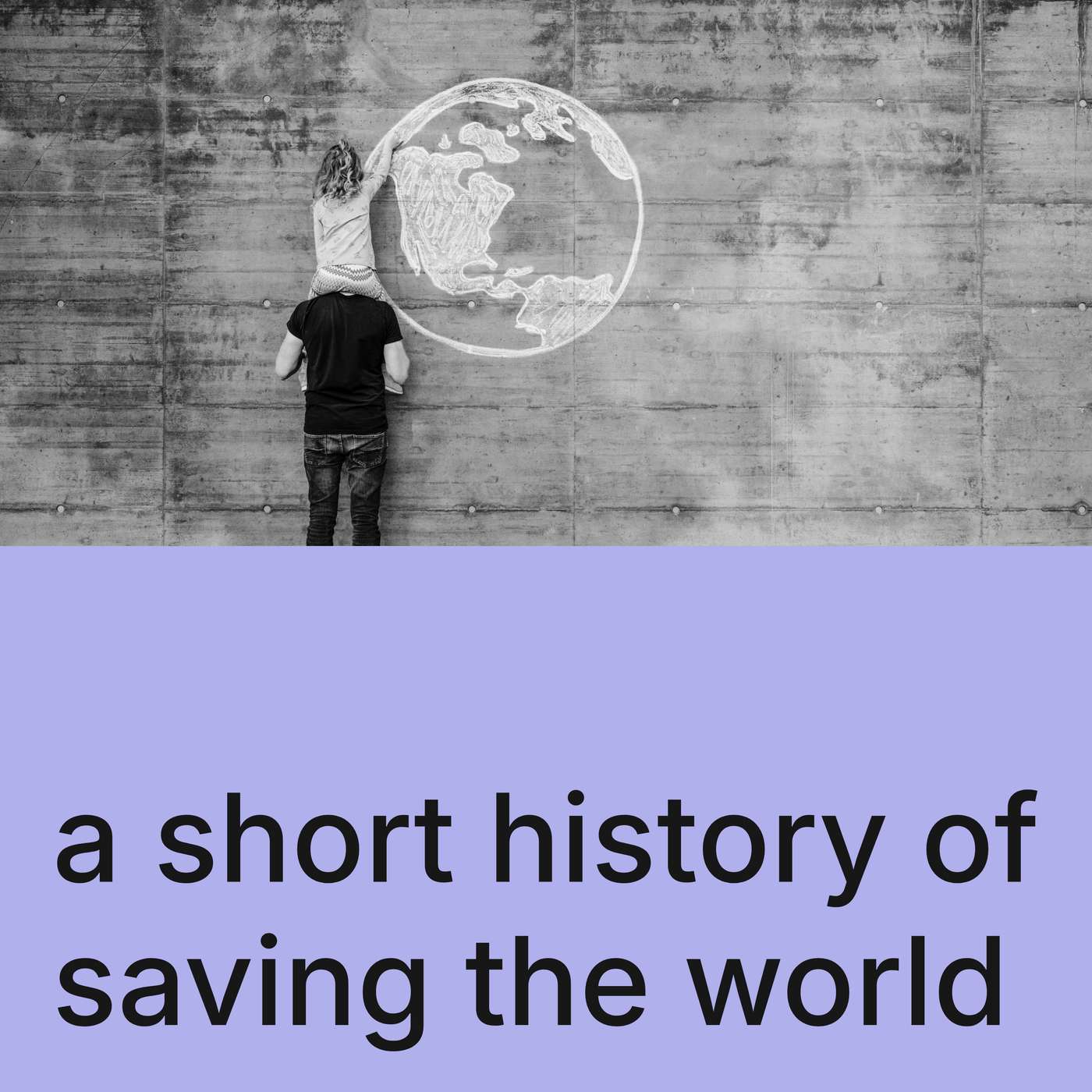 A Short History of Saving the World - Official Trailer 17.05.2026 1minEvery generation thinks it’s living through unprecedented change. A Short History of Saving the World is a new history podcast with Angus Hervey and historian Ada Palmer that explores the turning points, crises, and ideas that shaped world history - and the hidden patterns that connect them. From ancient civilisations to modern global events, this series zooms out to ask a bigger question: what actually happens when the world feels like it’s falling apart?Part conversation, part historical deep dive, this series reveals history not as a timeline of collapse, but as a story of human ingenuity, adaptation, and resilience.Because if you read history closely enough, you start to see it differently. The world doesn’t just break.It changes.It adapts.It gets saved - again and again.
Liknande podcastar


Populär i
Den här podcasten finns även i podcastlistor i dessa länder.

