
Learning English with Human Beans
Georges
0
Learning English with Human Beans blends language learning with social sciences, exploring topics from psychology, sociology, and anthropology. Each episode unpacks key vocabulary and expressions while discussing fascinating human behavior research. The podcast aims to help listeners grow their English skills and communicate confidently about complex human topics.
Avsnitt
-
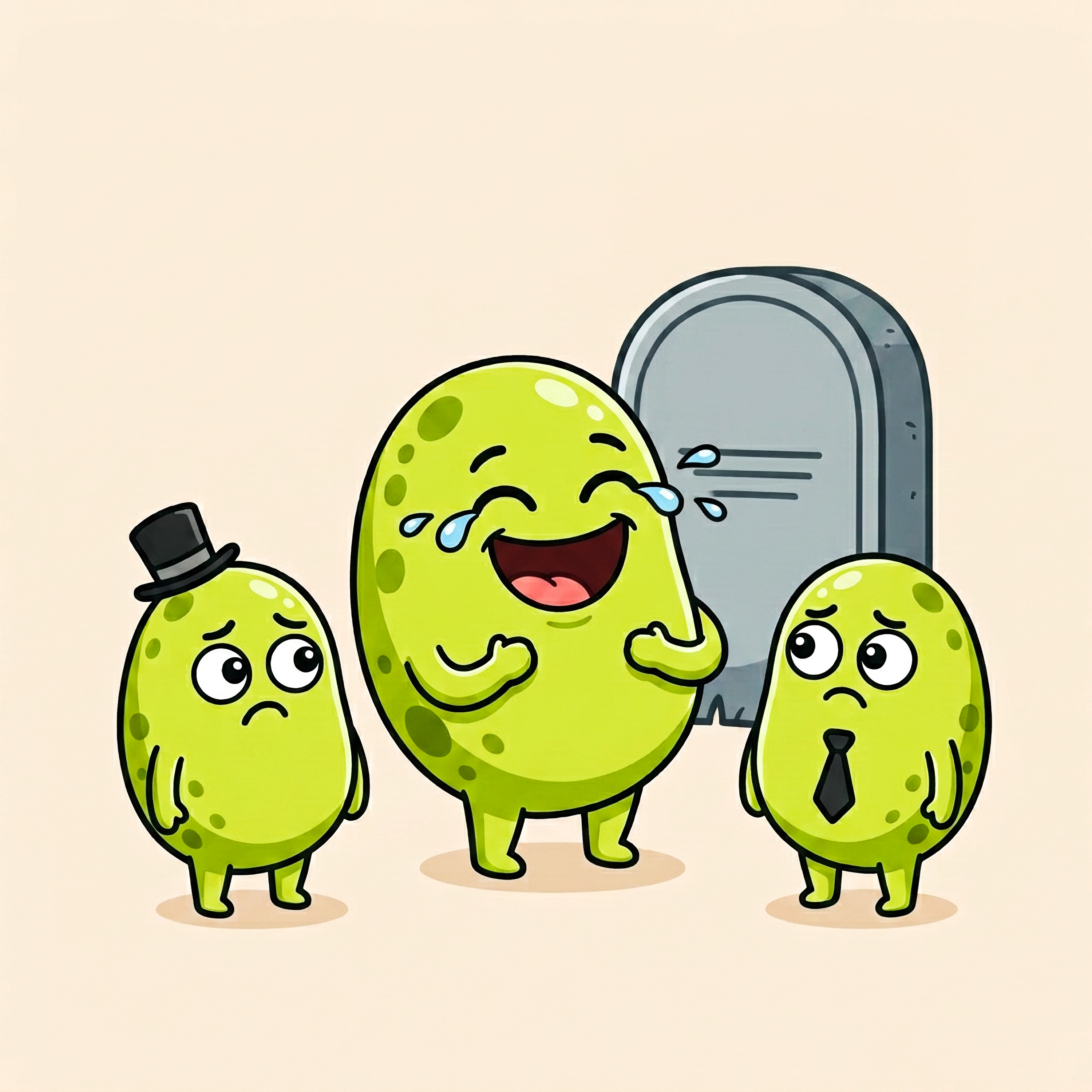 #80 - Why do we feel like laughing when we absolutely shouldn’t? 13.07.2026 9minIn this intimate and uninhibited episode of Learning English with Human Beans, Alice and Marc confess their most embarrassing moments: the infamous nervous giggle (or “church giggle” in English). From a spilled cup of coffee to a disastrous job interview, find out why our brains decide to betray us in public.Spoiler: you’re not a bad person—it’s science! On the agenda: the relief theory, the mirror neuron trap, tips for regaining control, and, of course, natural English vocabulary to get you out of any awkward situation.
 -
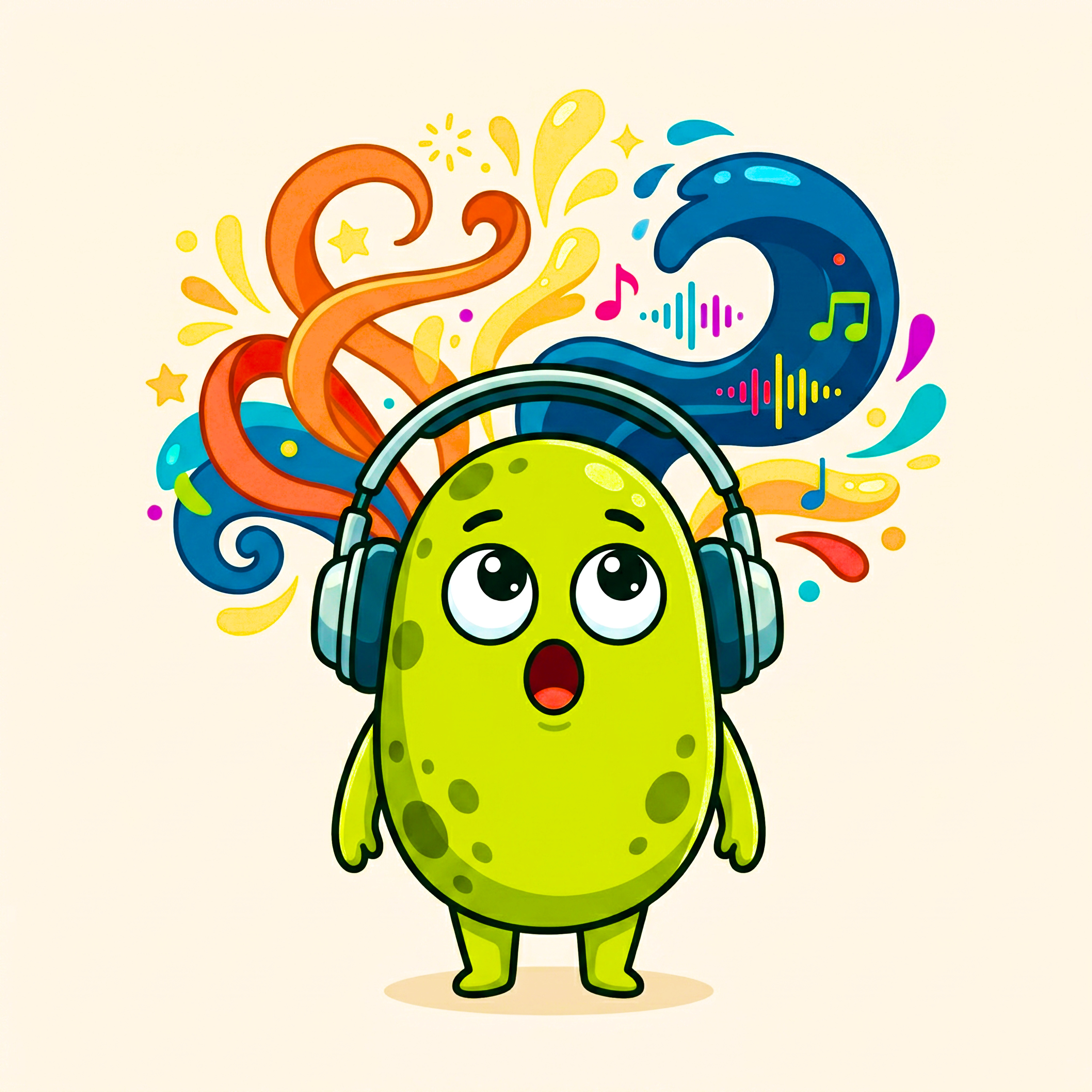 #79 — Wait… You Hear Music in Colors? 02.07.2026 14minWhen music turns into colors, what else is your brain hiding?In this episode of Learning English with Human Beans, Alice discovers that the way she experiences music may be a real neurological phenomenon: synesthesia. Together with Marc, they explore the science, the creativity, and the strange beauty of hearing sound as color.
 -
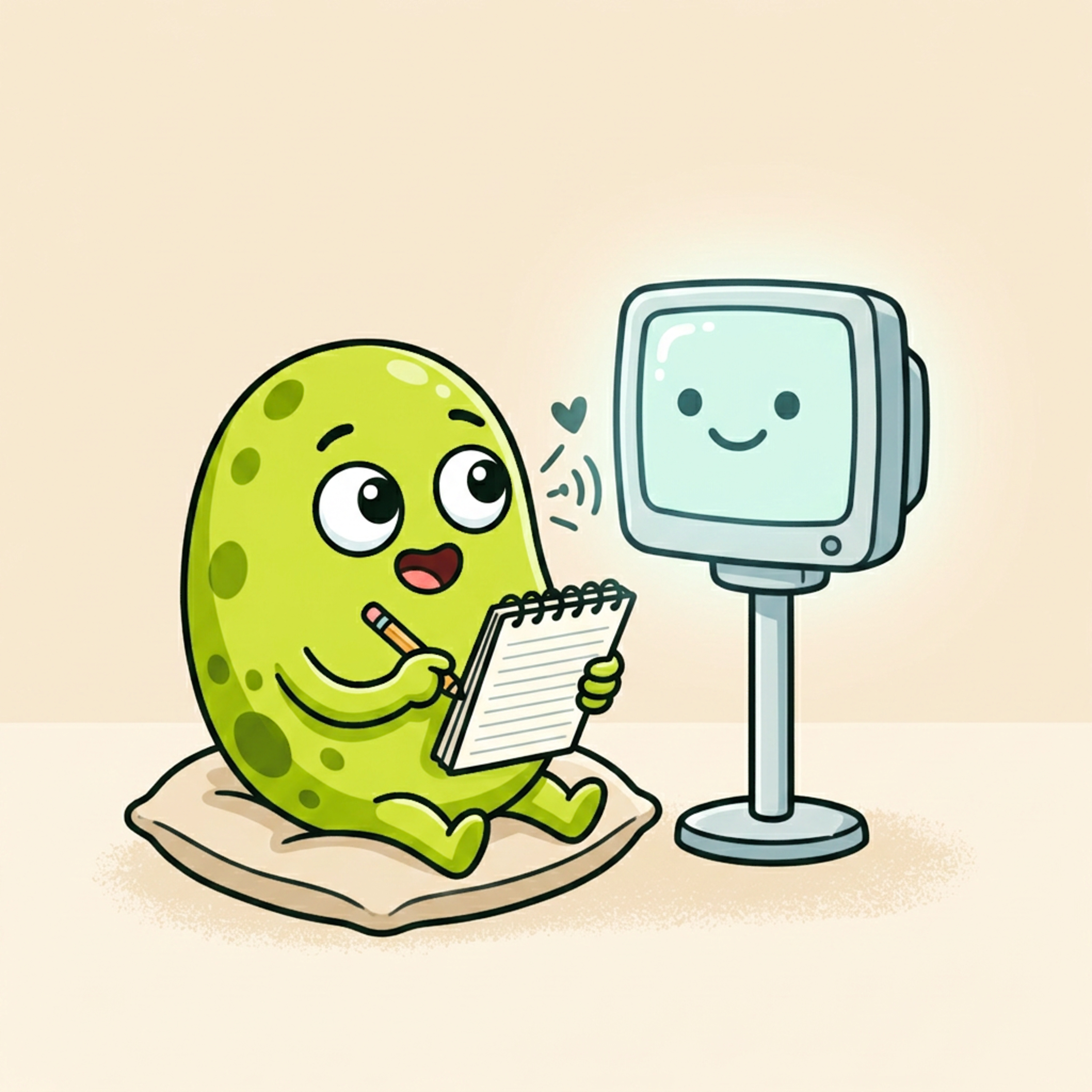 #78 - Dear AI, I’m Cheating on My Therapist? 21.06.2026 17minHave you ever poured your heart out to an algorithm at midnight?In this episode of Learning English with Human Beans, Alice confesses her new, slightly embarrassing habit: using AI as a digital diary and emotional sounding board. Together with Marc, they dive into the fascinating psychology behind this silent trend.AI is always awake, perfectly objective, and completely judgment-free—making it a surprisingly powerful tool to calm your nervous system. But there is a hidden cost. From the illusion of the ELIZA effect to the dangers of "frictionless" relationships and data privacy nightmares, we unpack what really happens when we trade messy human connection for algorithmic comfort.
 -
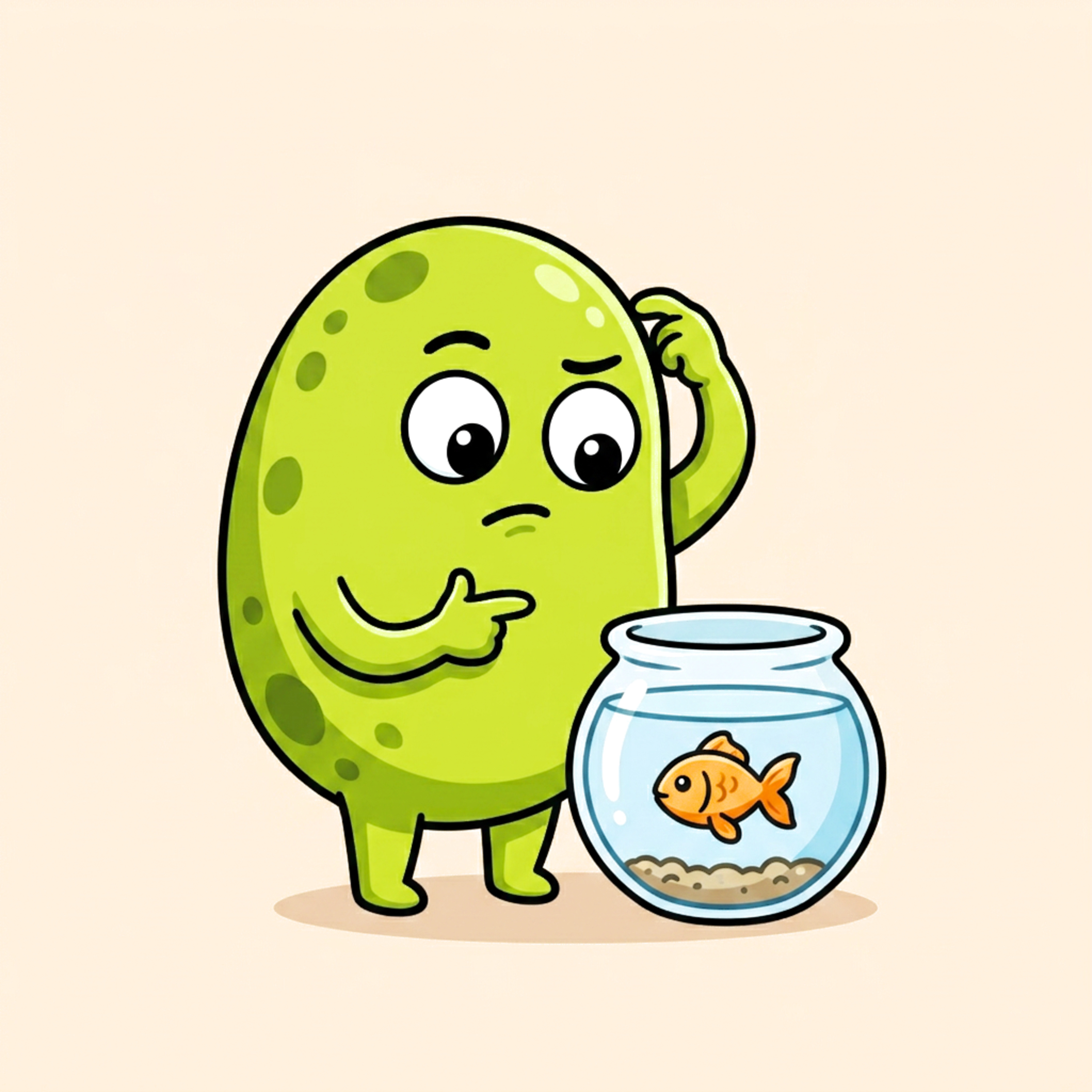 #77 - The "Attention Span Crisis" Is a Lie! 14.06.2026 21minYou’ve heard it a million times: “Our generation has a shorter attention span than a goldfish.”Spoiler alert: it’s entirely fake. In this provocative episode of Learning English with Human Beans, Alice and Marc scientifically destroy the myths about digital distraction, expose the apps hijacking your dopamine, and explain why adults have been complaining about "kids these days" for over 2,000 years.
 -
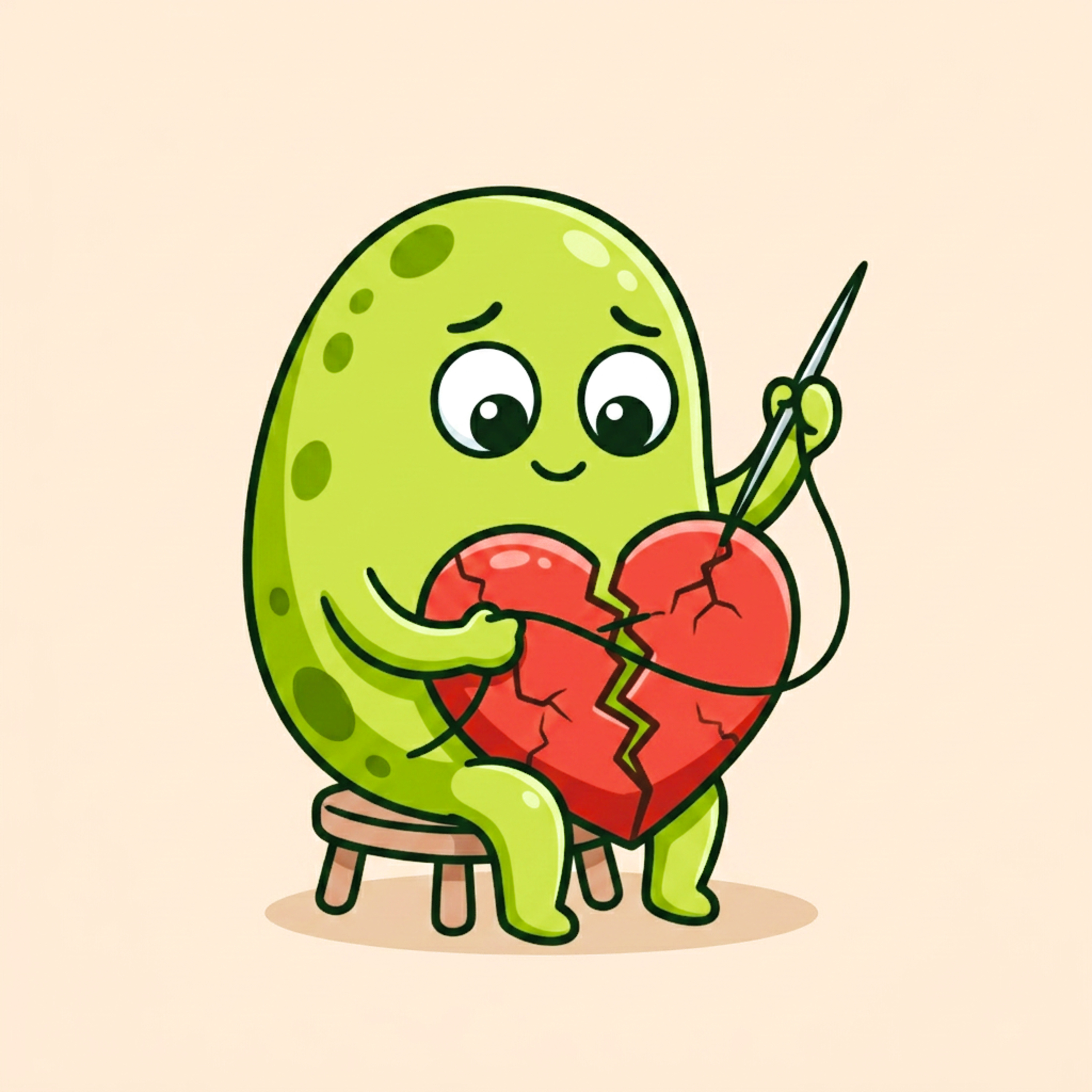 #76 - Who Are You After a Breakup? 09.06.2026 17minAfter a breakup, who do you become?In this intimate episode of Learning English with Human Beans, Alice shares a personal story about healing after a long relationship, inspired by Eat, Pray, Love. Together with Marc, she explores identity, grief, and the quiet process of rebuilding yourself.
 -
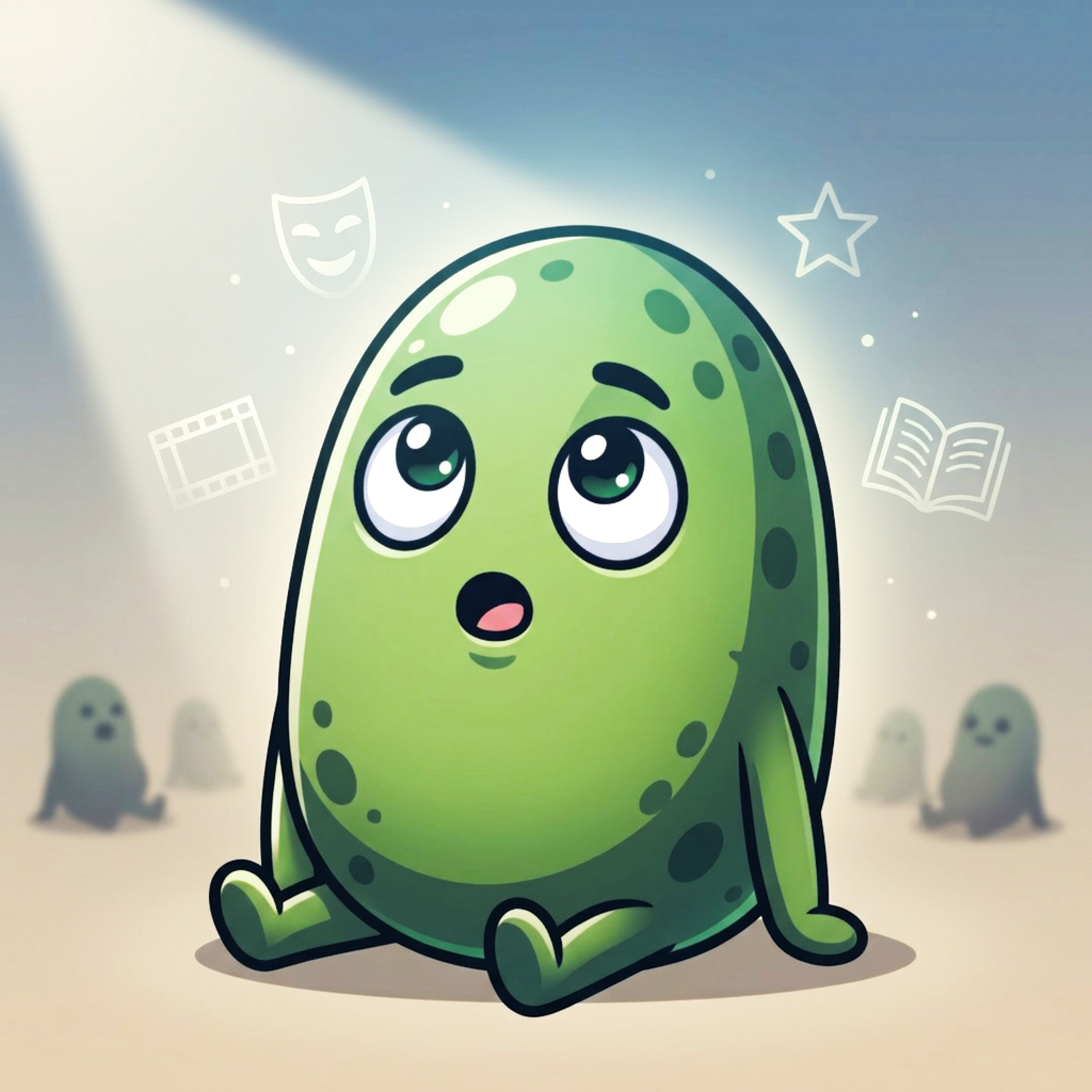 #75 - Why do myths, TV series, and films fill the same social role religion once did? 25.05.2026 21minIn this episode of Learning English With Human Beans, Alice and Marc dive deep into one of the most fascinating questions of our time. From Durkheim's three functions of religion to Joseph Campbell's Hero's Journey, from the sacred rituals of fan communities to Baudrillard's hyperreality — they explore why your favourite show might be doing a lot more than just entertaining you.Along the way: Star Wars, The Last of Us, Game of Thrones, The Lord of the Rings, and the surprisingly ancient roots of your Netflix binge.
 -
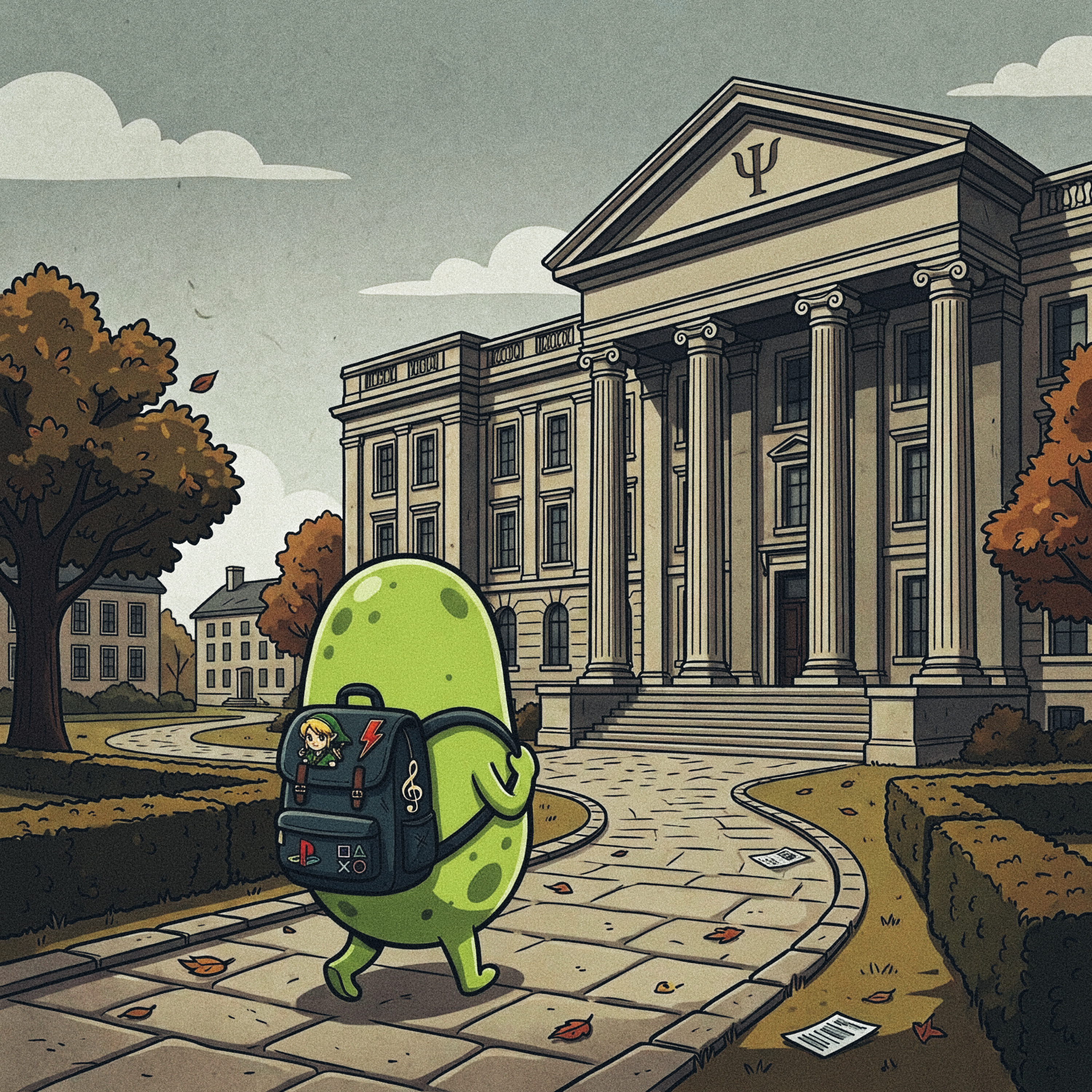 #74 – The Psychology Years 13.03.2026 17minMarc's story ...
 -
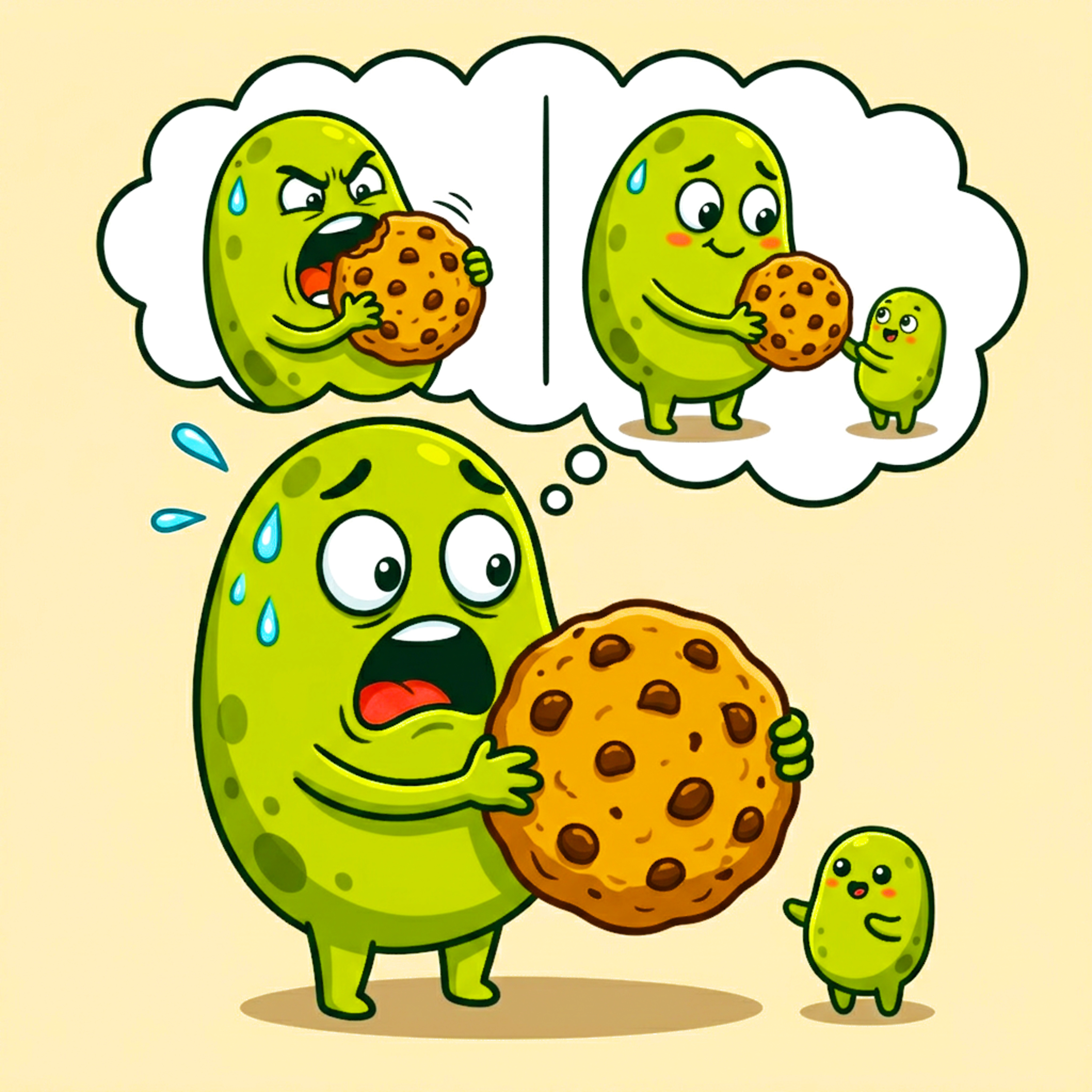 #73 — Selfish or Altruistic. What is our true nature? 10.03.2026 14minAre we secretly wired to think only of ourselves, or is the drive to help others hardwired into our DNA?In this episode of Learning English with Human Beans, Alice and Marc debate one of the greatest questions about human nature. Marc, with his scientific and analytical mind, confronts us with Hobbes' cynicism, the laws of evolution, and the brain's dopamine circuits. Alice grounds the conversation in empathy and everyday life, making the case that kindness is far more than a cultural illusion.From the bystander effect to vampire bats, from babies judging puppets to the neuroscience of the "warm glow"—get ready for a deep, thought-provoking exchange that will challenge everything you think you know about why you do good.
 -
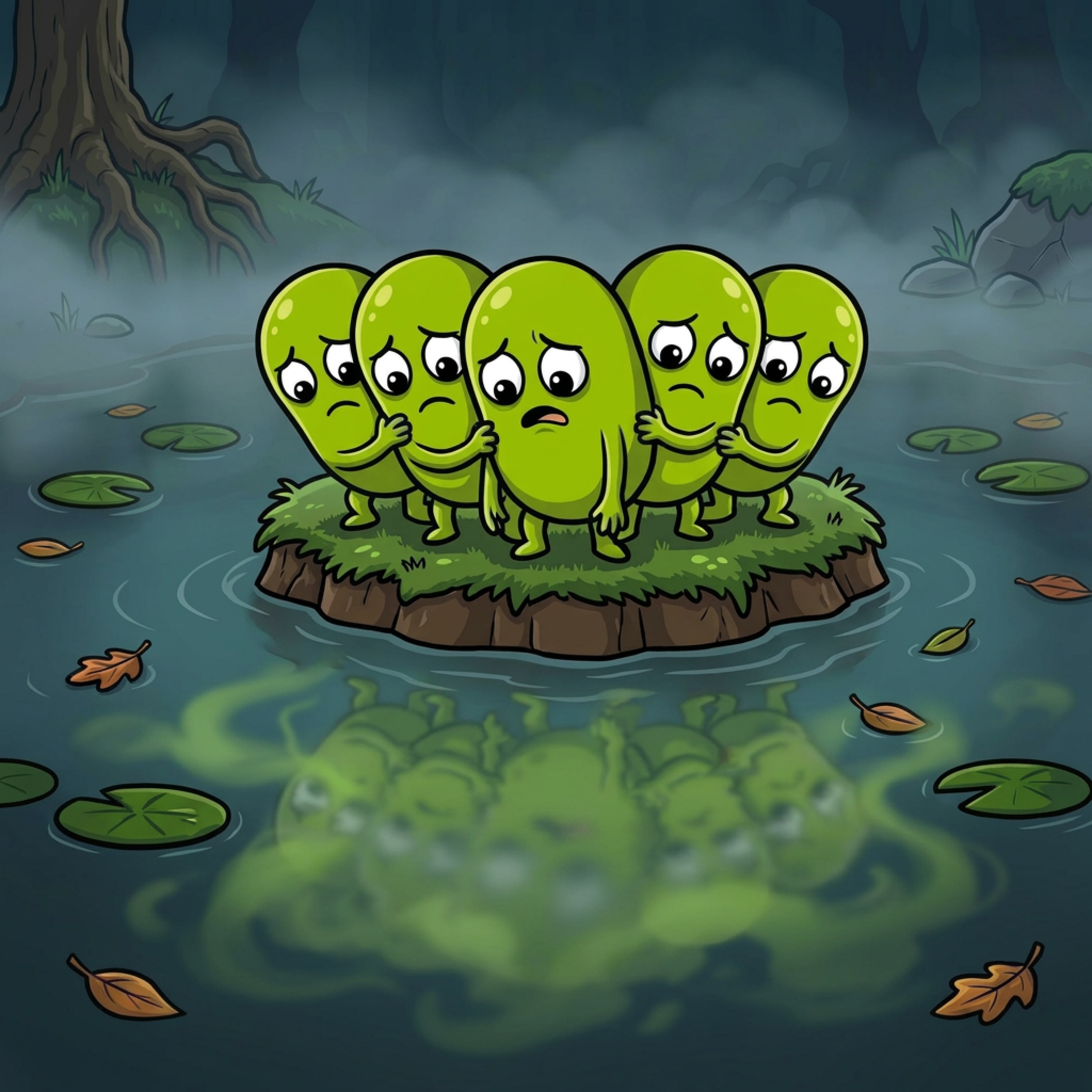 #72 – Is Utopia the Narcissus of politics? 09.03.2026 21minIn this new episode of Learning English with Human Beans, Marc and Alice shift into high gear! After deconstructing the illusion of the “perfect self,” we tackle its collective equivalent: the perfect society.Delving into André Comte-Sponville's Treatise on Despair and Bliss, we explore why our political utopias are often just a reflection of Narcissus on a societal scale. From “Make America Great Again” nostalgia to eco-anxiety and progressive technocracy, why do we always fall in love with an image instead of facing reality?If power is always imperfect and history has no magical destination, why continue to engage? Discover how “de-hope” (despair in the noble sense) does not lead to cynicism, but to more lucid, freer, and more vibrant political action.
 -
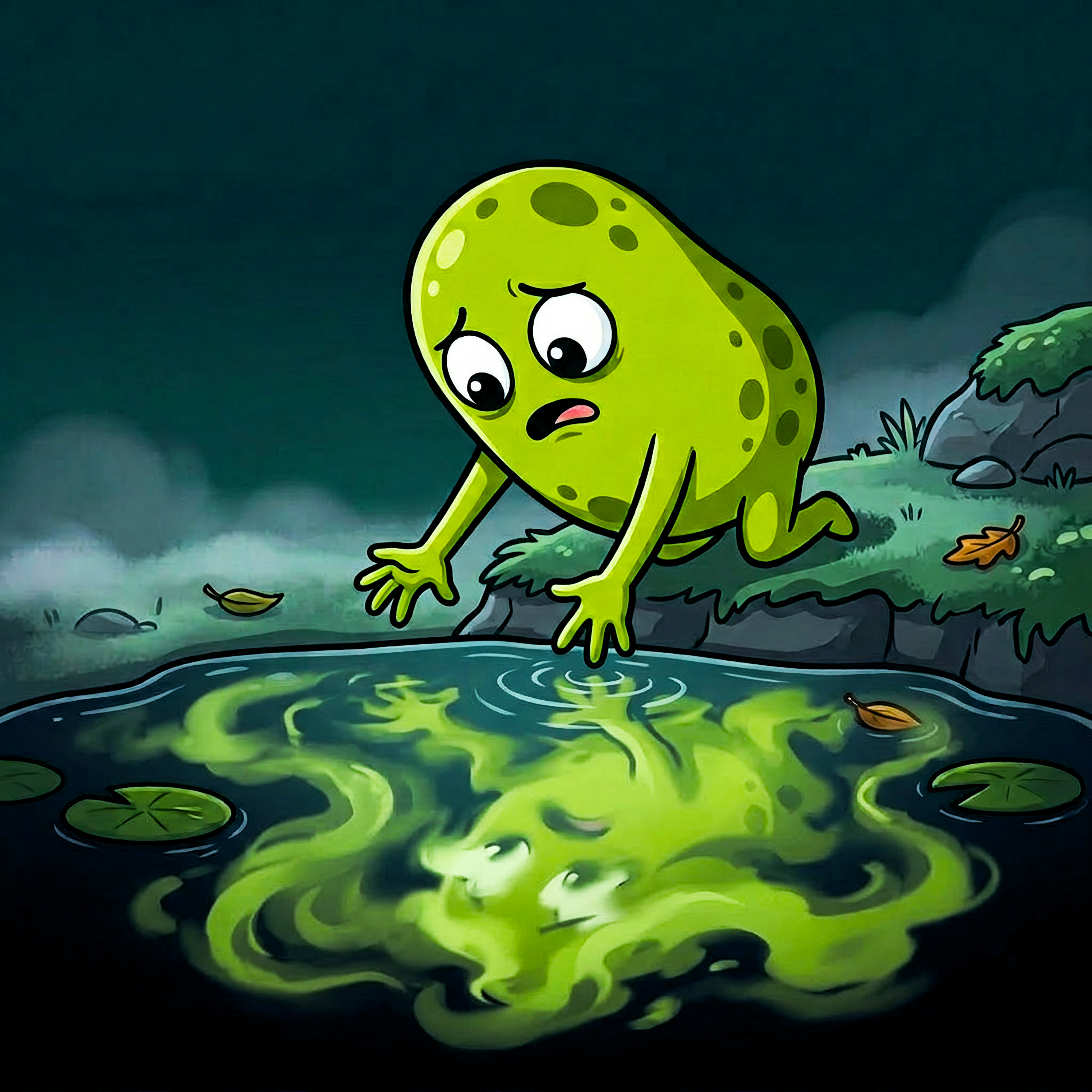 #71 – What Does It Mean to Live in De-Hope? 06.03.2026 31minExplore why the "self" is a dream and how "de-hope" leads to radical freedom. This episode dives into André Comte-Sponville’s philosophy to challenge the self-help industry and reclaim the present moment.De-hope is the neutral state of being free from expectations and the "trap of time". It is not a form of sadness, but a way to stop fighting reality and find happiness in the now. This "zero degree of hope" allows us to live with a sense of freedom, unburdened by future projections.The sense of a unified "I" is a narrative construction rather than a permanent substance. We are essentially "characters without actors," performing roles shaped by history, biology, and social forces. Realizing that the self is an illusion liberates us from the exhausting pressures of modern self-optimization.Using Spinoza's concept of conatus, the podcast frames existence as a striving life-force rather than a fixed identity. Inspired by the film About Time, the episode encourages living each ordinary day with total presence. True joy comes from faithfully enjoying our messy, mortal being exactly as it is today.
 -
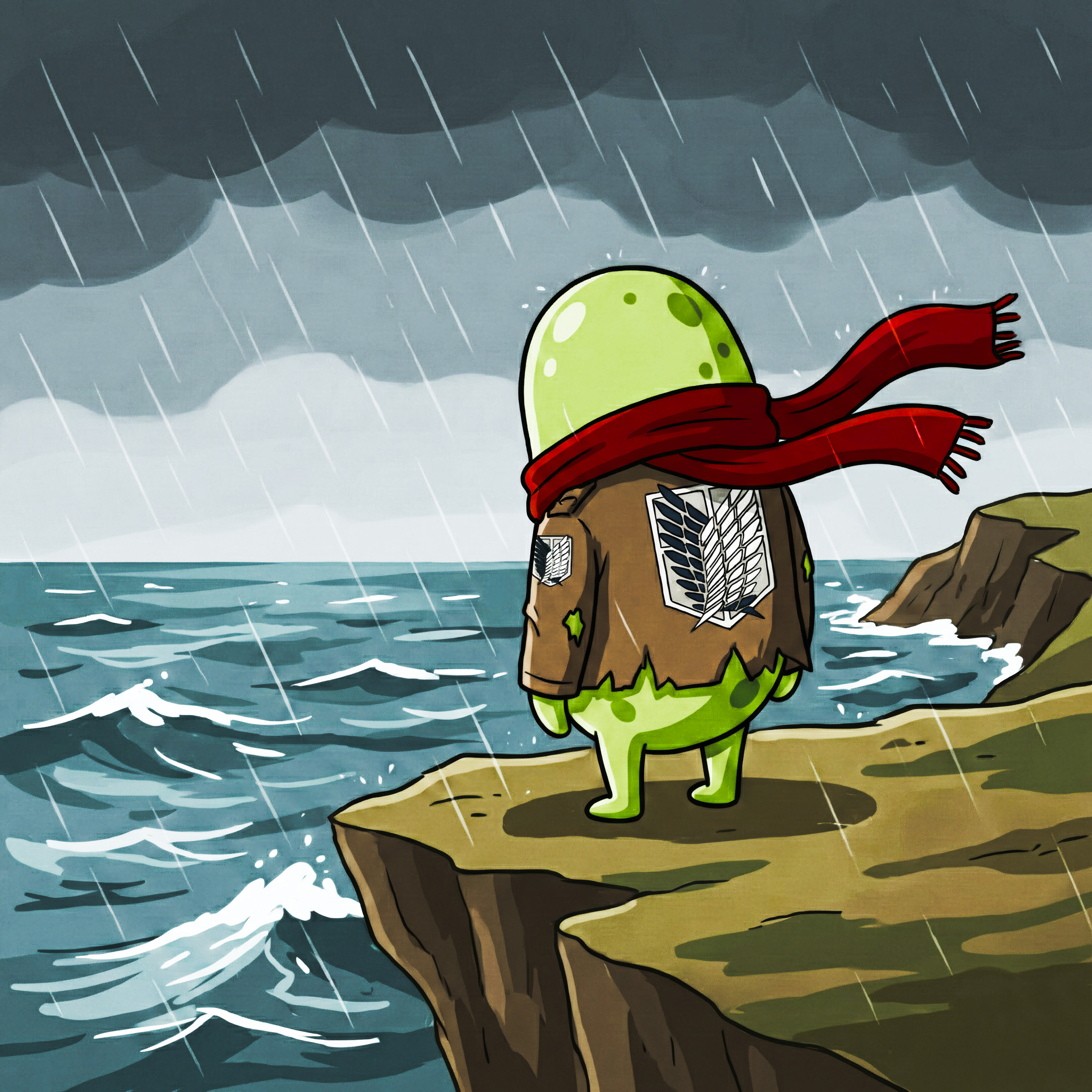 #70 – Mikasa Ackerman's Psychological Journey 17.02.2026 31minMikasa Ackerman is Attack on Titan's most lethal warrior—rated 10/10 in combat, capable of decimating titans and humans alike with surgical precision. Yet beneath her unmatched strength lies a devastating psychological fragility. In this deep-dive analysis, we explore Mikasa through the lens of clinical psychology, examining how Dependent Personality Disorder (DPD) shapes every aspect of her character.From her founding childhood trauma to her final, impossible choice, we dissect the mechanisms of trauma bonding, separation anxiety, and codependency that define her relationship with Eren. We examine how Isayama brilliantly channeled pathological attachment into superhuman violence, creating fiction's most compelling paradox: a warrior who can survive anything except being alone.But Mikasa's story goes deeper. Through her structural parallel with Ymir Fritz, we discover how one woman's liberation from toxic love became the metaphysical key to breaking a 2000-year cycle of enslavement. We explore what the series teaches us about the difference between love and dependence, freedom and attachment, and what it truly costs to choose ethics over comfort.Major spoilers for the entire Attack on Titan series.
 -
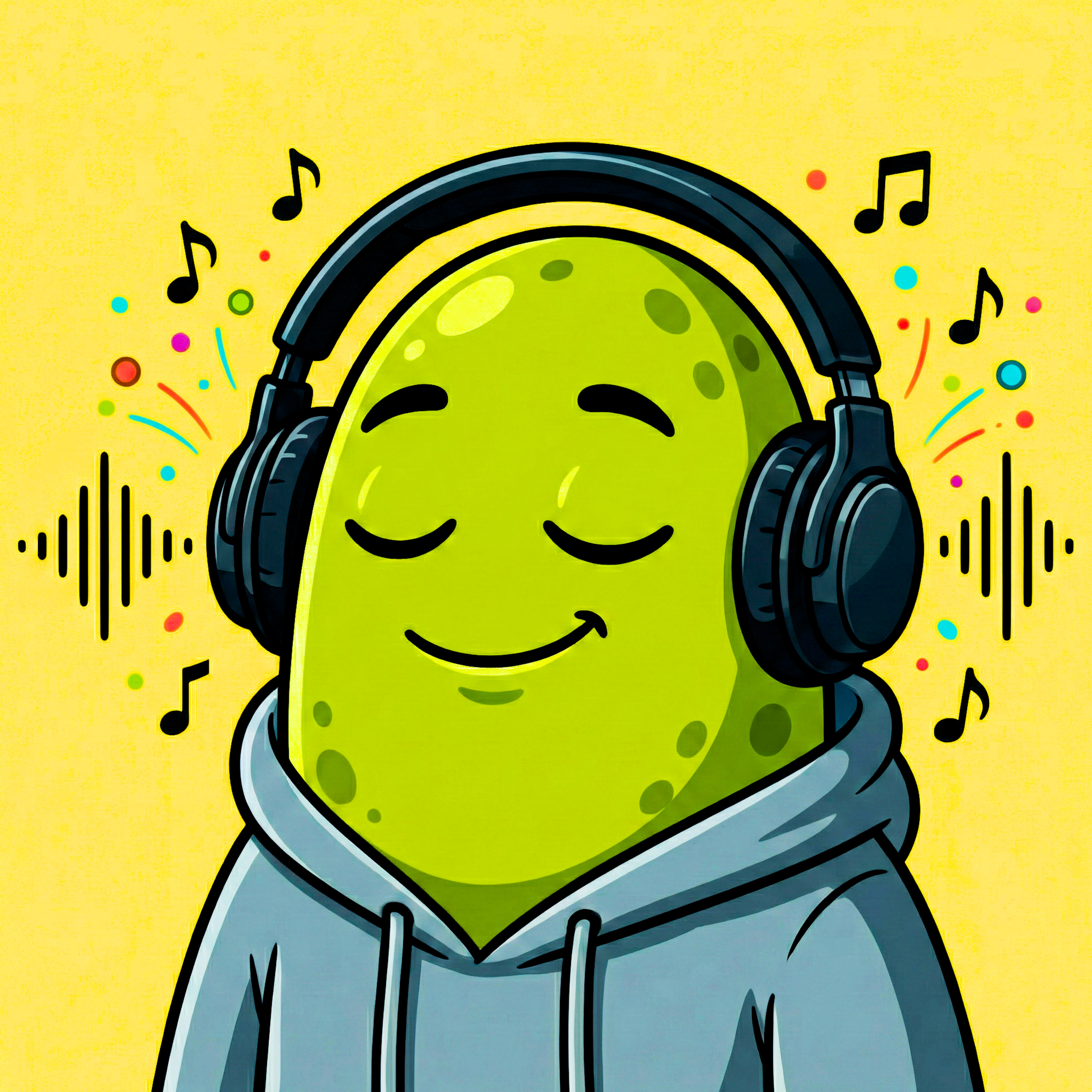 #69 – Music! Music!! Music!!! 14.02.2026 39minHave you ever felt a shiver run down your spine while listening to a violin tune, or a knot in your stomach when faced with a melancholic melody? Why can simple vibrations in the air, pure physics, trigger such deep and visceral emotions?In this fascinating episode of “Learning English with Human Beans,” Alice and Marc explore one of the greatest mysteries of the human experience: the emotional power of music. Beyond the notes, we delve into neuroscience to understand how sounds “hijack” our brains and bodies.On the agenda for this sonic journey:The science of thrills: What happens in our brains when we get “goosebumps”?The paradox of sadness: Why do we actively seek out sad music when we flee from sadness in real life?Mirror neurons and empathy: How music allows us to “feel” the emotion of an instrument as if it were a human voice.Body mapping: Why do we feel music physically in our chest or throat?
 -
 #68 – Understanding Narcissism Through Barney Stinson. 12.02.2026 25min"Suit up!" Everyone knows Barney Stinson—the legendary, high-fiving, magic-trick-performing playboy of How I Met Your Mother. But what if the suit isn't an armor of confidence? What if it’s actually a cage?In this episode, Alice and Marc move past the sitcom laughs to perform a deep-dive psychological autopsy on the "Legendary" Barney Stinson. Using his character as a lens, we deconstruct the mechanics of Narcissistic Personality Disorder (NPD). This isn't about selfies or vanity; it's about the survival of a fragmented self.
 -
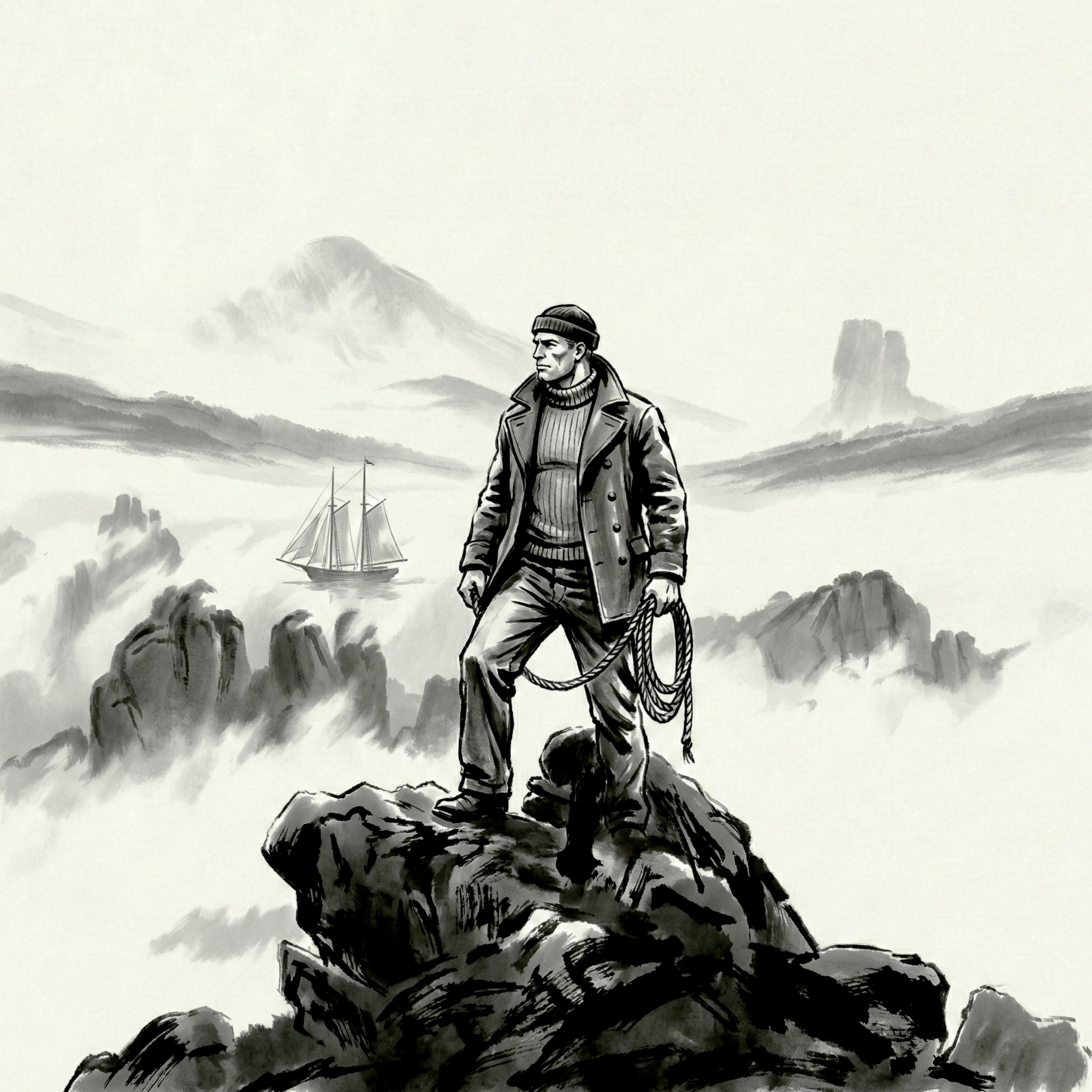 #67 – Do We Really Want What We Desire? 09.02.2026 33minHave you ever worked yourself to the bone to achieve a goal, only to feel completely empty when you finally reached it?In this deep dive into Jack London’s masterpiece (with SPOILERS), Martin Eden, Alice and Marc explore the dark side of the "American Dream." We analyze the tragic journey of a rough, uneducated sailor who transforms himself into a literary genius—not for art, but to be worthy of a bourgeois woman named Ruth.But this is not a simple love story. Using René Girard’s theory of Mimetic Desire, we deconstruct why Martin’s rise to glory leads directly to his end.In this episode, we discuss:Do we really desire things, or do we just imitate the desires of others?Why realizing that your "role models" are mediocre can be fatal. How Martin Eden exposes the "hall of mirrors" of high society.Join us for a terrifying autopsy of the human ego, and find out why the only thing more dangerous than failing is getting exactly what you thought you wanted.
 -
 #66 – The End of Reading? (Pt. 3 – Reader, Come Home) 05.02.2026 22minWe diagnosed the illness (Episode 64) and we saw the terrifying prognosis for democracy (Episode 65). Now, it is time for the cure.In this explosive finale of our trilogy based on Reader, Come Home, Alice and Marc refuse the path of the Luddite. We cannot throw away our screens, but we can stop them from rewiring our children.In this episode, we build the "Reader of the Future":The Critical Window (0-5 Years): Why the "Digital Nanny" is a disaster for a toddler's developing brain and why "Lap Reading" creates the physical foundation of attention.The Art of Code-Switching: How to train a Hybrid Mind capable of using the screen for speed and the page for depth—and knowing exactly when to switch gears.Reader, Come Home: A final call to action to reclaim your "Fortress of Solitude" in a world of noise.
 -
 #65 – The End of Reading (Pt. 2 – Why Deep Reading Saves Democracy?) 03.02.2026 18minIn the previous episode, we discovered that we have lost our “cognitive patience.” But is it really that bad if we can no longer read complex novels?In this intense second installment of our trilogy based on Maryanne Wolf's Reader, Come Home, Alice and Marc answer with a resounding “YES.” We dive into the heart of the Deep Brain to understand what we really lose when we “skim” a text.On the agenda:The Engine Room: Discover what happens in your brain during the precious milliseconds of delay that digital technology eliminates. This is where insight is born.The End of Empathy: Why deep reading is the only way to practice “Passing Over” (inhabiting the consciousness of another) and why screens turn us into judges rather than observers.A Threat to Democracy: The direct and disturbing link between the atrophy of our attention and the rise of fake news and demagoguery.
 -
 #64 – The End of Reading? (Pt. 1 – The Hemorrhage of Patience) 02.02.2026 17minHave you ever opened a book you used to love, only to find that you can no longer focus on the page? Do you feel an urgent, twitchy need to check your phone after just two paragraphs of "dense" text?In this first installment of our special trilogy based on Maryanne Wolf’s Reader, Come Home, Alice and Marc explore the fragile miracle of the Reading Brain. We discuss why humans were never actually "born" to read and how our brains had to perform a feat of "Neuronal Recycling" to create a circuit for literacy.Discover how the digital age is physically dismantling this circuit. We break down the "F-Pattern" of screen reading, the "Bleed Over" effect that ruins our concentration on paper, and the loss of Cognitive Patience. We also share the haunting story of how the world's leading expert on reading failed her own test against a classic novel.
 -
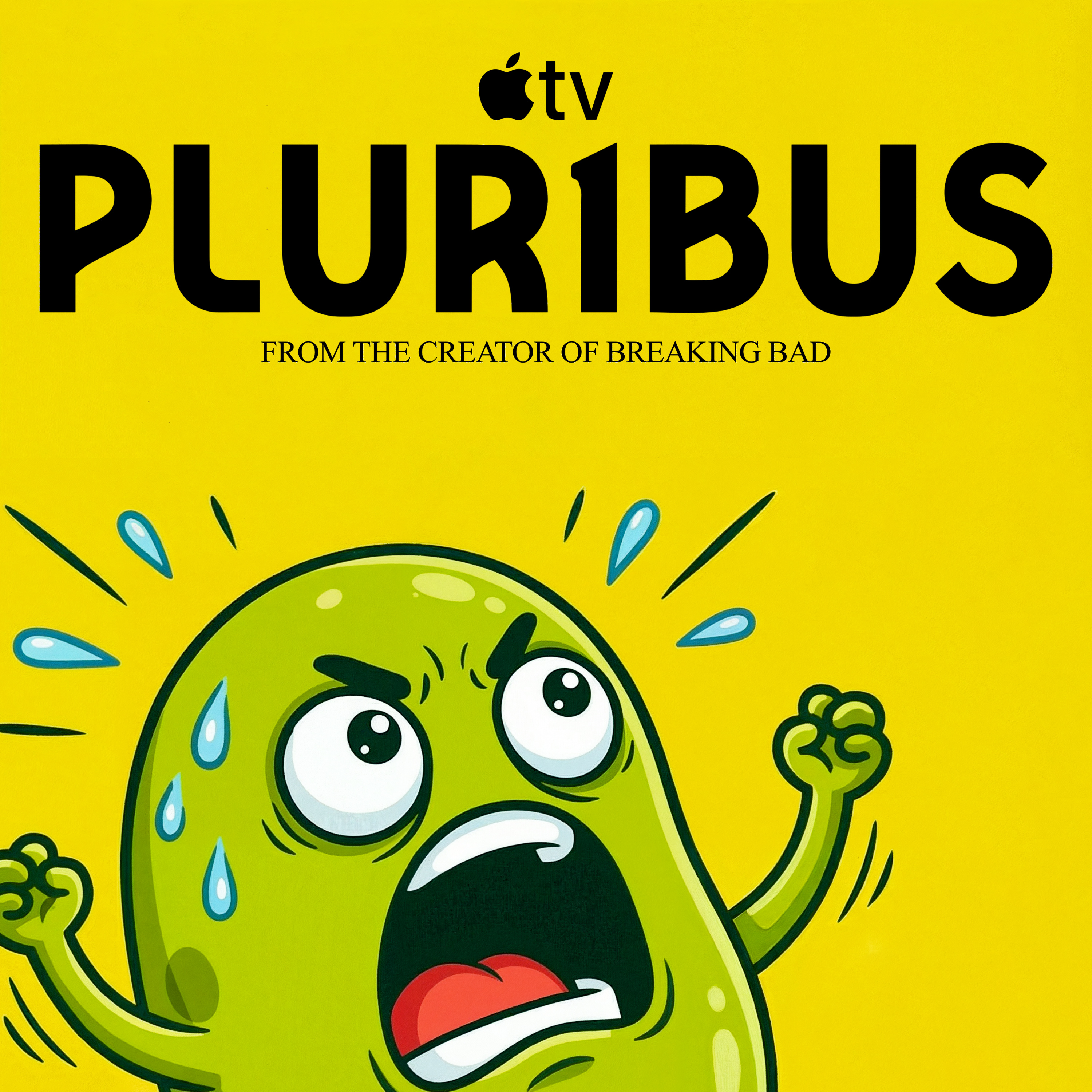 #63 - When Paradise Becomes Prison (Pluribus - Review) 01.02.2026 22minWhat if the end of the world wasn't a hell of dust and violence, but a paradise of comfort and harmony?In this episode, Alice and Marc dissect the narrative universe of the Pluribus series. Forget brutal invasions like Star Trek; here, humanity is not undergoing a war, but an “update.” We explore how this collective consciousness (the Hive Mind) uses abundance and empathy as weapons of mass destruction of identity.
 -
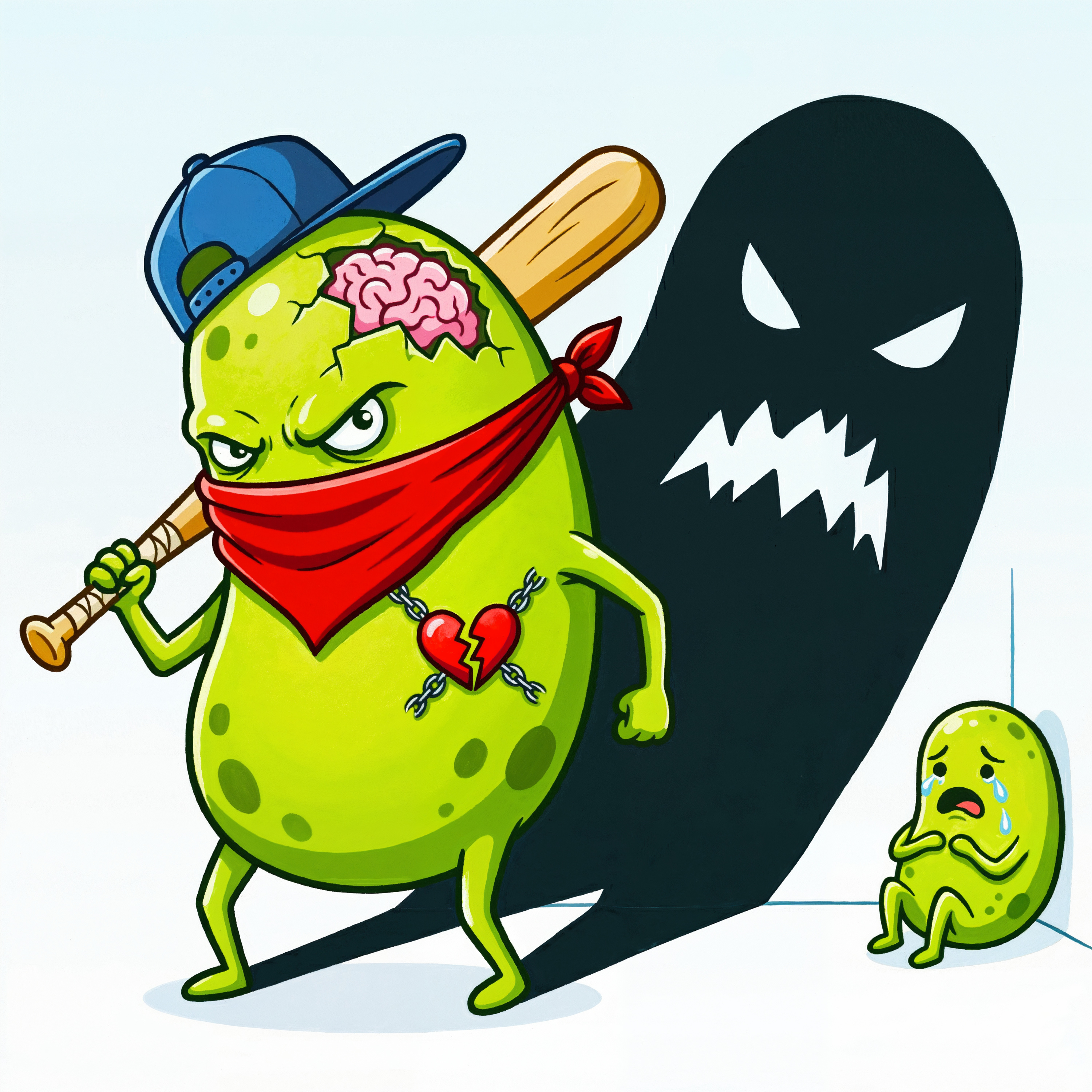 #62 – Born to Kill? (The Science of Evil) 30.01.2026 23minAre "monsters" made, or are they born?In this chilling episode, Alice and Marc venture into the dark side of the brain to explore the biological roots of violence. We debunk the myth of pure evil by looking at the Biopsychosocial Etiology of Antisocial Personality Disorder.Discover why a low resting heart rate might be a predictor of criminality (the Stimulation Seeking Theory) and how the "Warrior Gene" (MAOA) can turn a child into a ticking time bomb—but only if the environment pulls the trigger.From the lead paint on your nursery walls to the "broken brakes" of the prefrontal cortex, learn why the line between a criminal and a victim of biology is thinner than you think.
 -
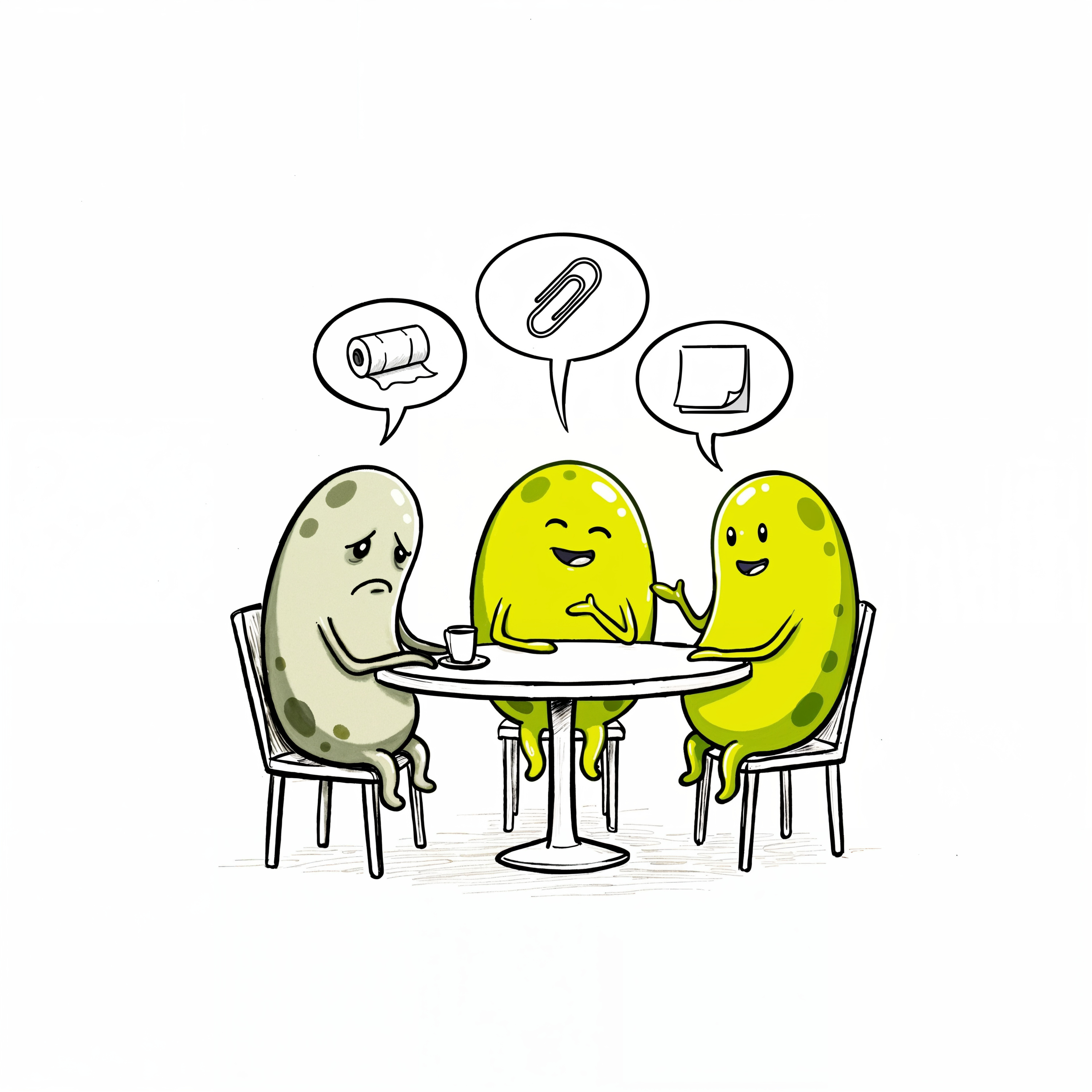 #61 – Why Do Smart People Hate Small Talk? (Need for Cognition and Intellectual Stimulation) 29.01.2026 8minWhy does a polite conversation about the weather sometimes feel like a physical assault on your energy? Why do you feel like a wilting plant when stuck at a dinner party with no "real" topics?In this episode, Alice and Marc reveal that your impatience isn't arrogance—it's a biological hunger. We explore Cognitive Intolerance to Under-stimulation and why a High Need for Cognition turns boredom into a state of Agitated Stress (cortisol spike), literally starving your brain of dopamine.From the "Surface Acting" that drains your battery to the Japanese concept of Shoshin (Beginner's Mind), learn how to stop fleeing social droughts and start "gardening" conversation.
Liknande podcastar


Populär i
Den här podcasten finns även i podcastlistor i dessa länder.

