
Sausage of Science
Human Biology Association
0
The Sausage of Science is a podcast produced by the Human Biology Association, a nonprofit scientific organization dedicated to supporting and disseminating innovative research and teaching on human biological variation. The show explores topics in evolutionary, social, historical, and environmental contexts. It likely features interviews with researchers and discussions about recent findings in human biology. Episodes aim to make complex scientific ideas accessible to a broad audience.
Avsnitt
-
 SoS 285: Female Reproductive Function and Fieldwork Adventures with Dr. Virginia Vitzthum 06.07.2026 55minIn this episode, hosts Cara and Anna talk with Dr. Virginia Vitzthum about novel findings in female reproductive functioning across populations, tell exciting fieldwork stories, and reflect on the changing nature of the field of Anthropology. Dr. Virginia Vitzthum is a professor emeritus in the Department of Anthropology at Indiana University. Currently, she is an Honorary Professor in the School of Medicine, University of British Columbia, Vancouver; Member of the Scientific Advisory Council at CeMCOR (Centre for Menstrual Cycle and Ovulation Research, UBC); and scientific advisor for Clue, a Germany-based menstrual tracking app. Her research focuses on women’s reproductive functioning and how it differs between individuals and across populations around the world. This work has direct implications for improving women’s health including reducing breast cancer, depression, autoimmune diseases, and other hormone related disorders; treating infertility and preventing early pregnancy loss; and developing more effective contraceptives with fewer side effects. Contact Virginia at [email protected] ------------------------------ Find the book chapter discussed in this episode: Chapter: How It Works: The Biological Mechanisms that Generate Demographic Diversity In Book: Burger, O., Lee, R., & Sear, R. (Eds.). (2024). Human evolutionary demography. Open Book Publishers. https://scholarworks.iu.edu/dspace/items/3777a36c-41cf-4a57-a8ec-4c0cdf21f69b ------------------------------ Contact the Sausage of Science Podcast and the Human Biology Association: Facebook: facebook.com/groups/humanbiologyassociation/, Website: humbio.org Cara Ocobock, Co-Host, Website: sites.nd.edu/cara-ocobock/ Email: [email protected], Twitter: @CaraOcobock Anna Samsonov, Co-Host, Email: [email protected] Bluesky: @annasamsonov.bsky.social
 -
 SoS 284: Dr. Amy Boddy Explains Microchimerism: How Much of You Is Actually You? 01.07.2026 48minJoin us for a conversation with Dr. Amy Boddy, Professor of Anthropology at UC Santa Barbara and head of the Boddy Lab, a human evolutionary biologist whose work asks why cancer varies across the animal kingdom, how pregnancy reshapes the body, and what it means that nearly all of us carry living cells that originated in someone else. In this episode, Amy explains microchimerism, the phenomenon in which foreign cells can invade and persist in our bodies for decades, turning up in the blood, bone marrow, and pancreas; sometimes with a benefit. Amy makes the case that microchimeric cells deserve a central place in how we think about health and inheritance, and in what it means to be an individual when the boundaries of the body prove so porous. ------------------------------ Find the papers mentioned in this episode: Chua, K. J., Quilang, R. C., Sallinger, K., Aktipis, C. A., Arck, P., Bianchi, D. W., Chang, D., Eikmans, M., S Fjeldstad, H. E., Haig, D., Harrington, W. E., Horsnell, W., Jacobsen, D. P., Kanaan, S. B., Khosrotehrani, K., Lambert, N. C., Nelson, J. L., Olsen, M. B., Pan, T. D., . . . Boddy, A. M. (2025). Identifying Key Questions and Challenges in Microchimerism Biology. Advanced Science, 12(48), e14969. https://doi.org/10.1002/advs.202514969 Boddy, A. M., Fortunato, A., Sayres, M. W., & Aktipis, A. (2015). Fetal microchimerism and maternal health: A review and evolutionary analysis of cooperation and conflict beyond the womb. Bioessays, 37(10), 1106. https://doi.org/10.1002/bies.201500059 ------------------------------ Contact Dr. Boddy: [email protected] ------------------------------ Contact the Sausage of Science Podcast and Human Biology Association: Facebook: facebook.com/groups/humanbiologyassociation/, Website: humbio.org Chris Lynn, Host Website: cdlynn.people.ua.edu, E-mail: [email protected], Twitter:@Chris_Ly Cristina Gildee, Co-Host & Co-Producer Website: cristinagildee.com, E-mail: [email protected]
 -
 SoS 283: Non-academic Career Paths, Inflammation, and Ovarian Function with Dr. Anneliese Long 22.06.2026 36minIn this episode, Chris and Mecca discuss the non-academic job search and career experience with Dr. Anneliese Long, as well as her work assessing the connections among inflammation and ovarian reserve biomarkers. Anneliese Long is an applied anthropologist with a background in studying the biological and sociocultural aspects of reproductive health and fertility. She completed her B.A. in anthropology at the University of South Florida, followed by her PhD in Biological Anthropology at the University of North Carolina at Chapel Hill in 2025. She now works in the market research industry as a quantitative data analyst at OptiBrand Rx, where she helps bridge the gaps in knowledge between biotechnology and pharmaceutical organizations and healthcare practitioners. She also continues to teach and mentor students part-time in her home department at UNC-Chapel Hill. Contact Anneliese at [email protected], https://www.linkedin.com/in/annelieselong/ ------------------------------ Find the paper discussed in this episode: Inflammation and Ovarian Function in Reproductive-Aged Women https://onlinelibrary.wiley.com/doi/10.1002/ajhb.24196 ------------------------------ Contact the Sausage of Science Podcast and the Human Biology Association: Facebook: facebook.com/groups/humanbiologyassociation/, Website: humbio.org Chris Lynn, Co-Host, Website: cdlynn.people.ua.edu/, E-mail: [email protected] Mecca E. Howe, Co-Host, E-mail: [email protected], LinkedIn: https://www.linkedin.com/in/mecca-howe/
 -
 SoS 282: Interrogating Human Exceptionalism in Primate Research with Dr. Christine Webb 15.06.2026 50minIn this episode, host Chris speaks with Dr. Christine Webb about primate behavior, cognition and consciousness, and dismantling the myth of human exceptionalism. Dr. Christine Webb is an assistant professor in the department of Environmental Studies at NYU, where she is part of the animal studies program. Her work seeks to elucidate the complex dynamics of animal social life and to apply this knowledge to foundational questions in animal ethics and conservation. Specifically, she investigates how animals manage and mitigate social disruptions, and the emotional, motivational , and cultural influences shaping these processes, with a focus on non-human primates. Dr. Webb is interested in how prevailing social norms, values, and institutions shape contemporary knowledge of other animals and the environment more generally. In her new book, The Arrogant Ape, Dr. Webb engages critically with human exceptionalism, and how this pervasive ideology biases scientific exploration of the more-than-human world. ------------------------------ Find the book discussed in this episode: Webb, C. E. (2025). The arrogant ape: the myth of human exceptionalism and why it matters. New York, NY: Avery. https://www.penguinrandomhouse.com/books/717436/the-arrogant-ape-by-christine-webb/# ------------------------------ Contact Dr. Christine Webb: [email protected] Bluesky: @christinewebb.bsky.social/ Website: https://www.cewebb.com/ ------------------------------ Contact the Sausage of Science Podcast and the Human Biology Association: Facebook: facebook.com/groups/humanbiologyassociation/, Website: humbio.org Chris Lynn, Host Website: cdlynn.people.ua.edu/, E-mail: [email protected], Twitter:@Chris_Ly
 -
 SoS 281: Industrialization and the Environmental Mismatch: The Case for Returning to Nature with Dr. Danny Longman and Dr. Colin Shaw 08.06.2026 41minIn this episode, hosts Chris and Mecca speak with Dr. Danny Longman and Dr. Colin Shaw about the mismatch between humans and modern built environments, exploring both the negative biological impacts of living in industrialized cities and the positive effects of spending time in nature. Dr Danny Longman graduated from the University of Cambridge with a BA (Hons) in Natural Sciences (2005–08), followed by an MPhil (2008–09) and PhD (2011–14) in Human Evolution. He remained at Cambridge as a Postdoctoral Researcher (2015–19) before joining Loughborough University as a Lecturer. He has since been promoted to Senior Lecturer. Outside of work, Danny is a keen sportsman with a passion for ultra-endurance sport, nature, and travel. Dr. Colin Shaw graduated from the University of Western Ontario (Canada) with a BA (Hons) in Anthropology and Kinesiology (2000) and an MSc in Exercise Physiology (2000-02), then moved to the University of Cambridge, where he obtained an MPhil (2003-04) and a PhD (2004–08) in Biological Anthropology. He was a postdoctoral researcher at the University of Wisconsin-Madison (2008-2009), Penn State (2010-2011), and the University of Cambridge (2011-2015). He is now a Senior Lecturer at the University of Zurich. ------------------------------ Find the paper discussed in this episode: Longman, D.P. and Shaw, C.N. (2026), Homo sapiens, industrialisation and the environmental mismatch hypothesis. Biol Rev, 101: 580-601. https://doi.org/10.1111/brv.70094 ------------------------------ Contact the Sausage of Science Podcast and the Human Biology Association: Facebook: facebook.com/groups/humanbiologyassociation/, Website: humbio.org Chris Lynn, Co-Host, Website: cdlynn.people.ua.edu/, E-mail: [email protected] Mecca E. Howe, Co-Host, E-mail: [email protected], LinkedIn: https://www.linkedin.com/in/mecca-howe/
 -
 SoS 280: The Measure of Motion with Dr. Christine Harper 03.06.2026 38minChris and Cristina sit down with Dr. Christine Harper, a biological anthropologist and Assistant Professor in the Department of Anthropology at the University of Washington, whose research focuses on the functional morphology and biomechanics of the human and nonhuman primate postcranial skeleton, with the goal of understanding how musculoskeletal form relates to locomotor behavior. She uses these patterns to place early hominins in context and reconstruct how they may have moved. Her work takes a quantitative, data-driven approach, using tools such as 3D geometric morphometrics, high-density semilandmarks, spherical harmonic analyses (SPHARM), whole-bone trabecular analyses, musculoskeletal modeling, and advanced statistical methods for high-dimensional data. She also develops and tests novel methods to address challenges in analyzing complex, multi-dimensional data. ------------------------------ Find the paper discussed in this episode: Harper, C. M., & Patel, B. A. Functional morphology of trabecular bone in the calcaneus of African apes. Journal of Anatomy. https://doi.org/10.1111/joa.70141 ------------------------------ Contact Dr. Harper: [email protected] ------------------------------ Contact the Sausage of Science Podcast and Human Biology Association: Facebook: facebook.com/groups/humanbiologyassociation/, Website: humbio.org, Twitter: @HumBioAssoc Chris Lynn, Host Website: cdlynn.people.ua.edu, E-mail: [email protected], Twitter:@Chris_Ly Cristina Gildee, Co-Host & Co-Producer Website: cristinagildee.com, E-mail: [email protected]
 -
 SoS 279: The AABA Task Force Recommendations for the Ethical Study of Human Remains with Dr. Fatimah Jackson and Dr. Ben Auerbach 25.05.2026 1h 20minIn this episode, hosts Cara and Chris speak with Dr. Fatimah Jackson and Dr. Ben Auerbach about the American Association of Biological Anthropologists Task Force on the ethical study of human remains and their recommendations for the management and oversight of community partnership and ethical stewardship of human remains. Dr. Fatimah Jackson is a professor Emeritus of the Biology Department at Howard University. She has conducted research on (and is particularly interested in): 1.) Human-plant coevolution, particularly the influence of phytochemicals on human metabolic effects and evolutionary processes and 2.) Population substructure in peoples of African descent, developing Ethnogenetic Layering as a computational tool to identify human microethnic groups and differential expressions of health disparities. You can learn more about her work here: https://profiles.howard.edu/fatimah-jackson Dr. Auerbach is a Professor in the Departments of Ecology & Evolutionary Biology and Anthropology at the University of Tennessee, Knoxville. His research examines variation and evolution through the skeletons of primates and other mammals, applying quantitative genetics and functional anatomy to understand how traits evolve, especially in primates and Australian marsupials. He also studies variation in global human samples from archaeological and medical contexts, as well as the history and ethics of the biological and social sciences. You can find more about his work here: https://web.utk.edu/~auerbach/index.htm ------------------------------ Find the paper discussed in this episode: Who Speaks for the Dead? Of Communities and Stewardship in Legacy Collections of Human Remains: https://onlinelibrary.wiley.com/doi/10.1002/ajpa.70216 AABA Task Force on the Ethical Study of Human Remains Recommendations: Proposal for the Management and Oversight of Community Partnership and Ethical Stewardship of Human Remains: https://onlinelibrary.wiley.com/doi/10.1002/ajpa.70213 ------------------------------ Contact the Sausage of Science Podcast and the Human Biology Association: Facebook: facebook.com/groups/humanbiologyassociation/, Website: humbio.org Cara Ocobock, Co-Host, Website: sites.nd.edu/cara-ocobock/, Email:[email protected], Twitter:@CaraOcobock Chris Lynn, Co-Host, Website: cdlynn.people.ua.edu/, E-mail: [email protected], Twitter:@Chris_Ly
 -
 SoS 278: Using a biocultural approach to understand food allergies, consumption patterns, and guidelines with Erin Maxwell (Hosein) 09.05.2026 43minIn this episode, Mecca chats with Erin Maxwell (Hosein) about her research on food allergen consumption patterns in the U.S. using NHANES data, gaps in current research, and the value of anthropological approaches for contributing to a more holistic understanding and informing policy/guidelines. They also discuss the evolutionary dual-allergen exposure hypothesis and new, exciting methods for testing the theory. Erin Maxwell (Hosein) is a registered dietitian and human-biology PhD student in Anthropology at the University of North Carolina at Chapel Hill whose work centers on the rising prevalence of food allergies in the United States. Drawing on training in nutrition, food studies, and evolutionary perspectives on health, she studies how early-life feeding practices may shape the development of allergic disease. Her research focuses on maternal and infant nutrition and the early-life origins of allergic conditions using biosocial and nutritional epidemiology approaches. More broadly, she examines how food policy and shifting public health recommendations influence not only nutritional status but also everyday food practices, customs, and beliefs. Contact Erin at [email protected], https://www.linkedin.com/in/erinhoseinnutrition/ ------------------------------ Find the papers discussed in this episode: Hosein, E. A., Virkud, Y. V., Kim, E. H., Hoke, M. K., Thompson, A. L., & Keet, C. A. (2025). Temporal, Age, and Racial and Ethnic Trends in Allergen Consumption from 2-Day 24-Hour Recalls, NHANES 2003-2023. The journal of allergy and clinical immunology. In practice, 13(10), 2795–2805. https://doi.org/10.1016/j.jaip.2025.07.028 Comment on Stanislaw J. Gabryszewski, Jesse Dudley, Jennifer A. Faerber, Robert W. Grundmeier, Alexander G. Fiks, Jonathan M. Spergel, David A. Hill; Guidelines for Early Food Introduction and Patterns of Food Allergy. Pediatrics November 2025; 156 (5): e2024070516. 10.1542/peds.2024-070516 ------------------------------ Contact the Sausage of Science Podcast and the Human Biology Association: Facebook: facebook.com/groups/humanbiologyassociation/, Website: humbio.org Mecca E. Howe, Host, E-mail: [email protected], LinkedIn: https://www.linkedin.com/in/mecca-howe/
 -
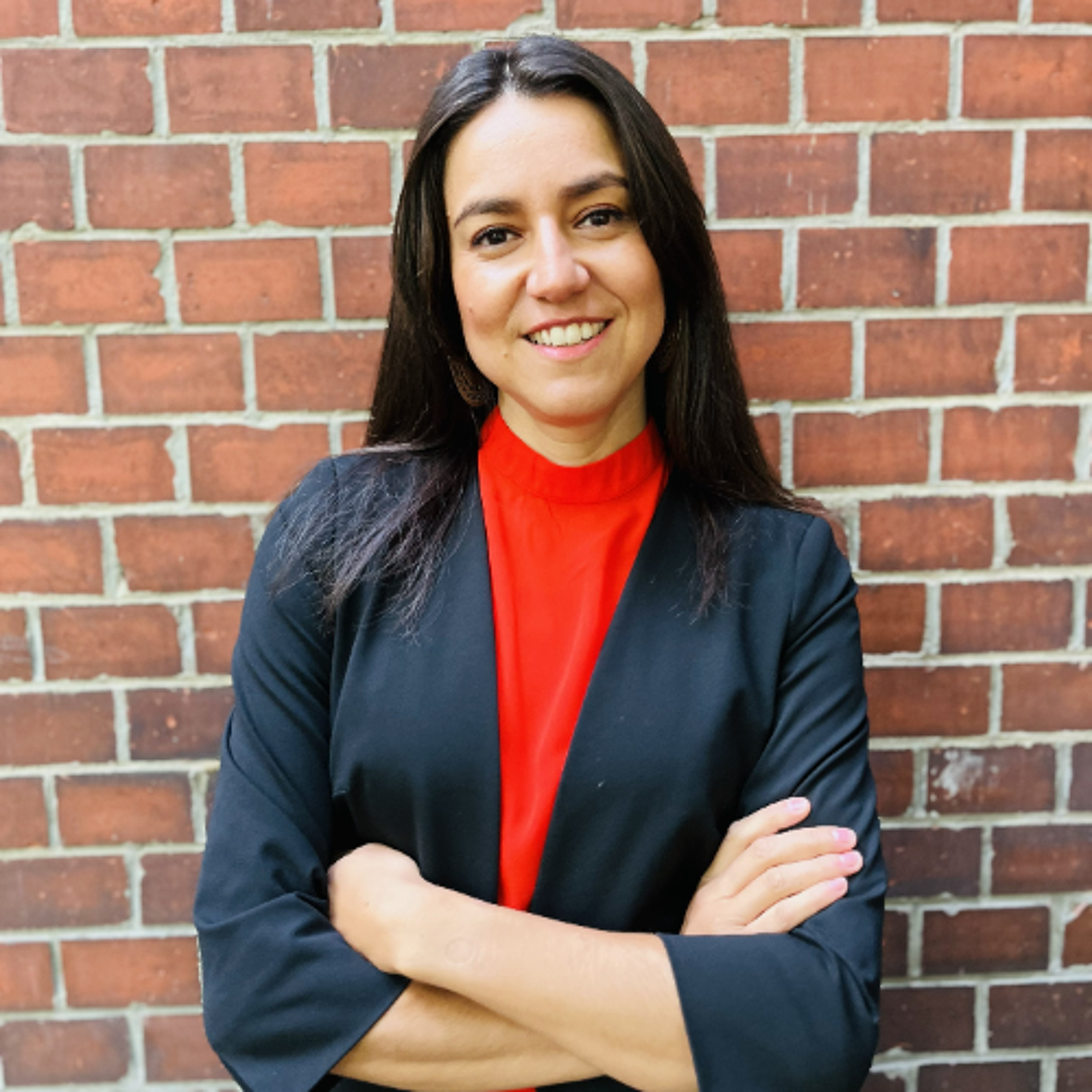 SoS 277: Catalina Fernández discusses a new causal model of human growth using temporally sparse data 27.04.2026 35minIn this episode, Dr. Catalina Fernández explains a new theoretical model of human growth and its opportunities for cross-sectional and diverse samples. Dr. Catalina Fernández is an Assistant Professor in the Department of Anthropology at Florida Atlantic University (United States). Her research focuses on the role of food and diet in human adaptation and evolution among contemporary populations. Drawing on evolutionary and biocultural frameworks and employing mixed methods, her work investigates how subsistence strategies, nutritional histories, and the environment shape genetic, physiological, and cultural adaptations. She is particularly interested in questions related to the consequences of global market integration for human health and well-being among rural and small-scale societies. She has experience working with rural and Indigenous communities in Latin America, addressing issues related to environmental and dietary adaptations, nutrition transition, chronic disease risk, and population genetics. Her most recent research project investigates the causes of variation in child growth trajectories among non-Western populations, aiming to better inform public health interventions using culturally and environmentally appropriate strategies. Building on this work, she is developing a research program that examines the life-course health outcomes related to water and food security resulting from the climate change–driven expansion of the mining industry among indigenous communities in Chile. Contact Dr. Fernández at [email protected] ------------------------------ Find the paper discussed in this episode: John A. Bunce, Catalina I. Fernández, Caissa Revilla-Minaya; A causal model of human growth and its estimation using temporally sparse data. R Soc Open Sci. 1 August 2025; 12 (8): 250084. https://doi.org/10.1098/rsos.250084 ------------------------------ Contact the Sausage of Science Podcast and the Human Biology Association: Facebook: facebook.com/groups/humanbiologyassociation/, Website: humbio.org Chris Lynn, Co-Host, Website: cdlynn.people.ua.edu/, E-mail: [email protected], X:@Chris_Ly Mecca E. Howe, Co-Host, E-mail: [email protected], LinkedIn: https://www.linkedin.com/in/mecca-howe/
 -
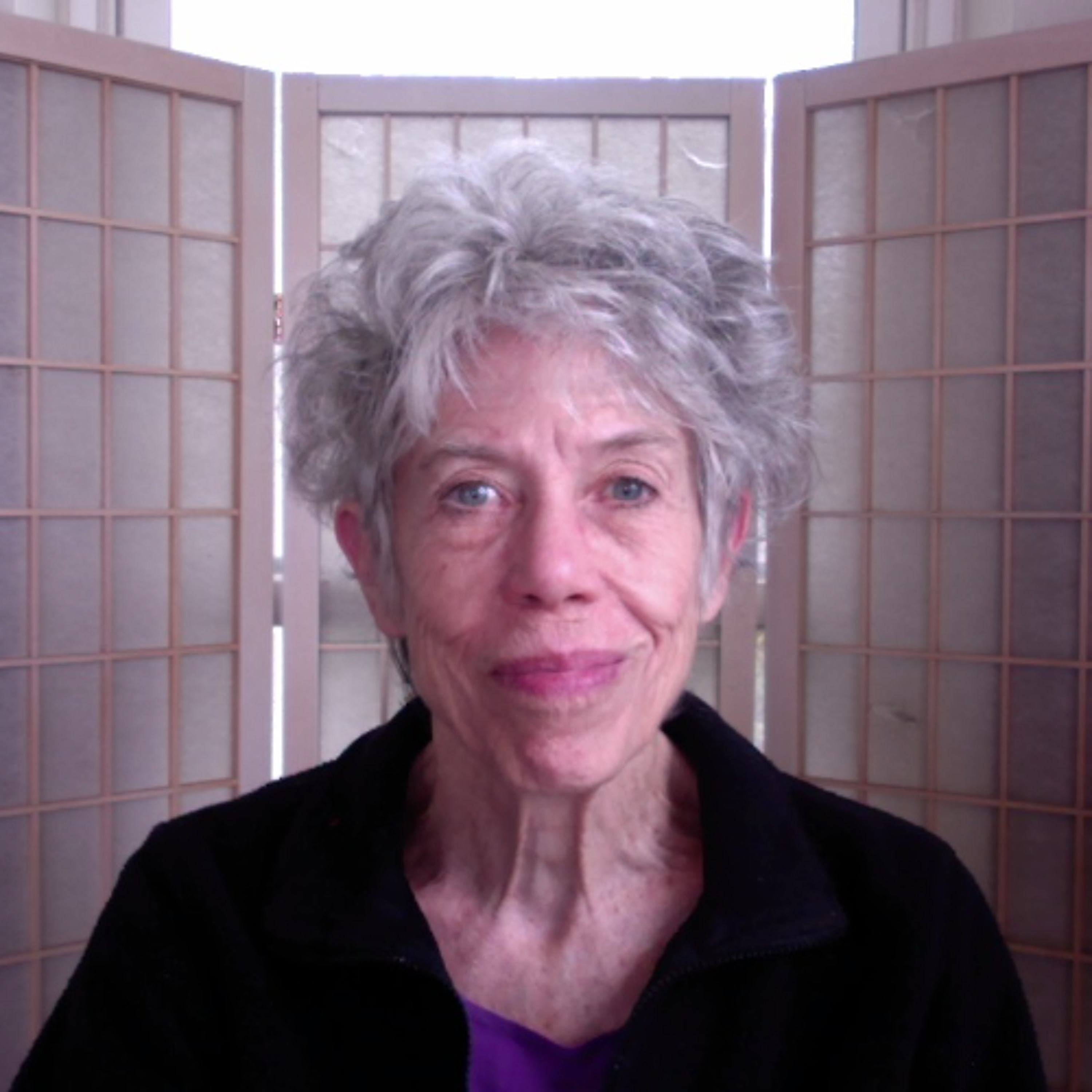 SoS 276: When the Grandmother Hypothesis Speaks, Part Two 25.04.2026 50minIn part two of our conversation with Dr. Kristen Hawkes, Professor of Anthropology at the University of Utah, we pick up where we left off and turn to the broader evolutionary story that grandmothering helps tell. Building on her original grandmother hypothesis, this episode focuses on her paper "Life History Evolution Explains Features of Humanity," in which she argues that post-menopausal longevity set off a cascade of life history shifts that distinguish us from our closest primate relatives. Dr. Hawkes walks us through how grandmothering can explain features that often get treated as separate evolutionary puzzles: our unusually long childhoods, late maturity, short interbirth intervals, and extended lifespans. From there, the conversation moves into the social and cognitive consequences of this life history pattern, including pair bonding, cooperative behavior, and the distinctive intensity of human social life. She also revisits how comparisons with chimpanzees and ethnographic data from the Hadza continue to inform and constrain the hypothesis. ------------------------------ Find the work discussed in this episode: Hawkes, K., & Jones, N. B. (2018). Hunter-gatherer studies and human evolution: A very selective review. American Journal of Physical Anthropology, 165(4), 777-800. https://doi.org/10.1002/ajpa.23403 ------------------------------ Contact Dr. Hawkes: [email protected] ------------------------------ Contact the Sausage of Science Podcast and Human Biology Association: Facebook: facebook.com/groups/humanbiologyassociation/, Website: humbio.org, Twitter: @HumBioAssoc Chris Lynn, Host Website: cdlynn.people.ua.edu, E-mail: [email protected], Twitter:@Chris_Ly Cristina Gildee, Co-Host & Co-Producer Website: cristinagildee.com, E-mail: [email protected]
 -
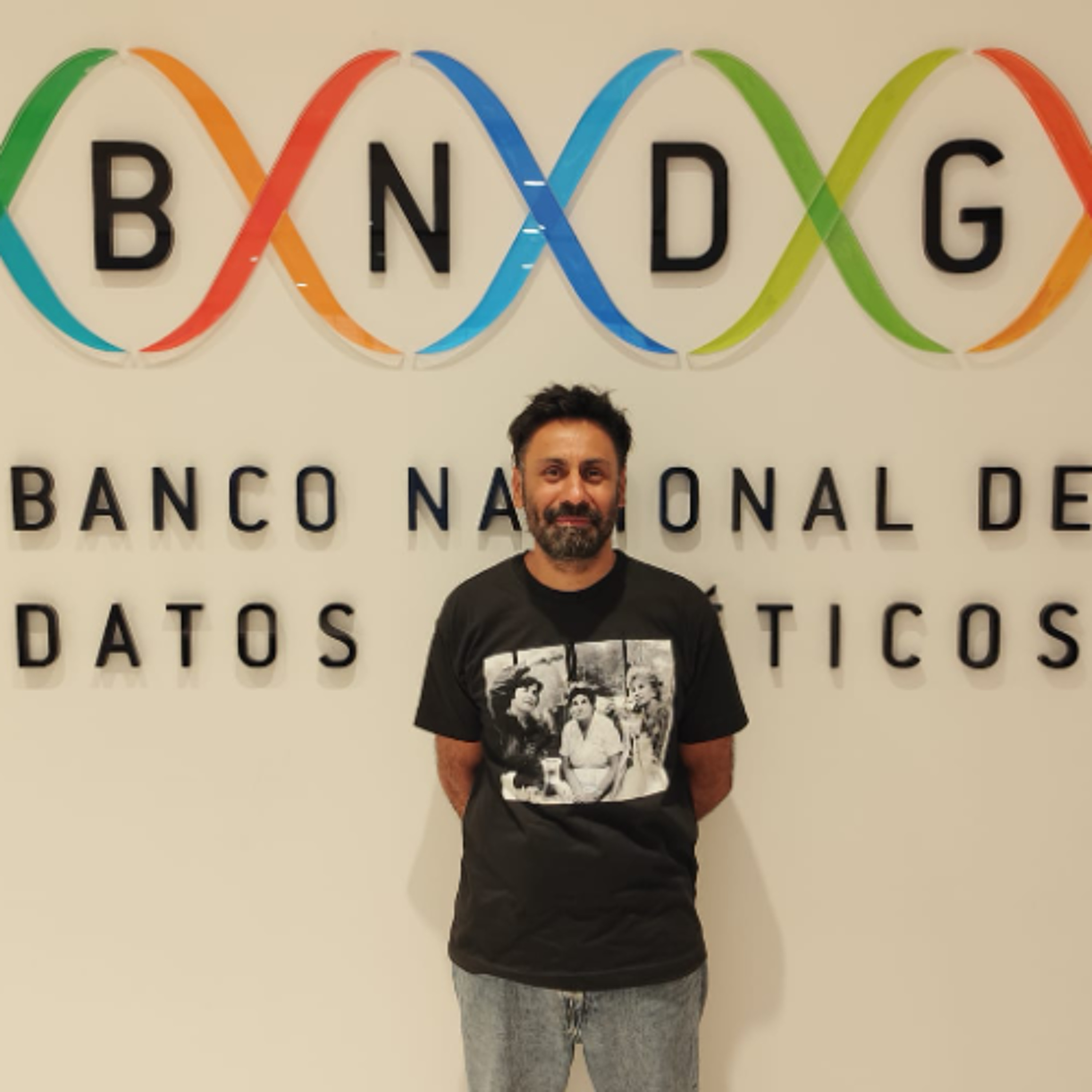 SoS 275: La historia de Abuelas de Plaza de Mayo y el índice de abuelidad con Darío Pacha Cardozo 21.04.2026 55minDarío Cardozo es Licenciado en Biología Molecular, egresado de la Facultad de Química, Bioquímica y Farmacia de la Universidad Nacional de San Luis (Argentina), y doctor en Arqueología de la Facultad de Filosofía y Letras de la Universidad Nacional de Buenos Aires. Sus investigaciones se han centrado en Arqueología Histórica, uniendo el análisis de los documentos históricos, la información genética y los datos isotópicos de dieta y movilidad a partir de los restos arqueológicos humanos del Cementerio Indígena de Baradero. Posteriormente realizó un posdoctorado, donde investigó acerca de la ancestría de los restos encontrados en el cementerio de las ruinas de San Francisco de la provincia de Mendoza. En esta misma línea, realizó una pasantía en ADN antiguo y nuevas técnicas de secuenciación masiva en el laboratorio de Antropología de la Universidad de Kansas, EEUU. Ha sido docente de Biología Molecular y Genética en la Universidad Nacional de San Luis, la Universidad Maimónides y la Facultad de Ciencias Exactas y Naturales de la UBA. Además, hace seis años que es docente de la cátedra de Antropología Biológica de la Facultad de Filosofía y Letras de la UBA. Cursó la especialización en Genética, DDHH y Sociedad de la Universidad Nacional Tres de Febrero. Forma parte del grupo de Genética y Sociedad, conformado por antropólogues, biológues y estudiantes de antropología. En esta línea, ha comenzado a investigar acerca de los aspectos éticos legales y sociales de las nuevas técnicas de secuenciación masiva, en particular en torno a la genética forense. Hace dos años que forma parte del equipo de Biología Molecular y Genética Forense del Banco Nacional de Datos Genéticos, trabajando, principalmente, en el análisis genético de los restos óseos de familiares o posibles nietes. Trabajo discutido en el episodio de hoy: "LAS ABUELAS Y LA GENÉTICA” El aporte de la ciencia en la búsqueda de los chicos desaparecidos ------------------------------ Contact Dr. Cardozo: [email protected] ------------------------------ Contact the Sausage of Science Podcast and Human Biology Association: Facebook: facebook.com/groups/humanbiologyassociation/, Website: humbio.org, Twitter: @HumBioAssoc Anahi Ruderman, SoS Co-Producer, HBA Junior Fellow E-mail: [email protected]
 -
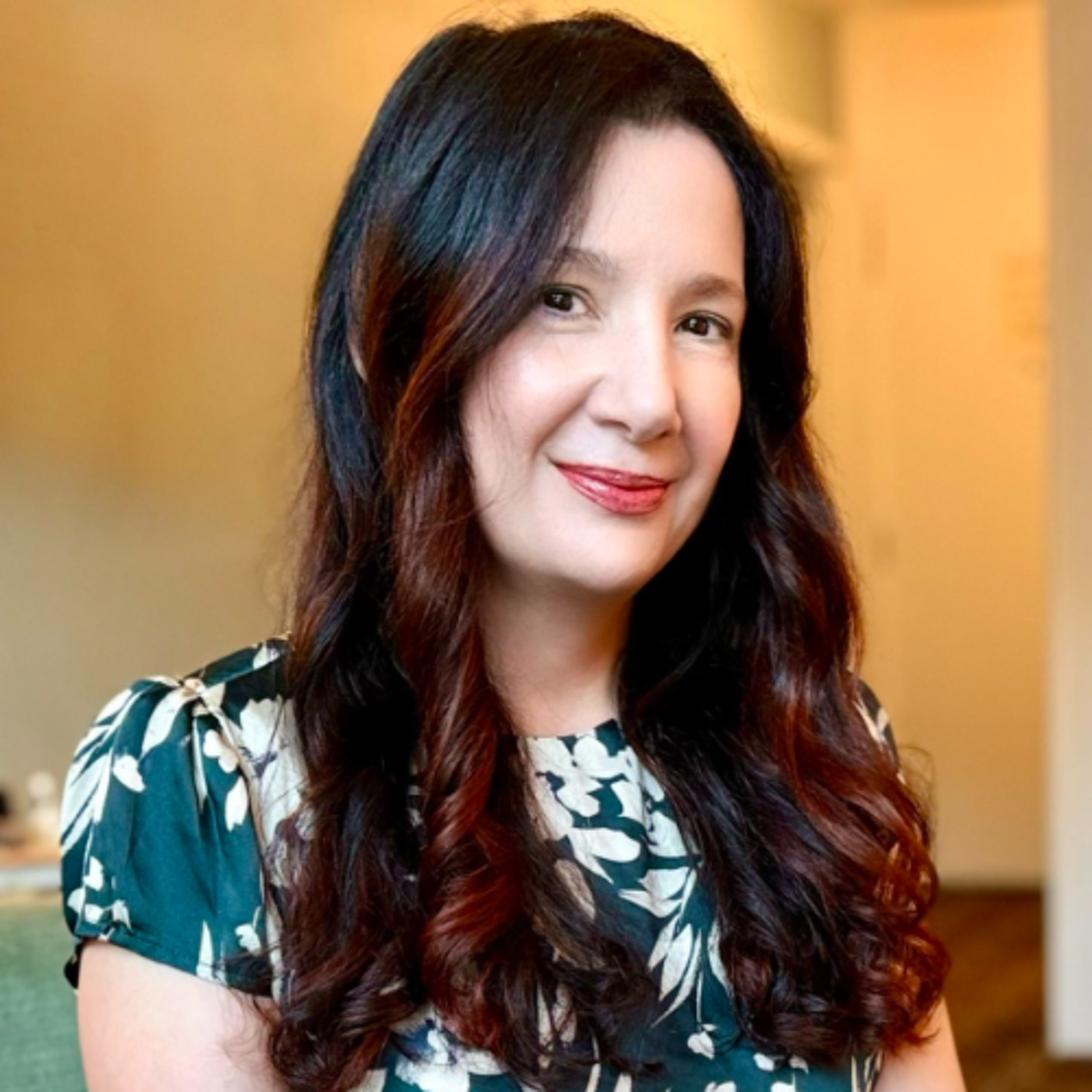 SoS 274: Female competition and the power of gossip: from sororities to small-scale societies with Dr. Nicole Hess 13.04.2026 45minIn this episode, Chris interviews Dr. Nicole Hess about her research on female competition, indirect aggression, gossip, and “Informational Warfare” theory in U.S. sororities and small-scale societies in the Central African Republic. They also discuss the various challenges of field work, including personal and sociopolitical risks. Dr. Hess is a scholarly associate professor in the Department of Anthropology at the University of Washington, Vancouver. Dr. Hess studies gossip, friendship, cooperation, and coalitional competition. She conducted fieldwork in the Central African Republic and college Greek communities, and has conducted numerous experiments testing hypotheses derived from "Informational Warfare" theory, which proposes that coalitions may be useful in reputational competition (via, e.g., gossip) due to their improved abilities to collect, analyze, and disseminate relevant information. Trained as a multidisciplinary social scientist, Dr. Hess uses diverse quantitative and qualitative methods to explore human sociality and cognition, including psychological experiments, surveys, interviews, and ethnographic work. Dr. Hess received her PhD from UC Santa Barbara in biological anthropology and has worked for the Max Planck Institute for Human Development and the Institute for Theoretical Biology at Humboldt University. Contact Dr. Hess at [email protected] ------------------------------ Contact the Sausage of Science Podcast and the Human Biology Association: Facebook: facebook.com/groups/humanbiologyassociation/, Website: humbio.org Chris Lynn, Co-Host, Website: cdlynn.people.ua.edu/, E-mail: [email protected], Twitter:@Chris_Ly
 -
 SoS 273: When the Grandmother Hypothesis Speaks w/ Dr. Kristen Hawkes (Part 1) 31.03.2026 52minIn Part 1 of this two-part conversation, Chris and Cristina are joined by Dr. Kristen Hawkes, Professor of Anthropology at the University of Utah and one of the most influential evolutionary anthropologists in the field. Drawing on decades of fieldwork with the Ache of eastern Paraguay and the Hadza of northern Tanzania, her work challenged long-standing assumptions about hunting, showing that men’s hunting often functions less as direct provisioning and more as social signaling. Dr. Hawkes is also the architect of the grandmother hypothesis, a foundational idea in evolutionary anthropology. This framework argues that grandmothers play a critical role in supporting offspring when mothers have new infants, helping to drive key features of human life history, including longer lifespans, slower development, and shorter birth intervals. By integrating ethnographic data, comparative primate evidence, and formal modeling, her research has reshaped our understanding of human longevity, menopause, and social behavior. In this episode, we focus on her paper “Revisiting the Grandmother Hypothesis and Human Longevity,” where she returns to the core logic of grandmothering and its role in explaining why humans live so long compared to other apes. Part 2 (airing in a few weeks) zooms out to explore how these dynamics scale up to explain broader features of human life history and social evolution. ------------------------------ Find the work discussed in this episode: Hawkes, K., & Jones, N. B. (2018). Hunter-gatherer studies and human evolution: A very selective review. American Journal of Physical Anthropology, 165(4), 777-800. https://doi.org/10.1002/ajpa.23403 Hawkes, K. (2025). Revisiting “Grandmothers and the Evolution of Human Longevity,” 2003 AJHB https://doi.Org/10.1002/ajhb.10156. American Journal of Human Biology, 37(4), e70045. https://doi.org/10.1002/ajhb.70045 Hawkes, K. (2025). Life history evolution explains so many features of humanity. In Reference Module in Neuroscience and Biobehavioral Psychology (Chapter 27). Elsevier. https://doi.org/10.1016/B978-0-443-27380-3.00027-0 ------------------------------ Contact Dr. Hawkes: [email protected] ------------------------------ Contact the Sausage of Science Podcast and Human Biology Association: Facebook: facebook.com/groups/humanbiologyassociation/, Website: humbio.org, Twitter: @HumBioAssoc Chris Lynn, Host Website: cdlynn.people.ua.edu, E-mail: [email protected], Twitter:@Chris_Ly Cristina Gildee, Co-Host & Co-Producer Website: cristinagildee.com, E-mail: [email protected]
 -
 SoS 272: Dr. Charles Roseman and Dr. Ben Auerbach on the Extended Evolutionary Synthesis and the Ongoing Synthesis of Evolutionary Theory 16.03.2026 57minIn this episode, hosts Cara and Chris discuss various models of evolution, adaptation, and returning to the fundamentals, including, yes, math (!), with Dr. Charles Roseman and Dr. Benjamin Auerbach. Dr. Auerbach is a Professor in the Departments of Ecology & Evolutionary Biology and Anthropology at the University of Tennessee, Knoxville. His research examines variation and evolution through the skeletons of primates and other mammals, applying quantitative genetics and functional anatomy to understand how traits evolve, especially in primates and Australian marsupials. He also studies variation in global human samples from archaeological and medical contexts, as well as the history and ethics of the biological and social sciences. You can find more about his work here: https://web.utk.edu/~auerbach/index.htm Dr. Roseman is an Associate Professor in Evolution, Ecology & Behavior and Anthropology in the School of Integrative Biology at the University of Illinois. His work broadly focuses on genotype-phenotype map structure and the evolution of complex traits. You can view his website here: https://sib.illinois.edu/directory/profile/croseman and follow him on Twitter @EvoRoseman. ------------------------------ Find the paper discussed in this episode: Roseman, C. C., and B. M.Auerbach. 2025. “Evolving a Field: Can Evolutionary Theory Provide What the Study of Human Evolution Requires?.” Yearbook of Biological Anthropology 188, no. S80: e70127. https://doi.org/10.1002/ajpa.70127. ------------------------------ Contact the Sausage of Science Podcast and the Human Biology Association: Facebook: facebook.com/groups/humanbiologyassociation/, Website: humbio.org Cara Ocobock, Co-Host, Website: sites.nd.edu/cara-ocobock/, Email:[email protected], Twitter:@CaraOcobock Chris Lynn, Co-Host, Website: cdlynn.people.ua.edu/, E-mail: [email protected], Twitter:@Chris_Ly
 -
 SoS 271: Learning about the evolution of the human microbiome with Tanvi Honap 10.03.2026 26minTanvi is an evolutionary biologist who studies how pathogens and microbial communities evolve in response to human ecological, environmental, and cultural changes. Employing a One Health framework, her work integrates genomic/metagenomic datasets derived from animals, contemporary human populations living diverse lifestyles, and ancient individuals recovered using innovative paleogenomics techniques. She have a Bachelor's degree in Microbiology, with a minor in Industrial Microbiology, and a Master's degree in Virology from the University of Pune, India. Her research career began in 2011 with her Masters' research project, where she conducted a case-control association study of genetic polymorphisms in human immune response genes and the outcomes of Dengue virus infection in Indian populations. From 2012 to 2017, she worked on her Ph.D. in Evolutionary Biology under the supervision of Dr. Anne Stone and Dr. Michael Rosenberg at Arizona State University, Tempe, U.S. Her dissertation research involved using cutting-edge degraded DNA and next-generation sequencing methods to elucidate the evolutionary histories of the pathogens causing two major human diseases - leprosy and tuberculosis. From 2017 to 2024, she worked as a Research Assistant Professor with Dr. Cecil M. Lewis Jr., in the Laboratories of Molecular Anthropology and Microbiome Research (LMAMR) at the University of Oklahoma, Norman, U.S. In this role, she co-led numerous projects investigating the evolution of the human microbiome in response to migration, lifeways, and behavior, which included a National Science Foundation-funded project on the oral microbiome. In 2025, she started a new position as a Bioinformatics Scientist working with Dr. Charlotte Avanzi at Colorado State University, where she is studying the transmission dynamics of leprosy in human and animal hosts. ------------------------------ Find the paper discussed in this episode: Honap, T. P., Monroe, C. R., Johnson, S. J., Jacobson, D. K., Abin, C. A., Austin, R. M., Sandberg, P., Levine, M., Sankaranarayanan, K., & Lewis, C. M. Jr. (2023). Oral metagenomes from Native American Ancestors reveal distinct microbial lineages in the pre-contact era. American Journal of Biological Anthropology, 182(4), 542–556. https://doi.org/10.1002/ajpa.24735 ------------------------------ Contact Dr. Honap: [email protected] https://www.tanvihonap.com/ ------------------------------ Contact the Sausage of Science Podcast and Human Biology Association: Facebook: facebook.com/groups/humanbiologyassociation/, Website: humbio.org, Twitter: @HumBioAssoc Chris Lynn, Co-Host Website: cdlynn.people.ua.edu/, E-mail: [email protected], Twitter:@Chris_Ly Cara Ocobock, Co-Host, Website: sites.nd.edu/cara-ocobock/, Email:[email protected], Twitter:@CaraOcobock Anahi Ruderman, SoS Co-Producer, HBA Junior Fellow / E-mail: [email protected]
 -
 SoS 270: Dr. Sara Juengst on using mixed methods to understand lived experiences of the past and ideologies of the body in coastal Ecuador 02.03.2026 36minIn this episode, hosts Courtney and Mecca talk with Dr. Sara Juengst about her bioarchaeological work in coastal Ecuador among the very early and early Gangala, including differing ideas of what it means to be a “body”, the sociocultural and subsistence roles of the ocean, and the benefits of combining paleopathological, mortuary, and stable isotopic analyses. Dr. Juengst is an associate professor at the University of North Carolina at Charlotte, NC, USA. As an anthropological bioarchaeologist, her research integrates social theory and skeletal evidence to address lived experiences of disease, diet, migration, and violence in the past and present. Her research primarily focuses on South America (Bolivia, Ecuador, and Peru), but she does consulting work on projects in North Carolina, Kenya, and Nigeria. In all of her work, she explores how people navigated changing social and environmental climates and highlights how skeletons embody power and community. She earned her BA in Anthropology from Vanderbilt University in 2008 and her PhD in Anthropology from the University of North Carolina at Chapel Hill in 2015. ------------------------------ Find the paper discussed in this episode: Juengst, S.L., Lunnis, R., Cruz, Y.Z., Cobb, E.M., Bythell, A. (2024). An Investigation of Identity and Ontology at Salango, Ecuador (BCE 100–300 CE) Combining Paleopathological, Mortuary, and Stable Isotopic Analyses. Bioarchaeology, 8(1-2). https://doi.org/10.5744/bi.2023.0010 ------------------------------ Contact Dr. Juengst at [email protected] and follow her work at https://www.sarajuengst.com/ ------------------------------ Contact the Sausage of Science Podcast and the Human Biology Association: Facebook: facebook.com/groups/humanbiologyassociation/, Website: humbio.org Courtney Manthey, Co-Host Website: holylaetoli.com/ E-mail: [email protected], Twitter: @HolyLaetoli Mecca Howe, SoS Producer, HBA Fellow LinkedIn: https://www.linkedin.com/in/mecca-howe/, Email: [email protected]
 -
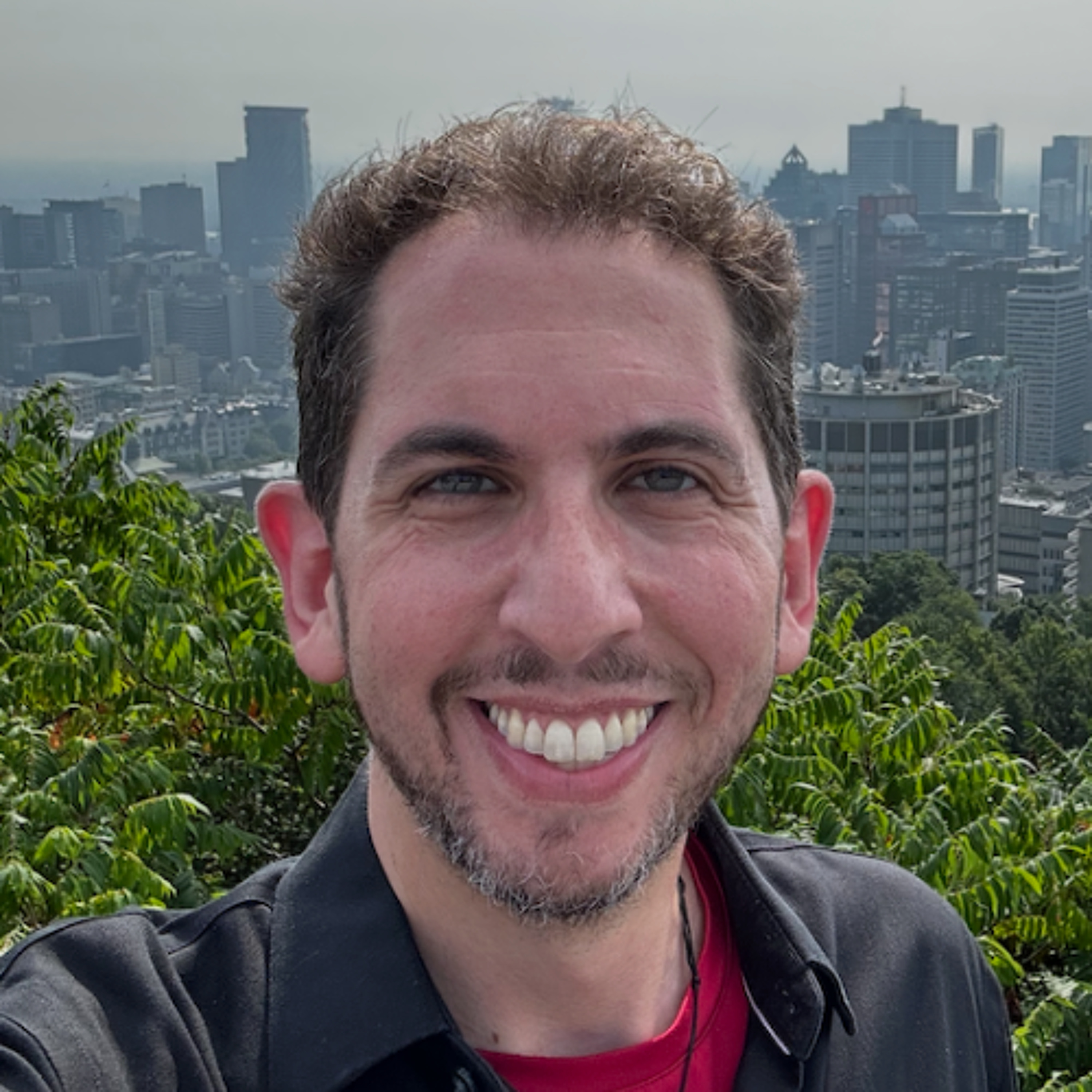 SoS 269: The Whole Organism Imperative with Dr. Ben Auerbach 26.02.2026 47minIn this episode, Cara and Chris sit down with Dr. Ben Auerbach, a Professor in the Departments of Ecology & Evolutionary Biology and Anthropology at the University of Tennessee, Knoxville. His research examines variation and evolution through the skeletons of primates and other mammals, applying quantitative genetics and functional anatomy to understand how traits evolve, especially in primates and Australian marsupials. He also studies variation in global human samples from archaeological and medical contexts, as well as the history and ethics of the biological and social sciences. The conversation centers on his 2023 paper in the American Journal of Biological Anthropology advocating a “whole organism imperative.” Rather than analyzing traits one at a time, he argues that evolutionary questions require multi-trait quantitative genetic approaches that account for covariance among features. We discuss why trait-by-trait adaptationist stories can be misleading, how to distinguish genetic drift from selection, and what this framework reveals about human limb evolution and ecogeographic patterns. ------------------------------ Find the work discussed in this episode: Auerbach, B. M., Savell, K. R., & Agosto, E. R. (2023). Morphology, evolution, and the whole organism imperative: Why evolutionary questions need multi‐trait evolutionary quantitative genetics. American Journal of Biological Anthropology, 181, 180-211. ------------------------------ Contact Dr. Auerbach: [email protected] ------------------------------ Contact the Sausage of Science Podcast and Human Biology Association: Facebook: facebook.com/groups/humanbiologyassociation/, Website: humbio.org, Twitter: @HumBioAssoc Chris Lynn, Host Website: cdlynn.people.ua.edu/, E-mail: [email protected], Twitter:@Chris_Ly Cara Ocobock, Host Website: sites.nd.edu/cara-ocobock/, Email:[email protected], Twitter:@CaraOcobock Cristina Gildee, SoS Co-Producer, HBA Junior Fellow Website: cristinagildee.com, E-mail: [email protected]
 -
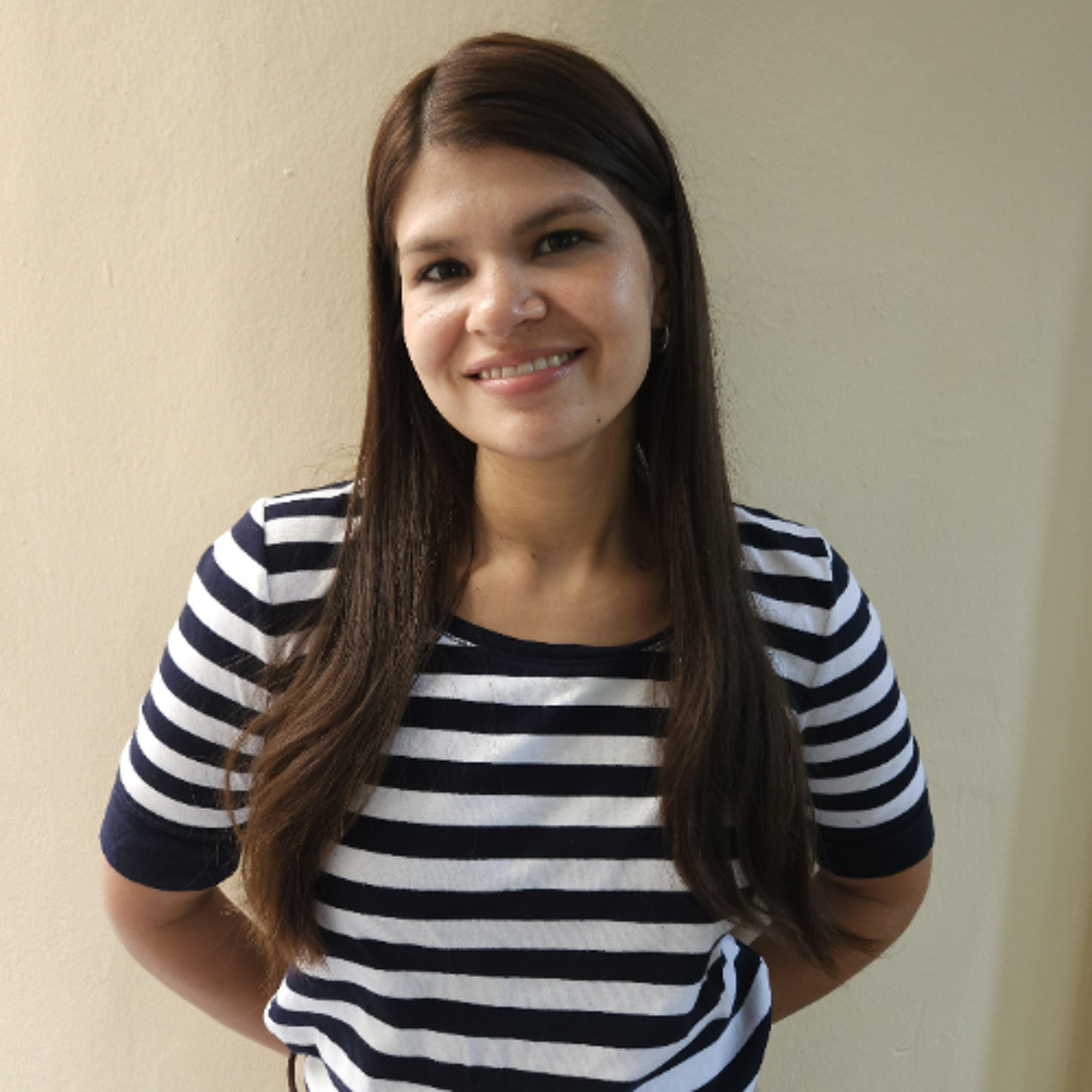 SoS 268: Dra. Sofía Olmedo sobre la investigación participativa para comprender mejor la diabetes tipo 2 entre los Qom 17.02.2026 46minEn este episodio, Anahí y Mecca conversan con la Dra. Sofía Olmedo sobre su nuevo proyecto sobre diabetes tipo 2 en la comunidad Qom de Argentina y los beneficios de utilizar la investigación acción participativa. Dra. Sofía Olmedo es Licenciada en Nutrición por la Universidad Cuenca del Plata de Formosa y Doctora en Ciencias de la Salud (FCM-UNC). Actualmente es Investigadora asistente de CONICET y Profesora adjunta en la Universidad Nacional de Formosa. Trabaja en estudios sobre nutrición y alimentación desde la perspectiva de la salud colectiva. Aborda temas relacionados con salud intercultural, el medio ambiente, soberanía alimentaria, seguridad alimentaria e hídrica en contextos de diversidad cultural. Sus investigaciones se originan en el marco del Programa de Ecología Reproductiva del Chaco Oriental (PERCHA), dentro del cual se realizan estudios relacionados con la fertilidad, crecimiento infantil, y salud general de las comunidades originarias de la región del Gran Chaco. Su investigación doctoral titulada “Determinación social de la alimentación y estado nutricional de preescolares qom de Formosa” fue realizada en una comunidad qom periurbana (Namqom) de la ciudad de Formosa Capital. Actualmente, está trabajando en el proyecto de investigación acción participativa “Repensando la Diabetes: una estrategia intercultural liderada por iniciativa comunitaria de salud en una comunidad indígena de Argentina” junto con tres miembros de la comunidad qom de Formosa. ------------------------------ Contact Dr. Olmedo at [email protected] o [email protected] ------------------------------ Contact the Sausage of Science Podcast and the Human Biology Association: Facebook: facebook.com/groups/humanbiologyassociation/, Website: humbio.org, Twitter: @HumBioAssoc Anahi Ruderman, SoS Co-Producer, HBA Junior Fellow E-mail: [email protected], Twitter: @ani_ruderman Mecca Howe, SoS Co-Producer, HBA Fellow LinkedIn: https://www.linkedin.com/in/mecca-howe/, Email: [email protected]
 -
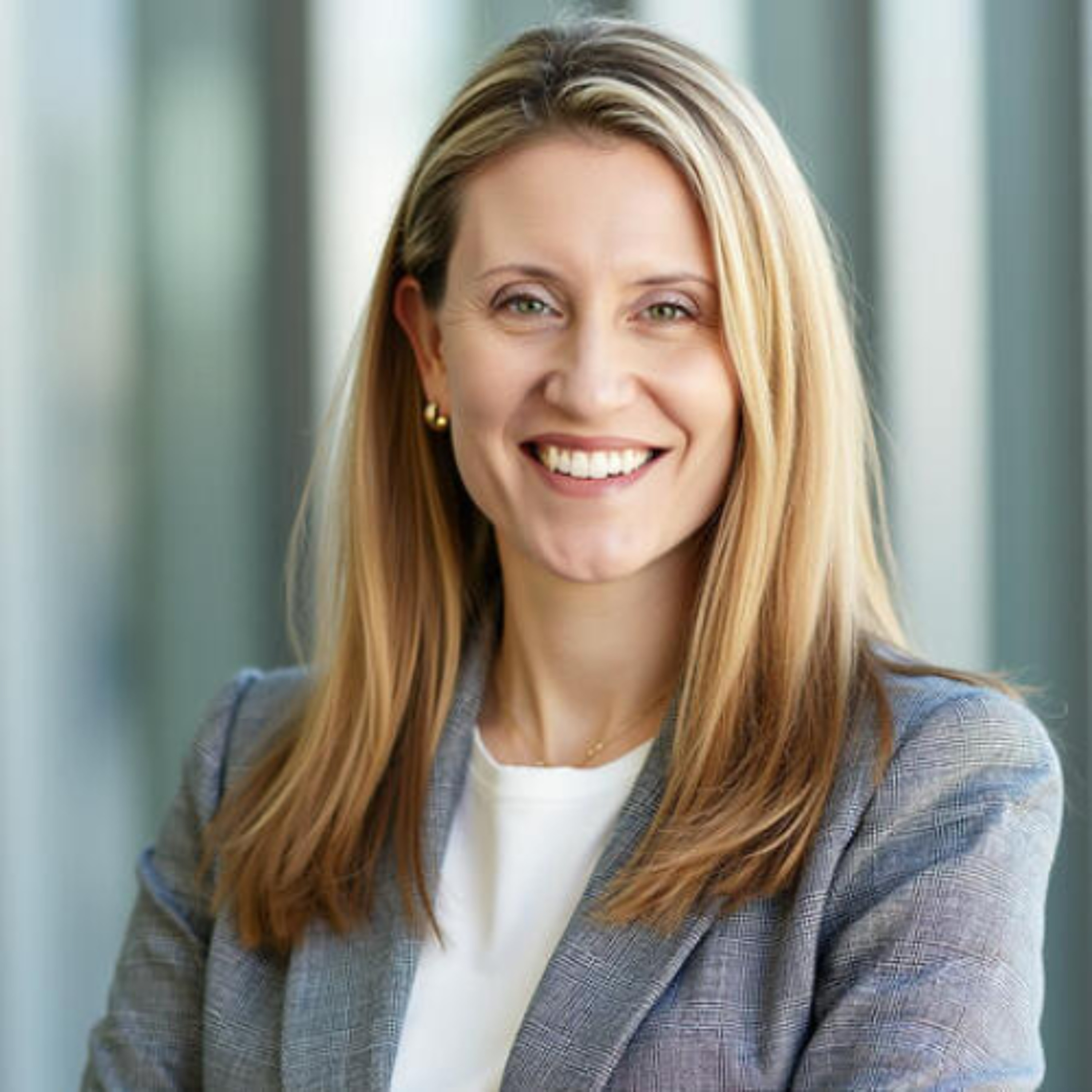 SoS 267: From Field Notes to Dean’s Notes: Decolonizing Research & Education with Alyssa Crittenden 12.02.2026 1h 4minJoin us for a conversation about decolonizing research, rethinking education, and building institutions that actually serve the communities at their center. Chris sits down with Dr. Alyssa Crittenden, who returns to the show, this time as Vice Provost for Graduate Education and Dean of the Graduate College at UNLV. Since we last talked about community-based participatory research with the Hadza, her work has expanded across research, leadership, and institutional change. We discuss how she balances administration with fieldwork and what it means to advocate for ethical, community-driven science from within the academy. Drawing on recent publications in Nature Human Behaviour and Nature Microbiology, Alyssa unpacks Indigenous child socialization, the structural violence embedded in many schooling systems, and how education can provide access to literacy and credentials without erasing local knowledge. We also explore the difference between “community-inclusive” and true community-based participatory research, the pitfalls of the word traditional, the value of tiered informed consent, and what equitable international collaboration looks like in practice. ------------------------------ Find the work discussed in this episode: Hays, J., Dounias, E., Ninkova, V. et al. Sustainable education should include Indigenous knowledge. Nat Hum Behav (2025). https://doi.org/10.1038/s41562-025-02288-1 Mangola, S.M., Lund, J.R., Schnorr, S.L. et al. Ethical microbiome research with Indigenous communities. Nat Microbiol 7, 749–756 (2022). https://doi.org/10.1038/s41564-022-01116-w ------------------------------ Contact Dr. Crittenden: [email protected] ------------------------------ Contact the Sausage of Science Podcast and Human Biology Association: Facebook: facebook.com/groups/humanbiologyassociation/, Website: humbio.org, Twitter: @HumBioAssoc Chris Lynn, Host Website: cdlynn.people.ua.edu/, E-mail: [email protected], Twitter:@Chris_Ly Cristina Gildee, SoS Co-Producer, HBA Junior Fellow Website: cristinagildee.com, E-mail: [email protected],
 -
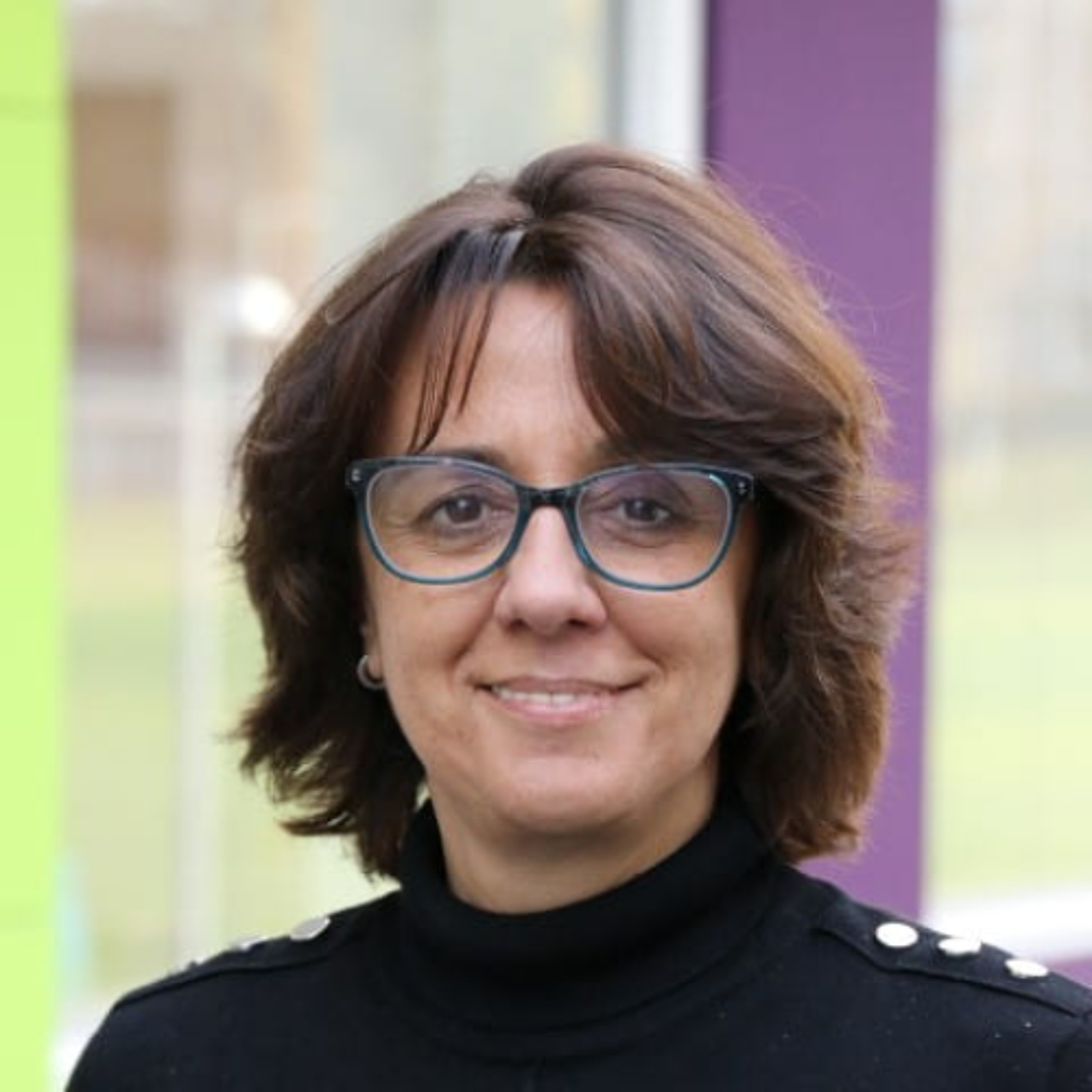 SoS 266: Beyond the Checklist: Systematic Reviews and the SCRIBE Toolkit w/ Dr. Varela-Silva 03.02.2026 42minWe’re long overdue for this conversation. In this episode, Chris and Courtney sit down with Dr. Inês Varela-Silva, Reader in Biocultural Studies and Community Health at Loughborough University, to talk about methods and why evidence synthesis matters for equity in science. We trace her path into anthropology and human biology before diving into the SCRIBE (SystematiC Reviews In Biocultural rEsearch) toolkit, recently published in the American Journal of Human Biology. We explore why biocultural research has historically underused systematic reviews and how excluding biocultural factors can bias evidence against Indigenous, minority, and small-scale populations. We also discuss SCRIBE’s six-step framework and the value of tools like Notion and Trello, alongside reflections on The Maya Project. ------------------------------ Find the work discussed in this episode: Varela-Silva, M. I., N. Rush, and N. Pearson. 2025. “ Conducting Scoping and Systematic Reviews With a Focus on Biocultural Research: The SCRIBE Toolkit.” American Journal of Human Biology 37, no. 9: e70133. https://doi.org/10.1002/ajhb.70133. https://repository.lboro.ac.uk/articles/online_resource/The_SCRIBE_toolkit/29364935?file=57972535 ------------------------------ Contact Dr. Varela-Silva: [email protected] ------------------------------ Contact the Sausage of Science Podcast and Human Biology Association: Facebook: facebook.com/groups/humanbiologyassociation/, Website: humbio.org, Twitter: @HumBioAssoc Chris Lynn, Host Website: cdlynn.people.ua.edu/, E-mail: [email protected], Twitter:@Chris_Ly Courtney Manthey, Co-Host, Website: holylaetoli.com/ E-mail: [email protected], Twitter: @HolyLaetoli Cristina Gildee, SoS Co-Producer, HBA Junior Fellow Website: cristinagildee.com, E-mail: [email protected],
Liknande podcastar


Populär i
Den här podcasten finns även i podcastlistor i dessa länder.
