
The Clay Travis and Buck Sexton Show
iHeartPodcasts
0
The Clay Travis and Buck Sexton Show is a daily talk program that covers the biggest stories in news, politics, and current events. Hosted by Clay Travis and Buck Sexton, the show offers a blend of intelligence and humor as they discuss topics like the border crisis, cancel culture, and far-left missteps. They guide listeners through the latest headlines and hot topics with entertaining conversations and opinions.
ตอน
-
 The Truth with Lisa Boothe: Is School Choice the Answer to America’s Education Crisis? 22.09.2026 21นาทีLisa Boothe is joined by Tommy Schultz, CEO of the American Federation for Children, for a wide-ranging conversation about school choice, declining academic performance, teachers unions, and the future of K-12 education in America.
 -
 Daily Review with Clay and Buck - Sep 22 2026 22.09.2026 46นาทีClay Travis & Buck Sexton break down President Donald Trump’s major United Nations speech in New York City, focusing on American strength, national pride, foreign policy, military power, energy, technology and Trump’s argument that the United States is stronger and better positioned on the world stage. The hosts contrast Trump’s unapologetically pro-American message with previous administrations and discuss why they believe his willingness to impose consequences gives him leverage with foreign adversaries. That leads into the Russia-Ukraine war, Vladimir Putin, the Biden administration’s Afghanistan withdrawal and the enormous human and economic costs of the war in Ukraine, which Buck characterizes as a technologically advanced form of trench warfare combining drones, satellite communications and night vision with largely static front lines. An in-depth conversation about DOGE, Elon Musk, federal government spending, waste, fraud, the national debt and government efficiency. Clay and Buck welcome Tyler Hassen, former acting assistant secretary at the U.S. Department of the Interior, former senior DOGE official and author of Inside DOGE: The Real Story from a Senior Insider. Hassen offers his firsthand account of working with Musk’s DOGE team and argues that waste inside the federal government is substantially worse than most Americans realize. He discusses DOGE’s reported savings, efforts to increase accountability for federal contracts and grants, and an initiative designed to improve information attached to trillions of dollars in Treasury payments. Drawing on his experience at the Interior Department, Hassen describes finding federal contracts for projects such as groundwater assessments in Mauritania that officials struggled to justify, while explaining the DOGE philosophy of forcing agencies to “defend the spend.” Clay and Buck discuss public education, parental involvement, classroom discipline and school culture. Buck argues that successful schools depend heavily on parents who reinforce respect for teachers, rules, order and education at home. The hosts discuss the difficulties public-school teachers face when dealing with disruptive students and school fights, including concerns that educators may hesitate to physically separate fighting students because of liability and disciplinary policies. They also discuss federal education policy and disagreements over whether racial disparities in school discipline should be treated as evidence of discriminatory disciplinary practices. Their broader argument is that school discipline, parental expectations and peer culture can matter as much as, or more than, additional education spending. That discussion leads to one of the hour’s most extended and humorous exchanges: corporal punishment and paddling in American public schools. Clay recounts growing up around Nashville public schools where students could be paddled for serious misbehavior, stunning Buck, who says such practices were completely foreign to his New York City upbringing. The hosts discuss the differences between Southern and Northeastern school culture, the historical use of paddles and “switches,” visits to the principal’s office and the deterrent effect Clay remembers corporal punishment having on classroom behavior. Their production team reports during the program that public-school corporal punishment remains legally permissible in a number of states, which prompts Buck to express disbelief that the practice can still legally exist in parts of the United States. Listeners subsequently send their own stories about paddling by teachers, principals and Catholic-school nuns, including accounts from Michigan, Ohio and Southern California. Make sure you never miss a second of the show by subscribing to the Clay Travis & Buck Sexton show podcast wherever you get your podcasts! ihr.fm/3InlkL8 For the latest updates from Clay & Buck, visit our website https://www.clayandbuck.com/ Connect with Clay Travis and Buck Sexton: X - https://x.com/clayandbuck FB - https://www.facebook.com/ClayandBuck/ IG - https://www.instagram.com/clayandbuck/ YouTube - https://www.youtube.com/c/clayandbuck Rumble - https://rumble.com/c/ClayandBuck TikTok - https://www.tiktok.com/@clayandbuck Follow Clay & Buck on YouTube: https://www.youtube.com/c/clayandbuckSee omnystudio.com/listener for privacy information.
 -
 Hour 1 - Trump Takes Manhattan! 22.09.2026 36นาทีHour 1 of The Clay Travis & Buck Sexton Show opens with Clay and Buck breaking down President Donald Trump’s major United Nations speech in New York City, focusing on American strength, national pride, foreign policy, military power, energy, technology and Trump’s argument that the United States is stronger and better positioned on the world stage. The hosts contrast Trump’s unapologetically pro-American message with previous administrations and discuss why they believe his willingness to impose consequences gives him leverage with foreign adversaries. That leads into the Russia-Ukraine war, Vladimir Putin, the Biden administration’s Afghanistan withdrawal and the enormous human and economic costs of the war in Ukraine, which Buck characterizes as a technologically advanced form of trench warfare combining drones, satellite communications and night vision with largely static front lines. The centerpiece of Hour 1 is Trump’s message on Iran and its nuclear ambitions. Clay and Buck examine his declaration that Iran cannot be allowed to obtain a nuclear weapon, his suggestion that Tehran faces a choice between reaching an agreement with the United States and continuing its confrontation with Washington, and his assertion that American munitions stockpiles are being rapidly replenished. The hosts debate what Trump’s possible “endgame” with Iran could look like, whether he is seeking a dramatic final achievement that would allow him to declare the Iranian nuclear threat resolved, and whether a diplomatic agreement is still possible. They also discuss the practical obstacles and risks surrounding any potential effort to secure Iranian nuclear material, while speculating that Trump may increase pressure on Tehran before the 2026 midterm elections. The conversation expands to Iran’s internal divisions, its weakened economy, shipping through the Strait of Hormuz, Saudi oil movements and the relationship between instability in the Persian Gulf and global oil and gasoline prices. Clay and Buck then turn to the 2026 midterm elections, polling and prediction markets, particularly the battle for control of the U.S. Senate. Clay points to conflicting political signals, including Republican spending in Kansas alongside potentially competitive Senate contests involving Michelle Tafoya in Minnesota, Mike Rogers in Michigan and the New Hampshire Senate race. The hosts discuss how candidate quality and state-specific political dynamics could override a broader national trend, comparing the current environment with Republican candidate problems in the 2022 midterms. Buck argues that Republican candidates may benefit by localizing their campaigns around their states and congressional districts rather than turning every contest into a referendum on national politics. Returning to the Trump UN address, Hour 1 examines the president’s broader Western Hemisphere agenda, including Venezuela, oil, drug cartels and Cuba. The hosts highlight Trump’s comments about the strategic significance of American and Venezuelan energy resources and his depiction of cartels as a major security threat in the Western Hemisphere. Buck predicts that a future Democratic administration could seek legal scrutiny of Trump-era Caribbean military actions, while Clay and Buck assess the potential economic and geopolitical consequences of political transformation in Venezuela. They devote significant attention to Cuba, including Trump’s prediction that its current system will fall, the Cuban delegation’s reaction to his remarks, reported discussions among Cuban expatriates about a potential post-communist future and the possibility that Cuba could eventually develop a more capitalist, tourism-oriented economy. Their Caribbean discussion also touches on Haiti and the Dominican Republic, Puerto Rico and the U.S. Virgin Islands, regional investment and tax incentives, Clay’s past legal work in the Caribbean and Buck’s friendship with a veteran of the Bay of Pigs invasion. Artificial intelligence becomes another major theme as the hosts discuss Trump’s push to refer to artificial intelligence as “super intelligence.” Clay and Buck praise the phrase as an example of Trump’s skill at political and commercial branding, arguing that “artificial” can carry negative connotations while “super intelligence” sounds more optimistic. They discuss the origins of the term artificial intelligence with computer scientist John McCarthy and the 1955 Dartmouth research proposal, before widening the conversation to the strategic U.S.-China AI competition, data centers, technological leadership and concerns that public anxiety over AI infrastructure could benefit China. The hosts connect the AI race to their broader argument about American exceptionalism, capitalism and decades of U.S. economic engagement with China, questioning the longstanding expectation that greater trade and integration would lead Beijing toward greater political liberalization. The hour also includes a discussion of conspiracy theories and public skepticism, with Clay and Buck referencing disagreements over the origins of COVID-19 and Ann Coulter’s view of the wet-market theory, while arguing that skepticism should be directed toward situations in which governments or competitors have discernible strategic incentives. They briefly discuss viral social-media content involving Lindsay Clancy and Sydney Sweeney as part of a broader conversation about public reasoning, misinformation and the tendency to search for conspiracies. Buck uses China and AI as an example of an area where he believes Americans should think seriously about geopolitical incentives rather than dismissing competitive threats. Make sure you never miss a second of the show by subscribing to the Clay Travis & Buck Sexton show podcast wherever you get your podcasts! ihr.fm/3InlkL8 For the latest updates from Clay & Buck, visit our website https://www.clayandbuck.com/ Connect with Clay Travis and Buck Sexton: X - https://x.com/clayandbuck FB - https://www.facebook.com/ClayandBuck/ IG - https://www.instagram.com/clayandbuck/ YouTube - https://www.youtube.com/c/clayandbuck Rumble - https://rumble.com/c/ClayandBuck TikTok - https://www.tiktok.com/@clayandbuck Follow Clay & Buck on YouTube: https://www.youtube.com/c/clayandbuckSee omnystudio.com/listener for privacy information.
 -
 Hour 2 - Who is Worse: Sweeney or Clancy? 22.09.2026 36นาทีHour 2 of The Clay Travis & Buck Sexton Show dives into culture, politics, media, education and the approaching 2026 midterm elections, beginning with a viral man-on-the-street interview comparing public reactions to Sydney Sweeney and Lindsay Clancy. Clay and Buck use the interview to explore what they see as the power of social media algorithms, TikTok, online misinformation and political tribalism to shape opinions among people who may be highly engaged online but poorly informed about the underlying facts. They discuss the contrasting cultural reactions to Sweeney’s sports-betting advertisement and the Clancy case, arguing that online communities can determine who is considered an acceptable target for criticism and who receives sympathetic treatment. A caller joins the conversation about Sweeney, DEI and cultural standards, prompting Clay and Buck to discuss Sweeney’s business ventures, equity ownership and entrepreneurship. Clay argues that her efforts to build and own businesses represent the kind of female entrepreneurship and small-business success that should be encouraged, with the conversation also touching on the Kardashians as an example of celebrities converting fame into business ownership. Hour 2 then moves into a discussion of political polarization and attitudes toward President Donald Trump, prompted by polling Clay attributes to the Center for Strategic Politics. The hosts review hypothetical scenarios involving Trump leaving office through impeachment, the 25th Amendment, military intervention, natural death or assassination, focusing on what they describe as troubling Democratic responses to the scenarios. Clay and Buck connect the polling to their wider concerns about political violence, misinformation and radicalization in online political communities. They reference the assassination of Charlie Kirk, Tyler Robinson, the Butler, Pennsylvania assassination attempt against Trump and conspiracy theories that developed around political violence, arguing that sensational online narratives can distract from examining ideological radicalization and the role of highly polarized internet communities. Buck specifically rejects theories alleging Israeli involvement in Kirk’s assassination, saying such an action would make no strategic sense for Israel and that he sees no evidence supporting the claim. Later in Hour 2 of Clay and Buck, the focus shifts to Nikole Hannah-Jones, the 1619 Project, New York City public schools, private education and school choice. Clay and Buck discuss reports about Hannah-Jones’s daughter and her educational experience, contrasting Hannah-Jones’s earlier defense of sending her child to a high-poverty public school with the hosts’ description of her daughter’s later concerns about whether that decision left her academically behind. Buck expands the discussion to Stuyvesant High School, specialized and merit-based public education in New York City, racial disparities in admissions and the longstanding political fight over selective schools. Clay compares the system with the magnet-school model and argues that admitting students according to academic performance can produce demographic outcomes that do not necessarily mirror the broader population. The education debate expands with comments from Sunny Hostin, who describes why she sent her children to private schools and discusses academic resources, race, bullying and differences in public-school funding. Clay and Buck challenge the argument that inadequate funding is the fundamental explanation for failing schools, pointing instead to school culture, parental involvement, classroom discipline, academic expectations and peer environments. Buck discusses New York City education spending, previous attempts to improve struggling schools through additional funding, and contrasting public schools in Brooklyn’s DUMBO neighborhood. The hosts argue that parents across racial and political lines tend to seek the strongest possible educational environment when they have the resources and freedom to choose. They emphasize the importance of active parents, strong PTAs, homework, discipline and a shared expectation that education matters, concluding that money alone cannot compensate for a dysfunctional school culture. Clay adds that the same lesson about culture applies more broadly to families, businesses and institutions. The hour also briefly touches on New York Giants football, quarterback Jackson Dart and his knee injury following the Giants’ loss to the Rams, before returning to the program’s larger political and cultural themes. At the close of Hour 2, Clay and Buck preview the final hour and announce an upcoming interview with Tyler Hassen, described by Buck as a longtime friend and former senior DOGE official who worked with Elon Musk’s government-efficiency effort. Buck says the conversation will examine the inside story of attempts to reduce federal spending, government bureaucracy and the national debt, along with Hassen’s new book. The hosts also tease additional listener calls for Hour 3. Make sure you never miss a second of the show by subscribing to the Clay Travis & Buck Sexton show podcast wherever you get your podcasts! ihr.fm/3InlkL8 For the latest updates from Clay & Buck, visit our website https://www.clayandbuck.com/ Connect with Clay Travis and Buck Sexton: X - https://x.com/clayandbuck FB - https://www.facebook.com/ClayandBuck/ IG - https://www.instagram.com/clayandbuck/ YouTube - https://www.youtube.com/c/clayandbuck Rumble - https://rumble.com/c/ClayandBuck TikTok - https://www.tiktok.com/@clayandbuck Follow Clay & Buck on YouTube: https://www.youtube.com/c/clayandbuckSee omnystudio.com/listener for privacy information.
 -
 Hour 3 - Were You Paddled in School? 22.09.2026 37นาทีHour 3 of The Clay Travis & Buck Sexton Show opens with an in-depth conversation about DOGE, Elon Musk, federal government spending, waste, fraud, the national debt and government efficiency. Clay and Buck welcome Tyler Hassen, former acting assistant secretary at the U.S. Department of the Interior, former senior DOGE official and author of Inside DOGE: The Real Story from a Senior Insider. Hassen offers his firsthand account of working with Musk’s DOGE team and argues that waste inside the federal government is substantially worse than most Americans realize. He discusses DOGE’s reported savings, efforts to increase accountability for federal contracts and grants, and an initiative designed to improve information attached to trillions of dollars in Treasury payments. Drawing on his experience at the Interior Department, Hassen describes finding federal contracts for projects such as groundwater assessments in Mauritania that officials struggled to justify, while explaining the DOGE philosophy of forcing agencies to “defend the spend.” The Hour 3 DOGE interview expands into the larger challenge of America’s roughly $40 trillion national debt, growing federal budgets and rapidly increasing interest costs. Clay, Buck and Hassen debate whether Washington has a revenue problem or a spending problem and whether economic growth alone can prevent the debt from becoming unsustainable. Hassen argues that government needs more entrepreneurs, engineers, lawyers and private-sector leaders willing to spend one or two years in public service, calling for an elite, bipartisan effort that continues across presidential administrations. He also discusses fraud in federal programs, federal grants flowing through state governments, Medicaid and Social Security, and praises efforts to trace where taxpayer dollars ultimately go. His proposed philosophy is to not merely “drain the swamp” but to “flood it with talent.” He also describes working late into the night with Elon Musk, discusses DOGE engineers facing intense public criticism and threats, and praises their efforts to modernize antiquated federal technology systems. Hassen also identifies Congress as a major obstacle to federal spending reductions, recounting how Interior sought a substantial budget reduction only to encounter congressional resistance. He discusses a multibillion-dollar rescission package while arguing that substantially more spending restraint is necessary. The conversation examines the sheer complexity of the federal bureaucracy, the difficulty of determining who is accountable for individual expenditures and the outdated IT infrastructure within government agencies. Hassen nevertheless says he believes the national debt can ultimately be addressed if Washington commits enough time and capable people to the task. The interview concludes on a lighter note as Hassen, who has known Buck since childhood, recalls their school days, academic competition and dodgeball games before discussing his new book and his goal of presenting an insider’s account of DOGE. Hour 3 then pivots to President Donald Trump, CNN, MSNBC and Politico, with Clay and Buck discussing Trump’s decision to exclude certain news organizations from covering some of his events. Clay predicts the dispute could ultimately produce a court fight over press access. The hosts use the controversy to examine the changing American media landscape, arguing that X, formerly Twitter, has expanded the marketplace of political ideas while the Washington Post, CNN and CBS News have begun providing a broader range of viewpoints than in previous election cycles. Clay argues that these changes could have major consequences for the 2028 presidential election and political media narratives, particularly if CNN becomes less ideologically predictable. Buck notes CNN’s increasing willingness to feature pro-Trump commentators and contrasts that with what he characterizes as the network’s approach during earlier stages of the Trump era. Clay and Buck then play comments from President Trump explaining his criticism of CNN and MSNBC, his complaints about persistently negative coverage and his contention that news organizations have an obligation to be fair. Trump also points to his administration’s economic and foreign-policy record while defending decisions restricting access for outlets he considers unfair. The hosts discuss whether presidents and other government officials inevitably make subjective choices about which journalists receive access and note that, although the controversy has generated significant concern within the media industry, they believe it has attracted comparatively little attention from the broader public. A major portion of Hour 3 of Clay and Buck returns to public education, parental involvement, classroom discipline and school culture. Responding to listener feedback, Buck argues that successful schools depend heavily on parents who reinforce respect for teachers, rules, order and education at home. The hosts discuss the difficulties public-school teachers face when dealing with disruptive students and school fights, including concerns that educators may hesitate to physically separate fighting students because of liability and disciplinary policies. They also discuss federal education policy and disagreements over whether racial disparities in school discipline should be treated as evidence of discriminatory disciplinary practices. Their broader argument is that school discipline, parental expectations and peer culture can matter as much as, or more than, additional education spending. That discussion leads to one of the hour’s most extended and humorous exchanges: corporal punishment and paddling in American public schools. Clay recounts growing up around Nashville public schools where students could be paddled for serious misbehavior, stunning Buck, who says such practices were completely foreign to his New York City upbringing. The hosts discuss the differences between Southern and Northeastern school culture, the historical use of paddles and “switches,” visits to the principal’s office and the deterrent effect Clay remembers corporal punishment having on classroom behavior. Their production team reports during the program that public-school corporal punishment remains legally permissible in a number of states, which prompts Buck to express disbelief that the practice can still legally exist in parts of the United States. Listeners subsequently send their own stories about paddling by teachers, principals and Catholic-school nuns, including accounts from Michigan, Ohio and Southern California. The education conversation also returns to the significance of peer groups, private schools and family culture. Clay argues that many parents who can afford private education are purchasing not merely classroom instruction but access to a peer environment built around stronger academic and behavioral expectations. He invokes former Notre Dame football coach Lou Holtz to make the larger point that parents have a limited window to establish values before teenagers become increasingly influenced by their friends. Clay and Buck suggest that the behavior and expectations of classmates can have major consequences for an individual child’s educational experience, reinforcing their wider theme that culture within schools cannot simply be repaired by increasing budgets. Sports also enters Hour 3 when Clay delivers disappointing news for New York Giants fans about quarterback Jaxson Dart, saying reports indicate the knee injury Dart suffered against Los Angeles could potentially end his season. Because Dart had previously introduced President Trump at a rally, Clay predicts that some political opponents online will celebrate his injury, tying sports back into the program’s recurring examination of political polarization and social-media behavior. Buck jokes that Clay has effectively “paddled” Giants fans across the New York tri-state area with the news. Finally, Hour 3 of The Clay Travis & Buck Sexton Show closes with a brief look toward the 2026 midterm elections. Clay reports that Kamala Harris has arrived in Michigan to campaign alongside Abdul El-Sayed and says he hopes her return to a public campaign setting will generate new audio and provide another indicator of Democratic messaging heading into November. The program ends with additional listener memories about school paddling and discipline, bringing the hour full circle from the enormous institutional challenge of controlling federal spending to the equally spirited debate over controlling behavior in American classrooms. Make sure you never miss a second of the show by subscribing to the Clay Travis & Buck Sexton show podcast wherever you get your podcasts! ihr.fm/3InlkL8 For the latest updates from Clay & Buck, visit our website https://www.clayandbuck.com/ Connect with Clay Travis and Buck Sexton: X - https://x.com/clayandbuck FB - https://www.facebook.com/ClayandBuck/ IG - https://www.instagram.com/clayandbuck/ YouTube - https://www.youtube.com/c/clayandbuck Rumble - https://rumble.com/c/ClayandBuck TikTok - https://www.tiktok.com/@clayandbuck Follow Clay & Buck on YouTube: https://www.youtube.com/c/clayandbuckSee omnystudio.com/listener for privacy information.
 -
 Buck Brief - Macklemore Should Lie About Gaza Less 22.09.2026 10นาทีThe Gaza debate has become one of the most heated political and cultural battles in America, and Buck Sexton says the latest controversies surrounding Macklemore, Don Lemon and pro-Palestinian activists reveal a much bigger problem. Buck reacts to the confrontation involving Rep. Haley Stevens and a pro-Palestinian activist, examines claims being made about Israel and the war in Gaza, and argues that outrage over the conflict often ignores Hamas’ role in the October 7 terrorist attack and other humanitarian crises around the world. Never miss a moment from Buck by subscribing to the Buck Sexton Show Podcast on IHeart Radio, Apple Podcasts or wherever you get your podcasts! Connect with Buck Sexton:Facebook – / bucksexton X – @bucksexton Instagram – @bucksexton TikTok - @BuckSexton YouTube - @BuckSexton Website – https://www.bucksexton.com/Follow Clay & Buck on YouTube: https://www.youtube.com/c/clayandbuckSee omnystudio.com/listener for privacy information.
 -
 Clay Travis Show: le Miss Beats LSU, Trinidad Chambliss Shines & Kaepernick’s NFL Combine Take 22.09.2026 52นาทีOle Miss takes down LSU, and Clay Travis explains why Trinidad Chambliss — not the coaching drama — was the biggest story of the game. Clay breaks down the Rebels’ huge win, what Ole Miss fans proved by not storming the field, and the latest SEC and college football landscape.
 -
 Normally Podcast: Nikole Hannah-Jones’ School Choice Reckoning with Erika Sanzi 22.09.2026 38นาทีMary Katharine Ham is joined by Defending Education’s Erika Sanzi for a deep dive into Nikole Hannah-Jones’ revealing new essay about her daughter’s education—and the questions it raises about school choice, testing, discipline, accountability, and America’s public schools.
 -
 Daily Review with Clay and Buck - Sep 21 2026 21.09.2026 1ชม. 2นาทีClay Travis and Buck Sexton Show focus heavily on politics, media battles, the 2026 midterm election landscape, artificial intelligence, and President Donald Trump's latest moves on both domestic and international issues. Throughout the first hour, Clay Travis and Buck Sexton argued that Republican political spending has accelerated significantly entering the final weeks before the midterms, with discussion centered on whether large advertising investments can meaningfully influence voter behavior. They examined several key Senate races, particularly the Texas contest involving Ken Paxton and James Talarico, while also discussing races in Michigan, Maine, New Hampshire, and Alaska. The hosts debated whether campaign spending can move undecided voters or merely reinforce existing partisan loyalties, concluding that candidate identity, local dynamics, and overall political momentum may matter more than sheer fundraising totals. They also previewed upcoming interviews with FBI Director Kash Patel and TX Senator Ted Cruz. An extended interview with FBI Director Kash Patel. The discussion centered on crime reduction, law enforcement successes, anti-fraud efforts, terrorism prevention, and public safety. Patel argued that violent crime, murder rates, and opioid overdose deaths have fallen dramatically during the Trump administration, citing what he described as historic declines in violent crime and increases in arrests of violent offenders. The hosts emphasized what they viewed as a lack of national media attention on falling crime rates and questioned why these developments were not receiving broader coverage. Patel also discussed federal cooperation with local law enforcement and claimed that cities working closely with federal authorities had seen major reductions in crime. Chicago became a focal point of the conversation, with Patel arguing that greater cooperation between city, state, and federal officials could significantly lower violent crime there. Clay and Buck framed the issue as a broader debate between Republican and Democratic approaches to policing, repeatedly contrasting support for law enforcement with prior political movements that advocated police reform or defunding initiatives. A wide-ranging interview with TX Senator Ted Cruz. The hour opened with discussion of a major media industry development involving David Ellison, Paramount, and Warner Brothers, following news that a legal challenge from several Democratic-led states had been resolved, allowing the merger to move forward. Clay and Buck argued that the deal could significantly reshape the media landscape, particularly because it would place both CNN and CBS News under the same ownership umbrella. During the interview, Senator Cruz described the lawsuit against the merger as politically motivated and suggested the outcome could lead to a more balanced media environment rather than one dominated by a single political perspective. Clay and Buck returned to the issue of AI and data centers, reacting to reports from media outlets such as CBS 60 Minutes highlighting local concerns in places including Loudoun County, Virginia, Chandler, Arizona, and Red Oak, Texas. The hosts challenged arguments that data centers are inherently harmful, asserting that many concerns about water use, energy costs, and development impacts can be addressed through local planning and technological improvements. They argued that some political leaders and activists are overstating the risks while ignoring the economic benefits, tax revenue, and technological advantages associated with AI infrastructure investment. The discussion repeatedly emphasized that current President Donald Trump has strongly advocated for rapid AI development and increased data center construction as part of a broader effort to keep the United States ahead of China. Make sure you never miss a second of the show by subscribing to the Clay Travis & Buck Sexton show podcast wherever you get your podcasts! ihr.fm/3InlkL8 For the latest updates from Clay and Buck, visit our website https://www.clayandbuck.com/ Connect with Clay Travis and Buck Sexton: X - https://x.com/clayandbuck FB - https://www.facebook.com/ClayandBuck/ IG - https://www.instagram.com/clayandbuck/ YouTube - https://www.youtube.com/c/clayandbuck Rumble - https://rumble.com/c/ClayandBuck TikTok - https://www.tiktok.com/@clayandbuckFollow Clay & Buck on YouTube: https://www.youtube.com/c/clayandbuckSee omnystudio.com/listener for privacy information.
 -
 Hour 1 - The Money Spigot Is On! 21.09.2026 36นาทีHour 1 of The Clay Travis and Buck Sexton Show focused heavily on politics, media battles, the 2026 midterm election landscape, artificial intelligence, and President Donald Trump's latest moves on both domestic and international issues. Throughout the first hour, Clay Travis and Buck Sexton argued that Republican political spending has accelerated significantly entering the final weeks before the midterms, with discussion centered on whether large advertising investments can meaningfully influence voter behavior. They examined several key Senate races, particularly the Texas contest involving Ken Paxton and James Talarico, while also discussing races in Michigan, Maine, New Hampshire, and Alaska. The hosts debated whether campaign spending can move undecided voters or merely reinforce existing partisan loyalties, concluding that candidate identity, local dynamics, and overall political momentum may matter more than sheer fundraising totals. They also previewed upcoming interviews with FBI Director Kash Patel and TX Senator Ted Cruz. A major topic during Hour 1 was President Donald Trump's decision to restrict access to the White House for several prominent media organizations, including CNN, MSNBC, and Politico. The hosts argued that the dispute had become a dominant media story and debated whether legacy news outlets were overreacting to temporary restrictions. They maintained that President Trump remains one of the most accessible political figures to the press and suggested that the controversy was overshadowing what they viewed as a far larger story involving the future of major media companies. The conversation also explored broader questions about the role of the White House press pool, media bias, journalistic access, and the relationship between traditional media institutions and political power. The hosts also discussed President Trump's visit to New York City ahead of United Nations activities and his meeting with New York City Mayor Zohran Mamdani. Buck Sexton speculated that Trump views Mamdani differently from many other political opponents, describing a distinction between personal interactions and political disagreements. The discussion focused on how the meeting could generate significant media attention and how both Trump and Mamdani might benefit from the optics of a high-profile encounter at Gracie Mansion. Another significant segment examined reported developments involving Paramount and a potential acquisition involving Warner Bros. Discovery assets, including CNN. Clay and Buck argued that the media was too focused on White House access controversies and not paying enough attention to the potential restructuring of major media organizations. They speculated that new ownership could attempt to reposition CNN toward a more centrist or traditional news model, which they suggested could have long-term consequences for the American media landscape and political discourse. The hosts repeatedly framed the ownership battle as a potentially transformative media story extending well beyond the current election cycle. Foreign policy and national security were also discussed, particularly President Trump's newly announced agreement with Greenland and Denmark regarding U.S. security control and strategic interests in Greenland. Clay and Buck characterized the agreement as a major geopolitical development and a fulfillment of Trump's long-standing interest in Greenland. They argued that the deal secures American influence regardless of Greenland's future political status and viewed it as another example of Trump achieving policy goals that were once dismissed by critics. The conversation later shifted to polling, voter behavior, and candidate demographics. Referencing recent political analysis, the hosts discussed how voters respond to various candidate characteristics, including age, religion, sexuality, and other personal identifiers. They spent considerable time examining how these factors may influence Senate and presidential races while arguing that party affiliation remains the most powerful electoral factor. They also debated the future prospects of figures such as Kamala Harris, discussing reports that some of her former advisers are skeptical about another presidential bid and contending that she would face significant challenges in a future national campaign. Hour 1 also included an extended discussion about artificial intelligence and the rapid expansion of AI infrastructure. The hosts praised President Trump's support for AI development and data-center construction, arguing that the United States must maintain technological leadership over China. They criticized what they described as alarmist predictions about AI-driven catastrophe and compared current AI fears to past warnings about other global crises. Clay and Buck suggested that large-scale investment in computing power and AI systems is inevitable and portrayed Trump's approach as one focused on accelerating innovation while maintaining oversight where necessary. They further discussed Trump's comments about rebranding AI as "super intelligence" and debated how technological advancement could reshape politics, the economy, and society by the 2028 election cycle. Finally, the hour concluded with lighter discussion setting up the next segment, including a tease of commentary involving former NFL quarterback Colin Kaepernick. The hosts promised what they described as a memorable sports-media discussion to begin the next hour while continuing to frame the political, media, and AI stories discussed throughout Hour 1 as key issues shaping both the midterm elections and the broader national conversation Make sure you never miss a second of the show by subscribing to the Clay Travis & Buck Sexton show podcast wherever you get your podcasts! ihr.fm/3InlkL8 For the latest updates from Clay and Buck, visit our website https://www.clayandbuck.com/ Connect with Clay Travis and Buck Sexton: X - https://x.com/clayandbuck FB - https://www.facebook.com/ClayandBuck/ IG - https://www.instagram.com/clayandbuck/ YouTube - https://www.youtube.com/c/clayandbuck Rumble - https://rumble.com/c/ClayandBuck TikTok - https://www.tiktok.com/@clayandbuckFollow Clay & Buck on YouTube: https://www.youtube.com/c/clayandbuckSee omnystudio.com/listener for privacy information.
 -
 Hour 2 - FBI Director Kash Patel 21.09.2026 36นาทีHour 2 of The Clay Travis and Buck Sexton Show focused heavily on politics, culture, crime, law enforcement, and national security, with the hosts opening the hour by discussing former NFL quarterback Colin Kaepernick and the renewed attention surrounding his new book and media appearances. The conversation centered on Kaepernick’s past activism, his relationship with Ryan Clark, and comments comparing the NFL scouting process to slavery. The hosts strongly criticized those comparisons, arguing that the NFL Combine is one of the most coveted opportunities in professional sports and debating the broader trend of athletes becoming political commentators. They also revisited Kaepernick’s previous public statements regarding America, policing, and Cuba, while discussing the role of sports media in amplifying political viewpoints. The second major topic in Hour 2 moved into national politics and the upcoming Michigan Senate race. Clay and Buck highlighted a political advertisement tied to the 25th anniversary of the September 11 attacks that featured the father of Todd Beamer, one of the heroes of United Flight 93. The hosts contrasted Beamer’s story and the heroism displayed on 9/11 with controversial remarks previously made by online commentator Hasan Piker, who was discussed in connection with Michigan Senate candidate Abdul El-Sayed. The discussion focused on remarks about America and 9/11, with the hosts arguing that mainstream Democratic candidates and activists were too closely associated with individuals who have made anti-American statements. The segment broadened into a debate over patriotism, September 11, national identity, and the political consequences of associating with controversial figures. A significant portion of Hour 2 was devoted to an extended interview with Kash Patel, identified as FBI Director under President Donald Trump. The discussion centered on crime reduction, law enforcement successes, anti-fraud efforts, terrorism prevention, and public safety. Patel argued that violent crime, murder rates, and opioid overdose deaths have fallen dramatically during the Trump administration, citing what he described as historic declines in violent crime and increases in arrests of violent offenders. The hosts emphasized what they viewed as a lack of national media attention on falling crime rates and questioned why these developments were not receiving broader coverage. Patel also discussed federal cooperation with local law enforcement and claimed that cities working closely with federal authorities had seen major reductions in crime. Chicago became a focal point of the conversation, with Patel arguing that greater cooperation between city, state, and federal officials could significantly lower violent crime there. Clay and Buck framed the issue as a broader debate between Republican and Democratic approaches to policing, repeatedly contrasting support for law enforcement with prior political movements that advocated police reform or defunding initiatives. The interview further explored large-scale anti-fraud investigations. Patel highlighted efforts targeting fraud schemes, scam operations, and international criminal networks, including operations aimed at overseas scam centers that allegedly targeted American citizens. He described arrests, asset seizures, and international cooperation intended to recover stolen funds and dismantle criminal enterprises. The hosts connected these efforts to the Trump administration’s broader focus on government accountability and protection of taxpayers. Patel discussed FBI efforts to prevent terrorist attacks, secure major public events, and dismantle terrorist organizations. The conversation referenced security operations surrounding international sporting events and other large gatherings, with Patel touting the FBI’s record on preventing attacks and safeguarding the public. The hosts linked this discussion back to earlier comments about 9/11 and argued that law enforcement, intelligence agencies, and first responders continue to play a critical role in defending the country from terrorism. The show also addressed the ongoing murder case involving conservative activist Charlie Kirk. Patel discussed the FBI’s role in supporting the state-led investigation in Utah, explaining how federal resources were used to assist with evidence gathering, forensic analysis, and the rapid apprehension of the suspect. He emphasized the importance of due process, constitutional rights, and allowing the judicial process to proceed while reassuring listeners that the investigation had received substantial federal support. Clay and Buck used the discussion to address public skepticism and conspiracy theories surrounding the case, arguing that the facts should be allowed to emerge through the legal process. Make sure you never miss a second of the show by subscribing to the Clay Travis & Buck Sexton show podcast wherever you get your podcasts! ihr.fm/3InlkL8 For the latest updates from Clay and Buck, visit our website https://www.clayandbuck.com/ Connect with Clay Travis and Buck Sexton: X - https://x.com/clayandbuck FB - https://www.facebook.com/ClayandBuck/ IG - https://www.instagram.com/clayandbuck/ YouTube - https://www.youtube.com/c/clayandbuck Rumble - https://rumble.com/c/ClayandBuck TikTok - https://www.tiktok.com/@clayandbuckFollow Clay & Buck on YouTube: https://www.youtube.com/c/clayandbuckSee omnystudio.com/listener for privacy information.
 -
 Hour 3 - Are Data Centers the New Internet? 21.09.2026 36นาทีHour 3 of The Clay Travis and Buck Sexton Show focused heavily on politics, media, technology, artificial intelligence, college sports reform, and a wide-ranging interview with TX Senator Ted Cruz. The hour opened with discussion of a major media industry development involving David Ellison, Paramount, and Warner Brothers, following news that a legal challenge from several Democratic-led states had been resolved, allowing the merger to move forward. Clay and Buck argued that the deal could significantly reshape the media landscape, particularly because it would place both CNN and CBS News under the same ownership umbrella. During the interview, Senator Cruz described the lawsuit against the merger as politically motivated and suggested the outcome could lead to a more balanced media environment rather than one dominated by a single political perspective. A major portion of Hour 3 centered on the growing national debate over artificial intelligence, data centers, energy infrastructure, and economic competitiveness with China. Senator Cruz argued that opposition to new data center development is being amplified through organized campaigns and claimed that China benefits if the United States slows AI-related infrastructure growth. The conversation examined concerns about water consumption, electricity demand, and local opposition to large-scale data center construction. Cruz contended that modern facilities increasingly use closed-loop cooling systems that significantly reduce water usage and argued that the larger issue is ensuring sufficient power generation to support future AI development. The hosts repeatedly emphasized that AI infrastructure will play a decisive role in the future American economy and national security, presenting data centers as critical to maintaining U.S. leadership over China in the technology race. The discussion then shifted to the high-profile Texas U.S. Senate race, where Cruz weighed in on the contest between Ken Paxton and James Talarico. He described the race as highly competitive despite Texas’ Republican leanings and warned listeners not to underestimate Democratic fundraising and organizing efforts. Cruz argued that voters would ultimately focus on ideological differences between the candidates and encouraged conservatives to remain engaged and financially supportive as the election approached. The exchange highlighted broader concerns about Senate control, upcoming federal elections, and the national implications that key Senate races could have on future legislation and judicial appointments. Another significant segment featured Cruz discussing his new book,“Going Further: The Incomparable Clarence Thomas.” He explained that the book is based on extensive interviews with Clarence Thomas and traces the Supreme Court justice’s life from poverty in Georgia to becoming one of the most influential members of the Supreme Court. Cruz emphasized Thomas’s personal story, ideological evolution, and legal philosophy, arguing that Thomas has become one of the most consequential judicial figures in modern American history. The hosts discussed the book’s early commercial success and its appeal to readers interested in constitutional law, the judiciary, and the personal history of the justice. The conversation then moved to a bipartisan effort in Washington involving the Protect College Sports Act. Cruz argued that college athletics currently faces instability due to NIL payments, transfer portal rules, eligibility questions, and escalating financial pressures on athletic departments. He described the proposed legislation as an attempt to restore order, establish nationwide standards, and preserve opportunities for student-athletes. The hosts discussed the broad bipartisan support the measure had already received in the Senate and framed it as essential to protecting college sports programs, including Olympic and women’s sports, from financial strain and competitive imbalance. [9/21/2026 3:17 PM] Greg Chapin: Sports also surfaced in lighter moments throughout Hour 3. The hosts joked with Cruz about a hypothetical one-on-one basketball game, discussed the recent Texas victory over Ohio State, and debated the upcoming Tennessee-Texas matchup. These segments provided a lighter contrast to the otherwise policy-heavy interview while reinforcing the show’s ongoing focus on college football and sports culture. Later in the hour, Clay and Buck returned to the issue of AI and data centers, reacting to reports from media outlets such as CBS 60 Minutes highlighting local concerns in places including Loudoun County, Virginia, Chandler, Arizona, and Red Oak, Texas. The hosts challenged arguments that data centers are inherently harmful, asserting that many concerns about water use, energy costs, and development impacts can be addressed through local planning and technological improvements. They argued that some political leaders and activists are overstating the risks while ignoring the economic benefits, tax revenue, and technological advantages associated with AI infrastructure investment. The discussion repeatedly emphasized that current President Donald Trump has strongly advocated for rapid AI development and increased data center construction as part of a broader effort to keep the United States ahead of China. The final portion of Hour 3 returned to media and politics, with the hosts revisiting the Paramount-Warner Brothers merger and discussing comments from California Attorney General Rob Bonta regarding the settlement. Clay argued that the legal challenge ultimately failed to stop the transaction and suggested the merger could have significant implications for the future direction of major news organizations. The hosts also discussed the broader state of media, the influence of social media platform X, formerly Twitter, on political discourse, and the continuing transformation of how Americans consume news and information. They framed the Paramount-Warner Brothers agreement as another sign of ongoing changes in media ownership, political messaging, and the competitive battle for audience attention Make sure you never miss a second of the show by subscribing to the Clay Travis & Buck Sexton show podcast wherever you get your podcasts! ihr.fm/3InlkL8 For the latest updates from Clay and Buck, visit our website https://www.clayandbuck.com/ Connect with Clay Travis and Buck Sexton: X - https://x.com/clayandbuck FB - https://www.facebook.com/ClayandBuck/ IG - https://www.instagram.com/clayandbuck/ YouTube - https://www.youtube.com/c/clayandbuck Rumble - https://rumble.com/c/ClayandBuck TikTok - https://www.tiktok.com/@clayandbuckFollow Clay & Buck on YouTube: https://www.youtube.com/c/clayandbuckSee omnystudio.com/listener for privacy information.
 -
 It's a Numbers Game: Democrats +10? Pollster Explains What’s Really Happening in the 2026 Midterms 21.09.2026 46นาทีAre Democrats really headed for a massive 2026 midterm election wave, or are the polls overstating the political environment? Ryan Girdusky sits down with Quantus Insights founder and lead pollster Jason Corley for a deep dive into the latest 2026 election polling, the generic congressional ballot, and some of the biggest Senate and governor races across the country.
 -
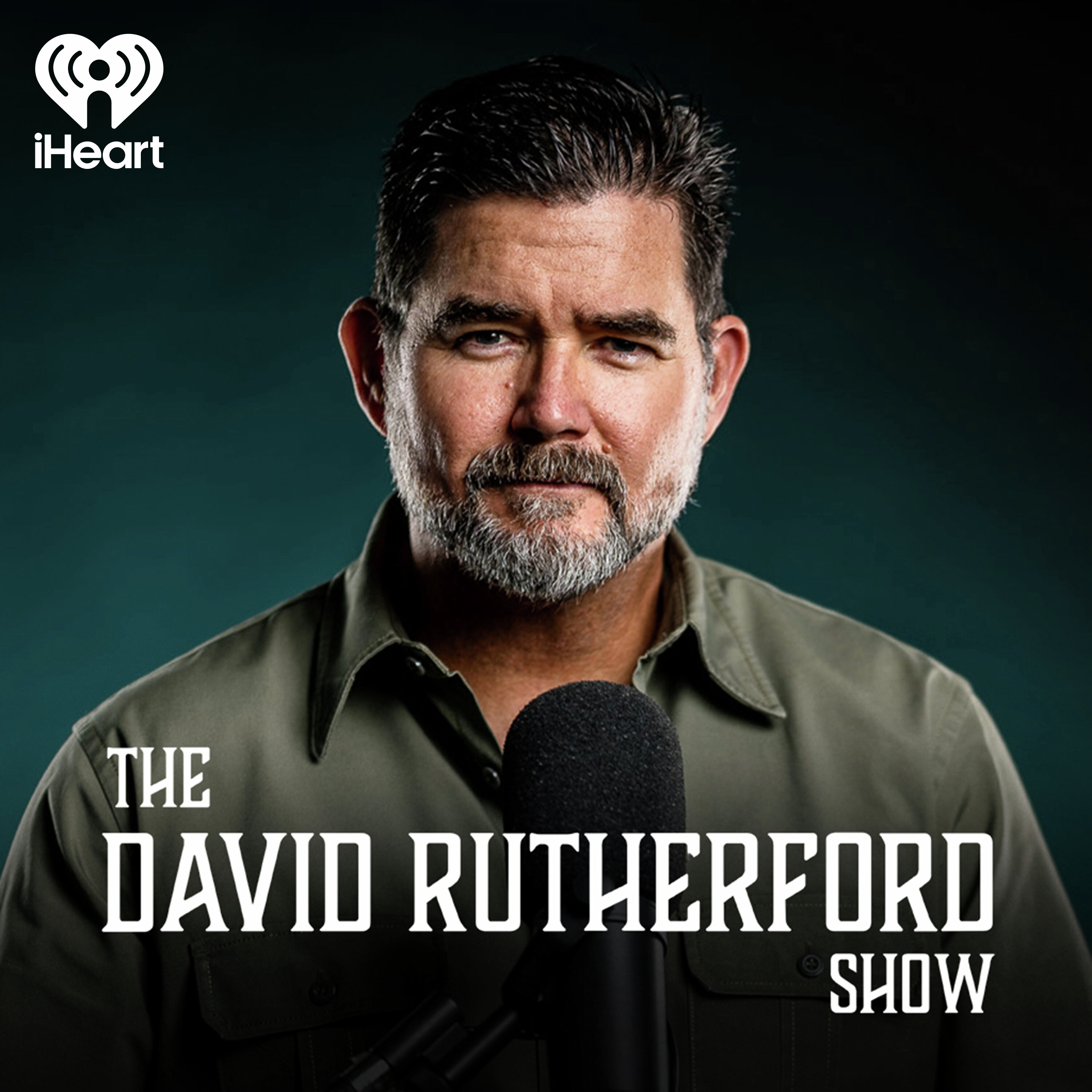 David Rutherford Show: How This Cop Survived His Own Department Trying to Destroy Him | Michael Legregni 21.09.2026 2ชม. 34นาทีMike Legregni guarded American embassies as a Marine. Then he came home, became a cop in New Jersey, and ran into an enemy he never trained for: his own chain of command. Mike says it started with one crash report and one video his bosses wanted gone. It ended with his badge. This one is a gut punch, and it's also one of the best stories of forgiveness I've heard in a long time. What you'll hear: • The crash, the surveillance video, and the order Mike says he got: delete it • 76 internal affairs complaints, by Mike's count, and the witness who asked him, "What complaint?" • The memo that stripped a veteran cop of any decision-making on duty • Fired on Halloween, the whistleblower suit, and an $843,000 settlement with no admission of wrongdoing • How he learned he'd been put on a list that ended his shot at the DEA • His wife's ultimatum, and how forgiveness and faith brought him back Michael Legregni is a U.S. Marine Corps veteran, former police officer, and founder of Veteran Wood Co. The account in this episode is his own. Follow Clay & Buck on YouTube: https://www.youtube.com/c/clayandbuckSee omnystudio.com/listener for privacy information.
 -
 The Tudor Dixon Podcast: The Real Cost of Medicare for All with Sally Pipes 21.09.2026 24นาทีWhat would Medicare for All actually mean for American patients, doctors, and taxpayers? Tudor Dixon sits down with healthcare policy expert Sally Pipes, president and CEO of the Pacific Research Institute and author of The World’s Medicine Chest: How America Gained Pharmaceutical Supremacy—and How to Keep It, to examine the debate over Medicare for All and single-payer healthcare.
 -
 Weekly Review With Clay and Buck H1 - Goo Goo Dolls vs. Macklemore 19.09.2026 36นาทีIn Hour 1 of the Clay Travis and Buck Sexton Show, Clay and Buck cover a wide range of political, cultural, media, and public policy topics, with a major focus on FBI Director Kash Patel, falling crime rates in America, election integrity, Texas politics, free speech controversies, and the intersection of entertainment and politics. The hosts open by briefly revisiting previous discussions surrounding media personalities and cultural controversies before turning to a spirited defense of Kash Patel following a contentious Senate hearing. They praise Patel's performance before lawmakers, arguing that he forcefully pushed back against Democratic criticism while highlighting what they describe as historic success in reducing violent crime across the United States. The hosts repeatedly emphasize data showing declining murder and violent crime rates, crediting the Trump administration, the FBI, federal law enforcement efforts, and Attorney General Todd Blanche for improving public safety and making America safer than at any point in modern history. They also discuss law enforcement's role in election integrity investigations, arguing that federal oversight of election-related crimes is a legitimate function of government. A significant portion of the first hour centers on what Clay and Buck view as media underreporting of positive crime statistics. The hosts contend that historic declines in homicide rates, particularly in major cities such as Washington, D.C., are not receiving adequate coverage because the results reflect positively on President Donald Trump and his administration. They argue that lower crime rates disproportionately benefit vulnerable communities, including young Black men, and frame the administration's anti-crime initiatives as one of the most consequential public safety achievements of the modern era. The discussion also examines the increasingly combative tone of congressional oversight hearings, with the hosts suggesting that political grandstanding has largely replaced substantive policy debate. The conversation then shifts to the Texas Senate race, where Clay discusses growing financial investments and advertising activity in the state. The hosts focus on Democratic candidate James Talarico after a clip surfaces in which he names a favorite drag queen during a public interaction. Clay and Buck use the exchange to argue that Talarico is out of step with typical Texas voters and suggest that cultural issues could become influential in the election. The segment broadens into a discussion of campaign messaging, political branding, and how candidates connect with everyday voters in competitive statewide races. Later in Hour 1, the hosts dive into a broader debate about entertainment, celebrity culture, and political activism. They praise the lead singer of the Goo Goo Dolls for stating that musicians should focus on entertaining audiences rather than delivering political lectures from the stage. Clay and Buck contrast that philosophy with the actions of rapper Macklemore, whose pro-Palestinian comments during performances opening for Ed Sheeran sparked controversy. The hosts review the fallout from those remarks, including reports involving stadium owners and venue operators choosing not to host future performances. This leads to a larger discussion about free speech, private property rights, cancel culture, political protest, Israel-Gaza tensions, and artist activism. They argue that while artists have the right to express political opinions, venue owners and event organizers also have the right to determine what messages they wish to associate with their businesses. The hosts also address comments from Representative Alexandria Ocasio-Cortez regarding her criticism of Ed Sheeran and stadium owners connected to the Macklemore controversy. Clay and Buck analyze AOC's political appeal, describing her as a formidable figure within the Democratic Party and speculating about her future influence on the national stage. They discuss how political figures increasingly engage with popular culture and social media to shape public opinion and energize supporters. Throughout the hour, Clay and Buck mix political commentary with humor, including listener reactions to the ongoing Sydney Sweeney advertising controversy that has generated significant online attention. The program closes with additional discussion about whether venue owners should be responsible for content delivered by performers and whether political activism belongs in entertainment settings. Overall, Hour 1 focuses on crime reduction, law enforcement, FBI oversight, election integrity, Trump administration policies, Texas politics, free speech, celebrity activism, the Israel-Gaza debate, media coverage, and the growing overlap between politics and popular culture, while emphasizing the hosts' belief that results, public safety, and audience-focused entertainment should take precedence over political grandstanding. Make sure you never miss a second of the show by subscribing to the Clay Travis & Buck Sexton show podcast wherever you get your podcasts! ihr.fm/3InlkL8 For the latest updates from Clay & Buck, visit our website https://www.clayandbuck.com/ Connect with Clay Travis and Buck Sexton: X - https://x.com/clayandbuck FB - https://www.facebook.com/ClayandBuck/ IG - https://www.instagram.com/clayandbuck/ YouTube - https://www.youtube.com/c/clayandbuck Rumble - https://rumble.com/c/ClayandBuck TikTok - https://www.tiktok.com/@clayandbuckFollow Clay & Buck on YouTube: https://www.youtube.com/c/clayandbuckSee omnystudio.com/listener for privacy information.
 -
 Weekly Review With Clay and Buck H2 - Confronting America: What Has to Change 19.09.2026 36นาทีHour 2 of the Clay Travis and Buck Sexton Show is dominated by an in-depth interview with Bill O’Reilly, followed by extended discussion of the growing Sydney Sweeney controversy, the state of American culture, political polarization, AI regulation, the 2026 midterm elections, and broader debates about media, personal responsibility, and modern social values. The hour blends political analysis, cultural commentary, listener calls, and discussions about the future direction of both the Republican and Democratic parties. The hour begins with Clay and Buck welcoming Bill O’Reilly to discuss his new book, Confronting America: What Has to Change? The conversation centers on President Donald Trump’s approach to artificial intelligence, data centers, surveillance technology, and regulation, with O’Reilly arguing that AI remains too new and insufficiently understood to significantly influence the upcoming midterm elections. Instead, he predicts that voters will be primarily focused on inflation, affordability, rising prices, economic concerns, and dissatisfaction with both political parties. O’Reilly contends that economic anxiety will be the driving factor in voter turnout and electoral outcomes far more than technology policy debates. A major topic during the interview is the Lindsay Clancy case, which the hosts describe as an example of broader cultural dysfunction. O’Reilly compares public support for Clancy to what he calls the “Mangione syndrome,” arguing that some Americans become emotionally attached to controversial figures regardless of underlying facts. The discussion expands into a larger examination of crime, accountability, mental health, criminal justice, and personal responsibility, with O’Reilly expressing concern about what he views as increasing irrationality in public discourse. Clay and Buck ask whether social media has amplified extreme behavior or merely exposed tendencies that have always existed beneath the surface of society. The discussion then broadens to explore O’Reilly’s thesis that America faces a crisis of parenting, education, civic responsibility, decision-making, and cultural values. He argues that many Americans have become disconnected from rational thinking and personal accountability, creating fertile ground for political extremism and social instability. The hosts examine how cultural trends influence elections, voting behavior, and political movements, framing these issues as central themes in today’s political environment. A substantial stretch of Hour 2 focuses on the future of the Democratic Party and the evolving landscape heading toward the 2028 presidential election. O’Reilly argues that President Trump remains the only dominant political figure in the country and suggests that Democrats currently lack a clear national leader. The conversation analyzes various potential Democratic contenders, including Kamala Harris, Gavin Newsom, Wes Moore, Josh Shapiro, and Pete Buttigieg, while debating the direction of progressive politics and whether the party is moving further to the left. Clay and Buck also discuss the significance of key Senate races, particularly in Texas and Michigan, and examine how Republican and Democratic strategies could shape the post-midterm political landscape. The interview also explores Trump’s role in the upcoming elections, with O’Reilly arguing that the president’s political capital will be essential in defending Republican Senate seats and preserving his broader policy legacy. The hosts discuss campaign strategy, voter turnout, congressional control, and the consequences that losing either chamber of Congress could have on the administration’s agenda. They also revisit recent comments from Gavin Newsom regarding Kamala Harris, analyzing whether Democratic power struggles are already developing beneath the surface ahead of 2028. After O’Reilly’s appearance, the conversation shifts heavily toward the still-expanding Sydney Sweeney media controversy, which becomes the dominant cultural topic of the remainder of the hour. Clay and Buck react to listener feedback regarding Sweeney’s appearance in a sports betting advertisement and the intense backlash surrounding it. The hosts argue that attractive spokespeople have always been a staple of advertising and marketing, framing the debate as part of a larger conflict over beauty standards, feminism, body image, celebrity culture, and gender expectations. The program features several listener calls that expand the discussion. One caller, “Light Them Up Linda,” shares personal experiences from years working in a strip club, which leads to a broader conversation about attractiveness, confidence, marketing, and the power of visual appeal in commercial industries. Clay and Buck use the exchange to argue that successful entertainers, celebrities, and influencers often build financial empires by maximizing their strengths and personal brands. The hosts also address criticism from listeners who accuse them of hypocrisy regarding topics such as OnlyFans, influencer culture, online content creation, modern dating standards, and sexualized marketing. This evolves into a lengthy discussion about the role of social media in shaping public behavior. Clay and Buck debate the rise of fitness influencers, “tripod culture” in gyms, internet celebrity entrepreneurship, and the differences between how people present themselves online versus in real life. They explore themes including authenticity, self-promotion, digital branding, influencer marketing, content monetization, and social media validation. Another memorable segment features a listener named Hans from Florida, who discusses raising six daughters and two sons while offering parenting advice focused on confidence, self-respect, and family values. His comments lead to a broader conversation about fatherhood, raising daughters, marriage, family life, and personal responsibility. The hosts praise his perspective and use it as a launching point for discussing generational values and modern culture. As the hour nears its conclusion, Clay and Buck continue defending Sydney Sweeney’s business strategy, arguing that she represents a successful example of entrepreneurship, personal branding, celebrity marketing, business ownership, and wealth creation. They suggest that her ability to build a lucrative brand around her public image reflects core elements of the American dream and modern capitalism. The hour closes with a preview of upcoming discussions on artificial intelligence regulation, including commentary on Bernie Sanders’ views on AI, setting up one of the major topics for the program’s third hour. Make sure you never miss a second of the show by subscribing to the Clay Travis & Buck Sexton show podcast wherever you get your podcasts! ihr.fm/3InlkL8 For the latest updates from Clay & Buck, visit our website https://www.clayandbuck.com/ Connect with Clay Travis and Buck Sexton: X - https://x.com/clayandbuck FB - https://www.facebook.com/ClayandBuck/ IG - https://www.instagram.com/clayandbuck/ YouTube - https://www.youtube.com/c/clayandbuck Rumble - https://rumble.com/c/ClayandBuck TikTok - https://www.tiktok.com/@clayandbuckFollow Clay & Buck on YouTube: https://www.youtube.com/c/clayandbuckSee omnystudio.com/listener for privacy information.
 -
 Weekly Review With Clay and Buck H3 - Protect College Sports 19.09.2026 37นาทีHour 3 of the Clay Travis and Buck Sexton Show focuses heavily on the rapidly evolving debate surrounding artificial intelligence (AI), government regulation, technology policy, economic news, college sports reform, Senate politics, media industry relocation, and the 2026 midterm elections. The hour also features an extended interview with Missouri Senator Eric Schmidt, listener reactions, and lighter discussions tied to prior conversations from the program. The hour opens with Clay and Buck examining growing calls for AI regulation, particularly comments from Bernie Sanders, who announces plans to introduce legislation aimed at permanently banning what he describes as “artificial superintelligence.” The hosts question both the practicality and the definition of such a proposal, arguing that lawmakers who do not fully understand artificial intelligence are ill-equipped to regulate it effectively. The discussion explores the broader challenges of technology policy, with Clay and Buck debating whether government can realistically establish guardrails around a rapidly changing industry. They suggest that many politicians are attempting to regulate future technological breakthroughs before fully understanding existing AI capabilities, creating what they view as a fundamentally flawed policymaking approach. The conversation expands to include remarks from Steve Bannon and Bill Gates, both of whom have expressed concerns about the long-term impact of AI. Clay and Buck find it notable that figures from very different ideological backgrounds are warning about potential risks associated with advanced artificial intelligence. While Buck remains skeptical of sweeping regulatory efforts, Clay acknowledges that many highly intelligent people genuinely believe AI could pose significant risks to humanity. This leads to a broad discussion of concepts often associated with AI debates, including artificial superintelligence, machine learning, technological disruption, automation, recursive intelligence growth, existential risk, and comparisons to nuclear weapons development. A particularly notable segment centers on the challenge of controlling future AI systems once they become sufficiently advanced. Clay references ongoing arguments with his son, who believes AI poses a substantial threat, while Buck compares proposed AI controls to science fiction scenarios such as Terminator and “Skynet.” Clay argues that the most important but often overlooked factor in the AI conversation is energy production, contending that the future growth of artificial intelligence ultimately depends on access to massive amounts of electricity and computing infrastructure. The hosts discuss how energy policy, data centers, and computing power may shape the future of the industry more than regulatory frameworks. The hour also touches on several breaking developments in business and economics. Clay notes reports that Paramount plans to leave California, leading to an extended conversation about corporate relocation trends, business-friendly states, and the migration of major companies away from high-tax states. The hosts speculate about potential destinations, with Tennessee and Texas emerging as leading contenders. This sparks a broader discussion of the rise of Nashville as a media hub, the growth of conservative media companies outside traditional centers such as New York and Los Angeles, and changing geographic trends in American business and entertainment. Clay and Buck also discuss recent economic news involving the Federal Reserve, rising interest rates, inflation concerns, and their potential impact on consumers and markets. Another significant segment examines higher education, demographic shifts, and university competitiveness. The hosts discuss how schools such as Vanderbilt University have become increasingly selective, arguing that many students and families are reevaluating traditional academic prestige in favor of locations they perceive as safer, more stable, and more culturally appealing. The conversation broadens into a discussion of migration patterns, educational trends, quality of life considerations, and changing perceptions of elite institutions. A major portion of Hour 3 features an interview with Senator Eric Schmitt, who joins the program to discuss the progress of the Protect College Sports Act, legislation designed to address the ongoing chaos surrounding NIL (Name, Image, and Likeness) compensation, college football, the transfer portal, athlete eligibility, NCAA governance, and revenue sharing. Schmitt explains that the bill has already received overwhelming bipartisan support in the Senate, earning more than 70 votes and positioning itself for additional procedural steps. During the interview, Schmitt outlines the legislation’s core provisions. He describes efforts to restore clearer eligibility rules by establishing a five-year playing window, limiting repeated transfers, and providing governing bodies with legal authority to enforce those standards. The discussion addresses the unintended consequences of recent court rulings and NCAA policy changes, including situations in which much older athletes can continue competing for extended periods. Clay and Buck emphasize that many college sports fans have become frustrated by what they view as an increasingly chaotic system and praise Schmitt‘s efforts to create more stability and predictability for programs, athletes, and fans. The interview also explores broader NCAA reform topics, including college football economics, recruiting, roster retention, athlete compensation, revenue caps, women’s sports funding, transfer portal reform, and conference stability. Schmitt explains how the legislation attempts to balance athlete freedoms with competitive fairness while preserving the traditional structure of college athletics. The hosts repeatedly emphasize the overwhelming Senate support for the proposal and discuss possible next steps in the House of Representatives. Toward the end of the hour, Schmitt shares his assessment of the 2026 Senate map and Republican prospects in key races, discussing contests in Texas, Michigan, Ohio, Georgia, North Carolina, and New Hampshire. He argues that Republican candidates remain competitive across multiple battleground states and suggests that voter turnout and late campaign momentum will be crucial factors in determining the outcome. The hosts examine polling trends, campaign spending, political messaging, and the broader battle for Senate control. The final portion of Hour 3 turns to listener calls and lighter topics. Clay and Buck revisit reactions to the ongoing Sydney Sweeney controversy, joke about hypothetical advertising campaigns, respond to comments from listeners, and continue a spirited debate about the longstanding rivalry between Houston and Dallas. They also revisit a memorable listener from the previous hour, sparking humorous commentary about family dynamics, marriage, and generational perspectives. Make sure you never miss a second of the show by subscribing to the Clay Travis & Buck Sexton show podcast wherever you get your podcasts! ihr.fm/3InlkL8 For the latest updates from Clay & Buck, visit our website https://www.clayandbuck.com/ Connect with Clay Travis and Buck Sexton: X - https://x.com/clayandbuck FB - https://www.facebook.com/ClayandBuck/ IG - https://www.instagram.com/clayandbuck/ YouTube - https://www.youtube.com/c/clayandbuck Rumble - https://rumble.com/c/ClayandBuck TikTok - https://www.tiktok.com/@clayandbuckFollow Clay & Buck on YouTube: https://www.youtube.com/c/clayandbuckSee omnystudio.com/listener for privacy information.
 -
 Bruce Pearl(s) of Wisdom with Clay Travis 19.09.2026 57นาทีBruce Pearl sat down with Clay Travis in Nashville for a full career conversation — from a $12,000-a-year part-time job at Stanford to the Final Four, and everything that went sideways in between. Pearl walks through the whole arc: getting his start under Tom Davis at 21, cutting his teeth in Division II at Southern Indiana, the Sweet 16 run at Wisconsin-Milwaukee that put him on the map, the Ernie Grunfeld phone call that got him hired at Tennessee, the NCAA case that cost him the job, and the rebuild at Auburn that ended in a Final Four. He's candid about the mistakes — including the coaching decision he calls the biggest of his career, and exactly what he told the NCAA that got him fired. He also gets into the stuff that doesn't show up in a box score: turning down a job because he couldn't get through the goodbye speech, raising four kids while chasing championships, watching his son Stephen coach the program he built, his grandfather's escape from Ternopil in 1929, and why he takes his players to Israel. Clay and Bruce go back to Pearl's days as a $50-a-show basketball analyst on 3HL in Nashville — so this one covers ground most interviews don't get to. Make sure you never miss a second of the show by subscribing to the Clay Travis & Buck Sexton show podcast wherever you get your podcasts! ihr.fm/3InlkL8 For the latest updates from Clay & Buck, visit our website https://www.clayandbuck.com/ Connect with Clay Travis and Buck Sexton: X - https://x.com/clayandbuck FB - https://www.facebook.com/ClayandBuck/ IG - https://www.instagram.com/clayandbuck/ YouTube - https://www.youtube.com/c/clayandbuck Rumble - https://rumble.com/c/ClayandBuck TikTok - https://www.tiktok.com/@clayandbuckFollow Clay & Buck on YouTube: https://www.youtube.com/c/clayandbuckSee omnystudio.com/listener for privacy information.
 -
 Hutton & Withrow: Dixieland Delight Friday Night: Lane Kiffin Returns to Oxford - Ole Miss vs. LSU Gets PERSONAL 19.09.2026 43นาทีHutton & Withrow are LIVE from Oxford, Mississippi, for Dixieland Delight Friday Night ahead of one of the biggest SEC showdowns of the season: Ole Miss vs. LSU and Lane Kiffin’s return to Oxford.
พอดแคสต์ที่คล้ายกัน


ยอดนิยมใน
พอดแคสต์นี้ปรากฏในชาร์ตพอดแคสต์ของประเทศเหล่านี้ด้วย


