
Catholic Daily Reflections
My Catholic Life!
1
My Catholic Life! presents the beauty and splendor of our Catholic faith in a down to earth and practical way. These daily audio reflections come from the "Catholic Daily Reflections Series" which is available in online format from our website. They are also available in e eBook or paperback format. May these reflections assist you on your journey of personal conversion!
ตอน
-
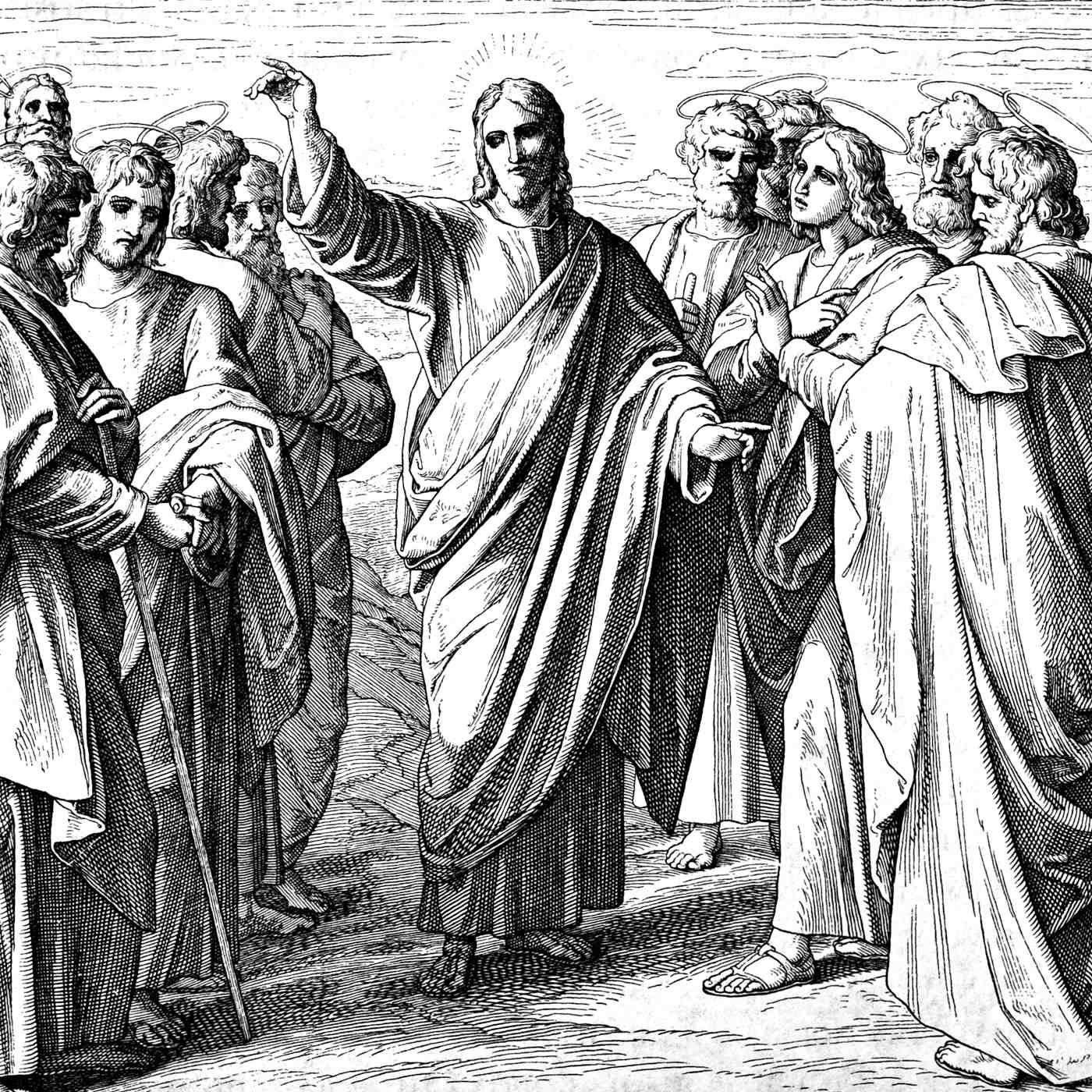 Wednesday of the Twenty-fifth Week in Ordinary Time - Relying on Divine Providence 22.09.2026 7นาทีRead OnlineRelying on Divine ProvidenceJesus summoned the Twelve and gave them power and authority over all demons and to cure diseases, and he sent them to proclaim the Kingdom of God and to heal the sick. He said to them, “Take nothing for the journey, neither walking stick, nor sack, nor food, nor money, and let no one take a second tunic.” Luke 9:1–3Imagine having the power to lay hands on the sick and heal them. Though it may seem like something from the world of fantasy or superheroes, it is, in truth, a participation in divine authority over nature. While children might dream of such power through comic books or cartoons, the power granted to the Apostles was not only real, it was given for a much higher purpose: to draw souls into eternal salvation.By this point in Luke’s Gospel, the Twelve had been chosen and appointed as Apostles for at least several weeks, if not months. In Luke 6, Jesus called them after spending the night in prayer on a mountain. Since then, they had been formed by listening to His teachings—such as the Sermon on the Plain—witnessing miracles and exorcisms, seeing Him forgive sins, watching in awe as He calmed a stormy sea, and even beholding Him raise the dead.After this brief but intense period of formation, Jesus sent them on mission. For this mission, Jesus bestowed upon them His own divine power—to heal, cast out demons, and proclaim the Kingdom of God.As He sent them, He gave an important instruction: “Take nothing for the journey, neither walking stick, nor sack, nor food, nor money, and let no one take a second tunic.” Why would He ask this of them? It wasn’t because of a lack of concern for their needs; rather, He was teaching them a vital spiritual lesson: To be effective instruments of His power and message, they had to rely completely on divine providence.Imagine being one of the Twelve, entering an unfamiliar village and seeing a crippled man begging at the gate. Suddenly, you feel inspired to lay hands on him and declare his healing. The prompting is so strong, you act. As soon as you say, “Be healed,” the man rises and walks, to the amazement of all. By day’s end, lines of the sick, crippled, and demon-possessed come to you, and each one is healed or delivered.The next day, a large crowd gathers in the town square. You invite them to sit, then begin preaching all you had heard Jesus teach. As you speak, some are moved to tears; others look to Heaven in joy. Hearts are touched. Chains fall. Lives are changed—all through the instrumentality of your words and presence.Such a moment would easily lead to the temptation of pride, marveling at all you had done. But Jesus knew this. That’s why, as the day ended and the crowd dispersed, the Apostles had to seek food and shelter from others. That simple act—relying on the kindness of strangers—was a daily reminder that the power they exercised was not their own. They entered towns empty-handed to remember that it was not they who worked wonders or saved souls, but Christ acting and speaking through them.When God uses us for His glorious purposes, we too will be tempted by the sin of pride. We may marvel at ourselves, seek recognition from others, or expect to be treated as if we were the source of God’s grace. This very real danger must be taken seriously by anyone engaged in Christ’s apostolate. Unless Christ works through us, we can do nothing. We are weak and sinful, and the merit of every good act belongs to Christ alone. We must never forget this sobering truth, especially the more deeply we become involved in His ministry.Reflect today on how fully you rely on divine providence. Are there times when you are tempted to take credit for what God does through you? Do...
 -
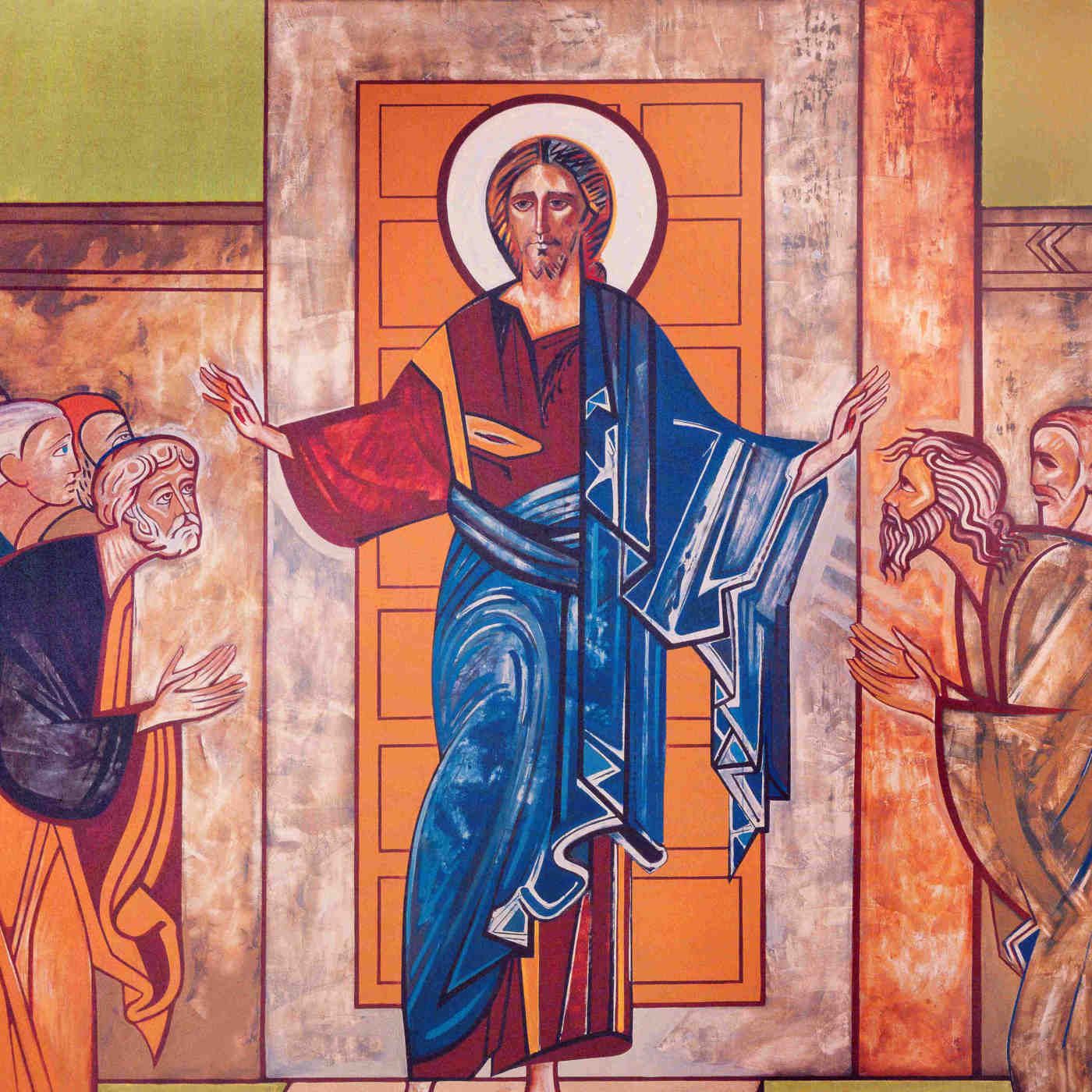 Tuesday of the Twenty-fifth Week in Ordinary Time - The Most Perfect Disciple 21.09.2026 7นาทีRead OnlineThe Most Perfect DiscipleThe mother of Jesus and his brothers came to him but were unable to join him because of the crowd. He was told, “Your mother and your brothers are standing outside and they wish to see you.” He said to them in reply, “My mother and my brothers are those who hear the word of God and act on it.” Luke 8:19–21In biblical Greek, the word translated as “brothers” can refer not only to biological siblings but also to close relatives, kinsmen, or even spiritual brethren, depending on the context. For example, the Greek translation of Genesis 13:8 describes Abraham and Lot as “brothers,” even though Lot is Abraham’s nephew. In Acts 1:15, Peter stood up in the midst of the “brothers,” referring to the larger group of about 120 gathered disciples. And in Romans 1:13, Saint Paul addresses his “brothers” in Rome, meaning all the believers gathered in that city.Therefore, when we read that Jesus’ mother and His “brothers” came to see Him, the Church has always maintained that this is not a reference to biological siblings—since Jesus is the only Son of the Blessed Virgin Mary—but to extended relatives, likely from Nazareth, such as cousins or other close kin.Nonetheless, at first glance, another point of confusion could arise from this passage. It might appear that Jesus is distancing Himself not only from His extended kin, but even from His own mother. But is that the case? Certainly not. In fact, a clearer spiritual reading of this passage reveals quite the opposite.Considering the Blessed Virgin Mary’s arrival and Jesus’ statement that “My mother and my brothers are those who hear the word of God and act on it,” who better fulfills this than His own mother? No one. Though she was conceived in grace, receiving the singular privilege of being preserved from original sin from the first moment of her existence, she still possessed free will. Like Adam and Eve—who were created in a state of original innocence—Mary could have freely chosen to turn from God in selfishness and sin. But she didn’t.Throughout her life, the Mother of God, who was conceived immaculately, chose, by her free will, to cooperate with grace in every moment. Furthermore, unlike Lucifer—who, according to tradition, saw the glory of his being and desired to exalt himself as god—Mary, seeing the glory of her Immaculate Heart, chose the path of humility and perfect obedience. She never exalted herself but always magnified the Lord.Today’s Gospel, in fact, highlights a central mystery and glory of her life: her humility. Jesus knew her humility. As her divine Son, He knew her better than she knew herself. He created her and loved her with the perfection of divine love. Out of that love, He revealed her hidden sanctity by speaking a truth that many might misunderstand but that she, in her simplicity and grace, would fully understand. That truth Jesus spoke would be proclaimed for all eternity: She, more than anyone else, heard the Word of God and acted upon it.This statement is glorious because it highlights Mary’s virtue and reveals the depth of her relationship with Jesus. Their bond was not merely biological. She was not first and foremost His mother because she gave birth to Him but because she heard His Word and responded to it with perfect fidelity. That is why she is the most perfect disciple.While it would be an unimaginable gift to be Jesus’ mother or one of His biological relatives, Jesus uses this moment to extend an even greater invitation to all of us to become His spiritual kin. He opens the door for all to share in the dignity of divine kinship by listening to His Word and putting it into practice. This is not a lesser calling; it is the very heart of Christian...
 -
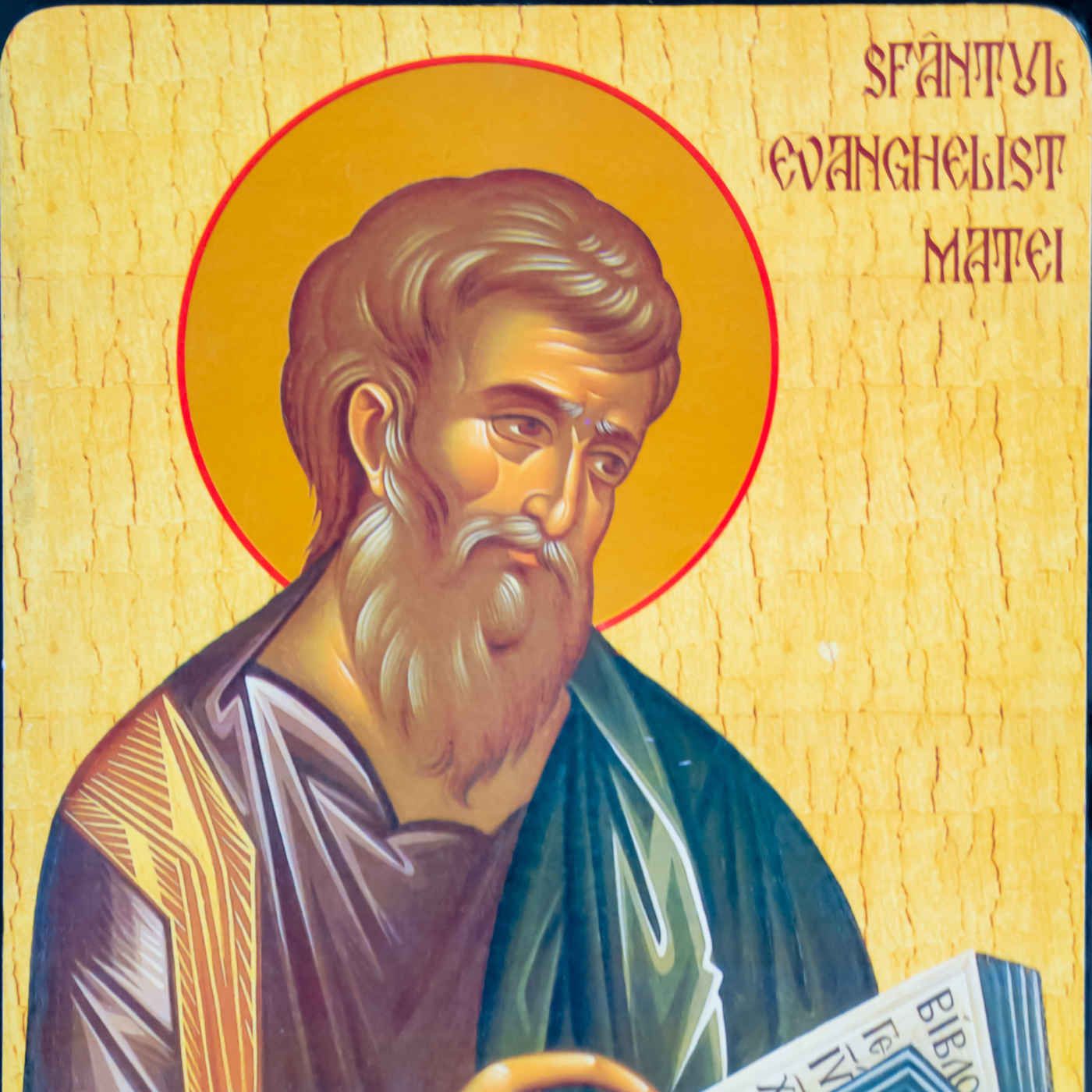 September 21, Feast of Saint Matthew, Apostle and Evangelist - From Sinner to Saint 20.09.2026 7นาทีRead OnlineFrom Sinner to SaintAs Jesus passed by, he saw a man named Matthew sitting at the customs post. He said to him, “Follow me.” And he got up and followed him.” Matthew 9:9Saint Matthew, whom we honor today, makes following Christ seem so simple. Jesus said, “Follow me,” and Matthew did so, leaving behind his former life and all the baggage he carried. Or did he? Though Matthew’s instant response is inspiring, we should not presume that everything became easy from that moment on. When we have deeply ingrained habits of sin, it takes time and grace to root them out. But none of that healing can begin until we take the first step, which Matthew courageously did in today’s Gospel.After leaving his customs post, Matthew hosted a dinner for Jesus in his home. Though his home may have been comfortable and the food rich, Matthew—like any new convert—had a long way to go. Tax collectors were despised by nearly everyone, except fellow tax collectors and those branded as sinners. The Jews saw them as traitors to both faith and nation, often barring them from synagogue and Temple worship. Their families, too, were commonly treated with contempt, sometimes even disowned. Ironically, even the Romans, for whom they collected taxes, looked down on them, as they were not true members of the Empire.This religious and social isolation inflicted deep suffering on these “sinners.” Though tax collectors may have lived outwardly lavish lives, their hearts often bore the sting of loneliness and rejection. It was into this wounded world that Jesus stepped when He encountered Matthew.The fact that Matthew followed Jesus quickly and eagerly reveals much about Matthew’s inner life. He had heard of this new preacher—perhaps even whispers that He might be the Messiah—and the news had stirred something within. When this rabbi not only noticed him but spoke compassionately to him, commanding him to follow and accepting an invitation to dine in his home, it must have awakened a flood of emotion. Perhaps for the first time in years, Matthew felt something stirring within that had long been buried. Freedom, excitement, hope, and curiosity filled him, and he was willing to walk away from the past and begin anew.But conversion is not the end; it’s only the beginning. Consider the weeks, months, and years that followed. Like us, Matthew likely wrestled with second thoughts. He would have struggled with guilt and shame, felt unworthy to be among Jesus’ disciples, missed aspects of his old life, and faced the unfamiliar turmoil of inner transformation.For Matthew, as for all disciples, conversion is the first step. Discipleship is the ongoing journey by which the light of Heaven slowly and steadily penetrates every dark corner of our hearts. We begin to see our attachments more clearly, to understand the harm we’ve caused others, and to navigate the confusion that often arises when grace begins its work within.Today, we honor Saint Matthew because he kept going after that first step. The three years he spent at Jesus’ side during the public ministry would have been years of profound transformation. After the Ascension, that transformation deepened as the Holy Spirit enlightened him from within, leading him to even more glorious things.Reflect today on the long and often painful journey of conversion and purification that Saint Matthew endured faithfully until the end. According to tradition, Matthew eventually traveled to the region south of the Caspian Sea—modern-day Iran or Armenia—where he gave his life in martyrdom. His most enduring legacy, however, is the Gospel he wrote. If God could use a tax collector and sinner like Matthew to do such great things, He can use each of us as well. Seek Saint Matthew’s...
 -
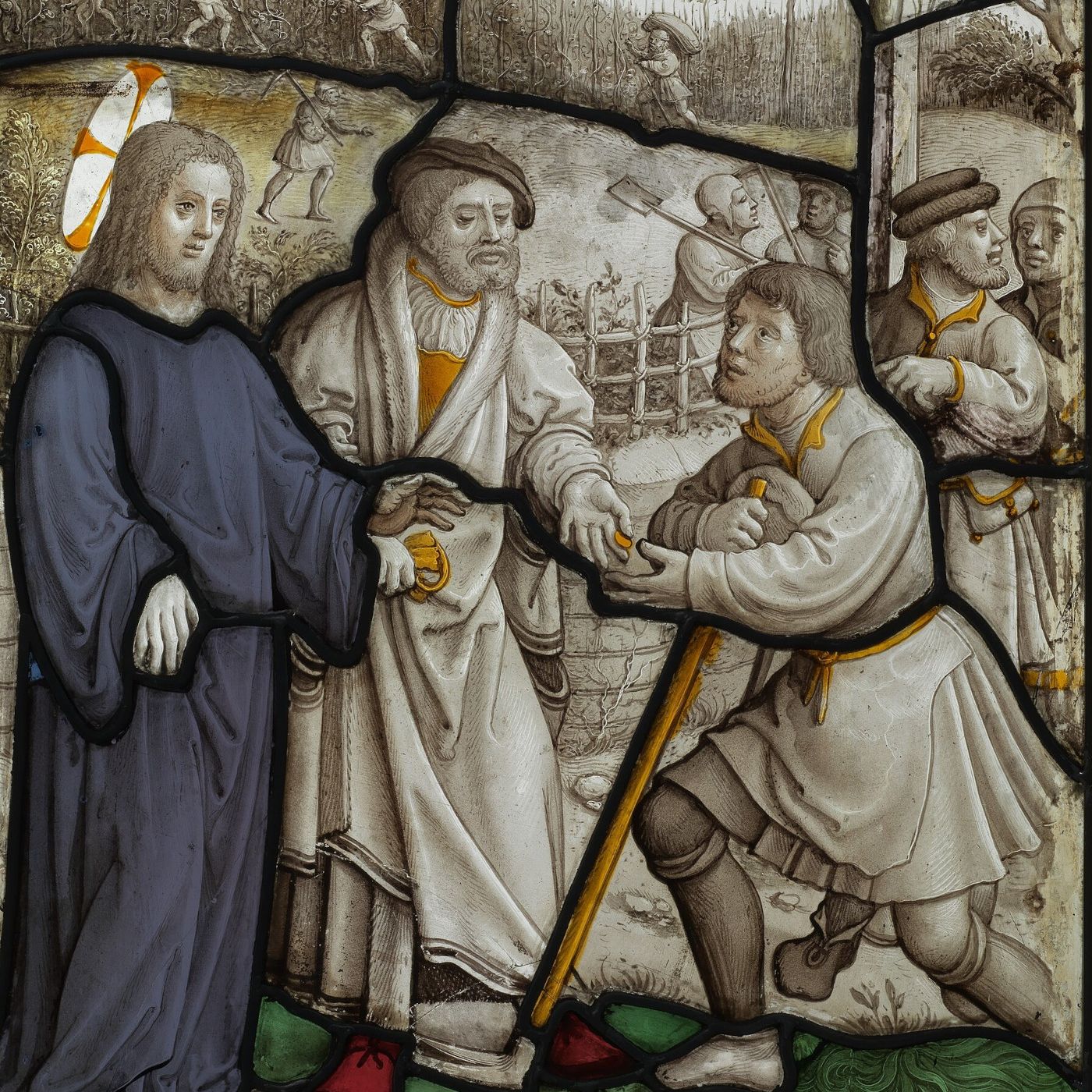 Twenty-fifth Sunday in Ordinary Time (Year A) - Divine Equity 19.09.2026 6นาทีRead OnlineDivine EquityJesus told his disciples this parable: “The kingdom of heaven is like a landowner who went out at dawn to hire laborers for his vineyard. After agreeing with them for the usual daily wage, he sent them into his vineyard. Matthew 20:1–2As the parable unfolds, the landowner returns to the marketplace four more times—at nine o’clock, noon, three, and finally at five—to hire additional workers. When the day’s labor concluded at six o’clock, each received the same full daily wage. Was this fair? To those who had worked the entire day, it certainly did not seem so. They grumbled, “These last ones worked only one hour, and you have made them equal to us, who bore the day’s burden and the heat” (Matthew 20:12).God is perfectly just. Yet His justice is never separated from His mercy. Together they form a harmony we may call Divine Equity, a principle that transcends limited human notions of fairness. God gives not merely according to labor performed but according to the wisdom of His eternal love and providence. What appears to us as inequality is, in truth, the generous outpouring of grace from the One who sees hearts, not hours. His ways are not our ways, and His judgments surpass the grasp of reason unaided by faith (cf. Isaiah 55:8–9).At the heart of this parable is God’s abundant generosity. To better understand Divine Equity, it is helpful to prayerfully place ourselves among each group of laborers. Among those who have labored in Christ’s vineyard, we may find some who have far surpassed us in devotion and sacrifice, as well as others who arrived much later than we did.Yet God sees each soul individually. He does not measure us against one another. He sees each worker according to his own disposition, his interior response to His call, and the sincerity of his effort. Grace is distributed not based on external accomplishments alone but on the openness of heart and fidelity to His will.For example, when we work for God—meaning we live in a state of grace and are faithful to His divine will—we merit spiritual rewards by His generosity. But even the most devout soul can lose everything through mortal sin. If such sin is unrepented, Divine Equity, which always respects both justice and freedom, demands the consequence of eternal separation from God.Conversely, a soul that lives much of life far from God, mired in sin, yet sincerely repents near the end—perhaps even in the final hour—can receive an abundance of grace. A genuine, humble, and complete conversion at the end of life opens the floodgates of Divine Mercy. In such a case, God’s Divine Equity responds not by withholding grace, but by pouring it out lavishly, in accord with His infinite mercy.Equity is not equality. In modern discourse, the term “equity” is often misused or distorted. But Divine Equity is something altogether different. It flows from God’s perfect justice and mercy, distributing grace according to the truth of each soul’s interior life—not according to a purely external standard.Reflect today on your own place among the laborers in the vineyard. Are you tempted to compare your spiritual journey with others? Do you resent the blessings others have received, or do you trust that God sees your heart and will reward you with generosity beyond measure? Rejoice that Divine Equity governs the Kingdom of Heaven; in that justice, perfected by mercy, all things are made right. My Divine Judge, You rule with perfect equity, justice, and mercy. Your ways are flawless and overflow with generosity. Please govern my soul and judge me according to Your Wisdom, so that I may receive all that You long to bestow. Grant me the grace to remain faithful to the end, persevering and deepening my...
 -
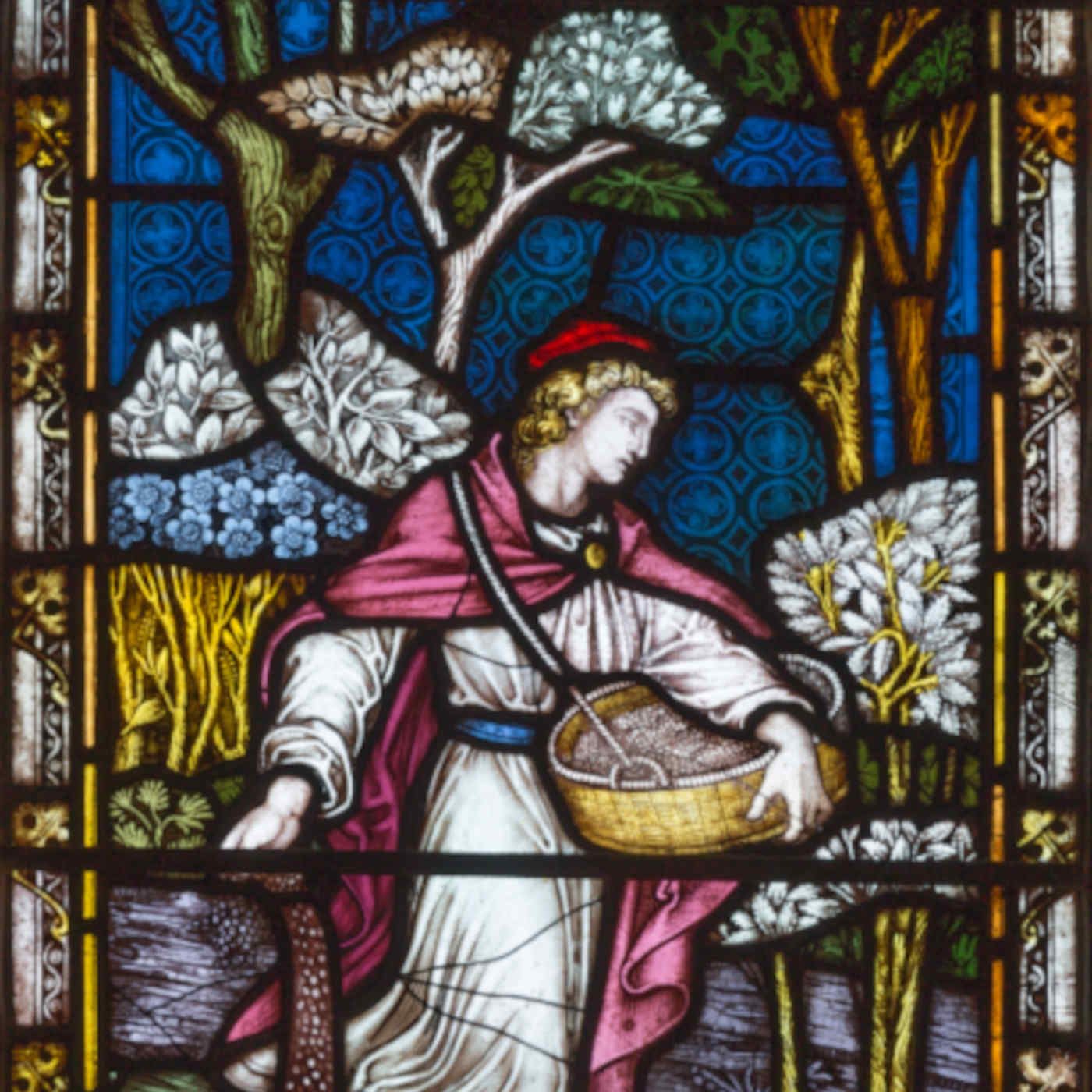 Saturday of the Twenty-fourth Week in Ordinary Time - A Heart Open to Grace 18.09.2026 7นาทีRead OnlineA Heart Open to GraceWhen a large crowd gathered, with people from one town after another journeying to Jesus, he spoke in a parable. “A sower went out to sow his seed. And as he sowed, some seed fell on the path and was trampled, and the birds of the sky ate it up. Some seed fell on rocky ground, and when it grew, it withered for lack of moisture. Some seed fell among thorns, and the thorns grew with it and choked it. And some seed fell on good soil, and when it grew, it produced fruit a hundredfold.” Luke 8:4–8God always takes the initiative in our lives. We do not need to persuade Him to care for us or to extend His grace—He already does. Our relationship with Him is one of response: He sows, and we are called to receive. We say “Yes” to Him, allowing His will to take root in our lives. At the heart of His divine will is the call to hear and embrace His Word. Today’s Gospel presents one of Jesus’ most familiar parables, rich in meaning and imagery for prayer. God is the Divine Sower, and the seed is His Word. That Word is not merely a message or set of teachings—it is the Person of Christ Himself, the Incarnate Word of God. This is one of the great mysteries of our faith. Christ is sown into the hearts of the faithful. We are not invited to solve this mystery but to receive it, enter it, ponder it, and allow it to transform us.To enter more deeply into this mystery, imagine God the Father sowing the seed of His Son into the soil of your soul. Once we understand that Christ Himself is the Divine Seed, it becomes clear that Christianity is not merely about following a moral code or ethical system. Rather, it is about being interiorly transformed by Christ’s living presence. He is planted in us by grace, takes root in our souls, and grows, bearing spiritual fruit.This parable also challenges us to examine the condition of our hearts. Are we hardened like the path, distracted like the rocky ground, or choked by worldly concerns like the soil filled with thorns? Or are we striving to be rich, tilled soil—open, receptive, and ready to nurture the life of Christ within?If we extend the parable further and consider the entire field, it is consoling and inspiring to recognize the countless other souls with rich soil who also receive the living Word of God and in whom He grows and bears fruit. As members of the Body of Christ, we are not alone. We are part of a vast field, tilled and watered by divine grace.And yet, there remains so much more to be done. Many hearts have not yet received Christ. Many remain hardened, distracted, or choked by the anxieties and pleasures of life. By receiving the Word of God and bearing fruit ourselves, we also produce seeds—seeds of the Incarnate Word meant to be sown into the lives of others. The Divine Sower desires to extend His mission through us until the end of the age.Though this parable primarily focuses on the condition of our own hearts, we can also discern in it the urgency of the Gospel mission. The Divine Sower seeks laborers who will help sow the Word far and wide, expanding the field of the Church and multiplying its fruit.Reflect today on the high ideals set forth in the Parable of the Sower. Move from concept to reality. This parable is not only meant to inspire, it is meant to prompt action. First, open your heart to Christ the Word through daily prayer, participation in the Sacraments, and works of charity. Then, become a co-worker with Christ. In what ways can you assist the Divine Sower? To whom can you be an instrument of the Word of God? Be receptive to His grace and resolute in your mission, that the Field of God’s Kingdom may continue to grow and flourish. My Divine Sower and Eternal Word, You urgently...
 -
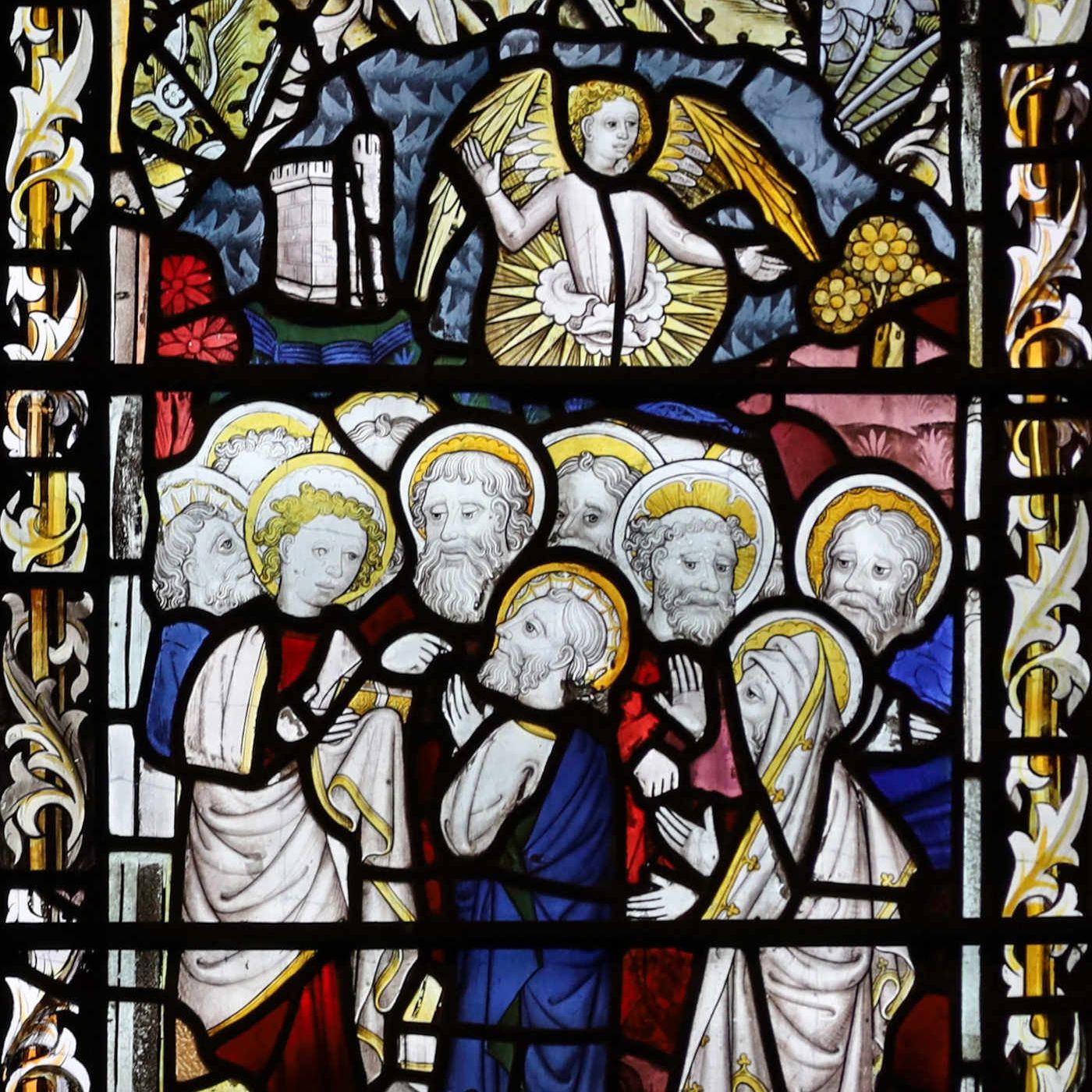 Friday of the Twenty-fourth Week in Ordinary Time - Disciples of Diverse Backgrounds 17.09.2026 7นาทีRead OnlineDisciples of Diverse BackgroundsJesus journeyed from one town and village to another, preaching and proclaiming the good news of the Kingdom of God. Accompanying him were the Twelve and some women who had been cured of evil spirits and infirmities, Mary, called Magdalene, from whom seven demons had gone out, Joanna, the wife of Herod’s steward Chuza, Susanna, and many others who provided for them out of their resources. Luke 8:1–3Mary Magdalene, Joanna, Susanna, and “many others” faithfully accompanied Jesus and the Twelve. This diverse group of disciples defied conventional expectations. They were not the kind of followers one might ordinarily assemble when launching a mission destined to reach the ends of the earth. Yet God’s wisdom is not like our own. He perceives greatness not in social status, talent, or wealth, but in the sincerity, purity, and potential of each heart.The inclusion of women among Jesus’ traveling companions is striking within the cultural framework of first-century Judaism. He not only welcomed them into His company but also entrusted them with meaningful participation in His mission. In doing so, He affirmed their dignity and revealed the universal scope of His call.Even more surprising is that some of these women came from questionable or afflicted pasts. Mary Magdalene is named first: “from whom seven demons had gone out.” The number seven signifies completeness, suggesting a full and profound liberation—perhaps from both moral disorder and physical torment. Her healing reveals the immense power of divine mercy. Once bound by darkness, she became a devoted disciple, eventually standing at the foot of the Cross and witnessing the glory of the Resurrection. Her life exemplifies how gratitude for mercy can blossom into unwavering love and enduring fidelity.Joanna, the wife of Chuza, Herod’s steward, also deserves attention. Her association with Herod’s court—a place marked by corruption—shows that the Gospel can penetrate even into environments of great moral disorder. Susanna and the many other unnamed women round out this community, highlighting a growing circle of female disciples drawn by the love and truth of Christ.These women provided for Jesus and the Twelve “out of their resources.” Their generosity was not only material, it was spiritual. Their stewardship played a vital role in sustaining the mission of Christ. By offering what they had, they became instruments of grace, foreshadowing the ongoing collaboration in the Church between lay and ordained, men and women, rich and poor.This early fellowship of followers models the Church in every age. They came from all walks of life: some devout, others formerly sinful; some wealthy, others of humble means; both men and women; people of high and low estate. Yet they were united in a single purpose: to follow Jesus and serve the Kingdom of God with all that they were.Reflect today on this unexpected company Jesus formed. Many people struggle with a sense of unworthiness or feel inadequate in their spiritual lives. If you have ever felt this way, take heart in the diverse group Christ called. Their varied and imperfect backgrounds reveal the deep and consoling truth that no one is beyond being called by God. Each of us, no matter our past or present, is invited to walk with Him, to offer what we have, and to participate fully in His redemptive mission. Accept this invitation. Join this holy company. And give yourself wholeheartedly to the proclamation of the Kingdom of God. Most merciful Lord, You always look beyond the sin to see the sinner, offering Your boundless mercy to all who turn to You in repentance. Please continue to call me to participate in Your divine mission of building Your Kingdom here on earth, so that I and all whom You touch through me may share in the eternal joy of Your Heavenly Kingdom....
 -
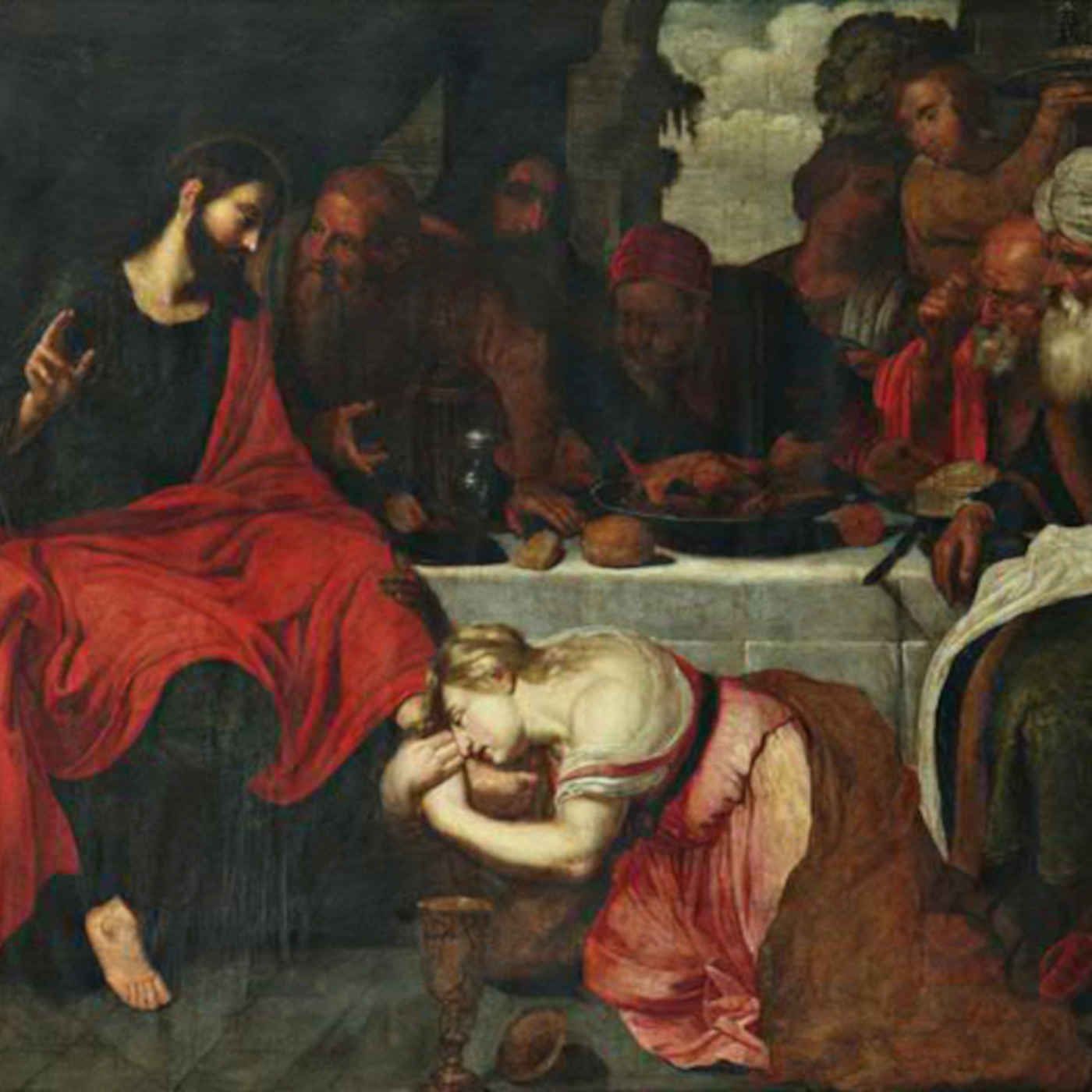 Thursday of the Twenty-fourth Week in Ordinary Time - An Unnamed Sinful Woman 16.09.2026 8นาทีRead OnlineAn Unnamed Sinful WomanA certain Pharisee invited Jesus to dine with him, and he entered the Pharisee’s house and reclined at table. Now there was a sinful woman in the city who learned that he was at table in the house of the Pharisee. Bringing an alabaster flask of ointment, she stood behind him at his feet weeping and began to bathe his feet with her tears. Then she wiped them with her hair, kissed them, and anointed them with the ointment. Luke 7:36–38Why did Simon the Pharisee invite Jesus to dine at his house? Though the Gospel does not tell us explicitly, the context suggests that Simon was not yet a believer or disciple. Perhaps he was merely curious about Jesus or, more cynically, sought to test or expose Him. Nevertheless, Jesus, knowing the thoughts and intentions of every heart, accepted the invitation—likely because He perceived in Simon the potential for conversion and salvation.Traditionally, many have associated this unnamed sinful woman with Mary Magdalene, but the Scriptures do not support this identification. Others have confused her with Mary of Bethany, the sister of Martha and Lazarus, who anointed Jesus shortly before His Passion. Yet this event in Luke’s Gospel is clearly distinct, taking place much earlier in Jesus’ public ministry and under different circumstances.Though this woman is undoubtedly a real historical person, the fact that she remains unnamed invites a deeper spiritual reflection: She represents each of us. Her anonymity makes it easier for us to see ourselves in her story. We are all sinners in need of grace. Like her, we are called to approach the Lord with humility, sorrow, and deep love. Her gestures of repentance offer a model of adoration for every contrite heart.Her weeping, her use of her hair to wipe the Lord’s feet, and her anointing of them with costly ointment are signs of a heart overflowing with both grief and affection. In her, we see the soul that has come to understand the weight of sin and the boundless mercy of the Savior. When we approach the Sacrament of Reconciliation, we often do so with fear and hesitation. It’s tempting to minimize or gloss over our sins. But this woman, though she says nothing, expresses everything. Her actions cry out her sorrow and longing for forgiveness. She holds nothing back, which is precisely what makes her a model for us.Even more touching than her contrition is Jesus’ response. He does not recoil, rebuke, or reject her. He receives her, defends her, and speaks words to her that must have pierced her heart with joy: “Your sins are forgiven” and “Your faith has saved you; go in peace.”Such mercy, when fully received by a humble and contrite heart, is breathtaking. To those with hardened hearts, however, it can be scandalous. Simon thought to himself, “If this man were a prophet, he would know who and what sort of woman this is who is touching him, that she is a sinner.” And the others at table said among themselves, “Who is this who even forgives sins?”The true cleansing, anointing, and kiss exchanged at that dinner were not what the woman gave to Jesus, but what Jesus gave to her. She washed His feet with her tears, but He washed her soul with His mercy. She anointed Him with costly oil, but He anointed her with the Holy Spirit. She kissed His feet in reverence, and He kissed her heart with divine love—betrothing her to Himself as her Heavenly Bridegroom. Reflect today on this unnamed sinful woman, and try to see yourself in her. Let her humility become your own. Let her tears of sorrow become yours. Let her bold and loving gestures toward Jesus inspire you to approach Him without fear or hesitation, especially in the Sacrament of Reconciliation. No sin is too...
 -
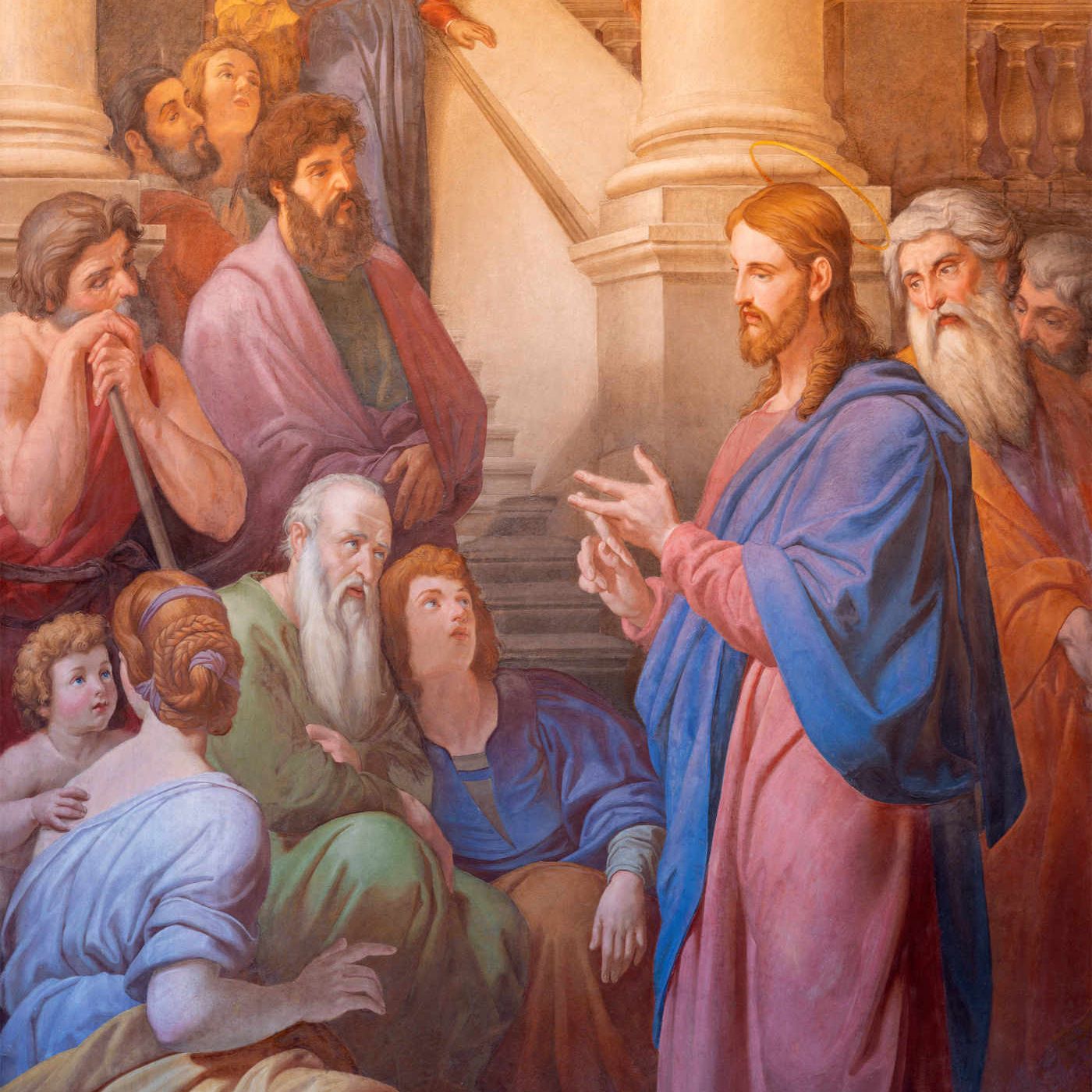 Wednesday of the Twenty-fourth Week in Ordinary Time - The Sorrow and Joy of the Gospel 15.09.2026 7นาทีRead OnlineThe Sorrow and Joy of the GospelJesus said to the crowds: “To what shall I compare the people of this generation? What are they like? They are like children who sit in the marketplace and call to one another, ‘We played the flute for you, but you did not dance. We sang a dirge, but you did not weep.’” Luke 7:31–32The simile Jesus uses in this teaching—“We played the flute for you, but you did not dance. We sang a dirge, but you did not weep”—portrays a generation that is spiritually unresponsive and resistant to both the joyful and sorrowful invitations of God’s grace. It may seem like a contradiction that the Gospel draws us to grace through both joy and sorrow, but both are essential movements of the heart, preparing us to receive the fullness of salvation.Joy arises from recognizing God’s mercy, His abiding presence, and the hope of eternal life. Holy sorrow, on the other hand, is born when we confront our sin, contemplate Christ’s suffering, and acknowledge the brokenness of the world. The Gospel “plays the flute” when it invites us to rejoice in the nearness of the Kingdom; it “sings a dirge” when it calls us to repentance and conversion. A heart attuned to God responds to both—rejoicing in His blessings and weeping over sin. To ignore either call reveals a deeper hardness of heart, a spiritual insensitivity that neither celebrates divine goodness nor grieves over what separates us from it.The context of this simile is important. After Jesus raised the only son of the widow at Nain, some of John the Baptist’s disciples, who had witnessed the miracle, returned to the Fortress of Machaerus (in modern-day Jordan), where John was imprisoned. They reported to him all they had seen. In response, John sent two of them back to Jesus to ask, “Are you the one who is to come, or should we look for another?” (Luke 7:19).Jesus answered, “Go and tell John what you have seen and heard: the blind regain their sight, the lame walk, lepers are cleansed, the deaf hear, the dead are raised, the poor have the good news proclaimed to them. And blessed is the one who takes no offense at me” (Luke 7:22–23).After John’s disciples departed, Jesus turned to the crowd and delivered this comparison. The children playing the flute represent the joyful proclamation of the Kingdom made manifest through Jesus’ miraculous works and message. The children singing a dirge symbolize John’s call to repentance and preparation for the Messiah. Both were divine invitations—one to rejoice, the other to mourn—and both were largely rejected by that generation.In Heaven, sorrow will be no more and only peace and joy will remain, but in this life, holy sorrow is an indispensable grace we must never avoid. It is one of the Beatitudes: “Blessed are those who mourn, for they shall be comforted” (Matthew 5:4). This is not the despair of the world, but a spiritual sorrow—grieving over sin, injustice, and the suffering caused by separation from God. It softens the heart, purifies desire, and opens the soul to receive mercy. It prepares us to experience the joy of forgiveness, healing, spiritual renewal, and the knowledge of the Kingdom of Heaven.Therefore, we must be willing to let the Gospel lead us into both sorrow and joy: sorrow that humbles us and disposes us to repentance, and joy that lifts us into thanksgiving and hope. Only when we embrace both can we enter fully into the rhythm of the Gospel. Reflect today on the disposition of your own heart. Are you moved by the Gospel’s invitation to rejoice in the nearness of God and His blessings? Are you also willing to let your heart be pierced by the sorrow that comes from recognizing sin and the suffering it causes? Ask for the grace of a heart that is...
 -
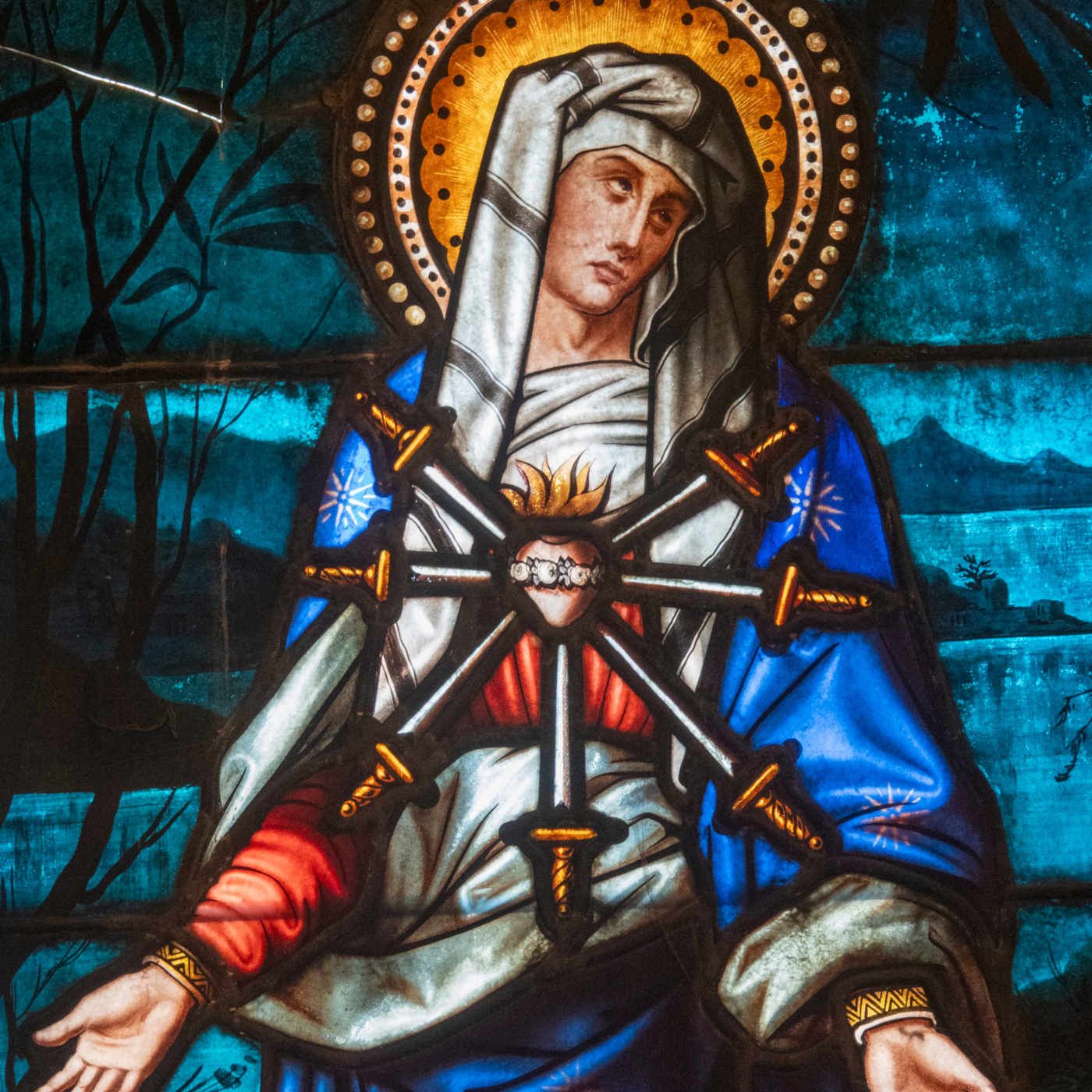 September 15, Memorial of Our Lady of Sorrows - Commingling of Love and Suffering 14.09.2026 7นาทีRead OnlineCommingling of Love and SufferingJesus’ father and mother were amazed at what was said about him; and Simeon blessed them and said to Mary his mother, “Behold, this child is destined for the fall and rise of many in Israel, and to be a sign that will be contradicted and you yourself a sword will pierce so that the thoughts of many hearts may be revealed.” Luke 2:33–35It is no liturgical coincidence that the day after we celebrate the Feast of the Exaltation of the Holy Cross, we honor Our Lady of Sorrows. This close liturgical connection highlights the inseparable union between Christ’s Passion and His Mother’s compassion.The passage above is one of the two optional Gospel readings for today. The other is taken from the foot of the Cross: “Standing by the cross of Jesus were his mother and his mother’s sister, Mary the wife of Clopas, and Mary Magdalene” (John 19:25). In both passages, we are invited to gaze with reverent love upon the overflowing charity found in the Blessed Mother’s Immaculate Heart. Though she experienced countless moments of profound joy, today we contemplate the holy sorrow she endured as she accompanied her divine Son.From the first moment of her Immaculate Conception, the Blessed Mother’s heart was full of grace. She was preserved from the stain of Original Sin and remained sinless throughout her life by freely obeying every prompting of the Holy Spirit who overshadowed her. For this reason, her Immaculate Heart is unique—no other motherly heart has ever loved so purely, and no other heart has ever suffered so deeply.It is easy to imagine that pure love would exempt a soul from suffering. But all we need to do is look upon the Son of God to know that this is not so. Suffering, sorrow, and the perfection of love are not opposed; they are perfectly united in every holy soul conformed to Christ, as exemplified in His Mother.When we contemplate the Exaltation of the Cross, we behold Jesus crucified—naked, humiliated, and in excruciating agony. Yet that suffering held no power over Him. He conquered it by embracing it, enduring it, and transforming it into the very foundation of Divine Mercy.Likewise, as the Mother of God stood before the exalted Cross of her Son and beheld Him in His final agony, her heart was pierced by the sword that Simeon prophesied on the day of Jesus’ Presentation in the Temple. In that moment, sorrow and love became one. How could she feel otherwise? Had she not loved her Son so deeply, she would not have suffered so profoundly. It was precisely because her love was so pure that her sorrow was so great.There is much to learn from the Sorrowful Heart of the Immaculate Virgin Mary. From her we learn that holy love enables us to suffer with others. This is the essence of the word compassion—to suffer with. When we witness the sins of others—for which Christ suffered—or when we ourselves experience rejection, betrayal, or injustice, we are faced with a choice. We can turn inward in bitterness and self-pity, or we can imitate the Blessed Mother and choose holy compassion, loving even in the midst of pain, rejection, and abuse.Why did our Blessed Mother choose this holy sorrow, this loving compassion? Because love expressed in this way draws sinners back to God. Her compassion, united with Christ’s, became a silent yet powerful invitation for all souls to repent, to believe, and to be healed.Reflect today on the sorrow within your own heart. It is easy to be saddened by loss, hardship, or trials. But sadness is not the same as holy sorrow. Does suffering lead you to compassion and empathy, or does it turn into self-pity? As we ponder the sorrows of our Blessed Mother, pray for the grace to imitate her holy...
 -
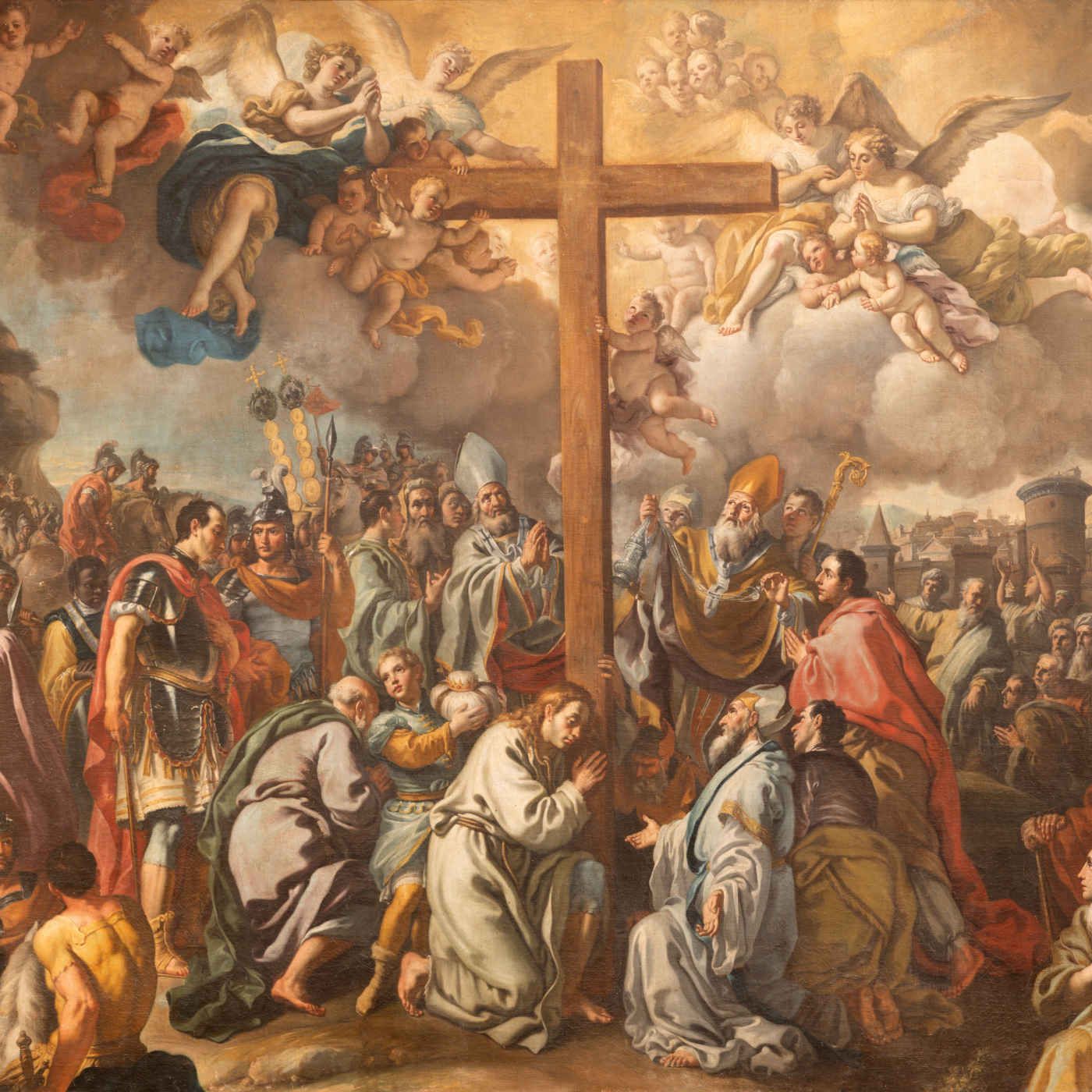 September 14, Feast of the Exaltation of the Holy Cross - Exalting the Crucified Messiah 13.09.2026 7นาทีRead OnlineExalting the Crucified MessiahJesus said to Nicodemus: “No one has gone up to heaven except the one who has come down from heaven, the Son of Man. And just as Moses lifted up the serpent in the desert, so must the Son of Man be lifted up, so that everyone who believes in him may have eternal life.” John 3:13–15Today, as we celebrate the great Feast of the Exaltation of the Holy Cross, we are invited to ponder Jesus’ conversation with Nicodemus, “a ruler of the Jews” (John 3:1). Nicodemus was one of the few Pharisees who believed in Jesus. In many Eastern Churches, he is honored as a saint.Nicodemus approached Jesus early in His public ministry. By that time, Jesus had called some of His Apostles, performed His first sign at the wedding in Cana, and traveled to Jerusalem for Passover, where He cleansed the Temple, declaring, “Take these out of here, and stop making my Father’s house a marketplace” (John 2:16). This was the first major public confrontation between Jesus and the religious leaders, many of whom were scandalized. Nicodemus, however, was moved by grace and came to Jesus secretly by night, saying, “Rabbi, we know that you are a teacher who has come from God…” (John 3:2). Today’s Gospel is drawn from that quiet exchange.As their conversation unfolds, Jesus turns Nicodemus’ attention to a mysterious episode from Israel’s history, one Nicodemus would have known well. When the Israelites sinned by speaking against God and Moses, the Lord sent serpents among them. Many of the people died. But when the people repented, God instructed Moses to mount a bronze serpent on a pole; those who looked upon it in faith were healed. Jesus reveals that this ancient sign prefigured something far greater: “Just as Moses lifted up the serpent in the desert, so must the Son of Man be lifted up.”This “lifting up” lies at the heart of today’s feast. The Exaltation of the Holy Cross is more than a remembrance of Christ’s suffering, it is a celebration of His victory. The Cross, once an instrument of Roman execution, has become the Tree of Life. Through His self-offering, Jesus conquered sin and death, transforming a curse into a blessing.Return to Nicodemus. Having witnessed the miracle at Cana, the cleansing of the Temple, and Jesus’ powerful teaching, he was clearly stirred, yet still fearful, which is why he came at night. Imagine him hearing Jesus refer to Moses and the bronze serpent, and then saying, “So must the Son of Man be lifted up, so that everyone who believes in him may have eternal life.”The title “Son of Man” comes from the Book of Daniel (7:13–14), in which the prophet sees the “one like a son of man” coming on the clouds of heaven to receive everlasting dominion. Jesus used this title frequently to describe Himself, linking His earthly mission with divine authority.In His encounter with Nicodemus, Jesus veils the deeper meaning. His being “lifted up” refers not to earthly power, but to His Crucifixion. Nicodemus likely didn’t grasp this at the time. He may have assumed Jesus was foretelling a messianic rise to political rule, overthrowing Roman oppression. Only after the Crucifixion and Resurrection would Nicodemus—and the other disciples—begin to understand the true nature of this first revelation that the lifting up of the Son of Man was the lifting of the Cross, the source of healing, life, and eternal glory.Today, we are invited to exalt Christ’s Cross in our own souls. The paradox of the Cross—that such brutal torture and death brings life—is our glory. Because of Jesus’ Cross and the saving power that flowed from it, every suffering we endure, every cross we carry, and every injustice we suffer has the potential to share in the Exultation of the Holy...
 -
 Twenty-fourth Sunday in Ordinary Time (Year A) - Exponential Mercy 12.09.2026 8นาทีRead OnlineExponential Mercy“That is why the kingdom of heaven may be likened to a king who decided to settle accounts with his servants. When he began the accounting, a debtor was brought before him who owed him a huge amount. Since he had no way of paying it back, his master ordered him to be sold, along with his wife, his children, and all his property, in payment of the debt.” Matthew 18:23–25Jesus tells this parable in response to Peter, who asked, “Lord, if my brother sins against me, how often must I forgive? As many as seven times?” Peter likely thought he was being generous. But Jesus invited him to go far beyond what he imagined, responding, “I say to you, not seven times but seventy-seven times.” The context is helpful. Not long before this dialogue, Jesus had changed Simon’s name to Peter—Petros—meaning “rock,” the foundation upon which He would build His Church. He further promised Peter that the gates of hell would not prevail against it and said, “I will give you the keys to the kingdom of heaven. Whatever you bind on earth shall be bound in heaven; and whatever you loose on earth shall be loosed in heaven” (Matthew 16:19).Soon after that, Jesus took Peter, James, and John up a high mountain, where they were privileged to witness His Transfiguration—a glimpse of His divine glory. Peter had also witnessed many other miracles, some quite personal. For example, when asked by tax collectors whether Jesus paid the Temple tax, Jesus told Peter to go to the sea, cast a hook, and open the mouth of the first fish he caught. Inside, he found a coin worth twice the Temple tax—enough for both Jesus and Peter (Matthew 17:27).Perhaps these recent events in which Peter played a privileged role left him feeling quite favored. He may have begun to think well of himself, sensing a special place in Jesus’ mission. Wanting to demonstrate his spiritual maturity, Peter made what he thought was a generous offer: to forgive his brother up to seven times.In Jewish tradition, to forgive seven times was seen as more than sufficient. The rabbinic teaching often suggested forgiving up to three times, based loosely on interpretations of the Prophet Amos (cf. Amos 1:3). So when Peter offered seven, he was doubling that and adding one for good measure—a symbolic act of exceeding piety.But Jesus’ response radically shifted the paradigm. Seventy-seven times—or, in some manuscripts, seventy times seven—is not a precise numerical limit. It’s a symbolic expression that conveys the idea of limitless forgiveness, echoing God’s own mercy toward sinners. Jesus was not simply raising the bar; He was inviting Peter—and all of us—into the boundless love of the Father.The parable Jesus then taught illustrates this clearly: Because God has shown us immeasurable mercy, we must extend mercy to others. But it also begins with a shocking image. When the king began the accounting and the servant who owed a “huge amount” was brought before him—an amount so large he had no way of repaying—the master ordered that the servant, his wife, his children, and all his property be sold. This illustrates the incalculable debt we owe to God for our sins. Not only are we incapable of repaying it, but even everything we hold dear cannot cover the cost. At the heart of the parable is this truth: Unless we extend limitless mercy to others, we will be held accountable for our own unpayable debt before God. But if we imitate God’s mercy and forgive from the heart, that enormous debt will be entirely wiped away.Reflect today on the mercy you have received from God. Has He not been patient with you, gentle with your faults, and generous with His grace? Now consider someone in your life whom you have found difficult to forgive. Does that...
 -
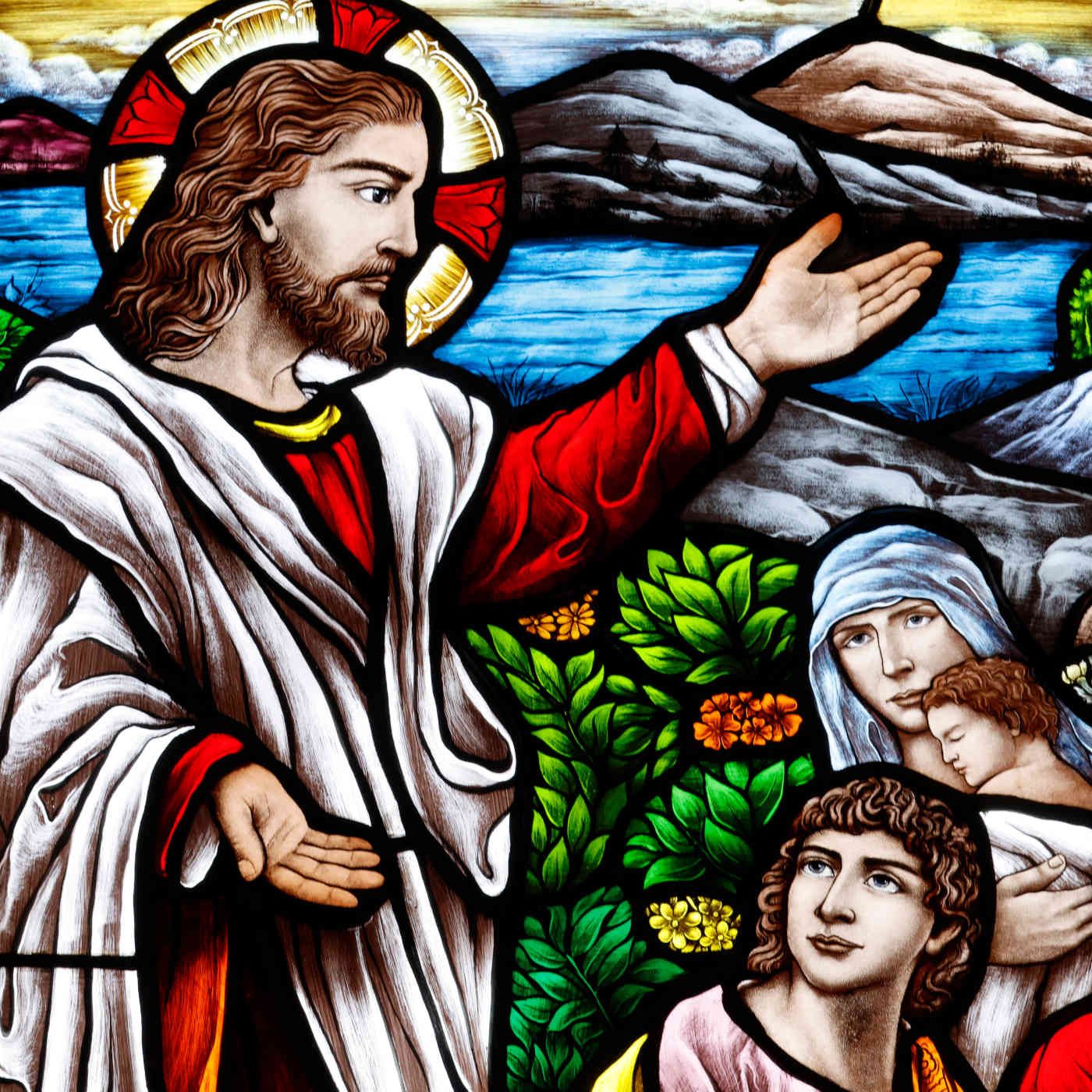 Saturday of the Twenty-third Week in Ordinary Time - The Interior Life in Action 11.09.2026 7นาทีRead OnlineThe Interior Life in ActionJesus said to his disciples: “A good tree does not bear rotten fruit, nor does a rotten tree bear good fruit. For every tree is known by its own fruit. For people do not pick figs from thornbushes, nor do they gather grapes from brambles.” Luke 6:43–44The interior life in Catholic spiritual theology refers to the hidden workings of God’s grace within the soul—silently yet powerfully transforming us from within so that what lies deep in the heart becomes manifest in our exterior actions. Our interior life is the foundation of who we are; our exterior life is the visible and faithful expression of that foundation.In today’s Gospel, Jesus teaches two parables with complementary meanings—both revealing the essential connection between the interior and the exterior. The first parable, the Parable of the Tree and its Fruit, presents the image: “A good tree does not bear rotten fruit, nor does a rotten tree bear good fruit.” The “tree” is a metaphor for the soul, and the inner life of grace to which each of us is called. Though every person is fundamentally “good” by virtue of being created in the image and likeness of God, the goodness to which Jesus refers here is the goodness of a soul transformed by grace—a soul that cooperates with God’s grace and lives by His Word.Such a soul is like a tree that receives the proper nourishment: the rain of divine mercy, the light of truth, the warmth of charity, and the rich soil of the Sacraments and prayer. It is a tree made strong by supernatural grace. But though there is great value in a tree that is healthy and vibrant—just as there is intrinsic value in a soul filled with God’s life—the ultimate purpose of a healthy fruit tree is to bear good fruit for the benefit of others.In a sense, a fruit tree that is strong and beautiful yet bears fruit that no one consumes falls short of its purpose. Likewise, a Christian whose interior life is rich must allow that life to overflow into concrete acts of love, mercy, truth, and service. The “fruit” of our lives—our words, decisions, and deeds—must nourish those around us and draw others into the life of God. If the fruit remains hidden or is spoiled by selfishness or fear, then our interior life has not yet reached its fulfillment.Jesus complements this parable by teaching another that He introduces by saying, “I will show you what someone is like who comes to me, listens to my words, and acts on them.” He then tells the Parable of the Two Foundations. The first foundation—the well-formed interior life—“is like a man building a house, who dug deeply and laid the foundation on rock; when the flood came, the river burst against that house but could not shake it because it had been well built” (Luke 6:47–48). Just as a strong interior life leads to the good fruit of charity, it also prepares the soul to endure the storms of life. Trials, temptations, and sufferings will inevitably come, but the soul built on Christ will remain steadfast.Conversely, Jesus warns that “the one who listens and does not act is like a person who built a house on the ground without a foundation. When the river burst against it, it collapsed at once and was completely destroyed” (Luke 6:49). A shallow spiritual life—one of sentiment without substance—cannot withstand the forces of this world. It may appear sufficient when all is calm, but it will crumble in the time of testing, producing no fruit.Reflect today on the foundation of your own soul. Have you dug deeply into the life of prayer, embraced the Sacraments, and allowed the Word of God to penetrate and shape every part of your being? Are you bearing fruit that nourishes others, and does your life rest securely upon the...
 -
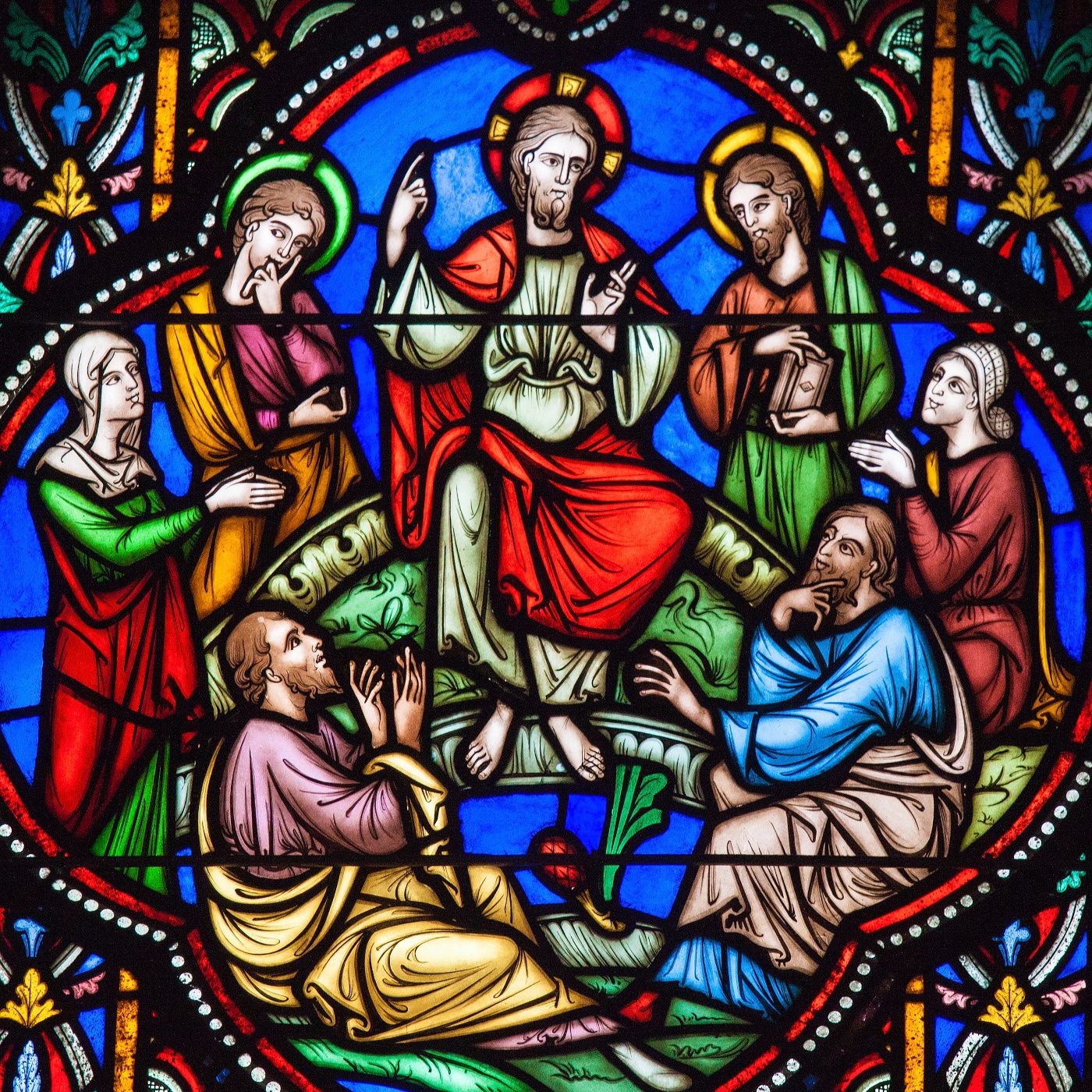 Friday of the Twenty-third Week in Ordinary Time - Blinded by Self 10.09.2026 7นาทีRead OnlineBlinded by SelfJesus told his disciples a parable: “Can a blind person guide a blind person? Will not both fall into a pit?” Luke 6:39As we continue reading from Jesus’ Sermon on the Plain, we encounter what is arguably the shortest parable in all of Scripture—just two brief rhetorical questions: “Can a blind person guide a blind person? Will not both fall into a pit?” Though concise, these lines present a powerful metaphor. Jesus places this parable within a broader moral discourse that warns against rash judgment and exhorts us to mercy. Just before today’s Gospel, He commands, “Stop judging and you will not be judged. Stop condemning and you will not be condemned. Forgive and you will be forgiven” (Luke 6:37). In this context, the parable becomes a pointed reminder that those who are spiritually blind should not presume to lead others, lest they both stumble into error.This parable illustrates the importance of interior conversion before we attempt to guide others in the moral life. If we are blinded by pride, sin, or ignorance, we risk not only hurting ourselves but leading others astray as well. In that case, our failure to change—rooted in self-deception—becomes a stumbling block for those we influence.In a modern context, consider a counselor who gives harmful advice to someone in deep distress, a lawyer who misrepresents a client due to incompetence, or a doctor who negligently ignores clear signs of illness, resulting in greater suffering. In each case, the one entrusted with another’s care fails in his duty, not necessarily out of ignorance, but often due to pride, laziness, or complacency.Spiritual blindness is even more dangerous. As the context of this parable suggests, it stems especially from judging, condemning, and refusing to forgive. These sins are destructive because they are cloaked in a false sense of righteousness. Judgment and condemnation foster pride, and pride blinds the soul to the profound depth of divine mercy we are called to extend—even toward those who have gravely wronged us.Immediately following this parable, Jesus offers three maxims that apply directly to its message. First, He says, “No disciple is superior to the teacher; but when fully trained, every disciple will be like his teacher.” This affirms the need for humility and proper formation in the spiritual and moral life. We must become true disciples of Christ, submitting ourselves to His instruction, before presuming to teach or correct others in His name.Second, Jesus asks, “Why do you notice the splinter in your brother’s eye, but do not perceive the wooden beam in your own?” This descriptive image exposes the hypocrisy of focusing on the minor faults of others while remaining blind to our own far more serious sins.Finally, He declares, “You hypocrite! Remove the wooden beam from your eye first; then you will see clearly to remove the splinter in your brother’s eye.” Only when we are purified by grace—when the blinding beam is removed from our own spiritual eyes—can we assist others in seeing the truth. Then, and only then, will our guidance flow from charity rather than pride, from wisdom rather than presumption.Reflect today on whether you try to guide others while remaining spiritually blind yourself. Consider moments when you may have judged, condemned, or withheld forgiveness, thinking you were justified. If so, recognize that Christ does not condemn you, but lovingly calls you to be healed by restoring your spiritual vision with His grace. Only through humility, honest self-examination, and sincere repentance can we be made clear-sighted and truly helpful to others.Most humble and perfect Lord, in Your human nature, You were the perfect expression of...
 -
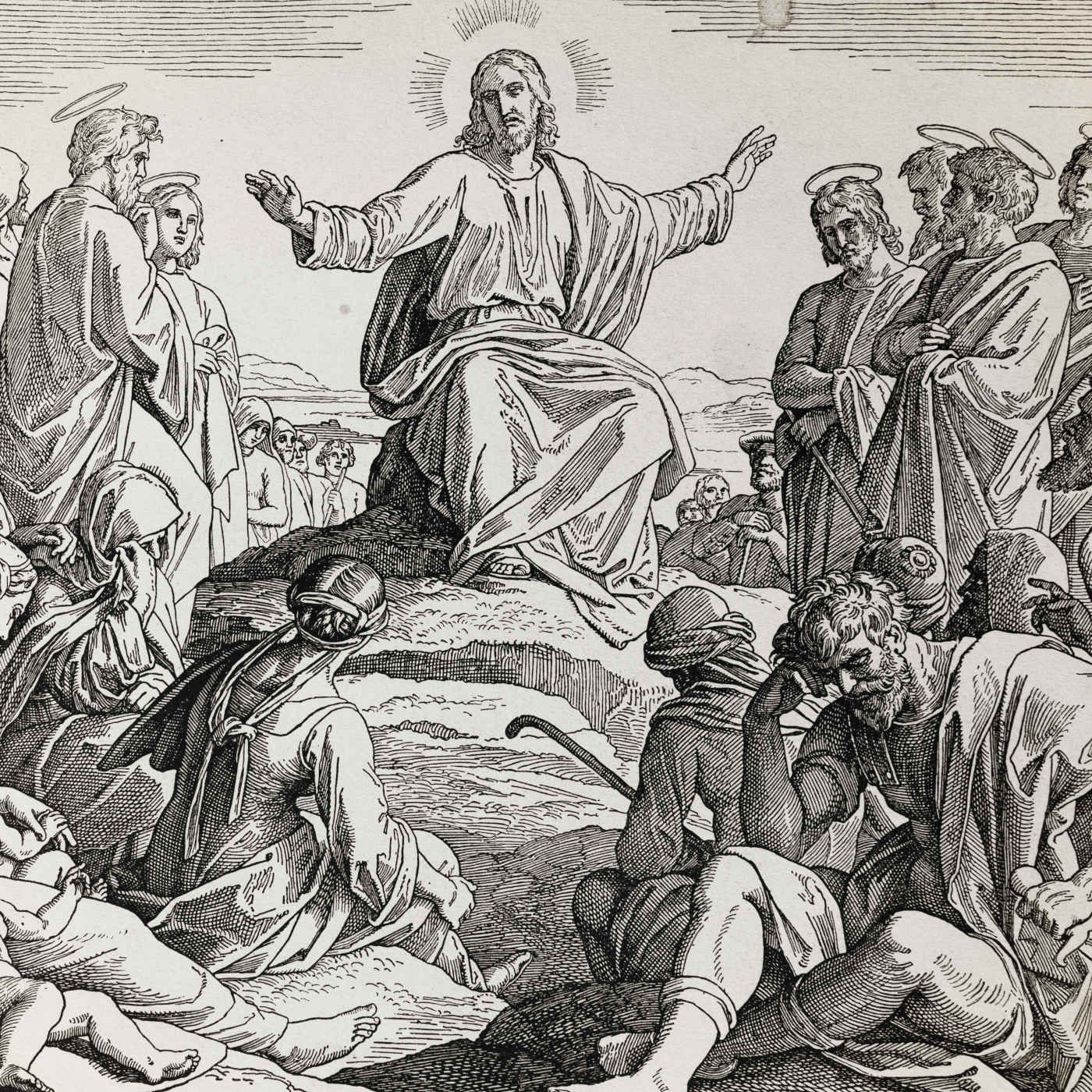 Thursday of the Twenty-third Week in Ordinary Time - Divine Love for the Unlovable 09.09.2026 7นาทีRead OnlineDivine Love for the UnlovableJesus said to his disciples: “To you who hear I say, love your enemies, do good to those who hate you, bless those who curse you, pray for those who mistreat you. To the person who strikes you on one cheek, offer the other one as well, and from the person who takes your cloak, do not withhold even your tunic. Give to everyone who asks of you, and from the one who takes what is yours do not demand it back.” Luke 6:27–30Love, do good, bless, and pray. These four commands form the heart of Jesus’ exhortation in the Sermon on the Plain. They are not merely moral instructions or guiding principles, but are invitations to share in the very life of God through His Divine Mercy. Christian charity must extend to all people—even those who harm us—because authentic love is directed toward the image of God within every person, regardless of someone’s behavior. These commands are the active expression of divine charity, showing that love is not a passive sentiment or fleeting feeling but a deliberate choice to will the good of the other, even at great personal cost.To love one’s enemies requires a movement from natural emotion to supernatural grace. This is not a matter of ignoring evil. Rather, it is an intentional act of agapē—a love rooted in God and ordered toward the true and eternal good of the other. It does not excuse sin or downplay injustice. Instead, it conquers sin through mercy, just as Christ did upon the Cross. When Jesus cried out, “Father, forgive them, they know not what they do,” He did not deny the gravity of their sin; He overcame and overpowered it with Divine Mercy. In this, He gave us the supreme example of what it means to love those who offend us.Doing good to those who hate you means responding to malice with goodness—not for the sake of superficial appeasement, but as a witness to the transforming power of grace. This active goodness breaks the cycle of retaliation—a common and deeply rooted struggle in first-century Israel—and reveals the presence of God’s new and glorious Kingdom, in which grace replaces vengeance and mercy reigns over judgment. When we return good for evil, we imitate the God who causes the sun to rise on both the just and the unjust. This goodness may not always soften the heart of the one who hates, but it will never fail to sanctify the one who chooses to love.Blessing those who curse you means using your words not to wound in return, but to heal, intercede, and edify. A verbal blessing given in the face of curses is not a sign of weakness, but of an inner strength that comes only from union with Christ. It reflects the behavior of the saints, who suffered revilement and ridicule yet responded with praise, truth, and mercy. Such a blessing becomes a form of spiritual warfare, unmasking and disarming evil with the power of grace-filled speech. It turns the tongue into an instrument of redemption rather than revenge.Praying for those who mistreat you is the highest expression of forgiveness. It entrusts the offenders to God’s mercy and seeks their conversion and salvation. Prayer lifts the burden of judgment from our shoulders and places it before the divine tribunal of love. In praying for our persecutors, we become most like Christ, who intercedes not only for His friends but even for those who drove the nails into His hands. This prayer has the power to transform hearts, including our own, and to bring reconciliation where human effort alone would fail. Reflect today on the power of God’s mercy alive in your life. Such divine love is capable of overpowering sin, healing wounds, and restoring hope. Let Divine Mercy consume any resentment you harbor and soften every hardened corner of your heart. Then go forth...
 -
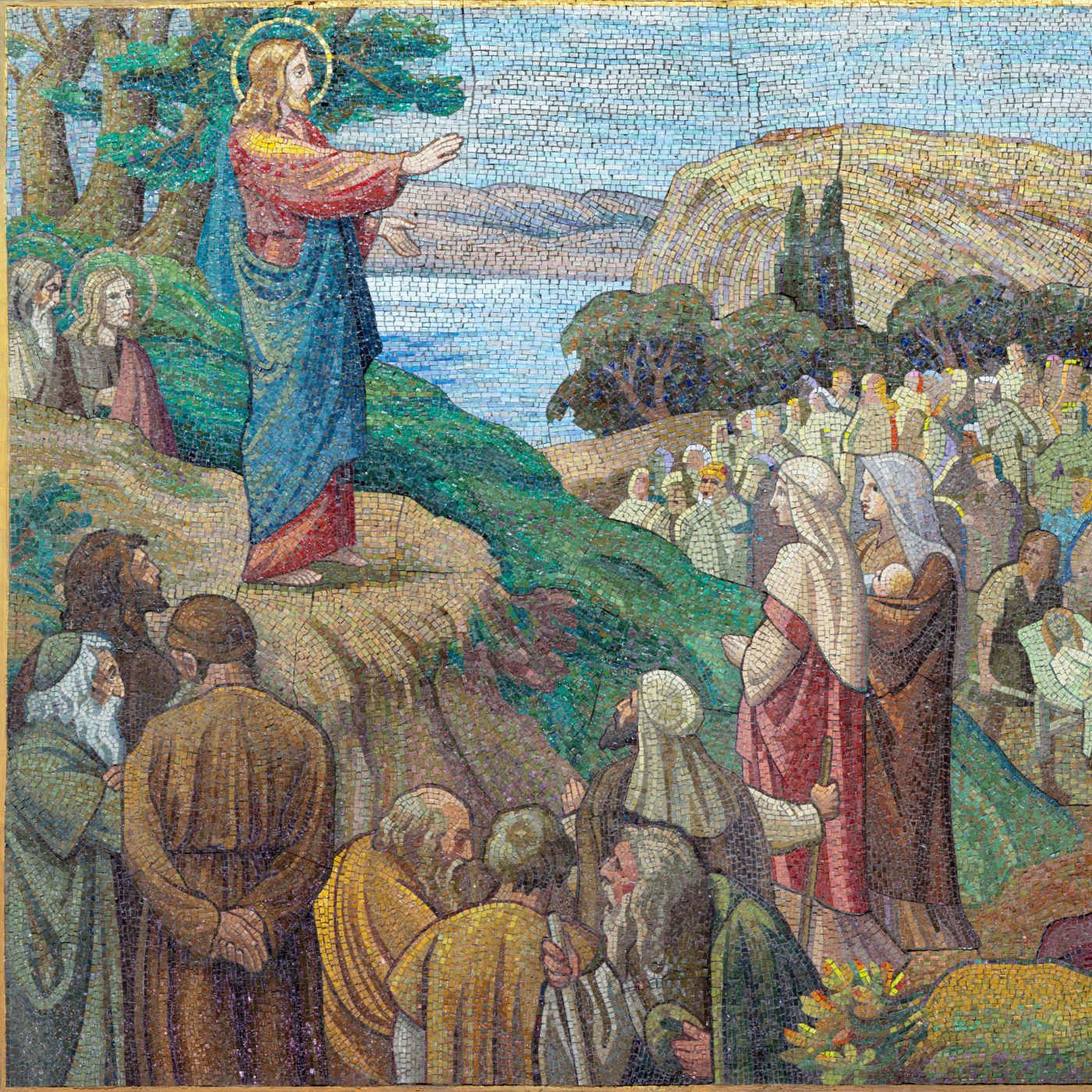 Wednesday of the Twenty-third Week in Ordinary Time - A Paradigm Shift 08.09.2026 7นาทีRead OnlineA Paradigm Shift“Blessed are you who are poor, for the Kingdom of God is yours. Blessed are you who are now hungry, for you will be satisfied. Blessed are you who are now weeping, for you will laugh. Blessed are you when people hate you, and when they exclude and insult you, and denounce your name as evil on account of the Son of Man. Rejoice and leap for joy on that day! Behold, your reward will be great in heaven.” Luke 6:20–23Normally, we do not consider poverty, hunger, grief, or being denounced and insulted by others to be good things. Yet at the very heart of His Sermon on the Plain, Jesus declares that those who experience such trials are truly blessed—that is, deeply joyful and spiritually fortunate. To be “blessed” in this sense is to be happy in the truest sense of the word. In contrast, those who are rich, well-fed, laughing, and socially esteemed face a serious spiritual danger. Most likely, as the vast crowd of disciples listened to Jesus preach this sermon, many were at least perplexed—if not outright shocked—by what they heard.Throughout the rest of the week, we will continue reading from this powerful sermon in which Jesus teaches about the necessity of loving one’s enemies, refraining from judgment and condemnation, showing mercy, and building one’s life upon the solid foundation of His words. These teachings were deeply countercultural and demanded a radical reorientation of the values that many of Jesus’ disciples held dear. In order to accept His message, a paradigm shift was necessary—a complete reordering of their lives and foundational beliefs.The path of the Beatitudes leads through the Cross to the glory of God’s Kingdom. To walk that path—marked by trials and tribulations—divine wisdom is essential. The disciples needed to shed their shallow and incomplete moral and spiritual convictions so that they could understand, embrace, and live a much deeper and richer way of living.Because we are quite familiar with Jesus’ teachings and the Beatitudes, His words might not leave us shocked or even perplexed—unless we truly hear them, allow their meaning to take root in our lives, and permit them to effect the change they are meant to bring about. For this to happen, we must approach these teachings with humility, openness, and a willingness to let go of worldly values, so that the wisdom of the Cross may become the foundation of our lives. The Christian life is so much more than acting with kindness and gentleness, helping others, and making a difference within the community. Though those are essential qualities and duties, living the Beatitudes draws us much deeper into a life of holy and sacrificial love.The process of embracing the Beatitudes begins with our minds; we must understand their message. Poverty, hunger, grief, persecution, and every other trial we encounter must be faced and embraced with hope and with the firm belief that God can and will bring about a far greater good from the crosses we carry than if our lives were entirely free of suffering. This truth—that God brings good out of every cross—challenges us to the core of our thinking and must reshape our preconceived notions about what we prefer and dislike. We are blessed if we come to love every trial we are permitted to endure, even those very sufferings Jesus identifies in His sermon.Once we begin to see life through the lens of divine wisdom, as it is revealed in the Beatitudes, grace enables us to choose what we once would have avoided. The crosses we are given not only begin to make sense, they become objects of our desire because we recognize them as the means by which God brings about true and lasting happiness.Reflect today on one trial you are currently facing, and ask God to help you see...
 -
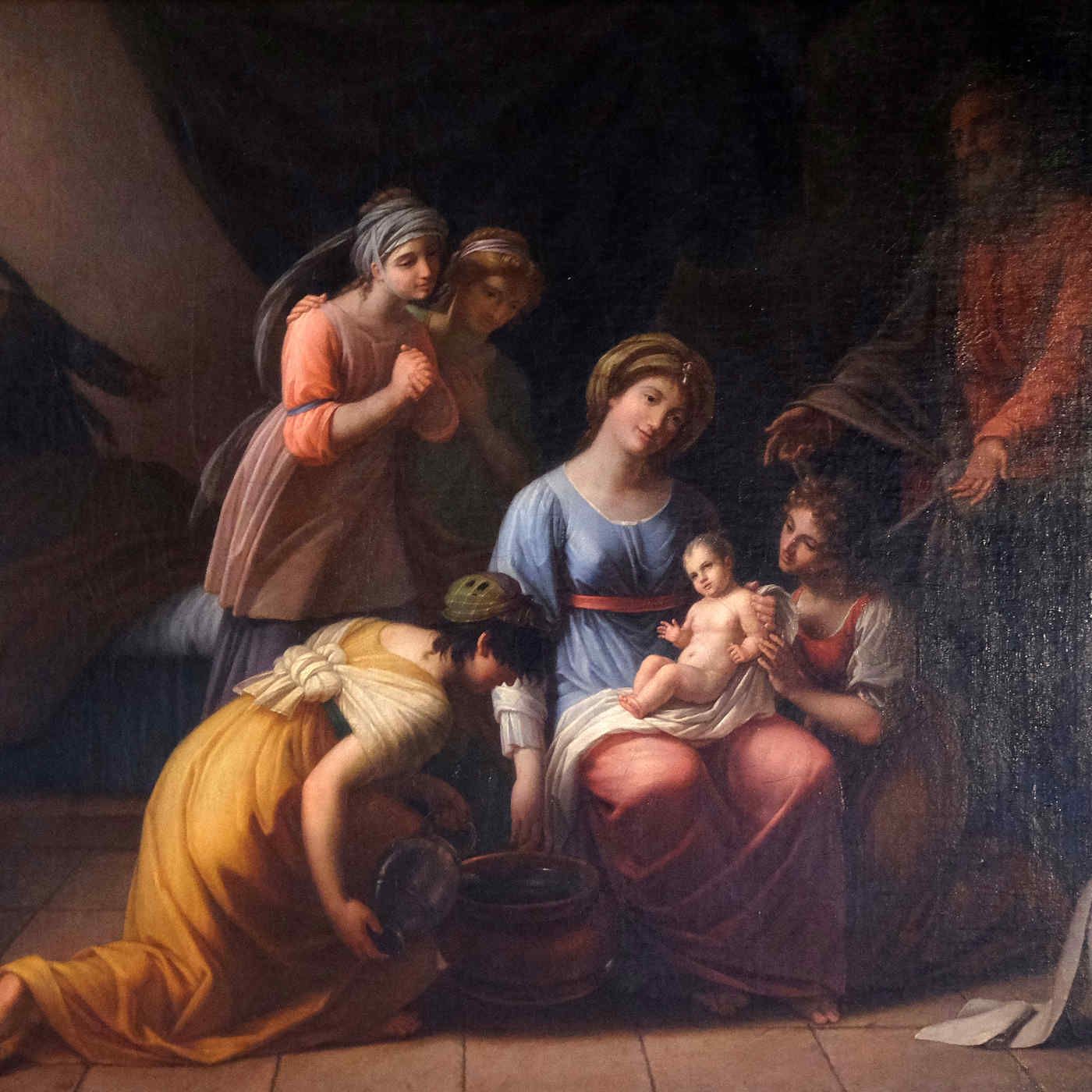 September 8, Feast of the Nativity of the Blessed Virgin Mary - The Dawn of Salvation 07.09.2026 8นาทีRead OnlineThe Dawn of Salvation“Joseph, son of David, do not be afraid to take Mary your wife into your home. For it is through the Holy Spirit that this child has been conceived in her. She will bear a son and you are to name him Jesus, because he will save his people from their sins.” Matthew 1:20–21The Feast of the Nativity of the Blessed Virgin Mary falls exactly nine months after the Solemnity of the Immaculate Conception and is one of only three liturgical feasts commemorating a birth, alongside those of Jesus and John the Baptist, highlighting her unique role in salvation history. Though Scripture is silent on her birth and early life, early Christian tradition, particularly the Protoevangelium of James, offers insights and gives us the names of her parents, Joachim and Anne. The feast likely originated in the fifth or sixth century and is linked to the dedication of a church near what was believed to be her birthplace in Jerusalem.The Blessed Virgin Mary’s birth is symbolically depicted as the “dawn of salvation” because she is the pure and holy vessel prepared to bear the Son of God. Today, as we celebrate her birth, we also honor her entire life and her perfect holiness, rejoicing in the wondrous work God accomplished in and through her. She is the dawn that precedes the rising Sun. In honoring her nativity, we celebrate the approach of our Redeemer, Jesus Christ.The longer version of today’s Gospel presents us with the lengthy genealogy of Jesus according to Saint Matthew. While at first glance this may seem only to be a historical list, it teaches us that God’s plan of salvation unfolds gradually and purposefully through generations. Each name, each family, each story, contributes to the coming of the Messiah. The Blessed Virgin Mary stands at the culmination of this line, as the one chosen before time to give flesh to the Eternal Word. In her, the promises made to Abraham and David are fulfilled.The genealogy includes not only patriarchs and kings, but also some Gentiles, and others with morally complex stories. In each of them, we are invited to rejoice that God used the great and the lowly, the righteous and sinner, all to bring about the Incarnation and the gift of salvation. This same truth remains in our lives today.Though Jesus’ bloodline is traced back to Abraham, with whom God made His foundational covenant, there is a mystical way in which His genealogy continues today. Though the Immaculate Conception, the Birth of Mary, and the Incarnation of the Son of God took place in a singularly unique way some 2,000 years ago, these glorious events in salvation history continue in our lives. Like each person in Jesus’ bloodline, we are called to contribute to His ongoing presence in this world by being members of His family, sons and daughters of the Mother of God, and members of His new bloodline of grace.One way we do this is by imitating Saint Joseph. As today’s Gospel continues, we hear the angel’s words to Joseph, assuring him of the divine origin of Mary’s Child. Joseph’s holy obedience allows the mystery of the Incarnation to proceed within the sanctity of a human family. Mary’s maternity, safeguarded by Joseph’s silent strength, reveals that God’s greatest works unfold in humility and hiddenness.Today, in imitation of Mary and Joseph, God also says to us, “Do not be afraid…” Do not be afraid to be the dawn of salvation today, for yourself and as instruments of God’s living presence to others. Do not be afraid to say “Yes” to God’s will, even when it is hidden in mystery. Do not be afraid to carry Christ within you, to bring Him to birth in the lives of others, to stand in silent trust when the world does not understand the ways of grace. God’s light dawns again...
 -
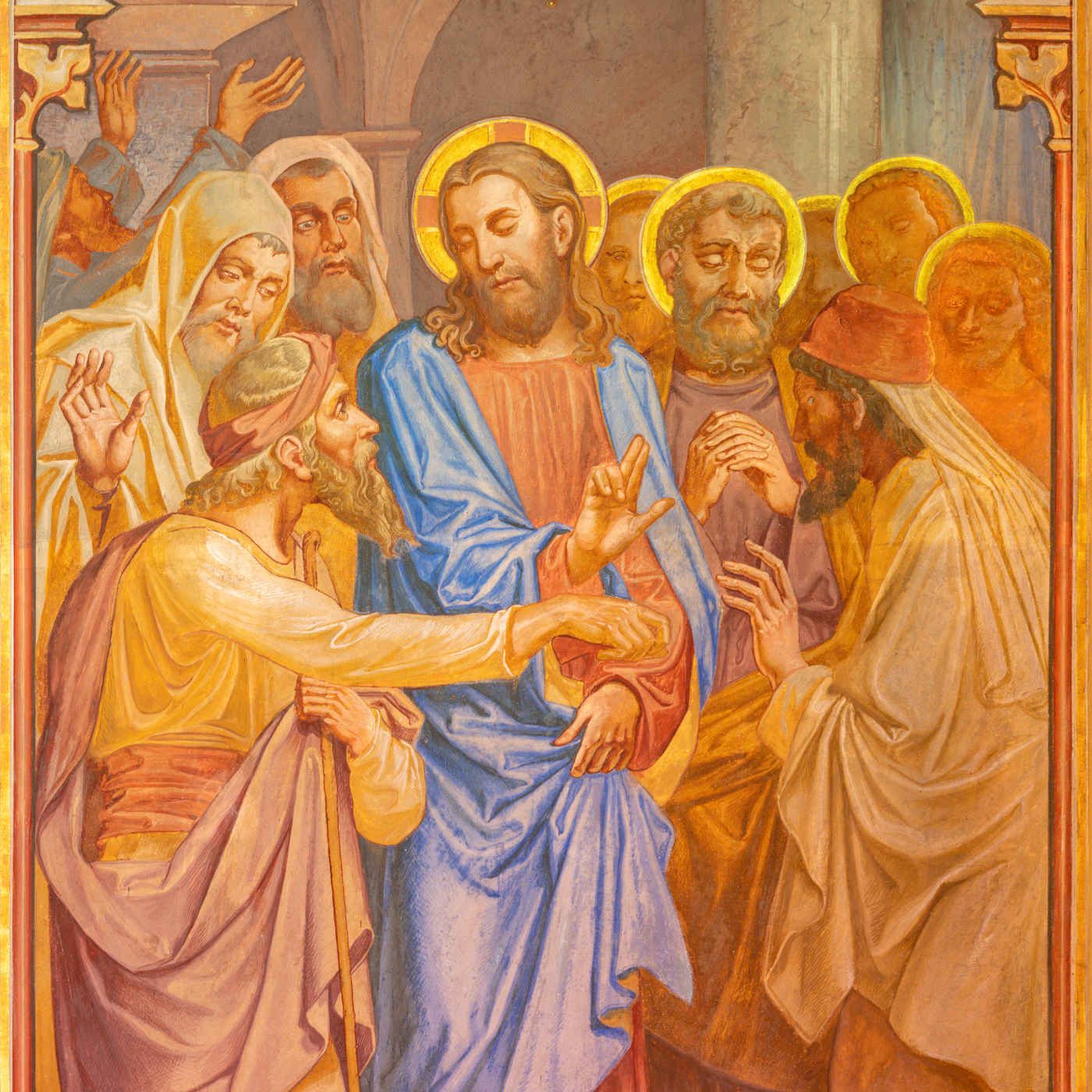 Monday of the Twenty-third Week in Ordinary Time - Seeing is Believing? 06.09.2026 7นาทีRead OnlineSeeing is Believing?On a certain sabbath Jesus went into the synagogue and taught, and there was a man there whose right hand was withered. The scribes and the Pharisees watched him closely to see if he would cure on the sabbath so that they might discover a reason to accuse him. But he realized their intentions and said to the man with the withered hand, “Come up and stand before us.” And he rose and stood there. Luke 6:6–8Even on the surface, the thinking and actions of the Pharisees are absurd. They had become blinded by their jealousy for power and envy of Jesus. This is clearly evident in the fact that they were hoping Jesus would perform a miraculous healing on the Sabbath—not because they desired a man to be healed or longed to see divine authority at work, but because they had decided that miracles were considered “work” and, therefore, a violation of the Sabbath law of rest. The absurdity of their reasoning is shocking.Even an atheist who witnessed a miraculous healing would find it difficult to explain away or ignore. Only the Creator, who established the laws of nature, is capable of bending those laws at will.What makes the Pharisees such a pitiful group of men is not that they disbelieved Jesus’ miracles, but that they believed and intentionally rejected the meaning of those miracles. Miracles were, in part, signs of Jesus’ divine identity. The Pharisees clearly witnessed the sign with their own eyes, but what they saw was not able to purge their self-centeredness. Rather than worship Jesus, they rejected Him and began to plan His destruction.Imagine being there in the synagogue, witnessing the miraculous healing of this man’s hand. Being a local synagogue, the people present most likely had known the man for years, and his withered hand would have been undeniable—as would the cure. Consider also, as you watch the miracle, the reaction of the Pharisees. Rather than rejoicing in the goodness of God or falling to their knees in awe and gratitude, they seethe with anger. Their hearts are so hardened by pride and selfishness that even the undeniable power of God does not move them. Instead of seeing this act as a manifestation of divine love and mercy, they see it as a threat to their authority. And rather than allowing the miracle to open their hearts to faith, they begin to plot against Jesus.In each of our lives, the absurdity of the Pharisees’ irrational hate could easily arise. At times, others might treat us or our loved ones with a disdain that is so irrational, we sit back in confusion, declaring that such actions make no sense—because they don’t. This irrational thinking can also tempt each of us when we allow the sins of jealousy and envy to fester in our souls. Those sins lead to irrational and, at times, absurd thinking.Though the Pharisees are anything but inspiring, their witness can inspire us in another way—shocking us into an awareness of just how destructive pride and envy can be. The Pharisees’ bad example becomes a warning and a call to self-examination. When we see grace at work in others, our hearts must be filled with gratitude, not tainted by jealousy or envy.Reflect today on the irrationality and spiritual blindness that can arise from self-centeredness, jealousy, and envy. Consider the Pharisees—not to condemn them, but to recognize how easily the same temptations can take root in our own hearts. When God blesses others, are you able to rejoice? When someone else is praised, succeeds, or receives grace, does your heart rise in gratitude or fall into resentment? Be honest. Pray for the grace to be humble, so that you never fall into the trap of rejecting what is good simply because it did not come through you. Let the Pharisees’ behavior serve not...
 -
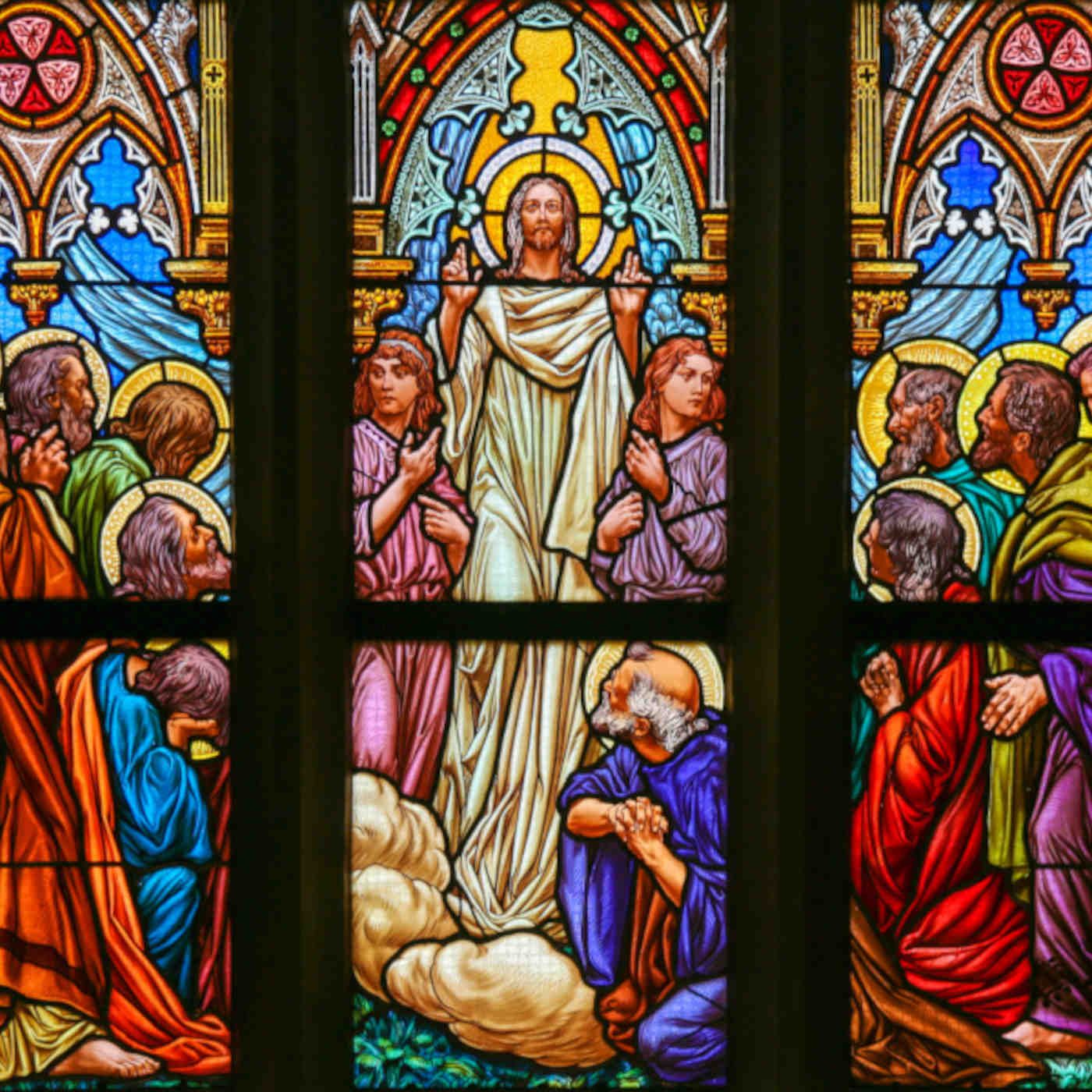 Twenty-third Sunday in Ordinary Time (Year A) - The Joy of Reconciliation 05.09.2026 7นาทีRead OnlineThe Joy of ReconciliationJesus said to his disciples: “If your brother sins against you, go and tell him his fault between you and him alone. If he listens to you, you have won over your brother.” Matthew 18:15When someone sins against us, especially in a grievous way, anger and condemnation can quickly arise as strong temptations. Our natural sense of justice often takes over, and we may find ourselves rationalizing a response rooted in judgment rather than compassion. In today’s Gospel, however, Jesus offers the much better path—to seek reconciliation, not division. The ultimate goal is to win the sinner back to God and restore the bond of communion.Sin touches every human relationship, with the sole exception of the one shared between Jesus and His Blessed Mother. Their mutual and perfect charity rendered sin and division entirely absent from their union. What a sublime and singular gift they shared!But we are not perfect. Even the most loving and holy relationships are affected by human weakness, and sin inevitably creeps in. We sin against others, and others sin against us. Sometimes the sin is deliberate and deeply wounding. Other times, it stems from weakness or the absence of fully formed virtue. Regardless of its source, every sin inflicts harm and weakens the communion we are called to share and deeply desire.In today’s Gospel, while Jesus appears to be addressing serious sin that severs a person from sanctifying grace—mortal sin—the same principles apply to all offenses, even venial sins and spiritual imperfections. The Christian response to sin must always be grounded in mercy. Whether we are correcting or being corrected, the goal must always be to heal, to restore, and to deepen our unity in Christ.To begin applying these spiritual principles, call to mind those toward whom you may harbor resentment. Start with your family, since familial bonds—due to their natural closeness—are especially vulnerable to sin. Resentment born of sin is often present in close relationships. While some wounds may have caused deep fractures, even the most loving bonds can suffer subtle injuries. Prayerfully examine these relationships in your life.If the wounds are deep and hostilities strong, the path forward is usually clear: Seek to win over your brother, sister, parent, or spouse. And if you are the one who has caused the wound, then humbly acknowledge your sin without excuses. This is always the better path. Always.To aid this process, it is helpful to recognize a hidden dynamic: Holding onto resentment or anger can bring a certain emotional satisfaction. Though it may seem surprising, this is often the case. Anger energizes the emotions and creates a charged feeling that, while disordered, can feel gratifying—like a drug that fuels addiction.The first step is to recognize this disordered emotional pattern for what it is. The next step is to realize that a healed and reconciled relationship offers a deeper and more lasting fulfillment that is far superior to the fleeting satisfaction of resentment or hostility. Winning over another—or being won over by one we have wronged—is profoundly rewarding. It transcends emotion and enters the realm of grace, producing true peace and spiritual joy.Reflect today on the first step of reconciliation outlined by Jesus in the Gospel: “If your brother sins against you, go and tell him his fault between you and him alone.” Take sin seriously. Acknowledge its presence in your relationships, especially the close ones. See yourself both as one who is sinned against and as one who sins. Identify the offenses that diminish love. Confront those sins with courage and humility. Reject the false comfort of resentment, and seek...
 -
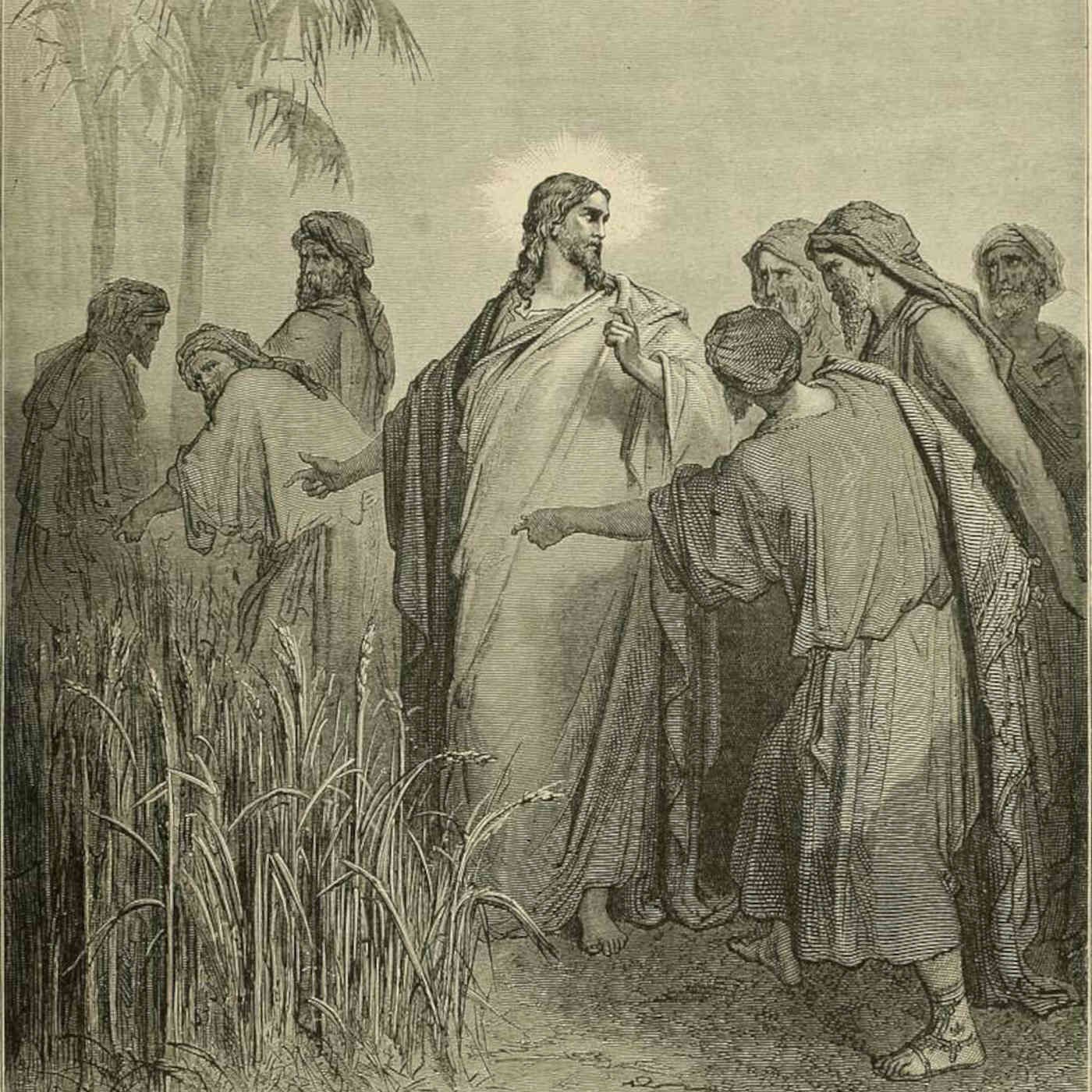 Saturday of the Twenty-second Week in Ordinary Time - Confronting Opposition 04.09.2026 7นาทีRead OnlineConfronting OppositionWhile Jesus was going through a field of grain on a sabbath, his disciples were picking the heads of grain, rubbing them in their hands, and eating them. Some Pharisees said, “Why are you doing what is unlawful on the sabbath?” Luke 6:1–2Though Jesus’ public ministry was still in its early stages, confrontations with the religious leaders had already become frequent. This episode marks the fourth recorded instance of such tension. In the previous days, the Pharisees had accused Jesus of blasphemy for forgiving the paralytic before healing him, of scandal for eating with tax collectors and sinners after calling Levi, and of impiety for neglecting the traditional practice of fasting. Now, He and His disciples are accused of violating the Sabbath law by picking heads of grain, rubbing them, and eating them.Slowly, the Pharisees are emerging as hardened opponents of Jesus, increasingly focused not on the divine power and mercy He reveals, but on preserving their own rigid interpretations of the Law. These confrontations reveal both their growing hostility and Jesus’ authority as the true interpreter and fulfillment of the Law.Though the Pharisees began going out of their way to confront Jesus, He was not intimidated and confronted their opposition directly. Today, as we read the Scriptures, we know well that many of the religious leaders at that time were deeply misguided in their understanding of the Law and its purpose. Such confrontations were shocking in a culture where ordinary Jews rarely challenged religious leaders. While the leaders themselves often debated among one another, it was almost unheard of for ordinary Jews to challenge them openly. For that reason, many of Jesus’ disciples likely felt a sense of surprise and tension as these encounters unfolded. At the same time, they may also have experienced a sense of relief as they witnessed Jesus expose the rigidity and oppressive practices that had long left many Jews feeling burdened, discouraged, and spiritually exhausted.Though Jesus’ confrontation was necessary, we too must learn from their negative example. While we no longer encounter scribes, Pharisees, Sadducees, Herodians, or elders in the same form as in first-century Israel, the underlying sins that afflicted them remain just as present in our world today.Those underlying sins could be summed up as a misuse of authority for its own sake, a tendency toward outward religious observance without inward transformation, and a preference for human traditions over divine revelation. These tendencies manifest themselves in every generation. They are found not only within the Church but also in homes, businesses, governments, and every human institution. Wherever pride overshadows humility or control stifles compassion, the spirit of the Pharisees lives on. Therefore, as disciples of Christ, we must be vigilant in our own lives—first examining our hearts for these tendencies, and then responding with the same holy courage and divine clarity that our Lord Himself displayed.Do you experience oppression from others? Are you the cause of that oppression? Misused authority, whether by individuals or institutions, wounds hearts, stifles freedom, and obscures the gentle call of grace. Before condemning such behavior in others, we must honestly examine whether we, too, have clung to positions of control or influence in ways that burden rather than bless.Reflect today on the fallen human tendency to love authority for its own sake. Do you struggle with this? Power that is exercised without humility and without charity that seeks only the good of others is dangerous and often abusive. Look for such structures in your life—whether external or internal—and...
 -
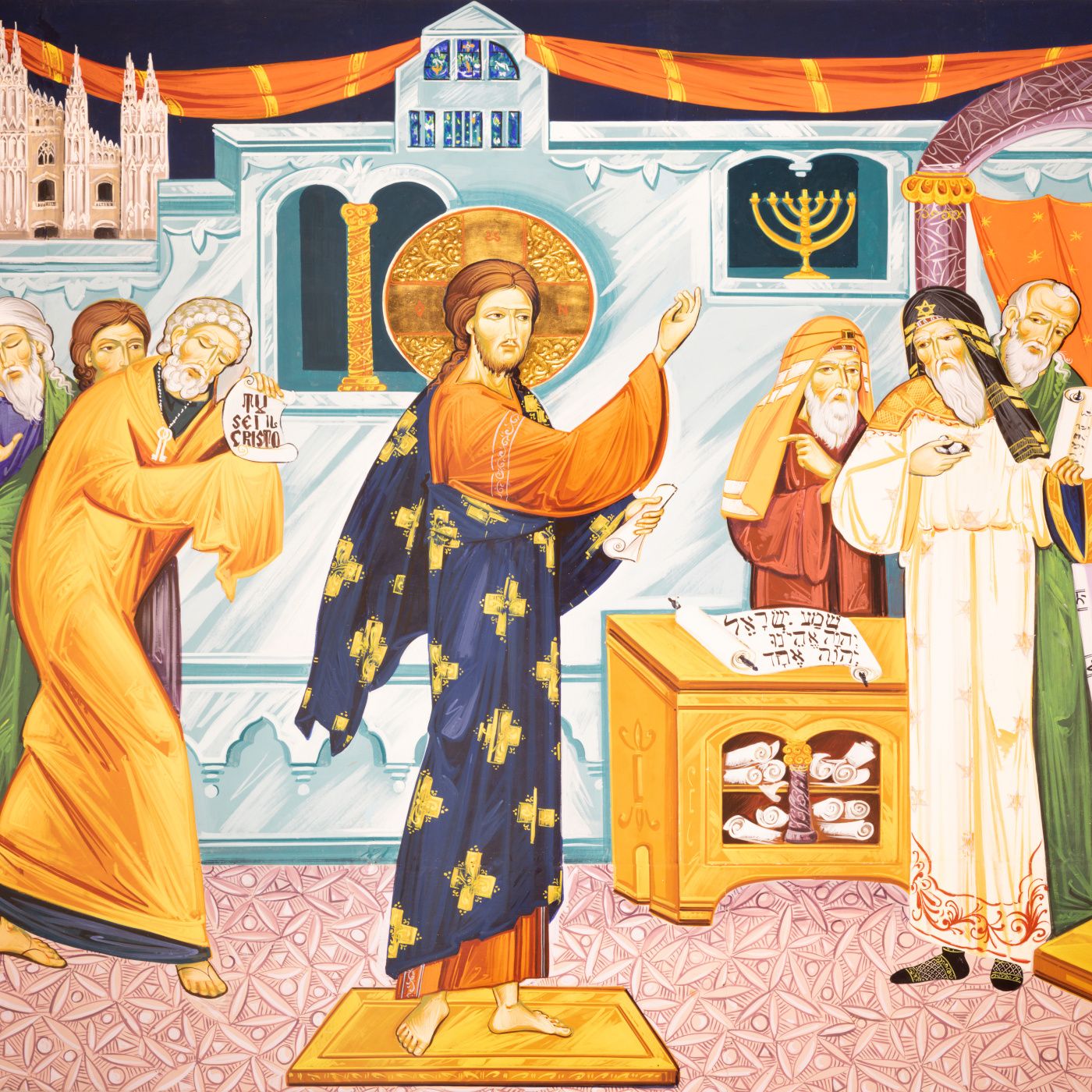 Friday of the Twenty-second Week in Ordinary Time - Spouse of My Soul 03.09.2026 7นาทีRead OnlineThe scribes and Pharisees said to Jesus, “The disciples of John the Baptist fast often and offer prayers, and the disciples of the Pharisees do the same; but yours eat and drink.” Jesus answered them, “Can you make the wedding guests fast while the bridegroom is with them? But the days will come, and when the bridegroom is taken away from them, then they will fast in those days.” Luke 5:33–35Though most of the scribes and Pharisees rejected the ministry of John the Baptist, here they attempt to use his discipline of fasting as a weapon to criticize Jesus. But our Lord, perceiving the hollowness of their accusation, turns it into an opportunity for divine revelation. He discloses to them, and to us, a profound truth about His identity: He is the Bridegroom.By doing so, Jesus draws from the rich prophetic imagery of Isaiah and Hosea, which portrays God as the divine Spouse of Israel. Isaiah declared, “As a bridegroom rejoices in his bride so shall your God rejoice in you” (Isaiah 62:5). Hosea, speaking the word of the Lord, proclaimed, “You shall call me ‘My husband’… I will betroth you to me forever” (cf. Hosea 2:18–22).Jesus is not merely using a poetic image. By calling Himself the Bridegroom, He reveals a nuptial mystery: Christ comes in the flesh to unite Himself to His Bride, the Church. The proper response to His presence is not fasting in sorrow but rejoicing in the wedding feast. Fasting will have its place, but only once the Bridegroom is taken away, which is a prophetic reference to His Passion.This exchange exposes not only the Pharisees’ superficial religiosity but also unveils a central mystery of salvation: In Christ, God draws near in spousal love. To follow Him is to enter into a covenant of joy and grace.Though nuptial imagery might seem more naturally relatable to women, it expresses a truth that transcends gender. Just as “a man leaves his father and mother and clings to his wife, and the two of them become one body” (Genesis 2:24), so each soul is called to a transforming union with Christ. This is not merely symbolic; it is a real and spiritual union. We are called to become His Mystical Body. Saint Paul captures this mystery when he writes, “I have been crucified with Christ; yet I live, no longer I, but Christ lives in me” (Galatians 2:19–20).Traditionally, this union has been described as Mystical Marriage or Divine Union. Saint Teresa of Ávila favored the image of Mystical Marriage, emphasizing the soul’s intimate, spousal love for Christ. Saint John of the Cross more often spoke of Divine Union, highlighting the complete transformation of the soul in God. Though they use different terms, both describe the soul’s ultimate vocation: perfect union with Christ.In Heaven, when this Divine Union is fully realized, fasting and other penitential acts will be unnecessary. During Jesus’ earthly ministry, the disciples did not fast because the Bridegroom was with them—an extraordinary grace unique to those three years. But after He was “taken away,” fasting took on a new importance, becoming a participation in His Passion and a preparation for the Wedding Feast to come.Reflect today on the glorious end to which you are called: union with Christ, your Bridegroom. This journey requires sacrifice, so fasting and penance remain essential. Yet when we keep our eyes fixed on the joy of Divine Union, every sacrifice becomes lighter and a joyful embrace of love. The difficulty of fasting and penance is overshadowed by the union they help bring about. Resolve to fast, to pray, and to stay close to Christ, the Bridegroom of your soul. He is the faithful Spouse who will never abandon you.Bridegroom of Your Church, You came to enter into union with us, Your...
พอดแคสต์ที่คล้ายกัน


ยอดนิยมใน
พอดแคสต์นี้ปรากฏในชาร์ตพอดแคสต์ของประเทศเหล่านี้ด้วย


