
In Your Opinion
The Straits Times
0
In Your Opinion is a weekly podcast by The Straits Times that examines pressing social issues in Singapore. Each episode features discussions with guests and experts, offering diverse perspectives on topics ranging from education to public policy. The show aims to foster informed debate and understanding of the challenges facing Singaporean society. Produced by the newsroom of Singapore's leading English-language newspaper.
ตอน
-
 S1E91: $1b venture capitalist Hian Goh on how Singapore can grow a firm like Apple 16.09.2026 51นาทีIt takes a bold mindset to imagine innovations like Creative’s sound card and the iPhone, says a venture capitalist. Synopsis: Conversations and interviews that give you something to think about. Each Wednesday, In Your Opinion speaks to thinkers, leaders, and the people shaping our lives and the issues of the day. Following a recent parliamentary debate on growing Fortune Global 500 companies in Singapore, we ask if Singapore can ever grow a homegrown startup into a global tech giant like Apple or Nvidia? Or do our cultural attitudes toward risk and failure limit this potential? To explore whether Singapore has the ecosystem and vision to build game-changing products that are similar to Creative Technology's sound card or the Apple iPhone, Lynda Hong sits down with Hian Goh, founding partner of Openspace Capital. Managing a billion-dollar portfolio, and having served as the investment banker to Creative Technology's founder Sim Wong Hoo, Hian discusses the realities of the venture capital world. In this episode, they examine the role of the Singapore Stock Exchange (SGX) in unlocking private capital, and the challenges of commercialising deep-tech R&D. The discussion also touches on what it takes for Singapore to cultivate its own Silicon Valley, the necessity of tolerating setbacks, and the value of backing founders with an unreasonable mindset. Highlights (click/tap above): 1:08 What is actually missing in Singapore's private capital ecosystem? 6:06 Working with Sim Wong Hoo and hitting the structural ceiling 12:40 Love, Bonito and the challenges of scaling a brand out of Singapore 17:43 The "No U-Turn Syndrome" and why younger Singaporeans are breaking the mold 19:16 Silicon Valley's risk appetite vs. Singapore's fear of failure 21:27 The ChatGPT-4 lesson: Why celebrating uncertainty is the key to deep-tech innovation 28:34 Why the art of investing means backing the "crazy" founders 32:34 Overcoming investor trauma for a more vibrant SGX 35:52 Should national R&D focus only on creating unicorns? 44:54 Block 71 and trusting the ecosystem to build a uniquely Singaporean Silicon Valley Read ST’s Opinion section: https://str.sg/w7sH Host: Lynda Hong ([email protected]) Produced and edited by: Teo Tong Kai Executive producers: Danson Cheong & Lynda Hong Follow In Your Opinion Podcast here and get notified for new episode drops: Channel: https://str.sg/w7Qt Apple Podcasts: https://str.sg/wukb Spotify: https://str.sg/w7sV YouTube: https://str.sg/GjMT Feedback to: [email protected] --- Follow more ST podcast channels: All-in-one ST Podcasts channel: https://str.sg/wvz7 Get more updates: http://str.sg/stpodcasts --- Get The Straits Times app, which has a dedicated podcast player section: The App Store: https://str.sg/icyB Google Play: https://str.sg/icyX --- #inyouropinionSee omnystudio.com/listener for privacy information.
 -
 S1E90: A non-profit chief on why caregivers refuse the rest they need and end up hitting a wall 09.09.2026 43นาทีAs Singapore ages, the number of family caregivers is rising, making caregiver respite a key focus. Synopsis: Conversations and interviews that give you something to think about. Each Wednesday, In Your Opinion speaks to thinkers, leaders, and the people shaping our lives and the issues of the day. The rising number of dementia patients is just the tip of the iceberg. An ageing population, chronic illnesses that leave loved ones bedridden, and more awareness of mental health conditions have cast a spotlight on the importance of caregiver respite. On this episode of In Your Opinion, we look at the mental health struggles faced by caregivers who sacrifice much of themselves in caring for loved ones. Joining assistant podcast editor Lynda Hong is Tim Oei, CEO of Mindfull Community. Drawing on decades of leadership at major social service agencies like AWWA and the National Kidney Foundation, he talks about caring for the carers, and why some see going to work as a form of respite. Oei touches on systemic gaps that could disadvantage asset-rich, cash-poor caregivers, and why quitting your job to be a full-time carer can very quickly lead to burnout. They also explore the marathon that is caregiving, and how friends, colleagues and neighbours can take small steps to help. Highlights (click/tap above): 3:23 When burnt-out caregivers face health issues 5:34 Caregivers only seek help when crisis hits 9:22 Why having a job can backfire when applying for grants 11:40 ‘Work is respite’: How some carers see their jobs 14:25 Will the $10m OrangeAid grant help with caregiver burnout? 21:45 Why sending a caregiver on a ‘staycation’ backfired 23:13 How to scale tailored support for caregivers? 26:20 The dementia tsunami: Scaling support for 2030 27:41 Co-location of services to help care recipients and caregivers 34:45 Hitting the wall: When caregivers reach the tragic breaking point Read ST’s Opinion section: https://str.sg/w7sH Follow Lynda Hong on LinkedIn: https://str.sg/Gm2v Host: Lynda Hong ([email protected]) Produced and edited by: Teo Tong Kai Executive producers: Danson Cheong and Lynda Hong Follow In Your Opinion Podcast here and get notified for new episode drops: Channel: https://str.sg/w7Qt Apple Podcasts: https://str.sg/wukb Spotify: https://str.sg/w7sV YouTube: https://str.sg/GjMT Feedback to: [email protected] --- Follow more ST podcast channels: All-in-one ST Podcasts channel: https://str.sg/wvz7 Get more updates: http://str.sg/stpodcasts --- Get The Straits Times app, which has a dedicated podcast player section: The App Store: https://str.sg/icyB Google Play: https://str.sg/icyX --- MENTAL WELL-BEING Mindfull Community HQ (for caregivers, families and persons in recovery): 6460-4400 (weekdays, 9am to 5pm) National Mindline: 1771 (24 hours) / 6669-1771 (via WhatsApp) Samaritans of Singapore: 1-767 (24 hours) / 9151-1767 (24 hours CareText via WhatsApp) Singapore Association for Mental Health: 1800-283-7019 Silver Ribbon Singapore: 6386-1928 Chat, Centre of Excellence for Youth Mental Health: 6493-6500/1 Women’s Helpline (Aware): 1800-777-5555 (weekdays, 10am to 6pm) The Seniors Helpline: 1800-555-5555 (weekdays, 9am to 5pm) Tinkle Friend (for primary school-age children): 1800-2744-788 COUNSELLING Touchline (Counselling): 1800-377-2252 Touch Care Line (for caregivers): 6804-6555 Counselling and Care Centre: 6536-6366 We Care Community Services: 3165-8017 Shan You Counselling Centre: 6741-9293 Clarity Singapore: 6757-7990 Care Corner Counselling Centre: 6353-1180 ONLINE RESOURCES mindline.sg/fsmh eC2.sg chat.mentalhealth.sg carey.carecorner.org.sg (for those aged 13 to 25) limitless.sg/talk (for those aged 12 to 25) #inyouropinionSee omnystudio.com/listener for privacy information.
 -
 S1E89: My son has autism, he changed how I think about success and significance | MP Denise Phua 02.09.2026 56นาทีDenise Phua raised an autistic son and spent decades championing greater inclusion. Synopsis: Conversations and interviews that give you something to think about. Each Wednesday, In Your Opinion speaks to thinkers, leaders, and the people shaping our lives and the issues of the day. The Straits Times Deputy Opinion Editor Mubin Saadat sits with Member of Parliament and President of Autism Resource Centre Denise Phua to discuss her personal journey raising a son with autism and the lessons it has taught her about inclusion. The podcast explores the “post-18 cliff” faced by many adults with autism and their families, and what needs to change in learning, employment and living arrangements. Denise also discusses the anxieties caregivers face about their children’s futures, especially when parents are no longer around. The conversation examines whether Singapore’s disability policies are keeping pace with the needs of people across their entire lives – and what a truly inclusive society should look like. Highlights (click/tap above): 0:55 Motherhood and personal advocacy journey 5:55 Evolving support systems and challenges 15:55 Bridging gaps in learning, working and living 22:55 Creating inclusive employment opportunities 29:35 What would you say to employers to embrace inclusivity? 37:25 Will AI take over jobs meant for people with special needs? 40:35 Personalised support and living models 47:10 On straddling between advocacy and her role as MP 51:05 Grappling with life without parents for people with autism Read more: Going beyond tackling misconceptions about autism: https://str.sg/xaFs When you’re told you’re ‘not autistic enough’: https://str.sg/sXC4 Walk a mile in my shoes as mother of two children with autism: https://str.sg/EpUu Autism lasts a lifetime. Can support stay the course?: https://str.sg/LR3om Autism in the workplace is about more than job placement: https://str.sg/apLC We are more aware of autism, but how well do we understand it?: https://str.sg/ejLE Schools have integrated children with autism. Have they included them?: https://str.sg/qgmz Read ST’s Opinion section: https://str.sg/w7sH Follow Mubin Saadat on LinkedIn: https://str.sg/brVx Host: Mubin Saadat ([email protected]) Produced and edited by: Teo Tong Kai Executive producers: Danson Cheong and Lynda Hong Follow In Your Opinion Podcast here and get notified for new episode drops: Channel: https://str.sg/w7Qt Apple Podcasts: https://str.sg/wukb Spotify: https://str.sg/w7sV YouTube: https://str.sg/GjMT Feedback to: [email protected] --- Follow more ST podcast channels: All-in-one ST Podcasts channel: https://str.sg/wvz7 Get more updates: http://str.sg/stpodcasts --- Get The Straits Times app, which has a dedicated podcast player section: The App Store: https://str.sg/icyB Google Play: https://str.sg/icyX --- #inyouropinionSee omnystudio.com/listener for privacy information.
 -
 S1E88: Sleep earlier: NUS scientist Dean Ho on the top thing people can do to live longer 26.08.2026 57นาทีAn NUS scientist reversed his own biological age after stress-testing his diet, sleep and exercise in a longevity study Synopsis: Conversations and interviews that give you something to think about. Each Wednesday, In Your Opinion speaks to thinkers, leaders, and the people shaping our lives and the issues of the day. Strict bedtimes, daily exercise and cutbacks to fat and sugar intake are usually gleaned from big data as standard advice for better health. But what if you could effectively tailor these rules for your own body? To find out more about how an individual’s biological baseline shifts over time, Dean Ho, director of the Institute for Digital Medicine (WisDM) at NUS Yong Loo Lin School of Medicine (NUS Medicine), embarked on a two-year study on himself to develop a technology that analyses the data from wearables. Known as DELTA, this study had helped reverse the 47-year-old's biological age by 15 years, after undergoing a series of lifestyle interventions, including varying fasting durations, exercise routines and nutrition adjustments. Throughout the process, this biological response was monitored in real-time to track a biological baseline shaped by age, stress, sleep, food, exercise and illness. His intense regimen included around 20 hours of fasting each day, multiple 48-hour fasts, 90 minutes of strength or cardiovascular training every morning, and a structured diet centred on leafy greens, seeds, olive oil, lean protein, and other Mediterranean-style foods. His beverages were limited to water, electrolytes, and black coffee or tea without milk and sugar. In this episode of In Your Opinion, Lynda Hong, assistant podcast editor from The Straits Times, sits down with Ho, who is also provost’s chair professor at the NUS Yong Loo Lin School of Medicine. They delve into why he embarked on this study with just himself as the study sample, and how he can still eat everything from chicken rice, and pizza to five chendols in 2.5 days when he went on a trip to Penang with his son. Highlights (click/tap above): 7:48 Technology aspect to DELTA study in analysing vitals and biological age 10:00 How DELTA differs from Project Blueprint 12:52 Have your pizza and eat it too - understanding 'your delta' to optimise your biology 15:24 Ho’s interaction with Bryan Johnson 15:52 Ho on Bryan Johnson: ‘His dedication to sleep is inspiring’ 17:46 Did Ho take any testosterone replacements, HGH, supplements? 20:30 Why a sample size of one is enough for the DELTA study 27:08 The function of a ‘digital twin’ in tailoring strategies to improve health 30:05 ‘Human behavior is more powerful than the most powerful medicines on the planet’ 39:00 Taking small steps to drinking Kopi ‘O’ Kosong and sleeping more 43:00 Beyond the wrinkles and cutting sugar to the real reason why Ho pursues longevity 52:10 The Pursuit of Longevity vs. Quality of Life Read ST’s Opinion section: https://str.sg/w7sH Follow Lynda Hong on LinkedIn: https://str.sg/Gm2v Host: Lynda Hong ([email protected]) Produced and edited by: Hadyu Rahim Executive producers: Danson Cheong and Lynda Hong Follow In Your Opinion Podcast here and get notified for new episode drops: Channel: https://str.sg/w7Qt Apple Podcasts: https://str.sg/wukb Spotify: https://str.sg/w7sV YouTube: https://str.sg/GjMT Feedback to: [email protected] --- Follow more ST podcast channels: All-in-one ST Podcasts channel: https://str.sg/wvz7 Get more updates: http://str.sg/stpodcasts --- Get The Straits Times app, which has a dedicated podcast player section: The App Store: https://str.sg/icyB Google Play: https://str.sg/icyX --- #inyouropinionSee omnystudio.com/listener for privacy information.
 -
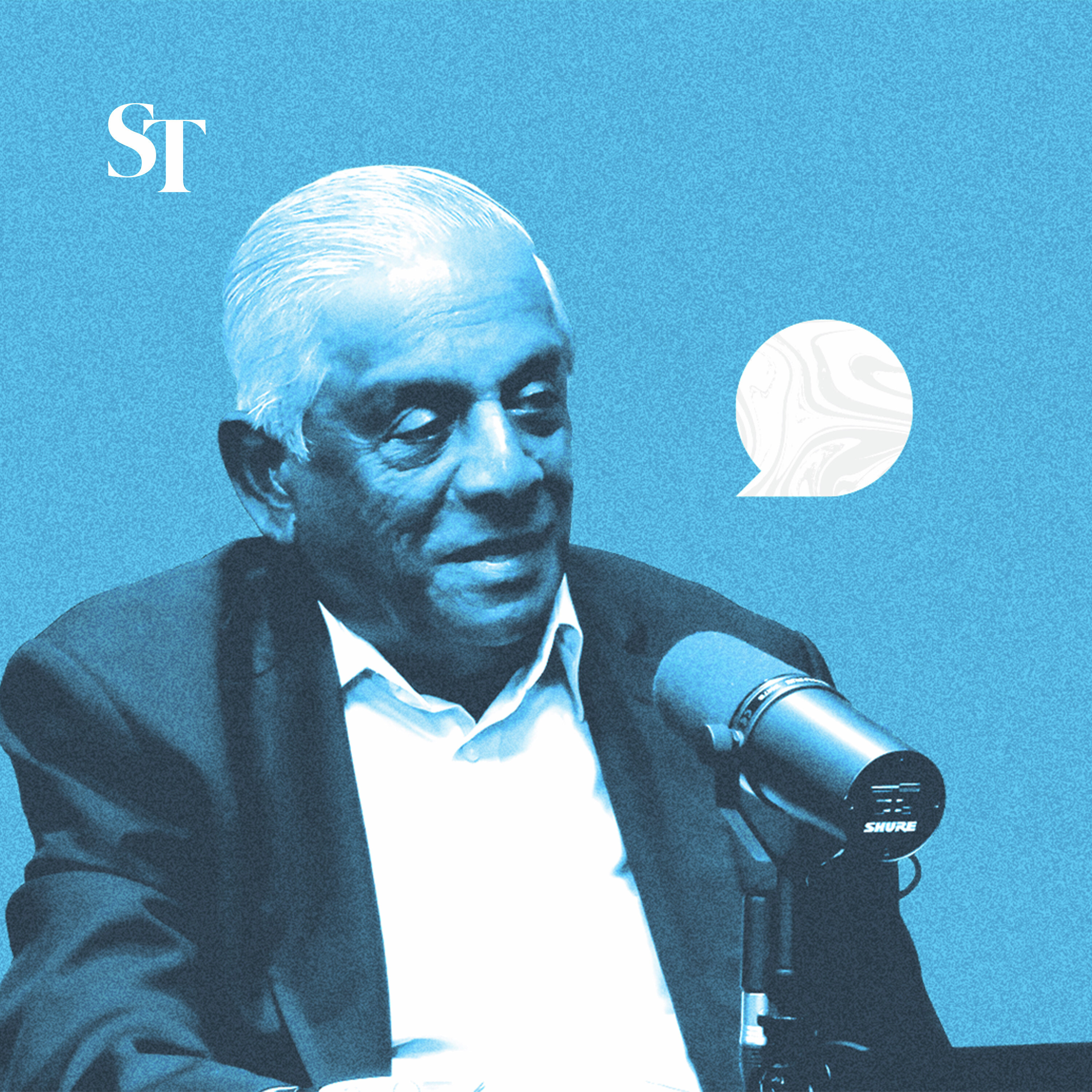 S1E87: Lee Kuan Yew arrowed me to face JB Jeyaretnam: Ex-SM S Jayakumar on being in LKY’s Cabinet 19.08.2026 54นาทีThe former senior minister unveils the robust Cabinet debates over three defining institutions published in a new book. Synopsis: Conversations and interviews that give you something to think about. Each Wednesday, In Your Opinion speaks to thinkers, leaders, and the people shaping our lives and the issues of the day. Governing Singapore today is a tough task, made more difficult by frequent comparisons with the immediate post-independence decades - a period dominated by the towering figure of founding Prime Minister Lee Kuan Yew. Yet was Lee more open to persuasion than we realise? Was governing Singapore far more complex, nuanced and more akin to a team sport? What enabled the Singapore Cabinet to have vociferous debates on policy including the Elected Presidency, the Group Representation Constituency and the Non-Constituency Member of Parliament? And after recent developments and the power of hindsight, would one of their chief architects say they’re due for a refresh? These are the subjects of the book Creating Three Unique Singapore Laws: An Inside Story by S. Jayakumar, launched on Aug 12. In an exclusive hour-long podcast with The Straits Times opinion editor Lin Suling, he opens up on Cabinet deliberations and sheds light on a milieu in Singapore’s history after the 1981 Anson by-election, which sparked the creation of three powerful institutions that have become indelible parts of Singapore’s political system. Highlights (click/tap above): 1:44 Are recent resignations of minority Members of Parliament a setback for the GRC system? Is the GRC system due for a review? 12:58 Has public understanding on the limits of the Elected Presidency improved? 21:21 Was the NCMP scheme created to secure the ruling People’s Action Party’s dominance in Parliament? 29:26 Do PAP backbenchers pull their punches in Parliament? What was it like being J B Jeyaretnam’s “sparring partner”? 31:36 Was Lee Kuan Yew actually more open to persuasion than Singaporeans realise? 33:10 What allowed Lee’s Cabinet to have such vociferous debates? Does S Jayakumar worry about political correctness dampening discussions? What does it take to recruit capable Cabinet Ministers? 40:45 Why did a proposal on constitutional design go through DEFCO - the defence council overseeing national security? 44:00 Are any of Singapore's constitutional institutions due for a refresh? 46:59 How did S Jayakumar balance heavy ministerial portfolios with constituency duties in Bedok and family life? Creating Three Unique Singapore Laws: An Inside Story is published by Straits Times Press and available for $38.90 (excluding GST) at major bookstores and online at https://www.stbooks.sg/ Read ST’s Opinion section: https://str.sg/w7sH Follow Lin Suling on LinkedIn: https://str.sg/hiLQ Host: Lin Suling ([email protected]) Produced and edited by: Teo Tong Kai Executive producers: Danson Cheong and Lynda Hong Follow In Your Opinion Podcast here and get notified for new episode drops: Channel: https://str.sg/w7Qt Apple Podcasts: https://str.sg/wukb Spotify: https://str.sg/w7sV YouTube: https://str.sg/GjMT Feedback to: [email protected] --- Follow more ST podcast channels: All-in-one ST Podcasts channel: https://str.sg/wvz7 Get more updates: http://str.sg/stpodcasts --- Get The Straits Times app, which has a dedicated podcast player section: The App Store: https://str.sg/icyB Google Play: https://str.sg/icyX --- #inyouropinionSee omnystudio.com/listener for privacy information.
 -
 S1E86: Dinesh Vasu Dash on Singapore’s dependence on migrant workers 12.08.2026 50นาทีMigrant workers - we discuss the unpaid wage saga and their role in our economy. Synopsis: Conversations and interviews that give you something to think about. Each Wednesday, In Your Opinion speaks to thinkers, leaders, and the people shaping our lives and the issues of the day. The Straits Times columnist Tan Dawn Wei sits down with Minister of State for Manpower Dinesh Vasu Dash to discuss his transition to the Cabinet and how his background in healthcare for vulnerable groups shapes his approach to labour policy. The conversation tackles a major wage crisis where over 400 migrant workers went unpaid, sparking a debate on whether Singapore’s system is adequate in picking up early warning signs. The Minister of State also outlines a future with fewer but better paid migrant workers and better living conditions, concluding with a call for stronger social integration and mutual empathy between Singaporeans and migrant workers. Highlights (click/tap above): 1:38 Transitioning to the manpower portfolio: Dinesh Vasu Dash discusses how his previous role in integrated healthcare shaped his focus on safeguarding low-wage and vulnerable workers. 10:06 The unpaid wage crisis: An update on the tripartite intervention that recovered salaries for the workers left stranded. 17:37 Why ground-level officers didn't pick up the unpaid wage case earlier. 26:43 NGO recommendations and their feasibility. 28:45 Regulating recruitment debt: Examining the high upfront fees workers pay in source countries. 35:13 Foreign worker levies: Has it achieved its objective? 39:04 What will Singapore’s manpower landscape look like in 20 years? 45:26 Social integration as a two-way street. Read ST’s Opinion section: https://str.sg/w7sH Host: Tan Dawn Wei ([email protected]) Produced and edited by: Hadyu Rahim Executive producers: Danson Cheong and Lynda Hong Follow In Your Opinion Podcast here and get notified for new episode drops: Channel: https://str.sg/w7Qt Apple Podcasts: https://str.sg/wukb Spotify: https://str.sg/w7sV YouTube: https://str.sg/GjMT Feedback to: [email protected] --- Follow more ST podcast channels: All-in-one ST Podcasts channel: https://str.sg/wvz7 Get more updates: http://str.sg/stpodcasts --- Get The Straits Times app, which has a dedicated podcast player section: The App Store: https://str.sg/icyB Google Play: https://str.sg/icyX --- #inyouropinionSee omnystudio.com/listener for privacy information.
 -
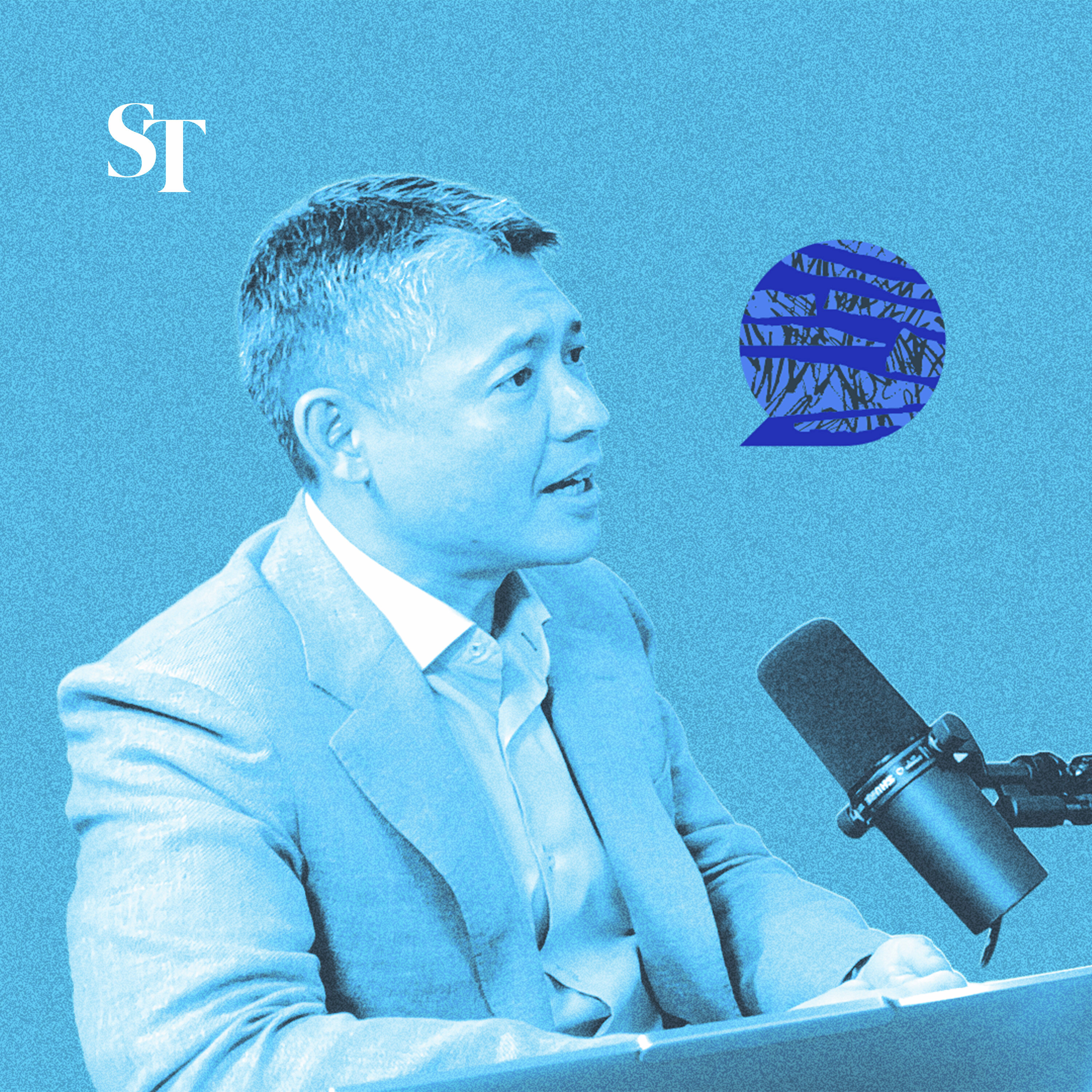 S1E85: Inside disguised retrenchments: An employment lawyer on how companies force workers out 05.08.2026 44นาทีRetrenchment payouts, mental health claims & the Workplace Fairness Act: How S’pore’s new law rewrites the rules. Synopsis: Conversations and interviews that give you something to think about. Each Wednesday, In Your Opinion speaks to thinkers, leaders, and the people shaping our lives and the issues of the day. With the landmark Workplace Fairness Act (WFA) set to take full effect in late 2027, the rules of the corporate game are about to change. But will the new laws actually protect the everyday worker, or just create new legal loopholes? In this episode of In Your Opinion, ST assistant podcast editor Lynda Hong sits down with veteran employment lawyer Jonathan Yuen, Partner at Rajah & Tann. They peel back the curtain on the dark side of HR tactics, from weaponised Performance Improvement Plans (PIPs) to the 24-hour ultimatum room. Plus, an insider look at the new $250,000 Employment Claims Tribunals (ECT) limit, and why the upcoming legal changes might force unrepresented employees into a David and Goliath battle against corporate HR. Highlights (click/tap above): 8:46 Myth busted: The '1 month per year' severance rule 20:41 Should Singapore introduce a mandatory cooling-off period for severance offers? 25:30 What is the most practical change from the Workplace Fairness Act? 32:44 Genuine struggles vs weaponising mental health against employers 39:06 The $250,000 claim limit and the ban on lawyers under the new law Read ST’s Opinion section: https://str.sg/w7sH Follow Lynda Hong on LinkedIn: https://str.sg/Gm2v Host: Lynda Hong ([email protected]) Produced and edited by: Hadyu Rahim Executive producers: Danson Cheong and Lynda Hong Follow In Your Opinion Podcast here and get notified for new episode drops: Channel: https://str.sg/w7Qt Apple Podcasts: https://str.sg/wukb Spotify: https://str.sg/w7sV YouTube: https://str.sg/GjMT Feedback to: [email protected] --- Follow more ST podcast channels: All-in-one ST Podcasts channel: https://str.sg/wvz7 Get more updates: http://str.sg/stpodcasts --- Get The Straits Times app, which has a dedicated podcast player section: The App Store: https://str.sg/icyB Google Play: https://str.sg/icyX --- #inyouropinionSee omnystudio.com/listener for privacy information.
 -
 S1E84: The surprising reason Singaporeans complain but don’t correct bad public behaviour 21.07.2026 25นาทีWhile strict laws enforce behaviour, building a gracious society requires mutual trust rather than constant rules. Synopsis: On Wednesdays, The Straits Times takes a hard look at Singapore's social issues of the day with guests. Singapore seems to be introducing more laws to police everyday behaviour - from tray returns to using mobile phones while driving. But can legislation really make people more gracious, or does it simply expose a deeper trust deficit in society? And when should citizens confront bad behaviour themselves instead of reporting it to the authorities? Opinion Editor Lin Suling speaks with sociologist Dr Tan Ern Ser, Adjunct Principal Research Fellow at the Institute of Policy Studies, about whether Singapore is becoming a nation that relies too heavily on rules, complaints and punishment — and what it would take to build a genuinely high-trust, "We First" society. Highlights (click/tap above): 3:35 Why does seemingly ordinary, considerate behaviour disappear once people get behind the wheel? 5:40 Does criminalising phone use while driving mean public education has failed? 12:25 Have we outsourced everyday conflict resolution to the state instead of correcting bad behaviour ourselves? 13:55 Is Singapore's complaint culture undermining trust and creating online vigilantism? 16:46 When is reporting someone the right thing to do? When should it be the last resort? 19:52 Thirty years after the Singapore Kindness Movement, have we become kinder or simply better at enforcing rules? 21:28 How can Singapore encourage people to speak up against antisocial behaviour without leaving them to stand alone? 23:11 Can Singapore realistically become a 'We First' society? What would a genuinely high-trust society look like? Read ST’s Opinion section: https://str.sg/w7sH Follow Lin Suling on LinkedIn: https://str.sg/hiLQ Host: Lin Suling ([email protected]) Produced and edited by: Hadyu Rahim Executive producers: Danson Cheong and Lynda Hong Follow In Your Opinion Podcast here and get notified for new episode drops: Channel: https://str.sg/w7Qt Apple Podcasts: https://str.sg/wukb Spotify: https://str.sg/w7sV Feedback to: [email protected] --- Follow more ST podcast channels: All-in-one ST Podcasts channel: https://str.sg/wvz7 Get more updates: http://str.sg/stpodcasts Watch The Mother Load on YouTube: https://str.sg/HnaV --- Get The Straits Times app, which has a dedicated podcast player section: The App Store: https://str.sg/icyB Google Play: https://str.sg/icyX --- #inyouropinionSee omnystudio.com/listener for privacy information.
 -
 S1E83: Singapore footpath wars: Why reclaiming car space could solve the PMD and PMA problem 14.07.2026 42นาทีWhile more car lanes induce congestion, reclaiming road space for micro-mobility would make for a highly efficient transport. Synopsis: On Wednesdays, The Straits Times takes a hard look at Singapore's social issues of the day with guests. New rules for Personal Mobility Aids (PMAs) kicked in on June 1, slashing speeds to 6 km/h and requiring medical certificates to crack down on able-bodied riders. But as pedestrians, e-bikes, and gig workers continue to squeeze onto narrow pavements, are we fighting over the wrong patch of concrete as Singapore embarks on a car-lite journey? In this episode of In Your Opinion, assistant podcast editor Lynda Hong sits down with associate professor Yap Fook Fah from Transport Research Centre@NTU. They discuss why it is unsafe for micro-mobility devices to travel on Singapore’s roads, and his argument for allocating more space to transport modes that take up less room but have the capacity to ferry more people. Yap also discusses why regulations alone won't fix our active mobility woes, the illusion of induced demand for cars, and how aggressively reclaiming car lanes might be the ultimate, sweat-free solution to Singapore’s last-mile commute and congested feeder buses. Highlights (click/tap above): 6:27 The mobility gap: why able-bodied commuters are using PMAs 14:07 Cars take up more space but ferry fewer people 16:30 Why fewer cars would not slow the economy 17:57 How allocating more space for cars would induce traffic congestion 26:22 How integrating micro-mobility transport could save hundreds of millions of dollars in commute time 29:42 The weather isn’t hot for the first and last mile commute 34:19 Shifting the mindsets to view roads as public space instead of car space Read ST’s Opinion section: https://str.sg/w7sH Follow Lynda Hong on LinkedIn: https://str.sg/Gm2v Host: Lynda Hong ([email protected]) Produced and edited by: Hadyu Rahim Executive producers: Danson Cheong and Lynda Hong Follow In Your Opinion Podcast here and get notified for new episode drops: Channel: https://str.sg/w7Qt Apple Podcasts: https://str.sg/wukb Spotify: https://str.sg/w7sV Feedback to: [email protected] --- Follow more ST podcast channels: All-in-one ST Podcasts channel: https://str.sg/wvz7 Get more updates: http://str.sg/stpodcasts The Usual Place Podcast YouTube: https://str.sg/theusualplacepodcast --- Get The Straits Times app, which has a dedicated podcast player section: The App Store: https://str.sg/icyB Google Play: https://str.sg/icyX --- #inyouropinionSee omnystudio.com/listener for privacy information.
 -
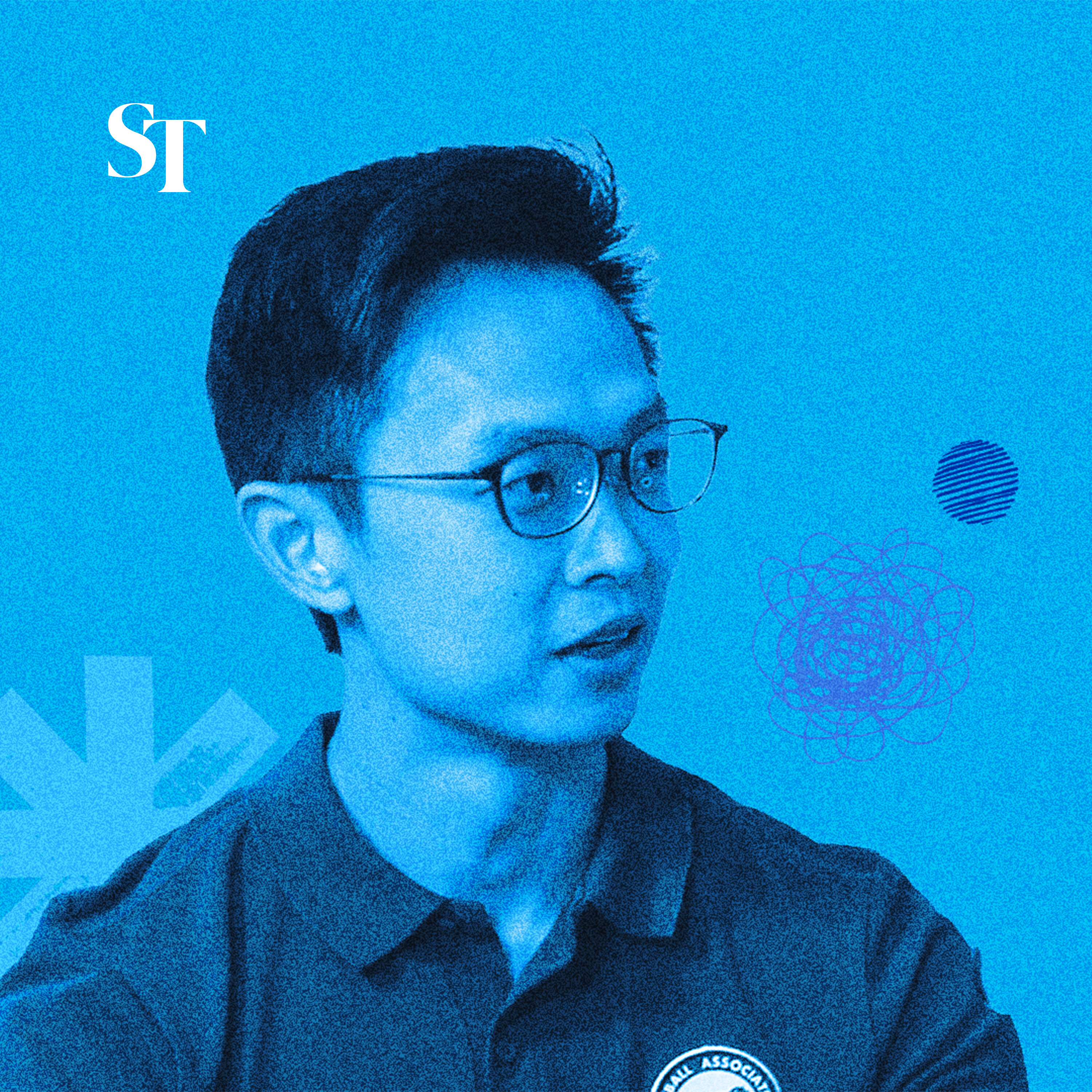 S1E82: Can the Lions deliver? SG football’s future, World Cup ambitions & career pathways 07.07.2026 37นาทีCan the Lions unleash the roar in World Cup 2034? Synopsis: On Wednesdays, The Straits Times takes a hard look at Singapore's social issues of the day with guests. With the World Cup frenzy gripping nations, the performances of Asian powerhouses and small-population underdogs have sparked a familiar question: What will it take for Singapore to get there? For the first time in a long time, the conversation around Singapore football feels less about what we lack, and more about what we might yet achieve. Following a historic qualification for the 2027 AFC Asian Cup Finals, the Lions have given a football-crazed nation a renewed sense of optimism. But is this a genuine turning point, or are expectations running ahead of reality? In this episode, deputy opinion editor Mubin Saadat sits down with Lions’ head coach Gavin Lee. They kick off by extracting lessons from the global stage, analysing how countries with tiny populations are making World Cup history, and what that means for Singapore’s Goal 2034 ambitions. They also discuss Gavin’s rapid career rise, balancing brand-new fatherhood with national expectations, and his immediate priorities for the upcoming ASEAN Championship. Finally, Gavin dismantles the ultimate Singaporean dilemma, proving exactly why our youth do not have to choose between academic success and a career in professional sports. Highlights (click/tap above): 00:19 World Cup 2026: What Singapore can learn from South Korea & Brazil vs Japan 10:38 Coach Gavin Lee on fatherhood & national team duties 17:44 Should parents let their children pick football as a career in Singapore? 19:45 With DSA, is football still a social leveller in Singapore? 26:18 Gavin’s immediate priorities for Asean Championship on 24 Jul 2026 30:44 The goal for Singapore to qualify for 2034 World Cup 32:07 At 35, has Gavin reached the peak of his coaching career? 33:58 Do local football coaches need overseas exposure? Read ST’s Opinion section: https://str.sg/w7sH Host: Mubin Saadat ([email protected]) Produced and edited by: Eden Soh & Natasha Liew Executive producers: Danson Cheong and Lynda Hong Follow In Your Opinion Podcast here and get notified for new episode drops: Channel: https://str.sg/w7Qt Apple Podcasts: https://str.sg/wukb Spotify: https://str.sg/w7sV Feedback to: [email protected] --- Follow more ST podcast channels: All-in-one ST Podcasts channel: https://str.sg/wvz7 Get more updates: http://str.sg/stpodcasts The Usual Place Podcast YouTube: https://str.sg/theusualplacepodcast --- Get The Straits Times app, which has a dedicated podcast player section: The App Store: https://str.sg/icyB Google Play: https://str.sg/icyX --- #inyouropinionSee omnystudio.com/listener for privacy information.
 -
 S1E81: Singapore's lonely seniors: Why the super-aged feel isolated even when living with family 30.06.2026 48นาทีSeniors are increasingly feeling lonely. Learn why preventing elderly loneliness starts in your 20s. Synopsis: On Wednesdays, The Straits Times takes a hard look at Singapore's social issues of the day with guests. The shift from open kampungs to closed-door HDB flats has left many Singaporean seniors socially isolated—often feeling invisible even while living with their own families. This chronic loneliness takes a severe toll on psychological well-being, acting as a major risk factor for cognitive decline and conditions like dementia. How can our seniors age with dignity, connection, and purpose? In this episode, assistant podcast editor Lynda Hong speaks with Karen Wee, executive director of Lions Befrienders. The social service agency leverages both high-touch human interventions and innovative technology, like Gen AI, to rebuild the kampung spirit in its transformative, relationship-centred approach to eldercare. Crucially, Karen emphasises that preparing for a healthy old age cannot wait until retirement; it must begin decades earlier through the social habits and personal passions we develop in our 20s and 30s. This requires a societal shift away from purely economic achievements, toward teaching the younger generation how to form deep human relationships that will give them purpose long after they leave the workforce. Highlights (click/tap above): 13:00 Scams are one reason why seniors refuse to open their doors 18:14 Why social loneliness develops from a young age 21:48 How seniors are benefiting from talking to Gen AI 42:04 Why pursuit of personal passions improves ageing 45:58 How social isolation progresses and worsens over time Read ST’s Opinion section: https://str.sg/w7sH Follow Lynda Hong on LinkedIn: https://str.sg/Gm2v Host: Lynda Hong ([email protected]) Produced and edited by: Hadyu Rahim Executive producers: Danson Cheong and Lynda Hong Follow In Your Opinion Podcast here and get notified for new episode drops: Channel: https://str.sg/w7Qt Apple Podcasts: https://str.sg/wukb Spotify: https://str.sg/w7sV Feedback to: [email protected] --- Follow more ST podcast channels: All-in-one ST Podcasts channel: https://str.sg/wvz7 Get more updates: http://str.sg/stpodcasts The Usual Place Podcast YouTube: https://str.sg/theusualplacepodcast --- Get The Straits Times app, which has a dedicated podcast player section: The App Store: https://str.sg/icyB Google Play: https://str.sg/icyX --- #inyouropinionSee omnystudio.com/listener for privacy information.
 -
 S1E80: A focus on one-child couples is an easier baby booster than large families 23.06.2026 56นาทีTargeting one-child couples for a second child is lower-hanging fruit than pushing for a third under the Large Families Scheme, says a researcher. Synopsis: On Wednesdays, The Straits Times takes a hard look at Singapore's social issues of the day with guests. Stopping at one or two children is such a norm in Singapore that a 'large family' now means having three or more children. This definition comes after the government launched the large families scheme in 2025, in a bid to encourage Singaporeans to expand their households. In its first year alone, the scheme has already stepped in to help about 5,000 Singaporean children. Each of them received up to $16,000 in additional grants to ease the financial load of multi-child parenting. But can money alone shift a couple’s mindsets to having more children? Senior Research Fellow at the Institute of Policy Studies Kalpana Vignehsa joins assistant podcast editor Lynda Hong to discuss the modern realities, anxieties, and choices of raising children in Singapore. Highlights (click/tap above): 7:27 Why focus on one-child family instead of two-child families under Large Families Scheme 25:48 BTO Co-Living: Building a Child-Raising Community with 12 Families 28:16 $300,000? $500,000? The value of child-raising to society 36:04 Why a family with 3 kids is usually on a single income 50:14 Youth prioritising education, NS and BTO, leaving no room for marriage, let alone babies Read ST’s Opinion section: https://str.sg/w7sH Follow Lynda Hong on LinkedIn: https://str.sg/Gm2v Host: Lynda Hong ([email protected]) Produced and edited by: Teo Tong Kai Executive producers: Danson Cheong and Lynda Hong Follow In Your Opinion Podcast here and get notified for new episode drops: Channel: https://str.sg/w7Qt Apple Podcasts: https://str.sg/wukb Spotify: https://str.sg/w7sV Feedback to: [email protected] --- Follow more ST podcast channels: All-in-one ST Podcasts channel: https://str.sg/wvz7 Get more updates: http://str.sg/stpodcasts The Usual Place Podcast YouTube: https://str.sg/theusualplacepodcast --- Get The Straits Times app, which has a dedicated podcast player section: The App Store: https://str.sg/icyB Google Play: https://str.sg/icyX --- #inyouropinionSee omnystudio.com/listener for privacy information.
 -
 S1E79: Deepfakes, $50 intimate photos amid OSC launch 16.06.2026 32นาทีSingapore's new Online Safety Commission (OSC) rolls out to combat cyberbullying, deepfakes, and online harms. But will this law protect victims, or will trolls simply hide in darker corners? Synopsis: On Wednesdays, The Straits Times takes a hard look at Singapore's social issues of the day with guests.Imagine discovering that your face and voice have been hijacked, manipulated into a deepfake, and broadcast across the internet. It is a chilling violation of privacy, and it proves a terrifying point: no one is immune to online harms. As digital abuse, cyberbullying, and image-based violence become increasingly normalised, the rules of engagement are also shifting. Enter the Online Safety Commission (OSC) that Singapore is officially rolling out in June 2026. This new regulatory watchdog is designed to force tech giants to take down harmful content and give victims some respite from the harassment and bullying. But will this new law actually have the teeth to protect us? Or will trolls quickly invent new ways to circumvent it? In this episode of In Your Opinion, assistant podcast editor Lynda Hong sits down with legal expert and founder of SG Her Empowerment (SHE) Stefanie Yuen Thio. Yuen Thio shares her personal ordeal as a deepfake victim and uncovers the severe realities of digital abuse facing youths in Singapore today – including the alarming normalisation of teenagers selling intimate photos for $50. Highlights (click/tap above): 3:14 Her personal experience surviving a deepfake attack 7:43 How "trusted flaggers" like SHE get harmful content taken down faster than standard reporting 9:57 What the new Online Safety Commission (OSC) actually means for victims of cyberbullying 24:36 The disturbing reality of youths commodifying their bodies and selling intimate photos for $50 27:22 Beyond the law: The urgent need for age assurance technology and bystander intervention Read ST’s Opinion section: https://str.sg/w7sH Follow Lynda Hong on LinkedIn: https://str.sg/Gm2v Host: Lynda Hong ([email protected]) Produced and edited by: Teo Tong Kai Executive producers: Danson Cheong and Lynda Hong Follow In Your Opinion Podcast here and get notified for new episode drops: Channel: https://str.sg/w7Qt Apple Podcasts: https://str.sg/wukb Spotify: https://str.sg/w7sV Feedback to: [email protected] --- Follow more ST podcast channels: All-in-one ST Podcasts channel: https://str.sg/wvz7 Get more updates: http://str.sg/stpodcasts The Usual Place Podcast YouTube: https://str.sg/theusualplacepodcast --- Get The Straits Times app, which has a dedicated podcast player section: The App Store: https://str.sg/icyB Google Play: https://str.sg/icyX --- #inyouropinionSee omnystudio.com/listener for privacy information.
 -
 S1E78: P1 registration: How did the parent volunteer scheme become an arms race? 09.06.2026 37นาทีThe scheme was meant to build closer ties between parents and schools. Has it achieved its intended purpose, or outlived its usefulness? Synopsis: On Wednesdays, The Straits Times takes a hard look at Singapore's social issues of the day with guests. Would you volunteer your time and effort to get your child into a primary school of your choice? For many parents, it’s a no-brainer - even if it involves a huge commitment. Parent volunteering was introduced as part of the P1 registration system as a way to encourage parents to be more involved in their child’s education and build closer ties between parents and the school. Schools also benefitted from the extra help in their programmes and events. In 1998, it was announced that parent volunteers would have to complete at least 40 hours of service to the school to register their child in an earlier phase of P1 registration. But the scheme’s immense popularity among parents has caused it to become increasingly competitive. Some parents ballot to have a chance to volunteer. Others prepare detailed curriculums or send CVs to schools. Some schools no longer accept parent volunteers. It’s raised questions: Given that volunteering requires time, effort and skills, does the scheme really only benefit parents who have resources? And isn’t volunteering meant to be something done out of a genuine desire to do good, rather than expecting something in return? How did the parent volunteer scheme turn into an arms race? Has it outlived its usefulness? Is it time to scrap the scheme entirely? In this episode of In Your Opinion, Assistant Opinion Editor Lianne Chia speaks with Associate Professor Jason Tan from the National Institute of Education to understand the original intentions of the scheme, what happened along the way - and why choosing a child’s primary school has become such a high-stakes, high anxiety exercise. Highlights (click/tap above): 4:20 Has the parent volunteer scheme achieved its initial purpose? 5:59 Does the scheme turn volunteering into a transaction? 9:33 How did the P1 volunteering scheme become an arms race? 16:22 Can we really blame parents? 23:59 Is there a way we can return the scheme to its original intention? 27:32 Should we scrap the volunteering scheme - or double down on it? Read ST’s Opinion section: https://str.sg/w7sH Host: Lianne Chia ([email protected]) Produced and edited by: Hadyu Rahim Executive producers: Danson Cheong & Lynda Hong Follow In Your Opinion Podcast here and get notified for new episode drops: Channel: https://str.sg/w7Qt Apple Podcasts: https://str.sg/wukb Spotify: https://str.sg/w7sV Feedback to: [email protected] --- Follow more ST podcast channels: All-in-one ST Podcasts channel: https://str.sg/wvz7 Get more updates: http://str.sg/stpodcasts The Usual Place Podcast YouTube: https://str.sg/theusualplacepodcast --- Get The Straits Times app, which has a dedicated podcast player section: The App Store: https://str.sg/icyB Google Play: https://str.sg/icyX --- #inyouropinionSee omnystudio.com/listener for privacy information.
 -
 S1E77: ‘The more you know, the more wonderful it becomes’: Brian Cox on science and awe 02.06.2026 59นาทีIn an age where information is readily available and where we're fed an unending stream of content, have we lost our sense of wonder? Synopsis: On Wednesdays, The Straits Times takes a hard look at Singapore's social issues of the day with guests. We live in a time where technology has made information more readily available than ever. Curiosity has been the main driver of human discovery since the beginning of time but when faced with a barrage of information, have we stopped wanting to know more? In this episode of In Your Opinion, senior columnist Rohit Brijnath speaks with celebrated physicist, educator and rock star Brian Cox. Currently on a world tour with his live show, Emergence, he takes us on a journey across the cosmos, civilisation and human curiosity all while attempting to answer the question: how do we find wonder? Emergence will be in Singapore on June 10. Highlights (click/tap above): 4:46 Should people be more curious? 8:51 Keeping a sense of wonder through life 10:36 Are there aliens out there? 15:38 There are things I don't actually know 19:55 Kepler, Galileo and Einstein around a table 29:13 Two weeks in space is ideal 32:46 Why world leaders should go to space 36:11 Are there mysteries that should remain? 38:29 What to look for in the night sky 41:31 Can you see planets in Singapore? 42:06 Is an uncurious person a failure? 47:21 Brian Cox's top musical highlight 55:06 The AI revolution and social change Books Brian Cox recommended: The Six-Cornered Snowflake by Johannes Kepler The Invention of Science: A New History of the Scientific Revolution by David Wootton The Demon-Haunted World: Science as a Candle In The Dark Read Rohit’s columns: https://str.sg/wFu2 Host: Rohit Brijnath ([email protected]) Produced and edited by: Hadyu Rahim and Teo Tong Kai Executive producers: Elizabeth Law and Danson Cheong Follow In Your Opinion Podcast here and get notified for new episode drops: Channel: https://str.sg/w7Qt Apple Podcasts: https://str.sg/wukb Spotify: https://str.sg/w7sV Feedback to: [email protected] --- Follow more ST podcast channels: All-in-one ST Podcasts channel: https://str.sg/wvz7 Get more updates: http://str.sg/stpodcasts The Usual Place Podcast YouTube: https://str.sg/theusualplacepodcast --- Get The Straits Times app, which has a dedicated podcast player section: The App Store: https://str.sg/icyB Google Play: https://str.sg/icyX --- #inyouropinionSee omnystudio.com/listener for privacy information.
 -
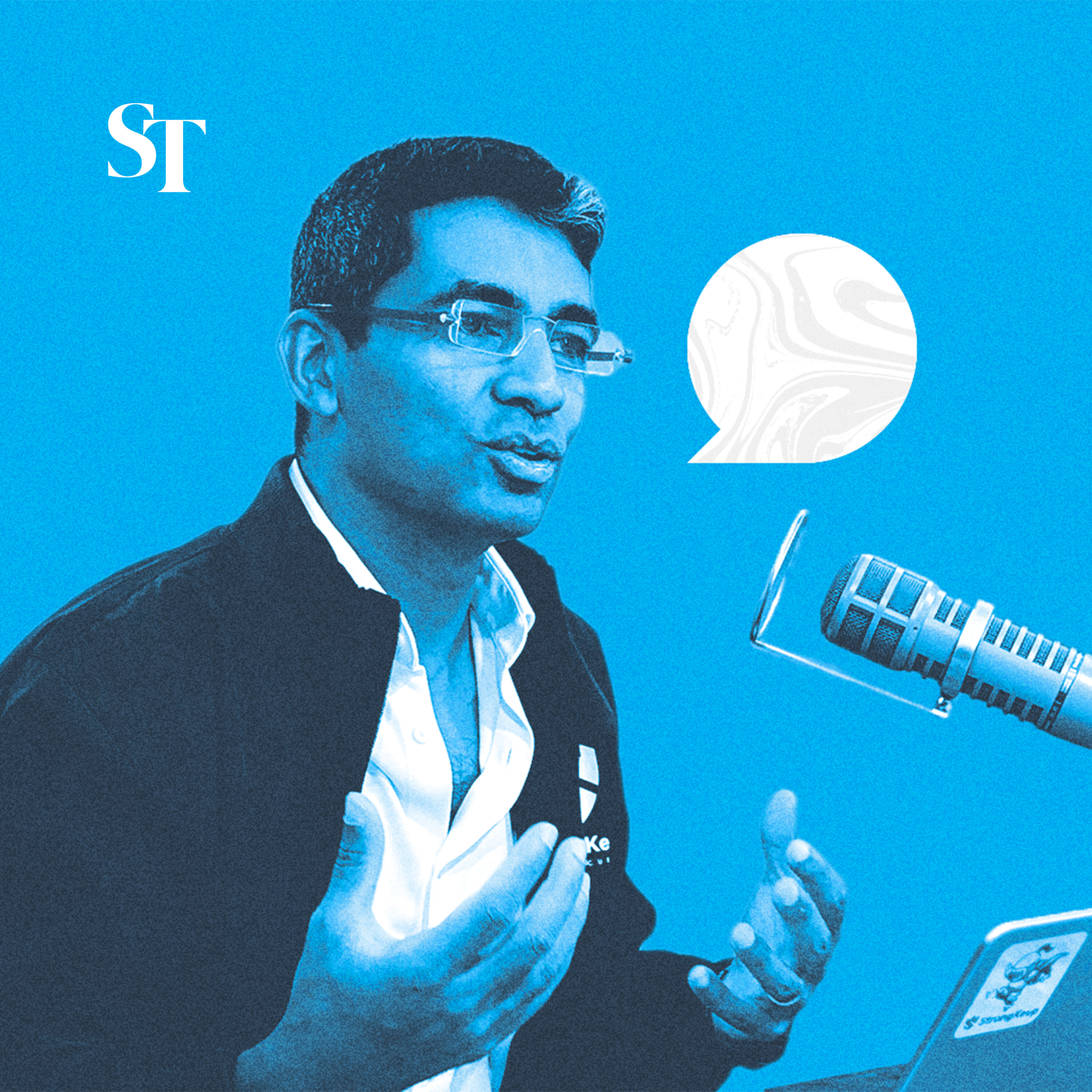 S1E76: Think you're safe from cyber crooks? Why 99% of companies are exposed 26.05.2026 34นาทีAs AI supercharges cyber threats, how can the "missing 99%" of small and medium enterprises protect themselves? Synopsis: On Wednesdays, The Straits Times takes a hard look at Singapore's social issues of the day with guests. Cybersecurity is undergoing a fundamental shift. For a long time, it was treated as a dark art – a deeply technical problem left to IT teams and discussed in jargon few others understood. But as the threat landscape has evolved, major breaches are forcing the conversation into the boardroom, turning cyber risk into a critical matter of corporate governance and liability. While multinational corporations can afford elite digital defences, small and medium enterprises (SMEs) – the 99 per cent of our economy – are often left exposed. Increasingly, SMEs are targeted not just for their own data, but as backdoors into the larger corporate and national networks they serve. If our current security playbook only works for the biggest players, how do we protect the rest? In this episode, ST’s Deputy Opinion Editor Bhavan Jaipragas speaks with Gaurav Keerthi, co-founder and CEO of cybersecurity firm StrongKeep, and former Deputy Commissioner of the Cyber Security Agency of Singapore. Highlights (click/tap above): 1:55 Why does cybersecurity switch people off? 5:06 Are boards stepping up to AI threats? 7:25 Why are SMEs still exposed to threats? 10:05 The "Ikea model" for affordable cybersecurity 15:45 Can state-linked cyber threats be solved? 25:12 Cyber risks and opportunities of agentic AI 28:27 Critical actions for boards, SMEs, and users. 31:41 Balancing online security and everyday usability Read ST’s Opinion section: https://str.sg/w7sH Host: Bhavan Jaipragas ([email protected]) Produced and edited by: Amirul Karim Executive producers: Danson Cheong and Lynda Hong Follow In Your Opinion Podcast here and get notified for new episode drops: Channel: https://str.sg/w7Qt Apple Podcasts: https://str.sg/wukb Spotify: https://str.sg/w7sV Feedback to: [email protected] --- Follow more ST podcast channels: All-in-one ST Podcasts channel: https://str.sg/wvz7 Get more updates: http://str.sg/stpodcasts The Usual Place Podcast YouTube: https://str.sg/theusualplacepodcast --- Get The Straits Times app, which has a dedicated podcast player section: The App Store: https://str.sg/icyB Google Play: https://str.sg/icyX --- #inyouropinionSee omnystudio.com/listener for privacy information.
 -
 S1E75: Autonomous Vehicles in SG: Are we ready to surrender the wheel to AI? 19.05.2026 30นาทีIn an Autonomous Vehicle (AV) crash, should AI save the young instead of the elderly? Germany banned this, but a pragmatist asks: why not let algorithms choose based on age?Synopsis: On Wednesdays, The Straits Times takes a hard look at Singapore's social issues of the day with guests.Traffic accidents in Singapore have hit a 10-year high. Every day, motorists are caught speeding, running red lights, and looking at their phones. The proposed solution is radical: take the steering wheel away from humans and hand it entirely to Artificial Intelligence. But as Singapore drafts the legal framework to roll out autonomous vehicles (AVs), where are the dangerous lines we are crossing? From programming algorithms to decide who lives and dies in a split-second crash, to the terrifying threat of a hacked network, are we actually ready to surrender our safety to a machine we don't fully understand?In this episode, ST assistant podcast editor Lynda Hong sits down with the man building the robot's brain: Professor Marcelo Ang from the Advanced Robotics Centre at the NUS Mechanical Engineering Department, a researcher who first tested an AV in 2013. They debate the ethics of the trolley problem about picking who to collide with in an unavoidable crash, the liabilities in the event of a driverless car crash, and the brutal reality awaiting thousands of middle-aged drivers whose jobs are about to be automated. Highlights (click/tap above): 2:47 Tesla vs. true driverless - the different levels of self-driving 9:04 The "Guardian Angel" - an underlying physics algorithm that overrides bad AI decisions 11:48 Why level 3 autonomous driving can be dangerous 14:20 Should the algorithm hit the 80-year-old or the 10-year-old in an unavoidable crash 23:55 The hardest engineering challenge: Predicting irrational human behaviour Read ST’s Opinion section: https://str.sg/w7sH Follow Lynda Hong on LinkedIn: https://str.sg/Gm2v Host: Lynda Hong ([email protected]) Produced and edited by: Teo Tong Kai Executive producers: Danson Cheong and Lynda Hong Follow In Your Opinion Podcast here and get notified for new episode drops: Channel: https://str.sg/w7Qt Apple Podcasts: https://str.sg/wukb Spotify: https://str.sg/w7sV Feedback to: [email protected] --- Follow more ST podcast channels: All-in-one ST Podcasts channel: https://str.sg/wvz7 Get more updates: http://str.sg/stpodcasts The Usual Place Podcast YouTube: https://str.sg/theusualplacepodcast --- Get The Straits Times app, which has a dedicated podcast player section: The App Store: https://str.sg/icyB Google Play: https://str.sg/icyX --- #inyouropinionSee omnystudio.com/listener for privacy information.
 -
 S1E74: 12-year-olds in therapy - the silent rise in youth porn addiction 13.05.2026 20นาทีThe dopamine trap: Is Asia’s conservative culture driving a porn addiction crisis? Synopsis: On Wednesdays, The Straits Times takes a hard look at Singapore's social issues of the day with guests.Asia holds the highest rate of problematic pornography use in the world at nearly one in five people, according to a study which researchers term 'Asian Paradox'. While casual viewing can be healthy for adults in some instances, this taboo weaponises the dopamine hit for tech-savvy youths. In this episode, assistant podcast editor Lynda Hong sits down with Dr Peter Chew, Associate Professor of Psychology at James Cook University Singapore, to unpack this silent epidemic.They explore the neuroscience behind the digital dopamine trap, why a teenager's developing brain is vulnerable, and why symbolic website bans are failing. Dr Chew also dismantles common misconceptions, explaining the crucial difference between clinical addiction and religious guilt; how sex education should change; and why abstinence-only programmers cause higher unwanted pregnancies. Highlights (click/tap above): 4:25 Why is porn so devastating to a teenager? 6:40 Does porn addiction lead to sex crimes? 10:05 What does treatment entail? 12:38 Approaching the topic of sex and pornography with youths 16:24 Moral implications towards sex education Read ST’s Opinion section: https://str.sg/w7sH Follow Lynda Hong on LinkedIn: https://str.sg/Gm2v Host: Lynda Hong ([email protected]) Produced and edited by: Teo Tong Kai Executive producers: Danson Cheong and Lynda Hong Follow In Your Opinion Podcast here and get notified for new episode drops: Channel: https://str.sg/w7Qt Apple Podcasts: https://str.sg/wukb Spotify: https://str.sg/w7sV Feedback to: [email protected] --- Follow more ST podcast channels: All-in-one ST Podcasts channel: https://str.sg/wvz7 Get more updates: http://str.sg/stpodcasts The Usual Place Podcast YouTube: https://str.sg/theusualplacepodcast --- Get The Straits Times app, which has a dedicated podcast player section: The App Store: https://str.sg/icyB Google Play: https://str.sg/icyX --- #inyouropinionSee omnystudio.com/listener for privacy information.
 -
 S1E73: What's the property agent's role in this age of AI? 05.05.2026 36นาทีAs AI changes everything, can the property agents’ most valuable asset - trust - keep them relevant? Synopsis: On Wednesdays, The Straits Times takes a hard look at key issues of the day with newsmakers. Singapore's property market has transformed over the last few decades. From an opaque, relationship-driven industry, it has evolved into one reshaped by online listings, price transparency, and regulatory tightening. Yet the ethical tensions have endured, with commission conflicts, trust gaps, information asymmetry still persisting. And as property prices have climbed, so have agent commissions. With the advent of AI and digitalisation, some sharper questions have surfaced. As technology changes or replaces roles across industries, can it do the same for the property sector and finally resolve the conflicts and contradictions that have been constant bugbears? Will buyers and sellers still need to depend on an agent? How will the role of the property agent change? In this episode, opinion deputy editor Mubin Saadat speaks to real estate agency ERA’s CEO Marcus Chu. Highlights (click/tap above): 2:05 What’s fundamentally changed about the agent’s role? 7:06 Are property agents earning more now than they ever did? 10:36 Should we rethink agents’ commissions? 20:42 Should property agents be giving financial advice? 23:40 Will AI replace property agents? 30:40 Preparing property agents for AI 33:28 The important conversation the industry should be having Read ST’s Opinion section: https://str.sg/w7sH Host: Mubin Saadat ([email protected]) Produced and edited by: Amirul Karim Executive producers: Danson Cheong and Lynda Hong Follow In Your Opinion Podcast here and get notified for new episode drops: Channel: https://str.sg/w7Qt Apple Podcasts: https://str.sg/wukb Spotify: https://str.sg/w7sV Feedback to: [email protected] --- Follow more ST podcast channels: All-in-one ST Podcasts channel: https://str.sg/wvz7 Get more updates: http://str.sg/stpodcasts The Usual Place Podcast YouTube: https://str.sg/theusualplacepodcast --- Get The Straits Times app, which has a dedicated podcast player section: The App Store: https://str.sg/icyB Google Play: https://str.sg/icyX --- #inyouropinionSee omnystudio.com/listener for privacy information.
 -
 S1E72: Is chilli the most important ingredient in Singapore cuisine? 21.04.2026 26นาทีIs “not spicy enough” a legitimate criticism of a dish? Synopsis: On Wednesdays, The Straits Times takes a hard look at key issues of the day with newsmakers. Across Singapore’s diverse culinary landscape, chilli is a common accompaniment to almost any meal — think sambal belachan, chilli paste mixed with garlic and ginger or freshly cut chilli padi. The unique chilli condiment paired with a meal can sometimes make or break a dish. Do we judge a dish by its chilli — and rightly or wrongly so? Do we wear our tolerance toward spiciness as an undeserved badge of honour? And with the influx of Chinese mala cuisine and Korean gochujang, has Singapore's chilli culture become more adventurous in the last decade? In this episode, opinion editor Lin Suling speaks to food influencer Alderic Teo and private chef Schira Hassan. Highlights (click/tap above): 7:20 Is “not spicy enough” a legitimate criticism of a dish? 8:10 Korean spicy noodles: Why the performative element? 9:30 How to make traditional dishes accessible to a wider audience while retaining authenticity? 11:10 Do people’s spice tolerances decline with age? 22:00 Can the accompanying chilli become the dealbreaker for a dish? Read ST’s Opinion section: https://str.sg/w7sH Host: Lin Suling ([email protected]) Produced & edited by: Hadyu Rahim Executive producers: Danson Cheong and Lynda Hong Follow In Your Opinion Podcast here and get notified for new episode drops: Channel: https://str.sg/w7Qt Apple Podcasts: https://str.sg/wukb Spotify: https://str.sg/w7sV Feedback to: [email protected] --- Follow more ST podcast channels: All-in-one ST Podcasts channel: https://str.sg/wvz7 Get more updates: http://str.sg/stpodcasts The Usual Place Podcast YouTube: https://str.sg/theusualplacepodcast --- Get The Straits Times app, which has a dedicated podcast player section: The App Store: https://str.sg/icyB Google Play: https://str.sg/icyX --- #inyouropinionSee omnystudio.com/listener for privacy information.
พอดแคสต์ที่คล้ายกัน


ยอดนิยมใน
พอดแคสต์นี้ปรากฏในชาร์ตพอดแคสต์ของประเทศเหล่านี้ด้วย
