
The Business of LoRaWAN
MeteoScientific
0
All about the business of LoRaWAN. How it works, who uses it, why, how they save or make money with it. Conversations with IoT pros willing to share their knowledge and help your business.
ตอน
-
 Inverting LoRaWAN - Bob Hampe - Actall 21.07.2026 23นาทีBob Hampe walks us through how Actall is using LoRaWAN in correctional facilities for Real Time Location Systems aiming at short distance and (relatively) large bandwidth always-on applications. Basically, the opposite of what LoRaWAN was originally designed for.This episode highlights how a group of inventive, hard-working, and smart engineers tackles a very hard problem using the technology at hand. It's also an excellent example of capitalizing on the opportunities left behind by your biggest competitors, and Bob walks us through the software-first, then hardware transition strategy that Actall has been following.Enjoy the show!Find Bob on LinkedInFind ActallMore About MeteoScientific & Sponsors:Helium Global IoT Coverage - Want to know if Helium coverage exists where you need it? Check out this map!Helium Foundation - The Helium Foundation's IoT Working Group (IOTWG) has generously provided support for the first 6 months of shows, please go check them out and consider using the Helium LoRaWAN as a primary or backup on your next deployment. With over a quarter million gateways deployed worldwide, it's likely that you have and can use Helium coverage.Support The Show - If you'd like to support the MetSci Show financially, here's where you can donate on a one-time or an ongoing basis. Thank you!MetSci Show - If you'd like to use our IoT or AI Data Value calculators, or you'd like to contact me, the MetSci Show site is the best way to do it. MeteoScientific Console - Use LoRaWAN - The MeteoScientific Console allows you to use LoRaWAN today. As long as you have Helium coverage (and you probably do, about 90% of populated areas in the world have a gateway within 2 miles), you can onboard a sensor. You can always check coverage at https://explorer.helium.com and switch to the "IoT" tab in the top right.
 -
 The Economics of IIoT - Britt Antley - Wika 29.04.2026 19นาทีBritt Antley, Industrial IoT specialist at WIKA and former Chevron operator, talks about what actually drives adoption of IIoT in the real world—and why the shift from control systems to monitoring is one of the most important changes happening in industrial environments today.With nearly two decades at Chevron, Britt brings a grounded perspective on how large-scale operations think about technology. He explains how his work evolved from traditional IT and process control into industrial IoT, and why LoRaWAN-style deployments fundamentally change the equation. Instead of months-long installs and expensive hardwired sensors, companies can now deploy low-cost devices in minutes, dramatically lowering the barrier to entry for instrumentation.The conversation explores how IIoT creates value beyond simple cost savings, especially in brownfield environments where the goal is to “put eyes” on systems that were previously manual. From monitoring tank levels to reducing unnecessary operator rounds, Britt breaks down how better visibility leads to improved efficiency, safety, and decision-making.Britt also shares how he approaches new customer environments—starting with understanding operations, identifying manual processes, and uncovering high-impact opportunities for instrumentation. The discussion highlights a key insight: many systems don’t need high-frequency control, just reliable, periodic data.The episode closes with a deep dive into WIKA’s Sentinel sensor, including how combining vibration and ultrasound enables earlier detection of equipment failures and extends predictive maintenance timelines from weeks to months.Britt on LinkedInWIKA
 -
 Beyond Silicon: Perovskite Power for the Next Generation of LoRaWAN - Josh Douglas 25.03.2026 18นาทีThis episode looks at how perovskite photovoltaics can reshape the power budget behind an IoT data platform for smart cities. Josh Douglas explains why conventional silicon solar cells struggle with indoor light, off-angle mounting, and rigid glass, and how thin perovskite nanomaterials unlock more flexible, energy-dense LoRaWAN node designs. We connect better energy harvesting to iot data integration platform tools, higher message frequency, and richer sensing that supports edge AI and “physical AI” workloads. You’ll also hear practical details on electrical compatibility, iot data ingestion best practices, and how perovskite modules can often drop in for small silicon panels. The conversation closes with commercialization realities, distribution through familiar channels, and what this means for long-lived devices feeding smart city data platforms. Listen to learn how improved power translates into more capable LoRaWAN deployments and smarter urban infrastructure.Josh on LinkedInCPTIHelium Global IoT Coverage - Want to know if Helium coverage exists where you need it? Check out this map!Helium Foundation - The Helium Foundation's IoT Working Group (IOTWG) has generously provided support for the first 6 months of shows, please go check them out and consider using the Helium LoRaWAN as a primary or backup on your next deployment. With over a quarter million gateways deployed worldwide, it's likely that you have and can use Helium coverage.Support The Show - If you'd like to support the MetSci Show financially, here's where you can donate on a one-time or an ongoing basis. Thank you!MetSci Show - If you'd like to use our IoT or AI Data Value calculators, or you'd like to contact me, the MetSci Show site is the best way to do it. MeteoScientific Console - Use LoRaWAN - The MeteoScientific Console allows you to use LoRaWAN today. As long as you have Helium coverage (and you probably do, about 90% of populated areas in the world have a gateway within 2 miles), you can onboard a sensor. You can always check coverage at https://explorer.helium.com and switch to the "IoT" tab in the top right.
 -
 Leading Without Wireless Bias – Ulf Seijmer on LoRaWAN, Cellular & IoT Strategy 18.03.2026 19นาทีUlf Seijmer explains that leading a successful wireless IoT company requires staying close to market needs, rapidly adjusting strategy, and avoiding attachment to any single technology.He describes how his expectations for LPWAN market splits were wrong, noting that PropTech has become dominated by LoRaWAN rather than cellular due to sensor cost economics and the advantages of owning the network.Seijmer contrasts his roles at AKKR8, which focuses on cellular LPWAN devices, and Induo, which must remain technology-agnostic and select from LoRaWAN, cellular, satellite, and BLE based on each use case.He emphasizes the importance of telling customers “no” when a chosen technology will not scale, and of using proofs of concept to uncover unexpected value, illustrated by a water-tap monitoring project that revealed facility issues like broken lights rather than just usage data.Overall, he argues that long-term success comes from solution focus, honest guidance on trade-offs, and designing systems that can evolve beyond narrow, siloed applications.Ulf on LinkedInInduoAKKR8Helium Global IoT Coverage - Want to know if Helium coverage exists where you need it? Check out this map!Helium Foundation - The Helium Foundation's IoT Working Group (IOTWG) has generously provided support for the first 6 months of shows, please go check them out and consider using the Helium LoRaWAN as a primary or backup on your next deployment. With over a quarter million gateways deployed worldwide, it's likely that you have and can use Helium coverage.Support The Show - If you'd like to support the MetSci Show financially, here's where you can donate on a one-time or an ongoing basis. Thank you!MetSci Show - If you'd like to use our IoT or AI Data Value calculators, or you'd like to contact me, the MetSci Show site is the best way to do it. MeteoScientific Console - Use LoRaWAN - The MeteoScientific Console allows you to use LoRaWAN today. As long as you have Helium coverage (and you probably do, about 90% of populated areas in the world have a gateway within 2 miles), you can onboard a sensor. You can always check coverage at https://explorer.helium.com and switch to the "IoT" tab in the top right.
 -
 Battery-Free IoT and Energy Harvesting for an IoT Data Platform - Jérôme Vernet - Dracula Technologies 11.03.2026 23นาทีThis episode examines how energy harvesting reshapes the iot data platform for smart cities by removing batteries from the equation. Jérôme Vernet from Dracula Technologies explains how ultra-thin, printed organic photovoltaic films optimized for indoor light can power low-power sensors that feed modern iot data integration platform tools. We discuss iot data ingestion best practices when devices must operate for years without maintenance, and how LoRaWAN and other low-power protocols support scalable, battery-free deployments. The conversation also touches on what is privacy and trust in iot data platform design when billions of events come from always-on labels and tags. If you’re planning the best database to store iot data or comparing iot data analytics vs network analytics for large fleets, this episode offers practical context from the hardware layer up. Listen to understand how energy harvesting changes both device architecture and long-term IoT operating models.Jerome on LinkedInDracula TechnologiesHelium Global IoT Coverage - Want to know if Helium coverage exists where you need it? Check out this map!Helium Foundation - The Helium Foundation's IoT Working Group (IOTWG) has generously provided support for the first 6 months of shows, please go check them out and consider using the Helium LoRaWAN as a primary or backup on your next deployment. With over a quarter million gateways deployed worldwide, it's likely that you have and can use Helium coverage.Support The Show - If you'd like to support the MetSci Show financially, here's where you can donate on a one-time or an ongoing basis. Thank you!MetSci Show - If you'd like to use our IoT or AI Data Value calculators, or you'd like to contact me, the MetSci Show site is the best way to do it. MeteoScientific Console - Use LoRaWAN - The MeteoScientific Console allows you to use LoRaWAN today. As long as you have Helium coverage (and you probably do, about 90% of populated areas in the world have a gateway within 2 miles), you can onboard a sensor. You can always check coverage at https://explorer.helium.com and switch to the "IoT" tab in the top right.
 -
 LoRaWAN In Space - Jon Pearce & Lacuna Space 04.03.2026 26นาทีThe episode explores how Lacuna Space uses LoRaWAN over low‑Earth‑orbit satellites to solve the traditional coverage limitations of terrestrial LoRaWAN networks. Jon Pearce explains that Lacuna targets low-power, low-bandwidth IoT use cases where devices send small, infrequent data packets directly from sensor to satellite, trading bandwidth for battery life and global reach.Jon describes the company’s developer kit and antenna approach, along with typical data profiles such as water metering and environmental monitoring that can tolerate a few uplinks per day.Pearce also outlines how Lacuna scales its constellation based on capacity and specific customer requirements, including sovereign or national deployments, and how it partners with other satellite operators to embed Lacuna technology on their spacecraft.Throughout, he contrasts Lacuna’s model with legacy high-bandwidth satellite services and emphasizes the economics of expanding constellations for large, well-defined IoT rollouts like nationwide smart metering.Jon Pearce on LinkedInLacuna SpaceHelium Global IoT Coverage - Want to know if Helium coverage exists where you need it? Check out this map!Helium Foundation - The Helium Foundation's IoT Working Group (IOTWG) has generously provided support for the first 6 months of shows, please go check them out and consider using the Helium LoRaWAN as a primary or backup on your next deployment. With over a quarter million gateways deployed worldwide, it's likely that you have and can use Helium coverage.Support The Show - If you'd like to support the MetSci Show financially, here's where you can donate on a one-time or an ongoing basis. Thank you!MetSci Show - If you'd like to use our IoT or AI Data Value calculators, or you'd like to contact me, the MetSci Show site is the best way to do it. MeteoScientific Console - Use LoRaWAN - The MeteoScientific Console allows you to use LoRaWAN today. As long as you have Helium coverage (and you probably do, about 90% of populated areas in the world have a gateway within 2 miles), you can onboard a sensor. You can always check coverage at https://explorer.helium.com and switch to the "IoT" tab in the top right.
 -
 From Ham Radio to 1,000+ Motes: Scaling LoRaWAN the Hard Way - Dana Myers - Meter.me 25.02.2026 26นาทีDana Myers, CTO of Lamarr, talks about taking LoRaWAN from curiosity to critical infrastructure. A longtime systems engineer and ham radio operator, Dana explains how his early experimentation with LoRa in the 900 MHz band evolved into deploying hundreds of production devices monitoring water tanks and wells across rural terrain.He walks through the pivotal moment when Lamarr abandoned an expensive, Raspberry Pi-based “Combox” approach and shifted to low-power LoRaWAN end nodes, cutting costs by an order of magnitude and making the business viable. The conversation dives into what really changes as you move from one prototype to 100 and then to more than 1,000 deployed motes in revenue operation, including hardware revisions, battery budgeting, vendor selection, and the decision to stop building everything in-house.Dana also breaks down common misconceptions about LoRaWAN, particularly the tendency to treat it like a real-time broadband network. He explains why LoRaWAN requires a mindset shift toward small, infrequent data transmissions, report-on-change logic, and simplicity at the edge. Firmware over-the-air updates, ADR expectations, and backend-driven innovation are all examined through the lens of practical deployment.The episode closes with Dana’s direct advice to young engineers entering the LoRaWAN space: understand your customers, avoid sunk cost traps, fail fast when necessary, and design for simplicity from day one.Dana on LinkedInMeter.meHelium Global IoT Coverage - Want to know if Helium coverage exists where you need it? Check out this map!Helium Foundation - The Helium Foundation's IoT Working Group (IOTWG) has generously provided support for the first 6 months of shows, please go check them out and consider using the Helium LoRaWAN as a primary or backup on your next deployment. With over a quarter million gateways deployed worldwide, it's likely that you have and can use Helium coverage.Support The Show - If you'd like to support the MetSci Show financially, here's where you can donate on a one-time or an ongoing basis. Thank you!MetSci Show - If you'd like to use our IoT or AI Data Value calculators, or you'd like to contact me, the MetSci Show site is the best way to do it. MeteoScientific Console - Use LoRaWAN - The MeteoScientific Console allows you to use LoRaWAN today. As long as you have Helium coverage (and you probably do, about 90% of populated areas in the world have a gateway within 2 miles), you can onboard a sensor. You can always check coverage at https://explorer.helium.com and switch to the "IoT" tab in the top right.
 -
 When UX Meets LoRaWAN - Ofer Tenenbaum at Meter.me 18.02.2026 18นาทีOfer Tenenbaum, CEO of meter.me, talks about bringing LoRaWAN into one of the toughest real-world environments: rural water infrastructure. Instead of focusing on radio specs or backend architecture alone, Ofer approaches IoT as a UX problem. His mission is to “friendlify” complex systems so plumbers, pump installers, and ranch operators can deploy and manage LoRaWAN without needing to understand SNR, payloads, or networking jargon.The conversation begins with the scale of water loss in rural environments, where silent leaks can multiply annual usage by hundreds of percent. Ofer explains why visibility, not just connectivity, is the first step toward solving these losses. From there, he outlines how meter.me combines monitoring and control, effectively operating in SCADA territory where reliability is non-negotiable. Water for cattle, irrigation, and fire suppression demands backend redundancy, disciplined change management, and a deep respect for LoRaWAN’s constraints.A major focus of the discussion is how AI fits into industrial IoT. Rather than using AI as a marketing layer, meter.me deploys it for anomaly detection and conversational setup, allowing installers to configure automation through natural language instead of complex forms and thresholds. Ofer also shares how constant user observation, field visits, SaaS interaction analytics, and structured feedback loops shape product evolution.This episode offers practical insight for LoRaWAN business leaders, engineers, and system integrators: real differentiation often comes not from the radio, but from how seamlessly the technology fits into the workflow of the people using it.Ofer on LinkedInMeter.meHelium Global IoT Coverage - Want to know if Helium coverage exists where you need it? Check out this map!Helium Foundation - The Helium Foundation's IoT Working Group (IOTWG) has generously provided support for the first 6 months of shows, please go check them out and consider using the Helium LoRaWAN as a primary or backup on your next deployment. With over a quarter million gateways deployed worldwide, it's likely that you have and can use Helium coverage.Support The Show - If you'd like to support the MetSci Show financially, here's where you can donate on a one-time or an ongoing basis. Thank you!MetSci Show - If you'd like to use our IoT or AI Data Value calculators, or you'd like to contact me, the MetSci Show site is the best way to do it. MeteoScientific Console - Use LoRaWAN - The MeteoScientific Console allows you to use LoRaWAN today. As long as you have Helium coverage (and you probably do, about 90% of populated areas in the world have a gateway within 2 miles), you can onboard a sensor. You can always check coverage at https://explorer.helium.com and switch to the "IoT" tab in the top right.
 -
 IoT Has a Marketing Problem. Here’s What to Fix. - Afzal Mangal 11.02.2026 24นาทีAfzal Mangal, former founder of IoT Creators at Deutsche Telekom and founder of Hello Things, talks about why most IoT companies are solving the wrong problem. After years building and scaling IoT platforms inside a global telecom, Afzal argues that the biggest constraint in IoT isn’t technology — it’s momentum.In this conversation, he explains why marketing is consistently undervalued in IoT, why the industry must “sell the problem before the solution,” and how companies across the value chain — from device makers to network operators — share responsibility for developing the market. Using practical examples, including temperature monitoring in pharma and everyday connected devices that users don’t even recognize as IoT, Afzal makes the case that adoption fails when the category itself isn’t clearly understood.He also discusses Hello Things, his new initiative focused on collective market development. Rather than leaving ecosystem growth to chance, Afzal proposes coordinated storytelling and consistent messaging to move IoT beyond its internal bubble and into mainstream decision-making. For LoRaWAN professionals, this is particularly relevant: he highlights how authentic community-driven engagement has given LoRaWAN an edge over traditional cellular IoT approaches.The episode also explores how small engineering-heavy teams can use AI tools like ChatGPT, Claude, and Perplexity as practical co-pilots for research, strategy, and messaging without sacrificing technical integrity. For founders, engineers, and ecosystem builders alike, Afzal’s perspective reframes IoT growth as a business discipline, not just a technical one.Guest LinksAfzal on LinkedInAfzal on the webHelium Global IoT Coverage - Want to know if Helium coverage exists where you need it? Check out this map!Helium Foundation - The Helium Foundation's IoT Working Group (IOTWG) has generously provided support for the first 6 months of shows, please go check them out and consider using the Helium LoRaWAN as a primary or backup on your next deployment. With over a quarter million gateways deployed worldwide, it's likely that you have and can use Helium coverage.Support The Show - If you'd like to support the MetSci Show financially, here's where you can donate on a one-time or an ongoing basis. Thank you!MetSci Show - If you'd like to use our IoT or AI Data Value calculators, or you'd like to contact me, the MetSci Show site is the best way to do it. MeteoScientific Console - Use LoRaWAN - The MeteoScientific Console allows you to use LoRaWAN today. As long as you have Helium coverage (and you probably do, about 90% of populated areas in the world have a gateway within 2 miles), you can onboard a sensor. You can always check coverage at https://explorer.helium.com and switch to the "IoT" tab in the top right.
 -
 What Powers You? Klas Engström & Batteries for LoRaWAN - Nichicon 04.02.2026 18นาทีKlas Engström, Sales Director at Nichicon, talks about how power architecture decisions quietly determine whether IoT deployments succeed or fail at scale. Drawing on more than a decade at Nichicon, Klas explains why batteries are often treated as an afterthought in device design, and why that mindset breaks down once LoRaWAN devices move from prototypes to real-world, long-life deployments.The conversation centers on lithium titanate oxide (LTO) batteries and where they fit between supercapacitors and conventional lithium-ion. Klas outlines three practical use cases where LTO excels: energy-harvesting systems that need continuous recharge with high pulse currents, hybrid designs that extend the lifetime of primary batteries by offloading power spikes, and applications where fast charge times enable entirely new duty cycles. Rather than positioning LTO as a universal replacement, he is clear about tradeoffs in capacity and cost, and why understanding current capability and lifetime behavior matters more than headline milliamp-hours.Klas also discusses Nichicon’s work on self-charging batteries using indoor photovoltaic cells, demonstrating how LoRaWAN devices can remain energy-autonomous even at high spreading factors under typical indoor lighting. The episode explores cold-temperature performance, safety characteristics compared to other lithium chemistries, and why LTO can be charged and discharged safely at temperatures where most batteries fail.Throughout the discussion, Klas emphasizes total cost of ownership, arguing that service visits and battery replacements often dwarf component costs in real deployments. For business leaders, engineers, and advanced builders alike, this episode reframes power as a strategic design decision rather than a line item on the bill of materials.Links:Klas on LinkedInNichiconHelium Global IoT Coverage - Want to know if Helium coverage exists where you need it? Check out this map!Helium Foundation - The Helium Foundation's IoT Working Group (IOTWG) has generously provided support for the first 6 months of shows, please go check them out and consider using the Helium LoRaWAN as a primary or backup on your next deployment. With over a quarter million gateways deployed worldwide, it's likely that you have and can use Helium coverage.Support The Show - If you'd like to support the MetSci Show financially, here's where you can donate on a one-time or an ongoing basis. Thank you!MetSci Show - If you'd like to use our IoT or AI Data Value calculators, or you'd like to contact me, the MetSci Show site is the best way to do it. MeteoScientific Console - Use LoRaWAN - The MeteoScientific Console allows you to use LoRaWAN today. As long as you have Helium coverage (and you probably do, about 90% of populated areas in the world have a gateway within 2 miles), you can onboard a sensor. You can always check coverage at https://explorer.helium.com and switch to the "IoT" tab in the top right.
 -
 Custom Database For LoRaWAN - Derek Tuando and LoRaDB 28.01.2026 14นาทีDerek Tuando, IoT specialist and creator of LoRaDB, talks about why traditional databases often fall short when applied to real-world LoRaWAN deployments, and what changes when data systems are designed with devices—not tables or tags—as the primary organizing principle.Derek explains what an IoT database actually is, drawing clear distinctions between general-purpose databases, time-series tools, and systems purpose-built for LoRaWAN workloads. He outlines the practical challenges that emerge as projects grow beyond early pilots, including query complexity, usability issues, and the friction teams face when stitching together multiple tools just to visualize and understand device data.The conversation dives into the core idea behind LoRaDB’s device-first data model, where all data is organized around a device’s identity rather than abstract measurements. Derek walks through how this approach simplifies querying, speeds up exploration, and makes LoRaWAN data more intuitive to work with—especially for small teams, hobbyists, and lean organizations managing thousands to tens of thousands of devices.Derek also discusses where LoRaDB fits today, including its strengths in ease of setup, open-source accessibility, and built-in visualization, as well as its current limitations around high availability and large-scale enterprise deployments. He shares how the project is being used in production, why it’s designed to complement existing LoRaWAN stacks like ChirpStack, and how future improvements are focused on lowering the barrier for new users rather than chasing complexity.This episode offers a grounded look at the data layer of LoRaWAN systems, with practical insights for builders, operators, and businesses deciding how to store, query, and actually use the data their devices generate.LinksDerek on LinkedInLoRaDB on GithubHelium Global IoT Coverage - Want to know if Helium coverage exists where you need it? Check out this map!Helium Foundation - The Helium Foundation's IoT Working Group (IOTWG) has generously provided support for the first 6 months of shows, please go check them out and consider using the Helium LoRaWAN as a primary or backup on your next deployment. With over a quarter million gateways deployed worldwide, it's likely that you have and can use Helium coverage.Support The Show - If you'd like to support the MetSci Show financially, here's where you can donate on a one-time or an ongoing basis. Thank you!MetSci Show - If you'd like to use our IoT or AI Data Value calculators, or you'd like to contact me, the MetSci Show site is the best way to do it. MeteoScientific Console - Use LoRaWAN - The MeteoScientific Console allows you to use LoRaWAN today. As long as you have Helium coverage (and you probably do, about 90% of populated areas in the world have a gateway within 2 miles), you can onboard a sensor. You can always check coverage at https://explorer.helium.com and switch to the "IoT" tab in the top right.
 -
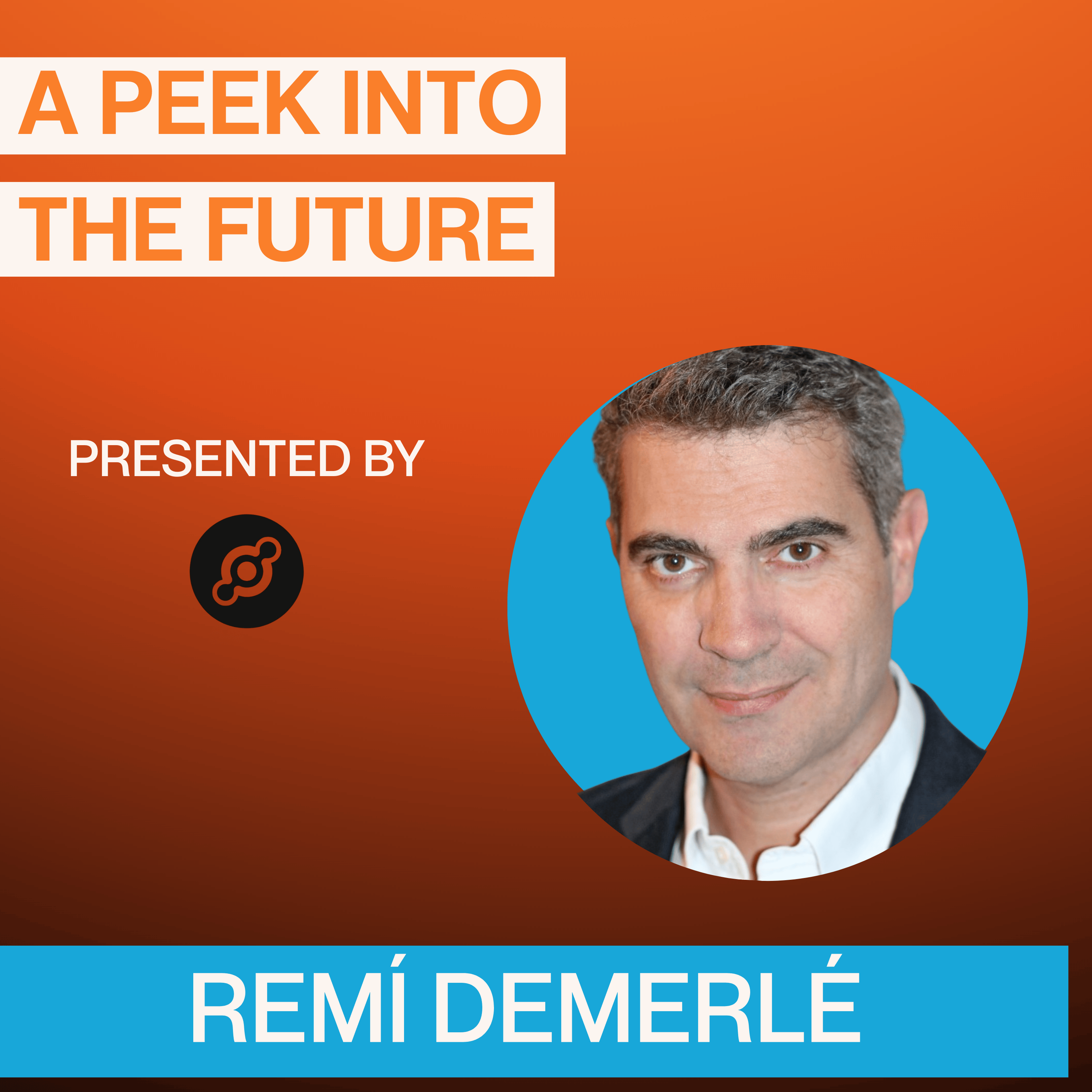 A Peek Into the Future of LoRaWAN - Remí Demerlé - Semtech 21.01.2026 25นาทีRémi Demerlé, senior leader at Semtech and a long-time contributor to the LoRaWAN ecosystem, talks about where LoRaWAN is heading next as the technology moves beyond its first decade of large-scale deployments.Rather than revisiting familiar smart metering ground, Rémi offers a forward-looking view into emerging network models and new classes of applications. He explains how real-world deployment challenges have led to the development of mobile and drive-by LoRaWAN gateways, including trucks equipped to collect data in areas where fixed infrastructure isn’t possible. That same thinking is now evolving toward fly-by collection, opening the door to drones and other mobile platforms as part of future LoRaWAN architectures.Rémi also discusses upcoming work within the LoRa Alliance around network discovery, a specification designed to support these mobile collection scenarios and extend coverage in hard-to-reach environments. He explores how alternative radio modes like FLRC expand bandwidth on existing LoRa hardware, enabling new use cases that sit outside traditional low-data sensor models.Looking ahead, the conversation touches on how LoRaWAN data feeds into AI-driven analytics, particularly for anomaly detection and operational optimization, and how this combination shifts value creation from connectivity alone to actionable insight. Rémi closes by highlighting LoRaWAN’s growing role in renewable energy, including monitoring and control of solar infrastructure at massive scale, where radio performance in dense metal environments and low operational cost become decisive advantages.Links:Remí on LinkedInSemtechHelium Global IoT Coverage - Want to know if Helium coverage exists where you need it? Check out this map!Helium Foundation - The Helium Foundation's IoT Working Group (IOTWG) has generously provided support for the first 6 months of shows, please go check them out and consider using the Helium LoRaWAN as a primary or backup on your next deployment. With over a quarter million gateways deployed worldwide, it's likely that you have and can use Helium coverage.Support The Show - If you'd like to support the MetSci Show financially, here's where you can donate on a one-time or an ongoing basis. Thank you!MetSci Show - If you'd like to use our IoT or AI Data Value calculators, or you'd like to contact me, the MetSci Show site is the best way to do it. MeteoScientific Console - Use LoRaWAN - The MeteoScientific Console allows you to use LoRaWAN today. As long as you have Helium coverage (and you probably do, about 90% of populated areas in the world have a gateway within 2 miles), you can onboard a sensor. You can always check coverage at https://explorer.helium.com and switch to the "IoT" tab in the top right.
 -
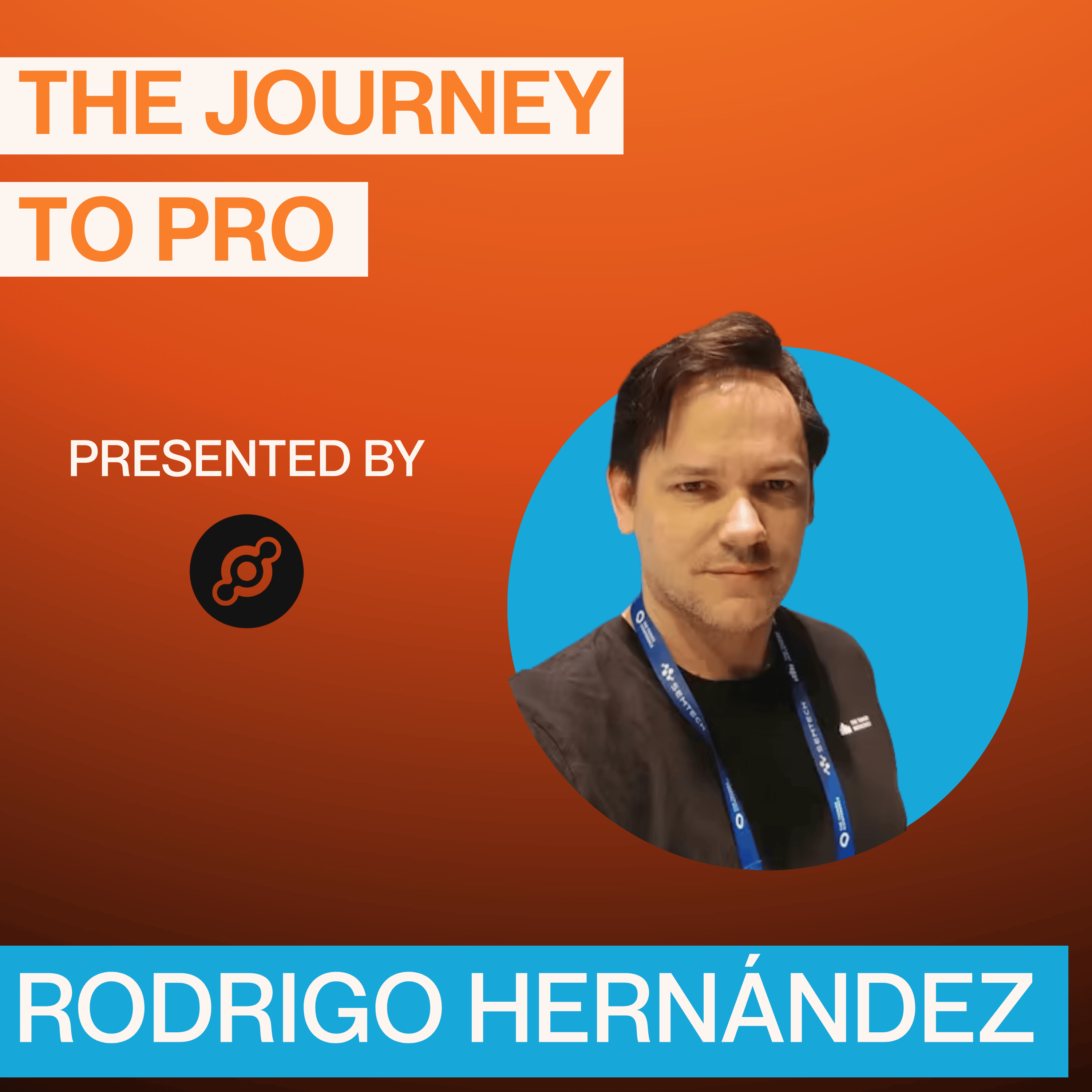 The Journey to Pro - LoRaWAN in Argentina & Globally - Rodrigo Hernandez - IoT Consulting 09.01.2026 22นาทีRodrigo Hernandez, IoT consultant, educator, and author of Practical IoT Handbook, talks about building LoRaWAN systems that survive outside the lab and deliver real business value. Drawing on his early work with The Things Network and years of hands-on deployments, Rodrigo shares how his journey started with experimental LoRa links and single-channel gateways and evolved into consulting on full-scale IoT systems across multiple industries and countries.The conversation explores why LoRaWAN is such a strong fit for large, sparsely connected regions like Argentina, and how that same logic applies globally to agriculture, oil and gas, utilities, and building management. Rodrigo explains why LoRaWAN should be treated as a strategic infrastructure layer rather than just a radio protocol, emphasizing long battery life, unattended operation, and the ability to cover remote or difficult environments with minimal operational overhead.He also digs into the realities of deployment, including why site knowledge still matters, how interference and placement can make or break a project, and what separates successful IoT rollouts from those that struggle. Using real consulting examples, Rodrigo highlights common failure points such as poor sensor choice, lack of on-site expertise, and underestimating the complexity of data handling once devices are live.The episode closes with a deep look at IoT data visualization and analytics, where Rodrigo explains why clean, well-structured data is essential for meaningful dashboards, how heterogeneous payloads create hidden costs, and why getting data normalization right early is critical for long-term scalability and business insight.Practical IoT Handbook - Amazon Affiliate LinkRodrigo Hernandez on LinkedInHelium Global IoT Coverage - Want to know if Helium coverage exists where you need it? Check out this map!Helium Foundation - The Helium Foundation's IoT Working Group (IOTWG) has generously provided support for the first 6 months of shows, please go check them out and consider using the Helium LoRaWAN as a primary or backup on your next deployment. With over a quarter million gateways deployed worldwide, it's likely that you have and can use Helium coverage.Support The Show - If you'd like to support the MetSci Show financially, here's where you can donate on a one-time or an ongoing basis. Thank you!MetSci Show - If you'd like to use our IoT or AI Data Value calculators, or you'd like to contact me, the MetSci Show site is the best way to do it. MeteoScientific Console - Use LoRaWAN - The MeteoScientific Console allows you to use LoRaWAN today. As long as you have Helium coverage (and you probably do, about 90% of populated areas in the world have a gateway within 2 miles), you can onboard a sensor. You can always check coverage at https://explorer.helium.com and switch to the "IoT" tab in the top right.
 -
 Killer Combos & Finding the Fit - Johan Stokking - TTI 01.01.2026 19นาทีJohan Stokking, co-founder of The Things Network and The Things Industries and CTO of The Things Stack, joins the show to talk about why LoRaWAN works best when it’s combined intelligently with other wireless technologies rather than treated as a standalone answer to every problem.The conversation starts with why The Things Conference deliberately expanded beyond LoRaWAN, and what Johan is seeing as LoRaWAN matures. He explains why developers now understand both what LoRaWAN is good at and where its limits are, and why the real momentum comes from combining LoRaWAN with cellular, Wi-Fi, Bluetooth, and other radios to solve practical deployment problems.Johan walks through his “niche of a niche of a niche” fridge monitoring example, using cold chain as a way to explain where LoRaWAN fits exceptionally well and why these highly specific use cases can still represent multi-billion-dollar markets.The discussion digs into real bottlenecks like battery life, basement connectivity, lack of Wi-Fi credentials, and compliance requirements that make LoRaWAN the right tool in the right context.The episode also explores what’s coming next at the silicon and modem level, including multi-radio devices and why cloud platforms will need to manage multiple connectivity options seamlessly.Johan shares how network metadata and design data can be used to optimize deployments, improve battery life, and drive real ROI, and where data itself may become more valuable over time.The conversation wraps with what Johan is most excited about next, including the next Things Conference and upcoming improvements in the LoRaWAN ecosystem focused on better interoperability and plug-and-play deployments.Johan's LinkedIn The Things IndustriesHelium Global IoT Coverage - Want to know if Helium coverage exists where you need it? Check out this map!Helium Foundation - The Helium Foundation's IoT Working Group (IOTWG) has generously provided support for the first 6 months of shows, please go check them out and consider using the Helium LoRaWAN as a primary or backup on your next deployment. With over a quarter million gateways deployed worldwide, it's likely that you have and can use Helium coverage.Support The Show - If you'd like to support the MetSci Show financially, here's where you can donate on a one-time or an ongoing basis. Thank you!MetSci Show - If you'd like to use our IoT or AI Data Value calculators, or you'd like to contact me, the MetSci Show site is the best way to do it. MeteoScientific Console - Use LoRaWAN - The MeteoScientific Console allows you to use LoRaWAN today. As long as you have Helium coverage (and you probably do, about 90% of populated areas in the world have a gateway within 2 miles), you can onboard a sensor. You can always check coverage at https://explorer.helium.com and switch to the "IoT" tab in the top right.
 -
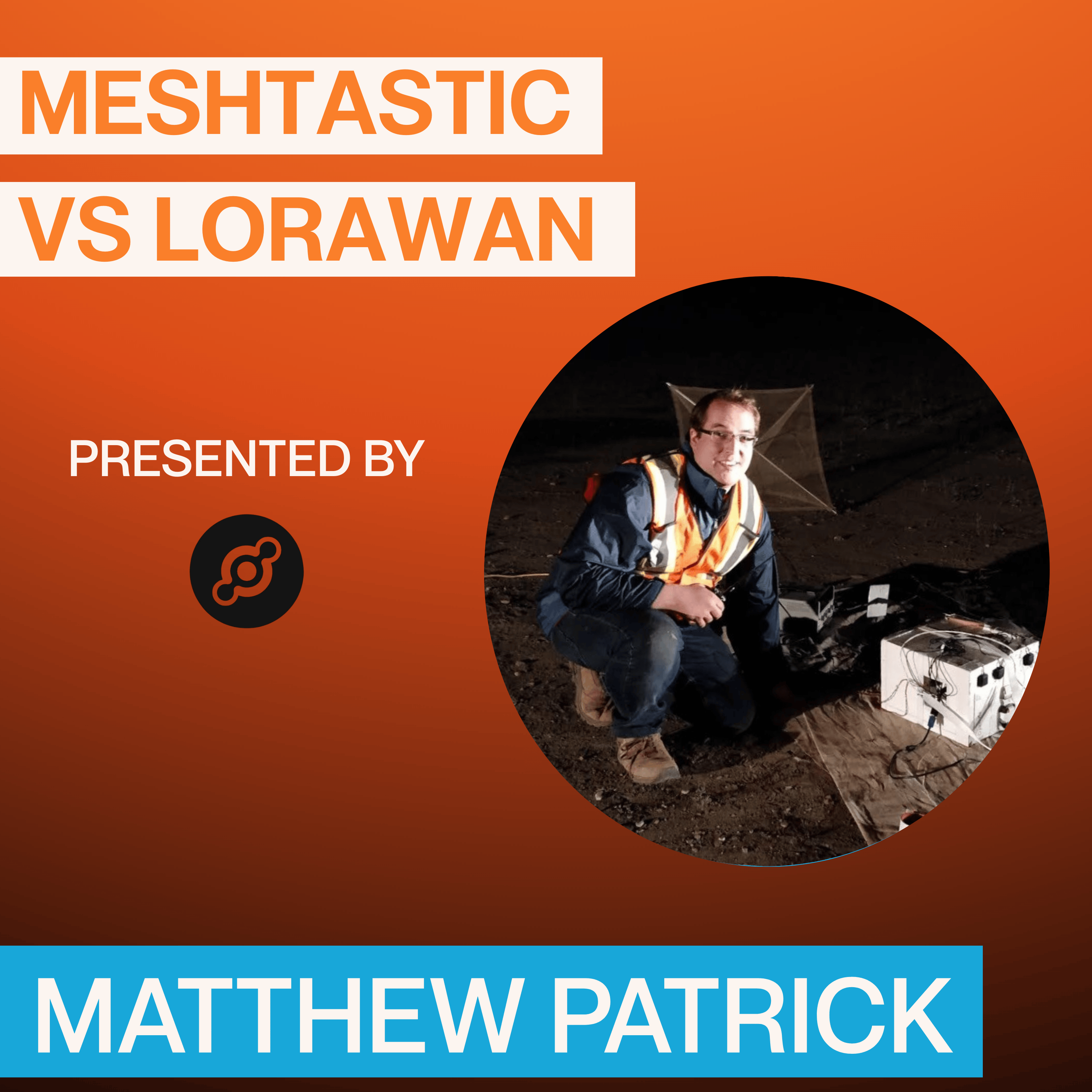 Meshtastic vs. LoRaWAN: Choosing the Right Tool at Scale - Matthew Patrick 19.12.2025 24นาทีDr. Matthew Patrick, physicist, data scientist, and Helium ecosystem contributor, talks about why Meshtastic and LoRaWAN are often misunderstood as competing technologies—and why that framing misses the point. Drawing from his work in space physics, high-altitude ballooning, and large-scale LoRaWAN deployments, Matthew explains how similar radio hardware can support very different network architectures and business outcomes.The conversation starts with a clear, practical comparison between Meshtastic and LoRaWAN, focusing on what each system was designed to do. Meshtastic’s mesh-based approach excels at small, infrastructure-free group communication, while LoRaWAN’s gateway model is built for industrial-scale deployments involving hundreds or thousands of low-power devices. Matthew breaks down the tradeoffs around battery life, network capacity, reliability, and operational complexity, grounding the discussion in real deployment scenarios rather than theory.From there, the discussion moves into where these technologies can overlap in productive ways. Matthew outlines how Meshtastic can act as an intermediary layer in hard-to-reach environments, relaying sensor data to LoRaWAN gateways when traditional coverage isn’t available. He also explores longer-term opportunities, including LoRa-based satellite and stratospheric platforms, and how distributed ground networks could support future space-adjacent IoT use cases.Throughout the episode, Matthew brings a clear systems-level perspective, emphasizing that successful IoT deployments depend on matching the right technology to the problem being solved. The result is a grounded, experience-driven look at how LoRa-based technologies fit into real-world business, research, and infrastructure decisions.LinksDr Patrick on LinkedInDr. Patrick's GithubHelium Global IoT Coverage - Want to know if Helium coverage exists where you need it? Check out this map!Helium Foundation - The Helium Foundation's IoT Working Group (IOTWG) has generously provided support for the first 6 months of shows, please go check them out and consider using the Helium LoRaWAN as a primary or backup on your next deployment. With over a quarter million gateways deployed worldwide, it's likely that you have and can use Helium coverage.Support The Show - If you'd like to support the MetSci Show financially, here's where you can donate on a one-time or an ongoing basis. Thank you!MetSci Show - If you'd like to use our IoT or AI Data Value calculators, or you'd like to contact me, the MetSci Show site is the best way to do it. MeteoScientific Console - Use LoRaWAN - The MeteoScientific Console allows you to use LoRaWAN today. As long as you have Helium coverage (and you probably do, about 90% of populated areas in the world have a gateway within 2 miles), you can onboard a sensor. You can always check coverage at https://explorer.helium.com and switch to the "IoT" tab in the top right.
 -
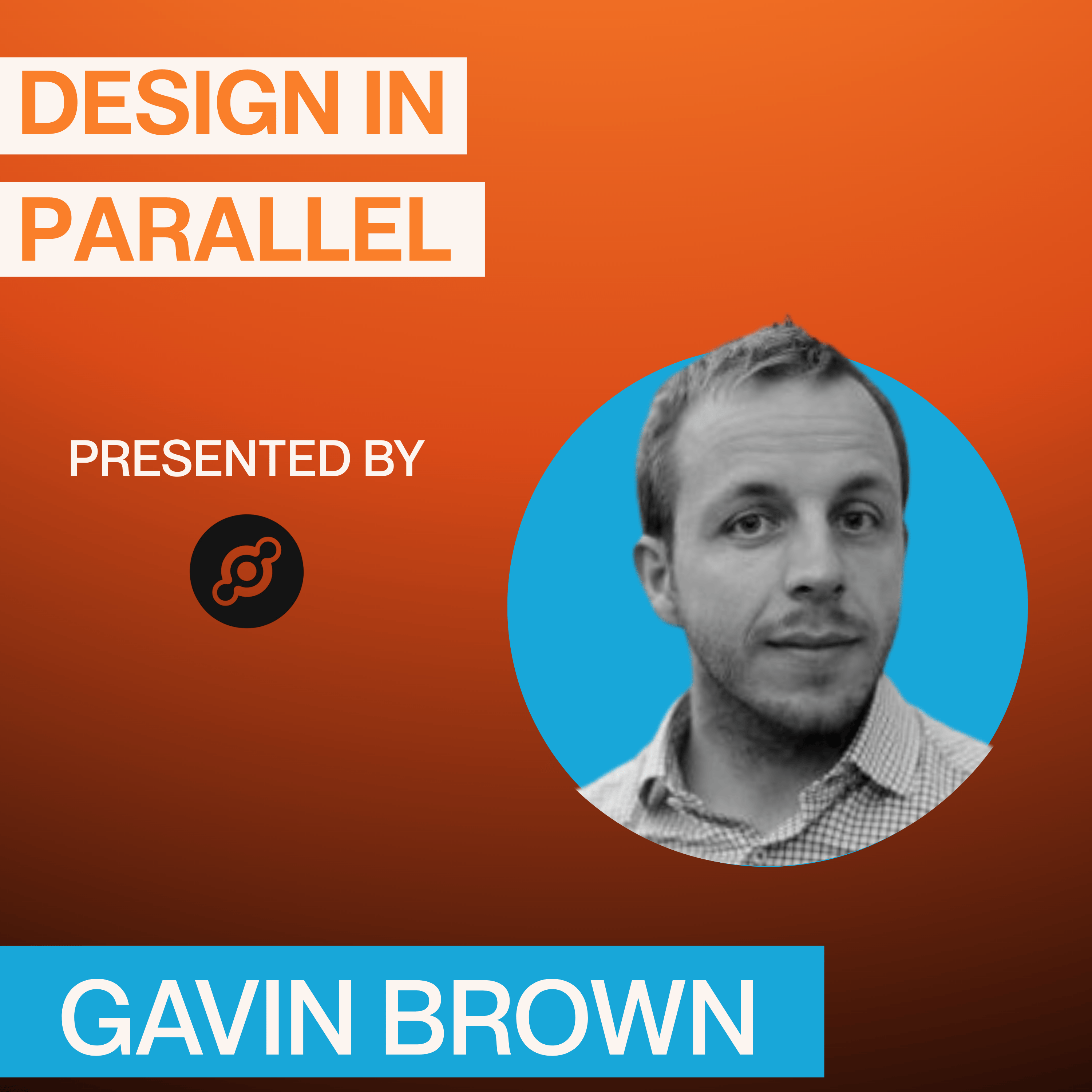 Designing in Parallel: Hardware, RF, and business - Gavin Brown 10.12.2025 18นาทีGavin Brown, VP of Strategic Growth and Design Partner at RAKwireless, talks about how solid industrial design and RF engineering turn LoRaWAN from a promising idea into reliable, large-scale deployments. With a background in industrial design and product development, he explains how RAK’s core pillars—gateways, modules, and supporting services—give customers a path of least resistance into LoRaWAN, whether they’re building networks, nodes, or full end-to-end solutions.Gavin digs into what typical RAK customers really look like: teams who know their own domain well but need help bridging the gap into wireless and LoRaWAN. He describes industrial design as a hybrid of art, design, and engineering, and shows why the best projects are “front heavy,” putting RF constraints, cost, supply chain, and mechanical realities into the strategy before anyone obsessively sketches enclosures or PCB shapes. That early thinking is especially critical for LoRaWAN, where antenna placement and housing can make the difference between pain and success.He shares real-world examples, from a 25–50,000-node deployment that struggled with range because RF was an afterthought, to a utility project that achieved a 63 km link by respecting physics and integrating the antenna properly into a metal manhole cover. Gavin also highlights some of his favorite RAK designs, including the compact WisGate Soho Pro gateway with fully integrated antennas, and explains how off-grid solar gateway solutions and gateway mesh backhaul are opening up LoRaWAN in remote regions like the valleys of Wales. Throughout the conversation, he returns to a core theme: LoRaWAN works brilliantly when hardware, RF, and business goals are designed together, not bolted on at the end.Gavin on LinkedInRAK WirelessHelium Global IoT Coverage - Want to know if Helium coverage exists where you need it? Check out this map!Helium Foundation - The Helium Foundation's IoT Working Group (IOTWG) has generously provided support for the first 6 months of shows, please go check them out and consider using the Helium LoRaWAN as a primary or backup on your next deployment. With over a quarter million gateways deployed worldwide, it's likely that you have and can use Helium coverage.Support The Show - If you'd like to support the MetSci Show financially, here's where you can donate on a one-time or an ongoing basis. Thank you!MetSci Show - If you'd like to use our IoT or AI Data Value calculators, or you'd like to contact me, the MetSci Show site is the best way to do it. MeteoScientific Console - Use LoRaWAN - The MeteoScientific Console allows you to use LoRaWAN today. As long as you have Helium coverage (and you probably do, about 90% of populated areas in the world have a gateway within 2 miles), you can onboard a sensor. You can always check coverage at https://explorer.helium.com and switch to the "IoT" tab in the top right.
 -
 From Prototype to Planet-Scale - Violet Su - Seeed Studio 03.12.2025 21นาทีViolet Su, Business Development Manager at Seeed Studio, talks about how Seeed turns emerging technologies into practical LoRaWAN-ready solutions for industries, communities, and creators. She explains how the company bridges sensors, connectivity, and edge AI into a full stack that lowers friction for real-world deployments.Violet describes Seeed’s role as a hardware provider across the full chain: environmental, vision, and audio sensors; LoRaWAN, Wi-Fi, Bluetooth, and cellular connectivity; and edge devices for control and AI-driven analytics. She emphasizes Seeed’s mission to make cutting-edge technology accessible for prototyping and production.She walks through Seeed’s unique customization pipeline, which supports everything from a single prototype unit to large-scale manufacturing. This includes PCB services, assembly, certification, white labeling, and access to Seeed’s sales channels, enabling startups and solution providers to scale without building a supply chain from scratch.Community-driven development is central to Seeed’s strategy. Violet shares examples such as the LoRaWAN Data Logger, which emerged after repeated requests from users needing Wi-Fi-to-LoRaWAN conversion. She highlights how Seeed listens to feedback at events like The Things Conference, Helium meetups, and Maker Faire to inform new product iterations.Violet explains Seeed’s commitment to open source, including releasing tracker hardware that allows developers to modify firmware and adapt devices for unique needs. She discusses the balance between being a commercial company and fostering a thriving ecosystem where people can extend, hack, and repurpose hardware.Through the Tech for Good program, Seeed supports environmental monitoring, disaster response, marine conservation, and education. Violet outlines how Seeed sponsors hardware, collaborates with universities, and co-develops niche solutions that may not be commercially viable but deliver meaningful societal value.She highlights inspiring community stories, including Seeed Rangers like Robert Boggs, whose grassroots LoRaWAN projects in a small village gained global attention and demonstrated how open hardware and documentation accelerate innovation.Looking ahead, Violet is excited about AI+LoRaWAN capabilities: edge cameras that send only inference results, Semtech’s new chip enabling LoRaWAN image transmission, and the emerging potential of satellite LoRaWAN. She underscores that the protocol’s evolution continues to unlock new applications across conservation, smart cities, and remote sensing.Guest Links:Violet on LinkedInSeeedHelium Global IoT Coverage - Want to know if Helium coverage exists where you need it? Check out this map!Helium Foundation - The Helium Foundation's IoT Working Group (IOTWG) has generously provided support for the first 6 months of shows, please go check them out and consider using the Helium LoRaWAN as a primary or backup on your next deployment. With over a quarter million gateways deployed worldwide, it's likely that you have and can use Helium coverage.Support The Show - If you'd like to support the MetSci Show financially, here's where you can donate on a one-time or an ongoing basis. Thank you!MetSci Show - If you'd like to use our IoT or AI Data Value calculators, or you'd like to contact me, the MetSci Show site is the best way to do it. MeteoScientific Console - Use LoRaWAN - The MeteoScientific Console allows you to use LoRaWAN today. As long as you have Helium coverage (and you probably do, about 90% of populated areas in the world have a gateway within 2 miles), you can onboard a sensor. You can always check coverage at https://explorer.helium.com and switch to the "IoT" tab in the top right.
 -
 AI-Native Toolchains with Thomas Froment - Eclipse Foundation 26.11.2025 20นาทีThomas Froment, Program Manager for Development Tools at the Eclipse Foundation, talks about how AI-native, vendor-neutral tooling is transforming the way IoT and LoRaWAN developers build, test, and ship products. In this episode, he explains what Eclipse Theia is, why it matters, and how open-source toolchains give companies more control, privacy, and long-term resilience than proprietary AI editors. Drawing from his experience leading Theia, Open VSX, and other Eclipse development-tool initiatives, Thomas breaks down the rapidly evolving AI workflow landscape and why embedded engineers should pay attention.What Eclipse Theia actually is: a framework for building fully customizable, AI-native development environments designed for embedded and IoT toolchainsHow Theia differs from VS Code and Cursor, including privacy, extensibility, transparency, and the ability to integrate hardware, local workflows, and cloud systems in a single toolchainWhy open-source governance and vendor independence matter for companies developing IoT devices, especially in regulated or security-sensitive environmentsThe explosive growth of Open VSX and the shift toward extension ecosystems not controlled by a single vendorThe role of Model Context Protocol, AI agents, and domain-specific prompting as organizations integrate AI deeply into engineering and testing workflowsHow teams use Theia to build hybrid local-plus-cloud development environments that support hardware-in-the-loop testing, device constraints, and long-tail IoT edge casesEmerging use cases for lightweight and local AI models inside IoT products, and why customization of prompts and agent behavior becomes essentialCollaboration tooling within the Theia ecosystem, enabling real-time co-editing, code reviews, and multi-developer workflows for embedded teamsWhy IoT and LoRaWAN companies need to think in terms of entire toolchains rather than just IDEs, and how open-source components allow a tailored pipeline from development through testing and deploymentGuest Links:LinkedInEclipse Foundation
 -
 Build For Your School - Jan-Ole Giebel 19.11.2025 20นาทีJan-Ole Giebel, founder of J-O. Technik, talks about his rapid journey from early IoT tinkering to building practical LoRaWAN systems for schools and organizations. Beginning with ESP32 sensor experiments in middle school, he quickly ran into the limitations of school Wi-Fi and discovered LoRa—first as simple peer-to-peer radio, then as a full LoRaWAN stack. He shares how supportive teachers and family helped him pursue hardware and programming deeply at a young age, eventually leading him to build CO2-monitoring devices during the pandemic and lead older students in real deployments.-How early experiments with ESP32s, simple sensors, and Dragino kits introduced him to LoRa and later LoRaWAN’s structured architecture-The technical challenges he faced with overlapping packets, one-channel gateways, and why LoRaWAN became essential for scaling beyond a few nodes-The skills he had to develop to make IoT work in the real world, including Linux administration, Python development, virtualization, databases, and managing network servers like ChirpStack-Why conferences, YouTube, and self-guided learning played a critical role in understanding radio systems, backend servers, and security-What he sees beginners struggle with most in LoRaWAN and where complexity still creates friction-His current focus on making IoT practical for everyday users through an application server that hides complexity like payload decoders, device onboarding, EUIs, and downlinks-How he is integrating LoRaWAN with real-world workflows such as school timetables, automated heating, smart thermostats, and energy reporting-The type of clients who benefit most from his work, especially schools and organizations aiming to reduce energy costs and carbon footprint without compromising comfort or operational quality-His perspective on AI tools in development, why he treats them carefully, and where they help versus hinder reliability and securityJan-Ole on LinkedInJ-O Technik
 -
 Go Figure It Out - Dr. Simon Bunjamin 12.11.2025 26นาทีDr. Simon Bunjamin, Project Manager for LoRaWAN and Smart City initiatives at NEW (Niederrhein Energie und Wasser GmbH) AG, talks about how a traditional public utility in western Germany transformed itself into a digital innovator by embracing LoRaWAN. He explains how the journey began with a single project and evolved into one of the most advanced regional LoRaWAN networks serving hundreds of thousands of customers.Shares how he moved from a background in political science into the world of IoT and smart utilitiesDescribes starting at NEW as a one-person team tasked with exploring LoRaWAN use cases across electricity, gas, and water divisionsExplains how early skepticism turned into enthusiasm once colleagues experienced LoRaWAN’s simplicity and reliability firsthandDetails the creation of an internal “experience center” to demonstrate live sensors and educate staff across departmentsTells the story of solving a seemingly minor problem—rain leaking through office windows—that sparked a wave of new IoT projectsBreaks down how LoRaWAN reshaped utility operations by replacing costly, limited systems with flexible, data-rich solutionsDiscusses the unexpected benefits of real-time metering data, from billing accuracy to optimizing heat and energy performanceShares the now-famous “beaver project,” where LoRaWAN sensors replaced manual water level checks and paid for themselves in daysHighlights lessons on building internal buy-in, navigating data governance, and balancing regulation with innovationReflects on how curiosity, communication, and small wins can drive large-scale transformation within public infrastructure organizationsLinkedIn: https://www.linkedin.com/in/dr-simon-bunjamin-b84a7419/Company Website: https://www.new-energie.de/gk/service-fuer-stadtwerke/lorawan
พอดแคสต์ที่คล้ายกัน


ยอดนิยมใน
พอดแคสต์นี้ปรากฏในชาร์ตพอดแคสต์ของประเทศเหล่านี้ด้วย
