
The Future of Work Podcast
International Labour Organization
0
The Future of Work Podcast, produced by the International Labour Organization (ILO), explores how the rapidly changing world of work affects individuals and societies. Each episode features expert discussions on pressing labor issues and takes listeners to workplaces they never knew existed. The show aims to help people understand and navigate the evolving landscape of employment, offering insights into the future of jobs and working conditions.
ตอน
-
 What can space teach us about the circular economy? 17.09.2026In this episode of the ILO’s Future of Work podcast, Canadian astronaut David Saint-Jacques and Casper Edmonds, an ILO expert on the circular economy and the world of work, explore what living and working in space can teach us about using finite resources on Earth. They discuss the opportunities and challenges of the circular economy, the millions of people already working in it, and how the transition can create decent work for all.
 -
 Decent work in the platform economy: how a new global labour standard can help make it a reality 07.08.2026Patrick Belser, Chief of the ILO's Inclusive Labour Markets, Wages and Working Conditions Branch, explains how Convention No. 193 aims to promote decent work in the platform economy and what it means for digital platform workers, digital labour platforms and governments.
 -
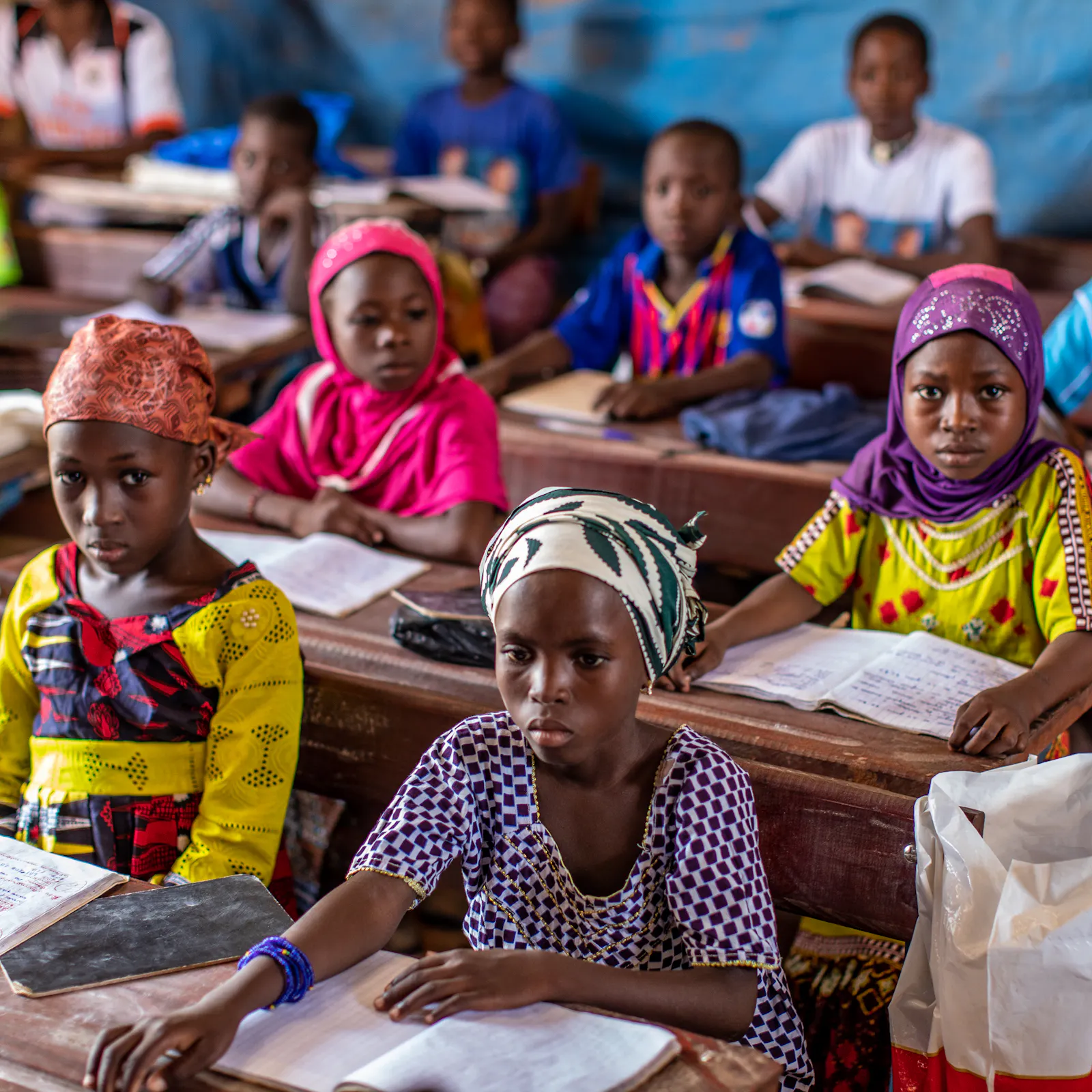 From Marrakech to the post-2030 agenda: A new global target on child labour 11.06.2026As the world falls short of its 2025 target to end child labour, this podcast explores what comes next. Representatives of workers, employers and the ILO discuss how to keep child labour high on the global agenda beyond 2030 and what a new global target should look like. Podcast guests: Federico Blanco, ILO Head of the Research and Evaluation Unit in the FUNDAMENTALS department Cyrene Martinsson Waern, Workers' delegate, Sweden Jacqueline Mugo, President, International Organisation of Employers (IOE)
 -
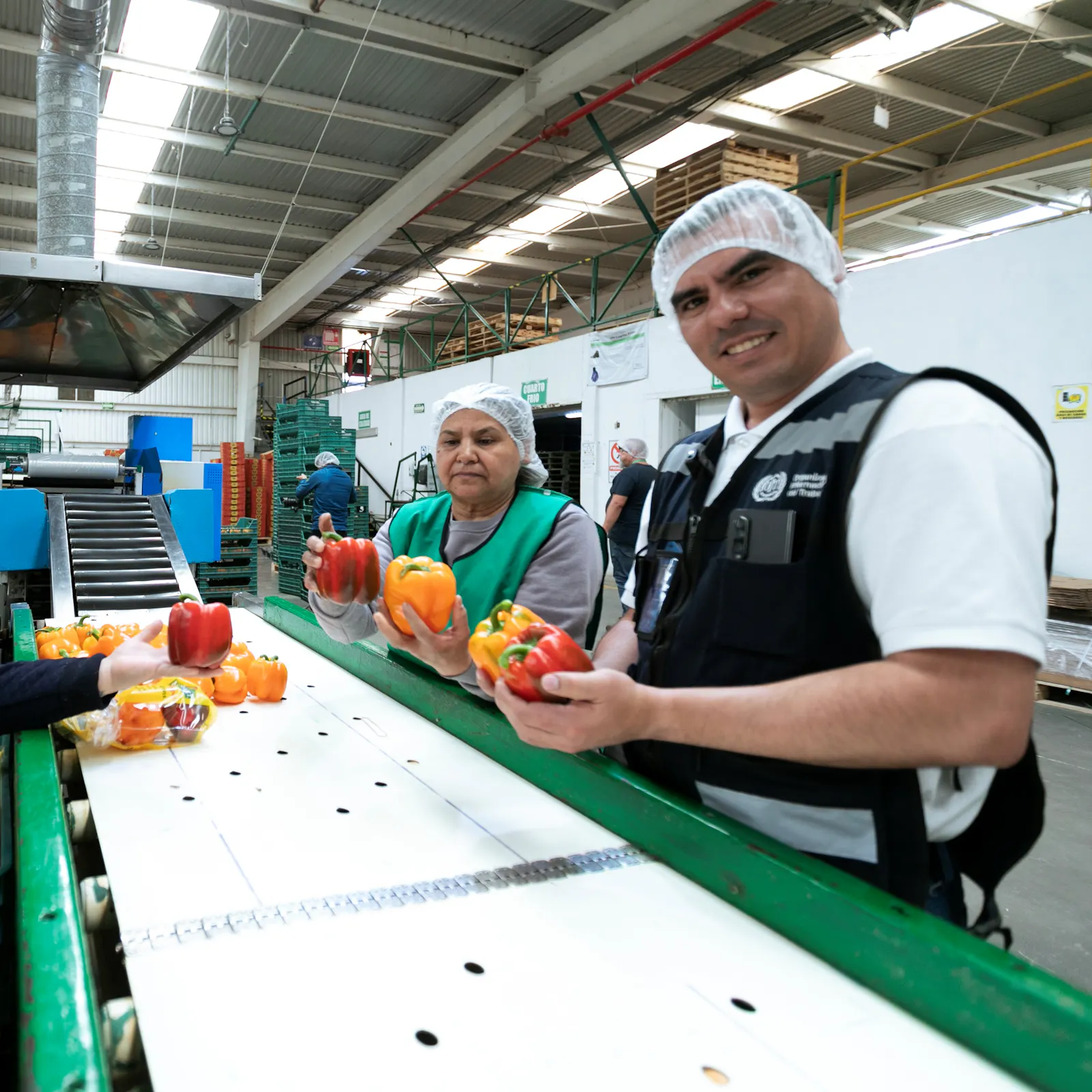 Good jobs, strong businesses: productivity and responsible business conduct 10.06.2026With uneven growth and slowing productivity in many regions, can growth still be inclusive, sustainable and create decent jobs? This discussion looks at how responsible business practices shape firms, treatment of workers and the wider economy. Podcast guests: Mark Birrell, President, Australian Chamber of Commerce and Industry (ACCI) Abdul-Moomin Gbana, General Secretary, Ghana Mine Workers Union Githa Roelans, Head of the Multinational Enterprises and Responsible Business Conduct Unit, ILO
 -
 The implementation of the Maritime Labour Convention in times of crisis 08.06.2026The Maritime Labour Convention (MLC), which is celebrating its 20th anniversary this year, is considered a model of strong and effective cooperation between seafarers and the global shipping industry, and its implementation is all the more crucial as the high seas continue to face unprecedented pressures and crises. Podcast guests: Max Johns, Former Shipowner, Vice-Chair of the Special Tripartite Committee of the MLC, Professor Maritime at HSBA, Hamburg Carlos Muller, Secretary General of CONTTMAF National Confederation of Workers, Brazil and Chair of the ITF Sustainable Transport Committee Jainal T. Rasul, Undersecretary, Department of Migrant Workers, Philippines Beatriz Vacotto, Head of the Maritime Unit, International Labour Organization
 -
 Social dialogue at 50: Lessons for the future 05.06.2026In 1976, Convention No. 144 established a simple but powerful principle: governments, employers and workers should shape labour policy together. To mark the Convention's 50th anniversary, representatives of governments, employers and workers, alongside the European Union, reflect on what social dialogue has achieved and whether it can continue to help shape the future of work. Podcast guests: Michele Cervone D'Urso, EU Ambassador & Deputy Head of Delegation to the UN in Geneva Omar Faruk Osman, General Secretary of the Federation of Somali Trade Unions (FESTU) Emma Hippolyte, Minister of Equity, Labour, Gender and Elderly Affairs of Saint Lucia Ulan Tazhibayev, Advisor to The Chairman of the Presidium of the National Confederation of Employers of Kazakhstan “PARYZ"
 -
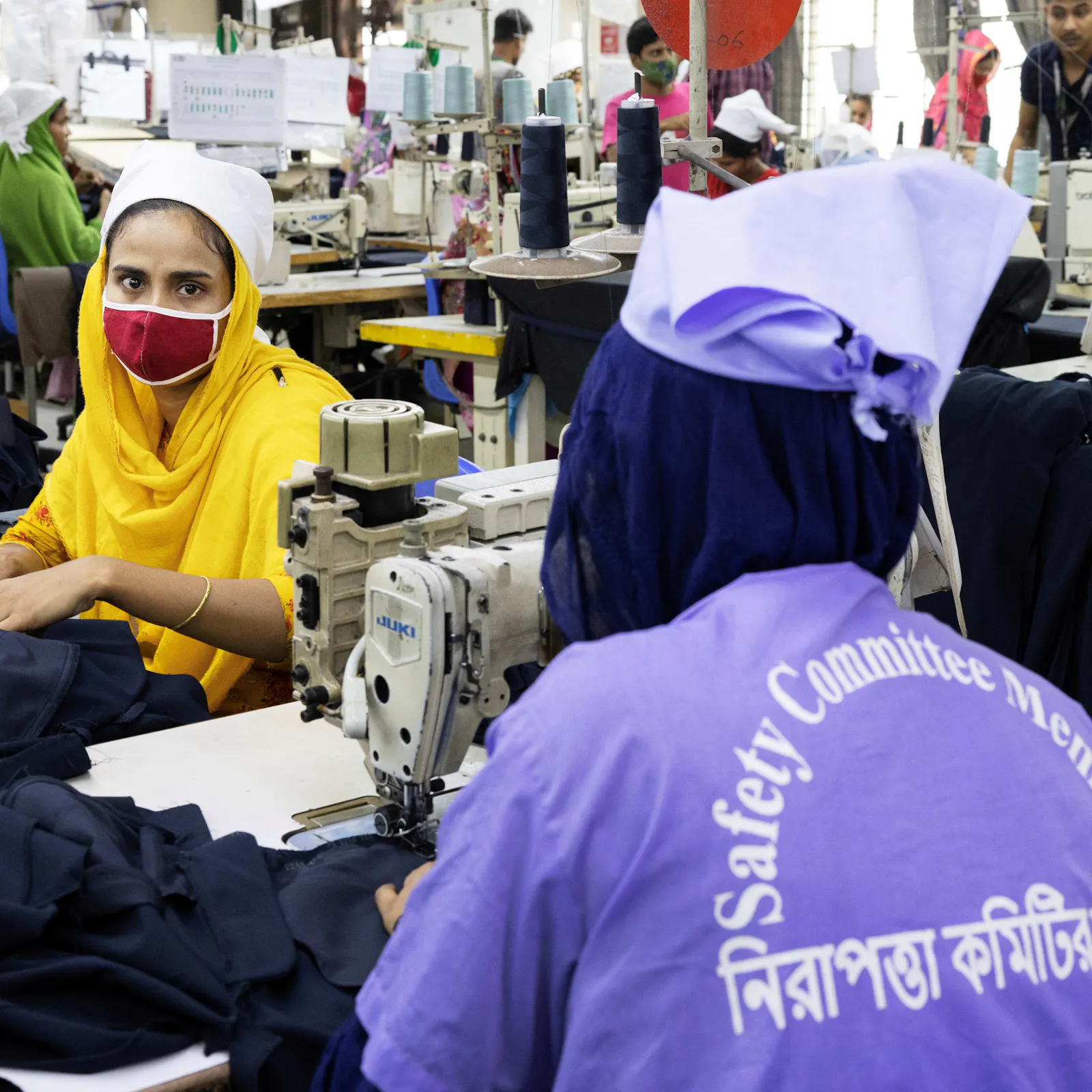 Why a culture of prevention is essential for occupational safety and health 05.06.2026The Occupational Safety and Health Convention, or Convention 187, was adopted two decades ago. It is still highly relevant today, as the world of work faces new and re-emerging psychosocial and health risks linked to climate change, technological changes, pandemics and other challenges. Podcast guests: Anousheh Karvar, French Government Representative to the ILO and to the G7-G20 Labour & Employment and Chair of the ILO Governing Body Kristiaan de Meester, Belgian employers' group representative Joaquim Nunes Pintado, ILO Branch Chief Occupational Safety and Health Catelene Passchier, Chairperson of the Workers' group, ILO
 -
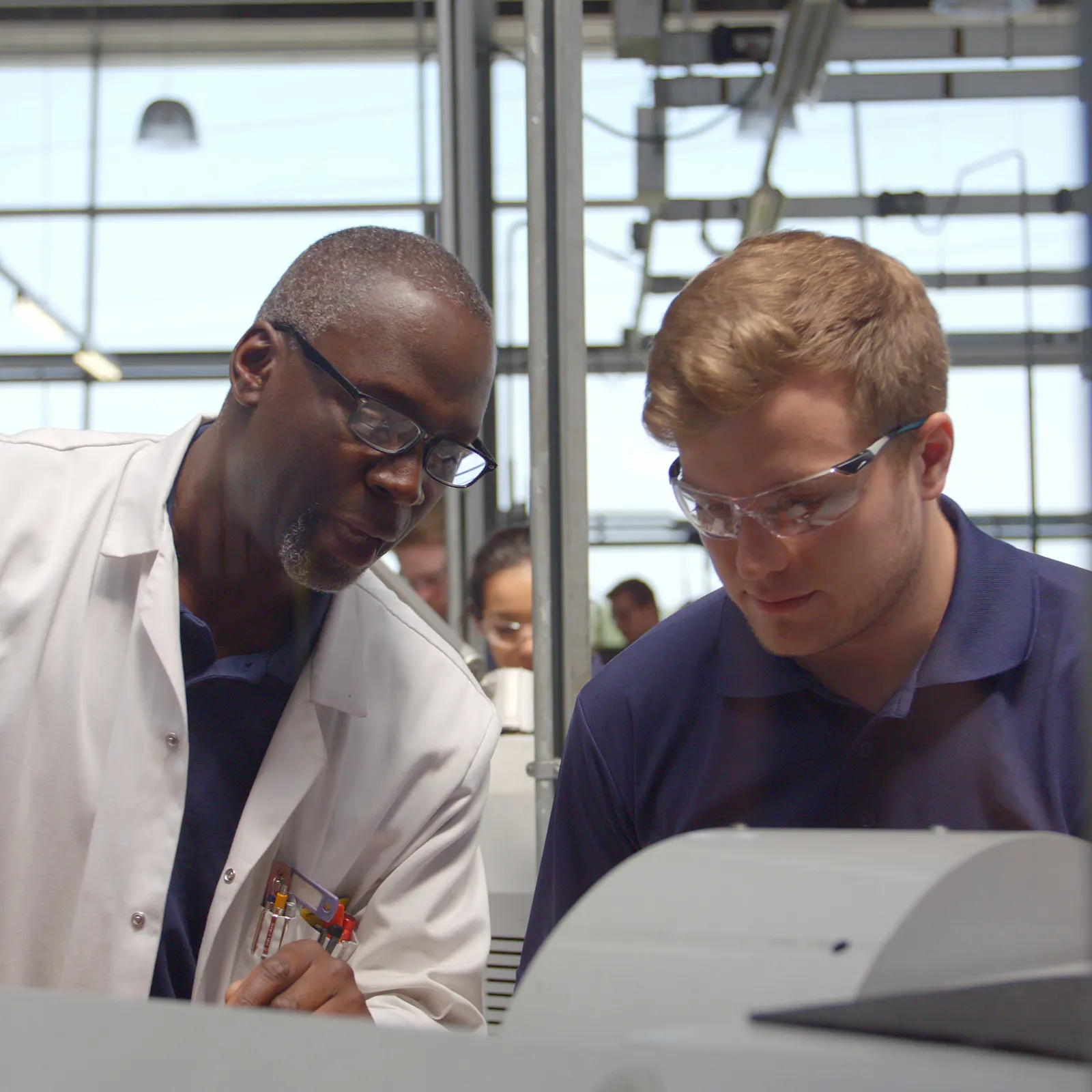 Lifelong learning and the future of work 03.06.2026In a world shaped by AI, the green transition, and demographic change, lifelong learning is key to supporting good jobs and more inclusive societies. But new ILO research shows access to quality learning is still deeply unequal. Podcast guests: Pedro Moreno da Fonseca, Lifelong learning specialist at the ILO. Hannah Liepmann, Economist at the ILO. Chaudhry Saad Muhammad, General Secretary of the Pakistan United Workers Federation. Josephine Andriamamonjiarison, Honorary President of the Employers’ Association of Madagascar and member of the ILO Governing Body
 -
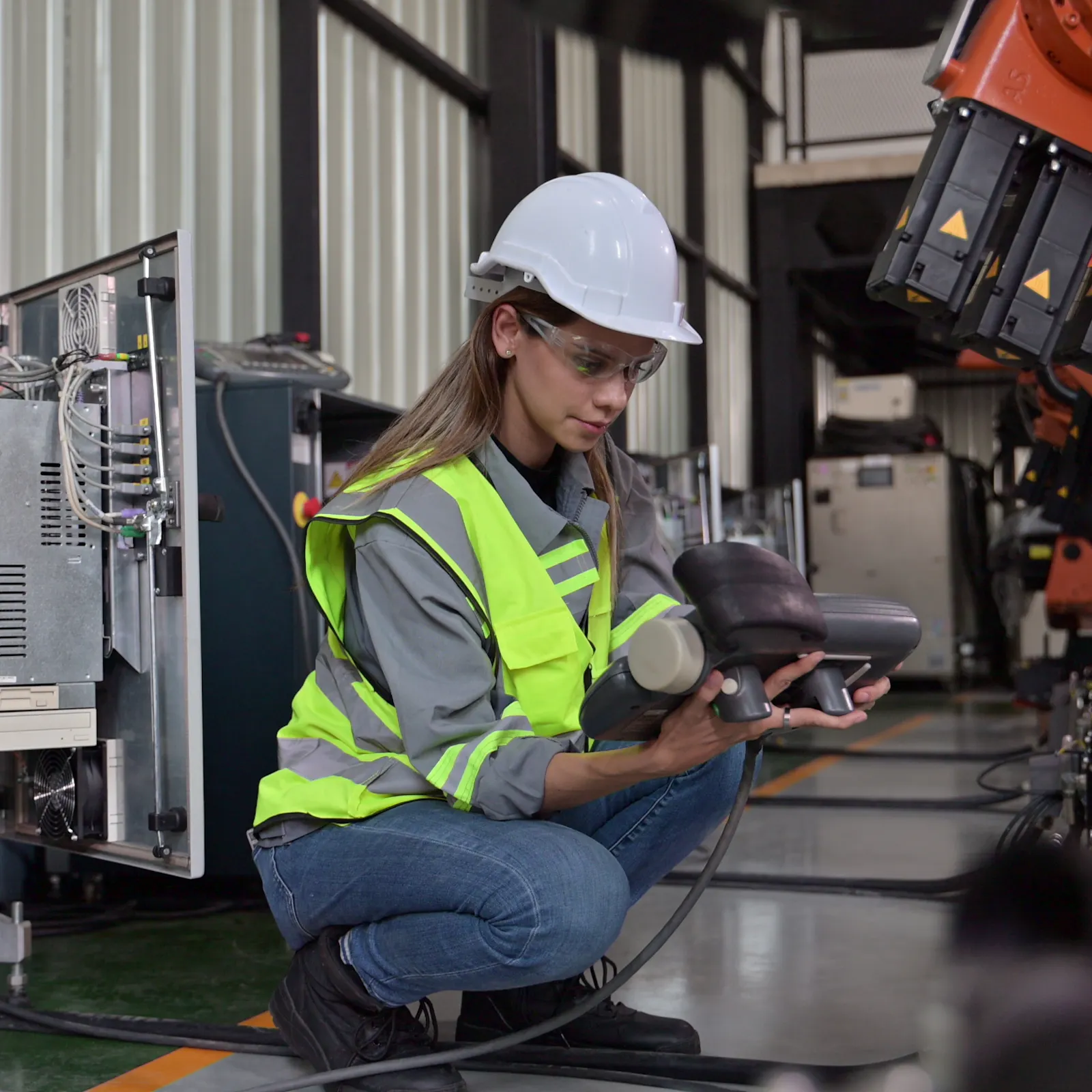 AI and decent work: A moment of choice 01.06.2026Artificial intelligence is already reshaping work – from jobs to skills to everyday working life. But will it strengthen decent work, dignity and shared prosperity – or deepen inequality and exclusion? Guests: Kostas Papadakis, Senior adviser, Labour Governance and Sectoral Policies Department, ILO Janine Berg, Senior economist in the Research Department, ILO Hannah Liepmann, Economist in the Research Department, ILO. Valerio De Stefano, Professor of Law and Canada Research Chair in Innovation, Law and Society at Osgoode Hall Law School, York University, Toronto
 -
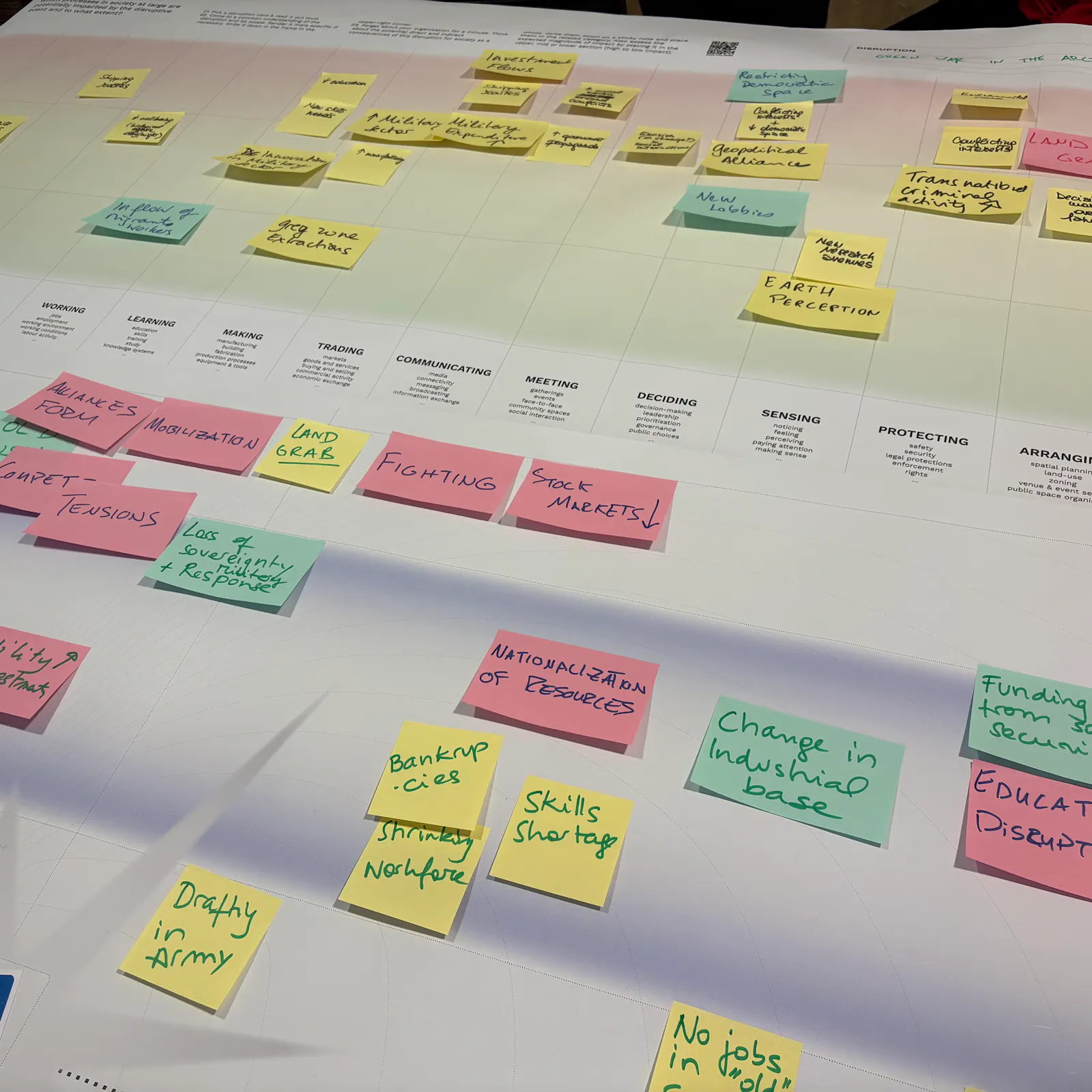 How to plan for disruption in an uncertain future of work 26.05.2026ILO workers' activities specialist Rafael Peels joins the Future of Work podcast to explore strategic foresight - a methodology for navigating disruption. Learn how workers' and employers' organizations can prepare for an uncertain future.
 -
 Psychosocial risks at work: The invisible threat to workers’ health 28.04.2026In this episode of the ILO Future of Work podcast, Manal Azzi explains how psychosocial risks such as long working hours, job insecurity and workplace bullying affect workers’ health, and what can be done to create healthier working environments worldwide.
 -
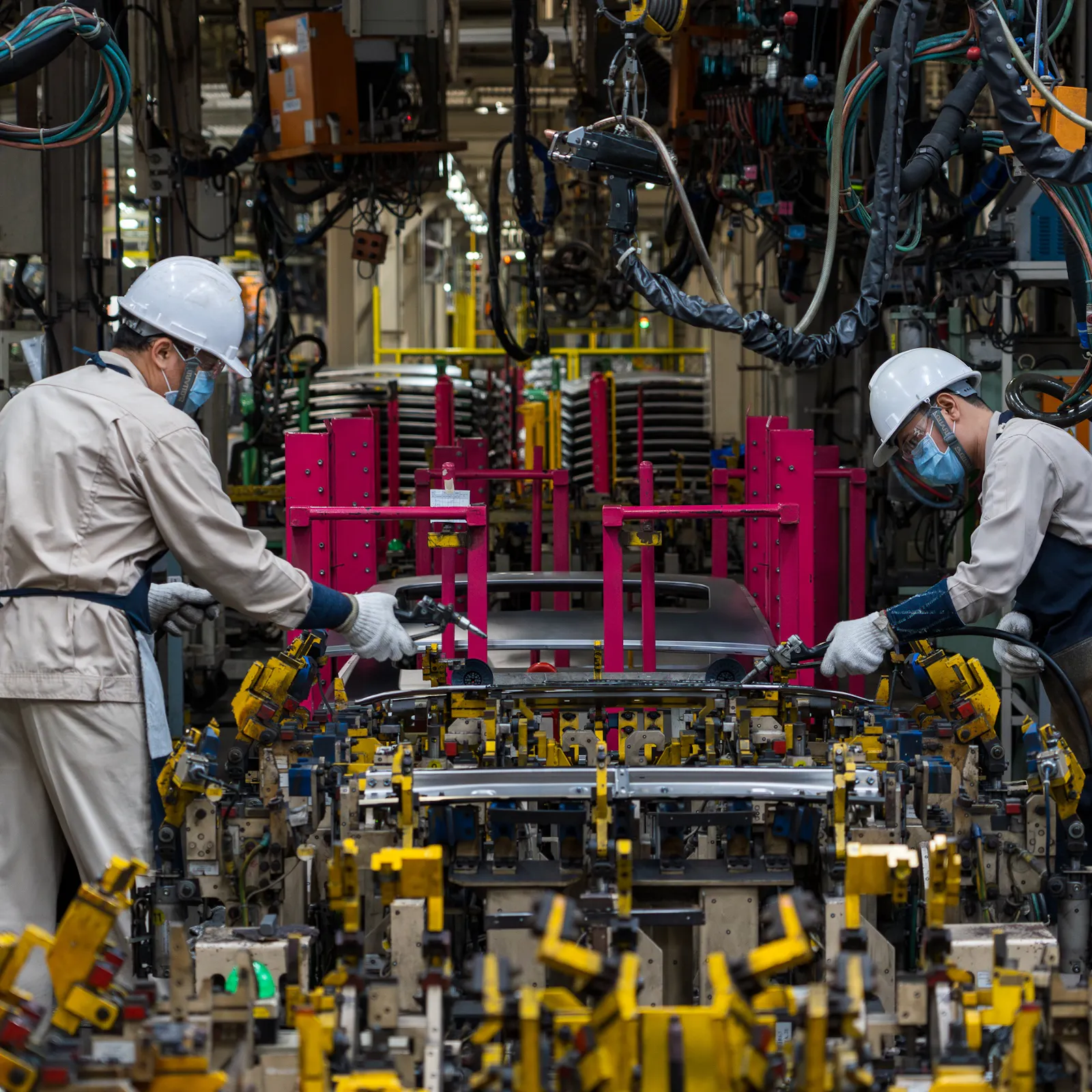 How dialogue is steering Thailand’s auto manufacturing future 16.04.2026As Thailand’s automotive industry shifts to electric vehicles and automation, how can companies stay competitive while protecting workers? Georg Leutert of IndustriALL Global Union and Sathirayuth (Max) Sangsuwan of AutoAlliance Thailand discuss how dialogue, trust and responsible business conduct are helping shape the sector’s future.
 -
 How is generative AI reshaping gender inequalities at work? 09.03.2026In this episode of the Future of Work podcast, Anam Butt, technical specialist on gender equality and non-discrimination at the International Labour Organization, discusses a new ILO report on the impact of generative artificial intelligence on the world of work. She explains why women are more exposed than men to the risks associated with this technology, and what this means for equality in the labour market.
 -
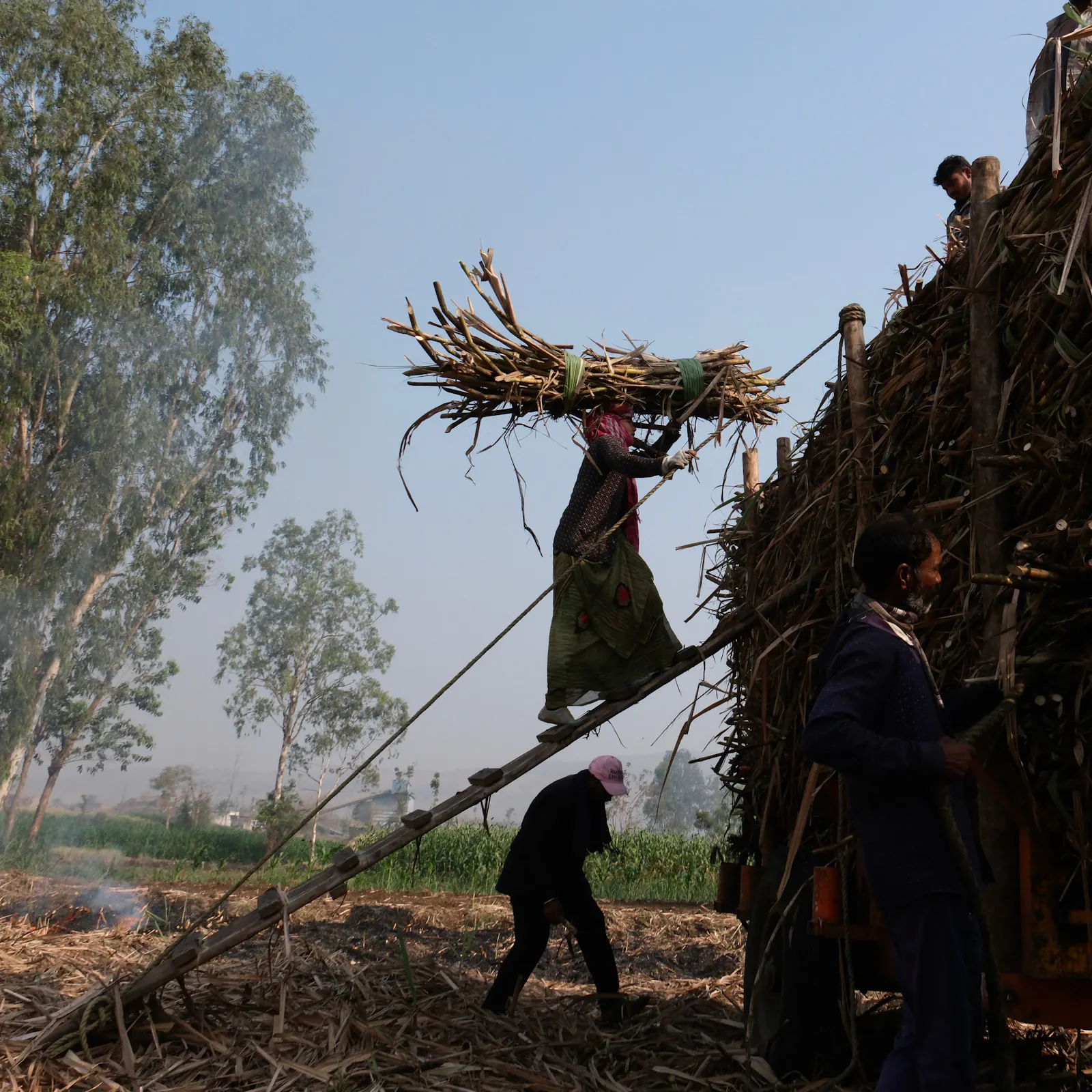 Global employment in 2026: A fragile stability 22.01.2026In this episode of the Future of Work podcast, we unpack the ILO’s new Employment and Social Trends 2026 report with its lead author, Stefan Kühn, and ILO trade expert Marva Corley. Together, they explore why labour markets look stable yet remain fragile – and what this means for job quality, inequality, and the future of work.
 -
 Social Summit for Development: What it means for the world of work 21.11.2025This episode of the ILO Future of Work’s special series on the Second World Summit for Social Development examines the implications of the Summit’s renewed commitment to eradicating poverty, promoting decent work, and social inclusion, on the world work, with guests Juan Somavia, Sabina Alkire and Manuela Tomei.
 -
Can the Doha Summit revive global social justice? 03.11.2025In this episode of the Future of Work podcast, the ILO's Claire Courteille-Mulder explains why the Second World Summit for Social Development in Doha matters, and what’s at stake for social development, multilateralism, and the ILO’s mission to advance social justice.
-
 Social development: progress made and promises to be fulfilled 28.10.2025Ahead of the World Summit for Social Development, the ILO is launching a special podcast series. In this first episode, Sabina Alkire of Oxford University and ILO’s Manuela Tomei discuss progress and gaps since the 1995 commitment to advance social development for all.
 -
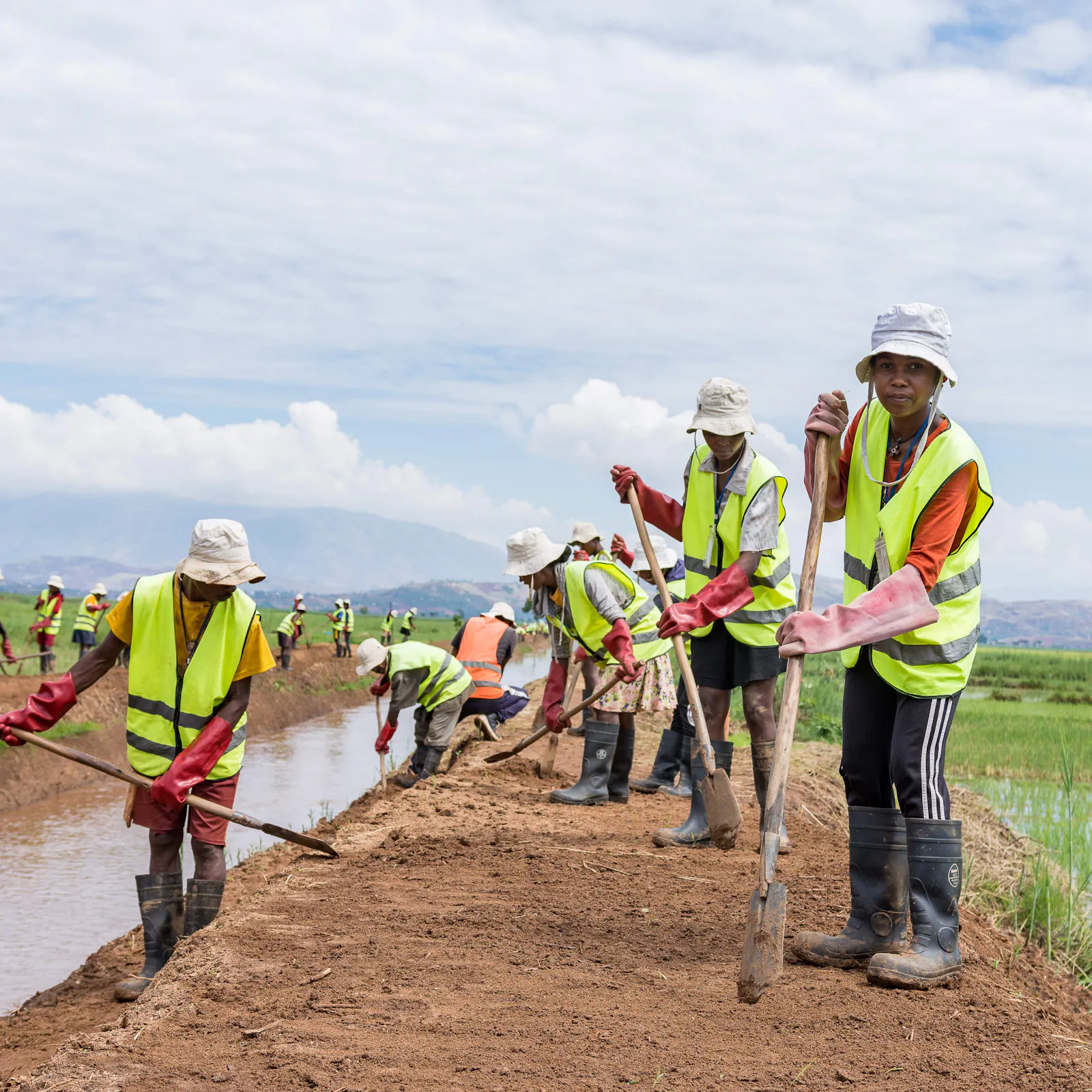 How advancing social justice can shape the future of work 13.10.2025In this episode of the Future of Work podcast, ILO Research and Publications Director Caroline Fredrickson explains what the ILO’s new report on social justice reveals about global progress, the challenges that remain, and how leaders can build fairer and more resilient societies.
 -
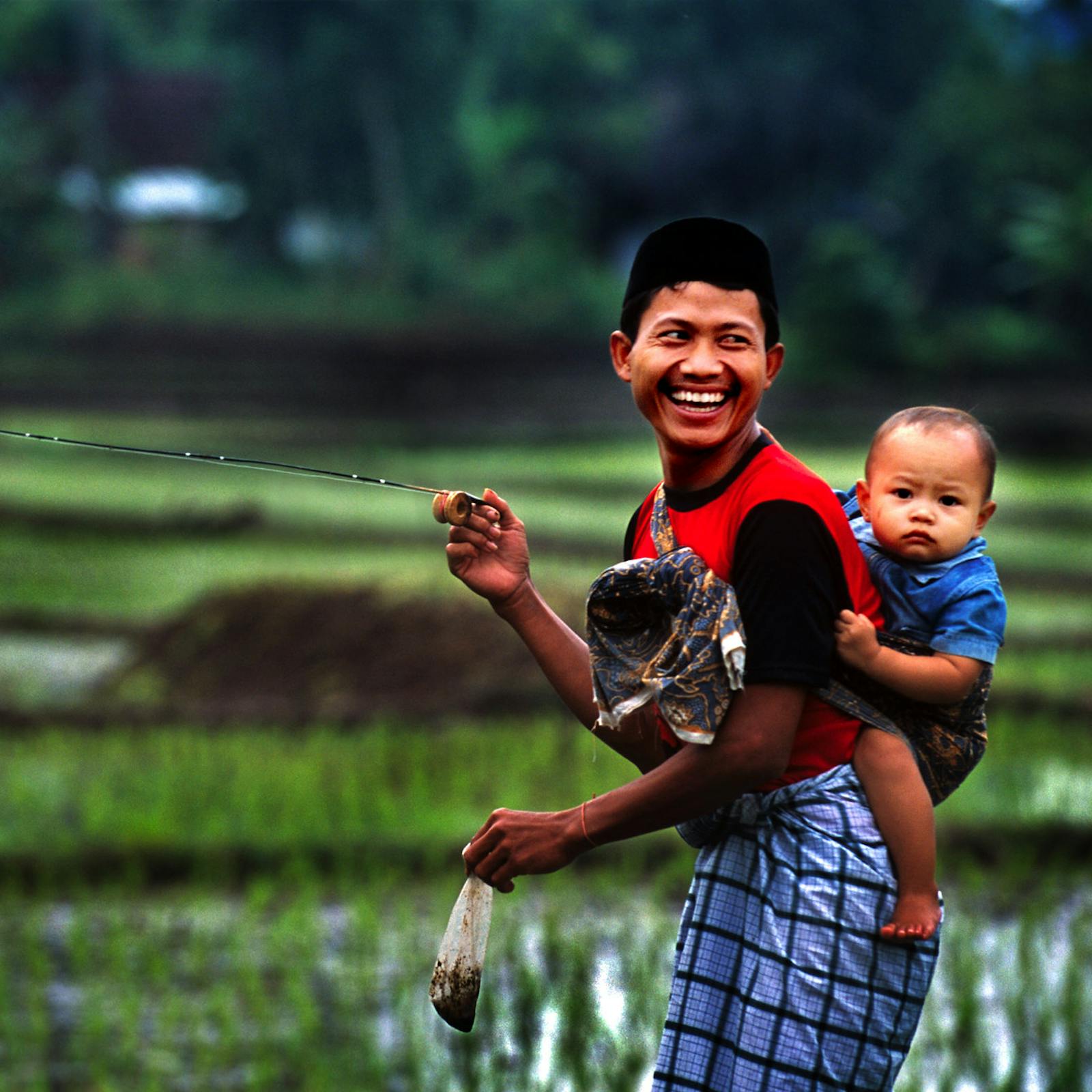 Why paternity leave matters: lessons from Oman and beyond 09.10.2025In this episode of the Future of Work podcast, the ILO’s Laura Addati and Omani representative Khadija Al Mawali explain the impact of the parental leave gap between mothers and fathers, and show how Oman is bridging that gap.
 -
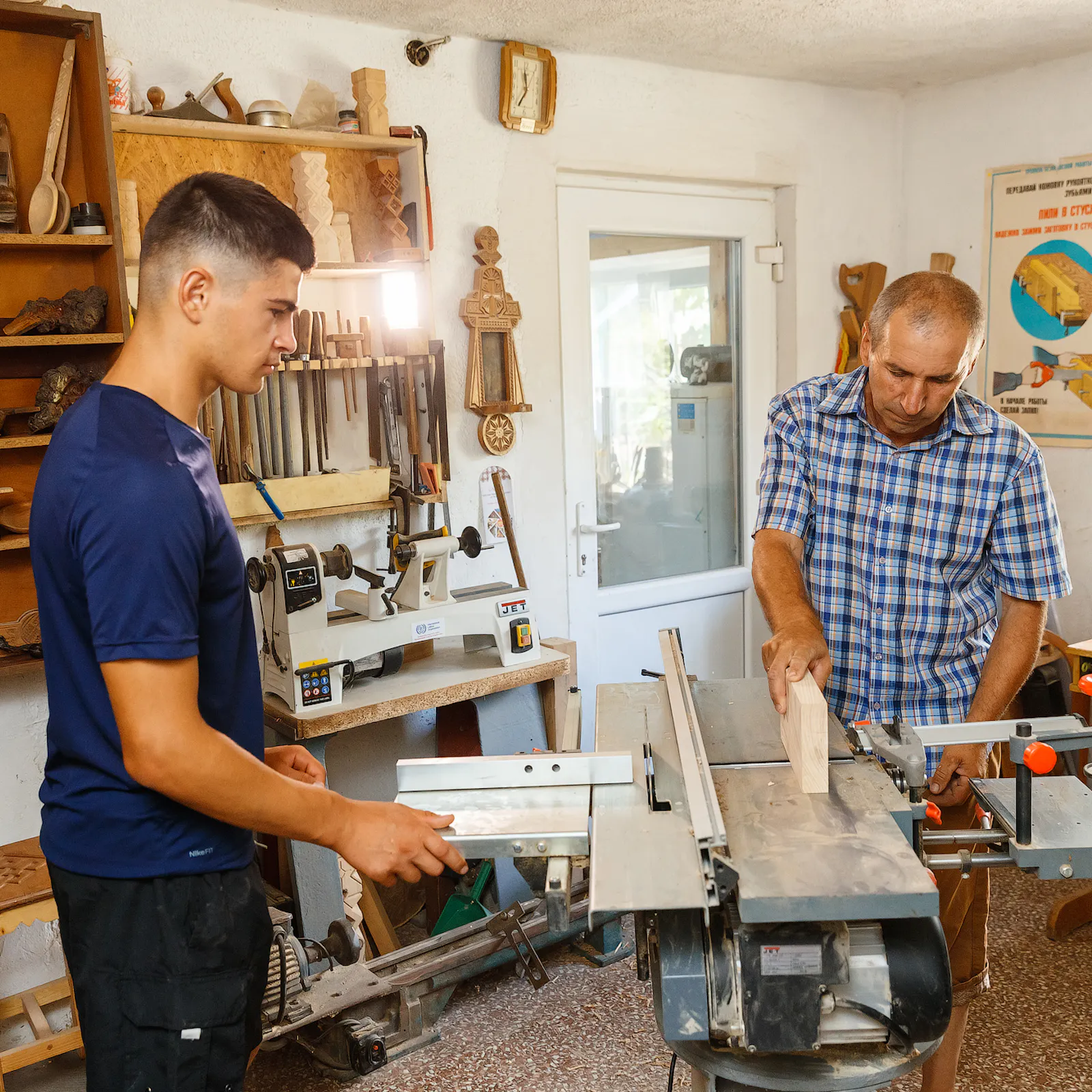 How Europe can adapt to an ageing population 01.10.2025In this episode of the Future of Work podcast, ILO economists Sabrina de Gobbi and Stefan Kühn explore what a shrinking European labour force means for the future of work, and the policies that can help labour markets adapt.
พอดแคสต์ที่คล้ายกัน


ยอดนิยมใน
พอดแคสต์นี้ปรากฏในชาร์ตพอดแคสต์ของประเทศเหล่านี้ด้วย
