
GoodLiving Podcast
Goodliving Network
0
GoodLiving Podcast is a show for young Nigerians navigating the messiness of adult life. It features honest conversations about identity, relationships, work, money, and growing up in Nigeria, without the usual motivational fluff. Each episode addresses the real conflicts young Nigerians face—the ones they think about at 2 a.m. and rarely hear discussed openly. Hosted by Koke, new episodes drop every Monday.
ตอน
-
 Thank you for coming to my TED Talk 😖 21.09.2026 14นาทีThis one didn't come with a plan. Koke steps outside his own compound — a full-circle moment from where he used to record during the NYSC series — to just talk through three days of feeling off: a stalled business he's poured money and pitches into with nothing to show for it, a meditation practice that was going well until it suddenly wasn't, and the quiet guilt of a day where he did literally nothing. No neat conclusion here, no lesson packaged up at the end — just him thinking out loud in real time, and feeling lighter for having said it.Show NotesRecording from outside his own compound — an echo of where he used to record during the NYSC seriesOn feeling off internally without a clear reason, even with good company around all weekWorrying he's lost some of the podcast's early rawness now that the audience has grownHis work history — the office job he quit after two months, commissioned drawing, remote gigs, video editingWhy he decided to consolidate everything into one businessThe setbacks — ad spend with zero clients, pitches to a celebrity and a former employer that went nowhereOn why he refuses to chase or be persistent when pitching himselfA full day of doing nothing — no content, no gym, not even brushing his teethThe relief of just saying all of it out loudOn his meditation streak breaking on day three, right when he expected it to clickClosing — ending the episode the way it usually ends, regardlessChapter MarkersCold open — recording from outside his own compound, an echo of the NYSC seriesOn feeling off without a clear reason, even with good company aroundWorrying he's lost some rawness now that the audience has grownHis work history — the office job he quit, drawing commissions, remote gigs, video editingDeciding to consolidate everything into one businessThe business setbacks — ad spend with no clients, pitches that went nowhereOn why he won't chase or be persistent when pitching himselfA full day of doing nothing — no content, no gym, no teeth brushedThe relief of just saying it out loudThe meditation streak that broke on day threeClosing — ending the episode the way it usually endsPull Quotes "I know in my mind that I'm a serious-minded motherfucker. I work hard. I chase what I want down.""When something is right, it is going to be effortless. When something is for you, it's going to be effortless.""Sometimes you just need to open your mouth and say what the fuck is wrong and throw all that negative energy out in the open so it doesn't just stay inside you.""I haven't even brushed my teeth today." ★ Support this podcast ★
 -
That ugly NAFDAC woman wants you dead 💀 14.09.2026 14นาทีDISCUSSION GROUPKoke sat down to cook a simple Sunday lunch and realized he couldn't fully trust a single ingredient in it — the chicken, the salad cream, the seasoning, none of it. In this episode, he walks through just how deep Nigeria's fake-goods problem actually runs: adulterated meat and fish, counterfeit alcohol quietly damaging livers in the east, fake toothpaste, eggs, even tap water sitting in carcinogenic plastic before it reaches you. But this isn't just a problem episode — he pivots into a real, practical plan: chewing sticks and charcoal instead of toothpaste, sourcing chicken and fish directly instead of frozen, growing your own tomatoes and peppers, and buying raw spices from local sellers instead of packaged seasoning cubes. It's an honest, occasionally funny, ultimately actionable case for going back to how things were done before industrialization made almost everything harder to trust.Chapter MarkersCold open — "eat as close to nature as possible" and the Sunday lunch that started thisHis own health journey — the plant-based diet attempt from three years agoThe scale of the problem: fake meat, fish, and counterfeit alcohol (Apulka)A day in the life of fake goods — toothpaste, eggs, water, regulatory failureEven fruit isn't safe from chemical adulterationThe pivot — moving from problem to solutionSolution: teeth — chewing sticks and charcoalSolution: bathing soap — still an open questionSolution: sourcing chicken and fish directlySolution: growing your own tomatoes, peppers, and inspecting produce for warning signsSolution: replacing packaged seasoning cubes and spices with raw ingredientsQuick recap of every substituteOutro — next episode previewShow NotesWhy he couldn't fully trust a single ingredient in his own Sunday lunchThe scale of Nigeria's fake-goods problem — counterfeit meat, fish, and alcohol (Apulka), and the health damage it's quietly causingA day-in-the-life walkthrough of how fake goods show up everywhere — toothpaste, eggs, drinking water, spicesWhy even "healthy" choices like fruit aren't fully safe from adulterationThe pivot to solutions: what he's actually changing in his own lifeDitching toothpaste for chewing sticks and charcoalWhy he hasn't found a soap alternative yet — and how you can helpSourcing chicken and fish directly instead of buying frozenGrowing your own tomatoes and peppers, and what black spots on onions actually meanReplacing packaged seasoning cubes and spices with raw, traceable ingredientsA full recap of every substitute mentioned in the episode ★ Support this podcast ★
-
Our best people for their worse jobs❓How⁉️🤷♂️ 07.09.2026 15นาทีBRAIN DROPPINGSDISCUSSION GROUPWhy does a bank manager have to drive a truck for 18 months after moving abroad — and why do we call that resilience instead of asking why it's happening at all? Koke traces a pattern from migration and labor to advertising and self-image: how systems are built to extract a country's best minds for its worst jobs, and how that same logic shows up in something as small as a soap commercial. He brings in a striking real-world story from journalist David Hundeyin about a UK beer brand deliberately marketed as aspirational rather than relatable in Nigeria — and what that says about who African advertising is actually trying to convince. It's a episode about the stuff you don't notice is being taken from you, precisely because you never knew it was yours.Chapter MarkersCold open — the TikTok post about skills for moving abroadWhy the best minds get the worst jobs overseasWho actually runs the world, and why the system depends on thisThe blame game — how migrants become a scapegoat for domestic frustrationFrom plantations to factories — the long throughline of extractionThe invisible ceiling — how far immigrants are allowed to riseOn advertising, lip-syncing, and manufactured European identityColorism in Nigerian media and advertisingDavid Hundeyin's Strongbow story — aspirational vs. relatable advertisingThe wallet metaphor — what it means to not know what you've lostWhy he keeps making episodes like thisA proposed experiment — buying out a month of blog ad space to shift the narrativeOutroPull Quotes "They will take your best doctors, your best engineers, your greatest minds, your most creative people and squish them so that they will impoverish your place.""Who do you think run the world? It is the people with the most money that run the world.""In African markets, advertisements, if they're going to be successful, have to be aspirational." (David Hundeyin)"If you do not know that there's something in your wallet and nobody's able to steal it in the first place, you're not doing any wrong now."SHOW NOTESThe TikTok post that sparked this episode — "skills to learn before moving abroad" — and why it bothered himWhy highly qualified people end up doing menial work overseas, and why we call that resilience instead of questioning itWho actually runs the world, and why the system depends on migration working this wayHow immigrants get scapegoated for domestic problems in the countries they move toThe throughline from plantation labor to modern factory extractionThe invisible ceiling — how far up the ladder immigrants are actually allowed to climbOn advertising, lip-syncing, and why Nigerian ads rarely sound or look NigerianColorism in media — and catching himself doing itDavid Hundeyin's story about a UK beer brand marketed as aspirational, not relatable, in NigeriaThe wallet metaphor — what it means to lose something you never knew you hadWhy he keeps making episodes like this instead of staying comfortableA hypothetical: what would happen if someone bought out a month of blog ad space to shift the conversation ★ Support this podcast ★
-
You believe you have free will?🎭 31.08.2026 17นาทีShow NotesThe philosophical case that free will is mostly an illusion — shaped by choices your parents and environment made before you ever had a sayWhat propaganda actually is, and why the people most confident they can't be manipulated are often the easiest targetsHow propaganda operated in Nigeria historically — through news coverage and even entertainment like Super StoryThe claim that today's social media algorithms function as a modern, more precise version of the same thing — engineered by platforms operating under foreign governmentsWhy "Nigerians just like brain rot content" is a myth — and the 90/10 argument for how algorithms are tuned to keep it that wayConnecting this to Maslow's hierarchy of needs — why people focused on survival don't have the cognitive space to fight their algorithmA practical, if difficult, case for deliberately retraining your feedOn skit-makers, comedians, and content creators — why the reward system, not individual creators, is the actual problemClosing honestly: he doesn't have a clean answer for what to do about all of thisIs it really true that Nigerians just don't like valuable content — or is your feed designed to make sure you never see enough of it to prove otherwise? Koke starts with a philosophical case against free will, then pulls the thread into propaganda: how it worked in Nigeria's media history, and how it works now through algorithms controlled by platforms operating under foreign governments. His claim is direct — if you're stuck consuming "brain rot" content, it's not your taste, it's the design, and it's tied to where you sit on Maslow's hierarchy of needs. He makes the case for fighting it anyway, names the tension around content creators caught inside a broken reward system, and ends without pretending he has a clean answer.BRAINDROPPINGSWHATSAPP DISCUSSION GROUP ★ Support this podcast ★
-
Negotiating Sexual Contracts 24.08.2026 15นาทีIt's Koke's case for teaching people — starting from adolescence — how to actually understand and negotiate consent, rather than leaving it as something nobody ever explains clearly.He opens by breaking down consent as a spectrum rather than a single line: outright force is obviously rape, but he argues coercion — wearing someone down through persistent pressure until they give in just to escape the situation — is also a form of it, and that this gray area is almost never taught to young people. He checks his own adolescence against that standard, essentially auditing himself.From there it widens into a broader argument: kids should be taught complex, real information — consent, history, science — much earlier than they currently are, just in age-appropriate, "diluted" form, so the foundation is already built by the time they're teenagers. He acknowledges the obvious risk with that idea (people in positions of trust who'd abuse it) and argues that's a reason to be careful, not a reason to avoid teaching it.The episode then drifts, in his usual style, through a few connected tangents: a "no smoke without fire" take on conspiracy theories, his philosophy on confidence and getting what he wants out of life, a claim that bad parenting — not schools — is the real driver of dysfunction, some hope (with a long timeline) for Nigeria's future, and his own information diet (Big Think, Huberman Lab, aggregating patterns across videos). He closes on a note about recently trying to better understand the feminist perspective through conversation rather than secondhand interpretation.What if kids could handle real information — history, science, financial literacy, even consent — years before we currently think they're ready for it, just fed to them in diluted, age-appropriate form? Koke opens with that idea and lets it lead into the harder one underneath it: nobody ever actually teaches people how to negotiate consent, and the gap between "force" and "agreement" is wider and murkier than most people are taught to recognize. He checks his own adolescence against that standard, makes the case for teaching this earlier despite the real risk of abusers in positions of trust, and closes with his own framework for how he decides what he's confident enough to say out loud on this podcast.Show Notes — "Sexual Contract Negotiations"Why feeding kids diluted, real information — history, science, financial literacy — years earlier than we currently do could change how they think as adultsThe parallel case: nobody actually teaches people how to negotiate consentDefining the gray area — where pressure becomes coercion, and why it counts as a form of rapeAn honest audit of his own adolescence against that standardWhy teaching this early is genuinely risky — the danger of abusers in positions of trustOn parenting, self-work, and why he believes bad parenting causes more harm than bad schoolsHis personal framework for confidence — Big Think, Huberman Lab, and how he decides what he's sure enough of to say out loudClosing thoughts on recent conversations that shifted his understanding of the feminist perspectiveDISCUSSION GROUP: BRAINDROPPINGS VL. 1 ★ Support this podcast ★
-
God help me -- Because I Can't Fake Believing 17.08.2026 15นาทีKoke grew up Anglican — Sunday church, good clothes, a bottle of Mineral with lunch. Then at 10, three years after losing his mother, he was sent to a boarding school that worshipped on Saturdays instead of Sunday — and everything he thought was settled about faith started to unravel. In this episode, he traces that unraveling honestly: the questions that never got resolved, the argument it caused with his father, and where he's landed now — caught between an environment that keeps pulling him back toward Christianity and a set of logical objections he still can't answer. This isn't an argument for or against religion. It's what it actually sounds like to sit in that tension out loud, including the parts that don't resolve neatly.Show Notes Growing up Anglican — Sunday church, good clothes, and what church community actually looked like as a kidLosing his mother in 2006, and being sent to boarding school three years laterDiscovering Adventist Saturday worship for the first time — and what it did to everything he thought was settled about faithThe conversation with his father that shut the questioning downAn honest look at the logical gaps he still hasn't resolved about ChristianityWhy so many people around him seem so certain — and whether that's conviction or just not having asked the hard questions yetGoing back to church after years away, and what still didn't sit rightWhat religion offers — community, belonging — even without logical proofWhere he actually stands right now: "I'm not there yet"DISCUSSION GROUP: https://chat.whatsapp.com/K8JRdSTXMbE1KgzNt7hb2f?s=cl&p=i&ilr=0 ★ Support this podcast ★
-
Peter Obi cannot change Nigeria 10.08.2026 20นาทีNigeria got independence in 1960 — but did it actually get freedom? In this episode, Koke breaks down geopolitics in plain terms: how loans from the IMF and World Bank come with hidden strings attached, how the Nigerian Civil War was shaped by foreign interference, and why countries like Burkina Faso are only now starting to break free of decades-old colonial arrangements. He also shares a personal story from watching Gaddafi's death unfold on TV as a teenager in Kaduna — and what it taught him about how much of what we're told is actually propaganda. This episode isn't about despair, it's about awareness — three concrete things you can start doing today to make sure you're not being played by systems designed to keep you and your children in the dark.Show Notes — "Imagine We Learned This In School At Age 16"What geopolitics actually means, and why most Nigerians feel its effects without ever naming the causeHow the Nigerian Civil War was shaped by foreign intervention — not just an internal conflictThe hidden strings attached to IMF and World Bank loans, and how they end up shaping domestic policy like subsidy removalWhy Europe's advancement runs on resources extracted from Africa — and why that dependency hasn't endedWhat happened to leaders like Muammar Gaddafi and Thomas Sankara when they tried to build real African independenceA personal story: watching Gaddafi's assassination unfold on TV as a teenager in Kaduna, and realizing years later how much of that narrative was media-shapedHow Burkina Faso broke from decades of French financial arrangements — and what it cost and gained themWhy Russia's involvement in Africa isn't necessarily altruism eitherA challenge to take mainstream media coverage of leaders like Putin and Kim Jong-un with real skepticismThree concrete things to actually do with this information — including how to think about political decisions differently going forwardKOKE INSTAGRAM: https://www.instagram.com/koke_the_podcaster?igsh=MXU0Y3RiMHY0MXQwcw%3D%3D&utm_source=qr LINKDISCUSSION GROUP https://chat.whatsapp.com/K8JRdSTXMbE1KgzNt7hb2f?s=cl&p=i&ilr=0WEBSITE https://goodlivingpodcast.transistor.fm/ ★ Support this podcast ★
-
How to win friends and influence people 🧲 03.08.2026 23นาทีDISCUSSION GROUP: https://chat.whatsapp.com/K8JRdSTXMbE1KgzNt7hb2f?s=cl&p=i&ilr=0WEBSITE: https://goodlivingpodcast.transistor.fm/BRAINDROPPINGS THE E-BOOK: https://selar.com/8477qp1615SHOW NOTES The quality of your relationships shapes the quality of your life.In this episode, we explore ten practical principles that can help you connect better with people, build deeper relationships, and become someone others genuinely enjoy being around. From improving your energy and confidence to setting healthy boundaries and becoming a better listener, these are habits you can start practicing immediately.Whether you're making new friends, building a career, strengthening your relationships, or simply trying to become a better human being, this conversation offers a practical framework for winning with people.In this episode:Why your energy matters before every interactionHow to become a person who naturally adds valueThe connection between competence and confidenceThe importance of truly seeing and understanding peopleWhy honesty builds trustSetting and enforcing healthy boundariesGoing the extra mile for othersListening to understand instead of listening to respondA simple conversation habit that instantly improves interactionsWhy you should never chase relationshipsThis episode explores one of the most important life skills: building meaningful relationships. Drawing from personal experience, psychology, and timeless principles from books like How to Win Friends and Influence People, the host shares ten practical habits that make people naturally gravitate toward you. From fixing your energy before meeting others to listening deeply, setting boundaries, leading with value, and avoiding the trap of chasing validation, this episode argues that strong relationships aren't built on charisma or manipulation—they're built on authenticity, emotional intelligence, and genuine care for others. If the quality of your relationships determines the quality of your life, these are ten habits worth mastering. ★ Support this podcast ★
-
4 states in 10 days | WORTH IT! 😮💨 27.07.2026 23นาทีBLAQ TIKTOK https://www.tiktok.com/@blaqforreal001?_r=1&_t=ZS-98AkxhYIvHZNYSCERIES EP 1 https://open.spotify.com/episode/6DEAgwzg7B16IIeg1VMJL3?si=L8ki8iRNRty1FvdXQ4UG8g&utm_source=copy-linkKOKE INSTAGRAM https://www.instagram.com/koke_the_podcaster?igsh=MXU0Y3RiMHY0MXQwcw%3D%3D&utm_source=qr LINKDISCUSSION GROUP https://chat.whatsapp.com/K8JRdSTXMbE1KgzNt7hb2f?s=cl&p=i&ilr=0WEBSITE https://goodlivingpodcast.transistor.fm/Show Notes (Chapter Markers)Trip Overview: The Plan for Abuja, Makurdi, JosAbuja: The Lawyer Who Couldn't Find TimeAbuja: Meeting Shibi, the Lawyer-Turned-PodcasterMakurdi: MacFest Groundwork with BiggerMakurdi: Home, Family, and Old Photo AlbumsMakurdi: Chivi and the Rebrand to GoodLiving NetworkMakurdi: Pitching Digital Ad Space at Food DomainJos: Kush and the Future of A Peek Under the RainbowJos: The Conversation on Predatory Behavior and Power ImbalanceJos: Structuring the 50/50 Partnership DealJos: Reunions — Kalistuz, Exhibit, DosieJos: Meeting Black — On Men, Power, and the NorthJos: The Hotel Room With No WindowsBack in Abuja: Two Lawyers, Two Missed MeetingsClosing: The Editor Hire and What's Next for the NetworkI gave myself one trip — Abuja, Makurdi, Jos — to check off everything the network needed before the end of the year. A lawyer. A new podcast host. MakFest groundwork. A social media rebrand. An advertising deal. Half of it went sideways.This episode is the honest recap: the lawyer who never found time for me, the conversation with Cush about where the line sits on a controversial show, a 50/50 partnership pitch with a girl I'd been talking to since 2023, a windowless hotel room, and a conversation with a TikTok creator that turned into one of the most passionate moments I've recorded all year.If you're building something — anything — across cities, across people, on a deadline, this is what that actually looks like behind the scenes. ★ Support this podcast ★
-
The Trip That Sets Up My Year 🛩️ 🛜 20.07.2026 22นาทีRESOURCESGoodliving website: https://goodlivingpodcast.transistor.fm/Koke Instagram: https://www.instagram.com/koke_the_podcaster?igsh=MXU0Y3RiMHY0MXQwcw%3D%3D&utm_source=qr LINKDiscussion Group: https://chat.whatsapp.com/K8JRdSTXMbE1KgzNt7hb2f?s=cl&p=i&ilr=0NYSCeries 1: https://open.spotify.com/episode/6DEAgwzg7B16IIeg1VMJL3?si=L8ki8iRNRty1FvdXQ4UG8g&utm_source=copy-linkKUWIYA: https://www.kuwiya.com/Koke takes his first flight ever — Lagos to Abuja — and uses the trip to lay out the two things he's building this year: the podcast network and MacFest. Between airport confusion, a rough takeoff, and a moment of real vulnerability at 30,000 feet, this episode blends a personal first with an honest look at what's next for GoodLiving.Show notesAt 28, Koke boards a plane for the first time — and narrates the entire experience in real time, from mixing up which Lagos airport to a takeoff louder than he expected. But the trip isn't just about flying. It's the start of a run of meetings across Abuja, Makurdi, and Jos to lock down the legal side of the podcast network, meet potential hosts, and do groundwork for this year's MacFest.Along the way, Koke reflects on fear versus anxiety, the quiet privilege of being able to afford a flight, and what it felt like to look out the window and understand, for the first time, what vulnerability at altitude actually means. ★ Support this podcast ★
-
Getting in Early | 💵 The billionaire theory 13.07.2026 16นาทีEvery billionaire got in early on something. Koke traces that idea back to a Ponzi scheme that cost him ₦1,000 in university, through the accidental discovery of podcasting in 2022, to the decision that's now becoming GoodLiving Podcast Network. This is the real-time unboxing of how a passion project turned into a business — recorded at the actual beginning, uncertainty included.Show notesKoke has always been a pattern-recognizer — spotting business opportunities before they're obvious. He traces that instinct back to a lesson learned at 21 from a failed Ponzi scheme, and forward to the moment podcasting caught his attention in 2022. In this episode, he walks through the real story: chasing virality with celebrity interviews, giving up on the podcast as a business, and how that surrender is exactly what turned it into one.He also lays out where the podcast network stands right now — Real Matters Only launching July 20th, a new show in September, and Nigerian Weight Loss Stories in production — recorded honestly, at the actual beginning, before knowing how any of it turns out. ★ Support this podcast ★
-
On my way to the Pitch ⚽️ | A manifestation story 06.07.2026 14นาทีA bus that won't fill up. A driver they say has bad energy. A race against a 6.30pm kickoff. In this real-time recorded episode, Koke narrates one ordinary Monday evening — and finds an unexpected lesson on manifestation hiding inside it. Not a lecture. A story, told as it happened, with the thinking left in.Marcos couldn't make it to football today, so Koke has to find his own way to the pitch — by bus, on a tight deadline, in a vehicle that won't move until it's full. What follows is a real-time account of a small personal deadline, a driver and conductor convinced they're manifesting a full bus, and a run Koke has never attempted before.By the end, the story turns into something bigger: a reflection on what it actually means to manifest something, why a timeframe matters, and how belief plus action changes what's possible — both for Koke, chasing kickoff, and for the bus conductor, chasing a full vehicle. ★ Support this podcast ★
-
The Olodo Uprising🤪 29.06.2026 18นาทีThere is a name for something you have been watching happen for years. The Olodo Uprising — a slow cultural shift away from intellectualism and toward the celebration of stupidity — has been building in Nigeria's music, comedy, governance, and everyday life. In this episode, Koke traces how it started, why it has thrived, and why the people who can see it most clearly are also the ones making it harder to reverse. The answer, it turns out, is not anger. It is empathy — and a deliberate choice about what you make cool.RELATED EPISODEShttps://youtu.be/0S7drWa_qFo?si=-77KU5tL57OBYO7jhttps://youtu.be/5fVTd15LPtw?si=nto3w__LqKaZbkcahttps://youtu.be/8Wqaf0yQPsw?si=UYMMx8M4S9xhtBAOChapter markersMarkerTitle00:00 | Good Living vs the Olodo Uprising— | The Kelvin AB conversation— | Nigeria and the maths competition— | The NTA invention that went nowhere— | Long Walk to Freedom and intellectualism— | School is a scam — and why people believe it— | We worship money— | The empathy problem— | The credits framework— | Culture shifts from below 30— | Making intellectualism cool again ★ Support this podcast ★
-
 ⏳At 26 you still haven't... 22.06.2026 14นาทีIn this episode, Koke unpacks the aspirational timeline, the social expectation, and the specific, uneven pressure that lands on women when they fail to meet it.From old Nollywood to the church pew to the auntie at the family -- the expectation is everywhere. Nobody agreed to it. Nobody can even say exactly where it came from. And yet, somehow, all of us have internalised it so deeply that we use it to measure ourselves and everyone around us without a second thought.Koke asks: who wrote this schedule? What does it mean to be behind? And why are we so convinced that the person in front of us is running the same race?If you have ever felt behind -- in your career, your relationships, your life -- this one is for you. And if you have ever made someone else feel that way, this one is especially for you. ★ Support this podcast ★
 -
 Ads are coming to Whatsapp. Yayy 😂 15.06.2026 15นาทีThey are putting ads on WhatsApp.The one app most Nigerians use for everything -- family, business, community, privacy. And if you are surprised, Koke thinks you should not be. Because this was always where it was going.In this episode, he traces the line from the moment these platforms launched for free to where that decision has now brought us. Somebody had to pay for Instagram. Somebody had to pay for Gmail, for WhatsApp, for Facebook. That somebody was always going to be the advertiser. And the price was always going to be your attention.He explains why traditional advertising is dying -- and why your social media feed killed it. He breaks down the storage economy -- why as data storage becomes more expensive, the pressure to show you more ads increases. And why WhatsApp ads are not a surprise. They are just the next logical step.Then he tells you about a Black Mirror episode from season seven.A teacher. A spinal injury. A chip that fixed everything for free -- until the free plan ran out and the upgrade cost more than they could afford. And then the ads started routing through her spine.Mid-class. Mid-conversation. Mid-sex.This is fiction. But Koke does not think it is far from the direction we are heading.The episode ends with the most unorthodox solution to a tech problem you will hear: seek spiritual fulfillment. Detach from the aspirational lifestyle big tech is selling. If your soul is already satisfied, there is very little left for them to sell you.Drop what you think in the comments. Koke is looking for more evidence -- for and against. ★ Support this podcast ★
 -
👁️🎭 Shady people cannot see honest people| that is why they keep losing. They assume everyone is like them 08.06.2026 14นาทีYou turned off your WhatsApp blue tick. Maybe to avoid confrontation. Maybe to buy yourself time. Maybe just because you do not want people knowing when you have seen their messages. But it says something. And we think you already know what it says. In this episode, we build a full argument for why transparency is not just a moral virtue -- it is a practical advantage. And why the people who opt out of it are not just being private. They are cutting themselves off from the exact relationships that would serve them best. Koke breaks down why shady people cannot see honest people. Because when you assume everyone around you is out to get you, you lose the ability to tell the difference between the people who are and the people who are not. You miss every relationship that would have been genuinely good for you. He talks about a debt he owed his friend Clement for over a year in university -- 15,000 naira that felt like everything at the time -- and what navigating that situation on both sides taught him about what trust actually requires. It is not always payment. Sometimes it is just a phone call. And he closes with the principle that runs through all of it -- backed by game theory: Follow people with empathy. Be ruthless in retaliation. Not because it is the nice thing to do. Because it is the strategy that produces the best outcomes over time. This episode is for anyone who has been burned by someone they trusted and is trying to work out whether it is worth being open again. It is. Drop your experience in the comments. Has transparency ever cost you -- or paid off in ways you did not expect?
-
🤔 If schools teach professions, why not teach prostitution too? 01.06.2026 9นาทีThe prostitutes of the future are in primary school right now. So are the armed robbers, the cultists, the bad politicians. We know this. So why are we not doing anything about it? That is the question this episode is actually asking. Koke works through a genuine philosophical argument about prostitution, not from a moral panic position, but from a structural one. Why has the world's oldest profession survived every attempt to suppress it? What does it say about how we define sin that we treat consensual sex between adults as a crime? And what happens to a society when it criminalises things that do not actually hurt anyone? He makes the case that when you make something illegal that nobody is genuinely harmed by, you create the perfect conditions for rebellion. People know the act hurts nobody. They know others will not enforce the rule against them. And so they do it and feel justified. His proposed solution is deliberately unorthodox: stop trying to eradicate prostitution and start managing it. And more controversially, teach young people about it in school, alongside every other profession, so they can make genuinely informed choices rather than stumbling into situations they were never prepared for. This is not a comfortable episode. It is an honest one. Drop your thoughts in the comments.
-
The Nigerian Rent Problem |🏠😤 Lagos agents doubled a landlady's rent from N400k to N800k without telling her. This is why you're paying what you're paying. 25.05.2026 20นาทีLagos has between 18 and 22 million residents. A housing deficit running into millions of units. And if you are a young person who just moved here, a self-contained apartment now starts at N800,000 a year. If you are lucky. Koke just finished house hunting in Lagos. This episode is the full debrief. He breaks down exactly why Lagos rent is this expensive as a structural argument. The city attracts everyone because it gives something no other Nigerian city gives. That demand falls hardest on self-contained apartments and mini flats — the exact houses new arrivals need most. Then there is the agent problem. A landlady renovated her old house and priced her self-contained at N400,000. A fair rent. By the time her agent listed it, the price was N800,000. She did not know. The extra N400,000 was the agent's cut. This is not an isolated case, it is how the market operates. He also talks about what nobody discusses openly: tribal discrimination in Lagos housing. Koke began introducing himself as Chigoze everywhere he went (his Igbo name ) specifically so any landlord with a tribal preference would show it early. What he found is in the episode. And he makes the case most renters do not want to hear, that landlords are also businesspeople, that construction costs are real, and that the agent, for all their abuse of position, is not actually removable from the equation. The episode ends with what finally worked. The type of agent, the approach, and the accidental discovery that got Koke his apartment. If you have ever rented in Nigeria or you are about to, this one is for you. Drop your own house hunting story or tip in the comments.
-
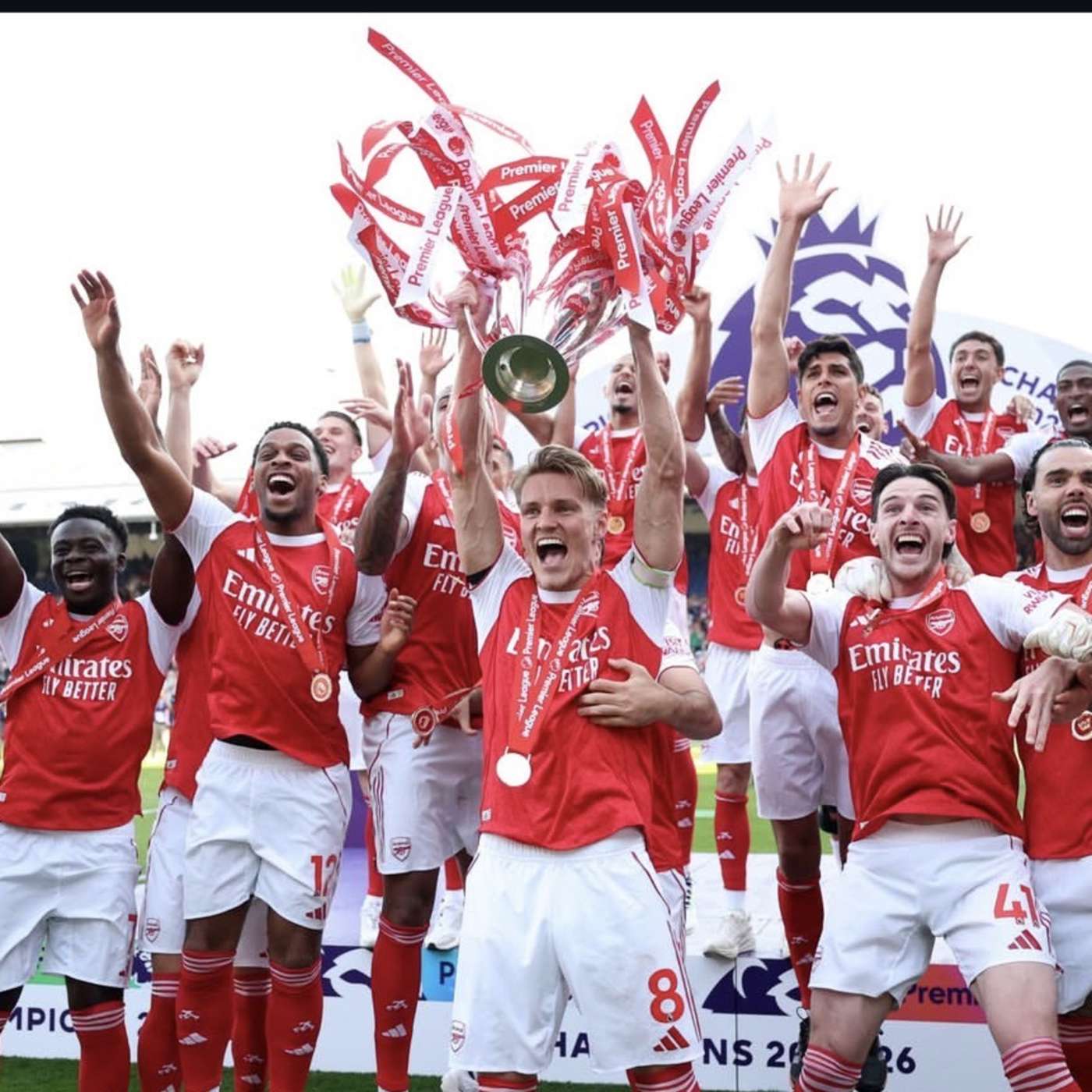 🔴⚪ To my fellow champions🏆 24.05.2026 6นาทีArsenal are champions. 22 years. This is a bonus episode: not the usual GoodLiving format. This one is for the Arsenal fans. And for everyone who has ever been the underdog. Because what this Arsenal journey has been about. Since 2019, since Arteta, since two years of trusting a process while the whole internet laughed is something that goes beyond football. It's about what happens when mockery becomes your identity. When the banter runs so long and so deep that even you start to wonder. And then you win anyway. In this episode, Koke talks about why he bought someone an Arsenal jersey and what her brothers' reaction said about the power of bad PR. About the internal peace that comes from recognising where you are and actively working to change it. About why it's not the number of people who believe in you that determines your outcome, it's the depth of the belief. Five people with immense depth of belief can bend reality against one thousand who barely believe at all. And there was depth of belief in this fanbase. Through every meme. Every banter account. Every person who said it would never happen. It happened. This episode is a celebration. It's also a reminder. You can cry. You can break down. Just be consistent. Come on you Gunners. 🔴⚪ Arsenal fans! drop your reaction in the comments. Where were you when it happened?
 -
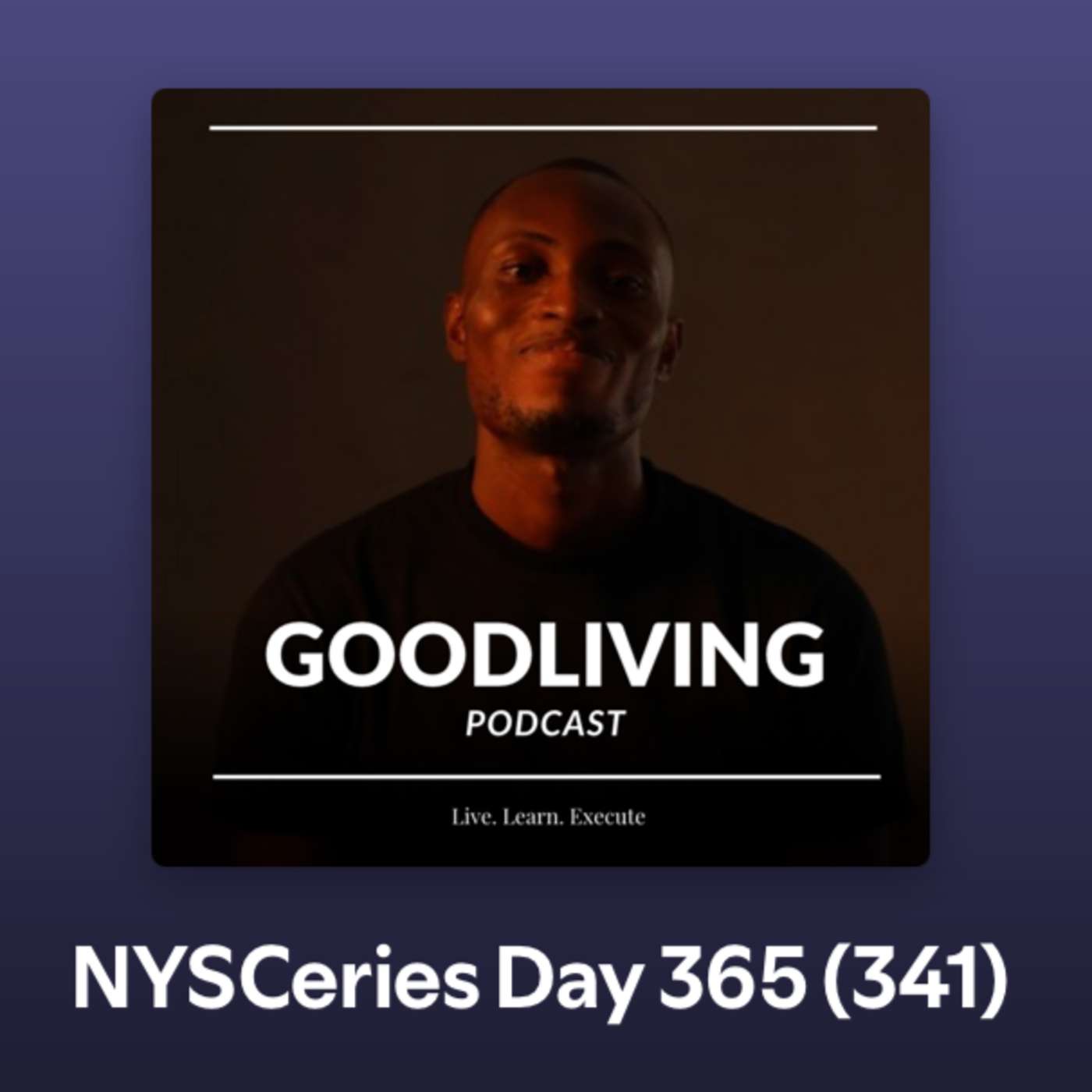 🎉NYSCeries Day 365 (341)🎊 21.05.2026 11นาทีThe final episode of the NYSC Series is here. After 341 days of service in Lagos, this episode captures the real emotions of finishing NYSC . Growth, loss, ambition, survival, and everything in between. From sneaking into exam halls in university to building a podcast during service year, this is an honest reflection on how life can completely change in one year. In this episode: • Finishing NYSC and collecting my certificate • Serving in Lagos while building a podcast • Personal growth, adaptability, and discipline • Losing my dad during service year • Winning my football league • The future of the Good Living Podcast Network • Lessons from consistency, audio production, and documenting life in real time If you’ve ever wondered whether documenting your journey is worth it, this episode is proof that it is. This is the end of the NYSC Series. Thank you for being part of the journey. #NYSC #Lagos #NigerianPodcast #SelfImprovement #Storytelling #Podcast #PersonalGrowth #GoodLivingPodcast
พอดแคสต์ที่คล้ายกัน


ยอดนิยมใน
พอดแคสต์นี้ปรากฏในชาร์ตพอดแคสต์ของประเทศเหล่านี้ด้วย
