
Audible Alps - CIPRA Podcast: Interviews, background talks and voices from all Alpine countries: Listen to this and more in t
CIPRA International - www.cipra.org
0
Audible Alps is the podcast of CIPRA International, the International Commission for the Protection of the Alps. It features interviews, background talks, and voices from across all Alpine countries. Episodes explore environmental protection, sustainable development, and the challenges facing mountain regions. The podcast gives a platform to people and initiatives working for the Alps.
ตอน
-
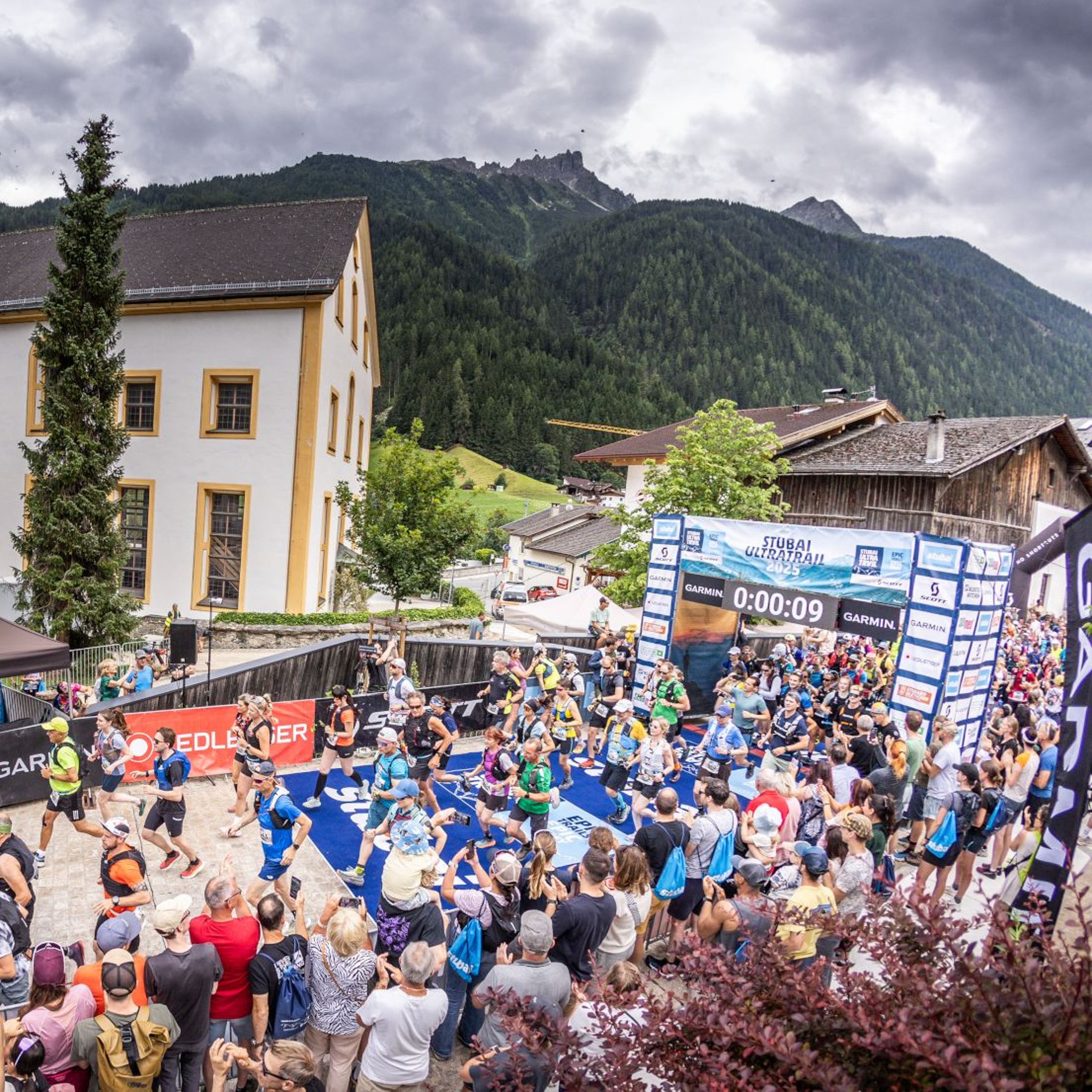 #106 (en) Trail Running Events in the Alps: Hoo much is too much? 04.08.2026 29นาทีWhether around Mont Blanc, the Zugspitze or the Grossglockner, or through the Dolomites: trail running events are booming across the Alps. At the UTMB alone, this year around 10,000 runners are expected to take part in various races and categories. However, the sport’s growing popularity also brings with it problems for the natural environment and small mountain communities. In this episode of the CIPRA Podcast, Michael Gams speaks with Laura Moro, a passionate trailrunner, but also scientist and newly elected Vice President of Mountain Wilderness International, a member organisation of CIPRA. Together, they discuss the rapid rise of trail running, its appeal as a way to connect with nature, and the environmental and social challenges associated with large-scale trail running events. The conversation explores topics such as: - Why trail running has become one of the fastest-growing mountain sports - The environmental impact of major trail races, including travel emissions, trail erosion and wildlife disturbance - The effects of large events on local mountain communities - The importance of involving residents in the planning and organisation of races - Why awareness, education and mountain culture matter as more people enter the sport - The role of professional athletes as ambassadors for environmental protection - How local races, public transport and responsible travel choices can help reduce impacts - What a more sustainable future for trail running in the Alps could look like As Laura Moro points out, trail running has enormous potential to connect people with nature. At the same time, growing participation brings greater responsibility for protecting the mountain environments that make the sport possible. Guest: Laura Moro, Vice President of Mountain Wilderness International, scientist and trail runner Host: Michael Gams, CIPRA International Read our current article about this topic: https://www.cipra.org/en/news/trail-running-events-in-the-alps-how-much-is-too-much Subscribe to our alpMedia-Newsletter: https://www.cipra.org/en/international/stay-informed/alpmedia General information: Mountain Wilderness International: https://mountainwilderness.org CIPRA International: https://www.cipra.org Photo (c) Andi Frank, Stubai Tirol
 -
 #105 (de) Betreutes Wohnen: Wie können Menschen im Alter möglichst lange selbstständig wohnen? 17.06.2026 29นาทีBetreutes Wohnen, Selbstständigkeit, soziale Teilhabe und Sicherheit im Alltag: Welche Wohnformen unterstützen Menschen dabei, auch im Alter möglichst lange selbstbestimmt zu leben? In der dritten Folge der Podcastreihe «Wohnen in Vorarlberg Süd» spricht Adam Zehetner von der Stadt Bludenz über bestehende Angebote, zukünftige Entwicklungen und die Bedeutung frühzeitiger Planung für ein gutes Wohnen im Alter. Die Rolle der Gemeinden und die Qualitäten von Prozessen wie Vorarlberg Süd werden dabei als wichtige Grundlage für den Austausch von Erfahrungen, die Entwicklung neuer Ideen und die Gestaltung zukunftsfähiger Angebote sichtbar. Interview und Redaktion: Janin Salzger, Laura Haberfellner Weiterführende Informationen: https://www.bludenz.at/bildung-soziales/gesundheit?sword_list%5B0%5D=betreutes&sword_list%5B1%5D=wohnen&no_cache=1 https://www.raumlink.at/projekte/projekt_vsued/ www.v-sued.at/ Foto (c) V:Süd / Stadt Bludenz
 -
 #104/3 (en) Rethinking youth migration in the Alps - Episode 3 12.06.2026 34นาทีIn the third and final episode of “Rethinking youth migration in the Alps,” we hand over the mic to young people. Voices from Maribor (Slovenia) , Trentino’s Cembra Valley (Italy) , and Vesoul (France) share their personal experiences with migration, their connection to home, and their ideas for the future of Alpine regions. Through their stories, we explore what it means to grow up, leave, stay, or return – and how participation in pilot activities within the Interreg Alpine Space OUT4INGOV project has shaped their perspectives. The episode highlights how giving youth a real voice in decision-making processes can strengthen local communities, foster a sense of belonging, and turn migration into an opportunity rather than a loss. Looking beyond the individual regions, we also bring in perspectives from youth councils across the Alpine space. Their message is clear: meaningful participation and the “circularity of skills” are key to making Alpine regions more inclusive, connected, and future-oriented. Learn more about the OUT4INGOV project here: https://www.cipra.org/en/projects/out4ingov-shaping-youth-migration www.alpine-space.eu/project/out4ingov/ Subscribe to our podcast: www.cipra.org/podcast Moderation: Laura Haberfellner & Hanna Öllös, CIPRA International Lab Editing: Michael Gams, CIPRA International The project “New generation alpine OUT-migration Engagement FOR an INclusive GOVernance” (OUT4INGOV) is funded by the Interreg Alpine Space Programme.
 -
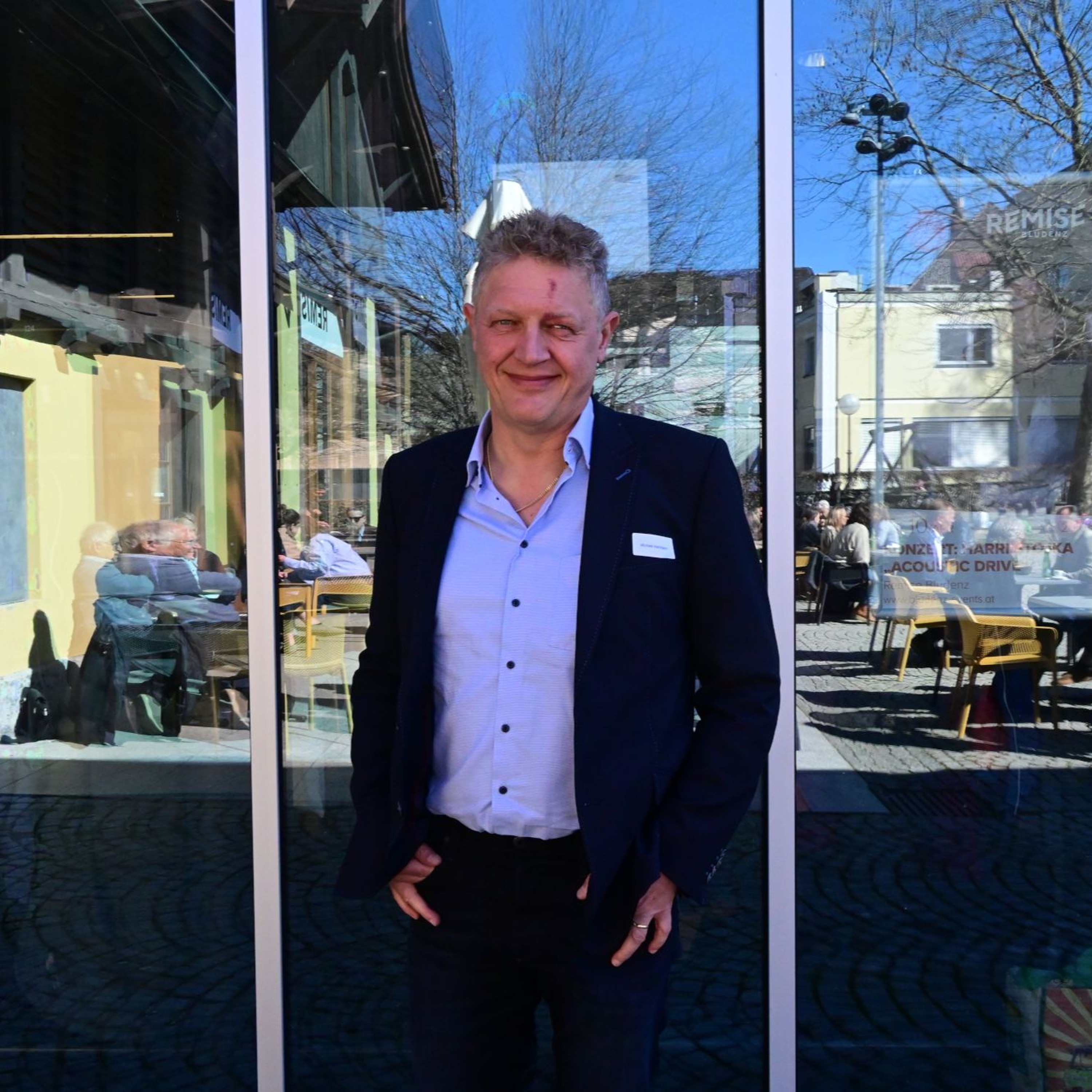 #103 (de) Mehrere Generationen unter einem Dach: Wie gelingt das in der Praxis? 12.06.2026 44นาทีMehrgenerationenwohnen, Alterseinsamkeit, Wohnraumnutzung und gemeinschaftliches Leben: Wie können Wohnformen aussehen, die den Bedürfnissen verschiedener Generationen gerecht werden? In der zweiten Folge der Podcastreihe «Wohnen in Vorarlberg Süd» spricht Michael Hartmann, Bürgermeister von Nenzing, über seine persönlichen Erfahrungen mit Mehrgenerationenwohnen, erfolgreiche Beispiele aus der Praxis und die Rolle von Gemeinden bei der Gestaltung zukunftsfähiger Wohnformen. Interview und Redaktion: Janin Salzger, Laura Haberfellner Weiterführende Informationen: www.raumlink.at/projekte/projekt_…hnen%20V:S%C3%BCd www.v-sued.at/ Foto (c) V:Süd / Stadt Bludenz
 -
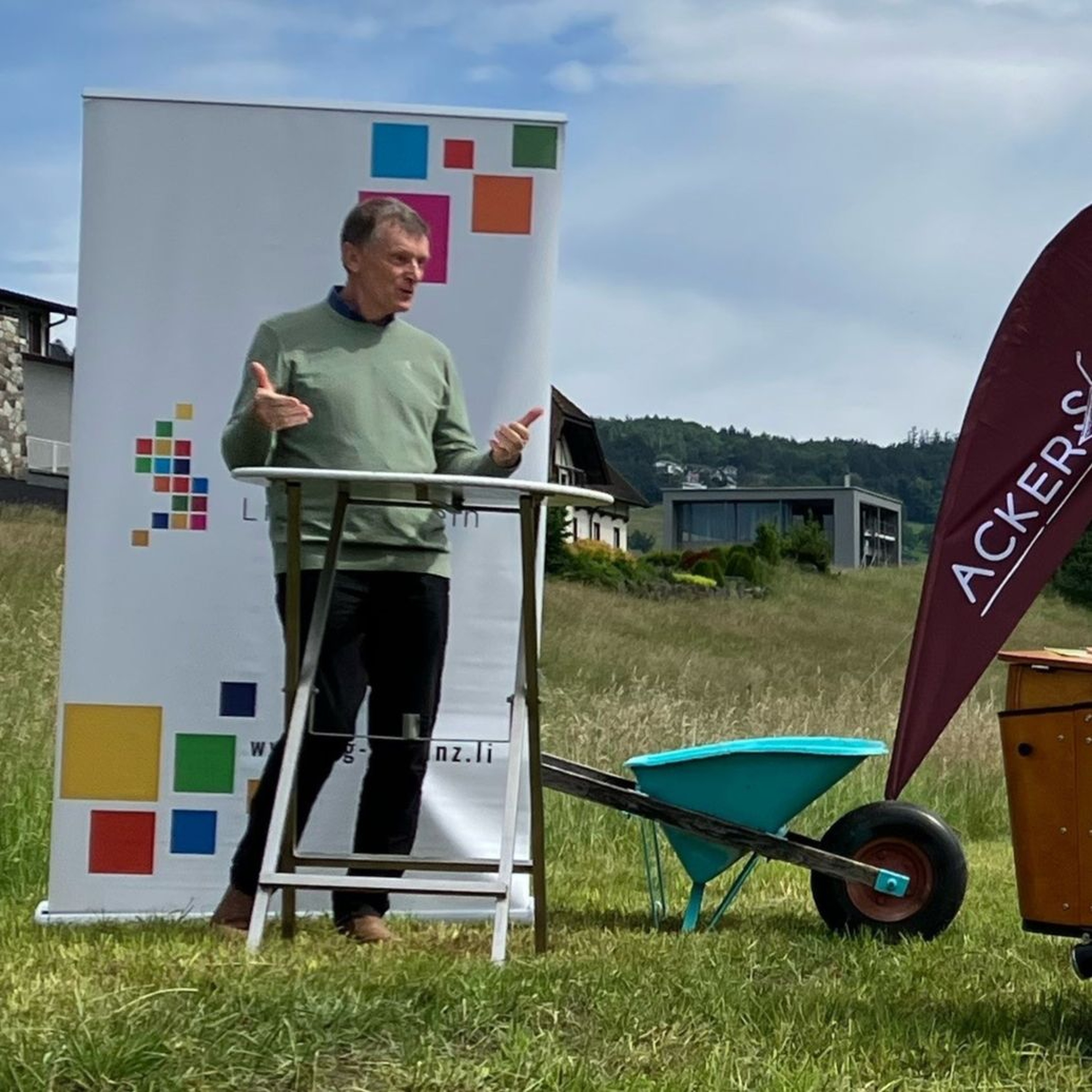 #102 (de) Weniger ist mehr: Wie Alpenländer Ressourcen schonen können 13.04.2026 29นาทีStellt Euch vor, Euer Konto wäre jedes Jahr Anfang Juli leer – und Ihr würdet trotzdem weiter Geld ausgeben. Genau das machen wir mit den Ressourcen unseres Planeten. Der Earth Overshoot Day zeigt uns seit Jahren: Wir leben über unsere ökologischen Verhältnisse. Es ist der Tag, an dem die Menschheit die Ressourcen verbraucht hat, die die Erde innerhalb eines Jahres regenerieren kann. Er wird vom Global Footprint Network berechnet, einer Forschungsorganisation, die misst, wie stark wir die Ressourcen der Erde übernutzen. Jedes Jahr rückt dieser Tag im Kalender weiter nach vor, auch in den Alpenländern: Österreich hat 2026 dieses Jahr bereits am 2. April seine Ressourcen aufgebraucht, Frankreich am 24. April, Italien am 3. Mai, Deutschland am 10. Mai, die Schweiz und Liechtenstein am 11. Mai. Was bedeutet das für uns? Und welche Wege gibt es, den Ressourcenverbrauch nachhaltig zu senken? Darüber sprechen wir mit unserem Gast Werner Pohl. Er ist Co-Präsident der SDG Allianz Liechtenstein, einem Netzwerk, das sich für die Umsetzung der UN-Nachhaltigkeitsziele einsetzt und zahlreiche Akteure aus Zivilgesellschaft, Politik und Wirtschaft verbindet. CIPRA Podcast abonnieren: https://www.cipra.org/de/podcast Weiterführende Informationen: https://www.sdg-allianz.li/ https://overshoot.footprintnetwork.org/newsroom/country-overshoot-days/
 -
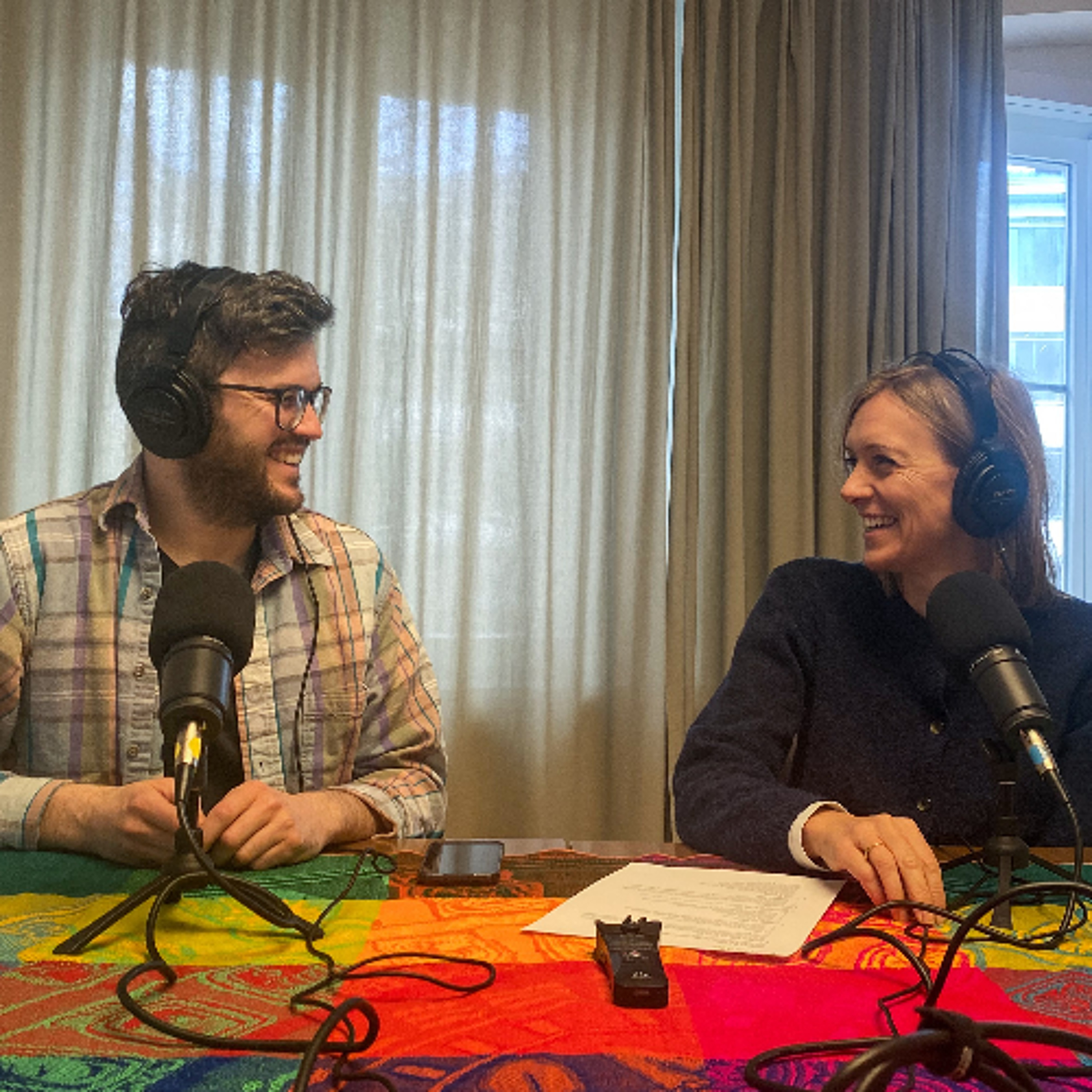 #101 (de) Wie wohnen Menschen in einer Alpenregion heute und in Zukunft? 12.03.2026 37นาทีDemografischer Wandel, kleinere Haushalte, Leistbarkeit, Mobilität und Wohnformen im Alter: Wie wohnen Menschen in einer Alpenregion heute und welche Herausforderungen kommen auf sie zu? Darum geht es in der neuen Podcastreihe «Wohnen in Vorarlberg Süd». In der ersten Folge sprechen wir mit Eva Lingg-Grabher und Johannes Herburger vom Netzwerk Raumlink. Moderation: Janin Salzger, Laura Haberfellner Weiterführende Informationen: https://www.raumlink.at/projekte/projekt_vsued#Projekt%20Wohnen%20V:S%C3%BCd https://www.v-sued.at/
 -
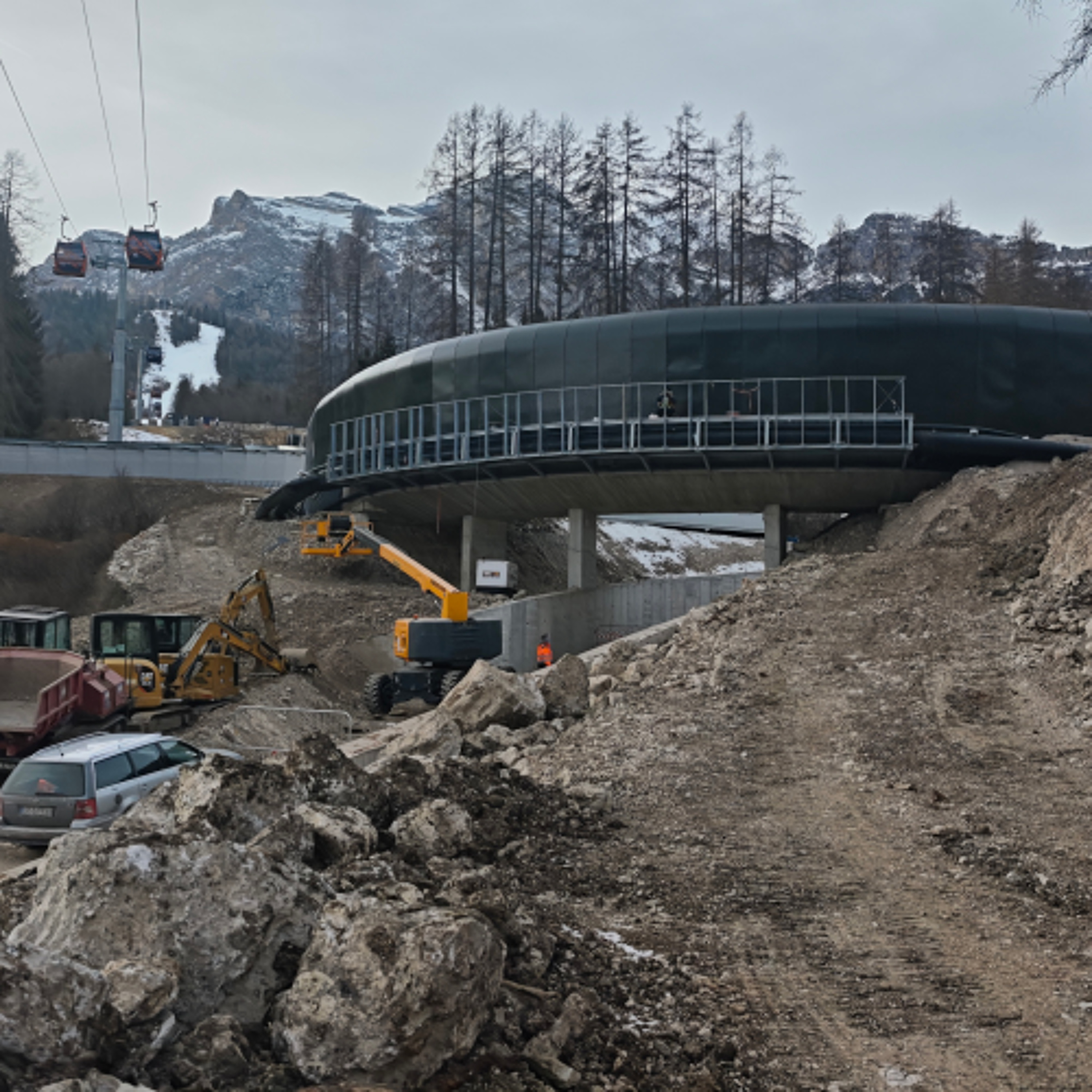 #100 (en) The Legacy of Milano Cortina 2026 03.03.2026 29นาทีThe Olympic Winter Games Milano Cortina 2026 promised to be the most sustainable Games ever. But what impact did they really have on the Italian Alps? What remains for local communities, and what lessons can be carried forward to the French Alps 2030 Winter Games? In this episode of the CIPRA Podcast, we take a closer look at the environmental, social, and political consequences of these mega-events in sensitive mountain areas. We talk with three experts from the CIPRA network: Francesco Pastorelli from CIPRA Italy, Christine Busch from CIPRA Germany and Lauren Mosdale from CIPRA France. Francesco has followed Milano-Cortina closely and brings two decades of experience with Olympic developments in Italy, dating back to the Torino 2006 Games. He shares his insights into promises vs. reality of "the most sustainable Games ever", impacts on Alpine ecosystems and infrastructures and how local communities experienced the Games. The French Alps will host the 2030 Winter Games. Lauren explains why French civil society has filed a lawsuit challenging the hosting decision, what Milano-Cortina teaches us about transparency, governance, and climate resilience and what needs to change for future Olympic events in mountain regions. German media have been vocal about the ecological downsides of Milano-Cortina. Christine discusses, what this means for public opinion on mega-events, why Munich is considering a bid for the Summer Games and what role sustainability plays in that discussion. The discussion makes clear: The Alps cannot afford another decade of broken promises. Olympic events must adapt to climate realities, not the other way around. The mountain regions are more than just a playground for global sports spectacles. And: Civil society is increasingly demanding accountability, transparency, and genuine sustainability. Explore CIPRA’s in-depth coverage and policy positions: https://www.cipra.org/en/dossiers/the-winter-olympics Host: Michael Gams Photo Caption: The Cortina bobsleigh track was one of the most controversial construction projects of the 2026 Winter Olympics. (c) Fabio Tullio
 -
 #94/2 (en) Rethinking youth migration in the Alps - Episode 2 20.01.2026 28นาทีIn the second episode of “Rethinking youth migration in the Alps,” we focus on concrete solutions. Representatives from Trentino, Maribor, and Vesoul share how youth outmigration affects their regions - and how local pilot actions within the Interreg Alpine Space OUT4INGOV project are turning this challenge into an opportunity. We explore what makes Alpine regions attractive for young people, and how participatory approaches, networking, and co-creation help keep skills, ideas, and connections linked to places of origin. The episode highlights how involving young people can directly strengthen local governance and make mountain regions more resilient and future oriented. Learn more about the OUT4INGOV project here: www.cipra.org/en/projects/out4in…ng-youth-migration www.alpine-space.eu/project/out4ingov/ Subscribe to our podcast: www.cipra.org/podcast Moderation: Laura Haberfellner & Hanna Öllös, CIPRA International Lab Editing: Janin Salzger, CIPRA International Lab The project “New generation alpine OUT-migration Engagement FOR an INclusive GOVernance” (OUT4INGOV) is funded by the Interreg Alpine Space Programme.
 -
 #95/6 (it) Dove il ghiaccio scompare - Ciamarella e Bessanese 18.01.2026 34นาทีDal Pian della Mussa al bacino glaciale della Bessanese, l’ultima tappa della Carovana dei Ghiacciai attraversa una montagna che cambia rapidamente. Qui l’acqua è risorsa vitale, memoria storica e tema di conflitto futuro: dalle sorgenti che da oltre un secolo dissetano Torino, ai ghiacciai che si ritirano, fino ai nuovi rischi legati a frane, valanghe e piene improvvise. Insieme a ricercatori di ARPA Piemonte e Consiglio Nazionale delle Ricerche, ai volontari del monitoraggio glaciologico e ai rifugisti delle Valli di Lanzo, raccontiamo come la scienza aiuti a leggere un ambiente sempre più dinamico – e perché imparare a conoscere il rischio è oggi una forma di adattamento. Una puntata che chiude il viaggio della Carovana, ma apre domande cruciali sul futuro delle terre alte. “Dove il ghiaccio scompare” è un podcast di CIPRA Italia, con il sostegno di Fondazione Cariplo. Testi e voce di Sofia Farina, sound design e musiche originali di Giorgio Tidei.” Ulteriori informazioni: www.cipra.org/it/notizie/dove-il-ghiaccio-scompare
 -
 #95/5 (it) Dove il ghiaccio scompare - Zugspitze 13.01.2026 26นาทีLa Carovana dei Ghiacciai arriva sulla Zugspitze, la montagna più alta della Germania e casa dell’ultimo ghiacciaio del Paese, ormai prossimo a scomparire. Con il geoscienziato Michael Krautblatter entriamo nei tunnel del permafrost, dove sensori e strumenti avanguardistici mostrano come la montagna si stia sgretolando dall’interno. Tra laboratori d’alta quota, stazioni meteo storiche, ricerca biologica e progetti idrologici europei, raccontiamo un paesaggio sospeso tra scienza e turismo di massa, dove la fusione del ghiaccio cambia ecosistemi, risorse e identità culturali. “Dove il ghiaccio scompare” è un podcast di CIPRA Italia, con il sostegno di Fondazione Cariplo. Testi e voce di Sofia Farina, sound design e musiche originali di Giorgio Tidei.” Ulteriori informazioni: www.cipra.org/it/notizie/dove-il-ghiaccio-scompare
 -
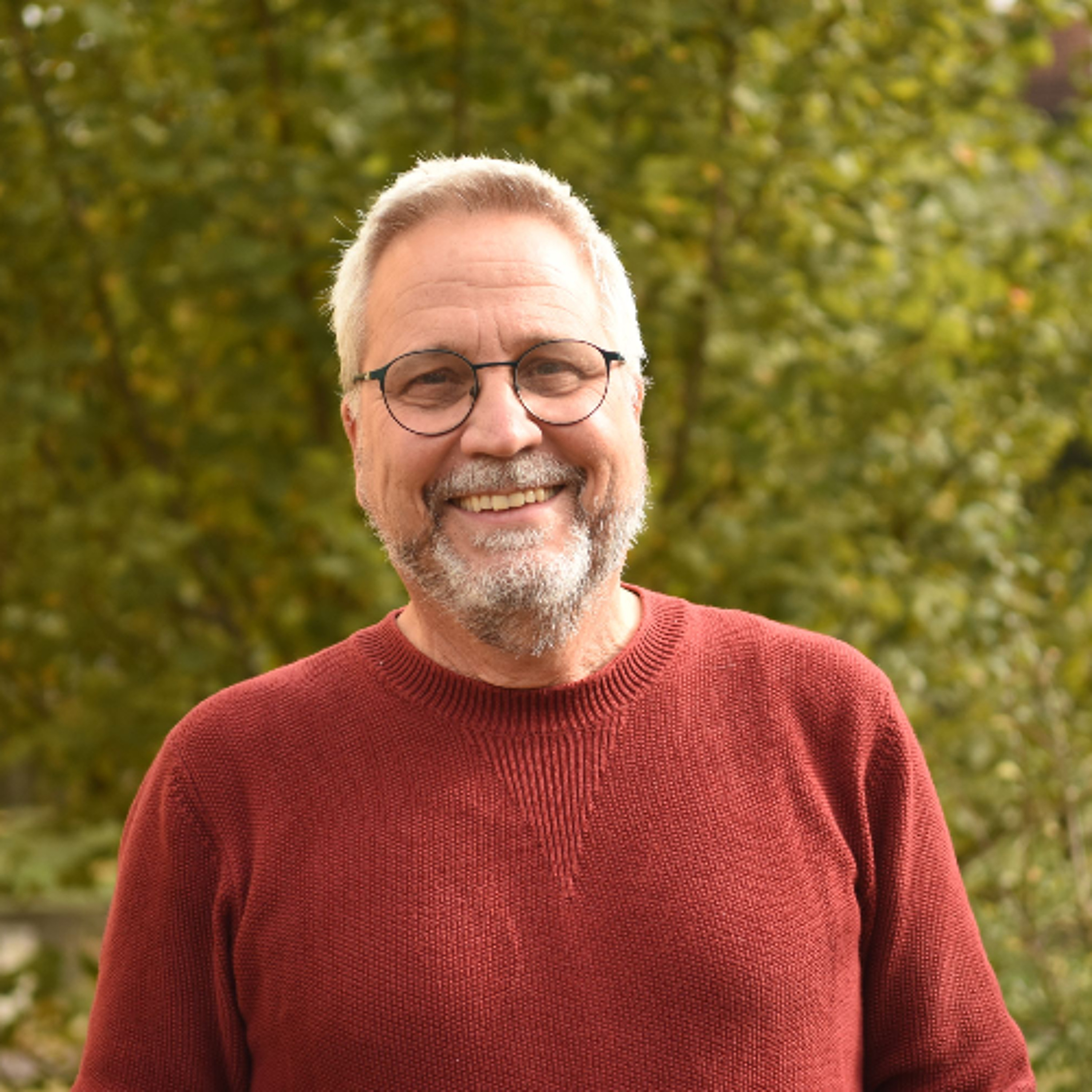 #99 (de) Sieben Jahre CIPRA – ein Abschiedsgespräch mit Kaspar Schuler 07.01.2026 25นาทีNach sieben prägenden Jahren verabschiedet sich Kaspar Schuler als Geschäftsführer von CIPRA International in den wohlverdienten Ruhestand. In dieser abschliessenden Podcast-Episode ziehen wir gemeinsam Bilanz: Wir sprechen über prägende Momente und schwierige Phasen, über Projekte und Politik, über die Alpen als „Knautschzone Europas“, über Idealismus und was ihn in all den Jahren motiviert hat – und darüber, was es braucht, damit CIPRA auch künftig relevant bleibt. Mehr dazu: https://www.cipra.org/de/medienmitteilungen/generationswechsel-bei-cipra-international Foto (c) Caroline Begle, CIPRA International
 -
 #95/4 (it) Dove il ghiaccio scompare - Solda (Ortles-Cevedale) 30.12.2025 32นาทีNel cuore dell’Ortles-Cevedale, la Carovana dei Ghiacciai incontra Solda e le sue montagne: l’Ortles, il Cevedale e il Gran Zebrù, luoghi simbolici e profondamente segnati dal ritiro accelerato dei ghiacciai. Con le voci di Valter Carbone, Pietro Bruschi, Marco Giardino, Guido Secchieri, Roberta Rosan e Irene Delfanti raccontiamo monitoraggio, instabilità, nuovi ecosistemi, memoria glaciale e relazione emotiva con un paesaggio che cambia. Una puntata che intreccia scienza, storia alpinistica, sicurezza e attivazione personale. “Dove il ghiaccio scompare” è un podcast di CIPRA Italia, con il sostegno di Fondazione Cariplo. Testi e voce di Sofia Farina, sound design e musiche originali di Giorgio Tidei.” Ulteriori informazioni: www.cipra.org/it/notizie/dove-il-ghiaccio-scompare
 -
#95/3 (it) Dove il ghiaccio scompare - Ventina 23.12.2025 32นาทีNel cuore della Valmalenco, la Carovana dei Ghiacciai raggiunge il Ventina: un ghiacciaio in forte sofferenza, che perde decine di metri ogni anno e mostra segni evidenti della degradazione del permafrost. Con Marco Giardino, Mattia Gussoni, Barbara Meggetto e il rifugista Oreste Renatti raccontiamo instabilità, rischio, energia, acqua e vita quotidiana in quota. Una puntata che intreccia scienza, storia, emozione e scelte di adattamento, dal crollo improvviso in parete all’alluvione del 2023, fino ai cambiamenti nella gestione dei rifugi e nella frequentazione della montagna. “Dove il ghiaccio scompare” è un podcast di CIPRA Italia, con il sostegno di Fondazione Cariplo. Testi e voce di Sofia Farina, sound design e musiche originali di Giorgio Tidei. Ulteriori informazioni: https://www.cipra.org/it/notizie/dove-il-ghiaccio-scompare
-
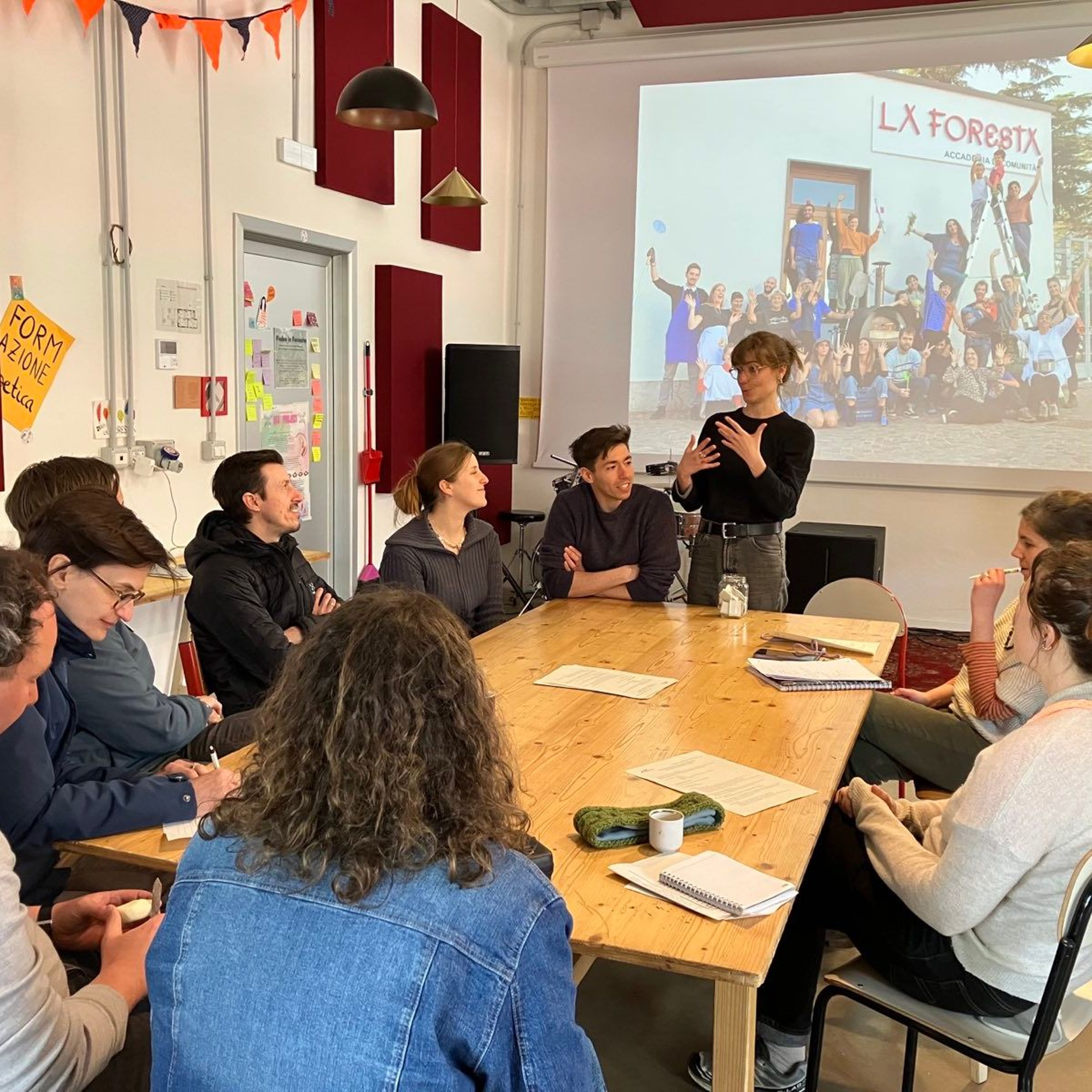 #96/2 (de) Culture Alps: Kreative Wege zur Nachhaltigkeit (Teil 2) 18.12.2025 20นาทีBefähigen statt lähmen. Inspirieren statt erstarren. Das Projekt «CultureAlps: connect, share, act» bringt Organisationen aus den Bereichen Kunst, Kultur und Klimaschutz zusammen, um neue Formate zu entwerfen, die planetaren Krisen verständlicher und greifbarer zu machen. In dieser Folge besuchen wir die Gemeinschaftsakademie La Foresta, die inspirierende und auch unkonventionelle Wege geht, um gemeinsam das Leben im italienischen Vallagarinatal sozial- und umweltgerechter zu gestalten. Weitere Informationen zum Projekt: www.cipra.org/de/projekte/culturealps Moderation und Redaktion: Anna Planitzer Musik (cc) Blue dot Sessions - Lumber down Foto: CIPRA International
 -
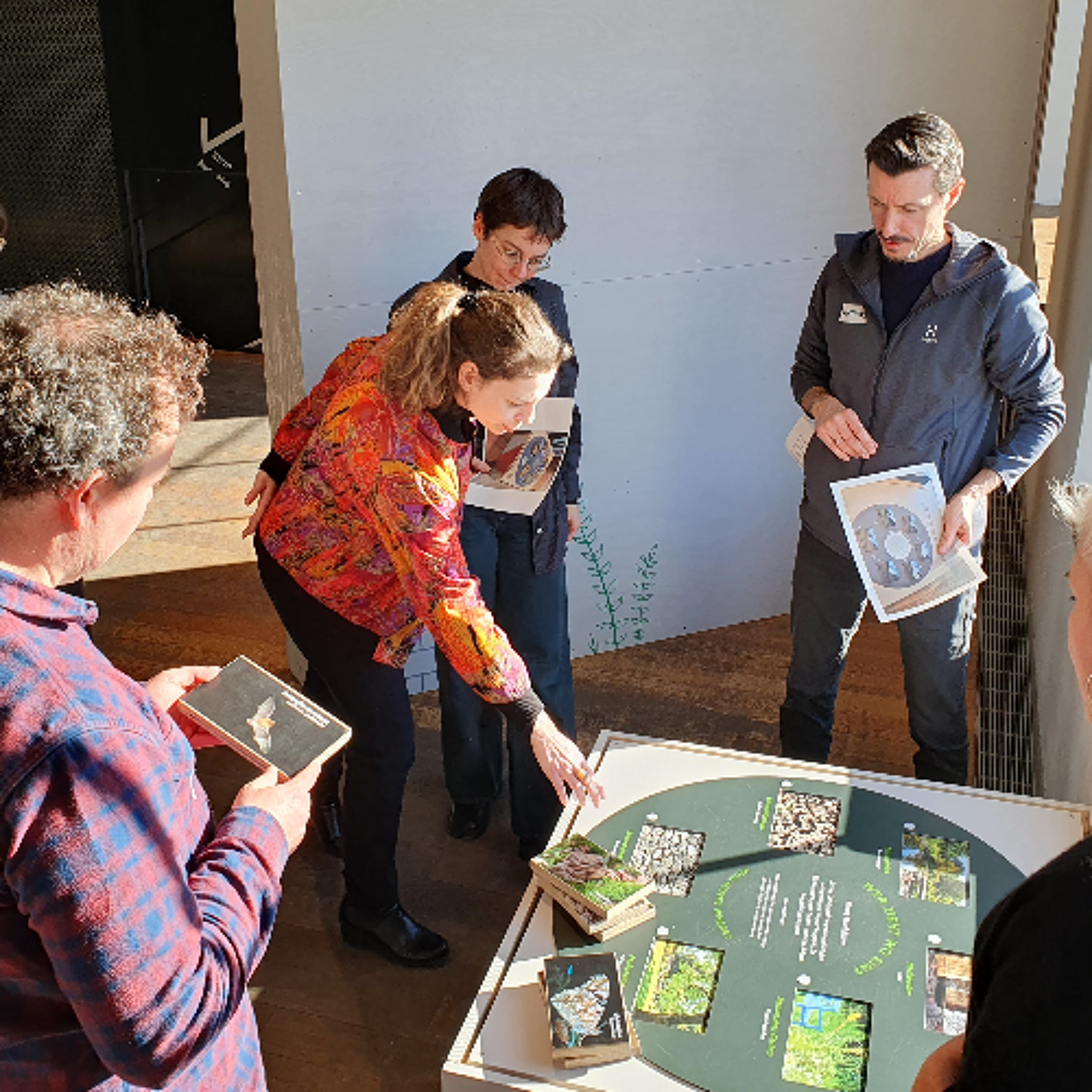 #96/1 (de) Culture Alps: Kreative Wege zur Nachhaltigkeit (Teil 1) 18.12.2025 29นาทีUmweltverschmutzung, die Klimakrise, der Verlust von Biodiversität: Wir sind konfrontiert mit einer Vielzahl von Krisen. In einer stetig komplexer werdenden Welt prasseln täglich unendlich viele Informationen auf uns ein. Viele davon sind negativ. Doch es ist wichtiger denn je, dass wir uns für eine nachhaltige Welt einsetzen. Wie kann uns Kunst und Kultur dabei helfen, diese Krisen zu verstehen? Wie kann sie uns zum Handeln inspirieren? Das zeigt unser Projekt «CultureAlps: connect, share, act!», in dem wir mit Kultureinrichtungen in Österreich, Italien und Liechtenstein zusammenarbeiten. Wie lassen sich Ausstellungen und Veranstaltungen klimafreundlicher gestalten? Wo können kulturelle und künstlerische Ansätze Verhaltensänderung anstossen? Welche kulturellen Vermittlungsansätze gibt es? Damit beschäftigen sich das Naturkundemuseum inatura Dornbirn in Österreich, das Kulturhaus domus in Liechtenstein und die Gemeinschaftsakademie La Foresta im italienischen Rovereto. In der ersten Podcast-Episode besuchen wir die inatura und das Kulturhaus domus. Weitere Informationen zum Projekt: https://www.cipra.org/de/projekte/culturealps Moderation und Redaktion: Anna Planitzer Musik (cc) Blue dot Sessions - Lumber down Foto: CIPRA International
 -
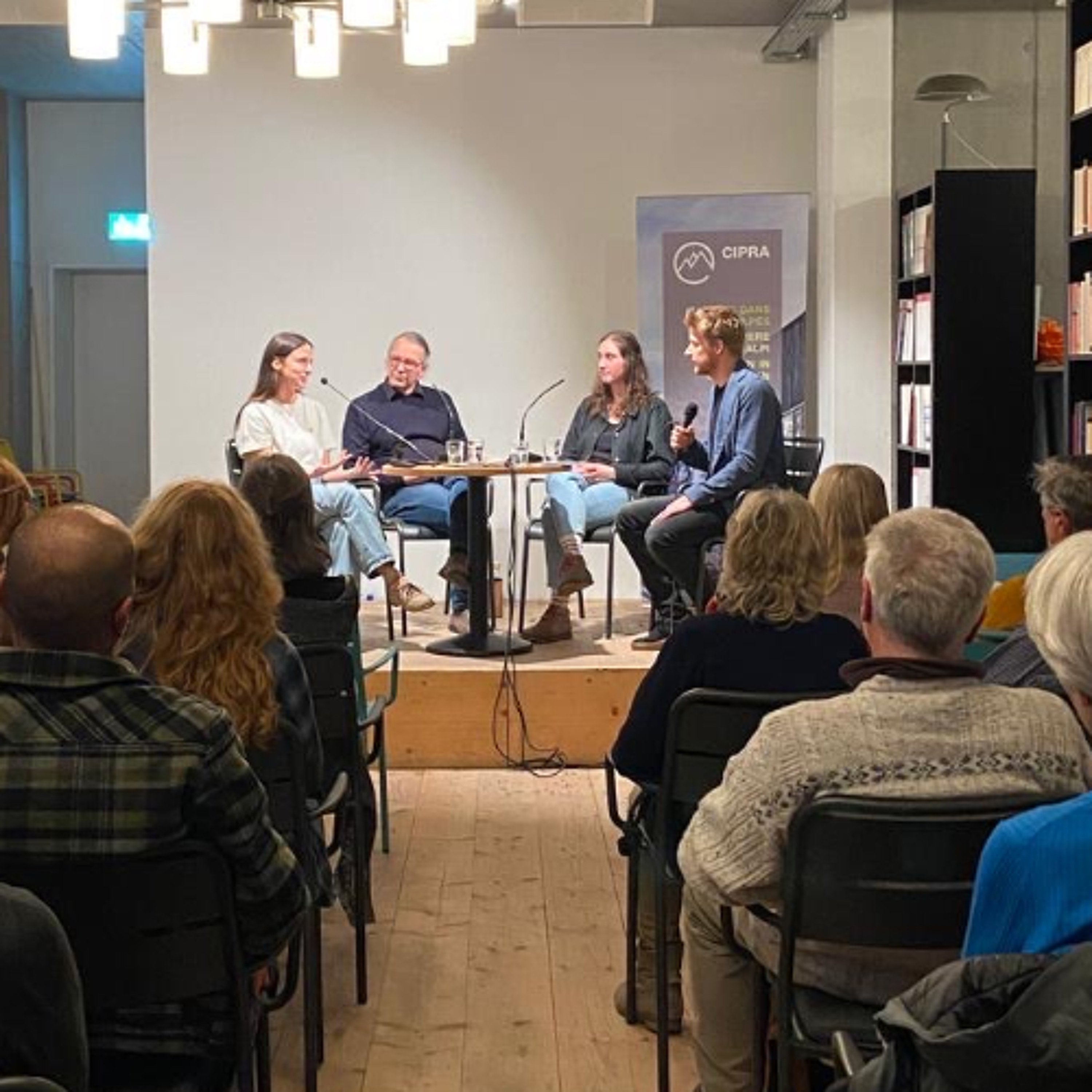 #98 (de) Podiumsgespräch zu 25 Jahren Via Alpina 18.12.2025 29นาทีSeit 25 Jahren verbindet die Via Alpina als internationaler Weitwanderweg Menschen, Kulturen und Landschaften quer durch den Alpenraum. Mit einer Podcast-Reihe erzählt das Projekt «Stimmen entlang der Via Alpina» ihre Geschichte, beleuchtet Herausforderungen und Chancen des Weitwanderns und sensibilisierte für nachhaltigen Tourismus in den Alpen. Den Abschluss der Podcast-Reihe macht dieses Podiumsgespräch mit den folgenden drei Gästen: Stefanie Alis Ritter bewirtschaftet gemeinsam mit Sophia Sandkühler seit 2025 die Pfälzer Hütte in Liechtenstein und erfüllte sich damit einen Lebenstraum. Christian Baumgartner unterrichtet am Institut für Tourismus und Freizeit der Fachhochschule Graubünden und begleitet Projekte zu nachhaltigem Tourismus und Regionalentwicklung. Laura Haberfellner koordiniert das bei CIPRA International in Liechtenstein angesiedelte Sekretariat der Via Alpina ab 2026. Zur Podcast-Reihe: www.cipra.org/de/stimmen-entlang-der-via-alpina Abonniere unseren Podcast: www.cipra.org/de/podcast Das Projekt wird finanziell unterstützt von der Stiftung Fürstlicher Kommerzienrat Guido Feger in Liechtenstein. Moderation und Produktion: Michael Gams Ton: Caroline Begle Foto (c) Anna Mehrmann ---- For 25 years, the Via Alpina has been connecting people, cultures and landscapes across the Alpine region as an international long-distance hiking trail. With a series of podcasts, the project ‘Voices along the Via Alpina’ tells its story, highlights the challenges and opportunities of long-distance hiking and raises awareness of sustainable tourism in the Alps. The podcast series concludes with this panel discussion featuring the following three guests: Stefanie Alis Ritter has been running the Pfälzer Hütte in Liechtenstein together with Sophia Sandkühler since 2025, fulfilling a lifelong dream. Christian Baumgartner teaches at the Institute for Tourism and Leisure at the University of Applied Sciences of Graubünden and supports projects on sustainable tourism and regional development. Laura Haberfellner will coordinate the Via Alpina secretariat based at CIPRA International in Liechtenstein from 2026. To the podcast series: https://www.cipra.org/en/projects/voices-along-the-via-alpina Subscribe to our podcast: www.cipra.org/en/podcast The project is financially supported by the Prince Guido Feger Foundation in Liechtenstein. Moderation and production: Michael Gams Photo (c) Anna Mehrmann
 -
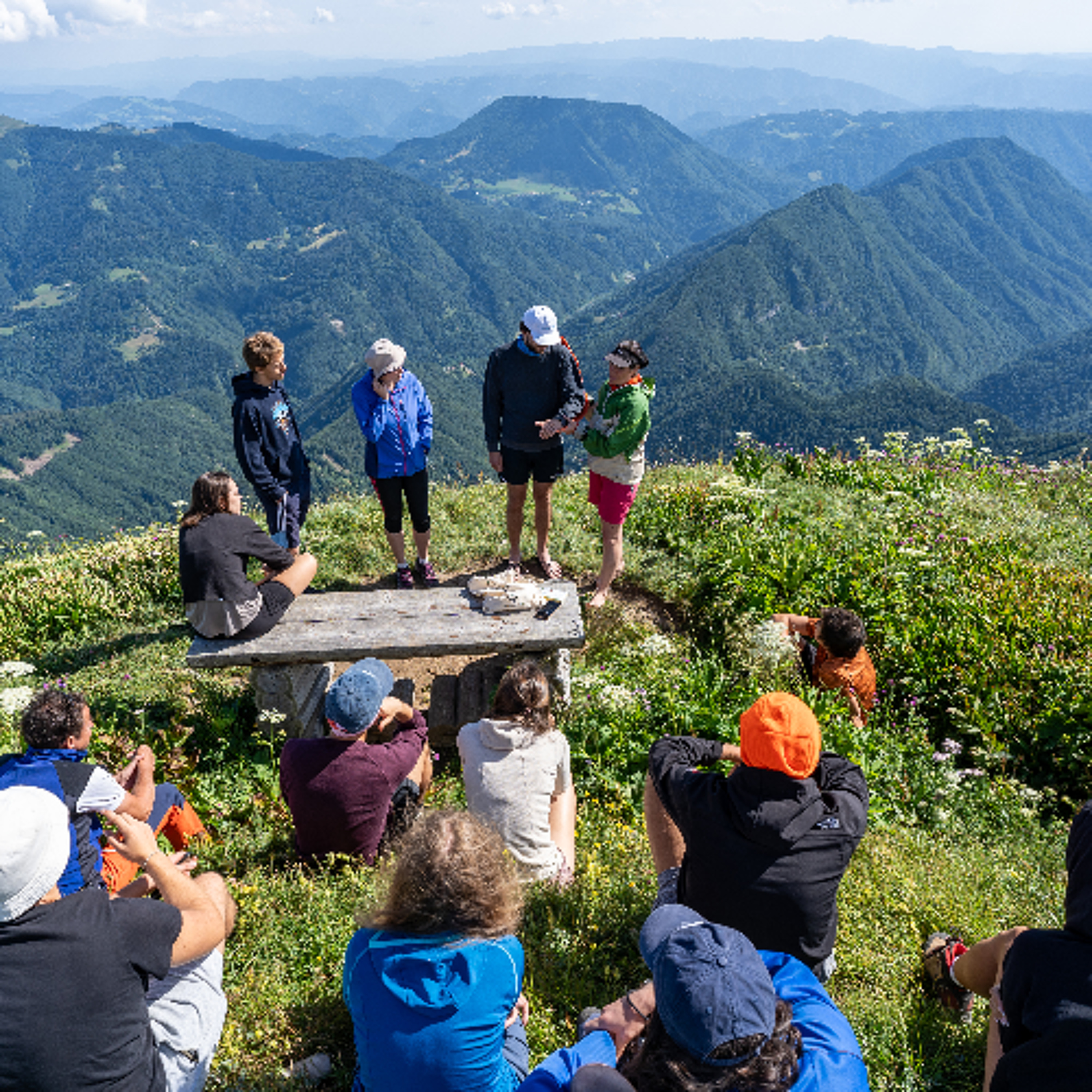 #97 (en) Visit Utopias: a journey across the Alpine countries 18.12.2025 28นาทีImagine a place where the air smells of wildflowers, where rivers are untamed, where communities live in harmony with nature and question societal norms of our common world, where sustainability isn‘t a buzzword, but a way of life. This isn’t a dream. These places exist and they are what we call “Utopias”. In this podcast episode we embark on a journey to visit utopias in the Alps, from Slovenia to France. Utopias as u-topos: « non-places » are places that do not exist but that are invented to tell things about our common world. The goal is to create narratives, and a common world that could fit in the sustainable development goals of the UN. Utopias can be what we call good examples, and sometimes utopias are just mental creations, places, projects or people. They are designed to let young people explore the Via Alpina route, a path that connects the 8 Alpine states. In 2024 and 2025, within our project “Via Alpina Youth – walking the change” multiple Visit Utopias have been visited. Tune in to find out more! Moderation: Michael Gams Photo: CIPRA Slovenija This podcast was produced within the project Via Alpina Youth and co-financed by the European Union. More informations about the Visit Utopias and the project: https://www.cipra.org/via-alpina-youth
 -
#95/2 (it) Dove il ghiaccio scompare - Alesch e Blatten 16.12.2025 29นาทีLa seconda puntata ci porta sul ghiacciaio dell’Aletsch, il più grande delle Alpi e patrimonio UNESCO. Con le voci di Giovanni Kappenberger (GLAMOS) e Marco Giardino (Comitato Glaciologico Italiano) raccontiamo come il riscaldamento in Svizzera - quasi +3°C rispetto all’epoca preindustriale - stia accelerando la perdita di massa glaciale, anno dopo anno. Dalla scienza passiamo alla memoria, con il racconto di Andreas Weissen, e alla politica, con le riflessioni di Vanda Bonardo e Mario Grosso sulla governance dei ghiacciai e sulla necessità di un’azione climatica urgente. Il viaggio continua fino alla frana di Blatten, dove sei milioni di metri cubi di roccia e ghiaccio hanno travolto un’intera valle, mostrando quanto la montagna sia fragile e quanto conti il monitoraggio. Una puntata che intreccia dati, paesaggi, emozioni e scelte necessarie. “Dove il ghiaccio scompare” è un podcast di CIPRA Italia, con il sostegno di Fondazione Cariplo. Testi e voce di Sofia Farina, sound design e musiche originali di Giorgio Tidei. Ulteriori informazioni: https://www.cipra.org/it/notizie/dove-il-ghiaccio-scompare
-
#95/1 (it) Dove il ghiaccio scompare - Presena e Adamello 09.12.2025 30นาทีLa Carovana dei Ghiacciai 2025 parte dal Passo del Tonale, tra il Presena - coperto da enormi teli geotessili - e l’Adamello, il più grande ghiacciaio d’Italia, oggi in rapido ritiro. In questa puntata raccontiamo la tensione tra memoria e futuro: le estati in cui si sciava sul Presena, le misurazioni dei glaciologi, le fragilità idriche che emergono con la perdita del ghiaccio e le scelte politiche che diventano inevitabili. Con le voci di Angela Marconi, Valter Maggi, Vanda Bonardo, Andrea Goltara, Veronica Vismara e Agnese Moroni, e i suoni del flash mob che ha aperto la Carovana. “Dove il ghiaccio scompare” è un podcast di CIPRA Italia, con il sostegno di Fondazione Cariplo. Testi e voce di Sofia Farina, sound design e musiche originali di Giorgio Tidei. Maggiori informazioni: https://www.cipra.org/it/notizie/dove-il-ghiaccio-scompare
-
 #94/1 (en) Rethinking youth migration in the Alps - Episode 1 27.11.2025 28นาทีIn this first episode of our three-part series “Rethinking youth migration in the Alps,” we explore one of the most urgent challenges facing Alpine regions today: the steady departure of young, educated people from mountain communities - and the search for new, future-proof solutions. We’re joined by Viviana Caldara from the Autonomous Province of Trento and Elisa Rapetti from the Franco Demarchi Foundation, partners of the Interreg Alpine Space project OUT4INGOV. Together, they help us understand what mountain communities truly lose when young people leave — not only economic strength, but the creativity, energy, and social cohesion that keep Alpine villages alive. In our conversation, Elisa and Viviana place these local challenges within the wider European context - where youth populations are shrinking, rural areas are aging, and urbanisation is accelerating. Together, we explore why traditional policies no longer work, and how a new mindset is emerging: one built around circularity of skills and positive spillover effects. Instead of forcing young people to stay or return, this approach embraces mobility while keeping knowledge, relationships, and ideas flowing back into the communities of origin. Elisa and Viviana explain how this creates a triple-win: benefiting the young person, the place they move to, as well as the place they come from. We also discuss why involving young people directly in shaping solutions is essential. From youth councils to participatory approaches, the experts highlight how empowerment, diversity, and shared decision-making make Alpine governance more democratic, more innovative, and more sustainable. Young people, they remind us, are not only the future of the Alps — they are key actors of today. Learn more about the OUT4INGOV project here: https://www.cipra.org/en/projects/out4ingov-shaping-youth-migration https://www.alpine-space.eu/project/out4ingov/ Subscribe to our podcast: www.cipra.org/podcast Moderation: Laura Haberfellner & Hanna Öllös, CIPRA International Lab Editing: Janin Salzger, CIPRA International Lab The project “New generation alpine OUT-migration Engagement FOR an INclusive GOVernance” (OUT4INGOV) is funded by the Interreg Alpine Space Programme.
พอดแคสต์ที่คล้ายกัน


ยอดนิยมใน
พอดแคสต์นี้ปรากฏในชาร์ตพอดแคสต์ของประเทศเหล่านี้ด้วย
