
Energy Transitions
Enlit Europe
0
Energy Transitions is a bi-weekly podcast from Enlit in which host Pamela Largue talks with professionals working at the forefront of the energy transition in Europe and beyond. Each episode features conversations with sector experts about the technologies, policies and business changes shaping the shift to cleaner energy. The series is aimed at people following the European and global energy industry. More information about the episodes and guests is available on the Enlit website.
ตอน
-
 Orchestrating the future of flexible demand in Europe 29.09.2026 24นาทีAs Europe electrifies, demand-side flexibility will play an increasingly important role in balancing the electricity system. But how will flexibility markets develop and how can the different signals reaching consumers be coordinated?To find out, Pamela Largue speaks with Michael Villa, executive director of SmartEn, and Riley Behrens, associate consultant at LCP Delta, in this episode of the Energy Transitions podcast. They elaborate on the findings of a new report from SmartEn and LCP Delta, Reflecting on the Future: Medium-Term Evolutions Impacting the Development of Flexible Demand, which explores three possible pathways for the evolution of demand-side flexibility over the next decade. These pathways, or scenarios, are based on five pillars of the electricity system; namely, regulation, markets, demand, generation and networks. According to Behrens and Villa, the gap between these scenarios is significant, and it’s critical to set the direction to the most optimal scenario now. Keep up with the conversations shaping the energy transition. Discover more on Enlit World
 -
 Why the Global Hydrogen Compass points to progress 22.09.2026 24นาทีThe global hydrogen sector appears to be moving beyond ambitious plans and into the build phase, with projects progressing from announcements to final investment decisions, construction and operation.That’s according to Ivana Jemelkova, CEO of the Hydrogen Council, who spoke with Pamela Largue for this episode of the Energy Transitions podcast. Drawing on the Council’s latest Global Hydrogen Compass 2026 report, Jemelkova highlights evidence of a sector increasingly focused on turning ambition into deployment. She takes listeners on a tour of China, Europe and the US, exploring their different approaches to hydrogen development and the critical role of policy in unlocking demand and investment. She also offers a candid look at the challenges facing sectors such as green steel, what project cancellations and consolidation tell us about a maturing market as well as what it will take to build competitive hydrogen ecosystems. Keep up with the conversations shaping the energy transition. Discover more on Enlit World
 -
 Rethinking power resilience after the Iberian blackout 15.09.2026 17นาทีOn April 28, 2025, a large-scale power outage swept across Iberia, disrupting daily life within seconds and exposing the limits of current approaches to grid reliability. The event highlighted both the challenges of managing increasingly decentralised renewable assets and the shortcomings of traditional emergency protocols. According to Adrian Guggisberg, Division President Electrical Distribution Solutions, at ABB, it is a clear sign that the grid has become far more complex, and that our traditional ways of thinking are no longer sufficient. This was one of Guggisberg’s key messages in this episode of the Energy Transitions podcast. He emphasises the need to make better decisions about how we build, operate, and configure the grid to keep pace with its transformation. Guggisberg argues that digitalisation is essential to bringing greater transparency to the decentralised grid, including its configurations and settings. It can also enable more coordinated action across distributed points of the network to balance active and reactive power and manage power quality. Ultimately, utilities, technology providers, and policymakers need to align on planning, standards, and investment. Without greater coordination, he warns, grid resilience will struggle to keep pace with the rapid transformation of the energy system. Keep up with the conversations shaping the energy transition. Discover more on Enlit World
 -
 How electrification is shaping the smart home ecosystem 08.09.2026 25นาทีImagine a home where EVs, solar panels, batteries and other energy technologies work seamlessly together to help households manage their energy, while playing an active role in balancing the grid.That vision is rapidly becoming a reality. As renewables and electrification gather pace, households are moving beyond simply consuming energy to generating, storing, managing and even trading it. The result is a complex home energy ecosystem with the potential to cut costs, improve resilience and provide valuable flexibility to an increasingly decentralised energy system. In this episode of the Energy Transitions podcast, Pamela Largue speaks with Andrew Clint, CEO of UK-based smart energy technology company myenergi, about this shift and what it means for consumers and the wider energy system.He highlights the value to consumers and the grid and also notes the challenges of bringing these technologies together, ensuring they communicate and that consumers can navigate multiple devices, apps and tariffs. Keep up with the conversations shaping the energy transition. Discover more on Enlit World
 -
 Unlocking the power of intelligent asset optimisation 01.09.2026 21นาทีAs renewables expand and electricity markets become more complex, the ability to intelligently optimise energy assets across multiple markets and revenue streams is becoming increasingly important.In this episode of the Enlit Energy Transitions podcast, Pamela Largue speaks with Christian Seitl, senior battery and market strategy expert at CyberGrid, about the growing role of intelligent optimisation in the energy transition.He unpacks how optimisation, automation and artificial intelligence can help unlock more value from batteries, renewables and other flexible assets and how combining forecasting and automation can support real-time decision-making.Seitl also highlights some of the practical barriers holding back fully optimised co-located energy sites, including a lack of standardisation between technologies and the complexity of market rules, accounting and grid tariffs. Keep up with the conversations shaping the energy transition. Discover more on Enlit World
 -
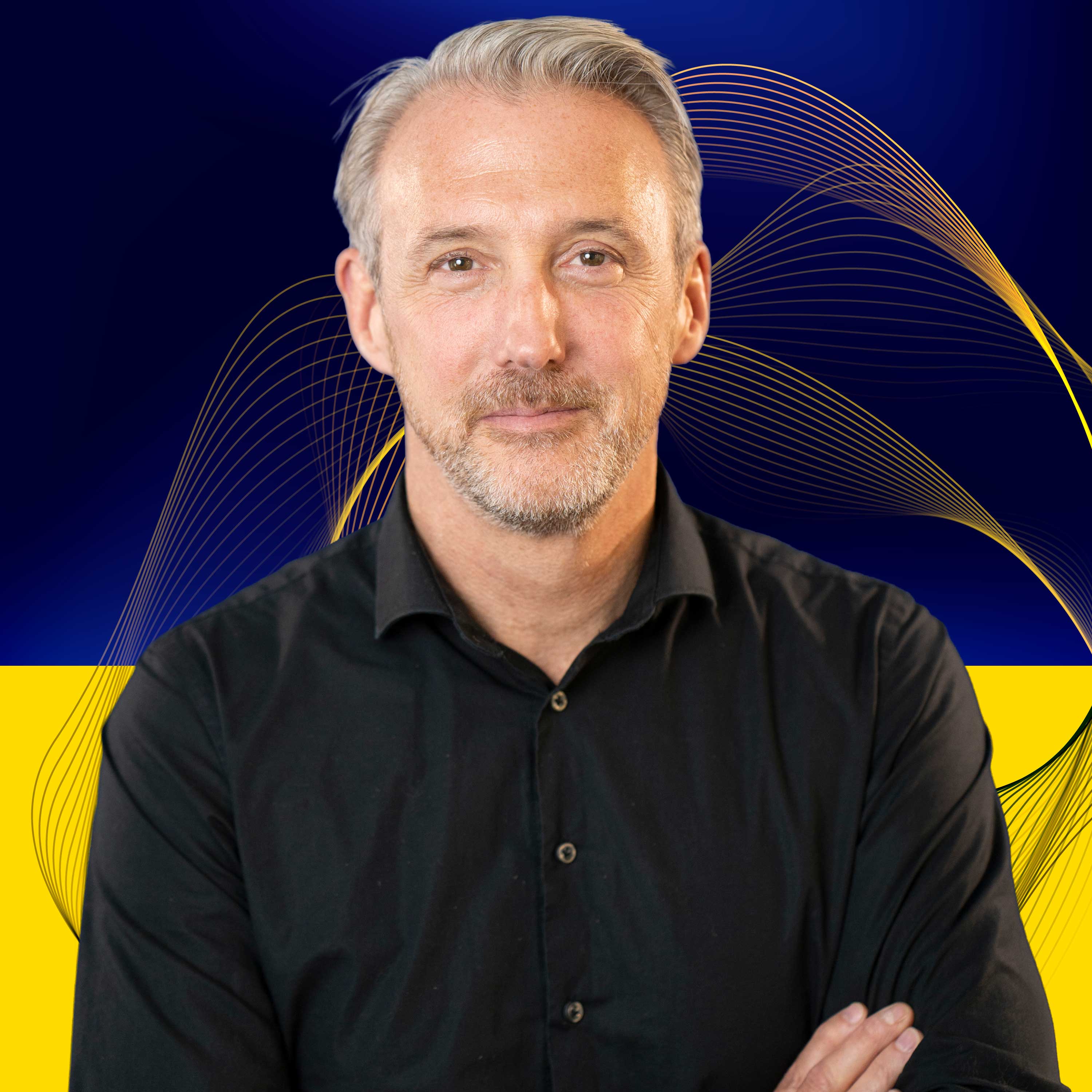 Integration, resilience and competitiveness at the heart of Europe’s energy future 25.08.2026 26นาทีIntegration, resilience and competitiveness - three words that capture where Europe’s energy transition stands today and the necessary elements for a secure energy future. Europe’s energy transition has moved beyond simply adding renewable capacity to integrating a complex energy system, building resilience in the face of uncertainty and keeping the European industry competitive. This episode of the Energy Transitions podcast explores this progression through a conversation with Paddy Young, event director of Enlit Europe. From grids, storage and flexibility to energy security, investment and industrial competitiveness, Young shares what he’s hearing across the energy ecosystem and why greater alignment and collaboration are urgently needed. The conversation also looks ahead to Enlit Europe in Vienna, where these themes will take centre stage, alongside a new Finance & Invest focus and the Evolution Talks, which will bring leaders from across the ecosystem together.
 -
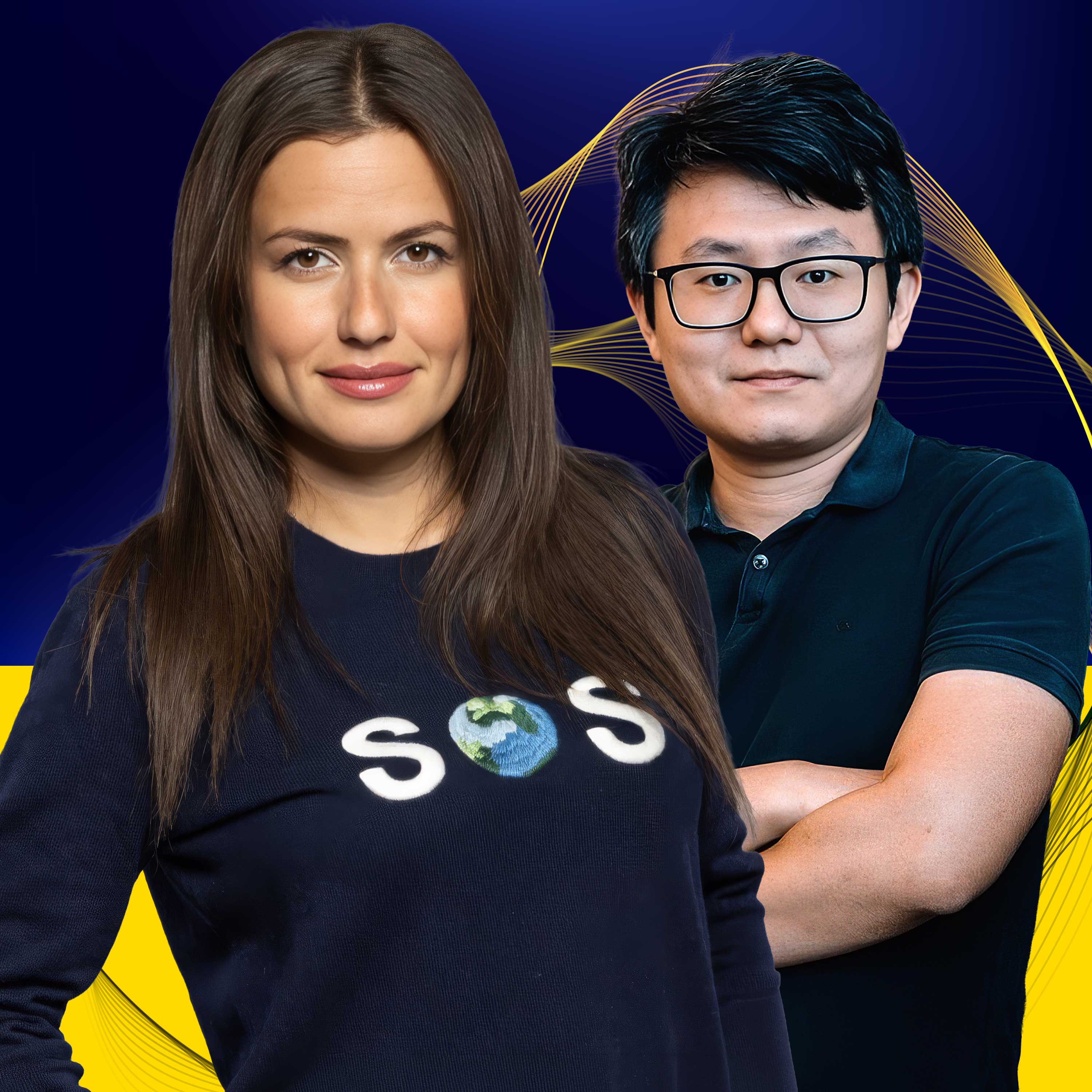 Unlocking the power of AI and ocean energy systems 18.08.2026 29นาทีCould AI help wave energy operate more efficiently, while ocean energy provides clean, stable power for the growing AI economy?In this episode of the Energy Transitions podcast, Inna Braverman, founder and CEO of Eco Wave Power, and Yufei Tang, associate professor at Florida Atlantic University (FAU), explore the possibilities of this symbiotic relationship.Tang and Braverman discuss the convergence of wave energy, AI and data centres, focusing on WaveGPT, an AI-enabled system being developed to support predictive maintenance, anomaly detection and real-time operational decision-making for wave-energy systems.They also highlight the collaboration between Eco Wave Power, FAU and the University of Michigan, which explores an AI-optimised coastal data-centre concept powered by wave energy and supported by energy storage.It’s an inspiring glance into the future of how renewable energy systems could work and demonstrates why the future of AI-powered energy may be closer to the ocean than we think.
 -
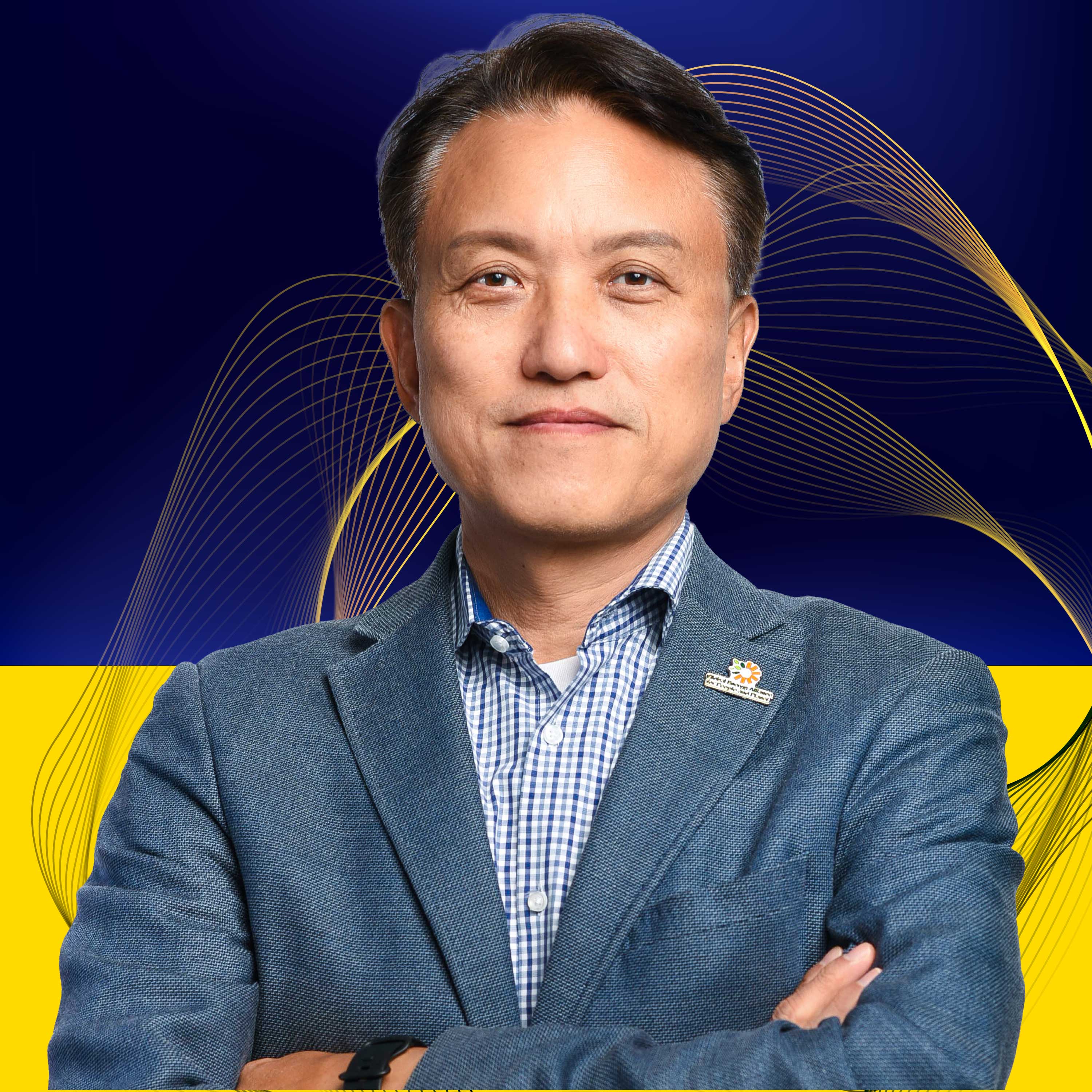 Financing a bankable and just energy transition 04.08.2026 30นาทีAs governments, utilities and investors navigate geopolitical uncertainty and increasing pressure to decarbonise and electrify, one question continues to dominate the energy transition: where will the money come from?Sadly, many across the world continue to suffer energy poverty and billions of dollars remain on the sidelines despite enormous demand for energy infrastructure. In the latest episode of the Enlit Energy Transitions podcast, Pamela Largue speaks with Woochong Um, CEO of the Global Energy Alliance for People and Planet, about how to address this persistent challenge, what it takes to unlock investment for clean energy in developing economies and how to connect the money with the projects and people needing it most.According to Um, the real challenge is not a lack of capital, but a lack of bankable projects, enabling policies and collaboration. He also emphasises that the energy transition, climate action and economic development are not competing priorities but mutually reinforcing goals.
 -
 The policies powering Europe's renewables integration 28.07.2026 28นาทีAs the European Commission advances key legislative proposals, such as Electrification Action Plan and the EU ETS review, the focus is shifting from setting renewable energy targets to delivering them. In this episode of the Energy Transitions podcast, Pamela Largue speaks with Vasiliki Klonari, Director of Energy System Integration at WindEurope, about why this is the most consequential legislative cycle for Europe's energy future. She highlights the critical importance of coherent policies to achieve investor confidence and smarter system integration and lays out how Europe can move beyond ambition to implementation and greater energy autonomy.
 -
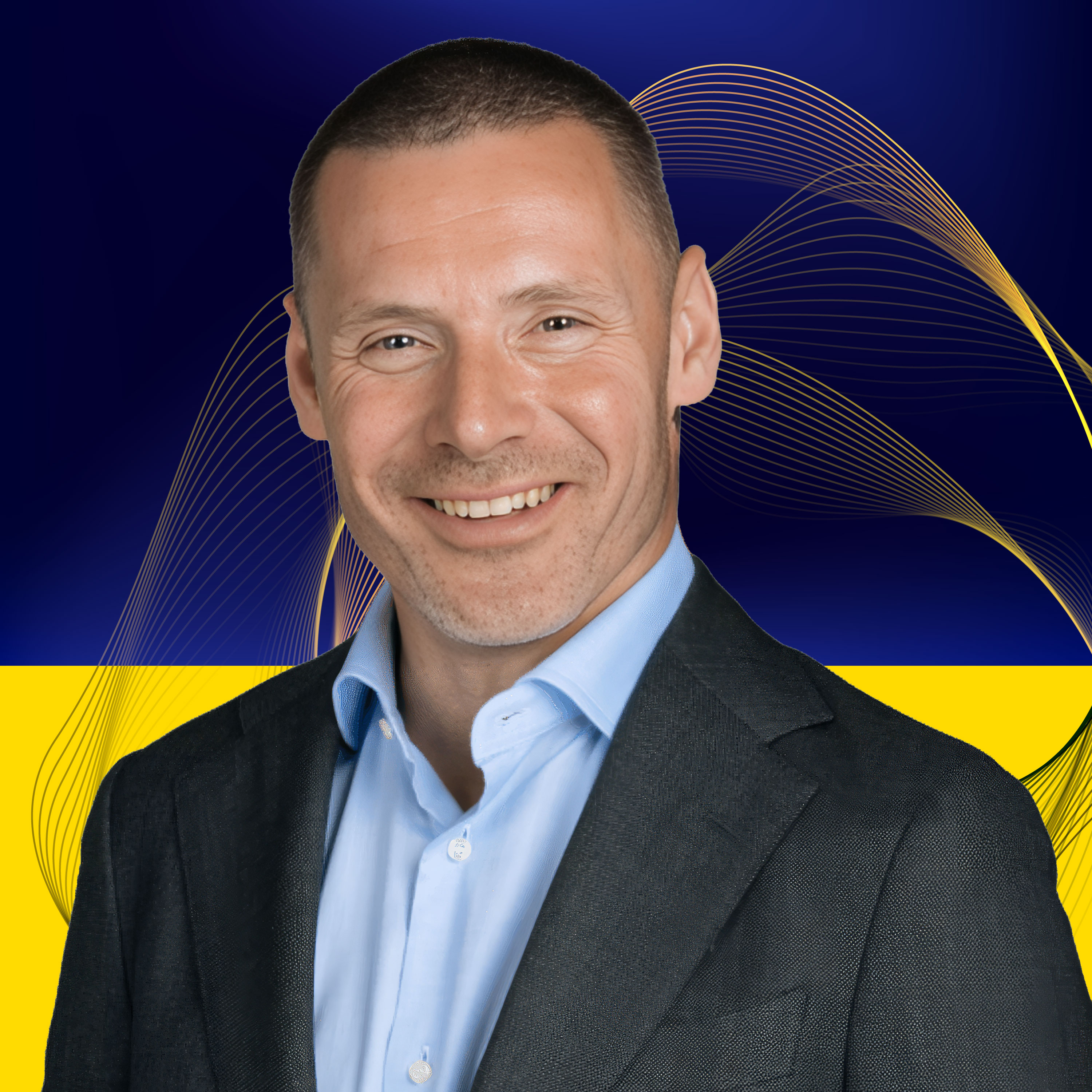 Why competitive industry needs cheap power and smart policy 21.07.2026 28นาทีEurope has already lost around half of its primary aluminium production in recent years, driven by soaring energy costs and intense international competition and yet the ambition to decarbonise industry has never been greater. To unpack the realities facing European industry, as well as the policies that are advancing or preventing deindustrialisation, Pamela Largue speaks with Paul Voss, Director General of European Aluminium. Voss explores why competitively priced electricity is fundamental to Europe's industrial future, why long-term investment in renewables, grids and storage matters more than short-term fixes, and how geopolitical events have reshaped Europe's thinking on trade, resilience and strategic autonomy.While the industry's commitment to net zero is unwavering, Voss argues that policy must be grounded in technological reality.
 -
 Optimising energy storage assets for a more flexible grid 14.07.2026 28นาทีAs battery energy storage systems become an increasingly critical part of the energy transition, the conversation is shifting from simply deploying more assets to ensuring they are used as intelligently as possible.In this episode of the Energy Transitions podcast, Pamela Largue speaks with Henri Taskinen, CEO and co-founder of Capalo AI, about the sophisticated optimisation and trading strategies that are unlocking the full value of battery storage. He focuses in on how AI, forecasting and advanced algorithms enable storage assets to respond dynamically to changing market conditions, as well as why intelligent optimisation is becoming essential to project bankability.
 -
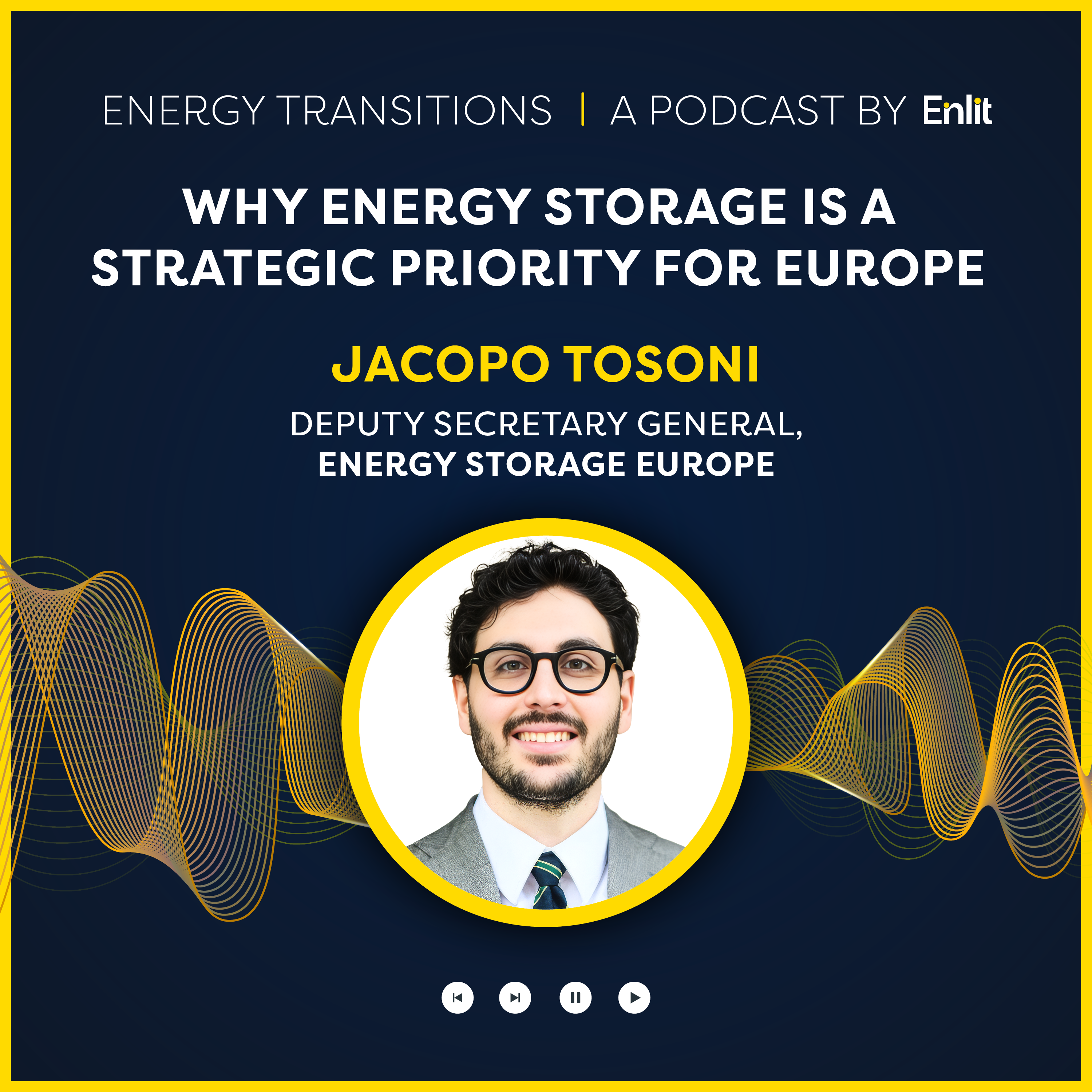 Why energy storage is a strategic priority for Europe 07.07.2026 28นาทีIn this Energy Transitions Podcast, Jacopo Tosoni says that energy storage has now become critical infrastructure to deliver energy security. In this episode of the Energy Transitions podcast, you will learn more about: The drivers behind the unprecedented pace of Europe's energy storage market growth; The markets leading deployment and what countries like the UK, Italy and Germany are doing differently; How storage is becoming essential alongside solar and wind as renewable penetration increases; Why long-duration energy storage is gaining momentum; The policy and regulatory changes still needed to unlock the sector's full potential; What the recent EU tripartite agreement on energy storage signals and whether it's ambitious enough; How innovation in storage technologies could strengthen Europe's industrial competitiveness and support the growing demand from AI data centres.
 -
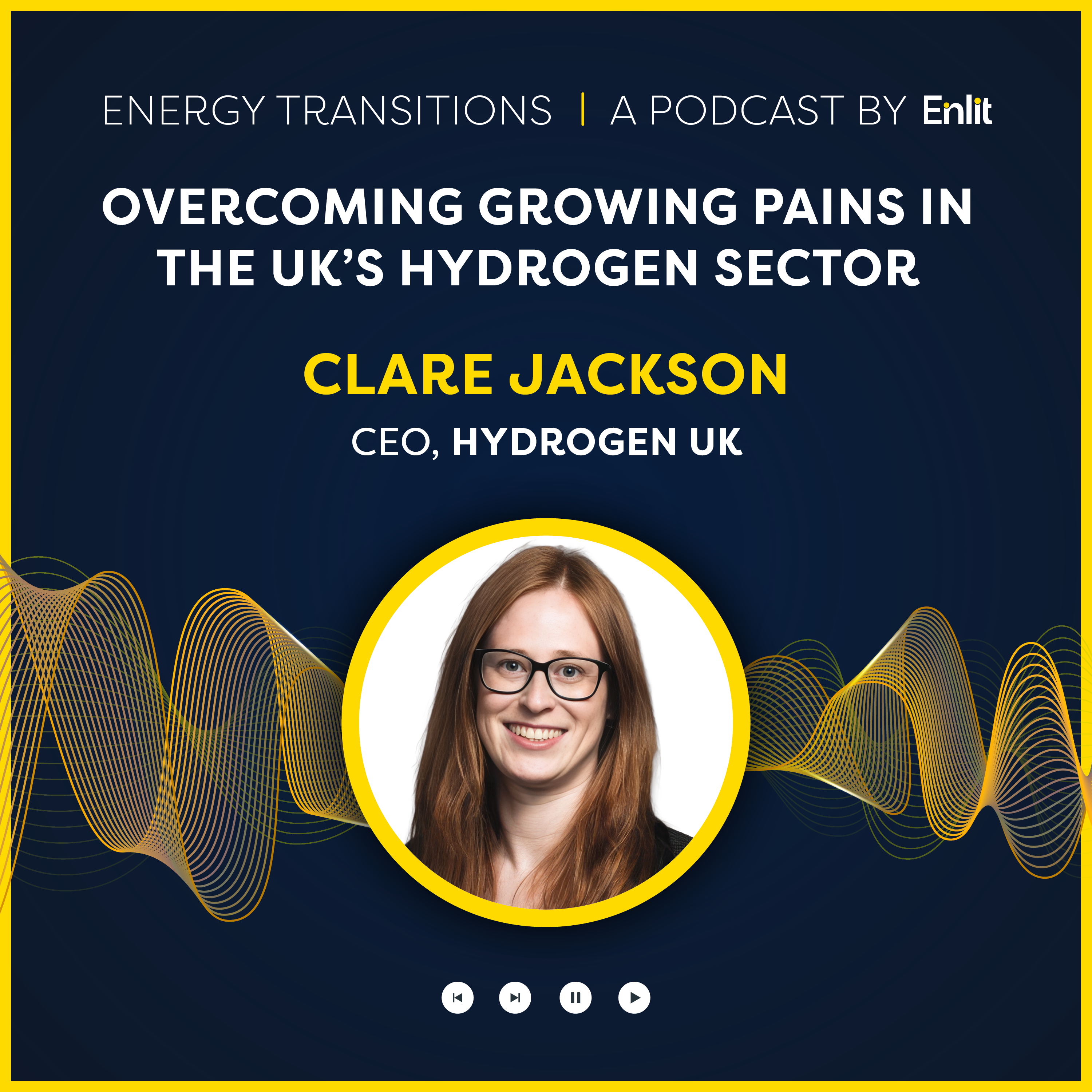 Overcoming growing pains in the UK's hydrogen sector 30.06.2026 23นาทีAccording to Clare Jackson, CEO of Hydrogen UK, delivering hydrogen projects can be likened to a game of Whac-A-Mole and in this episode of the Energy Transitions podcast, she explains why. Hydrogen projects are easy to announce, but difficult to deliver, with early enthusiasm often giving way to the practical work of securing permits, financing, and securing infrastructure and regulatory approvals. Every hurdle exposes the next one, she explains. A project may overcome financing, only to face planning delays, for example. However, says Jackson, this situation is not evidence that hydrogen has failed or that the sector has entered a repetitive cycle with no hope of growth. Rather, it reflects the complexity of building an entirely new energy sector, where technical, financial, regulatory and market challenges must all be addressed before projects become operational. And more importantly, it reflects a maturing sector moving from hype to execution. Jackson emphasises that hydrogen, alongside carbon capture and electrification, will play a critical role in building a resilient, low-carbon energy system, if we can shift hydrogen through these “awkward teenage years”.
 -
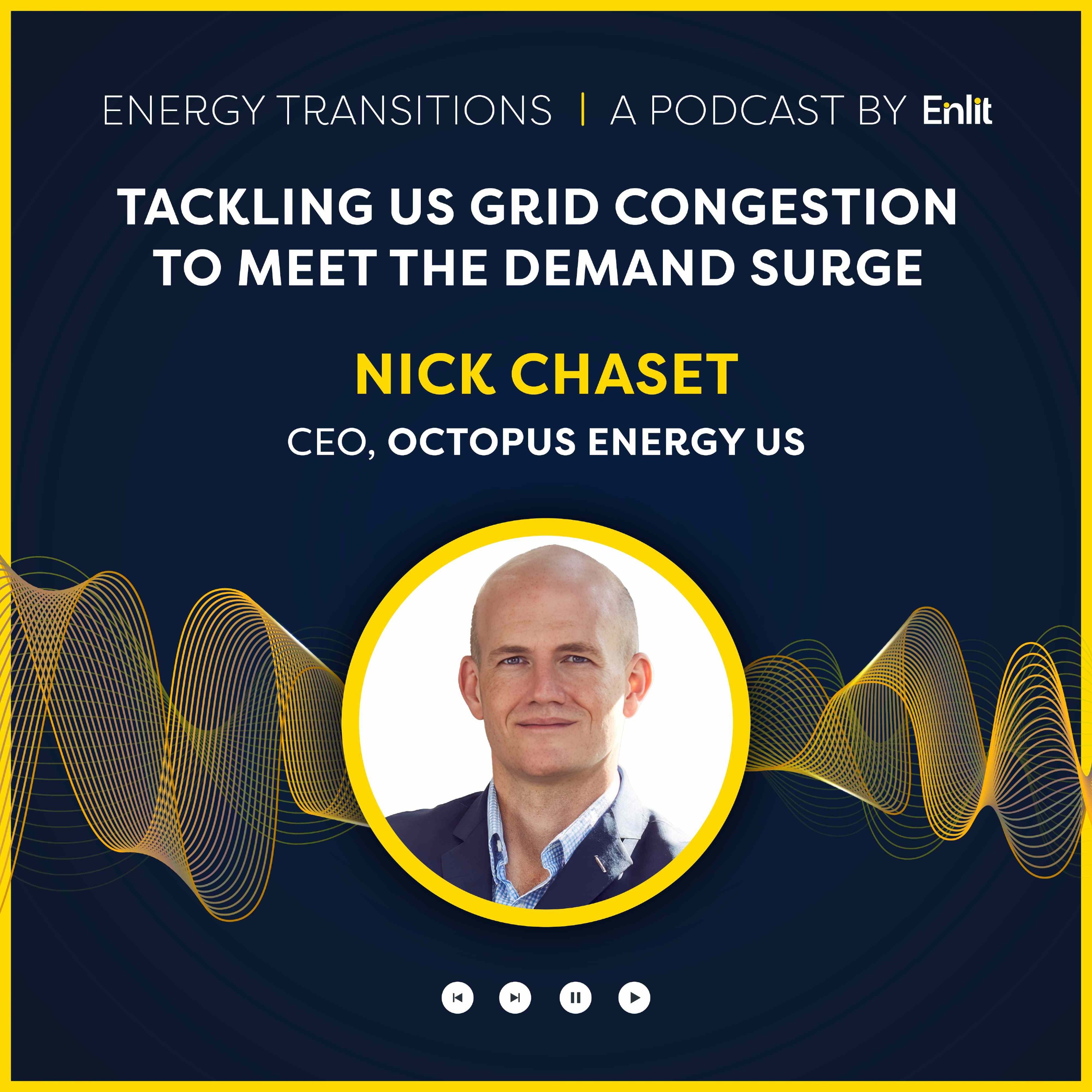 Tackling US grid congestion to meet the demand surge 23.06.2026 28นาทีThe United States is experiencing an unprecedented wave of electricity demand growth. While electrification and electric vehicles continue to contribute significantly, the rapid expansion of AI-driven data centres has introduced a new level of complexity. Facilities consuming hundreds of megawatts, or even gigawatts, of power are being developed on timelines far shorter than utilities have traditionally planned for. This creates a mismatch between supply, demand and network capacity that manifests as grid congestion. In this episode of the Energy Transitions podcast, Pamela Largue speaks to Nick Chaset, CEO of Octopus Energy US, to learn more about how the grid congestion challenge should be tackled. He points to the expanding role of distributed assets such as energy storage and highlights the regulatory reforms needed to unlock smarter networks. Chaset also asserts that while continued investment in generation and network infrastructure is critical, the reality is that building more assets alone may not be enough. The future grid will need to be smarter, more flexible and more responsive to survive the increasing demand loads we are expecting in the future.
 -
 Renewables reality check in the age of energy security 16.06.2026 23นาทีAs governments grapple with volatile fossil fuel prices, supply disruptions and geopolitical uncertainty, is the renewable energy agenda being overshadowed by the growing focus on energy security? In this episode of the Energy Transitions podcast, Pamela Largue speaks with Bruce Douglas, CEO of the Global Renewables Alliance, about why he believes today's energy security concerns are actually accelerating, not slowing, the shift to renewable energy. He points to growing momentum across Europe and Asia, where policymakers are accelerating renewable deployment, electrification, storage and grid investment. In his view, renewables are now not only the cleanest option, but increasingly the fastest and most cost-effective way to add new generation capacity.
 -
 Leveraging the Innovation Fund Heat Auction to decarbonise heat 02.06.2026 28นาทีIndustrial heat accounts for roughly two-thirds of energy use in manufacturing, yet it remains one of the least discussed challenges in the energy transition. In this episode of the Energy Transitions podcast, Pamela Largue speaks with Daniel Galis, Europe Director at the Renewable Thermal Collaborative, about the European Innovation Fund's €1 billion Heat Auction and its role in accelerating industrial heat decarbonisation. Daniel explains how competitive auction mechanisms are being used to support renewable heat technologies, explores why electric boilers dominated the first funding round, and discusses the barriers facing heat pumps, geothermal and solar thermal solutions. He also highlights a critical challenge for Europe’s industrial future: high electricity prices.
 -
 Are European energy policies resilient by design? 25.05.2026 23นาทีGeopolitical instability, persistent fossil fuel dependence, and the need to maintain industrial competitiveness are forcing European policymakers and energy leaders to confront increasingly urgent questions about whether policies support or hinder energy security, resilience and decarbonisation. In this episode of the Energy Transitions Podcast, Pamela Largue speaks with Marion Labatut, European Affairs Director at EDF, about the strategic choices Europe must make to remain resilient while accelerating its net zero ambitions. Labatut believes one of Europe’s strongest strategic advantages lies in expanding the use of electricity across transport, buildings, and industry. To support this, she calls for Europe to “stay the regulatory course” and to ensure greater regional coordination to reduce overall system costs and improve grid efficiency.
 -
 Nuclear in transition: Insights from Siemens Energy 19.05.2026 21นาทีIn this episode of the Energy Transitions Podcast, Pamela Largue speaks with Dr. Dagmar Thien, Manager of Conventional Island Nuclear Power Plant Equipment at Siemens Energy, about the company’s long-standing role in nuclear energy and how it is supporting the current nuclear renaissance. In this episode you will learn more about: The drivers behind renewed interest in nuclear power; The growing role of nuclear in the global power mix and how this impacts Siemens Energy; How modularisation could reshape the economics of both large nuclear plants and SMRs; How regulatory alignment and component standardisation could reduce cost, time, and licensing burdens; Why upgrading existing nuclear plants will be important to expanding nuclear generation capacity; How Siemens Energy is supporting plant restarts and upgrades that significantly increase output, referencing the examples of Palisades, Byron and Braidwood; Siemens Energy’s views on fusion as a future technology; Siemens Energy’s role as a technology-neutral, long-term nuclear partner. This episode is brought to you in partnership with Siemens Energy.
 -
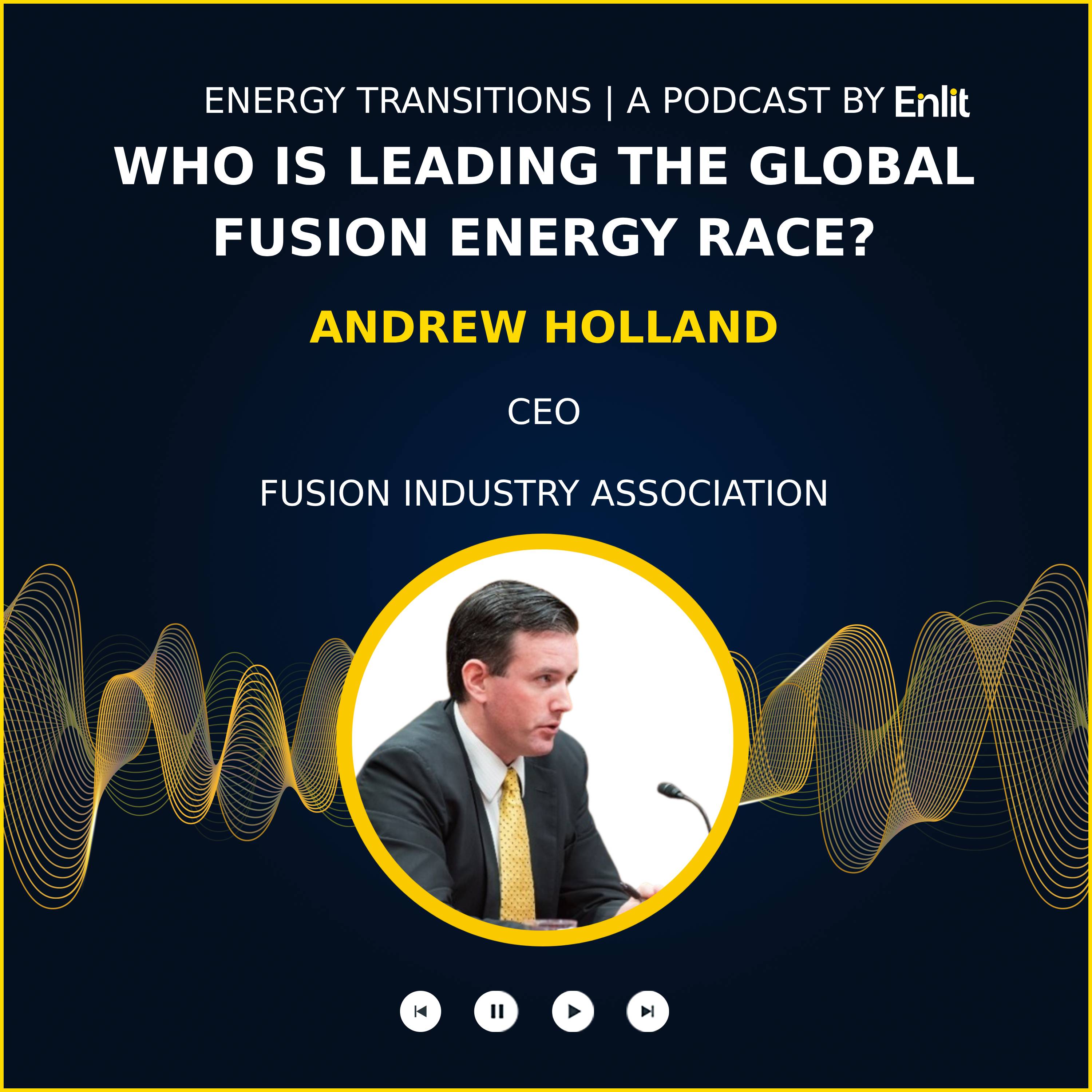 Who is leading the global fusion energy race? 12.05.2026 30นาทีFusion energy is moving from science fiction to commercial reality, driven by focused government strategies, increasing private investment, and a range of technological breakthroughs. To identify the leaders in the race to harness this limitless source of clean power, Pamela Largue speaks with Andrew Holland, Chief Executive Officer of the Fusion Industry Association. Holland highlights the technologies showing the greatest promise, from tokamaks and stellarators to inertial confinement and laser fusion. He explores the developments making fusion commercially viable and outlines what must happen next to ensure scalable supply chains, fit-for-purpose regulation, and public acceptance. As the world grapples with an energy security crisis, Holland also emphasises fusion’s potential role in reducing countries’ energy dependence on one another — a key step toward separating energy from geopolitics.
 -
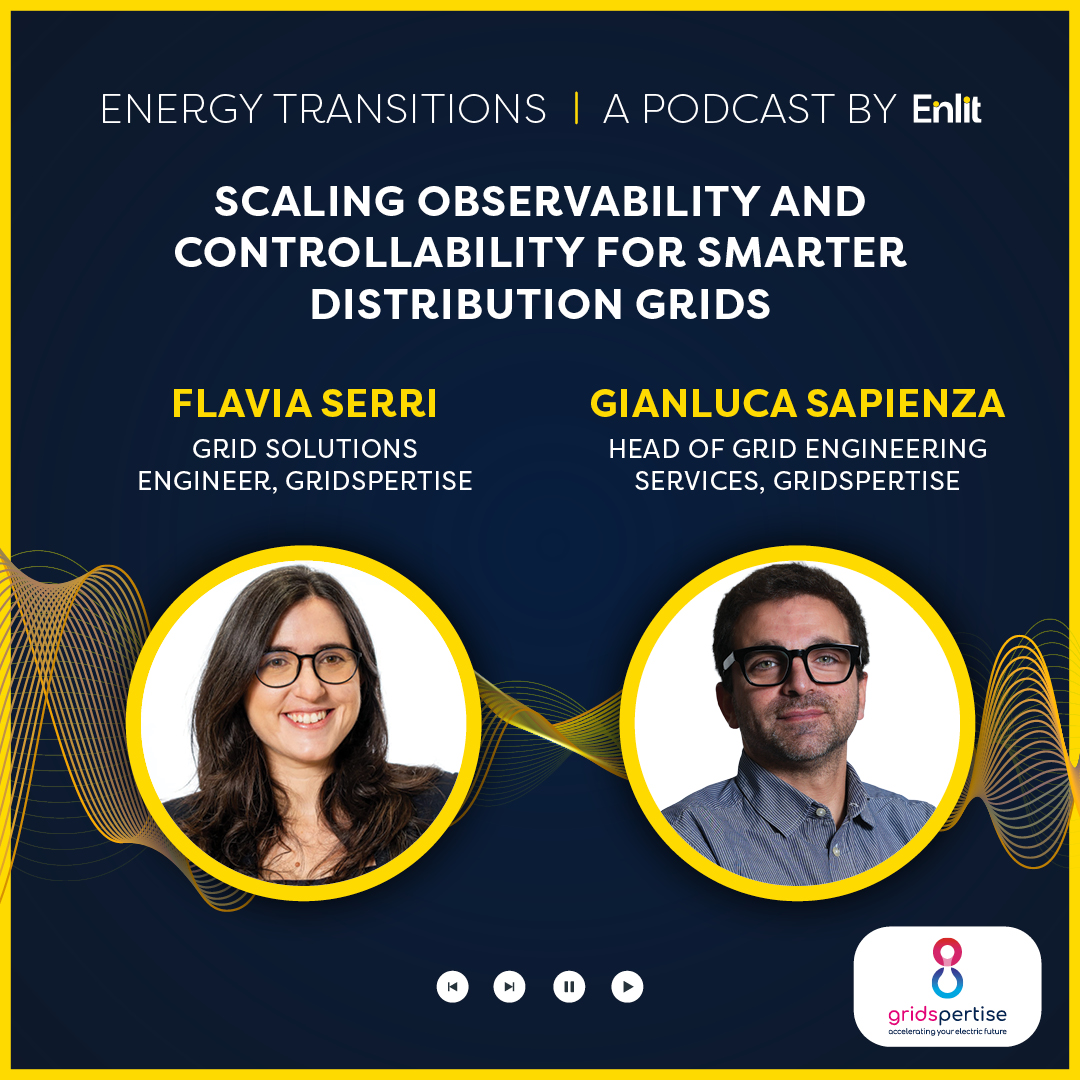 Scaling observability and controllability for smarter distribution grids 05.05.2026 32นาทีAcross Europe, increasing electrification and the rapid growth of distributed energy resources have pushed regulation and grid operations toward higher levels of visibility, coordination, and data exchange. In Italy, a regulatory journey that began in 2018 has led to a framework that treats observability as a foundational capability for secure and resilient system operation. To learn more about this journey and how observability and controllability are reshaping grid operations, Pamela Largue speaks to Flavia Serri, Grid Solutions Engineer and Gianluca Sapienza, Head of Grid Engineering Services at Gridspertise. Serri and Sapienza provide a system-level perspective on how regulatory vision can translate into real-world implementation at scale. This episode of the Energy Transitions podcast is brought to you in partnership with Gridspertise.
พอดแคสต์ที่คล้ายกัน


ยอดนิยมใน
พอดแคสต์นี้ปรากฏในชาร์ตพอดแคสต์ของประเทศเหล่านี้ด้วย
