
The Avalanche Hour Podcast
The Avalanche Hour
0
The Avalanche Hour Podcast is a show dedicated to backcountry skiing and avalanche safety, hosted by Caleb Merrill. Episodes feature conversations with avalanche forecasters, educators, guides, and experienced backcountry travelers. Topics include snow science, terrain and decision-making, rescue techniques, and gear. The goal is to share practical knowledge that helps people travel safely in avalanche terrain.
ตอน
-
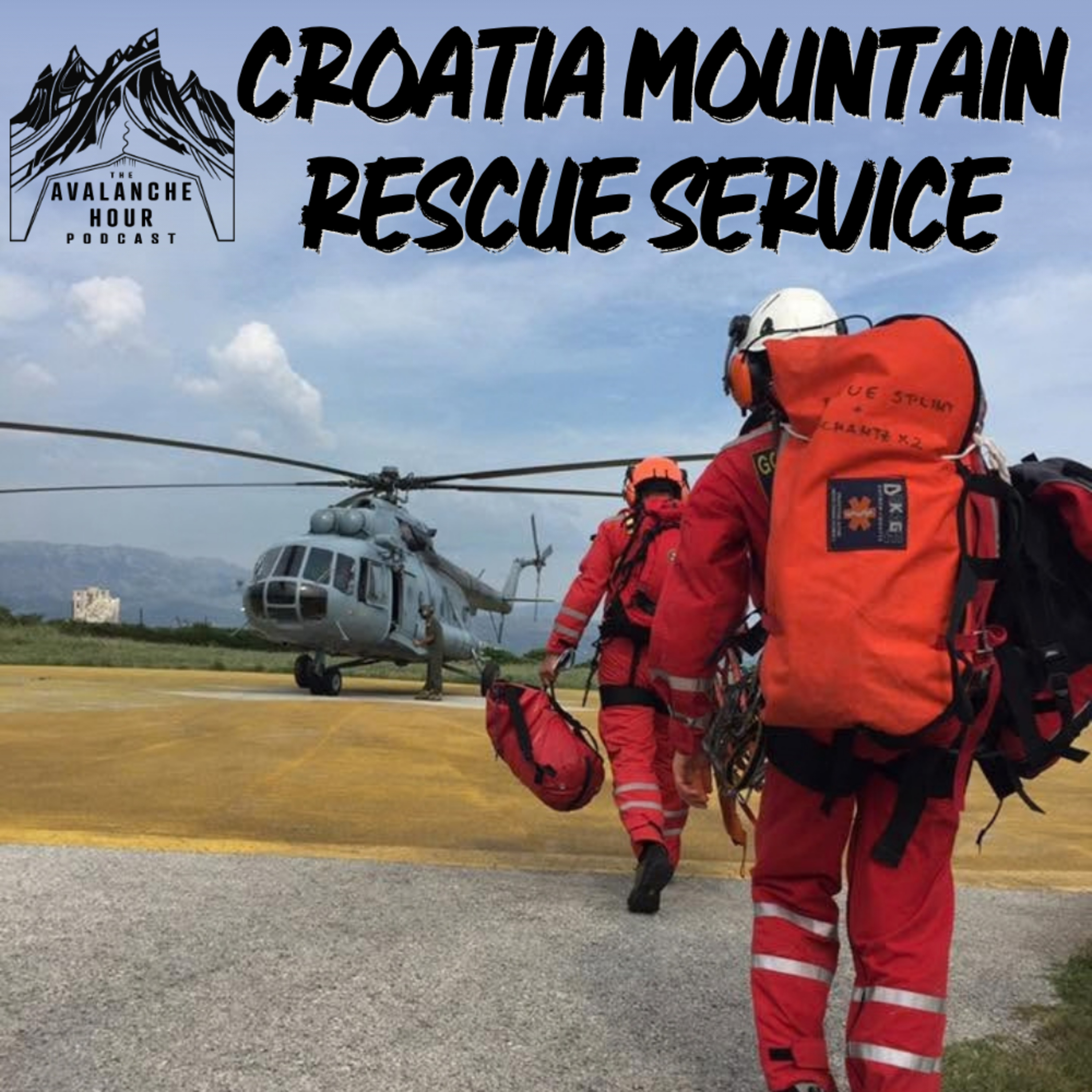 From the Adriatic to the Alps: The Croatian Mountain Rescue Service Makes the Save 14.10.2026 54นาทีNikola and Stele are Croatian Mountain Rescue Service (HGSS) members. The HGSS has been operating for over 75 years, primarily tending to cave rescues, ocean rescue, rock rescue, and more recently, avalanche rescue. It is a nationwide rescue organization with over 2500 members. The alpine terrain in the country is minimal, but the country is an exporter of avalanche victims. Including a prolific accident that killed a member of the organization and injured several others in neighboring Bosnia-Herzegovina. Nikola and Stele have been involved with HGSS since they were young adults and serve as lead trainers, organizing international workshops for their organization's avalanche commission. HGSS has gained status as an ICAR delegate organization, and as of 2019 they regularly bring US avalanche instructors over to teach their team the emerging standards of North America. Working with these two on several custom programs, I have gotten to know their team and admire the commitment they place on advanced alpine training, often traveling to neighboring alpine countries like Slovenia, Austria, Italy, and France to practice. Summary of their conversation: Nikola Brebric and Stele Stefanac give an overview of the history of the Croatian Mountain Rescue Service highlighting:- Their involvement over two decades- How the dynamic contrast of the recreational opportunities influence training, education and prevention, and rescue operations.- The way a significant event shaped their organizations approach to internal training- How they have made connections across the globe to keep their team up to speed on the latest advances in Avalanche Search and Rescue.Croatian Mountain Rescue Service WebsiteThanks to the sponsors of the show.Legacy Sponsors:Darren Johnson Avalanche Education Memorial FundDrone Amplified’s MontisThe Guide NetworkPartner Sponsors:Austin PowderPeak VisoronX BackcountryEpisode Sponsor: Arva Equipment Music: KetsaArtwork: Mike Tea Production: Caleb Merrill, Angie Lake
 -
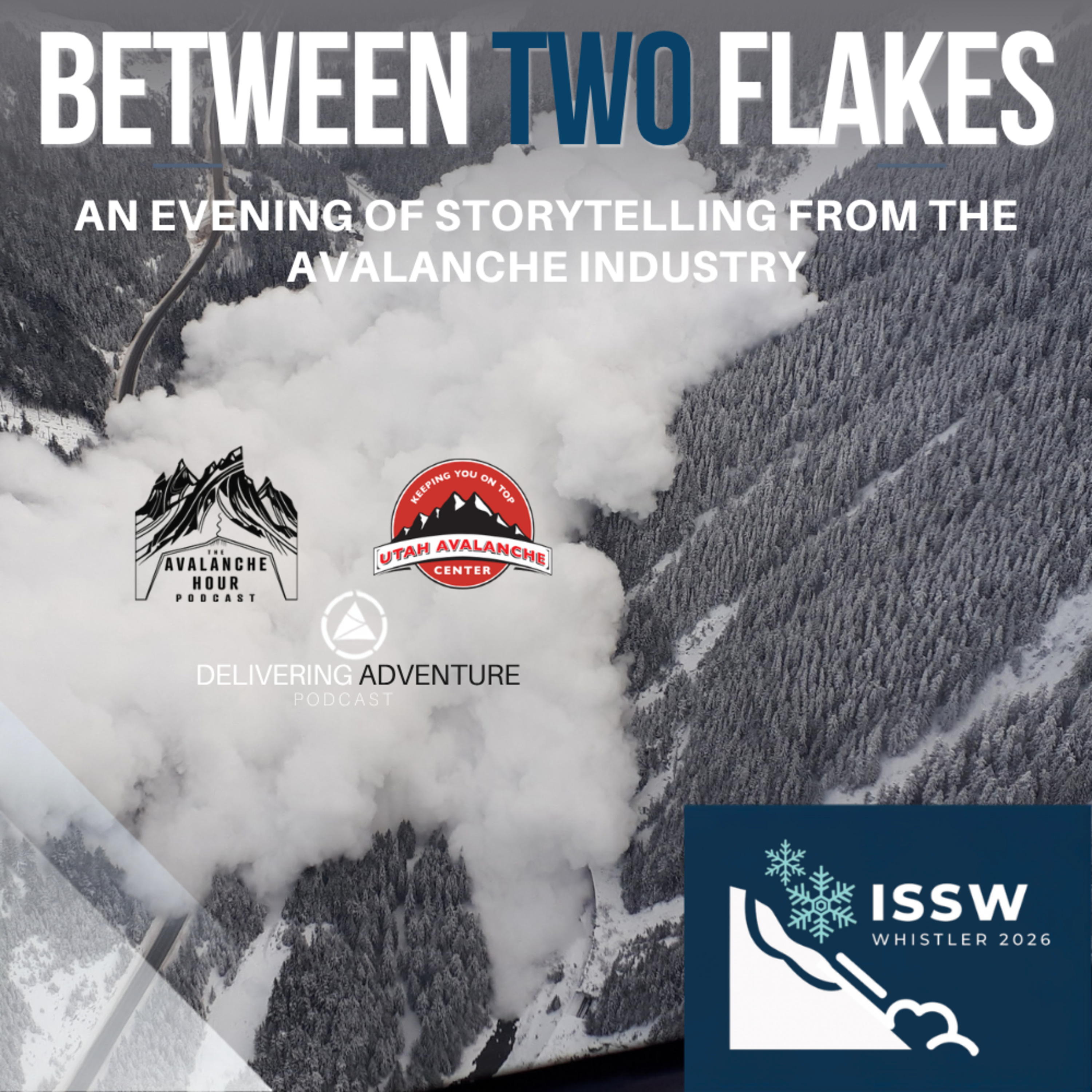 Between Two Flakes: A Slabs 'n Sluff Live Recording from ISSW 2026 07.10.2026 1ชม. 27นาทีTune in for a great evening of live storytelling from ISSW 2026. Sara and Dom brought the Slabs 'n Sluff vibe to the Whistler audience and were joined by an amazing crew 8 of professionals from the snow and avalanche community. The theme of ISSW is “A Merging of Theory and Practice” so we let our storytellers loose with a request to “tell us a 5-7min story of a time when theory met practice in your career.”The stories:Erich Peitzsch - “Mistakes were made but we continued learning…Right?!”Erin Talor - “When practice precedes their: turning an unexpected situation into a learning opportunity”Chris Kaipio - “The memory factor and risk taking.”Helene Steiner - “Retreat!”Jordy Shepherd - “To heliski or not to heliski: managing a significant buried persistent weak layer while running a relatively new heli-ski operation.”Eeva Latosua - “There must be a rule for this.”Drew Hardesty - “Backcountry avalanche forecasting: from theory to practice.”Penny Goddard - “When theory doesn’t explain practice.”Thanks to the sponsors of the show.Slabs 'n Sluffs Season Sponsor: Raide, SafebackLegacy Sponsors:Darren Johnson Avalanche Education Memorial FundDrone Amplified’s MontisThe Guide NetworkPartner Sponsors:Austin PowderPeak VisoronX BackcountryMusic: KetsaArtwork: Mike Tea Production: Caleb Merrill, Angie Lake
 -
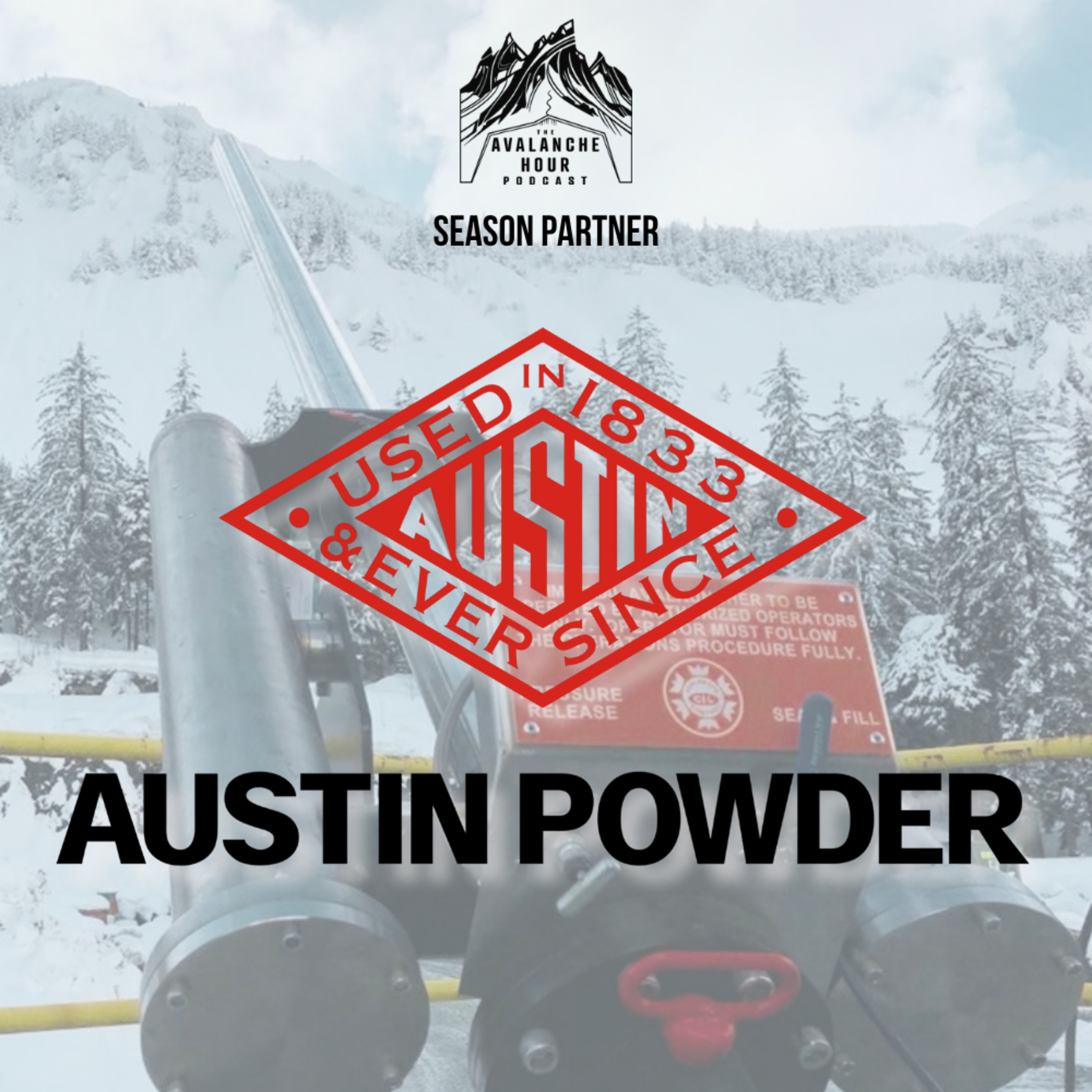 Almost 200 Years of Explosives Manufacturing - Austin Powder: Sponsor Highlight 25.09.2026 49นาทีSeason 11 is just around the corner, kicking off October 1st. Join us for a shout out to one of our sponsors - Austin Powder, a major manufacturer of explosive products for the avalanche industry. Hear a bit about the history of the company, a time when the North American avalanche industry was close to starting a winter season without an explosive supplier, and stay tuned until the end to hear some observations and insights on cornice blasting and case charging. Learn about the history of the Avalauncher, and how mining rock blasting and avalanche control blasting are more similar than it might seem. Host Dom is joined by Braden Schmidt, Austin Powder Avalanche Global President and Michael Blancher, Austin Powder Technical Manager. Both Braden and Michael have decades of experience in the avalanche industry and bring their expertise to their role supporting avalanche operations with technical blasting challenges. Braden Schmidt has worked in Explosives Avalanche Control Operations since 2004. He is a Professional Member of both the Canadian Avalanche Association as well as the American Avalanche Association, and a member of International Society of Explosives Engineers. He sat on the Explosives Advisory Committee of the Canadian Avalanche Association for 3 years before moving into his current role with Austin Powder Avalanche in 2018. He has conducted Avalanche control mission in Canada, USA and Europe and has also consulted on jobs in Iceland, Japan and New Zealand. Michael Blancher has spent 29 years in the avalanche patch hunting frozen forms with the Ski Patrol at Whistler Blackcomb, then MOT Hwy’s Avalanche Weather Program Supervisor, now proudly serving the community with fresh Austin Powder. Episode Summary:- Learn about how a nearly 200 yr old privately held company is helping keep ski hills, highways and infrastructure open by supplying explosives for avalanche control.- Hear about the evolution of the Avalauncher, as well as insights on better techniques and technology for case charging and cornice control. - Consider how surface rock blasting and avalanche control blasting have more in common than it might first seem.- Tune in to catch up on the latest from one of the avalanche industry’s best supporters.Thanks to Austin Powder for supporting the show! Music: KetsaArtwork: Mike Tea Production: Dom Baker, Angie Lake
 -
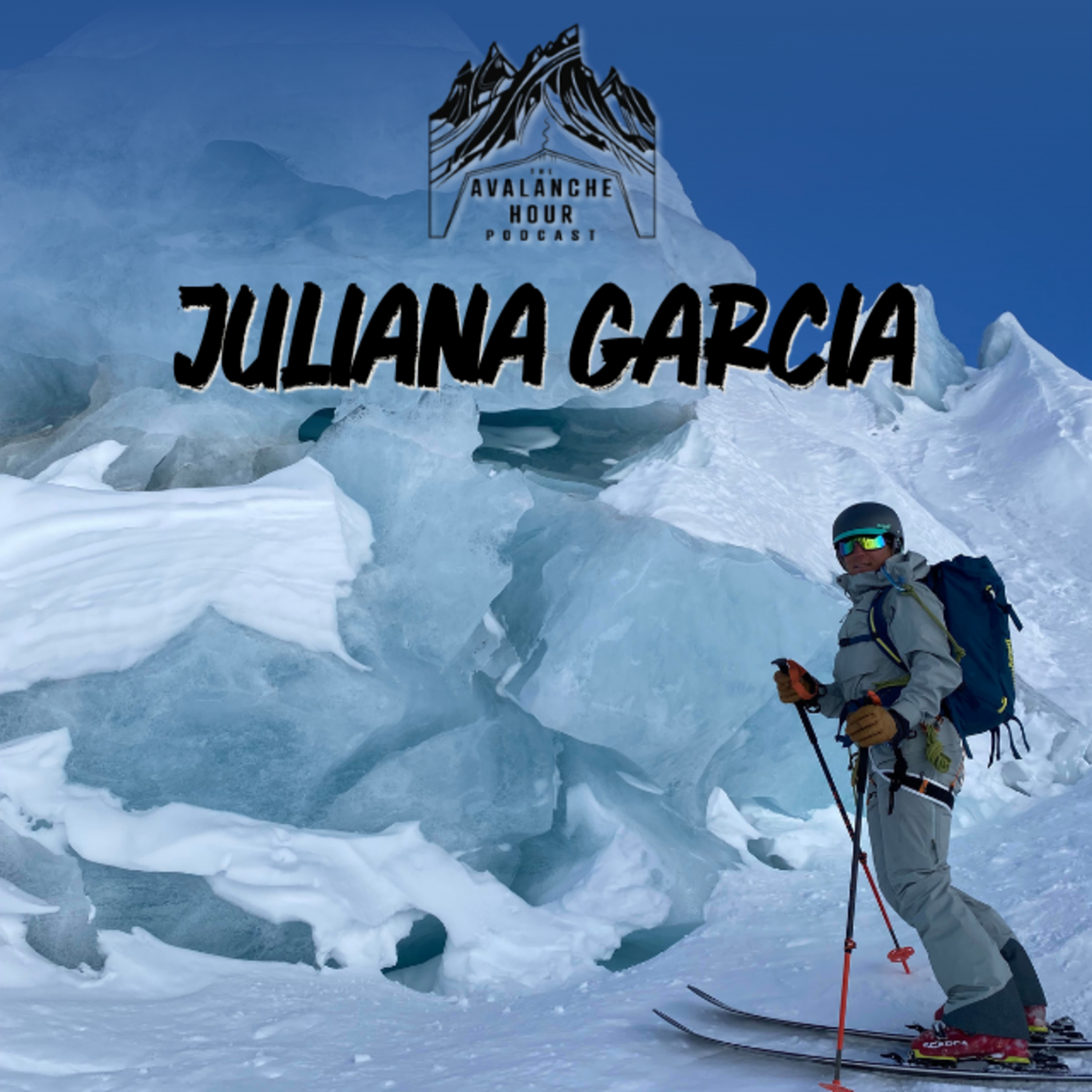 Setting the Track with Juliana Garcia 24.09.2026 43นาทีSetting the TrackJuliana Garcia grew up climbing the volcanoes of Ecuador and became an international mountain guide—but skiing was the piece of the puzzle she still wanted to solve.In this episode, Brooke Maushund sits down with Juliana Garcia. Juliana takes us through her journey from climbing Cotopaxi as a teenager to becoming an IFMGA guide, learning snow and avalanche science as an adult, and bringing that knowledge back to the Andes.We talk about breaking into the guiding world as the first woman in several of her training programs, the mentors who helped shape her career, the evolution of avalanche education in Ecuador, and her work supporting the next generation of mountain guides.From Ecuador to Colorado, Alaska, and beyond, Juliana's story is about persistence, curiosity, mentorship, and finding a way to keep learning—no matter how long the journey takes.In this episode: Ecuador • Andes • Ski Guiding • Avalanche Education • IFMGA • Women in Guiding • Mentorship • Snow ScienceThank you to the sponsors of the show: Legacy Support: The Darren Johnson Avalanche Education Memorial Fund Drone Amplified's MontisThe Guide Network Partner Support: Austin Powder PeakVisorOnX Backcountry Episode Sponsor: A3 Avalanche Resilience Project
 -
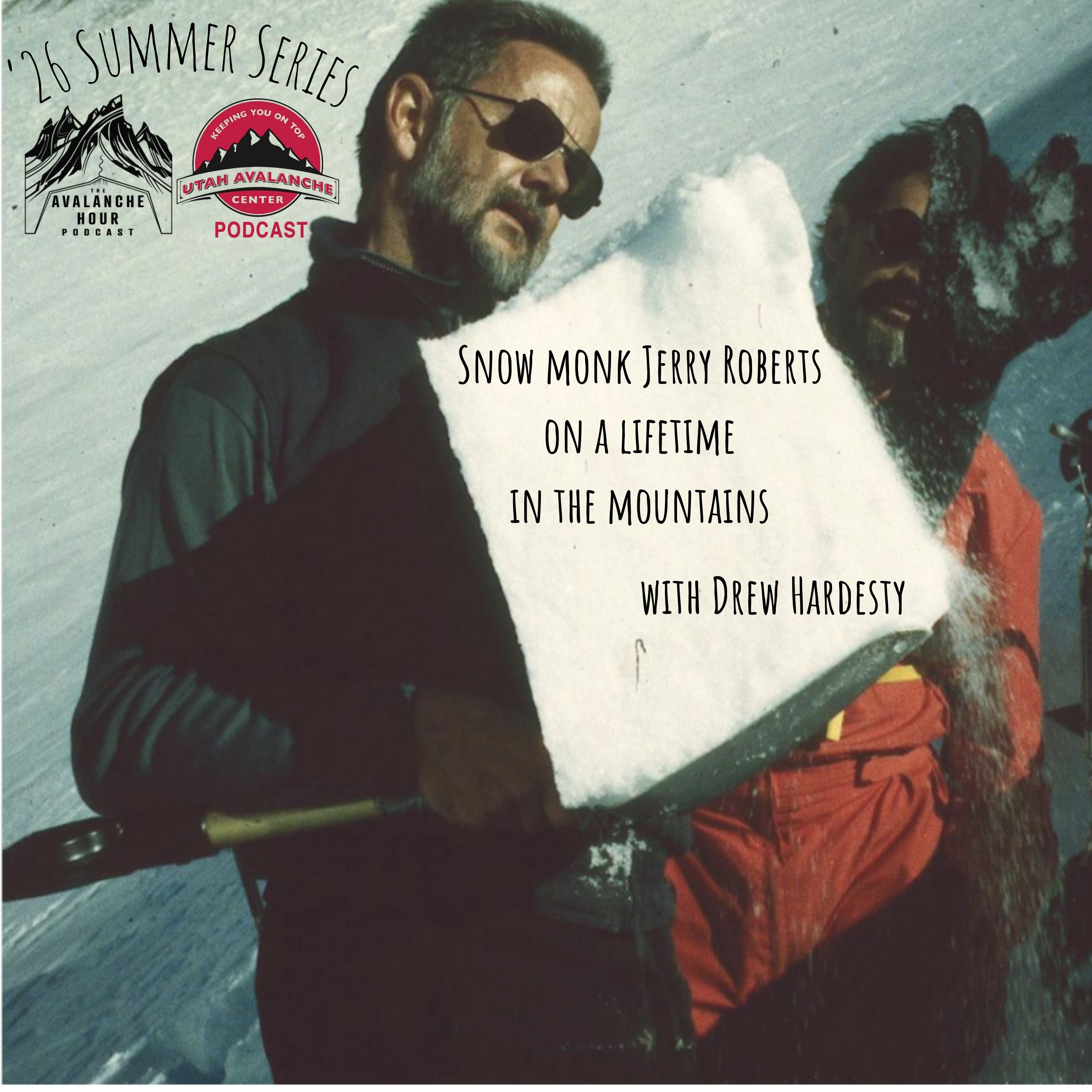 The Utah Avalanche Center Podcast: Snow Monk Jerry Roberts on A Lifetime in the Mountains: 09.09.2026 1ชม. 3นาทีUnlike a lot of snow and avalanche professionals, Jerry Roberts spent a fair amount of time hanging out around San Francisco, soaking up the Buddhist-infused literary scene of the '60s. He developed a deep affection for some very old school snow enthusiasts: Basho, Issa, Buson, and other 18th-century Japanese poets. He went on to a lengthy career forecasting for the Colorado Avalance Information Center, the Colorado Department of Transportation, even Quentin Tarantino. Along the way, he's written a number of his own wintry haiku. He joins us to share stories and wisdom from a lifetime in the snowy mountains, as well as a few poems.Jerry passed away in September of 2023. Drew's writing for Jerry: Summer's EndThe Assistant Spiritual Director Gets a Promotion
 -
 Imagining the Worst Case Scenario with Chris Kaipio and Jordy Shepherd: Delivering Adventure Podcast 12.08.2026 1ชม. 8นาทีSummer Series #3We continue our summer series with a cross-air of one of our favorite podcasts, Delivering Adventure. Why is it so important to imagine the worst-case scenario? What happens when we don’t?In this episode of Delivering Adventure, Chris and Jordy share a few examples from their adventure industry careers to illustrate the importance of considering the worst-case scenario. They also talk about some of the factors that can compromise our ability to foresee what can happen if things don’t go to plan and how we can avoid falling into these traps.Chris Kaipio has been working in the adventure guiding industry as a guide, instructor, trainer, manager and content developer since 1991.Jordy Shepard is an internationally certified ACMG / IFMGA Mountain Guide, guide trainer, an avalanche educator, rescue specialist, and a former park warden.Key TakeawaysHow we can imagine the wort-case scenario:Consider What can Reasonably Happen: This involves asking ourselves what all the possible negative outcomes could be and identifying if we are prepared if they come to pass.Be detail oriented: The difference between a professional and an amateur is being detail oriented. Considering all the details before hand gives us an opportunity to identify and plan for all the likely outcomes that may happen.Think ahead: This can require us to step away from complex situations so that we can fully consider the situation and what lies ahead.Ask if we are Missing Anything: Is there information that we might be missing? This is something that we should always be asking ourselves. This helps to avoid developing tunnel vision.Do your research: This can involve talking to others and looking at case-studies.Training and Simulations: This can give us firsthand experience with what can happen.Communicate the Risks Thoroughly: This creates an opportunity for everyone to understand what hazards they can expect to encounter.Guest BiosChris Kaipio is the produce and co-host of Delivering Adventure.He has worked in the adventure industry as an instructor, guide, trainer and manager since 2001.Chris is currently developing the Managing Risk on Snow eLearning Certification for the Professional Ski Instructors of Canada. When complete, this will be a robust four level online risk management and decision-making certification for guides and Instructors.Chris has written the book Power to Influence: How to get the best out of ourselves and others. He currently serves on the Board of Directors for the Association of Canadian Mountain Guides. This is where he met Jordy Shepherd.Jordy Shepherd is the co-host of Delivering Adventure.Jordy is an internationally certified ACMG / IFMGA Mountain Guide, guide trainer, an avalanche educator, rescue specialist, and a former park warden.His work experience includes Canadian Avalanche Association Course Leader for Avalanche Search and Rescue Advanced Skills, Provincial Park Ranger, National Park Warden, Wildlife Conflict Specialist, Wildland and Structural Firefighter, Mountain and Industrial Rescue Specialist, Heli-skiing Operations Manager and Lead Guide, and Licensed Real Estate Agent. In addition to all of his work in the adventure guiding industry, Jordy runs a successful real estate company in Canmore Alberta where he currently lives with is family.Follow, Subscribe and Listen to more Delivering Adventure Podcasts here.
 -
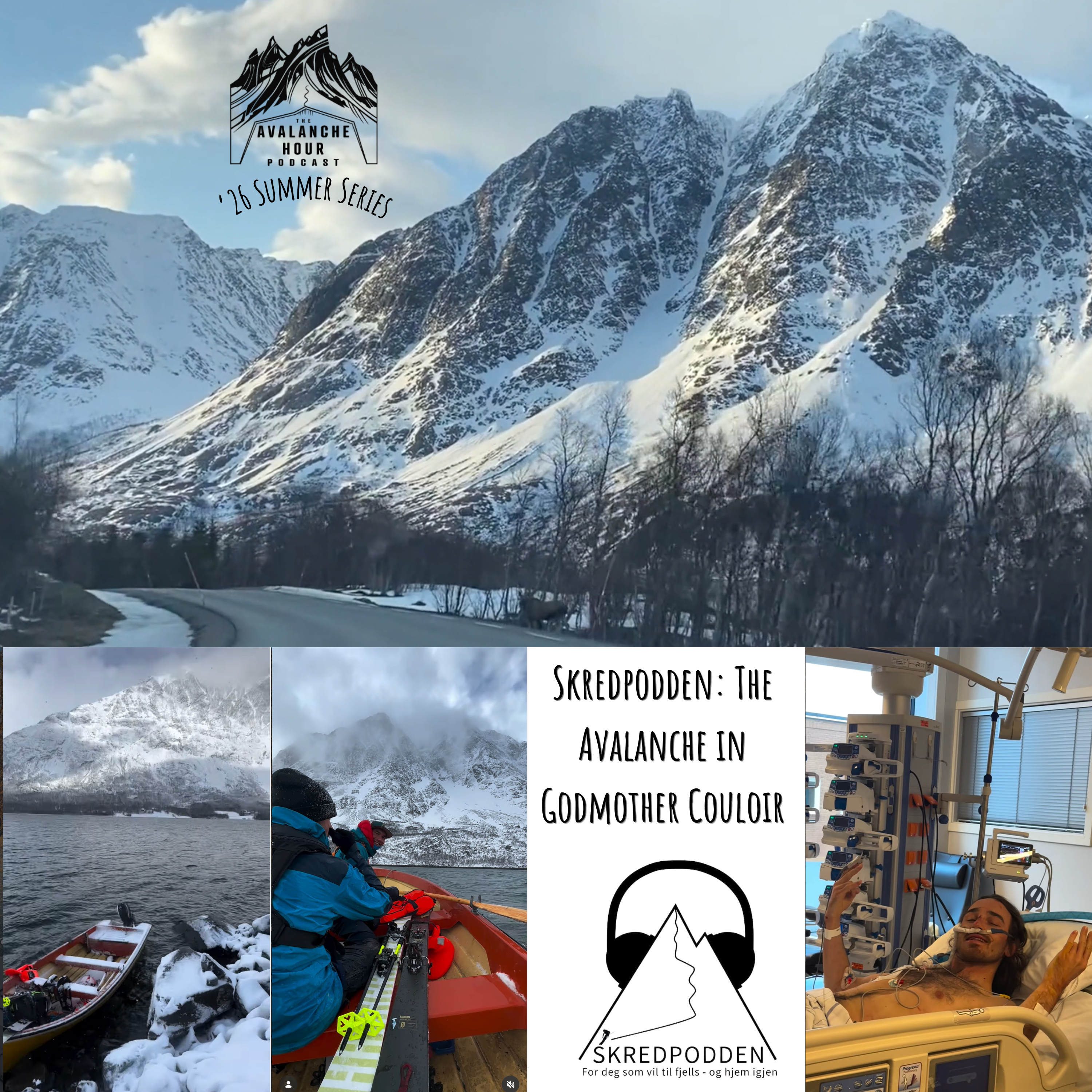 The Avalanche In Godmother Couloir: Skredpodden 29.07.2026 1ชม. 19นาที2026 Summer Series #2On 22 April 2023, a group of three were caught in an avalanche in the Godmother Couloir in Lyngen, in Northern Norway. Two of them were severely injured and had to be airlifted out for life-saving treatment. It was a matter of life and death… One managed to get out on his own and rushed to the hospital.Niels Sole Semb and Victor Rizzardi speak openly and honestly about their experience from the day of the accident—what went wrong, and what lessons can be learned.We are grateful to be able to share this story with the listeners of The Avalanche Hour and hope that you will learn something from this excellent episode originally recorded, produced, and released by Skredpodden. You can find a video of a presentation Niels gave about this incident here. Thank you to our current season long sponsors: Darren Johnson Avalanche Education Memorial Fund Drone AmplifiedAustin Powder PeakVisorWe are currently looking for sponsors and underwriting to continue production. See availability and details here.
 -
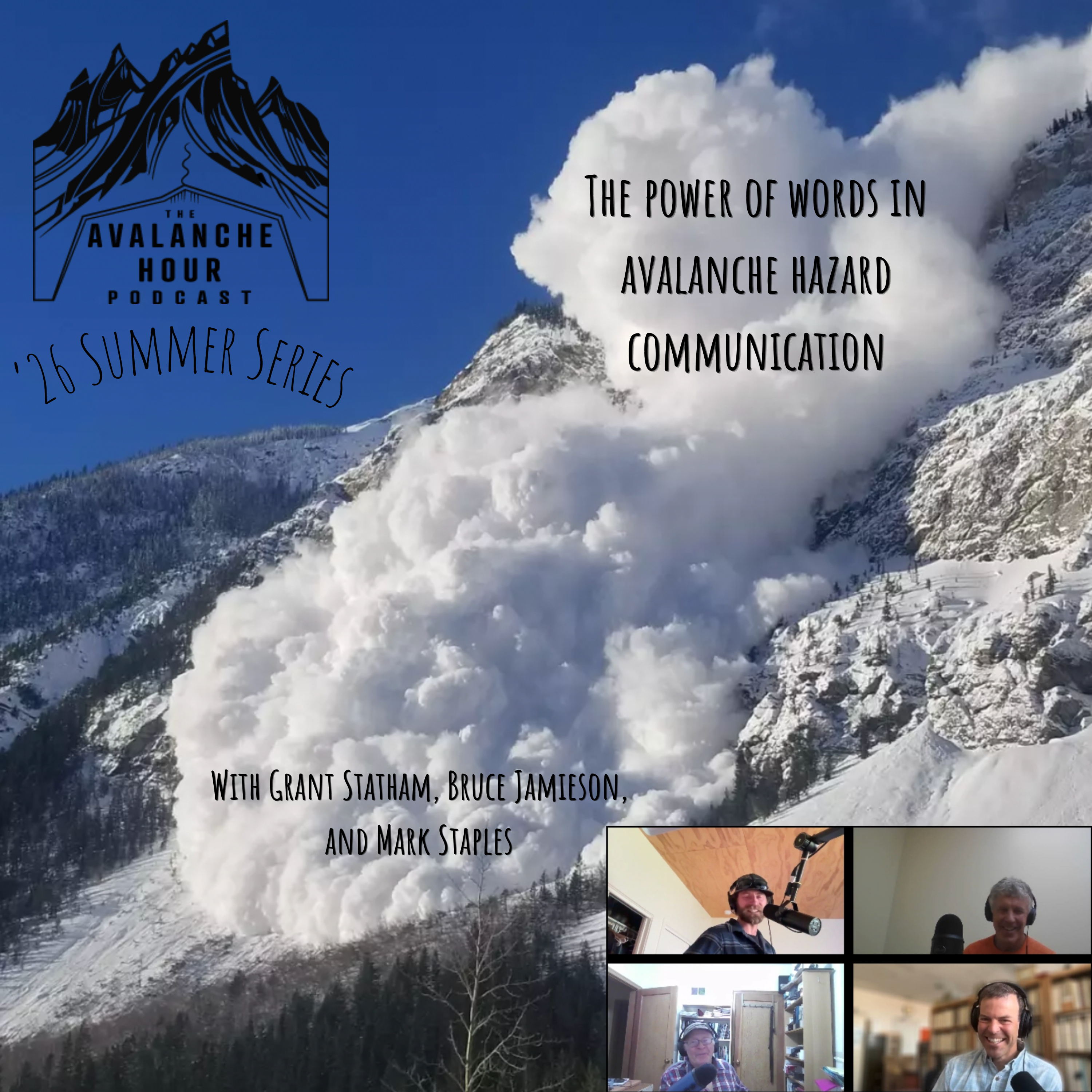 '26 Summer Series: The power of words in avalanche hazard communication with Grant, Bruce, and Mark 15.07.2026 1ชม. 13นาทีWhat do we actually mean when we call something a deep persistent slab? Does the name help—or does it create confusion?In this episode, Caleb sits down with Grant Statham, Bruce Jamieson, and Mark Staples for a thoughtful discussion sparked by a letter Grant wrote after listening to a previous episode. The conversation explores whether avalanches failing near the ground deserve their own distinct classification, how terminology shapes terrain decisions, and the challenge of communicating complex snowpack problems to both professionals and the public.From heli-ski run lists to avalanche forecasting, this is a conversation about language, uncertainty, and the evolving way we think about avalanche problems.The Nine Avalanche Problems Through the Lens of Crayola Crayons, by Dallas GlassSeason 11 Sponsorship and Advertising Opportunities are available. Click here to find out more. Thanks to Angie Lake for Production SupportThanks to Cameron Griffin for Website supportLogo Artwork: Mike Tea
 -
 Slabs 'n Sluffs: Season in Review 18.06.2026 1ชม. 10นาทีJoin us for our seventh installment of Slabs ‘n Sluff with your hosts Sara Boilen and Dom Baker, joined by Caleb Merrill! The crew discuss spring adventures, summer skiing, and cows raiding Caleb’s food cache at an Andes basecamp! They also review recent episodes from April and May and preview a few exciting things coming up on the Avalanche Hour Podcast. Tune in to hear from Scott Thumlert and Simon Horton of the ISSW 2026 technical committee to learn more about the process of getting 100s of abstracts ready presenting next fall in Whistler. Avalanche Hour Podcast hosts Brooke Shiny Edwards, Sean Zimmerman-Wall and Joe Stock leave messages for the crew to shout out learning moments and moments of gratitude from their seasons.Episode Summary:Sara, Caleb and Dom discuss spring adventures, summer skiing and the challenges of keeping a food cache away from a herd of hungry cows.Review of the last month of programming, highlighting interviews that captured the hosts imagination or got us thinkingThe joys of gravel riding, paddling and hiking for hours in the dirt to find summer snow.The ISSW 2026 technical committee members Scott Thumlert and Simon Horton drop by for a chatVoicemails from Avalanche Hour Podcast hosts Brooke Shiny Edwards, Sean Zimmerman-Wall and Joe Stock.Thanks to the sponsors of the show.Legacy Sponsors:Darren Johnson Avalanche Education Memorial FundAVSSDrone AmplifiedPartner Sponsors:Austin PowderSafebackonX BackcountryMusic: KetsaArtwork: Mike Tea Production: Caleb Merrill, Angie Lake
 -
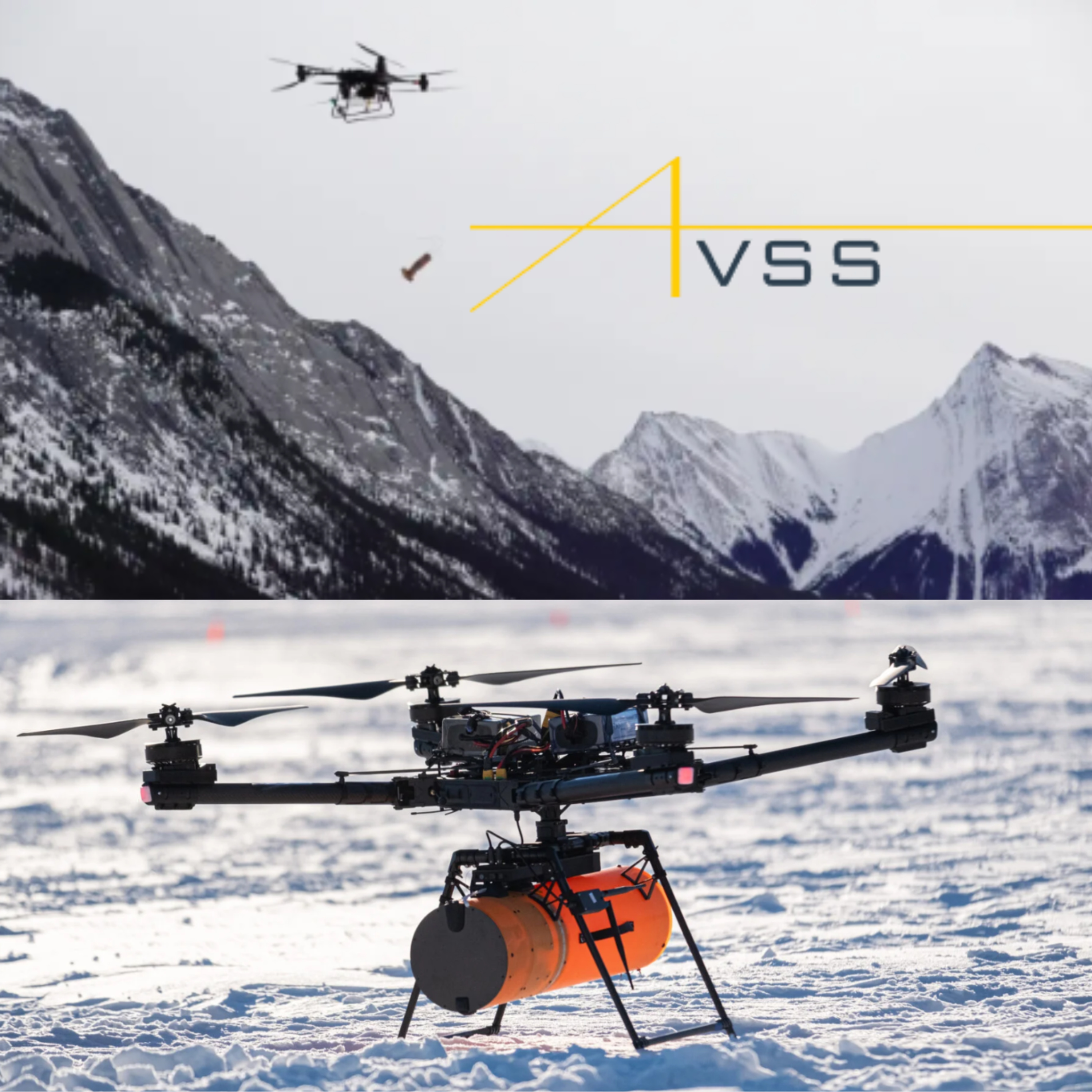 Partner Highlight: AVSS 26.05.2026 41นาทีEpisode Summary:- A conversation with AVSS introduces PAMS, a Precision Avalanche Management System, designed to reliably drop explosives from a drone platform.- The episode explores the prior experience AVSS brings to the avalanche industry from remote drone operations in logistics and military contexts. - The conversation looks at the development process and field testing with Jasper National Park.- A glimpse at the next 12 months of testing through an early-adopter program.In this episode of The Avalanche Hour Podcast, hosts Caleb Merrill and Dom Baker sit down with the team at AVSS for a conversation about the development process of creating a drone based avalanche control system from the ground up. You will hear how this technology aims to create opportunities for greater worker safety, reliability of avalanche hazard management and the evolving list of use cases. The episode also examines how these tools could fit into existing avalanche mitigation strategies and what their growing presence signals about the future of the field.Josh from AVSS discusses the field testing process with avalanche control programs in Western Canada and the plans for an early adopter program for winter 2026/27 to further refine the workflow and ensure the technology meets the needs of the avalanche industry.A huge thank you to AVSS for being a Legacy Sponsor of the podcast this season. We couldn’t keep the mics on without them! Resources from the Episode: Check out AVSS’s homepage hereCheck out a story on CBC Radio with Josh from AVSS LinkedIn YouTube
 -
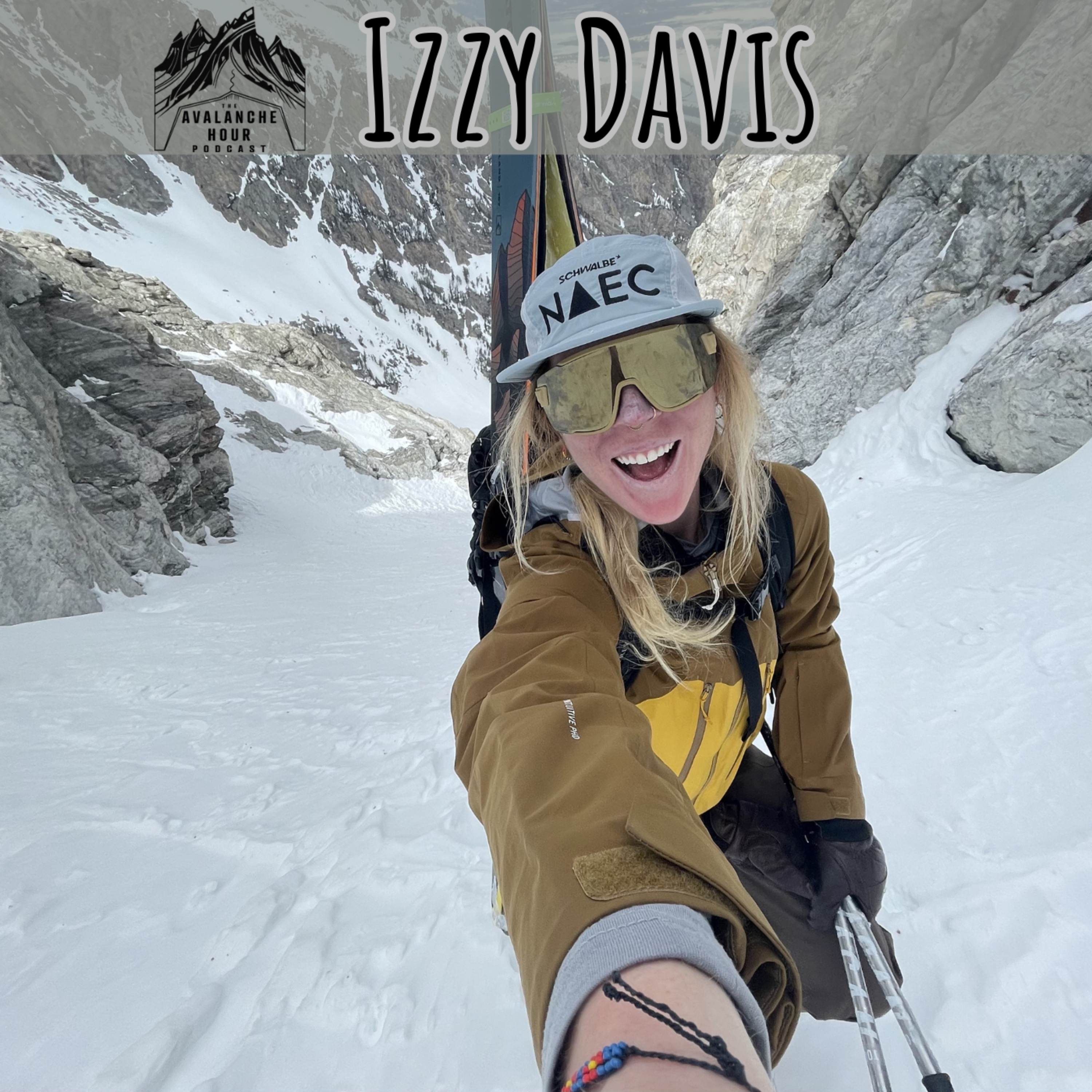 Grief's Gift of Gratitude: Izzy Davis 15.05.2026 1ชม. 2นาทีIn this episode of The Avalanche Hour Podcast, host Brooke “Shiny” Edwards talks with Izzy Davis, a first-year avalanche forecaster at the Idaho Panhandle Avalanche Center. Izzy shares her path into the ski industry, from growing up in Western Colorado to working as a ski patroller, and eventually moving into public avalanche forecasting. The conversation also touches on a significant personal event: the sudden loss of her partner, Willy Bartlett, while they were skiing together. Izzy reflects on what it was like to be present during the incident and how that experience has influenced both her personal life and her professional direction.Izzy discusses how she has navigated grief while continuing her work in the mountain environment, and how that process has shaped her outlook over time. She speaks about the importance of recognizing the fragility of life, finding moments of gratitude, and continuing to engage meaningfully with her work. The episode offers a thoughtful look at how personal experiences can influence professional roles, particularly in fields like avalanche forecasting, where decision-making and communication carry real weight. Summary of their conversation:- Izzy shares an intimate first responder’s account of losing a partner while at work as a ski patroller- We delve deeply into the navigation of grief and the ensuing nervous system injury that can occur when this grief is interlaced with the work of a first responder- Izzy shares how her patrol and mountain leadership provided significant support during her season following Willy’s death- Her overarching theme was the gratitude for the gift of presence that she fully embodies and demonstrates throughout our conversationThanks to the sponsors of the show.Legacy Sponsors:Darren Johnson Avalanche Education Memorial FundAVSSDrone AmplifiedPartner Sponsors:CIL AvalancheSafebackonX BackcountryEpisode Sponsor:IPA Collective Music: KetsaArtwork: Mike Tea Production: Angie Lake
 -
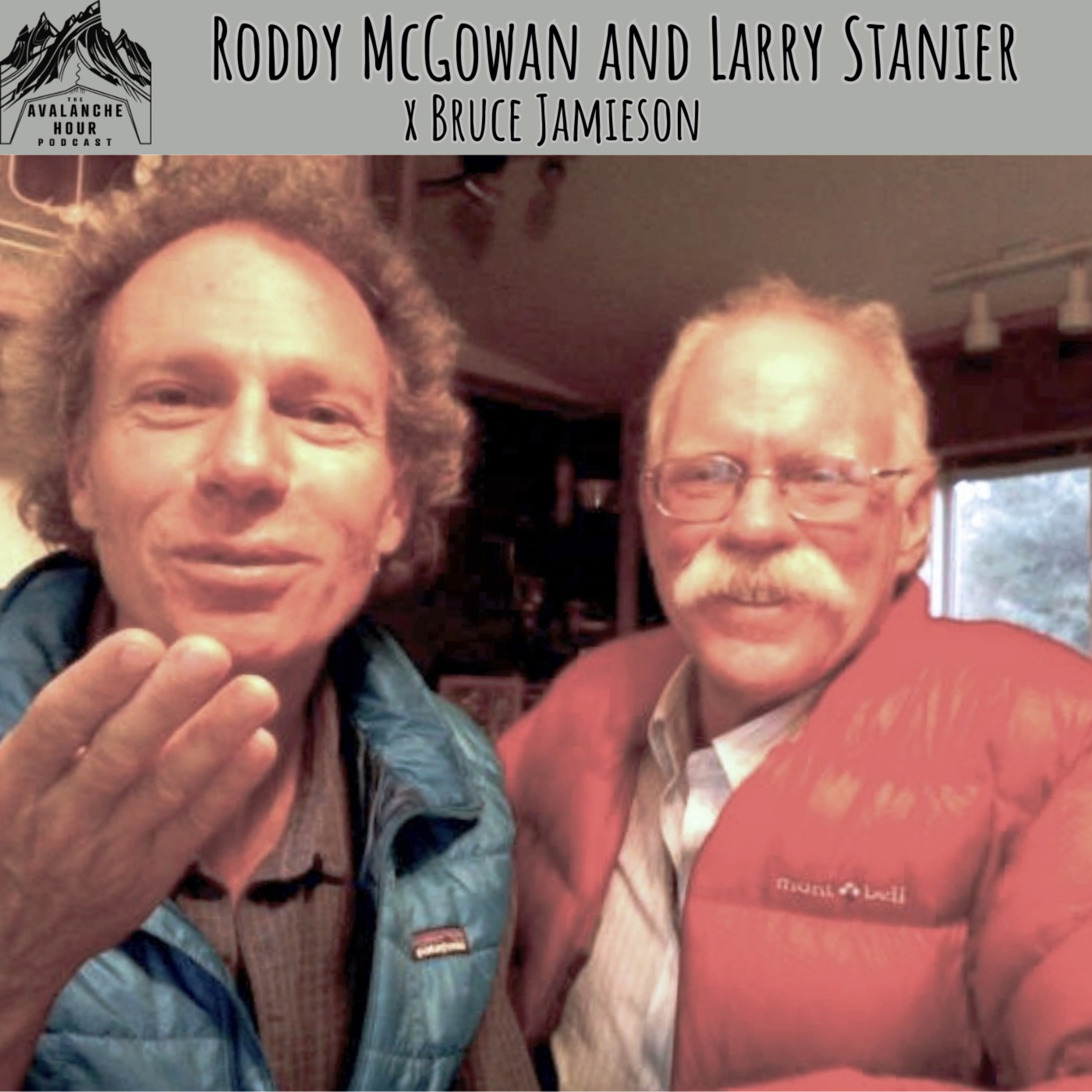 Beyond the Forecast: Reminiscing with Roddy McGowan and Larry Stanier 11.05.2026 53นาทีTune in for candid stories and a humorous take on the roots of Canadian avalanche work. Bruce Jamieson is joined by Larry Stanier to interview Roddy McGowan. Roddy McGowan is a veteran Canadian mountain guide and avalanche professional who carved out his career the hard way, starting as a ski bum in Whistler in the late 1970s before working his way onto ski patrol at Lake Louise and into the renowned avalanche program at Rogers Pass. Known for his persistence, he failed multiple guiding courses before eventually earning his credentials and going on to guide, and complete major ski traverses across western Canada. Over decades in the mountains, he combined hands-on experience while collecting a lifetime of stories—from early dirtbag winters to serious close calls that shaped his perspective on risk and decision-making. Now retired from guiding and living in Japan, Roddy stays connected to the mountains, still observing snow and reflecting - often with wit - on a career in the mountains. Larry has worked in the avalanche patch since 1982, beginning his career as a ski patroller in the early years at Blackcomb ski area. He started ski guiding in 1986 and is a long standing IFMGA Mountain Guide, working all over the world from Kyrgyzstan to the Japanese Alps. He also then worked for many years in the avalanche consulting business for Chris Stethem and Associates, and for over 20 years taught courses for the Canadian Avalanche Association. Larry has also conducted inspections of helicopter and snow cat skiing operations for Helicat Canada and HeliskiUS.This episode contains lessons on how avalanche safety knowledge developed through experience, mentorship, mistakes, and reflection—not just formal scienceTune in to hear stories from the Canadian avalanche industry of the 80s and 90s - including Blackcomb and Rogers. Roddy McGowan reflects candidly on the “human factors” leading to a significant avalanche burial of a snowcat.The development of avalanche science and standards under the rigorous leadership of Fred and Walter Schleiss at Rogers Pass.Stories from ski traverses with minimal equipment by modern standards, and the ensuing adventures. Thanks to the sponsors of the show.Episode Sponsor:Propagation LabsLegacy Sponsors:Darren Johnson Avalanche Education Memorial FundAVSSDrone AmplifiedPartner Sponsors:CIL AvalancheSafebackonX Backcountry Use the code avalanchehour to receive 30% off a year of onX Backcountry Elite or Premium Music: KetsaArtwork: Mike Tea Production: Angie LakeSupport the Show, Buy some Merch!
 -
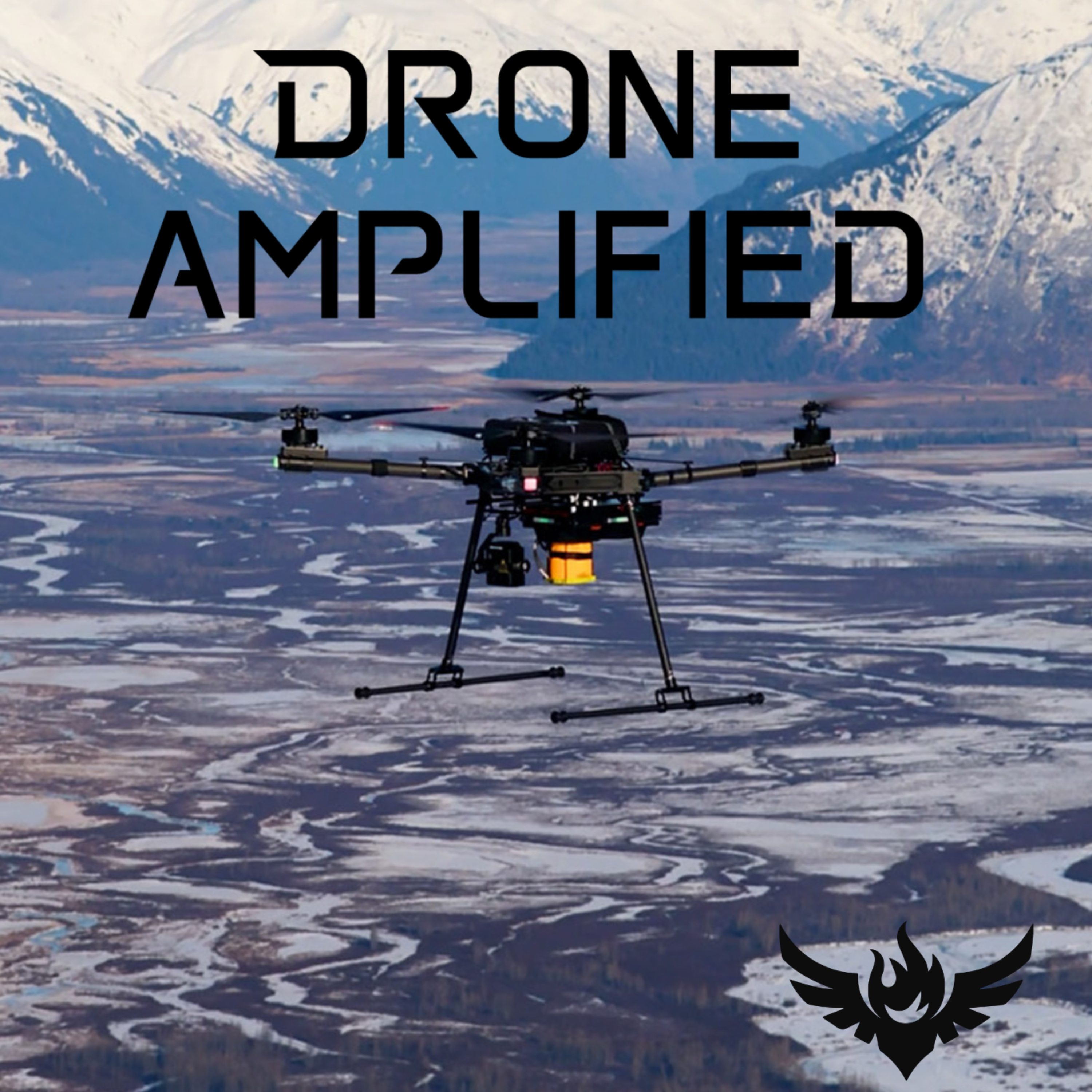 Partner Highlight - A Conversation with Drone Amplified 15.04.2026 1ชม. 17นาทีEpisode Summary:- A conversation with Drone Amplified, the team introduces Montis, a drone-based system designed to deliver explosives remotely with greater precision and safety. - The episode traces the history of avalanche mitigation, from early explosive use in 1939 to modern tools aimed at reducing human exposure.- Technology evolved from wildland firefighting and what makes its electronic ignition system a significant advancement.- A forward-looking perspective on how emerging technologies like drones may reshape the industry in the years aheadIn this episode of The Avalanche Hour Podcast, host Caleb Merrill sits down with the team at Drone Amplified for a conversation rooted around a single question: how can the avalanche industry continue to use effective avalanche mitigation strategies while reducing the significant hazard exposure for avalanche workers? They explore the evolution of avalanche control technology and introduce Montis, a drone-based system designed to deliver explosives remotely with increased precision and safety.You will hear how this technology originated in wildland firefighting, the advantages of electronic ignition systems, and what makes drone deployment a potential game changer for reducing worker exposure. The episode also examines how these tools could fit into existing avalanche mitigation strategies and what their growing presence signals about the future of the field.This episode offers both a grounded look at the realities of avalanche work today and a forward-looking perspective on how emerging technologies like drones may reshape the industry in the years ahead.A huge thank you to Drone Amplified for being a Legacy Sponsor of the podcast this season. We couldn’t keep the lights on without them! Resources from the Episode: Check out Drone Amplified’s homepage hereCheck out a video on their technology, MontisMusic: KetsaArtwork: Mike Tea Production: Caleb Merrill, Angie Lake
 -
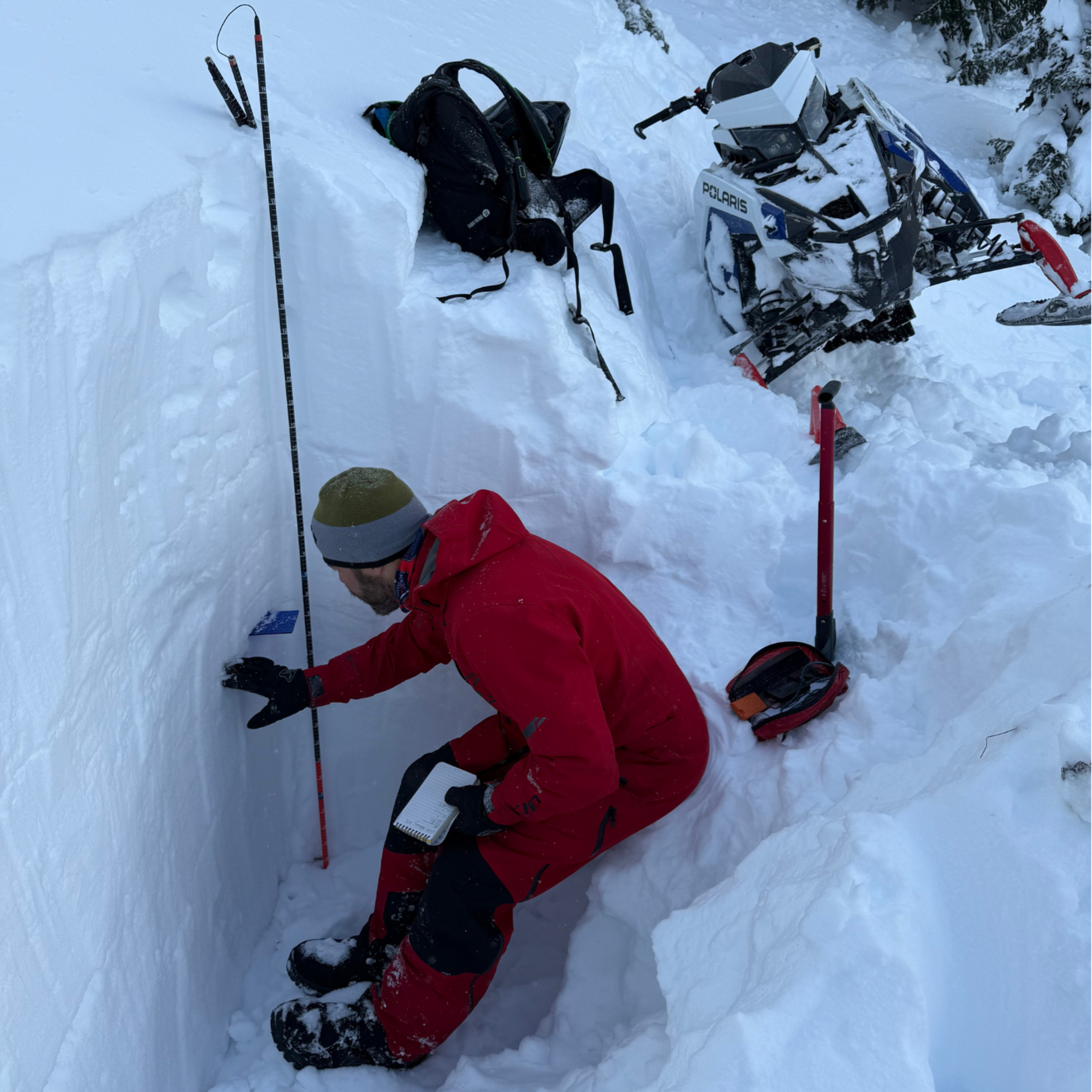 Facets, Science, Avalanche Problems & Public Communication: Mark Staples chats with Bruce and Caleb 08.04.2026 58นาทีIn this episode of The Avalanche Hour, Caleb Merrill makes another appearance to sit down with Mark Staples, director of the Gallatin National Forest Avalanche Center, and avalanche researcher/educator Bruce Jamieson. The group discuss heavyweight topics in the avalanche industry such as snow-surface energy exchange, near-surface faceting, and communicating avalanche hazard. Staples recounts his path from powder skiing to avalanche work, his research on snow-surface energy balance, and his experience connecting with varied user groups. Jamieson describes collaborating with Staples on educational videos and credits Karl Birkeland’s 1998 papers for focusing attention on near-surface faceting. Staples also contrasts surface hoar (vapor deposition) with near-surface facets (metamorphism of existing snow grains), and they cover conditions that promote growth, including cooling to a clear sky and relative humidity. The conversation also explores simplifying avalanche problem types, terrain-based risk management, the public’s interest in science, and learning from accidents. Thanks to the sponsors of the show!Legacy Sponsors:Darren Johnson Avalanche Education Memorial FundAVSSDrone AmplifiedPartner Sponsors:CIL AvalancheSafebackonX BackcountryEpisode Sponsor:ArvaMusic: KetsaArtwork: Mike Tea Production: Caleb Merrill, Bob Keating
 -
 Slabs and Sluffs: March in Review 01.04.2026 1ชม. 6นาทีJoin us for our sixth installment of Slabs ‘n Sluff with your hosts Sara Boilen and Dom Baker! Sara and Dom discuss the joy of powder turns in low hazard terrain, slope tests on small features and the upcoming spring skiing season. They also review recent episodes from March and take a look at what is coming up for April on the Avalanche Hour Podcast. Tune in to hear from the ISSW 2026 organizing committee about everything to look forward to from Whistler next fall. Sara Boilen holds a doctorate in clinical psychology from the University of Denver (2011). Professionally, she works with individuals who have had interactions with the justice system often in the spirit of helping to make sense of behavior and context. She has taken her professional interests and merged it with her recreational interests to contribute to the field of avalanche sciences in her free time. She is specifically interested in human-related problems and solutions. Dr. Boilen has presented at seven Snow and Avalanche Workshops and at ISSW in Norway. She has written articles for The Avalanche Review and was a co-author on the recently proposed conceptual framework for human factors in avalanche terrain. She lives in Northwest Montana and will carry dessert for you to the top of any mountain her skills will take her to.Dom Baker is an avalanche technician with the BC Ministry of Transportation at Kootenay Pass, occasional avalanche course instructor and adventure buddy to his kids. Episode Summary:- Sara and Dom discuss winter weather patterns, adapting to rapidly changing ski conditions, and look ahead to spring- Review of the last month of programming, highlighting interviews that captured the hosts imagination or got us thinking- Safely poking around on small features to build a better picture of the avalanche hazard- The ISSW 2026 organizing committee drop by for a chat- A voicemail from a listener.Thanks to the sponsors of the show.Legacy Sponsors:Darren Johnson Avalanche Education Memorial FundAVSSDrone AmplifiedPartner Sponsors:CIL AvalancheSafebackonX BackcountryMusic: KetsaArtwork: Mike Tea Production: Dom Baker, Bob Keating
 -
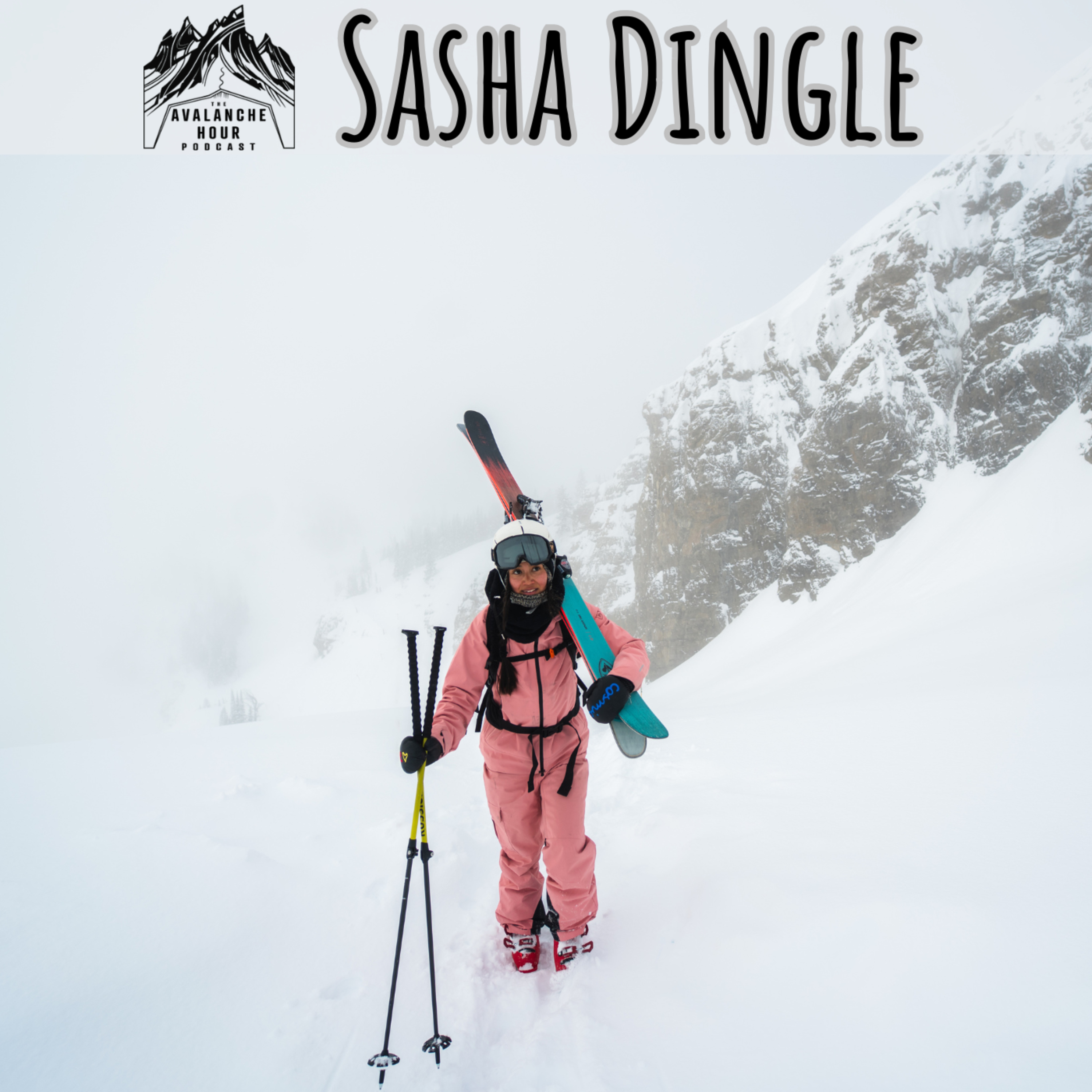 The Human Factor Hack: Getting Mindful with Sasha Dingle 26.03.2026 1ชม. 4นาทีSummary of the Conversation: -Exploring the societal pressures as human factor on professional athletes-Sasha shares how she balances decision making in the backcountry with a very mindful approach inclusive of her nervous system-Sasha cracks the code on the best Human Factor Hack; creating mindful presence in a meditative, naturalist inquisitive approach to the mountains.-Sasha talks about the preventative nature of choosing backcountry partners by engaging in conversations that share each others unique stress signatures and what each partner needs in high risk scenarios. Sasha is a professional skier and meditation teacher, and the founder and director of Mountain Mind Project. She has spent her lifetime training her mind and body. Sasha has competed at the highest level of skiing and mountain biking, winning the Freeskiing World Tour and competing on the Freeride World Tour and Enduro World Series. In high school, she was invited to travel with the National Development System and race internationally in the recruitment pipeline for the U.S. Ski Team. She’s always loved the mental game. Her meditation practice grew out of her time as a competitive athlete. Sasha saw – in herself and those she loved – how accidents, trauma and life’s load can compound over a career. During years of illness and chronic pain, Sasha became a qualified Mindfulness-Based Stress Reduction Teacher by the UCSD School of Medicine MBPTI.Sasha’s style of meditation is to engage fully within the inherent risk of life, refined from her time spent in the inherent risk environment of mountains. Her mission is to normalize that the health in mental health can be cultivated – through deep relationship to self, others and the natural world from meditation practice. Sasha is the daughter and granddaughter of Vietnam war refugees and keeps one foot planted in the Mountain West of the U.S. and the other in the Mekong of Vietnam.Thanks to the sponsors of the show.Legacy Sponsors:Darren Johnson Avalanche Education Memorial FundAVSSDrone AmplifiedPartner Sponsors:CIL AvalancheSafebackonX BackcountryEpisode Sponsor:OpenSnowMusic: KetsaArtwork: Mike Tea Production: Caleb Merrill, Bob Keating
 -
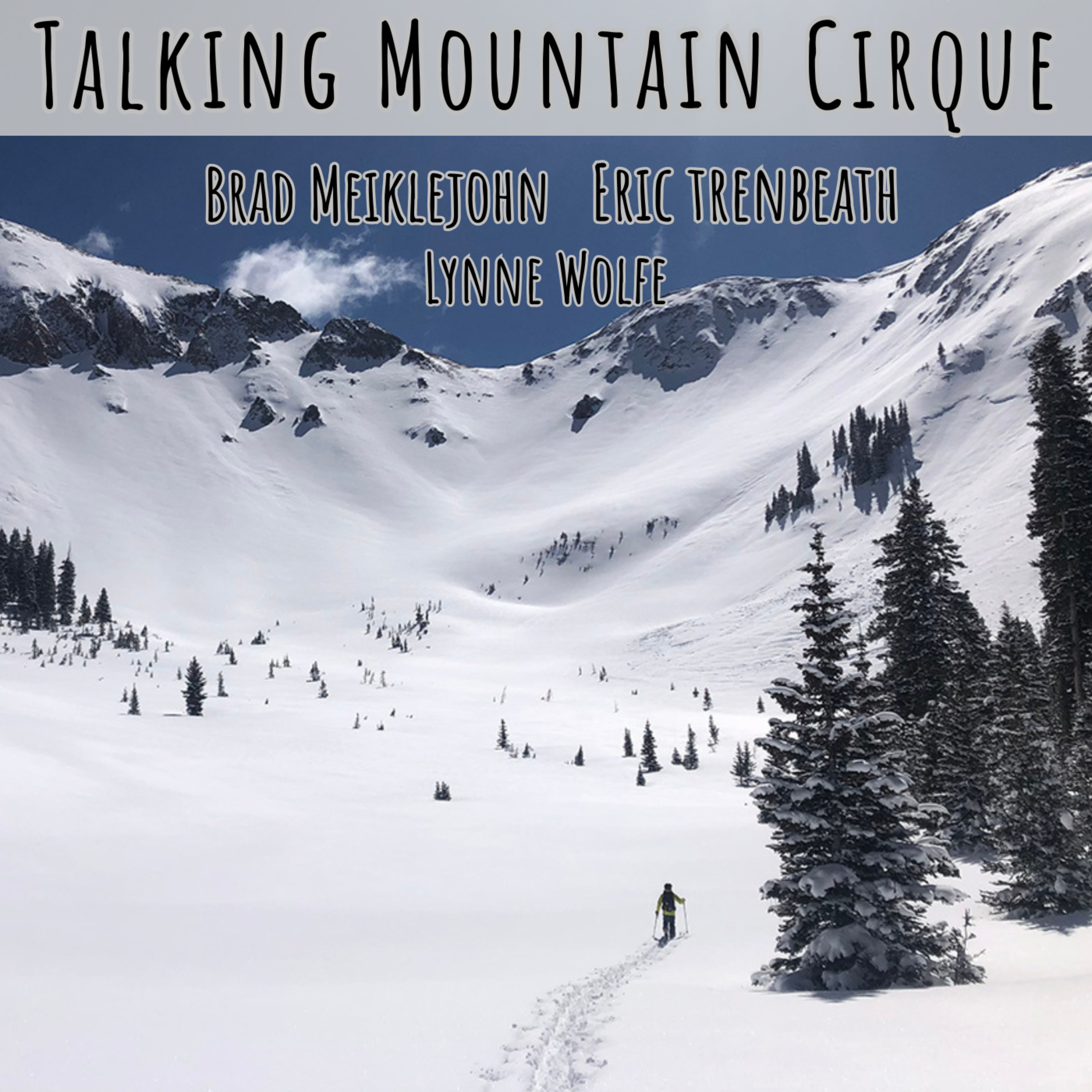 Talking Mountain Cirque: Perspectives and Lessons after 34 years 16.03.2026 51นาทีJoin us in giving a warm welcome to Lynne Wolfe for her first official episode as a host with the Avalanche Hour Podcast as she shares a thoughtful and reflective conversation with Eric Trenbeath and Brad Meiklejohn. A lot has changed about the avalanche industry in 34 years, but one thing we will never lose is the presence of uncertainty when we make decisions in avalanche terrain. On February 12th, 1992, an avalanche occurred in the Talking Mountain Cirque of Upper Gold Basin in the La Sal Mountains of SE Utah. This accident involved six expert-level backcountry skiers and tragically claimed the lives of four: Mark Yates (contacted UAC Forecaster), Maribel Loveridge, Jeremy Hopkins, and Bill Turk. The group reflects on the terrain, snowpack, and heuristic factors that contributed to this incident, expanding these ideas to similar trends they see continuing in our community today and offering these lessons as learning opportunities for us all to bring into the mountains. The biggest takeaway: maintain a sense of wonder and be ready to be surprised by how snow behaves.About our host and guests: Lynne Wolfe is a retired Teton guide, editor of The Avalanche Review, and she teaches a few courses a season for AAI in the Pro program. She lives in Driggs, Idaho, with husband Dan Powers and the Lucky Dog. She can be influenced by offering dark chocolate, thick coffee, or hazy IPA.Brad Meiklejohn worked at the Utah Avalanche Center from 1983 - 1992. He has been Alaska State Director of The Conservation Fund since 1994.Eric Trenbeath was born and raised on the Wasatch Front. He lived and worked in Alta, Utah for 10 years starting out as a live-in cook at the Goldminer's Daughter before landing a job on the Alta Ski Patrol. Equal parts desert and mountain lover, he has worked as a UAC forecaster in the La Sal Mountains near Moab for 16 seasons (1999-2003, 2013-present). Resources mentioned in the conversation:The Avalanche Review - 41.3 - Off the Bench (pg. 30)Thanks to the sponsors of the show.Legacy Sponsors:Darren Johnson Avalanche Education Memorial FundAVSSDrone AmplifiedPartner Sponsors:CIL AvalancheSafebackonX BackcountryMusic: KetsaArtwork: Mike Tea Production: Caleb Merrill, Bob Keating
 -
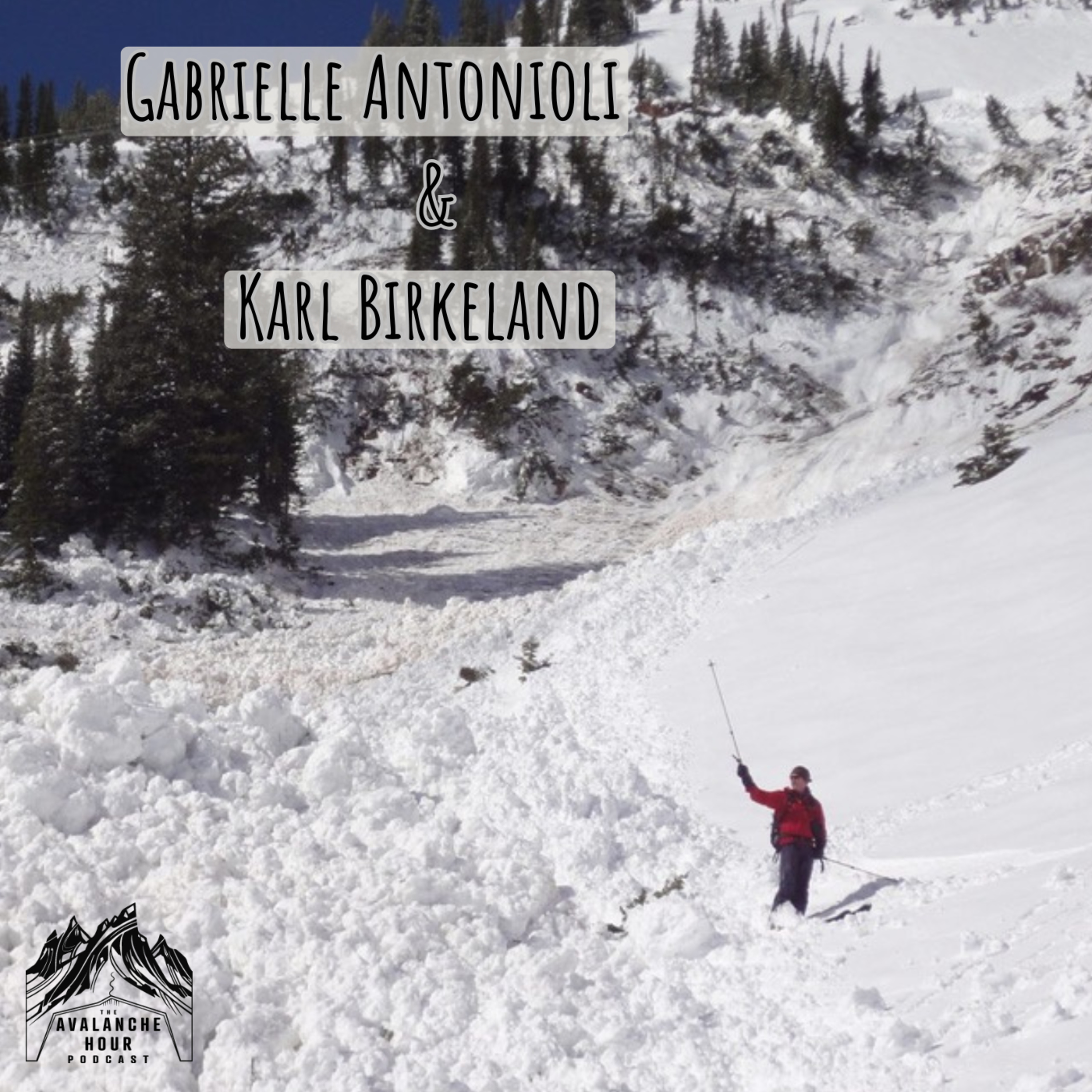 Stronger Together: Building Intuitive Expertise Where Mountain Miles Meet Mental Miles 03.03.2026 1ชม. 24นาทีScience and experience-built intuition are a composite - they are stronger together than they are separate, especially when we start to see things that we have never seen before. Join Gabrielle Antonioli and Karl Birkeland for an expansive conversation on the critical factors we weigh each day: uncertainty, decision-making scales, and a reflective discussion on how we are strongest when we embrace both sides of the avalanche industry. A snow scientist might not make the best guide if they only stay in the lab but field practitioners need a cross-referenced resource to better face & understand an increasingly dynamic and variable snowpack/climate where outliers are increasingly becoming the new normal. These thoughts are what prompted Karl to write The Starting Zone Book for practitioners, scientists, and everyone in between. Conversation Highlights:- There is uncertainty in all of our assessments, but as we better understand the science behind avalanche mechanics, we can better understand the uncertainty that remains in our assessments required to make decisions in avalanche terrain. - Science is having a structured process for your curiosity - Be a super-forecaster: comfortable with uncertainty and always looking to disprove your hypothesis- Use your intuition to tell you the snowpack is unstable - collect information that disproves your hypothesis.- Effect of temperature on dry-slab avalanche mechanics. Assumption: warmth = more reactivity? Not necessarily. About our host and guest:Gabrielle Antonioli is the current director of the Payette Avalanche Center. Her career started with simply being a curious and avid backcountry traveler—and by asking plenty of questions to Karl Birkeland and the forecasters at the GNFAC. She began as an intern at the GNFAC, and rooted a career in teaching recreational and professional avalanche education courses while completing coursework for an MS in snow science. Following that thread of curiosity and interest in snow expanded to forecasting for the Going-to-the-Sun Road, the Bridger-Teton Avalanche Center, and brought her to her current position. She also manages the A3 Resilience Project.Karl Birkeland has worked with snow and avalanches for the past 45 years, including as a ski patroller, backcountry avalanche forecaster, avalanche researcher, and as the Director of the Forest Service's National Avalanche Center. After retiring from the Forest Service three years ago he set out to - in the words of a friend - ruin a perfectly good retirement by creating an electronic resource for avalanche professionals. Karl has been recognized by his peers with the American Avalanche Association's Bernie Kingery (2008) and Honorary Membership (2024) Awards.Resources mentioned in the interview:Conditions for Intuitive Expertise: A Failure to Disagree (Kahneman and Klein)The Fundamental Processes in Conventional Avalanche Forecasting (Ed LaChapelle) Scaling Issues in Snow Hydrology (Gunter Bloschl) The Starting Zone - By Karl Birkeland Thanks to the sponsors of the show.Legacy Sponsors:Darren Johnson Avalanche Education Memorial FundAVSSDrone AmplifiedPartner Sponsors:CIL AvalancheSafebackonX BackcountryEpisode Sponsor:IPA CollectiveMusic: KetsaArtwork: Mike Tea Production: Caleb Merrill, Bob Keating
 -
 Slabs 'n Sluffs - February in Review 28.02.2026 58นาทีJoin us for our fifth installment of Slabs ‘n Sluff with Sara Boilen and the return of co-host, Dom Baker! Sara and Dom discuss hazard forecasting and the North American Public Avalanche Danger Scale. They also review February and take a look at what is coming up for March on the Avalanche Hour Podcast. Sara Boilen holds a doctorate in clinical psychology from the University of Denver (2011). Professionally, she works with individuals who have had interactions with the justice system often in the spirit of helping to make sense of behavior and context. She has taken her professional interests and merged it with her recreational interests to contribute to the field of avalanche sciences in her free time. She is specifically interested in human-related problems and solutions. Dr. Boilen has presented at seven Snow and Avalanche Workshops and at ISSW in Norway. She has written articles for The Avalanche Review and was a co-author on the recently proposed conceptual framework for human factors in avalanche terrain. She lives in Northwest Montana and will carry dessert for you to the top of any mountain her skills will take her to.Dom Baker is an avalanche technician with the BC Ministry of Transportation at Kootenay Pass, occasional avalanche course instructor and adventure buddy to his kids. Episode Summary:- Discussing the differences between moderate, considerable and high avalanche danger ratings- Review of the last 6-8 weeks of programming, highlighting interviews that captured the hosts imagination or got us thinking- Recent rabbit holes worth exploring- What’s on deck for the second half of the seasonResources Mentioned in the Conversation:The Avalanche Hour Podcast 5.25: European avalanche rescuesThanks to the sponsors of the show.Legacy Sponsors:Darren Johnson Avalanche Education Memorial FundAVSSDrone AmplifiedPartner Sponsors:CIL AvalancheSafebackonX BackcountryMusic: KetsaArtwork: Mike Tea Production: Dom Baker, Bob Keating
 -
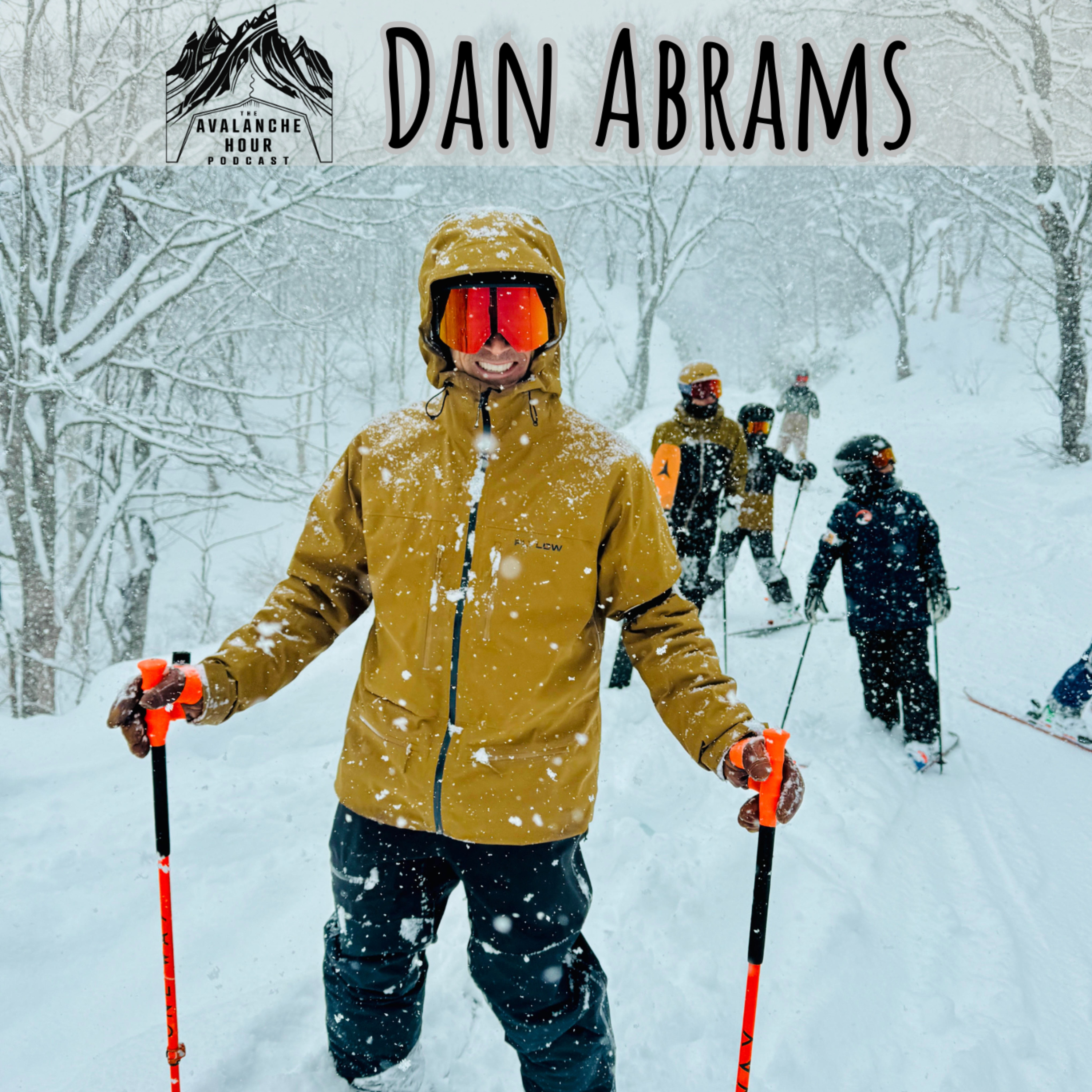 Looking Back and How to Look Forward with Dan Abrams 19.02.2026 53นาทีCaleb Merrill is back to interview Dan Abrams for a reflective conversation on a tragic avalanche accident. Tune in for a conversation that stems from the soul…. soul skiing that is, and the endless search for those perfect powder turns that brings our small community of soul skiers & riders together. Dan and Caleb center the conversation’s focus on recounting the Tunnel Creek avalanche accident that Dan was involved with back in 2012. This accident was followed by significant media coverage and quickly drew attention across the country. The New York Times eventually produced a Pulitzer Prize-winning multimedia feature called Snow Fall: The Avalanche at Tunnel Creek about the accident, produced by reporter John Branch. Dan reflects on the lessons he learned from this event and how it has shaped his life today. He highlights that we should put greater focus on our motivations or expectations for a backcountry touring day and how we should change our plans to better align with those goals. We should also make sure we fully read and understand the public avalanche hazard bulletin before leaving the trailhead for a tour and make sure we do not let human biases veil our ability to identify red flags. Dan is a co-founder of Flylow, a ski apparel and gear brand founded in 2004 by two college friends who were self-proclaimed ‘ski bums’ that wanted to create backcountry ski pants that could hold up to the demands of the sport and terrain. Key Moments from the Conversation- Dan recounts and reflects on his involvement with the Tunnel Creek Avalanche Accident near Stevens Pass, WA back in 2012- The most important part before going into the backcountry should be fully reading the avalanche hazard bulletin and checking the excitement levels so red flags are not overlooked. - Pay attention to group size - large groups introduce heightened uncertainty. Resources Mentioned in the Conversation: Snow Fall: The Avalanche at Tunnel Creek, New York TimesThanks to the sponsors of the show.Legacy Sponsors:Darren Johnson Avalanche Education Memorial FundAVSSDrone AmplifiedPartner Sponsors:CIL AvalancheSafebackonX BackcountryMusic: KetsaArtwork: Mike Tea Production: Caleb Merrill, Bob Keating
พอดแคสต์ที่คล้ายกัน


ยอดนิยมใน
พอดแคสต์นี้ปรากฏในชาร์ตพอดแคสต์ของประเทศเหล่านี้ด้วย
