
The Eyeshot Podcast on Street & Documentary Photography
The Eyeshot Podcast on Street & Documentary Photography is a critical platform dedicated to contemporary street photography and documentary photography. Produced by Eyeshot, an independent publisher focused on publishing and visual culture, the podcast features in-depth conversations on photographic practice, authorship, editing, and publishing. Rather than promotional interviews, each episode examines how photographers construct meaning: how they approach the street, develop long-term documentary projects, edit bodies of work, and position themselves within social and cultural contexts. In a time shaped by speed and image saturation, the podcast creates space for reflection, responsibility, and visual literacy.
Bölümler
-
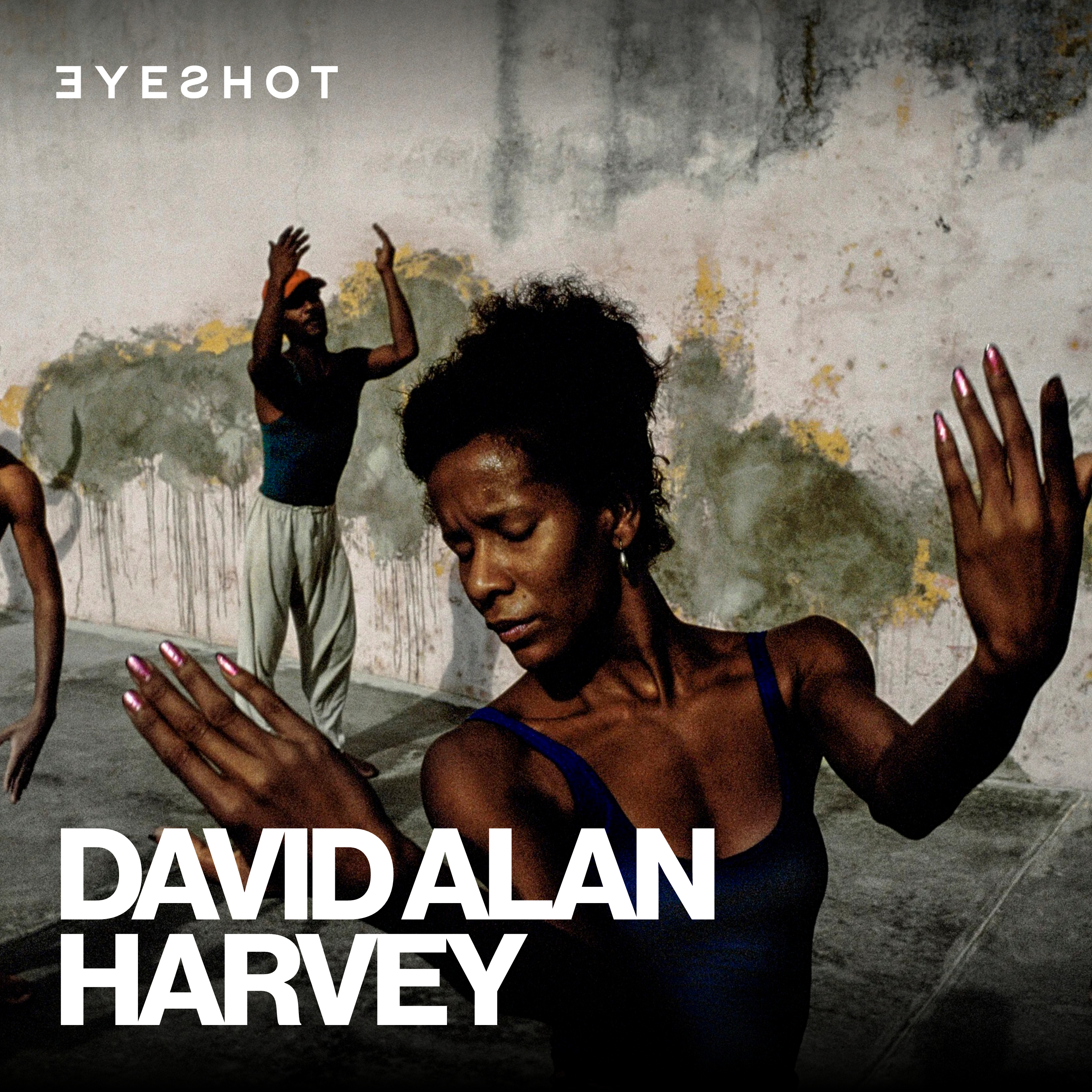 David Alan Harvey: Street Photography Inside the Home 18.09.2026 1sa 9dkDavid Alan Harvey on street photography made inside other people's homes, on sixty years of keeping his own box of work going in parallel, and on the rejection that started everything. In this Eyeshot 50mm conversation the American photographer, who has made more than forty essays for National Geographic and founded Burn Magazine, explains why he stopped photographing what things look like.David Alan Harvey has photographed for National Geographic since 1973, was a member of Magnum Photos from 1997 until 2021, and founded Burn Magazine in 2008. In this conversation he talks about the way he actually works, which is to get inside a house rather than wait on the corner, and about what it took for one family in Norfolk, Virginia, to let him sleep on their sofa and make his first book. He talks about growing up in a Virginia town with nothing spectacular to photograph, about three months in isolation at six years old, about the colour he learned from Goya, and about one camera and one lens as a form of honesty. He explains why he never told an editor to look at his photographs, why he knocked on Carlos Fuentes' door before finishing Divided Soul, and how a conversation he was only being polite about turned into Burn Magazine. Sixty years in, he says the luck was never the assignments. It was keeping the enthusiasm.Watch the full conversation on YouTube: https://youtu.be/kwVdZ40gN6QPhotographs © David Alan Harvey. Interview © Eyeshot.
 -
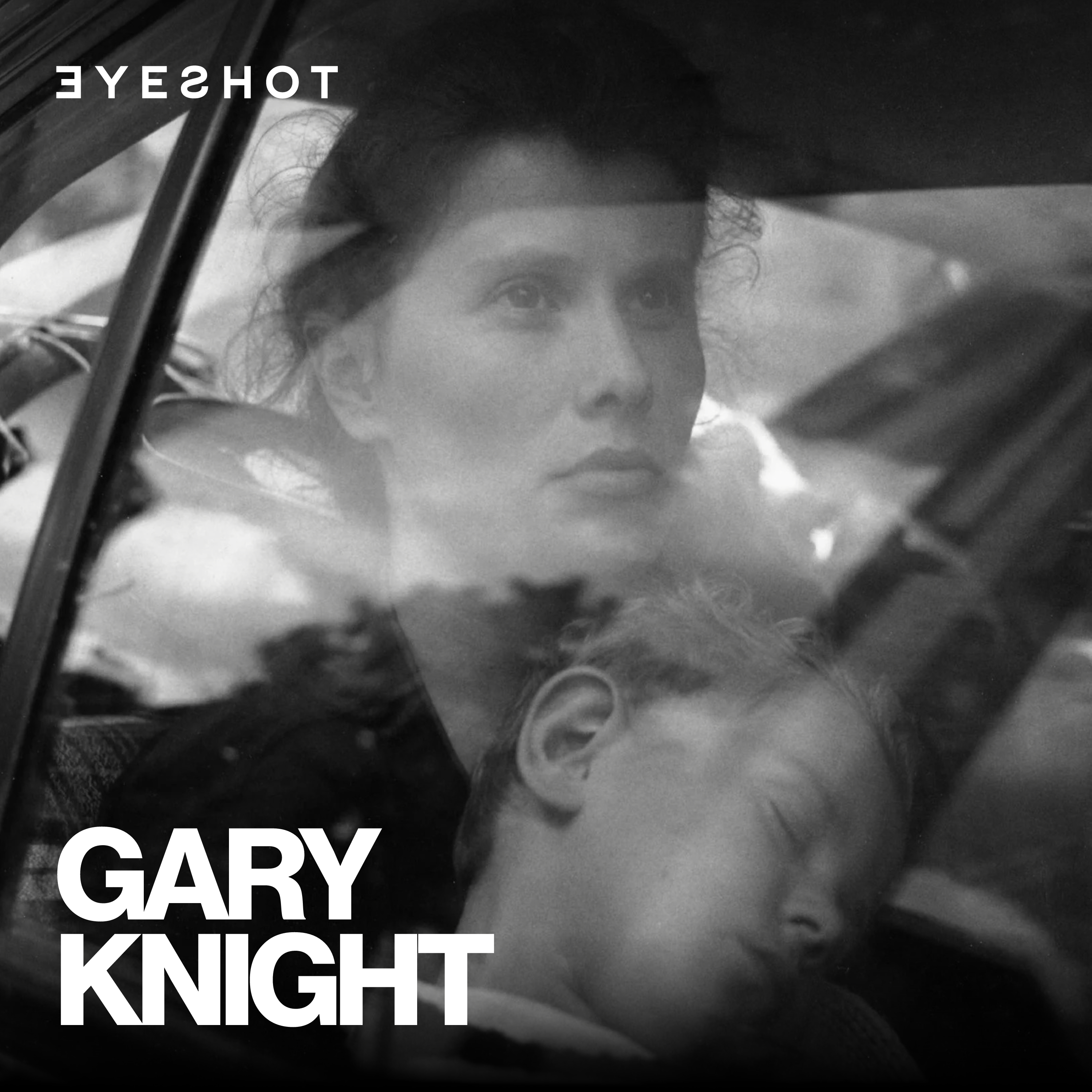 Gary Knight: nobody wins a war 11.09.2026 1sa 15dkGary Knight on war, evidence, and the limits of what a photographer can know. In this Eyeshot 50mm conversation the British photojournalist, co-founder of VII Photo Agency and Executive Director of The VII Foundation, explains why nobody wins a war, why he no longer needs to be the one telling other people's stories, and why he believes photojournalism has to be liberated from the press.Four decades inside conflict, from Cambodia to Bosnia, Kosovo, Iraq and Afghanistan. He is harder on his own work than on anyone else's: he calls what he made in Bosnia superficial, and says that four decades in, he trusts his own certainty less than he did at the start. He talks about the ethics of proximity and the gift handed to you by the people who let you in, about founding VII on a shoestring in September 2001, about The Stringer and what happens when journalists face the questions they spend their lives asking everybody else, and about the grieving mother photograph we have all seen too many times.Gary Knight co-founded VII Photo Agency on 9 September 2001. He is Executive Director and co-founder of The VII Foundation, which runs the VII Academy and its education programmes for photographers from the majority world.Interview © Eyeshot. Gary Knight appears courtesy of The VII Foundation.Watch the full video interview on YouTube.https://youtu.be/bbTeIWcX5ZQ
 -
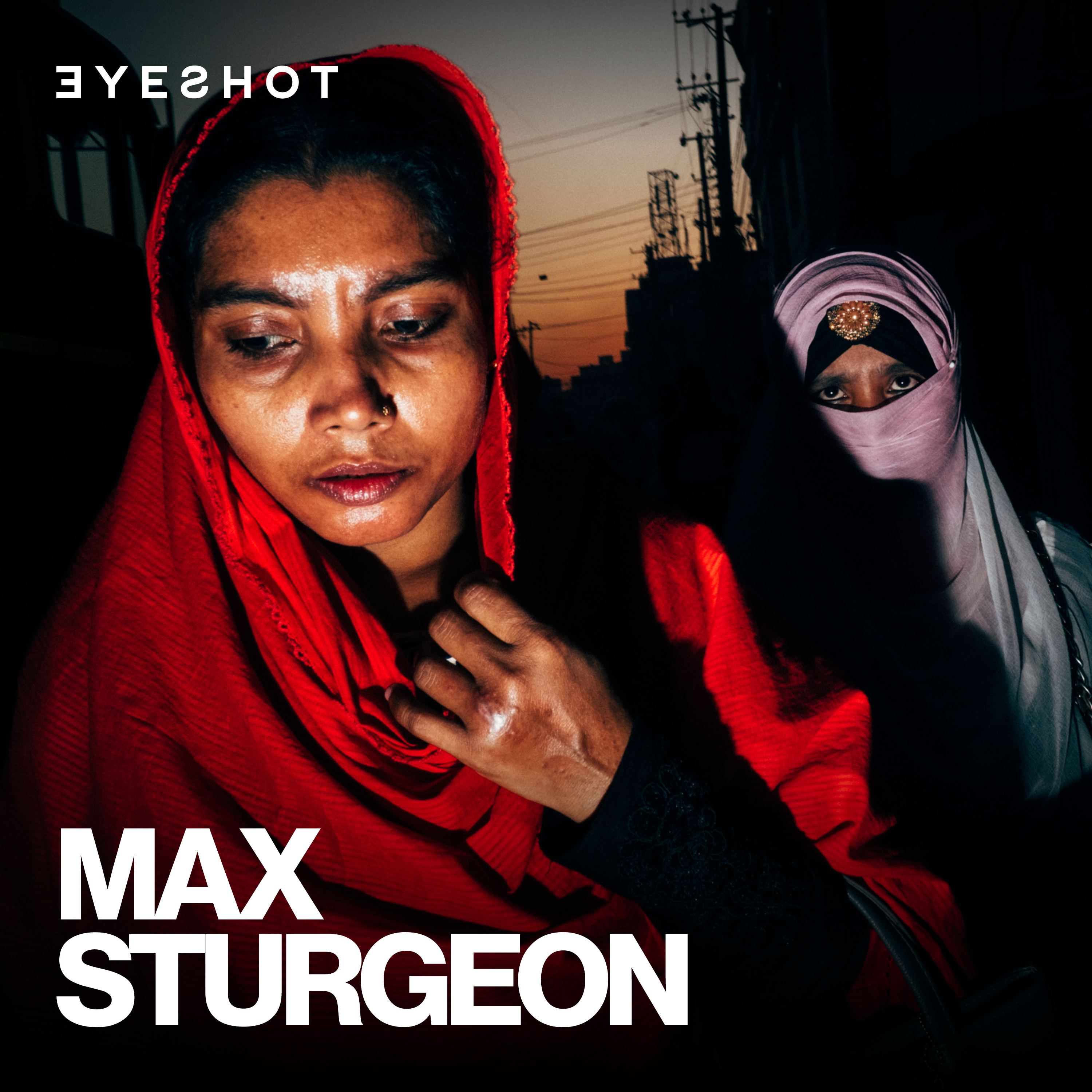 Max Sturgeon: When Street Photography Feels Soulless 04.09.2026 37dkMax Sturgeon on street photography, flash, and the emotion that layering leaves out. In this Eyeshot 50mm conversation the American photographer explains why he lowers the camera and waits for people to look at him before he releases the shutter.In this Eyeshot 50mm interview, Max Sturgeon, American photographer and winner of the Eyeshot Open Call in the series category, describes a practice built entirely outside the conventional route. Photography reached him through two other passions, cinema and travel, and after twenty years working on film sets he moved what was left of that creative energy into the street. He does not shoot at home, because nothing there surprises him any more, and he defends the position of the outsider without dismissing the argument for the local photographer. He breaks one of the most repeated rules of the genre on purpose: he frames through the viewfinder, lowers the camera, and waits for eye contact before he takes the picture. He calls street photography soulless when it stacks people and layers with no emotion underneath. He talks about the flash he swore he would never use, and about the trap it sets for the photographers who do. He admits, without softening it, that he shoots pictures he knows will do well online. And he explains how Of a Different Stripe was already edited before he ever submitted it, how a workshop on sequencing changed the way he builds a body of work, and why anyone entering an open call should send a series. Follow Eyeshot for more street and documentary photography.His book Of a Different Stripe was published by Eyeshot in 2021, hardcover, 160 pages, with a foreword by Vineet Vohra. The limited edition is sold out.Watch the full video interview on YouTube. https://youtu.be/tz2epbYN7AY
 -
 Lorenzo Catena: From Architect to the Street 21.08.2026 1sa 9dkLorenzo Catena designed buildings before he photographed people. In this Eyeshot 50mm conversation the Roman street photographer, co-author with Valeria Tofanelli of the sold out Eyeshot book Mareterno, explains what happened the day he watched another photographer reinterpret his own architecture, and everything that followed. In this Eyeshot 50mm interview, Lorenzo Catena talks about reading the street in thresholds and layers, choosing between color and black and white at gut level, making flash pass for natural light, the year and a half spent photographing the sea of Rome for Mareterno, why the rules of street photography are not a checklist, what the reel culture is doing to photographers, and why the future of street photography is the authenticity of the moment.Watch the full video interview on YouTube: https://youtu.be/8BasAeD5evc
 -
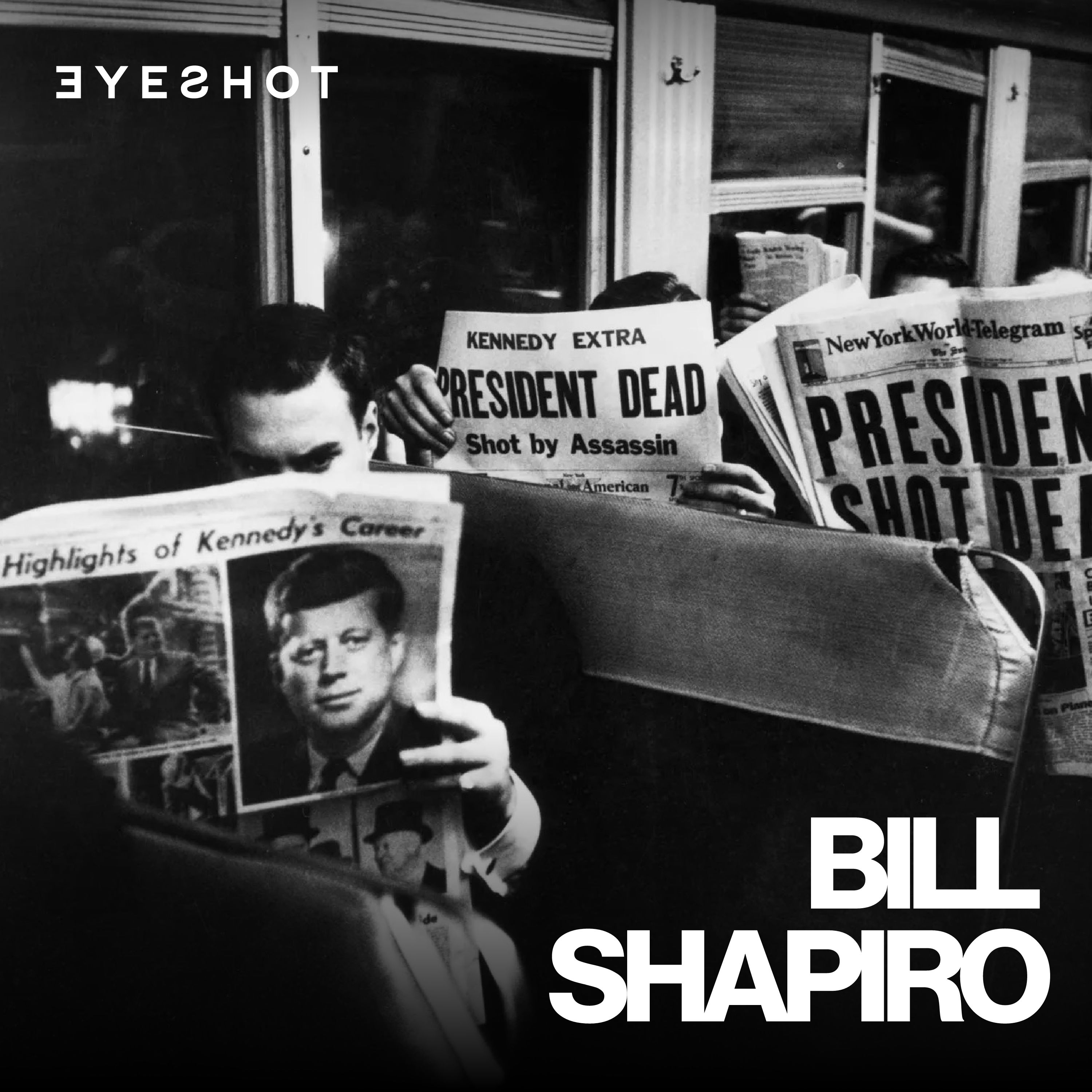 Bill Shapiro: What Photo Contest Jurors Really Look For 14.08.2026 48dkBill Shapiro spent years deciding which photographs a country would look at. In this second Eyeshot 50mm conversation he moves to the other side of the submission and says plainly what a juror sees, what an editor does, and what has kept photographers working for decades. In this Eyeshot 50mm interview, Bill Shapiro, former Editor-in-Chief of LIFE, founding editor of LIFE.com and co-founder of BluePhoto Collective, returns as a juror of the Eyeshot Open Call 2026. He dismantles the belief that jurors reward work resembling their own, describes the picture that made him choose against his own taste, and explains why a photograph that needs four paragraphs of explanation is not communicating well enough. He talks about the editor as a stand-in for the viewer, editing as a genuinely artistic act, and the danger of a style that hardens into a gimmick. He argues that gatekeeper is not a dirty word, describes the small daily act he uses to force his own algorithm open, and names what has mattered more than talent in every long career he has watched. He closes with the photographs of a village in northern New Mexico that sat in a basement for fifty years before anyone saw them. Follow Eyeshot for more street and documentary photography.
 -
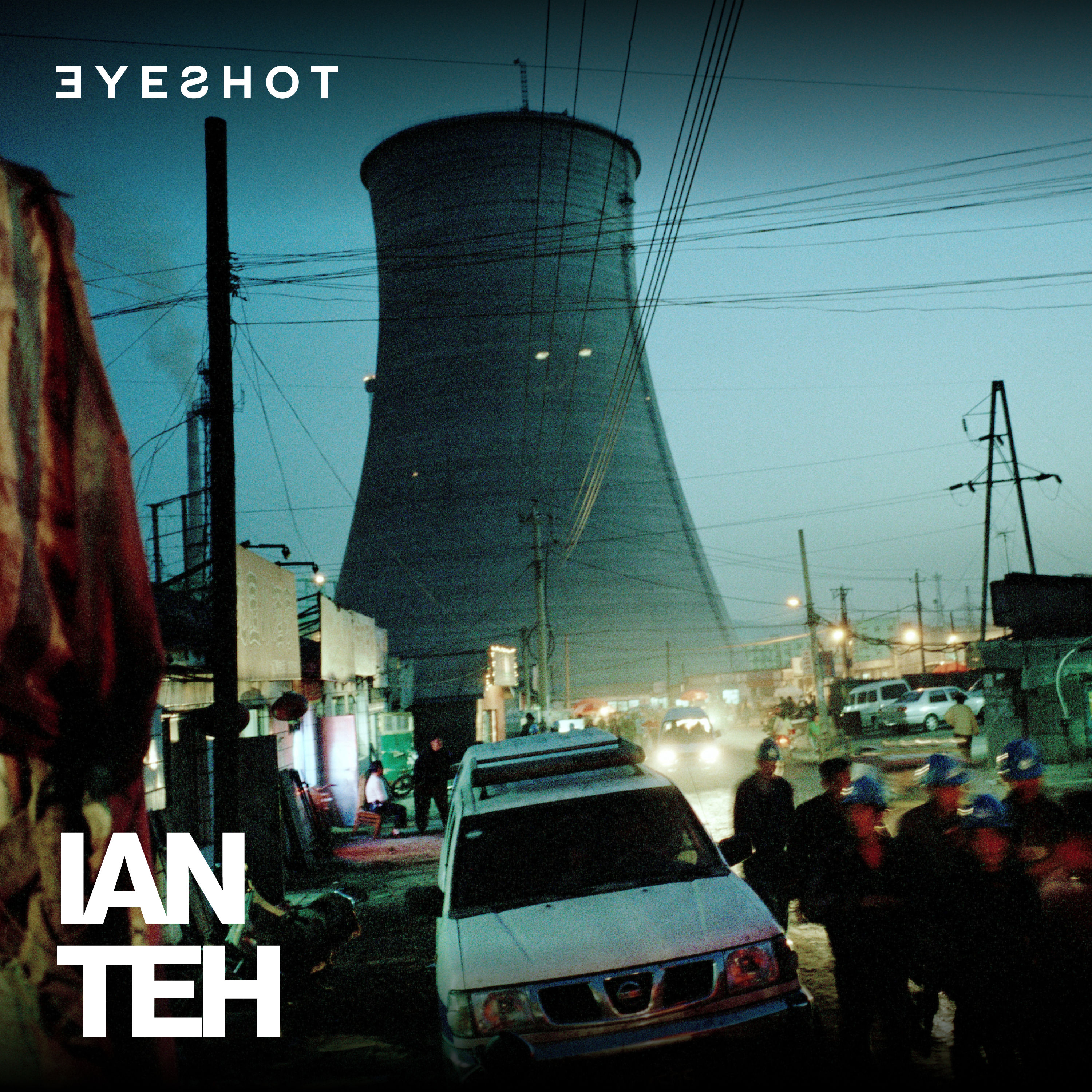 Ian Teh: Two Decades Photographing China's Transformation 07.08.2026 48dkBritish Malaysian photographer Ian Teh has spent more than three decades photographing the relationship between economic development, environmental change and human life, and now returns to the China archive that began his career. In this Eyeshot 50mm interview, British Malaysian documentary photographer Ian Teh talks with Lucrezia Bonarota about growing up between Malaysia, China and Britain, the 1995 journey that turned photography into a possible life, and the long, patient years spent documenting China during its most dramatic transformation. He speaks about photographing progress without celebrating or condemning it, the migrant workers behind projects of staggering scale, editing people into silhouettes to reveal the machine that moved them, and why a photograph is strongest when it leaves room for reflection. His new limited edition with Eyeshot, Undercurrents – Reframed: China 1999-2008, reopens that archive and reinterprets it from the present. Follow Eyeshot for more street and documentary photography.
 -
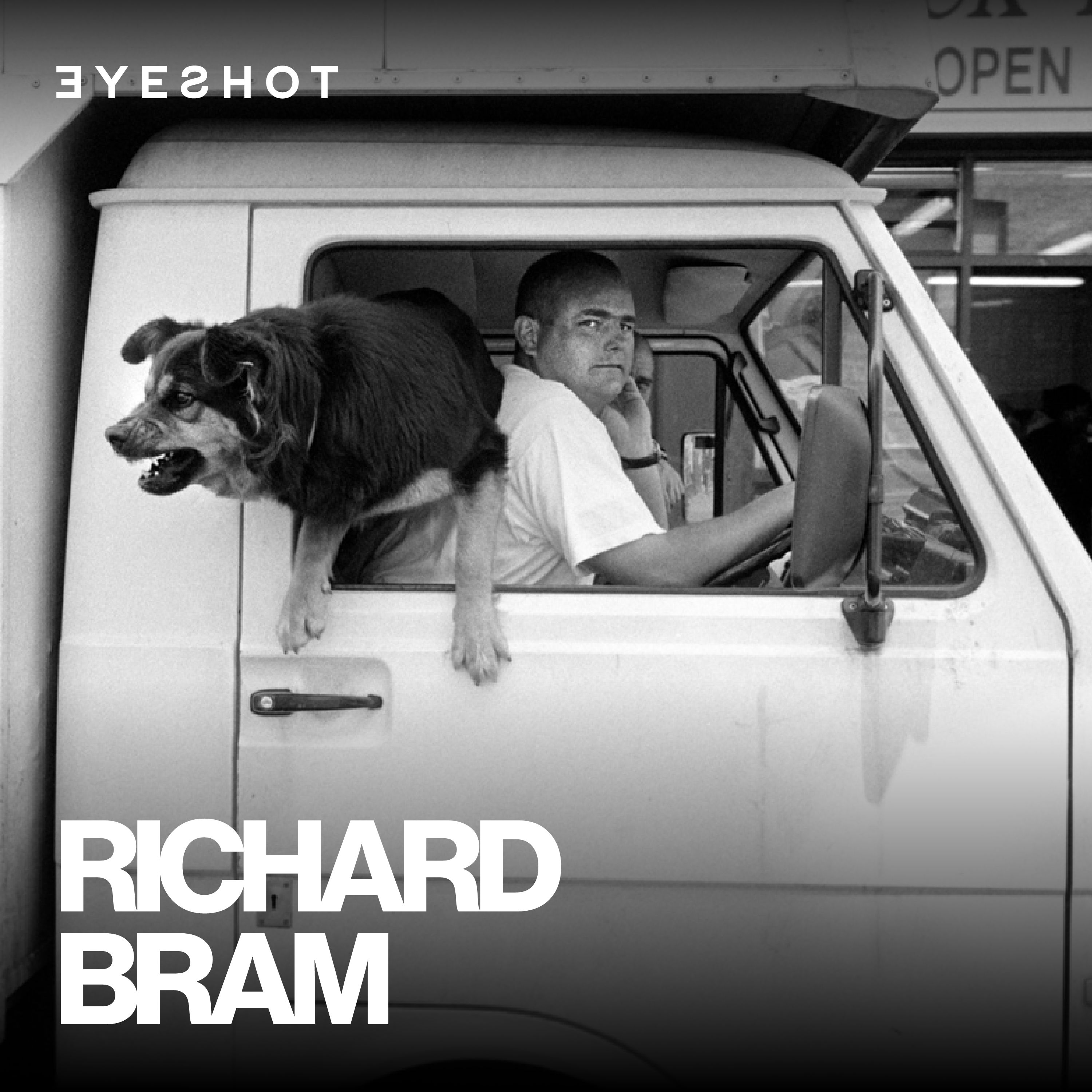 Richard Bram: 40 Years of Street Photography, Editing & Seeing the Unexpected 31.07.2026 49dkAmerican street photographer Richard Bram has spent more than forty years catching the small, telling gestures of public life, most recently from his base in London, and now shapes a vast black-and-white archive into a book of fleeting narratives. In this Eyeshot 50mm interview, Richard Bram talks with Lucrezia Bonarota about coming to photography late, self-taught, at thirty-two, armed with 'ignorance and courage'. He learned in the darkroom and the public library, trained his eye editing under pressure ('a good edit fills the wastebasket'), and became a founding member of in-public, the collective that insisted street photography was not dead. He speaks about wanting uncertainty over explanation, why the click turns reality into fiction, the ethics of candid work today, and the street as a theatre set waiting for its actors. His new limited edition with Eyeshot, Restless Eye, gathers decades of that restless, curious looking into one book. Follow Eyeshot for more street and documentary photography.
 -
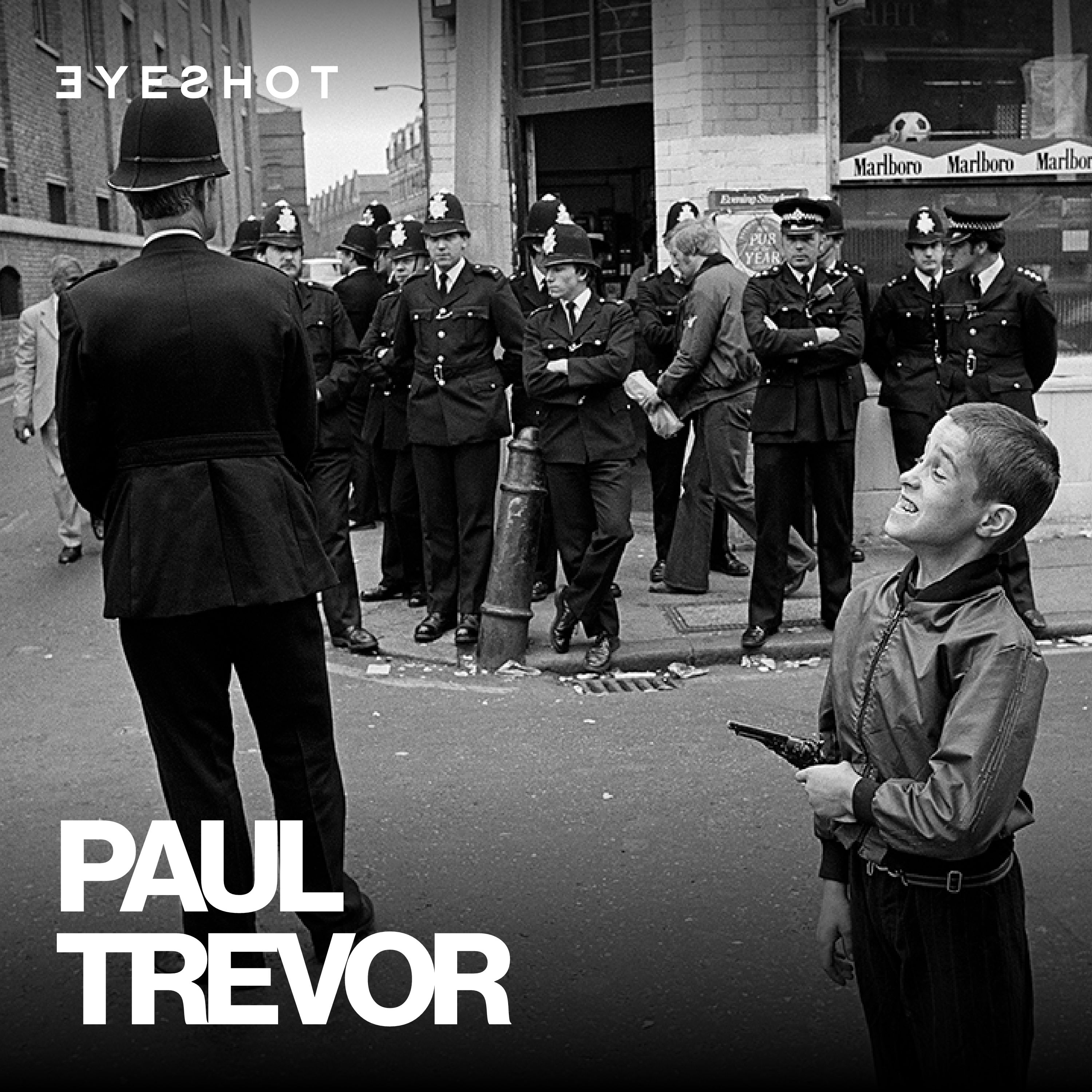 Paul Trevor: Fifty Years of Analogue Street Photography 17.07.2026 22dkBritish photographer Paul Trevor has spent more than fifty years photographing public life, most of it in East London, and now reopens his black-and-white archive as a book that plays. In this Eyeshot 50mm interview, British street and documentary photographer Paul Trevor talks with Lucrezia Bonarota about a life spent photographing public life. Largely self-taught, he came to photography through cinema and co-founded the Exit Photography Group in 1973, learning alongside other photographers who had no school but each other. He speaks about street photography as learning about loss, the shots that haunt you because you missed them, the generosity of the street, and the discipline of the analogue years: the darkroom, the contact sheets, the slow burn. His new limited-edition book with Eyeshot, Riffs, returns to his archive from the 1970s and 1980s and pairs images from different times and places until new meaning appears through rhythm and surprise.
 -
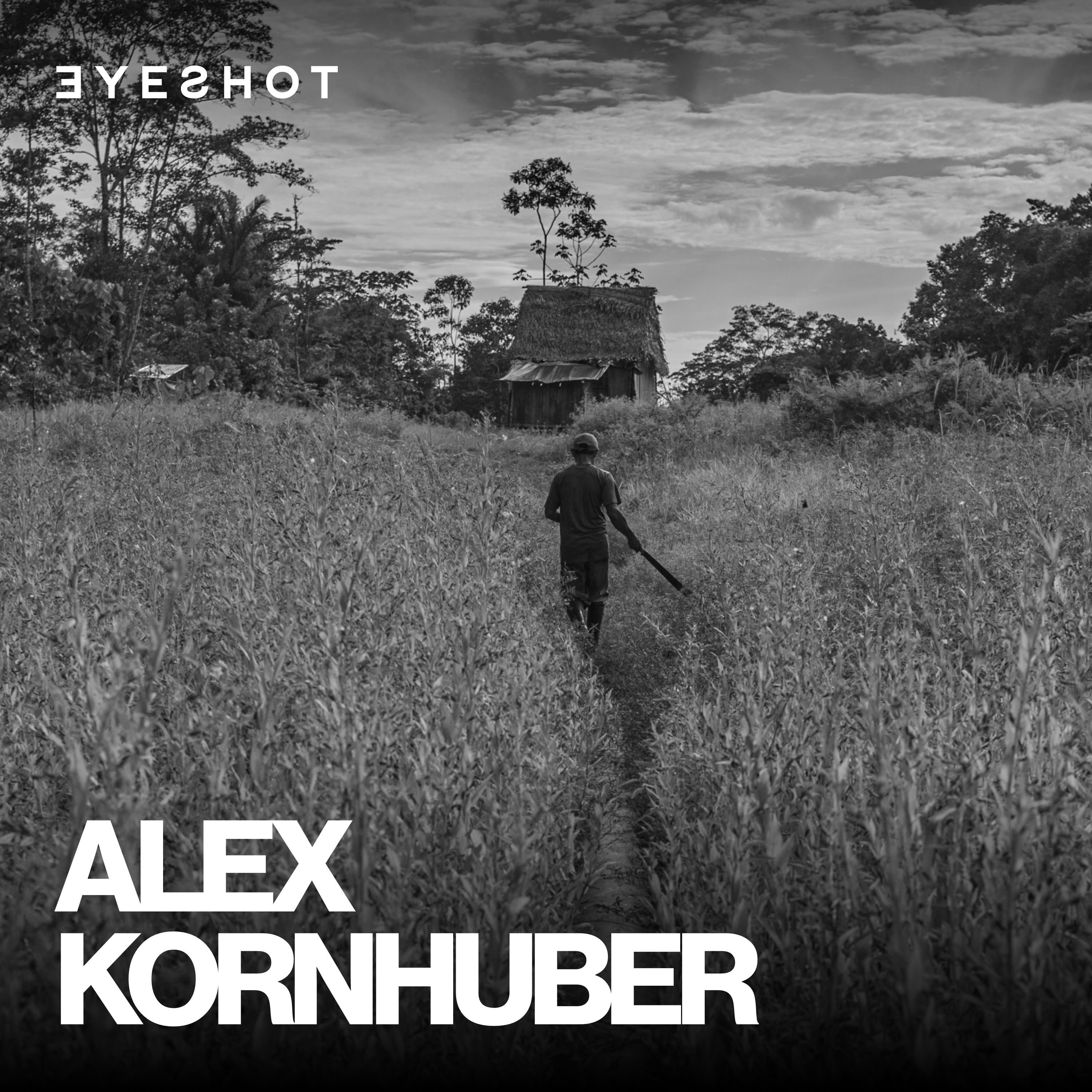 Alex Kornhuber: Documentary Photography in Perù 10.07.2026 53dkDocumentary photographer Alex Kornhuber has spent more than twenty years photographing Peru, its people, land, labour and migration, and the question of who we really are. In this interview, Peruvian-German documentary photographer Alex Kornhuber talks about a life spent photographing Peru. Born to a German father and a Peruvian mother, Alex has always felt he belongs everywhere and nowhere, a feeling that lets him enter realities different from his own. Over two decades he moved past the tourist mask of Peru toward its hidden, more difficult places: mining towns like La Rinconada at 5,400 meters, the extraction economy that shapes entire families, and the land that makes its people resilient and creative. He speaks candidly about the ethics of consent, stealing a shot and negotiating with the people in it, the emotions that get in the way of editing, and what he keeps from masters like Koudelka, Robert Frank and Cartier-Bresson.
 -
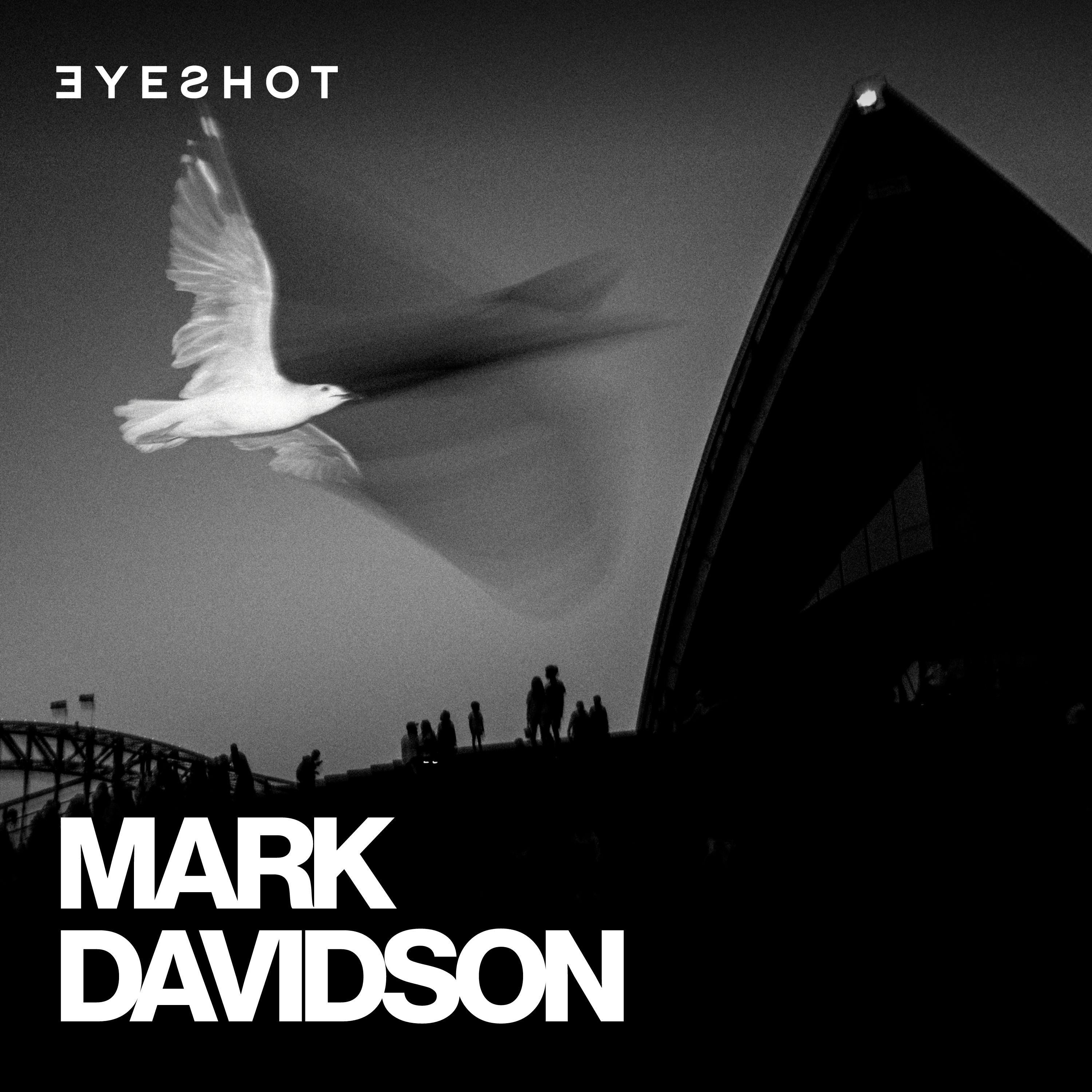 Mark Davidson on Street Photography: Stop Shooting for Instagram 03.07.2026 47dkIn this episode of Eyeshot 50mm, Australian street photographer Mark Davidson talks about street photography beyond Instagram, visual performance, clichés, and the pressure to make images that simply “work” online. Together, we discuss his late start in photography, his relationship with Melbourne, the use of flash as a way to capture tension and unease, the ethics of photographing strangers, and why failure, patience, and long-term projects are essential to building meaningful work.Eyeshot 50mm is our interview series dedicated to street and documentary photography: raw, direct conversations with photographers who turn the streets into visual stories. Subscribe to Eyeshot, explore our books and discover more interviews with contemporary street and documentary photographers.
 -
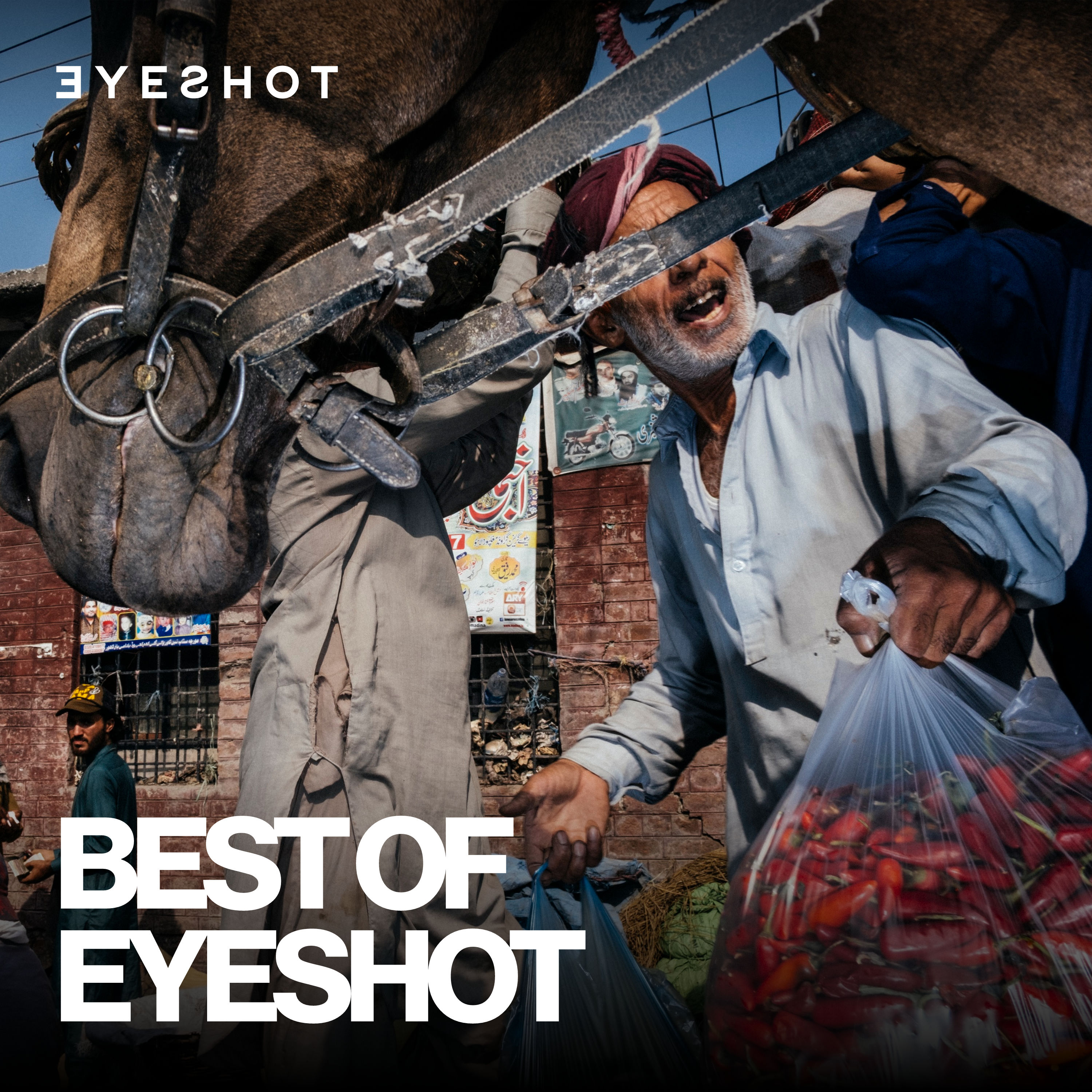 How To See: Five Photographers on What Photography Is For 26.06.2026 8dkFive Eyeshot photographers on what photography is for now: gear and humility, fame and the unique eye, ethics, survival, and why they keep looking."How to See: Best of Eyeshot Q2" brings together the five photographers of this season's Eyeshot release, Margarita Mavromichalis (Street Weather), Markus Andersen (The Grey Hours), Paul Russell (The Secret Lives of Humans), Federico Rios (White Line), and Adriana Zehbrauskas (Alma), in a single thematic conversation about contemporary photography. From street photography and documentary photography to ethics, authorship, visual storytelling, gear obsession, personal work, dignity, survival, memory, and the act of looking, this episode is a slow and human conversation about what still gives a photograph meaning in a world saturated with images.Not five interviews, but one story told through five different eyes. Discover the Q2 Eyeshot Collection and pre-order the books before June 30.
 -
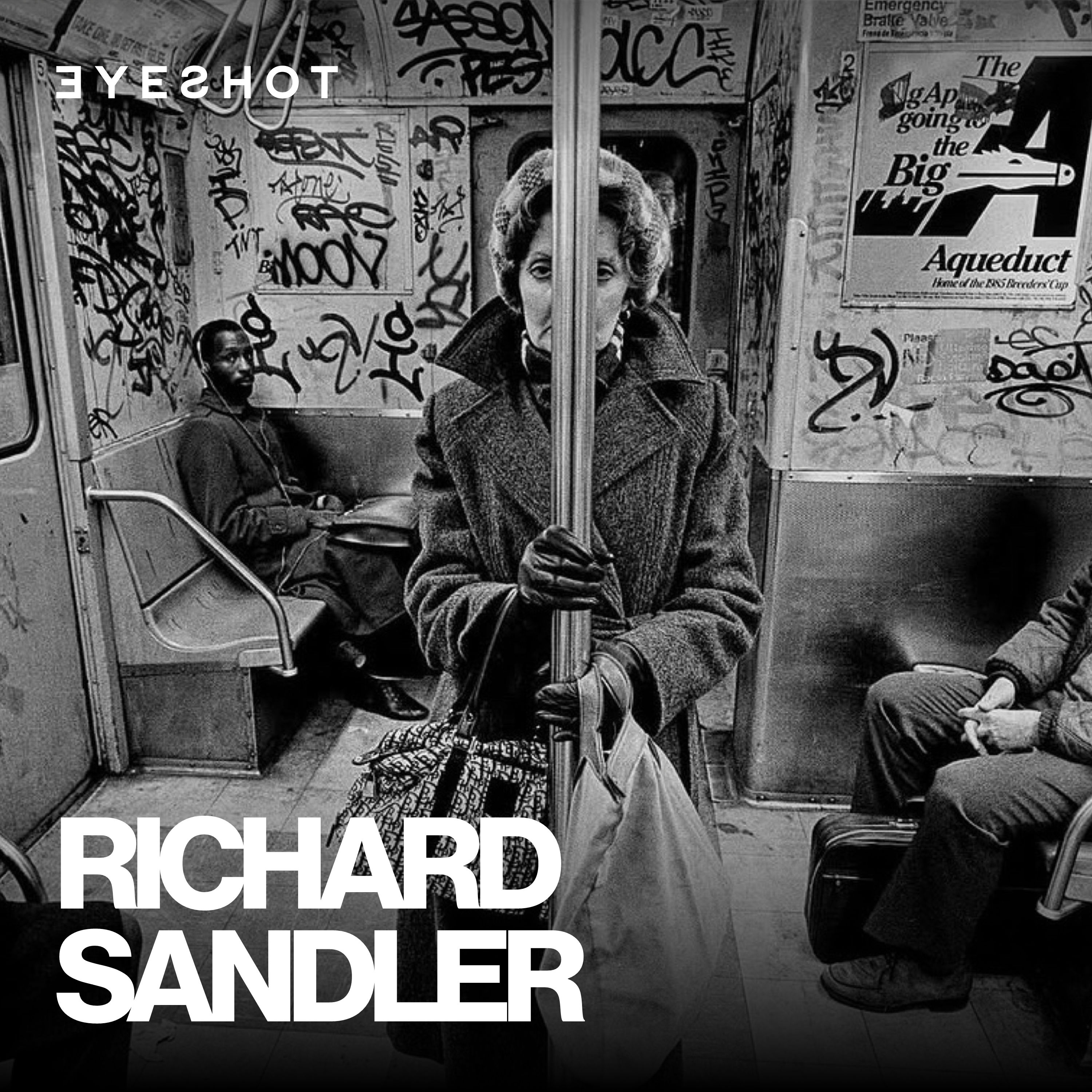 Richard Sandler: What Street Photography Has Lost Today 19.06.2026 58dkRichard Sandler joins Eyeshot 50mm for a raw conversation on New York street photography, film, flash, eye contact, documentary filmmaking, and what it means to photograph the unrehearsed human face. One of the defining street photographers of late 20th-century New York, Sandler reflects on photographing the city in the 1980s, working with Leica cameras and flash, learning from Gary Winogrand, dealing with risk, rejection, the technique of two pictures in one frame, the same technique he once taught a young Bruce Gilden, and the presence of the photographer in the frame. He speaks about why he never wanted to be invisible, why eye contact can reveal something deeply human, and why the best photographs often ask more questions than they answer. Direct, funny and uncompromising, a portrait of a photographer who never stopped questioning what he was looking at.
 -
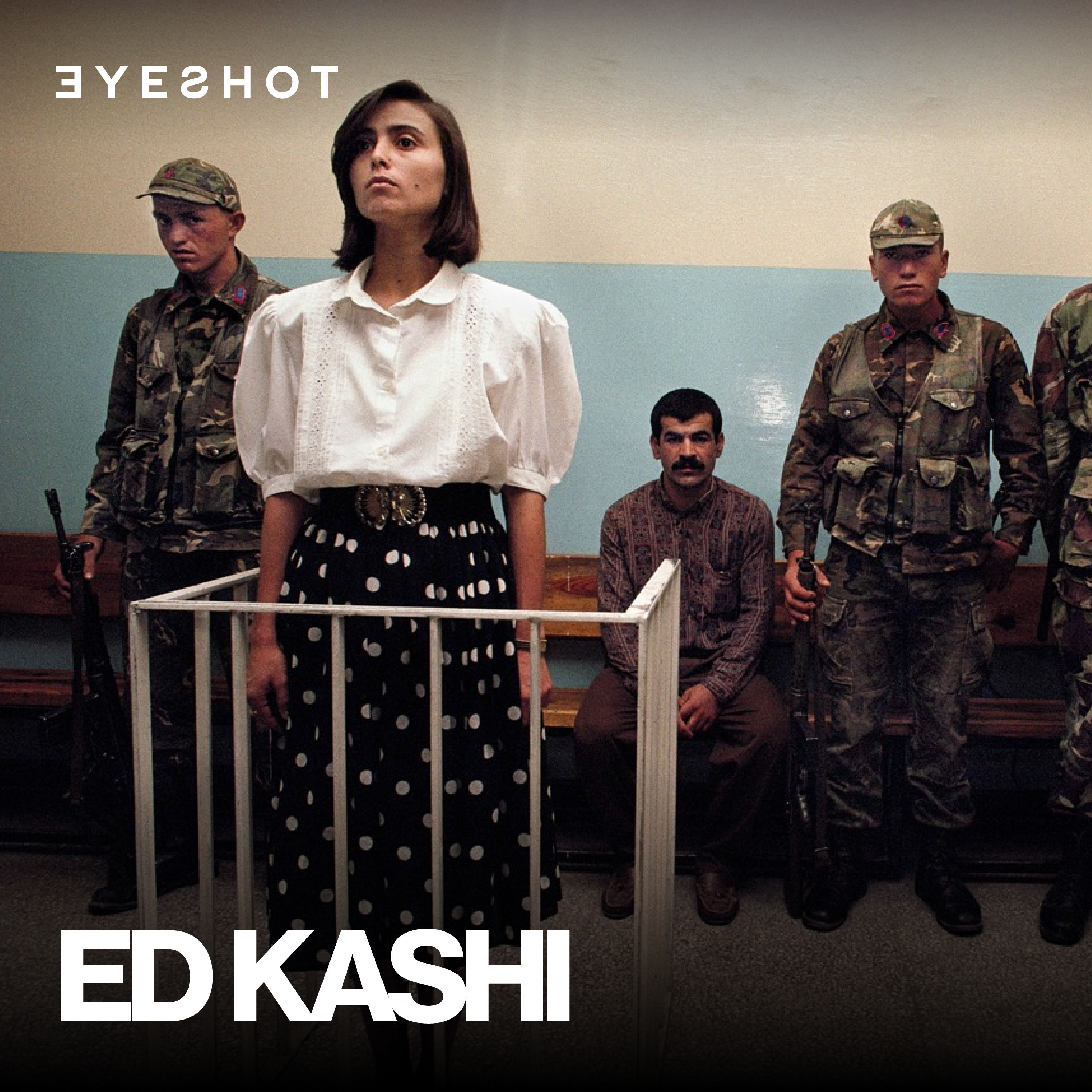 Ed Kashi: A Life in Photojournalism 16.06.2026 1sa 43dkIn this episode we sit down with acclaimed photojournalist Ed Kashi of VII Photo Agency to explore his 45 years journey through documentary photography, visual activism, and the art of “candid intimacy" in over 100 countries. Known for his deep commitment to social issues, Ed reflects on the ethical responsibilities of the photographer, the emotional power of the still image, and the evolution of his visual language. We dive into his sold-out book with Eyeshot, “Visual Riffs”—a limited edition book now available for pre-order. Ed discusses how photography becomes a form of therapy, storytelling, and resistance, and shares insights into his creative process, from personal obsessions to field experiences across the globe.
 -
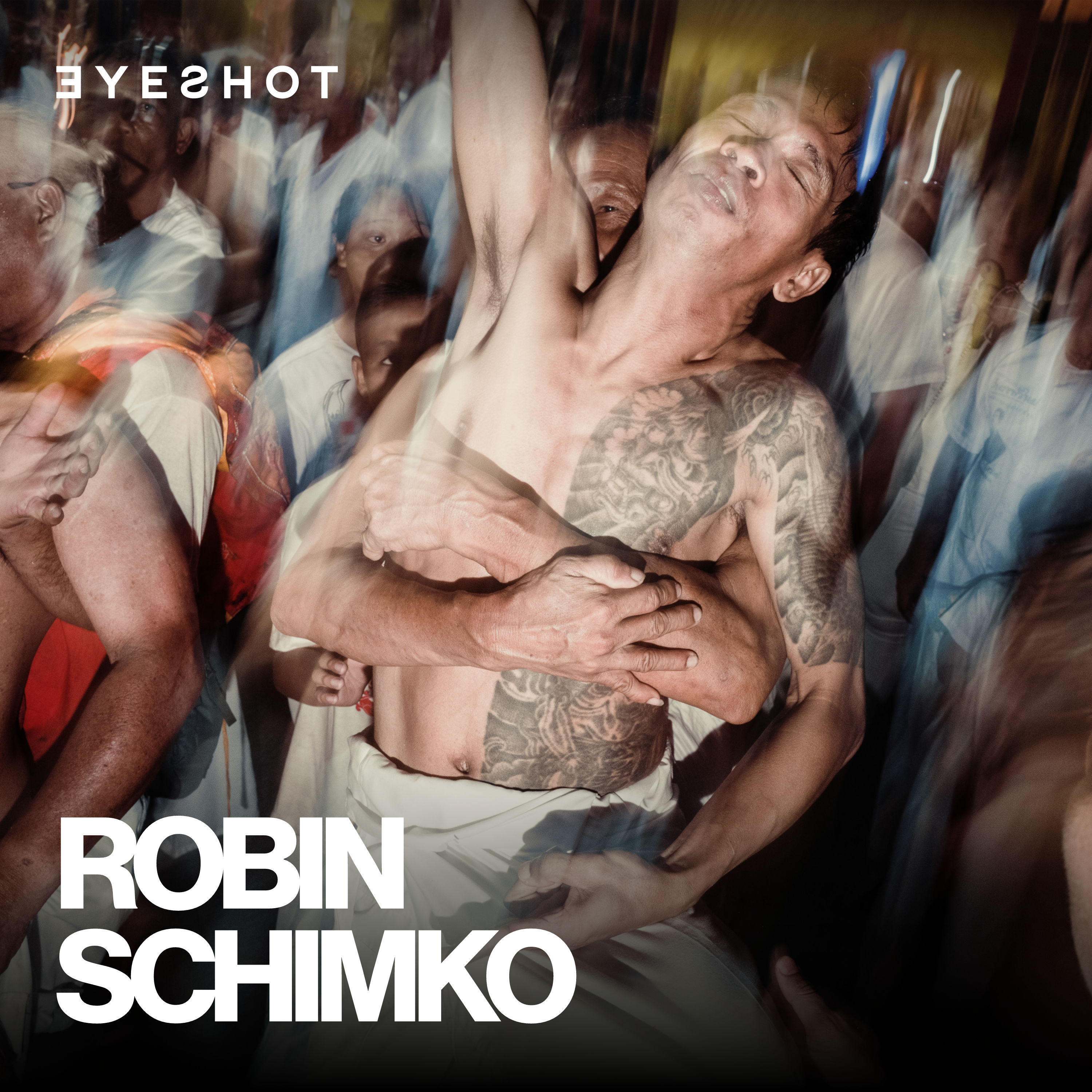 Robin Schimko: Street Photography, YouTube & the Algorithm Problem 12.06.2026 1sa 1dkRobin Schimko, also known as The Real Sir Robin, joins Eyeshot 50mm for a direct conversation on street photography, YouTube, algorithms, AI, flash, gear culture, and what happens when social media starts shaping the way photographers see. In this episode, Robin reflects on the difference between being a street photographer and playing the YouTube game, questioning how algorithms reward repetition, imitation, silhouettes, POV videos, gear obsession, and easily consumable images. He also discusses why good street photography is not about perfection, why AI may push photography toward a dangerous idea of the “perfect image,” and why the real value of the medium still lies in instinct, presence, failure, and visual identity.He talks about a decade with the same Leica Q and 28mm lens, gear as costume, photographing around the shock at Thailand's Vegetarian Festival, the biggest beginner mistake he sees in workshops, what it takes to make a living without diluting the work, and why in the age of AI a flawed real photograph matters more than a perfect generated one.
 -
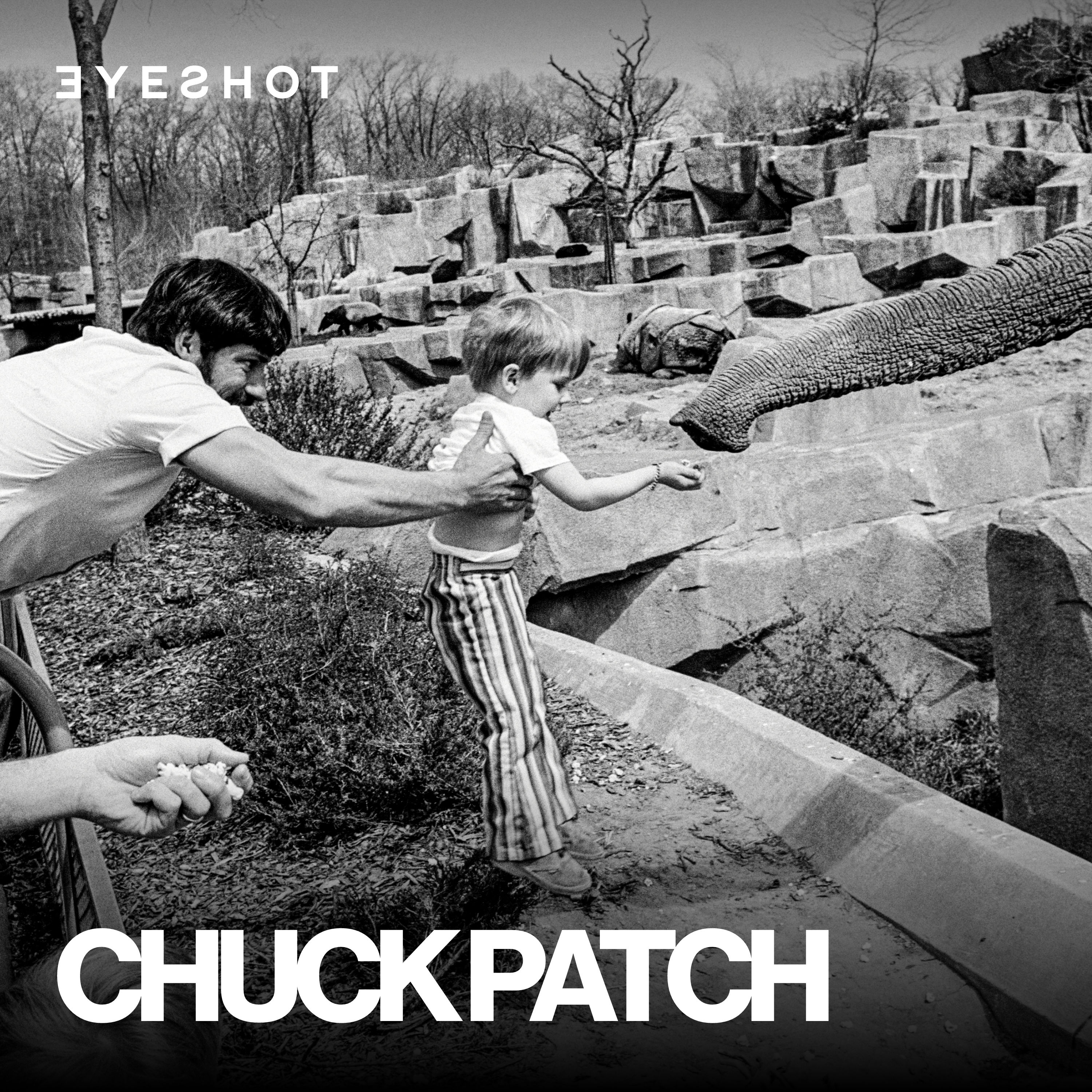 Chuck Patch: Analogue Street Photography, Winogrand & the Decisive Moment 09.06.2026 59dkIn this episode, American street photographer Chuck Patch reflects on a lifetime of image-making, from his first camera and darkroom experiences to his years working with museums, archives, and photographic collections. The conversation moves through his influences, including Garry Winogrand, Walker Evans, Vivian Maier, Joel Meyerowitz, and Henri Cartier-Bresson, while opening a deeper discussion on what makes a street photograph last over time. Patch speaks about the beauty of mundane subjects, the limits of perfect composition, the shift from black and white to color photography, and why authenticity in photography has changed across generations. He also reflects on the role of Flickr and online photography communities, the fear of criticism, the value of amateur photography, and the difference between the traditional “decisive moment” and a more emotional, social, and narrative understanding of street photography. This is a conversation about street photography as attention, memory, community, intuition, and emotional connection.
 -
 Sandra Cattaneo Adorno: Why Street Photography Is Not About the Street 05.06.2026 48dkSandra Cattaneo Adorno joins Eyeshot 50mm to discuss street photography, memory, Brazil, abstraction, light, and the freedom of starting photography later in life. In this episode, Sandra reflects on how the street can become more than a place to document reality. Through color, reflections, bodies, gestures, gold, silver and fragments of everyday life, her work transforms ordinary moments into something poetic, personal and dreamlike. From Rio de Janeiro to New York, she shares how photography changed the way she sees the world and why street photography can move beyond the decisive moment.
 -
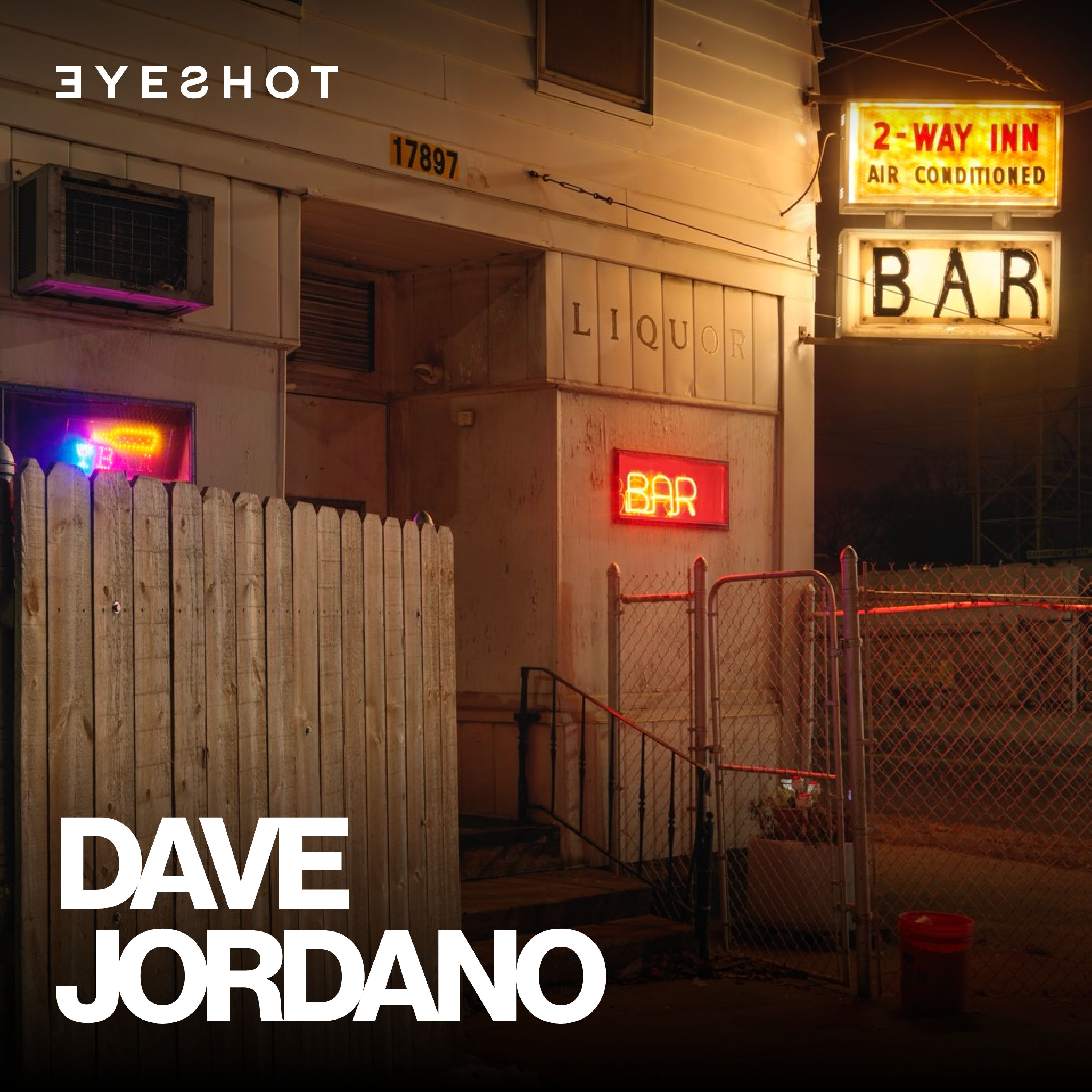 Dave Jordano: The Secrets of a Documentary Photographer 02.06.2026 1sa 9dkIn this episode, we sit down with acclaimed documentary photographer Dave Jordano. Dave Jordano did not come to documentary photography through the street. He came through still life, three decades of commercial work in Chicago with an 8x10 camera, planning every detail, controlling every light. When he returned to personal work around 2000, he brought that patience with him: the tripod, the long study, the frame decided before the shutter. He is, by his own account, the opposite of a street photographer. In this episode of Eyeshot 50mm he talks about treating the world as a still life, about why he refused to photograph Detroit as a fashionable ruin when "people still live here", about consent as a slow method built on conversation and returned prints, and about the one rule that held a fifty-year life together: love what you do, and treat it as a gift, not as work.
 -
 Paulie B: More empathy, more time. Less gear, less POV 29.05.2026 32dkn this episode of Eyeshot 50mm, Paulie B discusses street photography, shooting strangers, ethics, New York, Walkie Talkie, visual clichés, and why he is not trying to be Daniel Arnold.Paulie B is a photographer, filmmaker, and creator of Walkie Talkie, the YouTube series that has opened up the process of street photography to a wider community. In this conversation, he reflects on what it means to photograph in public today: when to approach, when to disappear, how to deal with confrontation, and why being a street photographer requires more than one way of seeing.From the pressure of photographing New York to the responsibility of making images of strangers, from social media comparison to the clichés of contemporary street photography, this episode is a direct and honest conversation about process, fear, ethics, community, and the future of street photography.
 -
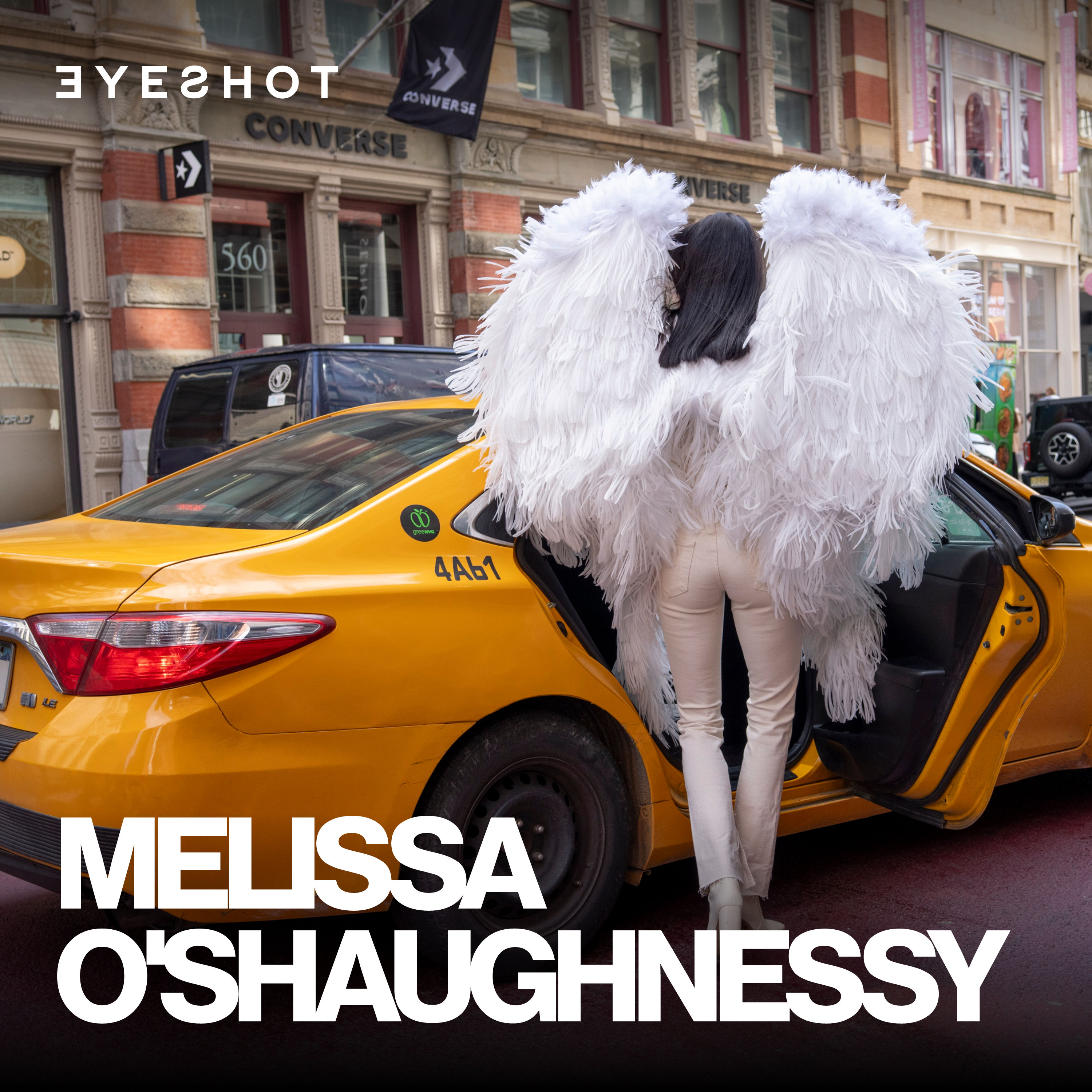 Melissa O’Shaughnessy: Meyerowitz, Diane Arbus & Women in Street Photography 26.05.2026 1sa 12dkIn this episode, Melissa O’Shaughnessy shares her journey from darkroom to digital, from shyness to confidence, and from family snapshots to internationally acclaimed street photography. Known for her vibrant color and human-centered compositions, Melissa reflects on building her philosophy on photography, and what it means to find your voice on the street. As the cover artist of Eyeshot’s sold-out limited edition all-women issue “No Man’s Land: Women Reclaiming the Streets”, Melissa dives into the challenges and strengths of photographing as a woman in a historically male-dominated genre. In this in-depth interview, we talk about identity, ethics, color vs. black and white, the influence of Joel Meyerowitz, and how one photograph can hold an entire story.
 -
 Richard K. Hernandez: A Deep Conversation on AI and the Future of Photography 22.05.2026 1sa 39dkIn this episode of Eyeshot 50mm, Richard Koci Hernandez reflects on photography, AI, Instagram, visual journalism, and what it means to make images in a world already overflowing with them. A photographer, visual storyteller, educator, and one of the most influential voices in contemporary image-making, Hernandez moves through the major shifts that shaped his career: film photojournalism, the digital transition, multimedia journalism, mobile photography, Instagram, and now AI-assisted visual culture. Rather than treating new tools as threats, he argues that photographers must understand them before they can criticize, reject, or use them with clarity.The conversation explores photography’s unstable relationship with truth, the future of photojournalism, the role of transparency, the limits of AI-generated imagery, and why this may be one of the most important moments for a new generation of visual journalists and image-makers.
Benzer podcastler


Şurada popüler
Bu podcast şu ülkelerin podcast listelerinde de yer alıyor.


