
Trumponomics
Bloomberg
0
Tariffs, crypto, deregulation, tax cuts, protectionism, are just some of the things back on the table when Donald Trump returns to the Presidency. To help you plan for Trump's singular approach to economics, Bloomberg presents Trumponomics, a weekly podcast focused on the Trump administration's economic policies and plans. Editorial head of government and economics Stephanie Flanders will be joined each week by reporters in Washington D.C. and Wall Street to examine how Trump's policies are shaping the global economy and what on earth is going to happen next.
Bölümler
-
 Why 5% Treasury Yields May Be Just the Beginning 16.09.2026 25dkThe US 10-year Treasury yield has breached 5%, but the forces pushing borrowing costs higher may run much deeper than the latest economic shocks. Stephanie Flanders is joined by Bloomberg Opinion columnist John Authers and Jamie Rush of Bloomberg Economics to discuss how demographics, rising government debt and the artificial intelligence investment boom are reshaping the price of money — and why 5% could prove to be a floor rather than a ceiling.See omnystudio.com/listener for privacy information.
 -
 Cory Doctorow Says Be Skeptical of the AI Sales Pitch 09.09.2026 35dkArtificial intelligence companies are spending extraordinary sums on the promise that their technology will transform the global economy. Author and technology critic Cory Doctorow joins Trumponomics host Stephanie Flanders to challenge that sales pitch, arguing that AI may be useful without delivering the cost savings or profits investors expect — and warning of the consequences for workers, markets and the wider economy if the boom ends badly.See omnystudio.com/listener for privacy information.
 -
 "The Economics Show": Breaking China’s rare earths chokehold 02.09.2026 31dkIn the US-China trade conflict, rare earth metals are Beijing's ultimate trump card. Last year, China ramped up restrictions on these key industrial elements, spooking industry, and forcing the US toclimb down. Since that wake-up call, the US has worked hard to reduce its dependence on China. It has spent huge sums backing mining companies, penned eye-catching deals and moved to collaborate with allies. But after a little more than a year, how much progress has it made in breaking China’s hold on the rare earths supply chain? Featuring: Abigail Hunter of the SAFE Center for Critical Minerals Strategy; Gracelin Baskaran of the Critical Minerals Security Program at the Center for Strategic and International Studies; Cory Combs of Trivium China; and FT commodities correspondent Camilla Hodgson. Subscribe to the show on Apple, Spotify, Pocket Casts or wherever you listen.See omnystudio.com/listener for privacy information.
 -
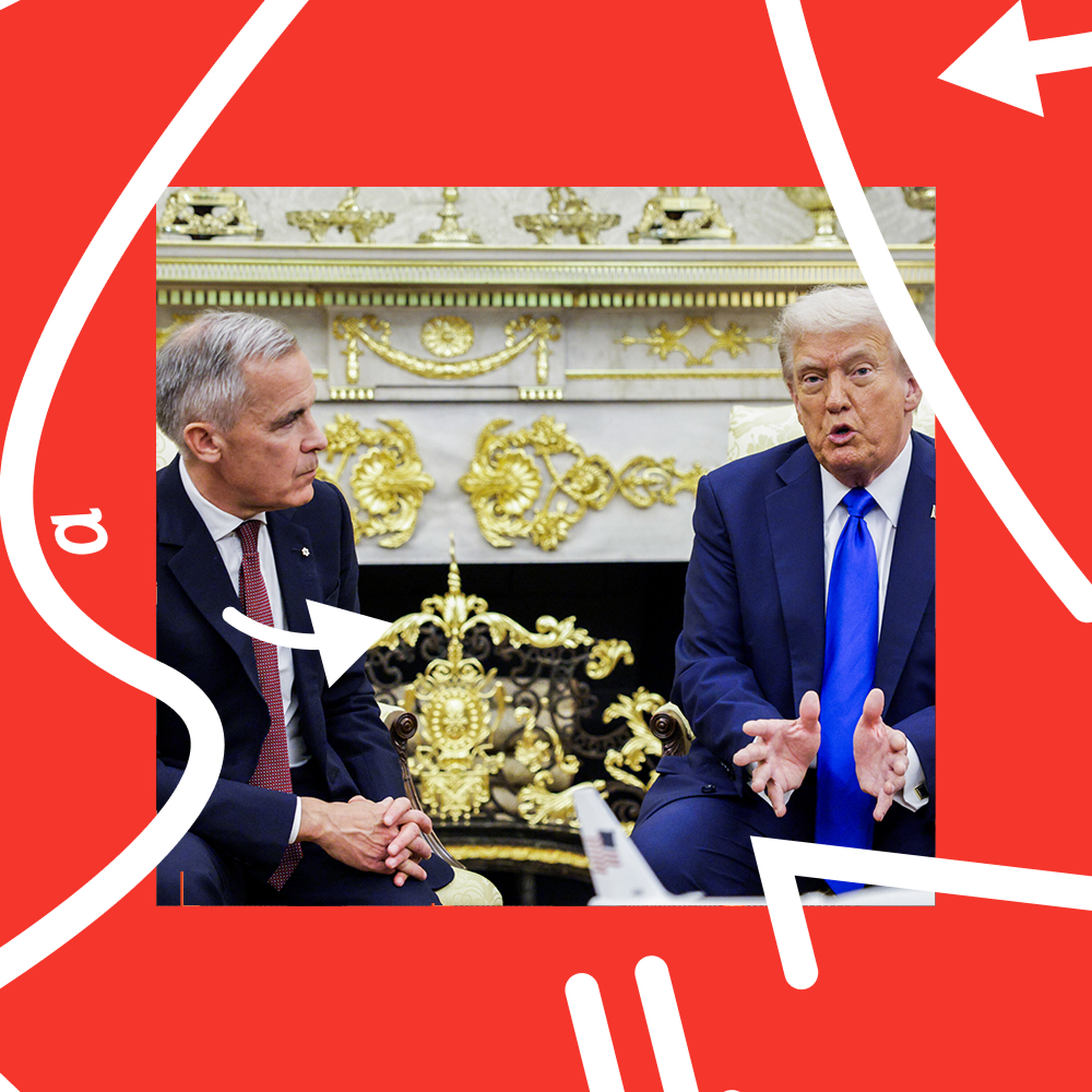 As Canada Turns From the US, Is China the Alternative? 26.08.2026 30dkWith tensions rising between Canada and the US over the latest broadsides in President Donald Trump's trade war, the White House is threatening even more levies following Prime Minister Mark Carney's announced dollar-for-dollar retaliation. The rupture between Ottawa and Washington is becoming harder to dismiss as temporary, with the war of words increasingly implicating the broader relationship between the once-close allies.But as more countries seek to put distance between themselves and the US, will they really move closer to China? In a conversation recorded Aug. 20, before the latest US-Canada skirmish, Stephanie Flanders is joined by Bloomberg’s Dan Ten Kate and Chris Kennedy to explore how the so-called middle powers are trying to diversify their economic and security relationships — and why Beijing’s export dominance, strategic ambitions and trust deficit mean there may be no easy alternative to an economically belligerent America.See omnystudio.com/listener for privacy information.
 -
 Why Inflation Could Be Good News for Japan 19.08.2026 27dkCan inflation in Japan be a sign of a healthier economy? On this week's episode of Trumponomics, Stephanie Flanders is joined by Taro Kimura, an economist with Bloomberg Economics, and Bloomberg News Senior Editor Chris Anstey to explore the potential cost and benefits of a weakening yen. Together, they examine Japan’s shift away from decades of deflation, why US Treasury Secretary Scott Bessent intervened to support the yen and how instability in Japan could spill over into US Treasury markets and raise American borrowing costs.See omnystudio.com/listener for privacy information.
 -
 Introducing: Our Town 16.08.2026 1dkOur Town from Bloomberg’s Big Take podcast follows residents of Gainesboro, Tennessee, after a group of far-right Christians moves in with plans for a radical social experiment. Listen to episode 1 here.See omnystudio.com/listener for privacy information.
 -
What Is Fed Chair Kevin Warsh Trying to Say? 12.08.2026 28dkKevin Warsh has spent his first three months as chair of the Federal Reserve pretty tight-lipped about his views on the economy, a stark contrast to how central bank policymakers have traditionally communicated with market participants. On this episode, host Stephanie Flanders speaks with Bloomberg Opinion columnist Bill Dudley, a former president of the Federal Reserve Bank of New York, and Robin Brooks, senior fellow at the Brookings Institution and chief FX strategist at Goldman Sachs, about whether Warsh’s approach is a welcome change or another threat to the Fed's credibility.See omnystudio.com/listener for privacy information.
-
Why AI Isn't Actually Boosting Productivity 05.08.2026 28dkWhy aren't we seeing the productivity boom the artificial intelligence industry has promised? Stephanie Flanders is joined by Oxford University professor and How Progress Ends author Carl Benedikt Frey to explore why rapid advances in AI haven't yet translated into stronger economic growth. Together they examine the productivity struggle, the race between the US and China for AI leadership and what history teaches us about technological revolutions.See omnystudio.com/listener for privacy information.
-
The Tariff Trade-Off 29.07.2026 26dkUS President Donald Trump's trade war may be here to stay, despite the fact that billions of dollars in tariff revenue has been refunded to companies after the Supreme Court ruled his initial levies illegal. Stephanie Flanders is joined by Bloomberg senior writer Shawn Donnan and Anna Wong, chief US economist at Bloomberg Economics, to explore what if anything the policy has delivered for US manufacturing and the federal budget, and why the biggest consequences may be the ones no one predicted.See omnystudio.com/listener for privacy information.
-
 Can the US Actually Tax Billionaires? 23.07.2026 23dkAs wealth becomes increasingly concentrated — and artificial intelligence threatens to shift even more income from workers to investors — has the US tax system become outdated? Stephanie Flanders speaks with Harvard professor Jason Furman, a former economic adviser to President Barack Obama, and Bloomberg reporter Caitlin Reilly about wealth taxes, capital gains, inheritance and whether taxing America's richest is politically or constitutionally possible.See omnystudio.com/listener for privacy information.
 -
Are We Being Priced Out of Happiness? 15.07.2026 24dkAmericans are spending less time with friends, nights out are getting more expensive and even major sporting events are becoming harder to afford. Stephanie Flanders speaks with Bloomberg reporter Ben Steverman and economist and author Richard Layard about what the "fun shortage" says about the economy, rising inequality and whether loneliness is becoming a political and economic problem.See omnystudio.com/listener for privacy information.
-
 The $2 Trillion Global Arms Race 08.07.2026 26dkA new, $2 trillion global arms race is underway — but this time it's being driven by artificial intelligence, drones and hypersonic weapons. Stephanie Flanders is joined by Becca Wasser, a geo-economics analyst with Bloomberg Economics, and Gerry Doyle, a senior editor for Bloomberg News, to explore how rising defense spending could reshape economies, redefine warfare and alter the future of global security.See omnystudio.com/listener for privacy information.
 -
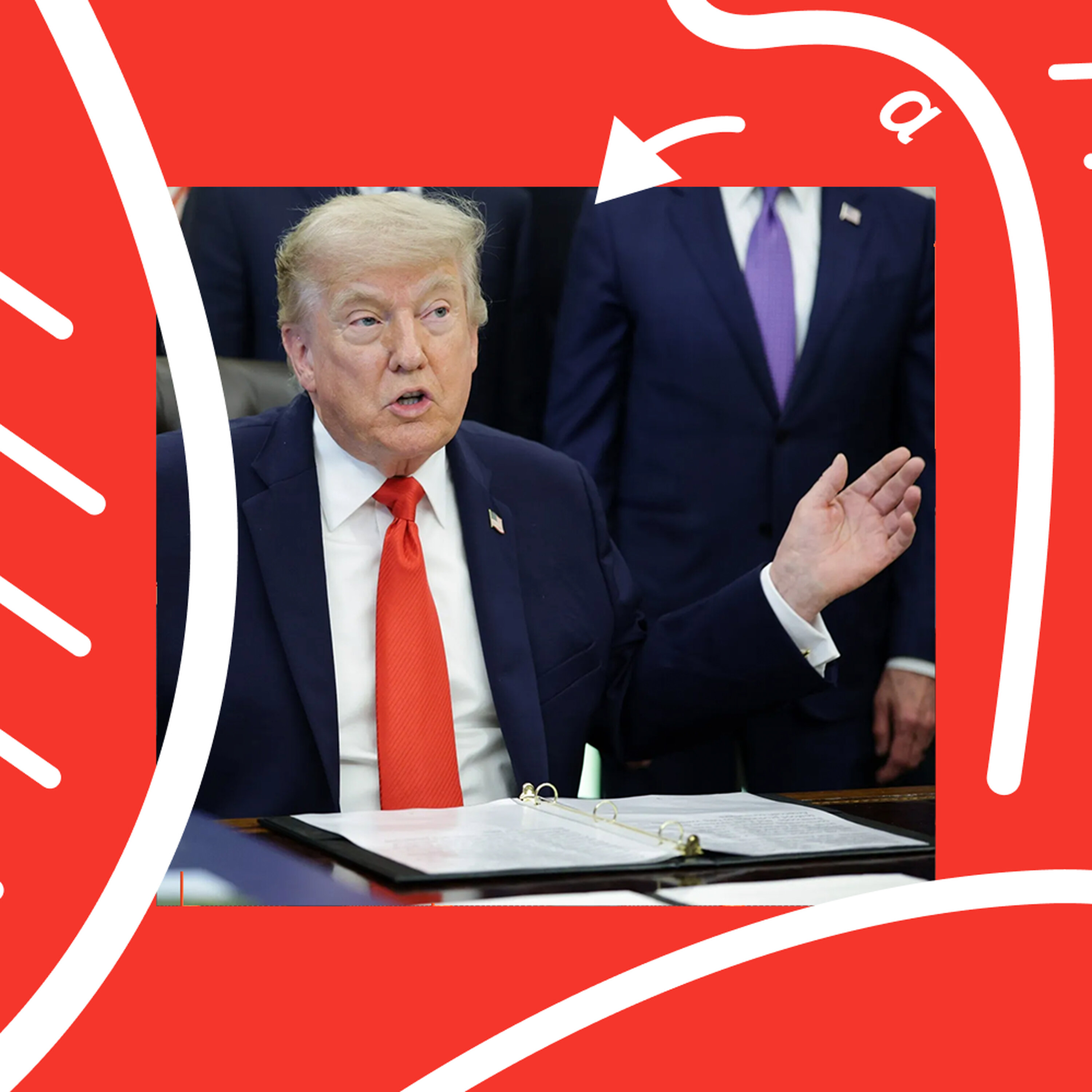 The Midterms May Hinge on One Thing: How the Economy Feels 01.07.2026 23dkThe economy may look resilient on paper, but voters aren't buying it. Bloomberg's senior national correspondent Nancy Cook and Stuart Paul, who covers the US and Canadian economies for Bloomberg Economics, break down why affordability, gas prices, and lingering economic anxiety could reshape the battle for Congress—and whether Republicans can change the narrative before November.See omnystudio.com/listener for privacy information.
 -
 What If AI Simply Ruins Your Job Instead of Taking It? (with Sarah O'Connor) 24.06.2026 29dkArtificial intelligence is often discussed in terms of how many jobs it will eliminate, but Sarah O’Connor argues the biggest concern may be not what it does to the quantity of jobs, but the quality. Speaking on Bloomberg’s Trumponomics podcast about her new book, We Are Not Machines: The Fight for the Future of Work, the Financial Times columnist said AI and automation are increasingly reshaping jobs around the strengths and limitations of machines, leaving workers to perform narrower, less-rewarding tasks. See omnystudio.com/listener for privacy information.
 -
 How Fast Can the World Recover From a Hormuz Shock? 18.06.2026 35dkFor 100 days, the world watched as one of its most important energy chokepoints got choked. Now, as the Iran war appears to be easing, Bloomberg Opinion columnist Javier Blas and Jamie Rush, Director of Global Economics, debate how quickly oil markets can recover, and what we've learned about China's growing influence over global energy demand.See omnystudio.com/listener for privacy information.
 -
 Why 2026 Is Beginning to Look Like 1929 (with Andrew Ross Sorkin) 10.06.2026 36dkAlmost a century after the Wall Street crash of 1929, Andrew Ross Sorkin says he believes some of its most dangerous ingredients are reappearing. Joining Stephanie Flanders on Trumponomics, the financial journalist and author of 1929: Inside the Greatest Crash in Wall Street History argues that today’s market is filled with “eerie parallels” to the late 1920s. These include a transformative new technology, a flood of retail investors and a growing willingness to loosen the rules.See omnystudio.com/listener for privacy information.
 -
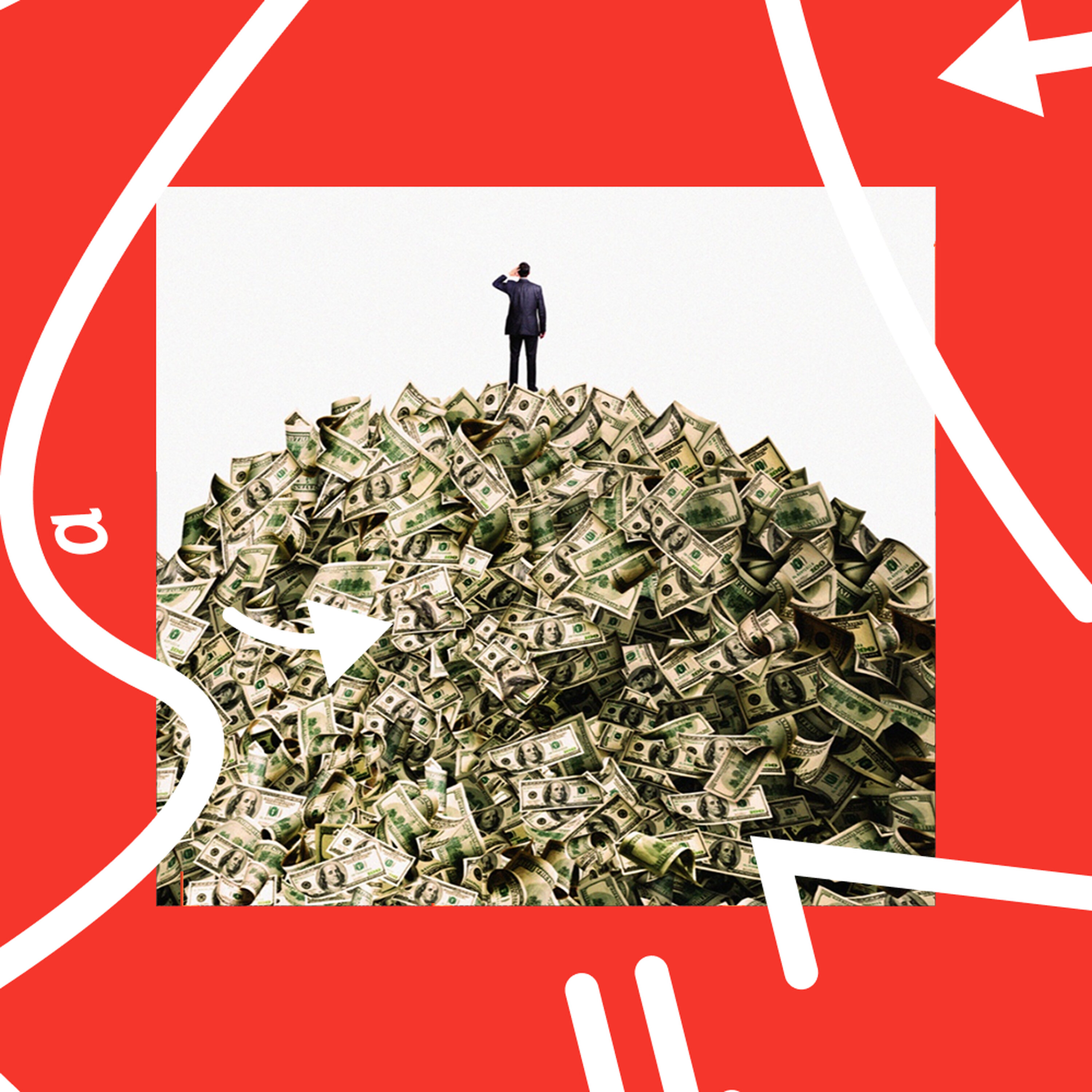 Is the US Economy Dangerously Dependent on the Rich? 03.06.2026 22dkThe idea of a “K-shaped economy” has become one of the most persistent themes about the US economy: While some households continue to thrive, in particular the wealthy ones, everyone else falls further behind. On this episode of Trumponomics, host Stephanie Flanders, Moody’s Analytics Chief Economist Mark Zandi and Bloomberg Economics’ Andrew Sacher explore whether that narrative is simply another way of describing that longer-term American phenomenon of inequality — or whether it points to a deeper vulnerability.See omnystudio.com/listener for privacy information.
 -
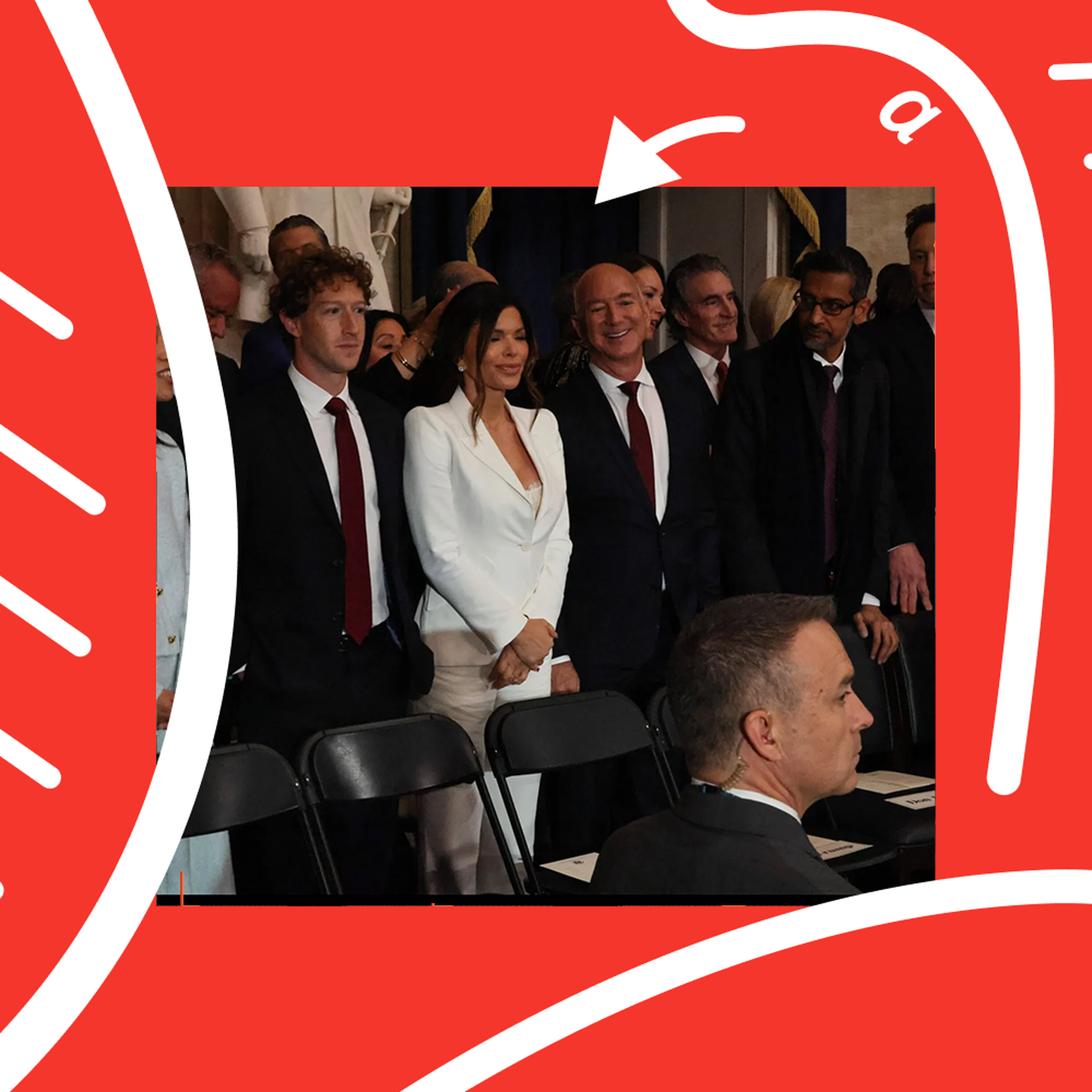 Why Is America Turning Against Big Business? 27.05.2026 25dkA Gallup poll reported last year that just 15% of Americans said they had a great deal or quite a lot of confidence in big business, a record low. Since then, fear of artificial intelligence has made matters worse. So why is big business increasingly unpopular in Donald Trump's America? What does it tell us about the state of the nation and the long-term strength of the world's largest economy? On this week's Trumponomics, host Stephanie Flanders explores those questions with Bloomberg Opinion global business columnist Adrian Wooldridge. He says the root of this malaise may be a US corporate culture that's shifted from genuine risk-taking entrepreneurship toward a mix of oligarchic tech elites and bloated bureaucracies, fueled by market concentration and declining competition. Later, Flanders and Wooldridge explore whether AI will in turn disrupt these dominant firms or further entrench their power — and what the backlash against tech could mean for politics, capitalism and American democracy.See omnystudio.com/listener for privacy information.
 -
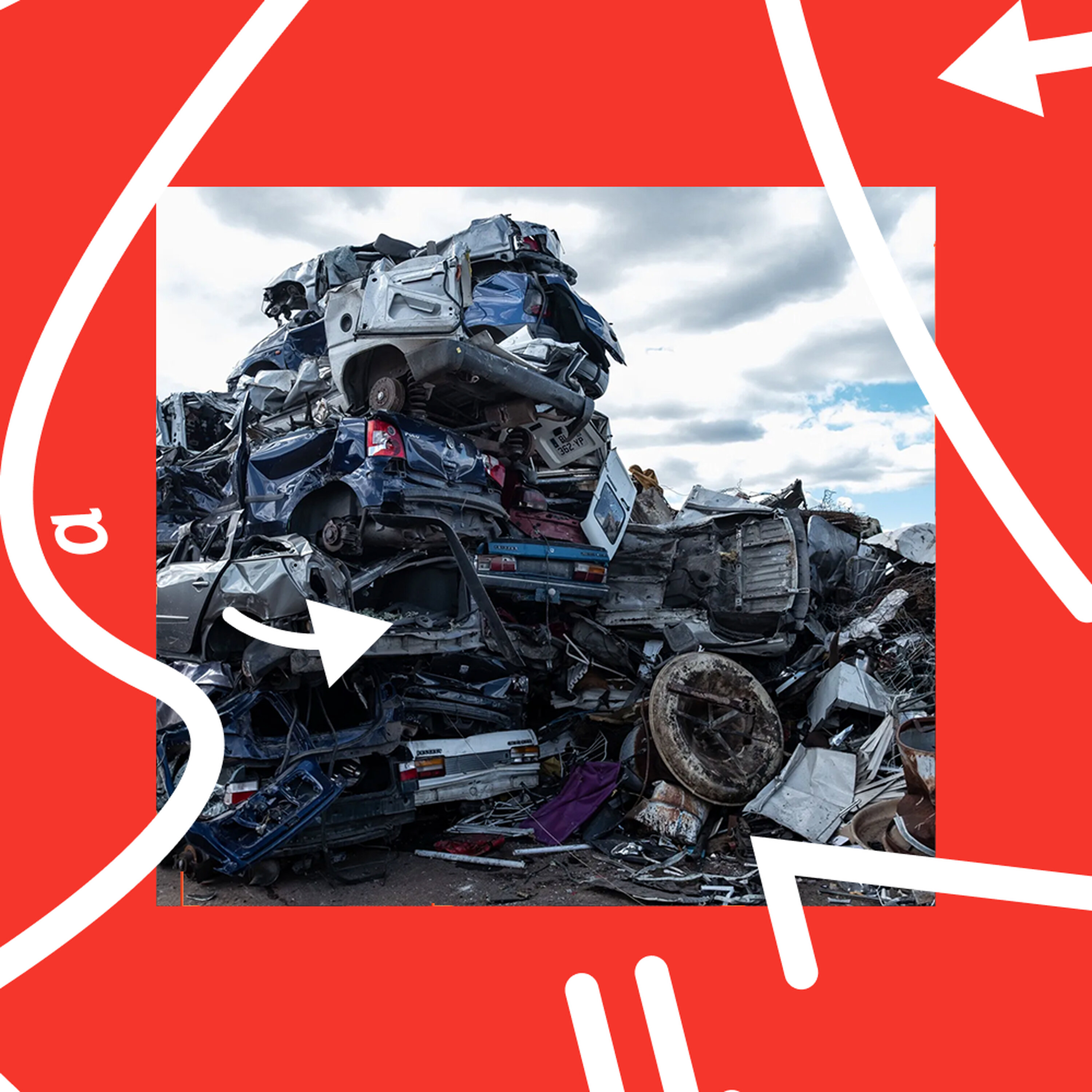 The Great Bond Car Wreck — in Slow Motion 20.05.2026 28dkAcross developed markets, bond markets are staging a slow-motion car wreck. As Opinion columnist and senior markets editor John Authers puts it, the phenomenon is truly global. Authers and Robin J. Brooks, a senior fellow at the Brookings Institution and former chief economist at the Institute of International Finance, join host Stephanie Flanders to explain why investors have turned sharply against government bonds across the world’s major developed economies — and how the fallout could affect us all.Read John Authers's column here: https://www.bloomberg.com/opinion/newsletters/2026-05-19/the-great-bond-car-wreck-in-slow-motionAnd find Robin J. Brooks's substack here: https://robinjbrooks.substack.com/p/liz-truss-bond-market-blow-upsSee omnystudio.com/listener for privacy information.
 -
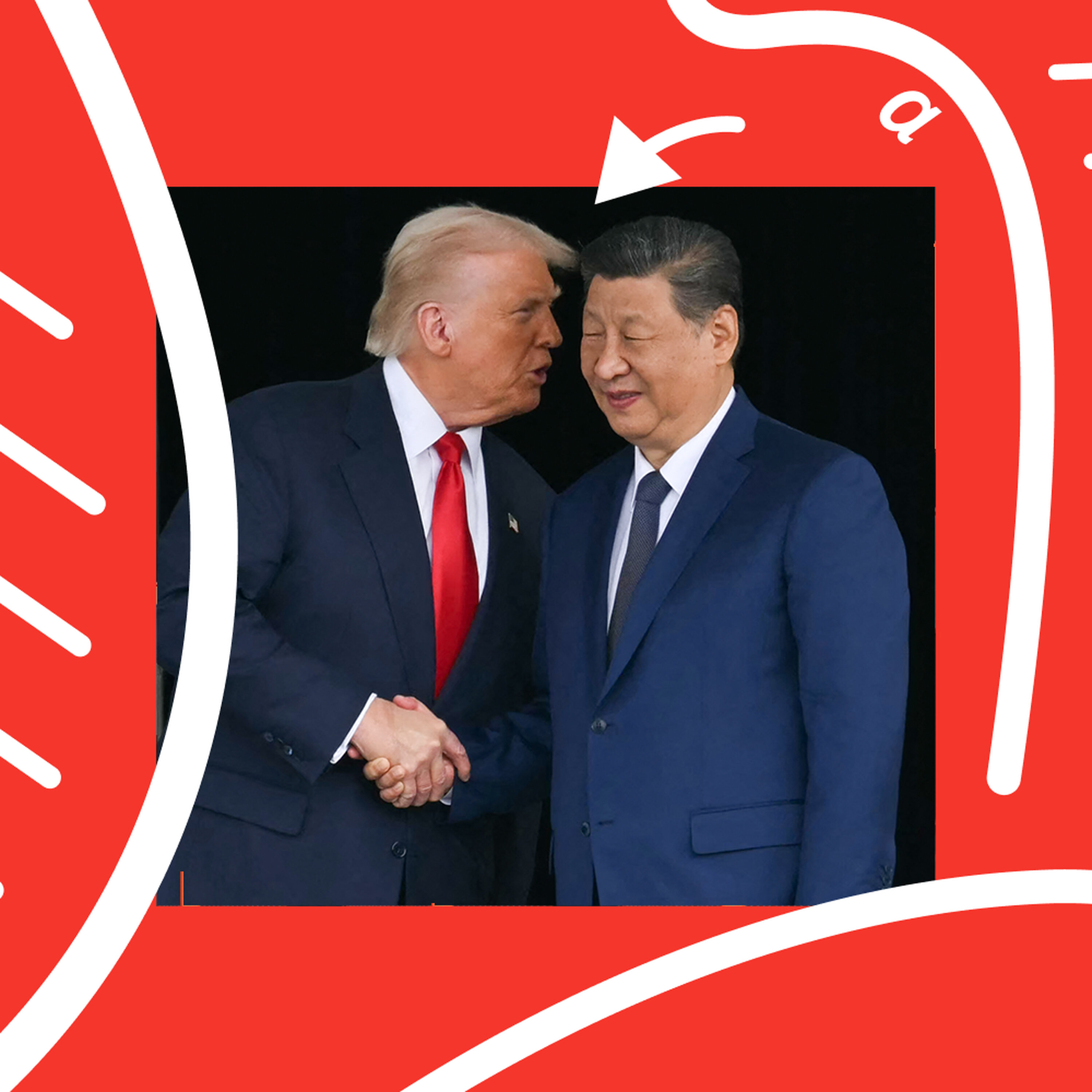 Why the US Must Engage China on AI Safety Before It’s ‘Game Over’ 13.05.2026 35dkSebastian Mallaby of the Council on Foreign Relations and author of The Infinity Machine: Demis Hassabis, DeepMind and the Quest for Superintelligence joins host Stephanie Flanders. He says Chinese AI is closing the gap—and that means Washington can’t afford to ignore safety talks.See omnystudio.com/listener for privacy information.
Radyo istasyonu

Benzer podcastler


Şurada popüler
Bu podcast şu ülkelerin podcast listelerinde de yer alıyor.


