
1A
NPR
0
1A is a news podcast from NPR that goes beyond the headlines to explore the stories shaping our world. Hosted by a team of journalists, the show cuts through the noise to get to the heart of the matter. It features in-depth conversations with experts, newsmakers, and listeners. The podcast aims to help audiences understand the news and its impact on their lives.
Bölümler
-
 The News Roundup For September 18, 2026 18.09.2026 1sa 27dkThis week the nation woke up to the potential danger of runaway tech — that AI is behaving in ways its creators don’t intend and can’t control. And that we might be as little as six months to a year away from AI being capable of acting on its own.The midterm election is coming. Prices are high. And a new Congressional Budget Office report out this week says the main reason for relentless inflation is the Iran war.And President Donald Trump has made mail-in-voting a major part of his campaign to sow doubt in the voting process. But on Monday, the Supreme Court blocked his executive order to change how mail-in ballots are sent to voters across the country.And, in global news, this week, Yemeni Houthis militia members seized the Red Sea port of Mokha and several islands inside the Bab el-Mandeb Strait, a key shipping passage.Reporting from The Washington Post revealed the details of a $2.8 billion arms package the Trump administration will send to Israel. The sale includes 2,000-pound bombs, the largest single sale of the controversial munition in recent years.And next week, is the U.N. General Assembly will stage its annual meeting in New York.Then, Chinese President Xi Jinping heads to Washington for a much-anticipated meeting with President Donald Trump.We cover the most important stories from around the world in the News Roundup.Find more of our programs online. Listen to 1A sponsor-free by signing up for 1A+ at plus.npr.org/the1a.See pcm.adswizz.com for information about our collection and use of personal data for sponsorship and to manage your podcast sponsorship preferences.NPR Privacy Policy
 -
 Health: State Abortion Bans And Ectopic Pregnancies 17.09.2026 41dkBetween 2020 and 2025, nearly 200 women have died from ectopic pregnancies. That’s almost double the number of deaths in the previous six years.Ectopic pregnancies happen when an embryo implants outside the uterus and can’t develop properly. If left untreated, the embryo can rupture, causing deadly bleeding. The treatment for ectopic pregnancies – which are almost never viable – is termination. But since the reversal of Roe v. Wade in 2022, terminating a pregnancy has become more complicated in states with abortion restrictions.We sit down to talk about a new investigation from ProPublica that explores the role these state abortion bans could be playing in the rise in deaths related to ectopic pregnancies.Find more of our programs online. Listen to 1A sponsor-free by signing up for 1A+ at plus.npr.org/the1a.See pcm.adswizz.com for information about our collection and use of personal data for sponsorship and to manage your podcast sponsorship preferences.NPR Privacy Policy
 -
 AI: Should We Slow AI Innovation Down? 16.09.2026 42dkLast week, a researcher at the artificial intelligence company Anthropic announced his resignation on X, formerly known as Twitter. Jacob Coxon wrote that his former company — along with Open AI, where he also recently worked — are acting irresponsibly and “racing straight to self-improving superintelligence and gambling with our lives.”That post went viral — it’s now been viewed nearly 200 million times. Then, on Saturday, Anthropic’s own CEO, Dario Amodei, published an essay calling on the entire industry to deliberately slow down. He also shared some ideas about how to do it. The head of Open AI, Sam Altman, replied by saying, “I agree with Dario that we need to pace the frontier.”Should we slow down AI innovation — and is that even possible? What’s at risk if we don’t?Find more of our programs online. Listen to 1A sponsor-free by signing up for 1A+ at plus.npr.org/the1a.See pcm.adswizz.com for information about our collection and use of personal data for sponsorship and to manage your podcast sponsorship preferences.NPR Privacy Policy
 -
 Policy: The Human Cost Of Third-Country Deportations 15.09.2026 44dkThe administration is expanding its third-country deportation campaign.Since President Donald Trump took office last year, more than 25,000 people have been sent to over 29 countries they’re not from. That includes places like Liberia, Guatemala, South Sudan, Guyana, Ghana, and Honduras.Now, more than 30 countries have agreed to accept deportees from the U.S. What does that mean for the people sent to a place they’ve never been? And for the relationship between accepting countries and the U.S.?Find more of our programs online. Listen to 1A sponsor-free by signing up for 1A+ at plus.npr.org/the1a.See pcm.adswizz.com for information about our collection and use of personal data for sponsorship and to manage your podcast sponsorship preferences.NPR Privacy Policy
 -
 'If You Can Keep It': The Deal With Dark Money 14.09.2026 43dkAt least a billion dollars of untraceable cash is flowing into this year’s midterm elections.That’s according to an analysis by The New York Times from late last month. These funds – referred to as dark money by campaign finance experts – are coming from super PACs, non-profits, and wealthy donors.Tracing exactly how much dark money is flowing through campaigns is difficult. Money spent to hire influencers online, direct mail campaigns, and employ door knockers isn’t always publicly disclosed as campaign spending.In this edition of “If you Can Keep it,” we tackle the role of dark money in our midterm elections.Find more of our programs online. Listen to 1A sponsor-free by signing up for 1A+ at plus.npr.org/the1a.See pcm.adswizz.com for information about our collection and use of personal data for sponsorship and to manage your podcast sponsorship preferences.NPR Privacy Policy
 -
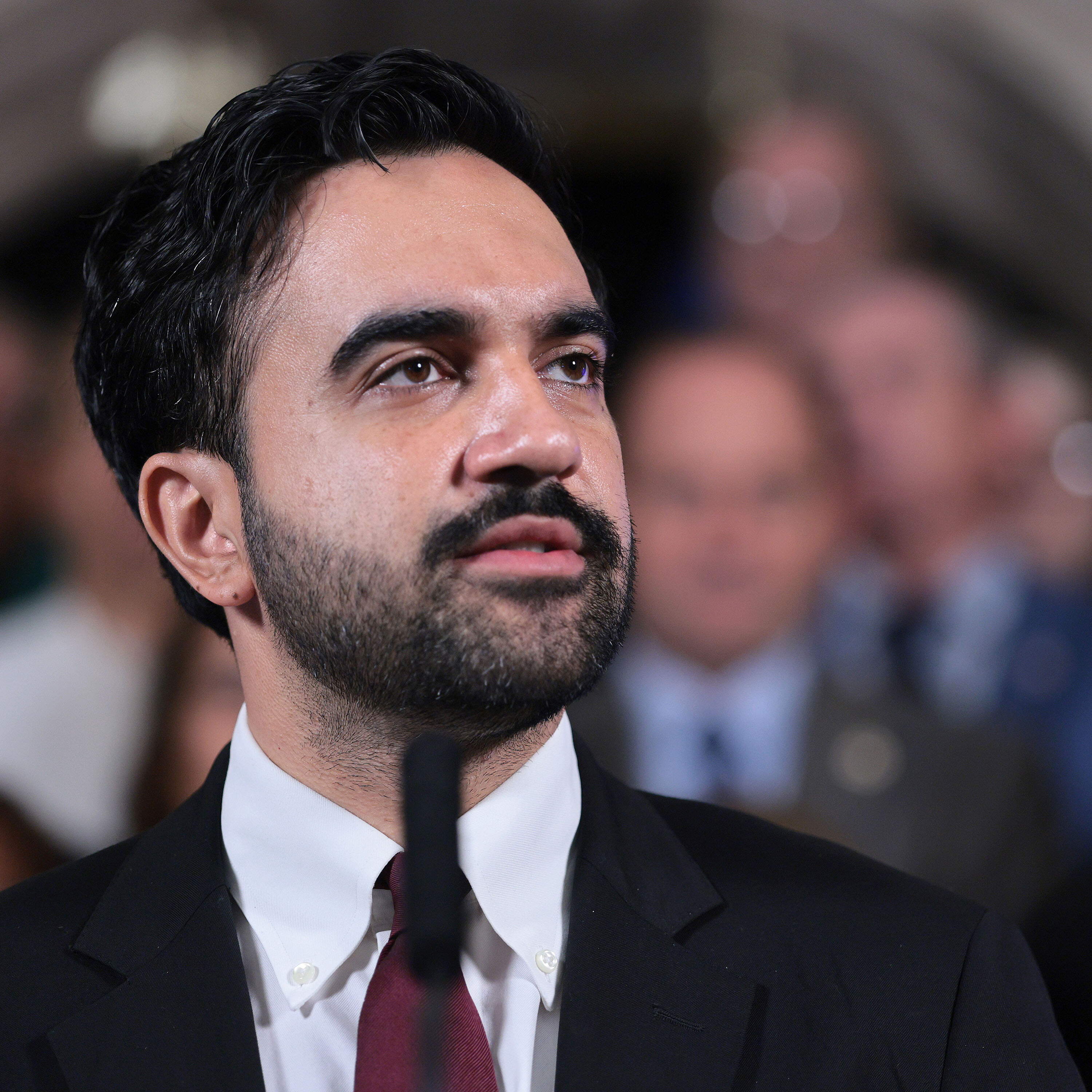 The News Roundup For September 11, 2026 11.09.2026 1sa 26dkDespite President Donald Trump’s historic unpopularity, Republicans are betting on him big ahead of this year’s midterms. The partystaged a first midterm convention in Dallas, Texas this week.Following renewed hostilities between the U.S. and Iran, the price of crude oil has risen to over $100 per barrel, meaning American drivers are in for more pain at the pump.And this week New York City Mayor Zohran Mamdani announced the release of a public portal allowing access to records relating to 9/11.And, in global news, a new book alleges that Israeli President Benjamin Netanyahu was warned of the Hamas offensive,just days before the October 7, 2023 attack.This week, President Donald Trump announced he would institute bans on some Canadian goods, including dairy products, alcohol, and motorcycles.And the far-right AfD German political party made historic gains in a state election this week.We cover the most important stories from around the world in the News Roundup.Find more of our programs online. Listen to 1A sponsor-free by signing up for 1A+ at plus.npr.org/the1a.See pcm.adswizz.com for information about our collection and use of personal data for sponsorship and to manage your podcast sponsorship preferences.NPR Privacy Policy
 -
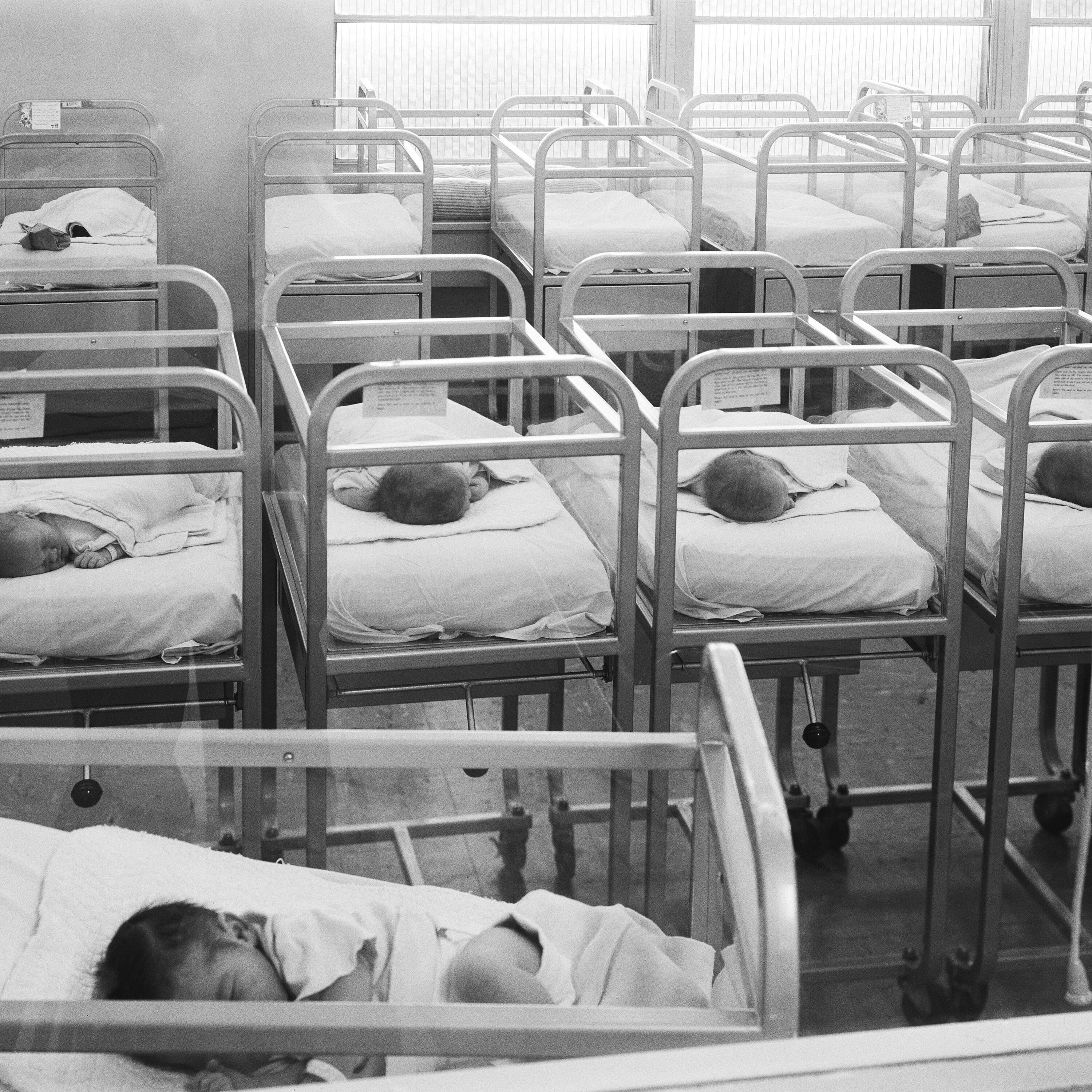 In Good Health: The Matter Of Maternal Mental Health Care 10.09.2026 45dkThe Lindsay Clancy murder trial captivated the American public for weeks.Prosecutors charged Clancy with murdering her three children. They say she then tried to take her own life and that her injuries left her paralyzed from the waist down. Clancy’s lawyers say she was experiencing postpartum psychosis and should not be held criminally responsible. But prosecutors say she planned the deaths.After seven days of deliberation, the jury remained deadlocked and the case ended in a mistrial.The trial has divided the nation and sparked conversations over about maternal mental health, raising questions over gaps in care for parents after giving birth. About one in five expecting or postpartum women in the U.S. experience mental health disorders. And according to a 2025 study, overall maternal mental health has dramatically dropped in the past seven years, with only 25 percent of moms reporting excellent mental health.What do we know – and don’t know – about maternal mental health care? And how can our systems be bolstered to help those who need it most after giving birth?If you are experiencing a mental health crisis or thinking of harming yourself, the 988 Suicide and Crisis Lifeline is available 24/7 by phone and text. The National Maternal Mental Health Hotline is also available 24/7. You can text, call or chat at 1-833-TLC-MAMA. The Postpartum Support International also offers a helpline at 1-800-944-4773 or you can visit postpartum.net.Find more of our programs online. Listen to 1A sponsor-free by signing up for 1A+ at plus.npr.org/the1a.See pcm.adswizz.com for information about our collection and use of personal data for sponsorship and to manage your podcast sponsorship preferences.NPR Privacy Policy
 -
 Jobs: What It Means To Be ‘Disposable’ At Work 09.09.2026 42dkThe way we work has changed dramatically over the last decade. Using AI is quickly becoming the norm in many workplaces when, just a few years ago, it felt closer to science fiction. And the hybrid work model that began during the pandemic has made remote work much more common. We’ve also seen shifts around what it means to be an “essential worker.” It’s a term that emerged during the pandemic, but has largely fallen out of our vocabulary. This category included nurses and doctors, government workers, those in transportation, food and agriculture, water, and waste management. But there’s a different name for a growing segment of the work population that includes those we once deemed essential — the “disposable” worker. Unlike their “essential” counterparts, the disposable workforce isn’t defined by the services they offer, but by the weakening contract between them and their employers.In honor of Labor Day week, we discuss what it means to be disposable in today’s labor market — and what happens when people abandon traditional work arrangements altogether.Find more of our programs online. Listen to 1A sponsor-free by signing up for 1A+ at plus.npr.org/the1a.See pcm.adswizz.com for information about our collection and use of personal data for sponsorship and to manage your podcast sponsorship preferences.NPR Privacy Policy
 -
 Health: The Fight For The Health Of 9/11 First Responders 08.09.2026 44dkA quarter century after 9/11, the health of those who responded to the attacks continues to be affected.Some 3,000 people died across three locations that day. An estimated 400,000 people were exposed to toxic contaminants and risked physical injury in the hours and days that followed. That’s according to data from the Centers for Disease Control and Prevention.Since the dust and debris have settled, more than 96,000 have been diagnosed with physical and mental health conditions related to 9/11.In 2010, President Barack Obama signed the James Zadroga 9/11 Health and Compensation Act, establishing the World Trade Center Health Program and reopening the 9/11 Victims Compensation Fund. Today, more than 150,000 people are enrolled in the program.But that program wouldn’t exist without the advocacy of survivors and first responders who put their bodies and lives on the line following the attacks. How did that fight for care unfold?For more information about the Rutgers WTC Health Program, click here. And to learn more about applying, click here.Find more of our programs online. Listen to 1A sponsor-free by signing up for 1A+ at plus.npr.org/the1a.See pcm.adswizz.com for information about our collection and use of personal data for sponsorship and to manage your podcast sponsorship preferences.NPR Privacy Policy
 -
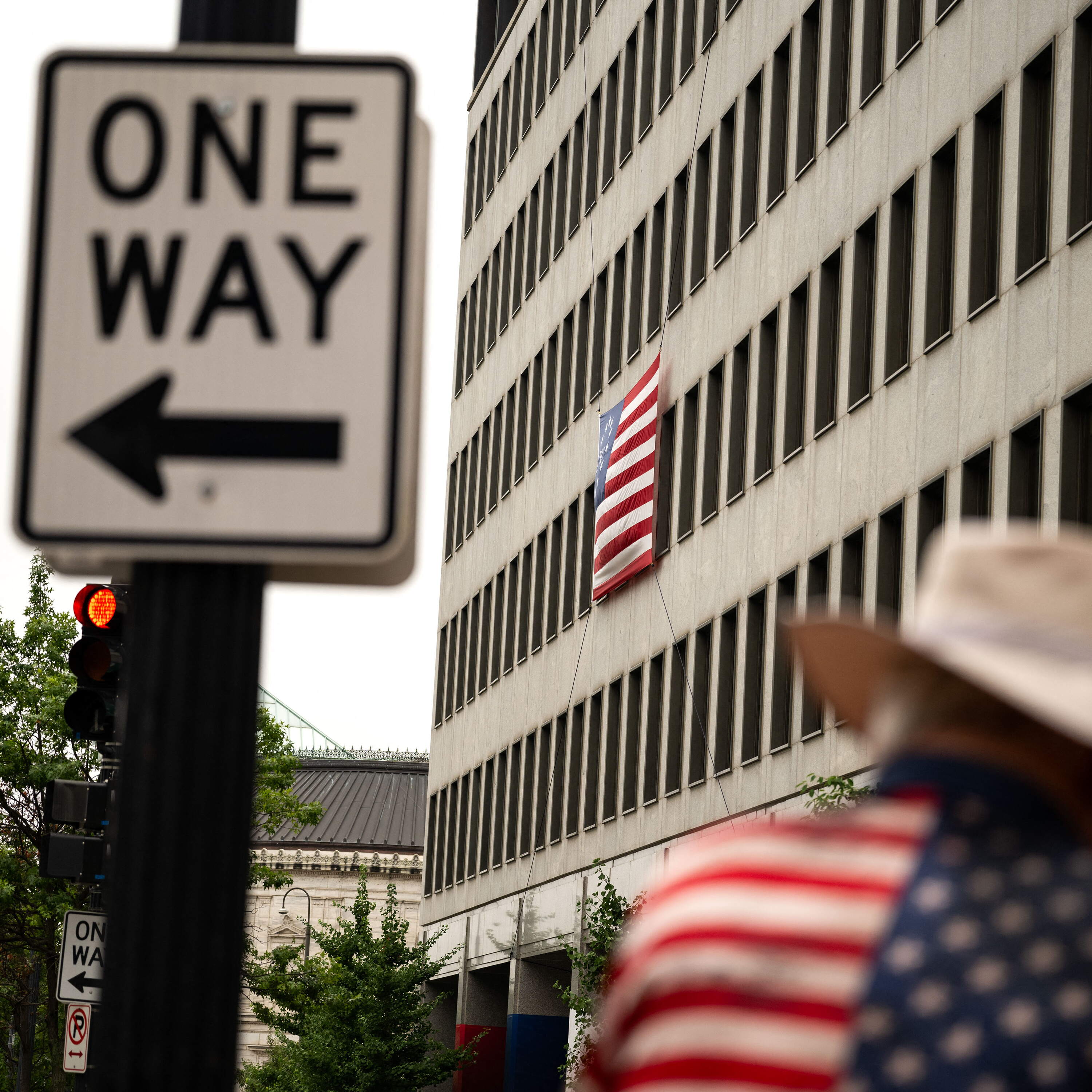 America’s Next 50 Years: A 1A Call-In Special (REBROADCAST) 07.09.2026 40dkHow did you celebrate July 4 this year? What did the country’s landmark 250th anniversary, in honor of the founding of the United States, mean to you?The next 50 years likely hold a lot of change for our country where democracy, economic uncertainty, technology, and our social fabric are concerned.What do we want that change to look like? In this previously-aired episode, we opened the phones so that you, our listeners, could tell us.Find more of our programs online. Listen to 1A sponsor-free by signing up for 1A+ at plus.npr.org/the1a.See pcm.adswizz.com for information about our collection and use of personal data for sponsorship and to manage your podcast sponsorship preferences.NPR Privacy Policy
 -
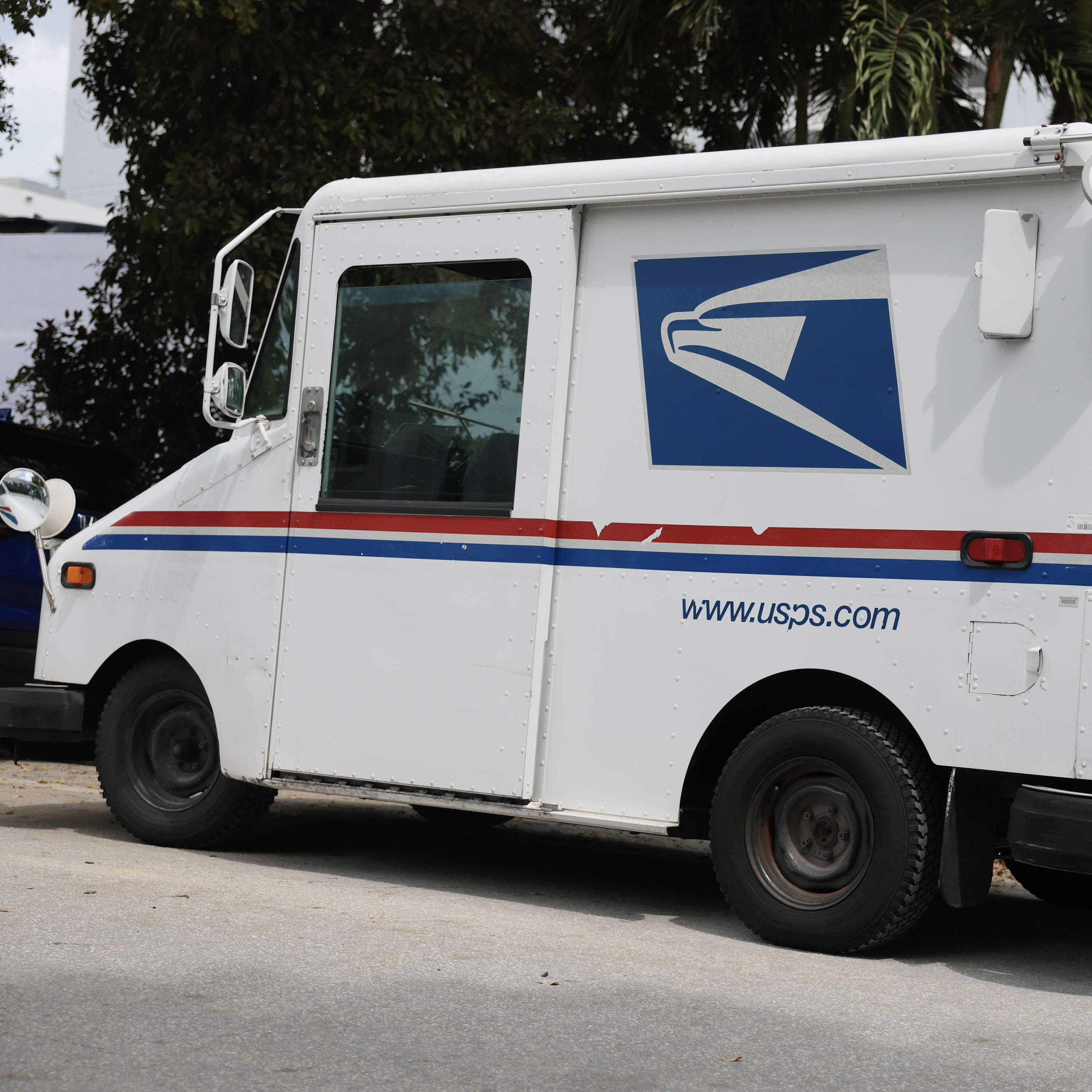 The News Roundup For September 4, 2026 05.09.2026 1sa 23dkFollowing months of a tenuous ceasefire and several rounds of failed negotiations, the U.S. and Iran traded military strikes this week threatening to once again plunge the surrounding region into conflict.A whistleblower inside the United States Postal Service is warning that the agency is rushing to implement a system to deal with mail-in ballots that, due to its untested nature, could disenfranchise millions of voters in the U.S.Months after the beginning of Immigration and Customs Enforcement operations in U.S. cities, and after several fatal shootings, ICE now says it has enough body cameras for its agents.And, in global news, following renewed violence between Washington and Tehran, Russian President Vladimir Putin pledged support for Iran this week in its conflict with the U.S. and encouraged other world leaders to do the same.The U.S. is working with interim President Delcy Rodriguez on a plan to take control of roughly one fifth of Venezuela’s oil supply.And voters in Iceland struck down a referendum on restarting talks to join the European Union.We cover the most important stories from around the world in the News Roundup.Find more of our programs online. Listen to 1A sponsor-free by signing up for 1A+ at plus.npr.org/the1a.See pcm.adswizz.com for information about our collection and use of personal data for sponsorship and to manage your podcast sponsorship preferences.NPR Privacy Policy
 -
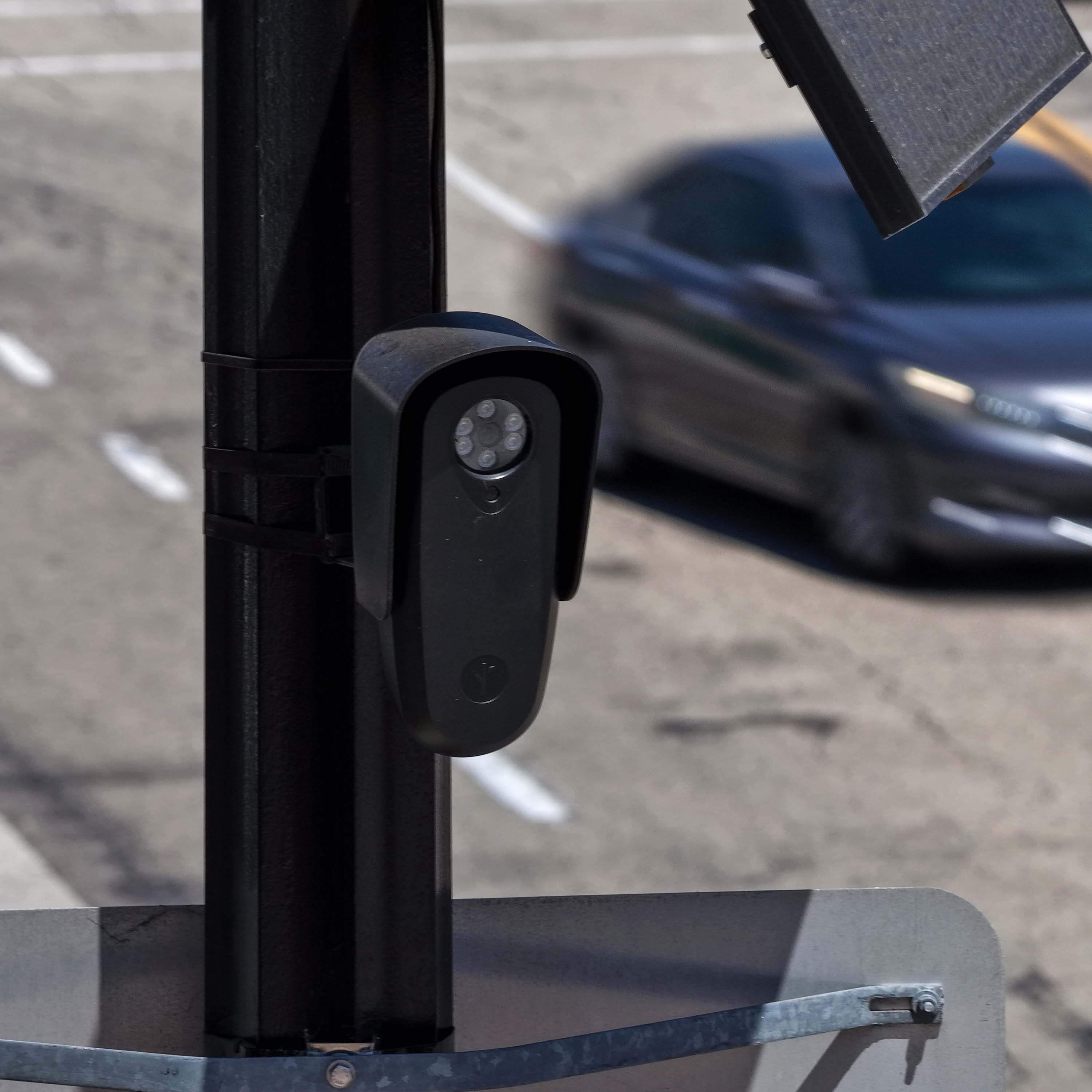 Surveillance: What Fleets Of Flock Cameras Mean For American Privacy 03.09.2026 43dkIf you’ve driven on any road in the U.S. lately, chances are your license plate has been captured by a Flock camera.Flock lets police around the country track your car. The company’s cameras can even help determine whether you’ve committed a crime. Now, it’s is facing big time backlash for what critics call excessive surveillance.What does widespread deployment of license plate readers on U.S. roads means for our privacy?Find more of our programs online. Listen to 1A sponsor-free by signing up for 1A+ at plus.npr.org/the1a.See pcm.adswizz.com for information about our collection and use of personal data for sponsorship and to manage your podcast sponsorship preferences.NPR Privacy Policy
 -
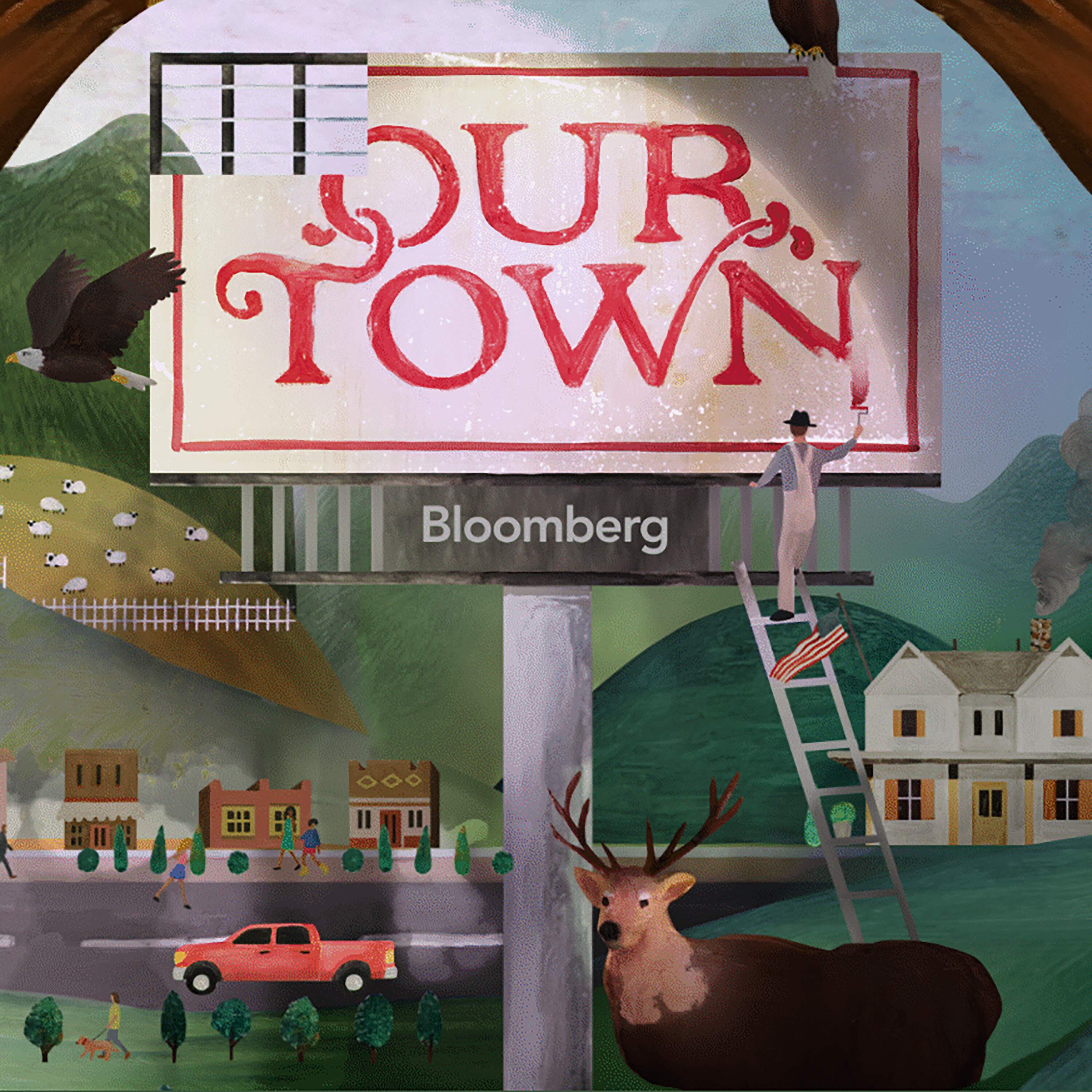 Religion: ‘Our Town’ And A Christian Nationalist Takeover In Tennessee 02.09.2026 44dkImagine a small town in rural Tennessee — a town square, a yellow brick courthouse, a family-owned restaurant, a café, and beautiful sunrises and sunsets across the Appalachian foothills.Now, imagine a group of far-right real estate developers — backed by Silicon Valley venture capital and with powerful ties to Washington — move into town. They have a vision to build a new kind of community and turn it into a haven for like-minded white Christians.That’s what’s happening in Gainesboro, Tennessee. And it’s part of a growing movement by some far-right Christian nationalists to relocate to red states and turn small towns into white enclaves. Locals in Gainesboro are alarmed. They call it a “takeover.” And they are pushing back. That’s the story of “Our Town,” a new Bloomberg investigative podcast series. We sit down with its hosts to talk about this takeover in Tennessee.Find more of our programs online. Listen to 1A sponsor-free by signing up for 1A+ at plus.npr.org/the1a.See pcm.adswizz.com for information about our collection and use of personal data for sponsorship and to manage your podcast sponsorship preferences.NPR Privacy Policy
 -
 Special Call-In: Teaching In 2026 01.09.2026 45dkFor some of you, it’s still a week away. For others — the doors are already open.It’s back to school. But in this edition of 1A, it’s all about the teachers. They’ve been called heroes. They’ve fought for better salaries and benefits. They‘ve been asked to do more with less. They’ve started go-fund-me campaigns to pay for your classroom supplies when the funding just isn’t there.Last year, we asked teachers what excited and worried them before the school year. And this year, we’re doing it again.What are teachers in the U.S. feeling ahead of a school year sure to be filled with triumphs and perils?Find more of our programs online. Listen to 1A sponsor-free by signing up for 1A+ at plus.npr.org/the1a.See pcm.adswizz.com for information about our collection and use of personal data for sponsorship and to manage your podcast sponsorship preferences.NPR Privacy Policy
 -
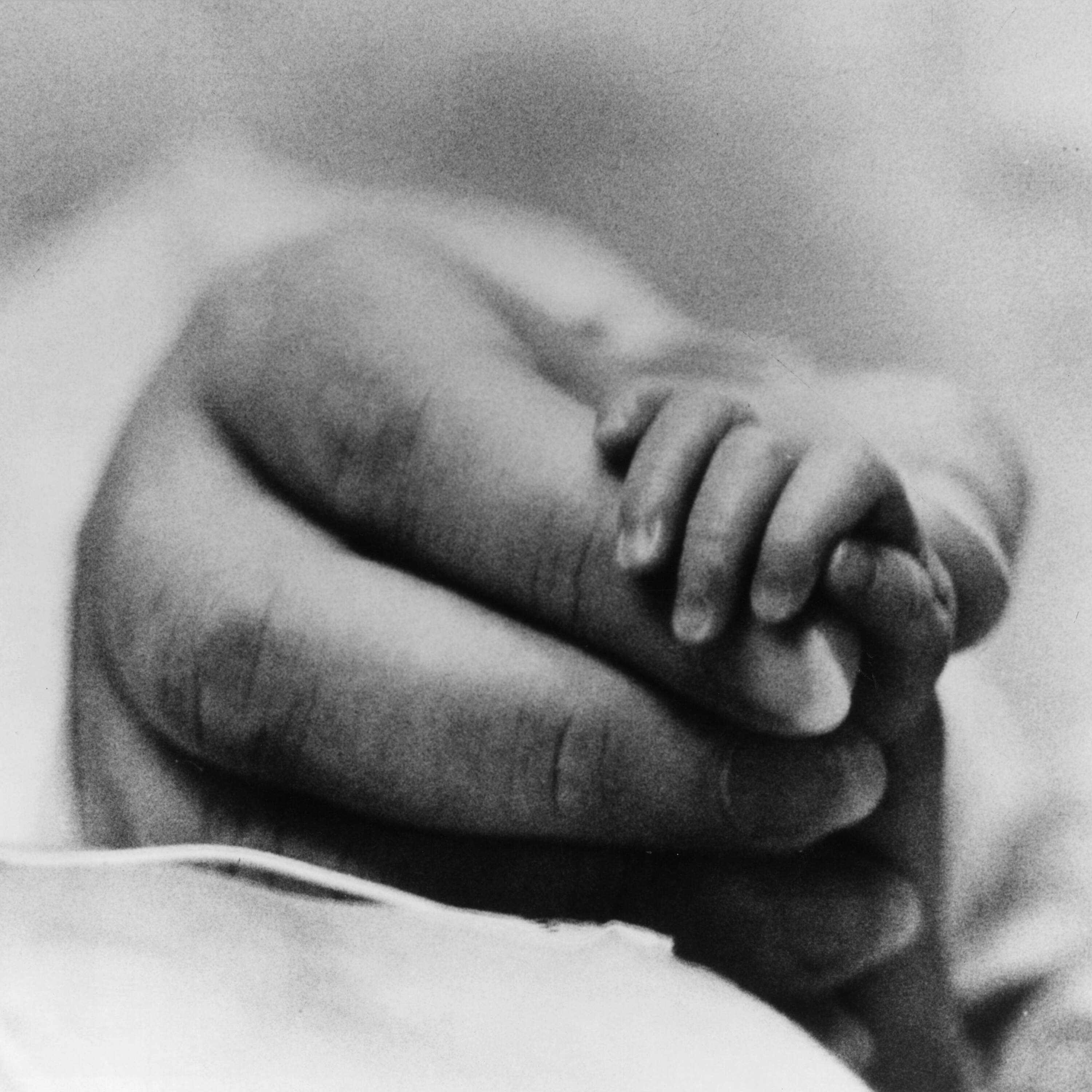 Family: ‘My Mother’s Daughter’ And Uncovering Long Buried Family Stories 31.08.2026 43dkBetween 1950 and 1975, an estimated 1.5 million women were sent to homes for unwed mothers across the United States. There, most were hidden away from their families and communities until they gave birth and placed their babies for adoption. Some of those adoptions were involuntary.That type of experience is hard to forget. For one family, a past that had been buried for decades finally came to light after a DNA test connected two long-lost sisters. We hear from both of them, as part of the new book, “My Mother’s Daughter: Finding Myself in My Family’s Fractured Past.”Find more of our programs online. Listen to 1A sponsor-free by signing up for 1A+ at plus.npr.org/the1a.See pcm.adswizz.com for information about our collection and use of personal data for sponsorship and to manage your podcast sponsorship preferences.NPR Privacy Policy
 -
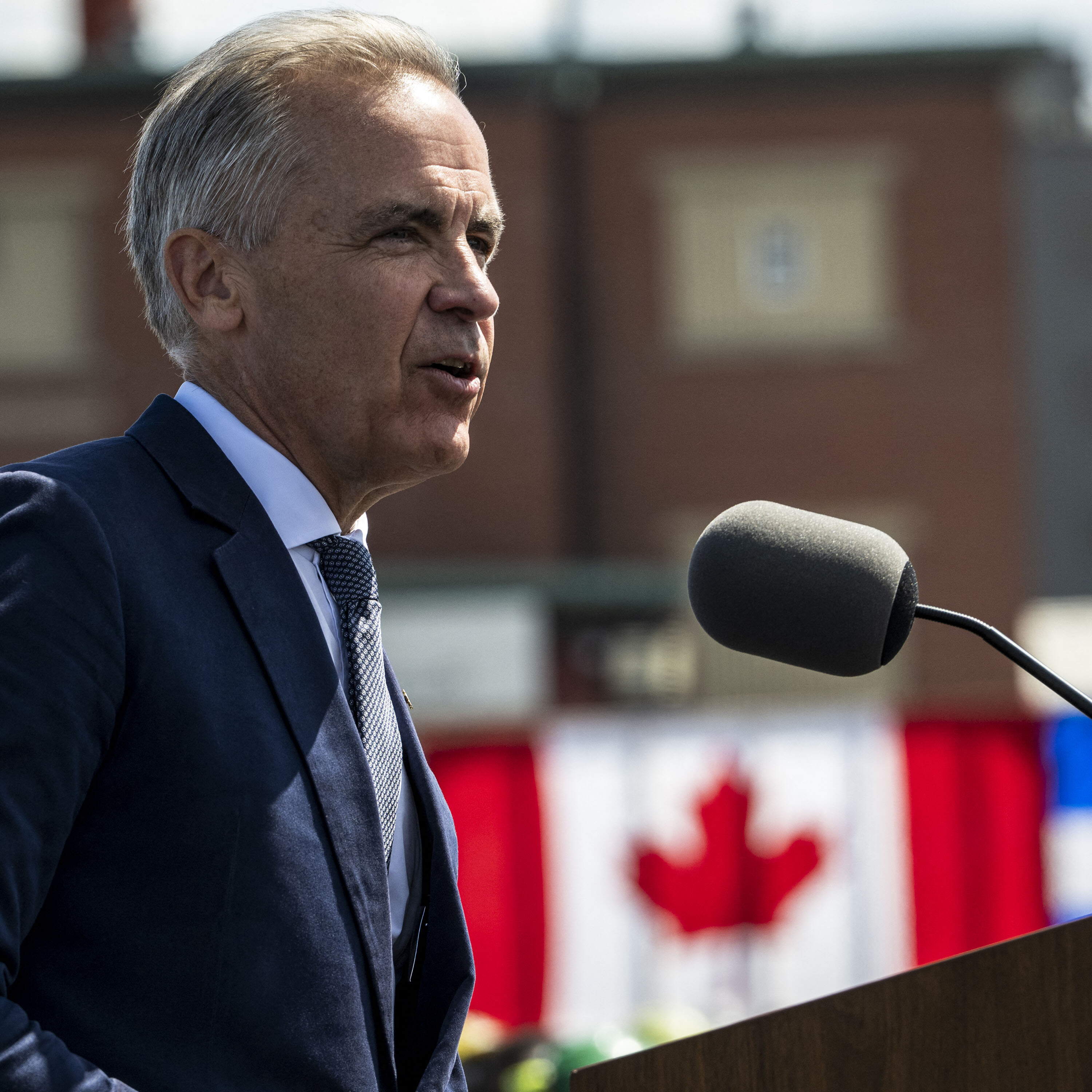 The News Roundup For August 28, 2026 28.08.2026 1sa 31dkFollowing a Supreme Court decision that cleared the way, a federal judge lifted a nationwide block on President Donald Trump’s executive order that limited mail-in voting ahead of the midterm elections.A historic drought in the northwestern United States is supercharging what’s on track to already be a historic wildfire season.And reporting from The Wall Street Journal indicated that Trump intervened at the Department of Justice as the agency was preparing to sue Live Nation, the world’s largest concert promoter.And, in global news, this week, President Donald Trump imposed 50% tariffs on Canadian imports, prompting Ottawa to retaliate with tariffs of its own. Canada and the U.S. exchanged about 872 billion dollars in goods and services in 2025.Friday marks six months since the start of the U.S. war with Iran. This week Treasury Secretary Scott Bessent issued a warning to foreign governments and companies saying they could lose access to the U.S. financial system if they continue doing business with Tehran. President Trump said he’s not in a hurry to return to the negotiating table.And a catastrophic flood at the border between Nepal and China killed at least 400 people, with thousands more still missing.We cover the most important stories from around the world in the News Roundup.Find more of our programs online. Listen to 1A sponsor-free by signing up for 1A+ at plus.npr.org/the1a.See pcm.adswizz.com for information about our collection and use of personal data for sponsorship and to manage your podcast sponsorship preferences.NPR Privacy Policy
 -
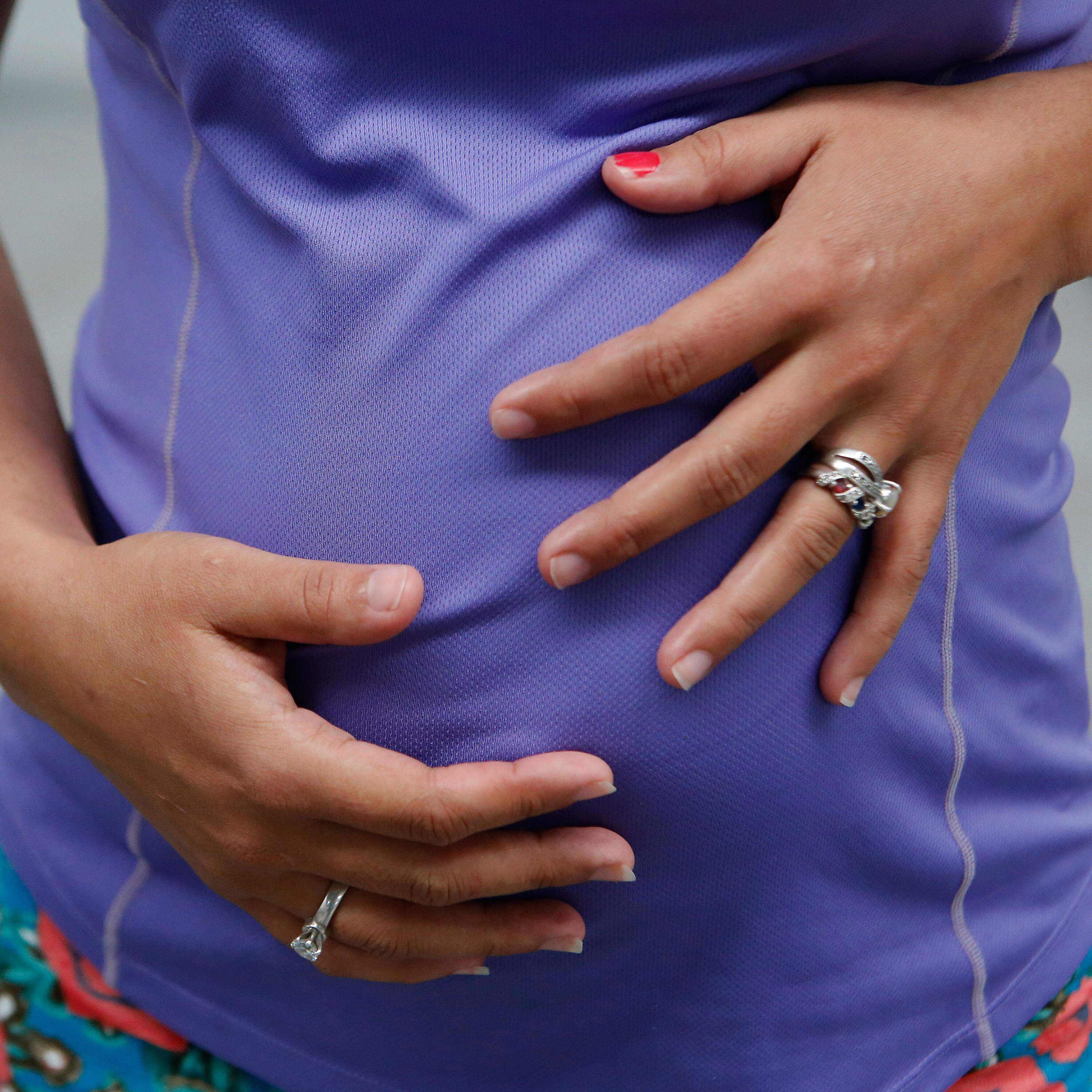 Why Are Some Abortion Opponents Looking To Ban Surrogacy? 27.08.2026 43dkFour years after the fall of Roe v. Wade upended federal protections for abortion access, abortion opponents have set their sights on a new target in the world of fertility: surrogacy.A gestational surrogate is a woman who carries an embryo that was formed using the egg of another woman. Before the pregnancy, the surrogate also agrees to return the baby to its intended parents once born.At its core, surrogacy is a contractual agreement. But because there’s no federal law regulating surrogacy agreements, it’s left up to state to decide how they can be enforced. That’s the issue at the heart of a high-profile legal dispute between an Alaska surrogate and a California couple.Why are some abortion opponents looking to ban surrogacy? And could they succeed? And how does the patchwork of regulations that govern surrogacy agreements complicate the process?Find more of our programs online. Listen to 1A sponsor-free by signing up for 1A+ at plus.npr.org/the1a.See pcm.adswizz.com for information about our collection and use of personal data for sponsorship and to manage your podcast sponsorship preferences.NPR Privacy Policy
 -
 Music: Dolly Parton's Legacy 26.08.2026 46dkOn Tuesday, August 25th, American country musician, philanthropist, and icon Dolly Parton died at the age of 80 in Nashville, Tennessee. Years before her death, she asked her nephew and head of security, Bryan Seaver, to make a video announcing her passing. In the video posted to social media yesterday, he shared this exchange with his aunt: “Dolly called me and said she wants to rest on a beautiful bed of plush cotton because after a life of wearing heavy rhinestones, she finally deserves to be comfortable, and have some rest.” In 2023, we celebrated the queen of rhinestone’s achievements and music here on 1A. Please enjoy this replay of that show in honor of Dolly Parton’s legacy. Here's what we wrote about that conversation at the time.– Dolly Parton’s resume is as big as her hair. And at age 77 she’s adding another title to it: “Rockstar.”Her new album was released on Nov. 17. It’s a mix of covers of classic rock songs, featuring collaborations with a whopping list of who’s who in Rock-n-Roll. And there are almost 30 tracks – give or take a few – depending on the version of the album that you buy. With 9 new singles, “Rockstar” is Dolly’s most significant foray into Rock and Roll music.While Dolly has fully embraced a new “Rockstar” persona – down to the black studded outfits – glimmers of rockstar have existed in Dolly’s previous eras. And over the past fifty years, Dolly has won plenty of awards and accolades for her songwriting, becoming one of music’s most prolific songwriters.Sit back and grab yourself a cup of ambition. For this edition of the 1A Record Club – Dolly Parton’s new album “Rockstar” and what her latest musical evolution represents.Find more of our programs online. Listen to 1A sponsor-free by signing up for 1A+ at plus.npr.org/the1a.See pcm.adswizz.com for information about our collection and use of personal data for sponsorship and to manage your podcast sponsorship preferences.NPR Privacy Policy
 -
 Tech: Is Technology Setting Us Free? 26.08.2026 44dkThroughout history, people have been fascinated by automation, technological progress, and how it can change our lives.In 1956, General Motors made a film about the distant future of 1976, when cars would drive themselves with the help of traffic-control towers. In 1993, AT&T envisioned what sounds a lot like today’s smart home and smart watch technology.Much of what the companies behind these advertisements promised has come true. The idea, running through all of it, was that technology will set you free. It will connect you. It will give you power over your own life. It will make things better.We sit down to talk with historian Jill Lepore about whether or not that’s true.Find more of our programs online. Listen to 1A sponsor-free by signing up for 1A+ at plus.npr.org/the1a.See pcm.adswizz.com for information about our collection and use of personal data for sponsorship and to manage your podcast sponsorship preferences.NPR Privacy Policy
 -
 Health: The DRC Ebola Outbreak Is Spreading At A Rapid Pace. Why? 25.08.2026 45dkThe current Ebola outbreak in the Democratic Republic of the Congo is the deadliest in the country’s history.With over 2,500 deaths and more than 5,000 confirmed cases, it’s now the second largest ever worldwide. And it’s spreading at record speed. It’s even outpacing the West Africa outbreak that killed more than 11,000 people between 2014 and 2016.What do we know about why this outbreak is moving so quickly?Find more of our programs online. Listen to 1A sponsor-free by signing up for 1A+ at plus.npr.org/the1a.See pcm.adswizz.com for information about our collection and use of personal data for sponsorship and to manage your podcast sponsorship preferences.NPR Privacy Policy
Radyo istasyonu

Benzer podcastler


Şurada popüler
Bu podcast şu ülkelerin podcast listelerinde de yer alıyor.

