
Behind The Science Podcast
Paul Flores
0
Behind The Science Podcast takes you beyond the published pages of research papers into the real stories of discovery. Each episode reveals the dedication, sleepless nights, and setbacks behind scientific work. Hosted by Paul Caesar M. Flores, DSc, new episodes are released every Thursday at 7:00 PM.
Bölümler
-
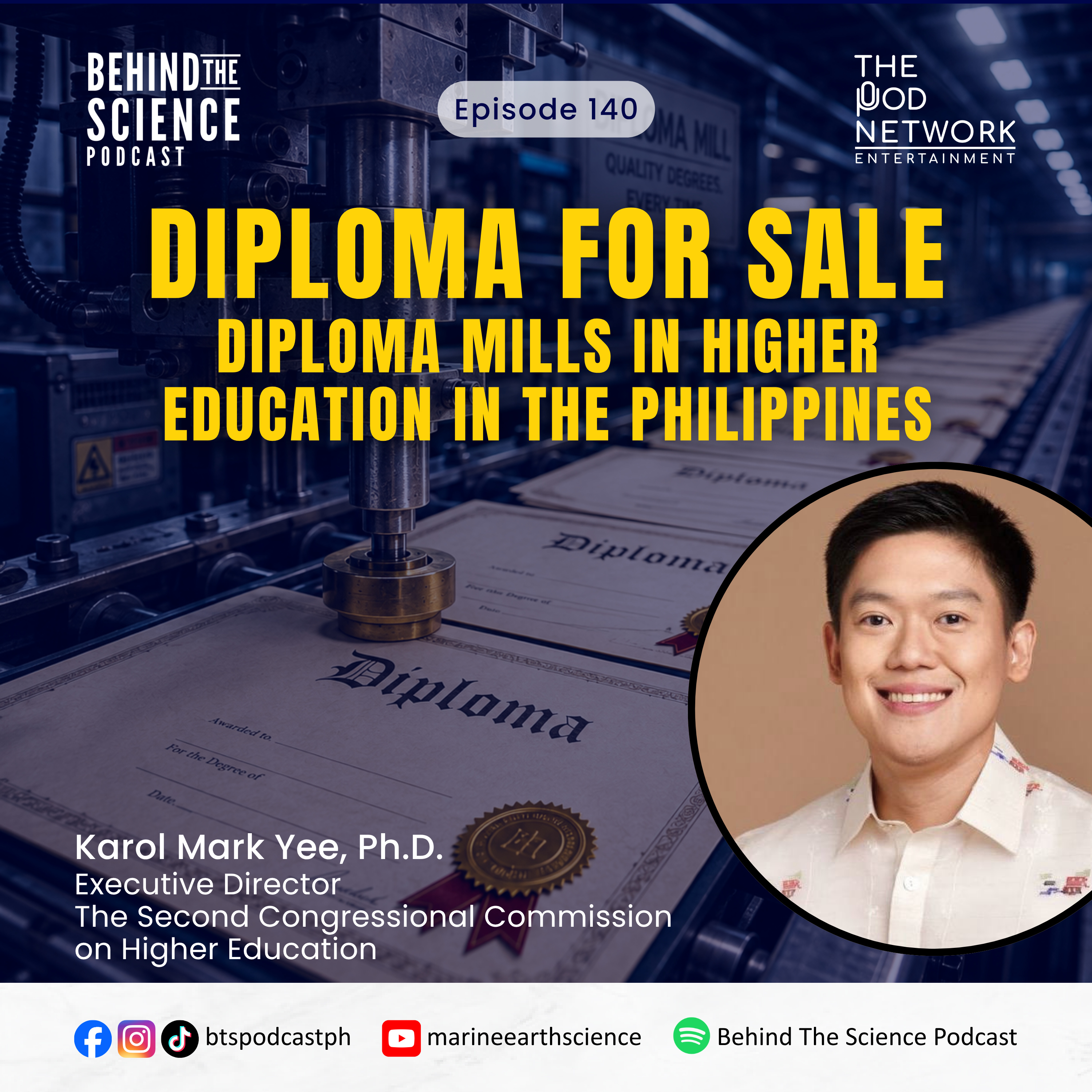 Ep140 - Diploma for Sale: Diploma Mills in Higher Education in the Philippines 10.09.2026 54dkIn this episode, we talk with Dr. Karol Mark Yee, Executive Director of the Second Congressional Commission on Education (EDCOM 2), about the growing problem of diploma mills in Philippine higher education — schools that hand out real-looking diplomas without delivering real education. Dr. Yee explains that the Philippines is especially exposed because it has one of the largest higher education systems in the world. It has 2,400 colleges and universities, which is about half the size of the entire US system. Many of these schools survive on tiny enrollments (30% have fewer than 500 students) and simply can't afford the qualified faculty, laboratories, or journal access that a real degree requires. These diploma mills are a direct risk to students and a betrayal of the families paying for their education.⌛Chapters02:22 Intro and welcome06:24 Dr. Yee's journey from Broadcast Communication to education policy21:28 What is a diploma mill, and how easy is it to start one?31:53 Graduate school diploma mills: who gets victimized and why35:33 The promotion loophole, fake theses, and predatory journals48:06 EDCOM 2's plan to crack down on diploma mills53:05 Advice for choosing a legitimate school55:26 Closing and where to follow EDCOM 2
 -
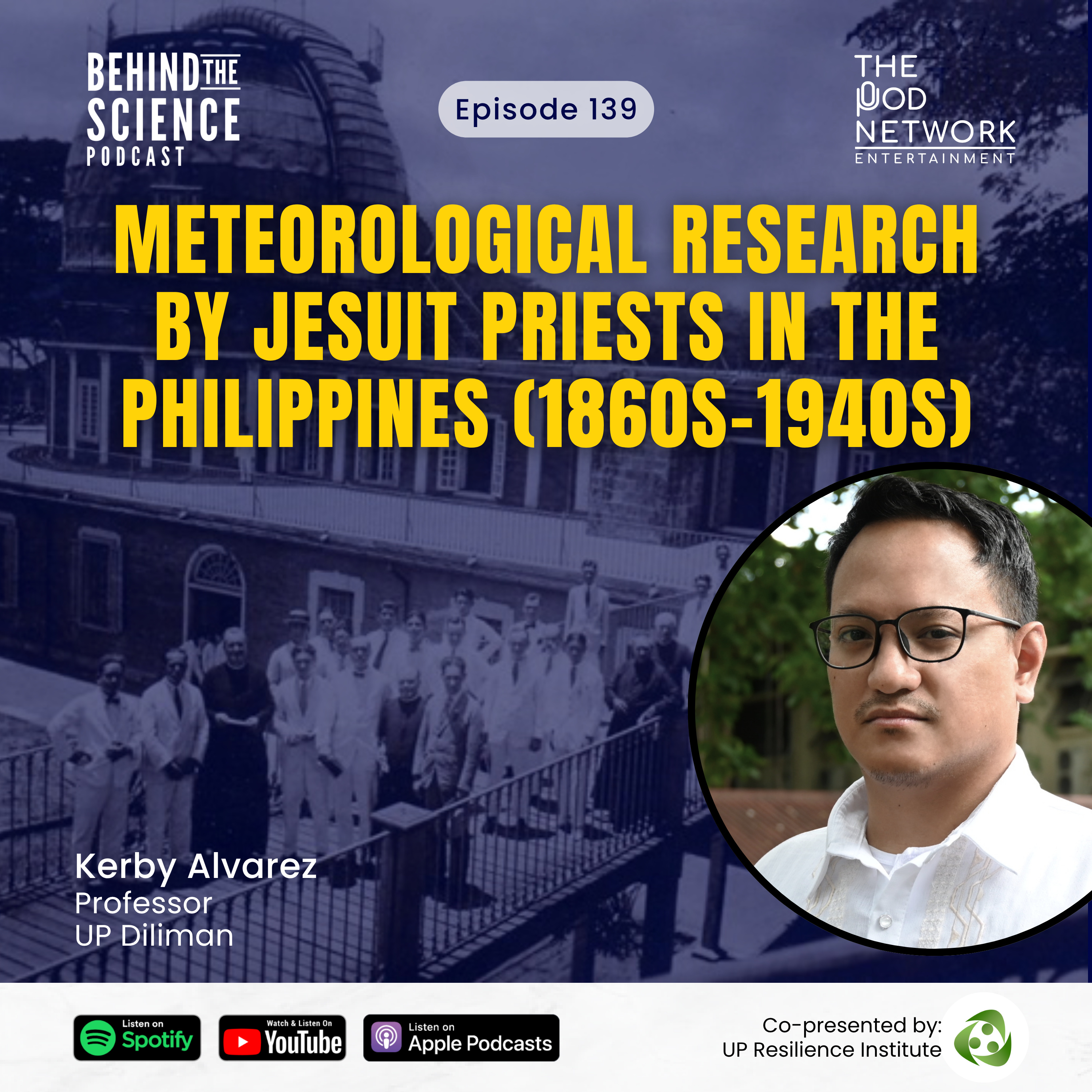 Ep139 - Meteorological Research by Jesuit Priests in the Philippines (1860s–1940s) 03.09.2026 1sa 3dkIn this episode, we talk with Dr. Kerby Alvarez, a historian at the Department of History, University of the Philippines Diliman, about his study tracing the history of Philippine meteorology. Long before PAGASA existed, the Observatorio Meteorológico de Manila (OMM) — founded by Jesuit priests in 1865 — and its successor, the Philippine Weather Bureau (PWB) spent nearly a century turning typhoons into a subject of serious scientific study.Drawing on archives in the Philippines, the US, and Spain, Dr. Alvarez shows how these institutions published hundreds of reports, built a regional network with weather observatories across Asia, and even got caught in a diplomatic dispute with Hong Kong's observatory in 1899. As a historian, he traces not just what these scientists discovered, but how their writing, data-keeping, and international collaborations were shaped by the political currents of Spanish and American colonial rule in the Philippines.⌛Chapters00:01:51 Intro and welcoming Dr. Kerby Alvarez00:03:15 Getting to know Dr. Alvarez as a historian00:14:55 Filipino holidays and historical memory00:22:24 The paper: a history of Philippine meteorological science00:26:42 Building the Manila Observatory and Philippine Weather Bureau00:48:11 The Manila–Hong Kong observatory feud 00:50:34 Funding historical research, other disasters studied, and advice for aspiring historians01:02:07 Closing📚Reference: Alvarez KC. 2025. Scientific textualizations of tropical cyclones in the Philippines: the scientific activities of the Observatorio Meteorológico de Manila (OMM) and Philippine Weather Bureau (PWB), 1860s–1940s. Hist Meteorol. 12:1–26.🤝Behind The Science Podcast is in partnership with the UP Resilience Institute
 -
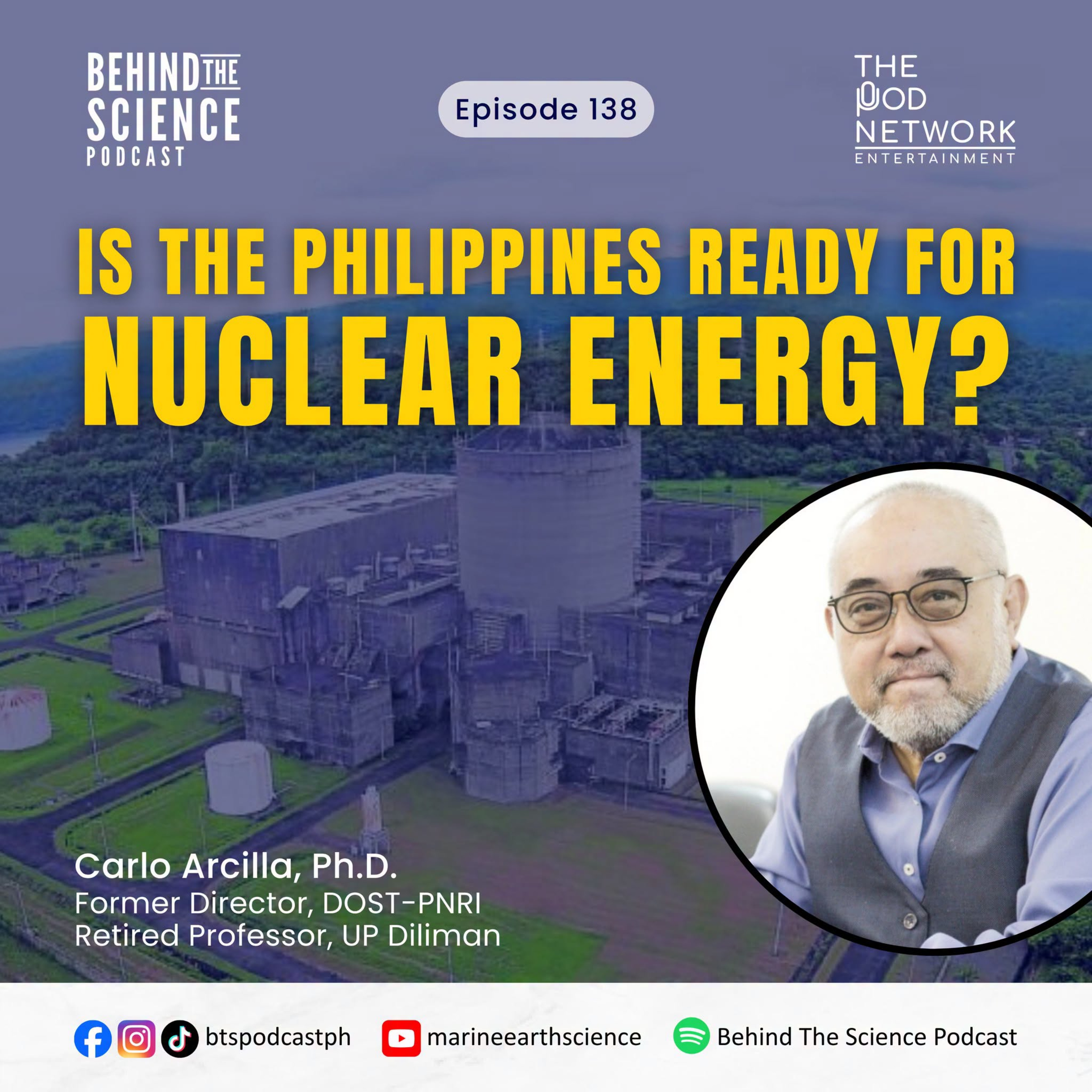 Ep138 - Is the Philippines Ready for Nuclear Energy? 27.08.2026 1sa 4dkIn this episode, we talk with Dr. Carlo Arcilla, a geologist and former director of the Philippine Nuclear Research Institute (PNRI) and the UP National Institute of Geological Sciences, about whether the Philippines is ready for nuclear energy. He explains why the Chernobyl and Fukushima accidents people associate with nuclear energy are not likely to happen Bataan. He also addresses the geologic hazard concerns in the BNPP. Dr. Arcilla also asserts that the Philippines is ready for nuclear energy but he will not advocate for it until the independent regulators are appointed.0:00 Introduction2:19 From Catanduanes to geology15:23 Turning Payatas garbage into electricity18:47 Leading PNRI and the nuclear waste problem24:19 The Bataan plant, Chernobyl, and Fukushima29:15 Why an independent nuclear regulator comes first31:36 Expensive electricity and the three sister plants still running36:35 The fault question, Mount Natib, and the evidence40:47 The DOE surveys: why most Filipinos favor nuclear44:26 Do we have the engineers to run a nuclear plant?47:25 Other proposed sites — and is the Philippines ready?52:01 A 40-year-old plant, TRISO fuel, and small modular reactors55:27 Advice to aspiring researchers, and alkaline water from nuclear research
 -
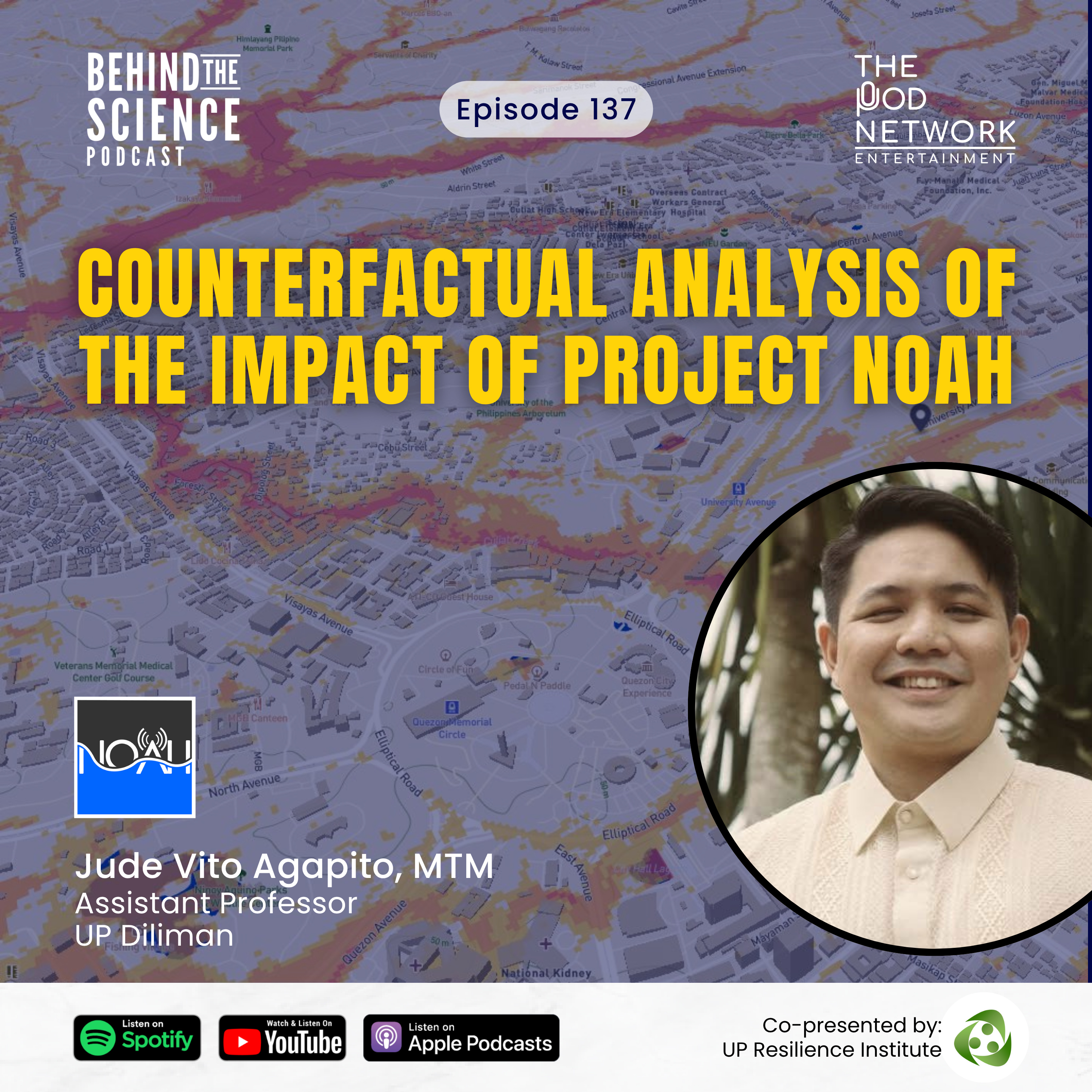 Ep137 - Counterfactual analysis of the impact of Project NOAH on disaster risk reduction 20.08.2026 46dkIn this episode, we talk with Mr. Jude Vito Custodio Agapito about his study on whether Project NOAH, the Philippine government's flagship disaster risk reduction program, actually saved lives. Using counterfactual analysis of hazard data from 1986 to 2024, the study compares fatalities and damages before and after operations research was embedded into the government's Pre-Disaster Risk Assessment system in 2014. While the cost of damages from typhoons and floods stayed consistent over both periods, average annual fatalities dropped by about 76%, from over 1,200 deaths per year to around 295, suggesting that the program may have saved more than 7,000 lives over the past decade.📚Reference: Agapito JVC, Rosales RML, Pascual AC, Concepcion CR, Lagmay AMFA. 2026. Counterfactual evidence on the impacts of operations research on Philippine disaster risk reduction efforts. Disaster Prev Manag. 35(6):44–63.🤝 Behind The Science Podcast is in partnership with the UP Resilience Institute
 -
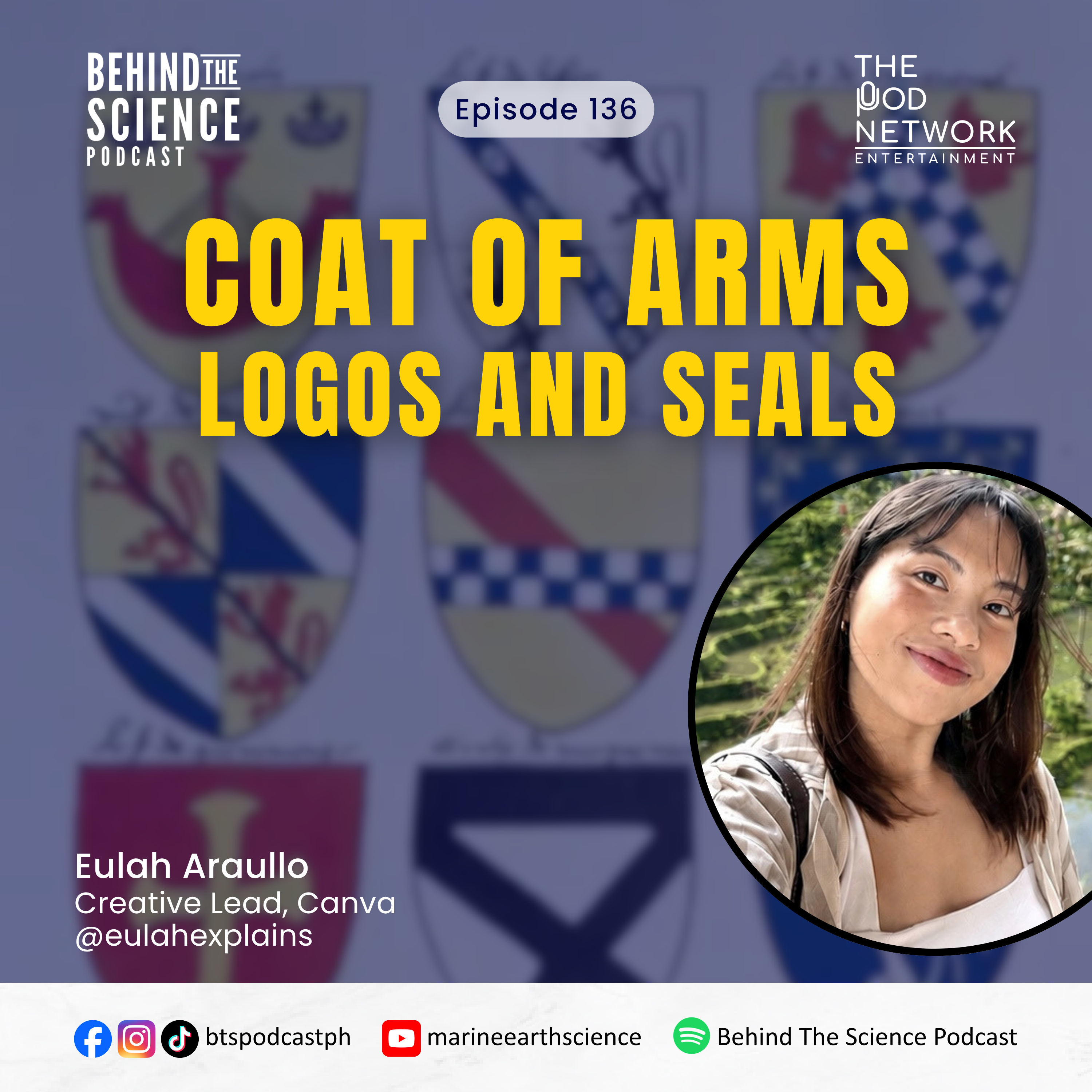 Ep136 - Coat of arms, logos, and seals 13.08.2026 1sa 4dkIn this episode, we talk with Ms. Eulah Araullo, Creative Lead at Canva and one of the Philippines' top educational content creators (@eulahexplains), about the design principles behind coats of arms, logos, and seals. We discuss the distinction between these three symbols, and how colonial history continues to shape Philippine seals today.
 -
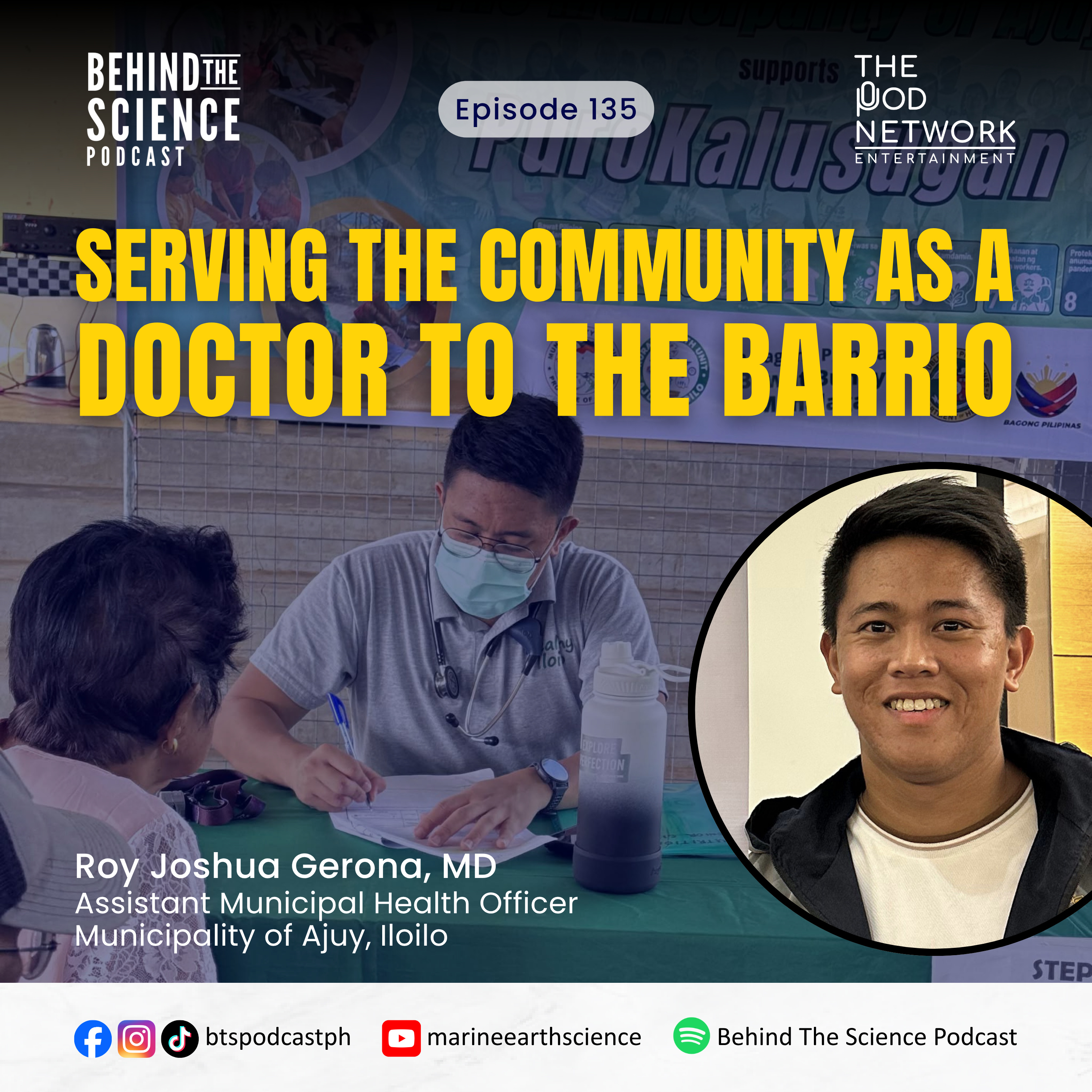 Ep135 - Serving the Community as a Doctor to the Barrio 06.08.2026 1sa 1dkIn this episode, we talk with Dr. Roy Joshua Gerona about the Doctors To The Barrio (DTTB) Program, what a day in rural healthcare actually looks like, the challenges of serving underserved communities, and why he chose this path.
 -
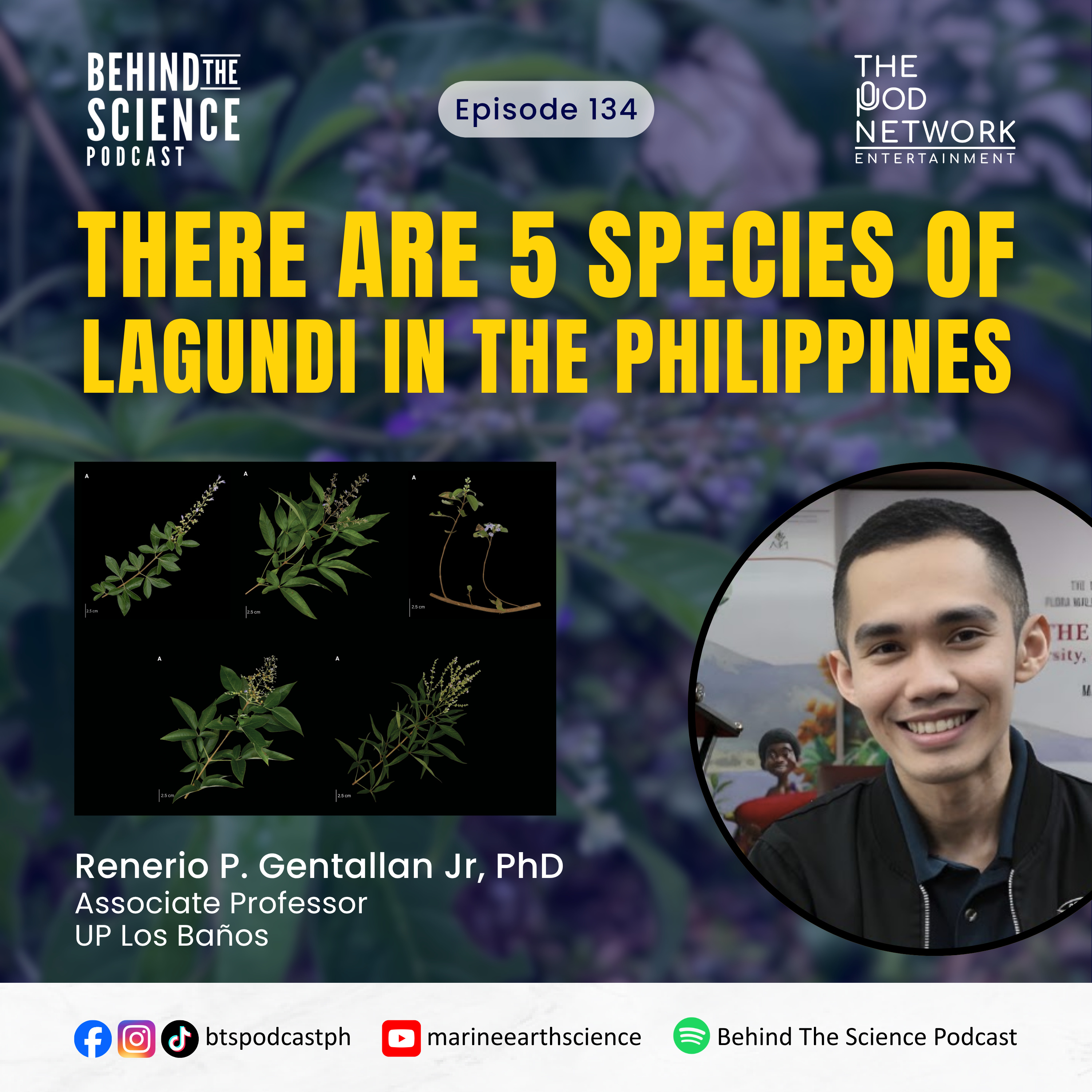 Ep134 - There are 5 species of Lagundi in the Philippines 30.07.2026 1sa 2dkIn this episode, we talk with Dr. Renerio Gentallan Jr. about his study on the taxonomic identity of "lagundi", a group of medicinal shrubs long confused with one another due to decades of conflicting nomenclatural revisions. Despite lagundi-based products generating hundreds of millions of pesos in sales in the Philippines, the exact species being used and studied has remained ambiguous, with some specimens historically misidentified even in national pharmacopeia records. Using complete chloroplast genome sequencing alongside morphological and statistical analyses of over 2,000 herbarium specimens, the study clarified the species boundaries within this complex. The findings support reinstating Vitex elmeri as a distinct species and describe a new species, Vitex arvensis. The new species is a hybrid between V. bicolor Willd. and V. elmeri Moldenke, and also proposed as a new endemic species to the Philippines.📚Reference: Gentallan RP Jr, Sengun S, Bartolome MCB, Quiñones KJO, Coronado NB, Borromeo TH, Timog EBS. 2024. The Vitex trifolia complex (Lamiaceae) in the Philippines. PhytoKeys. 248:1–40.
 -
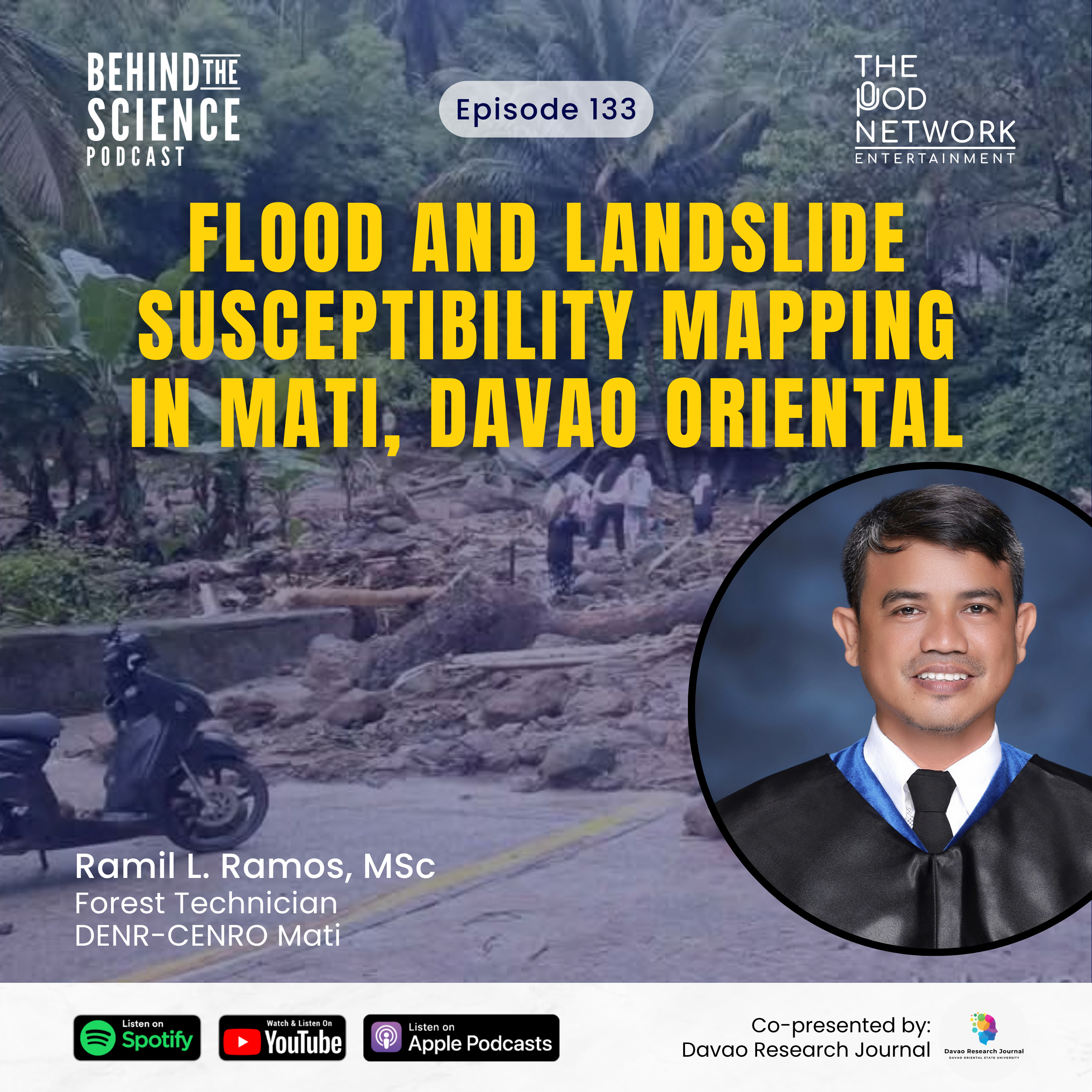 Ep133 - Flood and landslide susceptibility mapping in Mati, Davao Oriental 23.07.2026 56dkIn this episode, we talk with Mr. Ramil Ramos about his study on flood and landslide susceptibility mapping in the City of Mati, Davao Oriental. Using a GIS-based Multi-Criteria Decision Analysis integrated with the Analytical Hierarchy Process (MCDA-AHP), the study generated hazard susceptibility maps and examined how urban expansion from 2017 to 2024 has increasingly encroached into high-risk zones.📚Reference: Ramos, R. L., & Cabrera, J. S. (2026). GIS-based multi-criteria decision analysis (MCDA-AHP) for flood and landslide susceptibility mapping and urban sprawl assessment in the Mati City, Davao Oriental, Philippines. Davao Research Journal, 17(2), 56–67.
 -
 Ep132 - Bakit tumatagal ang mga pasyente sa ospital? 16.07.2026 1sa 5dkWe talk with Dr. John Jefferson Besa and Dr. Ella Mae Masamayor about their study on prolonged hospital stays among internal medicine patients admitted at the Philippine General Hospital. By reviewing the medical records of 386 patients admitted in 2019, prolonged length of stay was found in almost a fifth of emergency admissions and a quarter of elective admissions. They also discussed the factors associated with prolonged length of stay.📚Reference: Besa, J. J. V., Masamayor, E. M. I., Tamondong-Lachica, D. R., & Palileo-Villanueva, L. M. (2023). Prevalence and predictors of prolonged length of stay among patients admitted under general internal medicine in a tertiary government hospital in Manila, Philippines: a retrospective cross-sectional study. BMC Health Services Research, 23, 50.
 -
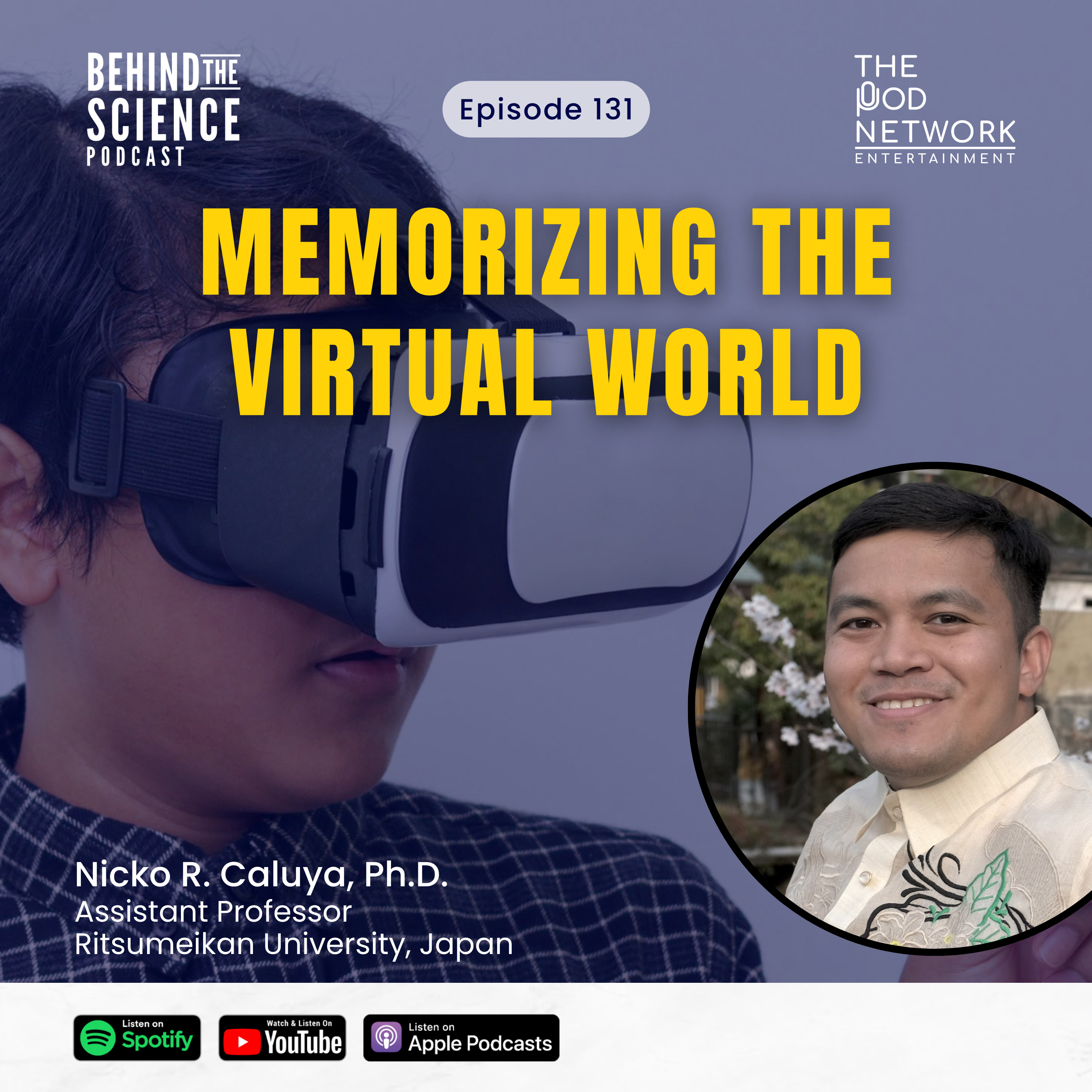 Ep131 - Memorizing the virtual world 09.07.2026 1sa 1dkIn this episode, we talk with Dr. Nicko Caluya about his study on whether the size of the overlay field of view (OFOV) in head-mounted displays affects a person's ability to memorize spatial locations. OFOV refers to the small window through which virtual objects are visible in optical see-through AR headsets, and narrower OFOVs are often criticized as a limitation of the technology. Using a simulated head-mounted display with three different OFOV sizes, the study tested 18 participants on their ability to memorize and recall the locations of virtual object pairs.📚Reference: Caluya, N. R., Plopski, A., Sandor, C., Fujimoto, Y., Kanbara, M., & Kato, H. (2022). Does overlay field of view in head-mounted displays affect spatial memorization? Computers & Graphics, 102, 554–565.
 -
 Ep130 - May formula ba sa pagpapatawa? 02.07.2026 1sa 9dkIn this episode, we talk with Victor Anastacio, stand-up comedian and host of the podcast Intellectwalwal, about whether there's a formula for making people laugh. A former banker who left the corporate world to pursue comedy full-time with Comedy Manila, Victor shares his perspective on what makes comedy work, drawing from his years on stage and behind the mic.
 -
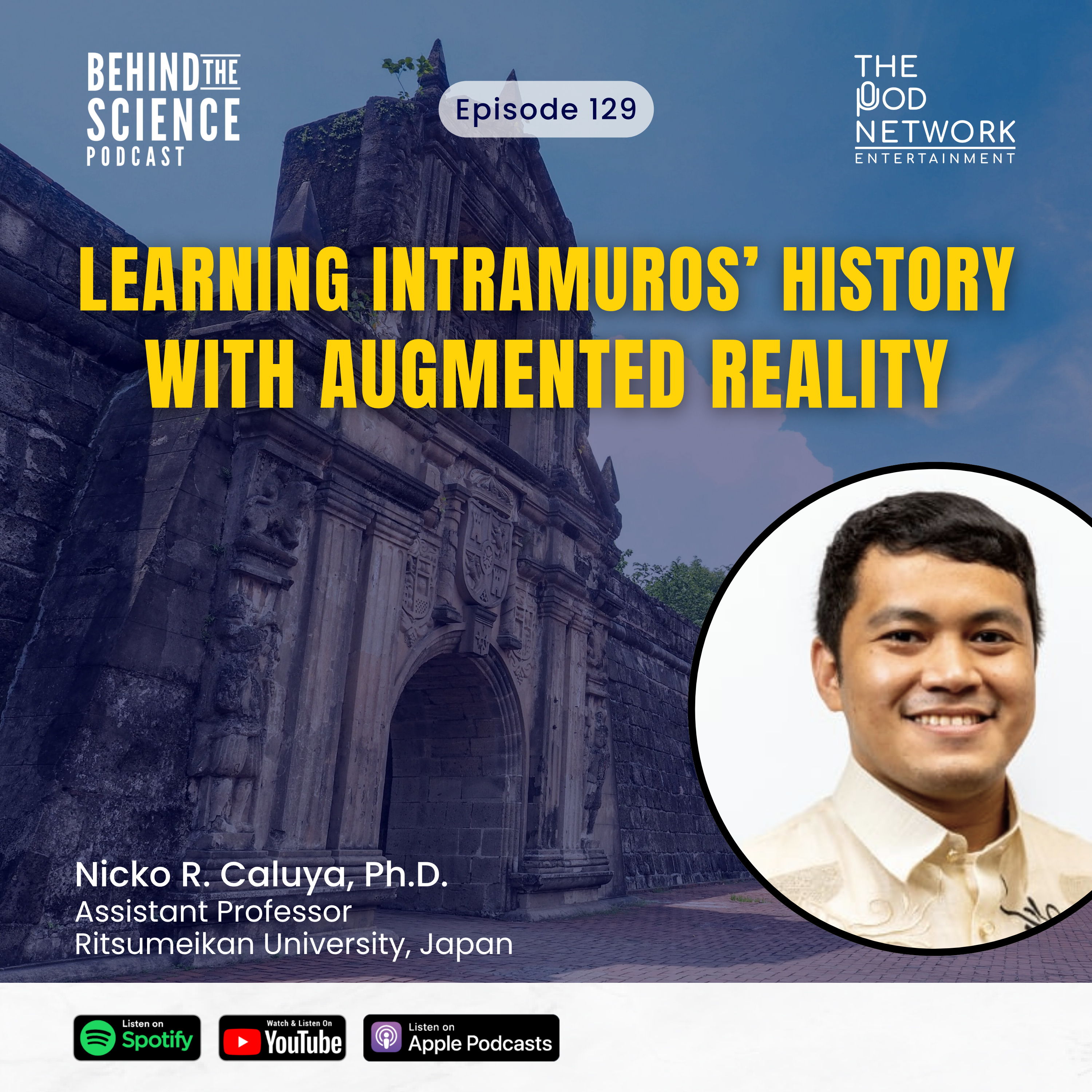 Ep129 - Learning Intramuros' history with augmented reality 25.06.2026 1sa 2dkIn this episode, we talk with Nicko R. Caluya about his study on the design of Igpaw: Intramuros, a smartphone- and tablet-based augmented reality game that teaches Philippine history through an adventure game format set in the walled city of Intramuros, Manila.📚Reference: Rodrigo, M. M. T., Caluya, N. R., Diy, W. D. A., & Vidal, E. C. E., Jr. (2015). Igpaw: Intramuros — Design of an augmented reality game for Philippine history. In H. Ogata et al. (Eds.), Proceedings of the 23rd International Conference on Computers in Education (pp. 1–10). Asia-Pacific Society for Computers in Education.
 -
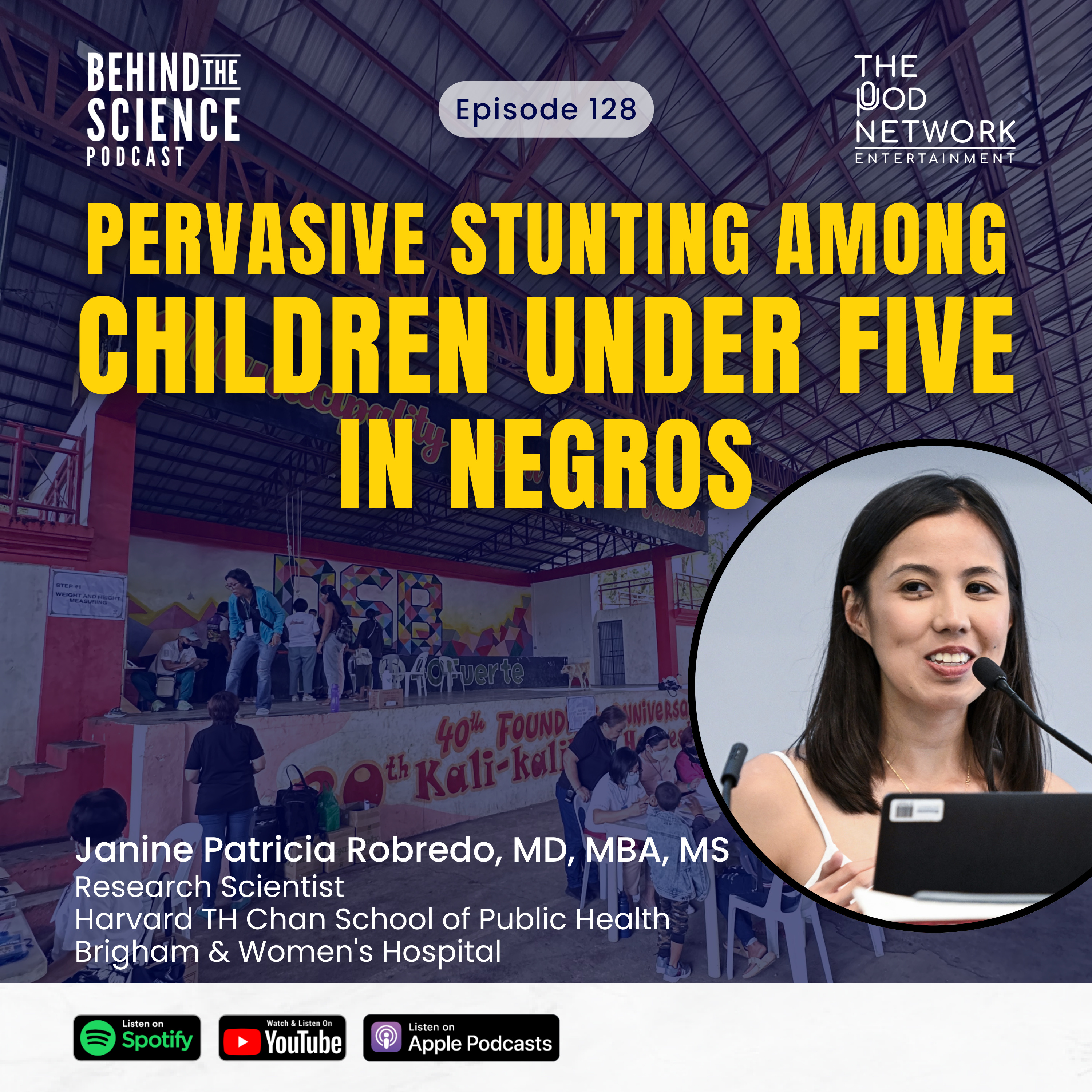 Ep128 - Pervasive stunting among children under five in Negros 22.06.2026 57dkIn this episode, we talk with Dr. Janine Patricia G. Robredo about her thesis on stunting among children under five in nutrition aid-recipient communities in the Philippines.
 -
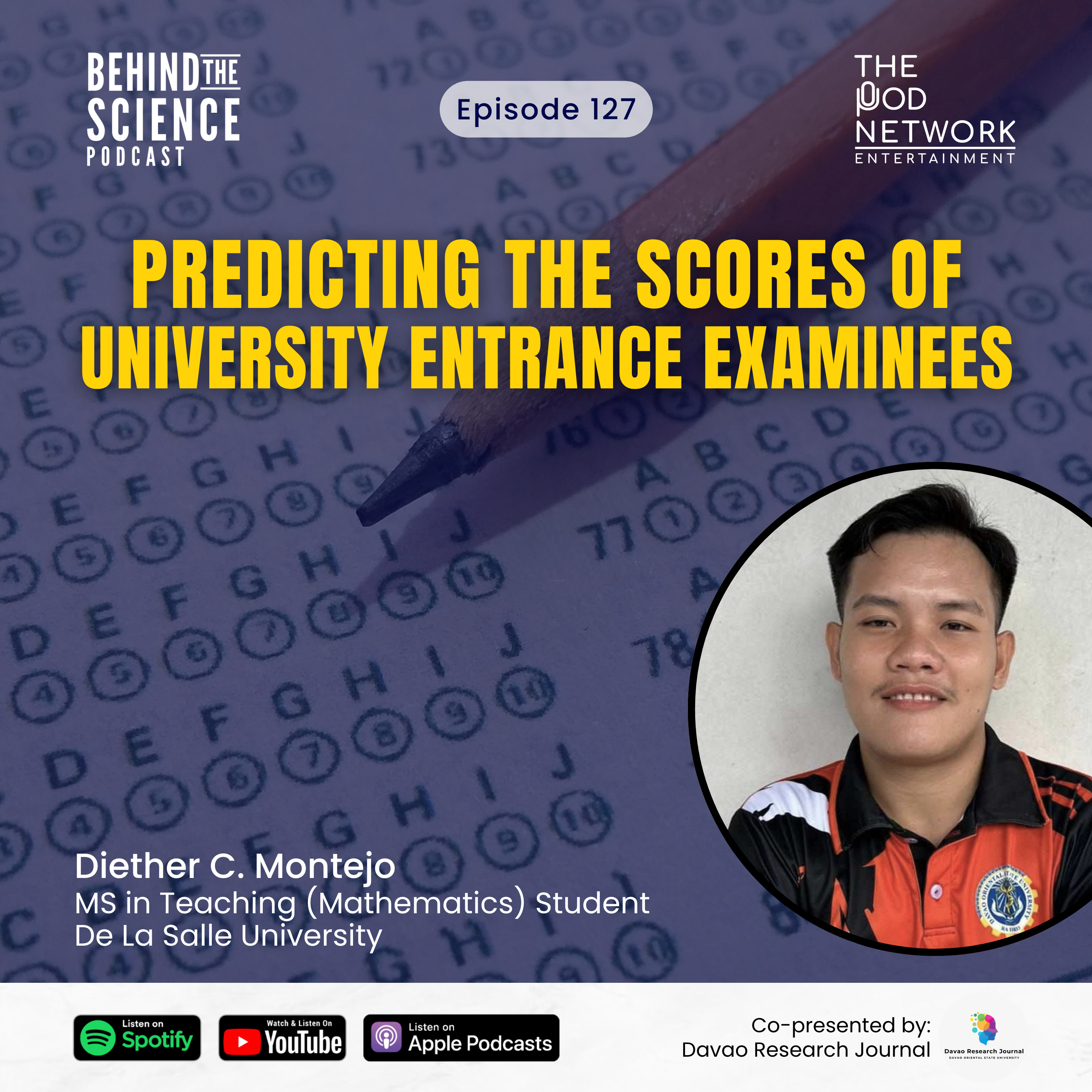 Ep127 - Predicting the scores of university entrance examinees 18.06.2026 57dkIn this episode, we talk with Diether C. Montejo about his study on predicting how university entrants perform in the State University Aptitude and Scholarship Test (SUAST) — the college admission exam of Davao Oriental State University. Despite a 54% passing rate over a five-year period, non-passers continued to be accepted due to policy changes, raising questions about what factors actually determine exam performance. Using both Multiple Linear Regression and Multi-Layer Perceptron Neural Network approaches, the study found that family income, library access, senior high school grades, intrinsic motivation, and openness and intellect were significant predictors. The neural network model also slightly outperformed traditional regression in predicting exam scores.📚Reference: Singh, N. A., & Montejo, D. C. (2023). Bridging the gap: A comparative analysis of traditional and neural network regression methods for predicting university entrant performance in SUAST examination. Davao Research Journal, 14(2), 116–137. 🤝This episode is co-presented by the Davao Research Journal. Submit here.
 -
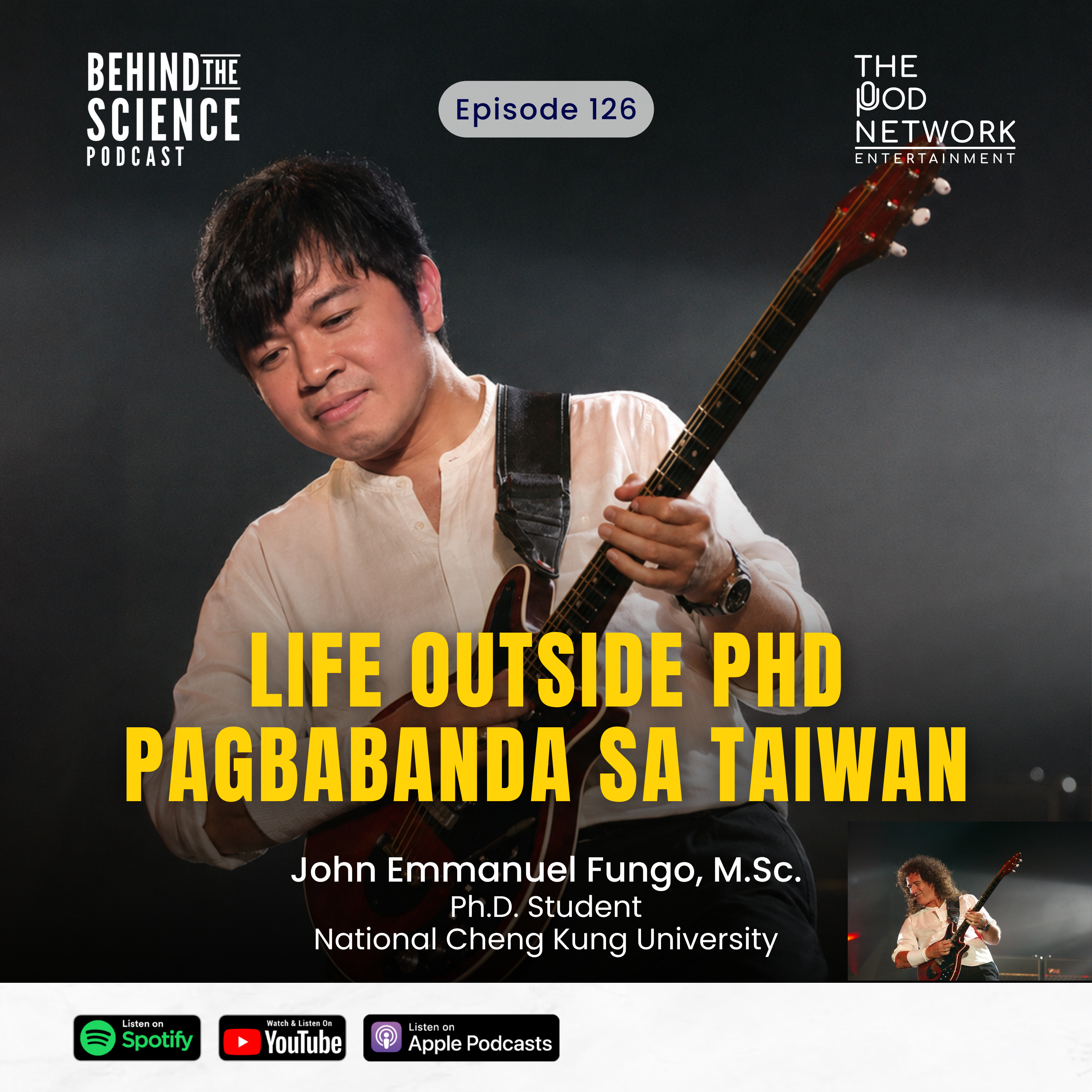 Ep126 - Life outside PhD, pagbabanda sa Taiwan 11.06.2026 56dkIn this episode, we talk with Mr. John Fungo about his journey in science, PhD research in Taiwan, and life outside the laboratory.PS. Hindi pala nag save ang video recording kaya audio episode muna tayo.
 -
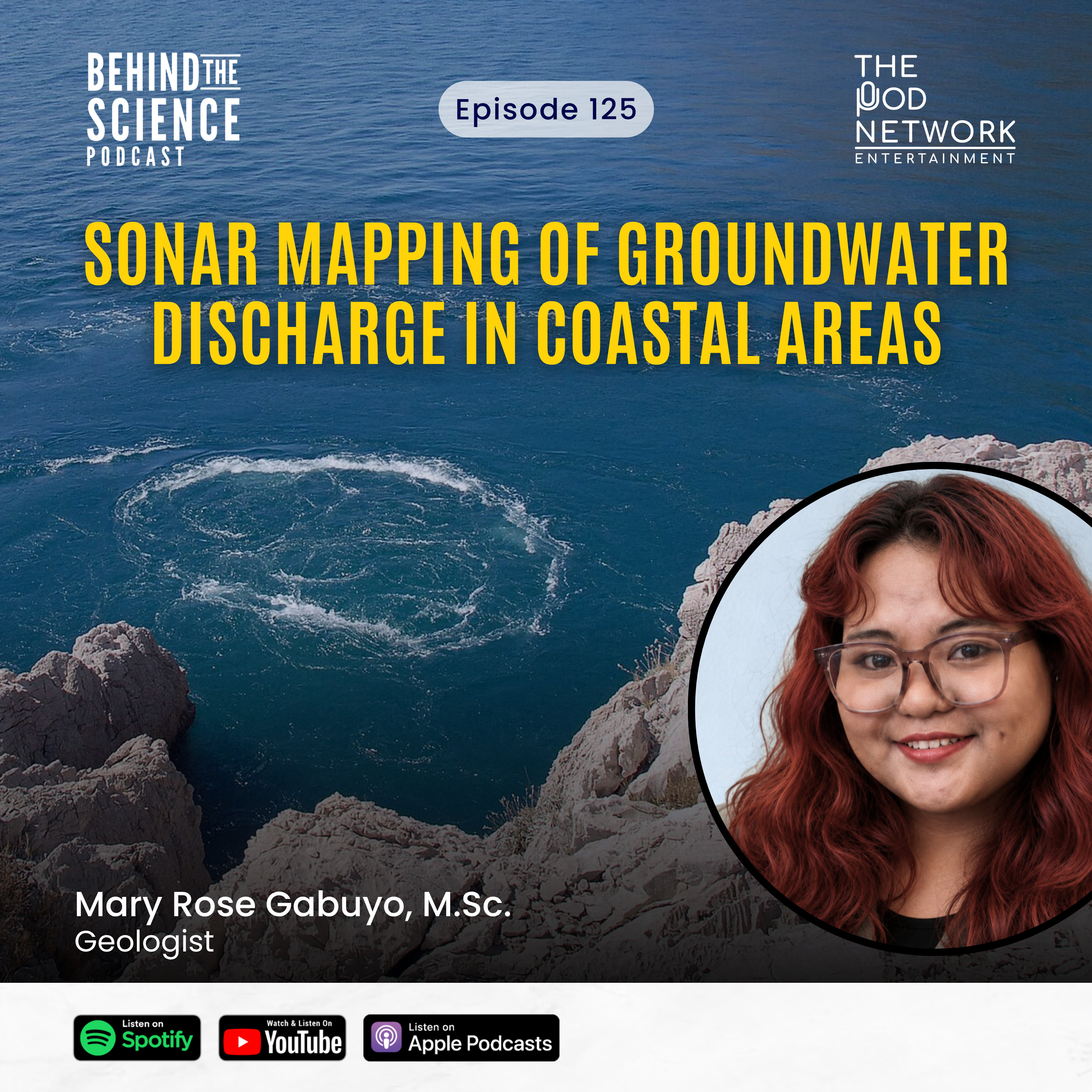 Ep125 - Sonar mapping of groundwater discharge in coastal areas 04.06.2026 1sa 3dkIn this episode, we talk with Mary Rose P. Gabuyo about her study on using low-cost fish finders — the kind used for recreational sport fishing — to detect and map submarine groundwater discharge (SGD) in coastal waters. SGD refers to all direct discharge of subsurface fluids across the seafloor, including fresh groundwater, recirculated seawater, and gases like CO₂ and methane. Despite its ecological significance, mapping SGD remains a challenge because conventional methods are costly, tedious, and require specialized equipment. This study tested whether recreational-grade echosounders could do the job — and they did.📚Reference: Gabuyo MRP, Siringan FP. 2022. Utility of low-cost recreational-grade echosounders in imaging and characterizing bubbly coastal submarine groundwater discharge. Journal of Hydrology X. 14:100118.
 -
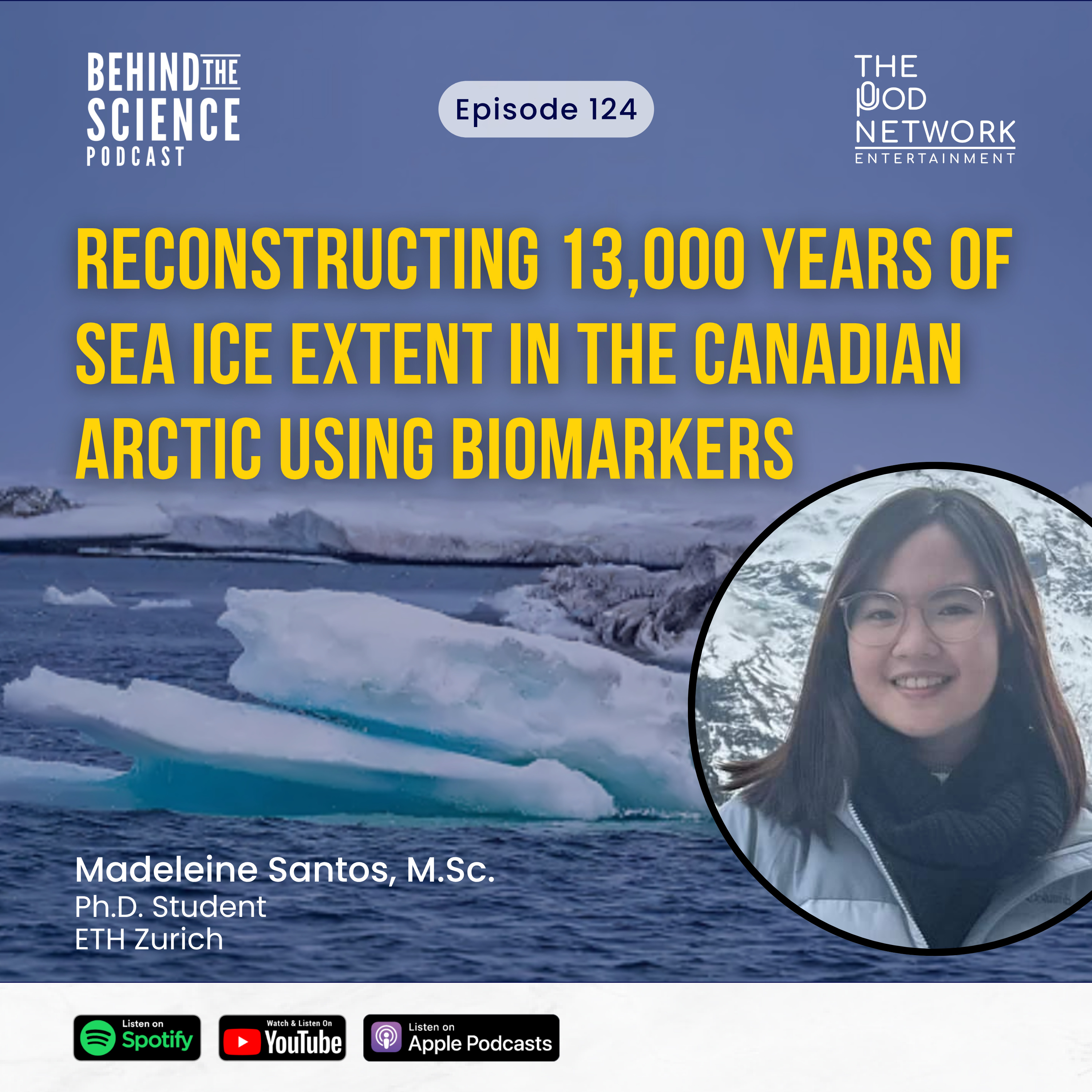 Ep124 - Reconstructing 13,000 years of sea ice extent in the Canadian Arctic 28.05.2026 1saIn this episode, we talk with Madeleine Santos about her study on how sea ice in the Canadian Arctic has changed over the past 13,000 years and what it tells us about where the Arctic is headed. By analyzing lipid biomarkers — chemical compounds preserved in seafloor sediments that serve as fingerprints of past environmental conditions — from two sediment cores collected from the Beaufort Sea, the study reconstructed sea ice cover, sea surface temperatures, salinity, and terrestrial input throughout the Holocene.📚Reference: Santos M, Bröder L, O'Regan M, Hernández-Almeida I, Tesi T, Bigler L, Haghipour N, Nelson DB, Fritz M, Lattaud J. 2026. Holocene sea ice and paleoenvironment conditions in the Beaufort Sea (Canadian Arctic) reconstructed with lipid biomarkers. Climate of the Past. 22:187–203.
 -
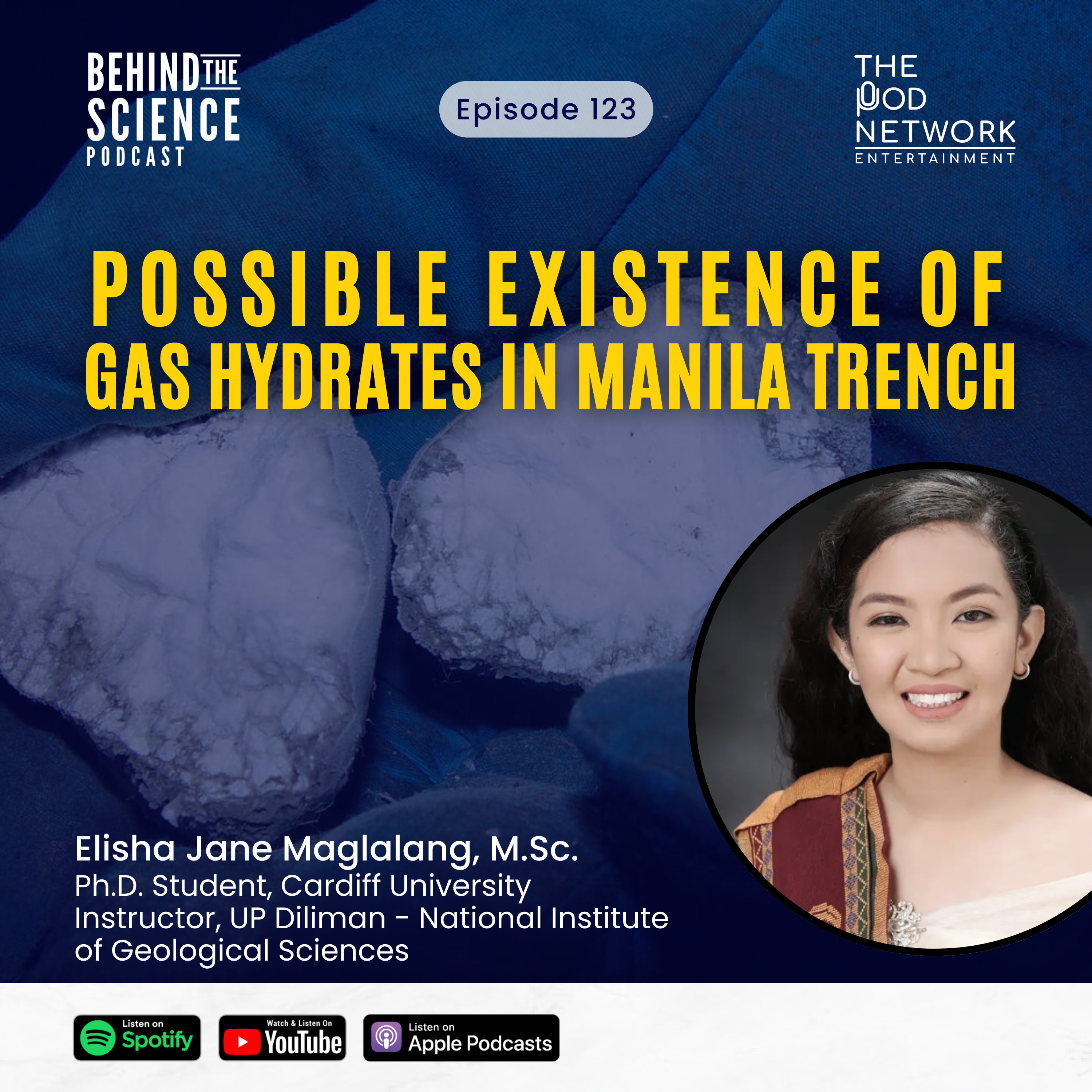 Ep123 - Possible existence of gas hydrates in Manila Trench 21.05.2026 1saIn this episode, we talk with Elisha Jane M. Maglalang about her study on the possible occurrence of gas hydrates in offshore western Luzon — the first of its kind in the Philippines. Gas hydrates are ice-like substances that trap methane gas within their molecular structure and form naturally on the seafloor under high pressure and low temperature. They are of significant interest both as a potential alternative energy resource and as a geologic hazard. Their dissociation can release large amounts of methane into the atmosphere and trigger underwater landslides. By reinterpreting existing multi-channel seismic reflection data from the Manila Trench, the study identified bottom simulating reflectors, which is the primary seismic signature of gas hydrate presence, across a total area of approximately 15,400 km² in the Manila Trench forearc region.📚Reference: Maglalang EJM, Armada LT, Santos MC, Sayen KF, Dimalanta CB, Hsu S-K, Yumul GP Jr. 2023. Bottom simulating reflectors in the Manila Trench forearc and its implications on the occurrence of gas hydrates in the region. Marine and Petroleum Geology. 158:106538.🤝Behind The Science Podcast is in partnership with the UP Resilience Institute
 -
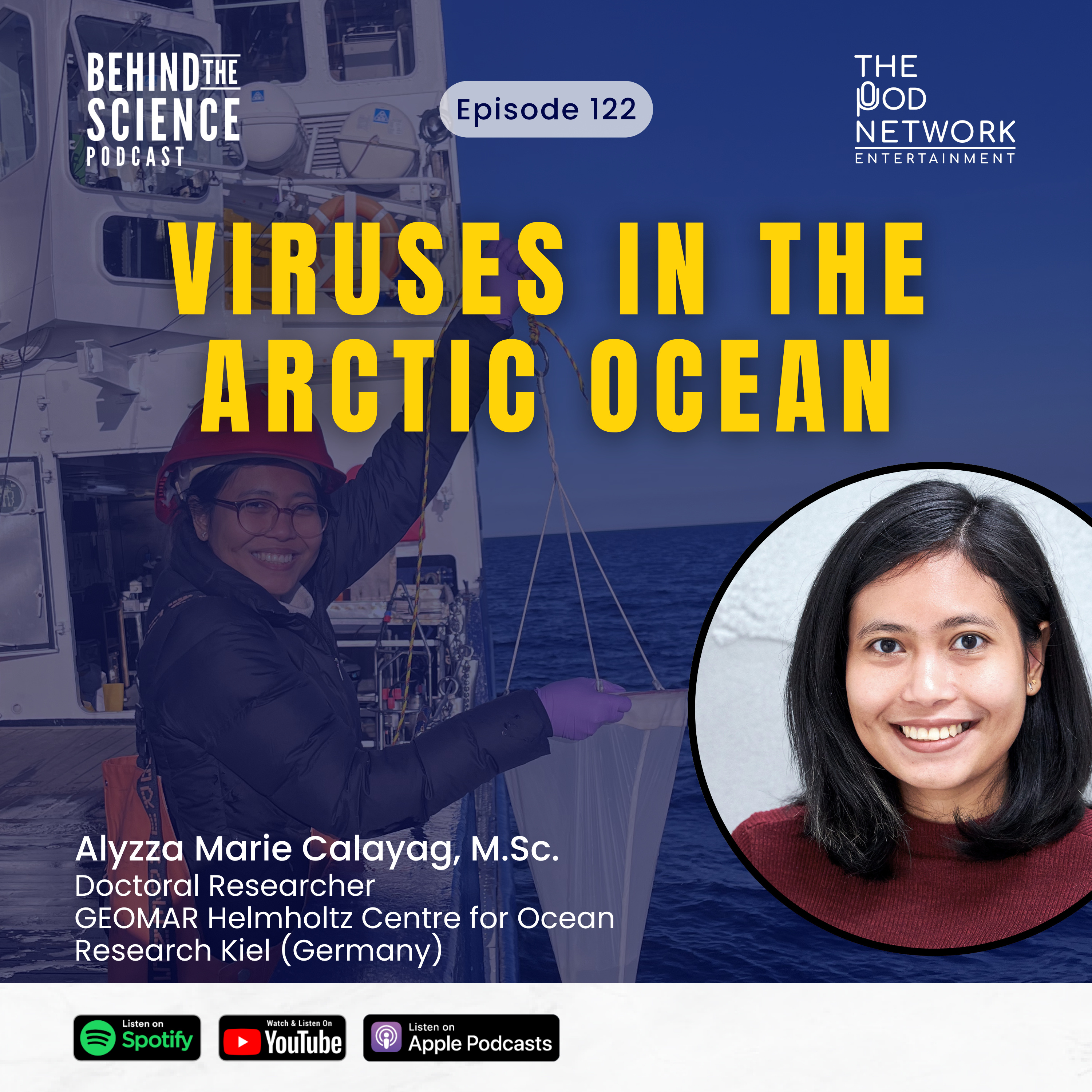 Ep122 - Viruses in the Arctic Ocean 14.05.2026 56dkIn this episode, we talk with Alyzza Calayag about her study on the diversity, seasonality, and global distribution of viruses in the Arctic Ocean. Viruses play critical roles in ocean ecosystems but very little is known about viral communities in polar waters. Using water samples collected monthly for four years, the study identified 5,662 viral groups, found that viral abundance is 8-fold higher in summer than the rest of the year, and discovered that 42% of these Arctic viruses also peak in abundance in high-latitude regions of the Southern Ocean📚Reference: Calayag AM, Priest T, Oldenburg E, Muschiol J, Popa O, Wietz M, Needham DM. 2025. Arctic Ocean virus communities and their seasonality, bipolarity, and prokaryotic associations. Nature Communications. 16:6427.🤝Behind The Science Podcast is in partnership with the UP Resilience Institute
 -
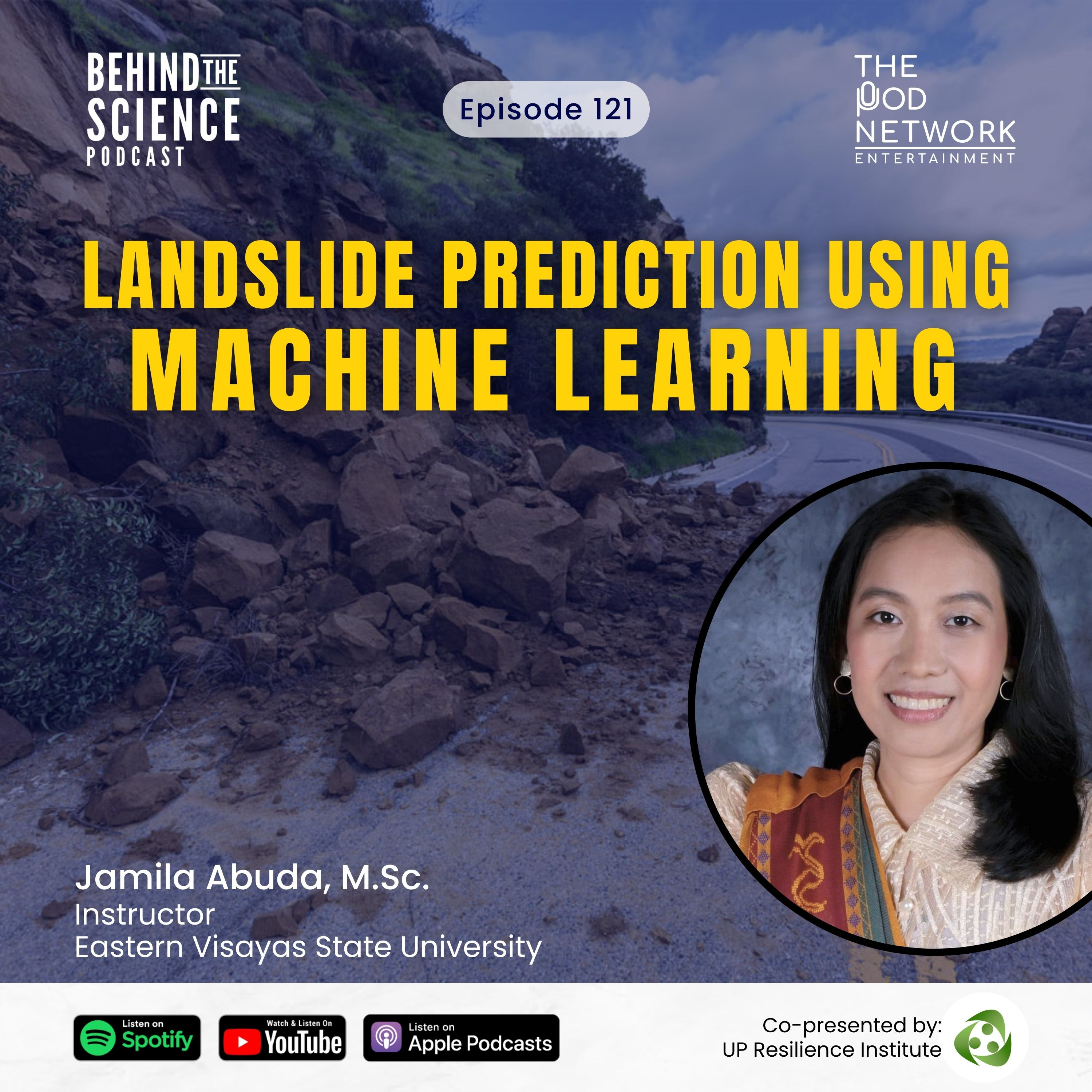 Ep121 - Landslide prediction using machine learning 07.05.2026 1sa 1dkIn this episode, we talk with Ms. Jamila B. Abuda about her study on using machine learning to predict when landslides are likely to occur along a mountain highway in Benguet, Philippines. Being able to predict when landslides will happen is critical for early warning systems. The study tested five machine learning algorithms using only rainfall data and documented landslide events, and found that grouping landslide occurrences by rock type or lithology before training the models significantly improved prediction accuracy. 📚Reference: Abuda JB, Saturay RM Jr., Catane SG, Guevarra I. 2026. Lithologically-constrained, machine learning-based temporal landslide prediction models using rainfall time series for the Benguet First Engineering District, Philippines. Bulletin of Engineering Geology and the Environment. 85:156.🤝Behind The Science Podcast is in partnership with the UP Resilience Institute.
Benzer podcastler


Şurada popüler
Bu podcast şu ülkelerin podcast listelerinde de yer alıyor.

