
Diabetes Dialogue: Technology, Therapeutics, & Real-World Perspectives
Diabetes Dialogue: Technology, Therapeutics, & Real-World Perspectives
0
Diabetes Dialogue: Technology, Therapeutics, & Real-World Perspectives is a podcast hosted by Drs. Diana Isaacs and Natalie Bellini. It provides a regular roundup of the latest clinically applicable insights across diabetes and metabolic diseases, with a focus on leveraging technology to improve care. A video version of each episode is available at HCPLive.com/Clinical/Endocrinology.
Bölümler
-
 Finerenone Approved for CKD in Type 1 Diabetes 18.09.2026 16dkChronic kidney disease remains a persistent risk for people with type 1 diabetes, with roughly 30% of this population in the US developing the complication despite optimized glucose, blood pressure, and lipid management. Until now, no therapy directly targeted the mineralocorticoid receptor pathway implicated in this progression for this group.On a recent episode of Diabetes Dialogue: Technology, Therapeutics, and Real-World Perspectives, hosts Diana Isaacs, PharmD, and Natalie Bellini, DNP, discussed the US FDA approval of finerenone (Kerendia) for chronic kidney disease associated with type 1 diabetes.The approval marks the first new therapy in 30 years for this population and represents the third indication for finerenone, following its approvals for chronic kidney disease with type 2 diabetes in 2025 and for heart failure with left ventricular ejection fraction above 40%. Regulators granted priority review, and the decision draws on a broader evidence base spanning roughly 20,000 patients across five pivotal phase 3 trials of the nonsteroidal mineralocorticoid receptor antagonist class.The phase 3 FINE-ONE trial, a randomized, placebo-controlled, double-blind study, enrolled 242 adults with type 1 diabetes across nine countries and 80 sites and supported the approval. Finerenone added to standard of care reduced urine albumin-to-creatinine ratio (UACR) by 25% from baseline over six months compared with placebo. Overall, 68.1% of participants receiving finerenone achieved a UACR reduction of at least 30%, versus 46.6% with placebo, a threshold the American Diabetes Association associates with slowed CKD progression.Finerenone carries a risk of hyperkalemia, requiring potassium monitoring, and should not be combined with steroidal mineralocorticoid receptor antagonists such as spironolactone or with concurrent ACE inhibitor and angiotensin receptor blocker therapy. Unlike SGLT2 inhibitors, which remain unapproved in type 1 diabetes due to concerns about euglycemic diabetic ketoacidosis, finerenone offers clinicians a mechanistically distinct option with a defined safety profile in this population.The approval also renews attention on UACR screening, which remains underused in primary care despite annual screening recommendations for all patients with diabetes. Broader adoption of routine screening, paired with earlier mineralocorticoid receptor antagonist initiation, may extend the renoprotective gains demonstrated in FINE-ONE to more patients with type 1 diabetes.
 -
Beta Bionics Mint Patch Pump Gains FDA Clearance 15.09.2026 18dkWelcome back to Diabetes Dialogue: Technology, Therapeutics, & Real-World Perspectives!Tubeless insulin delivery is entering a new phase of competition, as Beta Bionics announced FDA clearance of Mint, its first patch pump, alongside a forthcoming algorithm update designed to individualize glycemic targets without carb counting.1,2On a recent episode of Diabetes Dialogue, hosts Diana Isaacs, PharmD, and Natalie Bellini, DNP, discussed the clearance and its implications for practice. The conversation centered on device specifications, insurance pathways, and an upcoming three-mode dosing algorithm called 3D Intelligence.Mint is a tubeless, three-day-wear pump holding 200 units of insulin, built around a nonrechargeable two-year battery and IPX8 water resistance rated to five feet for 60 minutes. It pairs with iOS and Android at launch and requires no phone for priming, addressing adherence barriers seen with existing automated insulin delivery systems. Sensor compatibility includes the Dexcom G7 and Abbott's Libre 3 Plus, with Libre Dual and Senseonics' Eversense integration planned to follow.Beta Bionics expects to begin shipments in the first quarter of 2027, targeting production of approximately 1.5 million units for the year, with at least 40% of payers anticipated to offer pharmacy-benefit coverage at launch. This model would allow patients on any current pump, including those previously limited to durable medical equipment acquisition, to access Mint through pharmacy channels once coverage is in place.The forthcoming 3D Intelligence update introduces three insulin-dosing profiles built on real-world data from more than 40,000 current iLet users, expanding on the meal-announcement-only interface which has defined the iLet since launch. The original mode preserves the existing algorithm, the optimized mode aims to reduce hypoglycemia while maintaining time above range, and the conservative mode delivers a more measured correction response for patients at higher hypoglycemia risk, such as older adults. The update remains pending FDA clearance but is expected to reach existing iLet users via software update around the Mint launch.Expanded sensor compatibility, dual-platform smartphone support, and pharmacy-benefit access position Mint to broaden automated insulin delivery uptake beyond populations previously constrained to durable medical equipment coverage. Combined with the 3D Intelligence update, the changes reflect a shift toward individualized dosing within a system historically defined by simplicity, without reintroducing manual basal rates or carb-ratio calculations. As competing patch pump programs advance through the FDA pipeline, the addition reinforces momentum toward algorithm-driven, low-burden insulin delivery across the type 1 diabetes population.Editors’ Note: Isaacs reports disclosures with Dexcom, Abbott, Lilly, Novo Nordisk, Medtronic, Insulet, and others. Bellini reports disclosures with Abbott Diabetes Care, MannKind, Povention Bio, and others.
-
 Non-Invasive EEG Sensor Aims to Track Glucose in Real Time 26.08.2026 26dkWelcome back to Diabetes Dialogue: Technology, Therapeutics, & Real-World Perspectives!Non-invasive glucose monitoring is entering a new phase, with an EEG-based wearable positioned to sense blood sugar through brain rhythms rather than interstitial fluid. Early data from the developer suggest the approach may anticipate glucose changes ahead of standard continuous glucose monitors (CGMs), a claim rooted in the physiology of glucose transit from bloodstream to tissue.On a recent episode of Diabetes Dialogue, hosts Diana Isaacs, PharmD, and Natalie Bellini, DNP, are joined by Casey Halpern, MD, professor of neurosurgery and chief of stereotactic and functional neurosurgery at the University of Pennsylvania, about SynchNeuro, the company he cofounded to develop the device.Halpern's group originally identified the underlying signal while using deep brain stimulation electrodes to study obesity and type 2 diabetes, finding that certain brain rhythms tracked blood glucose in real time regardless of electrode location. Because the signal is diffuse rather than localized, the team determined it could be captured non-invasively via scalp EEG, most reliably over the temporal lobe, an area accessible with a small sensor worn behind the ear. Device positioning has proven forgiving, with built-in signal-quality feedback guiding users to adjust placement as needed.Accuracy data remain preliminary, drawn from EEG recordings paired with CGM readings in several dozen users over up to two weeks of continuous wear. Comparing readings synchronized to standard CGM timing, the sensor's mean absolute relative difference runs around 10% to 11%, approaching the accuracy range typically reported for interstitial fluid-based devices. Notably, Halpern reported that accuracy improves when comparing the sensor's output from 20 minutes earlier against subsequent CGM readings, suggesting the EEG signal reflects blood glucose upstream of the diffusion delay inherent to interstitial fluid sensing.The company is enrolling additional users toward an algorithm-training cohort in the hundreds, which Halpern said internal power calculations suggest should be sufficient before pursuing regulatory clearance. Plans include an initial focus on type 2 diabetes and prediabetes, with a potential wellness-category launch preceding a full US Food and Drug Administration clinical-claims pathway. Beyond glucose, the platform is being explored for ketone monitoring, sleep apnea, and stroke risk prediction, applications that would each require separate regulatory work.Collectively, the findings position EEG-based glucose sensing as a potential complement or alternative to interstitial fluid CGMs, particularly for patients seeking a non-invasive, intermittently wearable option, though larger validation cohorts and regulatory review will determine whether the anticipatory accuracy signal holds up at scale.
 -
 FreeStyle Libre Duo Cleared for Ketone Monitoring 26.08.2026 29dkWelcome back to Diabetes Dialogue: Technology, Therapeutics, & Real-World Perspectives!Diabetic ketoacidosis remains a leading cause of preventable hospitalization in diabetes care, yet ketone testing has lagged far behind glucose monitoring in both accuracy and adoption. Continuous ketone monitoring aims to close this gap, giving clinicians and patients a real-time window into a metabolic state that urine strips and intermittent blood testing have rarely captured well.On a recent episode of Diabetes Dialogue, hosts Diana Isaacs, PharmD, and Natalie Bellini, DNP, spoke with Eden Miller, DO, founder of Diabetes and Obesity Care, and Davida Kruger, NP, of Henry Ford Health, about the FDA clearance of the FreeStyle Libre Duo (Abbott), a combined glucose and ketone sensor. Both guests served on the international advisory board contributing to the sensor's development and co-authored related work in The Lancet.The sensor pairs a 10-day wear with a 1-hour warm-up and reports glucose and beta-hydroxybutyrate readings every minute through the existing Libre app. Direct beta-hydroxybutyrate tracking offers an earlier signal than urine ketone testing, which measures acetoacetate and lags physiologic change. Ketone values <0.6 mmol/L default to a glucose-focused display, values between 0.6 and 3.0 mmol/L trigger a trend view with directional arrows, and a fixed threshold of 3.0 mmol/L generates an urgent high alert.Guests emphasized glucose and ketone levels do not always move together. Pump-suspension research led by Jennifer Sherr, MD, PhD, at Yale, showed considerable variability in time to ketosis, with some patients developing ketosis within 4 hours of an interruption and others remaining ketone-free well beyond it. This variability carries particular relevance for patients using sodium-glucose cotransporter-2 (SGLT2) inhibitors off-label in type 1 diabetes, since euglycemic ketosis can develop without corresponding hyperglycemia.At launch, the sensor is expected to pair with select automated insulin delivery systems, including Beta Bionics' iLet, with expanded compatibility anticipated for Omnipod 5 and Medtronic's Instinct sensor into 2027, though no pump algorithm will adjust dosing based on ketone data yet. Coverage will begin through commercial insurance only, without Medicare or Medicaid reimbursement established at this time. Clinicians will need updated protocols to interpret ketone trend arrows manually, distinguishing benign nutritional ketosis from evolving decompensation before automated support becomes available.Continuous ketone monitoring marks a shift comparable to the early adoption of continuous glucose monitoring, when clinicians needed guidance interpreting new, high-frequency physiologic data. As real-world experience accumulates over the coming year, the technology is positioned to inform individualized ketone thresholds, refine detection of infusion-set failure, and potentially reduce emergency care tied to diabetic ketoacidosis.
 -
Ultra-rapid insulin, IcoSema advance in type 2 diabetes 24.08.2026 21dkInsulin-resistant patients with type 2 diabetes who require high-dose therapy have long lacked a rapid-acting option concentrated enough for compact insulin pumps. New pharmacokinetic data on an ultra-rapid U-500 insulin aspart, alongside additional phase 3 results for a combined once-weekly insulin icodec-semaglutide regimen, both aim to close persistent gaps in insulin delivery for this population. In this episode of Diabetes Dialogue, hosts Diana Isaacs, PharmD, and Natalie Bellini, DNP, reviewed two studies addressing unmet needs in insulin therapy for type 2 diabetes.The investigational agent AT278 is a highly concentrated insulin aspart formulated at 500 units/mL, distinct from existing U-500 regular human insulin, which behaves more like an intermediate-acting product. In a single-center, randomized, double-blind, crossover euglycemic clamp study spanning body mass index from 25 to 38 kg/m², AT278 produced significantly faster absorption and a greater glucose-lowering effect within the first hour versus both standard U-100 insulin aspart and U-500 regular human insulin. The ultra-rapid pharmacokinetic and pharmacodynamic profile held consistent across the BMI range studied.Current U-500 regular insulin requires dosing 30 minutes before meals while simultaneously serving as basal and prandial coverage, complicating use in automated insulin delivery systems and limiting compatibility with smaller-volume pumps. A concentrated, rapid-onset formulation could allow patients with high insulin requirements to use compact pumps and extended-wear infusion sets without the absorption problems tied to large-volume subcutaneous depots. Drawn from an early-phase study, the findings position AT278 as a potential first ultra-rapid option for prandial dosing in this population, though regulatory approval for pump use remains undefined.Separately, the phase 3 COMBINE 4 trial evaluated a fixed combination of once-weekly insulin icodec (Awiqli) and semaglutide, known as IcoSema, against once-daily insulin glargine U-100 in 485 adults with type 2 diabetes and baseline A1C above 8%. Over 40 weeks, IcoSema reduced A1C by 3.32 percentage points versus 2.44 points with glargine, a between-group difference of 0.88 percentage points, while producing a 0.79 kg weight reduction compared with a 3.81 kg gain with glargine. Time in range reached 79.8% with IcoSema versus 64.5% with glargine, consistent with the mechanistic rationale of pairing glucagon-like peptide-1 receptor agonism with basal insulin to limit postprandial excursions.These results build on earlier COMBINE 1 through 3 data, which showed IcoSema achieving noninferior or superior A1C reduction, superior weight outcomes, and lower hypoglycemia rates versus comparators. A single weekly injection combining basal insulin with a GLP-1 receptor agonist could reduce treatment burden and consolidate pharmacy copays, though semaglutide exposure remains capped by concurrent insulin titration, averaging 0.66 mg in COMBINE 4. Whether either agent reaches United States practice, including reported uncertainty around a domestic IcoSema launch, will determine their eventual role in managing insulin-resistant type 2 diabetes.
-
Weekly Insulin Icodec Now Available for Type 2 Diabetes 11.08.2026 9dkOnce-weekly basal insulin therapy has moved from clinical trial data to pharmacy shelves, offering clinicians a new option for patients who struggle with the daily burden of insulin injections. The shift addresses a persistent adherence problem in basal insulin therapy, where missed or inconsistent daily dosing undermines glycemic control.In this episode of Diabetes Dialogue, hosts Diana Isaacs, PharmD, and Natalie Bellini, DNP, discuss the pharmacy launch of insulin icodec (Awiqli), the first once-weekly basal insulin now available in the United States.The approval rests on data from approximately 4200 participants across the phase 2 and phase 3 ONWARDS program. In insulin-naive participants enrolled in ONWARDS 1, 3, and 5, insulin icodec produced superior reductions in hemoglobin A1c compared with once-daily basal insulin. Among participants switching from daily basal therapy in ONWARDS 2, icodec showed noninferior glycemic control alongside improved treatment satisfaction scores.Insulin icodec has also been studied in type 1 diabetes but did not receive approval in this population after trials showed higher rates of hypoglycemia relative to daily basal insulin. Additional studies in type 1 diabetes are ongoing, leaving open the possibility of future expansion beyond the current type 2 indication.Dosing requires new clinical habits, since insulin icodec is formulated as U-700, a concentration allowing a full week's dose to be delivered in a comfortable injection volume. Adjustments occur in 10-unit increments rather than the single-unit changes used with daily basal insulins, though the weekly total still translates into modest day-to-day changes of roughly one to two units. Patients switching from daily basal insulin require a loading dose, calculated by multiplying the total daily dose by 10.5, to reach steady state faster than a standard weekly conversion would allow.Titration follows fasting glucose. Clinicians add 20 units when readings exceed 130 mg/dL, maintain the dose between 80 and 130 mg/dL, and subtract 20 units below 80 mg/dL. Because increases and decreases are dosed in 20-unit blocks, most cycles are reassessed over two to four weeks rather than week to week.The reduced injection frequency carries particular relevance for older adults, caregivers, and patients whose adherence to daily regimens has proven inconsistent. As pharmacy access expands, coverage and prior authorization requirements will shape how quickly insulin icodec moves into routine practice, but early trial and satisfaction data point toward a meaningful shift in basal insulin management.
-
Tech, Screening, and Care Highlights from ADCES 2026 10.08.2026 16dkAdvances in diabetes care rarely arrive through a single channel, and the 2026 annual meeting of the Association of Diabetes Care and Education Specialists (ADCES) reflected this breadth, with new insulin delivery hardware, cardiometabolic risk management, and endocrine screening criteria all drawing attention from clinicians in Columbus, Ohio.On a recent episode of Diabetes Dialogue, recorded on-site at ADCES26, co-hosts Diana Isaacs, PharmD, and Natalie Bellini, DNP, reviewed sessions and exhibits spanning insulin delivery technology, cardio-kidney-metabolic (CKM) risk reduction, beta-cell preservation, ketone monitoring, and hypercortisolism screening.On the exhibit floor, 2 simplified insulin delivery devices signaled a push toward patients still managing diabetes on multiple daily injections. Pivot, a tubeless patch pump from Modular Medical, holds up to 300 units of insulin, delivers preset 2-unit boluses, and supports 2 distinct basal rates, though it is not yet an automated insulin delivery (AID) system. CeQur's Simplicity bolus-only patch has moved toward 7-day wear with up to 240 units of capacity and a one-unit dosing option, positioning it alongside once-weekly basal and incretin therapies on a shared weekly schedule.A case-based session on CKM syndrome, built around a patient newly diagnosed with type 2 diabetes and discharged on insulin without pen needles, illustrated how risk calculators such as PREVENT can guide therapy beyond glycemic control. The case incorporated glucose-lowering therapy alongside GLP-1 and SGLT2 inhibitor use for cardiorenal protection, discontinuation of an unindicated beta blocker masking hypoglycemia symptoms, and a plan to taper insulin as other agents took effect.A separate discussion focused on C-peptide, a marker of residual endogenous insulin production, as an emerging clinical trial endpoint in type 1 diabetes. Patients who retain measurable C-peptide despite long-standing autoimmune beta cell loss appear to experience fewer cardiovascular events, less diabetic ketoacidosis, and less severe hypoglycemia, reinforcing interest in beta-cell-preserving therapies during early-stage disease.Continuous ketone monitoring, an emerging sensor category, was covered through patient cases including pregnancy-related nutritional ketosis and a case of latent autoimmune diabetes in adults treated with an SGLT2 inhibitor without insulin, a combination carrying risk for euglycemic diabetic ketoacidosis. The hosts noted real-time ketone data could eventually clarify when SGLT2 inhibitor use is appropriate in insulin-requiring patients despite this risk.A well-attended early-morning session addressed hypercortisolism as an underrecognized driver of treatment-resistant hypertension and hyperglycemia. Updated American College of Endocrinology guidance now recommends screening when hemoglobin A1c remains >7.5% or blood pressure remains uncontrolled despite maximal glucagon-like peptide-1, SGLT2 inhibitor, and multidrug antihypertensive therapy, with diabetes care and education specialists playing a growing role in identifying candidates and coordinating referral.The hosts also highlighted Blue Circle Health, a nonprofit offering ≤6 months of virtual bridge care, including dietitian visits, social work support, and insurance navigation, for people with type 1 diabetes across 20 states. Collectively, the sessions underscored a field advancing simultaneously on device design, risk stratification, biomarker science, and access to supportive care.
-
Diabetes Dialogue: Retatrutide Phase 3 Data Show Major Weight Loss 04.08.2026 24dkWelcome back to Diabetes Dialogue: Technology, Therapeutics, & Real-World Perspectives!Triple hormone receptor agonism is emerging as a frontier in metabolic disease treatment, and topline phase 3 results for retatrutide suggest the strategy can push weight loss and glycemic control beyond current incretin therapies, even as a separate JAMA analysis raises questions about oversight in online GLP-1 prescribing.1,2On the latest episode of Diabetes Dialogue, hosts Diana Isaacs, PharmD, and Natalie Bellini, DNP, reviewed topline results from the TRIUMPH-2 and TRIUMPH-3 trials of retatrutide, a glucagon-like peptide-1 (GLP-1), glucose-dependent insulinotropic polypeptide (GIP), and glucagon receptor triple agonist.TRIUMPH-2 enrolled 1000 participants with type 2 diabetes across 98 centers and tested 4 mg, 9 mg, and 12 mg doses against placebo over 80 weeks. The 12 mg dose produced weight loss up to 21% from a baseline of 106 kg, or roughly 23 kg. Hemoglobin A1C fell between 1.4 and 1.6 percentage points from a baseline of 7.7%, versus 0.2 points with placebo, a large glycemic effect given the near-normal starting A1C and discontinuation of 14% at the highest dose.TRIUMPH-3 enrolled over 1900 participants with class II or III obesity (body mass index of 35 or higher) and established cardiovascular disease, randomized to 9 mg, 12 mg, or placebo over 80 weeks. The 12 mg dose delivered 23% weight loss versus 3% with placebo, alongside a 37% reduction in triglycerides, 17% reduction in non-high-density lipoprotein cholesterol, and 9.3 mmHg reduction in systolic blood pressure. Major adverse cardiovascular event outcomes trended favorably but did not reach significance, an expected limitation of an 80-week trial.Gastrointestinal effects were common across both trials, including diarrhea in up to 34% of participants and nausea in up to 28%, consistent with the broader incretin class.Isaacs and Bellini also discussed a JAMA secret-shopper study, led by Ashwin Chetty, MD, examining online GLP-1 prescribing across 49 telehealth websites. Of these, 92% prescribed the requested medication and 70% mailed it, often without required photo verification, blood work, or clinician video visits, in some cases within five minutes. Compounded formulations, including unproven sublingual drops, were frequently offered alongside add-on supplements marketed as personalization, a workaround linked to compounding rules requiring documented medical need.Together, the findings illustrate a widening gap between the therapeutic ceiling GLP-1-based agents are reaching in controlled trials and the variable oversight surrounding real-world access to these drugs, underscoring the need for clinicians to proactively screen patients for unsupervised use.Editors’ Note: Isaacs reports disclosures with Dexcom, Abbott, Lilly, Novo Nordisk, Medtronic, Insulet, and others. Bellini reports disclosures with Abbott Diabetes Care, MannKind, Povention Bio, and others.
-
Evolving Wearable Insulin Delivery Devices - AID, CGM, and More 30.06.2026 13dkTo begin the episode, cohosts Diana Isaacs, PharmD, and Natalie Bellini, DNP, discuss the rapidly evolving landscape of wearable insulin delivery, focusing on recent developments in patch pump technology and the growing number of tubeless insulin delivery systems entering the market. The conversation centers on the recent FDA clearance of the Pivot patch pump from Modular Medical, which the hosts describe as an important addition to a field that has historically been dominated by a single tubeless option.Isaacs reviews the design of the Pivot system, explaining that while it is a tubeless insulin pump, it differs from current automated insulin delivery (AID) systems because it does not communicate with a continuous glucose monitor (CGM) or use an insulin-dosing algorithm. Instead, the device delivers programmable basal insulin with ≤2 selectable basal rates and allows users to administer manual bolus doses. The hosts note its 300-unit insulin reservoir, highlighting the larger capacity as a potential advantage for individuals with higher daily insulin requirements.Bellini discusses where Pivot may fit into current clinical practice, suggesting it could provide an option for people who are unwilling or unable to use CGM technology but would still benefit from wearable insulin delivery. She also points to the possibility of future partnerships with commercially available AID algorithms, which could allow the platform to evolve into a more automated system. The hosts acknowledge that current diabetes guidelines generally favor AID for individuals with type 1 diabetes but recognize that simplified technologies continue to have an important role for select patient populations.The discussion expands to the broader pipeline of tubeless insulin pumps currently under development. Isaacs and Bellini review anticipated products from Tandem, Beta Bionics, and Medtronic, noting that virtually every major insulin pump manufacturer is now investing in patch pump technology. They compare reservoir capacities, expected timelines, and device designs while emphasizing the increasing demand for tubeless systems that improve convenience and reduce many of the practical challenges associated with traditional tubing.The hosts also examine several practical design considerations. They discuss Pivot's reusable and disposable components, explaining that many newer patch pumps incorporate reusable elements because of existing intellectual property surrounding fully disposable tubeless systems. While reusable components may lower manufacturing costs, they also introduce considerations such as the potential for patients to misplace components or inadvertently lose them during hospitalizations. Isaacs adds that the simplified design and absence of an onboard algorithm may ultimately make the device more affordable, although real-world pricing remains to be determined.Attention then shifts to recent updates from CeQur Simplicity, which recently announced a 7-day bolus-only patch featuring an expanded 240-unit insulin reservoir and a new one-unit dosing option for individuals requiring smaller mealtime insulin doses. The hosts discuss how these enhancements could broaden the device's applicability while maintaining its emphasis on simplicity, requiring neither smartphone connectivity nor a dedicated mobile application.Bellini highlights the potential synergy between the 7-day patch and emerging once-weekly basal insulin formulations, suggesting that synchronizing weekly basal insulin administration with weekly patch replacement could simplify treatment routines and improve adherence. She emphasizes that insulin therapy should continue to complement guideline-directed pharmacologic management, including GLP-1 receptor agonists, SGLT2 inhibitors, and other glucose-lowering therapies when appropriate.The episode concludes with an optimistic assessment of the future of insulin delivery technology. Isaacs and Bellini emphasize that increasing competition among manufacturers is likely to expand patient choice, improve affordability, and accelerate innovation. They express particular enthusiasm for the continued growth of tubeless insulin delivery, broader pharmacy benefit coverage, and the next generation of AID systems, all of which they believe will further individualize diabetes management and improve outcomes for people requiring insulin therapy.Editors’ Note: Isaacs reports disclosures with Dexcom, Abbott, Lilly, Novo Nordisk, Medtronic, Insulet, and others. Bellini reports disclosures with Abbott Diabetes Care, MannKind, Povention Bio, and others.
-
Tegoprubart and Freedom from Insulin in Type 1 Diabetes 29.06.2026 18dkWelcome back to Diabetes Dialogue: Technology, Therapeutics, & Real-World Perspectives!To begin the episode, hosts Diana Isaacs, PharmD, and Natalie Bellini, DNP, discuss recent advances in type 1 diabetes (T1D) research following presentations at the American Diabetes Association (ADA) Scientific Sessions and the American Association of Clinical Endocrinology (AACE) Annual Meeting. They focus on promising data from an islet cell transplantation study in which all 12 participants achieved insulin independence, with some maintaining normal glycemia for up to 2 years after transplantation.Isaacs explains that the transplanted islet cells restore endogenous insulin production and emphasizes that the study’s most notable innovation is its immunosuppression strategy. Rather than relying on calcineurin inhibitors such as tacrolimus, which are associated with significant toxicities, particularly nephrotoxicity, the investigators used the investigational anti-CD40 ligand therapy tegoprubart. The hosts discuss how this approach may improve the long-term safety and feasibility of islet transplantation and note ongoing efforts to develop more convenient formulations beyond the current intravenous infusion administered every 3 weeks.The conversation then turns to the clinical significance of the findings. Bellini highlights that all 12 enrolled participants achieved insulin independence, distinguishing these results from earlier transplantation efforts such as the Edmonton protocol. The hosts also describe the substantial improvements in quality of life reported by participants, including sustained HbA1c values in the normal range without restrictive dietary practices and complete resolution of severe hypoglycemia. Because the trial enrolled individuals with recurrent, life-threatening hypoglycemia, they emphasize that the observed benefits are particularly meaningful for this high-risk population.The hosts also examine several unanswered questions that remain before this approach can become widely available. They discuss the durability of insulin independence, the long-term need for immunosuppressive therapy, treatment costs, and the challenges associated with scaling islet transplantation beyond specialized research centers. Additional findings are reviewed, including the need for repeat transplantation in 2 participants and observations suggesting that individuals with higher body mass index may require greater islet mass to achieve insulin independence. They also discuss the use of tirzepatide in 2 participants, raising questions about the role of insulin resistance and adjunctive therapies following transplantation.Broadening the discussion, Isaacs and Bellini review several emerging strategies aimed at expanding access to curative therapies. These include stem cell-derived islets, large-scale beta cell manufacturing, gene-editing approaches, and encapsulation technologies intended to protect transplanted cells while reducing or eliminating the need for chronic immunosuppression. Drawing on presentations from Aaron Kowalski, PhD, and Laura Jacobsen, MD, they emphasize that despite major advances in continuous glucose monitoring, automated insulin delivery systems, and adjunctive pharmacotherapy, subcutaneous insulin administration remains fundamentally nonphysiologic and cannot fully eliminate long-term complications or disease burden.The episode concludes with a broader discussion of the future of type 1 diabetes research. The hosts highlight efforts to expand eligibility for islet transplantation trials, including studies involving individuals with chronic kidney disease who were previously excluded because of concerns surrounding traditional immunosuppressive therapies. They also underscore the importance of continuing to pursue disease-modifying therapies despite improvements in diabetes technology, emphasizing that glycemic targets alone do not eliminate complications or address disparities in access to care. While acknowledging that a universally applicable cure remains years away, Isaacs and Bellini conclude that the field is making meaningful progress toward safe, durable, and scalable therapies capable of fundamentally changing the treatment of type 1 diabetes.Editors’ Note: Isaacs reports disclosures with Dexcom, Abbott, Lilly, Novo Nordisk, Medtronic, Insulet, and others. Bellini reports disclosures with Abbott Diabetes Care, MannKind, Povention Bio, and others.
-
Signos and the Science of Weight Loss 23.06.2026 8dkWelcome back to Diabetes Dialogue: Technology, Therapeutics, & Real-World Perspectives!In this episode, cohosts Diana Isaacs, PharmD, and Natalie Bellini, DNP, discuss new real-world data evaluating the Signos platform, an FDA-cleared digital weight-loss solution that combines the Dexcom Stelo continuous glucose monitor (CGM) with artificial intelligence–driven behavioral coaching. The platform delivers personalized recommendations based on glucose responses, dietary intake, physical activity, and user-entered data to support lifestyle modification and weight management.Bellini begins by highlighting the challenges many individuals face in accessing traditional weight-management programs. While in-person and virtual classes can be effective, participation is often limited by time and accessibility. She notes that digital tools such as Signos may offer a scalable alternative by providing continuous support and accountability outside of the clinic setting.The study included adults aged 18 years and older with obesity (BMI >30 kg/m²) who did not have diabetes. Researchers evaluated whether engagement with the platform was associated with weight-loss outcomes, using a metric called “total meaningful actions per day” to measure how frequently participants interacted with the app and its coaching features.Among more than 3,000 participants, periods of active engagement were associated with significantly greater weight loss than periods of low or no engagement. Researchers also evaluated a 180-day cohort of 1,147 participants and found a mean total body weight loss of 5.14% over six months. Participants with higher engagement achieved nearly 6% weight loss, compared with approximately 4.3% among those with lower engagement levels. Bellini emphasizes that these results were achieved without the use of weight-loss medications, underscoring the potential impact of personalized behavioral support combined with CGM data.Isaacs notes that individuals taking anti-obesity medications, including GLP-1 receptor agonists, were excluded from the study. She points out that many patients prefer to pursue weight loss through lifestyle modification rather than long-term pharmacologic therapy, making these findings particularly relevant. At the same time, both hosts suggest that digital coaching platforms could complement GLP-1 therapies by reinforcing nutrition, physical activity, and other healthy behaviors that remain essential for long-term success.The conversation also addresses cost and accessibility. Isaacs notes that while Dexcom Stelo can be purchased independently at a lower monthly cost, access to the full Signos platform requires a higher subscription fee. Although this may be a barrier for some patients, the hosts compare the expense to other commercial weight-management programs and view it as another option within a broader obesity treatment strategy.Throughout the discussion, Isaacs and Bellini emphasize the importance of accountability and ongoing engagement in achieving sustainable weight loss. They highlight the platform’s use of AI-generated prompts, reminders, and behavioral challenges designed to keep users engaged and motivated. The episode concludes with optimism about the growing role of digital health technologies in obesity care and the potential for AI-driven, CGM-informed interventions to provide personalized, scalable support for individuals seeking meaningful weight loss.Editors’ Note: Isaacs reports disclosures with Dexcom, Abbott, Lilly, Novo Nordisk, Medtronic, Insulet, and others. Bellini reports disclosures with Abbott Diabetes Care, MannKind, Povention Bio, and others.References1: Signos. Latest Study Shows Signos Drives Up to 7% Weight Loss Over 6 Months, Rivaling Real-World GLP-1 Weight Loss. BusinessWire. June 23, 2026. Accessed June 23, 2026. https://www.businesswire.com/news/home/20260623955669/en/Latest-Study-Shows-Signos-Drives-Up-to-7-Weight-Loss-Over-6-Months-Rivaling-Real-World-GLP-1-Weight-Loss
-
Teplizumab, Stelo, and Inhaled Insulin Afrezza for Pediatric Patients 18.06.2026 27dkWelcome back to Diabetes Dialogue: Technology, Therapeutics, & Real-World Perspectives!In this episode, cohosts Diana Isaacs, PharmD, and Natalie Bellini, DNP, discuss a series of major pediatric diabetes advancements announced around the American Diabetes Association (ADA) Scientific Sessions 2026, highlighting how recent regulatory decisions are expanding treatment options and improving access to diabetes technologies.The conversation opens with the expanded FDA indication for teplizumab in children and adolescents with newly diagnosed stage 3 type 1 diabetes. Bellini reviews findings from the PROTECT trial, which evaluated teplizumab in patients ages 8 to 17 years within six weeks of diagnosis. She explains that treatment with two 12-day infusion courses resulted in significant preservation of endogenous insulin production, with 95% of participants maintaining peak C-peptide levels above the study threshold at week 78. The hosts discuss the importance of preserving residual beta-cell function, emphasizing its potential role in improving glycemic stability, reducing hypoglycemia risk, and supporting better long-term outcomes for individuals who will live with type 1 diabetes for decades.Isaacs and Bellini explore how this new indication may change the approach to type 1 diabetes screening, particularly among first-degree relatives and individuals at higher risk for autoimmune disease. They note that identifying people in stage 2 type 1 diabetes remains challenging because patients are typically asymptomatic, but the availability of treatment at stage 3 provides clinicians with a new opportunity to intervene soon after diagnosis.The hosts discuss how having an approved therapy may encourage more families to pursue screening and identify additional individuals with early-stage disease. They also address practical considerations, including the importance of starting treatment within the appropriate window, coordinating the two infusion courses, supporting families through treatment logistics, and ensuring access through insurance coverage.The discussion then shifts to the FDA clearance of Dexcom Stelo, the first over-the-counter glucose biosensor cleared for pediatric use in children ages 2 years and older who do not use insulin. Isaacs highlights how this technology could improve access to glucose monitoring for children with prediabetes, type 2 diabetes, or those seeking greater insight into how food, activity, and lifestyle factors influence glucose patterns.The hosts emphasize that expanded access to glucose monitoring could play an important role in helping families make informed decisions about diabetes management. However, they clarify that individuals using insulin require prescription continuous glucose monitoring systems with additional safety features, including hypoglycemia alerts and predictive low glucose notifications.Finally, Isaacs and Bellini discuss the pediatric approval of inhaled insulin as another significant milestone in diabetes care. They review its potential as an alternative to mealtime injections and highlight the opportunity to provide more flexibility for children and families managing type 1 diabetes. The conversation also addresses implementation considerations, including baseline lung function testing, provider familiarity, and adapting clinical workflows to incorporate new treatment approaches.The episode concludes by reflecting on the rapid progress occurring in pediatric diabetes care. With advances in immune-modulating therapies, glucose monitoring technology, and insulin delivery options, the hosts highlight a new era of personalized diabetes management focused on preserving insulin function, improving access, and optimizing outcomes for young people living with diabetes.Editors’ Note: Isaacs reports disclosures with Dexcom, Abbott, Lilly, Novo Nordisk, Medtronic, Insulet, and others. Bellini reports disclosures with Abbott Diabetes Care, MannKind, Povention Bio, and others.References1: Sanofi. Press Release: Sanofi’s Tzield approved in the US as the first disease-modifying therapy for patients recently diagnosed with stage 3 type 1 diabetes. June 12, 2026. Accessed June 18, 2026. https://www.sanofi.com/en/media-room/press-releases/2026/2026-06-12-22-09-58-33113492: US Food and Drug Administration. FDA Clears First Over-the-Counter Continuous Glucose Monitor for Children. June 12, 2026. Accessed June 18, 2026. https://www.fda.gov/news-events/press-announcements/fda-clears-first-over-counter-continuous-glucose-monitor-children3: Livingston R. FDA Approves Inhaled Insulin Afrezza for Pediatric Patients With Diabetes. HCPLive. May 29, 2026. Accessed June 18, 2026. https://www.hcplive.com/view/fda-approves-inhaled-insulin-afrezza-pediatric-patients-diabetes
-
CONNECT, TRANSCEND, and TRIUMPH at ADA 2026 11.06.2026 13dkWelcome back to Diabetes Dialogue: Technology, Therapeutics, & Real-World Perspectives!In this episode, shot live at the American Diabetes Association (ADA) Scientific Sessions 2026 in New Orleans, Louisiana, cohosts Diana Isaacs, PharmD, and Natalie Bellini, DNP, discuss the latest major trial results like CONNECT, TRIUMPH, and TRANSCEND.To begin the episode, Isaacs and Bellini, discuss major highlights from ADA Scientific Sessions, focusing first on the landmark CONNECT trial evaluating continuous glucose monitoring (CGM) in people with type 2 diabetes who are not treated with insulin. They reflect on the evolution of CGM technology, from its early use primarily in type 1 diabetes to its expanding role in type 2 diabetes management, and explain why this trial represents an important step forward for patients who have historically had limited access to CGM.The hosts review the randomized controlled trial findings, emphasizing the significant improvements in glycemic outcomes, including a 1.6% reduction in A1c from baseline and an approximately 0.9% greater reduction compared with standard care. They also highlight the increase in time in range, with participants using CGM achieving roughly five additional hours per day in target glucose range. The magnitude of these findings is discussed as a practice-changing development, with the potential to influence future clinical guidelines and strengthen recommendations for CGM use among individuals with type 2 diabetes who are not using insulin.The discussion also explores the broader implications of the CONNECT trial for healthcare access and insurance coverage. The hosts note that randomized controlled trial evidence has historically played a key role in shaping standards of care and payer decisions, and they suggest that these results may help support wider adoption of CGM by demonstrating meaningful improvements in glucose control and patient outcomes.The conversation then shifts to emerging pharmacologic advances, with a focus on retatrutide, a novel triple agonist targeting GLP-1, GIP, and glucagon pathways. The hosts discuss new data showing substantial metabolic benefits in people with type 2 diabetes, including up to 17% weight reduction and nearly 2% A1c lowering. They highlight how these findings represent a major advancement in diabetes and obesity treatment, particularly as clinicians continue to see increasingly powerful effects from next-generation incretin-based therapies.Isaacs and Bellini explore how these therapies may reshape treatment strategies by allowing clinicians to tailor medication choices based on individual patient needs and goals. They discuss the importance of considering both glucose lowering and weight reduction effects, recognizing that some patients may benefit from significant weight loss while others may require a more balanced approach focused primarily on glycemic improvement.The hosts also address important unanswered questions surrounding the use of highly effective weight-loss medications, including appropriate treatment targets, the limitations of BMI as a measure, and the importance of preserving muscle mass and overall function. They emphasize the need to consider body composition, physical activity, resistance training, and patient characteristics—particularly in older adults or those at risk for frailty—when developing long-term treatment plans.The episode concludes with a reflection on the rapidly evolving landscape of diabetes care. The hosts highlight how advances in CGM technology and novel metabolic therapies are creating new opportunities to improve outcomes, personalize treatment approaches, and redefine the future management of people living with diabetes.Editors’ Note: Isaacs reports disclosures with Dexcom, Abbott, Lilly, Novo Nordisk, Medtronic, Insulet, and others. Bellini reports disclosures with Abbott Diabetes Care, MannKind, Povention Bio, and others.
-
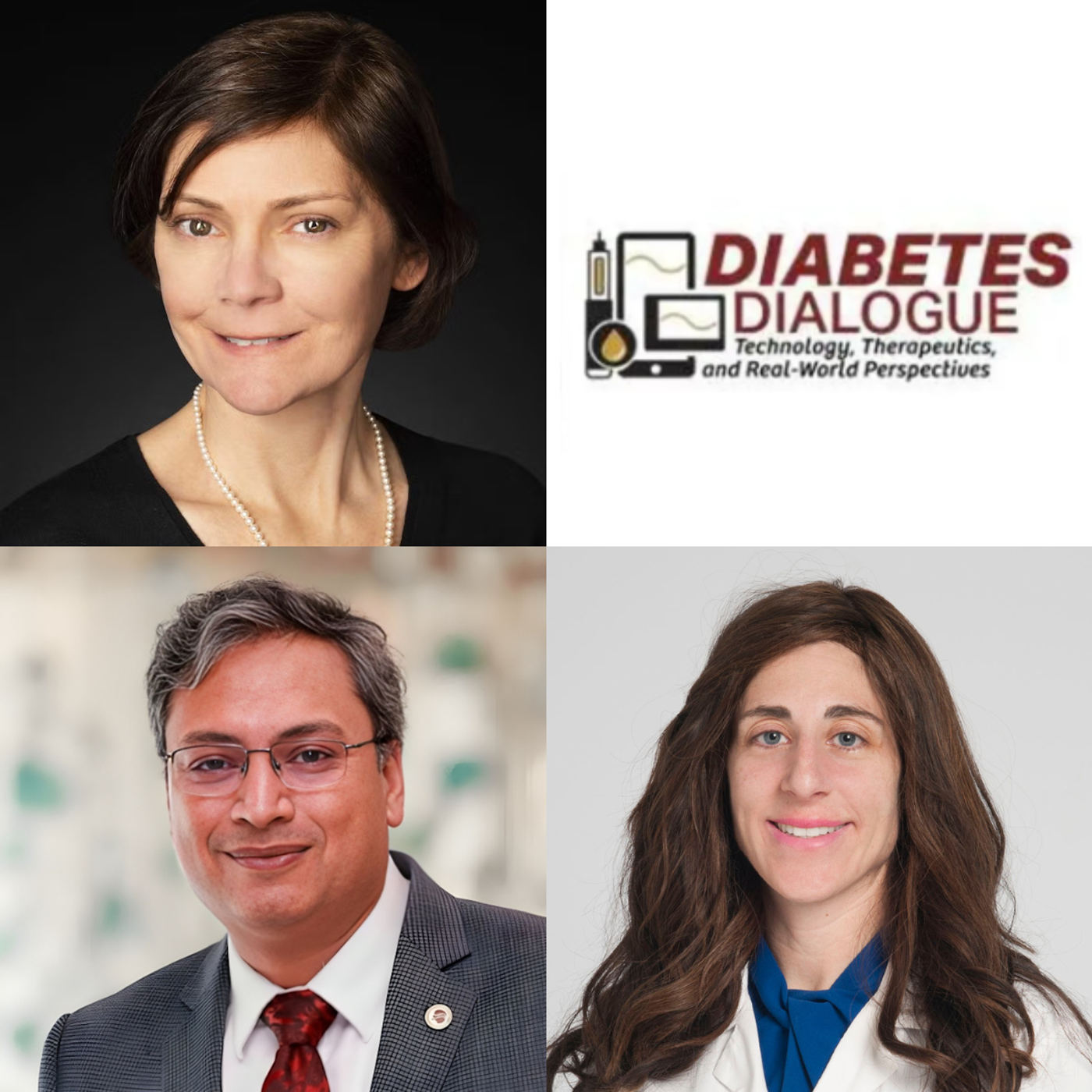 The International Diabetes Federation and Care Access in India, With Amit Gupta, MBBS, DNB 10.06.2026 17dkWelcome back to Diabetes Dialogue: Technology, Therapeutics, & Real-World Perspectives! In this special episode, shot live at the American Diabetes Association (ADA) Scientific Sessions 2026 in Ner Orleans, Louisiana, cohosts Diana Isaacs, PharmD, and Natalie Bellini, DNP, are joined by Amit Gupta, MBBS, DNB, diabetologist, executive director of the Global Metabolic Health Alliance, and chair of the International Diabetes Federation (IDF) Education Committee, to discuss the state of diabetes care and treatment in India compared to the US.To begin the episode, Gupta introduces the mission of the IDF, highlighting its role as a worldwide federation of scientific societies and patient organizations focused on improving diabetes education, policy, advocacy, and access to care. The conversation explores how diabetes management differs across regions, emphasizing that while the underlying disease mechanisms and available therapies may be similar, access to medications, technologies, healthcare infrastructure, and education varies significantly between countries.Gupta discusses the impact of semaglutide becoming available as a generic therapy in India following patent expiration, describing how reduced costs have improved access to a medication previously limited by affordability barriers. The group considers how increased availability of GLP-1 receptor agonists may transform diabetes and obesity management, while also emphasizing that pharmacologic therapies alone cannot address the global metabolic health crisis. Gupta notes the importance of maintaining focus on long-term lifestyle changes, including nutrition, physical activity, and sustainable weight management, as essential components of comprehensive care.The discussion then shifts to diabetes education and the need for more individualized, patient-centered approaches. Gupta highlights that education must be adapted to regional and cultural contexts, explaining that the challenges faced by a person with diabetes in the United States, Africa, India, or other parts of the world may differ substantially, even though diabetes distress and the burden of daily decision-making are shared experiences. He emphasizes that access to technology, such as continuous glucose monitoring, does not eliminate the need for education and support.Isaacs, Bellini, and Gupta also address the growing challenge of misinformation online and the role of healthcare professionals in helping patients navigate unreliable sources of health information. Gupta explains that clinicians must approach misinformation constructively by providing evidence-based guidance rather than simply dismissing patients’ beliefs, reinforcing the importance of translating scientific evidence into practical recommendations that patients can incorporate into their daily lives.The group further examines disparities in the availability of diabetes educators worldwide. Gupta notes that while some regions have established professional pathways for diabetes care and education specialists, many areas lack standardized training, recognition, or policy support to sustain these roles. He stresses that building effective diabetes education systems requires collaboration with policymakers to demonstrate the long-term benefits of structured education programs.The episode concludes with Gupta discussing his work developing a global consensus framework on lifestyle as the foundation of metabolic health. The conversation reinforces that advances in medications and technology must be paired with equitable access, effective education, and sustainable lifestyle interventions to reduce the global burden of diabetes and improve outcomes for people living with metabolic conditions.Editors’ Note: Isaacs reports disclosures with Dexcom, Abbott, Lilly, Novo Nordisk, Medtronic, Insulet, and others. Bellini reports disclosures with Abbott Diabetes Care, MannKind, Povention Bio, and others. Gupta reports disclosures with Lilly, Abbott Diabetes, and the International Diabetes Federation.
 -
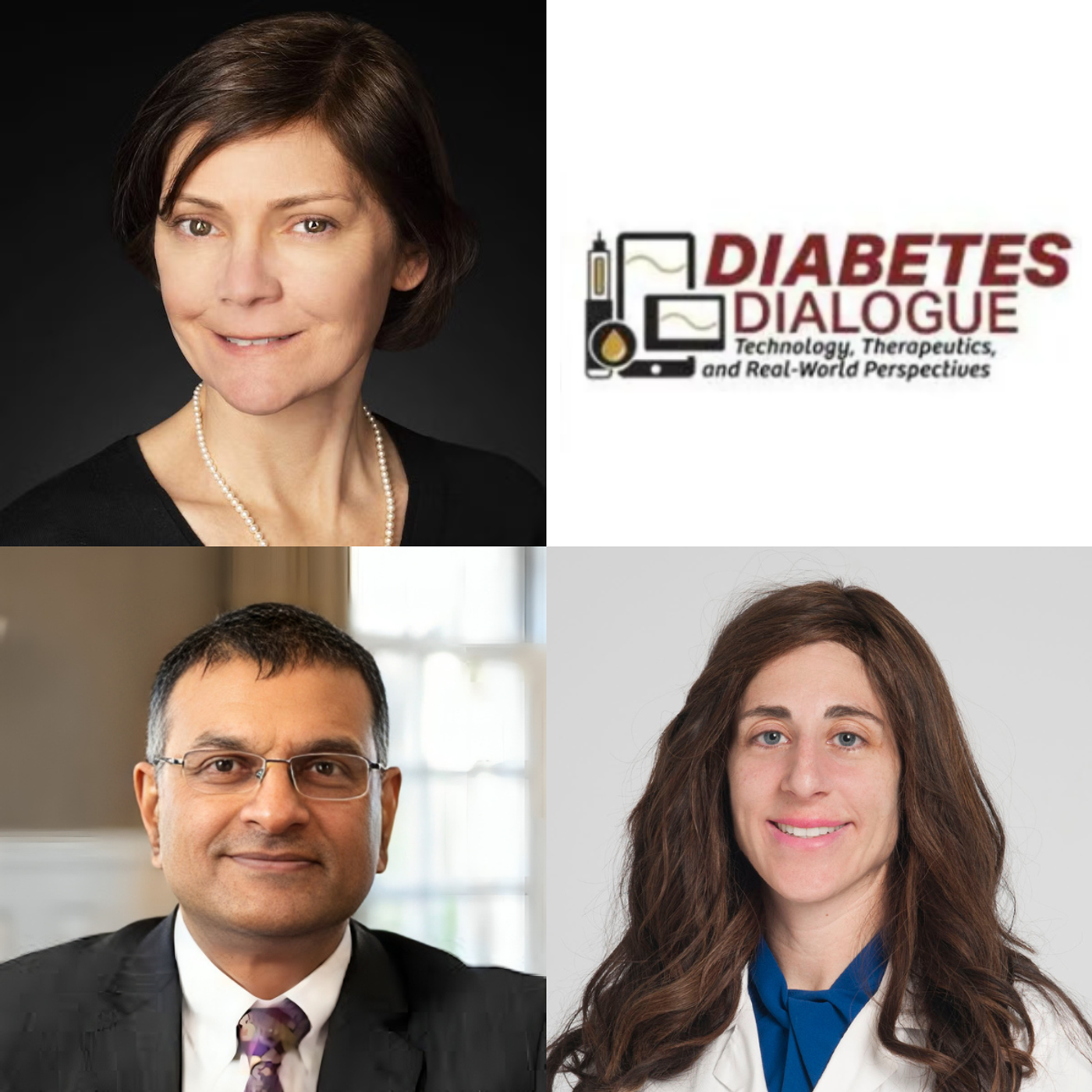 Diabetes Technology and Treatment in the UK, With Ketan Dhatariya, MD, PhD, MS 08.06.2026 28dkWelcome back to Diabetes Dialogue: Technology, Therapeutics, & Real-World Perspectives!In this special episode recorded live at the American Diabetes Association (ADA) Scientific Sessions 2026 in New Orleans, Louisiana, cohosts Diana Isaacs, PharmD, and Natalie Bellini, DNP, welcome Ketan Dhatariya, MD, PhD, MS, consultant physician at Norfolk and Norwich University Hospitals, to discuss the evolving landscape of diabetes care, technology access, and clinical implementation. To begin the episode, Dhatariya shares his perspective on the challenges facing diabetologists, including workforce pressures, specialist training, and the difficulty of translating rapidly expanding diabetes guidelines and innovations into everyday clinical practice. The conversation then shifts to the differences between healthcare systems and how those structures influence access to diabetes therapies. Dhatariya discusses the UK’s publicly funded healthcare model and the ongoing challenge of balancing the cost of emerging medications and technologies with their long-term benefits. He highlights the importance of demonstrating that investments in diabetes care today can reduce complications and healthcare costs in the future.Dhatariya then reviews the progress of continuous glucose monitoring (CGM) and automated insulin delivery (AID) adoption in the UK. He explains that CGM use among people with type 1 diabetes has become widespread, particularly among children, and that access to closed-loop systems continues to expand through structured implementation plans. He emphasizes the meaningful improvements these technologies have provided, including better glycemic outcomes among children and pregnant individuals, who may experience significant benefits from improved glucose management.The discussion explores how diabetes technology can support people with different lifestyles and challenges, while challenging assumptions about which patients may benefit most from advanced therapies. Dhatariya highlights that CGM and AID can provide valuable support for individuals who may struggle with traditional insulin management, while also emphasizing the need for appropriate education and follow-up to ensure safe and effective use.The group also discusses CGM use in type 2 diabetes and the growing evidence supporting broader access. Dhatariya explains that adoption has been slower because of the larger population affected by type 2 diabetes but notes emerging data suggesting CGM may help reduce complications, hospitalizations, and long-term healthcare costs. He describes the impact of seeing real-time glucose data, explaining how personal experience with CGM can help people better understand the relationship between food, behavior, and glucose patterns.The conversation then turns to access to GLP-1 receptor agonists in the UK and how healthcare systems determine eligibility for newer therapies. Dhatariya discusses the role of national guidance and health economic evaluations in balancing access, affordability, and sustainability. He highlights how improving obesity-related disease management may have broader benefits, including helping reduce the burden of diabetes, cardiovascular disease, and other chronic conditions.The episode also explores inpatient diabetes care and the increasing presence of diabetes technology in hospital settings. Dhatariya discusses guidance developed by the Joint British Diabetes Societies for Inpatient Care to help clinicians safely manage patients admitted while using CGM, insulin pumps, and AID systems. He emphasizes that devices should not automatically be removed and that patients may be able to continue using technology when they are well enough and capable of managing their systems.Finally, Dhatariya discusses the importance of structured diabetes education, including the DAFNE (Dose Adjustment For Normal Eating) program, which teaches carbohydrate counting, insulin adjustment, and self-management skills. He emphasizes that as diabetes technology becomes more advanced, education remains essential for both patients and clinicians. The episode concludes with a discussion of the need for continued advocacy, specialist care, and equitable access to ensure people with diabetes can benefit from ongoing advances in diabetes technology.Editors’ Note: Isaacs reports disclosures with Dexcom, Abbott, Lilly, Novo Nordisk, Medtronic, Insulet, and others. Bellini reports disclosures with Abbott Diabetes Care, MannKind, Povention Bio, and others. Dhatariya reports disclosures with AstraZeneca, Boehringer Ingelheim, Eli Lilly, and Novo Nordisk.
 -
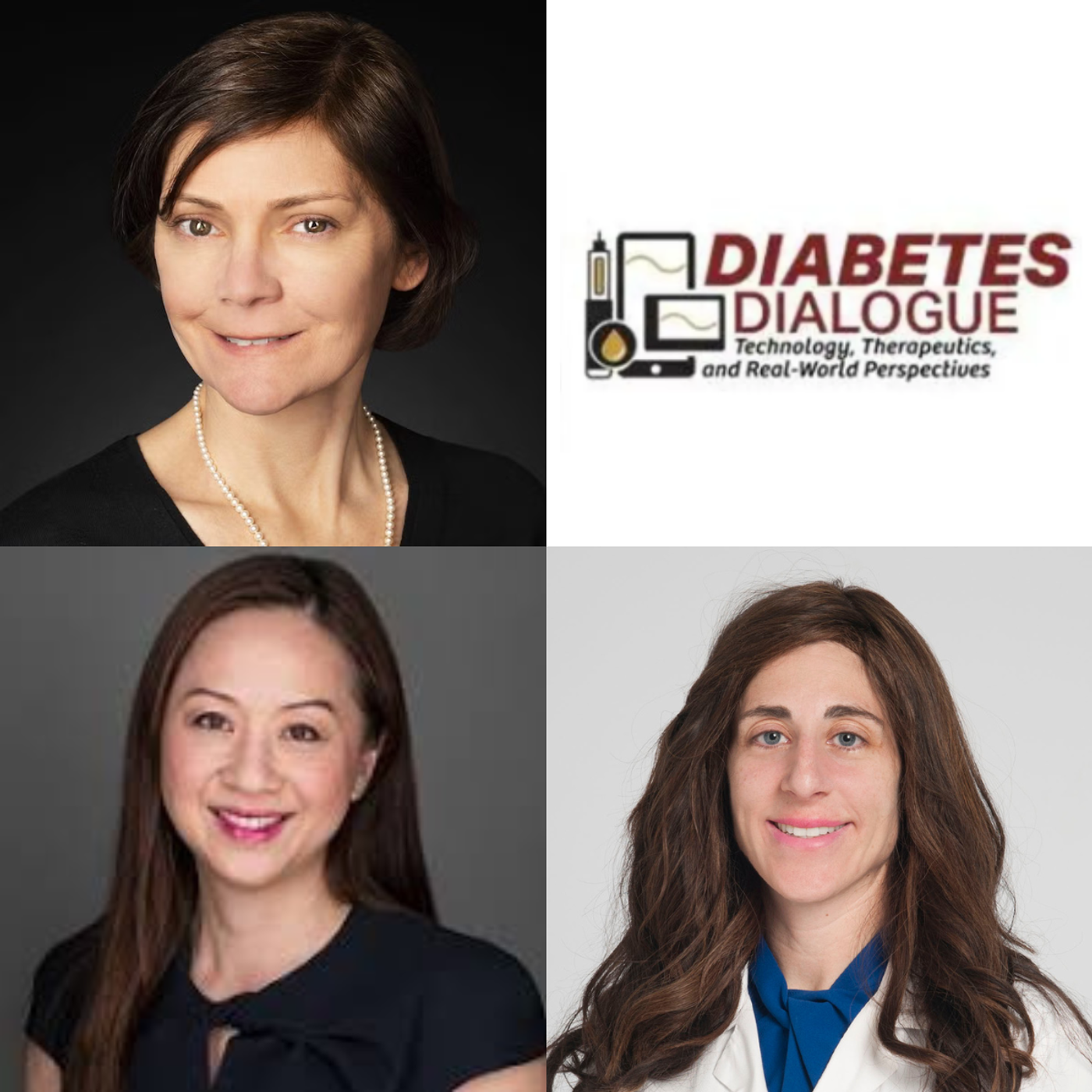 Omnipod and AID Advancements at Insulet, With Trang Ly, PhD, MBBS 08.06.2026 23dkWelcome back to Diabetes Dialogue: Technology, Therapeutics, & Real-World Perspectives!In this special episode recorded live at the American Diabetes Association (ADA) Scientific Sessions 2026 in New Orleans, Louisiana, cohosts Diana Isaacs, PharmD, and Natalie Bellini, DNP, welcome Trang Ly, PhD, MBBS, senior vice president and Chief Medical Officer at Insulet, to discuss the continued evolution of automated insulin delivery (AID) technology and emerging developments across the Omnipod platform. To begin the episode, Ly first reviews updates to Omnipod 5, focusing on enhancements aimed at increasing time in automated mode and improving glucose management. She explains that user feedback identified opportunities to support lower glucose targets and reduce interruptions related to system alerts. Data from real-world evidence and computer simulations suggest that lowering the glucose target from 110 to 100 mg/dL may lead to meaningful improvements in time in range and time in tight range without increasing hypoglycemia risk.The group discusses early clinical experience with these enhancements, including findings from users who transitioned to the updated system. Ly highlights that even a highly engaged population already using lower targets experienced additional improvements, including a 2% increase in time in range and a 5% increase in time in tight range over a short period of use. The conversation emphasizes the importance of making these improvements broadly available rather than waiting for routine follow-up visits, particularly given the potential benefits without additional safety concerns.The discussion then turns to Omnipod 6, with Ly sharing newly presented clinical trial data evaluating the next-generation system. She describes the study design, which enrolled users already achieving strong glycemic control on Omnipod 5 and assessed whether further intensification through algorithm improvements could safely provide additional benefits. The results demonstrated a 4% improvement in time in range and up to a 7% increase in time in tight range, with particularly notable improvements among individuals with type 1 diabetes aged 14 years and older.Ly explains that Omnipod 6 builds on previous technology through changes to the core algorithm, allowing the system to deliver more insulin when users do not bolus consistently. The panel explores how this approach may reduce the burden of diabetes management by allowing the algorithm to take on more responsibility while maintaining glycemic control. They discuss the potential psychological benefits of reducing the daily demands placed on people with diabetes, especially as sensor accuracy and automation continue to improve.The conversation also highlights future opportunities for AID in type 2 diabetes. Ly shares early feasibility data from a fully closed-loop system designed specifically for individuals with type 2 diabetes, emphasizing its simplified approach without requiring traditional pump programming or meal bolusing. In this study, participants experienced improvements in time in range, demonstrating the potential for automated insulin delivery to reach broader populations.Isaacs and Bellini discuss the need to reconsider barriers to insulin pump adoption in type 2 diabetes and recognize AID as an accessible option for patients who may benefit. Ly emphasizes that technology should support people across different levels of engagement, offering both highly customizable systems for those seeking intensive management and simpler automated approaches for those looking to reduce daily treatment demands.The episode concludes with a discussion of the future of diabetes technology, including improved connectivity, expanded device flexibility, and continued integration with complementary therapies such as GLP-1 receptor agonists. Ly underscores that innovation should not only improve clinical outcomes but also reduce the burden of care, allowing people with diabetes to spend less time managing their condition and more time living their lives.Editors’ Note: Isaacs reports disclosures with Dexcom, Abbott, Lilly, Novo Nordisk, Medtronic, Insulet, and others. Bellini reports disclosures with Abbott Diabetes Care, MannKind, Povention Bio, and others. Ly reports a disclosure with Insulet.References1: Insulet. Insulet Reveals New Data Supporting Breakthrough Omnipod 6 and Fully Closed-Loop AID Systems Designed to Improve Outcomes, Reduce Effort, and Unlock Barriers to Care. June 6, 2026. Accessed June 7, 2026. https://investors.insulet.com/news/news-details/2026/Insulet-Reveals-New-Data-Supporting-Breakthrough-Omnipod-6-and-Fully-Closed-Loop-AID-Systems-Designed-to-Improve-Outcomes-Reduce-Effort-and-Unlock-Barriers-to-Care/default.aspx
 -
 The ADA’s Statement on Diabetes Tech Integration, With Eugene Wright Jr., MD 06.06.2026 24dkWelcome back to Diabetes Dialogue: Technology, Therapeutics, & Real-World Perspectives!In this special episode recorded on-site at the American Diabetes Association (ADA) Scientific Sessions 2026 in New Orleans, Louisiana, cohosts Diana Isaacs, PharmD, and Natalie Bellini, DNP, welcome Dr. Eugene Wright Jr., MD, the principal of Wright Health Care Solutions and a consulting associate in the department of medicine at Duke University Medical Center, to discuss the development of the ADA scientific statement on diabetes technology implementation in primary care. To begin the episode, Wright reflects on his career as an internist caring for patients with diabetes across diverse settings, including underserved communities where patients often faced significant barriers to accessing care. He describes how his experiences challenged assumptions about which patients would benefit from diabetes technology, noting that many under-resourced patients demonstrated strong engagement and improved self-management when given access to tools such as continuous glucose monitoring (CGM).The discussion focuses on the origins of the ADA scientific statement, which emerged from efforts to identify and overcome barriers limiting the adoption of diabetes technology in primary care. Wright explains that while diabetes technology has demonstrated significant benefits in improving outcomes and patient behaviors, implementation has remained slow in the settings where most people with diabetes receive care. The statement brought together key stakeholders, including clinicians, pharmacists, diabetes care and education specialists, patient representatives, and other experts, to develop practical strategies addressing policy, insurance, workflow, and clinical challenges.Isaacs, Bellini, and Wright explore how CGM can be successfully integrated into primary care by shifting the focus from simply providing access to using data effectively. Wright emphasizes that CGM and ambulatory glucose profile (AGP) reports allow clinicians to transform complex glucose data into actionable insights, helping identify patterns that may not be captured through A1C measurements or traditional glucose monitoring. The group discusses how CGM enables clinicians to ask better questions, uncover barriers to treatment, and engage patients in collaborative conversations without judgment.The hosts highlight the importance of building sustainable workflows, including preparing AGP reports before visits, assigning responsibilities across the care team, and identifying technology champions within practices. Wright explains that successful implementation requires recognizing the unique needs and resources of each primary care setting rather than applying a single model. They discuss the role of telehealth, clinical pharmacists, medical assistants, and other team members in supporting CGM initiation, interpretation, and ongoing management. The conversation also addresses how partnerships with technology manufacturers can simplify onboarding, training, troubleshooting, and patient support.The discussion then expands to insulin pumps and automated insulin delivery systems, with the group noting how advances in technology have reduced complexity and made these therapies more accessible for people with type 2 diabetes. Wright describes how newer systems can help reduce the daily burden of diabetes management by automating adjustments and supporting patients in achieving their goals. The hosts emphasize that diabetes care should move beyond focusing only on glucose metrics and instead consider the lived experience of patients, including the constant decision-making and emotional burden associated with managing diabetes.The episode concludes with a broader call to action for expanding access to diabetes technology across all healthcare settings. Wright emphasizes that many patients do not have access to endocrinology care but still deserve the benefits of modern diabetes tools. The scientific statement represents the beginning of an ongoing effort to improve implementation, strengthen collaboration among stakeholders, and ensure that diabetes technology reaches all patients who can benefit from it.Editors’ Note: Isaacs reports disclosures with Dexcom, Abbott, Lilly, Novo Nordisk, Medtronic, Insulet, and others. Bellini reports disclosures with Abbott Diabetes Care, MannKind, Povention Bio, and others. Wright Jr. reports disclosures with Abbott Diabetes, Bayer AG, Boehringer Ingelheim, Lilly, and Sanofi.ReferencesSection 7: Diabetes technology. Diabetes Obesity and Cardiometabolic CARE. Published online March 23, 2026. doi:10.2337/doc26-a007
 -
FDA Approves Afrezza Inhaled Insulin for Pediatric Patients 29.05.2026 11dkWelcome back to Diabetes Dialogue: Technology, Therapeutics, & Real-World Perspectives!In this episode, cohosts Diana Isaacs, PharmD, and Natalie Bellini, DNP, discuss the recent FDA approval of MannKind’s inhaled insulin Afrezza for pediatric patients aged 6 years and older with both type 1 and type 2 diabetes, describing the decision as a major milestone in diabetes therapeutics and the first expansion of the therapy beyond adults. The episode centers on the clinical implications of the approval, the pharmacologic advantages of inhaled insulin, and the practical considerations surrounding implementation in pediatric care settings.The hosts review findings from the INHALE-1 trial, which enrolled 230 pediatric participants aged 4 to 17 years and compared inhaled insulin used alongside basal insulin with standard multiple daily injection (MDI) therapy over 56 weeks. Bellini emphasizes that the study achieved its primary objective of demonstrating glycemic outcomes comparable to traditional insulin regimens, noting that insulin studies are generally designed to establish equivalence rather than superiority. Beyond similar glycemic control, the hosts highlight several clinically meaningful secondary observations, including stable BMI among participants receiving inhaled insulin compared with weight gain in the MDI cohort, increased treatment satisfaction reported by both adolescents and parents of younger children, comparable hypoglycemia rates, and the absence of new safety concerns. Bellini also notes that no decline in lung function was observed among participants using inhaled insulin, despite historical concerns surrounding pulmonary safety with inhaled therapies.A major focus of the discussion is the physiologic pharmacokinetic profile of Afrezza, which Isaacs characterizes as the most physiologic insulin currently available. She explains that inhaled insulin demonstrates measurable activity within approximately 12 minutes, peaks within 35 to 45 minutes, and clears the bloodstream in roughly 90 minutes. The hosts contrast this with subcutaneous rapid-acting insulin analogs, including ultra-rapid formulations, which retain a prolonged “tail” of insulin activity that can increase hypoglycemia risk. Isaacs and Bellini suggest that the shorter duration of inhaled insulin may reduce the cycle of overtreating hypoglycemia and subsequent rebound hyperglycemia, thereby potentially contributing to the absence of weight gain observed in the trial. Bellini further emphasizes that the rapid onset and offset of inhaled insulin restore some of the flexibility and spontaneity often lost in intensive insulin therapy, particularly around meal dosing and correction strategies.The conversation also situates inhaled insulin within the broader framework of individualized diabetes management and the ADA Standards of Care. Isaacs stresses that the approval should not be viewed as competing with automated insulin delivery (AID) systems, but rather as expanding patient choice. The hosts discuss how inhaled insulin may be especially valuable for individuals who do not wish to wear insulin pumps, desire periodic breaks from technology, or want to reduce the burden of injections. Isaacs additionally highlights the growing prevalence of pediatric type 2 diabetes and notes that, despite advances in incretin-based therapies, many youth still require insulin therapy. In that context, the possibility of pairing inhaled mealtime insulin with emerging once-weekly basal insulin formulations and GLP-1 receptor agonists is presented as a potentially transformative strategy for minimizing injection burden.Bellini and Isaacs also address practical implementation challenges within school settings. Because inhaled insulin acts rapidly, Bellini notes that administration timing may need to shift from the nurse’s office to the cafeteria environment to avoid hypoglycemia if meals are delayed. At the same time, both hosts recognize that the flexibility of postprandial dosing could offer advantages for children with inconsistent eating patterns or concerns about privacy surrounding insulin administration. They further discuss the utility of inhaled insulin for rapid glucose corrections, noting that additional doses can be administered far sooner than with traditional injected rapid-acting insulin.The episode concludes with discussion of anticipated affordability initiatives from MannKind Corporation, including bridge programs designed to improve early access and reduce financial barriers to therapy. Isaacs and Bellini commend the company’s efforts to secure pediatric approval and express optimism that broader availability of inhaled insulin will expand individualized treatment options, improve patient satisfaction, and enhance quality of life for children and adolescents living with diabetes.Editors’ Note: Isaacs reports disclosures with Dexcom, Abbott, Lilly, Novo Nordisk, Medtronic, Insulet, and others. Bellini reports disclosures with Abbott Diabetes Care, MannKind, Povention Bio, and others.References1: HOLDER
-
CKM Systems, Triple Agonists, and a Sensor Scandal Ahead of ADA 28.05.2026 18dkWelcome back to Diabetes Dialogue: Technology, Therapeutics, & Real-World Perspectives!In this episode, cohosts Diana Isaacs, PharmD, and Natalie Bellini, DNP, discuss several major developments in diabetes technology and obesity therapeutics, beginning with Abbott’s announcement that its dual glucose-ketone monitoring systems, Libre Duo and Libre Duo 10 Day, have received CE mark approval in Europe. The hosts describe the devices as the first continuous glucose-ketone monitors capable of simultaneously measuring glucose and ketone levels through a single wearable sensor, with real-time ketone monitoring intended to identify rising risk for diabetic ketoacidosis (DKA). Bellini explains the rationale for separate 15-day adult and 10-day pediatric sensors, noting higher sensor failure rates and greater activity levels in children. Both hosts emphasize the potential clinical significance of continuous ketone monitoring, particularly for individuals with type 1 diabetes (T1D) using insulin pumps, where interruptions in insulin delivery can rapidly precipitate DKA.The discussion further explores how continuous ketone monitoring may expand the safe use of SGLT2 inhibitors in people with T1D and other high-risk populations. Bellini highlights concerns surrounding euglycemic DKA associated with SGLT2 inhibitor therapy and suggests that continuous ketone data could help clinicians identify susceptible individuals earlier, potentially enabling safer and more individualized dosing strategies. Isaacs underscores the limitations of current ketone testing methods, particularly urine ketone testing, which she characterizes as outdated and insufficient for modern diabetes management. The hosts also review additional patient populations that may benefit from continuous ketone monitoring, including individuals with recurrent DKA, pediatric patients with highly variable glycemic patterns, and hospitalized patients at elevated risk for ketosis due to prolonged fasting or treatment interruptions.Isaacs and Bellini also consider practical questions surrounding implementation, including reimbursement, cost, workflow integration, and compatibility with automated insulin delivery systems. They discuss whether continuous ketone monitoring could eventually become standard of care in T1D and debate the broader implications of widespread ketone data availability, including potential consumer interest outside traditional diabetes populations. Both hosts stress the importance of prioritizing access for patients at highest risk for DKA while acknowledging that broader adoption could reshape diabetes monitoring paradigms similarly to the evolution of continuous glucose monitoring.The episode then turns to recent reports involving Dexcom sensors that were reportedly stolen after being removed from the manufacturing process for quality concerns. Bellini explains that some of the affected sensors may not have completed sterility and quality assurance procedures before entering secondary markets. The hosts caution clinicians to review affected lot numbers and encourage ongoing vigilance until additional information becomes available. They also discuss the challenges of communicating recalls and safety alerts directly to patients, particularly for users relying on standalone receivers that may not connect to cloud-based notification systems.Finally, Isaacs and Bellini review newly released topline results from the phase 3 TRIUMPH-1 trial evaluating retatrutide, Lilly’s investigational triple agonist targeting GLP-1, GIP, and glucagon receptors. Bellini summarizes findings demonstrating substantial weight reduction among adults with obesity or overweight without diabetes, including mean weight loss exceeding 28% at 80 weeks and continued weight reduction through 104 weeks without evidence of plateau. The hosts note that nearly half of participants achieved at least 30% weight loss, approaching outcomes historically associated with bariatric surgery. They also highlight low discontinuation rates and discuss the implications of future TRIUMPH studies evaluating retatrutide in patients with type 2 diabetes and cardiovascular disease. Isaacs concludes that the emerging data signal a transformative shift in obesity treatment, with pharmacologic therapies increasingly approaching surgical efficacy and potentially reshaping long-term obesity management strategies.Editors’ Note: Isaacs reports disclosures with Dexcom, Abbott, Lilly, Novo Nordisk, Medtronic, Insulet, and others. Bellini reports disclosures with Abbott Diabetes Care, MannKind, Povention Bio, and others.
-
ADA Scientific Sessions 2026 Preview 18.05.2026 17dkWelcome back to Diabetes Dialogue: Technology, Therapeutics, & Real-World Perspectives!In this special in-studio episode of Diabetes Dialogue, cohosts Diana Isaacs, PharmD, and Natalie Bellini, DNP, reflect on major themes and anticipated developments ahead of the upcoming American Diabetes Association (ADA) Scientific Sessions 2026.The discussion opens with Bellini congratulating Isaacs on receiving the ADA Outstanding Educator in Diabetes Award, prompting a conversation centered on Isaacs’ forthcoming presentation, “Behind Every Number Is a Story: Transforming Diabetes Care and Education through Technology and Human Connection.” Isaacs reflects on the rapid evolution of diabetes technology over the last decade, from limited continuous glucose monitoring (CGM) access and the emergence of early automated insulin delivery (AID) systems to the integration of artificial intelligence into diabetes care, while emphasizing that successful care remains grounded in human connection and individualized patient experiences.The hosts then preview several therapeutic areas expected to dominate discussion at ADA, particularly the expanding pipeline of incretin-based therapies. Bellini and Isaacs discuss growing excitement surrounding GLP-1, GIP, and glucagon receptor agonists, including anticipated data from triple agonist agents such as retatrutide and emerging oral therapies like orforglipron. They highlight the significance of improved weight-loss efficacy in people with type 2 diabetes (T2D), broader cardiometabolic applications, and the increasing importance of treatment accessibility and affordability. The conversation also explores the expanding role of these therapies in addressing cardiovascular disease, chronic kidney disease, sleep apnea, osteoarthritis, and other obesity-related comorbidities.Technology advancements represent another major focus of the episode. Isaacs and Bellini discuss new CGM-driven insulin titration tools, including Dexcom’s Smart Basal feature, designed to address therapeutic inertia among people with T2D using basal insulin. They also examine the growing role of CGM in broader patient populations and discuss evolving ADA recommendations supporting CGM access for any individual likely to benefit from the technology. The hosts express particular enthusiasm for the anticipated arrival of continuous ketone monitoring, including dual glucose-ketone sensors, and consider how these devices may transform diabetic ketoacidosis prevention and patient education, particularly for individuals with type 1 diabetes (T1D).The conversation also highlights continued innovation in insulin delivery systems and connected diabetes devices. Isaacs and Bellini discuss progress toward fully closed-loop AID systems, including ongoing studies evaluating meal-unannounced insulin delivery in T2D. They review emerging insulin pump technologies from Medtronic, including updates to the MiniMed platform and the integration of connected insulin pen systems with real-time CGM data through the MiniMed Go app. The hosts emphasize the importance of preserving therapeutic choice for people who prefer injections over pump therapy or who seek temporary alternatives to wearable devices.Toward the conclusion of the episode, both hosts preview their own ADA presentations. Isaacs discusses an upcoming session on inhaled insulin that will use simulated patient scenarios to explore shared decision-making and individualized therapy selection. Bellini highlights her session focused on skin complications related to diabetes technologies, including allergic reactions and adhesive-related challenges that can interfere with sustained device use. Together, they underscore the importance of addressing practical barriers to technology adoption while continuing to expand therapeutic and technological options for people living with diabetes.Editors’ Note: Isaacs reports disclosures with Dexcom, Abbott, Lilly, Novo Nordisk, Medtronic, Insulet, and others. Bellini reports disclosures with Abbott Diabetes Care, MannKind, Povention Bio, and others.
Benzer podcastler


Şurada popüler
Bu podcast şu ülkelerin podcast listelerinde de yer alıyor.
