
Arquitetura Entre Vistas ABROAD
Ana Catarina Silva
0
Arquitetura Entre Vistas ABROAD é um podcast sobre arquitetura, apresentado por Ana Catarina Silva. Cada episódio explora um lugar diferente, sempre disponível no Spotify, Instagram e no site arquiteturaentrevistas.com. O podcast é publicado duas vezes por mês, no primeiro e terceiro sábados.
Bölümler
-
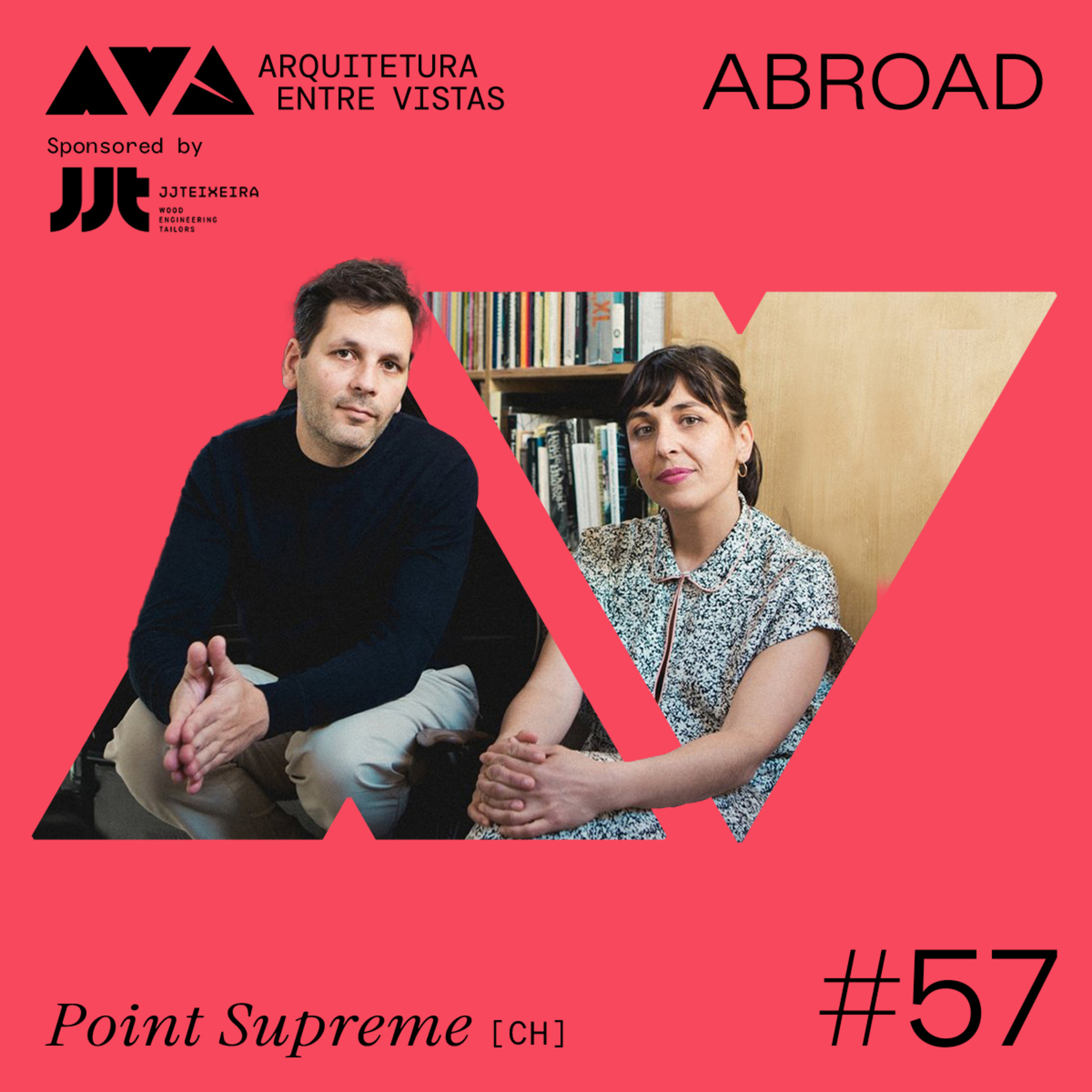 #57 Point Supreme (GR), Arquitetura Entre Vistas ABROAD 16.05.2026 51dkThis week we travel to Athens, Greece, to meet Konstantinos Pantazis, co-founder of Point Supreme, alongside Marianna Rentzou.They claim that “architects nowadays have forgotten their larger social role” as it is not just about buildings but the city as a whole. And yet, the city is not singular. “Cities are made out of all of us, our different beliefs and desires.”Their projects reflect this multiplicity and unfold as open systems.“Every project is like a sample of spaces, conditions, situations.” Not bound by scale. In fact, “we are not interested in any particular scale at all”, they say. But by the possibility of combining fragments, references, and realities. “We try to bring as much ideas, references and situations as possible.”This openness is also a way of testing clarity. “We want our proposals to be understood by our grandmothers.”This also extends to how they represent architecture. Their images are constructed worlds: collages of many painters, many photographs, many objects. “It’s not about aesthetics,” they insist. “It’s about allowing the viewer to be free from any particular association.”It is not about controlling meaning, but about constructing frameworks where meaning can emerge. A strategy not to explain too much but to open things up.Perhaps, in a time that struggles to imagine the future, their work doesn’t offer a single vision but something more collective: a space where many can emerge.Guest: Konstantinos Pantazis (Athens, Greece) Host: Ana Catarina Silva (Porto, Portugal)Upload your references to: arquiteturaentrevistas.com Spotify: Arquitetura Entre Vistas Instagram: @arquiteturaentrevistas
 -
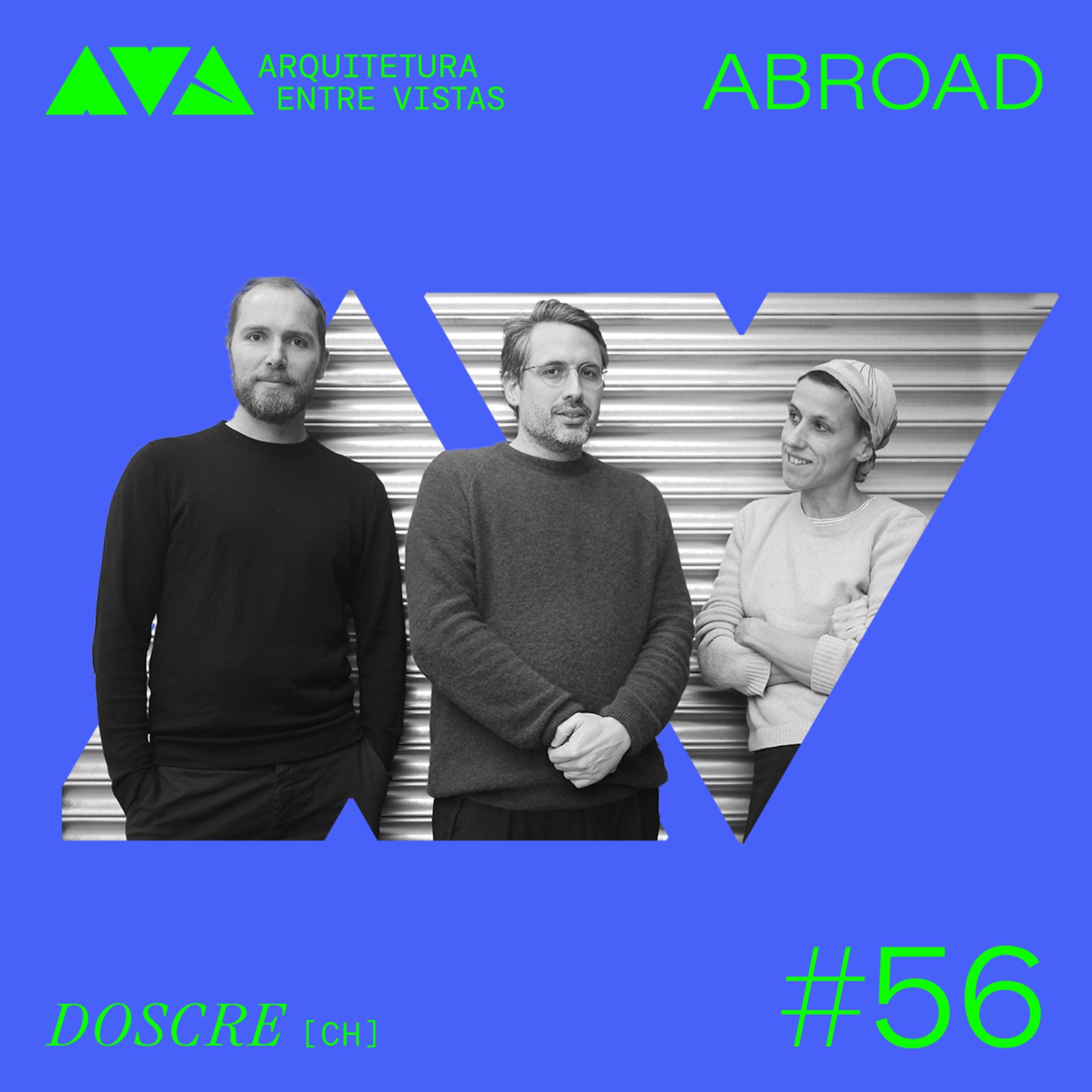 #56 DOSCRE (CH), Arquitetura Entre Vistas ABROAD 02.05.2026 49dkThis episode, we travel to Zurich, Switzerland, to meet Pablo Donet, who together with Tim Schäfer and Tanja Reimerfounded Donet Schäfer Reimer Architekten (DOSCRE) in 2018.Their work doesn’t begin with a manifesto. “It’s not about dogmas,” they say. “It’s things we find out by doing things.” Drawing becomes a way of thinking. “Only by drawing, and drawing and drawing again, you suddenly see something, and then you work on it.” Nothing is invented in isolation; everything is tested, evaluated, adapted.Housing is their main field of experimentation. Project after project, typologies multiply rather than stabilise. What some might call constraints become productive triggers: “we try to take the full potential out of these limitations.” Multiplicity is not a weakness but a strategy. “We always fail to choose one image that transports the whole project, there is too much multiplicity.” Columns, windows, colours, plans: differentiation allows architecture to absorb contradictions instead of resolving them too quickly.They speak of naivety as a tool, of identity elements as ways to compensate for what housing often lacks, and of Zurich as a place that appears progressive yet remains deeply conservative.“We don’t have a language yet,” they admit. “Sometimes I wish we had.”Perhaps the work lives precisely in that unresolved space.Guests: Pablo Donet, DOSCRE (Zurich, Switzerland)Host: Ana Catarina Silva (Porto, Portugal)Upload your references to: arquiteturaentrevistas.comSpotify: Arquitetura Entre VistasInstagram: @arquiteturaentrevistas
 -
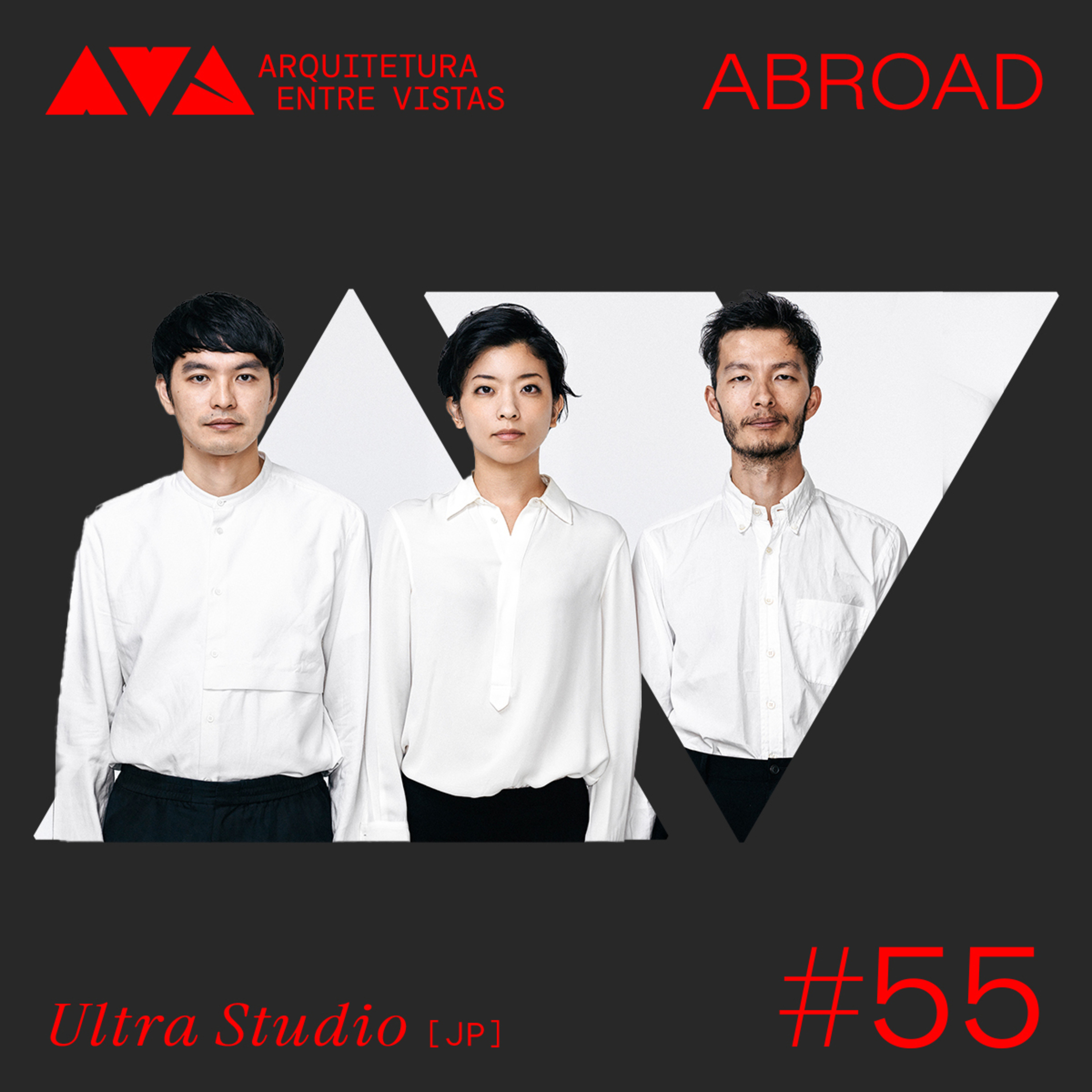 #55 ULTRA STUDIO (JP), Arquitetura Entre Vistas ABROAD 18.04.2026 40dkThis episode, we travel to Tokyo, Japan, to meet Yuji Mukaiyama, Alyssa Ueno and Yushi Sasada, founders of ULTRA STUDIO, established in 2018. As a young practice, they work from within contradiction; not to resolve it too quickly, but to let it shape the project.“The client always wants something contradictory,” they say. Between one demand and another, they search for a bridge. “We try to move from problem A to B, this is our design process and part of the identity of the result.” From these tensions, “we always find some kind of abstract form.The process begins with making. “In the beginning, we do a lot of models, some forms are very abstract.” Connections often emerge by coincidence. “The decision is not made by a master sketch; it’s something inside the process.” Keywords are shared, consensus slowly forms, and drawings evolve. “We are developing a new kind of drawing; not plan, section, or elevation, but something closer to an expanded elevation”. I’ll keep an eye on that. Who is with me?Their projects resist linear explanation. “We don’t have a step-by-step process. We jump in and understand it almost backwards.” What matters, in the end, is perception. “Architectural form should expand how people see - not only designers, but users and viewers.”Guests: Yuji Mukaiyama + Alyssa Ueno + Yushi Sasada (Tokyo, Japan)Host: Ana Catarina Silva (Porto, Portugal)Upload your references to: arquiteturaentrevistas.comSpotify: Arquitetura Entre VistasInstagram: @arquiteturaentrevistas
 -
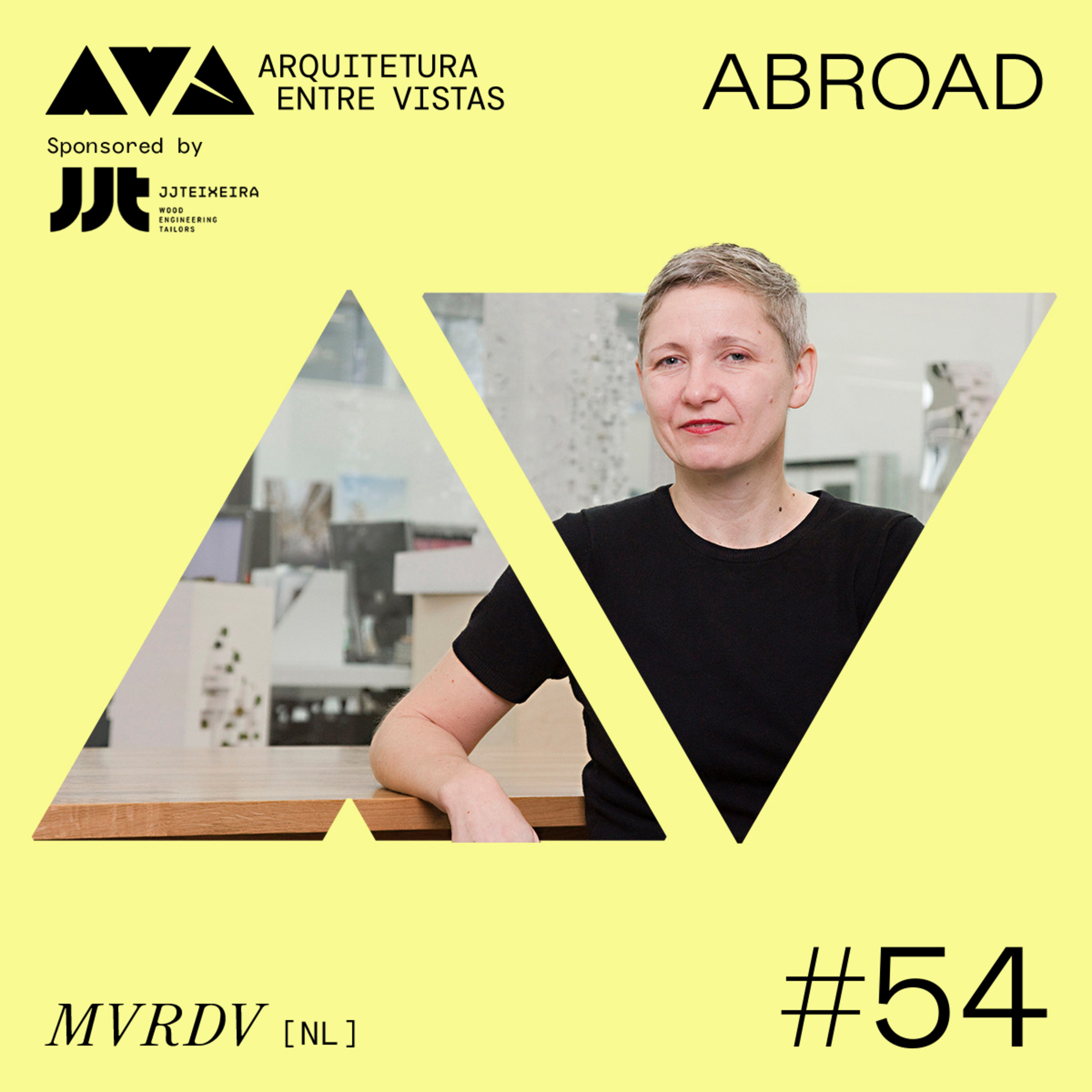 #54 MVRDV (NL), Arquitetura Entre Vistas ABROAD 04.04.2026 48dkToday, we travel to Rotterdam to meet Fokke Moerel, partner at MVRDV, a practice known for questioning limits, expanding what architecture can be, and asking, relentlessly: “why not?”.In their work, boundaries never arrive pre-set. “This kind of pre-set boundaries or rules is something that we don’t have.” Every project begins with orientation: “Where are we? First you have to understand where you are to know what you are going to react to.” And with awareness comes responsibility: “you are using a part of the planet, so you better use it well.”Themes in the office evolve constantly, “sometimes they age, but they never stay the same”.From rooftop landscapes to mirrored buildings that invite you to take a picture of the world rather than a selfie of yourself, MVRDV stretch the idea of what a building can host and who it can belong to.“When should you stop pushing?” they ask. “Where can we go even further?” The Depot in Rotterdam answers this directly: an archive once thought to be only 20% accessible is now 95% open to the public; a building unafraid of its own “objectness” and iconicity.After all, using Fokke words, architecture is about “celebrating every piece of life.”Cheers to that.Guest: Fokke Moerel, MVRDV (Rotterdam, Netherlands)Host: Ana Catarina Silva (Porto, Portugal)This episode is sponsored by J&J Teixeira. Upload your references to: arquiteturaentrevistas.comSpotify: Arquitetura Entre VistasInstagram: @arquiteturaentrevistas
 -
 #53 SUMMACUMFEMMER (DE), Arquitetura Entre Vistas ABROAD 21.03.2026 39dkToday, we travel to Leipzig, Germany, to meet Anne Femmer and Florian Summa, founders of SUMMACUMFEMMER. Their work resists distance - between drawing and construction, theory and action, doubt and decision. “We like that there is a much deeper connection between planning and actually building it.”Architecture, for them, begins with questions. “The question is: how many questions can you take and tackle at one time?” They embrace uncertainty as a tool, not an obstacle. “Not knowing the correct answer is often more interesting… there are more and more doubts in our thinking.”Between the desk and the site, they move freely. “We have this freedom to choose whether we are on the desk or on site.” In that movement, they find clarity and, sometimes, surprise. “Is it still a model or is it already reality?”They make a disclaimer: “It’s important not to mistake it for a DIY attitude”, as they are interested in seeing the professional side of architecture getting into these questions.Actually, they mix life and work seamlessly: they have an office, they teach together, they are a couple, they have kids together. “I thought the architecture profession was a space of a its own”; they say, “I didn't realise it was connected to so many other things in the world.”Guests: Anne Femmer + Florian Summa (Leipzig, Germany)Host: Ana Catarina Silva (Porto, Portugal)Upload your references to: arquiteturaentrevistas.comSpotify: Arquitetura Entre VistasInstagram: @arquiteturaentrevistas
 -
 #52 MacIver-ek Chevroulet (CH), Arquitetura Entre Vistas ABROAD 07.03.2026 43dkThis week, we travel to Neuchâtel, Zurich and Lausanne to meet Anna MacIver-ek and Axel Chevroulet, the duo behind MacIver-ek Chevroulet. Their practice seeks “precision as a tool to achieve an architecture sensitive to its context and generous to its users” - yet for them, precision is inseparable from freedom.Where lies the balance between control and release? “Sometimes you go to the toilet and when you come back, things have been decided.” Architecture, after all, is a shared process - unpredictable, collective, and alive.“We started to learn to love this idea of constraints.” Limits, they say, are fertile ground - shaping creativity rather than restricting it. That is how breaking down, reassembling, and connecting become part of their design language, almost “like a motor, you can tear the buildings apart and reuse certain elements.”They are fascinated by connections, both literal and conceptual. “The connections used to be in the center of architecture but disappeared with the use of concrete that is able to hide all the connections.” What was once visible became hidden, and they seek to bring that clarity back: “Screwing, nailing, or simply placing one thing on top of another. (…) Making knots is insanely efficient. (…) We’re hoping to use magnets soon.”“You need to have freedom in every scale of representation… everything works in a sketch and nothing works in a sketch.” Between drawings, models, and images, they navigate multiple kinds of precision. “No medium is less precise than another; it is just another type of precision.”“It’s part of the job to be lost,” they say.But fear not, “if you have the right process, somehow, you will find a way through.”Guests: Anna MacIver-ek + Axel Chevroulet (Neuchâtel + Zurich + Lausanne, Switzerland)Host: Ana Catarina Silva (Porto, Portugal)
 -
 #51 Olsson Lyckefors Arkitekter (SE), Arquitetura Entre Vistas ABROAD 21.02.2026 58dkThis week, we travel to Gothenburg and Stockholm, Sweden, to meet Johan Olsson and Andreas Lyckefors, co-founders of Olsson Lyckefors Arkitekter. Together since 2005, they lead a practice of around thirty architects and interior designers — and three dogs.For them, each project is unique — “a unique period of time, a unique client, a unique place.” What carries through from one work to another is not a style, but a method: “of course we have things that continue from project to project, but that has more to do with methods than the outcome.”They refuse the idea of a fixed aesthetic. “It would be unrespectful to keep an aesthetics over and above everything we do.”, they say. Architecture, for them, begins with listening: “listening is gold. Talking is silver.”To embrace change, to adapt, to extract meaning from constraints, this is their way of working. “In the future we will do architecture in a way we don’t know yet. We cannot be stuck in preconceived ways of doing things.”Guests: Johan Olsson + Andreas Lyckefors (Gothenburg + Stockholm, Sweden)Host: Ana Catarina Silva (Porto, Portugal)This episode is sponsored by J&JTeixeira.Upload your references to: arquiteturaentrevistas.comSpotify: Arquitetura Entre VistasInstagram: @arquiteturaentrevistas
 -
 #50 AMUNT (DE), Arquitetura Entre Vistas ABROAD 07.02.2026 46dkThis week, we travel to Aachen and Stuttgart to meet AMUNT, founded in 2009 by Björn Martenson, Sonja Nageland Jan Theissen.AMUNT reinvent the existing. They pay attention to the quirky, the overlooked, the oddly specific. “There are ideas in these quirky things, that’s why we collect them.” But collecting is only the beginning. For AMUNT, these observations become operative: “to transfer means the possibility to bring something new to the vocabulary of architecture”. I agree.Each project begins with context - not as something given, but as something constructed. “Everybody can create their own context… you design what you think is your context.” This openness also allows for letting go: “at some point, it becomes the client’s project on the inside, and we let go”. Wise.Constraints play a central role. “We like to take benefits out of constraints… these constraints form a kind of character”. Within limits, they find freedom. “It helps you to find, in the sea of possibilities, a solution that is not just based on taste (…) If we have at least 2 reasons for something, then it’s really good”.In the end, everything has a character: imperfect, specific, quietly alive…waiting to be found.Guests: Björn Martenson + Sonja Nagel + Jan Theissen (Aachen + Stuttgart, Germany)Host: Ana Catarina Silva (Porto, Portugal)Upload your references to: arquiteturaentrevistas.comSpotify: Arquitetura Entre VistasInstagram: @arquiteturaentrevistas#ArquiteturaEntreVistasABROAD #ArquiteturaEntreVistas #AMUNT #ArchitecturePodcast #ContemporaryArchitecture #GermanArchitecture #DesignProcess #ArchitecturalThinking #ReinventingTheExisting #ArchitecturalContext #ArchitectureLovers
 -
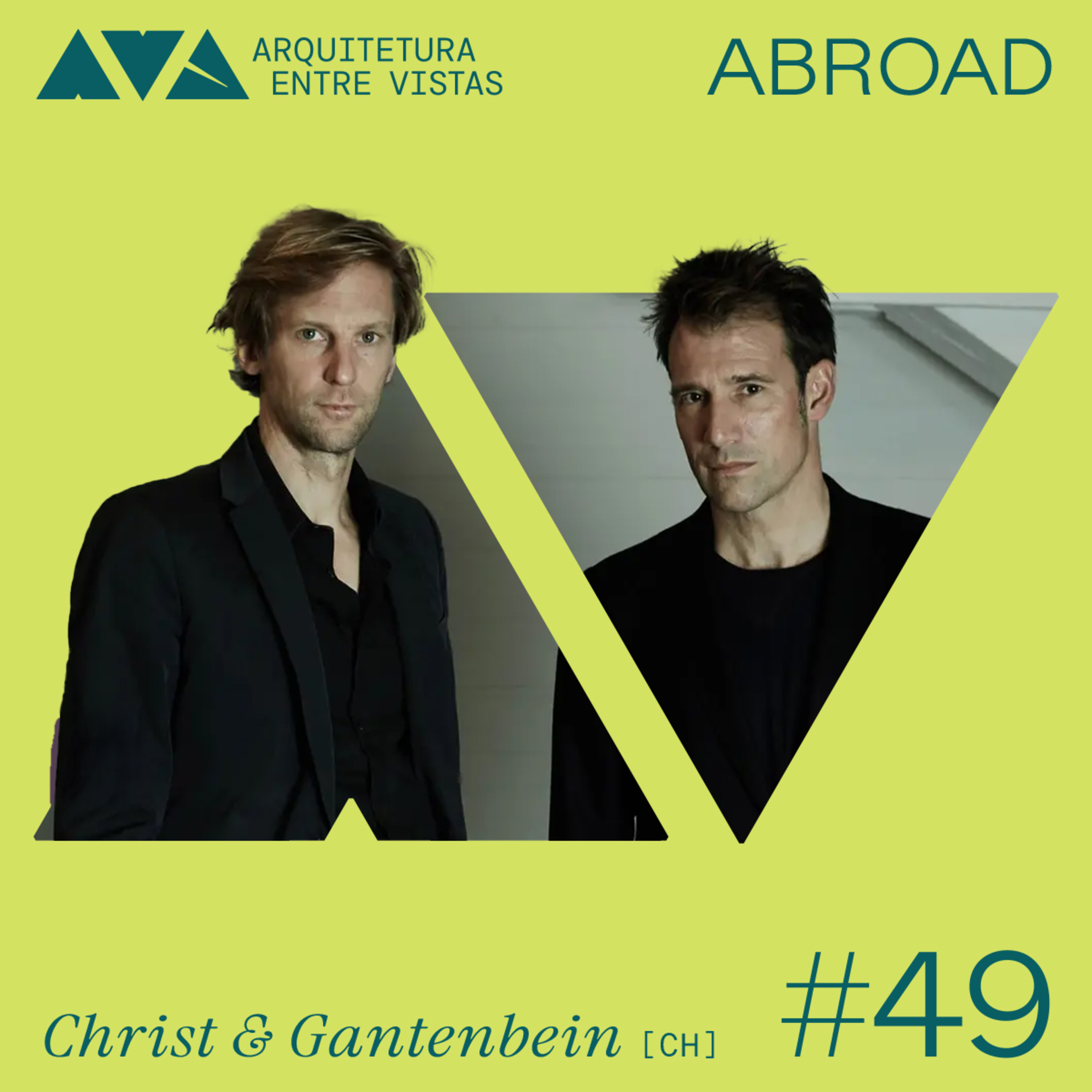 #49 Christ & Gantenbein (CH), Arquitetura Entre Vistas ABROAD 13.12.2025 1sa 9dkToday, we travel to Zurich to meet Emanuel Christ, who, together with Christoph Gantenbein, founded Christ & Gantenbein in 1998.With them, I learned that “form is communication”. As Aristotle would say it as a syllogism: “Form is language. Language is communication. Therefore, form is communication.”But can we truly communicate if we invent our own language? Or if we aim for anonymity in the forms we use?For Emanuel Christ, a good building speaks, “a good building speaks with other buildings; a good building speaks about other buildings.” Architecture, he argues, is a civic art, “it belongs to everybody. So please speak a language that can be understood by the majority of people, and at the same time, make it surprising, make it fresh, make it original.”“Form is never an isolated thing per se.” It is typological, compositional, tectonic - a synthesis of thought and construction. Each project contributes to the evolution of a type: “the best projects have a clear typological principle that produces exceptions and frictions.”For Christ, architecture is dialogue between past and present, the general and the specific, the universal and the local. Always familiar, yet always new.Guest: Emanuel Christ (Zurich, Switzerland)Host: Ana Catarina Silva (Porto, Portugal)Upload your references to: arquiteturaentrevistas.comInstagram @arquiteturaentrevistasFollow for more thoughts on architecture.
 -
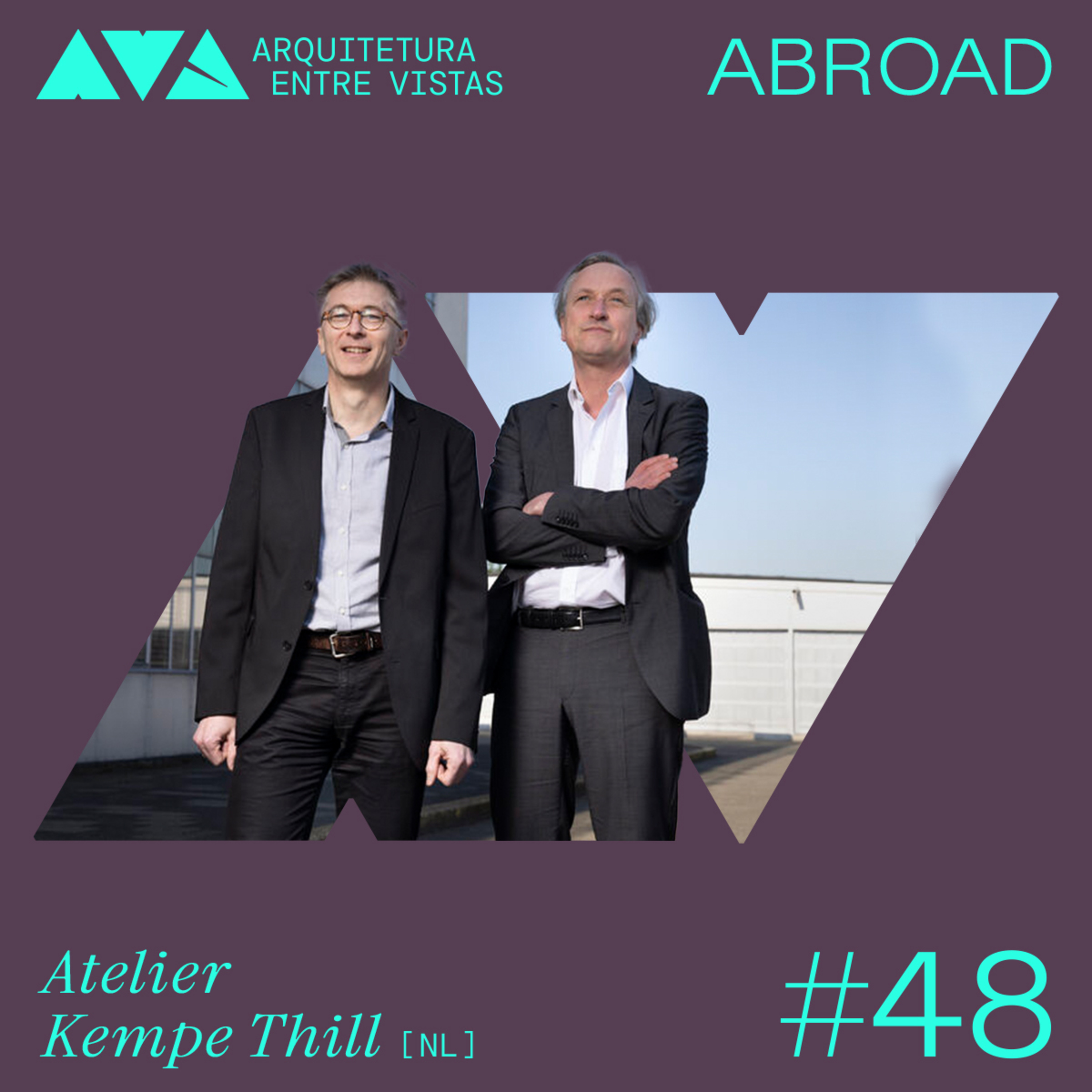 #48 Atelier Kempe Thill (NL/FR/CH), Arquitetura Entre Vistas ABROAD 15.11.2025 51dkThis week, let’s travel to Rotterdam, Paris and Zurich to meet André Kempe and Oliver Thill, two German architects who founded Atelier Kempe Thill in 2000.Talking about simplicity can be a complex task — but today, we take on that challenge. For Kempe and Thill, architecture is “the creation of order in the world of chaos.” “The world is already too complex,” they say, “and a piece of architecture can create a moment of order.” Yet simplicity, for them, is not effortless — “it takes a lot of effort to do something that at the end looks rather simple.”Typology stands at the core of their thinking — “in typology there is a lot of collective knowledge.” The plan, followed by the section, becomes a tool for clarity. Their architecture resists spectacle: facades are rigorous, interiors quiet, and repetition reveals rather than hides logic.Ultimately, “there is an order — but one that can always be a little bit stretched.” Between reason and softness, their work searches for balance — between the ideal and the real.Guests: André Kempe + Oliver Thill (Rotterdam, Paris, Zurich)Host: Ana Catarina Silva (Porto, Portugal)Upload your references to: arquiteturaentrevistas.comSpotify: Arquitetura Entre VistasInstagram: @arquiteturaentrevistas
 -
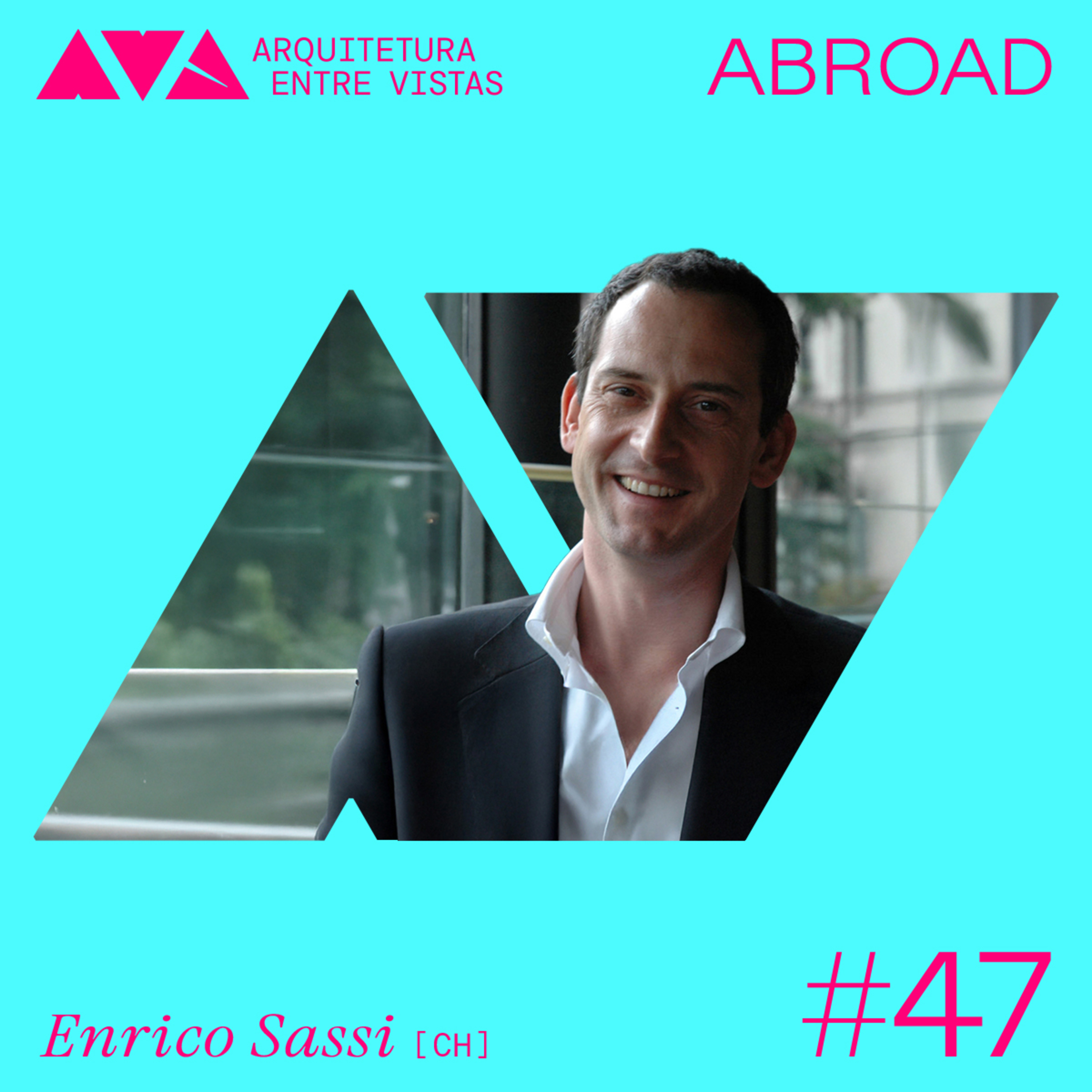 #47 Enrico Sassi (CH), Arquitetura Entre Vistas ABROAD 01.11.2025 44dkLet’s travel to Lugano, Switzerland, to meet Enrico Sassi — architect, landscaper, teacher of Urban Design at USI in Mendrisio, and editor of “archi”, a Swiss magazine of architecture and urban planning. From his studio in Lugano, he navigates the blurred lines between inside and outside, architecture and landscape.“It’s not so important to make a distinction between inside and outside,” he says. What matters most is to “produce good living spaces.” For Sassi, “space is our specificity,” and materials are alive with possibilities: “each material has an expression… you can take out energy or beauty or interest from each material.” Nothing is ever wasted: “you don’t throw away a piece of stone. Keep. Keep because it is always useful.”His work unfolds like an archaeological reading, where “you show stratas” and let the story be read over time. Theory is important, but it cannot remain abstract: “if we don’t have something in our head we are not able to do something with our hands. But only theory… it’s theory.” Construction itself is part of the story, and “you need to be ready to change your mind during the process because the story is moving and new things appear.” Maybe it’s an opportunity, it is not a problem.Even bridges, pavilions, and infrastructures carry care and emotion: “color is adding joy to a piece,” he says, recalling a bridge touched by blue and yellow. “We don’t expect a bridge to transmit happiness.” But maybe we should.Guest: Enrico Sassi (Lugano, Switzerland)Host: Ana Catarina Silva (Porto, Portugal)Upload your references to: arquiteturaentrevistas.comInstagram @arquiteturaentrevistasFollow for more thoughts on architecture.
 -
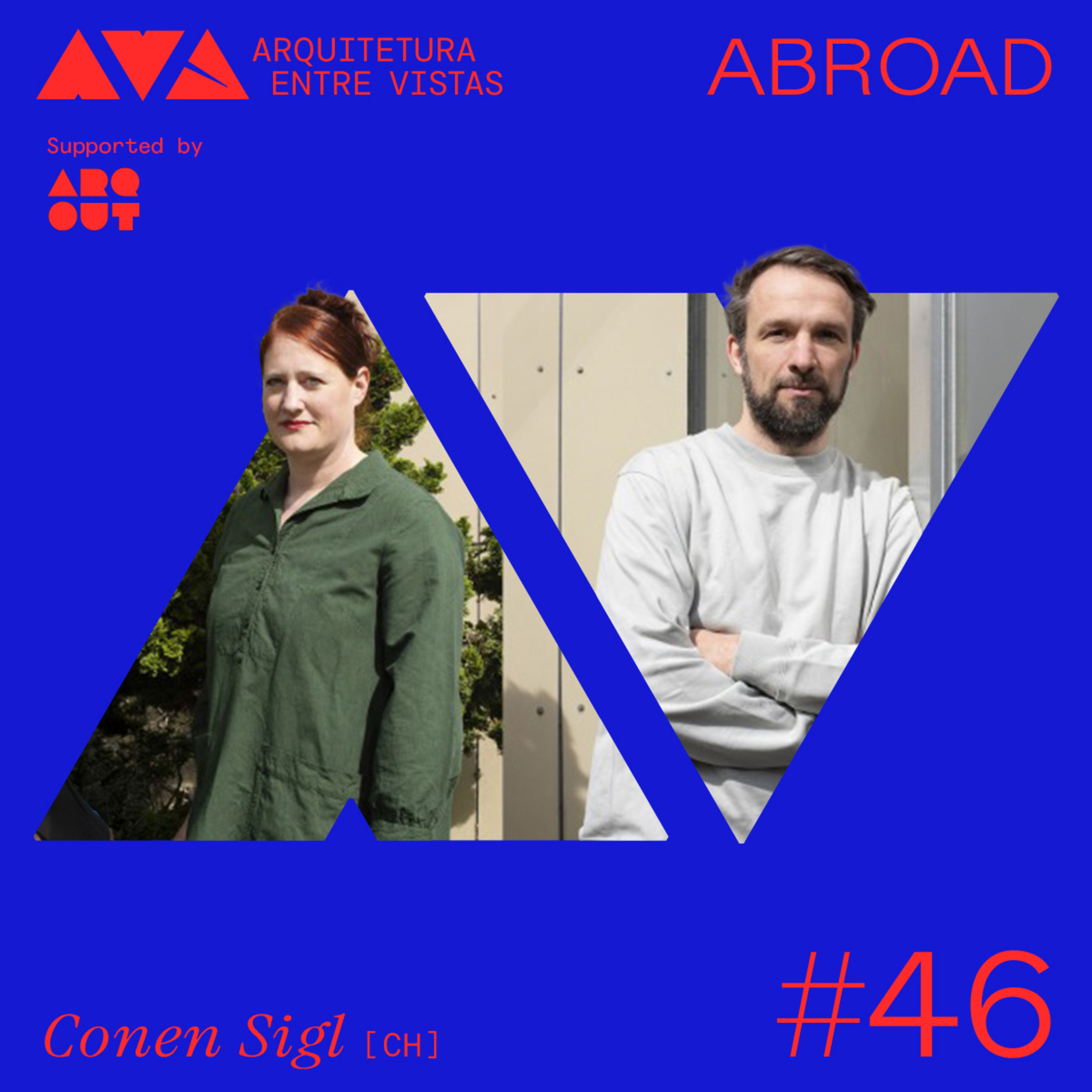 #46 Conen Sigl Architekten (CH), Arquitetura Entre Vistas ABROAD 18.10.2025 43dkLet’s travel to Zurich to meet Maria Conen and Raoul Sigl, working together since 2011 under the name Conen Sigl Architekten. Their practice is rooted in curiosity, precision, and a constant questioning of how architecture belongs - to its place, to its people, and to its stories.“How is this building grounded in the neighbourhood?” they ask. Every project begins with observation - reading the place carefully, understanding “what do I look at in this project?” and leaving space for multiple answers. “Maybe there is not one answer, maybe there are a lot of answers.”Drawing plays a special role - not as documentation, but as reflection. “Drawing as a synthesis is more to keep in mind our thoughts for the project.” These synthesis drawings are not about technical detail, but about memory and pleasure - “the things you are most interested in.”Architecture, they say, should be precise yet open, allowing life to unfold in unexpected ways. “Not always the best materialisation or the best concept of colours makes a good space. Sometimes it’s the people.” Beauty, after all, is “so multilayered” - it shifts, resonates, and tells a different story each time you look.Guests: Maria Conen + Raoul Sigl (Zurich, Switzerland)Host: Ana Catarina Silva (Porto, Portugal)Upload your references to: arquiteturaentrevistas.comInstagram @arquiteturaentrevistas
 -
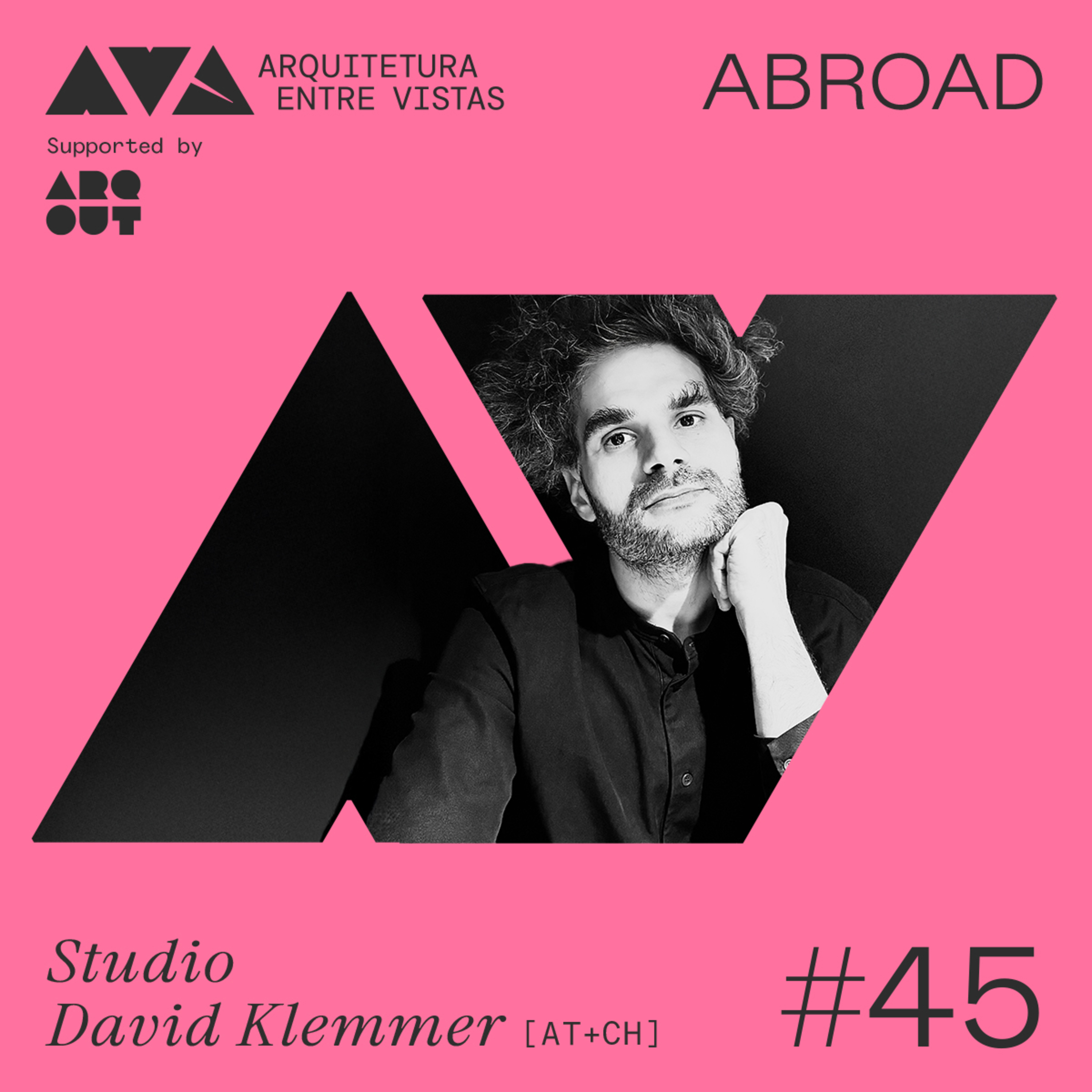 #45 Studio David Klemmer (AT/CH), Arquitetura Entre Vistas ABROAD 04.10.2025 42dkLet’s travel to Zurich to meet David Klemmer - an Austrian architect working in Switzerland, running his own office since 2017. In 2022, he founded Studio Diode, an independent satellite dedicated to digital images, where he acts as a digital photographer, constructing and staging virtual portraits of architecture. Two poles define his practice — one introverted, one extroverted — both essential.David understands architecture as an instrument. “An instrument is something that cannot work on its own. It needs a human being.” And like instruments, his buildings are expressive, their structures “exposed, not hidden.”From guitars to satellites, he finds resonance in objects that connect the intimate and the distant. “Musical instruments are the closest things to us… satellites are the most far away.” Yet both shape how we perceive and imagine space. “When I work in 3D, I feel an astronaut.”For David Klemmer, reality is not absolute. “Plans, sections, or even conversations can reveal something I cannot experience when I go there.” Drawing, image-making, and design merge as acts of understanding.Guest: David Klemmer (Austria + Zurich, Switzerland)Host: Ana Catarina Silva (Porto, Portugal)Upload your references to: arquiteturaentrevistas.comInstagram @arquiteturaentrevistas
 -
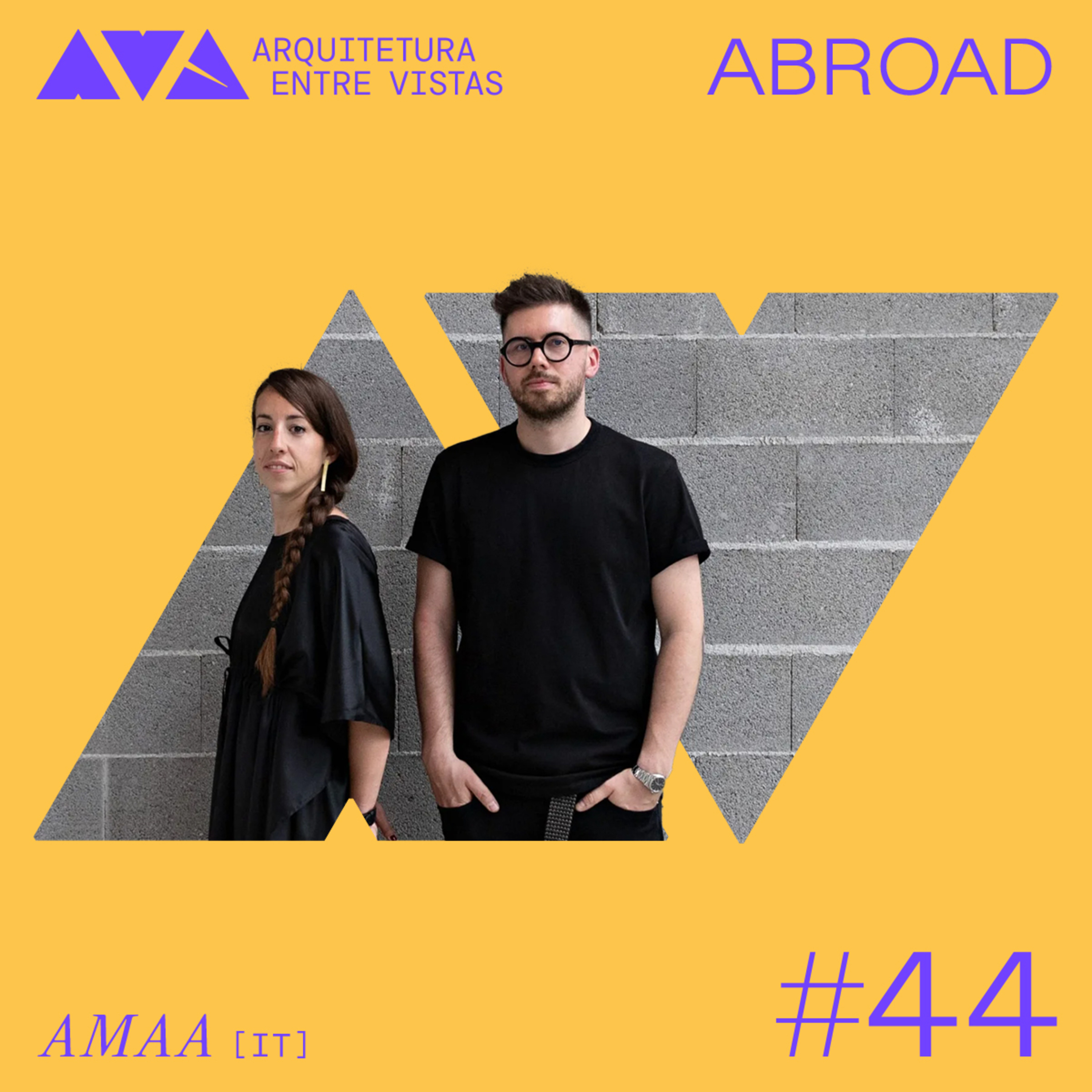 #44 AMAA (IT), Arquitetura Entre Vistas ABROAD 19.07.2025 56dkLet’s travel to Venice and Arzignano to meet Marcello Galiotto and Alessandra Rampasso, founding partners of AMAA, a “Collaborative Architecture Office For Research and Development” as they call it. They have recently stated working form New York, as they thought that would be a good pretext to be closer to Donald Judd’s aura. “Instagram fully fills our mind, so it’s not easy to select”. Therefore, they’ve developed their own toolbox, the "AMAA box” - which they progressively disclosure on throughout the episode. “To have a proper selection is important, so we do our selection of a lot of things”. At the end, “all these influences create a language.” There are 3 main pieces: a site, an architect and a client. “All these 3 things need to work together”. “To be trustable with a client you need to be a storyteller, thats the first thing. But you also need to be humble and practical. (…) The client needs to be with us for the research, for the process, for the after”. The process is good, but the after is the best part, they claim. Let’s not for get about the site, as that is the place where they best express their way of thinking. “We really love to dirty up the situation”. On one hand, “we need to be thinkers but at the same time we need to be builders”. On the other hand, “from a functional problem you can find a way to be also aesthetic”. What goes around comes back around. “The reference is giving to you the power of detail, the power of keeping up your way of thinking and your intuition.”Guest: Marcello Galiotto + Alessandra Rampazzo (Venice + Arzignano, Italy)Host: Ana Catarina Silva (Porto, Portugal)Upload your references to: arquiteturaentrevistas.comInstagram @arquiteturaentrevistasFollow for more thoughts on architecture.
 -
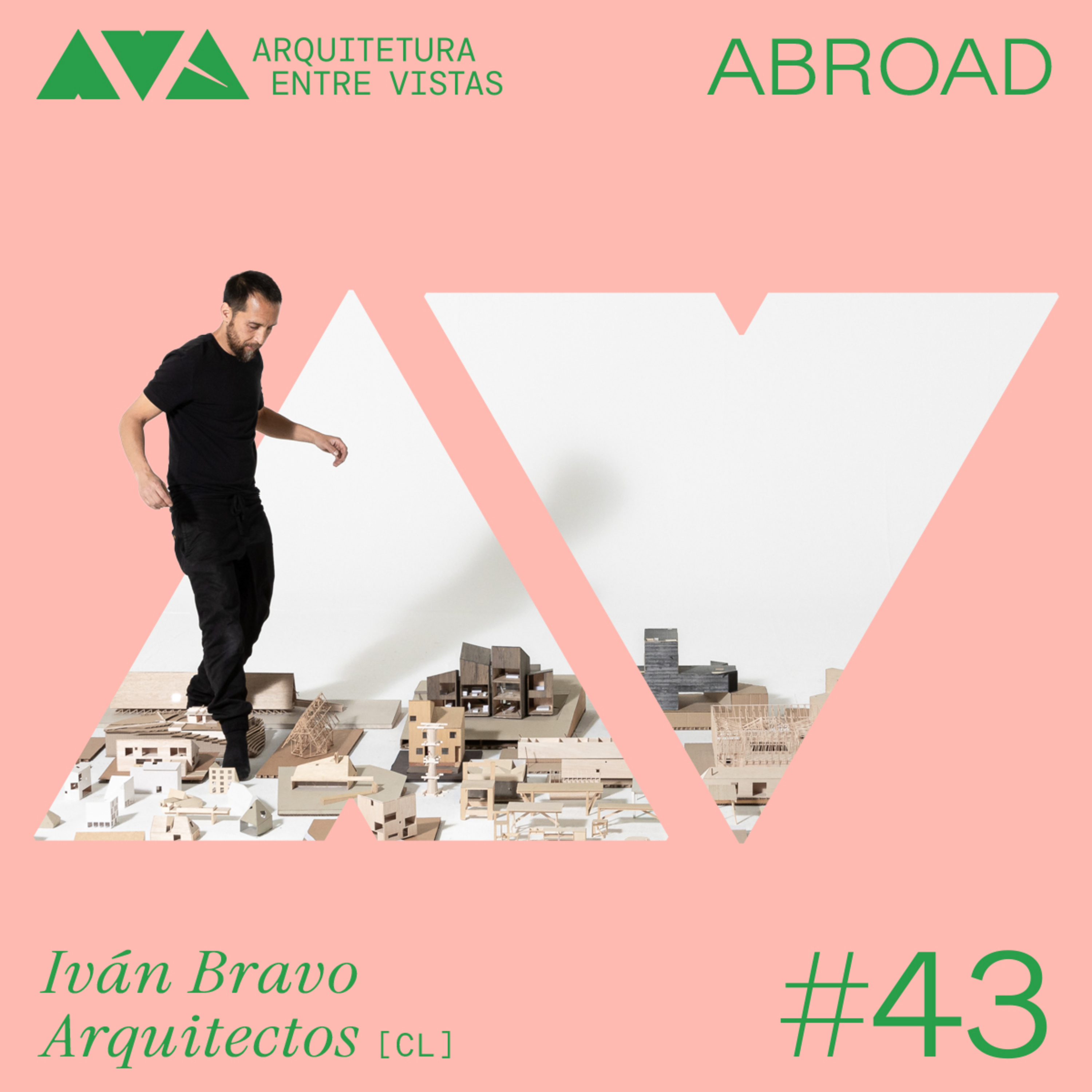 #43 Iván Bravo (CL), Arquitetura Entre Vistas ABROAD 04.07.2025 31dkLet’s travel to Santiago, Chile, to meet Iván Bravo whom back in 2002 has founded Iván Bravo Arquitectos, now alongside his associate architect Martin Rojas. Once upon a time Iván noticed he was really interested in the process of the work…even more than its outcome. Polemic. Isn’t it curious that “in art, ”obra” is the final work” (obra de arte /masterpiece) meanwhile, “in architecture, “obra” is the process” (construction site). “It was really interesting to understand that one final work, which we call “obra”, is all the process, including the end”, he says. But can an “obra” (as a construction site) even become an “obra” (masterpiece)? After all, their clients “are not clients that want architecture, they just want a house.” Maybe this is all about getting “lebre por gato”. In other words, “to get something better than you expect to”. Maybe its about cousins who spot Toblerone’s in architecture projects. “We are constantly mixing rationality with intuition, of course.” “The publication of an architecture, the final photos, are a fetichism of the whole process.”Guest: Iván Bravo (Santiago, Chile)Host: Ana Catarina Silva (Porto, Portugal)Upload your references to: arquiteturaentrevistas.comInstagram @arquiteturaentrevistasFollow for more thoughts on architecture.
 -
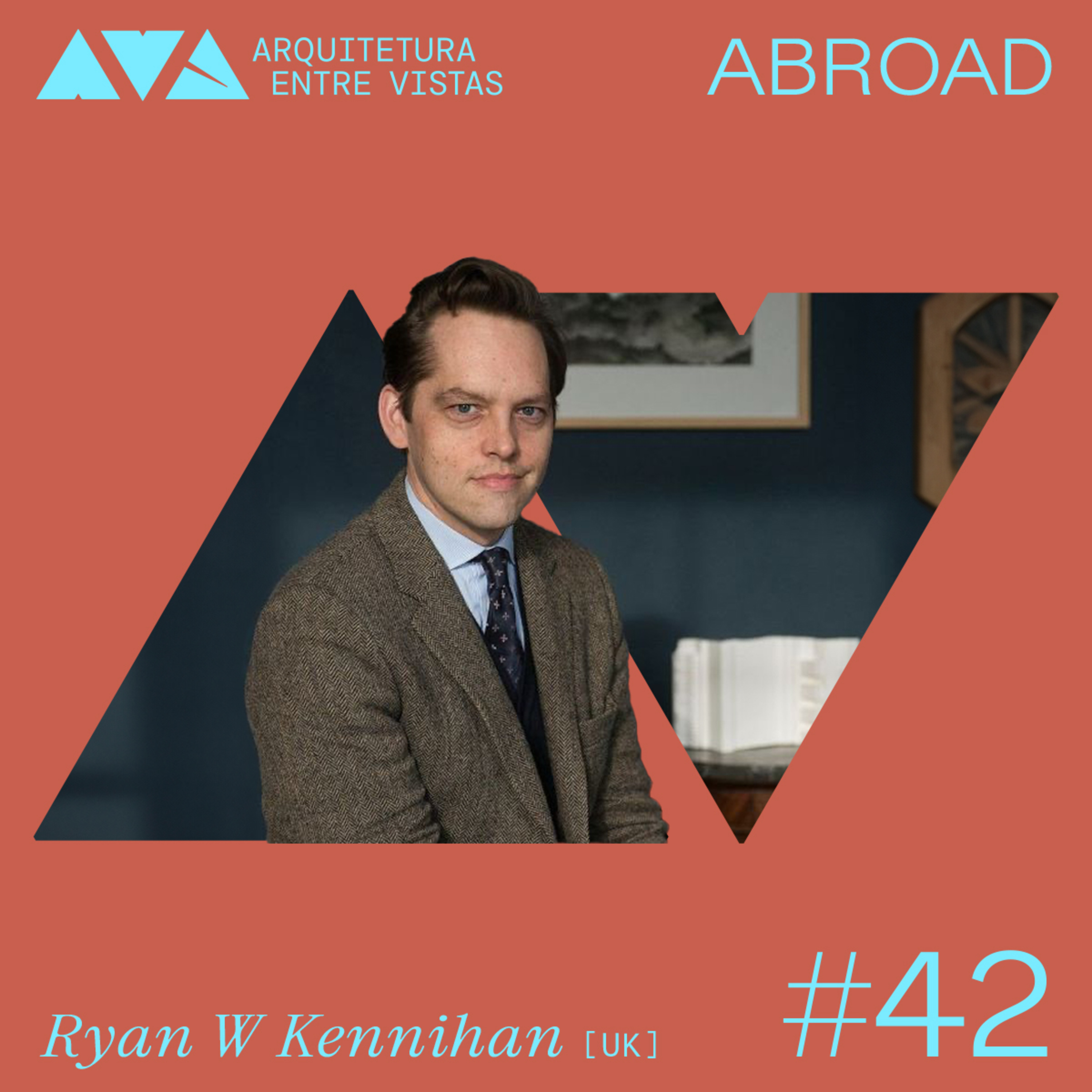 #42 Ryan W Kennihan (IE), Arquitetura Entre Vistas ABROAD 21.06.2025 45dkLet’s travel to Dublin, Ireland, where Ryan W Kennihan - originally from Chicago - has established his practice in 2007. Ryan is much more interested in an architecture of resonance then in one that is completely self-involved. “Whatever “non-referencial architecture” means, it is the complete opposite of this”. An architecture of resonance is a certain sense that arises from using forms that exist all over the world. Their practice is about a constant meaning giving. “We want as many as possible, a proliferation of references”. At a certain point we might find ourselves questioning if we are taking part in the evolution or just continuously extending a mistake. One cannot be sorry, “its very much about looking forward and looking back, trying to be old and be new; to be refined and be awkward.” “What’s interesting to me is not the framework itself but actually the variations within the framework.Guest: Ryan W Kennihan, Ryan W. Kennihan Architects (IE)Host: Ana Catarina Silva (Porto, Portugal)Upload your references to: arquiteturaentrevistas.comInstagram @arquiteturaentrevistasFollow for more thoughts on architecture.
 -
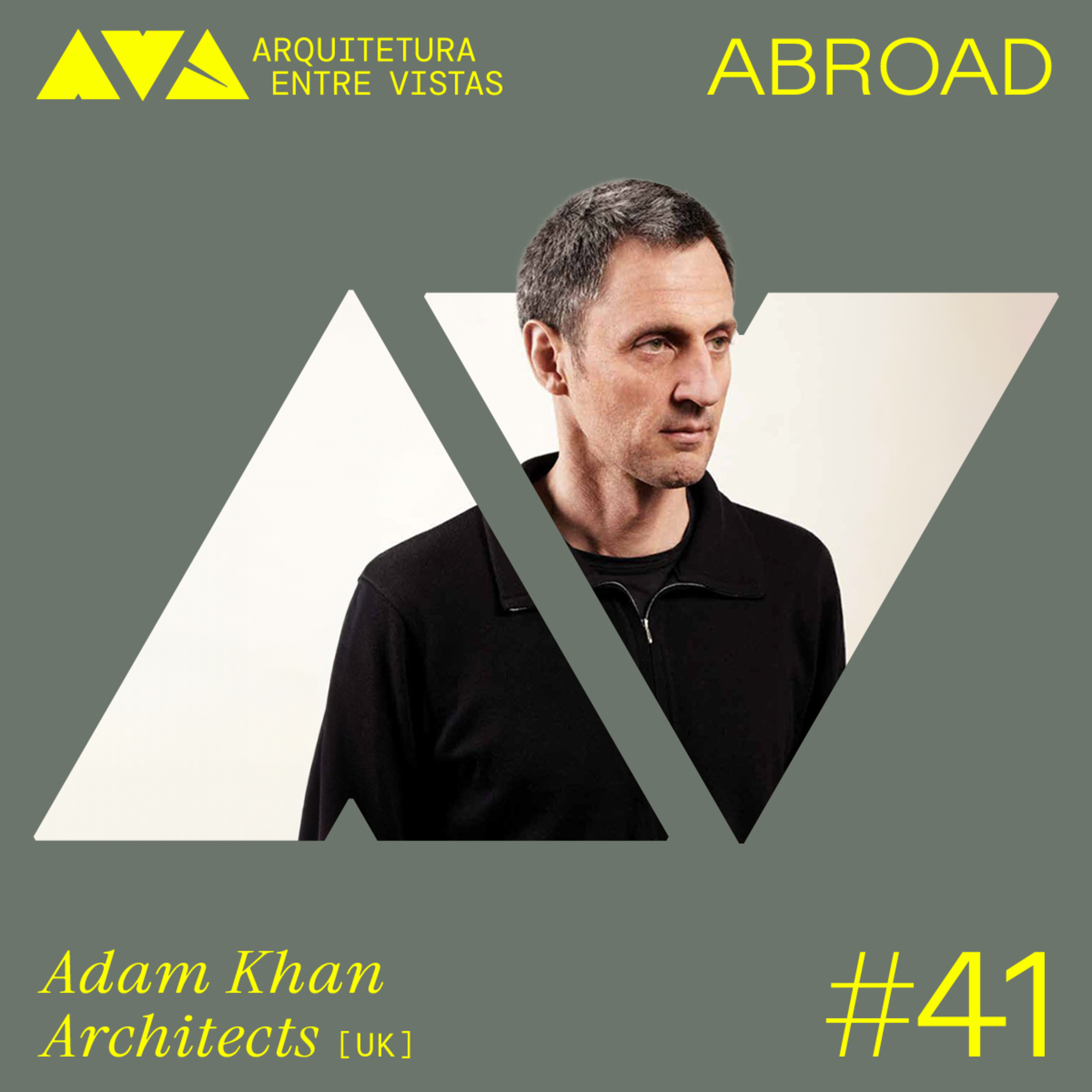 #41 Adam Khan (UK), Arquitetura Entre Vistas ABROAD 07.06.2025 55dkLet’s travel to London, United Kingdom, to meet Adam Khan, founder of Adam Khan Architects since 2006. Adam aims to take architecture where it doesn’t normally go. “We have a lot to toggle, as architects, without having to leave our discipline”. But how can architecture extend elsewhere solely through architectural means? It's about doing it through the discipline of architecture, “not using architecture as a way to illustrate some other thing.” But then… how do you incorporate the program, context, and situation without compromising its autonomy as a discipline? “There is much not under your control, you are kind of riding a runaway horse.” Architecture is such an imaginary guess, sometimes. The most amazing thing is noticing that “someone actually bothered doing that.”Guest: Adam Khan, Adam Khan Architects (UK)Host: Ana Catarina Silva (Porto, Portugal)Upload your references to: arquiteturaentrevistas.comInstagram @arquiteturaentrevistasFollow for more thoughts on architecture.
 -
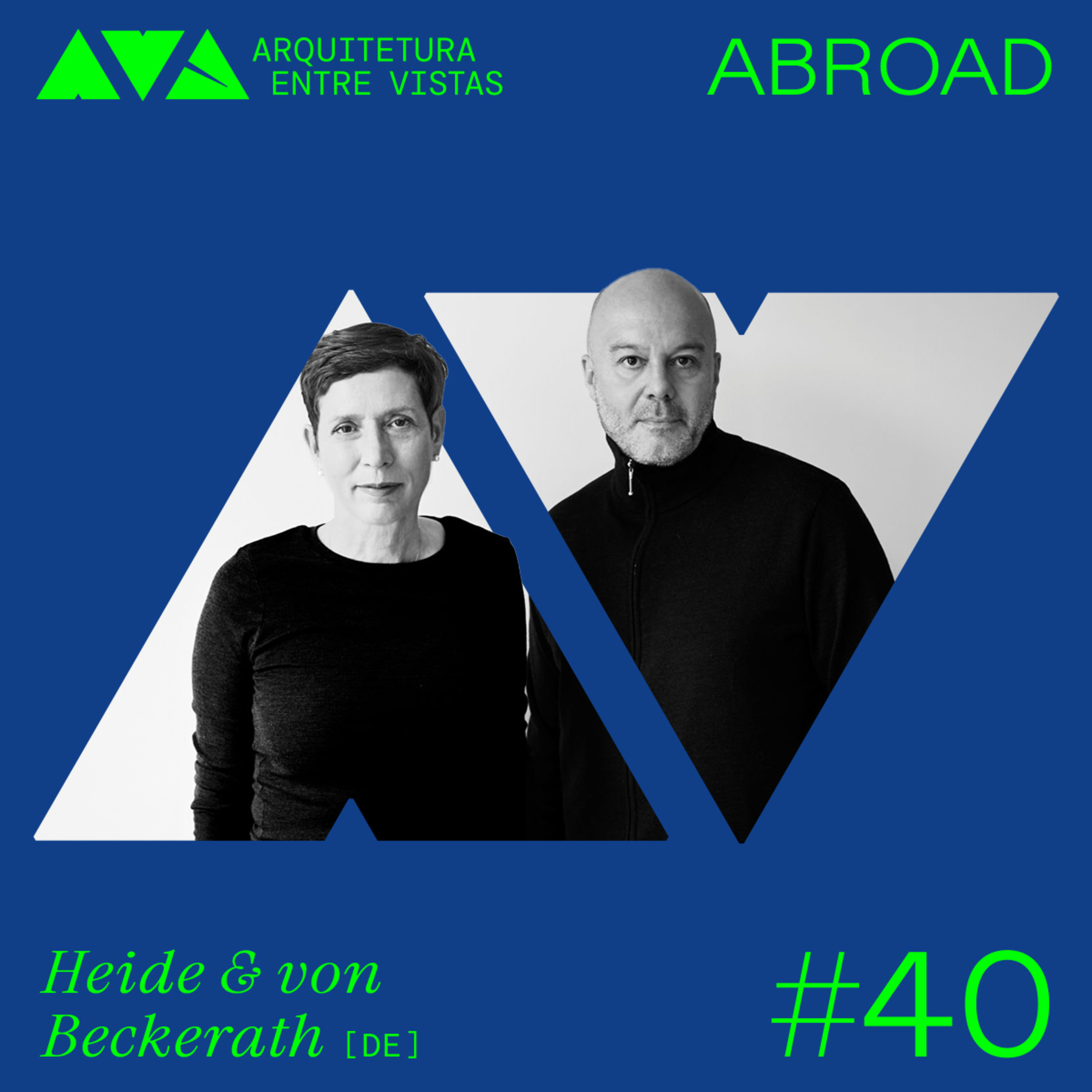 #40 Heide von Beckerath (DE ), Arquitetura Entre Vistas ABROAD 17.05.2025 46dkLet’s travel to germany to meet the architectural practice Heide von Beckerath, today represented by Verena von Beckerath. Housing has been a never-ending topic in their practice. “When we started working with collective housing projects it was something new. (…) lately,I found out, collective housing is something that everyone is talking about”.They are not claiming to be the pioneers of the attention now being given to the housing issue. However, they have long been aware that certain aspects have either never been applied to housing or have been forgotten in the discussion. Using their words: “Its not something that we have invented, its something that is there but maybe has never been applied to housing in that way.”Sometimes “a single word can change the acceptance of an architecture approach.”Sometimes, its not very clear who has to water the plants.Every time, “as architects, we always have to be a little ahead of things.”“Housing…I mean…this is probably what we have to do in the next years.But this does not mean that there is change in what we see that is built.That is the next step.”Guest: Verena von Beckerath + Tim Heide, Heide von Beckerath (DE)Host: Ana Catarina Silva (Porto, Portugal)Upload your references to: arquiteturaentrevistas.comInstagram@arquiteturaentrevistasFollow for more thoughts on architecture.CREDITSTwo Houses2019, 38 minDirector: Verena von BeckerathAssistant directors: Niklas Fanelsa, Momoko Yasaka, Maximilian von ZepelinCamera, Sound, Editing: Jens FrankeProduced by: Bauhaus-Universität WeimarVerena von Beckerath (ed.), A Room with a View, Monroe Books, Berlin 2023with contributions by Andrew Alberts, Ludovico Centis, Lawrence Hoque, Albrecht Kastein, Oda Pälmke and Yvonne Matijas Seguso
 -
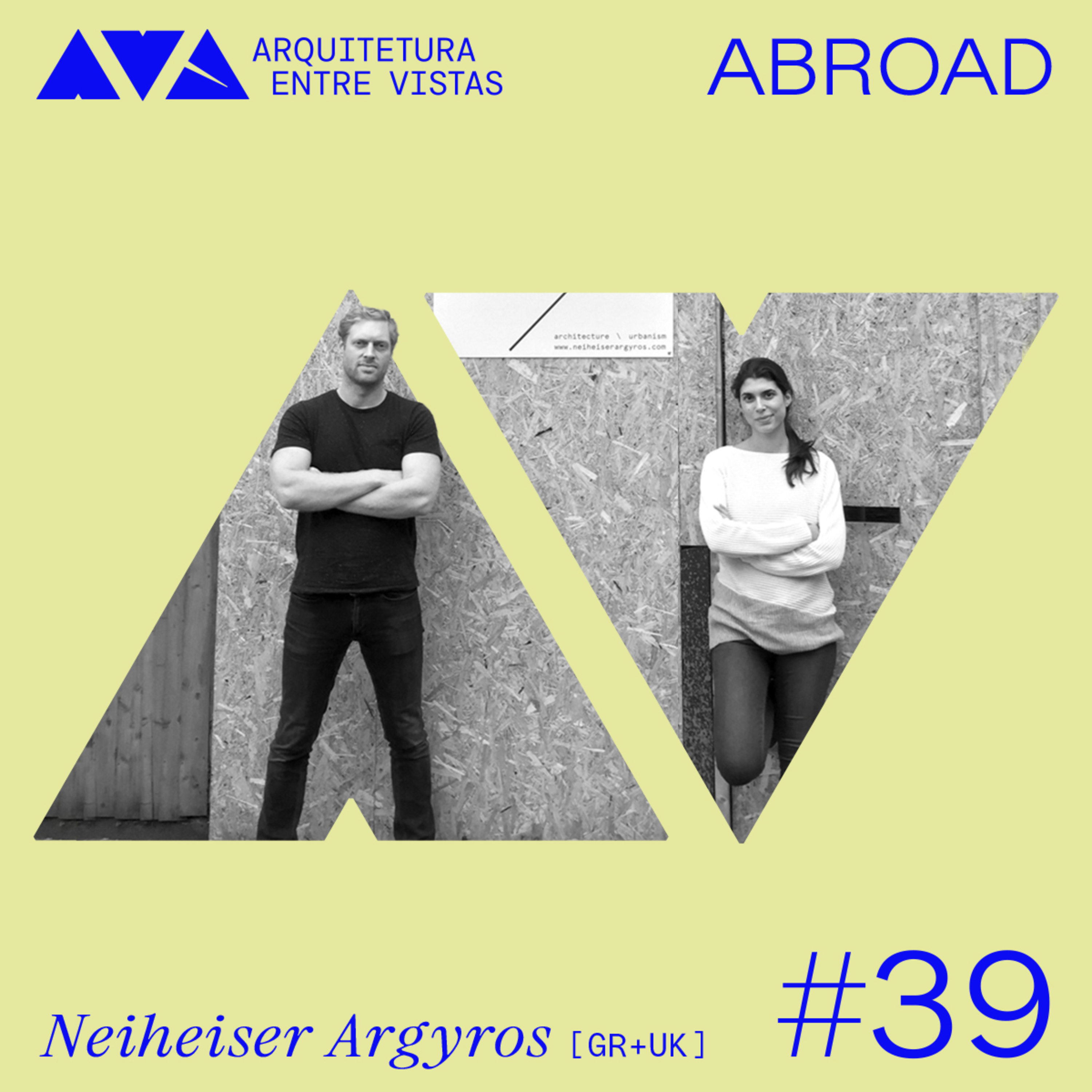 #39 Neiheiser Argyros (EL+UK), Arquitetura Entre Vistas ABROAD 03.05.2025 39dkIn this episode we travel to both Greece (EL) and London (UK), where we can Neiheiser Argyros, this time under the voice of Ryan Neiheiser. Repetition and diference is a long-time interest of theirs. They don't bother looking at things over and over again, “there is something about repetition that might lead to something unexpected”. However, in other to find the unexpected “you have to completely invest yourself in an idea and totally believe that it can exist in the world”. “A big part of finding new ideas is about copying interesting ideas”. Interesting, I might copy this idea myself. Once we explore the idea of “reuse”, Ryan brings a new, and more precise, word to the table: spolia. “We have been trying to make use of the word “spolia” to nuance the idea of “reuse”.” And they will keep on doing it over and over again.Guest: Ryan Neiheiser + Xristina Argyros, Neiheiser Argyros (EL + UK)Host: Ana Catarina Silva (Porto, Portugal)Upload your references to: arquiteturaentrevistas.comInstagram@arquiteturaentrevistasFollow for more thoughts on architecture.
 -
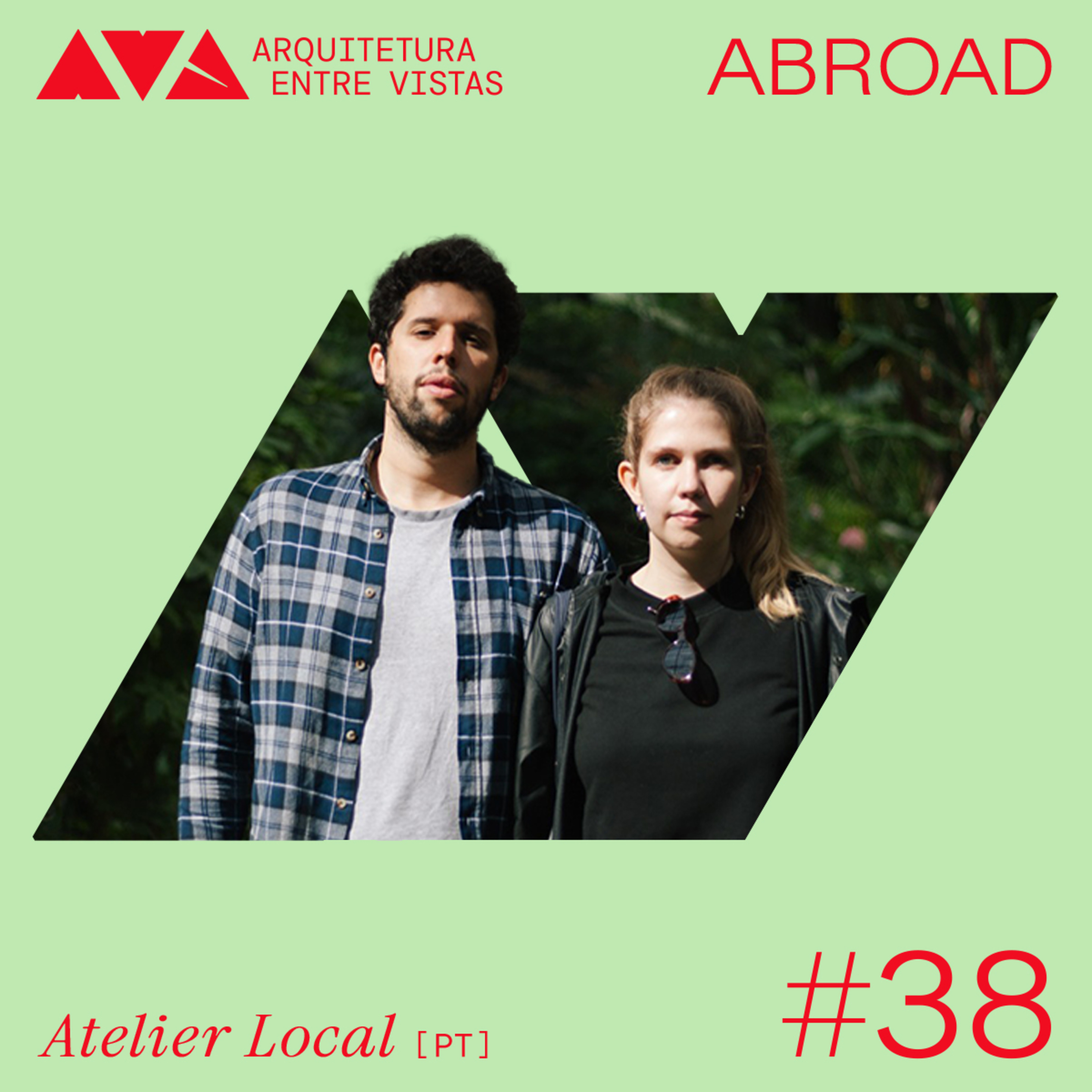 #38 Atelier Local (PT), Arquitetura Entre Vistas ABROAD 13.04.2025 1saNext stop: Portugal, to meet Maria Rebelo and João Paupério, whom together in 2019, have founded Atelier Local. Have you ever though about gosht writing applied to architecture? Maybe its more common than we think. What is style? Maybe, “style is what allows you to go further (…) if you repeat a same way of addressing an issue, your mind gets liberated to address other issues. “Your own limitations travel with you wherever you go. Maybe that is what style is. (…) that’s the only way you know how to solve a problem.” “Style is a limitation”. Maybe. “Once you start to reflect upon that, you start to use it more properly.” For sure. “We know a little bit about Palladio but we also know a little bit about ugly kitchens from our grandmothers.” The real question here is: how local is Leroy Merlin?Guest: Maria Rebelo + João Paupério , Atelier Local (Valongo, PT)Host: Ana Catarina Silva (Porto, Portugal)Upload your references to: arquiteturaentrevistas.comInstagram@arquiteturaentrevistasFollow for more thoughts on architecture.
Benzer podcastler


Şurada popüler
Bu podcast şu ülkelerin podcast listelerinde de yer alıyor.
