
The Rx Bricks Podcast
USMLE-Rx
0
The Rx Bricks Podcast from USMLE-Rx helps medical students master key topics through audio versions of their interactive learning modules. Each episode covers a high-yield basic science or clinical concept, such as pressure-volume loops or ischemic heart disease. New episodes are released weekly, and more information is available at www.usmle-rx.com.
Bölümler
-
 Essentials – Megaloblastic Anemia 11.09.2026 24dkMegaloblast. Now there’s a word you don’t hear every day. The root -blast comes from the Greek blastos, meaning “germ” or “bud,” and is familiar from terms like blast cells—very young hematopoietic precursor cells. Megalo- comes from the Greek megas, meaning “large” or “great,” as in splenomegaly. So is a megaloblast simply a large, immature cell? Not quite. In this episode, we break down megaloblastic anemia: why it develops, what vitamin B12 and folate have to do with it, what you’ll see on a CBC and peripheral smear, and how to recognize and treat the underlying problem. After listening to this AudioBrick, you should be able to: Explain the pathogenesis of megaloblastic anemia. Identify common causes of vitamin B12 and folate deficiency and distinguish their associated nonhematologic findings. Recognize the characteristic complete blood count findings seen in megaloblastic anemia. Describe and identify the characteristic morphologic changes in the peripheral blood and bone marrow. Explain the principles of treatment for megaloblastic anemia. You can also explore the original Megaloblastic Anemia Brick from our Hematology collection, available free here: https://usmle-rx.scholarrx.com/rx-bricks/brick/CP_HEM0022 Want to explore more Rx Bricks and USMLE-Rx resources? Start your free USMLE-Rx trial and get five full days of access to Rx360+, including Qmax, Rx Bricks, Flash Facts, and Express Videos. https://usmle-rx.com/free-trial/ After your trial ends, you can continue accessing over 150 free Rx Bricks, including the complete General Microbiology and Cellular and Molecular Biology collections. If you enjoyed this episode, we’d appreciate a review on Apple Podcasts: https://podcasts.apple.com/us/podcast/the-rx-bricks-podcast/id1530646481 Reviews help more medical students and future physicians discover the Rx Bricks Podcast. Follow USMLE-Rx: Facebook: https://www.facebook.com/usmlerx Instagram: https://www.instagram.com/usmlerx/ X: https://x.com/usmlerx Threads: https://www.threads.net/@usmlerx YouTube: https://www.youtube.com/USMLERX Blog: https://usmle-rx.com/blog-posts/
 -
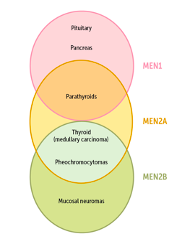 Essentials – Multiple Endocrine Neoplasia Syndromes 01.09.2026 20dkMultiple endocrine neoplasia (MEN) refers to a group of rare inherited syndromes that increase the risk of developing tumors in multiple endocrine organs. MEN affects men and women at roughly equal rates and occurs across geographic, racial, and ethnic groups. These syndromes are caused by genetic mutations inherited in an autosomal dominant pattern, meaning an affected parent has a 50% chance of passing the mutation to each child. Unlike many sporadic cancers, tumors associated with MEN often develop at a younger age and may involve several endocrine organs over a patient’s lifetime. In this AudioBrick, we review the three major MEN syndromes—MEN1, MEN2A, and MEN2B—including their characteristic tumors, genetic causes, clinical features, and management. After listening to this AudioBrick, you should be able to: Define multiple endocrine neoplasia and identify the three major MEN syndromes. Compare the key clinical features of MEN1, MEN2A, and MEN2B. Describe the genetic mutations associated with each syndrome. Summarize the basic approach to management and surveillance. You can also explore the original Multiple Endocrine Neoplasia Rx Brick from our Endocrine collection, available free here: https://usmle-rx.scholarrx.com/rx-bricks/brick/CP_END0028 (opens in new tab) Want to explore more Rx Bricks and other USMLE-Rx study tools? Start a free USMLE-Rx trial: https://www.usmle-rx.com/ (opens in new tab) Your trial includes access to Rx360+, including Rx Bricks, Qmax, and other resources designed to help you prepare for the USMLE and COMLEX exams. If you enjoyed this episode, please consider leaving a review on Apple Podcasts: https://podcasts.apple.com/us/podcast/the-rx-bricks-podcast/id1530646481(opens in new tab) Your reviews help other medical students discover the podcast and support our goal of making high-quality medical education more accessible. Follow USMLE-Rx: Facebook: https://www.facebook.com/usmlerx (opens in new tab) Instagram: https://www.instagram.com/USMLE_rx_ (opens in new tab) X: https://x.com/USMLE_rx_ (opens in new tab)Threads: https://www.threads.net/@USMLE_rx_(opens in new tab)BlueSky: https://bsky.app/profile/usmle-rx.bsky.social(opens in new tab)TikTok: https://www.tiktok.com/@USMLE_rx_(opens in new tab)YouTube: https://www.youtube.com/USMLERX USMLE-Rx Blog: https://usmle-rx.com/blog-posts/(opens in new tab)
 -
 Essentials – Stimulants and Cognitive-Enhancing Drugs 20.08.2026 15dkIn this episode, we explore stimulants and cognitive-enhancing drugs, medications used to improve alertness, attention, memory, and cognition. You’ll learn how commonly used agents such as amphetamines, methylphenidate, modafinil, caffeine, donepezil, rivastigmine, galantamine, and memantine work, along with the conditions they’re used to treat. We’ll also review important adverse effects, contraindications, and serious safety concerns, including cardiovascular complications, growth suppression, stimulant toxicity, and Stevens-Johnson syndrome. By the end, you’ll be better prepared to weigh the risks and benefits of these medications in clinical care. After listening to this AudioBrick, you should be able to: Name conditions for which stimulants and cognitive-enhancing drugs are used as treatment. Describe the mechanism of action of stimulants and cognitive-enhancing drugs. List the main examples of stimulants and cognitive-enhancing drugs. Describe the significant adverse effects of stimulants and cognitive-enhancing drugs. You can also check out the original brick on Stimulants and Cognitive-Enhancing Drugs from our Psychiatry collection, which is available for free. Learn more about Rx Bricks by signing up for a free USMLE-Rx account: www.usmle-rx.com You will get 5 days of full access to our Rx360+ program, including nearly 800 Rx Bricks. If you enjoyed this episode, we’d love for you to leave a review on Apple Podcasts. It helps with our visibility, and the more med students (or future med students) listen to the podcast, the more we can provide to the future physicians of the world.
 -
 Essentials – Physiology of the Renal Tubular System 13.08.2026 26dkWhy does a patient on furosemide end up needing a potassium supplement? In this episode we walk the length of the nephron— proximal tubule, loop of Henle, distal convoluted tubule, and collecting duct—and trace exactly how each segment reabsorbs and secretes to keep sodium, water, potassium, and acid-base in balance. Along the way we hit the transporters and drug targets that show up again and again on Step 1, from the Na-K-2Cl cotransporter that loop diuretics block to the aldosterone-driven potassium handling in the collecting duct. By the end, that furosemide-and-potassium puzzle will make complete sense. Looking for more information on this topic? Check out the Physiology of the Renal Tubular System brick. If you enjoyed this episode, we’d love for you to leave a review on Apple Podcasts. It helps with our visibility, and the more med students (or future med students) listen to the podcast, the more we can provide to the future physicians of the world. Follow USMLE-Rx at: Facebook: facebook.com/usmlerx Blog: usmle-rx.com/blog-posts X: @usmle_rx_ Instagram: @usmle_rx_ YouTube: youtube.com/USMLERX Learn how you can access over 250 of our bricks for FREE: https://usmle-rx.com/free-bricks/ Learn more about Rx Bricks by signing up for a free USMLE-Rx account: www.usmle-rx.com You will get 5 days of full access to our Rx360+ program, including over 900 Rx Bricks.
 -
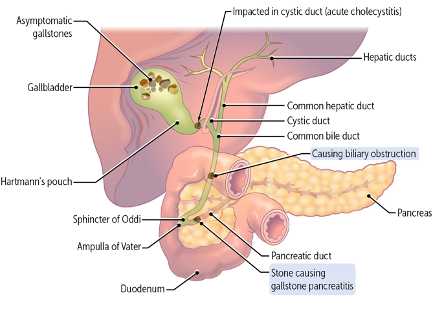 Essentials – Cholelithiasis and Cholecystitis 06.08.2026 29dkGallstones are hardened deposits that form when substances such as cholesterol or unconjugated bilirubin become overly concentrated in bile. They vary greatly in size and often cause no symptoms, but stones that leave the gallbladder can obstruct the biliary tract and cause inflammation or infection. After listening to this AudioBrick, you should be able to: Compare cholelithiasis, choledocholithiasis, cholecystitis, and cholangitis. Describe how cholesterol and pigment gallstones form. Identify the major risk factors, clinical course, and complications of gallstones. Distinguish acute from chronic cholecystitis. Describe the treatment of gallstones and acute cholecystitis. Explore the original Cholelithiasis and Cholecystitis brick from our Gastrointestinal collection. Access more than 230 Rx Bricks for free: https://usmle-rx.com/free-bricks/ Learn more about Rx Bricks: https://usmle-rx.com/products/rx-bricks/ — Enjoyed the episode? Leave us a review on Apple Podcasts to help more medical students discover the show: https://podcasts.apple.com/us/podcast/the-rx-bricks-podcast/id1530646481 Follow USMLE-Rx: Facebook: https://www.facebook.com/usmlerx Blog: https://usmle-rx.com/blog-posts/ X: https://x.com/usmle_rx Instagram: https://www.instagram.com/usmle_rx_/ YouTube: https://www.youtube.com/USMLERX
 -
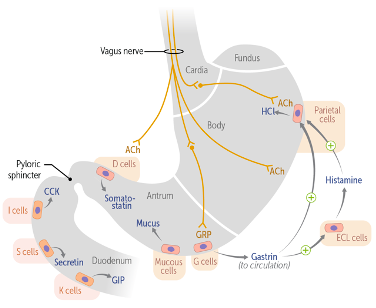 Essentials – Gastrointestinal Regulatory Substances 28.07.2026Digestion is regulated by a complex network of hormones, peptides, and neural signals. In this episode, we review the major gastrointestinal hormones, introduce several secondary regulatory peptides, and explain how the GI tract senses its luminal contents and integrates multiple signals to control digestive function. After listening to this episode, you should be able to: Identify the source, release stimulus, and function of the major gastrointestinal hormones, including secretin, cholecystokinin (CCK), gastrin, and vasoactive intestinal peptide (VIP). Summarize the release stimuli and functions of key GI regulatory peptides, including bombesin, GLP-1, GLP-2, ghrelin, leptin, motilin, somatostatin, and glucose-dependent insulinotropic polypeptide (GIP). Explain how the physical and chemical properties of luminal contents are sensed and how they trigger hormonal responses. Describe how GI cells integrate hormonal and neural inputs to regulate digestive function. You can also check out the original brick on Gastrointestinal Regulatory Substances from our Gastrointestinal collection, which is available for free. Explore more with USMLE-Rx Create a free USMLE-Rx account at www.usmle-rx.com. You’ll receive five days of full access to Rx360+, including over 800 Rx Bricks. After the trial, you can continue accessing more than 150 free Bricks, including the complete General Microbiology and Cellular and Molecular Biology collections. Enjoyed the episode? Please consider leaving us a review on Apple Podcasts. Reviews help more medical students and future medical students discover the podcast…and help us continue creating resources for the physicians of tomorrow.
 -
 Rx Question Lab: Neurology 12.02.2026 1saQuestion Lab: Neuro for Step 1 Think you can spot a subarachnoid hemorrhage from the clues alone? What about localizing a stroke to the exact arterial distribution? In this episode of Question Lab, Dr. Abraham Titus walks through 4 board-style neurology questions, breaking down the clinical clues, teaching the underlying pathophysiology, and walking through the answers step by step. Pause the episode, commit to your answer, then listen to the explanation. It’s the closest thing to a live boards review session you can get on the go. Topics covered: Berry aneurysms and their classic associations Stroke localization and aphasia types Parkinson’s disease pharmacology Traumatic intracranial hemorrhages and herniation syndromes Want to try these Qmax questions yourself? Take the test: https://usmle-rx.scholarrx.com/share/jory9yevdp5kd3g Free Rx Study Planner: https://go.usmle-rx.com/study-schedule Learn more: www.usmle-rx.com
 -
Shock 12.11.2025Looking for more information on this topic? Check out the Shock brick. If you enjoyed this episode, we’d love for you to leave a review on Apple Podcasts. It helps with our visibility, and the more med students (or future med students) listen to the podcast, the more we can provide to the future physicians of the world. Follow USMLE-Rx at: Facebook: facebook.com/usmlerx Blog: usmle-rx.com/blog-posts X: @usmle_rx_ Instagram: @usmle_rx_ YouTube: youtube.com/USMLERX Learn how you can access over 150 of our bricks for FREE: https://usmle-rx.com/free-bricks/ from our Musculoskeletal, Skin, and Connective Tissue collection, which is available for free. Learn more about Rx Bricks by signing up for a free USMLE-Rx account: www.usmle-rx.com You will get 5 days of full access to our Rx360+ program, including nearly 800 Rx Bricks. After the 5-day period, you will still be able to access over 150 free bricks, including the entire collections for General Microbiology and Cellular and Molecular Biology.
-
 Rx Question Lab: USMLE Step 2 CK Cardiology 18.10.2025 56dkTackle High-Yield Concepts for USMLE Step 2 CK Cardiology This interactive session, led by Dr. Abraham Titus (Hematology/Oncology Fellow, University of South Alabama) and ScholarRx’s Jeff Downing, focuses on challenging USMLE Step 2 CK cardiology questions that will sharpen your clinical decision-making skills and deepen your understanding of cardiovascular medicine. WHAT YOU’LL LEARN: In this episode, we work through four board-style questions using our proven systematic approach that helps you think like a clinician first, then a test-taker second. You’ll learn how to apply clinical guidelines and make evidence-based management decisions through detailed explanations that go beyond just identifying the correct answer. Topics Covered: Cardiovascular risk management and pharmacotherapy Acute coronary syndrome management strategies Peripheral vascular disease evaluation and treatment Secondary hypertension workup and management Perfect for: Medical students preparing for USMLE Step 2 CK Clinical year medical students on cardiology rotations IMGs studying for board exams Anyone looking to strengthen their cardiology clinical reasoning Review the full test: https://usmle-rx.scholarrx.com/share/1do75erd2wnmg0y Free Resources: Biochemistry Course: https://usmle-rx.com/biochemistry-course/ More Rx Bricks Podcasts: https://usmle-rx.com/podcast Study Planner: https://go.usmle-rx.com/study-schedule/
 -
Physiology of the Renal Tubular System 02.09.2025Looking for more information on this topic? Check out the Physiology of the Renal Tubular System brick. If you enjoyed this episode, we’d love for you to leave a review on Apple Podcasts. It helps with our visibility, and the more med students (or future med students) listen to the podcast, the more we can provide to the future physicians of the world. Follow USMLE-Rx at: Facebook: facebook.com/usmlerx Blog: usmle-rx.com/blog-posts X: @usmle_rx_ Instagram: @usmle_rx_ YouTube: youtube.com/USMLERX Learn how you can access over 150 of our bricks for FREE: https://usmle-rx.com/free-bricks/ from our Musculoskeletal, Skin, and Connective Tissue collection, which is available for free. Learn more about Rx Bricks by signing up for a free USMLE-Rx account: www.usmle-rx.com You will get 5 days of full access to our Rx360+ program, including nearly 800 Rx Bricks. After the 5-day period, you will still be able to access over 150 free bricks, including the entire collections for General Microbiology and Cellular and Molecular Biology.
-
 Pericardial Effusion and Cardiac Tamponade 05.08.2025Looking for more information on this topic? Check out the Congenital Adrenal Hyperplasia brick. If you enjoyed this episode, we’d love for you to leave a review on Apple Podcasts. It helps with our visibility, and the more med students (or future med students) listen to the podcast, the more we can provide to the future physicians of the world. Follow USMLE-Rx at: Facebook: facebook.com/usmlerx Blog: usmle-rx.com/blog-posts X: @usmle_rx_ Instagram: @usmle_rx_ YouTube: youtube.com/USMLERX Learn how you can access over 150 of our bricks for FREE: https://usmle-rx.com/free-bricks/ from our Musculoskeletal, Skin, and Connective Tissue collection, which is available for free. Learn more about Rx Bricks by signing up for a free USMLE-Rx account: www.usmle-rx.com You will get 5 days of full access to our Rx360+ program, including nearly 800 Rx Bricks. After the 5-day period, you will still be able to access over 150 free bricks, including the entire collections for General Microbiology and Cellular and Molecular Biology.
 -
Blood Pressure Control: Foundations and Frameworks (Re-release) 29.07.2025Looking for more information on this topic? Check out the Thrombotic Disorders: Foundations and Frameworks brick. If you enjoyed this episode, we’d love for you to leave a review on Apple Podcasts. It helps with our visibility, and the more med students (or future med students) listen to the podcast, the more we can provide to the future physicians of the world. Follow USMLE-Rx at: Facebook: facebook.com/usmlerx Blog: usmle-rx.com/blog-posts X: @usmle_rx_ Instagram: @usmle_rx_ YouTube: youtube.com/USMLERX Learn how you can access over 150 of our bricks for FREE: https://usmle-rx.com/free-bricks/ from our Musculoskeletal, Skin, and Connective Tissue collection, which is available for free. Learn more about Rx Bricks by signing up for a free USMLE-Rx account: www.usmle-rx.com You will get 5 days of full access to our Rx360+ program, including nearly 800 Rx Bricks. After the 5-day period, you will still be able to access over 150 free bricks, including the entire collections for General Microbiology and Cellular and Molecular Biology.
-
Diuretics: Foundations and Frameworks (Re-release) 22.07.2025Looking for more information on this topic? Check out the Physiology of Diuretics brick. If you enjoyed this episode, we’d love for you to leave a review on Apple Podcasts. It helps with our visibility, and the more med students (or future med students) listen to the podcast, the more we can provide to the future physicians of the world. Follow USMLE-Rx at: Facebook: facebook.com/usmlerx Blog: usmle-rx.com/blog-posts X: @usmle_rx_ Instagram: @usmle_rx_ YouTube: youtube.com/USMLERX Learn how you can access over 150 of our bricks for FREE: https://usmle-rx.com/free-bricks/ from our Musculoskeletal, Skin, and Connective Tissue collection, which is available for free. Learn more about Rx Bricks by signing up for a free USMLE-Rx account: www.usmle-rx.com You will get 5 days of full access to our Rx360+ program, including nearly 800 Rx Bricks. After the 5-day period, you will still be able to access over 150 free bricks, including the entire collections for General Microbiology and Cellular and Molecular Biology.
-
 Rx Question Lab – Neurology 05.07.2025 52dkJoin us for this special edition of the Rx Bricks Podcast, featuring a complete Rx Question Lab session designed to help medical students master high-yield neurological concepts for USMLE Step 1. In this interactive session, we work through four challenging board-style questions that cover essential neurology topics, including speech disorders, genetic syndromes affecting the nervous system, stroke recognition, and neurological pain conditions. Learn systematic approaches to neuroanatomy questions and develop the clinical reasoning skills needed to tackle even the most complex neurology scenarios on Step 1. Dr. Titus, a hematology/oncology fellow at the University of South Alabama, provides expert explanations that connect basic neuroanatomical concepts with clinical presentations, helping you understand not just the correct answers but the underlying pathophysiology. Whether you’re struggling with neuroanatomy or looking to refine your knowledge of neurological disorders, this Question Lab offers practical strategies and insights that will boost your confidence on exam day. Perfect for medical students and IMGs preparing for USMLE Step 1. For more USMLE-Rx resources, visit www.usmle-rx.com and use the code RXPOD for 30% off any new subscription. This special edition was recorded live during our regular Rx Question Lab series. Learn more at https://go.usmle-rx.com/question-lab
 -
Hypertensive Emergency 10.06.2025Looking for more information on this topic? Check out the Emergent Hypertension brick. If you enjoyed this episode, we’d love for you to leave a review on Apple Podcasts. It helps with our visibility, and the more med students (or future med students) listen to the podcast, the more we can provide to the future physicians of the world. Follow USMLE-Rx at: Facebook: facebook.com/usmlerx Blog: usmle-rx.com/blog-posts X: @usmle_rx_ Instagram: @usmle_rx_ YouTube: youtube.com/USMLERX Learn how you can access over 150 of our bricks for FREE: https://usmle-rx.com/free-bricks/ from our Musculoskeletal, Skin, and Connective Tissue collection, which is available for free. Learn more about Rx Bricks by signing up for a free USMLE-Rx account: www.usmle-rx.com You will get 5 days of full access to our Rx360+ program, including nearly 800 Rx Bricks. After the 5-day period, you will still be able to access over 150 free bricks, including the entire collections for General Microbiology and Cellular and Molecular Biology.
-
Glycogen Storage Diseases 04.03.2025 20dkGlucose is the main source of energy for all forms of life, but it isn’t usually stored as individual C6H12O6 molecules. Animals use glycogen to do that job. Glycogen is a large branched polymer of glucose molecules, linked together by α-1,4 and α-1,6 glycosidic bonds. The liver and muscles break down the stored glycogen whenever the body needs an extra boost of glucose. Glycogen storage diseases are genetic defects in glycogen metabolism resulting in accumulation of glycogen. What happens when macromolecules accumulate in cells? Cell damage and dysfunction. Because the liver and muscles are the two main organs that use glycogen, they are also the two most affected by glycogen storage diseases. In the liver, glycogen accumulation leads to hypoglycemia since the glycogen can’t be broken down to glucose. Damage to the liver from extra glycogen can also lead to liver failure or even liver cancers. In the muscles, glycogen accumulation causes weakness, exercise intolerance, and potentially heart failure. There are at least 12 distinct glycogen storage diseases, but we’ll cover only the 4 most common ones. After listening to this Audio Brick, you should be able to: Identify the most common glycogen storage diseases: von Gierke disease (type 1), Pompe disease (type 2), Cori disease (type 3), and McArdle disease (type 5). Identify the enzymes deficient in each of the most common glycogen storage diseases. Describe the clinical manifestations of each of the most common glycogen storage diseases. Describe management for each of the most common glycogen storage diseases. You can also check out the original brick from our Cellular and Molecular Biology collection, which is available for free. Learn more about Rx Bricks by signing up for a free USMLE-Rx account: www.usmle-rx.com You will get 5 days of full access to our Rx360+ program, including nearly 800 Rx Bricks. After the 5-day period, you will still be able to access over 150 free bricks, including the entire collections for General Microbiology and Cellular and Molecular Biology. *** If you enjoyed this episode, we’d love for you to leave a review on Apple Podcasts. It helps with our visibility, and the more med students (or future med students) listen to the podcast, the more we can provide to the future physicians of the world. Follow USMLE-Rx at: Facebook: facebook.com/usmlerx Blog: usmle-rx.com/blog-posts X: @usmle_rx_ Instagram: @usmle_rx_ YouTube: youtube.com/USMLERX Learn how you can access over 150 of our bricks for FREE: https://usmle-rx.com/free-bricks/ from our Musculoskeletal, Skin, and Connective Tissue collection, which is available for free. Learn more about Rx Bricks by signing up for a free USMLE-Rx account: www.usmle-rx.com You will get 5 days of full access to our Rx360+ program, including nearly 800 Rx Bricks. After the 5-day period, you will still be able to access over 150 free bricks, including the entire collections for General Microbiology and Cellular and Molecular Biology.
-
Acid-Base Disorders: Putting It All Together (Re-Release) 25.02.2025 37dkLooking for more information on this topic? Check out the Acid-Base Disorders: Putting it all Together brick. If you enjoyed this episode, we’d love for you to leave a review on Apple Podcasts. It helps with our visibility, and the more med students (or future med students) listen to the podcast, the more we can provide to the future physicians of the world. Follow USMLE-Rx at: Facebook: facebook.com/usmlerx Blog: usmle-rx.com/blog-posts X: @usmle_rx_ Instagram: @usmle_rx_ YouTube: youtube.com/USMLERX Learn how you can access over 150 of our bricks for FREE: https://usmle-rx.com/free-bricks/ You will get 5 days of full access to our Rx360+ program, including over 800 Rx Bricks. After the 5-day period, you will still be able to access over 150 free bricks, including the entire collections for General Microbiology and Cellular and Molecular Biology.
-
Adrenal Insufficiency 18.02.2025 24dkLooking for more information on this topic? Check out the Adrenal Insufficiency brick. If you enjoyed this episode, we’d love for you to leave a review on Apple Podcasts. It helps with our visibility, and the more med students (or future med students) listen to the podcast, the more we can provide to the future physicians of the world. Follow USMLE-Rx at: Facebook: facebook.com/usmlerx Blog: usmle-rx.com/blog-posts X: @usmle_rx_ Instagram: @usmle_rx_ YouTube: youtube.com/USMLERX Learn how you can access over 150 of our bricks for FREE: https://usmle-rx.com/free-bricks/ from our Musculoskeletal, Skin, and Connective Tissue collection, which is available for free. Learn more about Rx Bricks by signing up for a free USMLE-Rx account: www.usmle-rx.com You will get 5 days of full access to our Rx360+ program, including nearly 800 Rx Bricks. After the 5-day period, you will still be able to access over 150 free bricks, including the entire collections for General Microbiology and Cellular and Molecular Biology.
-
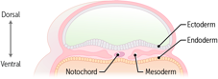 Development of the Nervous System 07.01.2025 20dkEarly in fetal development, the precursors of the major systems in the body are outlined. The three germ layers (endoderm, mesoderm, ectoderm) are formed during the third week of development. We’ll focus on the ectoderm, from which the entire nervous system (central and peripheral) forms. But first, let’s back up to review the anatomy of the central nervous system (CNS) and peripheral nervous system (PNS) so that we know what the end products of their development are. The CNS comprises the brain and spinal cord; the PNS is composed of the 31 pairs of spinal and 12 pairs of cranial nerves and all the ganglia. After listening to this AudioBrick, you should be able to: List the derivatives of ectoderm. Define neurulation and explain how it occurs, including closure and the dates of neuropore closure. Describe the origin, migration, and fate of neural crest cells, particularly those that form the peripheral nervous system. Explain how the neural tube is organized into three layers. Describe how the spinal cord develops from the neural tube, and describe the contributions of each to these layers to the structure of the mature spinal cord, with emphasis on the alar and basal plates. Describe the development of the brain, including the five brain vesicles, the brainstem, and the cerebral cortex. You can also check out the original brick on the development of the nervous system from our Neurology and Special Senses collection, which is available for free. Learn more about Rx Bricks by signing up for a free USMLE-Rx account: www.usmle-rx.com You will get 5 days of full access to our Rx360+ program, including nearly 800 Rx Bricks. After the 5-day period, you will still be able to access over 150 free bricks, including the entire collections for General Microbiology and Cellular and Molecular Biology. *** If you enjoyed this episode, we’d love for you to leave a review on Apple Podcasts. It helps with our visibility, and the more med students (or future med students) listen to the podcast, the more we can provide to the future physicians of the world. Follow USMLE-Rx at: Facebook: facebook.com/usmlerx Blog: usmle-rx.com/blog-posts X: @usmle_rx_ Instagram: @usmle_rx_ YouTube: youtube.com/USMLERX Learn how you can access over 150 of our bricks for FREE: https://usmle-rx.com/free-bricks/ from our Musculoskeletal, Skin, and Connective Tissue collection, which is available for free. Learn more about Rx Bricks by signing up for a free USMLE-Rx account: www.usmle-rx.com You will get 5 days of full access to our Rx360+ program, including nearly 800 Rx Bricks. After the 5-day period, you will still be able to access over 150 free bricks, including the entire collections for General Microbiology and Cellular and Molecular Biology.
 -
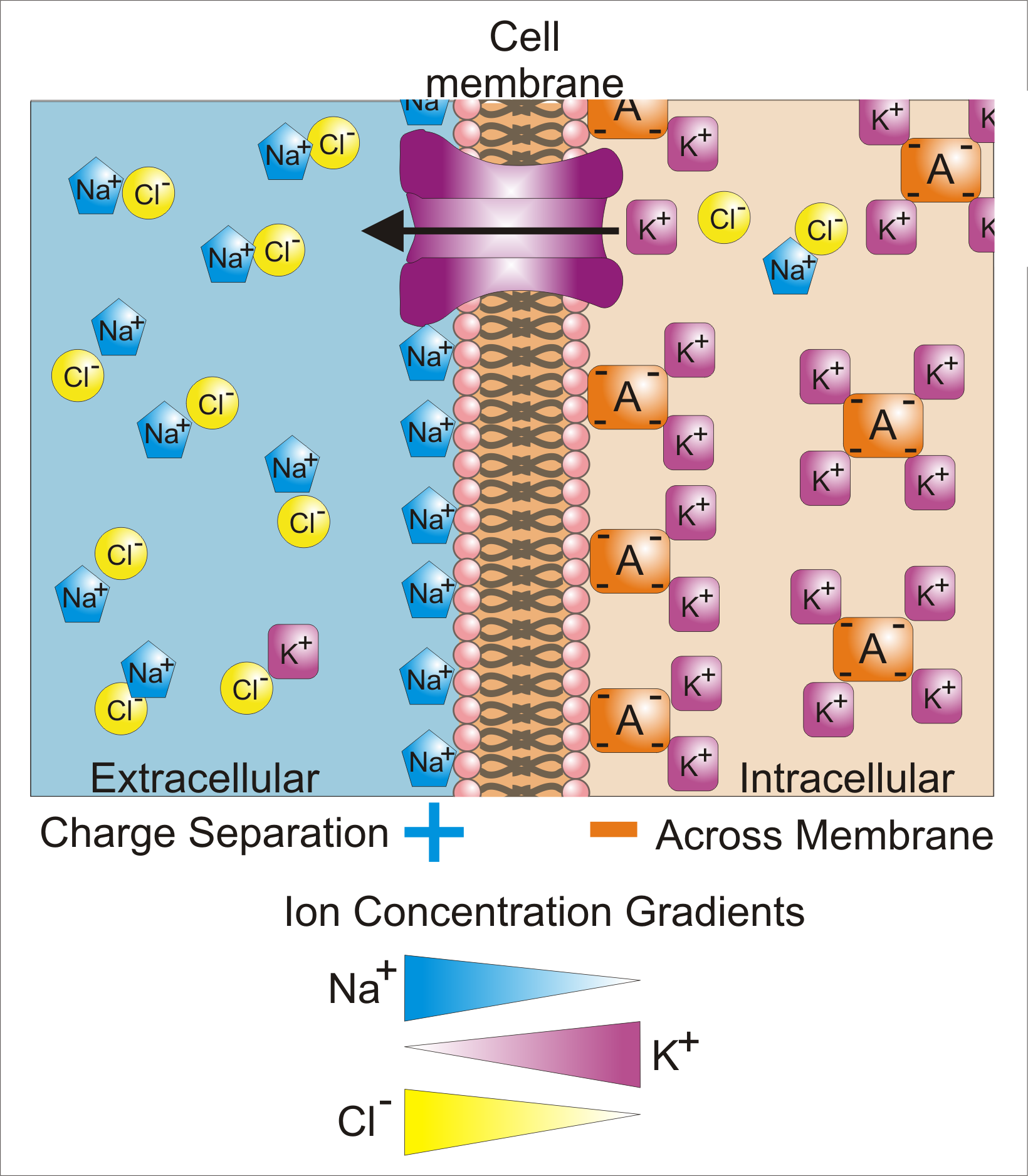 Cell Membrane Potential and Ion Balance 10.12.2024 29dkDifferences in ion concentrations inside and outside a cell cause a difference in the charge of the intracellular and extracellular environments. This electrical polarization of a cell relative to its environment is referred to as cellular membrane potential. This potential serves as an energy source for a variety of cellular functions and as a way for excitable cells like muscle cells and neurons to communicate their signals. A cell controls its membrane potential by regulating the concentration of multiple ions and other charged particles. Let’s take a closer look at the biochemistry behind the cell membrane potential. After listening to this AudioBrick, you should be able to: Define equilibrium and describe the forces at work on ions across a biological membrane. Discuss the importance of the Nernst equation and equilibrium potentials. Describe the importance of Na-K-ATPase in relation to the resting membrane potential (Vr). Describe the nonequilibrium steady-state (NESS). Define and discuss the chord conductance equation. You can also check out the original brick from our Cellular Biology collection, which is available for free. Learn more about Rx Bricks by signing up for a free USMLE-Rx account: www.usmle-rx.com You will get 5 days of full access to our Rx360+ program, including nearly 800 Rx Bricks. After the 5-day period, you will still be able to access over 150 free bricks, including the entire collections for General Microbiology and Cellular and Molecular Biology. *** If you enjoyed this episode, we’d love for you to leave a review on Apple Podcasts. It helps with our visibility, and the more med students (or future med students) listen to the podcast, the more we can provide to the future physicians of the world. Follow USMLE-Rx at: Facebook: www.facebook.com/usmlerx Blog: www.firstaidteam.com Twitter: https://twitter.com/firstaidteam Instagram: https://www.instagram.com/firstaidteam/ YouTube: www.youtube.com/USMLERX Learn how you can access over 150 of our bricks for FREE: https://usmlerx.wpengine.com/free-bricks/
Benzer podcastler


Şurada popüler
Bu podcast şu ülkelerin podcast listelerinde de yer alıyor.


