
Historiansplaining: A historian tells you why everything you know is wrong
Samuel Biagetti, PhD
0
Historiansplaining is a college-level history podcast hosted by historian Samuel Biagetti, PhD. The show challenges conventional historical narratives, revealing the forgotten forces that have shaped the world. With over 200 episodes, it offers in-depth, long-form lectures and interviews without commercials. Listeners can explore episodes by topic, location, or timeline on the companion website. The podcast aims to provide a thorough, thought-provoking understanding of history.
Bölümler
-
 Reading -- New England poems: Lowell & Sexton 28.08.2026 15dkWe read poems dealing with the religious and intellectual history of New England & grappling with the legacies of Puritanism, the Great Awakening, and Transcendentalism: Robert Lowell's "Mr. Edwards and the Spider" and "Jonathan Edwards in Western Massachusetts," about the colonial minister, philosopher, and fire-and-brimstone preacher, Jonathan Edwards; and Anne Sexton's "Kind Sir: These Woods," addressed to Henry David Thoreau. Please sign on as a patron at any level, to make it possible to keep this podcat coming, and to hear patron-only lectures, including the upcoming lecture on the preacher George Whitefield's preserved thumb: https://www.patreon.com/c/u5530632
 -
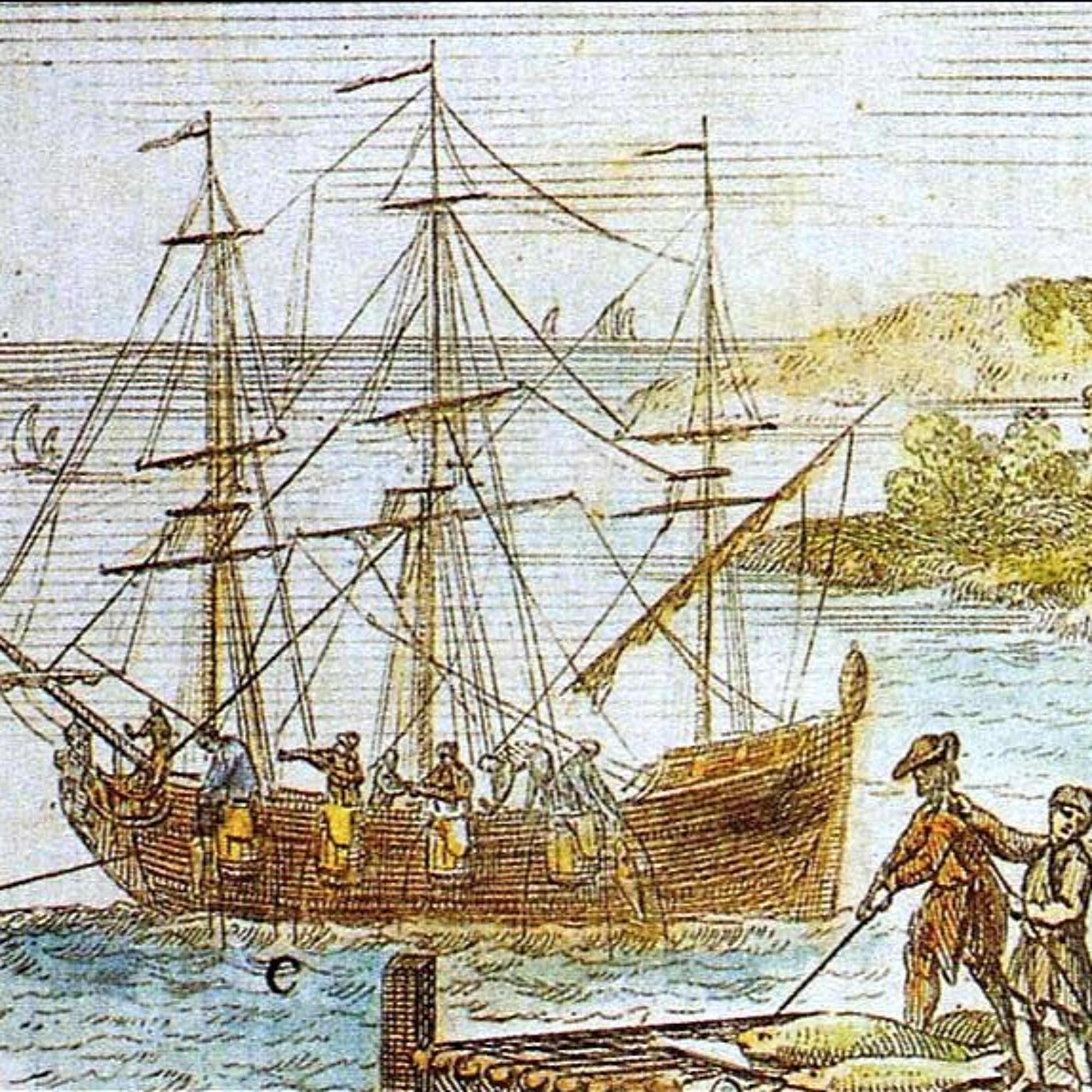 Newfoundland: The Amphibious Province, 1610-1697 14.08.2026 1sa 40dkA colony built on cod: We follow how the massive seasonal fishing industry of the 1500s, with its intense competition among Spanish, English, French, Basque, & Portuguese mariners in the frigid North Atlantic waters off of Newfoundland, eventually went ashore and began to construct year-round “plantations” around coves on the rugged shoreline, usually without state involvement or approval. We observe how planters, migratory fishermen, and aristocratic proprietors vied for control of the makeshift colonies in Newfoundland, leading to the emergence of a free-wheeling and hard-drinking colonial society, and ultimtately, to a cataclysmic war between France and England for control of the world’s richest fishing grounds. Please sign on as a patron to hear all patron-only lectures, including “The Successful Failure” on Jamestown and the founding of Virginia: https://www.patreon.com/u5530632 Our previous lecture on “The Elizabethan Dream: How England Became a Sea Power” -- https://historiansplaining.com/episodes/the-elizabethan-dream-how-england-became-a-sea-power/ Image: Scene of a Newfoundland cove with fishing ship & “stage,” from a French woodcut, via Heritage Newfoundland & Labrador, “The French Newfoundland Fishery in the 17th Century” Sources: Pope, “Fish Into Wine: The Newfoundland Plantation in the Seventeenth Century”
 -
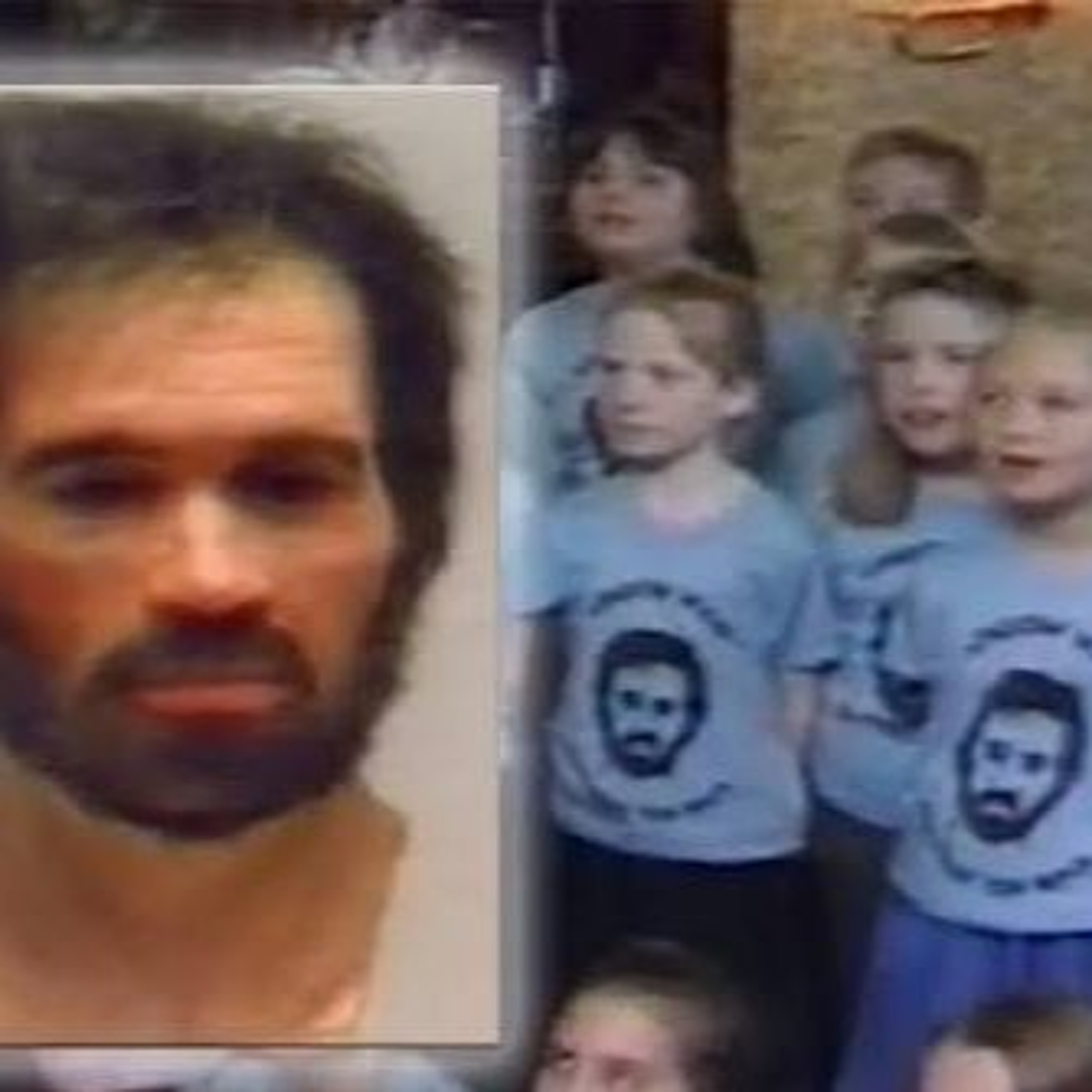 Excerpt: The Bog Bodies -- sec. 2: Sometimes a Garrote is Just a Garrote 28.07.2026 12dkPost on patreon for patrons only for 6 months: We tackle the deepest mystery surrounding the ancient bog bodies: why were people ritually killed and deposited in bogs for millennia? Were they targets of murder, execution, or sacrifice? We analyze the long and tense debate over Britain’s most famous bog body, Lindow Man, who met a brutal end in a bog in Northwest England in the 1st century AD, and in so doing, we refute the accident and criminal-murder (or “Iron-Age mugging”) theories. We carefully dissect the notion of the “threefold death,” which purports to link bog bodies like Lindow Man to ancient Celtic gods and myths. Finally, we explore the more difficult and nuanced question of whether bog killings were primarily executions or sacrifices, weighing evidences ranging from preserved last meals to manicured nails to Julius Caesar’s macabre account of the “Wicker Man” sacrifice in ancient Gaul. Finally, we return to Lindow Moss, and consider the possibility that Lindow Man’s death was a desperate wartime measure to combat the Roman advance. Please sign on as a patron at any level to hear this lecture and all other patron-only lectures! -- https://www.patreon.com/u5530632/posts/doorways-in-time-165082926?pr=true Alternatively, non-patrons may purchase the "Doorways in Time" playlist on the great archaeological discoveries, for one small up-front fee: https://www.patreon.com/collection/2127051?view=condensed Image: English schoolchildren singing with “Lindow Man” t-shirts, with image of putative facial reconstruction of the bog body, from video for “Lindow Man, We Want You Back Again,” 1987 (video link below) Video of song, “Lindow Man, We Want You Back Again,” by Lindow Primary School, 1987: https://www.youtube.com/watch?v=aguYZH2_oxg SOURCES: Books: -Miranda Aldhouse-Green, “Bog Bodies Uncovered: Solving Europe’s Ancient Mystery”; -Ross & Robbins, “The Life and Death of a Druid Prince: The Story of Lindow Man, an Archaeological Sensation”; -Karin Sanders, “Bodies in the Bog and the Archaeological Imagination”; -Stead, Bourke, & Brothwell, eds., “Lindow Man: the Body in the Bog”; -Melanie Giles, “Bog Bodies: Face to Face with the Past”; -Peter Glob, “The Bog People: Iron-Age Man Preserved” MA Theses: -Solen Ruffy, “The Violent Deaths of Kings and Priests in Ireland and Britain: Case Study of the Iron Age Bog Mummies,” etc., U. of Western Brittany, 2023, https://dumas.ccsd.cnrs.fr/dumas-04560083v1/file/Memoire-2023-LCCC-RUFFY_Solen.pdf -Lydia Stewart, “Bog Bodies: Archaeological Narratives and Modern Identity,” Victoria University of Wellington, 2020 Articles: -Van Beek, et al, “Bogs, bones and bodies: the deposition of human remains in northern European mires,” Antiquity, Jan. 2023; -R.C. Connolly, “Lindow Man: Britain’s Prehistoric Bog Body,” Anthropology Today, Oct. 1985; -Dalya Alberge, “Lindow Man ‘was a simple murder victim,” The Times, March 22, 2004; -Ronald Hutton, “What Did Happen to Lindow Man?”, Worthing Archaeological Society Journal, spring 2004 -CS Briggs, “Did They Fall or Were They Pushed? Some Unresolved Questions about Bog Bodies,” in Turner & Scaife, eds., “Bog Bodies: New Discoveries and New Perspectives,” 1995 Lecture: -Ronald Hutton, “Gods of Prehistoric Britain,” 2022, https://www.youtube.com/watch?v=QjC0lGr4h04 Podcast Series: -“The Discovery Series: The Bog Bodies,” https://podcasts.apple.com/us/podcast/the-discovery-series-the-bog-bodies/id1852306442
 -
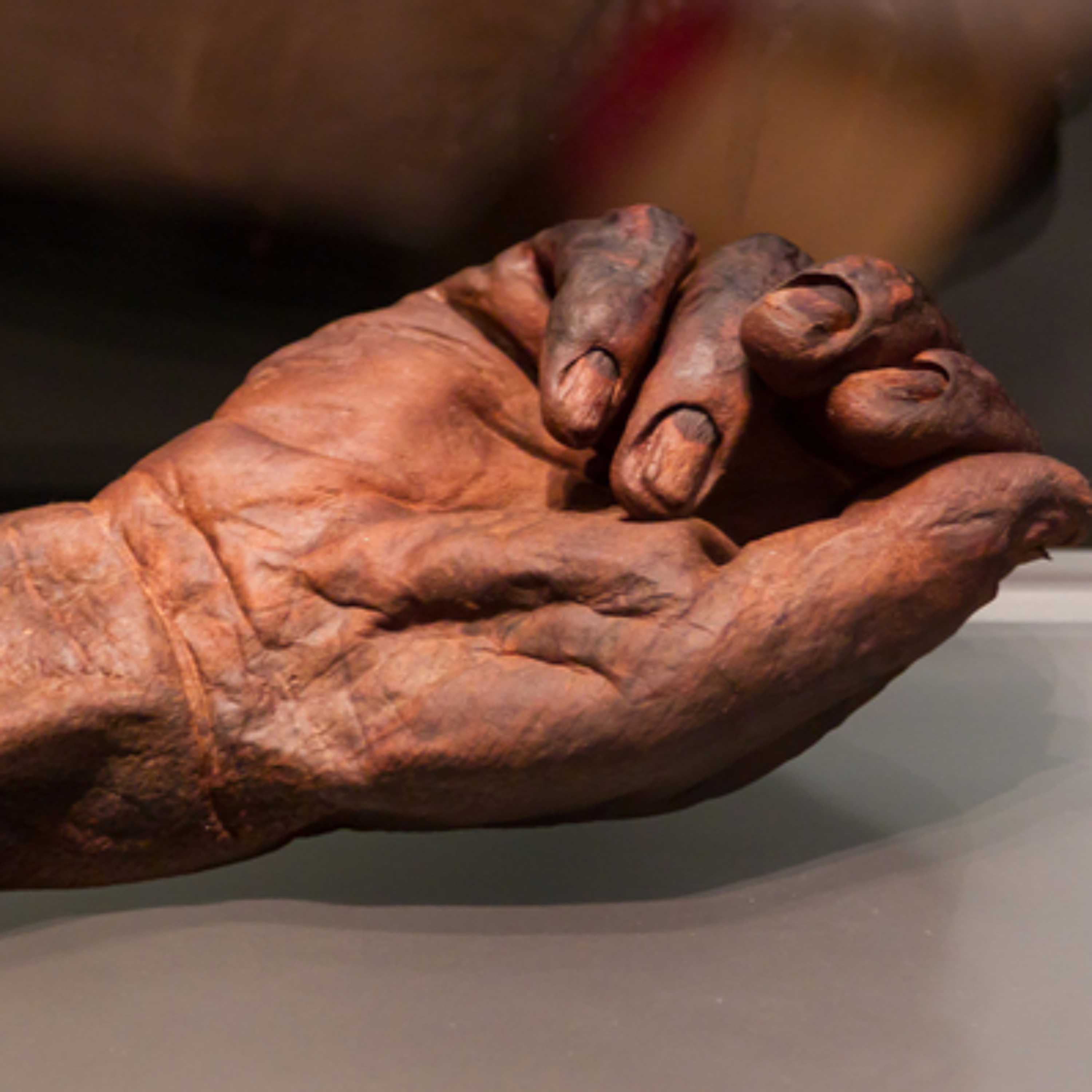 Doorways in Time, pt. 11: The Bog Bodies -- sec. 1: Something Isn't Rotten in the State of Denmark 14.07.2026 1sa 43dkThe most exhaustive survey that you will find of the “Bog Bodies” – the highly preserved human remains, often of ancient Iron-Age people whose lives were ended violently, that have been discovered in wetlands all across northern Europe, from Estonia to Ireland, over the past 250 years. We consider how, when, and why these often shockingly intact bodies have been found, what facts can be gleaned about who they were, and finally, when and where the practice of killing people and placing them into bogs originated (hint: it’s in the title). In the next installment, we will discuss the competing theories as to why these Iron Age people died violently, including murder, execution, and sacrifice. Please support this podcast at any level to hear the patron-only lectures, including the previous episode of “Doorways in Time,” examining Catalhoyuk, the oldest town site on Earth -- www.patreon.com/c/u5530632 Image: The right hand of Old Croghan Man, 300s-200s B.C., discovered in Ireland, 2003 SOURCES: Books: Miranda Aldhouse-Green, “Bog Bodies Uncovered: Solving Europe’s Ancient Mystery”; Ross & Dobins, “The Life and Death of a Druid Prince: The Story of Lindow Man, an Archaeological Sensation”; Karin Sanders, “Bodies in the Bog and the Archaeological Imagination”; Stead, Bourke, & Brothwell, eds., “Lindow Man: the Body in the Bog”; Melanie Giles, “Bog Bodies: Face to Face with the Past”; Peter Glob, “The Bog People: Iron-Age Man Preserved”; Dick Kirby, “Missing, Presumed Murdered: The McKay Case and Other Convictions without a Corpse” MA Thesis: Solen Ruffy, “The Violent Deaths of Kings and Priests in Ireland and Britain: Case Study of the Iron Age Bog Mummies,” etc., 2023, https://dumas.ccsd.cnrs.fr/dumas-04560083v1/file/Memoire-2023-LCCC-RUFFY_Solen.pdf Articles: Van Beek, et al, “Bogs, bones and bodies: the deposition of human remains in northern European mires,” Antiquity, Jan. 2023; R.C. Connolly, “Lindow Man: Britain’s Prehistoric Bog Body,” Anthropology Today, Oct. 1985; Dalya Alberge, “Lindow Man ‘was a simple murder victim,” The Times, March 22, 2004; Ronald Hutton, “What Did Happen to Lindow Man?”, Worthing Archaeological Society Journal, spring 2004 Lecture: Ronald Hutton, “Gods of Prehistoric Britain,” 2022, https://www.youtube.com/watch?v=QjC0lGr4h04 Podcast Series: “The Discovery Series: The Bog Bodies,” https://podcasts.apple.com/us/podcast/the-discovery-series-the-bog-bodies/id1852306442
 -
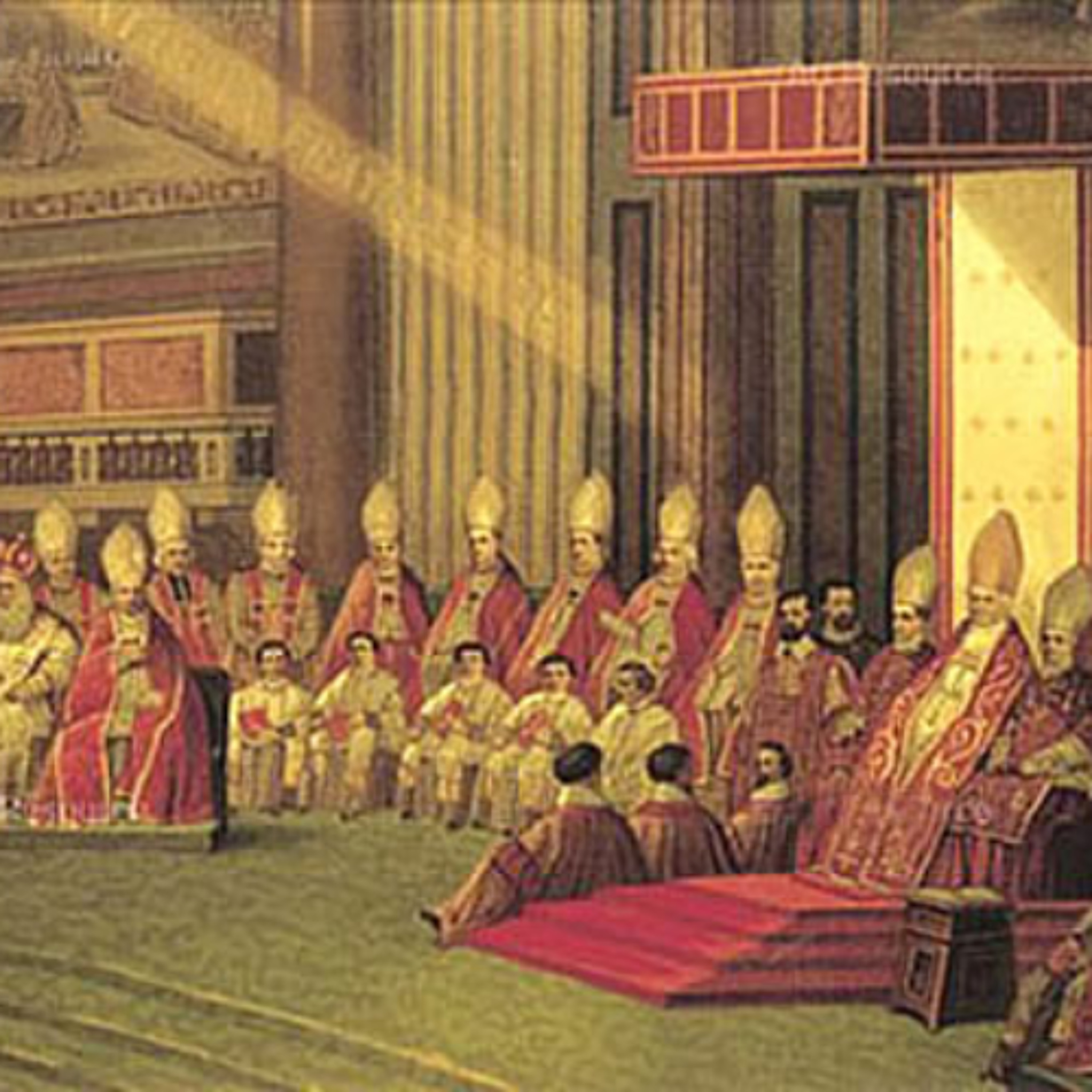 Unlocked: The Keys of Heaven & Earth: The History of the Papacy -- pt. 2 05.07.2026 1sa 51dkUnlocked after 1 year for patrons only: We follow the tribulations of the Papacy through the aftermath of the Protestant Reformation, as the Pope's loyal soldiers in the Jesuit order are expelled from Catholic states and empires, the Church comes under attack in the French Reovlution, and Napoleon takes the Pope prisoner. We then follow the Papacy's gradual recovery of prestige -- through the reactionary rigorism of Pius IX and the 1st Vatican Council; the creation of Catholic social teaching and the intervention of the Church in the class struggle between capital and labor under Leo XIII; and the dramatic reforms of the Second Vatican Council in the 1960s. We consider the controversies and scandals of the modern church relating to fascism, the Nazi Holocaust, the Vatican Bank, and the suppression of Liberation Theology, and finally, examine the recent shakeup of the Vatican under Pope Francis, the momentous implications of the Synod on Synodality, and the clues presaging a new political assertiveness of the Church under the first American pope, Leo XIV. Please support this podcast to hear all patron-only lectures when they are posted: https://www.patreon.com/c/u5530632 Image: Print showing Pope Pius IX presiding over the First Vatican Council in St. Peter's Basilica, 1869.
 -
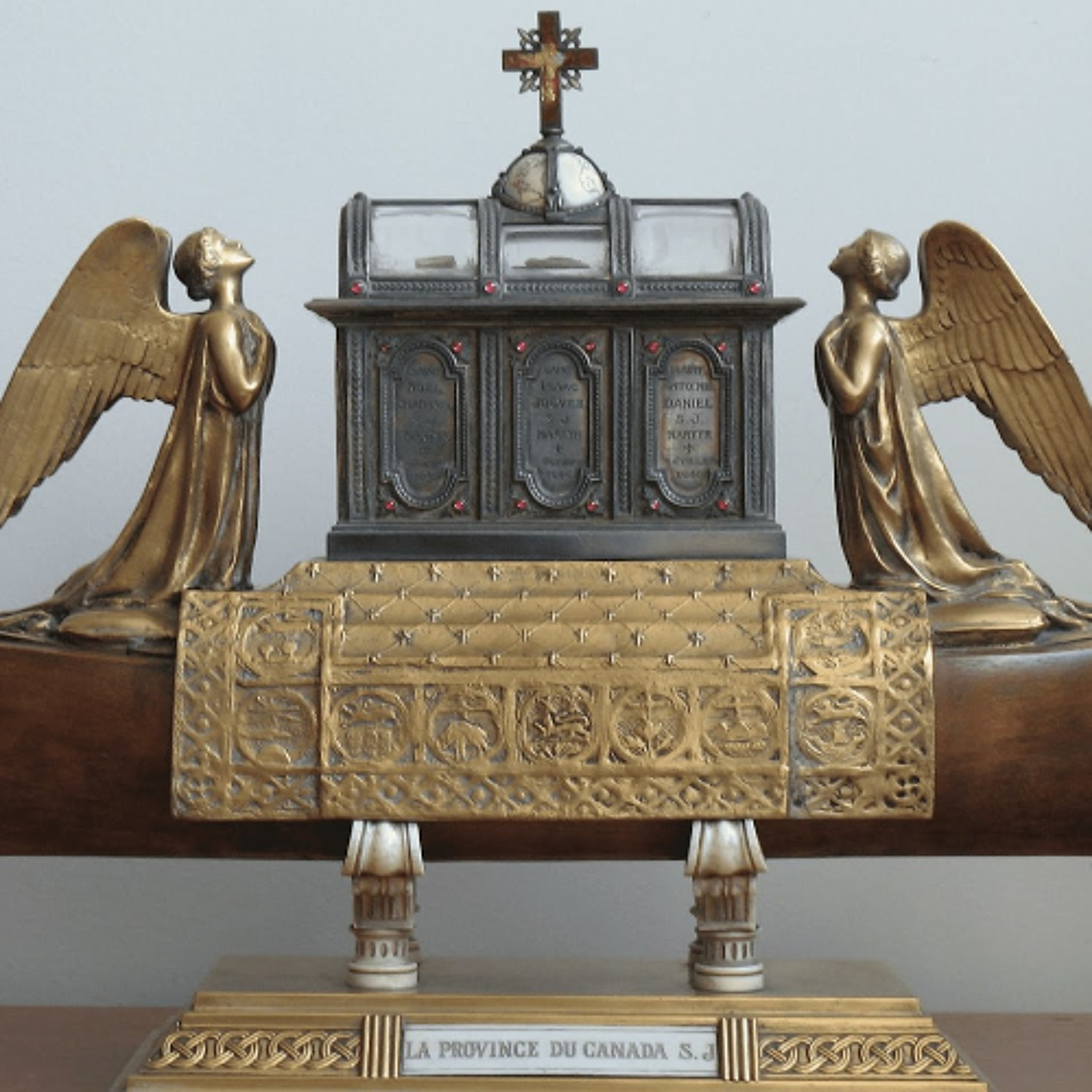 French Canada, pt. 2 -- Envisioning a Province, 1648-1688 26.06.2026 1sa 21dkWe examine how French Canada and its indigenous allies weathered the apocalyptic disasters of the mid-1600s, giving shape in the process to a new, distinctly Canadian form of mystical and penitential piety. We trace how in the 1660s, the new absolutist regime under the young Louis XIV and Colbert took the colony under direct royal rule, investing immense resources into the colonizing venture, pacifying the enemies of the French, and enabling ambitious imperial officials like Jean Talon to enlarge Canada into a full-fledged province, comprising extensive agricultural lands along the Saint Lawrence, a complex tiered social structure, an autonomous church, and a sprawling network of outposts, forts, and missions stretching as far as the Mississippi and modern-day Manitoba. Finally, we see how English expansion both in the south and in the north ended the interval of peace, reigniting war along new frontiers, and ultimately pulling Canada into a vortex of inter-imperial war from which it would never fully escape. Please sign on as a patron to support the podcast and to hear all patron-only lectures: https://www.patreon.com/c/u5530632 Image: Reliquary with relics of three of the Canadian Martyrs (Chabanel, Jogues, & Daniel), held by the archives of the Jesuit Province of Quebec Suggested Further Reading: Riendeau, “A Brief History of Canada”; Moogk, “La Nouvelle France: The Making of French Canada”; Linteau, “The History of Montreal”; Greg Koabel, “The Nations of Canada” podcast,
 -
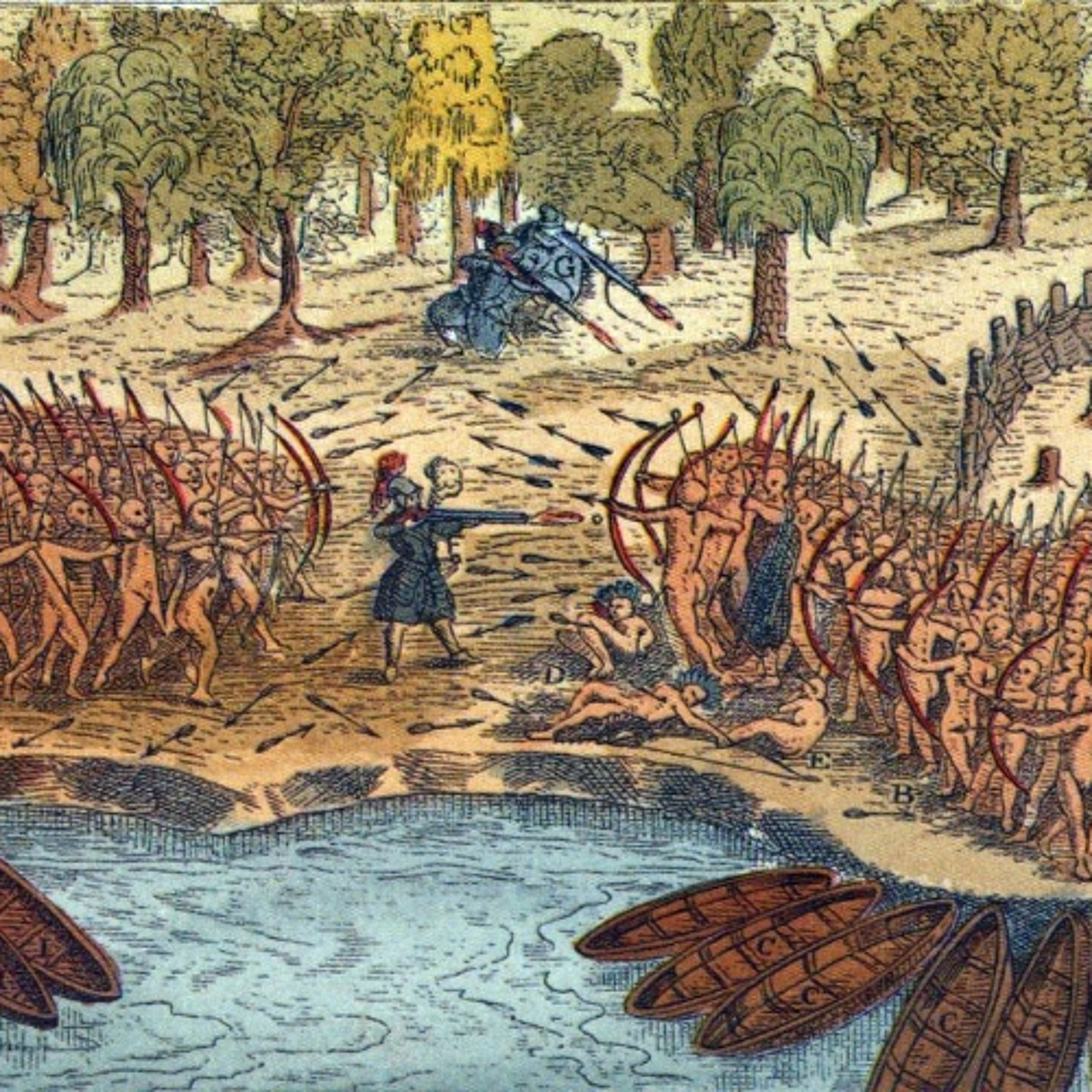 French Canada, pt. 1 -- Unlocking the Gates of the Continent, 1608-1648 14.06.2026 2sa 12dkNo other American colony projected such extensive power with so few people. We recount how the French explored the vast northern region they called “Canada” for decades in pursuit of furs and the Northwest Passage, but repeatedly failed to plant a lasting colony in the harsh and forbidding land—until they found in Samuel de Champlain a leader with the shrewdness and grit to overcome the severe cold, the vast distances, and the treacherous politics of the Saint Lawrence basin. We trace the growth of Quebec from little more than a warehouse in the frozen wilderness to a thriving town, controlling the most critical gateway into the continent and serving as the hub of a lucrative trading network, a vast constellation of mission towns and outposts (including the Christianizing experiment known as Montreal), and most importantly, a formidable indigenous alliance system that dominated the continent from the Atlantic to Lake Superior. Finally, we consider the disasters of the mid-1600s, including deadly epidemics and warfare with the Five Nations, that brought Canada’s most important allies to their knees and threatened to wipe the colony off the map. Please sign up as a patron to support the podcast! -- https://www.patreon.com/c/u5530632 Previous lecture discussing the history of the Haudenosaunee Confederacy (aka the Iroquois Confederacy or Five Nations): https://historiansplaining.com/individual-episodes/the-hiawatha-belt/ Previous lecture, discussing the dynamics and importance of the fur trade: “History of the United States in 100 Objects, no. 24 – Beaver-Fur Stovepipe Hat” -- https://historiansplaining.com/individual-episodes/beaver-fur-stovepipe-hat/ Previous lecture on the first French colony on the North American mainland, Acadia: https://historiansplaining.com/individual-episodes/acadia-first-foothold-in-the-north/ Image: Engraving depicting the battle of Lake Champlain, July, 1609, published in Samuel de Champlain’s “Les Voyages du Sieur de Champlain,” 1613, based on a drawing by Champlain himself Suggested Further Reading: Riendeau, “A Brief History of Canada”; David Hackett Fischer, “Champlain’s Dream: The European Founding of North America”; Moogk, “La Nouvelle France: The Making of French Canada”; Linteau, “The History of Montreal”; Greg Koabel, “The Nations of Canada” podcast, https://podcasts.apple.com/us/podcast/the-nations-of-canada/id1531471267
 -
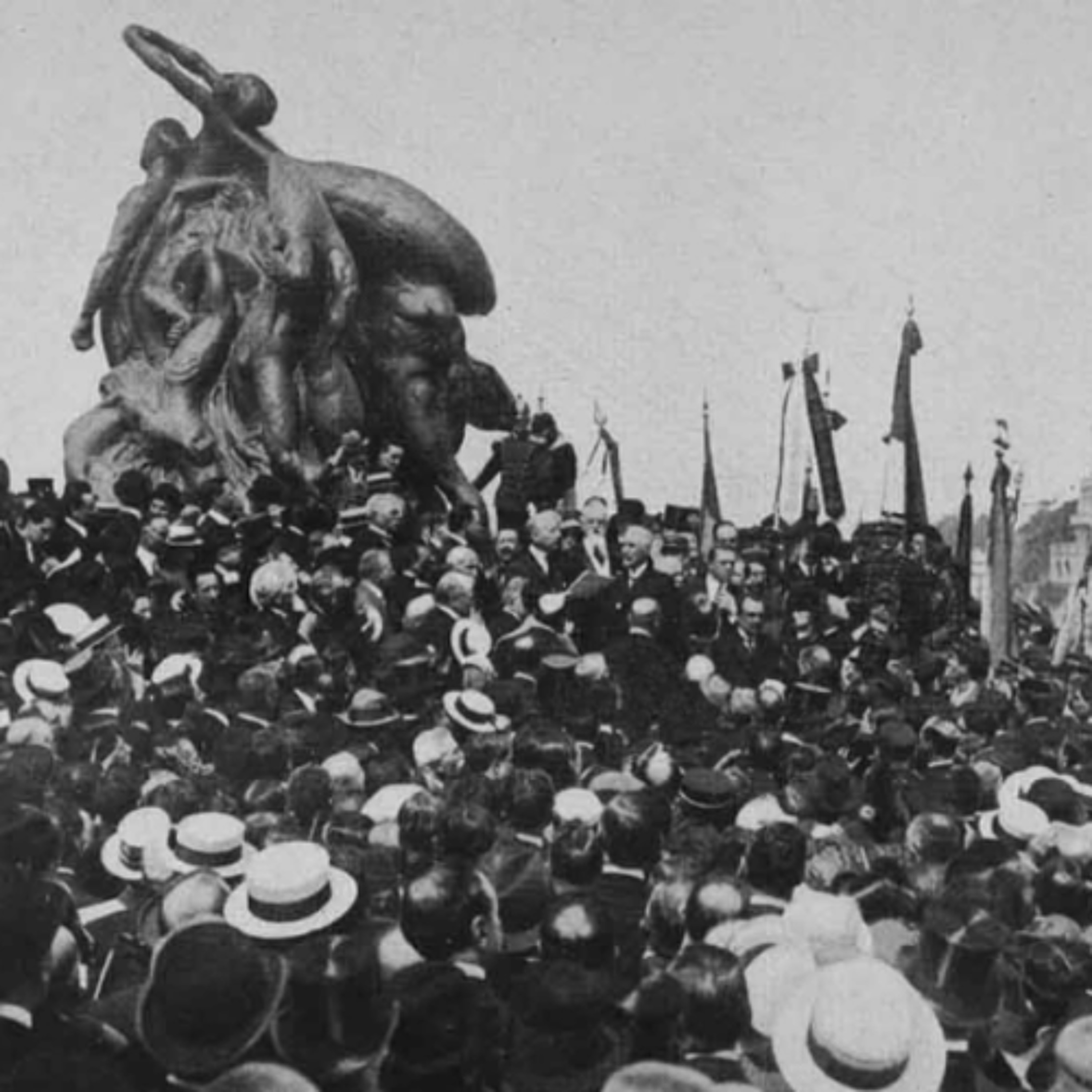 Unlocked: Italy: Nation-Building Struggles & the Entry Into World War I, 1861-1915 09.06.2026 1sa 54dkUnlocked after 1 year for patrons only: We reconstruct the complex divisions and conflicts in Italian society as the new state sought to realize the Risorgimento’s unfulfilled promises of national unity and glory. We observe how the struggles among the Papacy, the Crown, and the powerful socialist movement led to Italy’s momentous decision to break with the Triple Alliance and to enter World War One with the Entente powers, and laid the groundwork for the original rise of Fascism. Please sign up as a patron at any level in order to hear patron-only lectures, including the recent part 2 on the concept of the industrial revoltion: https://www.patreon.com/c/u5530632 Suggested further reading: John A. David, ed., "Italy in the Nineteenth Century”; Adrian Lyttleton, ed., “Liberal and Fascist Italy” Image: pro-intervention rally with Gabriele D’Annunzio, held at Quarto, Liguria, May 5, 1915
 -
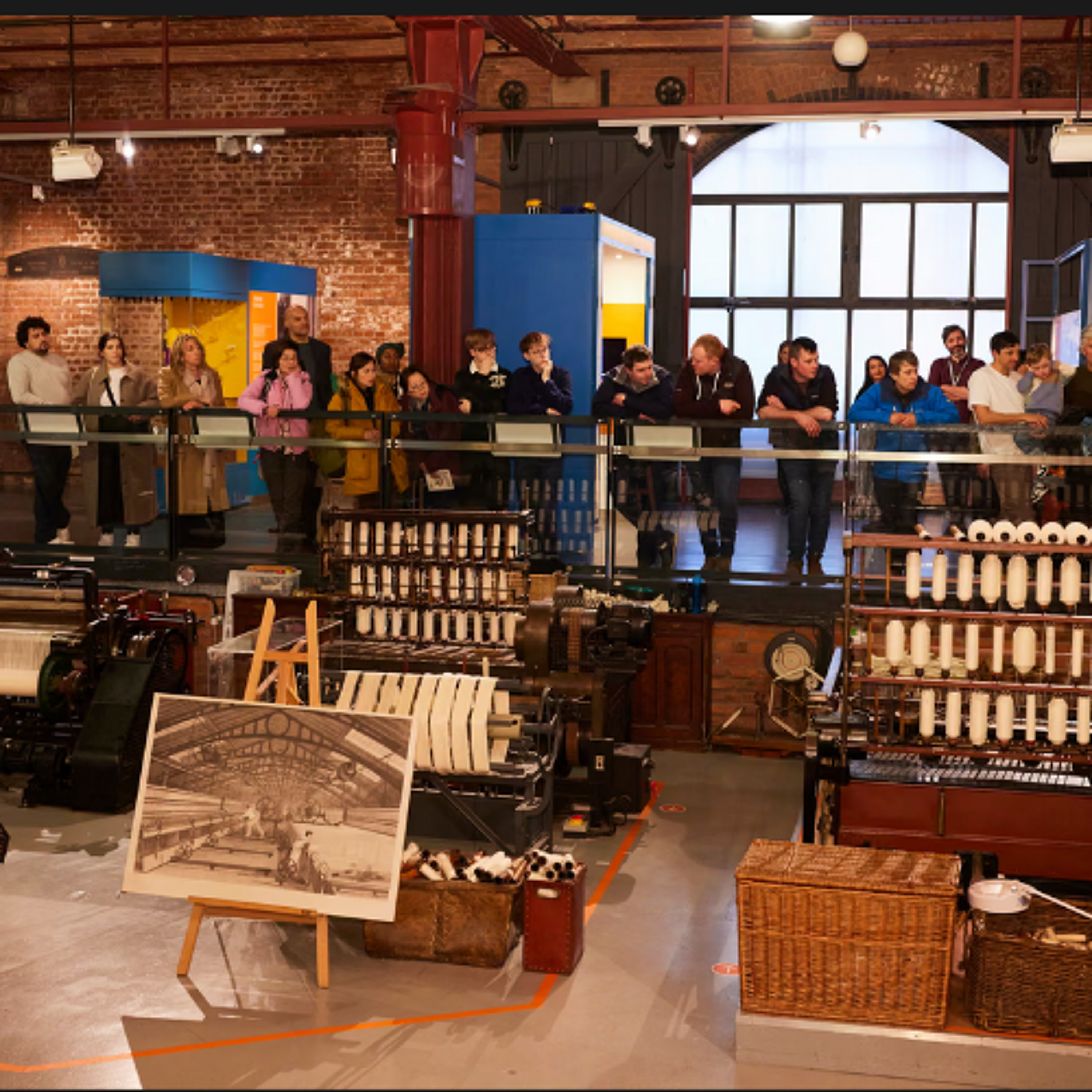 Excerpt: Myth of the Month 26: The Industrial Revolution -- pt. 2: Spinning the National Yarn 26.05.2026 12dkFor patrons only for 1 year: We trace how the notion of the “industrial revolution” – originally a foreign, Continental idea rooted in German dialectical history – entered into British political discourse and then into sacred national mythology, enshrined by the tourism industry and by Thatcherite politics. Then we examine the evolving debate over whether the alleged revolution was a good or a bad thing—or whether such an event happened at all, considering its narrow limitations in time, space, and scope. Finally, we weigh carefully the arguments that have been advanced in defense of the traditional myth, including the explosive growth of British cities, the wide divergence between Europe and the rest of the world, and the appearance of so-called “proto-industrialization” in the organization of labor before the rise of machines. Please sign up as a patron to hear the entire lecture, and all patron-only lectures: https://www.patreon.com/posts/myth-of-month-26-159215235 Alternatively, non-patrons can purchase the entire “Myths of the Month” playlist for one flat fee: https://www.patreon.com/collection/2031535?view=condensed Image: Museum of Sciene and Industry, Manchester, England, UK Suggested further reading: Books: Kenneth Pomeranz, “The Great Divergence”; D.C. Coleman, “Myth, History, and the Industrial Revolution”; Eric Hobsbawm, “Industry and Empire: An Economic History of Britain Since 1750” Articles: Fores, “The Myth of a British Industrial Revolution,” History, 1981; Cameron, “A New View of European Industrialization,” The Economic History Review, Feb. 1985; Quataert, “A New View of Industrialization,” International Labor and Working-Class History, Spring 1988; Razzell, “The Growth of Population in Eighteenth-Century England: A Critical Reappraisal,” Journal of Economic History, Dec. 1993; Davenport, “Mortality, migration and epidemiological change in English cities, 1600-1870,” International Journal of Paleopathology, June 2021
 -
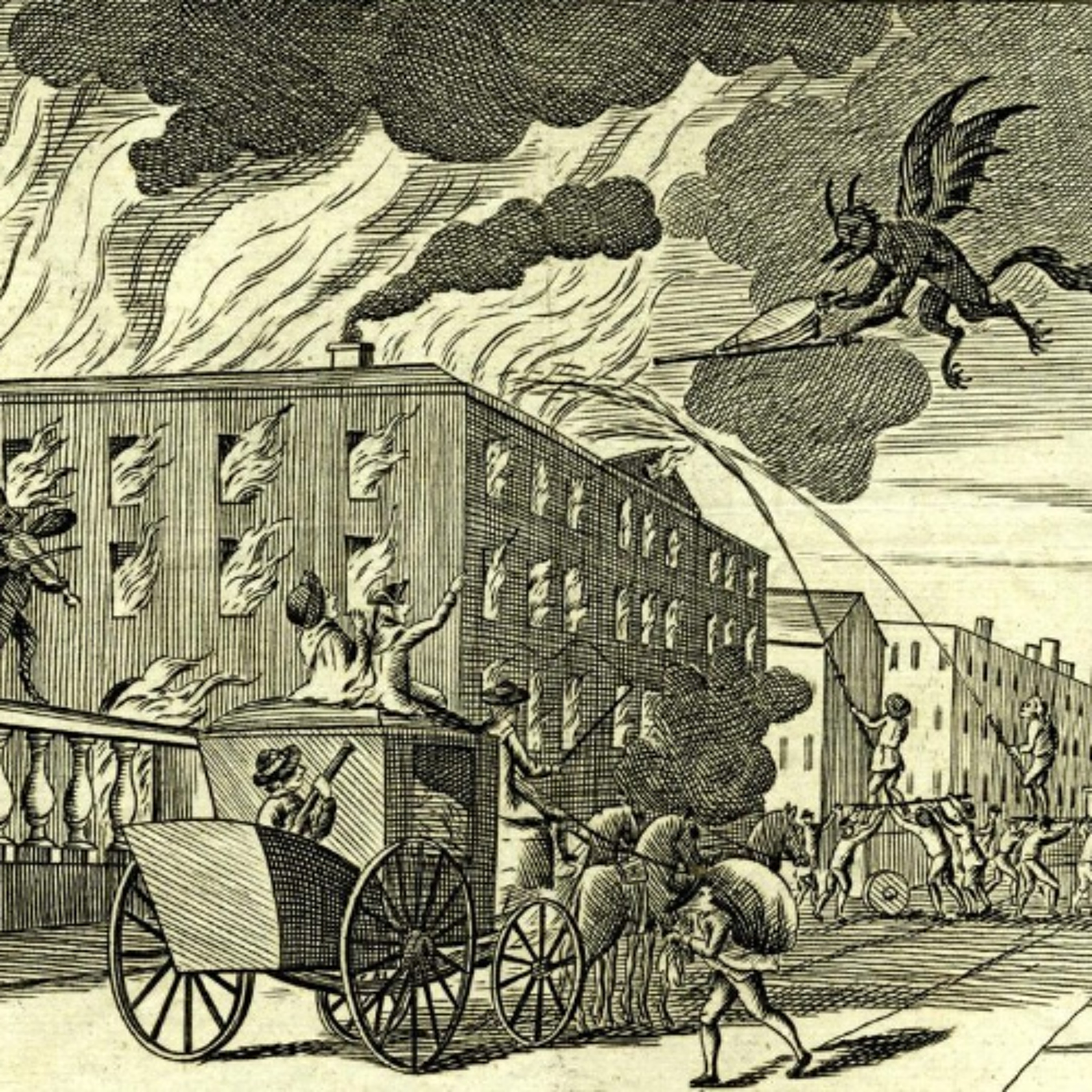 Myth of the Month 26: The Industrial Revolution -- pt. 1: Conceiving a Catastrophe 14.05.2026 1sa 36dkDictionaries, textbooks, and encyclopedias routinely write in grave and solemn tones about the “industrial revolution” that reportedly “transformed” society, first in Britain and then in the rest of the globe, giving painful birth to the modern world. Everything from mystical poems to demographic statistics have been martialed to support the idea of a catastrophic upheaval which disrupted what had been the agrarian, medieval life of the countryside. However, nobody can quite agree on exactly when this revolution took place, and the people supposedly living in the midst of it, in Britain in the 1700s and early 1800s, never noticed that it was happening. In this first lecture, we trace the origins of the concept of the “industrial revolution” in political debates in Restoration-era France and in the philosophical ferment of the German radical press—all before the concept finally made its way back into the country where the great upheaval allegedly took place. Please sign up as a patron to hear the next lecture, part 2 on the Industrial Revolution, "Spinning the National Yarn," and all patron-only lectures: https://www.patreon.com/posts/myth-of-month-26-159215235 Alternatively, non-patrons can purchase the entire “Myths of the Month” playlist for one flat fee: https://www.patreon.com/collection/2031535?view=condensed Image: Print of Albion Mills on fire, by Sheppard, London, 1791 Suggested Further Reading: D.C. Coleman, “Myth, History, and the Industrial Revolution”; Anna Bezanson, “The Early Use of the Term Industrial Revolution,” The Quarterly Journal of Economics, vol. 36, no. 2; Rondo Cameron, “A New View of European Industrialization”, The Economic History Review, vol. 38, no. 1; Eric Hobsbawm, “Industry and Empire: An Economic History of Britain Since 1750”
 -
 Virginia, pt. 2 -- A Dominion on Fire, 1646-1685 28.04.2026 1sa 47dkWe consider Virginia’s tumultuous rise to wealth and prominence as the so-called “Old Dominion” and one of the largest European settler colonies in the world –from the colony’s dangerous stand in the English Civil War, through the subsequent demographic boom, and the codification of chattel slavery – as all the while, social tensions escalated, with the growing underclass of smallholders and landless laborers chafing against gentry rule. We disentangle how a trade dispute between planters and the Doeg Indian tribe on the Potomac River touched off a massive rebellion that overthrew the royal governor, laid waste to Jamestown and many of the great plantations, and threatened to destroy the English colonial enterprise, before order was restored, and the colony was set on a new path towards becoming a slave society. Please become a patron to hear all patron-only lectures, including “Virginia, pt. 1,” on Jamestown and the creation of the colony: www.patreon.com/c/u5530632 Suggested further reading: Morgan, “American Slavery, American Freedom: The Ordeal of Colonial Virginia”; Wertenaber, “The Planters of Colonial Virginia”; Kupperman, “The Jamestown Project”; Billings, Selby, & Tate, “Colonial Virginia: A History” Image: Depiction of Nathaniel Bacon & the burning of Jamestown, from Jamestown-Yorktown Foundation
 -
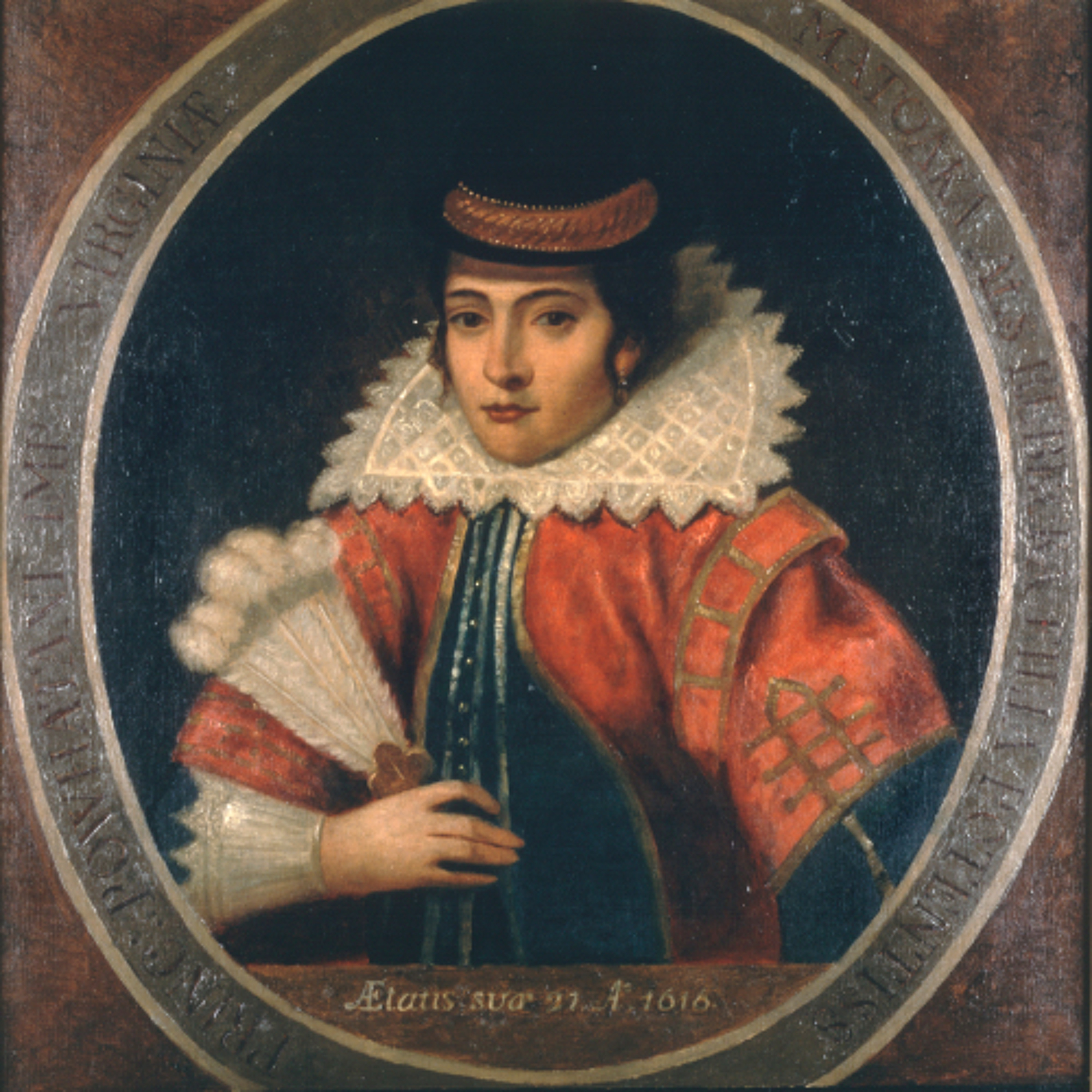 Excerpt: Virginia, pt. 1 -- The Successful Failure, 1607-1646 17.04.2026 10dkVirginia began from a small, undersupplied wooden fort immersed in a brackish and malarial marsh to become, after 30 years, the largest and most valuable colony in North America, pulling in thousands of indentured workers and African slaves each year and pumping out millions of pounds of tobacco. In achieving this shocking metamorphosis, the colonists had to contend with the Powhatan Confederacy, one of the strongest indigenous states in the Americas, which ruled the Tidewater region; and they had to to choose among different forking paths that might have led to an entirely different relationship between Indians and English. We consider the unrealized possible histories that iconic figures like John Smith and Pocahontas came to symbllize, and the reasons why the English backers poured so many resources and human lives into this endeavor of conquest and colonization, ultimately supplanting Powhatan civilization and creating a cash-crop colony. Please become a patron to hear all patron-only lectures: www.patreon.com/c/u5530632 Suggested further reading: Morgan, “American Slavery, American Freedom: The Ordeal of Colonial Virginia”; Wertenaber, “The Planters of Colonial Virginia”; Kupperman, “The Jamestown Project”; Billings, Selby, & Tate, “Colonial Virginia: A History” Image: Portrait of Matoaka / Pocahontas / Rebecca Rolfe, by WL Sheppard, 1891, based on an unknown original allegedly from life, 1616
 -
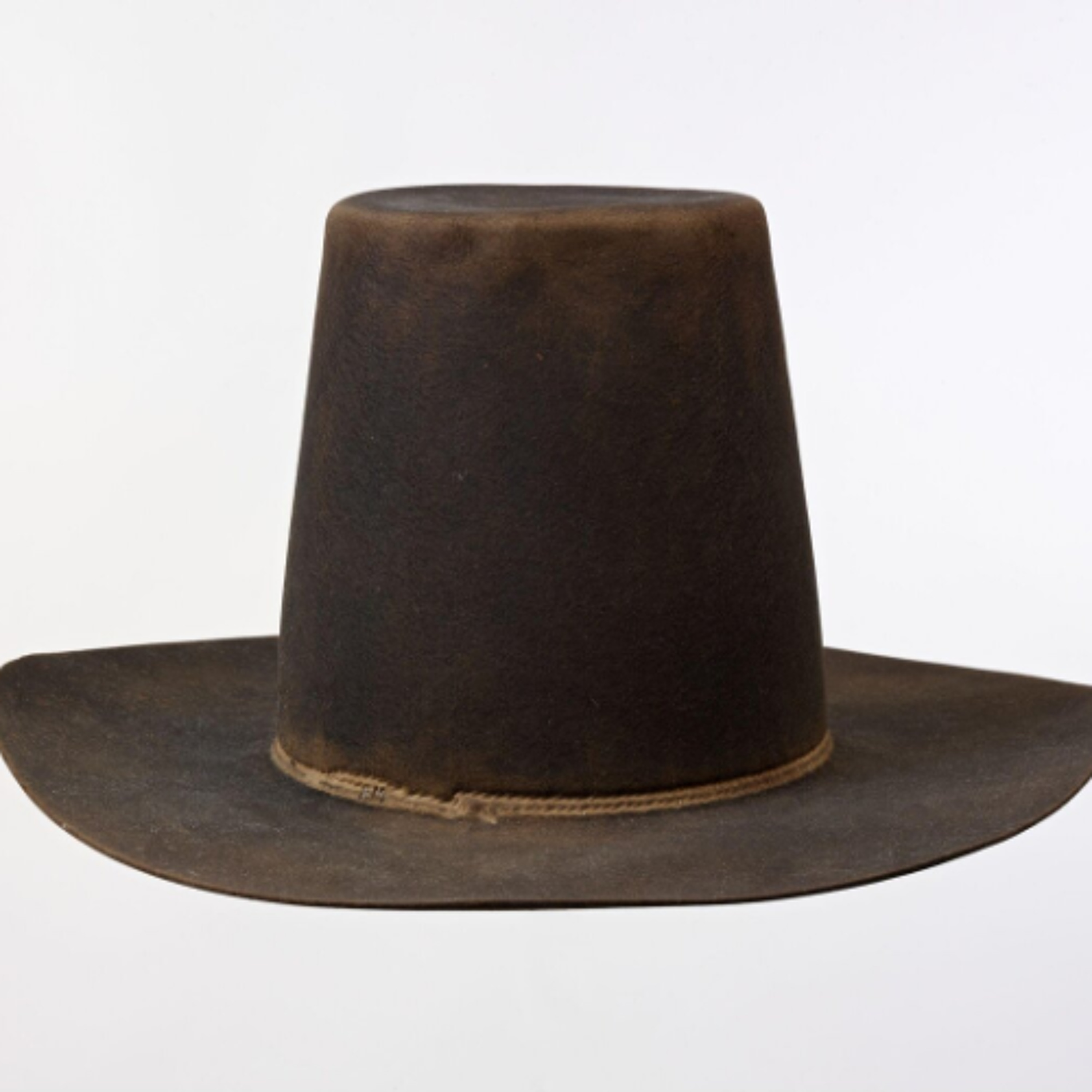 Unlocked: History of United States in 100 Objects -- Beaver Fur Hat, 1590-1670 11.04.2026 51dkUnlocked after 1 year for patrons only: A tall “stovepipe” hat, which was made in the 1600s out of felt from beaver fur and likely belonged to a powerful member of the English Parl A tall “stovepipe” hat, which was made in the 1600s out of felt from beaver fur and likely belonged to a powerful member of the English Parliament, illustrates the extraordinary value of finely made hats, which fueled centuries of colonization, exploration, diplomatic feuding, and warfare all across North America, as European empires and Native American nations competed fiercely for control of the lucrative fur trade. Costume history blog post on beaver hats, with comtemporary artworks, by Gail Kellogg Hope: https://artbeautyandwell-orderedchaos.blogspot.com/2011/04/beaver-hats.html Dissertation by Elizabeth McFadden, on “Fur Dress, Art, and Class Identity in Sixteenth- and Seventeenth-Century England and Holland,” at: https://escholarship.org/content/qt79w6n34n/qt79w6n34n.pdf?t=q6z2rg Alice Morse Earle’s “Two Centuries of Costume in America,” vol. 1, 1620-1820: https://www.gutenberg.org/cache/epub/10115/pg10115.txt Weiss Gallery page with portrait of Sir Rowland Cotton (1581-1634) holding a felt hat: https://www.weissgallery.com/artworks/categories/2/9411-paul-van-somer-c.1577-1622-sir-rowland-cotton-1581-1634-of-alkington-painted-1618/
 -
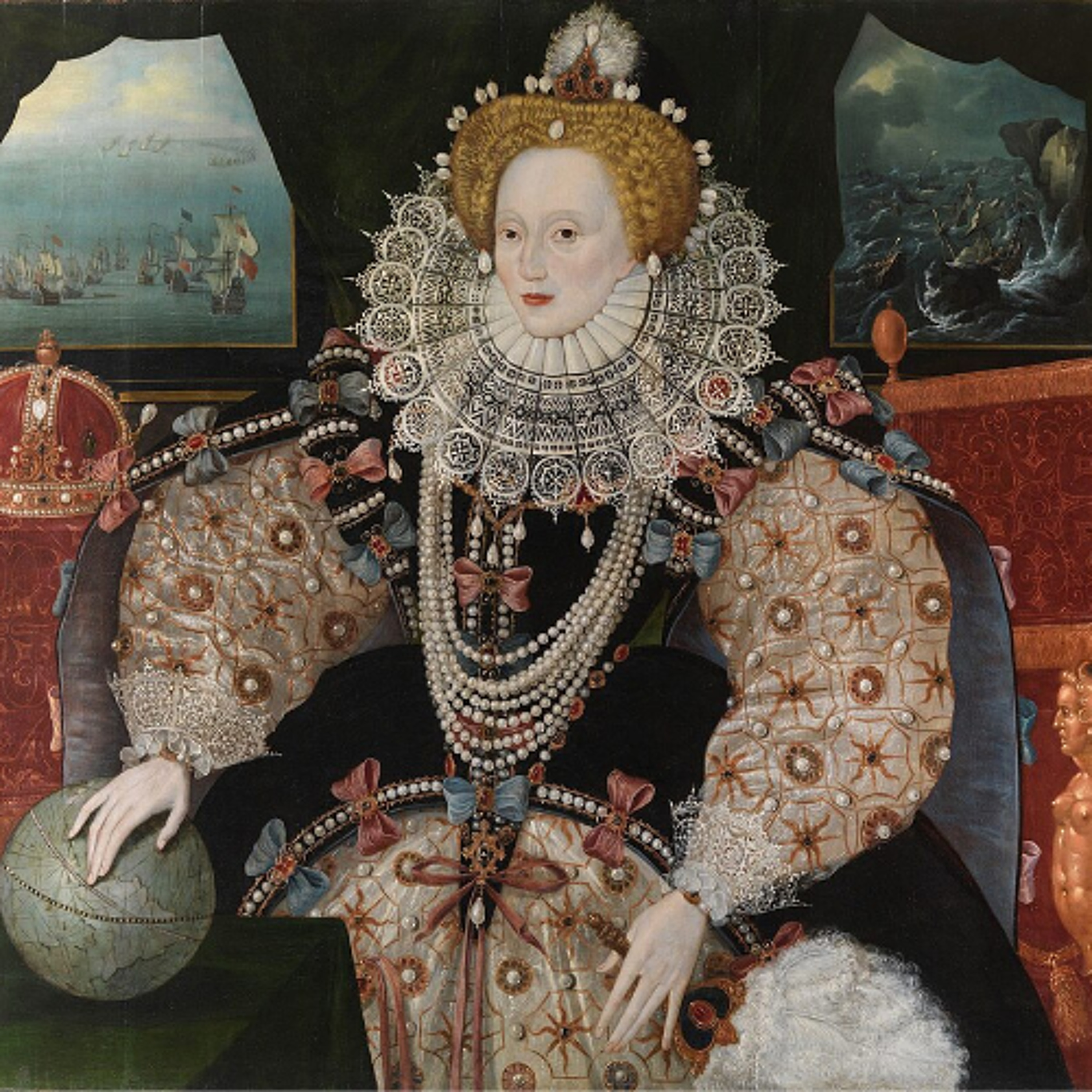 The Elizabethan Dream: How England Became a Sea Power 20.03.2026 2sa 6dkWe follow the adventures and the atrocities of the English “sea dogs,” from raiding ports in West Africa and Spanish mule trains in Central America to scrounging for gold in the Canadian tundra, as the Tudor regime exploited England’s expertise in sailing and navigation to undermine the Spanish empire and try to turn the Atlantic into a massive free-trade zone. We uncover why Elizabethan England never created lasing colonies of their own, until the accession of the first Stuart king in 1603 led to a profound shift in policy, paving the way for the first English colonies beyond Ireland and the extension of the “British empire” to America. Patrons: comment on this post to let us know which country or state you are in: https://www.patreon.com/posts/tell-me-where-153392904 Please become a patron to hear all patron-only lectures: https://www.patreon.com/c/u5530632 My previous lecture on England in the Tudor Age: https://soundcloud.com/historiansplaining/age-of-absolutism-2-tudor-england-1485-1603 My interview with historian Melissa Morris on the early European colonies in Guiana, South America: https://soundcloud.com/historiansplaining/before-jamestown-when-england-colonized-the-amazon-a-conversation-with-melissa-morris Image: the “Armada Portrait” of Queen Elizbeth I, version probably commissioned by Francis Drake; notice English & Spanish ships seen over queen's shoulders, & queen’s hand resting on North America on the globe, representing her purported claim to that land Suggested further reading: Armitage, “Ideological Origins of the British Empire”; Kupperman, “The Jamestown Project”
 -
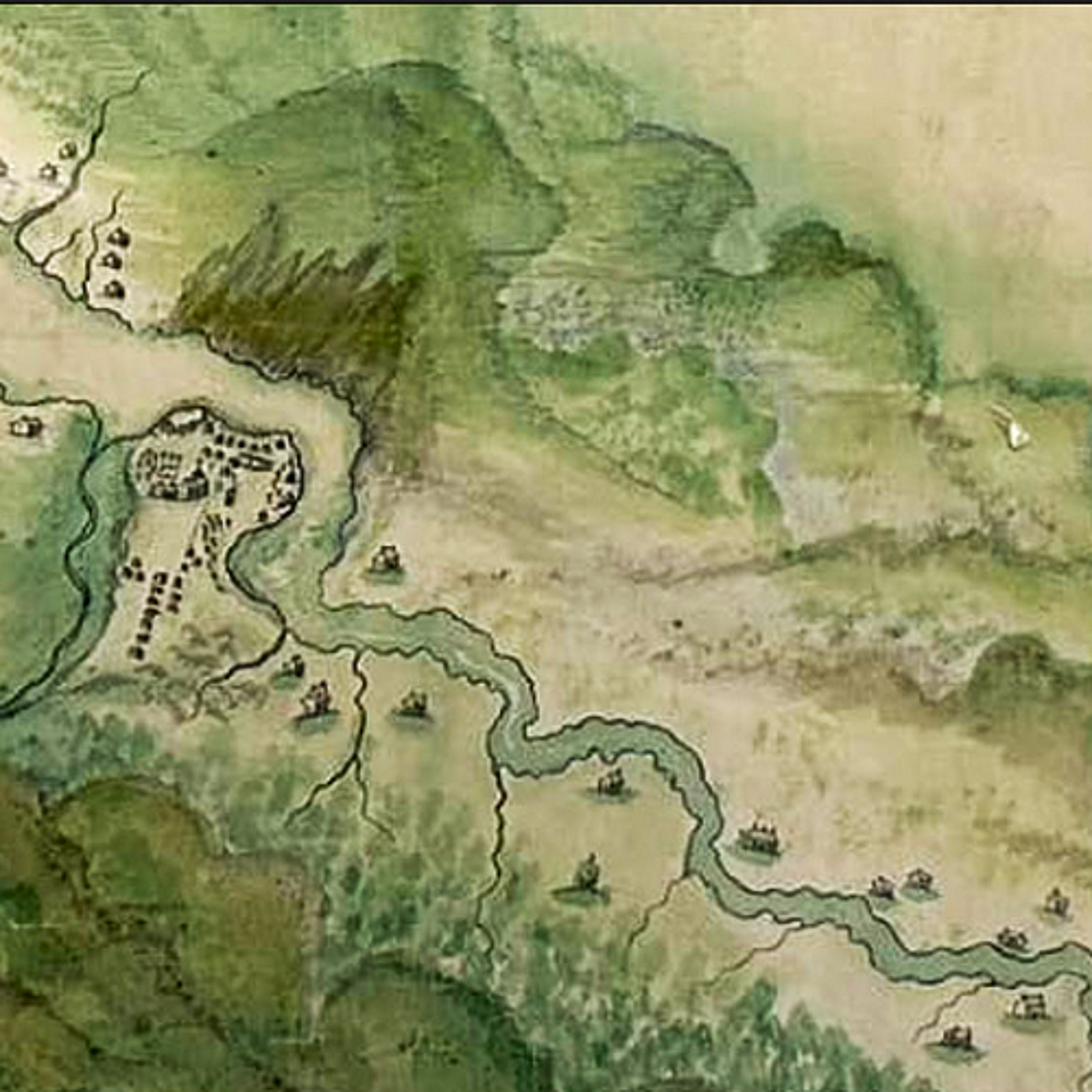 Acadia: First Foothold in the North 27.02.2026 1sa 34dkWe follow the tortuous beginnings of Acadia, the first northern European colony in America -- a string of remote fishing and fur trading outposts, Catholic missions, and French farming villages, which had to withstand a harsh, remote environment, religious and political feuding, a near civil war, and frequent privateer attacks, in order to persist through the seventeenth century and finally begin to develop a distinctive Acadian provincial society which would later survive global war and ethnic cleansing. Please become a patron to hear patron-only lectures -- www.patreon.com/user?u=5530632 My previous lecture on Bourbon France in the same period: https://www.patreon.com/posts/age-of-3-bourbon-44146424 Suggested further reading: N. Griffiths, “The Contexts of Acadian History” & “From Migrant to Acadian: A North American Border People”; Arseneault, “History of the Acadians” Image: Depiction of Belle-Isle area just outside of Port Royal from French census of 1686 Music: “Danse des Sauvages,” from “Les Indes Galantes” by Rameau, performed by Les Arts Florissants
 -
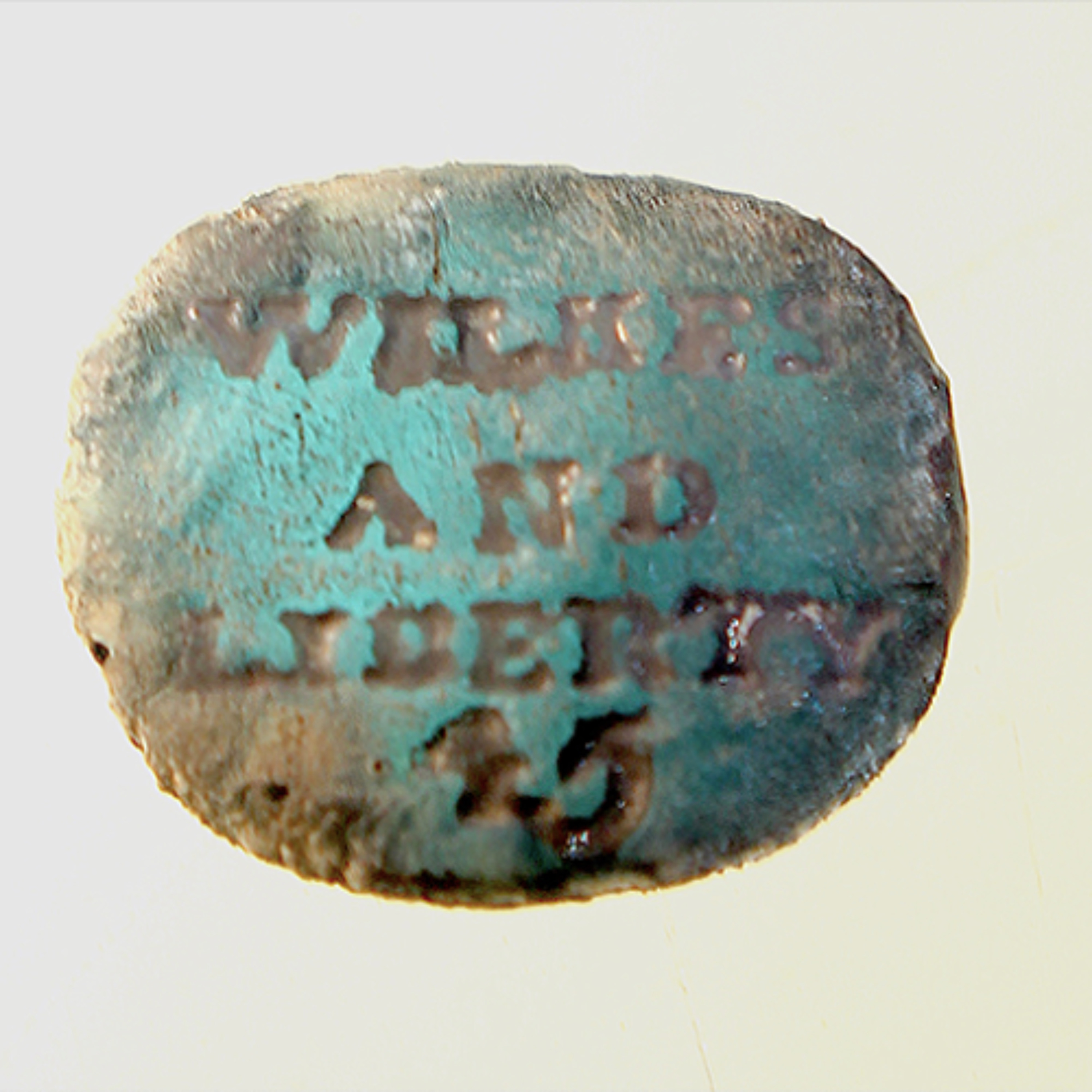 History of the United States in 100 Objects -- 25: "Wilkes And Liberty" Cufflink Jewel, 1760s 13.02.2026 1sa 29dkThe riots, protests, and boycotts that broke out in North America in the wake of the Stamp Act were only one part of the mass crisis that beset Great Britain in the 1760s, as the discontented poor and middle classes rallied behind the ideals of liberty and freedom of speech, and around “radical Whig” politicians who challenged the power of the Crown and the London oligarchy – none more so than the infamous provocateur, satirist, and “rake,” John Wilkes, who ignited popular passions in London and the colonies and nearly burned down the ruling Whig establishment. We examine a key specimen of a tiny glass cufflink jewel inscribed with the incendiary slogan, “Wilkes and Liberty,” which was rececntly discovered in an abandoned town in North Carolina, and which has touched off a wave of similar discoveries, revealing the importance of small, almost unnoticeable objects in the spread of discontent and radical rhetoric across the Atlantic in the years before the American Revolution. Special thank you to: Charles Ewen, East Carolina University; Jim McKee, Brunswick Town / Fort Anderson State Historic Site; Addison Siemon Please sign on as a patron, including to hear the previous installment of "History of the United States in 100 Objects" -- https://www.patreon.com/c/u5530632 For non-patrons, to hear all installments in this series on the history of the United States in 100 objects, you can purchase access through a single small payment: https://www.patreon.com/collection/2070759?view=condensed My lecture on the Interregnum & Restoration, including the origins of the Whig party: https://www.patreon.com/posts/england-and-1650-42722389 My lecture on the Glorious Revolution and the beginning of the Whig ascendancy: https://www.patreon.com/posts/james-ii-and-88-73953596
 -
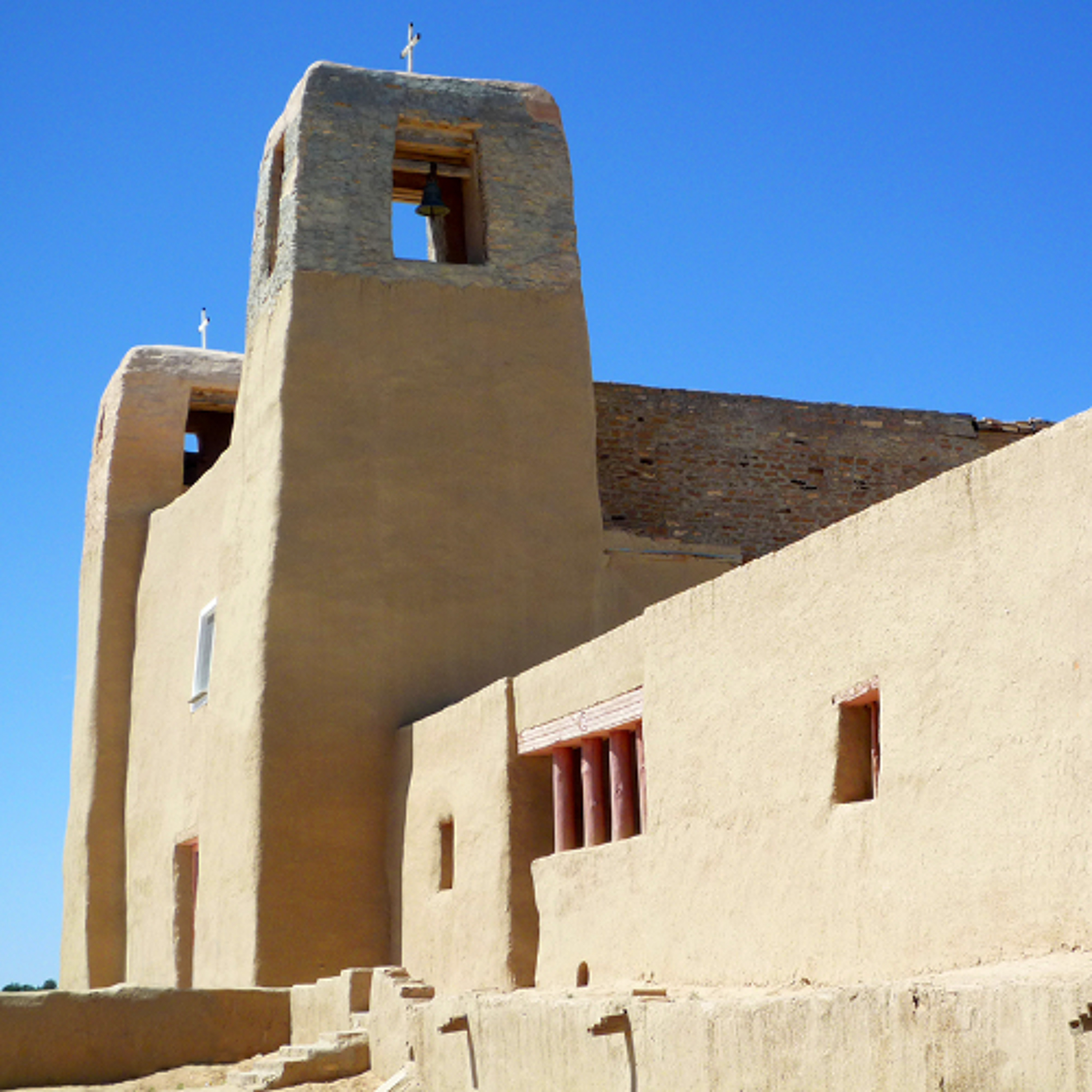 New Mexico: From Prehistory to the Pueblo Revolt 31.01.2026 1sa 35dkWe examine the origins of the first European colony in America north of Florida – New Mexico – from the rise of the Pueblo civilization, which mastered irrigation and “made the desert bloom,” building monumental complexes in arid plains and rocky canyons, through the repeated Spanish incursions in search of seven cities of gold and the construction of a tenuous European colony riven by struggles between church and state, and finally to the eruption of the largest and most coordinated Native uprising in colonial history, which expelled Europeans from New Mexico and ushered in a temporary restoration of the ancient Puebloan world. Image: Mission church of S. Esteban del Rey, 1629, at Acoma Pueblo Suggested further reading: Sanchez, Spude, & Gomez, “New Mexico: A History”; Gutierrez, “When Jesus Came, the Corn Mothers Went Away”; Brooks, “Captives and Cousins: Slavery, Kinship, and Community in the Southwest Borderlands”; Rodriguez, “Review: Subaltern Historiography on the Rio Grande,” American Ethnologist vol. 21, No. 4 (Nov., 1994) My earlier lecture series on the history of Florida (first European colony north of the Rio Grande), “Fortresses on Sand: The History of Florida”: https://soundcloud.com/historiansplaining/sets/fortresses-on-sand-the-history Please sign on as a patron at any level to hear the patron-only lectures, including my most recent on Central Africa: https://www.patreon.com/c/u5530632
 -
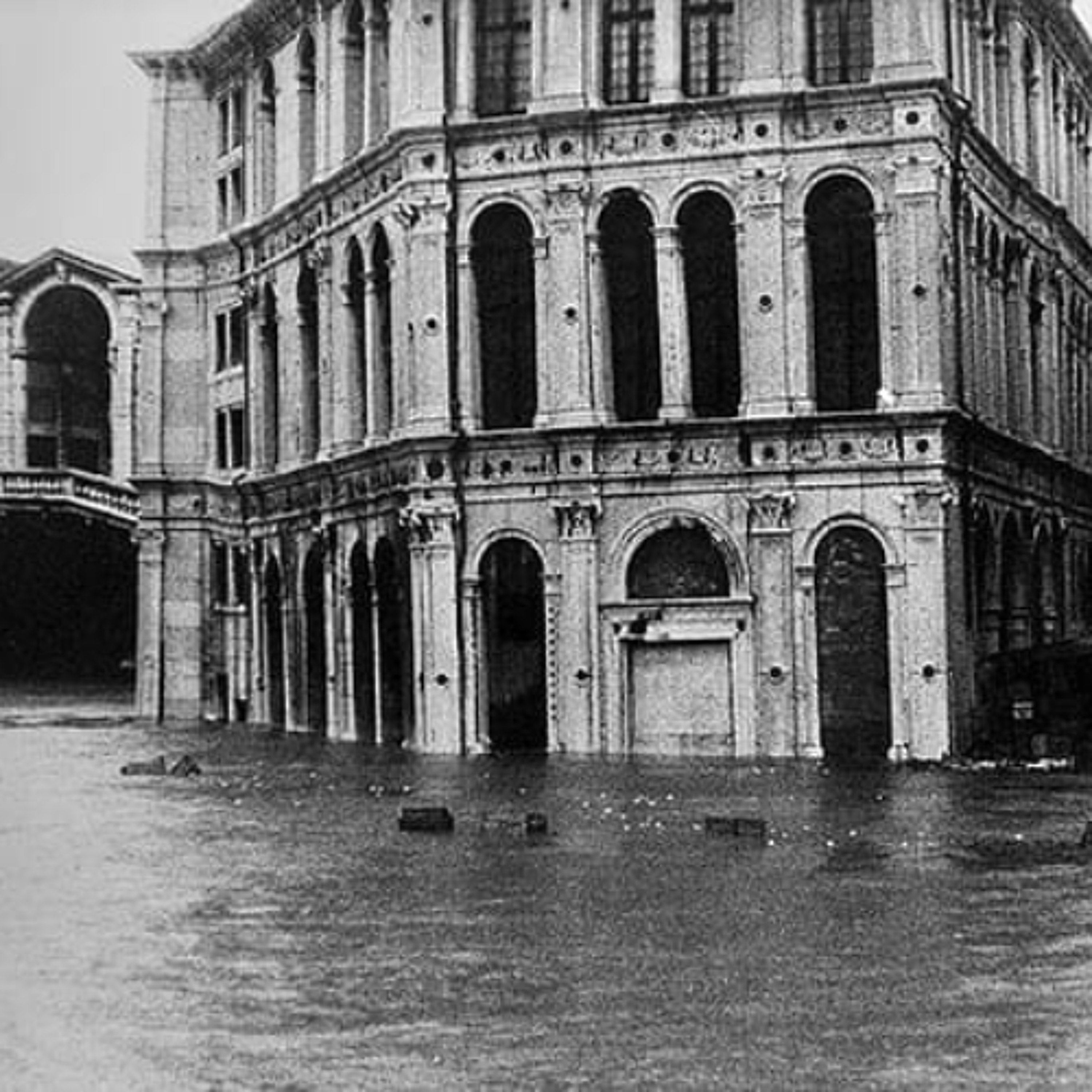 Unlocked -- The Impossible City: The History of Venice -- pt. 3: Metropolis or Museum? 29.01.2026 1sa 17dkUnlocked after 1 year for patrons only: We trace the struggles of Venice, through conquest, revolution, and depression, to fashion a place for itself in the modern world, to channe We trace the struggles of Venice, through conquest, revolution, and depression, to fashion a place for itself in the modern world, to channel or keep at bay the new floods -- of rising seas, of diseased canals, and of tourist hordes -- and most of all, to somehow square the circle of preservation and modernity. Image: The Palazzo dei Camerlenghi & Rialto Bridge on the Grand Canal in the flood of Nov. 4, 1966 Intro music: Giuseppe Verdi, La Traviata, overture Closing music: Giuseppe Verdi, La Traviata, brindisi / drinking song
 -
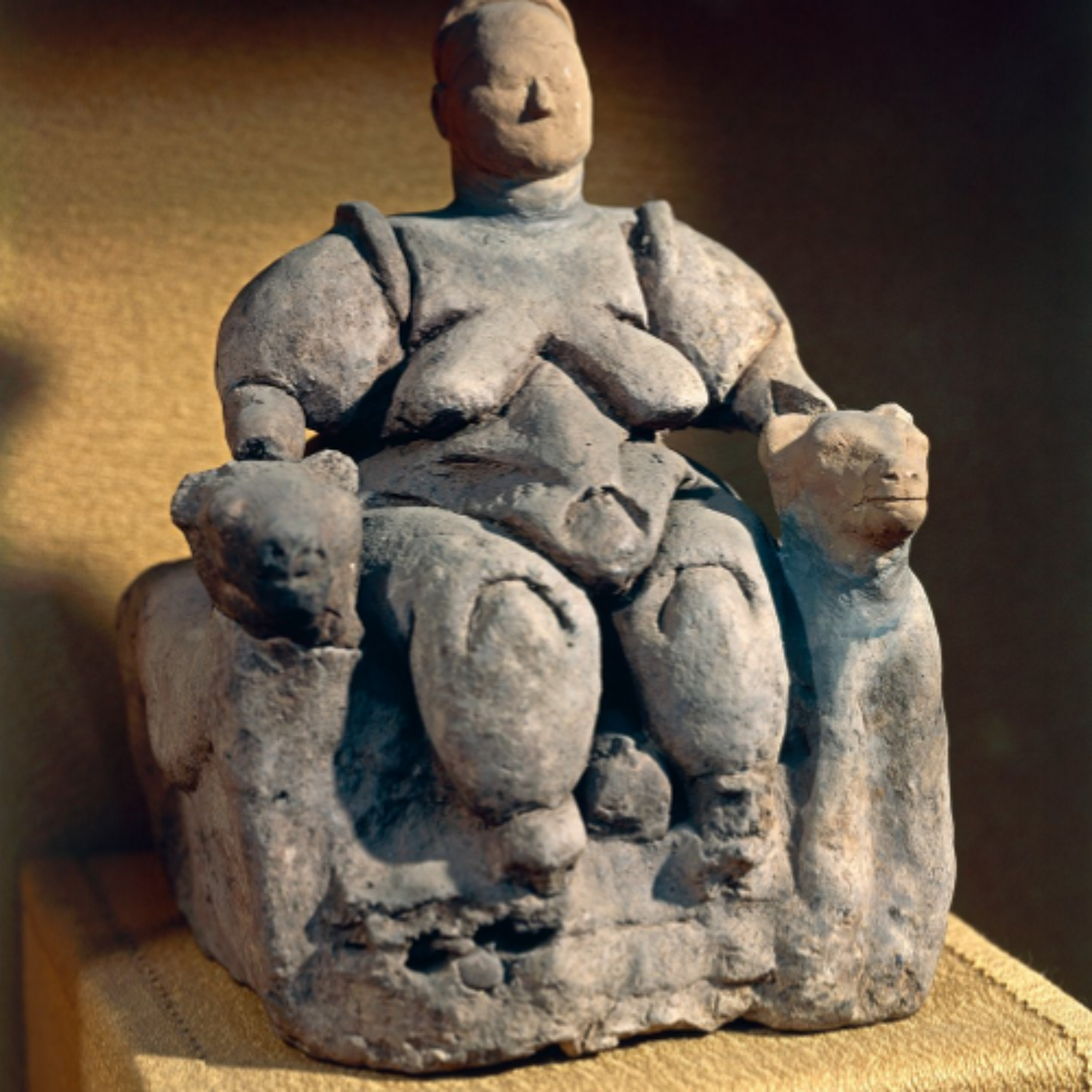 Excerpt: The Great Archaeological Discoveries -- Pt. 10: Çatalhöyük 14.01.2026 6dkOn Patreon for patrons only for 1 year: It is the only large town that has ever been discovered from the Stone Age, making it one of the most important archaeological finds of all time and a critical prize in the heated debates that have divided the field of archaeology. Its striking artworks have fired the imagination, and its extensive ruins, copious burials, and rich grave goods have filled in massive gaps in the story of the origins of civilization, illustrating how the invention of agriculture and the “Neolithic Revolution” made cities and urban life possible. Yet it also remains a stubborn mystery: why are the houses all so identical? Why are there no public buildings or gathering places, or even streets? And why did the town spring up in the middle of a muddy and malarial plain? Please sign up on Patreon to hear the whole lecture! -- https://www.patreon.com/posts/doorways-in-time-148211879 Non-patrons may hear the entire playlist of “Doorways in Time: The Great Archaeological Discoveries,” beginning with pt. 1 on the Sutton Hoo treasure, for one small flat fee: https://www.patreon.com/collection/2127051?view=condensed Suggested Further Reading: Mellaart, “Catal Huyuk: A Neolithic Town in Anatolia”; Balter, “The Goddess and the Bull”; Newitz, “Four Lost Cities: A Secret History of the Urban Age”; Ian Hodder, “Becoming a Çatalhöyük Person: An Integration of the Evidence,” lecture, Image: The “Seated Woman of Çatalhöyük,” discovered in 1961 Music: Rameau, "Les Cyclopes", performed by Paul Barton for Feurich
 -
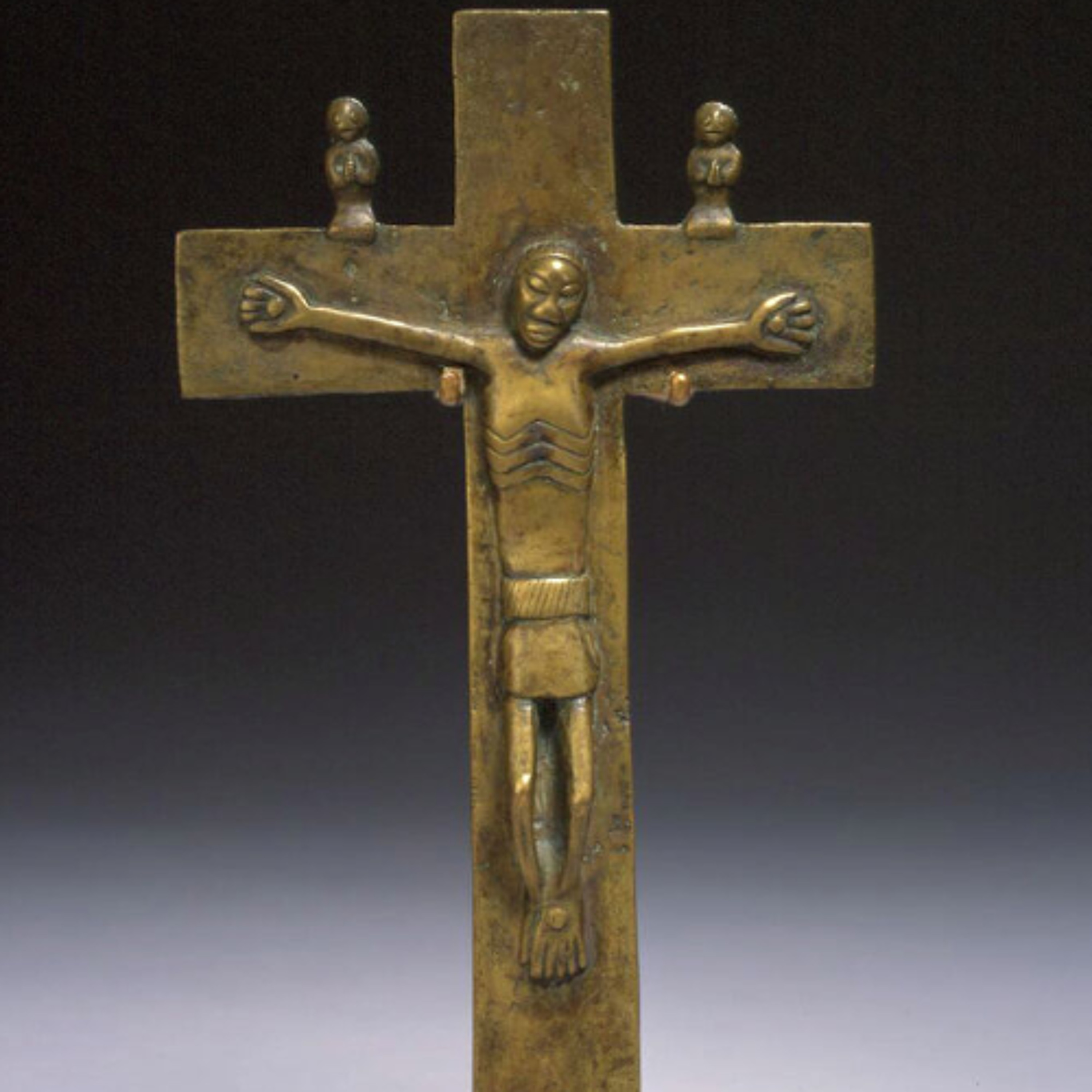 Excerpt: Crucible of the Continent: Central Africa before 1700 23.12.2025 4dkExcerpt of a lecture for patrons only for 1 year: We explore the tumultuous history of Central Africa, embracing the enormous Congo rainforest, the great rift valleys, the Indian Ocean coast, and the gold fields of the Zambezi basin, as formidable kingdoms—Kongo, the Swahili cities, and the mysterious Great Zimbabwe—emerged in the tropical landscape, adapted to the traumatic incursion of the Portuguese, and eventually struck back against European power, through diplomatic schemes, military struggles, and religious awakenings. This same region of the world produced some of the most remarkable and towering figures in African or world history, such as King Afonso I and Queen Nzingha, as well as many of the first captives to be taken to the New World, including the “twenty-and-odd negroes” that were famously landed at Point Comfort, Virginia, in 1619. Please sign on as a patron of historiansplaining in order to heat the full lecture: https://www.patreon.com/c/u5530632 Image: Bronze crucifix, Kongo, 1650-1750, High Museum of Art Suggested further reading: Van Reybrouck, “Congo: The Epic History of a People”; Edgerton, “The Troubled Heart of Africa: a History of the Congo”; Wills, “An Introduction to the History of Central Africa”; Heywood, “Njinga of Angola : Africa's Warrior Queen” Samuel, “The kingdom of Ndongo and the Portuguese,” ; Thornton, “The Kongolese Saint Anthony: Dona Beatriz Kimpa Vita and the Antonian Movement, 1684–1706”
Benzer podcastler


Şurada popüler
Bu podcast şu ülkelerin podcast listelerinde de yer alıyor.
