
Fabulously Delicious: The French Food Podcast
Andrew Prior
0
Fabulously Delicious: The French Food Podcast explores French cuisine, culture, and culinary history through engaging storytelling. Host Andrew Prior, a passionate Francophile, covers iconic dishes, regional specialties, and the chefs who shaped French gastronomy. The podcast delves into the stories behind foods like macarons, croissants, and boeuf bourguignon, as well as culinary traditions and artisan ingredients. It is aimed at foodies, Francophiles, home cooks, and anyone dreaming of a trip to France.
Bölümler
-
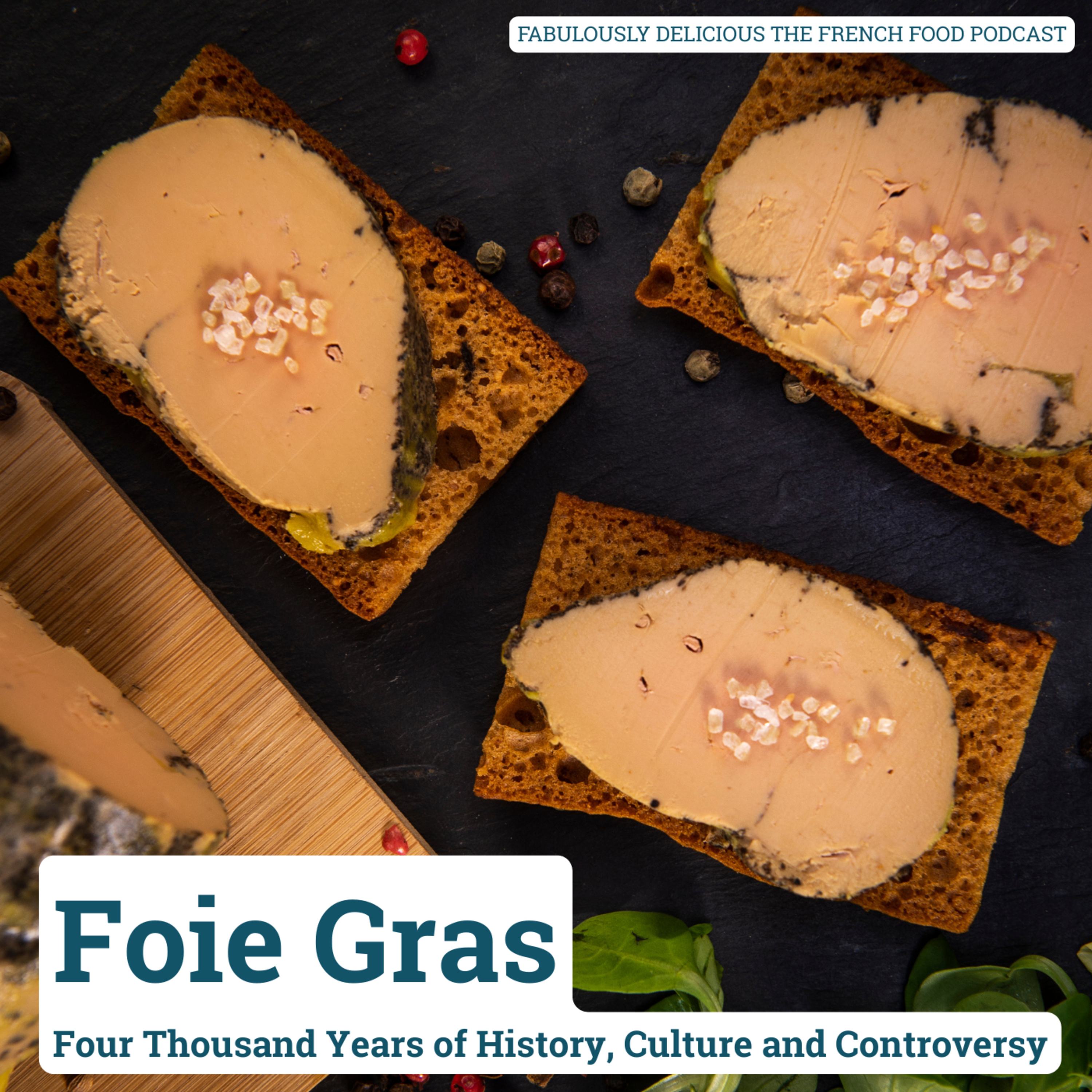 Foie Gras: 4,000 Years of History, Controversy, and French Luxury 15.09.2026 24dkFour thousand years ago, workers on the banks of the Nile were force-feeding geese — and it's carved in stone to prove it. This episode traces foie gras from that Egyptian tomb carving through ancient Rome, where the practice gave half of Europe's languages their word for "liver," through medieval Jewish communities who kept the tradition alive for centuries, and finally to the court of Louis XVI, where it became a fixture of French royal dining.We cover how foie gras is legally defined in France, the real difference between foie gras entier, block, mousse, and parfait, and why that difference matters enormously for quality and price. We also give the controversy the honest, even-handed treatment it deserves — what gavage actually involves, what welfare science says about it, the industry's response, and where the legal landscape stands right now, from France's protected-heritage law to bans in California, Israel, and, as of 2026, New York City.Then we get practical: how foie gras is actually produced from hatching to slaughter, the difference between duck and goose foie gras, how to cook it hot and cold, what to pair it with, and exactly how to store each form so you don't ruin an expensive piece of liver. This is a genuinely complicated episode — extraordinary history, real controversy, and remarkable food, all true at the same time.Fabulously Delicious is the podcast for anyone who loves French food, French culinary history, and the stories behind the plates. New episodes explore the ingredients, chefs, and controversies that built French gastronomy — subscribe so you don't miss the next one, and follow along on video, Substack, and social for more.Fabulously Delicious is the podcast for anyone who loves French food, French culinary history, and the stories behind the plates. New episodes explore the regions, chefs, and dishes that built French gastronomy — subscribe so you don't miss the next one, and follow along on video and social for more.As Fabulously Delicious steps into its sixth year, one thing is clearer than ever: five years of French food culture has taught Andrew that the subject is genuinely inexhaustible. My book Paris: A Fabulous Food Guide to the World’s Most Delicious City is your ultimate companion. This is a new 2026 update for the book and you’ll find hand-picked recommendations for the best boulangeries, patisseries, wine bars, cafés, and restaurants that truly capture the flavor of Paris. You can order it online at andrewpriorfabulously.com You can help keep the show thriving by becoming a paid subscriber on substack where you'll also get fabulous extra content. Every contribution makes a huge difference. Join here at Substack Merci beaucoup!Newsletter Youtube Instagram Facebook Website #FoieGras #FrenchFood #FrenchCuisine #FoodHistory #FoodPodcast
 -
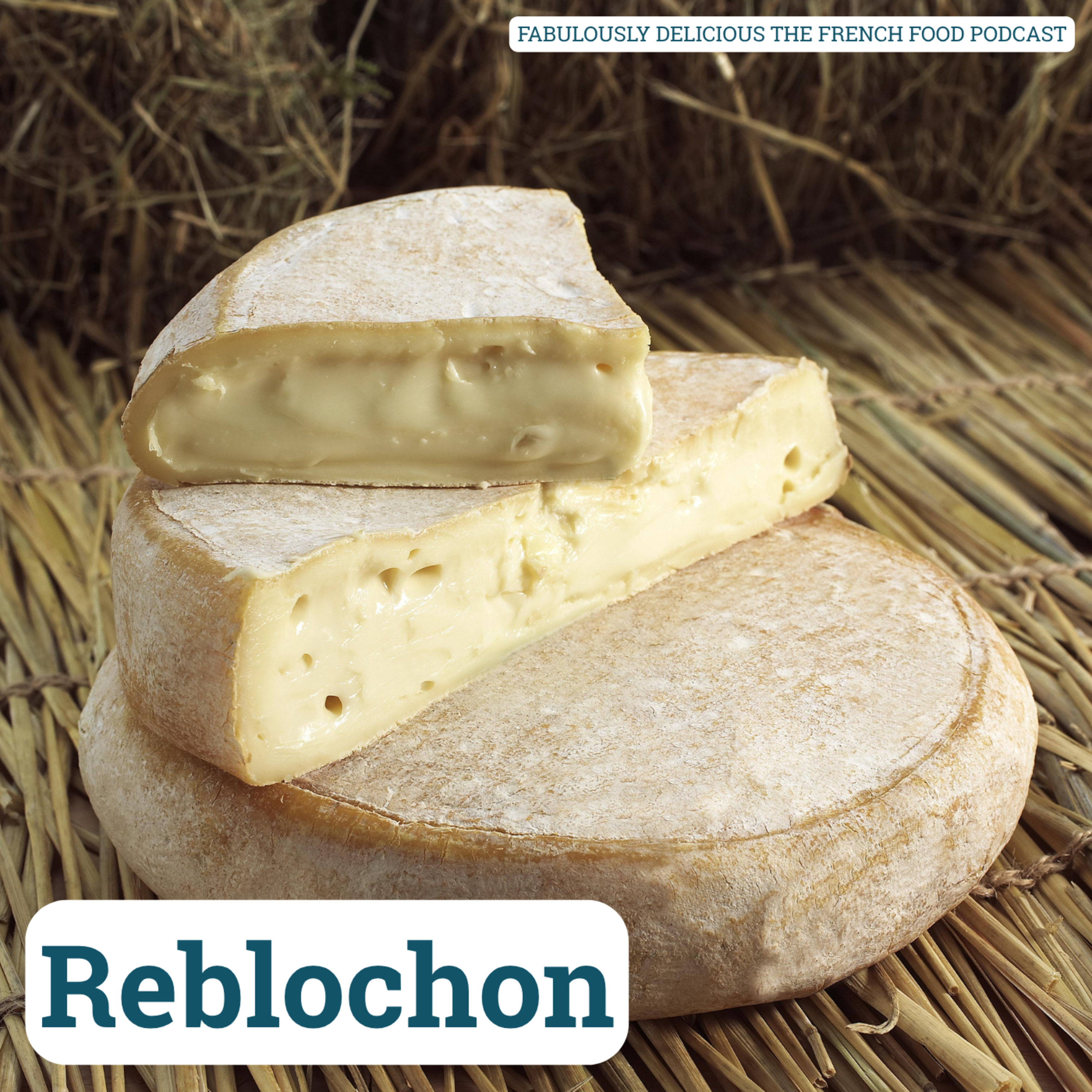 Reblochon: The Cheese Born From Tax Evasion 01.09.2026 19dkReblochon: The Cheese Born From Tax Evasion. Reblochon is a soft, washed-rind cheese from the French Alps with a nutty, hazelnut character and a bark bolder than its bite — but its real story starts with a medieval tax dodge. In the fourteenth century, farmers in the Thônes valley deliberately under-milked their cows when the landlord's rent collector came to measure the yield, then finished milking in secret once he'd left. That richer, hidden "second milking" — reblocher in the local dialect — became the cheese we know today.This episode traces Reblochon from that act of quiet rebellion through its life as fromage de dévotion, given to Carthusian monks in exchange for blessings, to its 1958 AOC and the ongoing fight to protect it — including a 2023 acquisition by France's largest dairy group that has smaller producers watching closely. We break down the two legally protected types, fermier and laitier, why the green dot matters, and why the American market has been almost entirely cut off from real Reblochon since 2004.We also get into the practical side: the three alpine cow breeds behind it, why the summer alpage cheese is considered the finest expression of the style, and how to serve, store, and eat it properly — including why cold Reblochon is a shadow of what it should be. And yes, we talk tartiflette, including the inconvenient truth about when it was actually invented.Fabulously Delicious is the podcast for anyone who loves French food, French culinary history, and the stories behind the plates. New episodes explore the cheeses, chefs, and regions that built French gastronomy — subscribe so you don't miss the next one, and follow along on video and social for more.Fabulously Delicious is the podcast for anyone who loves French food, French culinary history, and the stories behind the plates. New episodes explore the regions, chefs, and dishes that built French gastronomy — subscribe so you don't miss the next one, and follow along on video and social for more.As Fabulously Delicious steps into its sixth year, one thing is clearer than ever: five years of French food culture has taught Andrew that the subject is genuinely inexhaustible. My book Paris: A Fabulous Food Guide to the World’s Most Delicious City is your ultimate companion. This is a new 2026 update for the book and you’ll find hand-picked recommendations for the best boulangeries, patisseries, wine bars, cafés, and restaurants that truly capture the flavor of Paris. You can order it online at andrewpriorfabulously.com You can help keep the show thriving by becoming a paid subscriber on substack where you'll also get fabulous extra content. Every contribution makes a huge difference. Join here at Substack Merci beaucoup!Newsletter Youtube Instagram Facebook Website #FrenchFoodPodcast #FabulouslyDelicious #foodpodcast #FrenchFood #FrenchCuisine #CulinaryHistory #Reblochon #FrenchCheese #FrenchFood #Tartiflette #FoodPodcast
 -
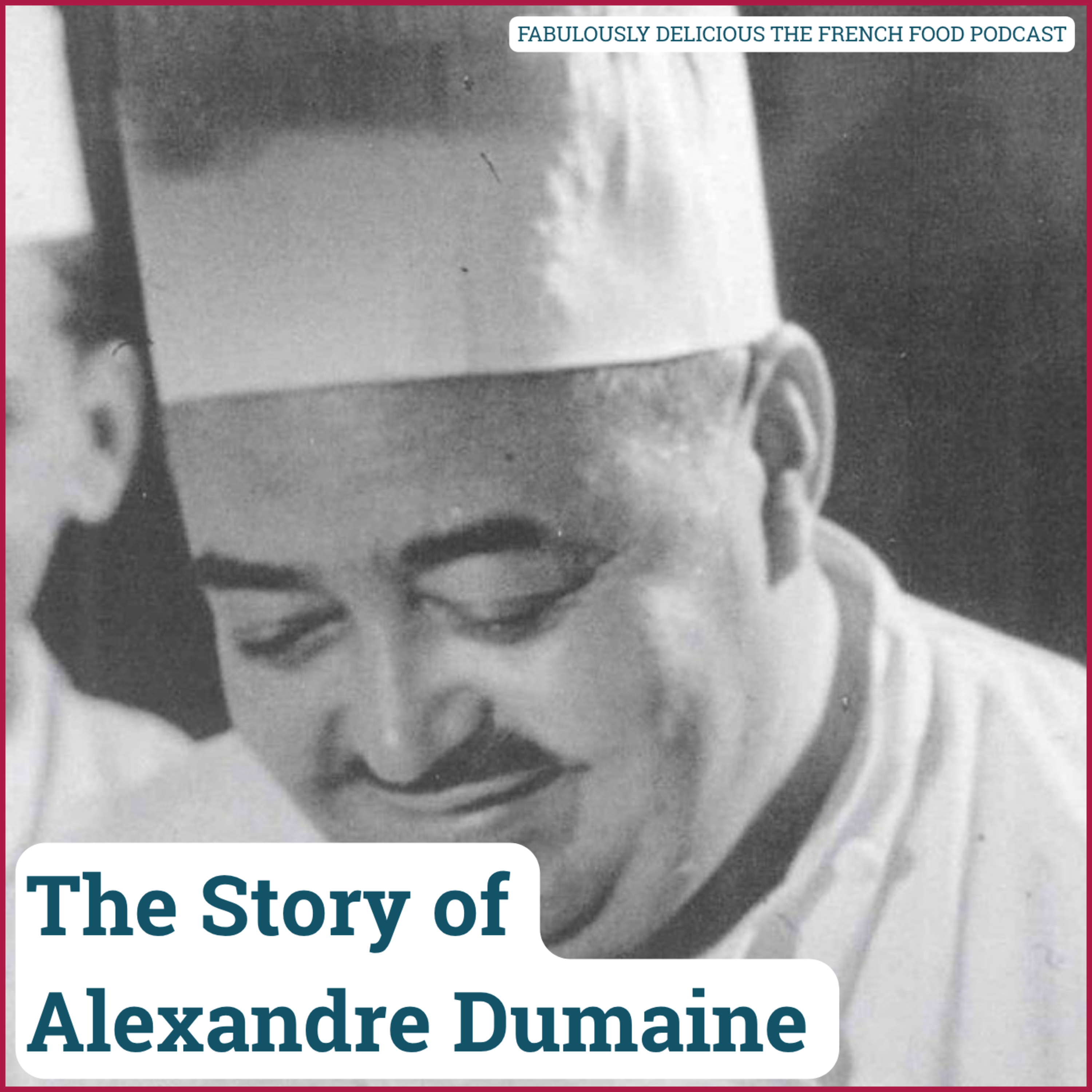 The Story of Alexandre Dumaine: The Forgotten King of French Cooking 25.08.2026 24dkHe held three Michelin stars for thirty years and cooked for kings, presidents, and Hemingway — yet almost nobody outside serious culinary history has heard his name. This episode tells the story of Alexandre Dumaine, the chef whose restaurant, La Côte d'Or in the small Burgundian town of Saulieu, was once called a national shrine of French gastronomy.We trace his path from a working-class boyhood in Digoin, through a punishing apprenticeship in Vichy, Cannes, and Paris, and a decorated stint on the Western Front in the First World War, to the decade in Algeria that shaped the chef he would become. Along the way we meet his wife, Jeanne Dumaine, the front-of-house partner without whom, by every account, the story doesn't work the same way.At the heart of the episode is Saulieu itself: thirty years of three Michelin stars, a "less is more" philosophy built on reduced sauces and the finest Bresse chicken, and a clientele that ran from King Alfonso XIII to Salvador Dalí to a lone truck driver treated with exactly the same care. We close with one of the most generous successions in French culinary history, and the legacy Dumaine left behind at Saulieu.Fabulously Delicious is the podcast for anyone who loves French food, French culinary history, and the stories behind the plates. New episodes explore the regions, chefs, and dishes that built French gastronomy — subscribe so you don't miss the next one, and follow along on video and social for more.As Fabulously Delicious steps into its sixth year, one thing is clearer than ever: five years of French food culture has taught Andrew that the subject is genuinely inexhaustible. My book Paris: A Fabulous Food Guide to the World’s Most Delicious City is your ultimate companion. This is a new 2026 update for the book and you’ll find hand-picked recommendations for the best boulangeries, patisseries, wine bars, cafés, and restaurants that truly capture the flavor of Paris. You can order it online at andrewpriorfabulously.com You can help keep the show thriving by becoming a paid subscriber on substack where you'll also get fabulous extra content. Every contribution makes a huge difference. Join here at Substack Merci beaucoup!Newsletter Youtube Instagram Facebook Website #FrenchFoodPodcast #FabulouslyDelicious #foodpodcast #FrenchFood #FrenchCuisine #CulinaryHistory #MichelinStar #alexanderdumaine #CotedOrSaulieu
 -
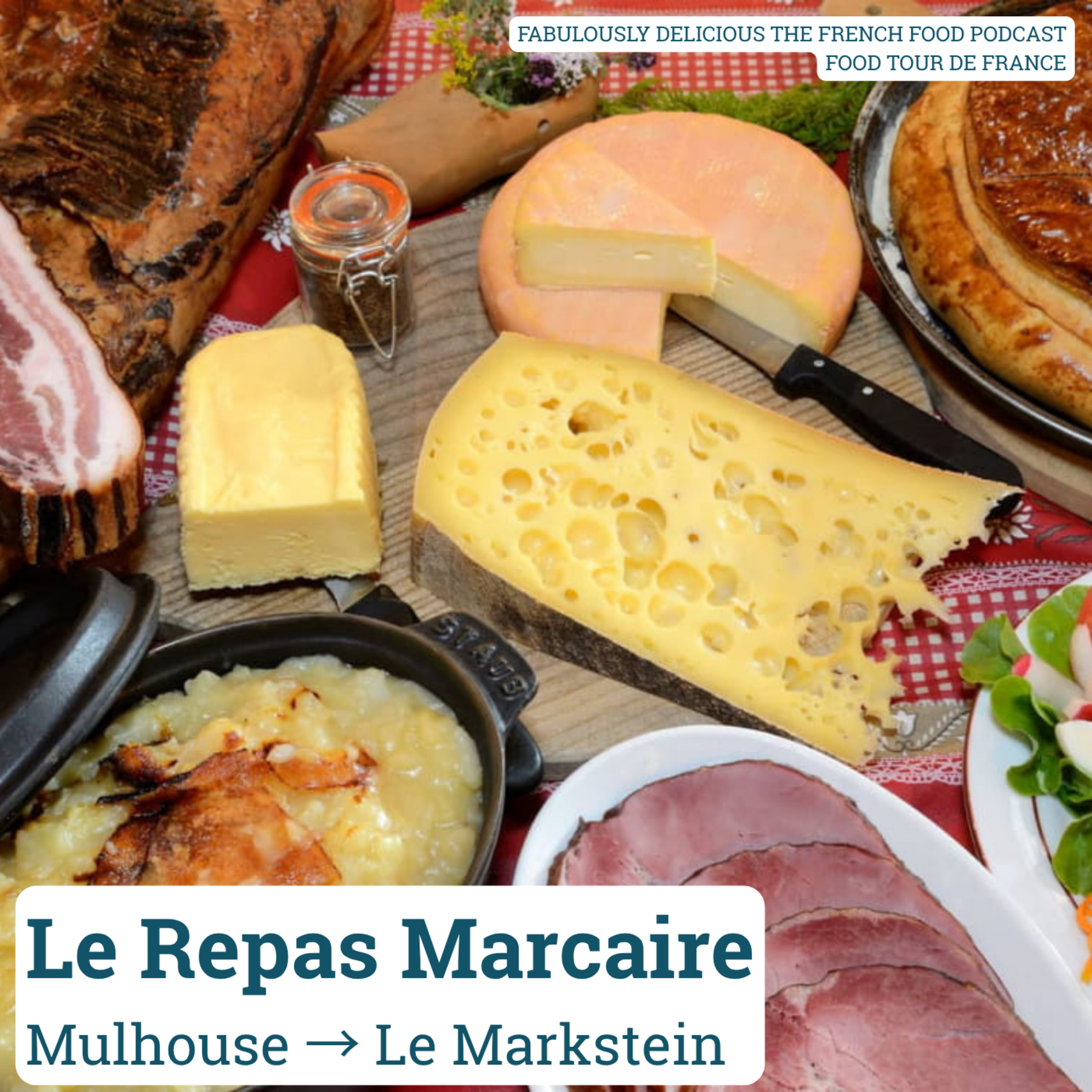 Le Repas Marcaire: The Mountain Farmer's Meal of the Vosges 18.07.2026 7dkLe repas marcaire — the extraordinary farmhouse meal of the Alsatian Vosges that has been served in the stone mountain shelters of the high chaumes since the Middle Ages — is one of the most authentic, most specific and most completely of its landscape dining experiences in the whole of France. Today's Food Tour de France episode finishes at Le Markstein — at 1,240 metres on the Alsatian crest of the Vosges mountains, one of the great cols of the Route des Crêtes — and tells the full story of a meal born from the life of the marcaires, the mountain dairy farmers who spend their summers on the high pastures tending herds of vaches vosgiennes and transforming their milk into Munster cheese. Smoked pork from the farm's own pig. Potatoes cooked for two hours in farm butter with lardons and onions in a copper cauldron — the roïgabrageldi on the Alsatian side, the tofailles on the Lorraine side. Munster fermier from the farm's own herd. Fresh white cheese from the morning's milk with kirsch and sugar. Everything from the farm. Nothing from outside. A meal that is, in the truest possible sense, what it claims to be.The episode covers the full story of the repas marcaire — the marcaire tradition of the Vosges that was recognised by UNESCO as an Intangible Cultural Heritage of Humanity in December 2023, the annual transhumance that sees the vaches vosgiennes climb the mountain paths decorated with flowers and bells every spring, the stone marcairies where the marcaires lived in complete isolation through the summer months making cheese, and the ferme-auberge system that requires every dish served to visitors to be produced by the farm itself. We cover the specific dishes of the repas marcaire — the tourte de la vallée pastry case of minced meat from the Munster valley, the roïgabrageldi potatoes cooked in a copper cauldron for two hours, the Munster fermier aged on site, the Bargkass mountain cheese and the seasonal tarte aux myrtilles — and the specific honesty of a meal where the animals whose milk made the cheese are visible from the dining room window.The Food Tour de France is a daily series running alongside the 2026 Tour de France on Fabulously Delicious — one episode for every stage start and finish. The repas marcaire episode connects directly to the beignets de pomme de terre episode finishing at the Plateau de Solaison — both are mountain meals built from the same fundamental logic of altitude, isolation and making the most of what the farm produces — and to the Munster cheese tradition that runs through the food culture of the Alsatian Vosges. Search Fabulously Delicious on Spotify and Apple Podcasts for the full series.As Fabulously Delicious steps into its sixth year, one thing is clearer than ever: five years of French food culture has taught Andrew that the subject is genuinely inexhaustible. My book Paris: A Fabulous Food Guide to the World’s Most Delicious City is your ultimate companion. This is a new 2026 update for the book and you’ll find hand-picked recommendations for the best boulangeries, patisseries, wine bars, cafés, and restaurants that truly capture the flavor of Paris. You can order it online at andrewpriorfabulously.com You can help keep the show thriving by becoming a paid subscriber on substack where you'll also get fabulous extra content. Every contribution makes a huge difference. Join here at Substack Merci beaucoup!Newsletter Youtube Instagram Facebook Website #FrenchFoodPodcast #FabulouslyDelicious #foodpodcast #RepasMarcaire #AlsaceFood #FoodTourDeFrance #TourDeFrance2026 #VosgesMountains
 -
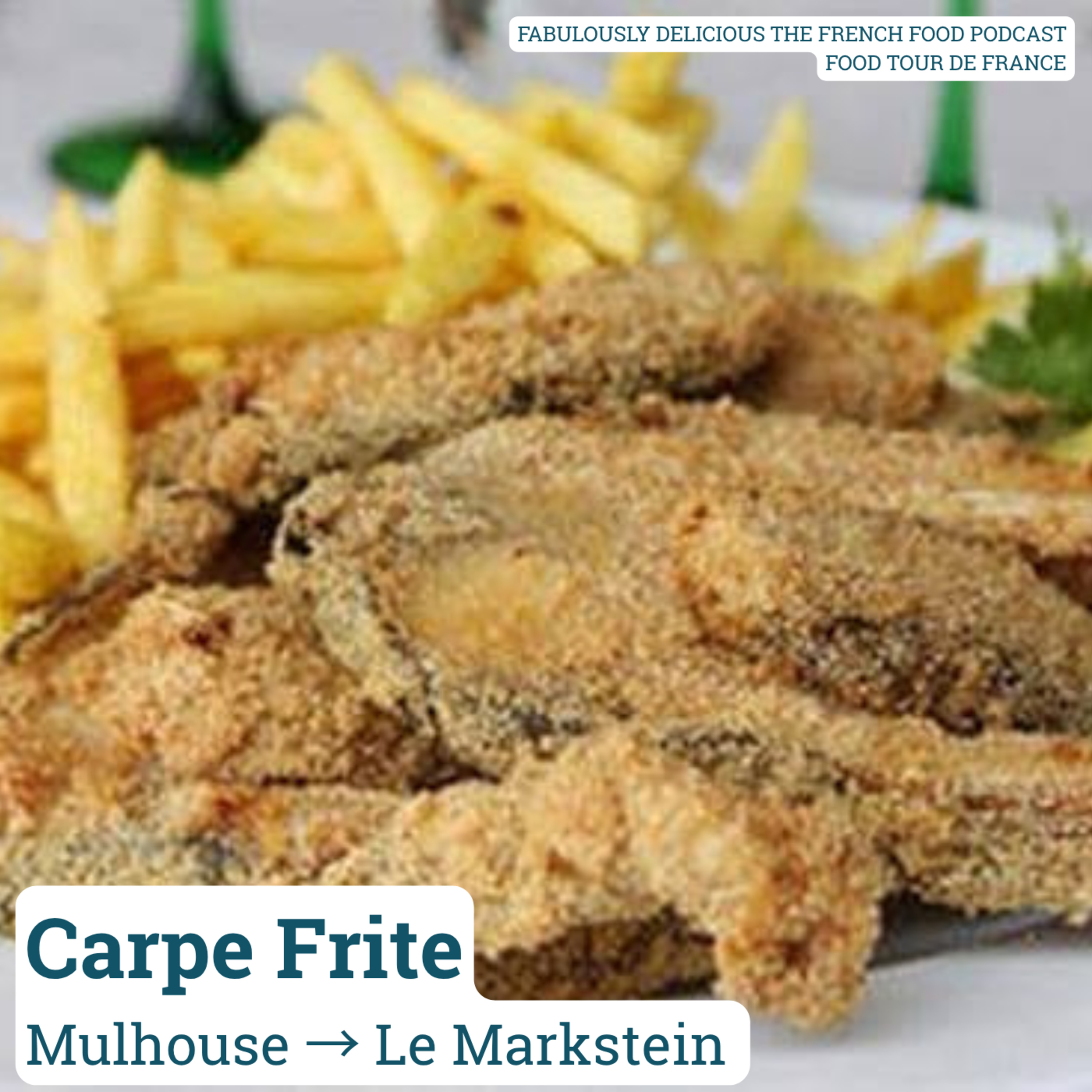 Carpe Frite: The Golden Fish of the Sundgau — Alsace's Best Kept Food Secret 18.07.2026 6dkCarpe frite — the deep-fried carp of the Sundgau, the southernmost territory of Alsace — is one of the most distinctive and most localised food traditions in the whole of eastern France. Today's Food Tour de France episode starts in Mulhouse — the great industrial city of the Haut-Rhin, 24 kilometres from the Sundgau — and tells the full story of a dish that has been made in the fish pond country of the southern Alsatian plain since the twelfth century, when the monks of the Abbey of Lucelle first introduced fish farming to the region. A fresh carp, raised in the clear Sundgau ponds, briefly marinated in white wine, passed through a light breadcrumb coating and deep-fried in hot oil until the exterior is deeply golden and crackling and the interior is white, flaking and completely tender. Served with salad, chips, lemon and mayonnaise. Eaten with the fingers. The dish most people in France outside the Sundgau have never heard of — and the one that 30 Sundgau restaurateurs have been defending and celebrating through the Routes de la Carpe Frite since 1975.The episode covers the full story of the carpe frite — the legend of the shepherdess who cooked her mysterious Golden Fish for the Count of Ferrette and won permission to marry his son, the twelve-century monastic fish farming tradition of the Abbey of Lucelle, the specific conditions of the Sundgau ponds whose clear water gives the carp a delicacy entirely unlike its reputation, and the Routes de la Carpe Frite established in 1975 and awarded Remarkable Site of Taste status by the French National Council of Culinary Arts. We cover the Sunday lunch tradition that fills the restaurants of the Sundgau every week with families from across the Swiss and German borders, the village of Friesen — considered the capital of the carpe frite, 24 kilometres from Mulhouse — and the annual Carpailles that celebrate the dish with the same festive spirit it has always generated. And in 2025 the association celebrated its fiftieth anniversary — making this year the golden jubilee of one of the great food routes in Alsace.The Food Tour de France is a daily series running alongside the 2026 Tour de France on Fabulously Delicious — one episode for every stage start and finish. The carpe frite episode connects to the pôchouse episode from Chalon-sur-Saône earlier in the series — both are ancient freshwater fish dishes specific to a particular landscape and a particular water, both are the food of a community that has been eating the same thing from the same source for centuries. And both reward the curious eater who takes the time to find them. Search Fabulously Delicious on Spotify and Apple Podcasts for the full series.As Fabulously Delicious steps into its sixth year, one thing is clearer than ever: five years of French food culture has taught Andrew that the subject is genuinely inexhaustible. My book Paris: A Fabulous Food Guide to the World’s Most Delicious City is your ultimate companion. This is a new 2026 update for the book and you’ll find hand-picked recommendations for the best boulangeries, patisseries, wine bars, cafés, and restaurants that truly capture the flavor of Paris. You can order it online at andrewpriorfabulously.com You can help keep the show thriving by becoming a paid subscriber on substack where you'll also get fabulous extra content. Every contribution makes a huge difference. Join here at Substack Merci beaucoup!Newsletter Youtube Instagram Facebook Website #FrenchFoodPodcast #FabulouslyDelicious #foodpodcast #CarpeFrite #SundgauFood #FoodTourDeFrance #TourDeFrance2026 #AlsaceFood
 -
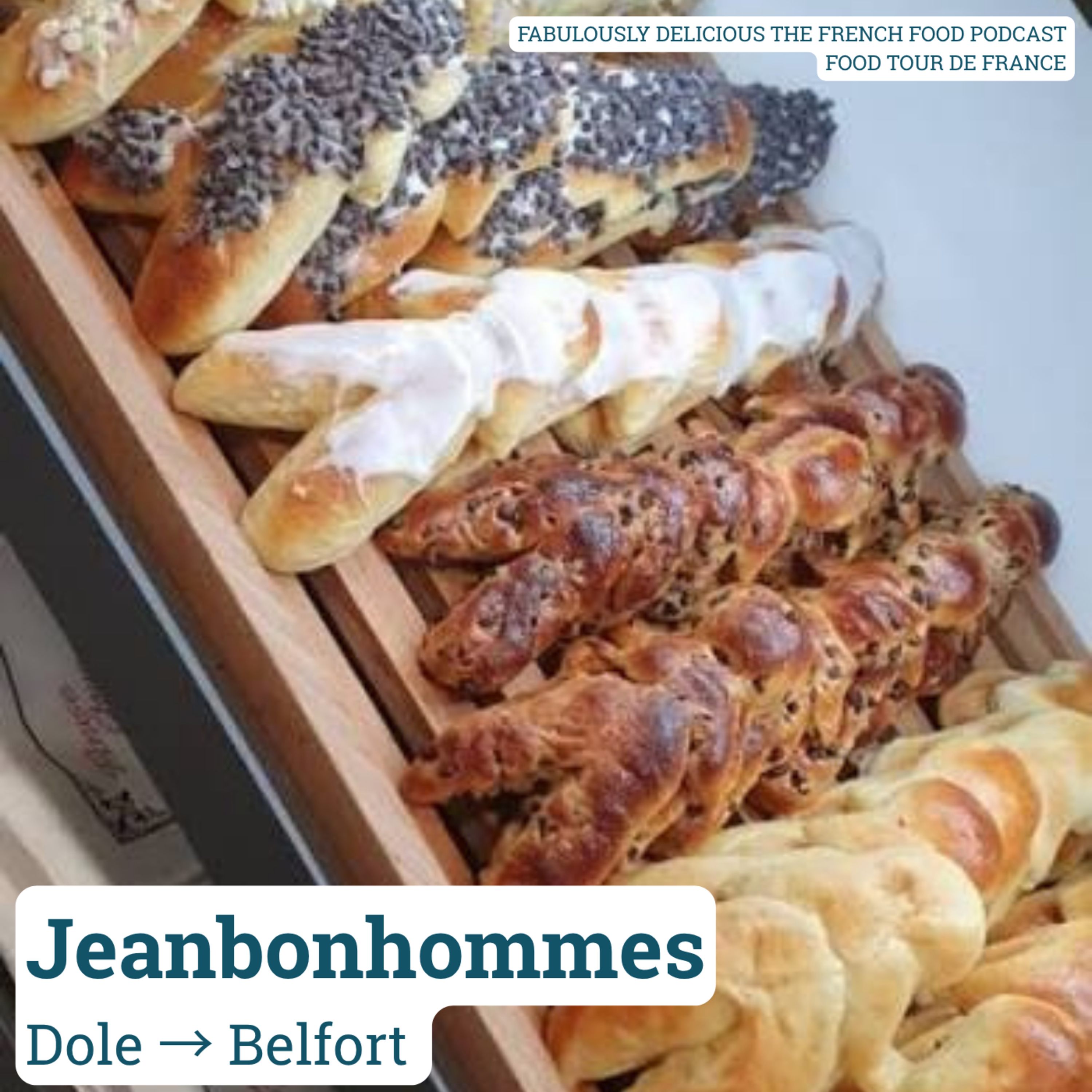 Le Jeanbonhomme: The Alsatian Brioche That Arrived With the Refugees of 1871 17.07.2026 7dkLe jeanbonhomme — the small, golden, man-shaped brioche of the Territoire de Belfort that appears in every bakery in the city from Saint Nicolas Day on the 6th of December through to Christmas — is one of the most historically specific and most emotionally resonant seasonal foods in the whole of eastern France. Today's Food Tour de France episode finishes in Belfort — the Lion city, the gateway between Alsace and Franche-Comté, the city whose garrison held out for 103 days against the Prussian siege in 1870 and 1871 — and tells the full story of a brioche that arrived in this territory not through culinary invention but through displacement. When the Franco-Prussian War ended in 1871 and France was forced to cede Alsace to the newly unified German Empire, tens of thousands of Alsatians chose to cross the border rather than become German subjects. Many came to the Territoire de Belfort. And they brought with them their food traditions — including a small man-shaped enriched bread that in Alsace was called the Mannele or the Mannala, and that in the Territoire de Belfort became the jeanbonhomme. A bread that carries the memory of a war, a displacement and a community that chose France.The episode covers the full story of the jeanbonhomme — the Alsatian origins of the Mannele tradition, the specific historical moment of 1871 that brought it to Belfort, the recipe of enriched bread dough baked until deeply golden and glazed with egg, and the Saint Nicolas tradition that gives the jeanbonhomme its seasonal context. We cover the broader food culture of the Territoire de Belfort — the toutché potato cake, the cuniu brioche with dried fruit from the canton of Giromagny, both also of Alsatian origin — and the Lion of Belfort itself, carved by Frédéric Bartholdi, the sculptor of the Statue of Liberty, to commemorate the resistance of 1870. And we place the jeanbonhomme in the context of the French tradition of man-shaped seasonal breads — from the Mannele of Alsace to the Saint Nicolas breads of Lorraine — that mark the beginning of the Christmas season in the northeast of France in a way that distinguishes this corner of the country from everywhere else.The Food Tour de France is a daily series running alongside the 2026 Tour de France on Fabulously Delicious — one episode for every stage start and finish. The jeanbonhomme episode is one of the most historically layered in the entire series — a seasonal bread that is a direct, edible consequence of a nineteenth century war and a community's decision to remain French. It connects to the broader picture of Alsatian food culture this part of the series has been building through the Belfort and Mulhouse stages. Search Fabulously Delicious on Spotify and Apple Podcasts for the full series.As Fabulously Delicious steps into its sixth year, one thing is clearer than ever: five years of French food culture has taught Andrew that the subject is genuinely inexhaustible. My book Paris: A Fabulous Food Guide to the World’s Most Delicious City is your ultimate companion. This is a new 2026 update for the book and you’ll find hand-picked recommendations for the best boulangeries, patisseries, wine bars, cafés, and restaurants that truly capture the flavor of Paris. You can order it online at andrewpriorfabulously.com You can help keep the show thriving by becoming a paid subscriber on substack where you'll also get fabulous extra content. Every contribution makes a huge difference. Join here at Substack Merci beaucoup!Newsletter Youtube Instagram Facebook Website #FrenchFoodPodcast #FabulouslyDelicious #foodpodcast #Jeanbonhomme #AlsaceBread #FoodTourDeFrance #TourDeFrance2026 #BelfortFood
 -
 Le Chat Perché: The Gourmet Festival That Turns Dole Into a Food Village 17.07.2026 6dkLe Week-end Gourmand du Chat Perché — the extraordinary annual food festival that transforms the entire historic centre of Dole into a vast gourmet village every September — is one of the most celebrated and most distinctive food events in the whole of Bourgogne Franche-Comté. Today's Food Tour de France episode starts in Dole — the former capital of the Franche-Comté, a city of Renaissance architecture, canals and the birthplace of Louis Pasteur — and tells the full story of a festival named after the most beloved creation of the writer Marcel Aymé, who grew up in this city and whose perching cat has given Dole its identity as a city that takes imagination as seriously as gastronomy. Running every year in late September since 2014, drawing over 60,000 visitors across a single weekend, the Chat Perché brings together around 150 local producers and food artisans across fifteen temporary villages installed in the stone-paved streets and Renaissance squares of the old town — with tasting passes, bell tower experiences, Michelin-starred menus and a children's food trail all running simultaneously.The episode covers the full story of the Chat Perché festival — the structure of the tasting pass that takes visitors through historic buildings including the Hôtel-Dieu and the cloître de la Visitation, the special menus du Chat Perché served by every restaurant in the city from Michelin-starred kitchens to small neighbourhood bistros, and the food culture of Dole and the Jura that the festival celebrates. Comté from the Jura — whose different terroirs, maturations and producers all appear at the festival. Cancoillotte — the semi-liquid unpasteurised cheese of Franche-Comté, two thousand years old and now IGP protected. Morteau and Montbéliard sausages. Morel mushrooms from the Jura forests. Vin jaune — the extraordinary yellow wine aged under a film of yeast for a minimum of six years and three months — and the full range of Jura whites and reds that make this one of the most distinctive wine regions in France.The Food Tour de France is a daily series running alongside the 2026 Tour de France on Fabulously Delicious — one episode for every stage start and finish. The Chat Perché episode connects to the Comté and French cheese episodes in the main Fabulously Delicious catalogue — and to the pôchouse episode from Chalon-sur-Saône earlier in the series, as both sit in the same broad Burgundy and Franche-Comté food culture that defines this stretch of the Tour route. Search Fabulously Delicious on Spotify and Apple Podcasts for the full series.As Fabulously Delicious steps into its sixth year, one thing is clearer than ever: five years of French food culture has taught Andrew that the subject is genuinely inexhaustible. My book Paris: A Fabulous Food Guide to the World’s Most Delicious City is your ultimate companion. This is a new 2026 update for the book and you’ll find hand-picked recommendations for the best boulangeries, patisseries, wine bars, cafés, and restaurants that truly capture the flavor of Paris. You can order it online at andrewpriorfabulously.com You can help keep the show thriving by becoming a paid subscriber on substack where you'll also get fabulous extra content. Every contribution makes a huge difference. Join here at Substack Merci beaucoup!Newsletter Youtube Instagram Facebook Website #FrenchFoodPodcast #FabulouslyDelicious #foodpodcast #ChatPerché #DoleJura #FoodTourDeFrance #TourDeFrance2026 #FrancheComtéFood
 -
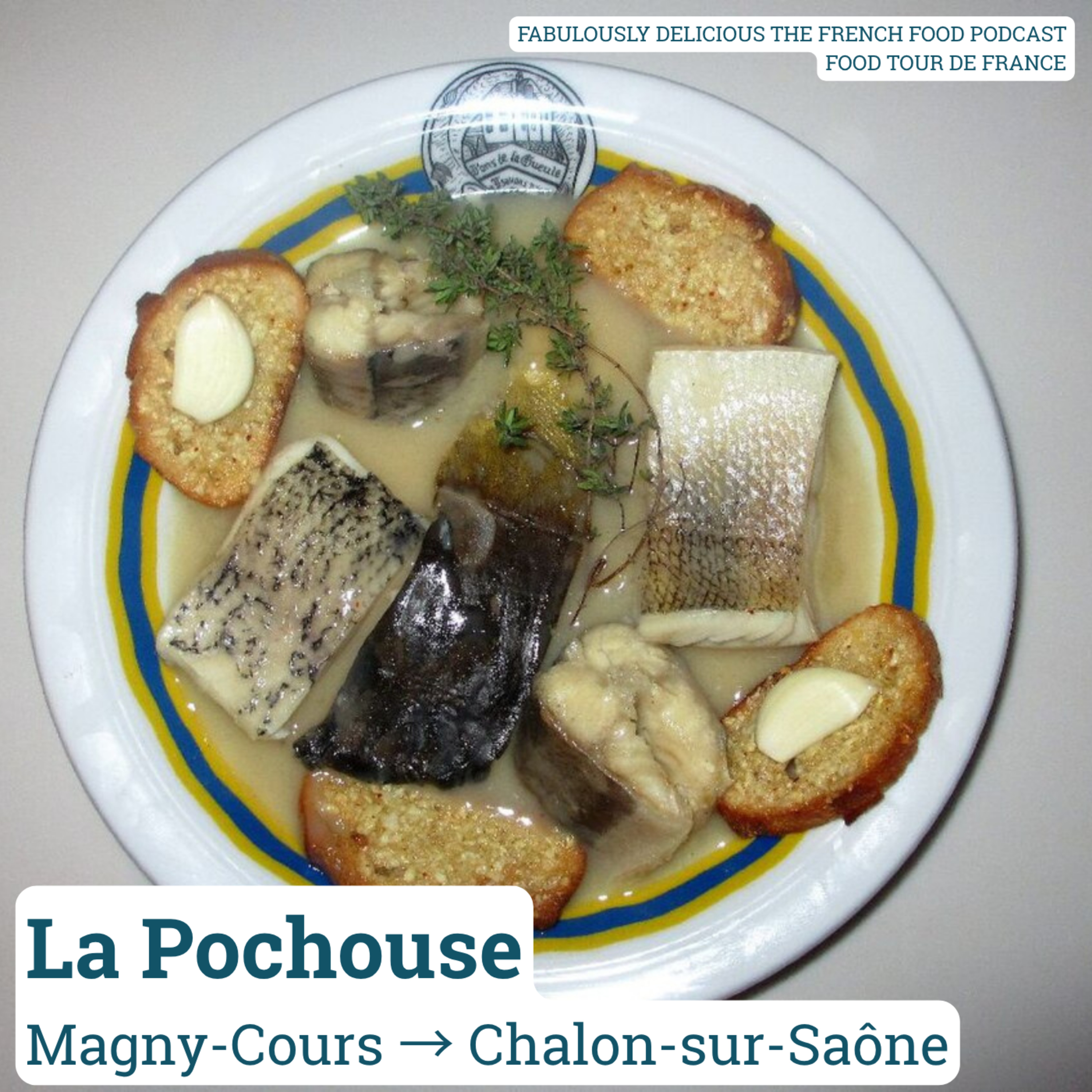 La Pôchouse: The Forgotten River Fish Stew of Burgundy | Food Tour de France 16.07.2026 5dkLa pôchouse — the ancient freshwater fish stew of Burgundy and Franche-Comté, made from a specific combination of Saône and Doubs river fish cooked in Burgundy aligoté white wine — is one of the most distinctive and most overlooked dishes in the whole of French regional cooking. Today's Food Tour de France episode finishes in Chalon-sur-Saône — a river city in the Saône-et-Loire, one of the great stretches of Burgundian France — and tells the full story of a dish first documented in writing in 1646, born on the boats and riverbanks of Verdun-sur-le-Doubs where the Saône meets the Doubs, made by the boatmen and fishermen who cooked it in a pot from the morning's catch with the white wine available to them on the Burgundian riverbanks. Celebrated by its own brotherhood since 1949. Still served in the restaurants that line the Saône today. And still made from the same four-fish combination that the pôchoux — the fishermen of the Bresse patois — established on these rivers four centuries ago.The episode covers the full story of la pôchouse — the four-fish combination of lean pike and perch alongside fatty eel and tench that gives the dish its specific character, the aligoté white wine that is both the cooking medium and the drink alongside it, the lardons and croutons that complete the preparation, and the Confrérie des Chevaliers de la Pôchouse de Verdun-sur-le-Doubs founded in 1949 that has been defending and celebrating this dish for over seventy years. We cover the annual festival at Verdun-sur-le-Doubs — the Fête de la Pôchouse, where local restaurants serve it according to ancestral rules, the Confrérie Saint-Nicolas des Radeliers builds a raft on the Petit Doubs, and the dish is eaten without accompaniment as tradition demands. And we connect the pôchouse to the broader family of French river fish stews — including the lamprey à la bordelaise we covered earlier in the series.The Food Tour de France is a daily series running alongside the 2026 Tour de France on Fabulously Delicious — one episode for every stage start and finish. The pôchouse episode connects directly to the lamprey à la bordelaise episode from the Bordeaux stage earlier in the series — both are ancient river fish preparations cooked in wine, both are the food of the boatmen and fishermen of great French waterways, and both tell the story of France's rivers through what they have been feeding their people for centuries. Search Fabulously Delicious on Spotify and Apple Podcasts for the full series.As Fabulously Delicious steps into its sixth year, one thing is clearer than ever: five years of French food culture has taught Andrew that the subject is genuinely inexhaustible. My book Paris: A Fabulous Food Guide to the World’s Most Delicious City is your ultimate companion. This is a new 2026 update for the book and you’ll find hand-picked recommendations for the best boulangeries, patisseries, wine bars, cafés, and restaurants that truly capture the flavor of Paris. You can order it online at andrewpriorfabulously.com You can help keep the show thriving by becoming a paid subscriber on substack where you'll also get fabulous extra content. Every contribution makes a huge difference. Join here at Substack Merci beaucoup!Newsletter Youtube Instagram Facebook Website #FrenchFoodPodcast #FabulouslyDelicious #foodpodcast #LaPôchouse #BurgundyFood #FoodTourDeFrance #TourDeFrance2026 #FrenchRiverFood
 -
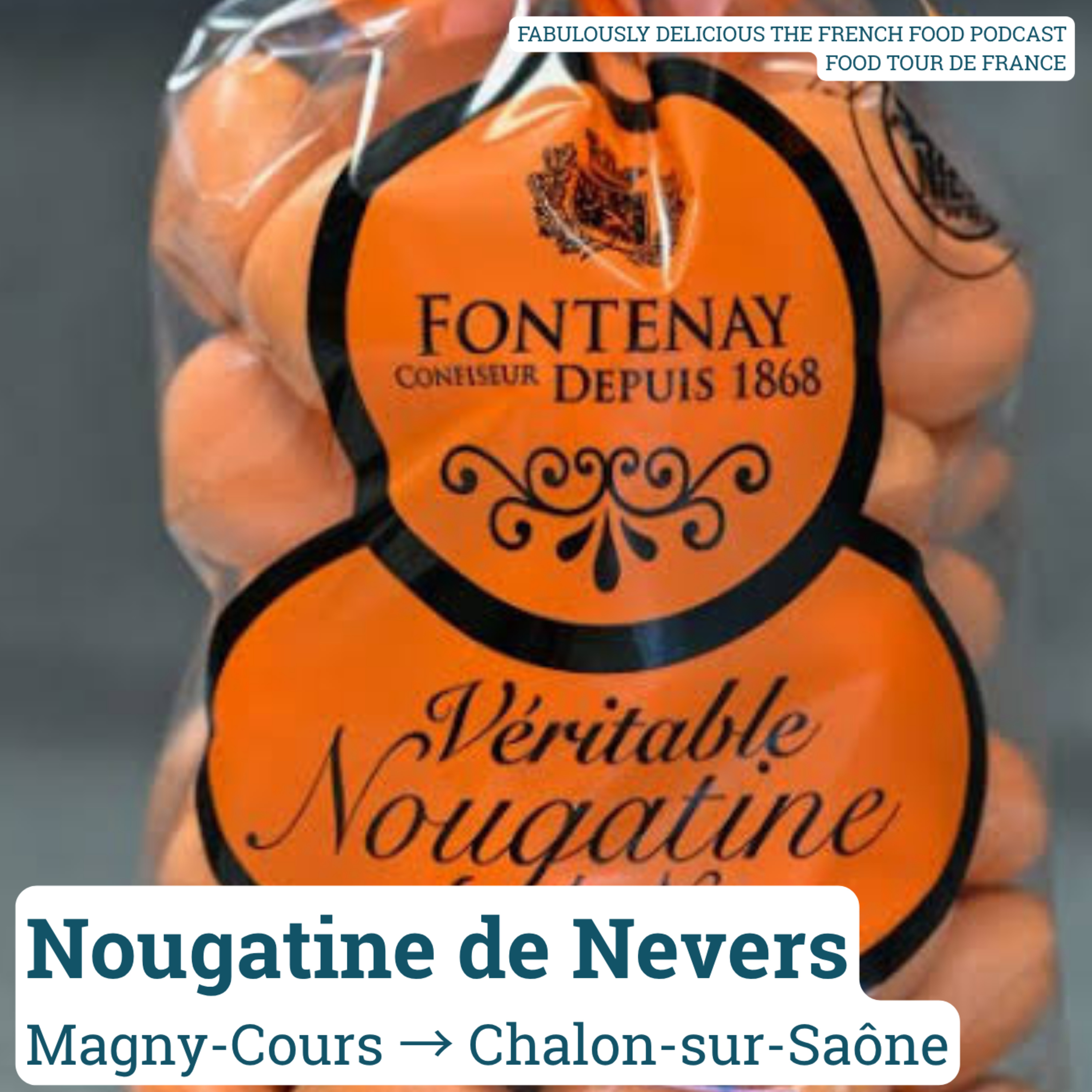 Nougatine de Nevers: The Sweet an Empress Couldn't Stop Eating | Food Tour de France 16.07.2026 7dkNougatine de Nevers — the small artisan sweet of chopped almonds caramelised in copper, double-coated in orange royal icing and presented in a round tin decorated with portraits of Napoleon III and the Empress Eugénie — is one of the most historically romantic confections in France. Today's Food Tour de France episode starts in Magny-Cours — home of the famous Formula One circuit, just south of Nevers — and tells the full story of a sweet created by a confectioner called Bourumeau in the mid-nineteenth century and launched into French high society at a dinner at the Préfecture of Nevers in 1862, when Napoleon III and the Empress Eugénie paid an official visit to the city. The Empress was presented with a box. She ate one. Then another. Then several more. And by the time she returned to Paris she was placing orders. Within weeks the nougatine de Nevers was being eaten in the grand salons of the capital. The orange colour of the royal icing — as tradition has it — was chosen to match the complexion of the Empress herself.The episode covers the full story of the nougatine de Nevers — from the disputed date of its creation, somewhere between 1840 and 1862 depending on the source, through the extraordinary imperial dinner that launched it into the French consciousness, to the registered trademark it has held since 1960 and the near-disappearance in the twentieth century that was only reversed by a Nevers native called Jean-Hugues Dessenne, who in 2007 decided that something this historically significant to his city was worth rescuing and relaunching. We cover the production process — the almonds caramelised in a copper basin, the cylinders that shape the nougaton, the patient double-coating in royal icing dried slowly in a warming oven that cannot be done by machine — and the connection to the faïence pottery of Nevers, where the nougatine is now sold in hand-crafted ceramic bonbonnières in the famous cobalt blue of the city, exported to the United States and Japan.The Food Tour de France is a daily series running alongside the 2026 Tour de France on Fabulously Delicious — one episode for every stage start and finish. The nougatine de Nevers episode follows directly from yesterday's négus episode — Nevers has given this series two consecutive episodes and two of the most entertaining confectionery origin stories in the whole of the southwest. A press error and an empress who couldn't stop eating. Two sweets. One remarkable city on the Loire. Search Fabulously Delicious on Spotify and Apple Podcasts for the full series.As Fabulously Delicious steps into its sixth year, one thing is clearer than ever: five years of French food culture has taught Andrew that the subject is genuinely inexhaustible. My book Paris: A Fabulous Food Guide to the World’s Most Delicious City is your ultimate companion. This is a new 2026 update for the book and you’ll find hand-picked recommendations for the best boulangeries, patisseries, wine bars, cafés, and restaurants that truly capture the flavor of Paris. You can order it online at andrewpriorfabulously.com You can help keep the show thriving by becoming a paid subscriber on substack where you'll also get fabulous extra content. Every contribution makes a huge difference. Join here at Substack Merci beaucoup!Newsletter Youtube Instagram Facebook Website #FrenchFoodPodcast #FabulouslyDelicious #foodpodcast #NougatiNeNevers #FrenchConfectionery #FoodTourDeFrance #TourDeFrance2026 #NeversFood
 -
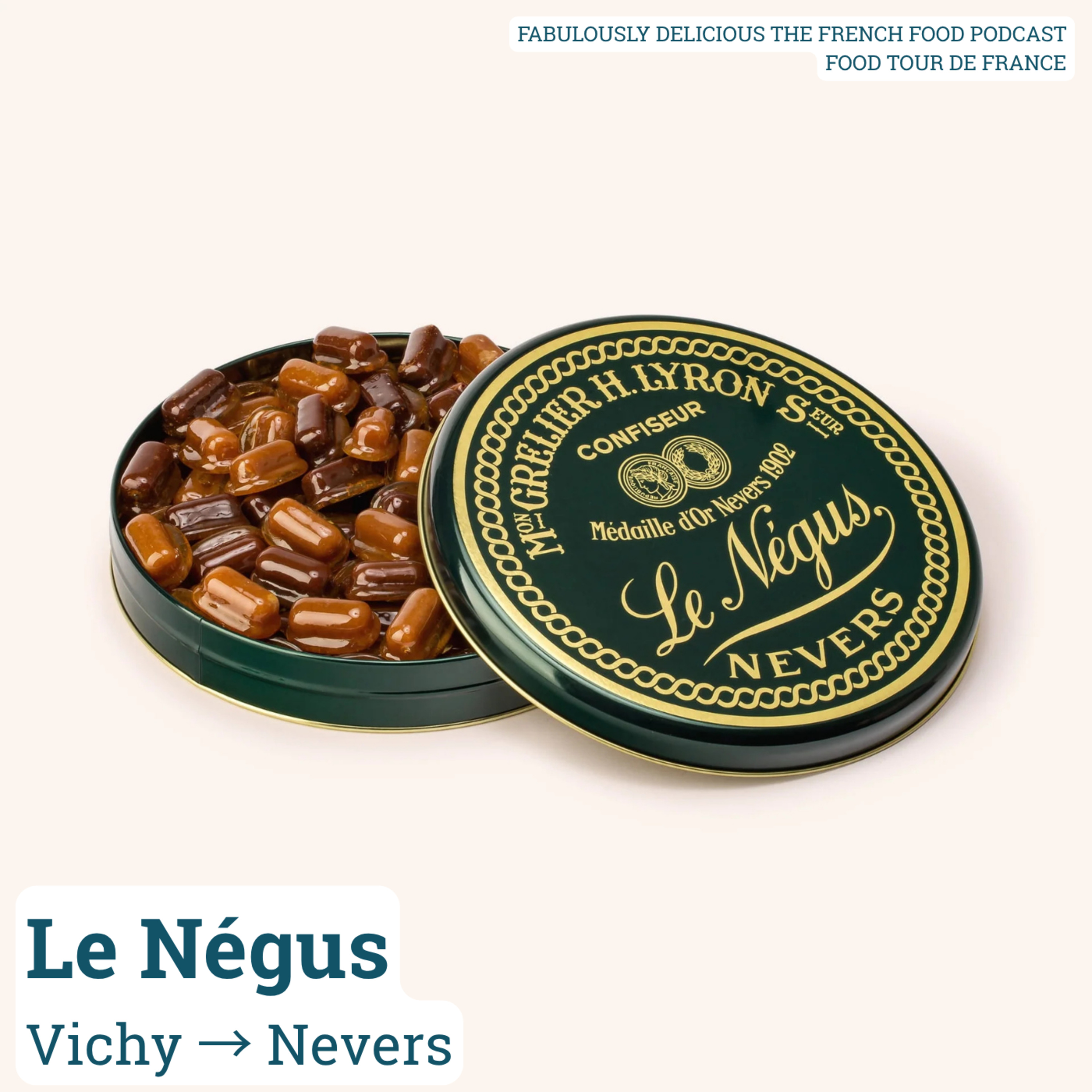 Le Négus de Nevers: The Sweet Born From a Press Error in 1902 15.07.2026 6dkLe Négus de Nevers: The Sweet Born From a Press Error in 1902 | Food Tour de FranceLe Négus de Nevers — the soft chocolate-scented caramel enclosed in a hard caramel shell that has been made in Nevers since 1902 — is one of the most charming and most improbable origin stories in the whole of French confectionery. Today's Food Tour de France episode finishes in Nevers — the capital of the Nièvre department, a handsome city on the Loire — and tells the full story of a sweet born from a press error. In July 1902 a celebrated Ethiopian military leader called Ras Mekonnen visited France. The French press covered the visit enthusiastically — and some of those journalists, in their excitement, got the title wrong. They called him the negus — the title of the sovereign of Ethiopia, held at the time by Menelik II, who was Mekonnen's cousin and who never came to France at all. A confectionery in Nevers called Maison Grelier read the papers, created a sweet in honour of the visit and named it after the mistaken title. The négus. And the sweet has been made in Nevers under that name for over a hundred and twenty years.The episode covers the full story of the négus — from the Maison Grelier tradition of creating a new sweet named after a significant event each year, through the commercial success that caused the confectionery to rename itself Au Négus, to the four generations of the Hiriart family who ran it from 1909 until 2013 when it was sold to the Ménard chocolate company. We cover what the négus actually is — a soft chocolate-scented caramel inside a shell of hard caramel, presented in a round iron tin with golden writing on a green background — and its coffee-scented alter ego the Abyssin, named for Abyssinia, the historical name for Ethiopia, which gives the whole naming structure of the Maison Au Négus range a gentle century-old nod to the East African connection that inspired the original creation. And we sit the négus alongside the great tradition of French regional confections — the bouchon bordelais, the Vichy pastille, the nougatine de Nevers — that are specific to a place and synonymous with it.The Food Tour de France is a daily series running alongside the 2026 Tour de France on Fabulously Delicious — one episode for every stage start and finish. The négus episode connects directly to tomorrow's nougatine de Nevers episode — Nevers gets two consecutive episodes in this series, making it the most confectionery-rich city in the entire Food Tour de France. Two sweets. Two extraordinary stories. One city on the Loire. Search Fabulously Delicious on Spotify and Apple Podcasts for the full series.As Fabulously Delicious steps into its sixth year, one thing is clearer than ever: five years of French food culture has taught Andrew that the subject is genuinely inexhaustible. My book Paris: A Fabulous Food Guide to the World’s Most Delicious City is your ultimate companion. This is a new 2026 update for the book and you’ll find hand-picked recommendations for the best boulangeries, patisseries, wine bars, cafés, and restaurants that truly capture the flavor of Paris. You can order it online at andrewpriorfabulously.com You can help keep the show thriving by becoming a paid subscriber on substack where you'll also get fabulous extra content. Every contribution makes a huge difference. Join here at Substack Merci beaucoup!Newsletter Youtube Instagram Facebook Website #FrenchFoodPodcast #FabulouslyDelicious #foodpodcast #LaNégusNevers #FrenchConfectionery #FoodTourDeFrance #TourDeFrance2026 #NeversFood
 -
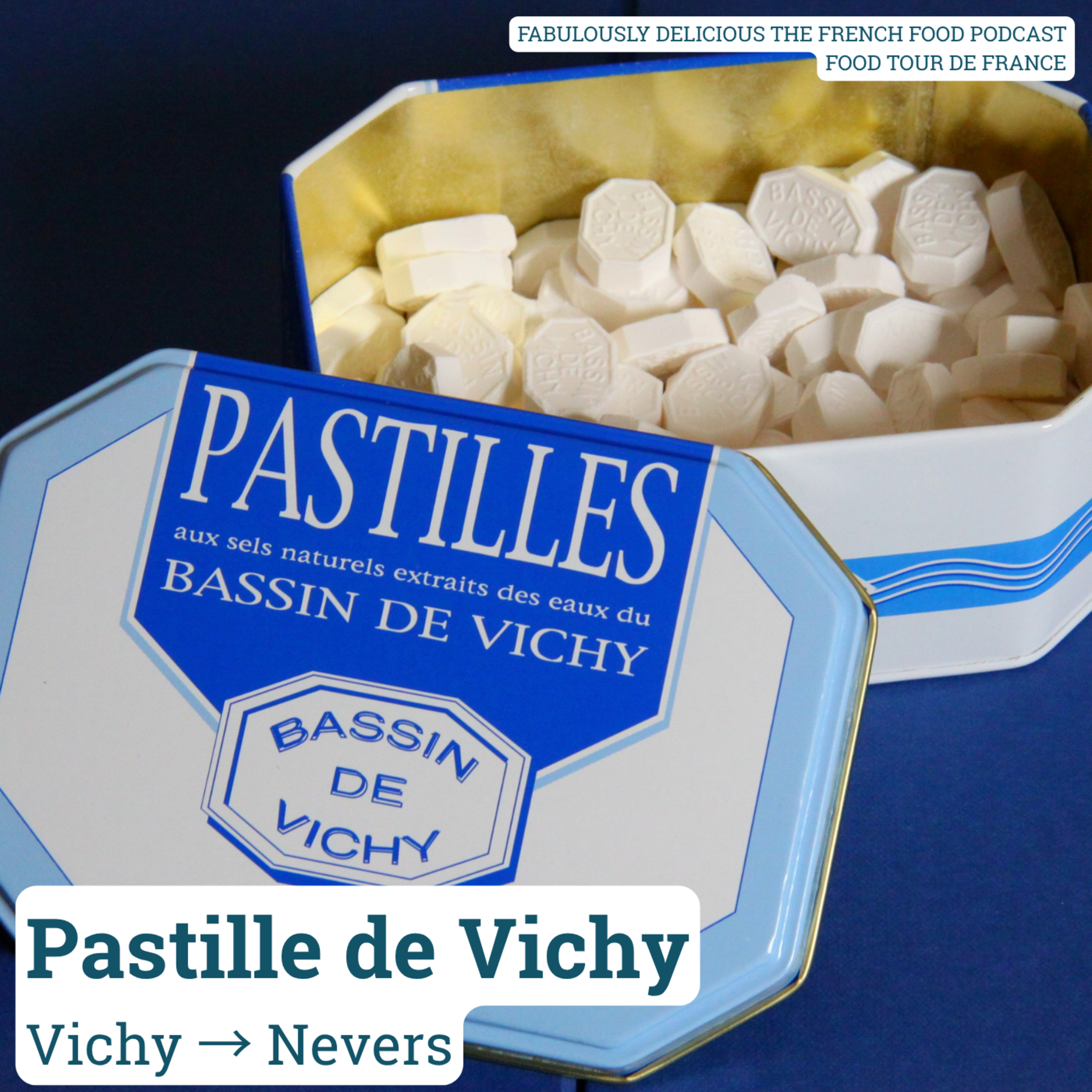 Pastille de Vichy: The Sweet That Started as a Medicine 15.07.2026 9dkPastille de Vichy: The Sweet That Started as a Medicine | Food Tour de FrancePastille de Vichy — the small octagonal white tablet that has been made in Vichy since 1825, that entered the French pharmacopoeia as a medicine in 1837 and that 3.6 million of are produced every single day — is one of the most recognisable and most historically fascinating confections in France. Today's Food Tour de France episode passes through Vichy — the elegant Belle Époque spa town on the Allier river, famous for its mineral springs, its grand hotels and its complicated history — and tells the full story of a sweet invented by a member of both the Academy of Sciences and the Academy of Medicine, refused by Napoleon's ministry on the grounds of complexity and eventually turned into one of the most distinctive regional confections in the whole of France. The octagonal shape. The word VICHY on one side. Thermal Establishment on the other. A sweet that sits in that uniquely French space between medicine and confection — and has always been entirely comfortable there.The episode covers the full history of the pastille de Vichy — from Jean-Pierre-Joseph d'Arcet's discovery of the digestive virtues of sodium bicarbonate in the Vichy mineral waters in 1824, through the pharmacist Nicolas-François Regnault's early production, the Brosson brothers' industrial manufacturing from 1833, and the court case of 1914 that formalised the free sale of the pastille beyond the pharmacy. We cover the two producers that make it today — the mainstream Pastille Vichy, now owned by Carambar & Co following a journey through Perrier, Warner-Lambert, Cadbury, Kraft Foods and Mondelez International, and the artisan Maison Moinet, in its seventh generation, still making the Pastille du Bassin de Vichy from the Roger source acquired in 1932. And we cover the connection to Louis Diat — the French chef who invented vichyssoise in New York and named it after the spa town near his birthplace — which we explored in depth in the main Fabulously Delicious series.The Food Tour de France is a daily series running alongside the 2026 Tour de France on Fabulously Delicious — one episode for every stage start and finish. The pastille de Vichy episode sits at a fascinating crossroads in this series — connecting to the Louis Diat episode in the main Fabulously Delicious catalogue, which tells the full story of vichyssoise and the chef who named it after this town, and to the broader picture of central French food culture this part of the series has been building through the Auvergne and the Allier. Search Fabulously Delicious on Spotify and Apple Podcasts for the full series.As Fabulously Delicious steps into its sixth year, one thing is clearer than ever: five years of French food culture has taught Andrew that the subject is genuinely inexhaustible. My book Paris: A Fabulous Food Guide to the World’s Most Delicious City is your ultimate companion. This is a new 2026 update for the book and you’ll find hand-picked recommendations for the best boulangeries, patisseries, wine bars, cafés, and restaurants that truly capture the flavor of Paris. You can order it online at andrewpriorfabulously.com You can help keep the show thriving by becoming a paid subscriber on substack where you'll also get fabulous extra content. Every contribution makes a huge difference. Join here at Substack Merci beaucoup!Newsletter Youtube Instagram Facebook Website #FrenchFoodPodcast #FabulouslyDelicious #foodpodcast #PastilleDeVichy #FrenchConfectionery #FoodTourDeFrance #TourDeFrance2026 #VichyFrance
 -
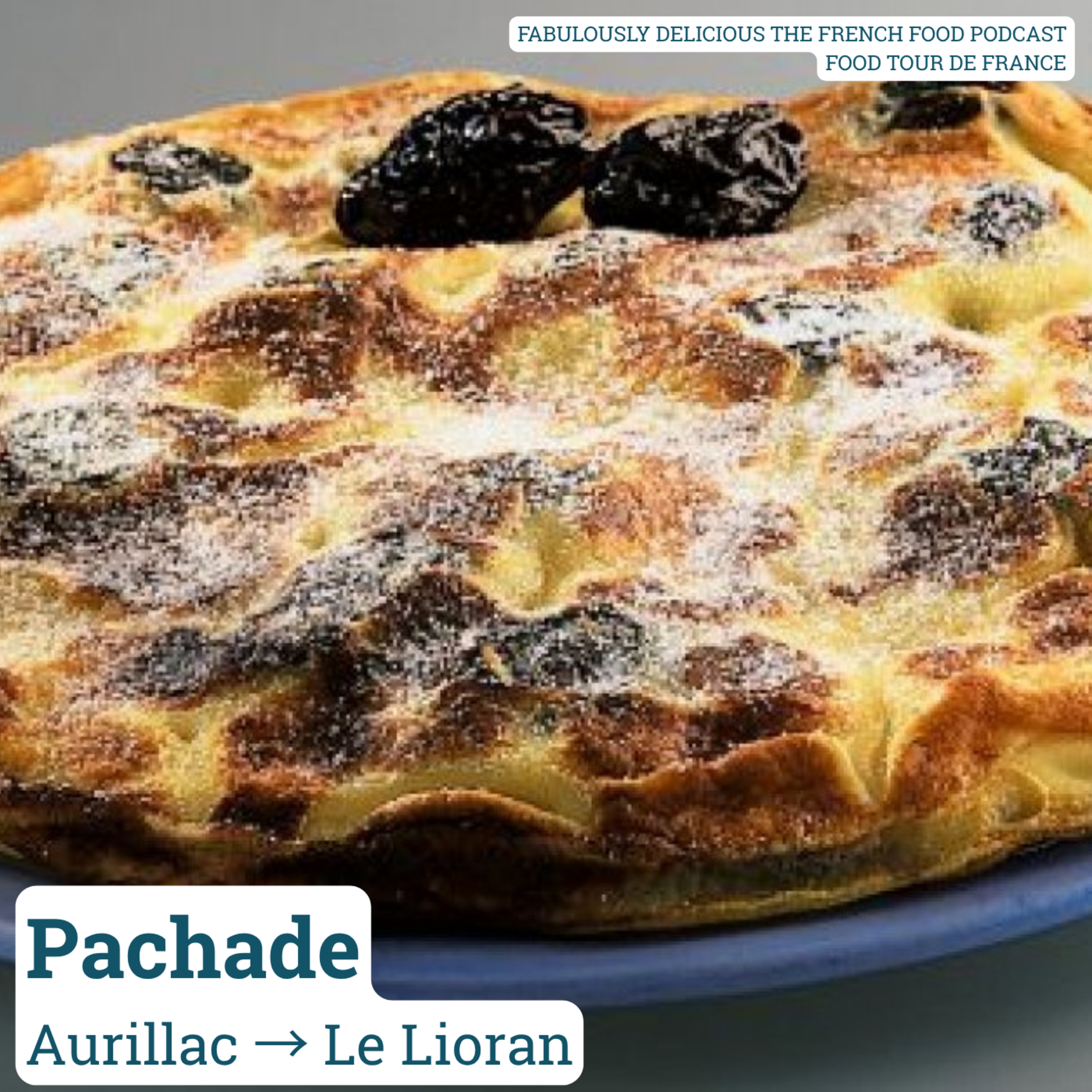 La Pachade: The Forgotten Potato Pancake of the Auvergne 14.07.2026 7dkLa Pachade: The Forgotten Potato Pancake of the Auvergne | Food Tour de FranceLa pachade — the thick, crispy potato pancake of the Auvergne that has been feeding the mountain people of this volcanic landscape for centuries — is one of those dishes that is completely unknown outside its home region and completely fundamental within it. Today's Food Tour de France episode finishes at Le Lioran — right in the heart of the Cantal mountains, in the same volcanic landscape where the Cantal cheese we covered in Aurillac has been made since before the Romans noticed it — and tells the full story of a dish that was once called le petit coussin de Jésus, the little cushion of Jesus, made at Christmas in the farmhouses of the Auvergne and eaten at breakfast after the bacon soup and before the cheese. A batter of egg, flour, milk and salt, cooked slowly in oil and butter in a steel pan until the edges are deeply crisp and golden and the centre is soft, yielding and completely cooked through. Simple. Honest. Entirely specific to this landscape.The episode covers the full history and tradition of the pachade — its role as one of the central elements of the daily diet in rural Auvergne, the specific logic of why it was served at breakfast after soup and before cheese, the tradition of bringing it to the men working in the fields at five in the afternoon alongside salad, bacon, bread and Cantal. The crucial detail of the steel pan — never non-stick, never washed, reserved exclusively for this dish — and why experienced Auvergne cooks read the pan rather than the clock to know when the pachade is ready. And the apple version — the pachade aux pommes — where apple slices cooked beforehand are folded into the batter to produce something that sits beautifully between sweet and savoury and belongs to the autumn in a very specific way.The Food Tour de France is a daily series running alongside the 2026 Tour de France on Fabulously Delicious — one episode for every stage start and finish. The pachade episode connects directly to the Cantal episode from Aurillac — the two episodes together give a complete and deeply satisfying picture of the food culture of the Cantal mountains and the volcanic Auvergne. The pachade and the Cantal belong at the same table. They always have. Search Fabulously Delicious on Spotify and Apple Podcasts for the full series.As Fabulously Delicious steps into its sixth year, one thing is clearer than ever: five years of French food culture has taught Andrew that the subject is genuinely inexhaustible. My book Paris: A Fabulous Food Guide to the World’s Most Delicious City is your ultimate companion. This is a new 2026 update for the book and you’ll find hand-picked recommendations for the best boulangeries, patisseries, wine bars, cafés, and restaurants that truly capture the flavor of Paris. You can order it online at andrewpriorfabulously.com You can help keep the show thriving by becoming a paid subscriber on substack where you'll also get fabulous extra content. Every contribution makes a huge difference. Join here at Substack Merci beaucoup!Newsletter Youtube Instagram Facebook Website #FrenchFoodPodcast #FabulouslyDelicious #foodpodcast #LaPachade #AuvergneCuisine #FoodTourDeFrance #TourDeFrance2026 #FrenchMountainFood
 -
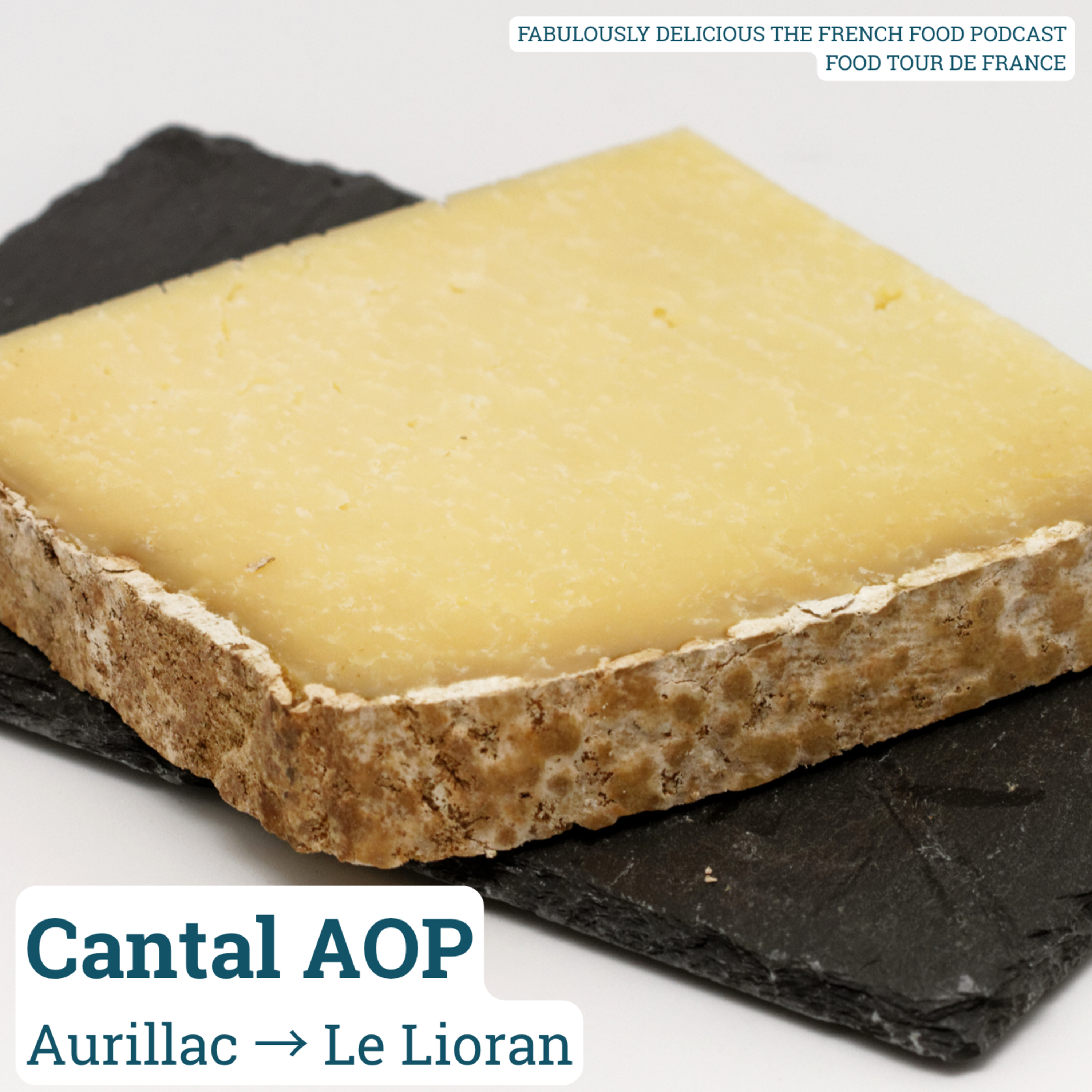 Cantal AOP: The Oldest Cheese in France 14.07.2026 8dkCantal — the ancient pressed cow's milk cheese of the Massif Central and one of the oldest cheeses in the world — has a history that stretches back further than almost anything else in French food culture. Today's Food Tour de France episode starts in Aurillac — the capital of the Cantal department, right in the heart of the volcanic Auvergne — and tells the story of a cheese that Pliny the Elder was writing about in his Historia Naturalis in the first century AD, that officially bears its name since 1298, and that received its AOC in 1956. A full-size wheel weighs between 35 and 45 kilograms and requires 400 litres of milk to produce. It comes in three ages — young, between, and old — that are genuinely different cheeses in character. And it has been made in the same landscape, from the milk of cows grazing on the same volcanic pastures, for two thousand years. Before we go any further — I want to say that I have done a full dedicated episode on Cantal with the wonderful Jennifer Greco, who knows more about this cheese than almost anyone. Go and find that episode in the catalogue. Today is the introduction. She delivers the complete picture.The episode covers the essential story of Cantal — the volcanic Massif Central landscape that produces grass of extraordinary quality, with more than sixty different plant species grazed by the cows in summer whose botanical diversity ends up directly in the milk and the cheese. The three ages — Cantal Jeune, mild and buttery at 30 to 60 days; Cantal Entre-Deux, complex and nutty at 90 to 210 days; and Cantal Vieux, bold, deeply flavoured and occasionally slightly crumbly at a minimum of 240 days — and the extraordinary double-pressing technique that sets Cantal apart from almost every other pressed cheese in France. We also cover the historic burons — the stone summer shelters on the high chaumes where the buronniers spent months in complete isolation making cheese — and the royal connection, when the Marshal Henri de La Ferté-Senneterre brought Cantal to the court of Louis XIV and changed French cheese culture forever.The Food Tour de France is a daily series running alongside the 2026 Tour de France on Fabulously Delicious — one episode for every stage start and finish. The Cantal episode connects directly to the pachade episode finishing at Le Lioran — the two episodes together give a complete picture of the food culture of the Cantal mountains, the volcanic landscape that has been producing extraordinary food since before the Romans arrived. And for the full story of Cantal cheese told with genuine expertise and passion, go and find the episode with Jennifer Greco in the main Fabulously Delicious catalogue.As Fabulously Delicious steps into its sixth year, one thing is clearer than ever: five years of French food culture has taught Andrew that the subject is genuinely inexhaustible. My book Paris: A Fabulous Food Guide to the World’s Most Delicious City is your ultimate companion. This is a new 2026 update for the book and you’ll find hand-picked recommendations for the best boulangeries, patisseries, wine bars, cafés, and restaurants that truly capture the flavor of Paris. You can order it online at andrewpriorfabulously.com You can help keep the show thriving by becoming a paid subscriber on substack where you'll also get fabulous extra content. Every contribution makes a huge difference. Join here at Substack Merci beaucoup!Newsletter Youtube Instagram Facebook Website #FrenchFoodPodcast #FabulouslyDelicious #foodpodcast #CantalCheese #FrenchCheese #FoodTourDeFrance #TourDeFrance2026 #AuvergneCuisine
 -
 Eau de Treignac: The Purest Water in France Nobody Has Heard Of 12.07.2026 8dkEau de Treignac: The Purest Water in France Nobody Has Heard Of | Food Tour de FranceEau de Treignac — the extraordinary natural mineral water from a source above a village of 1,389 people in the Corrèze — is one of the most remarkable and most overlooked food products in this entire series. Today's Food Tour de France episode finishes in Ussel, deep in the heart of the Corrèze plateau, and tells the full story of a water that filters for fifteen years through granitic sand soil in the Millevaches regional nature park before emerging from its source at a constant temperature of 9.5 degrees Celsius with a dry residue of just 20 milligrams per litre — among the lowest mineral content of any naturally occurring water in Europe. For context, Evian has a dry residue of 309 milligrams per litre. Volvic sits at 130. Treignac at 20 is in a different category entirely. And it is now being poured at the Plaza Athénée in Paris, the Negresco in Nice and the Chabichou in Courchevel.The episode tells the full story of how Eau de Treignac came to be bottled — from the family discussion led by Michelle Sainte-Laudy in 2002 that began the process, through the eight years of work required to move from idea to commercial production, to the 3,200-metre pipeline installed by the commune of Treignac connecting the source to the bottling plant at a cost of 130,000 euros. The commune of Treignac — population 1,389 — owns the source. The municipality receives a royalty per litre. And the water's extraordinary purity — a silica content that gives it a barely perceptible mineral dryness, a gentiane note that the head sommelier at Georges Blanc's three-star restaurant described as elegant, dry and mineral in the most delicate possible sense — has made it the water of choice for some of the finest tables in France. A water that does not interfere with the flavour of food. Which in the context of French gastronomy is exactly what is required.The Food Tour de France is a daily series running alongside the 2026 Tour de France on Fabulously Delicious — one episode for every stage start and finish. The Treignac water episode connects directly to the Évian episode earlier in the series — two French mountain waters at opposite ends of the mineral content spectrum, both finding their audience in the finest restaurants in France through the same fundamental quality of not imposing themselves on the food alongside them. Search Fabulously Delicious on Spotify and Apple Podcasts for the full series.As Fabulously Delicious steps into its sixth year, one thing is clearer than ever: five years of French food culture has taught Andrew that the subject is genuinely inexhaustible. My book Paris: A Fabulous Food Guide to the World’s Most Delicious City is your ultimate companion. This is a new 2026 update for the book and you’ll find hand-picked recommendations for the best boulangeries, patisseries, wine bars, cafés, and restaurants that truly capture the flavor of Paris. You can order it online at andrewpriorfabulously.com For those who want to take things further, why not come cook with me here in Montmorillon, in the heart of France’s Vienne region? Combine hands-on French cooking classes with exploring charming markets, tasting regional specialties, and soaking up the slow, beautiful pace of French countryside life. Find all the details at andrewpriorfabulously.comYou can help keep the show thriving by becoming a paid subscriber on substack where you'll also get fabulous extra content. Every contribution makes a huge difference. Join here at Substack Merci beaucoup!Newsletter Youtube Instagram Facebook Website #FrenchFoodPodcast #FabulouslyDelicious #foodpodcast #EauDeTreignac #FrenchMineralWater #FoodTourDeFrance #TourDeFrance2026 #CorrèzeFood
 -
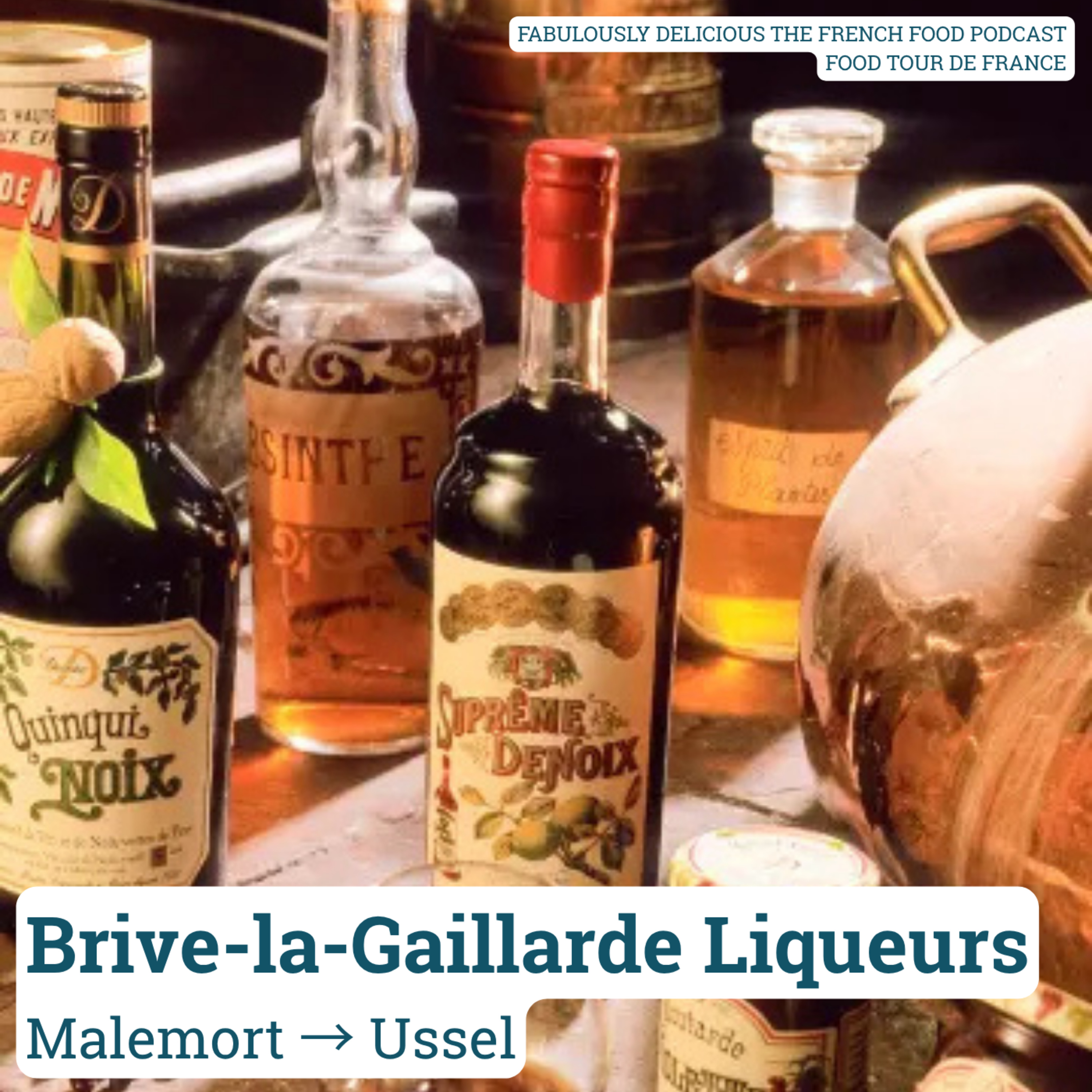 The Liqueurs of Brive-la-Gaillarde: The Secret Drinks Capital of the Corrèze 12.07.2026 7dkThe Liqueurs of Brive-la-Gaillarde: The Secret Drinks Capital of the Corrèze | Food Tour de FranceBrive-la-Gaillarde — the largest city in the Corrèze, sitting at the point where the Massif Central meets the Dordogne Valley — has been making artisan liqueurs since 1839 and is one of the most underrated drinks destinations in France. Today's Food Tour de France episode starts in Malemort, right next to Brive, and tells the full story of a city that turned its extraordinary geographical position — close to the Cognac and Armagnac country, surrounded by walnut orchards, rich in aromatic plants from the edge of the Massif Central — into a liqueur-making tradition that has been running for nearly two centuries. At the heart of that tradition is the Maison Denoix — founded in 1839, now in its fifth generation, designated a Living Heritage Company by the French state — and its most celebrated creation, the Suprême Denoix walnut liqueur, made from green walnuts harvested around the city every mid-July and still produced from the same ancestral recipe in the same building in the centre of Brive.The episode tells the full story of the Maison Denoix — from its foundation by Pierre Lacoste in 1839 through the creation of the Quinquinoix walnut wine, aged for five years in oak barrels, to the extraordinary story of the Moutarde Violette de Brive — the violet mustard made from grape must and fine mustard seeds whose purple colour and sweet-sharp balance connects the city to a fourteenth century Pope who was born in the Corrèze and summoned a mustard maker from Turenne to his court in Avignon. We also cover the Distillerie Bellet, founded in 1922 and now in its fourth generation, whose chestnut liqueur, gentiane, pastis and absinthe draw on the botanical richness of the Massif Central edge in a completely different register to Denoix. Two distilleries. Two philosophies. One city with an extraordinary liqueur-making tradition.The Food Tour de France is a daily series running alongside the 2026 Tour de France on Fabulously Delicious — one episode for every stage start and finish. The Brive liqueurs episode connects to the broader picture of Corrèze and Dordogne food culture this part of the series has been building — from the pâté de Périgueux in Périgueux to the Monbazillac wines of Bergerac — and sits alongside these as part of one of the richest stretches of food country in the whole of France. Search Fabulously Delicious on Spotify and Apple Podcasts for the full series.As Fabulously Delicious steps into its sixth year, one thing is clearer than ever: five years of French food culture has taught Andrew that the subject is genuinely inexhaustible. My book Paris: A Fabulous Food Guide to the World’s Most Delicious City is your ultimate companion. This is a new 2026 update for the book and you’ll find hand-picked recommendations for the best boulangeries, patisseries, wine bars, cafés, and restaurants that truly capture the flavor of Paris. You can order it online at andrewpriorfabulously.com For those who want to take things further, why not come cook with me here in Montmorillon, in the heart of France’s Vienne region? Combine hands-on French cooking classes with exploring charming markets, tasting regional specialties, and soaking up the slow, beautiful pace of French countryside life. Find all the details at andrewpriorfabulously.comYou can help keep the show thriving by becoming a paid subscriber on substack where you'll also get fabulous extra content. Every contribution makes a huge difference. Join here at Substack Merci beaucoup!Newsletter Youtube Instagram Facebook Website #FrenchFoodPodcast #FabulouslyDelicious #foodpodcast #BriveLaGaillarde #FrenchLiqueur #FoodTourDeFrance #TourDeFrance2026 #CorrèzeFood
 -
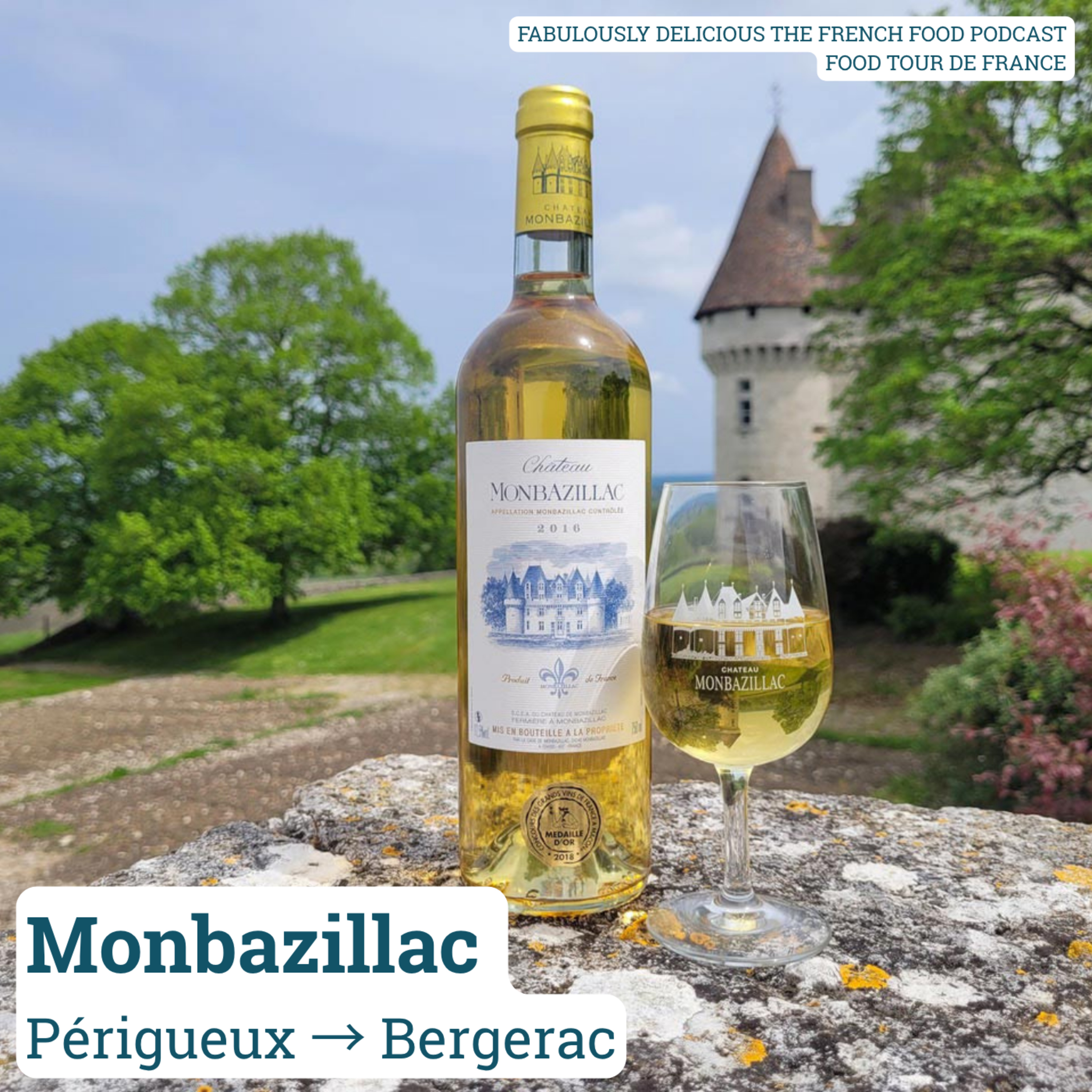 Monbazillac: The Sweet Wine of the Dordogne That Was There From the Very Beginning 11.07.2026 7dkMonbazillac: The Sweet Wine of the Dordogne That Was There From the Very Beginning | Food Tour de FranceMonbazillac — the extraordinary sweet white wine of the Dordogne and one of the oldest protected appellations in France — has a story that begins at the very birth of the French AOC system. In 1936, six wines in France received the very first controlled designations of origin — the first AOCs in French history. Châteauneuf-du-Pape. Cognac. Tavel. Arbois. Cassis. And Monbazillac. A sweet white wine from five villages on the south bank of the Dordogne, just outside Bergerac, considered important enough to be among the first six things France ever decided were worth protecting. Today's Food Tour de France episode finishes in Bergerac and tells the full story of this remarkable wine — its botrytis-driven production, its extraordinary ageing potential and its perfect partnership with the foie gras and pâté de Périgueux we covered in yesterday's episode from Périgueux.The episode covers the full story of Monbazillac — from the legal dispute of 1934 that almost prevented the appellation from existing at all, through the extraordinary north-facing vineyards above the Dordogne where morning mists from the river create the humid conditions that noble rot needs to develop, to the harvest done entirely by hand in multiple passes through the vineyard selecting only the botrytised berries at the right moment of concentration. Made from Sémillon, Sauvignon Blanc, Sauvignon Gris and Muscadelle — the same quartet that dominates the white wine vineyards of Bordeaux — Monbazillac at its best carries aromas of honey, acacia, peach blossom and mirabelle that deepen over decades into candied citrus, spices and beeswax. The great Monbazillacs can age for twenty to thirty years or more. Which puts them in the same company as the greatest sweet wines in the world.The Food Tour de France is a daily series running alongside the 2026 Tour de France on Fabulously Delicious — one episode for every stage start and finish. The Monbazillac episode connects directly to the pâté de Périgueux episode from Périgueux — the combination of this sweet Dordogne wine with the foie gras at the heart of the pâté is one of the great regional food and wine pairings in southwest France — and to the broader picture of Dordogne and Périgord food culture this part of the series has been building. Search Fabulously Delicious on Spotify and Apple Podcasts for the full series.As Fabulously Delicious steps into its sixth year, one thing is clearer than ever: five years of French food culture has taught Andrew that the subject is genuinely inexhaustible. My book Paris: A Fabulous Food Guide to the World’s Most Delicious City is your ultimate companion. This is a new 2026 update for the book and you’ll find hand-picked recommendations for the best boulangeries, patisseries, wine bars, cafés, and restaurants that truly capture the flavor of Paris. You can order it online at andrewpriorfabulously.com For those who want to take things further, why not come cook with me here in Montmorillon, in the heart of France’s Vienne region? Combine hands-on French cooking classes with exploring charming markets, tasting regional specialties, and soaking up the slow, beautiful pace of French countryside life. Find all the details at andrewpriorfabulously.comYou can help keep the show thriving by becoming a paid subscriber on substack where you'll also get fabulous extra content. Every contribution makes a huge difference. Join here at Substack Merci beaucoup!Newsletter Youtube Instagram Facebook Website #FrenchFoodPodcast #FabulouslyDelicious #foodpodcast #Monbazillac #Périgueux #Bergerac #FrenchFood #FoodTourDeFrance #TourDeFrance2026
 -
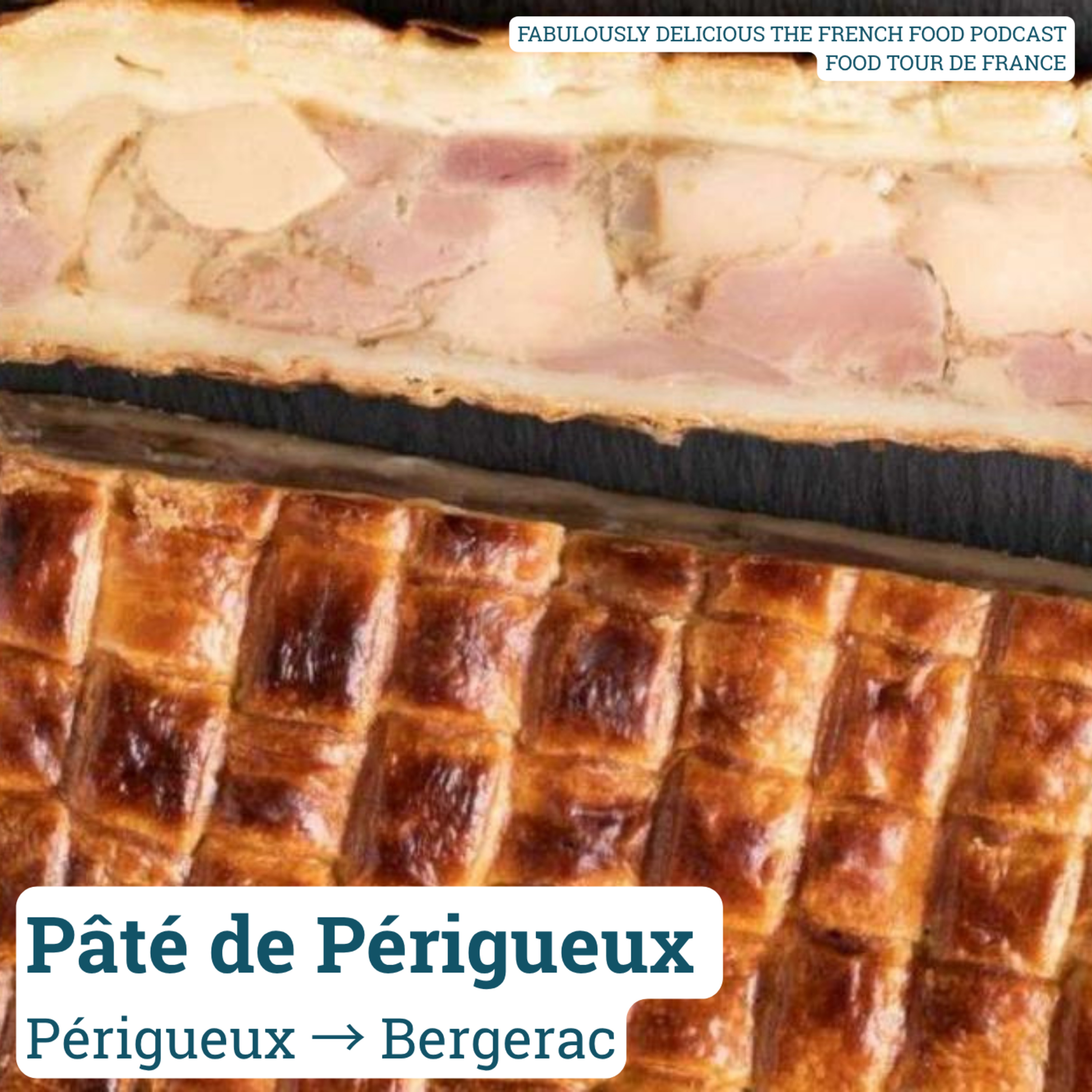 Pâté de Périgueux: The Five-Hundred-Year-Old Pâté of the Dordogne 11.07.2026 7dkPâté de Périgueux: The Five-Hundred-Year-Old Pâté of the Dordogne | Food Tour de FrancePâté de Périgueux — the extraordinary truffled foie gras pâté of the Dordogne and one of the most historically significant preparations in the whole of French charcuterie — has been made in Périgueux since at least 1498, when a group of pastry makers calling themselves fabricants de pâtés swore an oath before the Consuls of the city. Today's Food Tour de France episode starts in Périgueux — the capital of the Dordogne, capital of the Périgord Blanc — and tells the full story of a dish that began as a pastry case filled with red partridge, evolved over three centuries into the truffled foie gras terrine we know today, and is now protected by a Confrérie that requires a strict minimum of three percent black Périgord truffle in every pâté that bears the name. This is French food history at its most specific, its most luxurious and its most deeply rooted in a single place.The episode covers the full history of the pâté de Périgueux — from the medieval pastry makers of the city through the arrival of the Périgord truffle in the recipe in the eighteenth century, the earliest surviving description of a truffled foie gras pâté dating from 1750, and the Almanach des gourmands of 1803 which described it as food for the gods of the earth. We cover the strict composition rules that define a genuine pâté de Périgueux today — 57 percent grain-fed pork, 40 percent foie gras, a minimum of 3 percent black Périgord truffle — and the extraordinary culinary tradition that surrounds it, including its connection to sauce Périgueux, the classic Madeira and truffle sauce that Carême was already describing in his recipes at the turn of the nineteenth century and that Julia Child included in Mastering the Art of French Cooking.The Food Tour de France is a daily series running alongside the 2026 Tour de France on Fabulously Delicious — one episode for every stage start and finish. The pâté de Périgueux episode sits at the heart of a remarkable stretch of food country — connecting to the Monbazillac wine episode from Bergerac, where the sweet white wine pairs perfectly with the foie gras at the heart of the pâté, and to the broader story of Périgord food culture that runs through this part of the series. Search Fabulously Delicious on Spotify and Apple Podcasts for the full series.As Fabulously Delicious steps into its sixth year, one thing is clearer than ever: five years of French food culture has taught Andrew that the subject is genuinely inexhaustible. My book Paris: A Fabulous Food Guide to the World’s Most Delicious City is your ultimate companion. This is a new 2026 update for the book and you’ll find hand-picked recommendations for the best boulangeries, patisseries, wine bars, cafés, and restaurants that truly capture the flavor of Paris. You can order it online at andrewpriorfabulously.com You can help keep the show thriving by becoming a paid subscriber on substack where you'll also get fabulous extra content. Every contribution makes a huge difference. Join here at Substack Merci beaucoup!Newsletter Youtube Instagram Facebook Website #FrenchFoodPodcast #FabulouslyDelicious #foodpodcast #PâtédePérigueux #Périgueux #FrenchFood #FoodTourDeFrance #TourDeFrance2026
 -
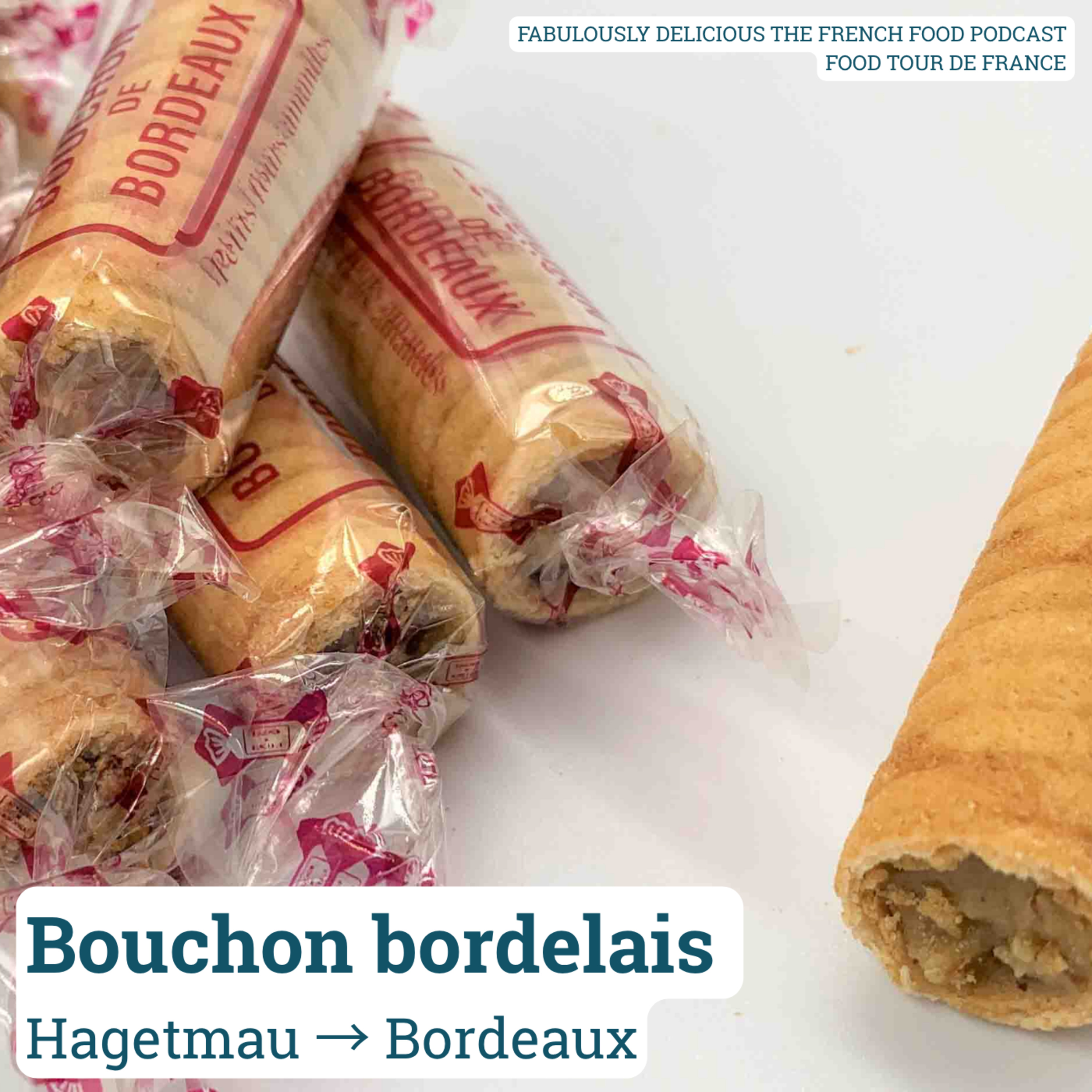 Bouchon Bordelais: The Sweet That Looks Like a Cork 10.07.2026 6dkBouchon Bordelais: The Sweet That Looks Like a Cork | Food Tour de FranceLe bouchon bordelais — the small cylindrical confection shaped like a wine bottle cork that is the most distinctive sweet in Bordeaux — is one of those French regional confections that is almost impossible to find outside its home city and completely synonymous with it inside. Today's Food Tour de France episode finishes in Bordeaux — the UNESCO World Heritage city on the crescent of the Garonne — and tells the full story of a sweet invented by a single pastry chef who went for a walk in a vineyard in 1976 and came home with an idea that turned into a family business now in its third generation. A soft, chocolate-scented almond and raisin paste inside a thin crispy butter biscuit shell, flavoured with Fine de Bordeaux — a six-year-old grape brandy — presented in a round cork-shaped box with golden writing on a green background. A sweet that looks like Bordeaux before you have even opened it.The episode tells the full story of Jacques Pouquet — the maître pâtissier-chocolatier who created the bouchon bordelais in 1976 after noticing almond trees growing among the vines in a Lussac-Saint-Émilion vineyard and combining them with the raisins of the Bordeaux wine trade in a preparation that captured the identity of the city in a single bite. The name was registered as a trademark in 1977. Awards followed quickly — first prize at the Salon Intersuc in 1980, best petit four in France in 1988, the Cordon Bleu at Salon Intersuc in 1990. When Pouquet died in 1998 his daughter Véronique — a hairdresser by trade — took over rather than let it stop. In 2019 her daughter Julia joined her. Three generations of the same family, making the same recipe in the same workshop in Bruges on the outskirts of Bordeaux, from a closely guarded secret recipe that has never been written down outside the family.The Food Tour de France is a daily series running alongside the 2026 Tour de France on Fabulously Delicious — one episode for every stage start and finish. The bouchon bordelais episode closes this leg of the series through the southwest — from the Tomme des Pyrénées at Les Angles through the cassoulet of Carcassonne, the rouzole of Foix, the haricot tarbais of Lannemezan, the béarnaise and garbure of Pau, the mouton Barèges-Gavarnie above the Tourmalet and the Tursan wines of Hagetmau — arriving finally in Bordeaux with a sweet that tastes of the wine trade, the almond trees and the Fine de Bordeaux brandy that makes this city unlike anywhere else in France. As Fabulously Delicious steps into its sixth year, one thing is clearer than ever: five years of French food culture has taught Andrew that the subject is genuinely inexhaustible. My book Paris: A Fabulous Food Guide to the World’s Most Delicious City is your ultimate companion. This is a new 2026 update for the book and you’ll find hand-picked recommendations for the best boulangeries, patisseries, wine bars, cafés, and restaurants that truly capture the flavor of Paris. You can order it online at andrewpriorfabulously.com For those who want to take things further, why not come cook with me here in Montmorillon, in the heart of France’s Vienne region? Combine hands-on French cooking classes with exploring charming markets, tasting regional specialties, and soaking up the slow, beautiful pace of French countryside life. Find all the details at andrewpriorfabulously.comYou can help keep the show thriving by becoming a paid subscriber on substack where you'll also get fabulous extra content. Every contribution makes a huge difference. Join here at Substack Merci beaucoup!Newsletter Youtube Instagram Facebook Website #FrenchFoodPodcast #FabulouslyDelicious #foodpodcast #bouchonbordelais #JacquesPouquet #Bordeaux #FrenchFood #FoodTourDeFrance #TourDeFrance2026
 -
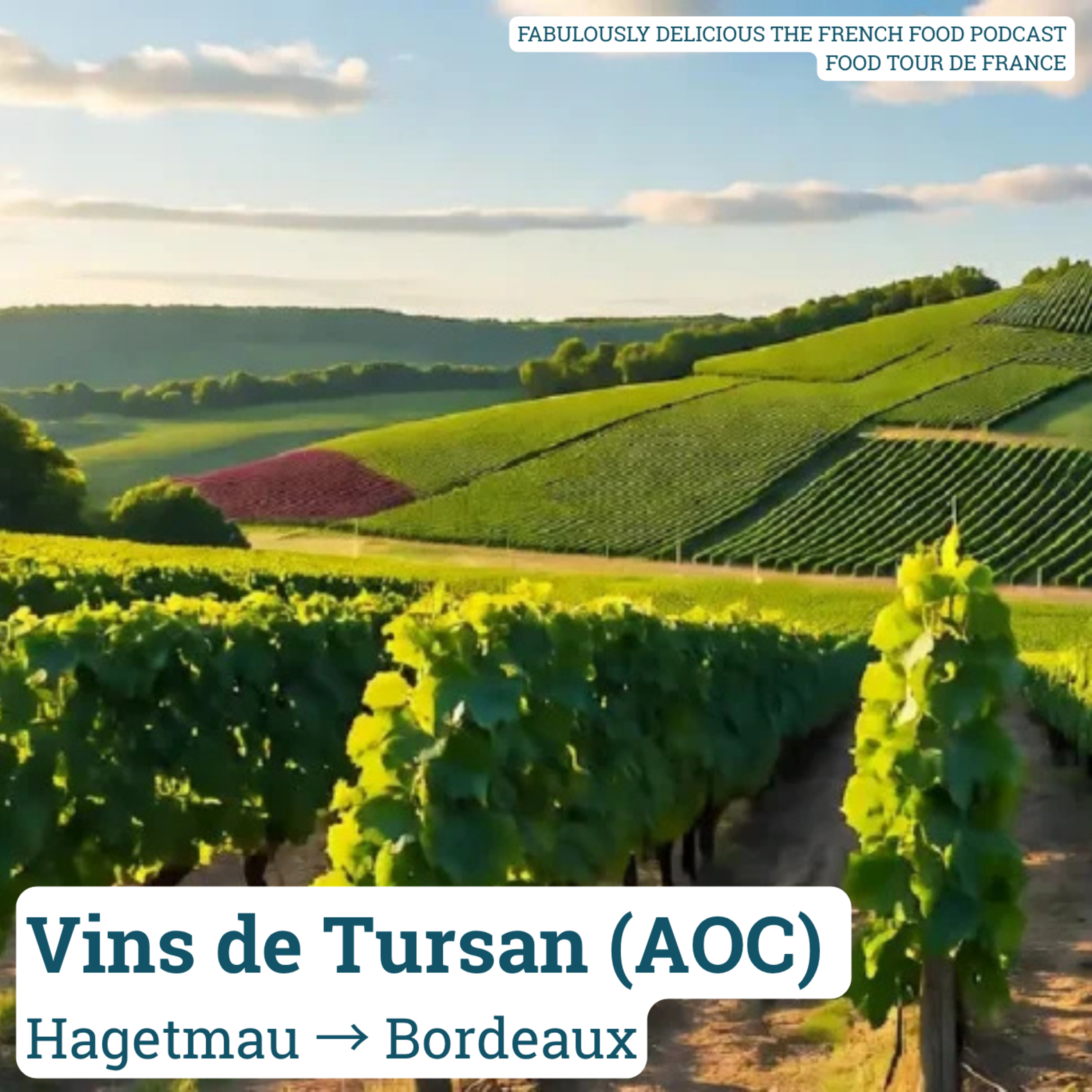 Vins de Tursan: The Secret Vineyard of the Landes 10.07.2026 5dkVins de Tursan: The Secret Vineyard of the Landes | Food Tour de FranceVins de Tursan — the AOC wine of the Landes that most people outside the southwest of France have never heard of — is one of the most distinctive and most underrated appellations in the whole of French wine. Today's Food Tour de France episode starts in Hagetmau, right in the heart of Tursan wine country, and tells the full story of a vineyard that covers 450 hectares of hillside between the Landes forest and the first foothills of the Pyrenees, produces white wine from the baroque grape — a variety grown almost nowhere else in the world — and whose revival in the 1980s was driven almost entirely by one man. A chef who became a winemaker. A man who already had three Michelin stars and decided that wasn't enough. Michel Guérard, the founding father of cuisine minceur, came to Eugénie-les-Bains in the Landes and changed what people thought about Tursan forever.The episode covers the full story of Tursan — from its first recognition as a wine of higher quality in 1958, through the fragmented landscape of small farm producers that earned it the name the secret vineyard of the Landes, to the AOC designation that came in 2011 following decades of work by Guérard and the producers who shared his belief in what this corner of the southwest could produce. The baroque grape that defines white Tursan — late-ripening, aromatic, structured, grown almost nowhere else on earth — is the heart of the appellation. Combined with Gros Manseng, Petit Manseng and Sauvignon Blanc in a blend that is specific to this landscape, it produces a white wine of genuine distinction that pairs beautifully with the fish of the Landes and the rich dishes of Gascon cuisine.The Food Tour de France is a daily series running alongside the 2026 Tour de France on Fabulously Delicious — one episode for every stage start and finish. The Tursan episode connects directly to the garbure episode from Pau — white Tursan is one of the finest wine companions to the great slow-cooked soup of Gascony — and to the broader picture of southwest French food and drink culture this series has been building stage by stage. Search Fabulously Delicious on Spotify and Apple Podcasts for the full series.As Fabulously Delicious steps into its sixth year, one thing is clearer than ever: five years of French food culture has taught Andrew that the subject is genuinely inexhaustible. My book Paris: A Fabulous Food Guide to the World’s Most Delicious City is your ultimate companion. This is a new 2026 update for the book and you’ll find hand-picked recommendations for the best boulangeries, patisseries, wine bars, cafés, and restaurants that truly capture the flavor of Paris. You can order it online at andrewpriorfabulously.com For those who want to take things further, why not come cook with me here in Montmorillon, in the heart of France’s Vienne region? Combine hands-on French cooking classes with exploring charming markets, tasting regional specialties, and soaking up the slow, beautiful pace of French countryside life. Find all the details at andrewpriorfabulously.comYou can help keep the show thriving by becoming a paid subscriber on substack where you'll also get fabulous extra content. Every contribution makes a huge difference. Join here at Substack Merci beaucoup!Newsletter Youtube Instagram Facebook Website #FrenchFoodPodcast #FabulouslyDelicious #foodpodcast #VinsdeTursan #MichelGuérard #Hagetmau #FrenchFood #FoodTourDeFrance #TourDeFrance2026
 -
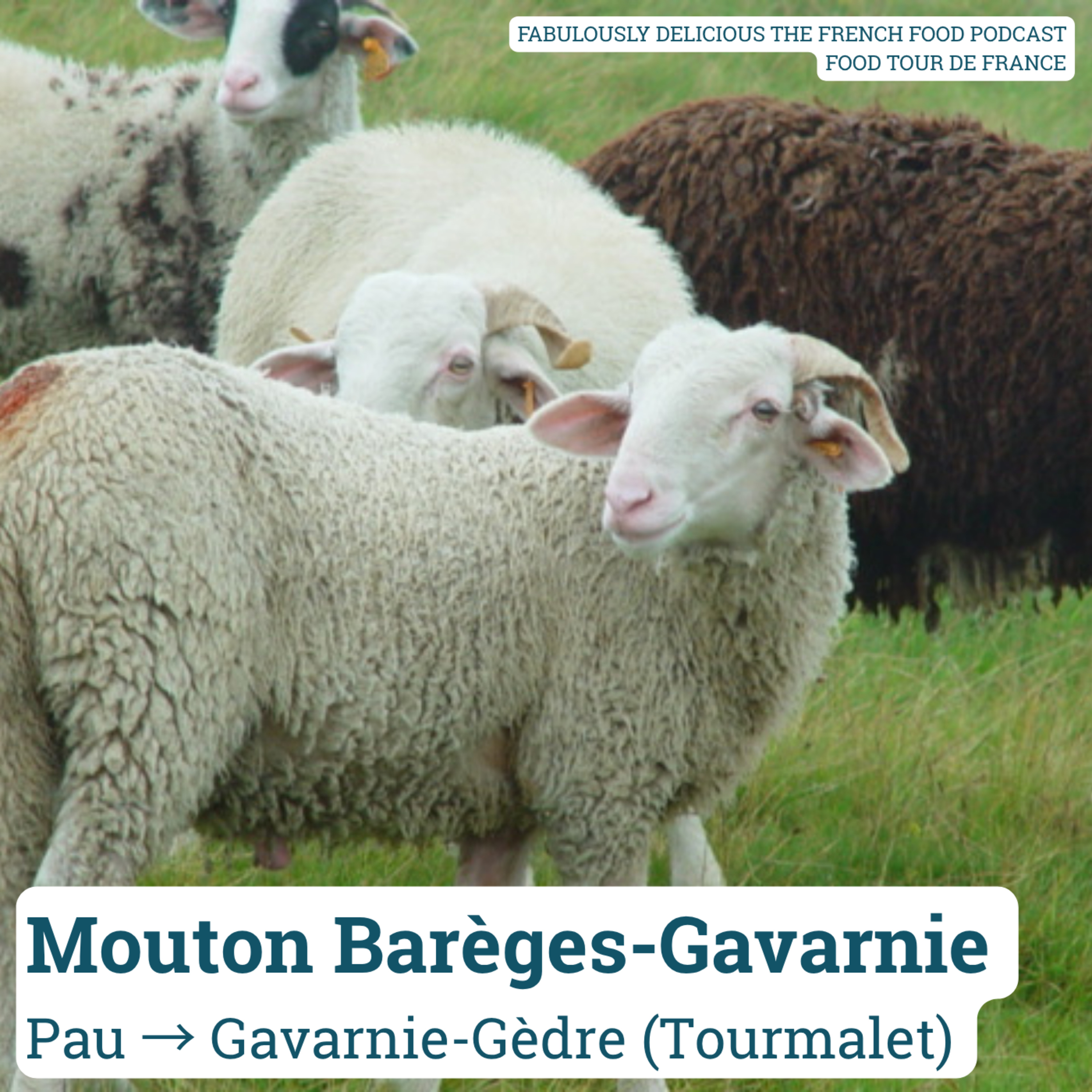 Mouton Barèges-Gavarnie: The Finest Mutton in France 09.07.2026 7dkMouton Barèges-Gavarnie: The Finest Mutton in France | Food Tour de FranceMouton Barèges-Gavarnie — the extraordinary AOP mutton from the high mountain pastures above the Tour de France route today — is one of the most remarkable and most misunderstood meat products in France. Today's Food Tour de France episode finishes at Gavarnie-Gèdre at the foot of the Tourmalet, and tells the full story of the only mutton in France to hold an AOC designation — a distinction it earned in 2003 after eight years of applications, legal battles and the determination of a small group of Pyrenean farmers who refused to let their breed and their tradition disappear into the cheaper imported meat market. The Barégeoise sheep — hardy, fine-boned, a good walker — spends its summers grazing in total freedom on 25,000 hectares of wild alpine grassland between 1,600 and 2,600 metres. And the flavour of those high pastures — the wild thyme, the gentian, the dozens of aromatic mountain plants — ends up directly in the meat.The episode covers everything that makes Mouton Barèges-Gavarnie unlike any other mutton you have encountered — the specific Barégeoise breed that developed in isolation in the upper valley of the Gave de Pau, the precise breeding cycle that follows the mountain year from estive to valley and back again, and the two specific types of animal that produce the AOP meat. The jeune brebis — a young ewe between two and six years old — and the doublon, a castrated male that has spent at least two summers on the high pastures and is considered by those who know it best to be the finest expression of what this landscape can produce in a single piece of meat. Available from June through January and nowhere outside that window. Seasonal in the most absolute possible sense.The Food Tour de France is a daily series running alongside the 2026 Tour de France on Fabulously Delicious — one episode for every stage start and finish. The mouton Barèges-Gavarnie connects directly to the haricot tarbais episode from Lannemezan — the classic regional pairing of mountain lamb and Pyrenean beans is one of the finest in all of southwest French cooking — and to the broader picture of Pyrenean food culture this series has been building stage by stage. Search Fabulously Delicious on Spotify and Apple Podcasts for the full series.As Fabulously Delicious steps into its sixth year, one thing is clearer than ever: five years of French food culture has taught Andrew that the subject is genuinely inexhaustible. My book Paris: A Fabulous Food Guide to the World’s Most Delicious City is your ultimate companion. This is a new 2026 update for the book and you’ll find hand-picked recommendations for the best boulangeries, patisseries, wine bars, cafés, and restaurants that truly capture the flavor of Paris. You can order it online at andrewpriorfabulously.com For those who want to take things further, why not come cook with me here in Montmorillon, in the heart of France’s Vienne region? Combine hands-on French cooking classes with exploring charming markets, tasting regional specialties, and soaking up the slow, beautiful pace of French countryside life. Find all the details at andrewpriorfabulously.comYou can help keep the show thriving by becoming a paid subscriber on substack where you'll also get fabulous extra content. Every contribution makes a huge difference. Join here at Substack Merci beaucoup!Newsletter Youtube Instagram Facebook Website #FrenchFoodPodcast #FabulouslyDelicious #foodpodcast #MoutonBarègesGavarnie #GavarnieGèdre #Tourmalet #FrenchFood #FoodTourDeFrance #TourDeFrance2026


