
Shalom Macon: Messianic Jewish Teachings
Shalom Macon - Messianic Jewish Teaching
0
Shalom Macon is a Messianic Jewish congregation in Macon, Georgia, offering teachings that blend Jewish traditions with faith in Yeshua (Jesus). The podcast covers Torah portions, holidays, and Messianic theology. It aims to restore the faith of early Yeshua-followers and welcomes both Jews and Gentiles.
Bölümler
-
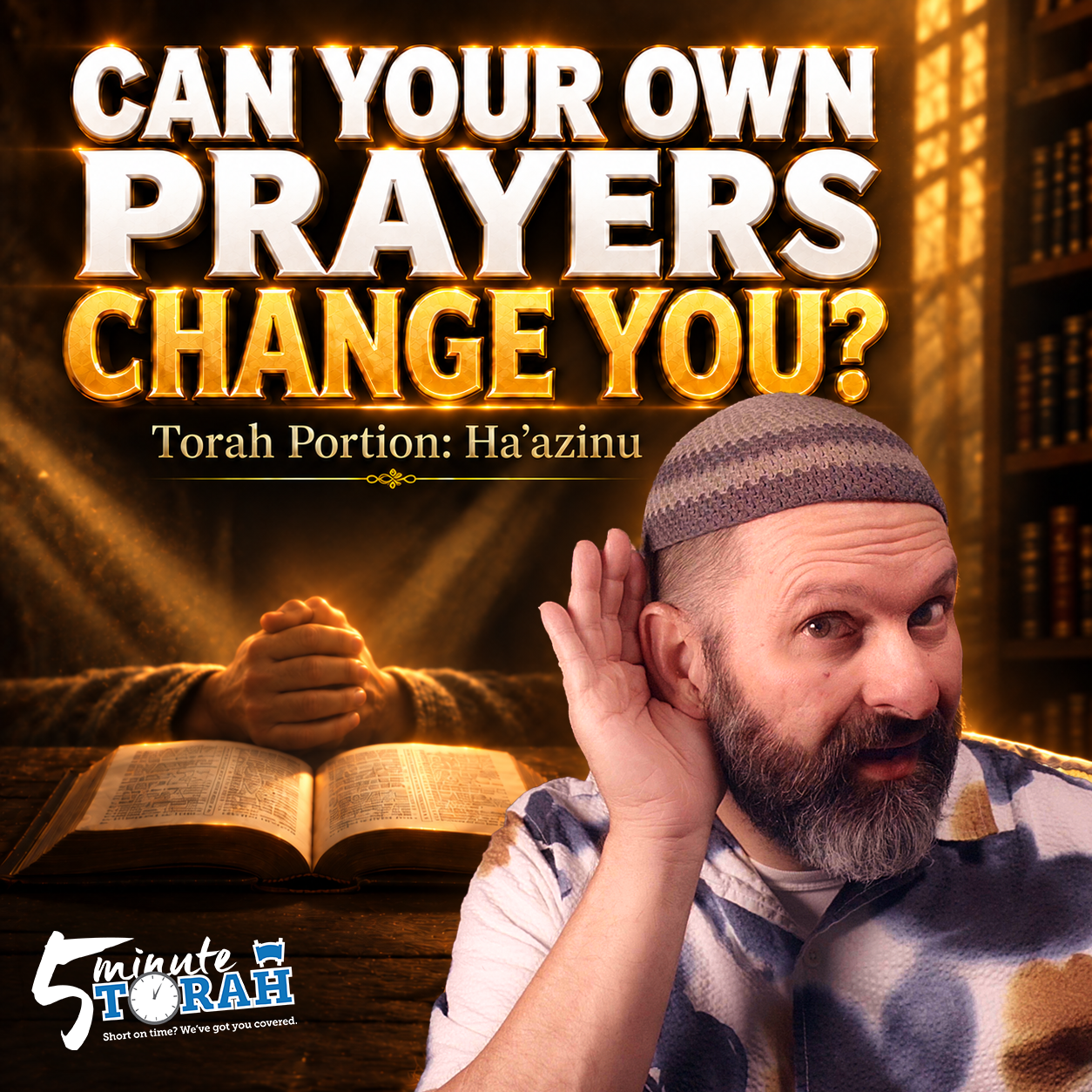 Can Your Own Prayers Change You? 5 Minute Torah - Ha'azinu 17.09.2026 8dkWhat if your ears are witnesses to the life you’re living? And what if the words you pray are meant to change the person speaking them? In this week’s 5 Minute Torah, we explore Ha’azinu—the Song of Moses in Deuteronomy 32—and its surprising connection to prayer, listening, and obedience. Moses calls heaven and earth as witnesses. But what can those two witnesses teach us about our own two ears? Why is this song written in two columns in a Torah scroll? Why does Moses say both “give ear” and “hear”? And how can speaking Scripture aloud help move God’s words from our lips into our hearts? Through Torah, Midrash, the Shema, and the words of James and Paul, we consider how daily prayer can shape a life of repentance and faith. If faith comes through hearing, what are you giving your ears to hear? Struggling to resist temptation or remain consistent in your walk with God? This teaching offers a practical invitation: let the words of Scripture become part of your daily prayer. What passage helps you refocus your heart on God? Share it in the comments, and subscribe to Shalom Macon for more weekly Torah insights. Join Shalom Macon Live! at 11am EST every Saturday (#Shabbat) for uplifting Worship Music and Teachings If you get value from our work, please consider Supporting Shalom Macon: -- Ways to Support Shalom Macon -- Our Website | https://www.shalomacon.org/give Tithe.ly | https://tithe.ly/give?c=329563 PayPal | [email protected] Text "GIVE" to (706) 739-5990 God provides for the work of Shalom Macon through the giving of those who benefit from that work and in turn, give generously to allow it to continue. Whether you are an in-person or virtual member, your support is vital to sharing the message. We thank you for joining us, Shabbat Shalom!
 -
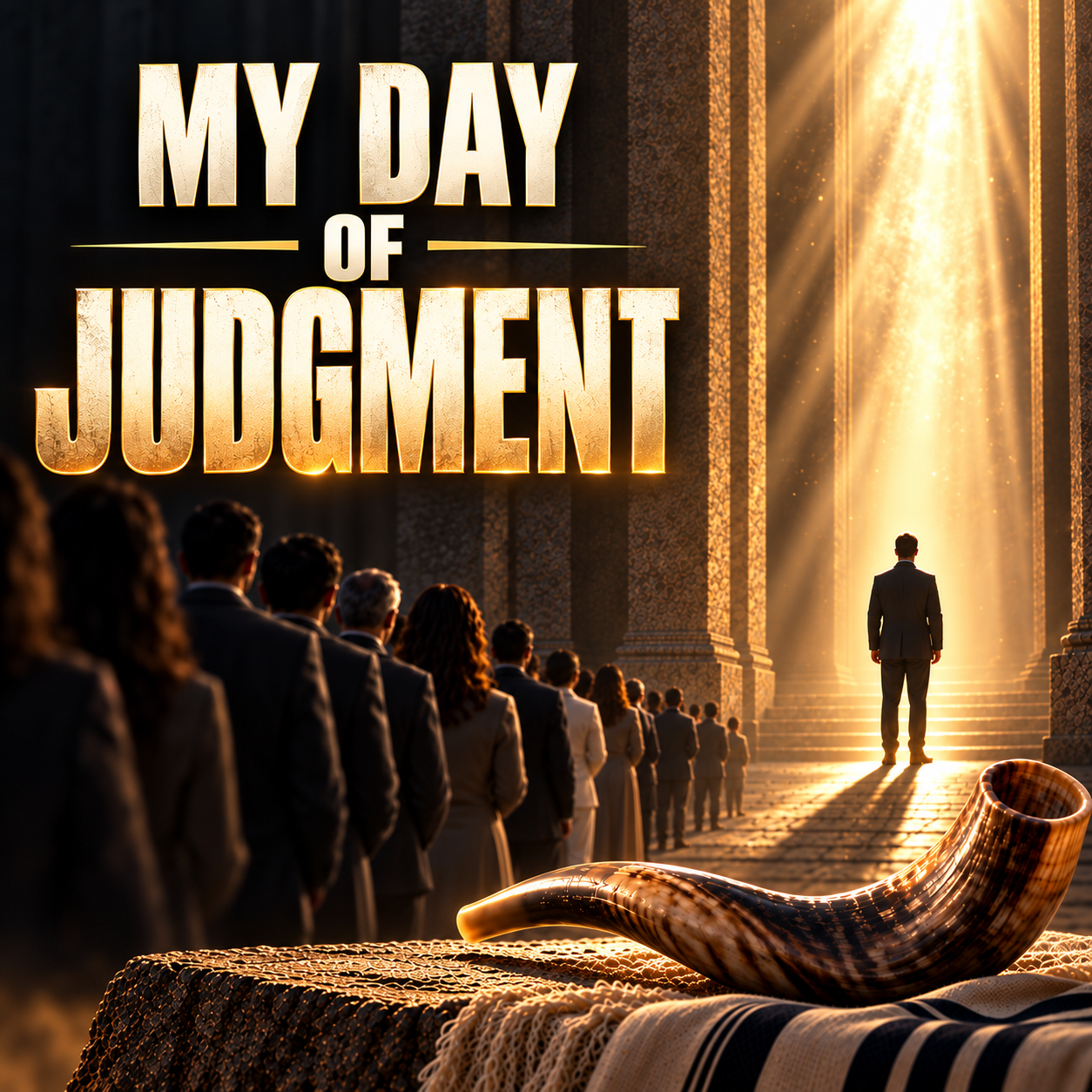 My Day of Judgment | The Shofar Cannot Change You 15.09.2026 30dkRosh Hashanah is known as Yom HaDin—the Day of Judgment. But what if God is not the only one who must render a judgment on this day? As the books are opened and every life passes individually before the King, we are confronted with questions no one else can answer for us: Who will rule my life in the coming year? What have I learned from the year behind me? What must I surrender, repair, or finally change? The traditional themes of Rosh Hashanah—Malchuyot, Zikhronot, and Shofarot—declare God’s kingship, call upon Him to remember us for good, and summon us through the sound of the shofar. But these are not merely words to recite or sounds to hear. Each one demands a personal response. The shofar cannot make God King over you. It cannot repair a damaged relationship, offer an apology, or turn painful memories into wisdom. It can only call—and then you must decide whether you will truly hear it. What did 5786 teach you that 5787 should not have to teach you again? What will change before the gates close? This Rosh Hashanah, the judgment is deeply personal—and so is the hope. Join Shalom Macon Live! at 11am EST every Saturday (#Shabbat) for uplifting Worship Music and Teachings If you get value from our work, please consider Supporting Shalom Macon: -- Ways to Support Shalom Macon -- Our Website | https://www.shalomacon.org/give Tithe.ly | https://tithe.ly/give?c=329563 PayPal | [email protected] Text "GIVE" to (706) 739-5990 God provides for the work of Shalom Macon through the giving of those who benefit from that work and in turn, give generously to allow it to continue. Whether you are an in-person or virtual member, your support is vital to sharing the message. We thank you for joining us, Shabbat Shalom!
 -
 There's Still Time - What Scrooge Can Teach Us About Repentance 10.09.2026 40dkWhat if the person you’re becoming is someone you never intended to be? Before Rosh Hashanah, Elul asks us to open the books—and tell the truth. In “There’s Still Time,” Rabbi Damian Eisner brings an unexpected guest into the High Holidays: Ebenezer Scrooge. Charles Dickens’ A Christmas Carol becomes a powerful invitation to cheshbon hanefesh, the accounting of the soul. What remains unsettled between you and God? What would your family say about you when you’re not in the room? Are you still paying interest on a hurt someone else caused? Through tefilah (prayer), tzedakah (charity), and teshuvah (repentance), we examine our past, face what our lives are producing today, and consider the legacy we’re building. Along the way, we explore Yeshua’s call to repair relationships, the cost of rehearsing resentment, and why releasing an old debt doesn’t require restoring trust. You are what you repeat. But the course can still change. As we prepare for Rosh Hashanah and Yom Kippur, the invitation is clear: make the phone call. Offer the apology. Take the next faithful step. Which question challenged you most? Share below without naming anyone involved. Subscribe to Shalom Macon for Messianic Jewish teachings that bring faith into everyday life. Join Shalom Macon Live! at 11am EST every Saturday (#Shabbat) for uplifting Worship Music and Teachings If you get value from our work, please consider Supporting Shalom Macon: -- Ways to Support Shalom Macon -- Our Website | https://www.shalomacon.org/give Tithe.ly | https://tithe.ly/give?c=329563 PayPal | [email protected] Text "GIVE" to (706) 739-5990 God provides for the work of Shalom Macon through the giving of those who benefit from that work and in turn, give generously to allow it to continue. Whether you are an in-person or virtual member, your support is vital to sharing the message. We thank you for joining us, Shabbat Shalom!
 -
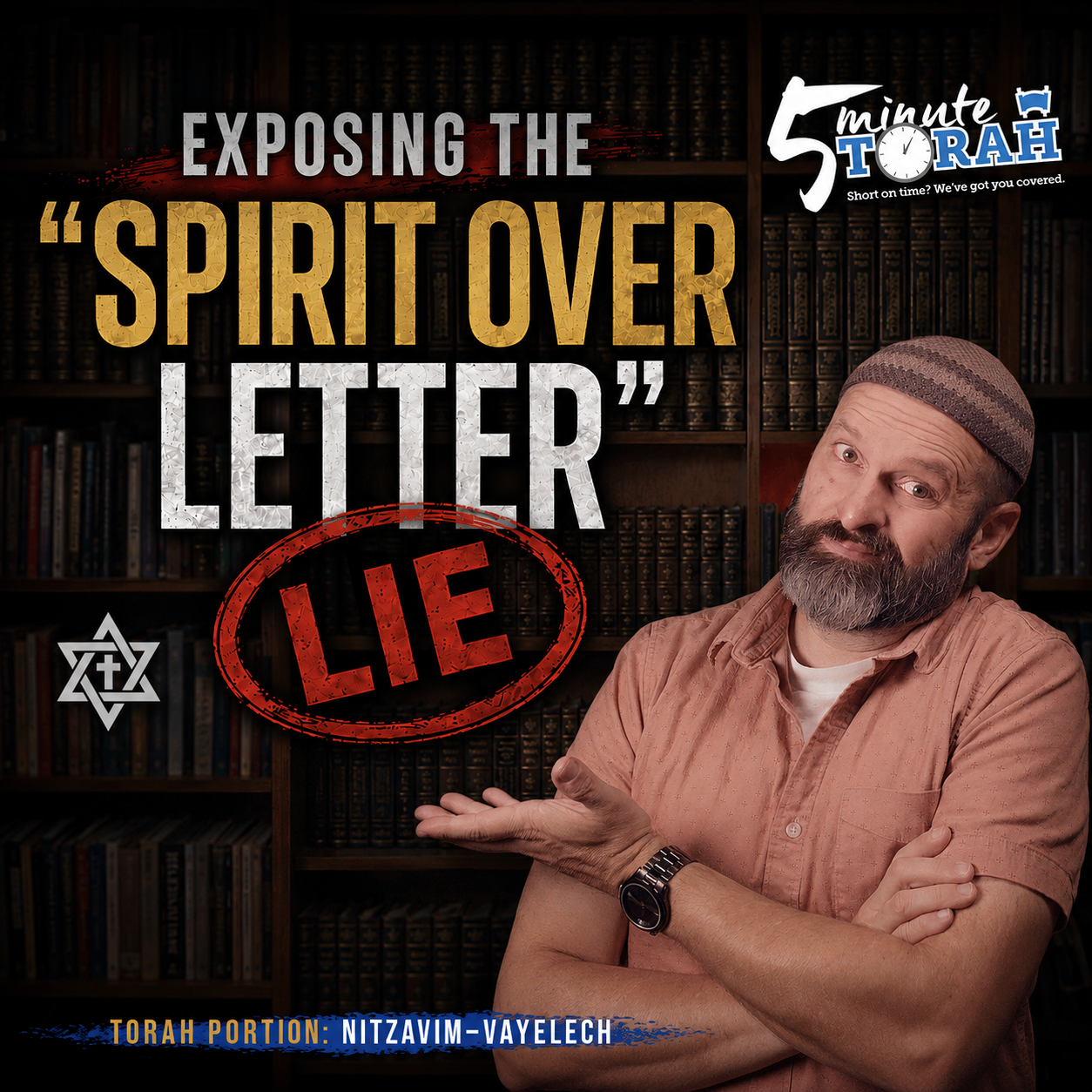 5 Minute Torah - Nitzavim-Vayelech - Does the Spirit Replace God’s Commandments? 03.09.2026 9dkWhat does rebellion against God really look like? It is easy to recognize rebellion when someone openly rejects Scripture. But what about the more subtle kind—the kind that still quotes the Bible, still claims to follow the Spirit, yet explains away what God has plainly said? In Parashat Nitzavim-Vayelech, Moses warns Israel about a stubborn heart that chooses its own way. He knew that after his death, God’s people would face a crucial question: Would they remain faithful to the Torah, or would they reshape it according to their own preferences? This episode explores the difference between honoring the spirit of God’s Law and spiritualizing it away. Can the Holy Spirit ever lead us to disregard God’s commandments? What role do tradition, faithful interpretation, and the plain meaning of Scripture play in keeping us on the path? We also look at God’s enduring covenant with Israel, the never-ending cycle of Torah learning, and Joshua’s commissioning as Moses’ successor. Join us as we consider why the spirit of the Law does not erase what God has said—it calls us to live it out with greater love, holiness, and devotion. Join Shalom Macon Live! at 11am EST every Saturday (#Shabbat) for uplifting Worship Music and Teachings If you get value from our work, please consider Supporting Shalom Macon: -- Ways to Support Shalom Macon -- Our Website | https://www.shalomacon.org/give Tithe.ly | https://tithe.ly/give?c=329563 PayPal | [email protected] Text "GIVE" to (706) 739-5990 God provides for the work of Shalom Macon through the giving of those who benefit from that work and in turn, give generously to allow it to continue. Whether you are an in-person or virtual member, your support is vital to sharing the message. We thank you for joining us, Shabbat Shalom!
 -
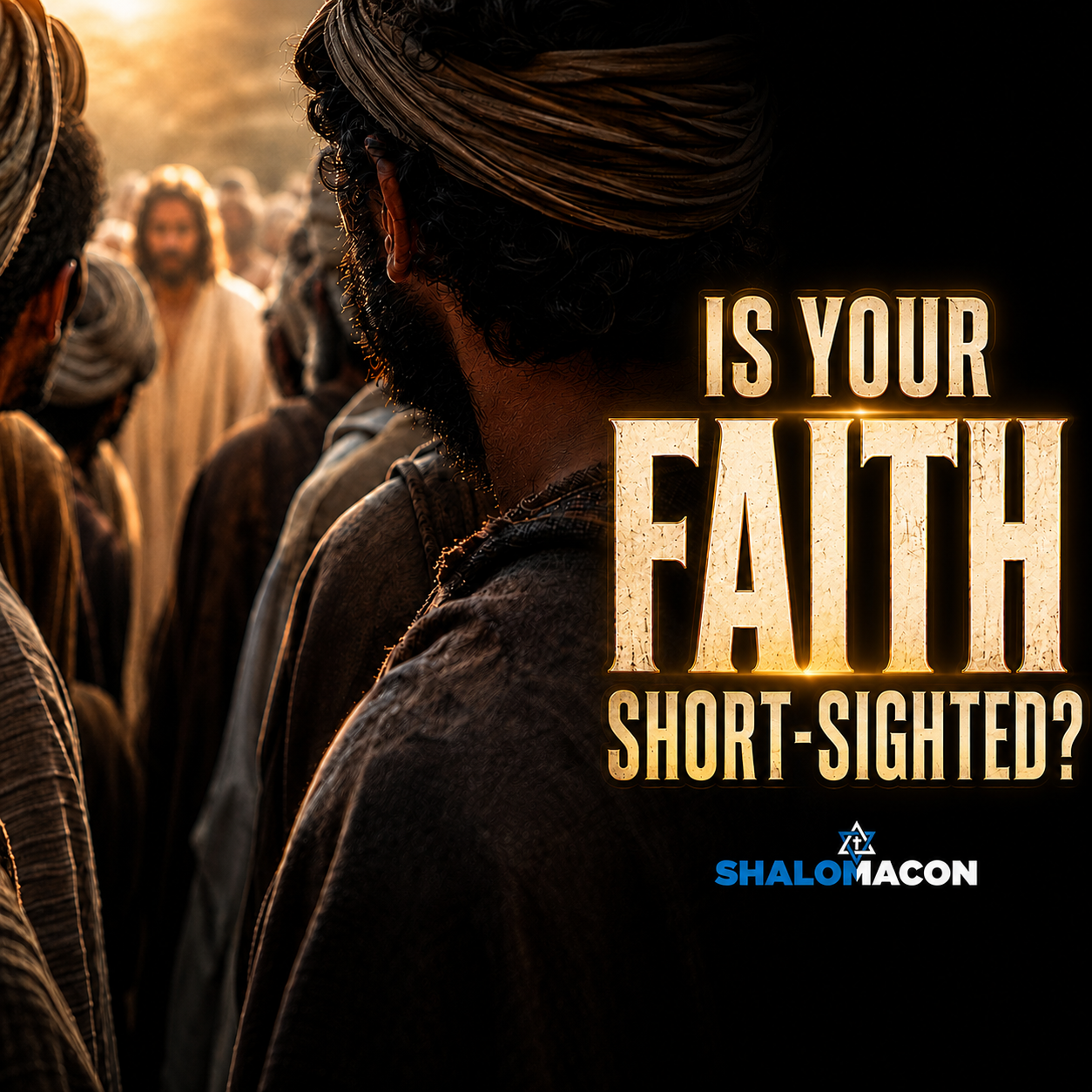 Is Your Faith Short-Sighted? | Fixing Our Eyes on the Kingdom 01.09.2026 35dkHave you ever looked at something familiar from the wrong perspective and failed to recognize it? Sometimes our spiritual lives become just as blurry. When our attention is fixed only on work, finances, relationships, responsibilities, and the crises directly in front of us, we can lose sight of the bigger picture. Our identity becomes unclear. Our purpose fades. Even our faith can become short-sighted. In this message, we explore the connection between stereograms, macro photography, the firstfruits declaration in Ki Tavo, and the way Yeshua continually directed His disciples toward the coming Kingdom. What happens when the temporary becomes more vivid to us than eternity? What does teshuvah have to do with regaining our spiritual focus? And how can the sound of the shofar help us turn our attention back toward Hashem, His Kingdom, and the return of our King? Elul is a season of preparation—a time to examine where we have placed our focus and make the necessary adjustments. Are you living only for what is directly in front of you, or are you preparing for what is yet to come? Is your faith short-sighted? Subscribe for more biblical teaching from Shalom Macon: the place where disciples of Yeshua learn, connect, and grow. Join Shalom Macon Live! at 11am EST every Saturday (#Shabbat) for uplifting Worship Music and TeachingsIf you get value from our work, please consider Supporting Shalom Macon:-- Ways to Support Shalom Macon --Our Website | https://www.shalomacon.org/giveTithe.ly | https://tithe.ly/give?c=329563PayPal | [email protected] "GIVE" to (706) 739-5990God provides for the work of Shalom Macon through the giving of those who benefit from that work and in turn, give generously to allow it to continue.Whether you are an in-person or virtual member, your support is vital to sharing the message.We thank you for joining us, Shabbat Shalom!
 -
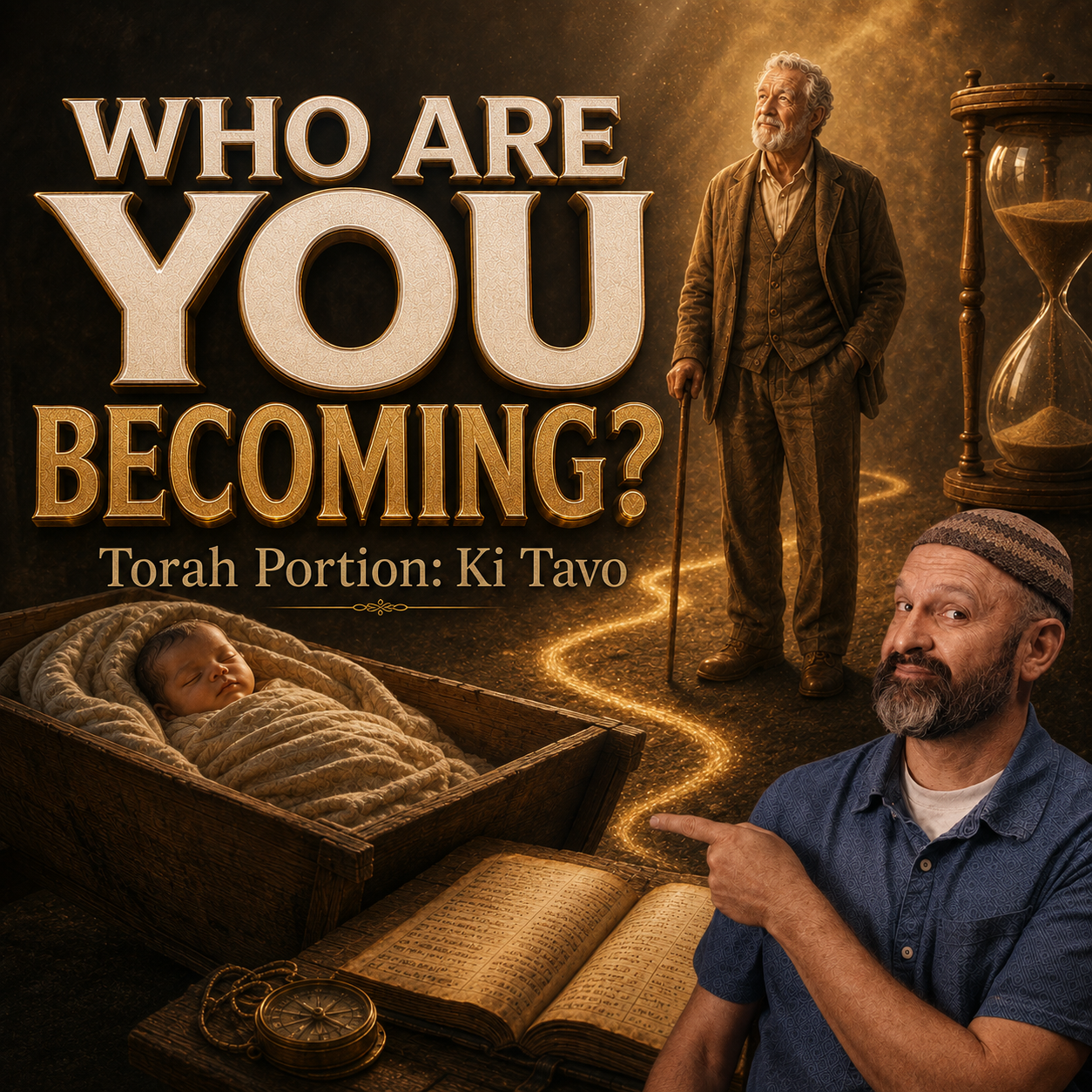 5 Minute Torah - Ki Tavo - Who Are You Becoming? 27.08.2026 9dkWhat if the Torah’s order of words reveals the purpose of your entire life? Deuteronomy 28:6 says, “Blessed shall you be when you come in, and blessed shall you be when you go out.” But why does the Torah describe coming before going? Rabbi Yochanan offers a profound interpretation: our “coming in” is birth, and our “going out” is death. Just as we enter this world without sin, we should strive to leave it without sin. But is that possible? In this week’s Torah portion, Ki Tavo, we explore the limited time we have been given, the transforming power of repentance, and Yeshua’s warning to remain prepared for the day of final accounting. Through the parables of the Ten Virgins and the Talents, Yeshua reminds us that life is not merely something to endure—it is a sacred responsibility. Are you making every moment count? Are you preparing in the hallway before entering the banquet hall? Will your departure be as blessed as your entrance? Join us as we consider how to live faithfully, repent sincerely, and prepare for the world to come. Join Shalom Macon Live! at 11am EST every Saturday (#Shabbat) for uplifting Worship Music and TeachingsIf you get value from our work, please consider Supporting Shalom Macon:-- Ways to Support Shalom Macon --Our Website | https://www.shalomacon.org/giveTithe.ly | https://tithe.ly/give?c=329563PayPal | [email protected] "GIVE" to (706) 739-5990God provides for the work of Shalom Macon through the giving of those who benefit from that work and in turn, give generously to allow it to continue.Whether you are an in-person or virtual member, your support is vital to sharing the message.We thank you for joining us, Shabbat Shalom!
 -
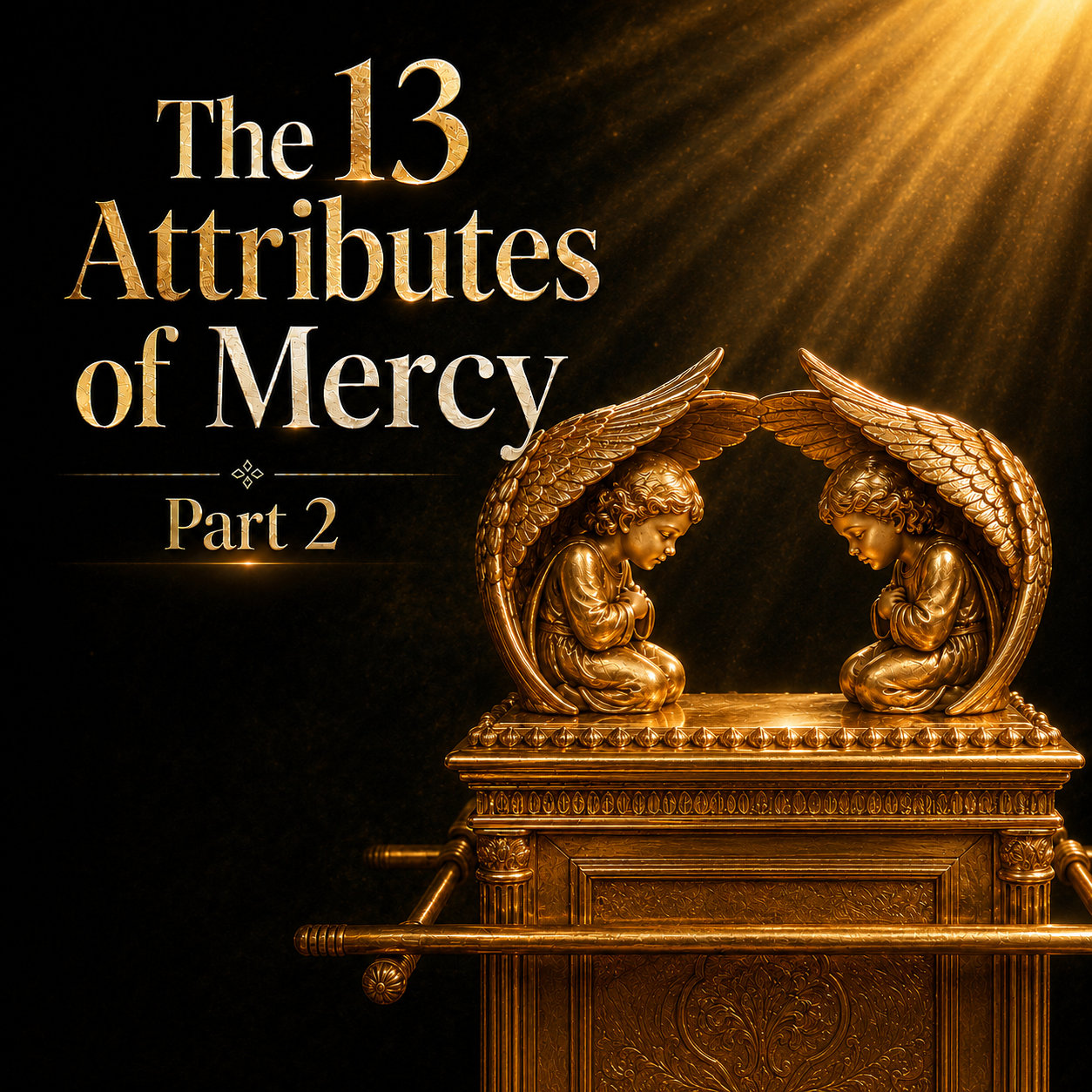 13 Attributes of Mercy - Part 2 | Can You Forgive Someone Who Hurt You? 25.08.2026 37dkWhat if mercy means more than forgiving someone who hurt you? In Part 2 of our study through the 13 Attributes of Mercy from Tomer Devorah, we explore the final six attributes—and discover that biblical mercy reaches far deeper than simply overlooking an offense. What does it mean to suppress another person’s sin instead of publicizing it? Can we truly forgive someone if we still feel compelled to tell others what they did? What happens when someone who harmed us finally suffers the consequences of their actions? And how should we treat people who have fallen short when they are still descendants of Abraham, Isaac, and Jacob? Drawing from Micah 7, the teachings of Yeshua, Zacchaeus, Cornelius, the prodigal son, and the cherubim over the mercy seat, this teaching challenges us to see people beyond their worst moments. Perhaps the deepest level of mercy is learning to look at someone again—not as the person they became, but as the innocent child they once were. Can we show mercy to others before we learn to show it to ourselves? Watch Part 2 of “The 13 Attributes of Mercy” and discover how Hashem calls us to forgive, restore, protect dignity, and remember the good. Join Shalom Macon Live! at 11am EST every Saturday (#Shabbat) for uplifting Worship Music and Teachings If you get value from our work, please consider Supporting Shalom Macon: -- Ways to Support Shalom Macon -- Our Website | https://www.shalomacon.org/give Tithe.ly | https://tithe.ly/give?c=329563 PayPal | [email protected] Text "GIVE" to (706) 739-5990 God provides for the work of Shalom Macon through the giving of those who benefit from that work and in turn, give generously to allow it to continue. Whether you are an in-person or virtual member, your support is vital to sharing the message. We thank you for joining us, Shabbat Shalom!
 -
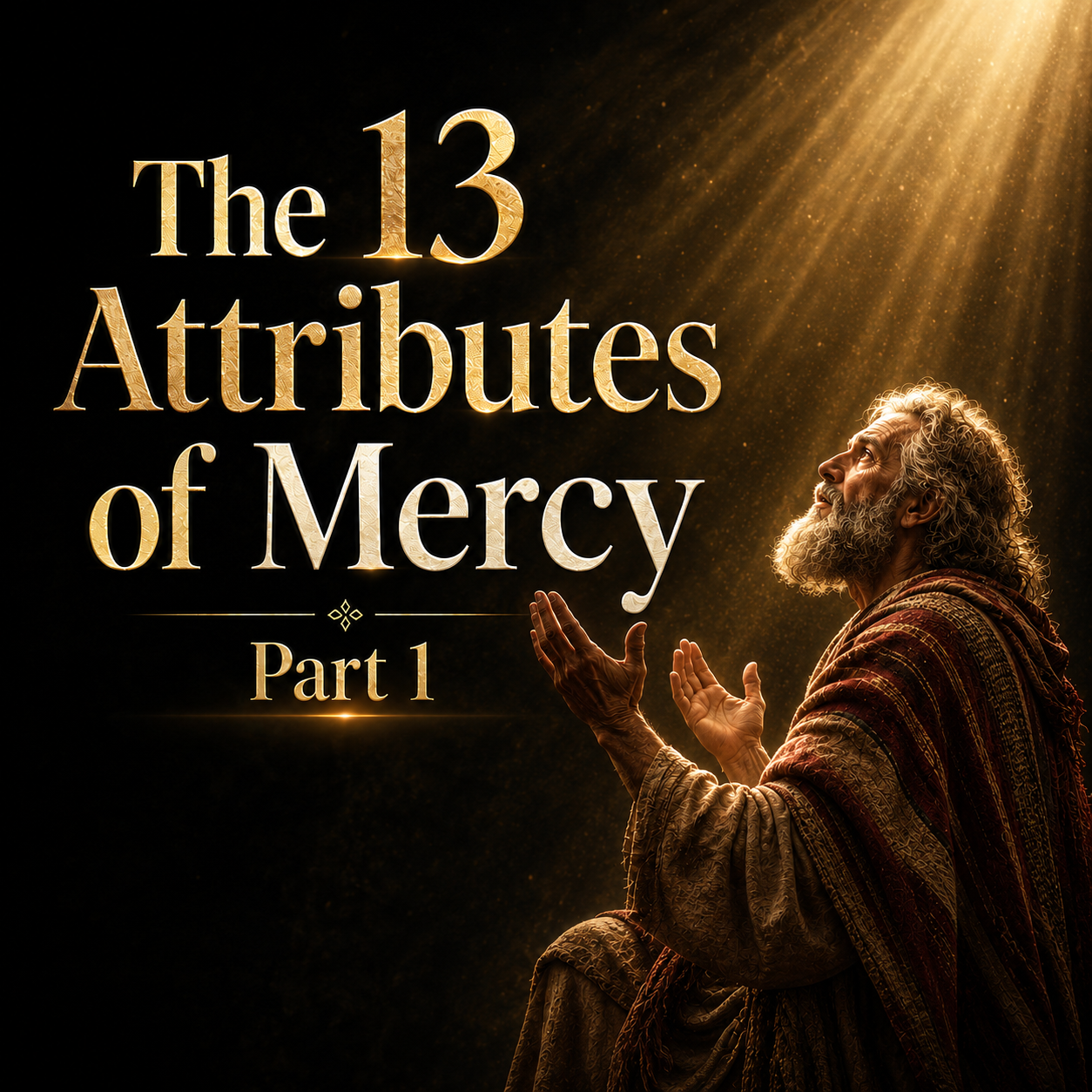 13 Attributes of Mercy - Part 1 | The Secret to Letting Go of Anger 25.08.2026 37dkWhat if repentance is not merely about confessing what you have done—but becoming more like Hashem? During Elul, we examine our lives, recite additional prayers, sound the shofar, and prepare our hearts for the High Holidays. But it is possible to perform every act of repentance and still miss the heart of teshuvah: returning to the image of the One who created us. After Israel’s sin with the golden calf, Moses pleaded for Hashem to reveal His ways. Instead of responding with abandonment and wrath, Hashem revealed His Thirteen Attributes of Mercy. What do these attributes teach us about enduring offense, releasing anger, repairing damage, recognizing the good in others, and restoring those who genuinely repent? Drawing from Exodus 34, Micah 7, Rabbi Moshe Cordovero’s Tomer Devorah, and the teachings of Yeshua, this message explores the first seven attributes and their power to transform our relationships. Whose offense are you still carrying? Have you forgiven someone with your words while keeping their case open in your heart? Are you willing to let a repentant person become someone new? Discover what it means not merely to receive Hashem’s mercy, but to reflect it. Join Shalom Macon Live! at 11am EST every Saturday (#Shabbat) for uplifting Worship Music and Teachings If you get value from our work, please consider Supporting Shalom Macon: -- Ways to Support Shalom Macon -- Our Website | https://www.shalomacon.org/give Tithe.ly | https://tithe.ly/give?c=329563 PayPal | [email protected] Text "GIVE" to (706) 739-5990 God provides for the work of Shalom Macon through the giving of those who benefit from that work and in turn, give generously to allow it to continue. Whether you are an in-person or virtual member, your support is vital to sharing the message. We thank you for joining us, Shabbat Shalom!
 -
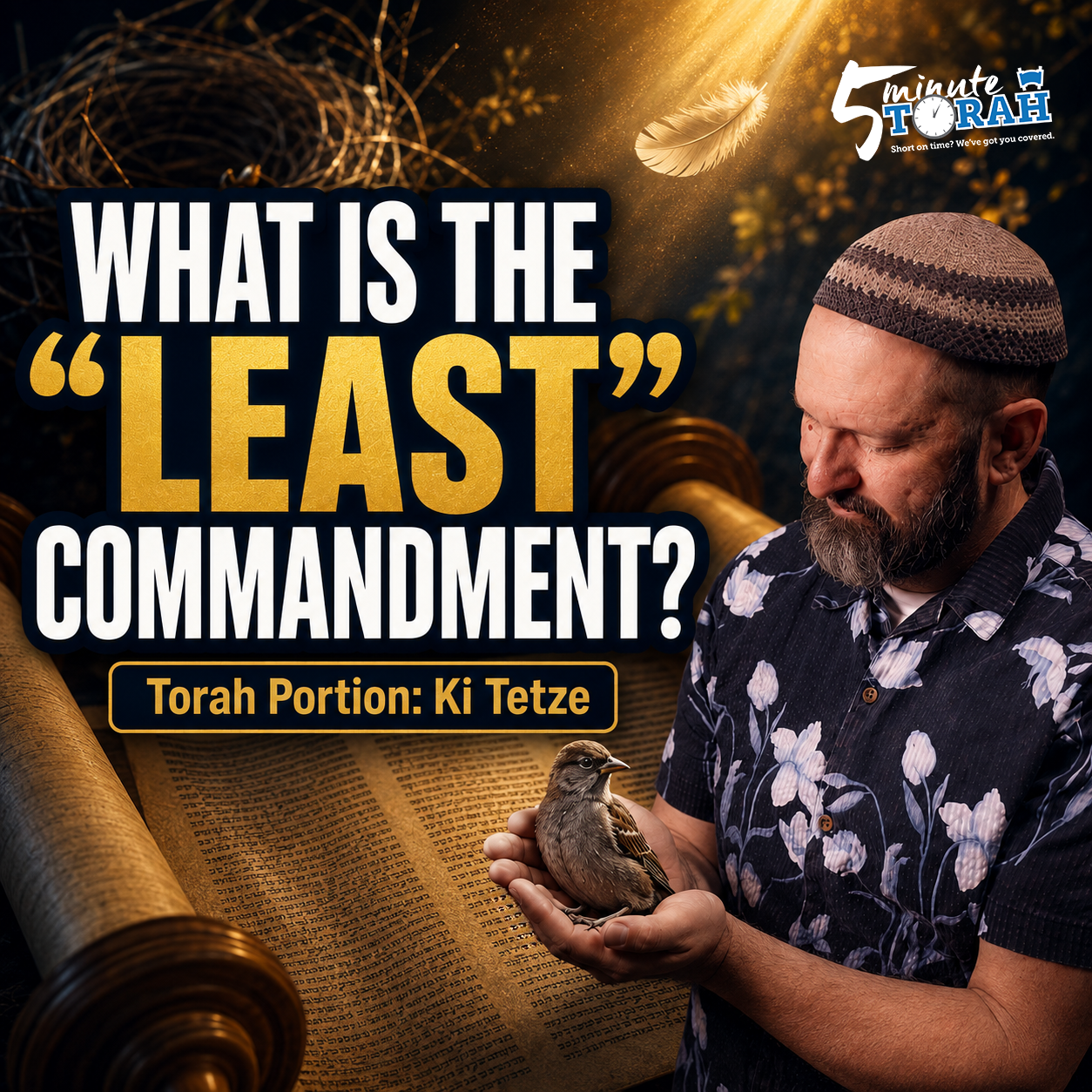 5 Minute Torah - Ki Tetze - What Is the “Least” Commandment? 20.08.2026 6dkWhat is the “least” commandment—and does it still matter? In Matthew 5, Yeshua makes an astonishing declaration: He did not come to abolish the Torah. He then warns that whoever relaxes even the least of the commandments—and teaches others to do the same—will be called least in the kingdom of heaven. But which commandment did he have in mind? Jewish tradition points to a surprisingly simple instruction in Deuteronomy 22: If you take eggs or young from a bird’s nest, you must first send away the mother. It requires little effort, yet it reveals something profound about compassion, obedience, and the character of God. What makes this commandment even more remarkable is that it promises the same reward as honoring your father and mother—long life and well-being. Could it be that the commandments we consider insignificant matter far more than we realize? If Yeshua explicitly warned his disciples not to disregard even the lightest commandment, how did so many of his followers come to believe that the Torah itself had been abolished? Join us as we explore the “least” commandment, the enduring relevance of Torah, and what Yeshua actually taught about obedience. What do you believe Matthew 5:17–20 means? Share your thoughts below, and subscribe for more weekly Torah teachings from a Messianic Jewish perspective. Join Shalom Macon Live! at 11am EST every Saturday (#Shabbat) for uplifting Worship Music and Teachings If you get value from our work, please consider Supporting Shalom Macon: -- Ways to Support Shalom Macon -- Our Website | https://www.shalomacon.org/give Tithe.ly | https://tithe.ly/give?c=329563 PayPal | [email protected] Text "GIVE" to (706) 739-5990 God provides for the work of Shalom Macon through the giving of those who benefit from that work and in turn, give generously to allow it to continue. Whether you are an in-person or virtual member, your support is vital to sharing the message. We thank you for joining us, Shabbat Shalom!
 -
 Have You Given Up Too Soon? | The Waiting Game 12.08.2026 37dkWhat happens when God’s promise takes so long that we begin rewriting the promise? For generations, the followers of Yeshua have prayed for the coming Messianic Kingdom. Yet after nearly two thousand years of waiting, many believers have traded the biblical hope of Messiah reigning from Jerusalem for something safer, less tangible, and entirely metaphorical. But was the promise misunderstood—or have we simply grown tired of waiting? The same danger confronts us personally. When progress seems invisible and the payoff never arrives, hope can slowly become disappointment, doubt, and finally resignation. Have you abandoned something Hashem actually promised? Have you mistaken a delay for a denial? Or could you be overlooking the progress already unfolding around you? Yeshua taught His disciples to remain awake, prepared, and actively working while they waited for His return. Hillel sharpened that responsibility with one unforgettable question: “If not now, when?” In this message, discover how deferred hope reshaped Christian expectations, why the literal restoration of Israel still matters, and what zerizut—brisk and cheerful readiness—teaches us about preparing for the Kingdom today. The waiting game is not passive. The question is not merely, “When will God act?” It is also, “When will we?” Join Shalom Macon Live! at 11am EST every Saturday (#Shabbat) for uplifting Worship Music and Teachings If you get value from our work, please consider Supporting Shalom Macon: -- Ways to Support Shalom Macon -- Our Website | https://www.shalomacon.org/give Tithe.ly | https://tithe.ly/give?c=329563 PayPal | [email protected] Text "GIVE" to (706) 739-5990 God provides for the work of Shalom Macon through the giving of those who benefit from that work and in turn, give generously to allow it to continue. Whether you are an in-person or virtual member, your support is vital to sharing the message. We thank you for joining us, Shabbat Shalom!
 -
 5 Minute Torah - Re'eh - The Dangerous Momentum of Compromise 06.08.2026 9dkWhat if the biggest spiritual decisions in your life don't begin with the big moments—but with the smallest ones? Most people don't wake up intending to walk away from God. Instead, they drift one decision at a time. In this week's Torah portion, Re'eh, Moses places before Israel a blessing and a curse, life and death, obedience and disobedience. But what if those choices aren't isolated events? What if every decision creates momentum? Drawing from Deuteronomy 11:26–28, the wisdom of Ben Azzai in Pirkei Avot, and even the opening words of the Didache, we'll explore how one act of obedience can lead to another—and how one compromise can quietly set us on an entirely different path. Like a snowball rolling downhill, our spiritual lives build momentum in one direction or the other. Are you building habits that make obedience easier... or compromise more natural? Could one small act of faithfulness today change the course of your walk with God tomorrow? Join us as we uncover the biblical principle behind the "Snowball Effect" and discover why the smallest choices often have the greatest spiritual consequences. Join Shalom Macon Live! at 11am EST every Saturday (#Shabbat) for uplifting Worship Music and Teachings If you get value from our work, please consider Supporting Shalom Macon: -- Ways to Support Shalom Macon -- Our Website | https://www.shalomacon.org/give Tithe.ly | https://tithe.ly/give?c=329563 PayPal | [email protected] Text "GIVE" to (706) 739-5990 God provides for the work of Shalom Macon through the giving of those who benefit from that work and in turn, give generously to allow it to continue. Whether you are an in-person or virtual member, your support is vital to sharing the message. We thank you for joining us, Shabbat Shalom!
 -
 It's All About Me! — The Biblical Truth About Self-Love 04.08.2026 36dkWhat if the biggest obstacle to your spiritual growth isn't the people around you... but you? "It’s all about me" sounds like the anthem of narcissism. But what if those words reveal a deeper biblical truth? Drawing from the surprising wisdom of Ben Zoma, Hillel, Proverbs, the teachings of Yeshua, and the season of teshuvah, this message challenges one of the most common assumptions we make about life: that happiness comes from pursuing our own desires. Why do we sabotage the very lives we're trying to improve? What does it actually mean to love your neighbor as yourself? Is self-love accepting everything about ourselves—or becoming the person God created us to be? This teaching explores the difference between self-centeredness and godly responsibility, showing how true discipleship begins with taking ownership of our own spiritual lives. No one else can repent for you. No one else can pursue your calling. No one else can become the person Hashem created you to be. As the month of Elul approaches, this message offers a timely invitation to examine your heart, embrace genuine humility, and rediscover your purpose in God's Kingdom. Could the future of the Messianic Kingdom depend more on your daily choices than you ever imagined? Watch now, then share your thoughts in the comments. We'd love to hear how this message challenged or encouraged you. Join Shalom Macon Live! at 11am EST every Saturday (#Shabbat) for uplifting Worship Music and Teachings If you get value from our work, please consider Supporting Shalom Macon: -- Ways to Support Shalom Macon -- Our Website | https://www.shalomacon.org/give Tithe.ly | https://tithe.ly/give?c=329563 PayPal | [email protected] Text "GIVE" to (706) 739-5990 God provides for the work of Shalom Macon through the giving of those who benefit from that work and in turn, give generously to allow it to continue. Whether you are an in-person or virtual member, your support is vital to sharing the message. We thank you for joining us, Shabbat Shalom!
 -
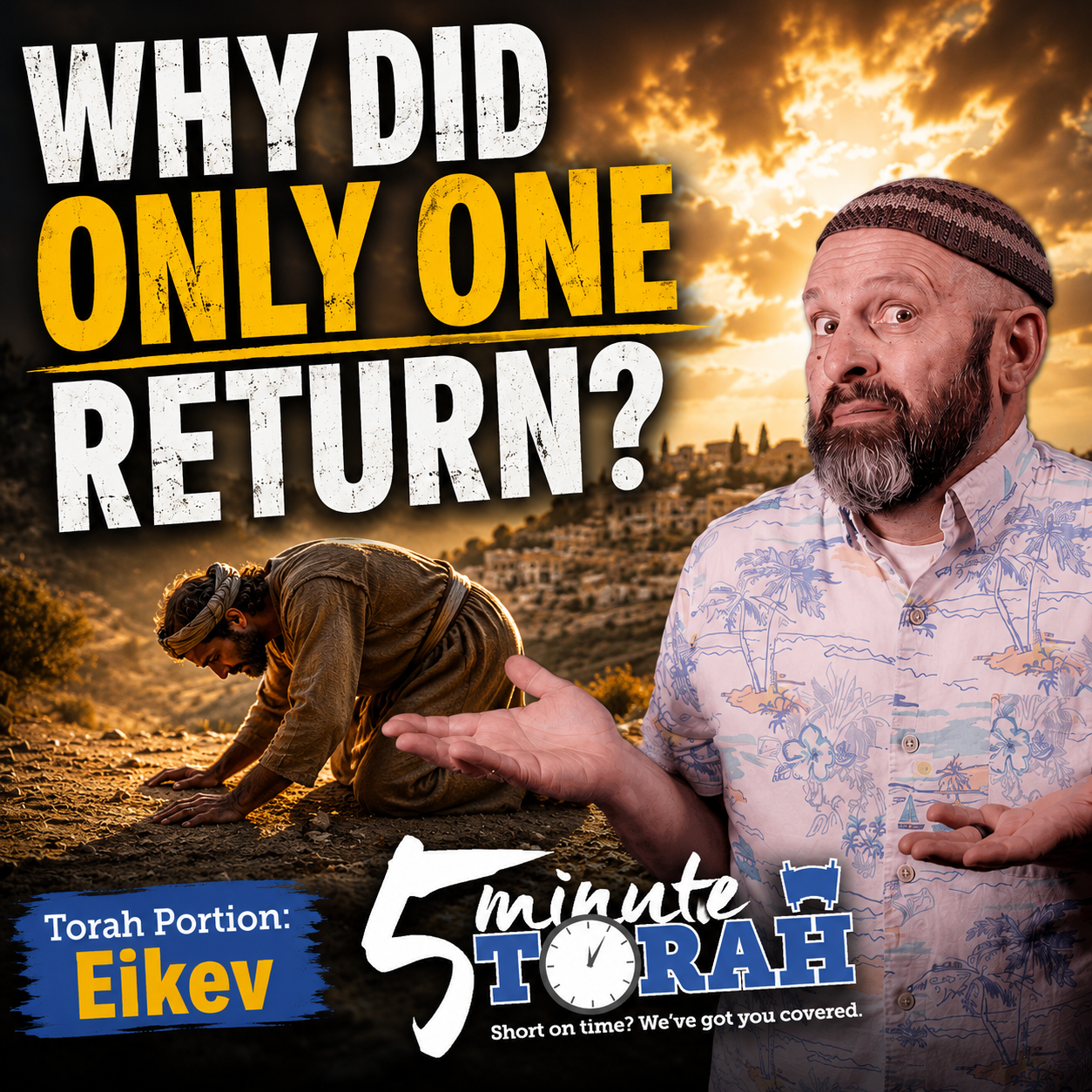 5 Minute Torah - Eikev - Why Does God Command Gratitude? 30.07.2026 7dkHave you ever noticed how quickly gratitude fades once your needs have been met? Why would God have to command us to be thankful? Shouldn't gratitude come naturally? In this week's 5 Minute Torah, we explore one of the most overlooked commandments in Scripture: the mitzvah of gratitude. Drawing from Deuteronomy 8 and Yeshua's healing of the ten lepers in Luke 17, we'll discover why only one man returned to give thanks—and why that story reveals something profound about the human heart. The Hebrew concept of hakarat hatov—"recognizing the good"—teaches us that gratitude is far more than saying "thank you." It is intentionally recognizing the blessings God has already placed in our lives before they disappear into the background of everyday routine. Could it be that thankfulness isn't merely a feeling, but a spiritual discipline that guards us from forgetting the One who provides everything we have? Join us as we discover how the biblical practice of Birkat HaMazon (Grace After Meals) can reshape our hearts, deepen our relationship with God, and transform the way we see every blessing in this week's 5 Minute Torah. If this teaching encourages you, please like, subscribe, and share it with someone who needs the reminder to recognize the good. Join Shalom Macon Live! at 11am EST every Saturday (#Shabbat) for uplifting Worship Music and Teachings If you get value from our work, please consider Supporting Shalom Macon: -- Ways to Support Shalom Macon -- Our Website | https://www.shalomacon.org/give Tithe.ly | https://tithe.ly/give?c=329563 PayPal | [email protected] Text "GIVE" to (706) 739-5990 God provides for the work of Shalom Macon through the giving of those who benefit from that work and in turn, give generously to allow it to continue. Whether you are an in-person or virtual member, your support is vital to sharing the message. We thank you for joining us, Shabbat Shalom!
 -
 5 Minute Torah - Va'etchanan - How to Eat An Elephant 23.07.2026 7dkDoes God expect you to obey every commandment perfectly? Or have we misunderstood what faithfulness really looks like? Many people read the Torah and immediately feel overwhelmed. "There's no way I can do all of that." But what if God never intended that response? In this week's 5 Minute Torah, we explore Parashat Va'etchanan (Deuteronomy 3:23–7:11) and discover an encouraging lesson from Moses himself. Though he knew he would never enter the Promised Land, he continued faithfully doing the work God had placed before him. His example teaches us that obedience isn't about accomplishing everything at once—it's about faithfully taking the next step. Along the way, we'll revisit Moses' plea to enter the land, the restatement of the Ten Commandments, the Shema, and God's warning not to add to or subtract from His Word. We'll also consider a memorable parable about a beach covered with priceless jewels that offers a fresh perspective on living a Torah-centered life. What if the question isn't, "Can I do it all?" but rather, "Am I faithfully doing what God has placed before me today?" Join me as we discover why sometimes the biggest journeys begin with a single faithful step. Join Shalom Macon Live! at 11am EST every Saturday (#Shabbat) for uplifting Worship Music and Teachings If you get value from our work, please consider Supporting Shalom Macon: -- Ways to Support Shalom Macon -- Our Website | https://www.shalomacon.org/give Tithe.ly | https://tithe.ly/give?c=329563 PayPal | [email protected] Text "GIVE" to (706) 739-5990 God provides for the work of Shalom Macon through the giving of those who benefit from that work and in turn, give generously to allow it to continue. Whether you are an in-person or virtual member, your support is vital to sharing the message. We thank you for joining us, Shabbat Shalom!
 -
 The Heart That Hopes | Hope Beyond Tragedy 21.07.2026 41dkHow do you hold onto hope when life doesn't make sense? When tragedy strikes, prayers seem unanswered, and the question on your heart is simply, "Eicha... How?" As Tisha B'Av approaches, we explore one of Scripture's deepest paradoxes: How can the book of Lamentations—filled with grief, loss, and unanswered questions—also become one of the Bible's greatest declarations of hope? In this message, we'll discover why biblical hope is not wishful thinking or blind optimism. Instead, it's the deliberate act of remembering God's faithfulness, even when everything around us suggests despair. Drawing from Lamentations, the teachings of Rabbi Jonathan Sacks, Jewish tradition, and the resurrection of Yeshua, we'll see why hope has sustained God's people through exile, destruction, suffering, and loss. If you've ever cried out, "God, how could You allow this?" this message is for you. Because faith isn't pretending life isn't painful. It's choosing to remember that God's compassion has not failed, His mercies are new every morning, and the future is never closed. Join us as we discover why our hope is never an escape from this world—but confidence in the faithful Creator who calls us to stand, love, and live faithfully right here and now. If this message encourages you, please like, subscribe, and share it with someone who needs hope today. Join Shalom Macon Live! at 11am EST every Saturday (#Shabbat) for uplifting Worship Music and Teachings If you get value from our work, please consider Supporting Shalom Macon: -- Ways to Support Shalom Macon -- Our Website | https://www.shalomacon.org/give Tithe.ly | https://tithe.ly/give?c=329563 PayPal | [email protected] Text "GIVE" to (706) 739-5990 God provides for the work of Shalom Macon through the giving of those who benefit from that work and in turn, give generously to allow it to continue. Whether you are an in-person or virtual member, your support is vital to sharing the message. We thank you for joining us, Shabbat Shalom!
 -
 5 Minute Torah - Devarim - Does God Love Me? 17.07.2026 8dkWhat if your biggest struggle with God isn't believing He exists... but believing He truly loves you? In Parashat Devarim, Moses looks back over Israel's forty years in the wilderness and reminds the people why an entire generation failed to enter the Promised Land. Their problem wasn't a lack of evidence—they had witnessed miracles, the Exodus, and God's daily provision. So what did Moses mean when he said they "did not believe" the LORD? The answer lies in the Hebrew word emunah—a word often translated as "faith," but one that carries a much richer meaning. Biblical faith is more than intellectual belief. It is a relationship marked by unwavering trust and steadfast faithfulness. In this week's 5 Minute Torah, we'll explore why Israel questioned God's love, what Moses' steady hands reveal about the true nature of faith, and how this ancient lesson challenges every follower of God today. Are you trusting God only when life is easy? Can faith exist without faithfulness? And what does it really mean to have emunah? Join us as we uncover the timeless message of Parashat Devarim and discover why true faith is about far more than simply believing God is there. Join Shalom Macon Live! at 11am EST every Saturday (#Shabbat) for uplifting Worship Music and Teachings If you get value from our work, please consider Supporting Shalom Macon: -- Ways to Support Shalom Macon -- Our Website | https://www.shalomacon.org/give Tithe.ly | https://tithe.ly/give?c=329563 PayPal | [email protected] Text "GIVE" to (706) 739-5990 God provides for the work of Shalom Macon through the giving of those who benefit from that work and in turn, give generously to allow it to continue. Whether you are an in-person or virtual member, your support is vital to sharing the message. We thank you for joining us, Shabbat Shalom!
 -
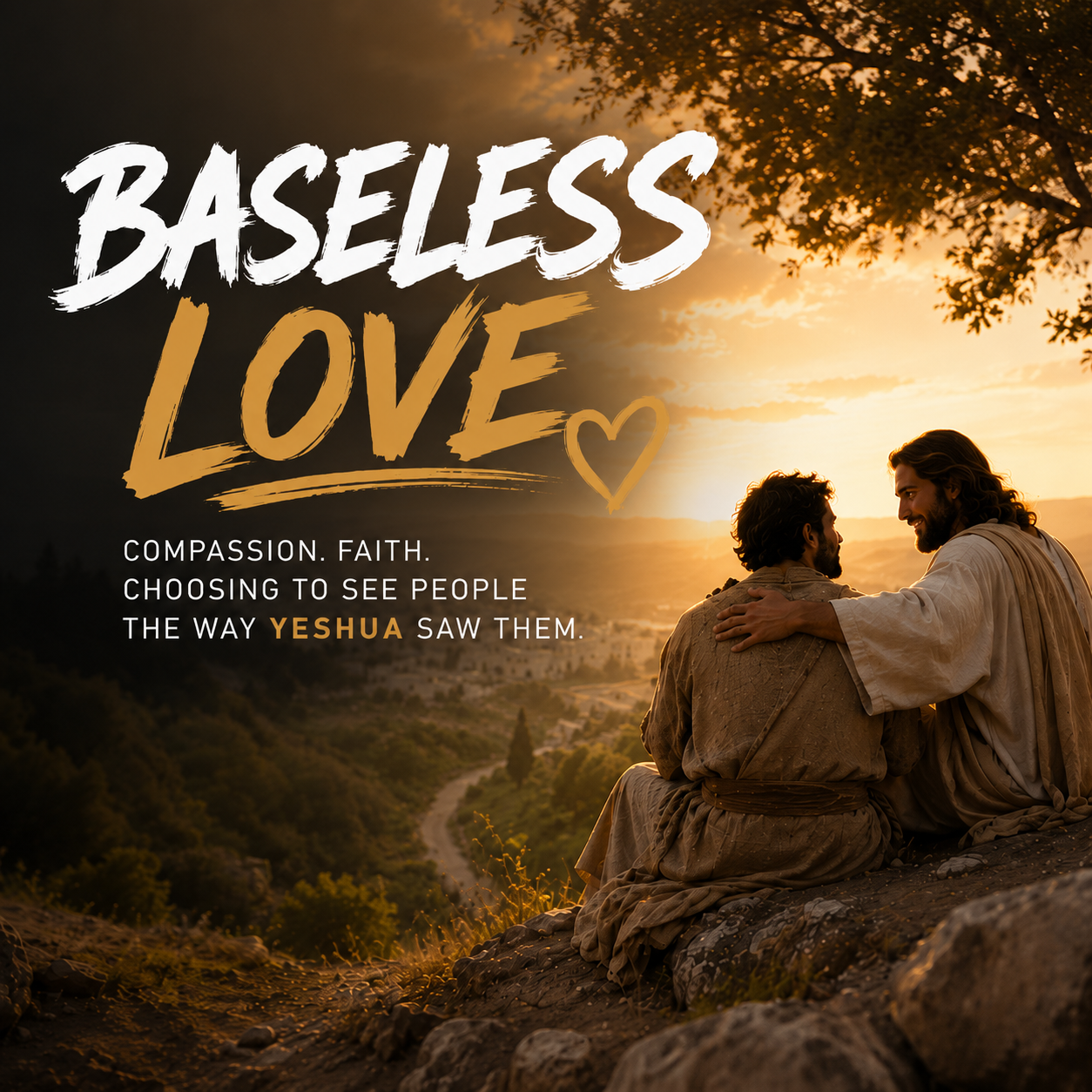 Baseless Love | Choosing Compassion in a Hurting World 14.07.2026 25dkWhat if the greatest threat to God's people isn't persecution from the outside—but hatred from within? During the Three Weeks, the Jewish people remember the destruction of the Temple, a tragedy the sages connect to baseless hatred. But if hatred can destroy a people, what might baseless love be capable of building? In one of his most personal messages ever, Rabbi Damian shares the heartbreaking story of his nephew Gabriel's life-changing accident and reflects on faith, unanswered prayer, compassion, and the hope of the coming Kingdom. Through the tears, he points us to Yeshua—the One who saw suffering, wept with the broken, and never stopped bringing healing and hope. How do we trust God when tragedy strikes? What does genuine compassion actually look like? And how can followers of Messiah become people who don't simply say, "I'll pray for you," but truly enter into the pain of others? This message is a heartfelt challenge to reject the poison of baseless hatred and embrace the transforming power of baseless love. If this message encourages you, please like, subscribe, and share it with someone who needs hope today. We'd also be honored to hear your prayer requests in the comments as we continue praying for Gabriel and for everyone walking through seasons of suffering. Join Shalom Macon Live! at 11am EST every Saturday (#Shabbat) for uplifting Worship Music and Teachings If you get value from our work, please consider Supporting Shalom Macon: -- Ways to Support Shalom Macon -- Our Website | https://www.shalomacon.org/give Tithe.ly | https://tithe.ly/give?c=329563 PayPal | [email protected] Text "GIVE" to (706) 739-5990 God provides for the work of Shalom Macon through the giving of those who benefit from that work and in turn, give generously to allow it to continue. Whether you are an in-person or virtual member, your support is vital to sharing the message. We thank you for joining us, Shabbat Shalom!
 -
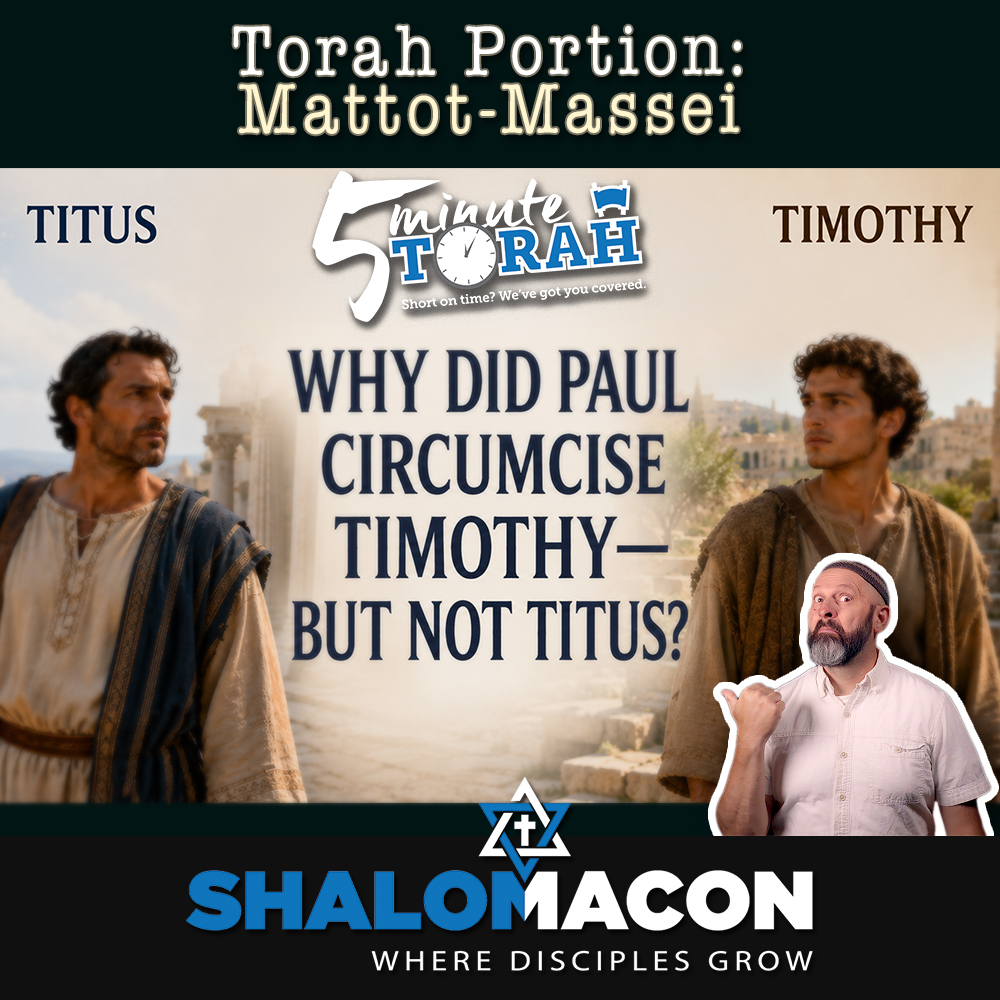 5 Minute Torah - Mattot-Massei - Why Paul Circumcised Timothy—but Not Titus 09.07.2026 10dkWhy did Paul circumcise Timothy—but not Titus? What do tribal boundaries, inheritance laws, and the coming Messianic Kingdom have to do with that question? The surprising answer begins in the closing chapters of the book of Numbers. In this week's study of Parashat Mattot–Massei, we explore the biblical laws of inheritance, tribal identity, and the daughters of Zelophehad. Along the way, we'll discover why Paul's different treatment of Timothy and Titus wasn't a contradiction at all—it was rooted in principles established centuries earlier in the Torah. We'll also examine the distinction between Jewish identity and tribal identity, why Ezra confronted intermarriage after the exile, and how these often-overlooked laws reveal God's heart for preserving His covenant people and the inheritance He entrusted to them. Most importantly, we'll see that these commandments were never merely about property or legal technicalities. They remind us that the land belongs to HaShem, that His covenant promises remain steadfast, and that they point forward to the day when King Messiah will reign from Jerusalem and the Torah will once again go forth from Zion. How do these ancient inheritance laws shape the way we read Scripture today? And what do they teach us about God's unchanging purposes for Israel and the coming Kingdom? Join us as we uncover the remarkable connections hidden in Parashat Mattot–Massei. Join Shalom Macon Live! at 11am EST every Saturday (#Shabbat) for uplifting Worship Music and Teachings If you get value from our work, please consider Supporting Shalom Macon: -- Ways to Support Shalom Macon -- Our Website | https://www.shalomacon.org/give Tithe.ly | https://tithe.ly/give?c=329563 PayPal | [email protected] Text "GIVE" to (706) 739-5990 God provides for the work of Shalom Macon through the giving of those who benefit from that work and in turn, give generously to allow it to continue. Whether you are an in-person or virtual member, your support is vital to sharing the message. We thank you for joining us, Shabbat Shalom!
 -
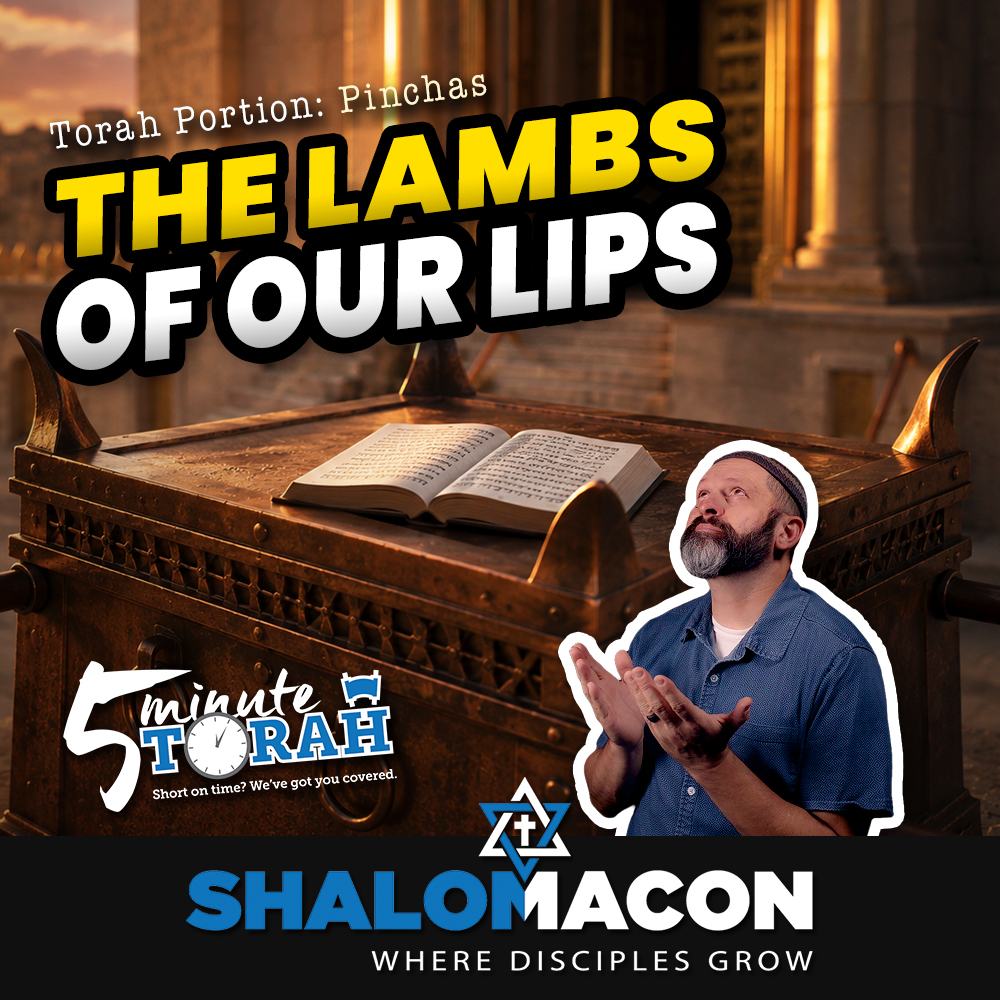 5 Minute Torah - Pinchas - The Bulls of our Lips 02.07.2026 7dkWhat if one of the most overlooked chapters in the Torah holds the key to transforming your daily prayer life? In this week's 5 Minute Torah, we explore the closing chapters of Parashat Pinchas, where God commands Israel to bring the tamid—the continual morning and evening offerings. These daily sacrifices weren't merely religious rituals; they were personal gifts offered to the LORD at His appointed times. But what happened when the Holy Temple was destroyed and those offerings could no longer be brought? The answer may surprise you. Long before the Temple fell, the prophet Hosea pointed to a remarkable substitute: "the calves of our lips." Discover how the Jewish tradition of daily prayer grew from this biblical foundation and why believers around the world still have an opportunity to participate in this ancient rhythm of worship today. Could prayer be far more than spontaneous conversation with God? Could it be an invitation to join Israel's continual offering before the King? Join us as we uncover the beautiful connection between the Temple, the daily sacrifices, and a prayer life rooted in Scripture. If this teaching encouraged you, please like, subscribe, and share. We'd also love to hear your thoughts in the comments: How has a daily rhythm of prayer impacted your walk with God? Join Shalom Macon Live! at 11am EST every Saturday (#Shabbat) for uplifting Worship Music and Teachings If you get value from our work, please consider Supporting Shalom Macon: -- Ways to Support Shalom Macon -- Our Website | https://www.shalomacon.org/give Tithe.ly | https://tithe.ly/give?c=329563 PayPal | [email protected] Text "GIVE" to (706) 739-5990 God provides for the work of Shalom Macon through the giving of those who benefit from that work and in turn, give generously to allow it to continue. Whether you are an in-person or virtual member, your support is vital to sharing the message. We thank you for joining us, Shabbat Shalom!
 -
 5 Minute Torah - Chukat-Balak - The Mystery of the Red Heifer 25.06.2026 8dkWhy did Yeshua heal some people… and offend others? This week’s Torah portion opens with one of the most mysterious commandments in all of Scripture: the Red Heifer. Its ashes could purify someone defiled by death—yet everyone involved in preparing those ashes became unclean themselves. How can the same source bring purity to one person and impurity to another? That paradox may help explain one of the most important questions in the Gospels: Why did some people encounter Yeshua and find healing, forgiveness, and life, while others encountered the very same Messiah and walked away angry, hardened, or scandalized? In this week’s 5 Minute Torah, we explore the mystery of the parah adumah, ritual purity, corpse contamination, living water, and the strange reversals built into God’s redemptive patterns. Could it be that the Red Heifer doesn’t just teach us about purification in the Torah—but also about the ministry of Messiah? Could the same encounter expose one heart while healing another? If the same medicine can make a sick person well and a healthy person sick, what happens when fallen human beings come into contact with the Holy One of Israel? Join us as we explore the mystery of the Red Heifer in this week’s 5 Minute Torah. Join Shalom Macon Live! at 11am EST every Saturday (#Shabbat) for uplifting Worship Music and Teachings If you get value from our work, please consider Supporting Shalom Macon: -- Ways to Support Shalom Macon -- Our Website | https://www.shalomacon.org/give Tithe.ly | https://tithe.ly/give?c=329563 PayPal | [email protected] Text "GIVE" to (706) 739-5990 God provides for the work of Shalom Macon through the giving of those who benefit from that work and in turn, give generously to allow it to continue. Whether you are an in-person or virtual member, your support is vital to sharing the message. We thank you for joining us, Shabbat Shalom!
Benzer podcastler


Şurada popüler
Bu podcast şu ülkelerin podcast listelerinde de yer alıyor.
