
FRIED. The Burnout Podcast
Cait Donovan, Top Burnout Expert for Corporate and Nonprofit Organizations
0
FRIED: The Burnout Podcast, hosted by burnout experts Cait Donovan and Sarah Vosen from BurnBOLD™, explores burnout and recovery through raw stories, coaching sessions, and practical advice. The show aims to end burnout culture and help listeners overcome shame, blame, guilt, and judgment. Cait works globally as a keynote speaker and workshop leader, while Sarah guides individuals through her UNFRIED process. Each week, listeners hear strategies to heal from burnout and rebuild their lives.
Bölümler
-
 Can You Burn Out in a Good Workplace? a #straightfromcait episode 13.09.2026 7dkBurnout does not require a toxic workplace.For years, the burnout conversation has had a tendency to point fingers in one of two directions. Organizations tell employees they need to become more resilient. Burnt-out employees point back at leadership and say the system needs to change.But what if both sides are only partially right?In this episode of FRIED. The Burnout Podcast, I’m exploring why good people can burn out inside good organizations, why individual responsibility is not the same thing as individual blame, and why fixing burnout requires us to stop looking for a villain and start looking for the mismatch.Even in an organization with supportive leadership, reasonable expectations, and good intentions, mismatches can happen. A leader might offer tons of autonomy because they’re trying not to micromanage, while an employee actually needs more support. Neither person is necessarily doing anything wrong. Their needs and approaches simply don't match.And those small mismatches are happening in workplaces all the time.In this episode, I cover:Why burnout doesn't require a bad or toxic workplaceThe false choice between blaming employees and blaming organizationsWhy “burnout isn't your fault” doesn't mean there's no individual work to doHow perfectionism, hyper-independence, and other learned patterns can contribute to burnoutWhy even great leadership can't protect us from every internal burnout driverHow good intentions on both sides can still create workplace mismatchesThe difference between a toxic workplace and a workplace that simply isn't a good matchWhy sustainable work doesn't require perfect alignmentHow organizations and individuals can move toward a “good enough” match togetherThe question I want us to start askingInstead of:Whose fault is this?Try:Is this a match or a mismatch?And if there's a mismatch:What can each of us realistically change to move closer to a match?The goal isn't a workplace perfectly customized to every individual. And it isn't asking individuals to contort themselves to fit environments that don't work for them.It's finding enough alignment that people can feel safe, supported, and comfortable enough to make work sustainable.If you've experienced a workplace mismatch and found a way to address it, I'd love to hear your story.About the HostCait Donovan is a globally recognized keynote speaker, one of the world’s leading burnout experts, and host of FRIED. The Burnout Podcast, a top 1% podcast with more than 1 million downloads.With a background in biobehavioral health and Chinese medicine, Cait takes a systems-based approach to burnout, helping organizations, leaders, and individuals understand burnout not as a personal failure, but as a mismatch between people and the environments in which they work.Cait is the author of The Bouncebackability Factor and the forthcoming Mismatch: Why Good People Burn Out in Good Organizations. Her work has been featured in Forbes, NPR, The New York Post, and other major media outlets.Bring Cait to your organization: Learn more about Cait’s keynotes and workplace burnout programs at CaitDonovan.com.
 -
How a Leader’s Ego Can Burn Out Their Team with Ewa Błaszczak 06.09.2026 54dkWhat happens when a leader's ego is running the show without them even realizing it?In this episode of FRIED. The Burnout Podcast, I'm joined by my longtime friend, leadership expert, and author Ewa Błaszczak to talk about her new book, The Leader and the Ego: The Path to Conscious Leadership. Ewa argues that we don't need to get rid of our egos. We need to become conscious of them, understand what they're trying to protect, and notice when they're making decisions for us.We talk about the connection between leadership ego and employee burnout, why self-awareness becomes increasingly important as leaders gain power, and how unconscious patterns can show up as competition, scarcity, control, rescuing, victimhood, and plenty of unnecessary workplace drama.And yes, Ewa gives us a remarkably simple place to start: notice your thoughts and ask who's listening. In other words, metacognition. The practice is simple. Doing it consistently is another story.In this episode, we cover:What ego actually means and why Ewa doesn't believe we should try to eliminate itHow unconscious ego can affect leadership, team performance, and burnoutWhy thinking you're self-aware and actually being self-aware aren't necessarily the same thingInternal vs. external self-awarenessHow fear, scarcity, competition, comparison, and control can quietly drive leadership behaviorWhy managing your own ego is part of the responsibility of leadershipHow gaining power can make honest feedback harder to getWhy leaders sometimes create problems by constantly stepping in to solve themHow hyper-independence and other patterns can shape what irritates us about other peopleHow to recognize when your own ego has entered the conversationWhy Ewa's ultimate goal for workplaces is surprisingly simple: less dramaOne of my favorite ideas from this conversation is that self-awareness isn't about identifying everything that's wrong with you. It's about becoming aware enough of what's happening internally that you have more choices about what happens next.As Ewa explains, we aren't trying to destroy the ego. We're trying to notice when it's driving. Because an unconscious ego can spend an enormous amount of energy thinking, protecting, analyzing, preparing, fighting, accumulating, planning, and comparing.For leaders, that internal work doesn't stay internal. Your behavior affects the people around you. And when no one feels safe enough to tell you that you have metaphorical spinach in your teeth, an outside perspective can become especially valuable.The goal isn't an ego-free leader. It's a leader who can notice their ego, get curious about what it's doing, and make a more intentional choice.Quotes"Make the unconscious conscious, because otherwise your ego will literally kill you, your productivity, your teams, and it will make you waste your life." (5:48 | Ewa Błaszczak)"It turns out only 10% of us are conscious. It does not mean we have it all figured out, but we know what is going on." (7:58 | Ewa Błaszczak)"If you want to get rid of your ego, it means you want to die. You do not want to die. You want to get to know it, like a scared inner child." (11:00 | Ewa Błaszczak)"Ninety five percent of the things that ego is afraid of will never happen. So we lose our lives like that." (14:39 | Ewa Błaszczak)"I asked my husband, why am I even writing this book? He said, because unhealthy ego hurts people." (24:16 | Ewa Błaszczak)"The higher you get in the corporate ladder, the less the leaders are conscious, and the more the ego is playing the power game." (31:40 | Ewa Błaszczak)"Nobody is going to tell the leader they have spinach in their teeth. But somebody has to." (33:12 | Cait Donovan)Also mentioned in this episodeOwen Fitzpatrick and his book Inner Propaganda, on belief leadership and the stories we tell ourselves. Belief Leadership Starts with Knowing Inner Propaganda with Owen Fitzpatrick (FRIED #357): https://redcircle.com/shows/e4c0db0a-98a4-47e6-a2b0-6a291469e1d6/episodes/c0af2f66-c0b1-4ca7-91df-33dc20627f75Tasha Eurich, organizational psychologist, on internal versus external self-awarenessCarl Jung, on the shadowStephen Karpman, on the drama triangle (victim, persecutor, rescuer)Kristen Holmes, head researcher at WHOOP, on sleep and psychological safetyRobin Hatcher, former soap opera writer turned communications expert ("I used to write the drama in, now I write the drama out")L. David Marquet, author of Turn the Ship Around!, who wrote the book's forewordRelated FRIED episodes to binge next:The Leadership Skill Nobody Taught You (That Predicts Everything) (FRIED, Apr 2026): https://redcircle.com/shows/e4c0db0a-98a4-47e6-a2b0-6a291469e1d6/episodes/73db4267-603c-4161-8164-e315f30b26efWe're Expecting the Wrong Things From Leaders And It's Causing Leadership Burnout, a #straightfromcait episode (FRIED, May 2026): https://redcircle.com/shows/e4c0db0a-98a4-47e6-a2b0-6a291469e1d6/episodes/09a4ac57-ae4f-4a74-be47-d00a4a14e930Mita Mallick: Could Your Boss Be the Real Reason You're Burnt Out? (FRIED, Sep 2025): https://redcircle.com/shows/e4c0db0a-98a4-47e6-a2b0-6a291469e1d6/episodes/b988ee19-3b8c-43c7-98a3-3b22646c5b10About Ewa BłaszczakEwa Błaszczak (https://www.ewablaszczak.com/en) is a leadership expert and author of The Leader and the Ego: The Path to Conscious Leadership. With more than 25 years of experience, she works with leaders and teams around the world to drive performance, lead transformation, and build cultures of responsibility.Her work explores the leader's ego as an often-overlooked barrier to effectiveness, combining neuroscience, psychology, and real-world business practice to help leaders deliver results without losing themselves or their people.Ewa's previous episode on FRIED about Toxic Communication: https://redcircle.com/shows/e4c0db0a-98a4-47e6-a2b0-6a291469e1d6/ep/66b2189c-5b9b-4f5a-a1e3-c9cd0d35c874About the HostCait Donovan is a globally recognized keynote speaker, one of the world's leading burnout experts, and host of FRIED. The Burnout Podcast, a top 1% podcast with more than 1 million downloads.With a background in biobehavioral health and Chinese medicine, Cait takes a systems-based approach to burnout, helping organizations, leaders, and individuals understand burnout not as a personal failure, but as a mismatch between people and the environments in which they work.Cait is the author of The Bouncebackability Factor and the forthcoming Mismatch: Why Good People Burn Out in Good Organizations. Her work has been featured in Forbes, NPR, The New York Post, and other major media outlets.Bring Cait to your organization: Learn more about Cait's keynotes and workplace burnout programs at https://caitdonovan.com/
-
What Employee Engagement Surveys Really Tell You a #straightfromcait episode 30.08.2026 9dkEmployee engagement surveys give us a lot of data. But what does that data actually tell us?In this first Survey Says episode, I’m looking at two questions from the 2024 U.S. Office of Personnel Management Federal Employee Viewpoint Survey through the burnout and mismatch lens. When only 48% of employees respond positively to whether management involves them in decisions that affect their work, it’s tempting to conclude that employees need more autonomy.But another question in the same survey complicates that assumption.The bigger lesson? A survey result is a signal, not a diagnosis.In this episode, I explore why the same survey score can reflect very different employee experiences, why more autonomy and involvement aren't automatically better, and what questions we can ask to understand what's actually happening underneath the numbers.In this episode, I cover:Why employee engagement survey results are a starting point, not a diagnosisThe difference between employee involvement and satisfaction with that involvementWhy a low autonomy score doesn't automatically mean employees need more autonomyHow different workplace conditions can produce the same survey resultThe mismatch between where decision-making authority lives and where knowledge about the work livesWhy the right amount of autonomy depends on the person and the workQuestions we can ask to uncover what's happening underneath an engagement survey scoreWhy getting curious is more useful than jumping straight from data to solutionsQuestions I’d ask nextIf employees report low involvement in decisions that affect their work, I want more information before deciding what needs to change.Which decisions do employees actually want more involvement in?Which recent decisions have positively or negatively affected their ability to do their jobs?What decisions are being made without information from the people closest to the work?When employees give input, do they know what happens to it?What would employees happily never be consulted about again?Employee engagement surveys aren't the end of the exploration. They're the beginning of it.The question isn't simply, “How do we give people more autonomy?”It’s:Do people have the appropriate amount of influence over the decisions that affect their ability to do their work?About the HostCait Donovan is a globally recognized keynote speaker, one of the world’s leading burnout experts, and host of FRIED. The Burnout Podcast, a top 1% podcast with more than 1 million downloads.With a background in biobehavioral health and Chinese medicine, Cait takes a systems-based approach to burnout, helping organizations, leaders, and individuals understand burnout not as a personal failure, but as a mismatch between people and the environments in which they work.Cait is the author of The Bouncebackability Factor and the forthcoming Mismatch: Why Good People Burn Out in Good Organizations. Her work has been featured in Forbes, NPR, The New York Post, and other major media outlets.Bring Cait to your organization: Learn more about Cait’s keynotes and workplace burnout programs at https://caitdonovan.com
-
CEO Burnout: Why a Great Leader Was Burning Out in a Healthy Organization, a #straightfromcait episode 23.08.2026 7dkI worked with a CEO who was burning out, but here's what made the situation interesting: they were really good at their job. They had a supportive board. They had a supportive staff. The rest of the organization wasn't burning out.So what the hell was going on?When we started looking for the mismatch, one word kept coming up: urgency.This CEO was moving faster than everyone around them. They were answering emails before the person responsible for them had a chance to respond. They were going to meetings they didn't need to be in. They'd set a deadline for Friday, finish their part by Wednesday, and then get frustrated that everyone else wasn't moving at the same pace.The CEO thought they were helping. Their staff experienced it differently.In this #straightfromcait episode of FRIED: The Burnout Podcast, I'm breaking down how we identified this pace mismatch, what the CEO's urgency was communicating to the rest of the team, and what had to happen to change it. I also talk about why "slow down" can mean very different things depending on the mismatch you're actually trying to solve.This is also a little preview of the idea at the center of my upcoming book, Mismatch: Why Good People Burn Out in Good Organizations. Sometimes good people burn out in organizations that are mostly doing things right. The question isn't always, "What's broken here?"Sometimes the better question is: Where's the mismatch?Key Topics CoveredA real example of a CEO burning out inside a healthy, supportive organizationThe behaviors that helped us identify the mismatch: answering other people's emails, going to meetings unnecessarily, and racing ahead of their own deadlinesHow one leader's internal sense of urgency created a pace mismatch with the rest of the organizationWhy doing things for your staff isn't necessarily helpful, especially when it starts communicating that you don't trust themThe difference between the major slowdown that can be necessary during burnout recovery and dialing your pace down a couple of notchesWhy naming the mismatch made it much easier to figure out what needed to changeWhat the CEO had to do to understand the fear underneath their urgencyWhy fixing a mismatch requires participation from both the person and the organizationA first look at my upcoming book, Mismatch: Why Good People Burn Out in Good OrganizationsAbout Your HostCait Donovan is a keynote speaker, globally recognized burnout expert, and host of FRIED: The Burnout Podcast, a top 1% show with over one million downloads. She's the author of The Bouncebackability Factor and is currently writing her second book, Mismatch: Why Good People Burn Out in Good Organizations, releasing October 2026.With more than 3,700 five-star keynote reviews and a 99% approval rating, Cait helps leaders and organizations fix burnout without blame, using science, humor, and a refusal to settle for wellness-seminar band-aids.Book Cait to Speak: https://www.caitdonovan.com/Connect with CaitLinkedIn: https://www.linkedin.com/in/caitdonovanspeaksInstagram: https://www.instagram.com/caitdonovanspeaks
-
The $322 Billion Business Case for Employee Wellbeing, with Bhushan Sethi 16.08.2026 45dkThis episode is a reminder that there are people fighting for human leadership, inclusivity, responsible AI and more as we move into the future of work.FRIED Fam,In June of this year, I got to work with one of my very favorite clients again (repeat business is so fun when it's people you truly enjoy), the National Council of Nonprofits. I had sessions in the afternoon, so I went to the conference in the morning to listen to Diane Yentel speak.It was the most inspiring thing I had heard in months. She brought the power of everything each state had accomplished over the past year. Saving nonprofits from losing tax exempt status, protecting people from ICE, keeping libraries afloat when funding was cut - the list was LONG and it took a long time to go through it. When she was wrapping up, I was full of inspiration and positivity and had two thoughts.I should pitch the NCN to host a podcast for them so that more people get this information and we can boost advocacy and morale at the same timeI should have more people that are doing the damn thing on the podcast to remind my listeners that there are leaders and people in power that careThat brings me to this week's guest, Bhushan Sethi, a PwC partner and a man committed to speaking out about inclusion, helping his clients do AI right, and encouraging leaders to center their own self care so they can model well being for others.In this episode of FRIED: The Burnout Podcast, Cait Donovan talks with Bhushan Sethi, a partner at PwC US Consulting with 25 years in workforce strategy and AI led transformation, about why the business case for preventing burnout keeps failing to land. Bhushan co-authored a G20 T20 policy brief linking workforce wellbeing to GDP growth, and he and Cait unpack a startling number from that report, employee burnout is costing the global economy an estimated 322 billion dollars a year in turnover and lost productivity, with chronic stress pushing that figure toward a trillion. They talk about why transformation projects really fail, why organizations still lack a common framework for measuring wellbeing, and why every leader now needs an actual narrative for AI, not just a tool rollout. Bhushan also opens up about growing up with racism in the UK and how a British accent changed the way the world treated him in the US, and Cait connects that to the biology of microaggressions and inflammation. If you work in HR, People and Culture, or you book consultants and speakers on burnout and AI, this conversation is for you.Key Topics CoveredWhy a 322 billion dollar global price tag on burnout still is not enough to move most organizations to actThe real reason workplace transformations fail (hint: it was never the technology)Why we still do not have a common framework or shared metrics for measuring workplace wellbeingFinancial wellbeing and sticky inflation as the overlooked piece of the burnout conversationA simple three part framework for leading through AI: think like an economist, a scientist, and a humanistWhy AI anxiety is really a narrative problem, not a tools problemThe biology of microaggressions: how racism and exclusion show up as measurable inflammation in the bodyGrowing up with racism in the UK, and how a British accent changed the way Bhushan was treated in the USWhy publicly disclosing workplace wellbeing data might be the push organizations actually needThe coming leadership handoff as boomers and Gen X retire, and why most managers were never trained to lead peopleIn this episode, we mentioned the following amazing people Owen Fitzpatrick and his new book, Inner Propaganda. (LINK TO BOOK)Kristin Scroggin and her work at GenWHY Communications (LINK TO FRIED EPISODE)Diane Yentel (LINK TO LI PROFILE)Dr. Natalie Nixon and her Move. Think. Rest book and method (LINK TO FRIED EPISODE)Suzy Welch and her Becoming You Methodology (LINK TO FRIED EPISODE)Guest InfoBhushan Sethi is a partner at PwC US Consulting with over 25 years of experience in workforce strategy and AI led transformation, focused on financial services. He is a World Economic Forum contributor and a G20 T20 task force member, and was honored among the Outstanding 50 Asian Americans in Business in 2025. His insights on the future of work and AI have appeared in the Wall Street Journal, Financial Times, Bloomberg, and CNBC. He teaches strategy consulting at NYU Stern and has run 17 marathons.https://www.youtube.com/@bhushansethi1https://www.instagram.com/bhushansethi1https://www.linkedin.com/in/bhushansethi substack.com/@bhushansethiHost InfoCait Donovan is the host of FRIED: The Burnout Podcast and a keynote speaker who has spent the past several years helping organizations understand burnout not as a personal failing, but as a symptom of mismatch between good people and the systems they work inside. Before this work, she spent 15 years as a licensed acupuncturist, working one-on-one with patients to understand how stress, exhaustion, and chronic overwhelm show up in the body long before they show up on a performance review. That clinical background is what shapes her signature approach, the Blameless Burnout™ Middle Out method, which she brings to leadership teams, HR and People functions, and conference stages through her keynote, Mismatch: Why Good People Burn Out in Good Organizations.Her new book, also titled Mismatch: Why Good People Burn Out in Good Organizations, expands on this work, offering what became, in her own words, a full systems-level diagnostic for stress reduction inside organizations that already have good intentions and are still doing the right things, and are still watching their people burn out anyway.Book Cait to SpeakOrder Mismatch for Your TeamBulk copies of Mismatch are available for teams, leadership offsites, HR departments, and conference attendees who want to bring this conversation back to their own organizations.Contact: [email protected] with Caithttps://instagram.com/caitdonovanspeakshttps://linkedin.com/caitdonovanspeaks
-
What is Emotional Intelligence? a #straightfromcait episode 09.08.2026 12dkIn this episode of FRIED: The Burnout Podcast, Cait Donovan answers a question she gets asked constantly by leaders and executives: what does emotional intelligence actually mean? Cait traces the term back to its 1990 origins with psychologists Peter Salovey and John Mayer, then walks through the four domain model made famous by Daniel Goleman: self-awareness, self-management, social awareness, and relationship management. She explains why these are not personality traits but trainable skills, and why self-awareness, the foundation the other three domains are built on, is where most leaders are quietly getting it wrong. Citing organizational psychologist Tasha Eurich's research, Cait reveals that while 95 percent of people believe they are self-aware, only 10 to 15 percent actually are. She also shares a simple language shift, asking what instead of why after an emotional reaction, that moves people out of self-justification and into real understanding. If you have ever been handed emotional intelligence as a leadership competency with no explanation of what it means, this episode gives you the clear, practical definition and a place to start.
-
Belief Leadership Starts with Knowing Inner Propaganda with Owen Fitzpatrick 02.08.2026 59dkWhat if the exhausting voice in your head isn't your inner critic but something closer to an inner dictator, running a full scale propaganda campaign to keep you safe instead of happy? Repeat guest Owen Fitzpatrick, social psychologist and author of the new book Inner Propaganda, joins Cait to unpack how our brains build the beliefs that quietly drive burnout, perfectionism, and people pleasing. It gets personal fast, including a story about something six year old Cait believed about her father's addiction that shaped three decades of hyperindependence.Key Topics Covered• What inner propaganda actually means, and why the brain builds it for survival, not happiness• The difference between an inner critic and an inner dictator• How childhood beliefs form before we have the words to question them• Cait's story about the deal she made with God at age six, and how it built her perfectionism• Why fierce independence can actually be one of the most selfish things a person does• The three conditions a belief needs before it can change: it has to feel right, fit who you are, and only then make sense• Belief leadership, and why data alone never gets a team to buy in• The anti-fragile identity Owen uses to turn a rough keynote into fuel instead of a spiral• Why you should never evaluate your own performance in the adrenaline crash right after doing something hard• What studying propaganda in North Korea and Rwanda taught Owen about the propaganda running inside every one of usIn this episode of FRIED, Cait Donovan welcomes back social psychologist and keynote speaker Owen Fitzpatrick to talk about his new book, Inner Propaganda, and what it reveals about burnout, perfectionism, and leadership. Owen explains why the voice most people call their inner critic is actually closer to an inner dictator, a propaganda machine the brain builds to keep us safe rather than happy. Cait shares a deeply personal story from childhood that explains decades of perfectionism and hyperindependence, and the two dig into why asking for help is generosity, not weakness. The conversation moves through belief leadership, the real reason logical arguments fail to change minds, and the specific conditions a belief needs before someone can actually shift it. Owen also shares how he handles the post keynote spiral every speaker knows, and why waiting to evaluate performance until the adrenaline clears changes everything. This is a conversation for burned out leaders, high achievers, and anyone who has ever wondered why they cannot just think their way out of a feeling. Owen's book Inner Propaganda releases August 4, 2026.Guest BioOwen Fitzpatrick is a social psychologist, keynote speaker, and author of Inner Propaganda, his tenth book. For over two decades he has studied how beliefs form and change in boardrooms and in conflict zones including North Korea and Rwanda. He has delivered keynotes for Google, LinkedIn, Pfizer, and Coca-Cola, was rated the most engaging speaker by 10,000 attendees across two consecutive Forum One events, has spoken in 33 countries, and his books have been translated into 21 languages. Learn more at innerpropaganda.com.About Your HostCait Donovan is a keynote speaker, globally recognized burnout expert, and host of FRIED: The Burnout Podcast, a top 1% show with over a million downloads. She's the author of The Bouncebackability Factor and is currently writing her second book, Mismatch: Why Good People Burn Out in Good Organizations (releases Oct 2026). With 3,700+ five-star keynote reviews and a 99% approval rating, Cait helps leaders and organizations fix burnout without blame — using science, humor, and a refusal to settle for wellness-seminar band-aids.Book Cait to speak: caitdonovan.comFollow: LinkedIn | Instagram
-
Redefining Productivity: Why Rigor Turns Into Burnout, with Dr. Natalie Nixon 26.07.2026 50dkCreativity expert Dr. Natalie Nixon has spent 25 years studying what activities happen right before your best ideas, and they aren't what you think. They include: staring out a window, folding laundry, taking a walk, admiring a flower. In this episode, she and host Cait Donovan dig into why rigor curdles into rigidity, why that's the exact moment burnout takes hold, and why doing less better might be the most radical productivity advice either of them has ever given. Plus: the neuroscience of daydreaming, the business case for collaboration you actually hate, and the real reason Cait almost didn't take a week off from this podcast.Key Topics Covered● Why staring out the window might be Natalie Nixon's most important work● The difference between rigor and rigidity, and why rigidity is where burnout lives● MTR (Move Think Rest): Natalie's operating system for sustainable productivity● The business case for creativity: collaboration, creative abrasion, and inventive thinking● Why fiction reading and 90-second daydream breaks activate the brain's default mode network● Interoception, the vagus nerve, and why burned out people miss their own warning signs● The generosity-resentment continuum and how rigidity turns commitment into martyrdom● Cultivation as a model for work: what farming and hibernating bears teach us about rest● Why doing less better is the goal, not doing more, faster, with AIWhat if the thing standing between you and your best ideas isn't a lack of discipline, but too much of it? In this episode of FRIED: The Burnout Podcast, Cait Donovan talks with Dr. Natalie Nixon, creativity expert, keynote speaker, and author of Move Think Rest, about the moment rigor turns into rigidity, and why that's exactly where burnout lives. Natalie explains her MTR operating system, the neuroscience of daydreaming and the default mode network, and why staring out a window counts as real work. Cait and Natalie make the business case for creativity, from collaboration and creative abrasion to interoception and the vagus nerve, and unpack why so many high performers can't feel their own burnout warning signs until it's too late. Cait also shares a personal story about almost forcing herself through a holiday weekend podcast episode, and what happened in her body the moment she gave herself permission not to. If you have ever confused being rigid with being committed, or wondered why your best ideas show up in the shower and never at your desk, this conversation will change how you think about rest, creativity, and burnout recovery. Keywords: burnout and creativity, rigor vs rigidity, burnout recovery, default mode network, MTR move think rest, burnout signs, creativity ROI.Guest InfoDr. Natalie Nixon is the creativity whisperer to the C-suite, a global keynote speaker, and CEO of Figure Eight Thinking. She is the author of Move Think Rest: Redefining Productivity and Our Relationship with Time and The Creativity Leap, and the creator of the Wonder Rigger method, which helps leaders unlock creativity's ROI. Her work draws on more than 25 years across fashion, design, academia, and anthropology. Learn more at figure8thinking.com.About Your HostCait Donovan is a keynote speaker, globally recognized burnout expert, and host of FRIED: The Burnout Podcast, a top 1% show with over a million downloads. She's the author of The Bouncebackability Factor and is currently writing her second book, Mismatch: Why Good People Burn Out in Good Organizations (releases Oct 2026). With 3,700+ five-star keynote reviews and a 99% approval rating, Cait helps leaders and organizations fix burnout without blame — using science, humor, and a refusal to settle for wellness-seminar band-aids.Book Cait to speak: caitdonovan.comFollow: LinkedIn | Instagram
-
The Brain on Burnout: New Science, A Correction, and Why You're Not as Far Gone as You Think 19.07.2026 22dkCait Donovan has been telling audiences for years that the hippocampus shrinks during burnout. New research says that's wrong, and in this episode she corrects the record publicly. An August 2025 review of 17 MRI studies and over 1,300 participants found that the burned out brain is neurologically distinct from brains experiencing depression or PTSD. The hippocampus stays mostly intact. What does shrink: the prefrontal cortex (your decision-making and emotional regulation center), the caudate and putamen (your brain's effort-reward system), and the insula (your body's internal translator). What grows: the amygdala (your threat detector), especially in women. Cait breaks down each finding in plain language and what it means for recovery.
-
Moral Injury Is Costing You Your Best People - a Harvard Trained Neurologist Explains with Dr. Zarya Rubin 12.07.2026 52dkYour wellness program can't fix this. Cait sits down with Dr. Zarya Rubin, a Harvard-educated neurologist turned burnout researcher, to break down moral injury: the soul-level damage that happens when a system stops people from doing the work they signed up to do. It shows up in healthcare, nonprofits, and corporate teams alike. You'll learn why yoga and meditation can't touch a values mismatch, why the sunk cost fallacy keeps your best people stuck, and what leaders can actually do about it. A masterclass for execs and HR leaders trying to figure out why engagement scores and exit interviews don't match.
-
Your Boss's Burnout Is Burning You Out Too. 28.06.2026 12dkThere's a story from the 1840s that is going to make you furious. And then it's going to make you look at burnout solutions very differently.Stress spreads like a nasty bug. We have the data. We know what interventions work. We have the results. And we are still not doing what needs to be done.Let's talk about why.Want to bring this work into your organization?Book Cait for a keynote, workshop, or training at caitdonovan.comFollow Cait:InstagramLinkedIn
-
Your Workplace Is a Soap Opera. Here's How to Rewrite the Script with Robyn Hatcher 21.06.2026 52dkFormer soap opera writer and keynote speaker Robyn Hatcher joins Cait on FRIED to talk about something most companies do not realize they have: a show bible. Every organization runs on a script, complete with characters, scenes, and unspoken rules about how the show is supposed to go. When leadership rewrites the show bible without telling anyone, chaos follows. When employees play background characters instead of owning their roles, drama fills the silence. Robyn and Cait dig into the mechanics of workplace communication, why silence creates drama faster than conflict does, and how most people mistake hinting for speaking up. Robyn shares her LUVE framework for having hard conversations without coming across as aggressive, and they get into the evil twin phenomenon: what happens to our communication when we are burned out, overwhelmed, or operating from unexamined triggers. Whether you lead a team or work within one, this episode gives you a new lens for understanding the drama around you and your own part in writing it. No tips list. No five signs. Just a real conversation about what is actually going on.
-
Burnout Recovery Is Surging: What Leaders Need to Know Right Now 14.06.2026 12dkBurnout searches just hit 24.8 million per month, and searches for burnout recovery grew 1,000 percent year over year (for those not great at math, that's 10x more searches for burnout recovery this year as compared to last year). Cait digs into a recent Inc. magazine article by Lucia Auerbach to unpack what those numbers really mean and why the conversation is far from over. Spoiler: Gen Z is not the problem, and the fix is not a wellness app.Key Topics Covered• The Inc. magazine data: 24.8 million monthly burnout searches and what 1,000% growth in burnout recovery searches tells us• Gen Z's 'It's PR, not the ER' mentality and the economic logic behind it• Why the real crisis isn't work-life balance, it's the loss of meaningful work• Simon Sinek's 'why' and what happens when companies forget theirs• Career breaks, sabbaticals, and why Boeing's return-to-work program matters• What leaders actually need to do now as this generation fills the workforce• Why FRIED is the largest burnout recovery resource in the world and why you should share this episodeBurnout isn't going away. Online mentions jumped 65% and burnout recovery searches grew 1,000% year over year, hitting nearly 25 million monthly searches. In this solo episode, Cait Donovan breaks down a viral Inc. magazine article on Gen Z's evolving relationship with work and what it means for leaders trying to build cultures people actually want to stay in. From the 'it's PR not the ER' mentality spreading through workplaces to the normalization of career breaks and sabbaticals, this episode covers what's really driving disengagement and what organizations need to prioritize to get ahead of it. If you're a leader wondering why your people seem checked out, this one is required listening. FRIED: The Burnout Podcast is the largest burnout recovery resource in the world. Subscribe, review, and share with someone who needs it.
-
350 Episodes In: The Burnout Story I Haven't Told in a While, a #straightfromcait episode 07.06.2026 29dkEPISODE SUMMARYCait Donovan has spent the last seven years building one of the most rigorous, nuanced frameworks for understanding burnout in the world. In episode 350, she finally tells the full story of how she got there -- and it turns out it started long before she knew burnout was a thing. From a failed organic chemistry test at Boston University to an acupuncture practice in Poland with a six-month waitlist, from a 2016 article that named everything to years of peer-reviewed research and a second graduate degree, this episode is the origin story FRIED has been building toward.KEY TOPICS COVERED• How Cait went from pre-med dropout to Chinese medicine practitioner• Running a top-earning solo practice in Poland while burning out without knowing it• The moment in 2016 when she read her first burnout article and felt shame instead of relief• Why the WHO definition of burnout puts too much responsibility on the workplace• What people who don't burn out do differently when things go sideways• How childhood patterns drive hyperindependence, perfectionism, and people-pleasing• Why burnout repeats across jobs when the real drivers go unaddressed• The role of match and mismatch in chronic stress• What Cait's current work with companies and leadership teams actually looks likeSEO DESCRIPTIONEpisode 350 of FRIED: The Burnout Podcast is Cait Donovan's origin story -- and it's not the one most people expect. She traces the winding path from pre-med student at Boston University to licensed acupuncturist in Poland, where she built a thriving practice and slowly burned out without recognizing it. It wasn't until 2016, reading an article on burnout for the first time and ticking off every single symptom, that she had a name for what had been happening for years. The first emotion she felt was shame. That shame became the fuel for everything that followed: years of peer-reviewed research, a second graduate degree in biobehavioral health, thousands of conversations with people who had burned out, and a framework that refuses to assign blame to any single source. Burnout, Cait argues, comes from a web of mismatches -- between who you are and where you are, between what you need and what your environment provides. This episode is essential listening for anyone who has ever burned out and wondered why, and for the leaders building cultures where that question comes up less.
-
The 4 Behaviors of A Toxic Workplace a #straightfromcait episode 31.05.2026 8dkWatch this episode on Youtube: https://youtu.be/UffD0Ec0SX4Cait Donovan, host of FRIED. The Burnout Podcast breaks down a 2018 peer-reviewed study on toxic workplaces and what it actually proves about the relationship between organizational dysfunction and burnout — and she has opinions. If you've been told to breathe through it, journal harder, or just be more resilient, this episode is here to tell you that the research says otherwise. This one's short, sharp, and direct.Key Topics CoveredThe study: An Empirical Study Analyzing Job Productivity in Toxic Workplace Environments* (Journal of Environmental and Public Health, 2018) what it found and why it mattersThe four markers of a toxic workplace: ostracism, incivility, harassment, and bullying and how any one of them (not just the extreme cases) qualifiesBurnout as the mediator: Toxicity doesn't kill productivity directly it creates burnout first, and burnout kills productivity. This changes everything about how to fix it.For leaders: Your highest performer might not be your highest performer if their behavior is corroding the culture around them, the net impact is negative. You have to act.For employees: Stress reduction, mindfulness, and inner work are valuable but they are not enough to protect you from a genuinely toxic environment. You are not the problem. The system is.When to leave: Cait's firm position: the only circumstance under which she recommends leaving a job quickly is when the workplace itself is the source of the toxicityThe data on staying: 80% of Cait's clients over 6-7 years stay in their jobs and recover from burnout. But not when the environment is the cause.Lateral moves: Sometimes the fix isn't quitting it's moving to a different team, department, or manager within the same company1 in 10 stat: An estimated 1 in 10 employees feel their workplace is toxic and that number likely underestimates small pockets of toxicity embedded in otherwise functional organizationsNot all burnout is the same — and the way you recover from it depends entirely on what's causing it. In this solo episode of FRIED, host Cait Donovan walks through a 2018 peer-reviewed study on toxic workplaces and makes the case that if your environment includes bullying, harassment, ostracism, or incivility, no amount of self-care is going to fix your burnout. The research is clear: toxicity causes burnout, burnout causes productivity loss — and the only real fix is removing the source of toxicity. For leaders, that means protecting the culture, even when it means letting go of a high performer who's corroding everything around them. For employees, it means recognizing when the problem isn't internal — and giving yourself permission to leave. Cait brings her own client data (80% of her clients stay in their jobs through burnout recovery — but that number drops sharply when the workplace is actually toxic) and unpacks the difference between burnout you can work through and a situation that is genuinely making you ill.Keywords: toxic workplace, burnout recovery, burnout and productivity, toxic work environment, psychological safety, workplace culture, burnout signs, employee wellbeing, leadership accountability, when to quit your job, burnout research*
-
 Toxic or Just a Bad Fit? How to Tell the Difference at Work with Leanne Elliott of Truth, Lies, & Work 24.05.2026 55dkYour workplace might not be toxic. It might just be missing the biology lesson that explains why everyone keeps behaving badly.Work burnout is rarely one person's failure, and this conversation makes that case clearly. Occupational psychologist and Truth, Lies, and Work co-host Leanne Elliott joins Cait to untangle what actually makes a toxic work environment, and what we keep getting wrong when we try to fix it. Before culture initiatives and values workshops, there are psychosocial risk factors: the concrete, measurable conditions that quietly drive stress and erode workplace culture and wellbeing. Cait pushes back from the body, pointing out that biology can make a bonded team reject a new hire without anyone realizing it, and that childhood trauma can permanently rewire how someone reads neutral feedback. Leanne doesn't argue. She acknowledges the limits of what organizational psychology can change and makes the case for cross-disciplinary collaboration as the only honest path forward.One of the more useful reframes here is the difference between a toxic work environment and a bad fit. Real toxicity is behavioral. Workplace incivility rarely looks like explosive conflict. It looks like withheld information and subtle undermining that compounds quietly until mental health and psychological safety have eroded completely. Frequency is what turns friction into toxicity, and self awareness is what makes it possible to catch before it spreads.The conversation gets pointed on manager training and workplace burnout. Managers have the single largest documented impact on employee health and performance, receive almost no formal training, and remain the first target when things go wrong. Work burnout and employee behavior are treated as individual failures rather than systemic ones, and that framing lets organizations off the hook. The future of work depends on whether organizations are willing to teach pro-social skills to everyone from day one, not just the people who end up with direct reports. That's not a small idea. It just hasn't been treated like one.Episode Breakdown:00:00 Introduction: Building a Top Global Business Podcast06:02 The Role of Occupational Psychology in Workplace Wellbeing11:52 Psychosocial Risk Factors and Organizational Culture17:59 Toxic Work Environment or Bad Fit? How to Tell the Difference24:07 What Workplace Incivility Actually Looks Like36:48 Manager Training, Burnout, and Who Carries the Burden45:00 Self-Awareness at Work and the Power of FeedbackConnect with Leanne Elliott: https://oblonghq.com/https://truthliesandwork.com/ https://www.instagram.com/truthlieswork/ https://www.linkedin.com/in/meetleanne/ Connect with Cait:Cait Donovan is a keynote speaker, author, and host of FRIED: The Burnout Podcast, specializing in burnout, mismatch, and sustainable performance at work. She partners with corporate leaders, teams, and professional associations through keynotes, workshops, and leadership sessions that treat burnout as data, not failure, to help organizations reduce burnout without blame or shame and build healthier, high performing cultures.To bring Cait to your organization or event, book an inquiry call here: https://bit.ly/bookcaitLearn more about Cait’s speaking work: https://www.caitdonovan.com/speakingShort on time? Watch this 3-min video: https://bit.ly/caitdreel2025Podcast production and show notes provided by HiveCast.fm
 -
 We’re Expecting the Wrong Things From Leaders And It’s Causing Leadership Burnout: A #straightfromcait episode. 17.05.2026 12dkIf you're a leader who's exhausted, this one's for you. Cait Donovan, host of FRIED: The Burnout Podcast has spent over a decade coaching leaders through burnout — and the pattern is clear: expectations have skyrocketed, but support hasn't followed. In this episode, she draws on real stories, her upcoming book *The Match Move*, and 10+ years of field research to break down exactly what belongs on a leader's plate and what doesn't.Key Topics Covered- Why leaders are burning out at unprecedented rates and why it's not their fault- The growing gap between what leaders are expected to be and what they're actually supported to do- Why burnout and stress are biologically contagious and what it means when leaders hit their limit- A real story about a manager who said "no" and changed an employee's entire understanding of leadership- The four things leaders ARE genuinely responsible for: workload, clarity, resources, and culture- The things leaders are NOT responsible for: being a therapist, life coach, nutritionist, or sleep consultant- The "match/mismatch" framework from the upcoming book *The Match Move*- Why working on your own alignment isn't selfish, it's true leadershipIf you're in a leadership role and you're running on empty, this episode is your permission to stop carrying what was never yours to carry. Host of FRIED: The Burnout Podcast has worked with over 60 companies — Fortune 500s, nonprofits, startups — and coached hundreds of leaders and teams through burnout. In almost 350 episodes, one pattern has emerged above all others: we are asking leaders to do the impossible, and then wondering why they're breaking.In this episode, she maps out the dangerous gap between rising leadership expectations and stagnant organizational support — and explains why that gap is the single biggest driver of leader burnout today. You'll learn exactly which responsibilities belong to leaders and which don't, hear a powerful real-world story about a manager who modeled healthy boundaries, and be introduced to the "match/mismatch" framework from her upcoming book, *The Match Move*.Whether you're a senior executive or a first-time manager, this episode will change how you think about leadership, capacity, and burnout culture.If you could use this type of support for your leaders, book a call with Cait today:https://caitdonovan.as.me/inquiryCait is available for keynotes, leadership retreats, offsites, nonprofit conferences, workshops, ongoing advisory work and more.
 -
 Burned Out and Managing Multiple Generations? What Leaders Get Wrong About Generational Conflict at Work with Kristin Scroggin 10.05.2026 58dkWorkplace burnout makes a lot more sense when you stop blaming generations for the survival strategies they were trained to carry.Kristin Scroggin, founder of genWHY Communications and a leading voice on generational communication in the workplace, joins Cait for a candid conversation about workplace burnout, generational conflict, and what happens when the career you worked so hard to build starts taking more than it gives back.This conversation gets to the uncomfortable heart of burnout at work: success can look impressive from the outside and still feel impossible to sustain from the inside. Kristin’s story shows how resentment, exhaustion, decision fatigue, and disconnection can become burnout symptoms long before someone is willing to name what is happening. What changes when resentment becomes information instead of shame? What becomes possible when you stop treating capacity like a personal failure?Cait and Kristin also look at workplace burnout through the larger forces shaping today’s teams. Generational conflict, employee burnout, leadership burnout, and workplace culture are all tied to the same bigger question: are we building work systems that people can actually survive?With Kristin’s humor and research as the guide, this episode challenges leaders to think differently about Gen X burnout, millennial managers, Gen Z in the workplace, and the future of work. The real leadership reset starts when organizations stop asking why people are disengaged and start paying attention to what their behavior is trying to tell them.Episode Breakdown:00:00 Generational Conflict in the Workplace03:05 Burned Out at Work: Kristin’s Breaking Point06:04 The Burnout and Resentment Journal11:51 When Success Turns Into Burnout21:07 Why Different Generations Clash at Work32:24 Leadership Burnout and People Manager Burnout40:06 The Leadership Pipeline Crisis AheadConnect with Kristin Scroggin:http://www.genwhy.com http://www.instagram.com/genwhycommunicationshttp://www.linkedin.com/kristinscroggin https://share.google/zdHigxST7Ltqwrc4Z Connect with Cait:https://caitdonovan.com/resentment-journal Cait Donovan is a keynote speaker, author, and host of FRIED: The Burnout Podcast, specializing in burnout, mismatch, and sustainable performance at work. She partners with corporate leaders, teams, and professional associations through keynotes, workshops, and leadership sessions that treat burnout as data, not failure, to help organizations reduce burnout without blame or shame and build healthier, high performing cultures. To bring Cait to your organization or event, book an inquiry call here: https://bit.ly/bookcaitLearn more about Cait’s speaking work: https://www.caitdonovan.com/speakingShort on time? Watch this 3-min video: https://bit.ly/caitdreel2025Podcast production and show notes provided by HiveCast.fm
 -
 Why Giving Your Best Employees More Autonomy Sometimes Backfires (And What to Do Instead) A #straightfromcait Episode 03.05.2026 11dkAutonomy can be the silent mismatch that drains a team long before anyone names burnout.Leadership and autonomy are often treated as simple: give people more freedom and they will do better work. Cait Donovan offers a more useful frame. Autonomy works when it matches the person, the role, and the responsibility in front of them. When there is an autonomy mismatch at work, the result can look like poor performance, low employee engagement, or workplace stress that has gone unnamed for too long.This episode looks at autonomy and burnout through three practical lenses: time autonomy in the workplace, decision-making autonomy in leadership, and process autonomy at work. Does someone need more control over their schedule? Are they ready to make bigger decisions and carry the accountability that comes with them? Do they need clearer systems, or do rigid processes make their work harder?Cait makes the case that employee autonomy needs are not the same from person to person. For leaders, the work is to notice the difference before autonomy and workplace stress start to affect trust, energy, and team performance. What would change if leaders treated autonomy as a matching conversation instead of a perk?Episode Breakdown:03:12 Types of Autonomy: Time, Decision-Making, and Process05:55 The Importance of Matching Autonomy Needs09:11 Reducing Friction and Chronic Stress in WorkplacesConnect with Cait:Cait Donovan is a keynote speaker, author, and host of FRIED: The Burnout Podcast, specializing in burnout, mismatch, and sustainable performance at work. She partners with corporate leaders, teams, and professional associations through keynotes, workshops, and leadership sessions that treat burnout as data, not failure, to help organizations reduce burnout without blame or shame and build healthier, high performing cultures. To bring Cait to your organization or event, book an inquiry call here: https://bit.ly/bookcaitLearn more about Cait’s speaking work: https://www.caitdonovan.com/speakingShort on time? Watch this 3-min video: https://bit.ly/caitdreel2025Podcast production and show notes provided by HiveCast.fm
 -
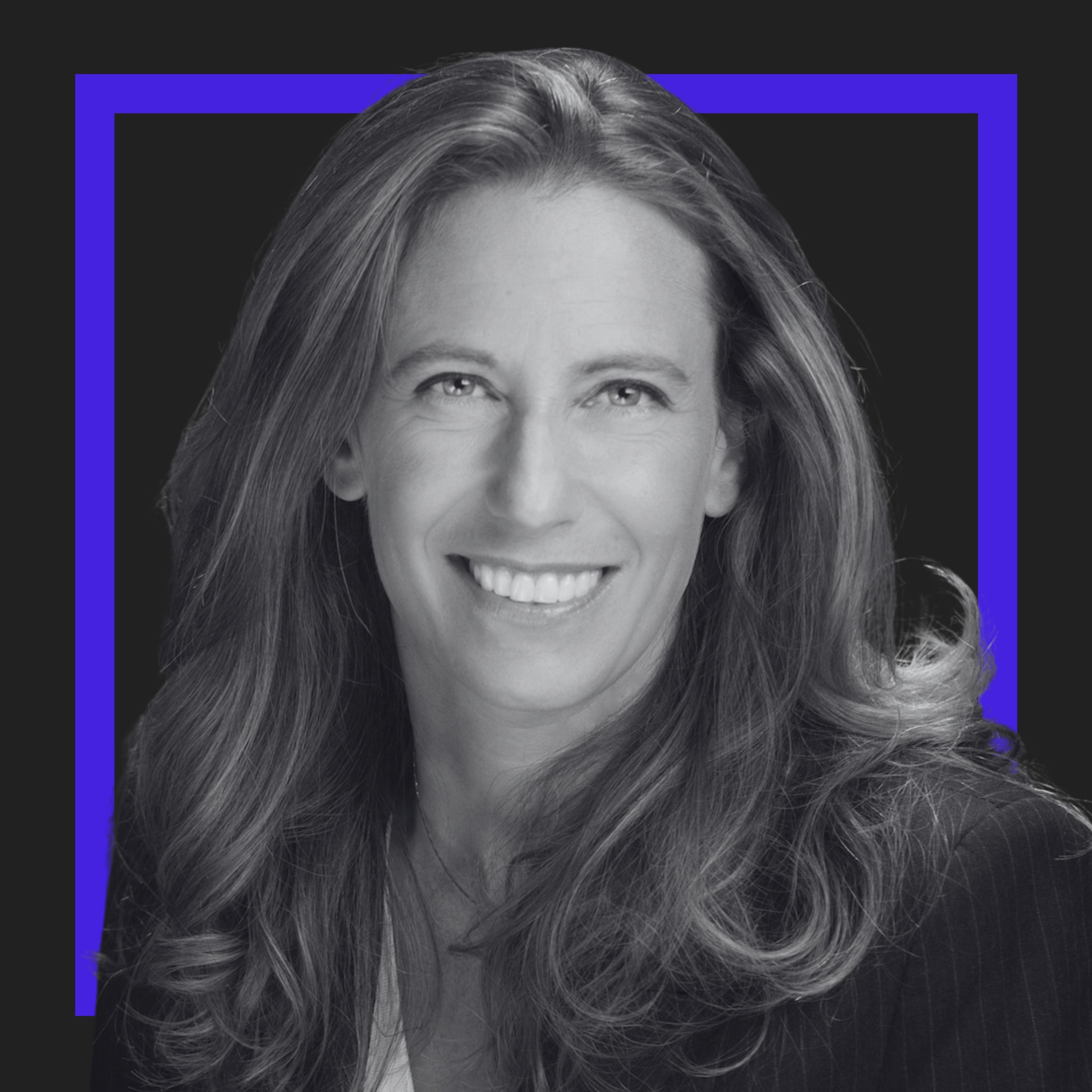 The Career Structure That's Actually Burnout-Proof (And Why More Execs Are Moving to It) with Ilana Golan 26.04.2026 1sa 2dkPortfolio careers may be one of the smartest paths to financial stability in the future of work. In this episode, Cait Donovan talks with Ilana Golan about why the old career model feels less secure than it once did and why more people are questioning the idea that one company or one title can carry their whole professional identity. As the future of work keeps shifting, this conversation offers a grounded look at what it takes to build resilience, authority, and choice.Cait and Ilana unpack the deeper tension underneath career change, especially for people facing workplace burnout. What happens when the role that once defined you starts to drain you? How do you rebuild when your energy is low and your sense of possibility has narrowed? They explore how portfolio careers can create more flexibility, more confidence, and a stronger foundation for long-term stability.This episode also looks at identity, reinvention, and the value of small experiments that help you test what fits before you make a major leap. Cait and Ilana talk about community, adaptability, and why building your own economy may be one of the most practical responses to the future of work. If you have felt stuck, overextended, or unsure what comes next, this conversation offers a fresh and realistic way to think about career growth, burnout recovery, and what becomes possible when you stop treating your work life as a single-track path.Episode Breakdown:00:00 Portfolio Careers and the Future of Work06:11 Barriers to Portfolio Careers and Burnout Recovery20:13 Career Resilience, Adaptability, and Financial Stability25:54 How to Create Your Own Economy37:05 Career Experiments, Uncertainty, and Reinvention49:04 How to Build a Portfolio Career That Fits Your LifeLinkshttp://www.leapacademy.com/cait Follow Ilana on Instagram Connect with Ilana on LinkedIn Connect with Cait:Cait Donovan is a keynote speaker, author, and host of FRIED: The Burnout Podcast, specializing in burnout, mismatch, and sustainable performance at work. She partners with corporate leaders, teams, and professional associations through keynotes, workshops, and leadership sessions that treat burnout as data, not failure, to help organizations reduce burnout without blame or shame and build healthier, high performing cultures.To bring Cait to your organization or event, book an inquiry call here: https://bit.ly/bookcaitLearn more about Cait’s speaking work: https://www.caitdonovan.com/speakingShort on time? Watch this 3-min video: https://bit.ly/caitdreel2025Podcast production and show notes provided by HiveCast.fm
Benzer podcastler


Şurada popüler
Bu podcast şu ülkelerin podcast listelerinde de yer alıyor.

